Buka arata'i no te faaauraa i te matini Pelletizer no te faaohiparaa i te mau tao'a tahi no teie tau
Te mau ihirangi
Buka arata'i no te faaauraa i te matini Pelletizer no te faaohiparaa i te mau tao'a tahi no teie tau
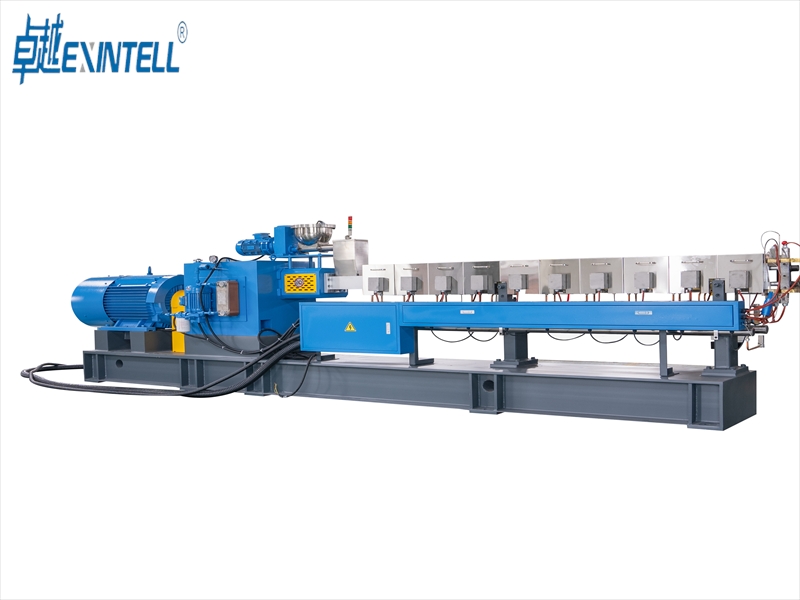
Na te ma'itiraa maitai o te hoê rave'a pelletizer hu'ahu'a e faataa i te manuïaraa o ta outou ohipa faaho'i-faahou-raa i te hu'ahu'a. E faaohipa te mau huru pelletizer atoa i te mau tao'a huru rau mai te PET, HDPE, e aore râ, PP, e e tu'ati te reira i te mau faanahoraa hamaniraa e te mau tabula moni otahi. Ia faaau ana'e outou i te faanahoraa ti'a i ta outou mau hu'ahu'a faaho'i-faahou-raa, e faarahi outou i te faahopearaa e e faatitiaifaro i te taime. E faarahi atoa outou i te moni no te mea e mea iti a'e te moni no te faaapî i te mau hu'ahu'a apî i te mau tao'a apî. E haamaitai te mau pellets hoê â huru i te huru o te mau tao'a, faaue i te mau hoo teitei, e te iti a'e o te mau haamau'araa no te faahororaa no to ratou rahi.
Te mau rave'a faufaa
A maiti i te huru pelletizer atau ia au i te mau tao'a ahu ta outou e faaohipa faahou. E ohipa maitai a'e te mau matini e rave rahi e te mau hu'ahu'a taa ê mai te PET, HDPE, e aore râ, PP.
A hi'opoa i te faito o ta outou hamaniraa ia ma'iti ana'e outou i te hoê pelletizer. Small operations may benefit from simpler machines, while larger plants need high-capacity systems.
Evaluate automation features. Machines with more automation reduce manual work but may require skilled operators for maintenance.
Match your budget with themachine’s capabilities. Budget-friendly options are available for small businesses, while high-end systems offer advanced features for larger operations.
Regular maintenance is crucial for optimal performance. Follow the manufacturer’s schedule to keep your pelletizer running smoothly and extend its lifespan.
Types of Plastic Pelletizer Machines
When you choose a plastic pelletizer machine, you need to understand the main types and how they work. Each type fits different recycling needs and materials. The table below shows the maintypes of plastic pelletizerand their basic operating principles:
Cuts melted plastic at the die face, cools with water ring.
Polyolefins like PE, PP, PS
Te pelletizing i raro i te pape
Cuts melt in warm water for round pellets.
Hot melt adhesives, TPU/TPE, micropellets
Strand Pelletizer Machine
A strand pelletizing system pushes melted plastic through holes to form strands. You cool these strands in water, then cut them into pellets. This type works well for high melt strength plastics like PET, PBT, e te ABS. You often see strand pelletizer machines in the packaging, pereoo, e te mau fare hamaniraa tauihaa. E faaohipa ratou i te mau tao'a mai te LDPE, HDPE, PP, e tae noa'tu i te TPE aore ra te EVA.
Te mau faaohiparaa matauhia:
Te tapo'iraa i te mau hoho'a teata e te mau poti
Te mau tuhaa pereoo
Te mau paipa e te mau afata paturaa
Te rave'a no te pelletizer
E tâpû te hoê faanahoraa pelletizing pape i te hu'ahu'a i ni'a i te mata o te pohe, I muri iho, a faatoetoe i te mau hu'ahu'a e te hoê mo'emo'e pape. E horoa teie ravea ia outou i te mau pellets hoê â huru e e arai i te vavahiraa o te aho. E farii oe i te hoê faanahoraa ha'utiraa e te hoê faanahoraa tata'itahi. E ohipa maitai a'e te mau faanahoraa pelletizing no te mau hu'ahu'a mo'emo'e e aore râ, te mau hu'ahu'a iti mai te PE, PP, e PS. E ohipa noa ratou e aita e titauhia te ara - maite - raa o te taata faatere. Āre'a, aita ratou e au i te mau tao'a pipiri e aore râ, te ve'ave'a.
Tāuru: Mai te mea e, te hinaaro ra outou i te hoê hoho'a pellet e te hoê faaohiparaa ohie no te mau polyolefins, a maiti i te hoê faanahoraa no te pape.
Te mītini pelletizer i raro i te pape
E tâpû te hoê pelletizer i raro i te pape i te hu'ahu'a i roto i te pape mahanahana. This process creates smooth, round pellets. You can use this system forpost-consumer recycling, filled compounds, and foam recycling. Underwater pelletizers handle materials like EPS, XPS, and ETPU. They offer high capacity and work well for specialty applications.
Air-Cooled Pelletizer System
Air-cooled pelletizers use air instead of water to cool and solidify pellets. You can use them for materials that do not tolerate water, such as some engineering plastics. Air-cooled systems are simple and require less maintenance. They suit small to medium production scales.
Specialty Pelletizer Machines
Specialty pelletizer machines serve niche recycling needs. They offer features like high output, energy savings, and user-friendly controls. You get reliable operation, easy cleaning, and compliance with safety standards. E tauturu te mau matini taa ê ia outou ia faaohipa faahou i te mau tao'a otahi e ia faaiti i te mau haamâu'araa.
Hoê-Screw vs. Twin-Screw, Hoê-tahaa vs. Taahiraa piti
E mea au roa na te mau matini roro uira hoê noa te faaohiparaa i te mau tao'a tahi e te mau tao'a e rave rahi. E horo'a te mau rave'a haaparareraa parau e piti ia outou i te hoê anoiraa maitai a'e e te hoê faahopearaa teitei. E faaohipa te mau faanahoraa e piti tuhaa i te mau hu'ahu'a fifi a'e aore ra te mau hu'ahu'a viivii. E tia ia outou ia faaau i te faanahoraa i ta outou mau hinaaro materia e te hamaniraa.
Te faaauraa i te mau faanahoraa pelletizer hu'ahu'a
Te faaohiparaa e te ohie o te faaohiparaa
Ia faaau ana'e outou i te mau faanahoraa pelletizer e rave rau, E ite outou i te mau taa-ê-raa maramarama i roto i te huru no to outou faaohiparaa i te reira e te faito o te automation ta ratou e horoa ra. E faaohipa te tahi mau matini i te mau faatereraa aravihi e te mau matini roro uira, area vetahi ra, te tiaturi ra ïa ratou i te mau tauiraa a te rima. Te haapapu ra te tabula i raro nei i te mau mea rahi Te mau hoho'a o te afata faaohipa e te mau rave'a automation no te mau faanahoraa matau-roa-hia a'e:
Tino
Te mau hoho'a o te taata faaohipa
Automation Capabilities
I raro i te pape
Specialized die plate, water-filled cutting chamber
Extensive automation with PLC controls for critical functions
Mo'emo'e pape
Uses a ring of water, durable die faces and knives
Automated control systems for pressure and cutting speed
Strand
Cost-effective for changing materials, easy maintenance
Limited automation compared to underwater systems
Underwater pelletizers give you high pellet uniformity and reliable production.
Water-ring systems keep pellet sizes consistent with durable components.
Advanced models let you monitor and adjust settings in real time for better efficiency.
If you want a system that needs less operator intervention, you should consider underwater or water-ring types. Strand pelletizers are easier to maintain and switch between materials, but you will need to do more manual work.
Te haamataraa e te tape'araa
E nehenehe te mau faanahoraa no te haamata e no te haapa'o e ohipa i ni'a i ta outou mau ohipa e ta outou mau haamâu'araa i te mau mahana atoa. E mau titauraa taa ê to te mau faanahoraa pelletizer atoa:
Tāuru & Te mau titauraa no te aravihi no te faatere
Te mau hu'ahu'a
Te haamataraa buka; Te mau aho faatere; Te faaoreraa i te hara no te faaore i te mau tauiraa; faatitiaifaroraa i te mau fifi
Te mau matini ohie; iti a'e te moni tuu; rave rahi a'e ohipa rima i te taime no te haamata
Te pelletizing i raro i te pape
Aunoa, loop piri; E mea titauhia te hoê hutiraa papû; te aravihi rahi a'e
Faanahoraa fifi; te tuuraa moni rahi a'e; te haapa'oraa i te aravihi e te faatereraa i te mau ohipa
E mea titauhia te mau pelletizers i raro i te pape e te pape te mau tauiraa pinepine a'e hau atu i te mau huru hu'ahu'a.
E mea titauhia te hoê hi'opo'araa tamau i te pape e te anuvera no te mau faanahoraa niuhia i ni'a i te pape.
E tauturu te mau matini e te mau hu'ahu'a ohie e te tamâraa i te pohe ia outou ia faaiti i te taime.
Te auraa no te rahi a'e o te automation, o te iti a'e ïa o te taime no te mau ohipa rima, but you need higher technical skills for troubleshooting.
If you run a small operation, you may prefer strand pelletizers for their simple design and lower cost. For larger or more automated lines, underwater systems offer speed but require skilled staff.
Material Compatibility
You must match your pelletizer to the types of plastics you process. Some machines handle a wide range of materials, while others work best with specific types. Moekara, many modern machines canprocess PET, HDPE, e PP. These plastics appear in bottles, hoho'a teata, and rigid containers. You can use specialized equipment to handle up to 12 te mau huru hu'ahu'a, including both soft and hard waste.
Different plastics melt at different temperatures. You may need to adjust your process or use additives to improve compatibility, especially when you recycle mixed materials. For PET and HDPE, E nehenehe ta outou e faaohipa i te mau copolymers no te haamaitai i te huru no te mau tao'a ia anoihia e ia hamani i te mau hu'ahu'a. E tauturu teie taahiraa avae ia outou ia fana'o i te hoê huru pellet maitai a'e e ia faaiti i te mau hu'ahu'a.
Te aravihi no te hamaniraa e te hamaniraa
E faito te faito o te mau tao'a ta ta outou mītini pelletizer hu'ahu'a e nehenehe e faaohipa i roto i te hoê taime. E tia ia outou ia ma'iti i te hoê faanahoraa o te tu'ati i ta outou mau opuaraa no te faaho'i-faahou-raa, te faatere ra anei outou i te hoê fare toa nainai aore ra te hoê fare hamaniraa tauihaa rahi.
E ohipa maitai te mau hu'ahu'a hoê no te tamâ, te mau hu'ahu'a e nehenehe e faaohipahia i rotopu i te 200 e 2,000 kg i te hora. E nehenehe te mau hu'ahu'a e piti e faaohipa i te mau tao'a fifi a'e aore râ, te mau tao'a viivii e e nehenehe e hau atu i te 3,000 kg i te hora. Te faaite ra te tabula i raro nei i te huru mau faito throughput no te mau huru mītini e rave rahi:
Te faataa ra te tabula i raro nei e mea nafea te faito o te hamaniraa i te ohipa i nia i ta outou maitiraa:
Some machines work best for soft plastics, while others handle rigid types.
You should match the machine size to your output needs.
The cooling method—water, mata'i'oa, or cold—also affects which materials you can process and your final pellet quality.
By understanding these differences, you can select the right pelletizer for your plastic recycling operation and maximize your efficiency.
Budget-Friendly vs. High-End Plastic Pelletizer Machines
Features of Budget-Friendly Machines
You may want a plastic pelletizer machine that fits a tight budget. Budget-friendly machines offer simple construction and basic controls. These machines often use manual adjustments and have fewer automation features. You can see the main features and their impact inthe table below:
You can use these machines for small-scale plastic recycling. Moekara, a local recycler may process PET bottles with a basic pelletizer. You get reliable pellets for local markets, but you may need more labor.
Features of High-End Machines
High-end pelletizer systems give youadvanced automation, higher throughput, and better material compatibility. You can process a wide range of plastics, including complex or contaminated streams. These machines often include touch-screen controls, real-time monitoring, and automatic cleaning. You will see less downtime and higher product quality. Industrial-scale recycling plants use these machines to meet strict quality standards and boost efficiency.
Tāuru: Choose a high-end system if you want to scale up production, handle mixed materials, or need consistent pellet quality for demanding customers.
Price Ranges and Investment Considerations
Prices for plastic pelletizer machines range from $50,000 for basic models to over $200,000 for advanced systems. You should consider several factors before you invest:
Technological features that improve efficiency and quality
Environmental compliance to meet regulations
After-sales support from your supplier
You can start with a budget-friendly pelletizer for small recycling projects. As your operation grows, you may upgrade to a high-end system for greater output and flexibility.
Choosing the Right Plastic Pelletizer Machine
Assessing Material Types
You should start by identifying the types of plastics you plan to process. Each plastic pelletizer machine works best with certain materials. Moekara, RIMA'ERE, HDPE, and PP have different melting points and moisture sensitivities. The table below compareshow common pelletizing methods handle various plastics:
Fa'ahoro'ā
Gantry Cutting Machine
Horizontal Water Ring Cutting
Underwater Cutting
Plastic Type
ABS, PA
PE, PP, some engineering plastics
High-melt-index plastics (PP nonwoven)
Te huru o te Pellet
Smooth, uniform
Even cooling, stable
Minimal oxidation, high quality
Production Efficiency
Small to medium batches
Continuous, aravihi rahi
High throughput, special materials
Maintenance Cost
Ha'api'ira'a, more downtime
Simple, fast blade change
Fa'ata'ere, water checks needed
Te mau faahopearaa o te mau mea e haaati ra ia tatou
Moderate water, drying needed
High water, excellent cooling
High water, good for recycling
You also need to consider factors like pelletizing method, machine capacity, diameter o te hi'o, and cooling system. Moisture content in your material affects pellet quality and machine reliability. Too much moisture can cause blockagesand uneven pellets.
Determining Production Scale
You must match your pelletizer to your expected production volume. Small-scale recycling operations often usemachines with 100–300 kg/h capacity. Medium or large plants may need systems that process up to several tons per hour. Use these steps to guide your decision:
Single-stage systems suit small batchesand lower costs. Double-stage systems fit large-scale production and offer better consistency. Always align your choice with your recycling goals.
Balancing Cost and Performance
You can balance cost and performance by using smart strategies. Schedule production during off-peak hours to save on electricity. Use high-efficiency motors and load balancing features to cut energy costs. Batch scheduling and just-in-time processing reduce waste during startup and idle times.
Tāuru: A European packaging companyimproved their efficient plastic reprocessing system by choosing the right pelletizing system. They saw a 22% reduction in film thickness variation and an 18% increase in speed. A furniture manufacturer in China used a pelletizer to reprocess plastic materials waste, cutting raw material costs by 35%.
When you match the right system to your needs, you build a reliable plastic recycling operation.
Choosing the right plastic pelletizer machine shapes your plastic recycling results. Te table below highlights key differencesamong major pelletizer types:
Eaha te maitai rahi o te faaohiparaa i te hoê ravea pelletizer no te faaohipa faahou i te mau hu'ahu'a?
Na roto i te hoê mītini pelletizer, e haamaitai outou i te huru o te mau tao'a e te huru. E tauturu teie taahiraa avae ia outou ia hamani i te mau pellets hoê â huru, o te haamâmâ i te ohipa i raro i te anavai e o te faarahi i te faufaaraa o te mau hu'ahu'a faaho'i-faahou-hia.
Nahea vau ia ma'iti i te pelletizer ti'a no ta'u ohipa faaho'i-faahou-raa?
E ti'a ia outou ia hi'opo'a i to outou huru materia, faito hamaniraa, e te moni. A faaau i te mau huru o te matini i to outou mau hinaaro. A paraparau i te feia aravihi i te pae no te mau ravea no te haapapû e, ua ma'iti outou i te mea maitai roa a'e no ta outou mau opuaraa no te faaho'i-faahou-raa.
E nehenehe anei te hoê pelletizer e faaohipa i te mau huru hu'ahu'a atoa?
E ohipa maitai a'e te rahiraa o te mau pelletizers e te mau hu'ahu'a taa ê. E tia ia outou ia hi'opoa i te taairaa o te ravea e ta outou mau materia. E faaohipa te tahi mau faanahoraa aravihi i te hoê faito rahi a'e, tera râ, e tia ia outou ia haapapu tamau hou a hoo mai ai.
Ehia rahiraa taime e tia ia ' u ia haapao i ta ' u mītini pelletizer?
E tia ia outou ia pee i te faanahoraa haamauraa a te taata hamani. Ma te tamâ tamau e te hi'opoaraa i te mau hu'ahu'a, e tauturu te tamâraa tamau i te ohipa maitai i roto i ta outou matini. E faaiti te haapaoraa i te mau ravea apî i te taime faaearaa e e faaroa i te oraraa o te mau mauhaa.
E mea maitai a'e anei te hoê pelletizer teitei no te faaohipa faahou i te mau hu'ahu'a?
E horo'a te hoê pelletizer teitei i te mau matini roro uira e te mau faahopearaa teitei. Āre'a, Eita paha outou e hinaaro i te mau rave'a aravihi no te faaho'i-faahou-raa mai i te mau tao'a iti. A maiti i te hoê mītini o te tu'ati i te rahi o ta outou ohipa e ta outou moni.