

Te hoê pelletizer e aore râ, te hoê pelletizer i raro a'e i te pape, o te tano ïa no ta outou ohipa
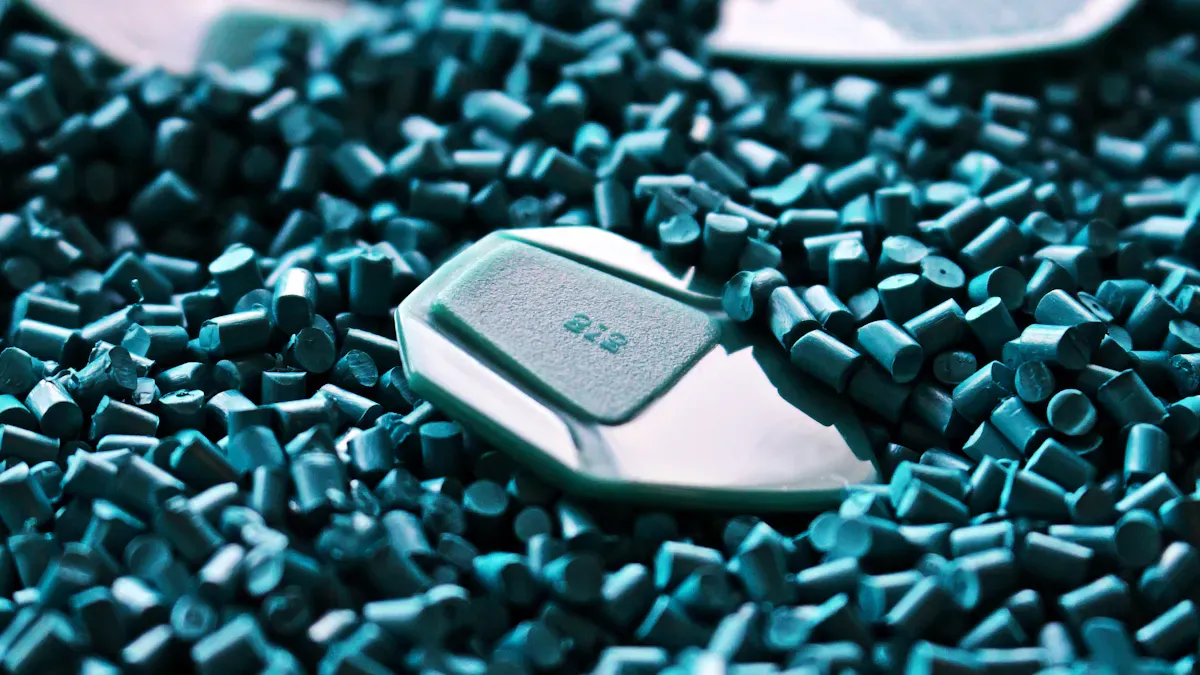
E taa ê te mau faanahoraa no te faatoetoeraa e no te tâpû i te mau faanahoraa Strand e te Pelletizer i raro a'e i te pape, faito hamaniraa, e te huru o te pellet. E faatoetoe te mau hu'ahu'a i te mau hu'ahu'a polymer i roto i te hoê apoo pape, ua tâpû te mau pǔpǔ Pelletizer i raro a'e i te pape i te mau hu'ahu'a i roto i te pape, te hamaniraa i te mau pellets hoê â huru e te faaohiparaa i te mau throughputs teitei.
No te mau polymers teitei, E nehenehe te mau faanahoraa Pelletizer i raro a'e i te pape e faaohipahia e tae roa'tu i 70,000 lb/hora e te rahiraa o te mau huru polymer, mai tei faaitehia i raro nei:
| Momo o te rave'a | Buka hamaniraa | Te mau materia |
|---|---|---|
| Te pelletizing i raro i te pape | E tae roa'tu i te 70,000 lb/hora | Te rahiraa o te mau polymers |
| Te mau hu'ahu'a | E tae roa'tu i te 44,000 lb/hora | Tauiraa, Te mau fifi e te mau tao'a iti |
A hi'o i te mau huru materia, te faainoraa, throughput, e te huru o te pellet ia ma'iti ana'e outou i te hoê pelletizer.
Te mau rave'a faufaa
- E faatoetoe te mau hu'ahu'a i te mau hu'ahu'a polymer i roto i te pape, Ua tâpû te mau pelletizers i raro a'e i te pape i te mau hu'ahu'a i roto i te pape, te faainoraa i te huru o te pellet e te faito o te hamaniraa.
- E nehenehe te mau pelletizers i raro i te pape e tapea e tae roa ' tu i te 70,000 lb/hora, ma te faariro ia ratou ei mea maitai roa no te mau polymers teitei e te hamaniraa rahi.
- No te mau faaohiparaa e hinaaro i te ahu, a maiti i te mau pelletizers i raro i te pape, pellets hu'ahu'a e mea iti roa te repo; E faatupu te mau pelletizers i te mau hu'ahu'a, tera râ, e rahi a'e te repo.
- No to ratou huru maro, e mea ohie a'e te tapearaa i te mau pelletizers, area te mau faanahoraa i raro a'e i te pape ra, e titau ïa i te hoê tamâraa fifi a'e no te pape.
- A hi'opoa i te mau mea materia: E ohipa te mau faanahoraa i raro a'e i te pape e te mau huru polymers rahi a'e, e tae noa'tu i te mau tao'a ino e te mau tao'a pohe.
- Hi'opo'a i te mau hinaaro no te hamaniraa: E mea maitai a'e te mau pelletizers no te mau tauiraa pinepine i te pae materia, area te mau faanahoraa i raro a'e i te pape ra, e mea maitai roa ïa, Te mau ohipa teitei.
- A hi'opoa maite i te mau haamau'araa: E moni rahi a'e to te mau pelletizers i raro i te pape, tera râ, e nehenehe te reira e horo'a i te moni no te hoê tau maoro i roto i te mau vahi rahi.
- A faaohipa i te tabula hi'opo'araa no te faaau i ta outou ma'itiraa pelletizer i ta outou mau materia taa ê, throughput, e te mau titauraa i te pae moni.
Hi'opo'araa no ni'a i te faaauraa Pelletizer
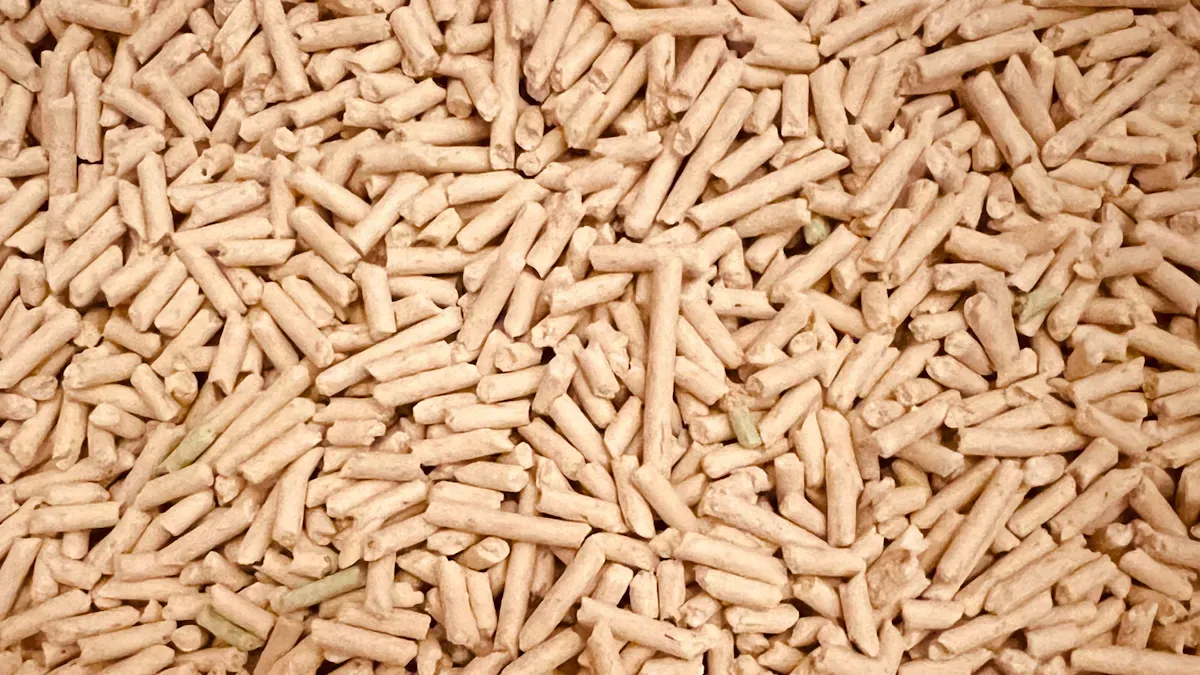
Te mau hu'ahu'a vs te rima pelletizer i raro i te pape
E titau te maitiraa i te pelletizer tano no ta outou ohipa i te hoê ite maramarama no nia i te huru o te mau faanahoraa atoa i roto i te mau faito faufaa rahi. E horo'a te tabula i raro nei i te hoê faaauraa o te mau hu'ahu'a e te mau hu'ahu'a i raro i te pape, te faatumuraa i ni'a i te hoho'a o te pellet, te taa-ê-raa rahi, te u'i repo, buka hamaniraa, e te mau tao'a materia.
| Metric | Te pelletizing i raro i te pape | Te mau hu'ahu'a |
|---|---|---|
| Te hoho'a o te Pellet | Spherical | Te mau hu'ahu'a |
| Te taa-ê-raa rahi | < ±5% | < ±10-15% |
| Te u'i repo | ʻĀite roa | Rahi |
| Buka hamaniraa | E tae roa'tu i te 70,000 lb/hora | E tae roa'tu i te 44,000 lb/hora |
| Te mau materia | Te rahiraa o te mau polymers | Tauiraa, Te mau fifi e te mau tao'a iti |
Tāuru: No te mau faaohiparaa e titau i te mau pellets hoê â huru e te repo iti, E pinepine te mau faanahoraa pelletizer i raro i te pape i te horoa i te mau faahopearaa maitai a'e.
Ua faaauhia te mau metrics faufaa
A hi'opoa ' i i te mau maitiraa pelletizer, E tia i te feia hamani ia hi'opoa i te mau tuhaa rahi e rave rahi:
- Te huru o te Pellet: E faatupu te mau pǔpǔ pelletizer i raro a'e i te pape i te hoê ahu hoê â huru, no te toetoe oioi o te pape, e mea iti roa te repo o te mau hu'ahu'a. E faatupu te mau faanahoraa pelletizer i te mau pellets, tera râ, e pinepine ratou i te faatupu i te repo e te mau hu'ahu'a, o te nehenehe e haamǎta'u i te faanahoraa i muri iho.
- Te mau titauraa no te tape'araa: Te vai ra te mau tuhaa fifi a'e e te pape i roto i te mau mauhaa pelletizer i raro i te pape, o te faatupu i te mau hinaaro rahi a'e no te haapa'oraa. E mea ohie a'e te mau matini pelletizer, hoho'a maro, ma te faaohie e ma te vitiviti a'e i te tape'a ia ratou.
- Te mau materia: E nehenehe te mau ravea aravihi apî i raro a'e i te pape e faaohipa i te mau huru polymers e rave rahi, e tae noa'tu i te mau tao'a teitei e te mau tao'a taa ê. E ohipa maitai te mau faanahoraa pelletizer i nia i te rahiraa o te mau hu'ahu'a, tera râ, e nehenehe ta ratou e aro e te mau polymers iti e aore râ, te mau polymers pipiri.
- Te aravihi no te hamaniraa: E turu tamau te mau reni pelletizer i raro i te pape, Te hoê ohipa teitei, ma te faariro ia ratou ei mea maitai roa no te hamaniraa i te mau hoho'a rahi. I roto e rave rahi tupuraa, e ohipa te mau faanahoraa pelletizer i roto i te mau pǔpǔ e i te rahiraa o te taime, e horoa mai te reira i te hoê faahopearaa ha'iha'i a'e.
- Te mau mana'o i ni'a i te moni: E titau te mau faanahoraa pelletizer i raro i te pape i te hoê tuuraa moni rahi a'e e te mau haamâu'araa tamau no te tapea i te reira. I te rahiraa o te taime, e mea faufaa a'e te mau ravea no te mau ohipa nainai a'e aore ra no te mau tauiraa pinepine i te mau tao'a.
Te feia hamani tao'a i roto i te mau fare hamaniraa tauihaa mai te mau pereoo uira, te tapo'iraa, e e mea ti'a i te mau rave'a roro uira ia faaau i ta ratou mau titauraa no te faanahoraa i te mau puai o te mau huru pelletizer tata'itahi. Tei te huru o te pellet e hinaarohia ra te maitiraa tano, huru tao'a, buka hamaniraa, e te tabula moni.
Mea nahea te mau pelletizer tata'itahi ia ohipa
Te rave'a no te pelletizer
Te toetoe e te taparahiraa
E ohipa te mau faanahoraa pelletizer na roto i te tauiraa i te polymer rehu ei mau hu'ahu'a hu'ahu'a. E haamata te ohipa na roto i te horoaraa i te mau tao'a i roto i te compactor ma te faaohipa i te hoê ati. E nehenehe te vitiviti o te tamaaraa e tauihia, e te faaohipa-pinepine-hia ra te iteraa i te metala no te arai i te viivii. Te mau hu'ahu'a rotary i roto i te compactor, e vavahi e e faahanahana i te mau tao'a, Te faaîraa i te reira hou a tomo ai i roto i te hu'ahu'a. E reva te rave'a haaparareraa i te polymer, e e faaore te hoê faanahoraa hu'ahu'a i te mau mea ino. Ia rewa roa te polymer, e haere te reira i nia i te upoo o te pohe. I'ō, E tâpûhia te mau hu'ahu'a rehu e e faatoetoehia i roto i te hoê mo'emo'e pape, o te faaore i te hinaaro ia faaohipa i te mau hu'ahu'a. E faaitoito te mo'emo'e pape i te toetoe oioi e e tauturu i te tapea i te hoho'a o te pellet.
Parau: No te rahiraa o te mau hu'ahu'a, e mea maitai te ravea haamâmâraa i te pape i roto i te mau faanahoraa pelletizer, tera râ, e nehenehe ta ratou e aro e te mau polymers pipiri e aore râ, te mau polymers iti.
Te faanahoraa o te mau rave'a
E rave rahi tuhaa rahi o te mau ravea no te hoê pelletizer:
- Compactor e te faaamuraa e te iteraa i te metala
- Hoê hi'opo'araa e te degassing
- Pohe te upoo no te haamauraa i te mau hu'ahu'a
- Te mo'emo'e pape no te haamahanahanaraa e te pelletizing
- Faanahoraa no te tai'o pellet
E turu teie faanahoraa i te haapaoraa ohie e te mau tauiraa oioi o te mau materia. E faaiti te hoho'a maro i te taime faaearaa e e faaohie i te tamâraa. Mea ohie roa na te feia faatere ia faaohipa i te compactor e te extruder no te mau hi'opoaraa tamau.
Te rave'a no te Pelletizer i raro i te pape
Te tapuraa e te faatoetoeraa i roto i te pape
Ua faanahohia te rave'a pelletizer i raro i te pape no te hamaniraa i te mau polymer rahi e te rahi. E haamata te tapuraa i te te faanahoraa i te mau tao'a no te faataa i te mau hu'ahu'a e nehenehe e faaohipa-faahou-hia mai i te mau mea aita e nehenehe e faaohipa-faahou-hia. I muri a'e i te faanahoraa, E horoihia te mau tao'a no te faaore i te mau mea ino e i muri iho e faamaroohia no te faaineine ia ratou no te re'are'a. E rewa te mau hu'ahu'a maro no te hamani i te hoê polymer homogeneous. I muri iho, e tuuhia te polymer rehu i roto i te hoê piha pape. I roto i teie piha, E tâpû te pelletizer i te polymer ei mau hu'ahu'a i roto i te pape. E toetoe oioi te mau mea e haaati ra i te pape, e faatupu te reira i te hoê huru hoê â huru, pellets hu'ahu'a. E faaiti teie ravea i te repo e te mau hu'ahu'a, ma te faariro i te reira ei mea maitai roa no te mau faaohiparaa e titau i te huru o te pellet.
Tāuru: No to ratou aravihi no te toetoe e no te tâpû, e mea maitai roa te mau faanahoraa pelletizer i raro i te pape i roto i te faaauraa i te mau maa pohe e te mau polymers taa ê.
Te faanahoraa o te rave'a
I roto i te faanahoraa pelletizer matauhia i raro a'e i te pape, te vai ra:
- Te faanahoraa e te horoiraa i te mau ravea no te faaineine i te mau tao'a
- Te mau rave'a faamaraa no te haapapû i te huru maitai roa a'e
- Te hoê rave'a no te faarehu e no te faaafaro i te polymer
- Te hoê piha pape e te upoo tapa'o
- Te rave'a no te haaputuputu e no te faamaraa i te mau pellet
E turu teie haamauraa i te mau faanahoraa tamau e te mau faahopearaa teitei. E ohipa te upoo tairi i raro a'e i te pape i roto i te piha pape, ma te faati'a i te haamauraa i te mau pellet e te toetoe oioi. No te vai - maitai - raa o te pape e te tuuraa i te faanahoraa, e mea fifi a'e te haapaoraa, tera râ, e mea faufaa roa te mau maitai o te huru o te pellet e te rahiraa o te hamaniraa.
Te mau taa-ê-raa rahi i roto i te maitiraa Pelletizer
Te ti'araa o te rave'a
Te faahopearaa e te tauiraa
E faaûru rahi te maitiraa o te Pelletizer i nia i te mau titauraa e te mau tauiraa i te pae no te faaohiparaa. E tia i te feia hamani ia hi'opoa i te rahi o ta ratou mau hinaaro no te faaauraa e te mau huru polymers. Te faataa ra te tabula i muri nei te aravihi no te mau huru pelletizer taa ê:
| Te huru pelletizer | Te aravihi no te faatere |
|---|---|
| Pelletizer | Iti e tae atu i te Medium |
| Pelletizer | Teitei |
| Pelletizer i raro i te pape | Teitei roa e tae atu i Teitei roa |
E nehenehe te mau pelletizers e faaohipa i te mau faito iti e tae atu i te faito au noa e e horoa i te mau ravea rau no te mau polymers e rave rahi, e tae noa'tu i te mau tao'a ve'ave'a. E turu te mau pelletizers i te faito au noa e te teitei, te tapa'oraa i 11,000 pounds i te hora. E mea maitai roa te mau faanahoraa pelletizer i raro i te pape i roto i te mau huru tupuraa teitei e tae atu i te teitei roa, te faanahoraa e tae roa'tu i te 70,000 pounds i te hora. E mea maitai roa teie mau faanahoraa no te mau polymers fifi mai te PET, PA, TPU, e te mau hu'ahu'a ora.
Parau: No te hamaniraa i te mau rave'a rahi e te mau polymers titau, E horo'a te mau rave'a pelletizer i raro i te pape i te hoê rave'a haaparareraa e te hoê ohipa tamau.
Te mau tauiraa i te pae materia
Ua riro te tauiraa pinepine o te mau materia ei mana'o faufaa roa no te mau faanahoraa e rave rahi. E mea ohie roa te mau faanahoraa pelletizer, te hoê hoho'a maro o te faati'a i te tamâraa oioi e te mau tauiraa oioi. E nehenehe te feia faatere e taui i rotopu i te mau tao'a ma te iti roa te taime, making strand pelletizers suitable for facilities that process multiple polymer types or require frequent batch changes.
Underwater pelletizer systems, while offering superior throughput, involve more complex cleaning procedures due to water exposure and integrated cutting heads. Material changeover takes longer, and specialized cleaning protocols are necessary to prevent contamination, especially when switching between polymers with different properties.
Te mau materia
Viscosity and Contamination
Material compatibility influences pelletizer performance and maintenance. Strand pelletizers work well with most plastics but may struggle with sticky or low-viscosity polymers. Underwater pelletizer systems handle a broader range of viscosities, including high-viscosity and specialty polymers.
Contamination management is essential in both systems. E arai te hoê faanahoraa ti'a i te mau hu'ahu'a i te viivii o te mau hu'ahu'a e te repo. E nehenehe te mau tao'a pohe e faaino i te mau mata o te pohe, Te faarahiraa i te mau hinaaro no te haapa'oraa. E mea paari te mau pelletizer i raro a'e i te pape no te patoi i te viivii, ia faaapî ana'e iho â râ i te mau maa i faaohipa - faahou - hia aore ra i te mau maa taa ê. No te tapea i te huru o te pellet e no te arai i te ino o te faanahoraa, e tia ia pee i te mau ravea no te tamâ i te mau polymer mai te PVC e te TPE.
Te mau huru polymer
Te faataahia ra te taairaa o te mau faanahoraa pelletizer e te mau huru polymer e rave rahi i raro nei:
| Momo tao'a | Te tu'atiraa |
|---|---|
| Te mau polyolefins | PP, PE |
| Te mau hu'ahu'a | ABS, TPU, TPE, PA |
| Te mau hu'ahu'a e nehenehe e ino | PLA, PBAT, PHA, polymers niuhia i ni'a i te matie |
| Hamaniraa Masterbatch | Masterbatch tae, masterbatch faaî, te mau tao'a |
| Te mau tao'a tahi e te Resin Prod. | Te mau tao'a tape'a veavea, mau hu'ahu'a, mau polymers |
| Te mau tao'a teitei-MFI | E mea au no te mau faanahoraa pelletizer i raro i te pape |
E mea ohie roa te mau pelletizers no te mau polyolefins e te mau hu'ahu'a. E nehenehe te mau faanahoraa pelletizer i raro a'e i te pape e farii i te hoê faito rahi a'e, e tae noa'tu i te mau hu'ahu'a ora, te hamaniraa masterbatch, and high-MFI materials that cannot be pelletized using strand or water-ring systems.
Te huru o te Pellet
Size and Shape Uniformity
Pellet quality impacts downstream processing and final product performance. Underwater pelletizer systems produce highly uniform, spherical pellets with size variation typically less than ±5%. Strand pelletizers generate cylindrical pellets with size variation up to ±10-15%. Uniformity is crucial for applications requiring consistent pellet flow and minimal dust.
Tāuru: Choose underwater pelletizer systems for applications demanding strict pellet size and shape uniformity.
Downstream Processing Impact
Pellet shape and quality affect downstream processing efficiency. Spherical pellets from underwater systems flow smoothly in pneumatic conveying and feeding equipment. Na te faaitiraa mai i te puehu e faatitiaifaro i te viivii e te mauiui i roto i te mau ravea apî. E nehenehe te mau hu'ahu'a hu'ahu'a no roto mai i te mau pelletizers e faatupu i te mau hu'ahu'a rahi a'e, te faaûruraa i te mau rave'a no te hi'opo'araa e te faaîraa.
E tia i te feia hamani ia hi'opoa e mea nafea te huru o te pellet i te ohipa i nia i te mau taahiraa i muri iho, mai te hutiraa, te hamaniraa, e aore râ, te hoê. Na roto i te maitiraa i te pelletizer tano, e itehia te ohipa maitai roa ' ' e i roto i te mekameka hamaniraa.
Te haapa'oraa e te faaohiparaa
Te tamâraa e te taime faaearaa
Ua riro te tamâraa tamau e te faaitiraa mai i te taime faaearaa ei mau mea faufaa roa i roto i te maitiraa i te mau pelletizer. E mea ohie roa te mau faanahoraa pelletizer, hoho'a maro. E nehenehe te feia faatere e farii oioi i te mau tuhaa rahi, o te faati'a i te tamâraa oioi i rotopu i te mau hoho'a. E faaiti teie hoho'a i te atâtaraa ia faainohia te mau tao'a. E titau noa te rahiraa o te mau hu'ahu'a pelletizer i te hoê tatararaa ohie no te tamâ, e te ereraa i te pape i roto i te vahi taparahiraa, e mea ohie roa ia haapao i te reira.
Te faaite ra te mau faanahoraa pelletizer i raro i te pape i te hoê huru tupuraa taa ê. Te vai ra te tahi atu mau titauraa no te tamâ i te faaôraa ' tu i te pape i roto i te piha tapuraa. E nehenehe te pape e faatupu i te mau tao'a taero, te ino, e aore râ, te tupuraa o te mau microbial mai te peu e aita e faatere - maitai - hia. No te tapea i te viivii ore o te faanahoraa e no te arai i te poheraa o te mau hu'ahu'a, e tia i te feia faatere ia pee i te mau faaueraa tumu etaeta no te tamâ. I roto e rave rahi tupuraa, e titauhia te taime hau a'e no te tamâ i te upoo e te faanahoraa o te pape i raro a'e i te pape e e titauhia paha te mau ravea aore ra te mau tao'a tahi taa ê. I te rahiraa o te taime, e mea roa a'e te taime no te haamaitai i te mau ravea pelletizer i raro i te pape, I roto iho â râ i te mau tauiraa o te mau tao'a aore ra i te taime a faaapî ai i te mau polymers.
Parau: I roto e rave rahi tupuraa, e mea au a'e na te mau fare e titau i te mau tauiraa pinepine aore ra te mau huriraa tamâraa oioi i te mau faanahoraa pelletizer no te mea e mea ohie roa ia haapao e ia iti mai te taime.
Te fifi o te faanahoraa
E ohipa oioi te fifi o te faanahoraa i nia i te faaineineraa i te feia faatere, faatitiaifaroraa i te mau fifi, e te ti'aturiraa no te hoê tau maoro. E faaohipa te mau matini pelletizer i te hoê faanahoraa ohie. E nehenehe te rahiraa o te feia faatere e haapii i te faatere e i te tapea i teie mau faanahoraa ma te faaineine - ore - hia. Te iti noa ' tura te mau tuhaa tere e te hoê vahi maro, e faaiti ïa i te tupuraa o te mau matini roro uira.
E mea fifi a'e te mau faanahoraa pelletizer i raro i te pape. E faaohipa teie mau pǔpǔ i te extrusion, te faatereraa i te pape, e te tapa'oraa i roto i te pape i roto i te hoê noa ohipa. E tia i te feia faatere ia hi'opoa i te anuvera o te pape, te vitiviti o te taheraa, e te huru o te mau pelletizer. E mea matau-maitai-hia te mau faanahoraa e te mau rave'a faatere, tera râ, te faarahi nei ratou i te pi'o haapiiraa. I roto e rave rahi tupuraa, e titau te mau faanahoraa pelletizer i raro a'e i te pape i te ite taa ê e te turu aravihi no te faatitiaifaro i te mau fifi. Mai te mea e, aita te feia aravihi e faatere ra i te reira, e nehenehe te fifi o teie mau faanahoraa e faarahi i te atâtaraa ia ore te taime i opuahia.
Tāuru: Simpler strand pelletizer systems are ideal for facilities with limited technical staff or where ease of operation is a priority.
Te mau mea hoo
Te tuuraa moni matamua
The initial investment for a pelletizer system varies significantly based on technology and production requirements. Strand pelletizer units generally have a lower upfront cost. Their simple design, fewer components, and minimal water management needs make them accessible for small to medium-sized operations. Installation is straightforward, and most facilities can integrate strand pelletizer equipment without major infrastructure changes.
Underwater pelletizer systems require a higher initial investment. These systems include advanced water handling, automated controls, and robust cutting mechanisms. The need for specialized installation and integration with existing processing lines can further increase costs. Āre'a, the higher investment often pays off in large-scale operations where throughput and pellet quality are critical.
| Te huru pelletizer | Typical Initial Investment | Te fifi o te faautaraa |
|---|---|---|
| Pelletizer | Low to Moderate | Mārō'iro'i |
| Pelletizer i raro i te pape | Teitei | Ha'api'ira'a |
Parau: Consider both current and future production needs when evaluating initial investment. A higher upfront cost may deliver long-term savings in high-volume environments.
Te mau haamâu'araa
Operating expenses include maintenance, faaohiparaa i te ito, water usage, e te mau tuhaa. Strand pelletizer systems offer lower ongoing costs. Their dry operation reduces water and energy consumption. Maintenance is less intensive, and spare parts are typically less expensive.
Underwater pelletizer systems incur higher operating expenses. Continuous water circulation, te tamâraa, and drying increase utility costs. Maintenance is more frequent due to water exposure and the complexity of the cutting mechanism. Replacement parts for underwater pelletizer units can be costly, no te mau hu'ahu'a aore ra te mau tapao taa ê iho â râ. E ti'a atoa i te mau fare ia haapa'o i te tamâraa e te haapoheraa i te pape, o te faarahi atu â i te hoo taatoa o te faturaa.
Tāuru: A tata'i i te moni taatoa o te faturaa, eiaha noa te hoo matamua, ia ma'iti ana'e outou i te hoê pelletizer. Mai te peu e aita e faatere - maitai - hia, e nehenehe te mau haamâu'araa rahi a'e e mono i te mau maitai o te maraaraa o te hooraa.
Te mau faaohiparaa i te pelletizer e te pelletizer i raro i te pape
Te mau faaohiparaa pelletizer
No to ratou aravihi e te ohie o te mau faanahoraa pelletizer, e rave rahi mau fare hamaniraa tauihaa. E mea faufaa roa teie mau matini, i te mau vahi iho â râ e haamau - pinepine - hia ' i te mau tauiraa materia e te haapaoraa ohie.
Te mau hu'ahu'a
E faaohipa-pinepine-hia te mau pelletizers no te mau hu'ahu'a. E faaohipa ratou i te mau tao'a mai te polypropylene, polyethylene, e te mau hu'ahu'a hi'o. These plastics are common in automotive, uira, e te hamaniraa i te mau tao'a hoo.
| Engineering Plastic Type | Tuʻaroʻa |
|---|---|
| Te mau hu'ahu'a (PP) | Widely used in dry strand pelletizers for processing. |
| Te mau hu'ahu'a (PE) | Commonly processed using strand pelletizers. |
| Glass Fiber Reinforced | Frequently processed with strand pelletizers. |
Strand pelletizers maintain pellet quality for these materials, supporting consistent downstream processing.
Te mau tao'a faaohipa-faahou-hia
Plastic recycling plants rely on strand pelletizer systems for converting post-consumer and post-industrial waste into reusable pellets. These systems handle a variety of recycled plastics, making them essential for waste recycling operations. The dry design of strand pelletizers allows for efficient cleaning, which is important when switching between different recycled materials.
Te faanahoraa
Compounding facilities use strand pelletizers to blend polymers with additives, te mau faaî, e aore râ, te mau tao'a tae. The resulting pellets are used in film, pape, and fiber processing, as well as in injection and blow molding operations.
| Momo tono |
|---|
| Plastic recycling plants |
| Plastic compounding and manufacturing |
| Ōrama, pape, and fiber processing |
| Injection and blow molding operations |
Strand pelletizers offer flexibility for compounding lines that require frequent formulation changes.
Underwater Pelletizer Applications
Underwater pelletizer systems are designed for high-performance environments. These machines excel in applications where pellet uniformity, teitei, and the ability to handle challenging materials are critical.
High-Viscosity Polymers
Underwater pelletizer technology produces highly uniform pellets with minimal size and shape variation. This capability is especially important for high-viscosity polymers, where traditional strand pelletizing may struggle with consistency and strand breakage. The underwater cutting and cooling process ensures reliable pellet formation, even with demanding materials.
- Underwater pelletizing produces highly uniform pellets with minimal size and shape variation, making it advantageous for high-viscosity materials.
- Strand pelletizing may face challenges in maintaining consistency and quality when processing high-viscosity polymers due to its manual start-up process and potential for strand breakage.
Contaminated Feedstocks
Underwater pelletizer systems are robust against contamination. They process recycled and specialty feedstocks with high impurity levels. The integrated water chamber and cutting head help manage contaminants, reducing the risk of fines and improving pellet quality. This makes underwater pelletizers suitable for waste recycling and biodegradable plastic pelletizing applications.
Hamaniraa buka teitei
Manufacturers choose underwater pelletizer systems for high-volume production lines. These machines support continuous operation and can process up to 70,000 pounds i te hora. The underwater environment enables rapid cooling, which is essential for maintaining pellet quality at large scales.
Te mau hi'oraa no te ohipa tapihooraa
Pelletizer selection depends on the specific needs of each industry. Both strand and underwater pelletizer systems play important roles in modern manufacturing.
Te pereoo
Automotive suppliers use strand pelletizers for engineering plastics and glass fiber reinforced compounds. These pellets are used in interior components, under-the-hood parts, and exterior trim. Underwater pelletizer systems support the production of specialty polymers and recycled materials for lightweight and sustainable automotive parts.
Te tapo'iraa
Te packaging industry is the leading sector for underwater pelletizer systems. These machines produce high-quality, consistent pellets for both flexible and rigid packaging materials. Underwater pelletizers enable the recycling of plastics into uniform pellets, supporting sustainable packaging and circular economy initiatives. They are used to produce recycled plastic pellets for injection molding, hutiraa, and blow molding—processes that are crucial for creating new packaging products.
Recycled plastic pellets from underwater pelletizer systems are also used in the manufacturing of packaging materials, Te mau tuhaa o te pereoo, and everyday items. This versatility highlights the importance of underwater pelletizers in the packaging sector.
Te mau rave'a uira
Electronics manufacturers require precise pellet quality for components such as housings, mau mea hono, e te tape'araa. Strand pelletizers process engineering plastics for these applications. E faaohipa te mau faanahoraa pelletizer i raro i te pape i te mau polymers taa ê e te mau hoho'a rahi, te patururaa i te hinaaro o te ohipa tapihooraa i te mau tao'a papû e te ti'aturihia.
Parau: E faataahia te maitiraa i rotopu i te mau faanahoraa pelletizer i raro a'e i te pape i te huru o te mau tao'a, te faito o te viivii, e te faito o te hamaniraa. E tia i te feia hamani ia hi'opoa i ta ratou mau titauraa no te maiti i te pelletizer tano roa ' ' e no ta ratou faaohiparaa.
Buka arata'i no te ma'itiraa Pelletizer
E titau te hoê faanahoraa maitai no te ma'iti i te pelletizer tano no ta outou tapuraa. E horoa teie buka arata'i i te hoê tabula hi'opo'araa e te hoê hoho'a no te tauturu ia outou ia faaafaro i ta outou mau rave'a e ta outou mau opuaraa hamaniraa.
Tapura hi'opo'araa
Na roto i te hoê hi'opo'araa rave rahi, te tu'ati ra ta outou pelletizer i ta outou mau hinaaro i te pae materia e te ohipa. A faaohipa i te tabula hi'opoaraa i muri nei no te aratai i ta outou faaotiraa:
Te hi'opo'araa i te mau materia
- Identify the type of polymer you plan to process (e.g., RIMA'ERE, HDPE, LDPE, Te mau hu'ahu'a).
- Assess contamination levels in your feedstock. High contamination may require robust cleaning or specialized configurations.
- Consider if your application involves specialty materials, such as those used in biodegradable plastic pelletizing.
Buka hamaniraa
- Estimate your required throughput. High-volume operations often benefit from underwater systems due to their continuous operation and capacity.
- Determine if your production is batch-based or continuous. Underwater pelletizers excel in continuous, large-scale environments.
Pellet Quality Needs
- Define the desired pellet shape and size uniformity. Spherical pellets from underwater systems offer superior consistency.
- Evaluate the importance of dust and fines control for your downstream processing.
- Review blade design and material, as sharp and durable blades improve cutting precision and pellet quality.
Moni here
- Calculate your available budget for initial investment and ongoing operating expenses.
- Factor in maintenance, Mana, and water usage. Underwater systems typically have higher costs but deliver greater throughput and pellet quality.
Tāuru: Maintenance and ease of use are critical for facilities with frequent material changes or limited technical staff.
Decision Flowchart
The following tables summarize the main decision points when selecting between strand and underwater pelletizer systems:
| Te huru pelletizer | Mea maitai roa a'e | Te hoho'a o te Pellet | Te moni hoo |
|---|---|---|---|
| Pelletizer | PE, PP, PS — maa maa | Te mau hu'ahu'a | Iho |
| Pelletizer i raro i te pape | RIMA'ERE, PA, Te mau hu'ahu'a | Spherical | Teitei |
| Fa'ahoro'ā | Tuʻaroʻa |
|---|---|
| Momo tao'a | Different materials (RIMA'ERE, HDPE, LDPE) have unique challenges and needs regarding processing. |
| Te faito o te viivii | Contamination control is crucial for maintaining processing stability and quality of pellets. |
| Configuration Requirements | Specific configurations are needed based on the type of material and contamination present. |
Parau: Underwater pelletizer systems are preferred for high-viscosity polymers, contaminated feedstocks, and applications requiring strict pellet uniformity. Strand pelletizers remain a cost-effective choice for clean, standard materials and frequent changeovers.
By following this checklist and reviewing the decision tables, you can confidently select the pelletizer that aligns with your processing requirements, whether you focus on high-volume underwater production or flexible strand operations.
Choosing between strand and underwater systems depends on your process needs. Underwater solutions deliver high throughput, pellets ahu, and handle challenging materials. Strand systems offer easier maintenance and faster changeovers. A faaohipa i te comparison table below to evaluate brands and capacities:
| Brand/Model | Maximum capacity (kg/hora) | Power (kW) | Applicable Materials | Reference price (USD) |
|---|---|---|---|---|
| Te mau hoho'a Coperion ZSK | 2000 | 250 | Te mau hu'ahu'a, PE/PP | 150,000-300,000 |
| Wintech | 800 | 90 | ON hoho'a teata, agricultural waste | 45,000-65,000 |
| Domestic economic granulator | 300 | 55 | PVC, ABS | 15,000-25,000 |
Consider these factors:
- Type of plastic
- Required throughput
- Desired pellet quality
- Operational needs
For complex underwater applications, consult suppliers or technical experts to ensure the right pelletizer choice.
FAQ
What is the main difference between strand and underwater pelletizers?
Strand pelletizers cut and cool polymer strands outside the die, while underwater pelletizers cut pellets directly in water. Underwater systems deliver more uniform pellets and higher throughput.
Which pelletizer is better for frequent material changes?
Strand pelletizers allow faster cleaning and easier material changeovers. Their dry design reduces downtime, making them ideal for operations that switch materials often.
Can underwater pelletizers handle recycled or contaminated materials?
ae. Underwater pelletizers process contaminated or recycled feedstocks efficiently. Their robust water-based system manages impurities and maintains pellet quality.
How does pellet shape affect downstream processing?
Spherical pellets from underwater systems flow smoothly in pneumatic conveyors and feeders. Cylindrical pellets from strand systems may generate more dust, which can impact equipment and product quality.
Are underwater pelletizers more expensive to operate?
Operating costs for underwater pelletizers are higher. These systems require more water, Mana, e te tape'araa. Facilities must also manage water treatment and specialized spare parts.
What types of polymers work best with strand pelletizers?
Strand pelletizers perform well with polyolefins, Te mau hu'ahu'a, and clean feedstocks. They may struggle with sticky or low-viscosity polymers.
How do I choose the right pelletizer for my process?
Assess your material type, te mau mea e titauhia, pellet quality needs, e te moni. Use the selection checklist and consult with suppliers for complex requirements.