

Masterbatch Machine Showdown Twin-Screw Extruders ແລະເຄື່ອງ Kneader
ຜູ້ຜະລິດໃນອຸດສາຫະກໍາ masterbatch ມັກຈະເລືອກເອົາ extruders twin-screw co-rotating ສໍາລັບຄວາມສາມາດໃນການສະຫນອງການຜະສົມຜະສານທີ່ດີກວ່າແລະຜົນໄດ້ຮັບທີ່ສອດຄ່ອງ.. ພວກເຂົາອີງໃສ່ເຄື່ອງຈັກ kneader ໃນເວລາທີ່ການຈັດການວັດສະດຸທີ່ລະອຽດອ່ອນຫຼືມີຄຸນຄ່າສູງທີ່ຕ້ອງການການປຸງແຕ່ງທີ່ອ່ອນໂຍນ. ການຄັດເລືອກເຄື່ອງຈັກມີບົດບາດສໍາຄັນໃນທຸກໆການດໍາເນີນງານຂອງເຄື່ອງຈັກ Masterbatch. ທາງເລືອກທີ່ຖືກຕ້ອງມີອິດທິພົນໂດຍກົງຕໍ່ຄຸນນະພາບການຜະລິດແລະປະສິດທິພາບ, ເປັນ extruders ທີ່ທັນສະໄຫມແລະອຸປະກອນສະຫນັບສະຫນູນ streamline ການຜະລິດແລະສະຫນັບສະຫນູນການຈັດສົ່ງທີ່ເຊື່ອຖືໄດ້.
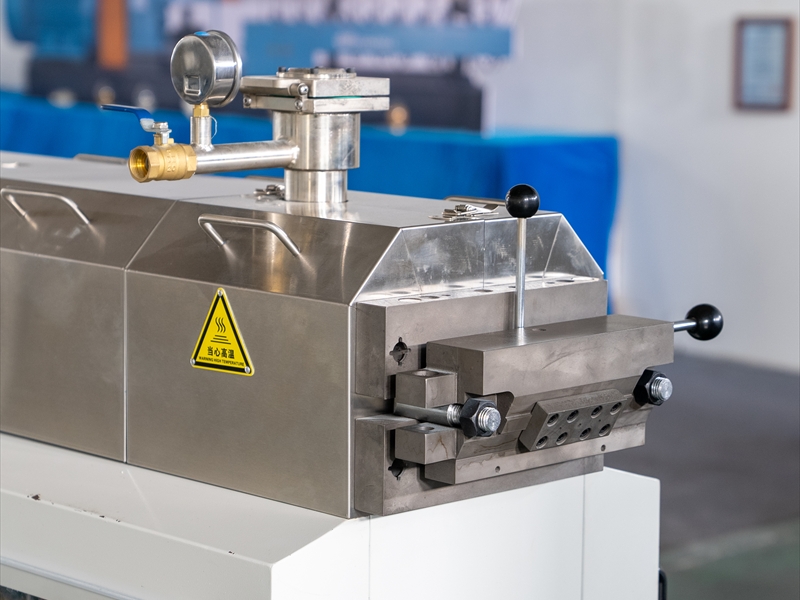
- ການເລືອກອຸປະກອນທີ່ເຫມາະສົມ optimizes ທັງຄຸນນະພາບຜະລິດຕະພັນແລະປະສິດທິພາບການຜະລິດ.
-
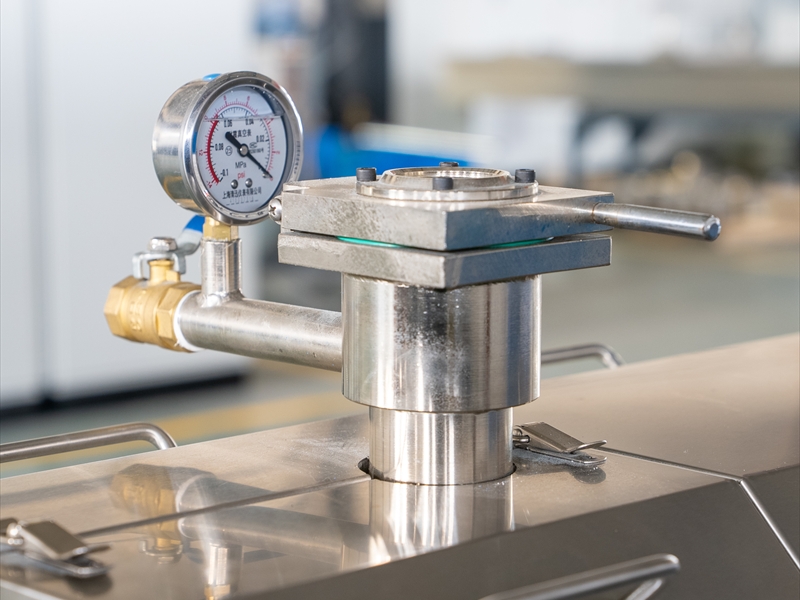
ເຄື່ອງຈັກຂັ້ນສູງຫຼຸດຜ່ອນຄ່າໃຊ້ຈ່າຍໃນການດໍາເນີນງານ ແລະຄໍຂວດ, ການຮັບປະກັນການຜ່ານທີ່ດີກວ່າແລະຄວາມເພິ່ງພໍໃຈຂອງລູກຄ້າ.
- ການຈັດຮຽງທາງເລືອກເຄື່ອງຈັກກັບຄວາມສາມາດໃນການຜະລິດແລະວັດສະດຸສະເພາະຮັບປະກັນຜົນໄດ້ຮັບທີ່ສອດຄ່ອງ.
Key Takeaways
- ເລືອກເຄື່ອງທີ່ຖືກຕ້ອງ ສໍາລັບຄວາມຕ້ອງການຂອງທ່ານ. Twin-screw extruders ດີເລີດໃນການປະສົມແລະຜ່ານ, ໃນຂະນະທີ່ເຄື່ອງ kneader ແມ່ນເຫມາະສົມສໍາລັບວັດສະດຸທີ່ລະອຽດອ່ອນ.
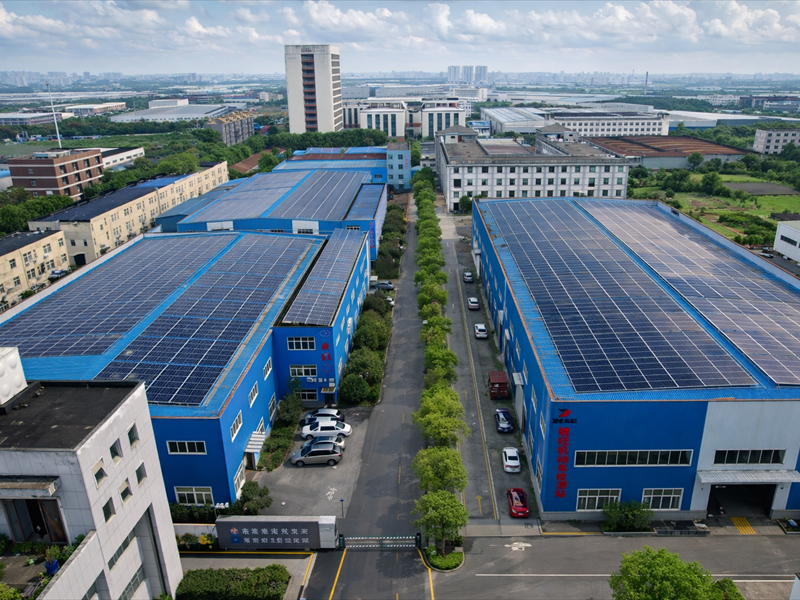
- ບູລິມະສິດຄຸນນະພາບການຜະລິດ. ການເລືອກອຸປະກອນທີ່ເຫມາະສົມມີຜົນກະທົບໂດຍກົງຕໍ່ຄວາມສອດຄ່ອງແລະການປະຕິບັດຂອງ masterbatch ຂອງທ່ານ.
-
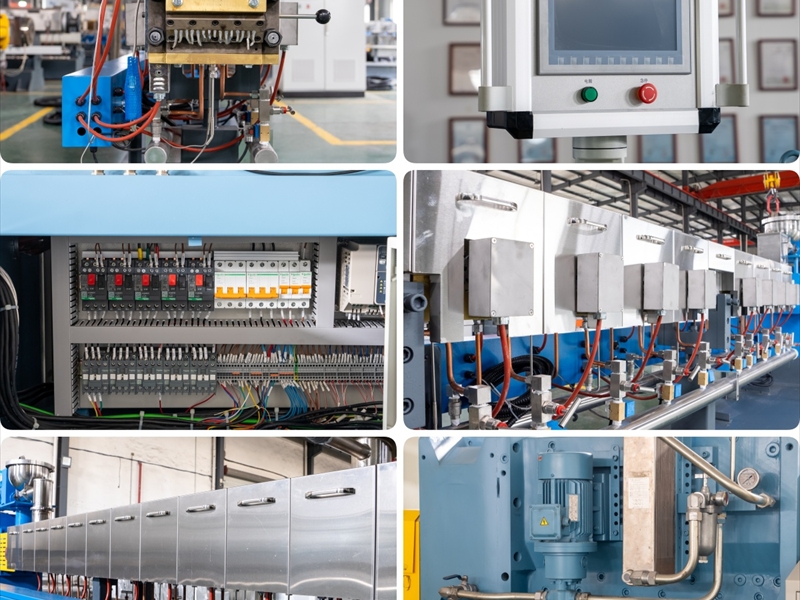
ເພີ່ມປະສິດທິພາບສູງສຸດດ້ວຍເຄື່ອງຈັກຂັ້ນສູງ. Twin-screw extruders ຫຼຸດຜ່ອນຄ່າໃຊ້ຈ່າຍໃນການດໍາເນີນງານແລະປັບປຸງການໄຫຼຂອງການຜະລິດ.
- ຮັບປະກັນຄວາມເຂົ້າກັນໄດ້ຂອງວັດສະດຸ. ດໍາເນີນການທົດສອບຢ່າງເຂັ້ມງວດເພື່ອຢືນຢັນວ່າເມັດສີແລະສານເສີມປະສົມເຂົ້າກັນໄດ້ດີສໍາລັບຜົນໄດ້ຮັບທີ່ດີທີ່ສຸດ.
- ສຸມໃສ່ຄວາມສອດຄ່ອງຂອງການກະຈາຍ. ການປະສົມທີ່ມີຄຸນນະພາບສູງປ້ອງກັນຂໍ້ບົກພ່ອງແລະຮັບປະກັນສີທີ່ເປັນເອກະພາບໃນຜະລິດຕະພັນພາດສະຕິກ.
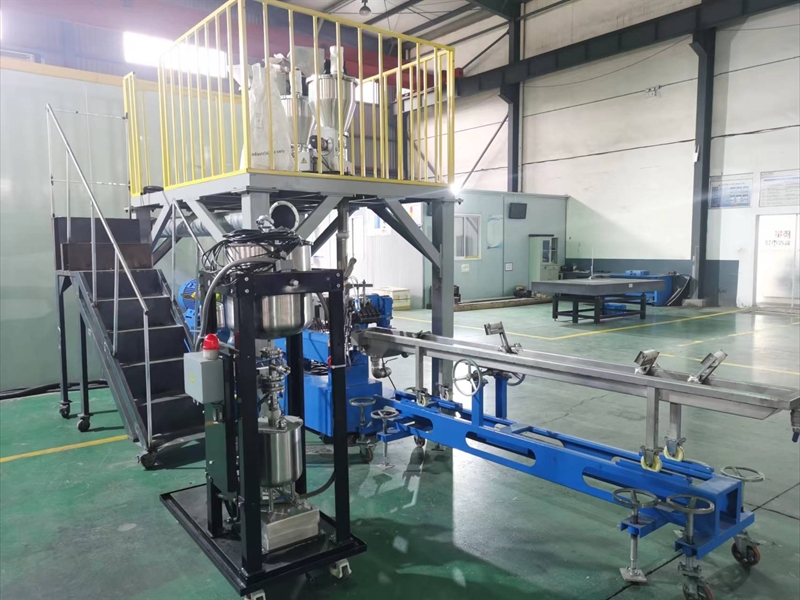
- ພິຈາລະນາຄວາມຕ້ອງການບໍາລຸງຮັກສາ. extruders Twin-screw ຕ້ອງການການດູແລເພີ່ມເຕີມ, ໃນຂະນະທີ່ເຄື່ອງ kneader ສະເຫນີການບໍາລຸງຮັກສາທີ່ງ່າຍດາຍກວ່າປົກກະຕິ.
-
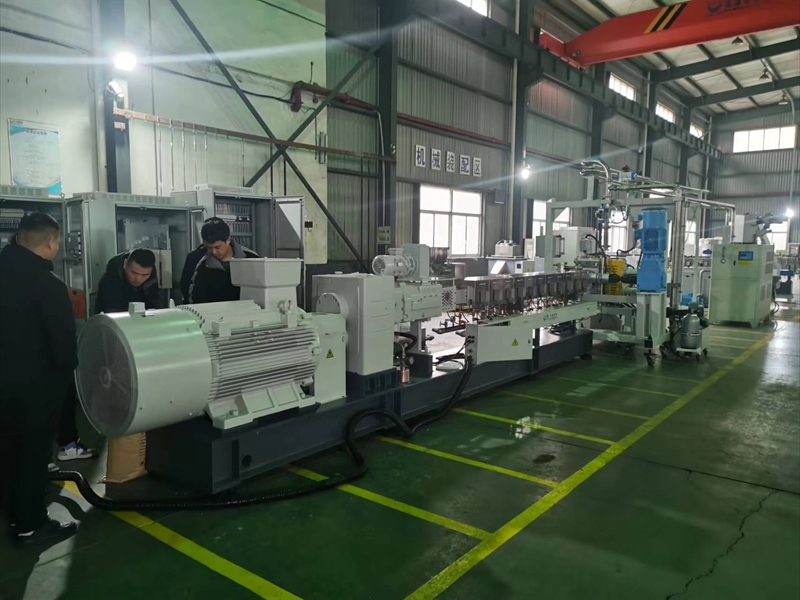
ປະເມີນງົບປະມານຂອງທ່ານຢ່າງລະມັດລະວັງ. extruders Twin-screw ມີຄ່າໃຊ້ຈ່າຍເບື້ອງຕົ້ນທີ່ສູງຂຶ້ນ, ແຕ່ປະສິດທິພາບຂອງພວກມັນສາມາດຊົດເຊີຍຄ່າໃຊ້ຈ່າຍໃນໄລຍະເວລາ.
- ວາງແຜນການຂະຫຍາຍ. extruders Twin-screw ສາມາດປັບຕົວເຂົ້າກັບຄວາມຕ້ອງການການຜະລິດທີ່ເພີ່ມຂຶ້ນ, ໃນຂະນະທີ່ເຄື່ອງ kneader ອາດຈະຕ້ອງການຫນ່ວຍງານເພີ່ມເຕີມ.
ພາບລວມການຜະລິດ Masterbatch
Masterbatch ແມ່ນຫຍັງ
ການຜະລິດ Masterbatch ສ້າງການປະສົມເຂັ້ມຂຸ້ນຂອງເມັດສີ, ສານເສບຕິດ, ແລະ resins ຜູ້ໃຫ້ບໍລິການ. ການປະສົມເຫຼົ່ານີ້, ເອີ້ນວ່າ masterbatch, ຖືກນໍາໃຊ້ເພື່ອສີຫຼືເສີມຂະຫຍາຍຄຸນສົມບັດຂອງຜະລິດຕະພັນພາດສະຕິກ. ຂະບວນການປະກອບມີການຜະສົມວັດຖຸດິບ, ປະສົມໃຫ້ເຂົາເຈົ້າໂດຍຜ່ານການ extrusion, ແລະກອບເປັນຈໍານວນເມັດສໍາລັບການຈັດການງ່າຍ. ຜູ້ຜະລິດອີງໃສ່ masterbatch ເພື່ອບັນລຸສີທີ່ສອດຄ່ອງ, ປັບປຸງຄວາມທົນທານ, ແລະປະສິດທິພາບພິເສດໃນການນໍາໃຊ້ພາດສະຕິກ. ອຸດສາຫະກໍາ masterbatch ສະຫນັບສະຫນູນຫຼາຍຂະແຫນງການ, ລວມທັງການຫຸ້ມຫໍ່, ລົດຍົນ, ແລະເຄື່ອງບໍລິໂພກ.
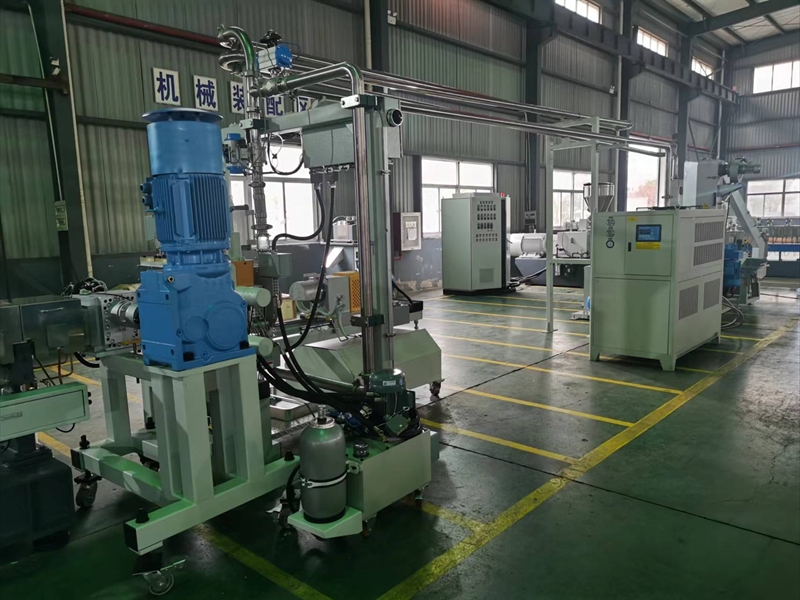
ຂະບວນການຜະລິດ masterbatch ຮຽກຮ້ອງໃຫ້ມີການຄວບຄຸມຢ່າງລະມັດລະວັງໃນທຸກຂັ້ນຕອນ. ແຕ່ລະບາດກ້າວ, ຈາກການຄັດເລືອກວັດຖຸດິບຈົນເຖິງການຫຸ້ມຫໍ່ສຸດທ້າຍ, ມີອິດທິພົນຕໍ່ຄຸນນະພາບແລະການປະຕິບັດຂອງຜະລິດຕະພັນສໍາເລັດຮູບ. ຕາຕະລາງຂ້າງລຸ່ມນີ້ອະທິບາຍຂັ້ນຕອນຕົ້ນຕໍແລະຂອງພວກເຂົາ ຂໍ້ກໍານົດທີ່ສໍາຄັນ:
| ຂັ້ນຕອນ | ຄວາມຕ້ອງການທີ່ສໍາຄັນ |
|---|---|
| ການຄັດເລືອກວັດຖຸດິບ | ໃຊ້ແບບບໍ່ມີຝຸ່ນ, ຄວາມຊຸ່ມຊື່ນຕ່ໍາ, ແລະສ່ວນປະກອບທີ່ທົນທານຕໍ່ຄວາມຮ້ອນສໍາລັບຄຸນນະພາບທີ່ສອດຄ່ອງ. |
| ການຊັ່ງນໍ້າໜັກ ແລະ ການປະສົມທີ່ຊັດເຈນ | ລະບົບການໃຫ້ຢາອັດຕະໂນມັດສໍາລັບຄວາມຖືກຕ້ອງ; ເຄື່ອງປະສົມຄວາມໄວສູງສໍາລັບເຄື່ອງປະສົມເບື້ອງຕົ້ນ. |
| Extrusion ແລະການປະສົມ | ການຄວບຄຸມການນໍາໃຊ້ຄວາມຮ້ອນແລະການຜະສົມສູງ shear ສໍາລັບການກະຈາຍຢ່າງລະອຽດຂອງສານເຕີມແຕ່ງ. |
| ຄວາມເຢັນແລະການສ້າງຕັ້ງ Pellet | ຄວາມເຢັນຢ່າງໄວວາແລະການຕັດຂອງ strands extruded ເຂົ້າໄປໃນເມັດທີ່ເປັນເອກະພາບ. |
| ການກວດກາຄຸນນະພາບຢ່າງເຂັ້ມງວດ | ການທົດສອບຄຸນນະພາບຫຼາຍຢ່າງລວມທັງຄວາມເປັນເອກະພາບຂອງສີແລະການກວດສອບຄວາມເຂົ້າກັນໄດ້. |
| ການຫຸ້ມຫໍ່ແລະການຈັດສົ່ງທີ່ທັນເວລາ | ເກັບຮັກສາໃນສະອາດ, ສິ່ງອໍານວຍຄວາມສະດວກທີ່ຄວບຄຸມອຸນຫະພູມແລະສຸມໃສ່ການຈັດສົ່ງທີ່ທັນເວລາ. |
ຄວາມຕ້ອງການການຜະລິດທີ່ສໍາຄັນ
ຄວາມສອດຄ່ອງຂອງການກະຈາຍ
ຄວາມສອດຄ່ອງຂອງການກະຈາຍແມ່ນເປັນຄວາມຕ້ອງການຫຼັກໃນການຜະລິດ masterbatch. ການກະແຈກກະຈາຍຂອງເມັດສີແລະສານເສີມທີ່ເປັນເອກະພາບຮັບປະກັນວ່າທຸກໆຜະລິດຕະພັນພາດສະຕິກສະແດງສີແລະຄຸນສົມບັດທີ່ມີຈຸດປະສົງ. ການປະສົມທີ່ມີຄຸນນະພາບສູງປ້ອງກັນການສ້າງຕັ້ງຂອງ ກ້ອນແຂງຫຼື impurities, ເຊິ່ງສາມາດເຮັດໃຫ້ເກີດຄວາມບົກຜ່ອງໃນ masterbatch ສຸດທ້າຍ. ຜູ້ຜະລິດນໍາໃຊ້ເຕັກນິກການຜະສົມຜະສານແລະການຜະສົມຜະສານທີ່ກ້າວຫນ້າເພື່ອບັນລຸການກະຈາຍທີ່ດີເລີດ. ການກະຈາຍທີ່ສອດຄ່ອງຍັງປັບປຸງການສໍາເລັດຮູບຂອງຫນ້າດິນແລະຫຼຸດຜ່ອນບັນຫາການຜະລິດ, ເຮັດໃຫ້ມັນເປັນສິ່ງຈໍາເປັນສໍາລັບການປະຕິບັດ masterbatch ທີ່ເຊື່ອຖືໄດ້.
ຜ່ານ
ຜ່ານການວັດແທກປະລິມານ masterbatch ທີ່ຜະລິດພາຍໃນໄລຍະເວລາສະເພາະ. ຜົນຜະລິດສູງສະຫນັບສະຫນູນການຜະລິດຂະຫນາດໃຫຍ່ແລະຕອບສະຫນອງຄວາມຕ້ອງການຂອງຕະຫຼາດປະສິດທິພາບ. ຂະບວນການປະສົມຕ້ອງດຸ່ນດ່ຽງຄວາມໄວກັບຄຸນນະພາບ, ເນື່ອງຈາກວ່າການຜະລິດຢ່າງໄວວາບໍ່ຄວນປະນີປະນອມການກະຈາຍຫຼືຄວາມເປັນເອກະພາບ. ສາຍການຜະລິດ masterbatch ທີ່ທັນສະໄຫມໃຊ້ລະບົບອັດຕະໂນມັດແລະເຄື່ອງ extruders ຄວາມອາດສາມາດສູງເພື່ອເພີ່ມຜົນຜະລິດໄດ້ສູງສຸດ.. ລະບົບເຮັດຄວາມເຢັນ ແລະ pelletizing ທີ່ມີປະສິດທິພາບ ປັບປຸງຂະບວນການ, ຮັບປະກັນໃຫ້ບັນລຸເປົ້າໝາຍການຜະລິດໂດຍບໍ່ເສຍຄຸນນະພາບ.
ຄວາມເຂົ້າກັນໄດ້ຂອງວັດສະດຸ
ຄວາມເຂົ້າກັນໄດ້ຂອງວັດສະດຸມີບົດບາດສໍາຄັນໃນການຜະລິດ masterbatch. ເມັດສີທີ່ເລືອກ, ສານເສບຕິດ, ແລະ resins ຜູ້ໃຫ້ບໍລິການຕ້ອງປະສົມເຂົ້າກັນໄດ້ດີໃນລະຫວ່າງການປະສົມ. ວັດສະດຸທີ່ບໍ່ເຂົ້າກັນສາມາດນໍາໄປສູ່ການກະຈາຍທີ່ບໍ່ດີ, ເສັ້ນສີ, ຫຼືຫຼຸດລົງປະສິດທິພາບພາດສະຕິກ. ຜູ້ຜະລິດເຮັດການທົດສອບຄຸນນະພາບຢ່າງເຂັ້ມງວດ, ລວມທັງການຈັບຄູ່ສີ ແລະການວິເຄາະການກະຈາຍ, ເພື່ອຢືນຢັນຄວາມເຂົ້າກັນໄດ້. ຂັ້ນຕອນນີ້ເຮັດໃຫ້ແນ່ໃຈວ່າ masterbatch ເຊື່ອມໂຍງເຂົ້າໄປໃນການນໍາໃຊ້ຢາງຕ່າງໆຢ່າງສະດວກ, ສະຫນັບສະຫນູນຜົນໄດ້ຮັບທີ່ສອດຄ່ອງໃນທົ່ວການຜະລິດທີ່ແຕກຕ່າງກັນ.
ໝາຍເຫດ: ການຜະລິດ masterbatch ທີ່ມີຄຸນນະພາບສູງແມ່ນຂຶ້ນກັບການຄວບຄຸມທີ່ຊັດເຈນຂອງການປະສົມ, ປະສົມຢ່າງລະອຽດ, ແລະການຄັດເລືອກຢ່າງລະມັດລະວັງຂອງວັດສະດຸ. ປັດໃຈເຫຼົ່ານີ້ຮັບປະກັນວ່າ masterbatch ສຸດທ້າຍຕອບສະຫນອງມາດຕະຖານອຸດສາຫະກໍາສໍາລັບສີ, ຄວາມທົນທານ, ແລະພຶດຕິກໍາການປຸງແຕ່ງ.
Twin Screw Extruder ໃນເຄື່ອງ Masterbatch
Twin Screw Extruder ປະເພດ
extruders Twin-screw ໄດ້ກາຍເປັນກະດູກສັນຫຼັງຂອງການຜະລິດ masterbatch ທີ່ທັນສະໄຫມ. ພວກເຂົາສະເຫນີຄວາມຍືດຫຍຸ່ນແລະການຄວບຄຸມທີ່ບໍ່ກົງກັນທຽບກັບການອອກແບບສະກູດຽວ. ຕາຕະລາງຂ້າງລຸ່ມນີ້ຊີ້ໃຫ້ເຫັນເຖິງ ຄວາມແຕກຕ່າງໃນການປະຕິບັດງານລະຫວ່າງເຄື່ອງບີບອັດສະກູດ່ຽວ ແລະຄູ່ແຝດ, ເນັ້ນຫນັກວ່າເປັນຫຍັງການຕັ້ງຄ່າຄູ່ແຝດປົກຄອງການຜະລິດ masterbatch:
| ຄຸນສົມບັດ | Single Screw Extruder | Twin Screw Extruder |
|---|---|---|
| ຄວາມສາມາດໃນການປະສົມ | ຈຳກັດ | ປັບປຸງ |
| ຢືດຢຸ່ນ | ຕໍ່າ | ສູງ |
| ຄວບຄຸມກະແສວັດສະດຸ | ປານກາງ | ສູງ |
| ເຫມາະສໍາລັບສູດສະລັບສັບຊ້ອນ | ບໍ່ | ແມ່ນແລ້ວ |
| ຄໍາຮ້ອງສະຫມັກໃນ Masterbatch | ຈຳກັດ | ກວ້າງຂວາງ |
ການຫມູນວຽນຮ່ວມກັນ
Co-rotating twin screw extruders ມີສະກູທີ່ຫມຸນໄປໃນທິດທາງດຽວກັນ. ການອອກແບບນີ້ເພີ່ມປະສິດທິພາບການປະສົມແລະການປະສົມ. ການປະຕິບັດຮ່ວມກັນ rotating ເຮັດໃຫ້ແນ່ໃຈວ່າອຸປະກອນການປະສົບການທັງການປະສົມກະຈາຍແລະການແຜ່ກະຈາຍ, ເຊິ່ງເປັນສິ່ງຈໍາເປັນສໍາລັບການຜະລິດ masterbatch ທີ່ມີຄຸນນະພາບສູງ. ຜູ້ຜະລິດມັກປະເພດນີ້ສໍາລັບຄວາມສາມາດໃນການຈັດການກັບການສ້າງແບບສະລັບສັບຊ້ອນແລະຮັກສາຜົນຜະລິດທີ່ສອດຄ່ອງ.
Intermeshing vs Non-intermeshing
Twin screw extruders ສາມາດ intermeshing ຫຼືບໍ່ intermeshing. ການອອກແບບ intermeshing ອະນຸຍາດໃຫ້ screws ທັບຊ້ອນກັນ, ການສ້າງຜົນກະທົບເຊັດຕົນເອງທີ່ຫຼຸດຜ່ອນການສ້າງວັດສະດຸແລະປັບປຸງການທໍາຄວາມສະອາດຕົນເອງ. ຄຸນນະສົມບັດນີ້ສະຫນັບສະຫນູນການດໍາເນີນງານຢ່າງຕໍ່ເນື່ອງແລະຫຼຸດຜ່ອນເວລາຢຸດເຮັດວຽກ. ປະເພດທີ່ບໍ່ແມ່ນ intermeshing ຮັກສາ screws ແຍກຕ່າງຫາກ, ເຊິ່ງສາມາດເຫມາະສົມກັບຄວາມຕ້ອງການປະສົມສະເພາະແຕ່ໂດຍທົ່ວໄປແລ້ວສະເຫນີການປະສົມທີ່ເຂັ້ມຂຸ້ນຫນ້ອຍ.
ຄຸນນະສົມບັດຂອງ Twin Screw Extruder
ການອອກແບບໂມດູນ
Twin screw extruders ໃຊ້ ອົງປະກອບ screw modular. ຄຸນນະສົມບັດນີ້ອະນຸຍາດໃຫ້ຜູ້ປະກອບການສາມາດປັບແຕ່ງລະບົບ extrusion ສໍາລັບສູດ masterbatch ທີ່ແຕກຕ່າງກັນ. ການອອກແບບແບບໂມດູນສະຫນັບສະຫນູນການໂອນພະລັງງານກົນຈັກທີ່ດີທີ່ສຸດແລະຊ່ວຍໃຫ້ມີການປ່ຽນແປງໄວໃນການຕັ້ງຄ່າຂະບວນການ. ຜູ້ຜະລິດສາມາດປັບລະບົບ extrusion ກັບວັດສະດຸໃຫມ່ຫຼືຄວາມຕ້ອງການຂອງຜະລິດຕະພັນໂດຍບໍ່ມີການ downtime ທີ່ສໍາຄັນ.
ການຄວບຄຸມການຕັດແລະຄວາມກົດດັນ
ການຄວບຄຸມທີ່ຊັດເຈນກ່ຽວກັບການຕັດແລະຄວາມກົດດັນກໍານົດປະສິດທິພາບຂອງ extruder screw ຄູ່. ຜູ້ປະຕິບັດງານສາມາດປັບຕົວໄດ້ ຄວາມໄວ screw, ການຕັ້ງຄ່າ, ແລະອຸນຫະພູມຖັງ ເພື່ອປັບຂະບວນການປະສົມ. ການຄວບຄຸມນີ້ຮັບປະກັນການກະແຈກກະຈາຍຂອງເມັດສີແລະສານເສີມທີ່ເປັນເອກະພາບ, ສົ່ງຜົນໃຫ້ຄຸນນະພາບ masterbatch ສອດຄ່ອງ. ລະບົບ extrusion ຍັງຮັກສາຄວາມກົດດັນທີ່ຫມັ້ນຄົງ, ເຊິ່ງປົກປ້ອງສ່ວນປະກອບທີ່ລະອຽດອ່ອນແລະເສີມຂະຫຍາຍຄຸນສົມບັດໂຄງສ້າງຂອງຜະລິດຕະພັນສຸດທ້າຍ.
ຂໍ້ດີ
ການຜະສົມຜະສານຊັ້ນສູງ
Twin-screw extruders ສົ່ງ ການຜະສົມກະຈາຍທີ່ເຂັ້ມແຂງແລະການແຜ່ກະຈາຍ. ຄວາມສາມາດນີ້ຮັບປະກັນວ່າເມັດສີແລະສານເຕີມແຕ່ງປະສົມຢ່າງລະອຽດໃນລະຫວ່າງການປະສົມ. ຜົນໄດ້ຮັບແມ່ນ masterbatch ທີ່ມີສີທີ່ເປັນເອກະພາບແລະການປະຕິບັດ.
ກະແສໄຟຟ້າສູງ
ຜູ້ຜະລິດແມ່ນອີງໃສ່ extruders screw ຄູ່ສໍາລັບການສົ່ງຜ່ານສູງ. ເຄື່ອງຈັກເຫຼົ່ານີ້ປຸງແຕ່ງ masterbatch ປະລິມານຂະຫນາດໃຫຍ່ຢ່າງມີປະສິດທິພາບ, ຕອບສະຫນອງຄວາມຕ້ອງການຂອງການຜະລິດຂະຫນາດອຸດສາຫະກໍາ. ການອອກແບບສະຫນັບສະຫນູນການໃຫ້ອາຫານທີ່ຫມັ້ນຄົງຂອງເມັດສີຜົງແລະສານເສີມ, ທີ່ເພີ່ມຜະລິດຕະພັນ.
ການທໍາຄວາມສະອາດດ້ວຍຕົນເອງ
ການປະຕິບັດ intermeshing ໃນ extruders screw ຄູ່ແຝດຈໍານວນຫຼາຍສະຫນອງຜົນກະທົບທໍາຄວາມສະອາດຕົນເອງ. ຄຸນສົມບັດນີ້ຊ່ວຍຫຼຸດຜ່ອນການຕົກຄ້າງຂອງວັດສະດຸ, ຫຼຸດຜ່ອນຄວາມສ່ຽງຕໍ່ການປົນເປື້ອນ, ແລະຫຍໍ້ເວລາການປ່ຽນແປງລະຫວ່າງການສ້າງ masterbatch ທີ່ແຕກຕ່າງກັນ.
ເຄັດລັບ: ຂໍ້ດີຂອງເທກໂນໂລຍີ extruder screw ຄູ່ແຝດຂະຫຍາຍເກີນການປະສົມ. ເຄື່ອງຈັກເຫຼົ່ານີ້ ເພີ່ມປະສິດທິພາບການນໍາໃຊ້ວັດສະດຸ ແລະສະຫນັບສະຫນູນການຄວບຄຸມທີ່ຊັດເຈນໃນທຸກຂັ້ນຕອນຂອງຂະບວນການປະສົມ.
ຂໍ້ເສຍ
ຄ່າໃຊ້ຈ່າຍ
Twin screw extruder ລະບົບຮຽກຮ້ອງໃຫ້ມີການລົງທຶນເບື້ອງຕົ້ນທີ່ສໍາຄັນ. ຜູ້ຜະລິດມັກຈະປະເຊີນກັບຄ່າໃຊ້ຈ່າຍລ່ວງຫນ້າທີ່ສູງຂຶ້ນເມື່ອທຽບກັບເຄື່ອງ screw ດຽວ. ວິສະວະກໍາກ້າວຫນ້າທາງດ້ານແລະການອອກແບບ modular ຂອງ extruders ຄູ່ແຝດປະກອບສ່ວນກັບຄ່າໃຊ້ຈ່າຍນີ້. ສິ່ງອໍານວຍຄວາມສະດວກຈໍານວນຫຼາຍຍັງຕ້ອງໄດ້ລົງທຶນໃນວິຊາສະເພາະ ອຸປະກອນຊ່ວຍ ເພື່ອສະຫນັບສະຫນູນ extruder screw ຄູ່. ຄ່າໃຊ້ຈ່າຍເຫຼົ່ານີ້ສາມາດທ້າທາຍຜູ້ຜະລິດຂະຫນາດນ້ອຍຫຼືຜູ້ທີ່ມີງົບປະມານຈໍາກັດ. ເມື່ອເວລາຜ່ານໄປ, ປະສິດທິພາບແລະຜົນຜະລິດຂອງເຕັກໂນໂລຊີ extruder screw ຄູ່ສາມາດຊົດເຊີຍຄ່າໃຊ້ຈ່າຍເບື້ອງຕົ້ນ, ແຕ່ສິ່ງກີດຂວາງຕໍ່ການເຂົ້າມາຍັງສູງກວ່າເຄື່ອງຈັກທີ່ງ່າຍດາຍກວ່າ.
ບໍາລຸງຮັກສາ
ການບໍາລຸງຮັກສາອຸປະກອນ extruder screw ຄູ່ຕ້ອງການນັກວິຊາການທີ່ມີຄວາມຊໍານິຊໍານານແລະການເອົາໃຈໃສ່ເປັນປະຈໍາ. ສະກູ intermeshing ແລະອົງປະກອບ modular ມີປະສົບການສວມໃສ່ໃນລະຫວ່າງການປະຕິບັດງານຢ່າງຕໍ່ເນື່ອງ. ຜູ້ປະຕິບັດງານຕ້ອງຕິດຕາມກວດກາສະພາບຂອງ screws, ຖັງ, ແລະປະທັບຕາເພື່ອປ້ອງກັນບໍ່ໃຫ້ downtime. ການບໍາລຸງຮັກສາຕາມຕາຕະລາງແລະການທົດແທນສ່ວນຊ່ວຍຮັກສາການປະຕິບັດທີ່ສອດຄ່ອງ, ແຕ່ພວກເຂົາເພີ່ມຄ່າໃຊ້ຈ່າຍໃນການດໍາເນີນງານ. ການປະກອບສະລັບສັບຊ້ອນໃນລະບົບ extruder screw ຄູ່ສາມາດເພີ່ມເວລາທີ່ຈໍາເປັນສໍາລັບການທໍາຄວາມສະອາດແລະການສ້ອມແປງ. ສິ່ງອໍານວຍຄວາມສະດວກທີ່ປຸງແຕ່ງວັດສະດຸຂັດຫຼືການເຕີມເຕັມທີ່ອາດຈະເຮັດໃຫ້ການສວມໃສ່ທີ່ເລັ່ງ, ຮຽກຮ້ອງໃຫ້ມີການບໍາລຸງຮັກສາເລື້ອຍໆເລື້ອຍໆ.
ໝາຍເຫດ: ການບໍາລຸງຮັກສາເປັນປົກກະຕິຮັບປະກັນວ່າເຄື່ອງ extruder screw ຄູ່ໃຫ້ຜົນໄດ້ຮັບທີ່ເຊື່ອຖືໄດ້ແລະຍືດອາຍຸການບໍລິການຂອງເຂົາເຈົ້າ. ການລະເລີຍການດູແລສາມາດນໍາໄປສູ່ຄຸນນະພາບ masterbatch ທີ່ບໍ່ສອດຄ່ອງແລະການຢຸດເຊົາການຜະລິດທີ່ບໍ່ຄາດຄິດ.
ຄໍາຮ້ອງສະຫມັກຂອງ Twin Screw Extruder
ສີ Masterbatch
ເທກໂນໂລຍີ extruder screw Twin ມີບົດບາດສໍາຄັນໃນການຜະລິດ masterbatch ສີ. screws ຄູ່ແຝດສະຫນອງການຜະສົມຜະສານແບບສຸມ, ເຊິ່ງຮັບປະກັນເມັດສີກະແຈກກະຈາຍຢ່າງສະໝ່ຳສະເໝີຕະຫຼອດທັງຢາງຂອງຜູ້ໃຫ້ບໍລິການ. ຂະບວນການນີ້ສ້າງເມັດທີ່ມີສີທີ່ເປັນເອກະພາບ, ທີ່ຈໍາເປັນສໍາລັບຜະລິດຕະພັນພາດສະຕິກທີ່ມີຄຸນນະພາບສູງ. ຜູ້ຜະລິດອີງໃສ່ extruder screw ຄູ່ແຝດເພື່ອຈັດການກັບລະດັບຄວາມກ້ວາງຂອງເມັດສີແລະຄວາມເຂັ້ມຂຸ້ນ. ຄວາມຍືດຫຍຸ່ນຂອງການອອກແບບຄູ່ແຝດຊ່ວຍໃຫ້ມີການປ່ຽນແປງໄວລະຫວ່າງການສ້າງສີທີ່ແຕກຕ່າງກັນ, ສະຫນັບສະຫນູນຄວາມຕ້ອງການຂອງລູກຄ້າທີ່ຫຼາກຫຼາຍ.
Additive Masterbatch
ຄໍາຮ້ອງສະຫມັກຂອງລະບົບ extruder screw ຄູ່ໄດ້ຂະຫຍາຍໄປສູ່ການຜະລິດ masterbatch ເພີ່ມເຕີມ. ເຄື່ອງຈັກເຫຼົ່ານີ້ຜະສົມສານເສີມທີ່ເປັນປະໂຫຍດ - ເຊັ່ນ: ເຄື່ອງປ້ອງກັນ UV, ຕ້ານໄຟ, ຫຼືສານຕ້ານສະຕິກ-ເຂົ້າໄປໃນເມທຣິກໂພລີເມີ. ສະກູຄູ່ຮັບປະກັນການກະຈາຍຢ່າງລະອຽດ, ເຊິ່ງເຮັດໃຫ້ປະສິດຕິພາບສູງສຸດຂອງແຕ່ລະສານເຕີມແຕ່ງ. ການຜະສົມຜະສານທີ່ສອດຄ່ອງກັນປ້ອງກັນການລວບລວມແລະການຮັບປະກັນວ່າທຸກໆເມັດສະຫນອງການປະຕິບັດທີ່ມີຈຸດປະສົງ. ການອອກແບບ modular ຂອງ extruder screw twin ອະນຸຍາດໃຫ້ຜູ້ປະກອບການສາມາດປັບຂະບວນການສໍາລັບປະເພດການເພີ່ມແລະການໂຫຼດທີ່ແຕກຕ່າງກັນ.
ຕາຕະລາງຂ້າງລຸ່ມນີ້ສະຫຼຸບພື້ນທີ່ຄໍາຮ້ອງສະຫມັກຕົ້ນຕໍສໍາລັບລະບົບ extruder screw ຄູ່ໃນການຜະລິດ masterbatch:
| ຄໍາຮ້ອງສະຫມັກ | ລາຍລະອຽດ |
|---|---|
| ການຜະລິດ Masterbatch | ຮັບປະກັນການແຜ່ກະຈາຍເປັນເອກະພາບ ເມັດສີແລະສານເສີມສໍາລັບສີແລະ masterbatches ທີ່ເປັນປະໂຫຍດ. |
| ສີ Masterbatch | ສະຫນອງການກະຈາຍສີທີ່ສອດຄ່ອງແລະສະຫນັບສະຫນູນການປ່ຽນແປງສູດຢ່າງໄວວາ. |
| Additive Masterbatch | ສະຫນອງການລວມຕົວທີ່ຊັດເຈນຂອງສານເສີມທີ່ເປັນປະໂຫຍດສໍາລັບຄຸນສົມບັດພາດສະຕິກທີ່ປັບປຸງ. |
Twin screw extruder machines ສະຫນັບສະຫນູນລະດັບຄວາມກ້ວາງຂອງຄໍາຮ້ອງສະຫມັກ masterbatch. Their versatility and control make them the preferred choice for both color and additive masterbatch production. The application of twin screw extruder technology continues to expand as manufacturers seek higher quality and efficiency.
Kneader Machine for Masterbatch Manufacturing
Kneader Machine Types
Kneader machines play a vital role in masterbatch manufacturing, especially when handling high-value or sensitive materials. Several types of kneader machines serve the industry, each designed for specific compounding needs:
- Banbury Mixers: These machines excel at compounding polymers and additives, making them a staple in masterbatch production.
- Dispersion Kneaders: Manufacturers use these for achieving uniform dispersion, which is essential for consistent masterbatch quality.
- Internal Mixers: ຫ້ອງທົດລອງມັກຈະອີງໃສ່ເຄື່ອງປະສົມພາຍໃນສໍາລັບການຄົ້ນຄວ້າແລະການພັດທະນາຂະຫນາດນ້ອຍ. ເຄື່ອງຈັກເຫຼົ່ານີ້ອະນຸຍາດໃຫ້ຄວບຄຸມທີ່ຊັດເຈນກ່ຽວກັບຕົວກໍານົດການປະສົມ.
- Sigma Blade Kneaders: ຖືກອອກແບບມາສໍາລັບວັດສະດຸທີ່ມີຄວາມຫນືດສູງ, ເຄື່ອງ kneaders sigma ຮັບປະກັນການປະສົມຢ່າງລະອຽດແລະເຫມາະສົມສໍາລັບວຽກງານປະສົມທີ່ທ້າທາຍ.
ເຄື່ອງ Kneader ດໍາເນີນການໂດຍການປະສົມວັດສະດຸພາຍໃຕ້ອຸນຫະພູມຄວບຄຸມແລະເງື່ອນໄຂ shear. ວິທີການນີ້ຮັບປະກັນການກະແຈກກະຈາຍເປັນເອກະພາບແລະການປະສົມທີ່ມີປະສິດທິພາບ, ເຊິ່ງເປັນສິ່ງສໍາຄັນສໍາລັບການຜະລິດ masterbatch ທີ່ມີຄຸນນະພາບສູງ.
ຄຸນນະສົມບັດຂອງເຄື່ອງ Kneader
ການປະສົມແບບສຸມ
ເຄື່ອງ Kneader ໃຫ້ການຜະສົມຜະສານທີ່ເຂັ້ມຂຸ້ນ, ເຊິ່ງເຮັດໃຫ້ ການກະຈາຍແລະການຜະສົມຜະສານທີ່ຊັດເຈນ ຂອງເມັດສີ, ສານເສບຕິດ, ແລະຢາງ. ຄຸນນະສົມບັດນີ້ຊີ້ໃຫ້ເຫັນຄວາມສໍາຄັນໂດຍສະເພາະໃນການຜະລິດ masterbatch, ບ່ອນທີ່ອຸປະກອນດັດແກ້ທີ່ມີການຕື່ມຂໍ້ມູນສູງແລະຄວາມຕ້ອງການສູງຮຽກຮ້ອງໃຫ້ມີການແຜ່ກະຈາຍເປັນເອກະພາບ. ການປະຕິບັດການປະສົມທີ່ເຂັ້ມແຂງປ້ອງກັນການລວບລວມແລະຮັບປະກັນວ່າທຸກໆຊຸດ masterbatch ບັນລຸມາດຕະຖານຄຸນນະພາບທີ່ເຄັ່ງຄັດ..
ປະສິດທິພາບພະລັງງານ
ປະສິດທິພາບພະລັງງານ ຢືນອອກເປັນປະໂຫຍດທີ່ສໍາຄັນຂອງເຄື່ອງ kneader. ການອອກແບບຂອງພວກເຂົາຫຼຸດຜ່ອນການໃຊ້ພະລັງງານໃນລະຫວ່າງການປະສົມ, ເຊິ່ງຊ່ວຍໃຫ້ຜູ້ຜະລິດຫຼຸດຜ່ອນຄ່າໃຊ້ຈ່າຍໃນການດໍາເນີນງານ. ເຄື່ອງຈັກຮັກສາຜົນຜະລິດທີ່ຫມັ້ນຄົງໃນຂະນະທີ່ການປຸງແຕ່ງວັດສະດຸທີ່ຫລາກຫລາຍ, ເຮັດໃຫ້ມັນເຫມາະສົມສໍາລັບການຜະລິດ masterbatch ຂະຫນາດໃຫຍ່ແລະພິເສດ.
ການດໍາເນີນງານ Batch
ເຄື່ອງ Kneader ໂດຍປົກກະຕິຈະດໍາເນີນການໃນຮູບແບບ batch. ວິທີການນີ້ອະນຸຍາດໃຫ້ປັບຕົວກໍານົດການທີ່ມີຄວາມຍືດຫຍຸ່ນ, ສະຫນັບສະຫນູນການຜະລິດຮູບແບບ masterbatch ທີ່ມີຄວາມຫຼາກຫຼາຍ. ການດໍາເນີນງານ batch ຍັງສະຫນອງຜົນຜະລິດທີ່ຫມັ້ນຄົງ, ເຊິ່ງເປັນສິ່ງສໍາຄັນສໍາລັບການຮັກສາຄວາມສອດຄ່ອງໃນເວລາທີ່ການປຸງແຕ່ງວັດສະດຸທີ່ລະອຽດອ່ອນຫຼືມີຄຸນຄ່າສູງ. ຜູ້ປະກອບການສາມາດຕິດຕາມຢ່າງໃກ້ຊິດໃນແຕ່ລະ batch, ຮັບປະກັນວ່າຂະບວນການຜະສົມຜະສານໄດ້ຕາມຄວາມຕ້ອງການສະເພາະ.
ຂໍ້ດີ
ການປະສົມຄວາມຊັດເຈນ
ເຄື່ອງຈັກ Kneader ສະຫນອງການປະສົມທີ່ຊັດເຈນ, ເຊິ່ງເປັນສິ່ງຈໍາເປັນສໍາລັບການຜະລິດ masterbatch ທີ່ກ່ຽວຂ້ອງກັບສ່ວນປະກອບທີ່ຊັບຊ້ອນຫຼືລະອຽດອ່ອນ. ເຄື່ອງຈັກ’ ຄວາມສາມາດທີ່ຈະບັນລຸການກະຈາຍທີ່ເປັນເອກະພາບເຮັດໃຫ້ແນ່ໃຈວ່າເມັດສີແລະສານເພີ່ມເຕີມເຊື່ອມຕໍ່ກັບ seamlessly ເຂົ້າໄປໃນຢາງບັນທຸກ. ຄວາມແມ່ນຍໍານີ້ສະຫນັບສະຫນູນການຜະລິດ masterbatch ທີ່ມີສີທີ່ສອດຄ່ອງແລະການປະຕິບັດ.
ການບໍລິໂພກພະລັງງານຕ່ໍາ
ຜູ້ຜະລິດໃຫ້ຄຸນຄ່າເຄື່ອງ kneader ສໍາລັບການບໍລິໂພກພະລັງງານຕ່ໍາຂອງເຂົາເຈົ້າເມື່ອທຽບກັບອຸປະກອນປະສົມອື່ນໆ. ການອອກແບບທີ່ມີປະສິດທິພາບຫຼຸດຜ່ອນການຜະລິດຄວາມຮ້ອນແລະຫຼຸດຜ່ອນການເຊື່ອມໂຊມຂອງວັດສະດຸ, ເຊິ່ງໃຫ້ຜົນປະໂຫຍດກັບສູດ masterbatch ທີ່ມີຄວາມອ່ອນໄຫວຕໍ່ຄວາມຮ້ອນ. ການນໍາໃຊ້ພະລັງງານຕ່ໍາຍັງປະກອບສ່ວນເຂົ້າໃນຂະບວນການຜະລິດແບບຍືນຍົງ.
ຄວາມທົນທານ
ເຄື່ອງ Kneader ສະແດງໃຫ້ເຫັນເຖິງຄວາມທົນທານພິເສດ. Their construction withstands the demands of intensive compounding, even when processing abrasive or highly filled materials. This durability ensures reliable operation and extends the service life of the equipment, making kneader machines a sound investment for masterbatch manufacturing facilities.
ໝາຍເຫດ: Kneader machines combine intensive mixing, ປະສິດທິພາບພະລັງງານ, and robust construction, making them ideal for masterbatch manufacturing that requires precise compounding and stable output.
ຂໍ້ເສຍ
Lower Throughput
Kneader machines operate in batch mode, which limits their throughput compared to continuous extrusion systems. Operators must load, ປະສົມ, and discharge each batch before starting the next cycle. This process restricts the volume of masterbatch produced within a given timeframe. ສິ່ງອໍານວຍຄວາມສະດວກທີ່ຕ້ອງການອັດຕາການຜະລິດສູງມັກຈະຊອກຫາເຄື່ອງຈັກ kneader ຫນ້ອຍທີ່ເຫມາະສົມກັບການຜະລິດຂະຫນາດໃຫຍ່. ການດໍາເນີນງານ batch ຍັງເພີ່ມ downtime ລະຫວ່າງຮອບວຽນ, ຊຶ່ງສາມາດສົ່ງຜົນກະທົບຕໍ່ປະສິດທິພາບໂດຍລວມ. ຜູ້ຜະລິດທີ່ຈັດລໍາດັບຄວາມສໍາຄັນຂອງຄວາມໄວແລະປະລິມານອາດຈະມັກ extruders ສໍາລັບຄວາມສາມາດໃນການສະຫນອງຜົນຜະລິດທີ່ສອດຄ່ອງໂດຍບໍ່ມີການຂັດຂວາງ.
ຄວາມຍືດຫຍຸ່ນຈໍາກັດ
ເຄື່ອງຈັກ Kneader ມີຄວາມຍືດຫຍຸ່ນຫນ້ອຍໃນເວລາທີ່ປັບຕົວເຂົ້າກັບຮູບແບບໃຫມ່ຫຼືການປ່ຽນແປງຜະລິດຕະພັນຢ່າງໄວວາ. ຂະບວນການ batch ຮຽກຮ້ອງໃຫ້ມີການປັບຕົວຄູ່ມືສໍາລັບແຕ່ລະສູດ, ເຊິ່ງເຮັດໃຫ້ການຕອບສະໜອງຕໍ່ຄວາມຕ້ອງການຂອງຕະຫຼາດປ່ຽນແປງຊ້າລົງ. ຜູ້ປະຕິບັດງານຕ້ອງເຮັດຄວາມສະອາດແລະກະກຽມເຄື່ອງລະຫວ່າງ batch, ໂດຍສະເພາະໃນເວລາທີ່ປ່ຽນລະຫວ່າງວັດສະດຸທີ່ແຕກຕ່າງກັນ. ຂໍ້ຈໍາກັດນີ້ເຮັດໃຫ້ເຄື່ອງ kneader ຫນ້ອຍທີ່ເຫມາະສົມກັບສິ່ງອໍານວຍຄວາມສະດວກທີ່ຈັດການການປ່ຽນແປງເລື້ອຍໆໃນອົງປະກອບ masterbatch. The design suits stable production environments but presents challenges for manufacturers seeking versatility in their application range.
ໝາຍເຫດ: Kneader machines excel in precision mixing and energy efficiency, but their lower throughput and limited flexibility can restrict their use in fast-paced or highly variable production settings.
ຄໍາຮ້ອງສະຫມັກທົ່ວໄປ
Highly Filled Masterbatch
Kneader machines demonstrate exceptional performance in highly filled masterbatch production. These machines handle ultra-high loading ລະດັບ, ມັກເກີນ 85% ເນື້ອໃນ filler. The intensive mixing action ensures difficult-to-disperse additives integrate thoroughly into the carrier resin. Manufacturers select kneader machines for filler masterbatch compounding because they maintain uniform dispersion and prevent agglomeration, ເຖິງແມ່ນວ່າມີອຸປະກອນການທ້າທາຍ. The table below highlights the primary application type and its characteristics:
| ປະເພດຄໍາຮ້ອງສະຫມັກ | ລັກສະນະ |
|---|---|
| Filler Masterbatch Compounding | Ultra-High Loading, >85% filling levels, difficult-to-disperse additives |
This application requires robust mixing and stable output, which kneader machines provide. Operators achieve consistent quality in batches with high filler content, supporting demanding industrial requirements.
Rubber Compounds
Rubber compound production represents another key application for kneader machines. The equipment processes elastomers, ເຄື່ອງເຕີມເຕັມ, and additives under controlled temperature and shear conditions. Kneader machines deliver uniform dispersion, which enhances the physical properties of rubber products. Manufacturers rely on kneader machines for their ability to handle viscous materials and maintain batch-to-batch consistency. The process supports specialty rubber applications, including automotive parts, ປະທັບຕາ, ແລະອົງປະກອບອຸດສາຫະກໍາ.
ເຄັດລັບ: Facilities that produce highly filled masterbatch or rubber compounds benefit from the kneader machine’s robust mixing and stable batch operation. These applications demand precision and reliability, which kneader machines consistently deliver.
ຄວາມແຕກຕ່າງລະຫວ່າງ Single ແລະ Twin Screw Extruder
ຄຸນນະພາບການປະສົມ
ຄຸນນະພາບການປະສົມ stands as a critical factor in masterbatch manufacturing. The single screw extruder provides mainly distributive mixing. This means it spreads materials but does not break down agglomerates as effectively. Twin screw extruders deliver both dispersive and distributive mixing. They can break down pigment clusters and distribute additives evenly. This capability results in a more homogeneous masterbatch, which is essential for high-performance applications.
The table below highlights the main differences in ຄວາມສາມາດໃນການປະສົມ:
| ຄຸນສົມບັດ | Single Screw Extruder | Twin Screw Extruder |
|---|---|---|
| ຄວາມສາມາດໃນການປະສົມ | ຕໍ່າ (ສ່ວນໃຫຍ່ແມ່ນການແຜ່ກະຈາຍ) | ສູງ (ກະແຈກກະຈາຍ & ການແຜ່ກະຈາຍ) |
Manufacturers often choose twin screw extruders for compounding tasks that require intensive mixing, such as blending glass fibers, ຕ້ານໄຟ, or pigments into resins. The single screw extruder works best for simpler formulations where basic mixing suffices.
ເຄັດລັບ: For masterbatch products that demand uniform color and additive distribution, twin screw extruders offer a clear advantage.
ຜ່ານ
Throughput measures how much material a machine can process in a given time. The single screw extruder excels in continuous, straightforward processes. It handles large volumes efficiently when the formulation does not require complex mixing. Twin screw extruders, ໃນອີກດ້ານຫນຶ່ງ, provide superior throughput for complex masterbatch production. Their design supports excellent material conveying, ການປະສົມ, and shear dispersion.
The following table compares throughput capabilities:
| ປະເພດ Extruder | Throughput Capability |
|---|---|
| Screw ດຽວ | More efficient for simpler, continuous processes |
| Twin Screw | ການຜະສົມຜະສານຊັ້ນສູງ, ideal for complex masterbatch tasks |
- ສະກູດຽວ extruder: Best for high-volume, simple recipes.
- Twin screw extruder: Preferred for high-intensity mixing and advanced formulations.
Production lines that require both speed and advanced mixing often rely on twin screw extruders. Facilities focused on basic compounding may select the single screw extruder for its efficiency.
ຂອບເຂດຄໍາຮ້ອງສະຫມັກ
The application scope defines where each machine performs best. The single screw extruder suits basic plastic processing, such as producing pipes, ຮູບເງົາ, or simple compounds. It offers reliability for straightforward tasks. Twin screw extruders handle a broader range of applications. They excel in masterbatch production, especially when recipes involve multiple additives or require precise dispersion.
Key application areas include:
- ສະກູດຽວ extruder: Used for continuous processes with minimal mixing needs.
- Twin screw extruder: Essential for masterbatch, compounding with glass fibers, ເມັດສີ, ຫຼືສານຕ້ານໄຟ.
The difference between single and twin screw extruder technology shapes the choice for manufacturers. Those who need advanced mixing and flexibility select twin screw extruders. Those who prioritize simplicity and volume often choose the single screw extruder.
ໝາຍເຫດ: Selecting the right extruder depends on the complexity of the formulation, desired throughput, and end-use requirements.
Masterbatch Machine Comparison
ການປະຕິບັດ
Performance defines the core value of any ເຄື່ອງ masterbatch. Twin-screw extruders set the industry standard for high-performance compounding. These machines handle complex recipes with ease. Operators can adjust process parameters quickly, which supports consistent output. The twin design ensures stable feeding and precise temperature control. This leads to reliable production of masterbatch with uniform properties.
Kneader machines excel in specific scenarios. They deliver outstanding results when processing highly filled or sensitive materials. Their robust construction allows them to withstand demanding conditions. ແນວໃດກໍ່ຕາມ, batch operation limits their overall speed. Facilities that require continuous, high-volume production often prefer the twin screw extruder for its superior performance.
Single screw extruder systems offer reliable performance for basic tasks. They suit straightforward masterbatch formulations. These machines do not match the advanced capabilities of twin-screw extruders or kneader machines in complex compounding.
ໝາຍເຫດ: Selecting the right masterbatch machine depends on the desired balance between speed, ຄວາມສອດຄ່ອງ, and material requirements.
ຄຸນນະພາບການປະສົມ
Mixing quality remains a critical factor in masterbatch manufacturing. Twin-screw extruders provide both dispersive and distributive mixing. This means they break down pigment clusters and distribute additives evenly. The result is a homogeneous masterbatch with consistent color and performance. Operators can fine-tune the extrusion system to match the needs of each recipe.
Kneader machines also deliver high mixing quality, especially for challenging materials. Their intensive mixing action ensures thorough dispersion. This proves essential for highly filled masterbatch or rubber compounds. ແນວໃດກໍ່ຕາມ, batch operation can introduce slight variations between cycles.
Single screw extruder machines offer basic distributive mixing. They work well for simple formulations but struggle with complex recipes. These machines cannot achieve the same level of pigment dispersion as twin-screw extruders or kneader machines.
The table below summarizes mixing quality across different masterbatch machine types:
| ປະເພດເຄື່ອງຈັກ | ຄຸນນະພາບການປະສົມ | ກໍລະນີການນໍາໃຊ້ທີ່ດີທີ່ສຸດ |
|---|---|---|
| Twin-screw extruders | ເໜືອກວ່າ (ກະແຈກກະຈາຍ & ການແຜ່ກະຈາຍ) | Complex masterbatch, ສີ, ສານເສບຕິດ |
| Kneader machines | ສູງ (ສຸມ) | Highly filled, sensitive materials |
| ສະກູດຽວ extruder | ພື້ນຖານ (ການແຜ່ກະຈາຍ) | Simple masterbatch |
ຢືດຢຸ່ນ
Flexibility determines how well a masterbatch machine adapts to changing production needs. Twin screw extruder systems stand out for their versatility. They allow operators to modify screw configurations, adjust shear levels, and control residence time. This adaptability supports a wide range of masterbatch formulations. Manufacturers can switch between recipes with minimal downtime. ໄດ້ strong mixing capabilities of twin-screw extruders enhance flexibility, making them essential for consistent color quality and efficient production.
Kneader machines offer moderate flexibility. They handle various materials and filler levels but require manual adjustments between batches. This process can slow response to new market demands. Batch operation also limits the speed of recipe changes.
Single screw extruder machines provide the least flexibility. They suit stable, high-volume production of simple masterbatch. These machines do not support rapid changes in formulation or advanced compounding tasks.
ເຄັດລັບ: Facilities that produce multiple masterbatch types benefit from the flexibility of twin screw extruder technology. This advantage supports innovation and quick adaptation to customer needs.
ຜ່ານ
Throughput measures the volume of material processed by a masterbatch machine within a set period. Twin screw extruders deliver high throughput, supporting large-scale production environments. Operators can achieve output rates from 30 kilograms per hour up to 4000 ກິໂລກຣາມຕໍ່ຊົ່ວໂມງ. This capacity enables manufacturers to meet demanding schedules and maintain consistent supply. Kneader machines operate at lower throughput levels, with maximum output reaching up to 1000 ກິໂລກຣາມຕໍ່ຊົ່ວໂມງ. Batch operation limits their speed, making them suitable for specialty or high-value masterbatch production.
The table below compares throughput capacity:
| ປະເພດອຸປະກອນ | ຄວາມອາດສາມາດຜົນຜະລິດ |
|---|---|
| Twin Screw Extruder | 30kg/h to 4000kg/h |
| Kneader Machine | Up to 1000kg/h |
Twin screw extruders dominate high-volume masterbatch manufacturing. Kneader machines excel in applications where precision and material sensitivity outweigh speed.
ບໍາລຸງຮັກສາ
Maintenance requirements differ significantly between twin screw extruders and kneader machines. Twin screw extruders demand regular attention due to their complex design and high operational loads. Operators must monitor screw wear, gearbox integrity, ແລະປະທັບຕາ. After-sales service contracts typically cost ລະຫວ່າງ 2% ແລະ 5% of the machine’s value ໃນແຕ່ລະປີ. ສໍາລັບ ກ $200,000 ເຄື່ອງ extruder, annual maintenance expenses range from $4,000 ກັບ $10,000. Spare parts add to the cost, with screw sets priced from $15,000 ກັບ $25,000 and gearbox replacements costing $30,000 ກັບ $50,000. Preventive maintenance extends the interval between major overhauls from five years to seven years, reducing long-term expenses.
- Twin screw extruders require frequent inspections and specialized technicians.
- Kneader machines feature robust construction and simpler maintenance routines.
- Preventive maintenance increases reliability and reduces downtime for both machine types.
Facilities that operate twin screw extruders must budget for higher maintenance costs and plan for regular service intervals. Kneader machines offer easier upkeep, making them attractive for smaller operations or specialty production.
ຄ່າໃຊ້ຈ່າຍ
Cost plays a decisive role in masterbatch machine selection. Twin screw extruders involve substantial initial investment. Manufacturers pay for advanced engineering, modular components, ແລະອຸປະກອນຊ່ວຍ. Ongoing maintenance and spare parts further increase operational expenses. Kneader machines present lower upfront costs and reduced maintenance requirements. Their batch operation suits facilities with limited budgets or those focused on specialty masterbatch production.
Operators must weigh the benefits of high throughput and flexibility against the financial commitment required for twin screw extruders. Kneader machines provide a cost-effective solution for precision mixing and stable output, especially in applications where speed is not the primary concern.
ເຄັດລັບ: Careful cost analysis ensures that manufacturers select the masterbatch machine best suited to their production goals and financial resources.
ຄວາມສາມາດໃນການຂະຫຍາຍ
Scalability determines how well a masterbatch machine supports growth and adapts to increased production demands. Manufacturers often evaluate scalability when planning for expansion or responding to market changes. Twin screw extruders and kneader machines offer distinct advantages and limitations in this area.
Twin Screw Extruder Scalability
Twin screw extruders excel in scalable production environments. Operators can increase output by upgrading screw diameter, ຄວາມຍາວ, or motor power. Modular design allows for easy expansion and customization. Facilities can add auxiliary equipment, such as feeders or pelletizers, to boost capacity. Manufacturers often choose twin screw extruders for their ability to handle both small and large batch sizes without sacrificing quality.
- Modular configuration supports rapid adaptation.
- Upgrades enable higher throughput and advanced formulations.
- Integration with automated systems streamlines scaling.
Kneader Machine Scalability
Kneader machines present challenges in scalability. Batch operation limits continuous output. Operators must process each batch separately, which restricts overall capacity. Scaling up often requires purchasing additional machines rather than expanding a single unit. This approach increases floor space and operational complexity. Kneader machines suit specialty production where precision matters more than volume.
- Batch processing restricts seamless scaling.
- Expansion involves adding more units, not upgrading existing ones.
- Best suited for stable, low-to-medium volume production.
ໝາຍເຫດ: Facilities planning for rapid growth or fluctuating demand benefit from the scalable design of twin screw extruders. Kneader machines fit environments with consistent, specialty production needs.
Scalability Comparison Table
| ປະເພດເຄື່ອງຈັກ | Scalability Features | Expansion Method | Ideal Production Scale |
|---|---|---|---|
| Twin Screw Extruder | ໂມດູລາ, upgradeable, automation-ready | System upgrades, add-ons | Small to large-scale |
| Kneader Machine | ຈຳກັດ, batch-based | Additional machines | ພິເສດ, low-to-medium |
Manufacturers seeking flexible, high-volume production often select twin screw extruders. Kneader machines remain valuable for niche applications where batch consistency and precision outweigh the need for rapid scaling.
ເຄັດລັບ: Evaluate future production goals before investing in masterbatch machinery. Twin screw extruders offer a pathway to growth, while kneader machines deliver reliability for specialized operations.
ການເລືອກເຄື່ອງ Masterbatch ທີ່ຖືກຕ້ອງ
ປັດໄຈການຕັດສິນໃຈ
Selecting the optimal masterbatch machine requires careful evaluation of several core factors. Each facility must align its equipment with operational goals and material demands.
ປະລິມານການຜະລິດ
Production volume determines the scale and speed of manufacturing. Facilities with high production capacity need machines that can sustain continuous output. Twin screw extruders excel in large-scale environments. They process significant quantities of masterbatch without frequent interruptions. Kneader machines suit smaller batches or specialty runs. Operators should match machine throughput to their target production levels.
ປະເພດວັດສະດຸ
Material type influences machine selection. Some masterbatch recipes use wood, bamboo, or straw fibers. Others require advanced additives for mechanics, degradability, or unique functionality. Twin screw extruders handle a wide range of plastic resins and complex formulations. Kneader machines perform well with sensitive or high-value materials. The choice depends on the compatibility of the machine with the raw materials and the desired properties of the final product.
ຄວາມຕ້ອງການດ້ານຄຸນນະພາບ
Quality requirements shape the compounding process. Manufacturers producing masterbatch for high-performance plastic applications must ensure uniform dispersion and color consistency. Twin screw extruders deliver superior mixing and precise control. Kneader machines provide intensive blending for highly filled or specialty masterbatch. Facilities should assess the level of quality needed for their end-use products.
ງົບປະມານ
Budget remains a decisive factor in equipment investment. Twin screw extruders require higher initial costs and ongoing maintenance. Kneader machines offer a lower entry point and reduced upkeep. Financial planning must consider both upfront expenses and long-term operational costs. The final decision should balance production goals with available resources.
ເຄັດລັບ: The selection process involves more than just machine specifications. Operators must consider the type of fiber, desired masterbatch performance, and financial constraints to make the best choice.
Twin screw extruders deliver high throughput and superior mixing, making them ideal for complex, large-scale masterbatch production. Kneader machines excel with sensitive or highly filled materials, offering precision and energy efficiency. Aligning machine choice with production goals and ຄວາມເຂົ້າກັນໄດ້ຂອງວັດສະດຸ ensures consistent quality, smooth processing, and fewer defects. Manufacturers who match machine capabilities with resin and polymer systems achieve better surface finish, ຜົນຜະລິດທີ່ຫມັ້ນຄົງ, and long-term success in masterbatch manufacturing.
FAQ
What is the main advantage of a twin-screw extruder in masterbatch production?
Twin-screw extruders provide superior mixing and high throughput. They handle complex formulations with ease. Manufacturers rely on them for consistent quality and efficient large-scale production.
When should a manufacturer choose a kneader machine?
A manufacturer should select a kneader machine for highly filled, sensitive, or specialty materials. Kneader machines offer precise mixing and energy efficiency, making them ideal for demanding or small-batch applications.
How does maintenance differ between twin-screw extruders and kneader machines?
Twin-screw extruders require frequent inspections and specialized technicians. Kneader machines have simpler maintenance routines and robust construction. Facilities with limited technical staff often prefer kneader machines for easier upkeep.
Can a single-screw extruder produce masterbatch?
A single-screw extruder can produce simple masterbatch formulations. It cannot achieve the same mixing quality or flexibility as twin-screw extruders. Manufacturers use single-screw machines for basic, high-volume tasks.
What factors affect the cost of a masterbatch machine?
Machine size, ລະດັບອັດຕະໂນມັດ, and auxiliary equipment impact cost. Twin-screw extruders have higher initial and maintenance expenses. Kneader machines offer lower entry costs but may require more units for scaling.
Which machine offers better scalability for growing production needs?
Twin-screw extruders offer modular upgrades and automation options. They scale easily for increased output. Kneader machines require additional units for expansion, which increases operational complexity.
Are kneader machines suitable for color masterbatch production?
Kneader machines can produce color masterbatch, especially for high-fill or specialty batches. Twin-screw extruders remain the preferred choice for high-volume, consistent color masterbatch production.