

ວິທີການທີ່ແຕກຕ່າງກັນລະບົບ Extrusion Stack Up ສໍາລັບການຜະລິດ
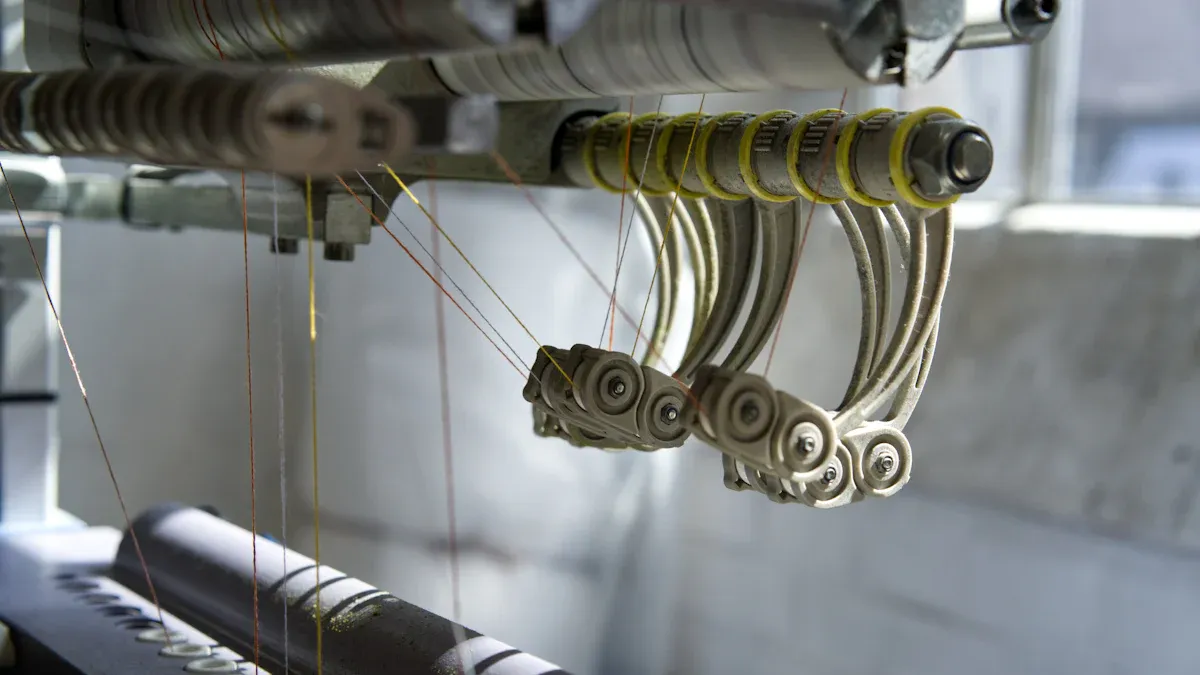
ຂ້າພະເຈົ້າໄດ້ເຫັນວ່າທາງເລືອກຂອງລະບົບ extrusion ເປັນຮູບຮ່າງຂອງຂະບວນການຜະລິດທັງຫມົດ. ຜູ້ຜະລິດສ່ວນໃຫຍ່ໃຊ້ລະບົບ screw ດຽວ, ເຊິ່ງຖືເປັນ 62% ສ່ວນແບ່ງຕະຫຼາດ, ໃນຂະນະທີ່ລະບົບ twin-screw ບັນຊີສໍາລັບ 38%.
| ປະເພດລະບົບ Extrusion | ສ່ວນແບ່ງຕະຫຼາດ |
|---|---|
| ກ້ຽວດຽວ | 62% |
| Twin-screw | 38% |
ການເລືອກລະຫວ່າງປະເພດສະກູມີຜົນກະທົບຕໍ່ປະສິດທິພາບ, ຄຸນນະພາບຜະລິດຕະພັນ, ແລະຄວາມເຂົ້າກັນໄດ້ຂອງວັດສະດຸ. ໃນເວລາທີ່ຂ້າພະເຈົ້າຈັບຄູ່ເຕັກໂນໂລຊີ extrusion ກັບເປົ້າຫມາຍການຜະລິດ, ຂ້ອຍສັງເກດເຫັນການປັບປຸງການປະຫຍັດຄ່າໃຊ້ຈ່າຍ, versatility ການອອກແບບ, ແລະຄວາມຍືນຍົງ.
| ປັດໄຈ | ຜົນກະທົບຕໍ່ປະສິດທິພາບການຜະລິດ | ຜົນກະທົບຕໍ່ຄຸນນະພາບຜະລິດຕະພັນ |
|---|---|---|
| ຕົວກໍານົດການຄວບຄຸມ | ຮັກສາຄຸນນະພາບຜະລິດຕະພັນທີ່ເປັນເອກະພາບ | ບັນລຸຄວາມທົນທານ micrometer |
ຂ້າພະເຈົ້າອີງໃສ່ລະບົບ Extrusion ທີ່ສົມບູນເພື່ອໃຫ້ຜົນໄດ້ຮັບທີ່ສອດຄ້ອງກັນແລະການປະຕິບັດສະກູທີ່ຊັດເຈນ.
Key Takeaways
- ເລືອກລະບົບ extrusion ທີ່ຖືກຕ້ອງໂດຍອີງໃສ່ເປົ້າຫມາຍການຜະລິດຂອງທ່ານແລະຄຸນສົມບັດວັດສະດຸເພື່ອຮັບປະກັນປະສິດທິພາບທີ່ດີທີ່ສຸດ.
- extruders screw ດຽວແມ່ນເຫມາະສົມສໍາລັບການຜະລິດປະລິມານສູງຂອງວັດສະດຸງ່າຍດາຍ, ໃນຂະນະທີ່ລະບົບ twin-screw ດີເລີດໃນການປະສົມວັດສະດຸສະລັບສັບຊ້ອນ.
- ການບໍາລຸງຮັກສາເປັນປົກກະຕິແລະການຕິດຕາມລະບົບ extrusion ປ້ອງກັນບໍ່ໃຫ້ downtime ແລະເພີ່ມປະສິດທິພາບ, ຮັບປະກັນຄຸນນະພາບຜະລິດຕະພັນທີ່ສອດຄ່ອງ.
- ພິຈາລະນາເສັ້ນຜ່າສູນກາງຂອງສະກູແລະອັດຕາສ່ວນ L / D ໃນເວລາທີ່ເລືອກ extruder, ເນື່ອງຈາກປັດໃຈເຫຼົ່ານີ້ສົ່ງຜົນກະທົບຕໍ່ການຜະສົມຜະສານແລະປະສິດທິພາບ.
- ນໍາໃຊ້ການຮ່ວມມື extrusion ສໍາລັບການສ້າງຜະລິດຕະພັນຫຼາຍຊັ້ນທີ່ປະສົມປະສານວັດສະດຸທີ່ແຕກຕ່າງກັນ, ເສີມຂະຫຍາຍການທໍາງານແລະການປະຕິບັດ.
- ປະເມີນຄວາມເຂົ້າກັນໄດ້ຂອງວັດສະດຸກັບລະບົບ extrusion ທີ່ເລືອກເພື່ອຫຼີກເວັ້ນຂໍ້ບົກພ່ອງແລະຮັບປະກັນຜົນຜະລິດທີ່ມີຄຸນນະພາບສູງ..
- ຮັບຂໍ້ມູນຂ່າວສານກ່ຽວກັບທ່າອ່ຽງທີ່ພົ້ນເດັ່ນຂື້ນໃນເທກໂນໂລຍີ extrusion, ເຊັ່ນ IoT ແລະ AI, ເພື່ອປັບປຸງປະສິດທິພາບແລະປັບຕົວກັບການປ່ຽນແປງຄວາມຕ້ອງການການຜະລິດ.
- ສ້າງລາຍການກວດກາຂອງປັດໃຈຫຼັກກ່ອນທີ່ຈະເລືອກ ເຄື່ອງ extrusion ເພື່ອຫຼີກເວັ້ນການຜິດພາດຄ່າໃຊ້ຈ່າຍແລະໃຫ້ແນ່ໃຈວ່າລະບົບຕອບສະຫນອງຄວາມຕ້ອງການຄໍາຮ້ອງສະຫມັກ.
ການເລືອກລະບົບ Extrusion ທີ່ເຫມາະສົມສໍາລັບການຜະລິດ
ປັດໃຈຫຼັກໃນການເລືອກລະບົບ
ຂ້າພະເຈົ້າບໍ່ເຄີຍຊອກຫາທົ່ວໄປ “ດີທີ່ສຸດ” ລະບົບ extrusion. ປະສົບການຂອງຂ້ອຍບອກຂ້ອຍວ່າທາງເລືອກທີ່ເຫມາະສົມແມ່ນຂຶ້ນກັບເປົ້າຫມາຍການຜະລິດ, ຄຸນສົມບັດວັດສະດຸ, ແລະຄວາມຕ້ອງການຜະລິດຕະພັນ. ເມື່ອຂ້ອຍເລືອກລະບົບ extrusion, ຂ້ອຍສະເຫມີຈັບຄູ່ຄວາມສາມາດຂອງມັນກັບຄໍາຮ້ອງສະຫມັກທີ່ມີຈຸດປະສົງ. ວິທີການນີ້ຮັບປະກັນວ່າຂະບວນການ extrusion ສະຫນອງຄຸນນະພາບທີ່ສອດຄ່ອງແລະປະສິດທິພາບທີ່ດີທີ່ສຸດ.
ຂ້ອຍພິຈາລະນາຫຼາຍ ປັດໄຈທີ່ສໍາຄັນ ກ່ອນທີ່ຈະເຮັດໃຫ້ການຄັດເລືອກເຄື່ອງ extrusion. ຂ້ອຍໃຊ້ຕາຕະລາງຕໍ່ໄປນີ້ເພື່ອນໍາພາການຕັດສິນໃຈຂອງຂ້ອຍ:
| ປັດໄຈ | ລາຍລະອຽດ |
|---|---|
| ຈຸດປະສົງການຄົ້ນຄວ້າ | ຈຸດປະສົງຂອງເຄື່ອງຈັກ (ການສຶກສາ, ການພັດທະນາວັດສະດຸ, ຫຼືການຜະລິດທົດລອງການຄ້າ) |
| ປະເພດວັດສະດຸ | ປະເພດຂອງໂພລີເມີທີ່ຈະປຸງແຕ່ງ (ຄວາມອ່ອນໄຫວຕໍ່ຄວາມຮ້ອນ, ຜັນຜວນ, ຫຼືປະຕິກິລິຍາ) |
| ຄວາມອາດສາມາດຜົນຜະລິດທີ່ຕ້ອງການ | ຄວາມອາດສາມາດຜ່ານ (ກຼາມຫຼືກິໂລກຣາມຕໍ່ຊົ່ວໂມງ) |
| ຄວາມຕ້ອງການຂະບວນການຂັ້ນສູງ | ຕ້ອງການສີດກ໊າຊ, degassing ສູນຍາກາດ, ຫຼືຄວາມສາມາດ extrusion reactive |
| ງົບປະມານ ແລະພື້ນທີ່ຫ້ອງທົດລອງ | ພິຈາລະນາການຂະຫຍາຍໂມດູນສໍາລັບການຍົກລະດັບໃນອະນາຄົດ |
| ຄວາມຕ້ອງການຂະຫຍາຍຂະໜາດໃນອະນາຄົດ | ຄວາມເຂົ້າກັນໄດ້ກັບໂມດູນ extrusion ອຸດສາຫະກໍາສໍາລັບການຂະຫຍາຍການຜະລິດ |
ຂ້າພະເຈົ້າສະເຫມີເອົາໃຈໃສ່ກັບເສັ້ນຜ່າສູນກາງ screw ແລະອັດຕາສ່ວນ L / D. ຕົວກໍານົດການເຫຼົ່ານີ້ກໍານົດຄວາມສາມາດ throughput ແລະປະສິດທິພາບການຜະສົມ. ຂ້ອຍເລືອກ extruder ທີ່ມີຄວາມສາມາດໃນການຜະລິດທີ່ເຫມາະສົມ, ເຊິ່ງສາມາດຕັ້ງແຕ່ 0.25 kg/h ເຖິງ 150 kg/h ຂຶ້ນກັບຕົວແບບ. ການອອກແບບແບບໂມດູນຊ່ວຍໃຫ້ຂ້ອຍສາມາດປ່ຽນສ່ວນປະກອບໄດ້ໄວ, ເຊິ່ງເຮັດໃຫ້ມີຄວາມຍືດຫຍຸ່ນສໍາລັບການຄົ້ນຄວ້າແລະການພັດທະນາ. ຂ້ອຍອີງໃສ່ລະບົບການຄວບຄຸມຂັ້ນສູງ, ເຊັ່ນ PLC ແລະ HMI, ເພື່ອບັນລຸການຄວບຄຸມທີ່ຊັດເຈນແລະການຕິດຕາມຂໍ້ມູນ.
ໃນເວລາທີ່ຂ້າພະເຈົ້າປະເມີນປະເພດຂອງເຄື່ອງ extrusion, ຂ້ອຍພິຈາລະນາຄວາມສັບສົນຂອງໂປຣໄຟລ໌ແລະຄວາມທົນທານທີ່ຕ້ອງການ. ການອອກແບບທີ່ສັບສົນຕ້ອງການເຄື່ອງມືທີ່ຊັດເຈນແລະສາມາດເພີ່ມຄ່າໃຊ້ຈ່າຍ. ຂ້ອຍຍັງເບິ່ງປະລິມານການສັ່ງຊື້. ປະລິມານທີ່ສູງຂຶ້ນເຮັດໃຫ້ຄ່າໃຊ້ຈ່າຍຕໍ່ຫນ່ວຍຫຼຸດລົງເນື່ອງຈາກຄ່າໃຊ້ຈ່າຍໃນການຕິດຕັ້ງແຜ່ຂະຫຍາຍໄປທົ່ວຫົວຫນ່ວຍຫຼາຍຂຶ້ນ. ສໍາເລັດຮູບແລະການດໍາເນີນງານຂັ້ນສອງ, ເຊັ່ນ: anodizing ຫຼື CNC machining, ເພີ່ມມູນຄ່າແລະຄ່າໃຊ້ຈ່າຍ.
ເຄັດລັບ: ຂ້າພະເຈົ້າແນະນໍາໃຫ້ເຮັດລາຍການກວດກາຂອງປັດໃຈເຫຼົ່ານີ້ກ່ອນທີ່ຈະເລີ່ມຕົ້ນຂະບວນການຄັດເລືອກເຄື່ອງຈັກ extrusion. ການປະຕິບັດນີ້ຊ່ວຍຫຼີກເວັ້ນການຜິດພາດຄ່າໃຊ້ຈ່າຍແລະໃຫ້ແນ່ໃຈວ່າລະບົບກົງກັບຄໍາຮ້ອງສະຫມັກທີ່ຕັ້ງໄວ້.
ຜົນກະທົບຕໍ່ປະສິດທິພາບການຜະລິດ
ຂ້າພະເຈົ້າສັງເກດເຫັນວ່າລະບົບ extrusion ທີ່ຂ້າພະເຈົ້າເລືອກໂດຍກົງຜົນກະທົບຕໍ່ປະສິດທິພາບການຜະລິດ. ການອອກແບບສະກູ, ຄວາມສາມາດໃນການປະສົມ, ແລະເທກໂນໂລຍີ extrusion ທັງຫມົດມີບົດບາດໃນວິທີການເຮັດວຽກຢ່າງລຽບງ່າຍ. ຕົວຢ່າງ, ກ extruder ສະກູດຽວ ມັກຈະເຮັດວຽກໄດ້ດີສໍາລັບໂພລີເມີທີ່ງ່າຍດາຍແລະການຜະລິດປະລິມານສູງ. Twin-screw extruders ຈັດການວັດສະດຸທີ່ຊັບຊ້ອນແລະຄໍາຮ້ອງສະຫມັກຂັ້ນສູງ, ເຊັ່ນ: ການ extrusion reactive ຫຼືການຜະສົມພິເສດ.
ຂ້າພະເຈົ້າໄດ້ເຫັນວ່າຄວາມຫນືດສູງແລະເນື້ອໃນແຂງໃນວັດສະດຸທີ່ແຂງແຮງສາມາດເຮັດໃຫ້ເກີດການອຸດຕັນ, extrusion ບໍ່ຫມັ້ນຄົງ, ແລະການສວມໃສ່ nozzle. ບັນຫາເຫຼົ່ານີ້ຫຼຸດຜ່ອນປະສິດທິພາບແລະຄວາມປອດໄພປະນີປະນອມ. ຂ້າພະເຈົ້າແກ້ໄຂສິ່ງທ້າທາຍເຫຼົ່ານີ້ໂດຍການເພີ່ມປະສິດທິພາບການອອກແບບລະບົບ kneading. ປັບປຸງຄວາມສອດຄ່ອງຂອງການປະສົມແລະຄວາມຖືກຕ້ອງຂອງ extrusion ເສີມຂະຫຍາຍຄວາມປອດໄພແລະປະສິດທິພາບ.
ຂ້ອຍໃຊ້ລະບົບ extrusion twin-screw ສອງຂັ້ນຕອນໃນເວລາທີ່ຂ້ອຍຕ້ອງການຄວາມຫມັ້ນຄົງແລະຄວາມສາມາດໃນການປັບຕົວໄດ້ຫຼາຍຂຶ້ນ. ການຈໍາລອງສະແດງໃຫ້ເຫັນວ່າການອອກແບບນີ້ປັບປຸງຄຸນລັກສະນະການໄຫຼແລະຮັກສາຜົນຜະລິດທີ່ສອດຄ່ອງ. ຂ້າພະເຈົ້າສະເຫມີຕິດຕາມກວດກາຂະບວນການ extrusion ເພື່ອຮັບປະກັນຄຸນນະພາບທີ່ເປັນເອກະພາບແລະຫຼຸດຜ່ອນການຢຸດເຊົາການ.
| ປະເພດຫຼັກຖານ | ລາຍລະອຽດ |
|---|---|
| ສິ່ງທ້າທາຍໃນການຜະລິດເພີ່ມເຕີມ | ຄວາມຫນືດສູງແລະເນື້ອໃນແຂງຂອງວັດສະດຸທີ່ແຂງແຮງນໍາໄປສູ່ບັນຫາເຊັ່ນການອຸດຕັນ, extrusion ບໍ່ຫມັ້ນຄົງ, ແລະການສວມໃສ່ nozzle, ຜົນກະທົບຕໍ່ປະສິດທິພາບແລະຄວາມປອດໄພ. |
| ການປະຕິບັດລະບົບ Kneading | ການອອກແບບຂອງລະບົບ kneading ຜົນກະທົບຕໍ່ການປະສົມວັດສະດຸແລະຄວາມຖືກຕ້ອງຂອງ extrusion, ດ້ວຍການເພີ່ມປະສິດທິພາບສະເພາະທີ່ສະເຫນີເພື່ອເສີມຂະຫຍາຍຄວາມປອດໄພແລະປະສິດທິພາບ. |
| ການອອກແບບລະບົບ Extrusion | ລະບົບ extrusion twin-screw ສອງຂັ້ນຕອນໄດ້ຖືກອອກແບບເພື່ອປັບປຸງສະຖຽນລະພາບແລະການປັບຕົວໃນຂະບວນການ extrusion., ມີ simulations ເປີດເຜີຍລັກສະນະການໄຫຼຂອງລະບົບທີ່ແຕກຕ່າງກັນ. |
ຂ້າພະເຈົ້າສະເຫມີກົງກັບລະບົບ extrusion ກັບຄວາມຕ້ອງການການຜະລິດ. ການປະຕິບັດນີ້ຮັບປະກັນວ່າ extruder ສະຫນອງຄຸນນະພາບແລະການປະຕິບັດທີ່ຕ້ອງການ. ຂ້ອຍເລືອກການຕັ້ງຄ່າສະກູໂດຍອີງໃສ່ປະເພດວັດສະດຸແລະຄວາມຊັບຊ້ອນຂອງຄໍາຮ້ອງສະຫມັກ. ຂ້າພະເຈົ້າອີງໃສ່ເທກໂນໂລຍີ extrusion ກ້າວຫນ້າເພື່ອເພີ່ມປະສິດທິພາບແລະຮັກສາມາດຕະຖານສູງຂອງຄຸນນະພາບຜະລິດຕະພັນ.
ໝາຍເຫດ: ຂ້າພະເຈົ້າຂໍແນະນໍາການບໍາລຸງຮັກສາເປັນປົກກະຕິແລະການກວດສອບຂະບວນການເພື່ອຍືນຍົງປະສິດທິພາບສູງສຸດແລະປ້ອງກັນບໍ່ໃຫ້ downtime ທີ່ບໍ່ຄາດຄິດ.
ປະເພດຂອງລະບົບ Extrusion ທີ່ສົມບູນ
ໃນເວລາທີ່ຂ້າພະເຈົ້າປະເມີນລະບົບ extrusion ທີ່ສົມບູນສໍາລັບການຜະລິດ, ຂ້າພະເຈົ້າສະເຫມີເລີ່ມຕົ້ນໂດຍການກໍານົດຕົ້ນຕໍ ປະເພດຂອງເຄື່ອງ extrusion. ທາງເລືອກທົ່ວໄປທີ່ສຸດປະກອບມີເຄື່ອງຈັກ extrusion screw ດຽວ, ເຄື່ອງ extrusion screw ຄູ່, ແລະ ram extrusion ເຄື່ອງ. ແຕ່ລະລະບົບສະຫນອງຄວາມເຂັ້ມແຂງແລະຂໍ້ຈໍາກັດທີ່ເປັນເອກະລັກ, ສະນັ້ນຂ້າພະເຈົ້າສຸມໃສ່ການຈັບຄູ່ເຕັກໂນໂລຊີທີ່ເຫມາະສົມກັບຄໍາຮ້ອງສະຫມັກ.
| ປະເພດຂອງເຄື່ອງ Extrusion |
|---|
| Single Screw Extrusion Machines |
| Twin Screw Extrusion Machines |
| Ram Extrusion Machines |
Single-Screw Extrusion
ຂ້ອຍມັກຈະໃຊ້ສະກູດຽວສໍາລັບຂະບວນການ extrusion ກົງໄປກົງມາ. ເຄື່ອງຈັກນີ້ປະກອບດ້ວຍສະກູຫມຸນຫນຶ່ງພາຍໃນຖັງທີ່ມີຄວາມຮ້ອນ. ສະກູຍູ້ວັດສະດຸໄປຂ້າງຫນ້າ, melts ມັນ, ແລະຮູບຮ່າງມັນໂດຍຜ່ານການຕາຍ. ຂ້ອຍອີງໃສ່ລະບົບນີ້ສໍາລັບການຜະລິດ thermoplastics ທີ່ມີປະລິມານສູງ, ຜະລິດຕະພັນອາຫານ, ແລະທາດປະສົມຢາງ. ຄວາມງ່າຍດາຍຂອງການອອກແບບເຮັດໃຫ້ມັນງ່າຍຕໍ່ການປະຕິບັດງານແລະຮັກສາ.
| ອຸດສາຫະກໍາ | ລາຍລະອຽດຄໍາຮ້ອງສະຫມັກ | ການຄາດຄະເນການເຕີບໂຕຂອງຕະຫຼາດ |
|---|---|---|
| ພາດສະຕິກ | ການລະລາຍແລະການປະກອບເປັນ thermoplastics, ຍ້ອນການເພີ່ມຂຶ້ນຂອງການໃຊ້ PE ແລະ PP. | CAGR ຂອງປະມານ 4-5% ຜ່ານ 2030 |
| ການປຸງແຕ່ງອາຫານ | ການຜະລິດອາຫານປຸງແຕ່ງເຊັ່ນ: ອາຫານຫວ່າງ ແລະທັນຍາພືດ. | ຕະຫຼາດທີ່ຈະໄປເຖິງຫຼາຍກວ່າ $75 ຕື້ໂດຍ 2026 |
| ການປະສົມຢາງ | ການຜະສົມຜະສານແລະຮູບຮ່າງຂອງຢາງສໍາລັບຢາງແລະສ່ວນລົດຍົນ. | ການຜະລິດຢາງລົດເກີນ 2 ຕື້ຫນ່ວຍໂດຍ 2025 |
| ຊີວະການແພດ | ການຜະລິດ Biopolymer ສໍາລັບການຫຸ້ມຫໍ່ແລະອຸປະກອນທາງການແພດ. | ຕະຫຼາດທີ່ພົ້ນເດັ່ນຂື້ນດ້ວຍເທກໂນໂລຍີ extrusion ໃຫມ່ |
ແນວໃດກໍ່ຕາມ, ຂ້ອຍຮັບຮູ້ ຂໍ້ຈໍາກັດຂອງການ extrusion screw ດຽວ. ການບັນລຸການປະສົມເປັນເອກະພາບສາມາດມີຄວາມຫຍຸ້ງຍາກ, ໂດຍສະເພາະໃນເວລາທີ່ຂ້າພະເຈົ້າເພີ່ມ fillers ຫຼື additives. ຄວາມສອດຄ່ອງຂອງຄວາມກົດດັນມັກຈະແຕກຕ່າງກັນກັບການປ່ຽນແປງຂອງອາຫານ, ແລະວັດສະດຸທີ່ມີຄວາມຫນືດສູງອາດຈະບໍ່ໄຫຼໄດ້ດີ, ນໍາໄປສູ່ຄວາມບົກຜ່ອງ. ສິ່ງທ້າທາຍເຫຼົ່ານີ້ນໍາພາການຄັດເລືອກເຄື່ອງ extrusion ຂອງຂ້ອຍເມື່ອຂ້ອຍຕ້ອງການຄຸນນະພາບທີ່ສູງຂຶ້ນຫຼືການປຸງແຕ່ງທີ່ສັບສົນຫຼາຍ.
ເຄັດລັບ: ສໍາລັບງ່າຍດາຍ, ຄໍາຮ້ອງສະຫມັກທີ່ມີປະລິມານສູງ, ຂ້າພະເຈົ້າແນະນໍາໃຫ້ເລີ່ມຕົ້ນດ້ວຍ screw extruder ດຽວ. ສໍາລັບການປະສົມຂັ້ນສູງຫຼືວັດສະດຸພິເສດ, ພິຈາລະນາທາງເລືອກອື່ນ.
Twin-Screw Extrusion
ໃນເວລາທີ່ຂ້າພະເຈົ້າຕ້ອງການການປຸງແຕ່ງຂັ້ນສູງ, ຂ້ອຍຫັນໄປຫາ ຄູ່ສະກູ extruder ເຕັກໂນໂລຊີ. ລະບົບນີ້ໃຊ້ສອງສະກູທີ່ຫມຸນເຂົ້າກັນພາຍໃນຖັງ. screws ສາມາດ intermesh ຫຼືແລ່ນຂະຫນານ, ຂຶ້ນກັບການອອກແບບ. ຂ້ອຍພົບວ່າເຄື່ອງອັດສະກູຄູ່ແຝດໃຫ້ປະສິດທິພາບການຜະສົມທີ່ເໜືອກວ່າ, plasticizing ທີ່ດີກວ່າສໍາລັບວັດສະດຸທີ່ມີຄວາມຫນືດສູງ, ແລະເພີ່ມທະວີການຄວບຄຸມອຸນຫະພູມແລະຄວາມກົດດັນ. ລັກສະນະເຫຼົ່ານີ້ປັບປຸງຄຸນນະພາບຜະລິດຕະພັນແລະຄວາມສອດຄ່ອງຂອງຂະບວນການ.
Twin screw extrusion ຍັງອະນຸຍາດໃຫ້ຂ້າພະເຈົ້າເພື່ອປະຕິບັດຂັ້ນຕອນການປຸງແຕ່ງຫຼາຍໃນຫນຶ່ງເຄື່ອງ. ຂ້ອຍສາມາດປະສົມ, ລະລາຍ, ລະບາຍອາກາດ, ແລະແມ້ແຕ່ປະຕິກິລິຍາວັດສະດຸໃນໄລຍະຜ່ານດຽວ. ຄວາມຍືດຫຍຸ່ນນີ້ຊ່ວຍຫຼຸດຜ່ອນສິ່ງເສດເຫຼືອແລະເລັ່ງການຜະລິດ. ເມື່ອປຽບທຽບສະກູຄູ່ແຝດທຽບກັບສະກູດຽວ, ຂ້ອຍເຫັນຜົນຕອບແທນໄວຂຶ້ນໃນການລົງທຶນ ແລະຜົນໄດ້ຮັບທີ່ເປັນເອກະພາບຫຼາຍຂຶ້ນດ້ວຍລະບົບສະກູຄູ່, ໂດຍສະເພາະແມ່ນສໍາລັບການຜະສົມສັບຊ້ອນຫຼືພາດສະຕິກນໍາໃຊ້ໃຫມ່.
Twin-Screw subtypes
ຂ້າພະເຈົ້າສະເຫມີພິຈາລະນາປະເພດຕ່າງໆຂອງເຄື່ອງ extruder ພາຍໃນປະເພດ screw ຄູ່. ການຕັ້ງຄ່າສະກູມີຜົນກະທົບຕໍ່ການປະຕິບັດ, ປະສິດທິພາບ, ແລະຂອບເຂດຂອງຄໍາຮ້ອງສະຫມັກ.
Intermeshing
Intermeshing twin screw extruders ມີສະກູທີ່ຊ້ອນກັນແລະຕາຫນ່າງຮ່ວມກັນ. ການອອກແບບນີ້ສະຫນອງ ການຂົນສົ່ງວັດສະດຸທີ່ຊັດເຈນ ແລະແຮງຕັດສູງ. ຂ້ອຍໃຊ້ລະບົບ intermeshing ສໍາລັບການປັບປຸງການປະສົມແລະການເຂົ້າກັນໄດ້, ໂດຍສະເພາະໃນເວລາທີ່ຂ້າພະເຈົ້າຕ້ອງການທີ່ຈະກະຈາຍສານເຕີມແຕ່ງຫຼື fillers ເທົ່າທຽມກັນ.
ບໍ່ຕິດກັນ
ເຄື່ອງອັດສະກູຄູ່ແຝດທີ່ບໍ່ intermeshing ມີ screws ທີ່ rotate ໂດຍບໍ່ມີການ overlapping. ການຕັ້ງຄ່ານີ້ສະຫນອງການປະສົມທີ່ອ່ອນໂຍນແລະການຕັດຫນ້ອຍລົງ. ຂ້ອຍເລືອກການອອກແບບທີ່ບໍ່ intermeshing ສໍາລັບວັດສະດຸທີ່ລະອຽດອ່ອນທີ່ຕ້ອງການຄວາມກົດດັນກົນຈັກຫນ້ອຍ.
ການຫມູນວຽນຮ່ວມກັນ
Co-rotating twin screw extruders ມີ screws ທີ່ຫັນໄປໃນທິດທາງດຽວກັນ. ປະເພດຍ່ອຍນີ້ດີເລີດໃນປະສິດທິພາບການປະສົມ ແລະການຂົນສົ່ງວັດສະດຸ. ຂ້າພະເຈົ້າໃຊ້ລະບົບການຫມຸນຮ່ວມສໍາລັບການ extrusion reactive, devolatilization, ແລະການປະສົມໂພລີເມີທີ່ມີປະສິດທິພາບສູງ. ແນວໃດກໍ່ຕາມ, ອັດຕາການຂັດສູງສາມາດທໍາລາຍວັດສະດຸທີ່ອ່ອນໄຫວຕໍ່ຄວາມຮ້ອນ, ສະນັ້ນຂ້າພະເຈົ້າຕິດຕາມກວດກາການອອກແບບ screw ແລະ cooling ຢ່າງໃກ້ຊິດ.
| ປະເພດຍ່ອຍ | ຄວາມສາມາດໃນການປຸງແຕ່ງແລະຂໍ້ໄດ້ປຽບ | ຂໍ້ຈໍາກັດແລະການພິຈາລະນາ | ຄໍາຮ້ອງສະຫມັກທີ່ດີທີ່ສຸດ |
|---|---|---|---|
| Co-Rotating Twin-Screw Extruder | ປະສິດທິພາບການປະສົມສູງ, ເຫມາະສໍາລັບ extrusion reactive, ອັດຕາການຕັດສູງ | ຄວາມສ່ຽງຕໍ່ການເຊື່ອມໂຊມຂອງວັດສະດຸ, ຮຽກຮ້ອງໃຫ້ມີການອອກແບບສະກູທີ່ຊັດເຈນ | ການປະສົມໂພລີເມີ, nanocomposites, ຂັ້ນຕອນການເຮັດວຽກຂອງຫ້ອງທົດລອງຫາການຜະລິດ |
Counter-rotating
ເຄື່ອງອັດສະກູຄູ່ແຝດ Counter-rotating ມີສະກູທີ່ຫັນໄປໃນທິດທາງກົງກັນຂ້າມ. ການຕັ້ງຄ່ານີ້ສ້າງແຮງຕັດຕ່ຳ, ເຊິ່ງປົກປ້ອງວັດສະດຸທີ່ອ່ອນແອ. ຂ້ອຍອີງໃສ່ລະບົບ counter-rotating ສໍາລັບ ceramics, ໂພລີເມີຊີວະພາບ, ແລະສູດຢາ. ການອອກແບບຍັງສະຫນອງການສ້າງຄວາມກົດດັນທີ່ດີແລະການປະທັບຕາທີ່ມີປະສິດທິພາບ, ເຖິງແມ່ນວ່າຄວາມເຂັ້ມຂຸ້ນຂອງການປະສົມແມ່ນຕ່ໍາກວ່າລະບົບຫມຸນຮ່ວມກັນ.
| ປະເພດຍ່ອຍ | ຄວາມສາມາດໃນການປຸງແຕ່ງແລະຂໍ້ໄດ້ປຽບ | ຂໍ້ຈໍາກັດແລະການພິຈາລະນາ | ຄໍາຮ້ອງສະຫມັກທີ່ດີທີ່ສຸດ |
|---|---|---|---|
| Counter-Rotating Twin-Screw Extruder | ແຮງຕັດຕ່ຳ, ການສ້າງຄວາມກົດດັນທີ່ດີ, ການຜະນຶກທີ່ມີປະສິດທິພາບ | ຄວາມເຂັ້ມຂອງການປະສົມຕ່ໍາ, ການປະທັບຕາແລະການອອກແບບທີ່ສັບສົນຫຼາຍ | ເຊລາມິກ, ໂພລີເມີຊີວະພາບ, ຢາ |
ເມື່ອຂ້ອຍເລືອກລະບົບ extrusion ທີ່ສົມບູນ, ຂ້າພະເຈົ້າສະເຫມີການຈັບຄູ່ປະເພດ screw ແລະການຕັ້ງຄ່າທີ່ຈະຕ້ອງການອຸປະກອນການແລະຂະບວນການ. ວິທີການນີ້ຮັບປະກັນຄຸນນະພາບສູງ, ປະສິດທິພາບ, ແລະປະສິດທິພາບທີ່ເຊື່ອຖືໄດ້ໃນທົ່ວທຸກຄໍາຮ້ອງສະຫມັກ.
Ram Extrusion
ຂ້ອຍມັກຈະເລືອກການບີບອັດ ram ເມື່ອຂ້ອຍຕ້ອງການປຸງແຕ່ງວັດສະດຸທີ່ຕ້ອງການຄວາມກົດດັນສູງແລະຮູບຮ່າງທີ່ຊັດເຈນ. ວິທີການນີ້ໃຊ້ ram ໄຮໂດຼລິກເພື່ອຍູ້ວັດສະດຸຜ່ານຖັງຄວາມຮ້ອນແລະຕາຍ, ແທນທີ່ຈະອີງໃສ່ສະກູຫມຸນ. ຂ້ອຍພົບວ່າເຄື່ອງ extruders ram ມີປະໂຫຍດໂດຍສະເພາະສໍາລັບການສ້າງຜະລິດຕະພັນຈາກພາດສະຕິກ thermosetting, ເຊລາມິກ, ແລະ PTFE. ຂະບວນການອະນຸຍາດໃຫ້ຂ້ອຍສ້າງ rods, ທໍ່, ແລະໂປຣໄຟລ໌ທີ່ມີຂະຫນາດສອດຄ່ອງ.
Ram extrusion ໂດດເດັ່ນໃນບັນດາປະເພດຂອງເຄື່ອງ extrusion ເນື່ອງຈາກວ່າມັນຈັດການວັດສະດຸທີ່ເຄື່ອງ extruder screw ແບບດັ້ງເດີມບໍ່ສາມາດປະມວນຜົນໄດ້ປະສິດທິພາບ.. ຂ້ອຍໃຊ້ເຕັກໂນໂລຢີນີ້ໃນອຸດສາຫະກໍາ ເຊັ່ນ: ພາດສະຕິກ, ອາຫານ, ແລະຢາ. ຕົວຢ່າງ, ຂ້ອຍຜະລິດອາຫານຫວ່າງແລະທັນຍາພືດທີ່ມີຮູບຮ່າງທີ່ເປັນເອກະລັກ, ແລະຂ້ອຍຜະລິດຢາເມັດແລະແຄບຊູນທີ່ມີຂໍ້ກໍາຫນົດທີ່ແນ່ນອນ.
ຂ້າພະເຈົ້າໄດ້ສັງເກດເຫັນຜົນປະໂຫຍດແລະສິ່ງທ້າທາຍຫຼາຍຢ່າງໃນເວລາທີ່ໃຊ້ ram extruders:
- Ram extruders ດີເລີດໃນການຜະລິດຜະລິດຕະພັນທີ່ມີຄຸນນະພາບສູງຈາກວັດສະດຸທີ່ມີຄວາມຫຍຸ້ງຍາກໃນຂະບວນການ.
- ຂ້າພະເຈົ້າອີງໃສ່ພວກເຂົາສໍາລັບຄໍາຮ້ອງສະຫມັກທີ່ເຕັກໂນໂລຊີ extrusion screw ສັ້ນ, ເຊັ່ນ PTFE ແລະໂປໄຟເຊລາມິກ.
- ຂະບວນການສະຫນອງຄຸນນະພາບທີ່ສອດຄ່ອງແລະຄວາມຖືກຕ້ອງຂອງມິຕິລະດັບ.
- ຄ່າໃຊ້ຈ່າຍໃນການດໍາເນີນງານສູງສາມາດສົ່ງຜົນກະທົບຕໍ່ປະສິດທິພາບແລະການປະຕິບັດໂດຍລວມ.
- ກົດລະບຽບທີ່ເຂັ້ມງວດໃນການຜະລິດພາດສະຕິກຮຽກຮ້ອງໃຫ້ມີການຄວບຄຸມຂະບວນການຢ່າງລະມັດລະວັງ.
- ການແຂ່ງຂັນຈາກລະບົບ extrusion ທາງເລືອກ pushes ຂ້າພະເຈົ້າເພື່ອເພີ່ມປະສິດທິພາບການເລືອກເຄື່ອງ extrusion ຂອງຂ້າພະເຈົ້າ.
ຂ້າພະເຈົ້າສະເຫມີຊັ່ງນໍ້າຫນັກປັດໃຈເຫຼົ່ານີ້ກ່ອນທີ່ຈະເລືອກ ram extrusion ສໍາລັບລະບົບ extrusion ສໍາເລັດ. ຂ້າພະເຈົ້າຕິດຕາມກວດກາຂະບວນການຢ່າງໃກ້ຊິດເພື່ອຮັກສາຄຸນນະພາບແລະປະສິດທິພາບ, ໂດຍສະເພາະໃນເວລາທີ່ເຮັດວຽກກັບວັດສະດຸພິເສດ.
Co-Extrusion
Co-extrusion ເຮັດໃຫ້ຂ້ອຍສາມາດລວມວັດສະດຸຫຼາຍຊະນິດເຂົ້າໄປໃນຜະລິດຕະພັນດຽວ, ການສ້າງໂປຣໄຟລ໌ຫຼາຍຊັ້ນດ້ວຍຄຸນສົມບັດປັບປຸງ. ຂ້ອຍໃຊ້ເທກໂນໂລຍີ extrusion ນີ້ເພື່ອປະສົມປະສານ thermoplastics ທີ່ແຕກຕ່າງກັນ, ແຕ່ລະຊັ້ນສະເຫນີຄຸນລັກສະນະທີ່ເປັນເອກະລັກ. ຂະບວນການດັ່ງກ່າວປະກອບດ້ວຍການຍູ້ວັດສະດຸຫຼາຍອັນຜ່ານຕົວຕາຍອັນດຽວ, ສົ່ງຜົນໃຫ້ມີໂປຣໄຟລ໌ເອກະພາບທີ່ຕອບສະໜອງຄວາມຕ້ອງການການຜະລິດທີ່ຊັບຊ້ອນ.
ຂ້າພະເຈົ້າອີງໃສ່ການຮ່ວມ extrusion ສໍາລັບການຜະລິດຜະລິດຕະພັນທີ່ຕ້ອງການຄວາມທົນທານ, ຄວາມຍືດຫຍຸ່ນ, ແລະການອຸທອນກ່ຽວກັບຄວາມງາມ. ວິທີການນີ້ເຮັດໃຫ້ຂ້ອຍສາມາດປັບແຕ່ງຄຸນນະພາບຂອງແຕ່ລະຊັ້ນ, ປັບປຸງປະສິດທິພາບແລະການເຮັດວຽກ. ຂ້າພະເຈົ້າເຫັນວ່າການຮ່ວມ extrusion ເປັນຄວາມກ້າວຫນ້າທີ່ສໍາຄັນໃນລະບົບ extrusion ສົມບູນ, ໂດຍສະເພາະໃນເວລາທີ່ຂ້ອຍຕ້ອງການຜະລິດລາຍການທີ່ມີລັກສະນະພິເສດ.
ອຸດສາຫະກໍາໄດ້ຮັບຜົນປະໂຫຍດຈາກການຮ່ວມ extrusion ໃນຫຼາຍວິທີ:
- ການກໍ່ສ້າງ: ຂ້ອຍຜະລິດ windowsills, ກອບ, ແລະຕັດຕ່ອນ ທີ່ປະສົມປະສານຄວາມເຂັ້ມແຂງແລະການດຶງດູດສາຍຕາ.
- ຂາຍຍ່ອຍ: ຂ້ອຍສ້າງຊັ້ນວາງແລະລະບົບການສະແດງທີ່ທົນທານແລະຫນ້າສົນໃຈ.
- ປ້າຍ: ຂ້າພະເຈົ້າຜະລິດອາການ illuminated ແລະກອບທີ່ມີສໍາເລັດຮູບທີ່ສະອາດແລະການປະຕິບັດທີ່ເຊື່ອຖືໄດ້.
Co-extrusion ຂະຫຍາຍຂອບເຂດຂອງຄໍາຮ້ອງສະຫມັກສໍາລັບເຕັກໂນໂລຊີ extrusion. ຂ້າພະເຈົ້ານໍາໃຊ້ມັນເພື່ອຕອບສະຫນອງຄວາມຕ້ອງການເປົ້າຫມາຍການຜະລິດແລະສົ່ງຜະລິດຕະພັນທີ່ມີຄຸນນະພາບທີ່ດີກວ່າ. ໃນເວລາທີ່ຂ້າພະເຈົ້າເລືອກ extruder ສໍາລັບການຮ່ວມ extrusion, ຂ້າພະເຈົ້າພິຈາລະນາການອອກແບບ screw, ການຄວບຄຸມຂະບວນການ, ແລະຄວາມເຂົ້າກັນໄດ້ຂອງວັດສະດຸ. ວິທີການນີ້ຮັບປະກັນປະສິດທິພາບແລະຜົນໄດ້ຮັບທີ່ສອດຄ່ອງ.
ເຄັດລັບ: ຂ້າພະເຈົ້າຂໍແນະນໍາການຮ່ວມ extrusion ສໍາລັບໂຄງການທີ່ຕ້ອງການໂປຣໄຟລ໌ຫຼາຍຊັ້ນແລະປັບປຸງການທໍາງານຂອງຜະລິດຕະພັນ. ການຄັດເລືອກເຄື່ອງຈັກ extrusion ລະມັດລະວັງແລະການກວດສອບຂະບວນການແມ່ນມີຄວາມຈໍາເປັນສໍາລັບການບັນລຸຄຸນນະພາບທີ່ດີທີ່ສຸດ.
ໂຄງສ້າງແລະການດໍາເນີນງານຂອງລະບົບ Extrusion
ການອອກແບບ Screw ແລະ Barrel
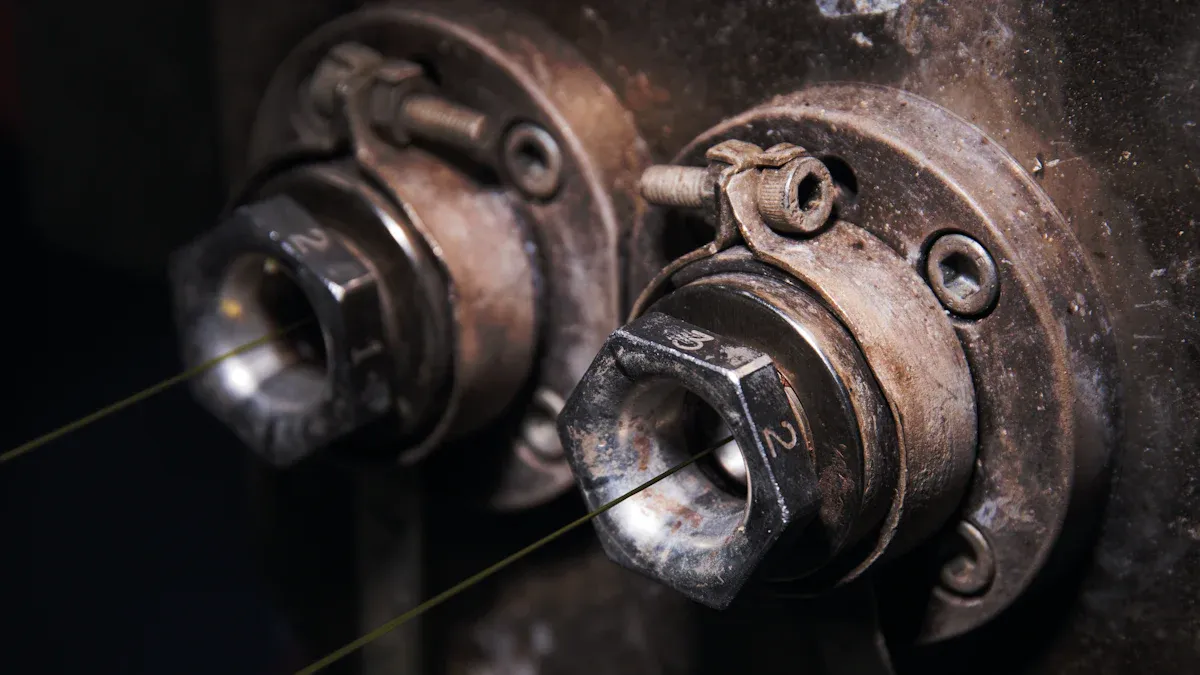
ຂ້າພະເຈົ້າສະເຫມີເລີ່ມຕົ້ນການຄັດເລືອກເຄື່ອງ extrusion ຂອງຂ້າພະເຈົ້າໂດຍການກວດສອບການອອກແບບ screw ແລະ barrel. ເລຂາຄະນິດຂອງສະກູກໍານົດວິທີການປະສິດທິພາບຂອງ extruder melts, ປະສົມ, ແລະ conveys ວັດສະດຸ. ຂ້ອຍປັບຄວາມຍາວເປັນເສັ້ນຜ່າກາງ (L/D) ອັດຕາສ່ວນເພື່ອຄວບຄຸມເວລາທີ່ຢູ່ອາໃສແລະການປະສົມ. ອັດຕາສ່ວນ L/D ທີ່ສູງຂຶ້ນເຮັດໃຫ້ວັດສະດຸລະລາຍ ແລະປະສົມເຂົ້າກັນໄດ້ລະອຽດກວ່າ, ເຊິ່ງເປັນສິ່ງຈໍາເປັນສໍາລັບການບັນລຸຄຸນນະພາບທີ່ເປັນເອກະພາບໃນຜະລິດຕະພັນສຸດທ້າຍ. ຂ້າພະເຈົ້າອີງໃສ່ການອອກແບບສິ່ງກີດຂວາງໃນຖັງ screw ເພື່ອຮັກສາຄວາມຫມັ້ນຄົງ melt ແລະປ້ອງກັນການເຊື່ອມໂຊມ, ໂດຍສະເພາະໃນເວລາທີ່ຂ້າພະເຈົ້າປຸງແຕ່ງວັດສະດຸທີ່ລະອຽດອ່ອນ. ການອອກແບບສະກູຄູ່ຂະຫນານແລະຖັງ ມີບົດບາດສໍາຄັນໃນຄວາມໄວ extrusion, ຄຸນນະພາບຜະລິດຕະພັນ, ແລະປະສິດທິພາບພະລັງງານ. ຂ້າພະເຈົ້ານໍາໃຊ້ການແບ່ງເຂດແລະການຄວບຄຸມອຸນຫະພູມທີ່ຊັດເຈນເພື່ອສະຖຽນລະພາບການໄຫຼຂອງລະລາຍແລະຫຼີກເວັ້ນການຕິດທາດອາຍແກັສ, ເຊິ່ງປັບປຸງຄວາມຫນາແຫນ້ນແລະຄວາມສອດຄ່ອງ. ການສໍາເລັດຮູບດ້ານຂອງຖັງແລະເລຂາຄະນິດຂອງສະກູຍັງມີອິດທິພົນຕໍ່ປະສິດທິພາບພະລັງງານແລະຄວາມສອດຄ່ອງຂອງຜະລິດຕະພັນ. I always match the screw design to the specific requirements of the application to maximize performance.
- A higher L/D ratio improves mixing and melt uniformity, which is essential for high-quality products.
- Barrier designs help maintain melt stability and prevent degradation.
- Screw geometry and barrel surface finish impact energy efficiency and product consistency.
Material Movement and Mixing
I focus on efficient material movement and mixing to ensure the extrusion process runs smoothly. ຂ້ອຍໃຊ້ robust pneumatic or mechanical conveyors to transfer raw materials quickly and with minimal maintenance. Advanced mixer designs guarantee thorough and uniform compounding, which prevents variations in finished products. I integrate automated controls with PLC systems for real-time monitoring and recipe management. This approach allows me to oversee production seamlessly and adjust parameters as needed. I select scalable configurations to accommodate both small workshops and large industrial operations. Enhanced dust control features keep the workplace clean and safe. ສອດຄ່ອງ, homogeneous blends reduce quality fluctuations and improve throughput. Automated systems minimize manual handling, which shortens production cycles and lowers labor costs. I always prioritize these features when I evaluate types of extrusion machines for new applications.
| ຄຸນສົມບັດ | ລາຍລະອຽດ |
|---|---|
| Efficient Material Transfer | Rapid, low-maintenance movement of raw materials |
| ການປະສົມຄວາມຊັດເຈນ | Thorough, uniform compounding for consistent quality |
| ການຄວບຄຸມອັດຕະໂນມັດ | Real-time monitoring and recipe management |
| Scalable Configurations | Flexible layouts for any production capacity |
| Enhanced Dust Control | Cleaner, safer workplace |
| Improved Product Quality | Homogeneous blends, reduced fluctuations |
| Increased Throughput | Shorter production cycles, less manual handling |
| ການຫຼຸດຜ່ອນສິ່ງເສດເຫຼືອ | Accurate measurement, ຄ່າໃຊ້ຈ່າຍຕ່ໍາ |
| Lower Labor Costs | Automation frees staff for value-added tasks |
| Safer Working Environment | Enclosed lines and dust control |
Process Control and Output Quality
I depend on advanced process control technology to maintain high output quality in extrusion manufacturing. I select high-quality thermoplastics to ensure the final products meet strength, ຄວາມທົນທານ, and flexibility requirements. I monitor extrusion parameters closely to reduce discrepancies during production. Dimensional accuracy remains a top priority for me, as it guarantees that components fit their intended applications. I use surface inspection to detect defects such as warping or air bubbles, which helps me maintain consistent product quality. Early detection of issues reduces waste and saves on production costs. I always ensure that my process complies with regulatory standards, which protects both my business and my customers. High-quality products enhance my brand reputation and increase customer satisfaction. Advanced monitoring systems allow me to increase production speed without sacrificing accuracy, which boosts overall efficiency in complete extrusion systems.
| Element/Advantage | ລາຍລະອຽດ |
|---|---|
| ການຄັດເລືອກວັດສະດຸ | Ensures strength, ຄວາມທົນທານ, ແລະຄວາມຍືດຫຍຸ່ນ |
| ການຕິດຕາມຂະບວນການ | Reduces discrepancies and maintains consistency |
| ຄວາມຖືກຕ້ອງຂອງມິຕິລະດັບ | Guarantees proper fit for all applications |
| ການກວດກາພື້ນຜິວ | Identifies defects early for better quality |
| ຄຸນະພາບຜະລິດຕະພັນທີ່ສອດຄ່ອງ | Every batch meets high standards |
| ການຫຼຸດຜ່ອນສິ່ງເສດເຫຼືອ | Saves material and production costs |
| ການປະຕິບັດຕາມກົດລະບຽບ | Meets legal and safety requirements |
| ຄວາມພໍໃຈຂອງລູກຄ້າ | Builds reputation and loyalty |
| Process Efficiency | Increases speed while maintaining accuracy |
ເຄັດລັບ: I recommend regular calibration and maintenance of all extrusion technology to sustain peak performance and consistent quality.
Comparing the Extrusion Process
Single-Screw vs. Twin-Screw Process
When I compare extruders screws ດຽວ ແລະ twin-screw, I focus on how each system handles the extrusion process. The screw design shapes the way material moves and mixes. A single-screw extruder uses one helical screw inside a simple, ຖັງກະບອກ. ໃນທາງກົງກັນຂ້າມ, a twin-screw extruder features two intermeshing screws and a more complex, ມັກຈະຖືກແບ່ງແຍກຖັງ. I see that temperature control in single-screw systems remains basic, while twin-screw machines offer advanced control with multiple heating and cooling zones. This difference impacts both throughput and energy efficiency.
| ລັກສະນະ | Single Screw Extruder | Twin Screw Extruder |
|---|---|---|
| Screw Design | screw helical ດຽວ | ສອງ screws intermeshing |
| ໂຄງສ້າງຖັງ | ງ່າຍດາຍ, ຮູບຊົງກະບອກ | ສະລັບສັບຊ້ອນຫຼາຍ, ມັກຖືກແບ່ງສ່ວນ |
| ການຄວບຄຸມອຸນຫະພູມ | ການທຳຄວາມຮ້ອນ/ຄວາມເຢັນພື້ນຖານ | ຂັ້ນສູງ, multi-zone |
| ຄວາມອາດສາມາດຜົນຜະລິດ | ປານກາງ | ສູງ |
| ການບໍລິໂພກພະລັງງານ | ໂດຍທົ່ວໄປແລ້ວສູງກວ່າ | ມີປະສິດທິພາບຫຼາຍຂຶ້ນ |
| ຄວາມຍືດຫຍຸ່ນໃນການສົ່ງຜ່ານ | ຈຳກັດ | ສູງ |
I rely on twin-screw extruders for higher output and better energy efficiency. When I need flexibility in throughput or advanced process control, I choose twin-screw systems. For straightforward applications, single-screw extruders still provide reliable performance.
Material Compatibility in the Extrusion Process
Material compatibility plays a critical role in extrusion machine selection. I always match the screw configuration to the type of material I plan to process. Single-screw extruders handle standard thermoplastics well, but they struggle with materials that require intensive mixing or have high filler content. Twin-screw extruders excel with specialty compounds, ພາດສະຕິກທີ່ນຳມາໃຊ້ໃໝ່, and reactive materials. I use segmented screws to adjust mixing and shearing for each application.
When I work with complete extrusion systems, I consider how each screw design affects the final product. Twin-screw extruders allow me to process a wider range of materials, including those with additives or sensitive properties. This flexibility supports more types of extrusion machines and expands the range of possible applications.
ເຄັດລັບ: I recommend evaluating the chemical and physical properties of your raw materials before choosing an extruder. This step ensures compatibility and reduces the risk of defects.
ຄຸນນະພາບຜະລິດຕະພັນແລະຄວາມສອດຄ່ອງ
I know that the extrusion process directly impacts the quality of the finished product. Modern extrusion lines integrate automation and advanced control platforms. These systems analyze multiple variables at once, which helps me maintain consistent quality across every batch.
Quality consistency is a productivity multiplier. Advanced control platforms analyze patterns across multiple variables simultaneously, ensuring that product quality is maintained throughout the extrusion process.
I monitor key factors such as stable melt pressure, output rate, ແລະສໍາເລັດຮູບດ້ານ. Stable melt pressure prevents warping and dimensional drift. Higher and more stable output reduces scrap rates and downtime. Better surface finish and precise dimensional control enhance the impact on the quality of the finished product.
| ປັດໃຈຫຼັກ | Impact on Quality and Consistency |
|---|---|
| Stable melt pressure | Prevents dimensions from drifting or warping |
| Higher and more stable output | Reduces scrap rates and downtime |
| Better surface finish | Enhances overall product quality |
| ການຄວບຄຸມມິຕິລະດັບ | Ensures precision in final product specifications |
| Faster ROI | Improves profitability for manufacturers |
ເມື່ອປຽບທຽບສະກູຄູ່ແຝດທຽບກັບສະກູດຽວ, ຂ້ອຍເຫັນວ່າລະບົບບິດສະກູສົ່ງຄວາມສອດຄ່ອງທີ່ດີກວ່າແລະຄ່າໃຊ້ຈ່າຍໃນການດໍາເນີນງານຕ່ໍາ. ຂ້າພະເຈົ້າບັນລຸ ROI ໄດ້ໄວຂຶ້ນແລະການປັບປຸງການປະຕິບັດໂດຍການລົງທຶນໃນເຕັກໂນໂລຢີ extrusion ກ້າວຫນ້າ. ຂ້າພະເຈົ້າສະເຫມີຈັດລໍາດັບຄວາມສໍາຄັນຂອງການກວດສອບຂະບວນການແລະອັດຕະໂນມັດເພື່ອຮັບປະກັນຄຸນນະພາບສູງແລະປະສິດທິພາບໃນການຜະລິດ.
- Higher and more stable output
- ການຂູດຂີ້ເຫຍື້ອຕ່ໍາແລະເວລາຢຸດ
- ການສໍາເລັດຮູບດ້ານທີ່ດີກວ່າແລະການຄວບຄຸມຂະຫນາດ
- ການຫຼຸດຜ່ອນຄ່າໃຊ້ຈ່າຍໃນການດໍາເນີນງານ
- Faster ROI
ຂ້າພະເຈົ້າອີງໃສ່ຍຸດທະສາດເຫຼົ່ານີ້ເພື່ອເພີ່ມປະສິດທິພາບສູງສຸດຂອງ extrusion ແລະສົ່ງຜະລິດຕະພັນທີ່ສອດຄ່ອງກັບມາດຕະຖານການຜະລິດທີ່ເຄັ່ງຄັດ.
ຕາຕະລາງການປຽບທຽບການປະຕິບັດ
ຜ່ານແລະປະສິດທິພາບ
ຂ້າພະເຈົ້າສະເຫມີປະເມີນ throughput ແລະປະສິດທິພາບໃນເວລາທີ່ຂ້າພະເຈົ້າປຽບທຽບປະເພດຂອງເຄື່ອງ extrusion. ຜ່ານການວັດແທກປະລິມານວັດສະດຸທີ່ extruder ປຸງແຕ່ງໃນໄລຍະເວລາໃດຫນຶ່ງ. Efficiency reflects how well the screw design converts raw material into finished products with minimal waste and energy use. I see that single-screw extruders often deliver steady throughput for standard polymers. Twin-screw extruders, with their advanced screw geometry, handle higher output and maintain better energy efficiency, especially for complex blends.
| ປະເພດ Extruder | ຜ່ານ (ກິໂລ/ຊມ) | ປະສິດທິພາບພະລັງງານ | ກໍລະນີການນໍາໃຊ້ທີ່ດີທີ່ສຸດ |
|---|---|---|---|
| Single-Screw | 50–500 | ປານກາງ | ປະລິມານສູງ, simple polymers |
| Twin-Screw | 100–1000+ | ສູງ | Complex blends, specialty jobs |
| Ram Extruder | 10–100 | ຕ່ຳ-ປານກາງ | PTFE, ເຊລາມິກ, ພິເສດ |
| Co-Extrusion Systems | ແຕກຕ່າງກັນ | ສູງ | Multi-layered profiles |
I always match the screw configuration to the material and production requirements. This approach ensures the process delivers consistent quality and meets manufacturing goals. I rely on complete extrusion systems to maximize throughput and efficiency for every application.
ເຄັດລັບ: I recommend monitoring energy consumption and output rates regularly. This practice helps optimize extrusion machine selection and reduces operational costs.
Maintenance and Reliability
I prioritize maintenance and reliability when I select an extruder. The screw and barrel experience constant wear from abrasive materials and high temperatures. I schedule routine inspections and replace worn components to prevent unexpected downtime. Single-screw extruders require less maintenance due to their simple design. Twin-screw extruders, with more moving parts and segmented screws, need more frequent checks but offer greater flexibility.
| ປະເພດ Extruder | ຄວາມຕ້ອງການບໍາລຸງຮັກສາ | Reliability Level | Common Issues |
|---|---|---|---|
| Single-Screw | ຕ່ຳ-ປານກາງ | ສູງ | Occasional screw wear |
| Twin-Screw | Moderate–High | ສູງ | Segment wear, seal failure |
| Ram Extruder | ປານກາງ | ປານກາງ | Hydraulic leaks, die wear |
| Co-Extrusion Systems | ສູງ (multi-screw) | ສູງ | Synchronization, screw ສວມໃສ່ |
I use advanced monitoring systems to track screw wear and process stability. This strategy improves reliability and extends the life of my extrusion technology. I always keep spare screws and barrels on hand to minimize downtime during maintenance.
Product Complexity and Flexibility
I value design flexibility ໃນ extrusion. The ability to customize the screw and die allows me to create complex profiles for a wide range of applications. I use extrusion to manufacture everything from simple plastic tubing to intricate window frames. I can add reinforcements or special features within the continuous material, which expands my product offerings.
| ລັກສະນະ | ລາຍລະອຽດ |
|---|---|
| ຄວາມຍືດຫຍຸ່ນຂອງການອອກແບບ | Extrusion allows for significant design flexibility through die customization, enabling complex profiles. |
| ຄໍາຮ້ອງສະຫມັກ | Suitable for various applications, including intricate window frames and simple plastic tubing. |
| ການປັບແຕ່ງ | Manufacturers can include reinforcements or additional features within the continuous material. |
- In MedTech, I must achieve tight tolerances for medical devices.
- I ensure biocompatibility for all medical extrusion products.
- I monitor wall thickness closely, since it affects flow rates and structural strength.
I select the screw configuration and extrusion machine based on the complexity of the design and the required tolerances. This approach guarantees high quality and supports advanced manufacturing needs.
ໝາຍເຫດ: I recommend consulting with extrusion experts when planning new product designs. Their experience helps avoid costly mistakes and ensures the right screw and process configuration.
Application Suitability in Manufacturing
High-Volume Manufacturing
I always start my extrusion machine selection by considering the demands of high-volume manufacturing. When I need to produce thousands of units per day, I rely on single-screw extruders. These machines deliver steady throughput and maintain consistent quality. The screw design in single-screw extruders allows me to process standard polymers efficiently. I monitor the process closely to ensure uniform melt and minimize defects. I select the right screw diameter and length to match the production requirements. This approach helps me achieve high efficiency and reduce waste. I use automated controls to track output and maintain quality standards. High-volume applications benefit from robust types of extrusion machines that can operate continuously with minimal downtime. I always keep spare screws and barrels ready to avoid interruptions in production.
ເຄັດລັບ: I recommend scheduling regular maintenance for extruders used in high-volume manufacturing. This practice extends the life of the screw and ensures reliable performance.
Complex Product Manufacturing
When I manufacture complex or multi-component products, I turn to advanced extrusion technology. Twin-screw extruders give me greater control over mixing and material distribution. I use segmented screws to adjust shear and optimize the process for each application. Co-extrusion technology enables me to combine different polymers into multi-layer films and pipes. This method improves barrier properties and enhances strength, ຄວາມຍືດຫຍຸ່ນ, ແລະການຕໍ່ຕ້ານສານເຄມີ.
| ເຕັກໂນໂລຊີ | ຜົນປະໂຫຍດ |
|---|---|
| ການຮ່ວມ extrusion | Enables the creation of multi-layer films and pipes with improved barrier properties, combining different polymers for strength, ຄວາມຍືດຫຍຸ່ນ, ແລະການຕໍ່ຕ້ານສານເຄມີ. |
I select the screw configuration based on the complexity of the product. For intricate designs, I rely on precise tooling and advanced process monitoring. I always test the extruder setup before full-scale production to ensure quality and performance. Complex applications require careful extrusion machine selection and attention to detail.
Specialty Materials and Customization
I often work with specialty materials that demand custom solutions. I use advanced shaping processes, such as sheet extrusion and thermoforming, to control material characteristics. Sheet extrusion gives me the ability to manage thickness and material distribution with high accuracy. Co-extrusion capabilities allow me to create multi-layer constructions that enhance material properties. I integrate downstream shaping processes to ensure consistent performance in finished components. Engineering services help me optimize component designs and select the best materials for specific applications.
- Advanced shaping processes, such as sheet extrusion and thermoforming, allow for precise control over material characteristics.
- Sheet extrusion provides a foundation for custom material solutions, enabling thickness control and material distribution accuracy.
- Co-extrusion capabilities facilitate the creation of multi-layer constructions, enhancing material properties.
- Integration with downstream shaping processes ensures consistent performance characteristics in finished components.
- Engineering services optimize component designs and material selection, ensuring suitability for specific applications.
I always match the screw design to the requirements of specialty materials. Customization in extrusion depends on selecting the right extruder and process parameters. I monitor quality at every stage to deliver products that meet strict standards. Specialty applications benefit from flexible types of extrusion machines and expert guidance.
ໝາຍເຫດ: I recommend consulting with extrusion specialists when working with new materials or custom designs. Their expertise helps achieve the desired quality and performance.
Selection Criteria for Extrusion Systems
Product Design and Complexity
I always start my extrusion machine selection by analyzing the product design and complexity. The geometry of the profile influences the choice of extruder and screw configuration. Complex shapes increase tooling costs and create production challenges. I simplify profile geometry whenever possible to enhance material flow and reduce defects. Smooth transitions in the design prevent disruptions in material flow, which is crucial for consistent extrusion quality. I select the right material early in the process because material choice affects both the properties of the part and the ease of extrusion. This decision impacts manufacturability and overall performance.
- Simplifying profile geometry lowers tooling costs and reduces production challenges.
- Designing for material flow ensures consistent extrusion quality and minimizes defects.
- Choosing the right material early improves manufacturability and product performance.
I match the screw design to the complexity of the product. For intricate profiles, I use advanced screw configurations that optimize mixing and material transport. I rely on precise tooling and process monitoring to maintain high quality. When I work with complex applications, I consult with extrusion technology experts to avoid costly mistakes and ensure the best results.
ເຄັດລັບ: I recommend reviewing the profile geometry and material flow before finalizing the extrusion machine selection. This step helps prevent production issues and supports efficient manufacturing.
ຄຸນສົມບັດວັດສະດຸ
Material properties play a critical role in selecting the right extruder and screw configuration. I identify application requirements such as temperature resistance, ແສງ UV, and impact durability. I consider mechanical properties like flexibility, ຄວາມແຂງ, and tensile strength for the intended use. Environmental conditions influence my material choice, especially when I need weathering resistance or flexibility in cold environments. I evaluate aesthetic and finish requirements, ລວມທັງສີ, ເງົາ, ແລະໂຄງສ້າງພື້ນຜິວ, based on project needs. Regulatory and compliance needs guide my selection to ensure materials meet industry-specific standards and certifications.
- Application requirements determine the need for temperature resistance, ແສງ UV, and impact durability.
- Mechanical properties such as flexibility, ຄວາມແຂງ, and tensile strength affect the choice of extruder and screw.
- Environmental conditions require materials that withstand weathering or remain flexible in cold climates.
- Aesthetic and finish requirements influence color, ເງົາ, ແລະໂຄງສ້າງພື້ນຜິວ.
- Regulatory and compliance needs ensure materials meet industry standards.
I select the screw design based on the material’s properties. For heat-sensitive materials, I use screws with gentle mixing zones and precise temperature control. When processing tough or abrasive compounds, I choose robust screw geometries that withstand wear and maintain efficiency. I always test materials in pilot runs to verify compatibility with the extruder and ensure consistent quality.
ໝາຍເຫດ: I recommend consulting material datasheets and industry standards before choosing an extruder. This practice helps match material properties to the extrusion process and supports reliable performance.
Production Volume and Scale
Production volume and scale influence the cost-effectiveness of extrusion machine selection. Higher production volumes reduce unit costs because tooling expenses are spread over more parts. In the prototype stage, tooling costs are high compared to the quantity produced. In mass production, die costs are amortized over larger volumes, leading to lower costs per unit. ຕົວຢ່າງ, a die costing $2,000 with a lifetime of 40,000 kg results in a cost of $0.05 per kg when amortized.
- Higher production volumes lower unit costs by spreading tooling expenses.
- Prototype stages have high tooling costs relative to the number of parts produced.
- Mass production allows die costs to be distributed over larger volumes, reducing per-unit costs.
- Example: A die costing $2,000 with a lifetime of 40,000 kg results in a cost of $0.05 per kg.
I select the extruder and screw configuration based on the expected production volume. For high-volume manufacturing, I use robust types of extrusion machines that deliver steady throughput and maintain efficiency. In low-volume or prototype applications, I prioritize flexibility and rapid changeover. I monitor production rates and adjust screw parameters to optimize output and quality.
ເຄັດລັບ: I recommend calculating the amortized tooling cost before committing to a production scale. This step helps determine the most cost-effective extrusion technology and supports long-term manufacturing goals.
Technical and Budget Considerations
I always approach extrusion machine selection with a clear focus on technical requirements and budget constraints. My experience tells me that investing in advanced extrusion technology demands careful planning. I evaluate every aspect of the system, from screw design to process control, to ensure cost-effectiveness and reliable performance.
I start by analyzing the technical specifications of the extruder. I look at screw geometry, barrel length, and compatibility with different types of extrusion machines. I select a screw that matches the material properties and the complexity of the applications. I check if the extruder can handle the desired throughput and maintain consistent quality. I also assess the integration of feeders, ເຄື່ອງຄວບຄຸມອຸນຫະພູມ, ແລະອຸປະກອນລຸ່ມນ້ໍາ. System integration plays a crucial role in maximizing efficiency and avoiding bottlenecks in production.
Budget considerations influence every decision I make. I break down the costs into several categories to understand the financial impact. I use the following table to guide my investment strategy:
| Budget Consideration | ລາຍລະອຽດ | Financial Impact / Benefit Example |
|---|---|---|
| ປະສິດທິພາບພະລັງງານ | Reducing energy consumption by upgrading control systems or screws | 33% energy reduction saves nearly $100,000 annually on $288,000 ຄ່າໃຊ້ຈ່າຍພະລັງງານ |
| Scrap Reduction | Lowering scrap rate from 15% ກັບ 5% through data acquisition and process control | Saves $200,000 monthly or $2.4 million yearly in materials, ແຮງງານ, and energy costs |
| Throughput Increase | Upgrading to twin-screw extruder increases throughput by 30% | Generates $600,000 additional monthly revenue with >50% incremental profit margin |
| Maintenance Cost Reduction | Predictive maintenance and condition monitoring reduce emergency repairs and downtime | Maintenance costs drop 20-30%, equipment availability increases |
| System Integration | Budgeting for compatible feeders, ເຄື່ອງຄວບຄຸມອຸນຫະພູມ, ແລະອຸປະກອນລຸ່ມນ້ໍາ | Partial upgrades capture only ~40% of potential benefits |
| ການຝຶກອົບຮົມຜູ້ປະຕິບັດງານ | Training on material characteristics, ເຄື່ອງຈັກ, instrumentation, ແລະການຄວບຄຸມ | Essential to fully realize technology benefits; lack wastes investment |
| Data Acquisition Infrastructure | Adequate sensors and analytics software needed for optimization | Insufficient infrastructure limits optimization; too many sensors without analytics causes overload |
| Downstream Constraints | Ensuring cutting, ການຫຸ້ມຫໍ່, and inspection keep pace with increased extruder output | Bottlenecks reduce overall system benefit |
I prioritize energy efficiency when selecting an extruder. Upgrading control systems or optimizing screw design can reduce energy consumption by up to 33%. This improvement saves nearly $100,000 each year on a typical $288,000 energy bill. I also focus on scrap reduction. By implementing advanced process control and data acquisition, I lower scrap rates from 15% ກັບ 5%. This change saves $200,000 every month in materials, ແຮງງານ, and energy costs.
Increasing throughput is another key goal. Upgrading to a twin-screw extruder boosts output by 30%. This increase generates $600,000 in additional monthly revenue, with more than a 50% incremental profit margin. I invest in predictive maintenance and condition monitoring to reduce emergency repairs and downtime. Maintenance costs drop by 20-30%, and equipment availability improves.
System integration is essential for maximizing the benefits of extrusion technology. I budget for compatible feeders, ເຄື່ອງຄວບຄຸມອຸນຫະພູມ, ແລະອຸປະກອນລຸ່ມນ້ໍາ. Partial upgrades capture only about 40% of the potential benefits. Operator training is critical. I ensure my team understands material characteristics, ເຄື່ອງຈັກ, instrumentation, ແລະການຄວບຄຸມ. Without proper training, the investment in advanced extrusion technology goes to waste.
I invest in data acquisition infrastructure. Adequate sensors and analytics software optimize the process. Insufficient infrastructure limits optimization, while too many sensors without analytics cause information overload. I address downstream constraints by ensuring cutting, ການຫຸ້ມຫໍ່, and inspection keep pace with increased extruder output. Bottlenecks in these areas reduce the overall benefit of the system.
I always balance technical requirements with budget limitations. I select a screw that delivers high quality and efficiency without exceeding my financial resources. I plan for future upgrades and modular expansion to support changing production needs. I monitor every aspect of the extrusion process to maintain cost-effectiveness and reliable performance.
ເຄັດລັບ: I recommend creating a detailed budget plan before investing in new extrusion technology. Include energy costs, ບໍາລຸງຮັກສາ, ການຝຶກອົບຮົມຜູ້ປະກອບການ, and system integration. This approach ensures that the extruder delivers maximum value and supports long-term manufacturing goals.
Actionable Insights for Manufacturers
Matching System to Application
I always match the extrusion system to the specific application. I optimize material use to balance strength and lightweight design. I define critical dimensional tolerances early, which ensures parts fit and function as intended. I design for manufacturability, making sure shapes can be extruded consistently and cost-effectively. I select aluminum alloys based on application needs, such as strength and corrosion resistance. I simplify designs to reduce costs, avoiding unnecessary complexity in profiles. I prototype and test early, which helps me identify potential challenges before full production. These steps help me achieve high quality and reliable performance in every extrusion process.
- Optimize material use for strength and lightweight design.
- Define critical dimensional tolerances early.
- Design for manufacturability.
- Select appropriate aluminum alloys for application needs.
- Simplify designs to reduce costs.
- Prototype and test early.
I always consider the key components of an extruder, such as screw geometry and barrel design, to ensure the system meets production requirements. I review different types of extruder machines to find the best fit for my applications in ພາດສະຕິກ extrusion. This approach supports scalability and maintains quality control throughout manufacturing.
Common Selection Mistakes
I have seen many manufacturers make mistakes during extrusion machine selection. Inadequate material blending often leads to product imperfections and increased costs from reprocessing. Outdated or incompatible control systems cause integration issues and inefficiencies. Inconsistent feed rates disrupt the extrusion process, resulting in product variabilities and higher scrap rates. Neglecting preventive maintenance allows minor mechanical issues to escalate into major production problems, affecting revenue. Ignoring operator training leads to misconfigurations and missed optimization opportunities.
- Inadequate material blending increases costs and reduces quality.
- Outdated control systems cause inefficiencies.
- Inconsistent feed rates disrupt the extrusion process.
- Neglecting preventive maintenance leads to major production problems.
- Ignoring operator training results in missed optimization.
I always monitor screw wear and maintain the extruder regularly. I invest in operator training to maximize efficiency and quality. I avoid these mistakes by focusing on process stability and performance.
Future Trends in Extrusion Technology
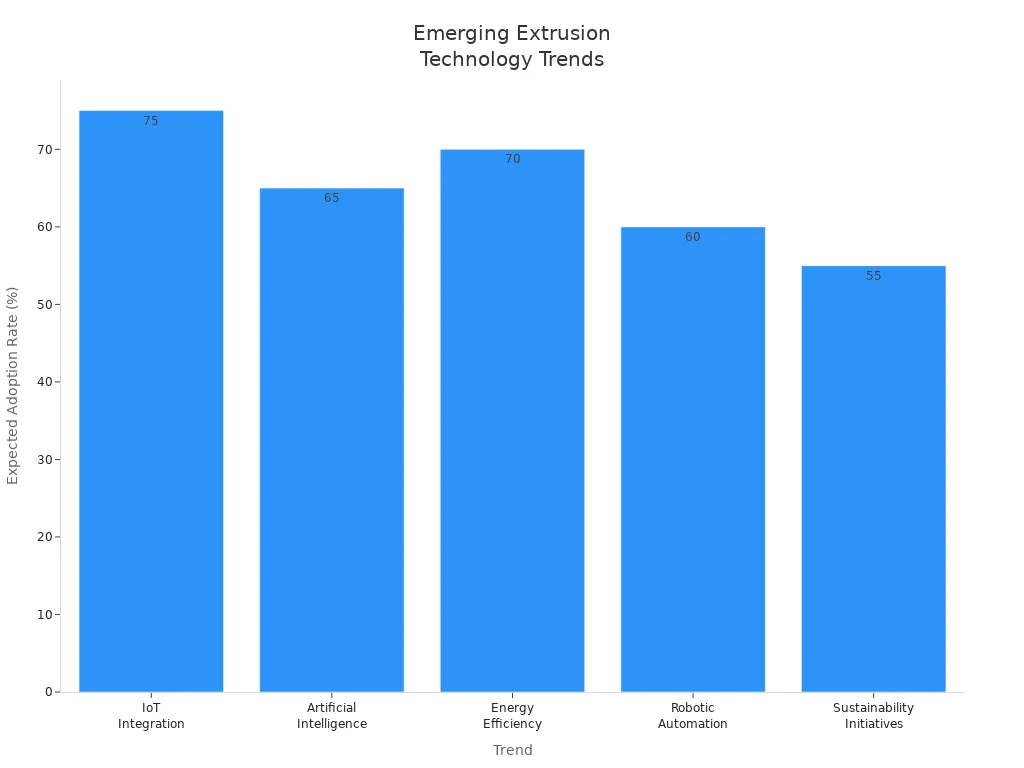
I see rapid changes in extrusion technology shaping the future of manufacturing. IoT integration allows real-time monitoring and analytics, improving efficiency. Artificial intelligence supports predictive maintenance and optimization, which boosts performance. Energy efficiency is a growing focus, with manufacturers seeking ways to reduce consumption in the extrusion process. Robotic automation streamlines material handling and quality control. Sustainability initiatives drive the use of recycled materials and eco-friendly processes.
| ທ່າອ່ຽງ | ລາຍລະອຽດ | ຜົນກະທົບຕໍ່ປະສິດທິພາບ | ອັດຕາການຮັບຮອງເອົາທີ່ຄາດໄວ້ (%) |
|---|---|---|---|
| ການເຊື່ອມໂຍງ IoT | ການຕິດຕາມເວລາທີ່ແທ້ຈິງແລະການວິເຄາະ | ສູງ | 75% |
| ປັນຍາທຽມ | ການບໍາລຸງຮັກສາແລະການເພີ່ມປະສິດທິພາບການຄາດເດົາ | ສູງຫຼາຍ | 65% |
| ປະສິດທິພາບພະລັງງານ | Reducing energy consumption | ຂະຫນາດກາງ | 70% |
| ຫຸ່ນຍົນອັດຕະໂນມັດ | ການຈັດການວັດສະດຸແລະການຄວບຄຸມຄຸນນະພາບ | ສູງ | 60% |
| ຂໍ້ລິເລີ່ມຄວາມຍືນຍົງ | ວັດສະດຸທີ່ນຳມາໃຊ້ໃໝ່ ແລະ ຂະບວນການທີ່ເປັນມິດກັບສິ່ງແວດລ້ອມ | ຂະຫນາດກາງ | 55% |
I notice advancements in material compatibility, especially with bioplastics, are transforming the extrusion industry. Many manufacturers now prioritize flexibility in equipment design, with modular systems allowing easy upgrades and modifications. Sustainability is essential, with most manufacturers focusing on energy-efficient equipment and waste reduction strategies. Smart extrusion machines reduce downtime by 20%, which improves overall efficiency and quality control. I always stay updated on these trends to maintain high performance and support new applications in plastic extrusion.
ເຄັດລັບ: I recommend reviewing the overview of extruder machines in manufacturing regularly. Staying informed about new types of extrusion machines and screw designs helps me adapt to changing production needs and maintain scalability.
I recognize that each extrusion system offers unique advantages and limitations. My experience shows that single-screw extruders excel in high-volume production, while twin-screw systems provide superior mixing and flexibility. Ram and co-extrusion machines support specialty applications. I always use comparison tables and selection criteria to evaluate:
- Technical capabilities and long-term reliability
- Customer service and design assistance
- Quality standards and energy efficiency
I recommend manufacturers understand their application needs and consult extrusion experts for optimal results.
FAQ
ຄວາມແຕກຕ່າງຕົ້ນຕໍລະຫວ່າງສະກູດຽວແລະສະກູຄູ່ແຝດ extruders ແມ່ນຫຍັງ?
I see that single-screw extruders use one rotating screw for basic mixing. Twin-screw extruders use two screws for advanced mixing and better control. I choose twin-screw systems for complex materials and higher flexibility.
How do I decide which extrusion system fits my application?
I start by reviewing my material type, ປະລິມານການຜະລິດ, and product complexity. I match these needs to the strengths of each system. I consult with experts if I face unique requirements.
Can I process recycled materials with extrusion systems?
I process recycled materials using twin-screw extruders. These machines handle variable feedstocks and additives better than single-screw systems. I monitor quality closely to ensure consistent results.
How often should I perform maintenance on my extruder?
I schedule routine inspections every month. I check for screw wear, barrel condition, and control system performance. Regular maintenance prevents downtime and extends equipment life.
What are the most common extrusion defects I encounter?
I often see surface roughness, ມິຕິການລອຍ, and melt fractures. I address these by adjusting temperature, ຄວາມໄວ screw, and material feed. I use process monitoring to catch issues early.
Is co-extrusion suitable for all materials?
I use co-extrusion mainly for thermoplastics. Some materials may not bond well in multi-layer profiles. I test material compatibility before starting production.
How does automation improve extrusion quality?
I rely on automation for real-time monitoring and precise control. Automated systems reduce human error, maintain consistent output, and improve overall product quality.
What safety measures do I follow during extrusion?
I wear protective gear and follow lockout procedures. I keep the work area clean and check emergency stops regularly. I train my team on safe operation and emergency response.