Pandhuan Mesin Ekstrusi Plastik kanggo Milih Jinis Tengen
Daftar Isi
Pandhuan Mesin Ekstrusi Plastik kanggo Milih Jinis Tengen
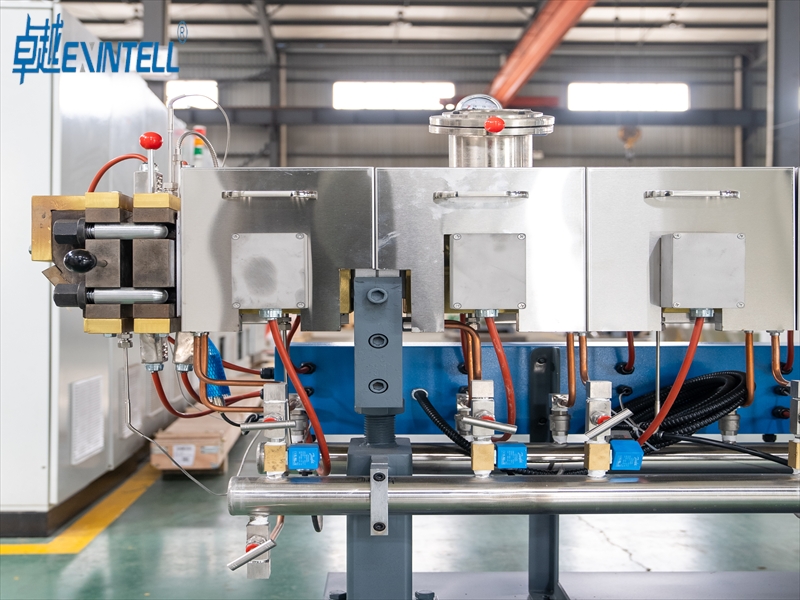
Aku tansah miwiti kanthi ngenali sing paling apik mesin extrusion plastik kanggo tujuan produksi lan syarat aplikasi. Matching jinis mesin kanggo apa aku kudu njamin efficiency lan kualitas. Cacat lumahing, kekandelan tembok ora rata, lan mati abuh asring tantangan panuku. Aku ngatasi masalah kasebut kanthi nyetel suhu leleh, mriksa permukaan mati, lan kalibrasi pemanas. Ngerti jinis mesin utama lan panggunaane mbantu aku nggawe keputusan praktis lan ngindhari kesalahan sing larang regane.
Coba kompatibilitas materi kasebut kanthi teliti. Saben jinis plastik duwe syarat unik sing mengaruhi pilihan lan kinerja mesin.
Evaluasi kapasitas produksi lan rencana kanggo wutah ing mangsa ngarep. Pilih mesin sing bisa nangani kabutuhan saiki lan potensial mundhak ing output.
Takon pitakonan penting babagan kualitas peralatan, kapasitas produksi, lan biaya pangopènan sadurunge tuku. Iki mbantu supaya kesalahane larang regane.
Nggabungake piranti bantu kaya tank cooling lan unit haul-off kanggo ningkatake efisiensi produksi lan njaga kualitas produk.
Prioritas pangopènan biasa lan ngawasi prediktif kanggo nyegah risak lan mesthekake operasi konsisten baris extrusion.
Dokumentasi proses pilihan lan keputusan sampeyan. Praktek iki mbantu sampeyan sinau saka pengalaman kepungkur lan nambah pilihan mesin ing mangsa ngarep.
Jinis Bahan: Aku milih mesin karo designs meneng lan persiyapan tong minyak sing cocog karo plastik aku proses. Kontrol suhu kudu cocog karo syarat materi.
Jinis produk: Aku milih mesin adhedhasar produk aku Pabrik. Pipa, film, profil, lan pelet saben kudu mati unik lan peralatan tambahan.
Kapasitas Produksi: Aku netepake tarif output lan jam operasi. Aku rencana kanggo wutah mangsa dening mesthekake mesin wis cukup torsi lan daya.
Tingkat otomatisasi: Aku nggoleki fitur kaya kontrol PLC, layar tutul, lan ngawasi wektu nyata. Fitur kasebut nambah stabilitas lan nyuda biaya tenaga kerja.
Milih mesin nggunakake kritéria iki menehi kula kinerja optimal, kualitas produk sing konsisten, lan linuwih jangka panjang. Aku tansah nimbang sawetara aplikasi ing extrusion plastik sadurunge nggawe pilihan final.
Pitakonan Kunci Sadurunge Tuku
Aku takon pitakonan penting sadurunge aku nandur modal ing sembarang peralatan extrusion. Pitakonan iki mbantu aku supaya ora salah larang regane lan njamin mesin cocog karo kabutuhan. Aku nggunakake meja kanggo ngatur pikirane:
Pitakonan
Katrangan
Kualitas Peralatan
Aku mriksa manawa peralatan kasebut cocog karo standar industri lan menehi kinerja sing bisa dipercaya.
Kapasitas Produksi
Aku konfirmasi output mesin cocog karo tujuan produksi.
Sistem Kontrol Kualitas
Aku takon babagan sistem sing njaga standar produk lan nyuda cacat.
Total Biaya Kepemilikan
Aku nimbang pangopènan lan biaya operasional, ora mung rega tuku.
Sertifikasi
Aku njaluk sertifikasi ISO lan dokumen kepatuhan kanggo verifikasi kualitas.
Aku uga takon pabrikan babagan rencana ekspansi, papan kanggo garis tambahan, investasi anyar ing peralatan anyar, lan latihan staf. Pitakonan kasebut nuduhake komitmen supplier kanggo tuwuh lan kualitas.
Produsen sing ora bisa nuduhake data cacat, sertifikasi kualitas, lan kontrol proses ndhelikake soko. Aku tansah njaluk transparansi sadurunge tuku.
Ringkesan Jinis Mesin Utama
Aku review ing jinis utama mesin extrusion kanggo mangerteni kekiyatan lan aplikasi sing paling pas. Ringkesan mesin extruder iki mbantu aku milih peralatan sing cocog kanggo jalur produksiku. Aku nggunakake tabel kanggo mbandhingaké jinis paling umum:
Tipe Extruder
Katrangan
Panggunaan lan Kaluwihan Utama
Single-Screw Extruders
Siji meneng nang sak tong minyak; prasaja, linuwih, terjangkau; kemampuan campuran winates kajaba diowahi.
Iki digunakake kanggo ngolah pelet PVC sing wis dicampur, lapisan kabel PVC fleksibel, tabung prasaja, lan film.
Loro sekrup intermeshing; pumping pamindahan positif; nyawiji banget lan Processing alus.
Aku gumantung ing iki kanggo pipa PVC kaku lan produksi profil. Conical twin-screw bisa digunakake kanggo PVC sensitif termal, nalika podo karo kembar-meneng cocog compounding lan kayu-plastik komposit.
Extruders Roller Planet
Spindle tengah kanthi pirang-pirang sekrup planet sing muter; campuran mirunggan lan exchange panas karo kurang nyukur.
Aku milih iki kanggo dhuwur-mburi PVC sheet lan produksi film. Padha ngolah PVC ing suhu sing luwih murah kanggo luwih cetha nanging larang lan rumit. Ora cocog kanggo produksi pipa utawa profil standar.
Aku tansah nimbang jinis mesin extrusion lan kegunaan utami. Pendekatan iki njamin aku milih mesin sing tepat kanggo aplikasi lan tujuan produksi.
Jinis-jinis Mesin Ekstrusi
Single-Screw Extruders
Carane Single-Screw Works
Aku gumantung ing extruders siji-meneng kanggo tugas Processing langsung. Mekanisme kasebut nggunakake sekrup puteran siji nang tong minyak terisolasi termal. Aku nyetel suhu, kacepetan meneng, lan tekanan laras kanggo cocog materi. Persiyapan iki menehi kontrol sing tepat lan asil sing konsisten. Kesederhanaan sekrup tunggal ndadekake pilihan sing bisa dipercaya kanggo akeh jinis mesin ekstrusi.
Kaluwihan saka Single-Screw
Aku appreciate kaluwihan saka extruders meneng siji. Padha kurban operasi prasaja, manufaktur terjangkau, lan pangopènan gampang. Aku digunakake kanggo extrusion plastik dhasar lan compounding prasaja. Desain kasebut cocog karo termoplastik, karet, lan pangisi. Aku golek wong becik nalika aku kudu prilaku katebak lan minimal nyawiji.
Tip: Aku milih siji-meneng nalika aku pengin throughput murah lan produksi biaya-efektif.
Aku nggunakake extruders siji-meneng ing akeh industri. Aplikasi umum kalebu:
Produksi kemasan plastik
Manufaktur komponen otomotif
Bahan bangunan
Piranti medis lan kesehatan
Casing elektronik konsumen
Aku kerep gawé film, lembaran, pipa, tubing, lan profil. Aplikasi kasebut ing ekstrusi plastik entuk manfaat saka linuwih lan kesederhanaan sekrup tunggal.
Twin-Screw Extruders
Carane Twin-Screw Works
Extruders twin-screw nggunakake rong sekrup intermeshing. Aku ngontrol proses karo desain meneng majeng lan setelan pas. Sistem iki menehi homogeneitas materi sing luar biasa. Aku entuk sawur konsisten lan kualitas produk seragam. Twin-screw nangani loro gedhe-ukuran lan specialized cilik-volume roto.
Jinis Twin-Screw (Co-rotating, Counter-puteran)
Aku milih antarane co-puteran lan counter-puteran extruders meneng kembar. Co-rotating ngawut-awut pindhah ing arah sing padha, nambah campuran lan throughput. Counter-rotating ngawut-awut pindhah ing ngelawan arah, nawakake pangolahan alus kanggo bahan sensitif. Aku milih jinis adhedhasar syarat produk.
Kaluwihan saka Twin-Screw
Aku Value keuntungan saka nggunakake extruders meneng kembar. Padha nyedhiyakake campuran majeng, nangani formulasi kompleks, lan ngaktifake produksi konsisten. Aku ngoptimalake homogeneitas kanggo nyuda biaya kualitas lan ningkatake kepuasan pelanggan. Extruders twin-screw iku serbaguna lan efisien.
Cathetan: Twin-screw menehi kula keluwesan kanggo polimer, pharmaceuticals, lan produk panganan.
Panggunaan paling apik kanggo Twin-Screw
Aku nggunakake twin-screw kanggo compounding, nyampur, lan ngolah bahan viskositas dhuwur. Aplikasi khas kalebu:
Pipa PVC kaku lan produksi profil
Komposit kayu-plastik
Penggabungan aditif
Nuntut kontrol kualitas
Twin-screw extruders ndhukung sawetara saka sudhut aplikasi lan ngirim kualitas produk unggul.
Mesin Co-Extrusion
Carane Co-Extrusion Works
Co-extruders nggabungake pirang-pirang bahan ing siji proses. Aku nggunakake sistem co-extrusion kanggo gawé produk multi-lapisan. Saben extruder feed polimer beda, mbentuk lapisan kanthi sifat unik. Cara iki nambah efisiensi lan nyuda langkah perakitan.
Kaluwihan saka Co-Extrusion
Aku entuk manfaat saka sistem co-extrusion ing sawetara cara:
keuntungan
Katrangan
Performance Customized
Ngatur atribut produk nggunakake polimer sing beda kanggo peran tartamtu.
Optimization biaya
Nggunakake polimer dhuwur-mburi kanggo lapisan njaba, resins biaya-efektif nang.
Langkah Majelis Suda
Nggabungake lapisan ing siji proses, ningkatake efisiensi.
Estetika Produk Peningkatan
Ngidini lapisan multicolored utawa translucent kanggo daya tarik sing luwih apik.
Industri-Spesifik
Solusi kanggo macem-macem industri, ningkatake kinerja.
Aku uga nggunakake bahan daur ulang utawa murah ing lapisan inti kanggo ngurangi expenses. Kontrol sing tepat saka kekandelan lapisan nyuda sampah.
Panggunaan paling apik kanggo Co-Extrusion
Aku gawé barang omah, komponen Furnitur, peralatan olahraga, trim piranti, pigura filtrasi, sealing gaskets, sistem manajemen kabel, isolasi kawat, lan soyo tambah krenjang karo co-extruders. Jinis mesin ekstrusi iki mbantu aku nyukupi kabutuhan khusus industri lan nambah kinerja produk.
Peralatan Ekstrusi Plastik lan Jinis Proses
Ekstrusi Film
Aku nggunakake ekstrusi film kanggo ngasilake lembaran plastik tipis kanggo kemasan lan aplikasi industri. Proses iki gumantung ing peralatan ekstrusi plastik sing nyawiji polimer lan mbentuk film sing terus-terusan. Aku ngawasi saben langkah kanthi rapet kanggo njamin kualitas sing konsisten. Proses diwiwiti kanthi leleh polimer ing extruder. Polimer sing dilebur pindhah liwat die, mbentuk tabung kandel. Aku introduce online kanggo nggedhekake tabung, nggawe gelembung. Cooling lan flattening film nderek, banjur gulungake film sing wis rampung ing gulungan.
Langkah
Katrangan
1
Leleh Polimer: Polimer digawe panas nganti titik leleh ing extruder.
2
Extruding Tube Tebal: Polimer sing dilebur dipeksa liwat die bunder kanggo mbentuk tabung sing kandel.
3
Ngembangake Tube: Udara dilebokake menyang tabung kanggo nggawe gelembung, mulet lan thinning film.
4
Cooling lan Flattening Film: Film iki digawe adhem lan flattened nggunakake rollers nip.
5
Nggulung Film: Film flattened wis tatu menyang gulungan kanggo panyimpenan lan proses luwih.
Aku tansah mriksa setelan suhu lan tekanan udhara ing sandi peralatan extrusion plastik kanggo ngindhari cacat kaya kekandelan utawa gelembung sing ora rata.
Ekstrusi Film Diunekake
Extrusion film diunekake minangka proses khusus ing peralatan ekstrusi plastik. Aku luwih seneng cara iki nalika aku kudu film karo kekuatan imbang lan keluwesan. Proses inflates polimer molten menyang gelembung, sing menehi orientasi biaxial film lan kristalinitas sing luwih dhuwur. Iki nyebabake film kuwat lan luwih fleksibel dibandhingake karo film cast. Aku nggunakake extrusion film sing diunekake kanggo produk kaya tas sampah lan bungkus babagan.
Luwih fleksibel kanthi kontrol ketebalan sing unggul
Struktur Molekul
Orientasi biaxial lan kristalinitas sing luwih dhuwur
Orientasi minimal, cooling cepet
Toleransi Kekandelan
Toleransi sing luwih akeh (nganti ± 10%)
kontrol unggul (± 3% toleransi)
Aplikasi
Cocog kanggo produk awet kaya tas sampah
Becik kanggo film kajelasan dhuwur
Aku milih extrusion film diunekake nalika kekiatan lan stretchability Matter paling. Ekstrusi film datar, uga dikenal minangka extrusion film cast, mrodhuksi film karo kajelasan dhuwur lan kekandelan seragam. Aku milih cara iki kanggo aplikasi ngendi katon lan kekandelan pas kritis.
Ekstrusi Lembar
Extrusion sheet nggunakake peralatan extrusion plastik kanggo nggawe luwih kenthel, sheets flat kanggo thermoforming, konstruksi, lan signage. Aku milih bahan adhedhasar syarat panggunaan pungkasan. Bahan umum kalebu PET, PP, PVC, PS, lan ABS. Saben materi nawakake sifat unik kanggo macem-macem aplikasi.
PET: Kajelasan lan kekuwatan sing dhuwur
PP: Resistensi kimia lan keluwesan
PVC: Rigidity lan tahan cuaca
PS: Gampang Processing lan biaya-efektifitas
ABS: resistance impact lan kateguhan
Aku nyetel setelan peralatan extrusion plastik kanggo cocog materi lan kekandelan sheet dikarepake. Aku ngawasi tingkat cooling lan kacepetan roller kanggo nyegah warping utawa cacat lumahing. Extrusion sheet menehi kula versatility kanggo gawé wangun lan ukuran khusus.
Aku gumantung ing plastik mesin extrusion teknologi kanggo ngirim kualitas sheet konsisten lan ketemu standar industri.
Pipa lan Tubing Extrusion
Aku gumantung ing pipe lan tubing extrusion nalika aku kudu gawé dawa, dawa terus-terusan produk plastik kothong. Proses iki nggunakake peralatan ekstrusi plastik khusus sing nyurung polimer molten liwat die bunder. Asilé yaiku pipa utawa tabung sing mulus kanthi ukuran sing tepat. Aku nyetel die lan calibrator kanggo ngontrol kekandelan tembok lan diameteripun. Fleksibilitas iki ngidini kula kanggo ketemu standar industri ketat.
Aku milih peralatan extrusion plastik tengen adhedhasar materi lan aplikasi. Contone, Aku nggunakake extruders dhuwur-output kanggo pipo diameteripun gedhe. Aku milih sing luwih cilik, mesin tliti kanggo tabung medis utawa laboratorium. Aku monitor suhu, tekanan, lan tarif cooling kanggo mesthekake kualitas konsisten. Aku uga mriksa ovality lan Rampung lumahing sak produksi.
Aplikasi kanggo extrusion pipa lan pipa nutupi macem-macem industri. Aku kerep nggunakake peralatan extrusion plastik kanggo Pabrik:
Pipa tekanan dhuwur saka wesi logam kanggo ngangkut minyak lan gas alam ing sektor energi.
Pipa khusus kanggo pangolahan kimia lan manajemen sampah ing setelan industri.
Aku nemokake yen saben aplikasi mbutuhake bahan lan setelan proses sing beda. Contone, Aku nggunakake PVC kanggo plumbing amarga tahan karat lan nangani tekanan kanthi apik. Aku milih poliethelin kanggo pipa irigasi amarga keluwesan lan tahan kimia. Ing lenga lan gas, Aku gumantung ing termoplastik dikiataken utawa wesi logam kanggo kekuatan lan kekiatan.
Aku tansah nggatekake babagan hilir peralatan extrusion plastik. Calibrators, tank cooling, unit angkut, lan pemotong muter peran kritis ing mbentuk lan rampung pipe. Aku nyetel kacepetan unit haul-off kanggo nyegah mulet utawa deformasi. Aku nggunakake sensor majeng kanggo ngawasi kekandelan tembok lan ndeteksi cacat ing wektu nyata.
Tip: Aku tansah njaga peralatan extrusion plastik kanthi apik. Reresik lan kalibrasi reguler nyuda downtime lan nambah kualitas produk.
Aku dokumentasi saben produksi. Praktek iki mbantu aku nglacak masalah lan ngoptimalake kumpulan mangsa ngarep. Aku uga bisa rapet karo supplier kanggo milih mesin extrusion plastik paling apik kanggo saben project. Keahlian dheweke mbantu aku tetep ndhisiki tren industri lan owah-owahan peraturan.
Peralatan Hilir ing Garis Ekstrusi
Cooling Tank
Aku tansah mbayar manungsa waé kanggo cooling tank ing baris extrusion sandi. Tangki pendingin duwe peran penting kanggo mbentuk lan nguatake plastik sing diekstrusi. Nalika aku mbukak produksiku, Aku gumantung ing tank iki kanggo mesthekake prodhuk njaga wangun lan dimensi dimaksudaké. Cooling seragam nyegah warping lan irregularities lumahing. Aku ngawasi proses cooling kanggo entuk Gamelan, produk dimensily akurat. Kontrol suhu lan ngawasi wektu nyata mbantu aku njaga kualitas sing konsisten ing kabeh klompok. Consistent cooling reduces the need for rework and improves production predictability. I see a direct impact on plant efficiency when cooling tanks operate properly.
Uniform cooling prevents defects such as warping and surface irregularities, resulting in smooth and dimensionally accurate products.
The cooling system allows real-time temperature control and monitoring, ensuring consistent quality across all production batches.
Consistent cooling reduces the need for rework, improves production predictability, and enhances overall plant efficiency.
Tip: I always check the water temperature and flow rate in my cooling tanks. Proper settings prevent defects and keep my production line running smoothly.
Unit Haul-Off
Haul-off units help me control the speed and tension at which the extruded material is pulled. I synchronize the haul-off unit with the extruder and cooling system to match the extrusion rate. This prevents defects like uneven thickness or deformation. Advanced haul-off machines offer variable speed control, high traction force, and precision rollers. These features maintain uniform pulling force and ensure consistent thickness, diameter, and uniformity. I adjust the speed of the haul-off unit to control product thickness. Slower speeds yield thicker products, while faster speeds produce thinner ones. Precision rollers and adjustable tension help me maintain uniform pulling force across the product width.
They synchronize with the extruder and cooling system to match extrusion rate, preventing defects like uneven thickness or deformation.
Advanced haul-off machines feature variable speed control, high traction force, and precision rollers to maintain uniform pulling force.
These features directly impact product quality and production efficiency in pipe extrusion.
Cathetan: I always calibrate my haul-off unit before each production run. This step keeps my product dimensions consistent and reduces waste.
Cutters and Winders
Cutters and winders finish the extrusion process. I use cutters to trim the extruded product to the desired length. Winders collect the finished product, such as film or sheet, onto rolls for easy storage and transport. I select cutters based on the material and thickness of the product. Rotary cutters work well for continuous lines, while guillotine cutters suit thicker profiles. Winders must operate smoothly to avoid stretching or deforming the product. I monitor winding tension and speed to prevent defects. Properly set cutters and winders help me deliver products with clean edges and uniform rolls.
prabotan
Fungsi
Manfaat Utama
Cutters
Trim product to desired length
Clean edges, precise sizing
Winders
Collect product onto rolls
Easy storage, prevents deformation
I always inspect my cutters and winders for wear and alignment. Regular maintenance ensures reliable operation and high-quality finished products.
Dampak ing Kualitas Produk
I always pay close attention to howperalatan hilirshapes the final quality of my extruded products. Each piece of equipment—cooling tanks, unit angkut, pemotong, and winders—plays a unique role in determining the consistency, appearance, and performance of the finished product.
When I set up my extrusion line, I focus on these key quality factors:
Akurasi dimensi:Cooling tanks and haul-off units help me maintain tight tolerances. If I notice any variation in product dimensions, I check the water temperature in the cooling tank and the speed of the haul-off unit. Small adjustments often correct issues before they become costly defects.
Lumahing Rampung:I rely on proper cooling and precise cutting to achieve smooth, blemish-free surfaces. If I see scratches or marks, I inspect the rollers and blades for wear. resik, sharp tools always give me the best results.
Sifat Mekanik:Uniform cooling and controlled tension during haul-off preserve the strength and flexibility of the plastic. I avoid rapid cooling, which can cause internal stresses and brittleness.
Konsistensi:Automated winders and synchronized downstream equipment ensure every meter of product matches the last. I use real-time monitoring systems to catch deviations early.
Tip: I always document process settings and product measurements for each run. This practice helps me identify trends and make data-driven improvements.
Here’s a quick table showing how each piece of downstream equipment impacts product quality:
prabotan
Quality Aspect Affected
My Best Practice
Cooling Tank
wangun, surface, dimensi
Monitor water temp and flow continuously
Haul-Off Unit
kekandelan, keseragaman
Calibrate speed and tension each shift
Pemotong
Edge quality, dawa
Use sharp blades, check alignment
Winder
Roll consistency, tension
Adjust winding speed, monitor tension
I have learned that even small changes in downstream settings can make a big difference. Contone, increasing the haul-off speed by just a few percent can thin out the product and cause it to fail quality checks. Regular maintenance and calibration keep my equipment performing at its best.
I always remind my team that quality starts at the extruder but finishes with the downstream equipment. By staying vigilant and proactive, I consistently deliver products that meet or exceed customer expectations.
Comparison of Types of Extrusion Machines
Features and Applications Table
Aku tansah compare the types of extrusion machinesbefore making a decision. I look at key features and the range of applications for each machine. This helps me match the right equipment to my production goals. Punika a table that summarizeswhat I have learned:
Jinis Mesin Ekstrusi
Fitur Utama
Aplikasi
Ekstrusi Plastik
Handles versatile materials like PVC and ABS
Kemasan, konstruksi
Metal Extrusion
Offers strength and durability, but uses more energy
Konstruksi, manufaktur
Food Extrusion
Controls temperature and pressure for uniformity
Ngasilake cemilan lan sereal
Automotive Extrusion
Produces lightweight parts for fuel efficiency
Manufacturing automotive components
I use this table to quickly identify which machine suits my needs. I focus on the features that matter most for my applications.
Pros and Cons by Machine Type
Aku tansah weigh the pros and consof each machine type. This step helps me avoid unexpected costs and production issues. I have found that single-screw, kembar-meneng, and co-extrusion machines each offer unique benefits and drawbacks. Punika a comparison table:
Fitur
Tunggal Screw Extruder
Twin Screw Extruder
Pros
Biaya-efektif, desain prasaja, pangopènan ngisor
Excellent mixing, suitable for a wide range of materials, including those with additives
Cons
Kapabilitas campuran winates, not ideal for materials requiring precise blending
Biaya wiwitan sing luwih dhuwur, operasi luwih rumit, lan pangopènan
I choose single-screw machines when I want simple operation and lower maintenance. I select twin-screw machines for advanced mixing and complex formulations. Co-extrusion machines give me flexibility for multi-layer products, but require careful setup and control.
Tip: I always consider the complexity of my applications before choosing a machine. This approach prevents costly mistakes.
Quick Selection Chart
I use a quick selection chart to guide my decision. This chart helps me match machine types to my production needs and applications.
If I need basic extrusion for packaging or construction, I choose plastic extrusion machines.
For high-strength parts in manufacturing, I select metal extrusion machines.
When producing snacks or cereals, I rely on food extrusion machines.
For lightweight automotive parts, I use automotive extrusion machines.
I always review my production goals and material requirements before making a final choice. This process ensures I select the right machine for my applications and achieve consistent results.
Key Factors for Machine Selection
Kompatibilitas materi
I always start my selection process by evaluating material compatibility. The plastic extrusion machine must handle the specific polymers I plan to process. Each material brings unique requirements for temperature, screw design, and barrel setup. I check the properties and intended applications before making a decision. Contone, polyvinyl chloride works well for pipes and films because it offers excellent formability and durability. Polyethylene and polypropylene suit packaging and consumer goods due to their versatility and ease of processing. Polycarbonate provides impact resistance and optical clarity, making it ideal for eyewear lenses and safety equipment. Nylon stands out for strength and heat resistance in industrial applications. I use the following table to comparematerial types and their key properties:
Jinis Bahan
Aplikasi
Properties Key
Polivinil klorida (PVC)
Pipa, film, electrical wire insulation
Excellent formability, kekiatan
Polyethylene terephthalate (PET)
Not specified
Unique benefits
Acrylonitrile butadiene styrene (ABS)
Otomotif, barang konsumen
Kekuwatan, keluwesan
Poliethelin (PE)
Kemasan, barang konsumen
Versatility, ease of processing
Polipropilena
Kemasan, barang konsumen
Versatility, ease of processing
Polikarbonat
Eyewear lenses, safety equipment
Resistance impact, optical clarity
Nylon (poliamida)
Industrial applications
Kekuwatan, tahan panas
I always match the machine’s screw and barrel design to the material’s melting point and viscosity. When I process recycled plastics, I pay extra attention to contamination and blending requirements. Material compatibility influences my choice between single-screw and twin-screw machines. Single screw extruders handle basic thermoplastics well, while twin screw extruders excel with blends, aditif, lan plastik daur ulang.
Volume Produksi
Production volume drives my machine selection. I calculate my expected output in kilograms per day or per shift. If my production volume falls between500 lan 1,000 kilograms, I consider investing in custom dies and specialized machines. This threshold often dictates whether I choose single-screw or twin-screw extruders. Single-screw machines suit low to medium volumes and offer the advantages of single screw extruders, such as simple operation and lower maintenance. Kanggo produksi volume dhuwur, Aku gumantung ing extruders meneng kembar. These machines deliver consistent quality and efficiency, especially when I need to process complex formulations or recycled plastics. The table below shows how production volume influences my decision:
Volume Produksi (kg)
Implication for Machine Selection
500–1.000
Minimum order volume for custom die investment, influencing machine type selection.
I always plan for future growth. If my business expands, I upgrade to twin-screw machines to handle increased demand and more challenging materials.
Kompleksitas produk
Product complexity shapes my approach to machine selection. I assess the geometry, layer structure, and additive requirements for each product. Simple shapes and single-layer products work well with single-screw machines. When I need multi-layer profiles or advanced mixing, I choose twin-screw extruders. The benefits of using twin screw extruders include superior mixing, precise additive incorporation, and flexibility for complex applications. I select twin-screw machines for products with demanding specifications, kayata tabung medis, bagean otomotif, or specialty films. If my application requires intricate shapes or multiple material layers, I consider co-extrusion systems. I always match the machine type to the complexity of my products to ensure consistent quality and performance.
Tip: I review my product designs and material requirements before finalizing my machine selection. This step prevents costly mistakes and ensures my extrusion line meets all production goals.
Maintenance and Costs
I always prioritize maintenance when selecting a plastic extrusion machine. Maintenance impacts both reliability and long-term costs. I have learned that regular upkeep prevents unexpected breakdowns and keeps production running smoothly. I rely on predictive maintenance to monitor my equipment in real time. This approach helps me anticipate faults and plan interventions before problems escalate.
I track several critical parameters on my extrusion machines:
Abnormal vibrations signal mechanical wear or misalignment.
Increased temperatures indicate possible overheating or friction.
Non-standard extrusion pressure points to blockages or material inconsistencies.
Abnormal energy consumption reveals inefficiencies or electrical issues.
By monitoring these factors, I reduce unplanned downtime. I address issues before they cause major failures. Predictive maintenance allows me to optimize planned maintenance. I act only when data shows a need, which saves time and resources. This strategy extends the life of my extruders. I monitor wear and mechanical stress closely, replacing parts only when necessary.
Tip: I always keep a log of maintenance activities and machine performance. This record helps me spot trends and make informed decisions about repairs or upgrades.
Maintenance costs include routine inspections, suku cadang, tenaga kerja, and energy consumption. I budget for these expenses every year. I find that efficient spare parts management lowers emergency repair costs. I order parts based on usage data, not guesswork. This practice prevents overstocking and reduces waste.
Here is a table summarizing my maintenance approach and its impact on costs:
Maintenance Activity
Impact on Costs
My Best Practice
Predictive Monitoring
Reduces unplanned downtime
Use sensors for real-time alerts
Routine Inspections
Prevents major failures
Schedule monthly checks
Spare Parts Management
Controls inventory expenses
Order based on machine data
Energy Consumption Review
Identifies inefficiencies
Track power usage weekly
I always consider maintenance requirements when comparing machine types. Single-screw extruders usually need less maintenance. Twin-screw and co-extrusion machines require more attention due to their complexity. I factor these costs into my total cost of ownership calculations.
Maintenance is not just about fixing problems. It is about protecting my investment and ensuring consistent product quality. I invest in training my staff so they understand the importance of regular checks and predictive monitoring. This commitment pays off with fewer emergencies and better cost control.
Common Mistakes in Choosing Extrusion Machines
Overlooking Material Needs
I often see buyers overlook material needs when choosing extrusion machines. I always start by identifying the types of plastics I plan to process. Yen aku nglirwakake kompatibilitas materi, Aku resiko kualitas produk miskin lan sumber daya boroske. Contone, Aku milih extruders siji-meneng nalika aku nggarap termoplastik dhasar. Mesin kasebut gampang nangani bahan kaya poliethelin lan polipropilena. Nalika aku kudu ngolah campuran utawa plastik daur ulang, Aku gumantung ing extruders kembar-meneng. Mesin twin-screw nawakake campuran lan dispersi sing unggul. Aku ora nganggep manawa siji mesin cocog karo kabeh bahan. Aku mriksa titik leleh, viskositas, lan aditif kanggo saben polimer. Langkah iki nyegah kesalahan sing larang regane lan njamin asil sing konsisten.
Tip: Aku tansah takon supplier babagan desain meneng lan persiyapan tong minyak kanggo bahan tartamtu. Praktek iki mbantu aku supaya ora mandheg lan cacat.
Nglirwakake Wutah Masa Depan
Aku sinau yen ora nggatekake wutah ing mangsa ngarep bisa mbatesi produksi lan bathi. I always plan for expansion when selecting extrusion machines. If I choose a single-screw machine for current needs, I consider whether it can handle increased volume later. Twin-meneng extrudersprovide flexibility for scaling up production. I review my business goals and forecast demand before making a purchase. I also check if the machine supports upgrades or additional lines. Planning for growth saves me from expensive replacements and disruptions.
Here is a simple checklist I use:
Estimate future production volume.
Assess machine scalability.
Confirm compatibility with new materials or products.
Evaluate space for expansion.
I never underestimate the importance of future-proofing my extrusion line. This approach keeps my operations efficient and competitive.
Underestimating Maintenance
I see many buyers underestimate maintenance requirements. I always factor maintenance into my decision. Single screw extruders need less maintenance due to their simple design. Twin screw extruders require more attention because of their complexity. I track maintenance schedules, kasedhiyan spare parts, lan latihan staf. If I neglect maintenance, I face unexpected breakdowns and higher costs. I use predictive monitoring to catch issues early. Regular inspections and proper documentation keep my machines running smoothly.
Jinis Mesin
Tingkat Pangopènan
Common Issues
Tunggal-sekrup
kurang
Nganggo, basic cleaning
Sekrup kembar
dhuwur
Alignment, mixing wear
Cathetan: I always invest in staff training and spare parts inventory. This strategy reduces downtime and protects my investment.
I avoid these mistakes by staying informed and proactive. I match machine types to material needs, plan for growth, and prioritize maintenance. This process helps me achieve reliable production and high-quality products.
Checklist for Selecting Plastic Extrusion Equipment
Step-by-Step Selection
I always follow a structured approach when I select plastic extrusion equipment. This method helps me avoid mistakes and ensures I get the best results for my production line. Here is my step-by-step process:
Pemilihan Bahan I start by identifying the right plastic material for my application. I consider the product’s end use, paparan lingkungan, and durability needs. I often choose between HDPE, polipropilena, PVC, or polystyrene, depending on the project.
Equipment Choice I match the plastic extrusion equipment to my production requirements. For simple profiles and high-volume output, I rely on single-screw machines. When I need to blend or compound materials, I use twin-screw extruders. If my product requires multiple layers or enhanced features, I select co-extruders.
Peralatan Bantu I include essential systems like cooling tanks, conveyors, and cutting machines. These components improve efficiency and help me maintain consistent quality throughout the extrusion process.
Production Volume Assessment I calculate my expected output and make sure the plastic extrusion equipment can handle the workload. I plan for future growth to avoid bottlenecks.
Quality Control Planning I set up systems for real-time monitoring and defect detection. This step ensures I maintain high standards and reduce waste.
Tip: I always document each step in my selection process. This record helps me review decisions and improve future purchases.
Supplier Questions
When Ievaluate suppliersfor plastic extrusion equipment, I ask targeted questions to ensure I make an informed choice:
What experience do you have with my chosen material and product type?
Can you provide references from similar projects?
How do you support installation, latihan, lan layanan sawise-sales?
What is the lead time for delivery and setup?
Do you offer spare parts and maintenance packages?
How do you handle warranty claims and technical support?
I always request detailed specifications for single-screw, kembar-meneng, and co-extrusion machines. I ask for documentation on energy efficiency, fitur safety, and compliance with industry standards.
Final Decision Tips
Before I finalize my investment in plastic extrusion equipment, I review these final tips:
I compare multiple quotes and check for hidden costs.
I visit the supplier’s facility if possible to see the equipment in action.
I verify the availability of spare parts for single-screw and other machines.
I confirm that the supplier offers training for my team.
I ensure the equipment can adapt to new materials or products in the future.
Cathetan: I never rush my decision. Taking time to follow this checklist helps me avoid costly errors and ensures long-term success with my plastic extrusion machine.
I always align my plastic extrusion machine choice with my production goals and application needs. I review single-screw, kembar-meneng, and co-extrusion machines to match each to its best use. My final checklist includes:
Confirm material compatibility
Assess production volume
Evaluate product complexity
Plan for maintenance
I recommend consulting suppliers or industry experts before making a purchase. Take time to research and make an informed decision.
FAQ
What is the most important factor when choosing a plastic extrusion machine?
I always focus on material compatibility first. The machine must process my chosen polymer efficiently. This step prevents defects and ensures consistent quality.
How do I calculate the right production capacity for my extrusion line?
I estimate my daily or weekly output needs. I check machine specifications and match them to my target volume. Planning for future growth helps me avoid bottlenecks.
Can I use one extrusion machine for different materials?
I can process multiple materials if the machine supports quick changeovers and has the right screw design. I always consult the manufacturer before switching materials.
Apa tugas pangopènan sing kudu ditindakake kanthi rutin?
I schedule routine inspections, clean the barrel and screw, and check for wear. I monitor temperature and pressure sensors. Regular maintenance keeps my line running smoothly.
How do I reduce defects in extruded products?
Aku monitor suhu, kacepetan meneng, and cooling rates closely. I adjust settings based on product feedback. I document every change to track improvements.
Is automation necessary for small-scale extrusion?
I find automation helpful, even for small runs. Features like PLC controls and real-time monitoring improve consistency and reduce labor costs.
What should I ask my supplier before buying a machine?
I request references, technical support details, lan kasedhiyan spare parts. I ask about training and warranty terms. I always verify compliance with industry standards.
How do I know if I need a twin-screw extruder?
I choose twin-screw extruders for complex mixing, bahan daur ulang, or high-volume production. If my process needs advanced compounding, I select this type.