

Masterbatch Machine Showdown Twin-Screw Extruders lan Mesin Kneader
Produsen ing industri masterbatch asring milih extruder sekrup kembar sing puteran bareng amarga kemampuane ngasilake campuran sing unggul lan asil sing konsisten.. Padha gumantung ing mesin kneader nalika nangani bahan sensitif utawa dhuwur-nilai sing nuntut pangolahan alus. Pilihan mesin nduweni peran penting ing saben operasi Mesin Masterbatch. Pilihan sing tepat langsung mengaruhi kualitas lan efisiensi produksi, minangka extruders modern lan peralatan ndhukung streamline aliran produksi lan ndhukung pangiriman dipercaya.
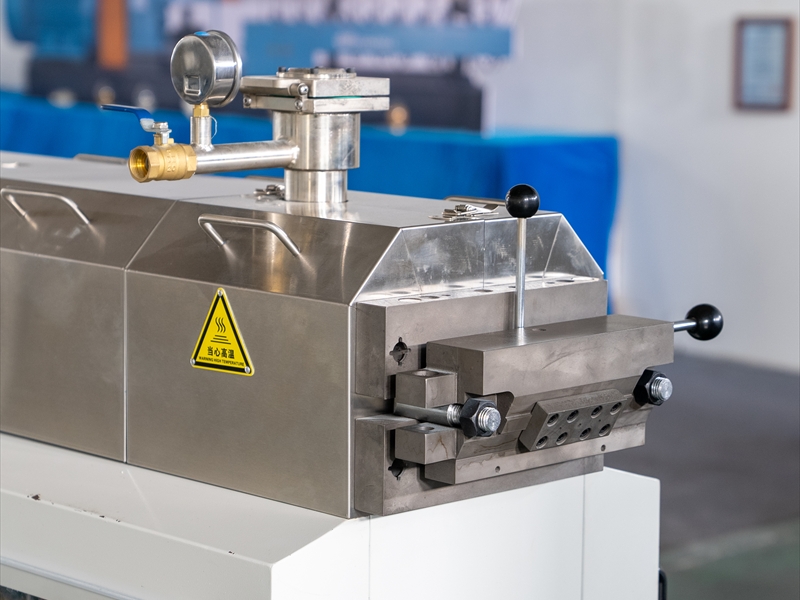
- Pilihan peralatan sing tepat ngoptimalake kualitas produk lan efisiensi produksi.
-
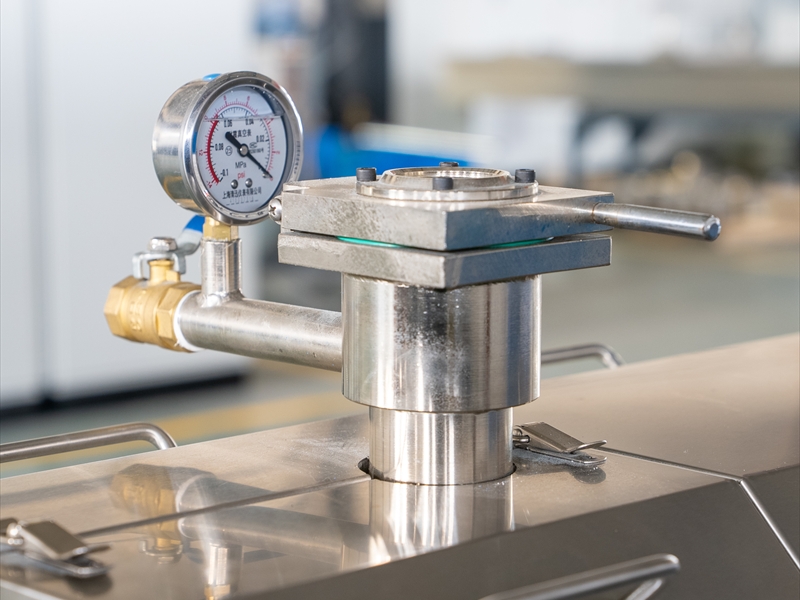
Mesin canggih nyuda biaya operasional lan bottlenecks, njamin throughput sing luwih apik lan kepuasan pelanggan.
- Nyelarasake pilihan mesin kanthi kapasitas produksi lan spesifikasi materi njamin asil sing konsisten.
Takeaways Key
- Pilih mesin sing bener kanggo kabutuhan sampeyan. Extruders twin-screw unggul ing campuran lan throughput, nalika mesin kneader becik kanggo bahan sensitif.
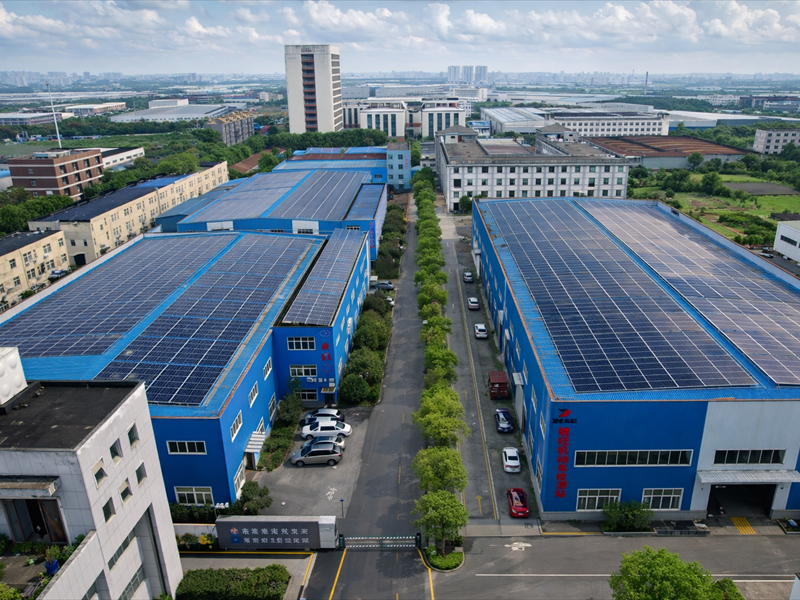
- Utamakan kualitas produksi. Pilihan peralatan sing tepat langsung mengaruhi konsistensi lan kinerja masterbatch sampeyan.
-
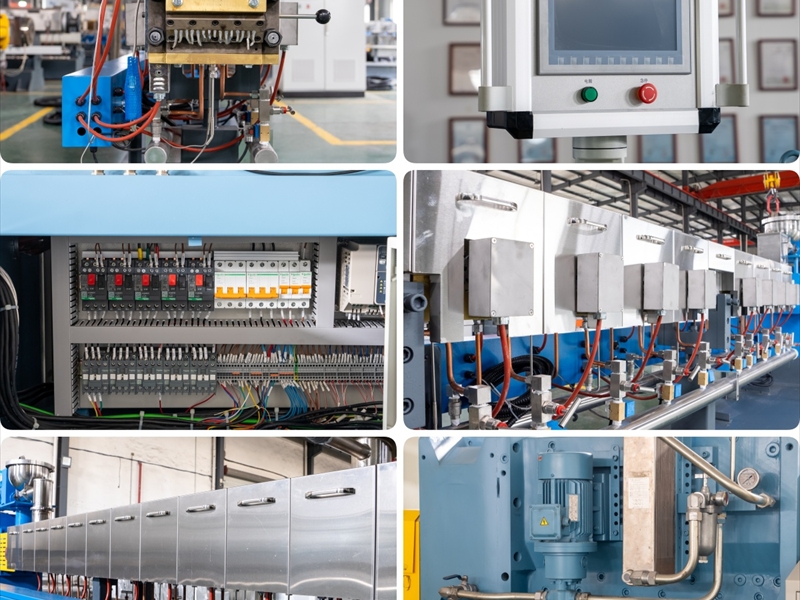
Nggedhekake efisiensi kanthi mesin canggih. Extruders twin-screw nyuda biaya operasional lan nambah aliran produksi.
- Njamin kompatibilitas materi. Nindakake tes sing ketat kanggo ngonfirmasi manawa pigmen lan aditif dicampur kanthi apik kanggo asil sing optimal.
- Fokus ing konsistensi dispersi. Compounding berkualitas tinggi nyegah cacat lan njamin warna seragam ing produk plastik.
- Coba kabutuhan pangopènan. Extruders twin-screw mbutuhake perawatan luwih, nalika mesin kneader nawakake rutin pangopènan prasaja.
-
Evaluasi anggaran sampeyan kanthi teliti. Extruders twin-screw mbutuhake biaya awal sing luwih dhuwur, nanging efisiensi bisa ngimbangi biaya liwat wektu.
- Rencana kanggo skalabilitas. Extruders twin-screw bisa gampang adaptasi kanggo panjaluk produksi tambah, nalika mesin kneader mbutuhake unit tambahan.
Ringkesan Manufaktur Masterbatch
Apa Masterbatch
Manufaktur Masterbatch nggawe campuran pigmen sing konsentrasi, aditif, lan resin pembawa. Campuran kasebut, disebut masterbatch, digunakake kanggo menehi warna utawa nambah sifat produk plastik. Proses kasebut kalebu campuran bahan mentah, compounding wong liwat extrusion, lan mbentuk pelet kanggo gampang ditangani. Produsen ngandelake masterbatch kanggo entuk warna sing konsisten, kekiatan apik, lan kinerja khusus ing aplikasi plastik. Industri masterbatch ndhukung macem-macem sektor, kalebu packaging, otomotif, lan barang konsumen.
Proses manufaktur masterbatch mbutuhake kontrol sing ati-ati ing saben tahap. Saben langkah, saka pilihan bahan mentah nganti kemasan pungkasan, mengaruhi kualitas lan kinerja produk rampung. Tabel ing ngisor iki njlentrehake langkah-langkah utama lan syarat kritis:
| Langkah | Syarat Kritis |
|---|---|
| Pemilihan Bahan Baku | Gunakake tanpa bledug, kurang Kelembapan, lan bahan termal stabil kanggo kualitas konsisten. |
| Precise Weighing and Mixing | Sistem dosis otomatis kanggo akurasi; mixers kacepetan dhuwur kanggo seragam wis senyawa. |
| Extrusion lan Compounding | Aplikasi panas sing dikontrol lan campuran geser dhuwur kanggo dispersi aditif kanthi lengkap. |
| Pendinginan lan Formasi Pelet | Cooling cepet lan nglereni untaian extruded menyang pelet seragam. |
| Inspeksi Kualitas Kaku | Tes kualitas macem-macem kalebu keseragaman warna lan mriksa kompatibilitas. |
| Packaging lan Pangiriman Pas wektune | Simpen ing resik, fasilitas suhu-kontrol lan fokus ing pangiriman ing wektu. |
Kebutuhan Utama Produksi
Konsistensi dispersi
Konsistensi dispersi minangka syarat utama ing manufaktur masterbatch. Panyebaran seragam pigmen lan aditif njamin saben produk plastik nampilake warna lan sifat sing dikarepake. High-quality compounding nyegah tatanan saka lumps hard utawa impurities, sing bisa nyebabake cacat ing masterbatch pungkasan. Produsen nggunakake teknologi ekstrusi campuran lan compounding sing canggih kanggo entuk dispersi sing apik. Dispersi sing konsisten uga nambah permukaan lan nyuda masalah produksi, nggawe iku penting kanggo kinerja masterbatch dipercaya.
Throughput
Throughput ngukur jumlah masterbatch sing diprodhuksi ing wektu tartamtu. Throughput dhuwur ndhukung produksi skala gedhe lan nyukupi kabutuhan pasar kanthi efisien. Proses compounding kudu ngimbangi kacepetan karo kualitas, produksi cepet ngirim ora kompromi sawur utawa uniformity. Garis manufaktur masterbatch modern nggunakake sistem otomatis lan extruder berkapasitas dhuwur kanggo ngoptimalake throughput. Sistem pendinginan lan pelletizing sing efisien luwih nyepetake proses kasebut, mesthekake yen target produksi ketemu tanpa ngorbanake kualitas.
Kompatibilitas materi
Kompatibilitas materi nduweni peran penting ing manufaktur masterbatch. Pigmen sing dipilih, aditif, lan resin pembawa kudu nyampur kanthi apik sajrone campuran. Bahan sing ora cocog bisa nyebabake dispersi sing ora apik, coretan werna, utawa suda kinerja plastik. Produsen nindakake tes kualitas sing ketat, kalebu cocog werna lan analisis sawur, kanggo konfirmasi kompatibilitas. Langkah iki njamin yen masterbatch nggabungake kanthi lancar menyang macem-macem aplikasi plastik, ndhukung asil sing konsisten ing macem-macem produksi.
Cathetan: Manufaktur masterbatch kualitas dhuwur gumantung ing kontrol sing tepat saka compounding, nyampur sak tenane, lan milih bahan kanthi ati-ati. Faktor kasebut njamin yen masterbatch pungkasan cocog karo standar industri kanggo warna, kekiatan, lan prilaku pangolahan.
Twin Screw Extruder ing Mesin Masterbatch
Twin Screw Extruder Jinis
Extruders sekrup kembar wis dadi penyangga manufaktur masterbatch modern. Padha kurban keluwesan unmatched lan kontrol dibandhingake desain meneng siji. Tabel ing ngisor iki highlights ing beda operasional antarane extruders meneng siji lan kembar, nandheske kok konfigurasi kembar ndominasi produksi masterbatch:
| Fitur | Tunggal Screw Extruder | Twin Screw Extruder |
|---|---|---|
| Kapabilitas Nyampur | winates | ditingkatake |
| Fleksibilitas | kurang | dhuwur |
| Ngontrol Aliran Material | Moderate | dhuwur |
| Becik kanggo Resep Komplek | Ora | ya wis |
| Aplikasi ing Masterbatch | winates | ekstensif |
Co-Rotasi
Co-rotating twin screw extruders feature screws that rotate in the same direction. This design maximizes the mixing and compounding efficiency. The co-rotating action ensures that materials experience both dispersive and distributive mixing, which is essential for producing high-quality masterbatch. Manufacturers prefer this type for its ability to handle complex formulations and maintain consistent output.
Intermeshing vs Non-Intermeshing
Twin screw extruders can be intermeshing or non-intermeshing. Intermeshing designs allow the screws to overlap, creating a self-wiping effect that reduces material build-up and improves self-cleaning. This feature supports continuous operation and minimizes downtime. Non-intermeshing types keep the screws separate, which can suit specific compounding needs but generally offer less intensive mixing.
Fitur Twin Screw Extruder
Desain Modular
Twin screw extruders nggunakake unsur meneng modular. Fitur iki ngidini operator ngatur sistem ekstrusi kanggo macem-macem resep masterbatch. Desain modular ndhukung transfer energi mekanik sing optimal lan ngidini owah-owahan cepet ing persiyapan proses. Produsen bisa adaptasi sistem ekstrusi kanggo bahan anyar utawa syarat produk tanpa downtime utama.
Geser lan Kontrol Tekanan
Kontrol sing tepat babagan geser lan tekanan nemtokake efektifitas extruder sekrup kembar. Operator bisa nyetel kacepetan meneng, konfigurasi, lan suhu laras kanggo nyempurnakake proses compounding. Kontrol iki njamin panyebaran seragam pigmen lan aditif, ngasilake kualitas masterbatch sing konsisten. Sistem ekstrusi uga njaga tekanan sing stabil, sing nglindhungi bahan sensitif lan nambah sifat struktural produk pungkasan.
Kaluwihan
Campuran Superior
Twin-meneng extruders ngirim pencampuran dispersive lan distributive kuwat. Kapabilitas iki njamin pigmen lan aditif nyampur sak tenane sajrone compounding. Asil punika masterbatch karo werna seragam lan kinerja.
Throughput Dhuwur
Produsen gumantung ing extruders meneng kembar kanggo throughput dhuwur. Mesin kasebut ngolah masterbatch kanthi volume gedhe kanthi efisien, nyukupi kabutuhan produksi skala industri. Desain ndhukung pakan stabil pigmen bubuk lan aditif, sing nambah produktivitas.
Self-Reresik
Tumindak intermeshing ing akeh extruders meneng kembar menehi efek poto-reresik. Fitur iki nyuda residu materi, nyuda resiko kontaminasi, lan shortens kaping changeover antarane formulasi masterbatch beda.
Tip: Kaluwihan saka teknologi extruder meneng kembar ngluwihi nyawiji. Mesin-mesin iki ngoptimalake panggunaan materi lan ndhukung kontrol sing tepat ing saben tahapan proses compounding.
Kakurangan
biaya
Sistem extruder meneng kembar mbutuhake investasi dhisikan sing signifikan. Produsen asring ngadhepi biaya sing luwih dhuwur dibandhingake karo mesin sekrup tunggal. Teknik canggih lan desain modular saka extruders kembar nyumbang kanggo biaya iki. Akeh fasilitas uga kudu nandur modal ing specialized piranti bantu kanggo ndhukung extruder meneng kembar. Biaya kasebut bisa nantang produsen skala cilik utawa sing duwe anggaran winates. Swara wektu, efisiensi lan output teknologi extruder meneng kembar bisa ngimbangi biaya dhisikan, nanging alangi kanggo entri tetep luwih dhuwur tinimbang karo mesin prasaja.
Pangopènan
Maintenance kanggo peralatan extruder meneng kembar nuntut teknisi trampil lan manungsa waé biasa. Sekrup intermeshing lan komponen modular ngalami nyandhang sajrone operasi terus-terusan. Operator kudu ngawasi kondisi sekrup, barel, lan segel kanggo nyegah downtime. Pangopènan sing dijadwal lan panggantos part mbantu njaga kinerja sing konsisten, nanging padha nambah biaya operasional. Majelis Komplek ing sistem extruder skru kembar bisa nambah wektu sing dibutuhake kanggo ngresiki lan ndandani. Fasilitas sing ngolah bahan sing abrasif utawa kebak banget bisa uga cepet nyandhang, mbutuhake pangopènan sing luwih kerep.
Cathetan: Pangopènan reguler mesthekake yen mesin extruder sekrup kembar ngasilake asil sing bisa dipercaya lan ngluwihi umur layanan. Nglirwakake pangopènan bisa nyebabake kualitas masterbatch sing ora konsisten lan mandheg produksi sing ora dikarepake.
Aplikasi saka Twin Screw Extruder
Warna Masterbatch
Teknologi twin screw extruder nduweni peran utama ing produksi masterbatch warna. Sekrup kembar nyedhiyakake pencampuran intensif, kang njamin pigmen nyebar roto-roto saindhenging resin operator. Proses iki nggawe pelet kanthi werna seragam, penting kanggo produk plastik kualitas dhuwur. Produsen gumantung ing extruder meneng kembar kanggo nangani sawetara saka sudhut jinis pigmen lan konsentrasi. Fleksibilitas desain kembar ngidini owah-owahan cepet ing antarane formulasi warna sing beda, ndhukung macem-macem syarat pelanggan.
Masterbatch aditif
Aplikasi sistem extruder meneng kembar ngluwihi manufaktur masterbatch aditif. Mesin iki nyampur aditif fungsional-kayata penstabil UV, flame retardants, utawa agen antistatik - menyang matriks polimer. Sekrup kembar njamin panyebaran lengkap, kang maximizes efektifitas saben aditif. Campuran sing konsisten nyegah aglomerasi lan njamin yen saben pelet ngasilake kinerja sing dikarepake. Desain modular saka extruder sekrup kembar ngidini operator nyetel proses kanggo macem-macem jinis aditif lan beban..
Tabel ing ngisor iki ngringkes wilayah aplikasi utama kanggo sistem extruder meneng kembar ing produksi masterbatch:
| Aplikasi | Katrangan |
|---|---|
| Produksi Masterbatch | Njamin sawur seragam pigmen lan aditif kanggo masterbatches werna lan fungsional. |
| Warna Masterbatch | Nyedhiyakake distribusi warna sing konsisten lan ndhukung owah-owahan formulasi kanthi cepet. |
| Masterbatch aditif | Nyedhiyakake penggabungan aditif fungsional sing tepat kanggo sifat plastik sing ditingkatake. |
Mesin extruder meneng kembar ndhukung macem-macem aplikasi masterbatch. Versatility lan kontrol ndadekake dheweke dadi pilihan sing disenengi kanggo produksi masterbatch warna lan aditif. The application of twin screw extruder technology continues to expand as manufacturers seek higher quality and efficiency.
Kneader Machine for Masterbatch Manufacturing
Kneader Machine Types
Kneader machines play a vital role in masterbatch manufacturing, especially when handling high-value or sensitive materials. Several types of kneader machines serve the industry, each designed for specific compounding needs:
- Banbury Mixers: These machines excel at compounding polymers and additives, making them a staple in masterbatch production.
- Dispersion Kneaders: Manufacturers use these for achieving uniform dispersion, which is essential for consistent masterbatch quality.
- Internal Mixers: Laboratories often rely on internal mixers for small-scale research and development. These machines allow precise control over mixing parameters.
- Sigma Blade Kneaders: Dirancang kanggo bahan viskositas dhuwur, kneader sigma agul-agul mesthekake nyawiji pepek lan becik kanggo tugas compounding tantangan.
Mesin kneader beroperasi kanthi nyampur bahan ing suhu sing dikontrol lan kahanan geser. Pendekatan iki njamin dispersi seragam lan compounding efektif, sing kritis kanggo ngasilake masterbatch sing berkualitas tinggi.
Fitur saka Mesin Kneader
Campuran Intensif
Mesin Kneader ngirim campuran intensif, kang mbisakake dispersi lan campuran sing tepat saka pigmen, aditif, lan resin. Fitur iki mbuktekake utamane penting ing manufaktur masterbatch, ing ngendi bahan sing diowahi kanthi dhuwur lan dikarepake mbutuhake distribusi seragam. Tumindak campuran sing kuat nyegah aglomerasi lan mesthekake yen saben kumpulan masterbatch memenuhi standar kualitas sing ketat.
Efisiensi Energi
Efisiensi energi stands metu minangka kauntungan tombol saka mesin kneader. Desaine nyilikake konsumsi energi sajrone compounding, sing mbantu manufaktur nyuda biaya operasional. Mesin njaga output sing stabil nalika ngolah macem-macem bahan, nggawe cocok kanggo manufaktur masterbatch skala gedhe lan khusus.
Operasi Batch
Mesin kneader biasane beroperasi ing mode batch. Cara iki ngidini pangaturan parameter sing fleksibel, ndhukung produksi macem-macem formulasi masterbatch. Operasi kumpulan uga nyedhiyakake output sing stabil, sing penting kanggo njaga konsistensi nalika ngolah bahan sensitif utawa dhuwur. Operator bisa ngawasi kanthi rapet saben batch, mesthekake yen proses compounding ketemu spesifikasi sing dibutuhake.
Kaluwihan
Precision Mixing
Mesin Kneader nawakake campuran tliti, sing penting kanggo manufaktur masterbatch sing nglibatake bahan kompleks utawa sensitif. Mesin-mesin’ ability to achieve uniform dispersion ensures that pigments and additives integrate seamlessly into the carrier resin. This precision supports the production of masterbatch with consistent color and performance.
Lower Energy Consumption
Manufacturers value kneader machines for their lower energy consumption compared to other compounding equipment. The efficient design reduces heat generation and minimizes material degradation, which benefits heat-sensitive masterbatch formulations. Lower energy use also contributes to a more sustainable production process.
Robustness
Kneader machines demonstrate exceptional robustness. Their construction withstands the demands of intensive compounding, even when processing abrasive or highly filled materials. This durability ensures reliable operation and extends the service life of the equipment, nggawe mesin kneader investasi swara kanggo fasilitas manufaktur masterbatch.
Cathetan: Mesin kneader nggabungake campuran intensif, efisiensi energi, lan konstruksi sing kuwat, nggawe wong becik kanggo manufaktur masterbatch sing mbutuhake compounding tepat lan output stabil.
Kakurangan
Throughput Lower
Mesin kneader beroperasi ing mode batch, sing mbatesi throughput dibandhingake karo sistem ekstrusi sing terus-terusan. Operator kudu mbukak, nyampur, lan ngeculake saben batch sadurunge miwiti siklus sabanjure. Proses iki matesi volume masterbatch diprodhuksi ing wektu tartamtu. Fasilitas sing mbutuhake tingkat produksi dhuwur asring nemokake mesin kneader kurang cocok kanggo manufaktur skala gedhe. Operasi batch uga nambah downtime antarane siklus, kang bisa mengaruhi efficiency sakabèhé. Produsen sing ngutamakake kacepetan lan volume bisa uga luwih milih extruder amarga kemampuane ngasilake output sing konsisten tanpa gangguan..
Fleksibilitas winates
Mesin Kneader nawakake kurang keluwesan nalika adaptasi karo formulasi anyar utawa owah-owahan produk kanthi cepet. Proses batch mbutuhake pangaturan manual kanggo saben resep, kang slows nanggepi panjaluk pasar pindah. Operator kudu ngresiki lan nyiapake mesin ing antarane batch, utamané nalika ngoper antarane bahan beda. Watesan iki ndadekake mesin kneader kurang becik kanggo fasilitas sing sering ngganti komposisi masterbatch. Desain kasebut cocog karo lingkungan produksi sing stabil nanging menehi tantangan kanggo produsen sing pengin fleksibilitas ing macem-macem aplikasi..
Cathetan: Mesin kneader unggul ing pencampuran presisi lan efisiensi energi, but their lower throughput and limited flexibility can restrict their use in fast-paced or highly variable production settings.
Aplikasi Khas
Highly Filled Masterbatch
Kneader machines demonstrate exceptional performance in highly filled masterbatch production. These machines handle ultra-high loading tingkatan, asring ngluwihi 85% isi pengisi. The intensive mixing action ensures difficult-to-disperse additives integrate thoroughly into the carrier resin. Manufacturers select kneader machines for filler masterbatch compounding because they maintain uniform dispersion and prevent agglomeration, malah karo materi tantangan. The table below highlights the primary application type and its characteristics:
| Jinis Aplikasi | Karakteristik |
|---|---|
| Filler Masterbatch Compounding | Ultra-High Loading, >85% filling levels, difficult-to-disperse additives |
This application requires robust mixing and stable output, which kneader machines provide. Operator entuk kualitas sing konsisten ing batch kanthi isi pengisi sing dhuwur, ndhukung tuntutan industri.
Senyawa karet
Produksi senyawa karet minangka aplikasi kunci liyane kanggo mesin kneader. Peralatan ngolah elastomer, pangisi, lan aditif ing suhu kontrol lan kondisi nyukur. Mesin Kneader ngirimake sawur seragam, sing nambah sifat fisik produk karet. Produsen gumantung ing mesin kneader kanggo kemampuan kanggo nangani bahan kenthel lan njaga konsistensi batch-to-batch.. Proses kasebut ndhukung aplikasi karet khusus, kalebu bagean otomotif, asu laut, lan komponen industri.
Tip: Fasilitas sing ngasilake masterbatch utawa senyawa karet sing diisi banget entuk manfaat saka pencampuran sing kuat lan operasi batch sing stabil ing mesin kneader.. Aplikasi kasebut mbutuhake presisi lan linuwih, which kneader machines consistently deliver.
Bedane Antarane Single lan Twin Screw Extruder
Kualitas Campuran
Kualitas campuran stands as a critical factor in masterbatch manufacturing. The single screw extruder provides mainly distributive mixing. This means it spreads materials but does not break down agglomerates as effectively. Twin screw extruders deliver both dispersive and distributive mixing. They can break down pigment clusters and distribute additives evenly. This capability results in a more homogeneous masterbatch, which is essential for high-performance applications.
The table below highlights the main differences in kemampuan nyampur:
| Fitur | Tunggal Screw Extruder | Twin Screw Extruder |
|---|---|---|
| Kapabilitas Nyampur | kurang (utamané distributive) | dhuwur (Dispersive & Distributif) |
Manufacturers often choose twin screw extruders for compounding tasks that require intensive mixing, such as blending glass fibers, flame retardants, or pigments into resins. The single screw extruder works best for simpler formulations where basic mixing suffices.
Tip: For masterbatch products that demand uniform color and additive distribution, twin screw extruders offer a clear advantage.
Throughput
Throughput measures how much material a machine can process in a given time. The single screw extruder excels in continuous, straightforward processes. It handles large volumes efficiently when the formulation does not require complex mixing. Extruders meneng kembar, ing sisih liyane, provide superior throughput for complex masterbatch production. Their design supports excellent material conveying, nyampur, and shear dispersion.
The following table compares throughput capabilities:
| Tipe Extruder | Kapabilitas throughput |
|---|---|
| Screw Tunggal | More efficient for simpler, continuous processes |
| Sekrup kembar | Campuran unggul, ideal for complex masterbatch tasks |
- Extruder sekrup tunggal: Best for high-volume, simple recipes.
- Extruder meneng kembar: Preferred for high-intensity mixing and advanced formulations.
Production lines that require both speed and advanced mixing often rely on twin screw extruders. Facilities focused on basic compounding may select the single screw extruder for its efficiency.
Lingkup Aplikasi
The application scope defines where each machine performs best. The single screw extruder suits basic plastic processing, kayata ngasilake pipa, film, or simple compounds. It offers reliability for straightforward tasks. Extruders meneng kembar handle a broader range of applications. They excel in masterbatch production, especially when recipes involve multiple additives or require precise dispersion.
Key application areas include:
- Extruder sekrup tunggal: Used for continuous processes with minimal mixing needs.
- Extruder meneng kembar: Essential for masterbatch, compounding with glass fibers, pigmen, utawa flame retardants.
The difference between single and twin screw extruder technology shapes the choice for manufacturers. Those who need advanced mixing and flexibility select twin screw extruders. Those who prioritize simplicity and volume often choose the single screw extruder.
Cathetan: Selecting the right extruder depends on the complexity of the formulation, throughput sing dikarepake, lan syarat panggunaan pungkasan.
Masterbatch Machine Comparison
Kinerja
Performance defines the core value of any mesin masterbatch. Twin-screw extruders set the industry standard for high-performance compounding. These machines handle complex recipes with ease. Operators can adjust process parameters quickly, which supports consistent output. The twin design ensures stable feeding and precise temperature control. This leads to reliable production of masterbatch with uniform properties.
Kneader machines excel in specific scenarios. They deliver outstanding results when processing highly filled or sensitive materials. Their robust construction allows them to withstand demanding conditions. Nanging, batch operation limits their overall speed. Facilities that require continuous, high-volume production often prefer the twin screw extruder for its superior performance.
Single screw extruder systems offer reliable performance for basic tasks. They suit straightforward masterbatch formulations. These machines do not match the advanced capabilities of twin-screw extruders or kneader machines in complex compounding.
Cathetan: Selecting the right masterbatch machine depends on the desired balance between speed, konsistensi, and material requirements.
Kualitas Campuran
Mixing quality remains a critical factor in masterbatch manufacturing. Twin-screw extruders provide both dispersive and distributive mixing. This means they break down pigment clusters and distribute additives evenly. The result is a homogeneous masterbatch with consistent color and performance. Operators can fine-tune the extrusion system to match the needs of each recipe.
Kneader machines also deliver high mixing quality, especially for challenging materials. Their intensive mixing action ensures thorough dispersion. This proves essential for highly filled masterbatch or rubber compounds. Nanging, batch operation can introduce slight variations between cycles.
Single screw extruder machines offer basic distributive mixing. They work well for simple formulations but struggle with complex recipes. These machines cannot achieve the same level of pigment dispersion as twin-screw extruders or kneader machines.
The table below summarizes mixing quality across different masterbatch machine types:
| Jinis Mesin | Kualitas Campuran | Best Gunakake Case |
|---|---|---|
| Twin-meneng extruders | unggul (Dispersive & Distributif) | Complex masterbatch, werna, aditif |
| Kneader machines | dhuwur (Intensif) | Highly filled, sensitive materials |
| Extruder sekrup tunggal | dhasar (Distributif) | Simple masterbatch |
Fleksibilitas
Flexibility determines how well a masterbatch machine adapts to changing production needs. Extruder meneng kembar systems stand out for their versatility. They allow operators to modify screw configurations, adjust shear levels, and control residence time. This adaptability supports a wide range of masterbatch formulations. Manufacturers can switch between recipes with minimal downtime. Ing strong mixing capabilities of twin-screw extruders enhance flexibility, making them essential for consistent color quality and efficient production.
Kneader machines offer moderate flexibility. They handle various materials and filler levels but require manual adjustments between batches. This process can slow response to new market demands. Batch operation also limits the speed of recipe changes.
Single screw extruder machines provide the least flexibility. They suit stable, high-volume production of simple masterbatch. These machines do not support rapid changes in formulation or advanced compounding tasks.
Tip: Facilities that produce multiple masterbatch types benefit from the flexibility of twin screw extruder technology. This advantage supports innovation and quick adaptation to customer needs.
Throughput
Throughput measures the volume of material processed by a masterbatch machine within a set period. Twin screw extruders deliver high throughput, supporting large-scale production environments. Operators can achieve output rates from 30 kilograms per hour up to 4000 kilogram saben jam. This capacity enables manufacturers to meet demanding schedules and maintain consistent supply. Kneader machines operate at lower throughput levels, with maximum output reaching up to 1000 kilogram saben jam. Batch operation limits their speed, making them suitable for specialty or high-value masterbatch production.
The table below compares throughput capacity:
| Jinis piranti | Kapasitas Output |
|---|---|
| Twin Screw Extruder | 30kg/h to 4000kg/h |
| Kneader Machine | Up to 1000kg/h |
Twin screw extruders dominate high-volume masterbatch manufacturing. Kneader machines excel in applications where precision and material sensitivity outweigh speed.
Pangopènan
Maintenance requirements differ significantly between twin screw extruders and kneader machines. Twin screw extruders demand regular attention due to their complex design and high operational loads. Operators must monitor screw wear, gearbox integrity, lan asu laut. After-sales service contracts typically cost antarane 2% lan 5% of the machine’s value saben taun. Kanggo a $200,000 extruder, annual maintenance expenses range from $4,000 kanggo $10,000. Spare parts add to the cost, with screw sets priced from $15,000 kanggo $25,000 and gearbox replacements costing $30,000 kanggo $50,000. Preventive maintenance extends the interval between major overhauls from five years to seven years, reducing long-term expenses.
- Twin screw extruders require frequent inspections and specialized technicians.
- Kneader machines feature robust construction and simpler maintenance routines.
- Preventive maintenance increases reliability and reduces downtime for both machine types.
Facilities that operate twin screw extruders must budget for higher maintenance costs and plan for regular service intervals. Kneader machines offer easier upkeep, making them attractive for smaller operations or specialty production.
biaya
Cost plays a decisive role in masterbatch machine selection. Twin screw extruders involve substantial initial investment. Manufacturers pay for advanced engineering, modular components, and auxiliary equipment. Ongoing maintenance and spare parts further increase operational expenses. Kneader machines present lower upfront costs and reduced maintenance requirements. Their batch operation suits facilities with limited budgets or those focused on specialty masterbatch production.
Operators must weigh the benefits of high throughput and flexibility against the financial commitment required for twin screw extruders. Kneader machines provide a cost-effective solution for precision mixing and stable output, especially in applications where speed is not the primary concern.
Tip: Careful cost analysis ensures that manufacturers select the masterbatch machine best suited to their production goals and financial resources.
Skalabilitas
Scalability determines how well a masterbatch machine supports growth and adapts to increased production demands. Manufacturers often evaluate scalability when planning for expansion or responding to market changes. Twin screw extruders and kneader machines offer distinct advantages and limitations in this area.
Twin Screw Extruder Scalability
Twin screw extruders excel in scalable production environments. Operators can increase output by upgrading screw diameter, dawa, or motor power. Modular design allows for easy expansion and customization. Facilities can add auxiliary equipment, such as feeders or pelletizers, to boost capacity. Manufacturers often choose twin screw extruders for their ability to handle both small and large batch sizes without sacrificing quality.
- Modular configuration supports rapid adaptation.
- Upgrades enable higher throughput and advanced formulations.
- Integration with automated systems streamlines scaling.
Kneader Machine Scalability
Kneader machines present challenges in scalability. Batch operation limits continuous output. Operators must process each batch separately, which restricts overall capacity. Scaling up often requires purchasing additional machines rather than expanding a single unit. This approach increases floor space and operational complexity. Kneader machines suit specialty production where precision matters more than volume.
- Batch processing restricts seamless scaling.
- Expansion involves adding more units, not upgrading existing ones.
- Best suited for stable, low-to-medium volume production.
Cathetan: Facilities planning for rapid growth or fluctuating demand benefit from the scalable design of twin screw extruders. Kneader machines fit environments with consistent, specialty production needs.
Scalability Comparison Table
| Jinis Mesin | Scalability Features | Expansion Method | Ideal Production Scale |
|---|---|---|---|
| Twin Screw Extruder | Modular, upgradeable, automation-ready | System upgrades, add-ons | Small to large-scale |
| Kneader Machine | winates, batch-based | Additional machines | Khusus, low-to-medium |
Manufacturers seeking flexible, high-volume production often select twin screw extruders. Kneader machines remain valuable for niche applications where batch consistency and precision outweigh the need for rapid scaling.
Tip: Evaluate future production goals before investing in masterbatch machinery. Twin screw extruders offer a pathway to growth, while kneader machines deliver reliability for specialized operations.
Milih Mesin Masterbatch Tengen
Decision Factors
Selecting the optimal masterbatch machine requires careful evaluation of several core factors. Each facility must align its equipment with operational goals and material demands.
Volume Produksi
Production volume determines the scale and speed of manufacturing. Facilities with high production capacity need machines that can sustain continuous output. Extruders meneng kembar excel in large-scale environments. They process significant quantities of masterbatch without frequent interruptions. Kneader machines suit smaller batches or specialty runs. Operators should match machine throughput to their target production levels.
Jinis Bahan
Material type influences machine selection. Some masterbatch recipes use wood, bamboo, or straw fibers. Others require advanced additives for mechanics, degradability, or unique functionality. Twin screw extruders handle a wide range of plastic resins and complex formulations. Kneader machines perform well with sensitive or high-value materials. The choice depends on the compatibility of the machine with the raw materials and the desired properties of the final product.
Syarat Mutu
Quality requirements shape the compounding process. Manufacturers producing masterbatch for high-performance plastic applications must ensure uniform dispersion and color consistency. Twin screw extruders deliver superior mixing and precise control. Kneader machines provide intensive blending for highly filled or specialty masterbatch. Facilities should assess the level of quality needed for their end-use products.
Anggaran
Budget remains a decisive factor in equipment investment. Twin screw extruders require higher initial costs and ongoing maintenance. Kneader machines offer a lower entry point and reduced upkeep. Financial planning must consider both upfront expenses and long-term operational costs. The final decision should balance production goals with available resources.
Tip: The selection process involves more than just machine specifications. Operators must consider the type of fiber, desired masterbatch performance, and financial constraints to make the best choice.
Twin screw extruders deliver high throughput and superior mixing, making them ideal for complex, large-scale masterbatch production. Kneader machines excel with sensitive or highly filled materials, offering precision and energy efficiency. Aligning machine choice with production goals and kompatibilitas materi ensures consistent quality, smooth processing, and fewer defects. Manufacturers who match machine capabilities with resin and polymer systems achieve better surface finish, stable output, and long-term success in masterbatch manufacturing.
FAQ
What is the main advantage of a twin-screw extruder in masterbatch production?
Twin-meneng extruders provide superior mixing and high throughput. They handle complex formulations with ease. Manufacturers rely on them for consistent quality and efficient large-scale production.
When should a manufacturer choose a kneader machine?
A manufacturer should select a kneader machine for highly filled, sensitive, or specialty materials. Kneader machines offer precise mixing and energy efficiency, making them ideal for demanding or small-batch applications.
How does maintenance differ between twin-screw extruders and kneader machines?
Twin-screw extruders require frequent inspections and specialized technicians. Kneader machines have simpler maintenance routines and robust construction. Facilities with limited technical staff often prefer kneader machines for easier upkeep.
Can a single-screw extruder produce masterbatch?
A single-screw extruder can produce simple masterbatch formulations. It cannot achieve the same mixing quality or flexibility as twin-screw extruders. Manufacturers use single-screw machines for basic, high-volume tasks.
What factors affect the cost of a masterbatch machine?
Machine size, tingkat otomatisasi, and auxiliary equipment impact cost. Twin-screw extruders have higher initial and maintenance expenses. Kneader machines offer lower entry costs but may require more units for scaling.
Which machine offers better scalability for growing production needs?
Twin-meneng extruders offer modular upgrades and automation options. They scale easily for increased output. Kneader machines require additional units for expansion, which increases operational complexity.
Are kneader machines suitable for color masterbatch production?
Kneader machines can produce color masterbatch, especially for high-fill or specialty batches. Extruders twin-screw tetep dadi pilihan sing disenengi kanggo volume dhuwur, produksi masterbatch werna konsisten.