

Ịchọgharị Ọrụ na Ọrụ nke Twin Screw Extruders
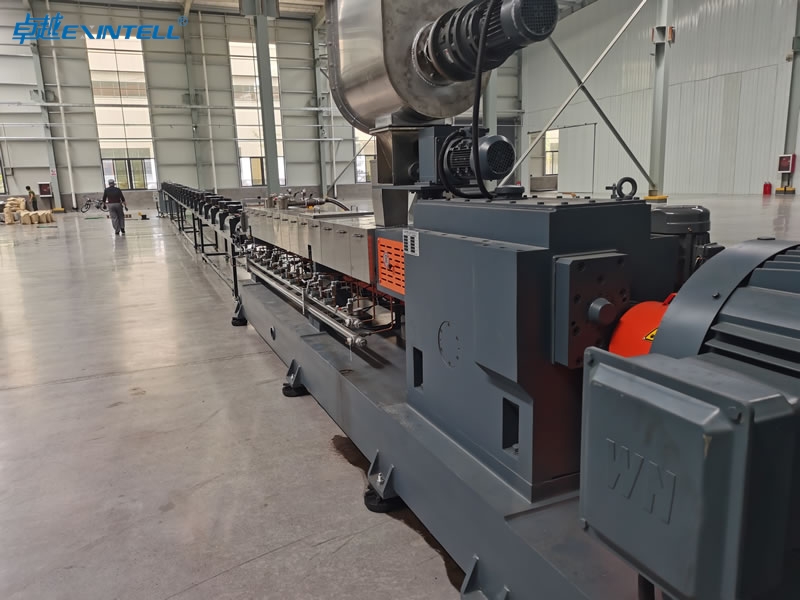
A ejima ịghasa extruder na-eji skru abụọ na-emekọrịta ihe na-agwakọta, ibuga, na hazie ihe nke ọma. Ị na-enweta ngwakọta dị elu yana ọnụego mmepụta dị elu ma e jiri ya tụnyere ndị extruders otu-screw. Ndị na-emepụta ihe na-adabere na teknụzụ a maka nhazi plastik na ntụ ntụ. Ụlọ ọrụ polymer na plastik na-ejide ihe fọrọ nke nta ka ọ bụrụ 40% nke oke ahịa ahịa zuru ụwa ọnụ, na ọchịchọ kpaliri site nkwakọ ngwaahịa, ụgbọ ala, na ngwa nri. Eshia-Pacific na-eduga ahịa n'ihi uto ụlọ ọrụ ngwa ngwa.
Isi ihe eji eme ihe
-
Ejima ịghasa extruders jiri skru abụọ na-emekọrịta ihe iji gwakọta ma hazie ihe nke ọma, na-eduga n'ịgwakọta mma na ọnụ ọgụgụ mmepụta dị elu.
-
Igwe ndị a na-eme nke ọma n'ijikwa ihe dị iche iche, gụnyere plastik na ntụ ntụ, na-eme ka ha dị iche iche maka ọtụtụ ụlọ ọrụ.
-
Nhazi nke ejima ịghasa extruders na-enye ohere maka njikwa ziri ezi na okpomọkụ, nrụgide, na ịgwakọta, n'ịhụ na ngwaahịa na-agbanwe agbanwe.
-
Ị nwere ike ịhazi nhazi nke screw iji kwalite usoro maka ihe dị iche iche, na-eme ka mgbanwe dị na mmepụta.
-
Ejima ịghasa extruders dị mma maka mgbagwoju formulations, dị ka ha hụ na ọbụna dispersion nke nwekwara na fillers ofụri ihe onwunwe.
-
Igwe ndị a na-akwado omume na-adigide site na nhazi nke ọma ihe ejigharịgharịa na ibelata mkpofu n'ichepụta.
-
Na nnukwu mmepụta ike, ejima ịghasa extruders na-enyere ndị na-emepụta aka izute usoro mmepụta ihe na-achọsi ike n'achụghị àgwà.
-
Idozi na nleba anya mgbe niile dị mkpa iji mee ka ndị ejima screw extruders na-aga nke ọma yana igbochi okwu arụ ọrụ.
Kedu ihe bụ Twin Screw Extruder
Nkọwa na akụkụ isi
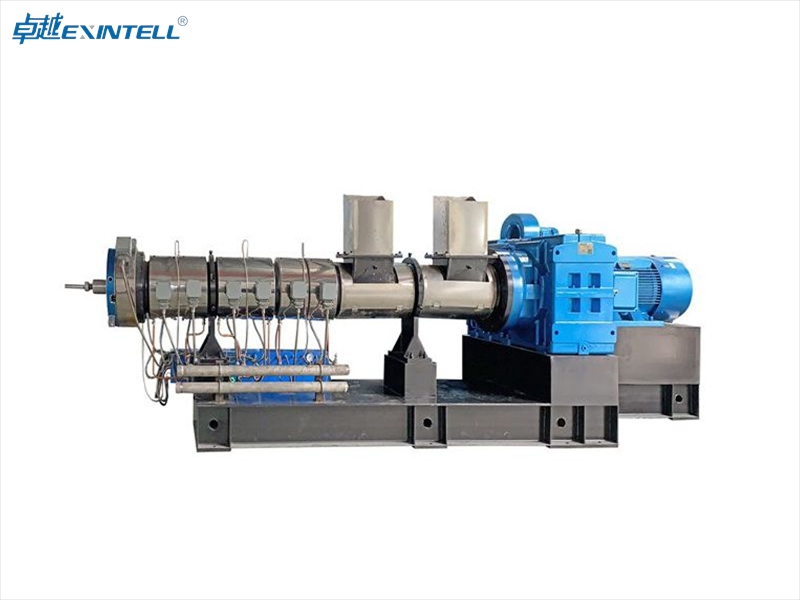
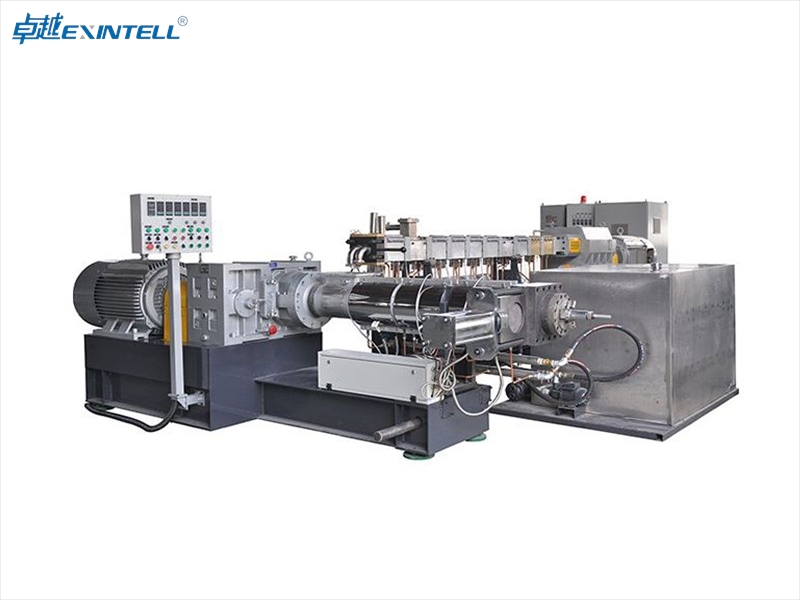
Ejima ịghasa extruder na-eguzo dị ka igwe dị ike maka nhazi na ịkpụzi ọtụtụ ihe. Ị na-eji ya agwakọta, ibuga, ma gbanwee plastik, ntụ ntụ, na ihe ndị ọzọ n'ime ngwaahịa emechara. Ihe ejima ịghasa nwere atụmatụ skru abụọ na-atụgharị n'ime gbọmgbọm, nke na-emepụta ike ịkwa akwa na mmetụta igwakorita. Ntọlite a na-eme ka o doo anya ọbụna mgbasa nke ihe mgbakwunye na ihe ndochi, na-eme ka ọ dị mma maka usoro mgbagwoju anya.
kposara na Barrel
Ị dabere na skru na gbọmgbọm iji kwọọ isi ọrụ nke ejima screw extruder.. Ihe nkesa ahụ na-aga n'ihu na mpikota onu ihe, na-emepụta ike ịkwa akwa na esemokwu na-agbaze ma na-agwakọta ihe ahụ. gbọmgbọm ahụ na-echekwa skru ma na-enye ebe nchekwa dị mkpa na mpaghara kpo oku. Ikike ịgwakọta ihe dị elu na-eme ka a na-agbasasịsịsịsịsịsịsịsịsịsịsịsịsịsịsịsịsịsịsịsịsịsịsịsịsịsịsịsịsịsịsịsịsịsịsịsịsịsịsịsịsịsịsịsịsịsịsịsịsịsịsịsịsịsịsịsịsịsịsịsịsịsịsịsịsịsịsịsịsịsịsịsịsịsị)] na ihe mgbakwunye. Ị nwere ike ịkwalite ngwakọta site n'ịhọrọ ihe ịghasa dị iche iche maka mpaghara ịgwakọta shiee ahaziri. Akụkụ pitch dị iche iche na-eme ka usoro ihe dị mma ma na-enye gị ohere ijikwa shii dabere na mmetụta ihe.
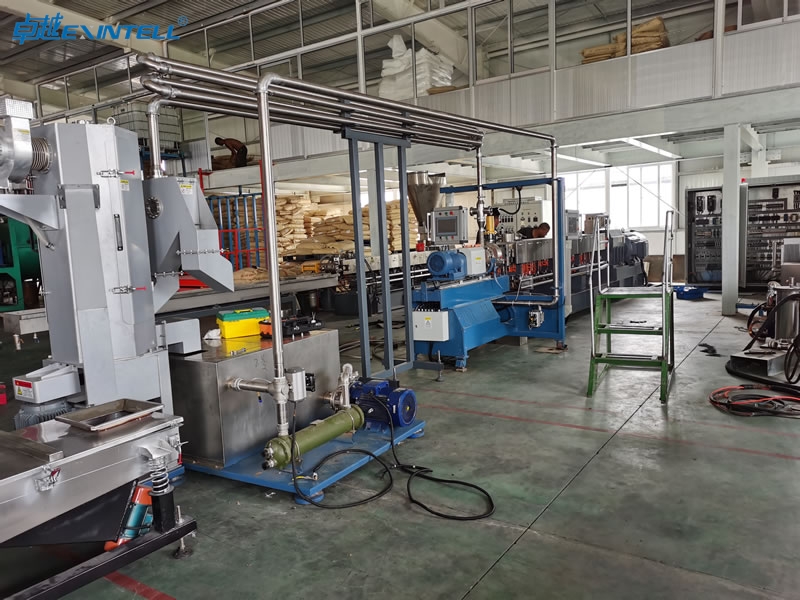
Ejima ịghasa extruders na-eme nke ọma n'ịgwakọta n'ihi skru ha na-ejikọta ọnụ, nke na-emepụta ike ịkwa akwa na mmetụta igwakorita, n'ịhụ na ọbụna mgbasa nke mgbakwunye na fillers.
-
Ị na-enweta njikwa ziri ezi nke ọnụego nri na nkwụsịtụ, na-eme ka igwe dị mma maka ihe ndị nwere ihe ndị na-agbanwe agbanwe.
-
Nkesa eriri na-agbanwe agbanwe na njikọ matriks na-eme na-emekọ ihe na-eme ka polymer gbasie ike.
-
Ndakọrịta na extrusion reactive na-enyere gị aka ịnọgide na-enwe okpomọkụ na njikwa shiee n'oge mmeghachi omume kemịkal.
Sistemụ mbanye na njikwa
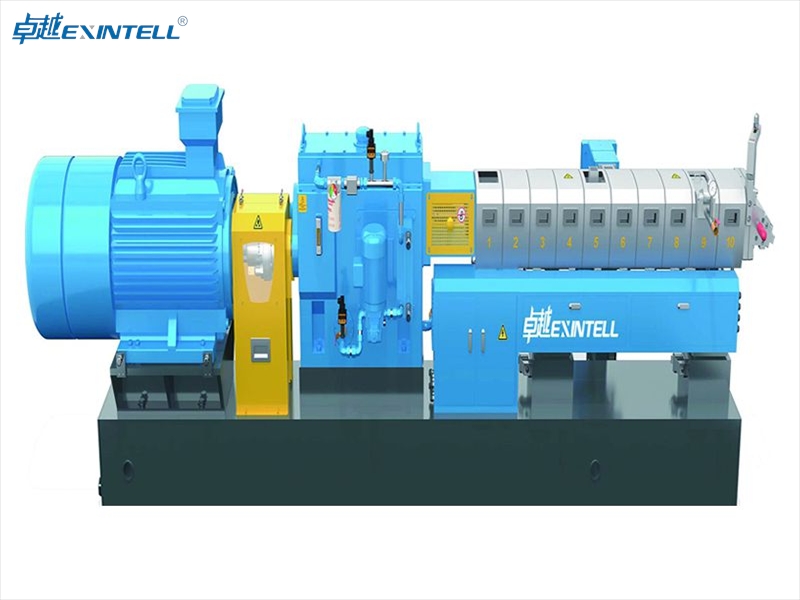
Sistemụ draịva ahụ na-enye ike kposara ma na-achịkwa ọsọ ha. Ị na-eji njikwa dị elu iji nyochaa ma mezie paramita dị ka ọnụego nri, ịghasa ọsọ, okpomọkụ, na nrụgide. Ọkwa njikwa a na-eme ka ọrụ kwụsie ike yana ịdị mma ngwaahịa na-agbanwe agbanwe. Twin screw extruders na-enye mgbanwe dị ukwuu n'ihi nhazi modular ha. Ị nwere ike ịhazigharị nhazi screw iji kwalite maka usoro ụfọdụ. Usoro njikwa na-enye gị ohere ijikwa ihe ndị na-emetụ n'ahụ ma nọgide na-enwe njikwa okpomọkụ ziri ezi n'ofe mpaghara dị iche iche.
|
Ntinye aka |
|
|---|---|
|
Sistemụ nri |
Na-ebunye pellets plastik ma ọ bụ ntụ ntụ n'ime skru grooves maka nhazi. |
|
Ịghasa Grooves |
Na-aga n'ihu ma na-akpakọba ihe akụrụngwa plastik, na-emepụta ike shiee na esemokwu maka agbaze. |
|
Sistemụ kpo oku |
Na-enye ike ọkụ iji gbazee akụrụngwa rọba ka ọ bụrụ ihe a wụrụ awụ thermoplastic. |
|
Usoro extrusion |
Na-akpụzi plastik a wụrụ awụ ka ọ bụrụ akụkụ obe achọrọ na ogologo site na extrusion anwụ. |
|
Sistemụ njikwa |
Na-enyocha ma na-edozi paramita dị ka inye nri, ịghasa ọsọ, okpomọkụ, na nrụgide maka nkwụsi ike. |
Tụnyere Single Screw Extruder
Ị na-ahụ ọdịiche doro anya mgbe ị na-atụnyere ejima ịghasa extruders na otu ịghasa extruders. Ejima ịghasa extruder na-ebuga elu Ịgwakọta arụmọrụ na njikwa okpomọkụ ziri ezi. Ị nwere ike ijikwa ọtụtụ ihe onwunwe, gụnyere ntụ ntụ na mmiri mmiri, nke otu ịghasa extruders na-agbakarị mgba. Nhazi modular na-enye gị ohere ịhazi igwe maka ngwa ụfọdụ, ebe otu ịghasa extruders na-anọgide na-adị mfe na obere mgbanwe.
|
Njirimara |
Ejima ịghasa Extruders |
Otu ịghasa Extruders |
|---|---|---|
|
Ikike ịgwakọta |
Ịgwakọta arụmọrụ dị elu, dị mma maka mgbagwoju usoro |
Ngwakọta nwere oke, na-eme nke ọma na ngwa ndị dị elu |
|
Njikwa okpomọkụ |
Njikwa ziri ezi n'ofe mpaghara dị iche iche |
Obere njikwa, nwere ike iduga kpo oku na-ezighi ezi |
|
Ike inye nri |
Na-ejikwa ọtụtụ ihe dị iche iche, gụnyere ntụ ntụ na mmiri mmiri |
Na-alụ ọgụ na ntụ ntụ na ihe ndị dị ala |
|
Mgbanwe |
Nhazi modular na-enye ohere maka ịhazi ya |
Nhazi dị mfe, obere mgbanwe |
|
Ijikwa ihe |
Na-ebelata ihe ize ndụ nke mmebi, dabara adaba maka ihe ndị nwere mmetụta |
Nwere ike imepụta shishi oke oke, na-eduga ná nbibi |
Ejima screw extruders na-eme nke ọma na metrik arụmọrụ dị ka ịgwakọta arụmọrụ na njikwa okpomọkụ. Ị na-enweta mgbasa ozi otu ma belata ihe ize ndụ nke mmebi, karịsịa na mmetụta uche bekee. Otu ịghasa extruders dabara elu-throughput ngwa na ntakiri mkpa ịgwakọta. Ha na-adabere na esemokwu na viscous ịdọrọ, nke nwere ike iduga nhazi ihe na-enweghị isi. Ị na-erite uru site na ikike mmepụta dị elu yana mgbanwe nke ejima ịghasa extruders, na-eme ka ha dị mma maka ọrụ mmepụta ihe dị mgbagwoju anya ma na-achọsi ike.
Ụkpụrụ na-arụ ọrụ nke Twin Screw Extruder
Ịghọta ihe ụkpụrụ arụ ọrụ nke ejima ịghasa extruder na-enyere gị aka ịkwalite usoro mmepụta gị ma nweta nsonaazụ na-agbanwe agbanwe. Igwe a na-adabere na ngwakọta na-aga n'ihu, ibuga, na nhazi nke ihe iji wepụta mmepụta dị elu. Ị nwere ike ijikwa ọkwa ọ bụla, site na nri ruo extrusion ikpeazụ, iji kwado ngwa gị akọwapụtara.
Nri na ibufe
Ị na-amalite usoro extrusion site n'inye nri pellets ma ọ bụ ntụ ntụ n'ime extruder. Usoro nri na-agụnye hopper na skru nke na-ebuga ihe ahụ n'ime oghere nke skru na-atụgharị.. Ka skru na-atụgharị, ha na-ejide ihe ahụ ma na-aga n'ihu site na gbọmgbọm ahụ. Omume a na-akpakọ ma na-ebufe ihe, na-akwadebe ya maka nhazi ọzọ. Nhazi nke kposara na-eme ka njem dị mma, nke na-abawanye mmepụta ma na-ebelata ihe ize ndụ nke ngọngọ.
Ndụmọdụ: Nri na-aga n'ihu na ọsọ ọsọ kwesịrị ekwesị na-enyere gị aka ịnọgide na-enwe ọnọdụ nhazi kwụsiri ike ma gbochie mmebi ihe.
Nhazi na nhazi nke screw
Nhazi nke screw na nhazi na-arụ ọrụ dị oke mkpa na ụkpụrụ ọrụ nke ejima screw extruder. Ị nwere ike ịhazi skru ahụ ka ọ dakọtara na njirimara nke ihe gị na ihe achọrọ nke usoro gị.
Intermeshing vs. Enweghị mmekọrịta
skru na-agbakọ ọnụ na-atụgharị ka eriri ha wee dakọta, na-eme ka mpaghara mgbapụ dị mma. Nhazi a na-akwalite ịgwakọta na ibuga, na-eme ka ọ dị mma maka usoro mgbagwoju anya. Ị nweta elu dispersion nke nwekwara na fillers, nke na-eduga n'ịdị mma ngwaahịa edo edo. Ihe skru na-emekọrịta ihe na-edozikwa nrụgide dị n'ime gbọmgbọm ahụ, na-enye ohere maka ịrụ ọrụ ngwa ngwa na arụmọrụ ka mma.
skru na-enweghị njikọ, n'akụkụ aka nke ọzọ, agbakọla. Ha na-enye ọnọdụ nhazi dị nro, nke dabara na-ekpo ọkụ ma ọ bụ ihe dị nro. Ị nwere ike iji aghụghọ na-enweghị njikọ mgbe ịchọrọ iwelata shii ma zere imebi ihe ndị nwere mmetụta.
-
Ihe nkesa intermeshing na-akwado nhazi ihe eji arụ ọrụ nke ọma na ịgwakọta nkesa.
-
Ihe nkedo na-enweghị njikọ na-enye ohere ijikwa nwayọọ, na-eme ka ha dị mma maka ngwa ndị chọrọ obere shiee.
Ihe modular
Ị na-erite uru site na ihe modul dị na ejima screw extruder n'ihi na ha na-enye mgbanwe na-enweghị atụ. Ihe ndị a bụ ihe ndị dị n'otu n'otu nke ị nwere ike ikpokọta n'akụkụ osisi ịghasa. Ị nwere ike ịgbanwe ihe iji dozie ihe ịma aka nhazi ma ọ bụ ime mgbanwe na ụdị ihe ọhụrụ. Modulity a na-enye gị ohere ijikwa ọsọ ihe, oge obibi, na ịgwakọta ike na nkenke.
-
Ị nwere ike ịnwale nhazi screw ọhụrụ maka ihe dị iche iche.
-
Ị nwere ike ịhazigharị nhazi ihe nkedo iji mepụta ngwaahịa ọhụrụ ma ọ bụ melite ndị dị adị.
-
Ihe modular na-enyere gị aka idozi nsogbu ngwa ngwa na-edoghị ihe nkedo niile.
Ngwakọta ihe na mmepụta
Ụkpụrụ ọrụ nke ejima ịghasa extruder gbadoro ụkwụ na ngwakọta na-aga n'ihu na njikwa ziri ezi na usoro extrusion.. Ị na-eri nri ihe n'ime usoro, ebe kposara mpikota onu ma kpachaa ya, na-emepụta okpomọkụ na agbaze ihe. Ihe kposara na-agwakọta ihe ahụ nke ọma, n'ịhụ na ọbụna nkesa nke mgbakwunye na fillers. Ka ihe a wụrụ awụ na-aga n'ihu, ọ na-agafe site na extrusion anwụ na-akpụzi ya n'ụdị chọrọ. Usoro jụrụ oyi na-eme ka ngwaahịa ahụ sie ike, imecha usoro.
-
Usoro nri na-ewebata pellets plastik ma ọ bụ ntụ ntụ n'ime oghere ndị ahụ.
-
Ihe kposara na-atụgharị, mpikota onu na agbaze ihe site na shii ike na esemokwu.
-
Usoro extrusion na-akpụzi ihe a wụrụ awụ, na usoro jụrụ oyi na-eme ka ngwaahịa ikpeazụ sie ike.
Ị na-enweta ogo ngwaahịa na-agbanwe agbanwe n'ihi na ejima ịghasa extruder kacha mma na ịgwakọta. Nhazi dị elu na-eme ka a hụ na a na-ekesa ihe niile n'otu n'otu, nke dị mkpa maka izute ụkpụrụ ụlọ ọrụ. Ị nwere ike hazie ọtụtụ ihe dị iche iche, gụnyere ntụ ntụ na plastik, ekele maka njikwa ziri ezi nke okpomọkụ, nrụgide, na agwakọta ike. Nke a na-agbanwe agbanwe na-eme ka ejima ịghasa extruder bụrụ nhọrọ kacha amasị maka ịchọ ebe nrụpụta.
Ụdị ejima ịghasa Extruders
Na-emekọ ihe ọnụ
Ị zutere ngalaba na-atụgharị ejima ịghasa extruders n'ọtụtụ ebe nrụpụta dị elu. Igwe ndị a nwere skru abụọ na-atụgharị n'otu ụzọ, na-eke mpaghara ngwakọta dị ike. Ihe na-aga n'ihu n'ụdị ọnụọgụ asatọ, nke na-eme ka homogenization na-ehicha onwe ya. Ị na-erite uru na ngwakọta kpụ ọkụ n'ọnụ, na-eme ka ọ dịkwuo mfe iji nweta ụdị mgbasa ozi nke mgbakwunye na ihe ndị na-ejuputa. This design suits compounding, polymerization, and reactive processing tasks.
Co-rotating extruders offer precise control over temperature, nrụgide, na ịghasa ọsọ. You can tailor the process to match your material requirements and production goals.
You gain versatility with co-rotating extruders. They handle polymers, plastik, and even food ingredients. Ntinye aka dị elu rates make them ideal for large-scale production. You can rely on these machines for consistent product quality and efficient operation.
|
Njirimara |
Nkọwa |
|---|---|
|
Ntughari |
Processes a wide range of materials, including polymers, plastik, and food ingredients. |
|
Ngwakọta kpụ ọkụ n'ọnụ |
Ensures uniform dispersion of additives for consistent quality. |
|
Precise Control |
Allows tailored processing through temperature, nrụgide, and screw speed adjustments. |
|
Ntinye aka dị elu |
Supports large-scale production with high output rates. |
|
Compounding and Reactive Processing |
Ejiri ya maka itinye mgbakwunye na usoro dị elu dị ka polymerization. |
Na-atụgharị-atụgharị
Ị na-eji ejima screw extruders na-agbanwe agbanwe mgbe ịchọrọ ịkwa akwa na ịkpali siri ike. N'ime imewe a, kposara na-atụgharị n'akụkụ ndị ọzọ. Ihe na-aga site na ime ụlọ mechiri emechi, nke na-edo onwe ya n'okpuru ike ịgwakọta kpụ ọkụ n'ọnụ. Ị na-enweta ngwakọta nke ọma, mana ị ga-enyocharịrị ọkwa ncha ka ịzenarị ihe ndị nwere mmetụta na-emebi emebi.
Ndị na-ebupụ ihe na-agbanwe agbanwe na-eme nke ọma na ngwa ndị chọrọ ịgwakọta siri ike. Agbanyeghị, ndị agha dị elu na-eme ka ha ghara ịdị mma maka nhazi profaịlụ PVC ma ọ bụ ogige ndị na-ekpo ọkụ. Ị nwere ike ịkwalite usoro ahụ site n'ịgbanwe ọsọ ọsọ na nhazi, ma ị ga-emeziwanye agwakọta ike na iguzosi ike n'ezi ihe.
Ndụmọdụ: Ndị na-ebupụ ihe mgbochi na-ebuga ngwakọta dị ike, mana ị kwesịrị ịtụle ndakọrịta ihe tupu ị họrọ imewe a.
Na-abụghị Meshing
Ị na-ezute ndị ejima ịghasa extruders na-abụghị meshing na ngwa ngwakọta pụrụ iche. Igwe ndị a na-egosipụta skru nwere nnukwu mkpochapụ radial, nke na-eduga na ntapu ihe dị mkpa. Ị na-eji ha eme ihe maka ịgwakọta ọrụ ebe a na-achọghị nhicha onwe gị. Ebe nhazi dị nro dabara na ihe ndị chọrọ obere shiee.
Ndị na-abụghị meshing extruders adịghị enye otu ọkwa nke ngwakọta dị ka intermeshing ejima-skru extruders.. Ị na-ezere iji ha maka profaịlụ PVC na ngwaahịa ndị ọzọ na-achọ ngwakọta nke ọma. Kama, ị na-adabere na atụmatụ ndị na-abụghị nke meshing maka ọrụ ngwakọta dị mfe na ihe ndị na-erite uru site na nhazi obere ike.
|
Ụkpụrụ ọrụ |
Kwesịrị ekwesị maka profaịlụ PVC |
|
|---|---|---|
|
Meshing Counter-na-atụgharị |
Material is transported in a closed ‘C’-shaped chamber, subjected to strong shearing and stirring. |
Not suitable due to high shear forces. |
|
Na-abụghị Meshing |
Large radial clearance leads to significant leakage; primarily used for mixing without self-cleaning. |
Not suitable for PVC profiles. |
|
Meshing Co-Rotating |
Material is pulled and pushed in an ‘∞’ udi, enhancing mixing and homogenization with good self-cleaning. |
Not suitable due to large shear forces. |
Ị select the right twin screw extruder based on your material, mixing needs, na ihe mgbaru ọsọ mmepụta. Each type offers unique advantages and limitations, so you must evaluate your process requirements carefully.
Isi ihe dị iche
You need to understand the key differences between co-rotating, counter-atụgharị, and non-meshing twin screw extruders to select the right machine for your process. Each type offers unique advantages and limitations. Ị nwere ike ịkwalite mmepụta gị site n'itinye ihe nrụpụta extruder na ngwa gị na ngwa gị.
Isi ihe ntụnyere:
-
Ịgwakọta arụmọrụ:
Ndị na-arụkọ ọrụ na-agbagharị agbagharị na-ebuga ngwakọta kpụ ọkụ n'ọnụ na nhicha onwe ha. Ị nweta edo dispersion nke nwekwara na fillers. Ndị na-ebupụ ihe na-atụgharị na-atụgharị na-enye mkparị na ịkpali siri ike. Ị nwere ike ịgwakọta ihe nke ọma, mana ị ga-enyocha ọkwa nke shear ka ị ghara imebi. Ndị na-enweghị meshing extruders na-enye ngwakọta dị nro. Ị na-eji ha maka ihe ndị chọrọ obere shiee. -
Kwesịrị ekwesị ihe:
Ndị na-emekọ ihe ọnụ na-agbagharị agbagharị na-ejikwa ọtụtụ polymers, plastik, and food ingredients. Ị na-adabere na ha maka nhazi na nhazi mmeghachi omume. Ndị na-ebupụ ihe na-agbanwe agbanwe dabara ngwa ndị chọrọ ịgwakọta siri ike, dị ka profaịlụ PVC na ogige ndị nwere mmetụta okpomọkụ. Ị ga-enwerịrị ike ịgwakọta ike yana iguzosi ike n'ezi ihe. Ndị na-enweghị meshing extruders na-arụ ọrụ kacha mma maka ọrụ ịgwakọta dị mfe. Ị na-ezere iji ha maka ngwaahịa na-achọ ngwakọta nke ọma. -
Ụkpụrụ ọrụ:
Skru na-agbanwe agbanwe na-aga n'otu ụzọ ahụ. Ị na-erite uru site na usoro ịgwakọta ọnụ ọgụgụ-asato na nkwalite homogenization. skru na-atụgharị na-atụgharị na-atụgharị n'akụkụ ndị ọzọ. Ị na-emepụta ụlọ mechiri emechi maka ịgwakọta kpụ ọkụ n'ọnụ. Skru na-abụghị ntupu nwere nnukwu mkpochapụ radial. Ị na-enweta ntapu ihe dị mkpa na nhazi dị nro. -
Mpaghara Ngwa:
Ndị na-agbagharị agbagharị na-emekọ ihe na-eme nke ọma n'ịgbakọta, polymerization, na nnukwu mmepụta. Ị na-eji extruders na-agbanwe agbanwe maka profaịlụ PVC, mkpuchi USB, na ihe ndị na-emetụ ọkụ. Ndị na-apụ apụ na-abụghị meshing na-adabara ọrụ ngwakọta isi na ihe ndị chọrọ nhazi obere ike.
Ndụmọdụ: Ị ga-enyocha ihe onwunwe gị na ihe mgbaru ọsọ mmepụta tupu ịhọrọ ejima ịghasa extruder. Nhọrọ ziri ezi na-eme ka arụmọrụ na ịdị mma ngwaahịa dịkwuo mma.
Okpokoro ntụnyere:
|
Njirimara |
Na-emekọ ihe ọnụ |
Na-atụgharị-atụgharị |
Na-abụghị Meshing |
|---|---|---|---|
|
Ịgwakọta arụmọrụ |
Ike ike, na-ehicha onwe ya |
siri ike, akwa shei |
Dị nwayọọ, obere shiee |
|
Kwesịrị ekwesị ihe |
Ogologo oke, ngwakọta mgbagwoju anya |
PVC, okpomọkụ-enwe mmetụta |
Dị mfe, ihe ndị na-akpụ akpụ |
|
Ụkpụrụ ọrụ |
Otu ntụzịaka, ọnụ ọgụgụ-asatọ |
Ntụziaka dị iche, ụlọ mechiri emechi |
Nnukwu mkpochapụ, ihe ntapu |
|
Mpaghara Ngwa |
Ngwakọta, polymerization |
PVC profaịlụ, mkpuchi USB |
Ngwakọta bụ isi, obere ike |
Ị na-enweta mgbanwe site na ndị extruders na-agbagharị agbagharị. Ị na-enweta mmepụta dị elu yana ịdị mma na-agbanwe agbanwe. Ndị na-ebupụ ihe mgbochi na-atụgharị na-enye gị ngwakọta dị ike, mana ị ga-enyocharịrị ndakọrịta ihe. Ihe ndị na-abụghị ntupu na-enye njikwa dị nro maka ihe ndị nwere mmetụta. Ị kwesịrị dakọtara ụdị extruder na usoro gị chọrọ maka nsonaazụ kacha mma.
Atụmatụ na Uru
Ịgwakọta arụmọrụ
Ị na-erite uru site na arụmọrụ ngwakọta pụrụ iche mgbe ị na-eji ejima ịghasa extruder. Ihe skru ndị ahụ na-emekọrịta ihe na-emepụta mpaghara ịkwa akwa na igwakorita, nke na-enye gị mma agwakọta Njirimara karịa ndị ọzọ ụdị extruders. Nhazi a na-achọpụta na ihe mgbakwunye na ihe ndochi na-agbasasị nke ọma n'ime ihe gị niile. You can process sensitive materials with controlled shear, which reduces the risk of degradation and maintains product quality.
|
Ụdị Extruder |
Ịgwakọta arụmọrụ |
Shear Control |
Suitability for Sensitive Materials |
|---|---|---|---|
|
Ngwakọta dị elu n'ihi kposara ndị na-agbakọta ọnụ, enabling better dispersion of additives and fillers. |
Provides precise control over shear rates, reducing the risk of material degradation. |
||
|
Lower Ịgwakọta arụmọrụ, reliant on friction which can lead to uneven mixing. |
Nwere ike imepụta shishi oke oke, leading to degradation in some materials. |
Less suitable for sensitive materials due to high shear. |
You achieve better mixing properties with a twin screw extruder, especially when you need uniformity in complex formulations. The advanced mixing capability allows you to meet strict industry standards and deliver consistent results.
Ntinye aka
You gain a significant advantage in throughput when you choose a twin screw extruder. These machines deliver high output, na-eme ka ha dị mma maka mmepụta ihe dị ukwuu. You can maintain high throughput rates even when processing challenging materials or complex granulation tasks. The design supports continuous operation, so you keep your production lines running efficiently.
-
Twin screw extruders achieve higher throughput rates than single screw extruders.
-
You can rely on them for large-scale production due to their capacity.
-
They maintain product quality even with complex granulation.
You do not have to sacrifice quality for speed. The system ensures that every batch meets your specifications, even at high output levels.
Application Flexibility
You experience unmatched application flexibility with twin screw extruders. You can quickly adjust to changes in raw materials or formulations, which helps you respond to shifting market demands. The machine handles a wide range of polymers and materials with different viscosities, so you can produce many types of plastic products.
|
Uru |
Nkọwa |
|---|---|
|
Twin screw extruders can quickly adjust to changes in raw materials and formulations, which is crucial for manufacturers needing to respond to market demands. |
|
|
Ịrụ ọrụ |
Enhanced production efficiency is achieved as these extruders can handle a variety of materials, optimizing the manufacturing process. |
|
Ntughari |
They are suitable for processing polymers with different viscosities, allowing for a wide range of plastic products to be produced. |
You can switch between products or formulations with minimal downtime. This flexibility gives you a competitive edge in industries where innovation and rapid response are essential. You also benefit from better mixing properties, which further expands your manufacturing possibilities.
Njikwa usoro
You gain precise process control when you operate a twin screw extruder. This machine gives you the ability to monitor and adjust critical parameters throughout production. You can set and maintain temperature, ịghasa ọsọ, and pressure for each zone. These controls help you achieve consistent product quality and reduce waste.
Twin screw extruders stand out because they let you respond quickly to changes in material or formulation. You can swap screw elements or barrel sections to adapt to new requirements. This modular design makes your production line flexible and efficient. You do not need to shut down the entire system to make adjustments. Kama, you can change configurations and resume processing with minimal downtime.
You benefit from steady temperature control. The extruder keeps the material at the optimal temperature, preventing burning or improper melting. This feature protects your product and extends its lifespan. You avoid defects that result from overheating or uneven cooling. The system uses multiple heating zones, so you can fine-tune the process for each stage.
Ndụmọdụ: Use the control panel to monitor real-time data. Adjust settings as needed to maintain stable conditions and improve output quality.
You also gain efficient mixing. The co-rotating screws create strong forces that break up clumps and distribute additives evenly. You can process complex blends without worrying about uneven dispersion. This capability ensures that every batch meets your specifications.
Here are some unique process control features you get with twin screw extruders:
-
Steady temperature maintenance prevents burning or improper melting.
-
Efficient mixing breaks up clumps and distributes additives evenly.
-
Modular design allows quick changes in production by swapping screws or barrel sections.
You can see the advantages of process control in the following table:
|
Process Control Feature |
Benefit to You |
|---|---|
|
Steady Temperature |
Enhances product quality and longevity |
|
Efficient Mixing |
Ensures uniform dispersion of additives |
|
Modular Adaptability |
Facilitates quick production changes |
|
Real-Time Monitoring |
Allows immediate adjustments for stability |
You control every aspect of the extrusion process. You can tailor the operation to match your material and production goals. This level of control helps you meet industry standards and deliver reliable results. You improve efficiency, belata ihe mkpofu, and maintain high product quality with a twin screw extruder.
Ngwa ụlọ ọrụ mmepụta ihe
Nhazi plastik
You see the most widespread use of twin screw extruders in plastics processing. These machines play a vital role in plastic extrusion, ngwakọta, na imegharị ihe. You can process a wide range of material, including polymers, ihe mgbakwunye, na fillers. The design of the extruder allows you to achieve elu agwakọta and broad material compatibility. You benefit from flexibility and modularity, which means you can customize the machine for different applications and control processing conditions with precision.
In plastic extrusion, you combine multiple operations into a single step. This approach reduces production time and energy consumption. You ensure consistent product quality because the extruder provides uniform distribution of ingredients. You can rely on high throughput and process efficiency, which keeps your production lines running smoothly. The ability to handle various material types makes twin screw extruders essential for manufacturing shaped products like medical devices, akụrụngwa akụrụngwa, and consumer electronics.
Ndụmọdụ: Use twin screw extruders to meet strict industry standards for plastic extrusion and compounding.
Key benefits in plastics processing:
-
Superior mixing for complex formulations
-
High throughput for large-scale production
-
Consistent quality in finished products
Powder and Feed Processing
You find twin screw extruders indispensable in powder and feed processing industries. These machines give you precise mixing and scalability, especially in polymer compounding. You can process powders, granules, and feedstock with high efficiency. The extruder enhances solubility and bioavailability of poorly soluble drugs, which is crucial in pharmaceutical applications. You also produce solid dispersions and controlled-release formulations with ease.
Na nhazi nri, you use twin screw extruders for mmepụta nri and cereal manufacturing. The machines improve product quality and streamline operations. You benefit from high efficiency and versatility, which allows you to adapt to different material types and processing requirements. The global industry value reached US$ 1.25 ijeri 2023, with the Asia Pacific region leading in adoption due to rapid industrial growth.
Ngwa nkịtị gụnyere:
-
Nhazi nri (nri nri, ọka ọka)
-
Feed production for livestock and aquaculture
-
Polymer compounding for advanced materials
Chemical and Pharmaceutical Uses
You rely on twin screw extruders for advanced chemical and pharmaceutical applications. These machines provide precise mixing, scalability, na arụmọrụ. In pharmaceutical manufacturing, you use them for continuous processing, which ensures tightly controlled residence time and temperature. This control leads to consistent product quality and minimizes contamination risks.
You can produce innovative dosage forms, such as controlled-release tablets and solid dispersions. Hot-melt extrusion enhances the solubility and bioavailability of poorly soluble drugs. You achieve cost-effectiveness by streamlining processes, reducing production costs, and minimizing material waste. The advanced mixing capabilities of the extruder ensure uniformity, which is essential for efficacy and safety in medical applications.
Key roles in chemical and pharmaceutical processing:
-
Continuous manufacturing of drug formulations
-
Production of controlled-release and solid dispersion products
-
Enhanced solubility and bioavailability for challenging material
Rịba ama: Twin screw extruders are essential in food, ọgwụ, ọgwụ, and plastics industries. You improve product quality and operational efficiency by integrating these machines into your processing lines.
Recycling and Compounding
You play a crucial role in modern manufacturing when you use twin screw extruders for recycling and compounding. These machines help you transform waste plastics and other materials into valuable products. You can process post-consumer and post-industrial scrap efficiently. The twin screw design gives you the power to handle complex, multi-component formulations that often challenge traditional equipment.
You achieve superior mixing with twin screw extruders. The intermeshing screws ensure that fillers, ihe mgbakwunye, and reinforcements disperse uniformly throughout your material. This uniformity leads to consistent product quality, which is essential for recycled plastics and advanced compounds. You can rely on precise control over feeding rates and devolatilization. This feature allows you to process materials with volatile components, such as recycled polymers that may contain moisture or residual solvents.
Ndụmọdụ: Use the modular design of twin screw extruders to adapt quickly to different recycling streams and compounding recipes.
You benefit from unmatched versatility. Twin screw extruders process a wide range of materials, including polymers, ọgwụ, and specialty blends. You can run large-scale production or switch to specialized low-volume batches without sacrificing efficiency. The machine handles challenging formulations with ease, giving you flexibility in your operations.
Here are some key advantages you gain when you use twin screw extruders for recycling and compounding:
-
Achieve edo mgbasa of fillers, ihe mgbakwunye, and reinforcements.
-
Handle challenging formulations with precise control.
-
Process various materials, from polymers to specialty blends.
-
Scale production up or down based on your needs.
-
Maintain consistent product quality, even with complex recipes.
-
Control feeding rates and devolatilization for volatile materials.
You can see how these advantages compare in the table below:
|
Uru |
Impact on Your Process |
|---|---|
|
Uniform Dispersion |
Ensures consistent quality in recycled output |
|
Precise Control |
Handles complex, multi-component materials |
|
Ntughari |
Processes a wide range of materials |
|
scalability |
Supports both large and small batch runs |
|
Ngwakọta kachasị elu |
Delivers reliable results for every batch |
You improve sustainability in your manufacturing by using twin screw extruders. You reduce waste and create high-value products from recycled materials. The advanced mixing and control features help you meet industry standards and customer expectations. You position your operation at the forefront of innovation by choosing twin screw technology for recycling and compounding.
Importance in Manufacturing
Efficiency and Product Quality
You drive modern manufacturing forward when you choose a ejima ịghasa extruder for your operations. This machine optimizes production efficiency by streamlining the extrusion process and reducing energy consumption. You maintain high output rates, which helps you meet demanding schedules and keep costs under control. Superior mixing capabilities ensure that every batch of material achieves a homogeneous blend. You see improvements in mechanical and thermal properties, which translates to higher product quality.
-
You integrate multiple operations into a single step, which reduces production time and lowers costs.
-
The machine maintains consistent quality by dispersing polymers and additives evenly throughout the material.
-
Ịrụ ọrụ ike stands out as a key benefit, helping you cut operational expenses and support sustainable manufacturing practices.
You gain a competitive edge by using equipment that delivers both speed and reliability. Consistent product quality builds trust with your customers and strengthens your reputation in the industry.
|
Uru |
Impact on Manufacturing |
|---|---|
|
Faster production, ọnụ ala |
|
|
Ngwakọta kachasị elu |
Enhanced product performance |
|
Ịrụ ọrụ ike |
Reduced operational expenses |
|
Streamlined Operations |
Obere oge nkwụsị, improved workflow |
Innovation and Sustainability
You see rapid innovation in twin screw extruder technology as manufacturers respond to industry demands and sustainability goals. New designs focus on processing recycled material and supporting circular economy strategies. You benefit from machines that handle multi-layer waste and complex polymer blends, which helps you reduce environmental impact.
-
Regulations in the U.S. influence the market, especially regarding safety, ihe ndi ozo, and plastic recycling standards.
-
Compliance with FDA and EPA norms drives innovation in equipment, ensuring you meet strict requirements.
-
Sustainability policies promote the use of extruders capable of processing biodegradable and recycled material.
You notice that about 22% of new extruder models are designed for multi-layer waste and complex blends. Gburugburu 19% of recent developments focus on systems for biodegradable polymers and sustainable composites. These advancements help you meet environmental targets and adapt to changing regulations.
You position your operation at the forefront of sustainable manufacturing by investing in technology that supports recycling and eco-friendly materials.
-
You process recycled material efficiently, reducing waste and conserving resources.
-
You meet regulatory standards and customer expectations for sustainability.
-
You support innovation by adopting equipment that handles advanced formulations and new material types.
|
Nleba anya ọhụrụ |
Manufacturing Benefit |
|---|---|
|
Recycled Material |
Lower environmental footprint |
|
Biodegradable Polymers |
Compliance with sustainability |
|
Multi-layer Waste |
Expanded processing capabilities |
|
Nrube isi n'usoro |
Safer, greener production |
You build a resilient manufacturing operation by embracing innovation and sustainability. The twin screw extruder helps you achieve production efficiency, maintain product quality, and support environmental goals.
You gain a powerful tool in modern manufacturing with a twin screw extruder. This machine blends materials thoroughly, adapts to diverse applications, and operates efficiently. You preserve sensitive materials and achieve consistent quality through precise control. Consider these advantages:
-
Enhanced mixing capability for uniform products.
-
Versatility across industries na ihe.
-
Continuous processing for higher productivity.
-
Gentle handling of sensitive materials.
-
Precise control for consistent results.
-
Effective removal of unwanted gases.
You can elevate your production and meet industry standards by choosing the right extruder for your needs.
FAQ
Kedu ihe ị nwere ike ịhazi na ejima ịghasa extruder?
You can process plastics, ntụ ntụ, ihe oriri, ọgwụ, na kemịkalụ ọpụrụiche. The machine handles polymers, ihe ndochi, ihe mgbakwunye, na ihe ejigharịgharị. You gain flexibility for many industrial applications.
How do you maintain a twin screw extruder?
You should clean the screws and barrel regularly. Inspect wear parts and replace them as needed. Lubricate the drive system. Monitor temperature and pressure sensors. Schedule routine maintenance to prevent downtime.
Kedu ihe kpatara ị ga-eji họrọ ejima ịghasa extruder n'elu otu ịghasa extruder?
You achieve better mixing, elu throughput, and more precise process control. Twin screw extruders handle complex formulations and sensitive materials. You can adapt the machine for different products.
Can you change the screw configuration for different products?
Ee, you can swap modular screw elements to match your process needs. This flexibility lets you optimize mixing, oge obibi, and shear for each material.
Ndụmọdụ: Adjusting screw design helps you improve product quality and process efficiency.
What safety precautions should you follow during operation?
You must wear protective gear. Check safety interlocks before starting. Never bypass guards. Monitor temperature and pressure. Follow the manufacturer’s guidelines for safe operation.
How do you troubleshoot common extrusion problems?
You should check for blockages, uneven feeding, or temperature fluctuations. Inspect screw wear and barrel alignment. Review control settings. Consult the user manual for specific error codes.
|
Problem |
Quick Check |
|---|---|
|
Blockage |
Inspect feed system |
|
Poor Mixing |
Review screw configuration |
|
Overheating |
Check cooling system |
Kedu ụlọ ọrụ na-erite uru kacha site na ejima ịghasa extruders?
You see the greatest benefits in plastics, nhazi nri, ọgwụ, kemikal, na imegharị ihe. These industries require precise mixing, elu throughput, and flexibility for diverse materials.