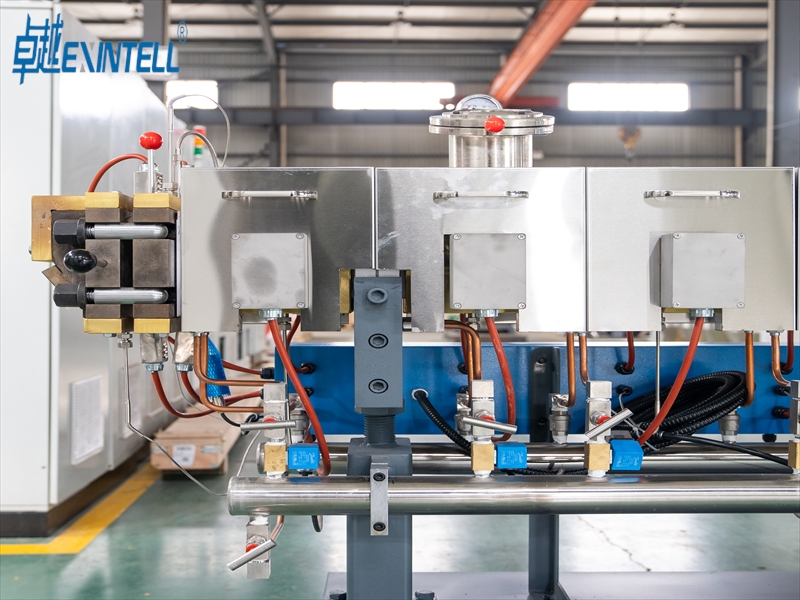
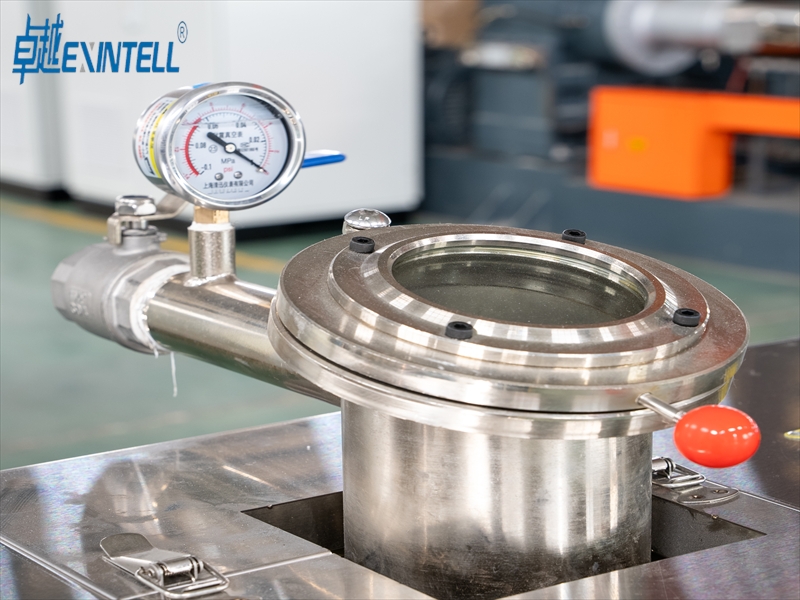
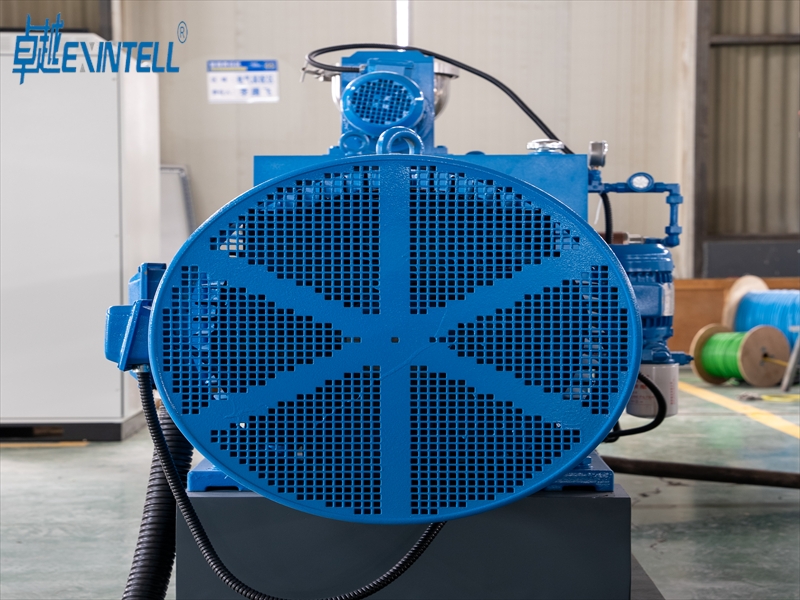
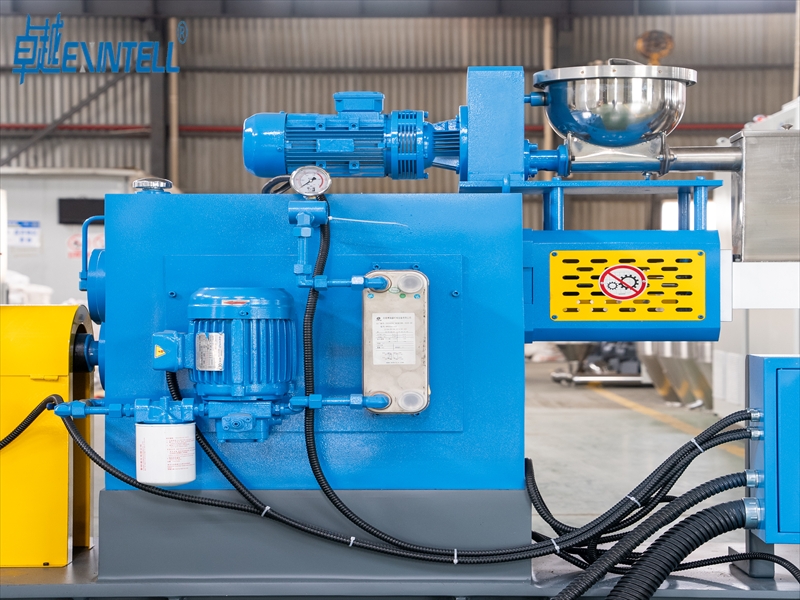
Ntuziaka igwe Extrusion Plastic maka ịhọrọ ụdị ziri ezi
Tebulu ọdịnaya
Ntuziaka igwe Extrusion Plastic maka ịhọrọ ụdị ziri ezi
M na-amalite mgbe niile site n'ịchọpụta nke kacha mma igwe extrusion plastik n'ihi na m mmepụta ihe mgbaru ọsọ na ngwa chọrọ. Ịdakọta ụdị igwe na ihe m chọrọ na-eme ka ọ dị mma na ịdị mma. Nrụrụ ihu, mgbidi na-enweghị isi, na anwụ zaa na-ama ndị na-azụ ahịa aka. Ana m edozi nsogbu ndị a site n'ịgbanwe ọnọdụ okpomọkụ, inyocha anwụ elu, na calibrating heaters. Ịmara ụdị igwe bụ isi na ojiji ha na-enyere m aka ime mkpebi ndị bara uru ma zere mmejọ dị oke ọnụ.
Ụdị ihe: Ana m ahọpụta igwe nwere ụdị ịghasa na ntọala gbọmgbọm dabara adabara plastik m na-ahazi. Njikwa okpomọkụ ga-adabarịrị ihe achọrọ.
Ụdị ngwaahịa: M na-ahọrọ igwe dabere na ngwaahịa m na-arụpụta. Ọkpọkpọ, ihe nkiri, profaịlụ, na pellets ọ bụla chọrọ anwụ pụrụ iche na akụrụngwa inyeaka.
Ike mmepụta: Ana m enyocha ọnụego mmepụta yana awa ọrụ. M na-eme atụmatụ maka uto n'ọdịnihu site n'ịhụ na igwe nwere ike zuru oke na ike.
Ọkwa akpaaka: Ana m achọ atụmatụ dịka njikwa PLC, ihuenyo mmetụ, na nlekota oge. Atụmatụ ndị a na-eme ka nkwụsi ike ma belata ụgwọ ọrụ.
Ịhọrọ igwe n'iji njirisi ndị a na-enye m ọrụ kacha mma, àgwà ngwaahịa na-agbanwe agbanwe, na ogologo oge ntụkwasị obi. M mgbe niile na-atụle nso nke ngwa na plastic extrusion tupu ime a ikpeazụ nhọrọ.
Ajụjụ ndị dị mkpa Tupu ịzụrụ
M na-ajụ isi ajụjụ tupu m etinye ego na extrusion akụrụngwa ọ bụla. Ajụjụ ndị a na-enyere m aka izere mmejọ dị oke ọnụ ma hụ na igwe ahụ dabara mkpa m. M na-eji tebụl hazie echiche m:
Ajụjụ
Nkọwa
Ogo akụrụngwa
M na-enyocha ma ọ bụrụ na akụrụngwa na-agbaso ụkpụrụ ụlọ ọrụ ma na-enye ọrụ a pụrụ ịdabere na ya.
Ike mmepụta
Ana m akwado na mmepụta igwe dabara na ebumnuche mmepụta m.
Sistemụ Njikwa Ogo
M na-ajụ maka sistemụ na-ejigide ụkpụrụ ngwaahịa ma belata ntụpọ.
Mkpokọta ọnụ nke ihe nwe
M na-atụle mmezi na ụgwọ ọrụ, ọ bụghị naanị ọnụ ahịa azụrụ.
Asambodo
M na-arịọ ISO asambodo na akwụkwọ nnabata iji nyochaa ịdị mma.
M na-ajụkwa ndị na-emepụta ihe gbasara atụmatụ mgbasawanye ha, oghere maka ahịrị ndị ọzọ, itinye ego na nso nso a na akụrụngwa ọhụrụ, na ọzụzụ ndị ọrụ. Ajụjụ ndị a na-ekpughe ntinye nke onye na-eweta ngwaahịa maka uto na ịdị mma.
Onye nrụpụta nke na-enweghị ike igosi m data ntụpọ, àgwà asambodo, na njikwa usoro na-ezobe ihe. M mgbe niile achọ nghọta tupu ịzụrụ.
Nchịkọta ụdị igwe isi
Ana m enyocha ya isi ụdị nke extrusion igwe ịghọta ike ha na ngwa dabara adaba. Nlebanya a nke igwe extruder na-enyere m aka ịhọrọ akụrụngwa kwesịrị ekwesị maka ahịrị mmepụta m. M na-eji tebụl atụnyere ụdị ndị a na-ahụkarị:
Ụdị Extruder
Nkọwa
Ojiji na uru nke izizi
Otu-ịghasa Extruders
Otu ịghasa n'ime otu gbọmgbọm; mfe, a pụrụ ịdabere na ya, ọnụ ala; ikike ngwakọta nwere oke ma ọ bụrụ na agbanweghị ya.
M na-eji ihe ndị a maka nhazi pellets PVC agbakwunyere na mbụ, mkpuchi eriri PVC na-agbanwe agbanwe, tubing dị mfe, na ihe nkiri.
Ihe nkedo abụọ na-ejikọta ọnụ; mma-nkwagharị mgbapụta; magburu onwe Ịgwakọta na nwayọọ nhazi.
M na-adabere na ndị a maka ọkpọkọ PVC siri ike na mmepụta profaịlụ. Ejima conical na-arụ ọrụ nke ọma maka PVC na-enwe mmetụta ọkụ, ebe ejima-ịghasa suut dabara compounding na osisi-plastic composites.
Planetary Roller Extruders
Spindle Central nwere ọtụtụ kposara mbara ala na-atụgharị gburugburu ya; ngwakọta pụrụ iche na mgbanwe okpomọkụ na obere shiee.
M na-ahọrọ ihe ndị a maka mpempe akwụkwọ PVC dị elu na mmepụta ihe nkiri. Ha na-ahazi PVC na obere okpomọkụ maka idoanya ka mma mana ha dị oke ọnụ na mgbagwoju anya. Ekwesighi maka pipụ ọkọlọtọ ma ọ bụ mmepụta profaịlụ.
M mgbe niile na-atụle ụdị extrusion igwe na ha bụ isi ojiji. Ụzọ a na-eme ka m họrọ igwe kwesịrị ekwesị maka ngwa m na ihe mgbaru ọsọ mmepụta.
Ụdị nke igwe extrusion
Otu-ịghasa Extruders
Ka Otu-Skru si arụ ọrụ
M na-adabere na extruders otu-skru maka ọrụ nhazi kwụ ọtọ. Usoro na-eji otu skru na-atụgharị n'ime gbọmgbọm mkpuchi thermally. Ana m edozi okpomọkụ, ịghasa ọsọ, na nrụgide gbọmgbọm iji kwekọọ na ihe ahụ. Ntọlite a na-enye m njikwa ziri ezi yana nsonaazụ na-agbanwe agbanwe. Ịdị mfe nke otu ihe nkedo na-eme ka ọ bụrụ nhọrọ a pụrụ ịdabere na ya maka ọtụtụ ụdị igwe extrusion.
Uru nke Single-Screw
Enwere m ekele maka uru nke otu ịghasa extruders. Ha na-enye ọrụ dị mfe, ọnụ n'ichepụta, na mmezi dị mfe. M na-eji ha eme ihe maka extrusion plastik bụ isi na ngwakọta dị mfe. Nhazi ahụ dabara na thermoplastics, roba, na fillers. Ahụrụ m ha ka ha dị mma mgbe achọrọ m omume amụma na ngwakọta pere mpe.
Ndụmọdụ: M na-ahọrọ otu-ịghasa mgbe m chọrọ obere mmepụta na-eri-irè mmepụta.
M na-eji otu ịghasa extruders n'ọtụtụ ụlọ ọrụ. Ngwa nkịtị gụnyere:
Mmepụta nkwakọ ngwaahịa plastik
Imepụta akụrụngwa akụrụngwa
Ihe owuwu ụlọ
Ngwa ahụike na ahụike
Akpa elektrọnik ndị ahịa
M na-emepụtakarị ihe nkiri, mpempe akwụkwọ, ọkpọkọ, tubing, na profaịlụ. Ngwa ndị a na extrusion plastik na-erite uru site na ntụkwasị obi na ịdị mfe nke otu-ịghasa.
Ejima-screw Extruders
Kedu ka ejima-screw si arụ ọrụ
Ejima-skru extruders na-eji abụọ intermeshing kposara. Ana m ejikwa usoro a site na iji screw imewe dị elu yana ntọala ziri ezi. Sistemu a na-enye m ụdị homogeneity pụrụiche. Ana m enweta mgbasa na-agbanwe agbanwe na otu ngwaahịa ngwaahịa. Ejima-skru na-ejikwa ma nnukwu-ọnụego yana ọpụrụiche dị ala na-agba ọsọ.
Ụdị ejima-screw (Na-emekọ ọnụ, Ntụgharị-atụgharị)
Ana m ahọpụta n'etiti ihe ejima na-atụgharị screw extruders. Skru na-agbanwe agbanwe na-aga n'otu ụzọ ahụ, imeziwanye ngwakọta na ntinye. skru na-atụgharị na-atụgharị na-aga n'akụkụ dị iche, na-enye nhazi dị nro maka ihe ndị nwere mmetụta. M na-ahọrọ ụdị dabere na ngwaahịa m chọrọ.
Uru nke ejima-screw
Enwere m uru nke iji ejima ịghasa extruders kpọrọ ihe. Ha na-enye ngwakọta dị elu, aka mgbagwoju formulations, ma mee ka mmepụta na-agbanwe agbanwe. Ana m ebuli homogeneity belata ọnụ ahịa dị mma ma kwalite afọ ojuju ndị ahịa. Ejima-skru extruders bụ vasatail na ịrụ ọrụ nke ọma.
Rịba ama: Ejima-screw na-enye m mgbanwe maka polymers, ọgwụ, na ngwaahịa nri.
Ojiji kacha mma maka ejima-screw
M na-eji ejima-skru maka ịgbakọta, ịgwakọta, na nhazi ihe dị elu viscosity. Ngwa a na-ahụkarị gụnyere:
PVC ọkpọkọ siri ike na mmepụta profaịlụ
Ihe mejupụtara osisi-plastic
Ntinye mgbakwunye
Achọ njikwa mma
Ejima-screw extruders na-akwado ọtụtụ ngwa ma na-ebuga ngwaahịa dị elu.
Igwe na-arụkọ ọrụ ọnụ
Olee otú Co-Extrusion si arụ ọrụ
Co-extruders na-ejikọta ọtụtụ ihe na otu usoro. M na-eji sistemu co-extrusion mepụta ngwaahịa multilayer. Onye ọ bụla extruder na-eri nri dị iche iche polymer, akpụ n'ígwé na pụrụ iche Njirimara. Usoro a na-eme ka arụmọrụ dịkwuo mma ma belata usoro mgbakọ.
Uru nke Co-Extrusion
M na-erite uru site na ngalaba extrusion n'ụzọ dị iche iche:
Uru
Nkọwa
Arụmọrụ ahaziri ahazi
Na-akwa àgwà ngwaahịa na-eji polymer dị iche iche maka ọrụ dị iche iche.
Nkwalite ọnụ ahịa
Na-eji polymer dị elu maka elu elu, resins dị ọnụ ala n'ime.
Na-enye ohere agba ọtụtụ agba ma ọ bụ translucent maka mmasị ka mma.
Ụlọ ọrụ-kpọmkwem
Ngwọta maka ụlọ ọrụ dị iche iche, na-eme ka arụmọrụ dịkwuo elu.
M na-ejikwa ihe megharịrị ma ọ bụ dị ọnụ ala n'okirikiri isi iji belata mmefu. Ịchịkwa nke ọma nke ọkpụrụkpụ oyi akwa na-ebelata ihe mkpofu.
Ihe kacha mma maka Co-Extrusion
m na-emepụta ngwongwo ụlọ, akụrụngwa akụrụngwa, akụrụngwa egwuregwu, mkpụbelata ngwa, okpokolo agba filtration, akara gaskets, usoro njikwa eriri USB, waya mkpuchi, na arịọnụ brackets na ngalaba-extruders. Ụdị igwe extrusion ndị a na-enyere m aka izute mkpa ụlọ ọrụ akọwapụtara ma melite arụmọrụ ngwaahịa.
Ngwa Extrusion Plastic na Ụdị Usoro
Extrusion ihe nkiri
M na-eji extrusion ihe nkiri na-emepụta mpempe akwụkwọ plastik dị mkpa maka nkwakọ ngwaahịa na ngwa mmepụta ihe. Usoro a na-adabere na akụrụngwa extrusion plastik nke na-agbaze polymer ma mee ka ọ bụrụ ihe nkiri na-aga n'ihu. M na-enyocha nzọụkwụ ọ bụla nke ọma iji hụ na ịdị mma na-agbanwe agbanwe. Usoro na-amalite na na-agbaze polymer na extruder. Polymer gbazere na-aga site na anwụ anwụ, akpụ a oké tube. M na-ewebata ikuku iji gbasaa tube, na-eke afụ. Ịdị jụụ na ịgbatị ihe nkiri na-esote, wee tụgharịa ihe nkiri emechara na mpịakọta.
Nzọụkwụ
Nkọwa
1
Na-agbaze polymer: A na-ekpo ọkụ polymer ka ọ na-agbaze na extruder.
2
Ịpụpụ tube dị arọ: A na-amanye polymer gbazere site na ọnwụ okirikiri ka ọ bụrụ nnukwu tube.
3
Ịgbasa tube: A na-ewebata ikuku n'ime tube iji mepụta afụ, na-agbatị na thinning ihe nkiri.
4
Na-eme ka ọ dị jụụ ma na-edozi ihe nkiri ahụ: A na-eme ka ihe nkiri ahụ dị jụụ ma mee ka ọ daa nhata site na iji rollers nip.
5
Na-ekupụ ihe nkiri ahụ: A na-emerụ ihe nkiri ahụ gbawara agbawa na mpịakọta maka nchekwa na nhazi ọzọ.
Ana m elele ọnọdụ okpomọkụ na ntọala ikuku na m akụrụngwa extrusion plastik iji zere ntụpọ dị ka ọkpụrụkpụ na-enweghị isi ma ọ bụ afụ.
Mgbapụ ihe nkiri afụfụ
Blown film extrusion guzo dị ka a pụrụ iche usoro n'ime plastic extrusion akụrụngwa. Usoro a na-amasị m mgbe m chọrọ ihe nkiri nwere ike na mgbanwe. Usoro a na-ebunye polymer gbazere n'ime afụ, nke na-enye ihe nkiri biaxial orientation na elu crystallinity. Nke a na-ebute ihe nkiri siri ike ma na-agbanwe agbanwe tụnyere ihe nkiri nkedo. M na-eji extrusion ihe nkiri afụfụ maka ngwaahịa dị ka akpa mkpofu na mkpuchi gbatịa.
Kwesịrị ekwesị maka ngwaahịa na-adịgide adịgide dị ka akpa mkpofu
Kwesịrị ekwesị maka ihe nkiri doro anya
M na-ahọrọ fụrụ afụ film extrusion mgbe anwụ ngwa ngwa na stretchability ihe kasị. Ọkpụkpọ ihe nkiri dị larịị, makwaara dị ka ihe nkedo ihe nkiri extrusion, na-emepụta ihe nkiri na elu doro anya na nha nha. M na-ahọrọ usoro a maka ngwa ebe ọdịdị na ọkpụrụkpụ dị oke mkpa.
Mpụpụ mpempe akwụkwọ
Mpụpụ mpempe akwụkwọ na-eji akụrụngwa extrusion plastik mee ka ọ dịkwuo oke, ewepụghị Ibé akwụkwọ maka thermoforming, ihe owuwu, na akara ngosi. Ana m ahọpụta ihe dabere na ihe achọrọ njedebe. Ihe ndị a na-ahụkarị gụnyere PET, PP, PVC, PS, na ABS. Ihe ọ bụla na-enye ihe pụrụ iche maka ngwa dị iche iche.
PET: Nnukwu idoanya na ike
PP: Nguzogide kemịkalụ na mgbanwe
PVC: Isi ike na iguzogide ihu igwe
PS: Nhazi dị mfe na ọnụ ahịa bara uru
ABS: Mmetụta na-eguzogide na ike
Ana m ahazi ntọala akụrụngwa extrusion plastik m ka ọ dabara na ihe yana ọkpụrụkpụ mpempe akwụkwọ achọrọ. Ana m enyocha ọnụego jụrụ oyi yana ọsọ rola iji gbochie ọgbaghara ma ọ bụ ntụpọ elu. Mwepu mpempe akwụkwọ na-enye m ike iche maka imepụta ụdị na nha omenala.
M na-adabere na rọba igwe extrusion teknụzụ iji wepụta ogo mpempe akwụkwọ na-agbanwe agbanwe ma zute ụkpụrụ ụlọ ọrụ.
Ọkụ na tubing extrusion
M na-adabere na ọkpọkọ na tubing extrusion mgbe m kwesịrị ịmepụta ogologo oge, na-aga n'ihu ogologo ngwaahịa plastik oghere. Usoro a na-eji akụrụngwa extrusion rọba pụrụ iche nke na-ebugharị polymer gbazere site na ọnwụ okirikiri. Ihe si na ya pụta bụ ọkpọkọ ma ọ bụ tube na-enweghị ntụpọ nke nwere akụkụ ziri ezi. M na-edozi ọnwụ na calibrator iji chịkwaa ọkpụrụkpụ mgbidi na dayameta. Mgbanwe a na-enye m ohere imezu ụkpụrụ ụlọ ọrụ siri ike.
M na-ahọrọ akụrụngwa extrusion plastik kwesịrị ekwesị dabere na ihe na ngwa. Ọmụmaatụ, I use high-output extruders for large-diameter pipes. I choose smaller, precision machines for medical or laboratory tubing. I monitor temperature, nrụgide, and cooling rates to ensure consistent quality. I also check for ovality and surface finish during production.
The applications for pipe and tubing extrusion cover a wide range of industries. I often use plastic extrusion equipment to manufacture:
Dị fechaa, chemical-resistant irrigation pipes for agriculture.
High-pressure pipes from metal alloys for transporting oil and natural gas in the energy sector.
Specialized pipes for chemical processing and waste management in industrial settings.
I find that each application requires different materials and process settings. Ọmụmaatụ, M na-eji PVC maka ọkpọkọ n'ihi na ọ na-eguzogide corrosion ma na-edozi nrụgide nke ọma. M na-ahọrọ polyethylene maka ọkpọkọ mmiri n'ihi mgbanwe ya na nguzogide kemịkalụ. Na mmanụ na gas, M na-adabere na thermoplastics agbasiri ike ma ọ bụ metal alloys maka ike na ịdịte aka.
M mgbe niile na-aṅa ntị nke ọma na mgbada akụrụngwa extrusion plastik. calibrators, tankị jụrụ oyi, nkeji ebupu, na ndị na-egbu osisi na-arụ ọrụ dị oke mkpa n'ịkpụzi na imecha ọkpọkọ. Ana m ahazi ọsọ nke otu ntupu iji gbochie ịgbatị ma ọ bụ nrụrụ. M na-eji sensọ dị elu nyochaa nha mgbidi wee chọpụta ntụpọ ozugbo.
Ndụmọdụ: M na-edobe ngwá ọrụ extrusion plastik m nke ọma mgbe niile. Nhicha na nhazi oge niile na-ebelata oge nkwụsị ma melite ogo ngwaahịa.
M na-edepụta usoro mmepụta ọ bụla. Omume a na-enyere m aka ịchọpụta nsogbu na ebuli batches n'ọdịnihu. Mụ na ndị na-ebubata m na-arụkọ ọrụ ọnụ iji họrọ igwe extrusion plastik kacha mma maka ọrụ ọ bụla. Nkà mmụta ha na-enyere m aka ịnọ n'ihu usoro ụlọ ọrụ na mgbanwe usoro iwu.
Ngwa mgbada n'ahịrị Extrusion
tankị jụrụ oyi
M mgbe niile na-aṅa ntị nke ọma na tankị jụrụ oyi na eriri extrusion m. Ndị tankị jụrụ oyi na-arụ ọrụ dị oke mkpa n'ịkpụzi na ime ka plastik a chụpụrụ agbapụ sie ike. Mgbe m na-agba ọsọ m mmepụta, M na-adabere na tankị ndị a iji hụ na ngwaahịa ahụ na-edobe ọdịdị ya na akụkụ ya. Ịjụ oyi n'ụdị na-egbochi ọgụ na mmebi nke elu. M na-enyocha usoro jụrụ oyi iji nweta ezigbo ụtọ, akụkụ ziri ezi ngwaahịa. Njikwa ọnọdụ okpomọkụ na nleba anya na-enyere m aka ịnọgide na-adị mma n'ofe niile. Ịjụ oyi na-agbanwe agbanwe na-ebelata mkpa maka ịrụ ọrụ ma na-eme ka amụma mmepụta ihe dịkwuo mma. M na-ahụ mmetụta kpọmkwem na arụmọrụ osisi mgbe tankị jụrụ oyi na-arụ ọrụ nke ọma.
Ịjụ oyi n'ụdị na-egbochi ntụpọ dị ka ịgha agha na mmebi nke elu, na-ebute ngwaahịa dị nro na nha nha nha.
Usoro jụrụ oyi na-enye ohere njikwa okpomọkụ na nlekota oge, n'ịhụ na ịdị mma na-agbanwe agbanwe n'ofe ogbe mmepụta niile.
Ịjụ oyi na-agbanwe agbanwe na-ebelata mkpa maka ịrụgharị ọrụ, mma mmepụta amụma, na enhances n'ozuzu osisi arụmọrụ.
Ndụmọdụ: Ana m elele ọ̀tụ̀tụ̀ mmiri mmiri na ọ̀tụ̀tụ̀ iru mmiri na tankị jụrụ oyi mgbe nile. Ntọala kwesịrị ekwesị na-egbochi ntụpọ ma mee ka ahịrị mmepụta m na-aga nke ọma.
Nkeji ebugharị
Haul-off units help me control the speed and tension at which the extruded material is pulled. I synchronize the haul-off unit with the extruder and cooling system to match the extrusion rate. This prevents defects like uneven thickness or deformation. Advanced haul-off machines offer variable speed control, high traction force, and precision rollers. These features maintain uniform pulling force and ensure consistent thickness, diameter, and uniformity. I adjust the speed of the haul-off unit to control product thickness. Slower speeds yield thicker products, while faster speeds produce thinner ones. Precision rollers and adjustable tension help me maintain uniform pulling force across the product width.
They synchronize with the extruder and cooling system to match extrusion rate, preventing defects like uneven thickness or deformation.
Advanced haul-off machines feature variable speed control, high traction force, and precision rollers to maintain uniform pulling force.
These features directly impact product quality and production efficiency in pipe extrusion.
Rịba ama: I always calibrate my haul-off unit before each production run. This step keeps my product dimensions consistent and reduces waste.
Cutters and Winders
Cutters and winders finish the extrusion process. I use cutters to trim the extruded product to the desired length. Winders collect the finished product, such as film or sheet, onto rolls for easy storage and transport. I select cutters based on the material and thickness of the product. Rotary cutters work well for continuous lines, while guillotine cutters suit thicker profiles. Winders must operate smoothly to avoid stretching or deforming the product. I monitor winding tension and speed to prevent defects. Properly set cutters and winders help me deliver products with clean edges and uniform rolls.
Akụrụngwa
Ọrụ
Uru isi
Cutters
Trim product to desired length
Clean edges, precise sizing
Winders
Collect product onto rolls
Easy storage, prevents deformation
I always inspect my cutters and winders for wear and alignment. Regular maintenance ensures reliable operation and high-quality finished products.
Mmetụta na Ogo ngwaahịa
I always pay close attention to howdownstream akụrụngwashapes the final quality of my extruded products. Each piece of equipment—cooling tanks, nkeji ebupu, ndị na-egbu osisi, and winders—plays a unique role in determining the consistency, appearance, and performance of the finished product.
When I set up my extrusion line, I focus on these key quality factors:
Nzizi nha nha:Cooling tanks and haul-off units help me maintain tight tolerances. If I notice any variation in product dimensions, I check the water temperature in the cooling tank and the speed of the haul-off unit. Small adjustments often correct issues before they become costly defects.
Emecha elu elu:I rely on proper cooling and precise cutting to achieve smooth, blemish-free surfaces. If I see scratches or marks, I inspect the rollers and blades for wear. Dị ọcha, sharp tools always give me the best results.
Ihe eji arụ ọrụ:Uniform cooling and controlled tension during haul-off preserve the strength and flexibility of the plastic. I avoid rapid cooling, which can cause internal stresses and brittleness.
Nkwenye:Automated winders and synchronized downstream equipment ensure every meter of product matches the last. I use real-time monitoring systems to catch deviations early.
Ndụmọdụ: I always document process settings and product measurements for each run. This practice helps me identify trends and make data-driven improvements.
Here’s a quick table showing how each piece of downstream equipment impacts product quality:
Akụrụngwa
Quality Aspect Affected
My Best Practice
Cooling Tank
Ụdị, surface, akụkụ
Monitor water temp and flow continuously
Haul-Off Unit
Ọkpụrụkpụ, uniformity
Calibrate speed and tension each shift
Cutter
Edge quality, ogologo
Use sharp blades, check alignment
Winder
Roll consistency, tension
Adjust winding speed, monitor tension
I have learned that even small changes in downstream settings can make a big difference. Ọmụmaatụ, increasing the haul-off speed by just a few percent can thin out the product and cause it to fail quality checks. Regular maintenance and calibration keep my equipment performing at its best.
I always remind my team that quality starts at the extruder but finishes with the downstream equipment. By staying vigilant and proactive, I consistently deliver products that meet or exceed customer expectations.
Comparison of Types of Extrusion Machines
Features and Applications Table
M mgbe niile compare the types of extrusion machinesbefore making a decision. I look at key features and the range of applications for each machine. This helps me match the right equipment to my production goals. Nke a bụ a table that summarizeswhat I have learned:
Ụdị Igwe Mpụpụ
Atụmatụ igodo
Ngwa
Ọpụpụ plastik
Handles versatile materials like PVC and ABS
Nkwakọ ngwaahịa, ihe owuwu
Metal Extrusion
Offers strength and durability, but uses more energy
Ihe owuwu, mmepụta ihe
Food Extrusion
Controls temperature and pressure for uniformity
Producing snacks and cereals
Automotive Extrusion
Produces lightweight parts for fuel efficiency
Manufacturing automotive components
I use this table to quickly identify which machine suits my needs. I focus on the features that matter most for my applications.
Pros and Cons by Machine Type
M mgbe niile weigh the pros and consof each machine type. This step helps me avoid unexpected costs and production issues. I have found that single-screw, ejima-ịghasa, and co-extrusion machines each offer unique benefits and drawbacks. Nke a bụ a comparison table:
Njirimara
Otu ịghasa Extruder
Ejima ịghasa Extruder
Uru
Ọnụ-dị irè, mfe imewe, obere mmezi
Excellent mixing, suitable for a wide range of materials, including those with additives
Cons
Ike ịgwakọta oke, not ideal for materials requiring precise blending
Ọnụ ego mbụ dị elu, arụ ọrụ siri ike karị, na mmezi
I choose single-screw machines when I want simple operation and lower maintenance. I select twin-screw machines for advanced mixing and complex formulations. Co-extrusion machines give me flexibility for multi-layer products, but require careful setup and control.
Ndụmọdụ: I always consider the complexity of my applications before choosing a machine. This approach prevents costly mistakes.
Quick Selection Chart
I use a quick selection chart to guide my decision. This chart helps me match machine types to my production needs and applications.
If I need basic extrusion for packaging or construction, I choose plastic extrusion machines.
For high-strength parts in manufacturing, I select metal extrusion machines.
When producing snacks or cereals, I rely on food extrusion machines.
For lightweight automotive parts, I use automotive extrusion machines.
I always review my production goals and material requirements before making a final choice. This process ensures I select the right machine for my applications and achieve consistent results.
Key Factors for Machine Selection
Ndakọrịta ihe
I always start my selection process by evaluating material compatibility. The plastic extrusion machine must handle the specific polymers I plan to process. Each material brings unique requirements for temperature, screw design, and barrel setup. I check the properties and intended applications before making a decision. Ọmụmaatụ, polyvinyl chloride works well for pipes and films because it offers excellent formability and durability. Polyethylene and polypropylene suit packaging and consumer goods due to their versatility and ease of processing. Polycarbonate na-enye nguzogide mmetụta na idoanya anya, na-eme ka ọ dị mma maka anya anya anya na akụrụngwa nchekwa. Naịlọn pụtara maka ike na ikpo ọkụ na ngwa ụlọ ọrụ mmepụta ihe. M na-eji tebụl na-esonụ atụnyere ụdị ihe na isi ihe ha:
Ụdị ihe
Ngwa
Njirimara igodo
Polyvinyl chloride (PVC)
Ọkpọkpọ, ihe nkiri, ihe mkpuchi waya eletriki
Ezigbo formability, inogide
Polyethylene terephthalate (PET)
Akọwapụtaghị ya
Uru pụrụ iche
Acrylonitrile butadiene styrene (ABS)
Ụgbọala, ngwa ahịa
Ike, mgbanwe
Polyethylene (PE)
Nkwakọ ngwaahịa, ngwa ahịa
Ntughari, mfe nhazi
Polypropylene
Nkwakọ ngwaahịa, ngwa ahịa
Ntughari, mfe nhazi
Polycarbonate
Anya anyanya anya, akụrụngwa nchekwa
Nguzogide mmetụta, anya doo anya
Naịlọn (polyamide)
Ngwa mmepụta ihe
Ike, okpomọkụ na-eguzogide
M na-adakọ mgbe niile ịghasa igwe na nhazi gbọmgbọm na ebe mgbaze ihe na viscosity. Mgbe m na-edozi plastik ndị megharịrị, M na-etinyekwu uche na mmetọ na ngwakọta chọrọ. Ndakọrịta ihe na-emetụta nhọrọ m n'etiti igwe-skru na igwe ejima. Otu ịghasa extruders na-ejikwa thermoplastics bụ isi nke ọma, while twin screw extruders excel with blends, ihe mgbakwunye, na plastik emegharịrị.
Olu mmepụta
Production volume drives my machine selection. I calculate my expected output in kilograms per day or per shift. If my production volume falls between500 na 1,000 kilograms, I consider investing in custom dies and specialized machines. This threshold often dictates whether I choose single-screw or twin-screw extruders. Single-screw machines suit low to medium volumes and offer the advantages of single screw extruders, such as simple operation and lower maintenance. Maka mmepụta ihe dị elu, M na-adabere na ejima ịghasa extruders. These machines deliver consistent quality and efficiency, especially when I need to process complex formulations or recycled plastics. The table below shows how production volume influences my decision:
Olu mmepụta (n'arọ)
Implication for Machine Selection
500-1,000
Minimum order volume for custom die investment, influencing machine type selection.
I always plan for future growth. If my business expands, I upgrade to twin-screw machines to handle increased demand and more challenging materials.
Product Complexity
Product complexity shapes my approach to machine selection. I assess the geometry, layer structure, and additive requirements for each product. Simple shapes and single-layer products work well with single-screw machines. When I need multi-layer profiles or advanced mixing, I choose twin-screw extruders. The benefits of using twin screw extruders include superior mixing, precise additive incorporation, and flexibility for complex applications. I select twin-screw machines for products with demanding specifications, dị ka tubing ọgwụ, akụkụ ụgbọ ala, or specialty films. If my application requires intricate shapes or multiple material layers, I consider co-extrusion systems. I always match the machine type to the complexity of my products to ensure consistent quality and performance.
Ndụmọdụ: I review my product designs and material requirements before finalizing my machine selection. This step prevents costly mistakes and ensures my extrusion line meets all production goals.
Maintenance and Costs
I always prioritize maintenance when selecting a plastic extrusion machine. Maintenance impacts both reliability and long-term costs. I have learned that regular upkeep prevents unexpected breakdowns and keeps production running smoothly. I rely on predictive maintenance to monitor my equipment in real time. This approach helps me anticipate faults and plan interventions before problems escalate.
I track several critical parameters on my extrusion machines:
Abnormal vibrations signal mechanical wear or misalignment.
Increased temperatures indicate possible overheating or friction.
Non-standard extrusion pressure points to blockages or material inconsistencies.
Abnormal energy consumption reveals inefficiencies or electrical issues.
By monitoring these factors, I reduce unplanned downtime. I address issues before they cause major failures. Predictive maintenance allows me to optimize planned maintenance. I act only when data shows a need, which saves time and resources. This strategy extends the life of my extruders. I monitor wear and mechanical stress closely, replacing parts only when necessary.
Ndụmọdụ: I always keep a log of maintenance activities and machine performance. This record helps me spot trends and make informed decisions about repairs or upgrades.
Maintenance costs include routine inspections, akụkụ mapụtara, arụ ọrụ, na ike oriri. I budget for these expenses every year. I find that efficient spare parts management lowers emergency repair costs. I order parts based on usage data, not guesswork. This practice prevents overstocking and reduces waste.
Here is a table summarizing my maintenance approach and its impact on costs:
Maintenance Activity
Impact on Costs
My Best Practice
Predictive Monitoring
Reduces unplanned downtime
Use sensors for real-time alerts
Routine Inspections
Prevents major failures
Schedule monthly checks
Spare Parts Management
Controls inventory expenses
Order based on machine data
Energy Consumption Review
Identifies inefficiencies
Track power usage weekly
I always consider maintenance requirements when comparing machine types. Single-screw extruders usually need less maintenance. Twin-screw and co-extrusion machines require more attention due to their complexity. I factor these costs into my total cost of ownership calculations.
Maintenance is not just about fixing problems. It is about protecting my investment and ensuring consistent product quality. I invest in training my staff so they understand the importance of regular checks and predictive monitoring. This commitment pays off with fewer emergencies and better cost control.
Common Mistakes in Choosing Extrusion Machines
Overlooking Material Needs
I often see buyers overlook material needs when choosing extrusion machines. I always start by identifying the types of plastics I plan to process. If I ignore material compatibility, I risk poor product quality and wasted resources. Ọmụmaatụ, I select single-screw extruders when I work with basic thermoplastics. These machines handle materials like polyethylene and polypropylene with ease. When I need to process blends or recycled plastics, M na-adabere na ejima-skru extruders. Twin-screw machines offer superior mixing and dispersion. I never assume that one machine fits all materials. I check the melting point, viscosity, and additives for each polymer. This step prevents costly mistakes and ensures consistent results.
Ndụmọdụ: I always ask suppliers about screw design and barrel setup for my specific materials. This practice helps me avoid downtime and defects.
Ignoring Future Growth
I learned that ignoring future growth can limit my production and profitability. I always plan for expansion when selecting extrusion machines. If I choose a single-screw machine for current needs, I consider whether it can handle increased volume later. Ejima-skru extrudersprovide flexibility for scaling up production. I review my business goals and forecast demand before making a purchase. I also check if the machine supports upgrades or additional lines. Planning for growth saves me from expensive replacements and disruptions.
Here is a simple checklist I use:
Estimate future production volume.
Assess machine scalability.
Confirm compatibility with new materials or products.
Evaluate space for expansion.
I never underestimate the importance of future-proofing my extrusion line. This approach keeps my operations efficient and competitive.
Underestimating Maintenance
I see many buyers underestimate maintenance requirements. I always factor maintenance into my decision. Single screw extruders need less maintenance due to their simple design. Twin screw extruders require more attention because of their complexity. I track maintenance schedules, nnweta akụkụ ahụ mapụtara, na ọzụzụ ndị ọrụ. If I neglect maintenance, I face unexpected breakdowns and higher costs. I use predictive monitoring to catch issues early. Regular inspections and proper documentation keep my machines running smoothly.
Ụdị igwe
Ọkwa nlekọta
Okwu ndị nkịtị
Otu-ịghasa
Dị ala
Yiri, basic cleaning
Ejima-ịghasa
Elu
Alignment, mixing wear
Rịba ama: I always invest in staff training and spare parts inventory. This strategy reduces downtime and protects my investment.
I avoid these mistakes by staying informed and proactive. I match machine types to material needs, plan for growth, and prioritize maintenance. This process helps me achieve reliable production and high-quality products.
Checklist for Selecting Plastic Extrusion Equipment
Step-by-Step Selection
I always follow a structured approach when I select plastic extrusion equipment. This method helps me avoid mistakes and ensures I get the best results for my production line. Here is my step-by-step process:
Nhọrọ ihe I start by identifying the right plastic material for my application. I consider the product’s end use, ikpughe gburugburu ebe obibi, and durability needs. I often choose between HDPE, polypropylene, PVC, ma ọ bụ polystyrene, depending on the project.
Equipment Choice I match the plastic extrusion equipment to my production requirements. For simple profiles and high-volume output, I rely on single-screw machines. When I need to blend or compound materials, I use twin-screw extruders. If my product requires multiple layers or enhanced features, I select co-extruders.
Ngwa inyeaka I include essential systems like cooling tanks, ebuka, and cutting machines. These components improve efficiency and help me maintain consistent quality throughout the extrusion process.
Production Volume Assessment I calculate my expected output and make sure the plastic extrusion equipment can handle the workload. I plan for future growth to avoid bottlenecks.
Quality Control Planning I set up systems for real-time monitoring and defect detection. This step ensures I maintain high standards and reduce waste.
Ndụmọdụ: I always document each step in my selection process. This record helps me review decisions and improve future purchases.
Supplier Questions
When Ievaluate suppliersfor plastic extrusion equipment, I ask targeted questions to ensure I make an informed choice:
What experience do you have with my chosen material and product type?
Can you provide references from similar projects?
How do you support installation, ọzụzụ, na mgbe-ahịa ọrụ?
What is the lead time for delivery and setup?
Do you offer spare parts and maintenance packages?
How do you handle warranty claims and technical support?
I always request detailed specifications for single-screw, ejima-ịghasa, and co-extrusion machines. I ask for documentation on energy efficiency, atụmatụ nchekwa, na nnabata na ụkpụrụ ụlọ ọrụ.
Final Decision Tips
Before I finalize my investment in plastic extrusion equipment, I review these final tips:
I compare multiple quotes and check for hidden costs.
I visit the supplier’s facility if possible to see the equipment in action.
I verify the availability of spare parts for single-screw and other machines.
I confirm that the supplier offers training for my team.
I ensure the equipment can adapt to new materials or products in the future.
Rịba ama: I never rush my decision. Taking time to follow this checklist helps me avoid costly errors and ensures long-term success with my plastic extrusion machine.
I always align my plastic extrusion machine choice with my production goals and application needs. I review single-screw, ejima-ịghasa, and co-extrusion machines to match each to its best use. My final checklist includes:
Confirm material compatibility
Assess production volume
Evaluate product complexity
Plan for maintenance
I recommend consulting suppliers or industry experts before making a purchase. Take time to research and make an informed decision.
FAQ
What is the most important factor when choosing a plastic extrusion machine?
I always focus on material compatibility first. The machine must process my chosen polymer efficiently. This step prevents defects and ensures consistent quality.
How do I calculate the right production capacity for my extrusion line?
I estimate my daily or weekly output needs. I check machine specifications and match them to my target volume. Planning for future growth helps me avoid bottlenecks.
Can I use one extrusion machine for different materials?
I can process multiple materials if the machine supports quick changeovers and has the right screw design. I always consult the manufacturer before switching materials.
What maintenance tasks should I perform regularly?
I schedule routine inspections, clean the barrel and screw, and check for wear. I monitor temperature and pressure sensors. Regular maintenance keeps my line running smoothly.
How do I reduce defects in extruded products?
I monitor temperature, ịghasa ọsọ, and cooling rates closely. Ana m edozi ntọala dabere na nzaghachi ngwaahịa. Ana m edekọ mgbanwe ọ bụla iji soro ndozi.
Automation dị mkpa maka obere extrusion?
Ahụrụ m akpaaka na-enyere aka, ọbụna maka obere ọsọ. Akụkụ dị ka njikwa PLC na nlekota oge na-eme ka nkwụsi ike ma belata ụgwọ ọrụ.
Kedu ihe m kwesịrị ịjụ onye na-eweta m tupu ịzụrụ igwe?
Ana m arịọ ntụaka, nkọwa nkwado teknụzụ, na nnweta akụkụ ahụ mapụtara. M na-ajụ maka ọzụzụ na usoro akwụkwọ ikike. Ana m enyocha mgbe niile nnabata na ụkpụrụ ụlọ ọrụ.
Kedu ka m ga-esi mara ma achọrọ m ejima-skru extruder?
M na-ahọrọ ejima-skru extruders maka mgbagwoju ngwakọta, ihe ejigharịgharịa, ma ọ bụ mmepụta dị elu. Ọ bụrụ na usoro m chọrọ nhazi dị elu, Ana m ahọpụta ụdị a.