

Masterbatch Machine Showdown Двухшнековые экструдары і змяшальныя машыны
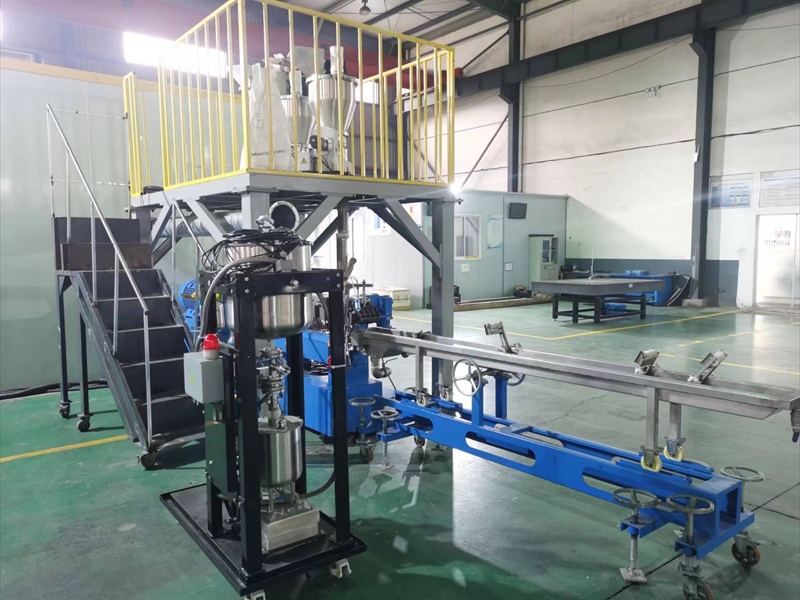
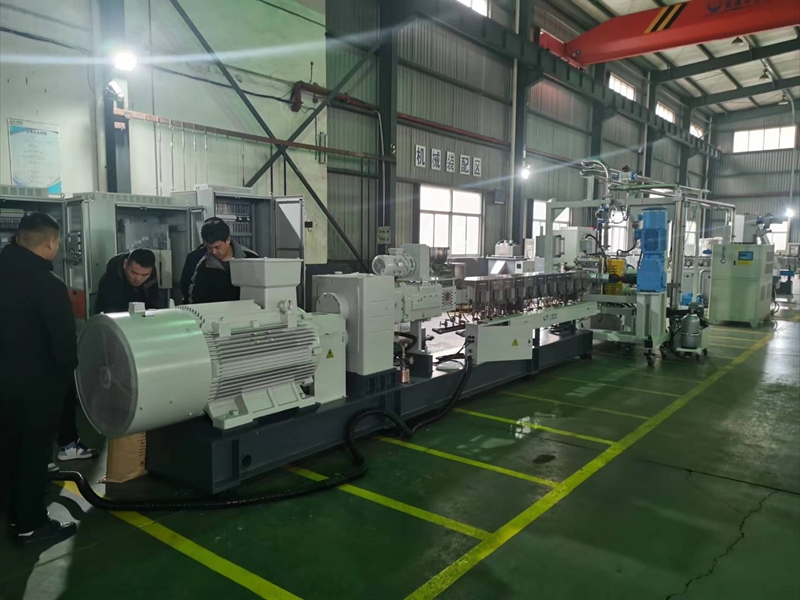
Вытворцы маткавых сумесяў часта выбіраюць двухшнековые экструдары з сумесным кручэннем з-за іх здольнасці забяспечваць цудоўнае змешванне і стабільныя вынікі. Яны разлічваюць на цестамесы пры апрацоўцы адчувальных або каштоўных матэрыялаў, якія патрабуюць далікатнай апрацоўкі. Выбар машыны гуляе ключавую ролю ў кожнай аперацыі Masterbatch Machine. Правільны выбар напрамую ўплывае на якасць і эфектыўнасць вытворчасці, паколькі сучасныя экструдары і дапаможнае абсталяванне ўпарадкоўваюць вытворчы паток і падтрымліваюць надзейную дастаўку.
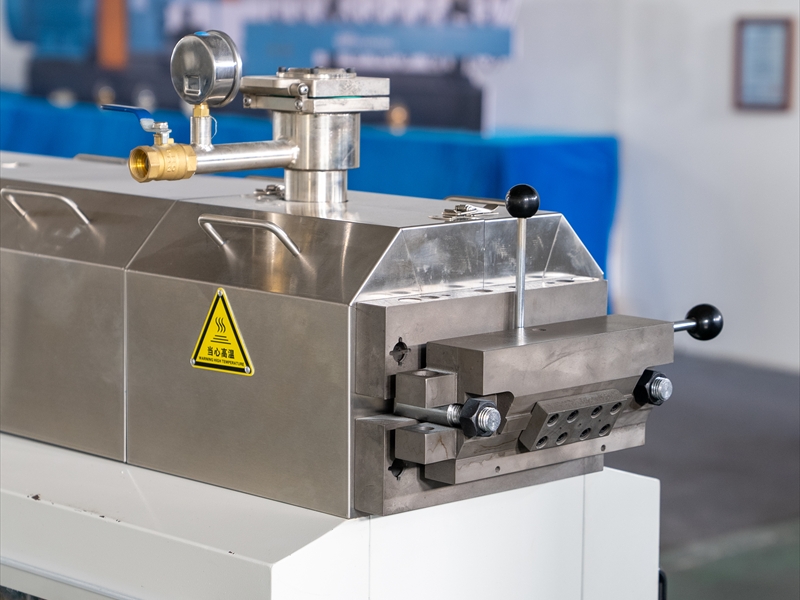
- Правільны выбар абсталявання аптымізуе як якасць прадукцыі, так і эфектыўнасць вытворчасці.
-
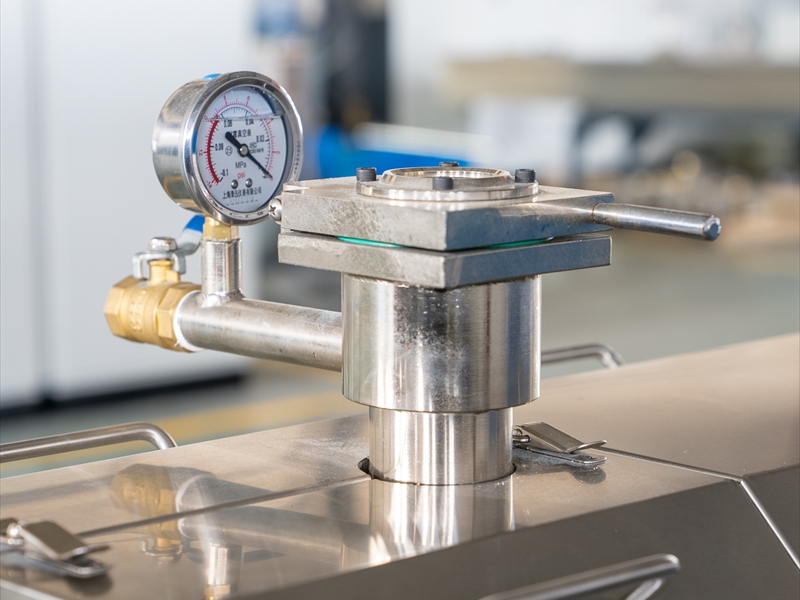
Удасканаленая тэхніка зніжае эксплуатацыйныя выдаткі і вузкія месцы, забеспячэнне лепшай прапускной здольнасці і задаволенасці кліентаў.
- Адпаведнасць выбару машыны з вытворчымі магутнасцямі і характарыстыкамі матэрыялаў гарантуе стабільныя вынікі.
Ключавыя вывады
- Choose the right machine for your needs. Twin-screw extruders excel in mixing and throughput, while kneader machines are ideal for sensitive materials.
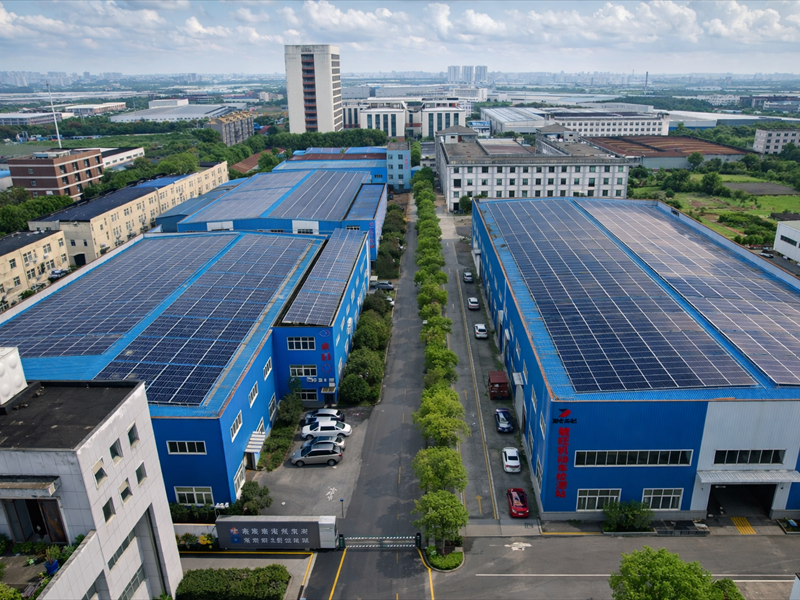
- Prioritize production quality. Proper equipment selection directly impacts the consistency and performance of your masterbatch.
-
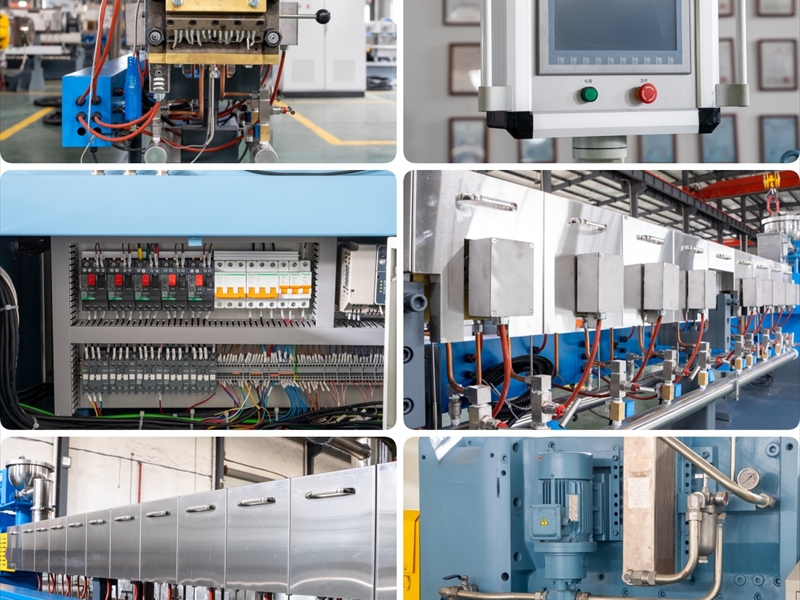
Maximize efficiency with advanced machinery. Twin-screw extruders reduce operational costs and improve production flow.
- Ensure material compatibility. Conduct rigorous testing to confirm that pigments and additives blend well for optimal results.
- Focus on dispersion consistency. High-quality compounding prevents defects and ensures uniform color in plastic products.
- Consider maintenance needs. Twin-screw extruders require more upkeep, while kneader machines offer simpler maintenance routines.
-
Evaluate your budget carefully. Twin-screw extruders involve higher initial costs, але іх эфектыўнасць можа кампенсаваць выдаткі з часам.
- Плануйце маштабаванасць. Двухшнековые экструдары могуць лёгка адаптавацца да павышаных патрабаванняў вытворчасці, у той час як цестамесы могуць запатрабаваць дадатковых агрэгатаў.
Агляд вытворчасці маткавай сумесі
Што такое Masterbatch
Вытворчасць маткавай сумесі стварае канцэнтраваныя сумесі пігментаў, дабаўкі, і смалы-носьбіты. Гэтыя сумесі, называецца маткавая сумесь, выкарыстоўваюцца для афарбоўвання або паляпшэння ўласцівасцей пластмасавых вырабаў. Працэс прадугледжвае змешванне сыравіны, злучэнне іх шляхам экструзіі, і фармаванне гранул для зручнасці апрацоўкі. Вытворцы спадзяюцца на маткавую сумесь для дасягнення стабільнага колеру, палепшаная трываласць, і спецыялізаваныя характарыстыкі ў пластыкавых прыкладаннях. Індустрыя маткавых сумесяў падтрымлівае шырокі спектр сектараў, уключаючы ўпакоўку, аўтамабільны, і спажывецкіх тавараў.
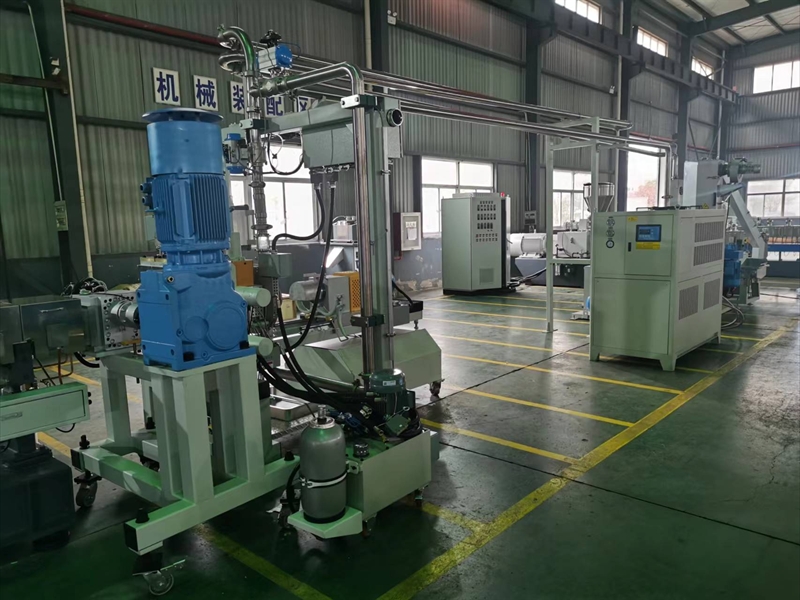
Працэс вытворчасці маткавай сумесі патрабуе ўважлівага кантролю на кожным этапе. Кожны крок, ад выбару сыравіны да канчатковай упакоўкі, ўплывае на якасць і прадукцыйнасць гатовай прадукцыі. У табліцы ніжэй апісаны асноўныя крокі і іх крытычныя патрабаванні:
| Крок | Крытычныя патрабаванні |
|---|---|
| Выбар сыравіны | Выкарыстоўвайце без пылу, маловлажный, і тэрмічнаму ўстойлівыя інгрэдыенты для стабільнай якасці. |
| Дакладнае ўзважванне і змешванне | Аўтаматызаваныя сістэмы дазавання для дакладнасці; высакахуткасныя міксеры для аднастайнага папярэдняга злучэння. |
| Экструзія і компаундирование | Кантраляванае награванне і змешванне з вялікім зрухам для дбайнай дысперсіі дабавак. |
| Астуджэнне і фарміраванне гранул | Хуткае астуджэнне і разразанне экструдаванага нітак на аднастайныя гранулы. |
| Строгі кантроль якасці | Некалькі тэстаў якасці, уключаючы праверкі аднастайнасці колеру і сумяшчальнасці. |
| Упакоўка і своечасовая дастаўка | Захоўваць у чыстым, аб'екты з кантролем тэмпературы і арыентавацца на своечасовую дастаўку. |
Асноўныя вытворчыя патрэбы
Кансістэнцыя дысперсіі
Кансістэнцыя дысперсіі з'яўляецца асноўным патрабаваннем пры вытворчасці маткавай сумесі. Раўнамернае размеркаванне пігментаў і дабавак гарантуе, што кожны пластыкавы выраб будзе мець жаданы колер і ўласцівасці. Якасная рэцэптура прадухіляе адукацыю цвёрдыя камякі або прымешкі, якія могуць выклікаць дэфекты ў канчатковай маткавай сумесі. Вытворцы выкарыстоўваюць перадавыя тэхналогіі экструзіі змешвання і злучэння для дасягнення выдатнай дысперсіі. Аднастайная дысперсія таксама паляпшае аздабленне паверхні і памяншае праблемы вытворчасці, што робіць яго важным для надзейнай працы маткавай сумесі.
Прапускная здольнасць
Прапускная здольнасць вымярае колькасць маткавай сумесі, вырабленай за пэўны перыяд часу. Высокая прапускная здольнасць падтрымлівае буйнамаштабную вытворчасць і эфектыўна задавальняе рынкавы попыт. Працэс злучэння павінен збалансаваць хуткасць і якасць, так як хуткая вытворчасць не павінна парушаць дысперсію або аднастайнасць. Сучасныя лініі па вытворчасці маткавай сумесі выкарыстоўваюць аўтаматызаваныя сістэмы і высокапрадукцыйныя экструдары для максімальнага павелічэння прадукцыйнасці. Эфектыўныя сістэмы астуджэння і гранулявання дадаткова ўпарадкоўваюць працэс, забеспячэнне выканання вытворчых паказчыкаў без шкоды для якасці.
Сумяшчальнасць матэрыялаў
Сумяшчальнасць матэрыялаў гуляе важную ролю ў вытворчасці маткавай сумесі. Выбраныя пігменты, дабаўкі, і смалы-носьбіты павінны добра змяшацца падчас злучэння. Несумяшчальныя матэрыялы могуць прывесці да дрэннай дысперсіі, каляровыя палоскі, або зніжэнне пластычных характарыстык. Вытворцы праводзяць строгую праверку якасці, уключаючы супастаўленне колераў і дысперсійны аналіз, каб пацвердзіць сумяшчальнасць. Гэты крок гарантуе бесперашкодную інтэграцыю маткавай сумесі ў розныя пластмасавыя прымянення, падтрымка стабільных вынікаў у розных серыях вытворчасці.
Заўвага: Вытворчасць маткавай сумесі высокай якасці залежыць ад дакладнага кантролю над складаннем, стараннага мяшання, і пільны выбар матэрыялаў. Гэтыя фактары гарантуюць, што канчатковая маткавая сумесь адпавядае галіновым стандартам колеру, даўгавечнасць, і паводзіны апрацоўкі.
Двухшнековый экструдар у машыне Masterbatch
Тыпы двухшнековых экструдараў
Двухшнековые экструдары сталі асновай сучаснай вытворчасці маткавых сумесяў. Яны забяспечваюць неперасягненую гнуткасць і кантроль у параўнанні з аднашрубавымі канструкцыямі. У табліцы ніжэй вылучаны эксплуатацыйныя адрозненні паміж одношнековыми і двухшнековыми экстрударамі, падкрэсліваючы, чаму канфігурацыя блізнят дамінуе ў вытворчасці маткавай сумесі:
| Асаблівасць | Одношнековый экструдар | Двухшнековый экструдар |
|---|---|---|
| Магчымасць змешвання | Абмежаваны | Палепшаны |
| Гнуткасць | Нізкі | Высокі |
| Кантроль над матэрыяльным патокам | Умераны | Высокі |
| Ідэальна падыходзіць для складаных рэцэптаў | няма | так |
| Прымяненне ў Masterbatch | Абмежаваны | Шырокі |
Сумеснае кручэнне
Двухшнековые экструдары, якія верцяцца адначасова, маюць шнекі, якія круцяцца ў адным кірунку. Гэтая канструкцыя максімальна павялічвае эфектыўнасць змешвання і злучэння. Дзеянне сумеснага кручэння гарантуе, што матэрыялы адчуваюць як дысперсійнае, так і размеркавальнае змешванне, што вельмі важна для вытворчасці высакаякаснай маткавай сумесі. Вытворцы аддаюць перавагу гэтаму тыпу за яго здольнасць апрацоўваць складаныя склады і падтрымліваць стабільную прадукцыйнасць.
Узаемазачапленне супраць неўзаемазачаплення
Двухшнековые экструдары могуць быць з зачапленнем і без зачаплення. Узаемазачэпныя канструкцыі дазваляюць шрубам перакрывацца, ствараючы эфект самаачышчэння, які памяншае назапашванне матэрыялу і паляпшае самаачышчэнне. Гэтая функцыя падтрымлівае бесперапынную працу і мінімізуе час прастою. Тыпы без зачаплення трымаюць шрубы асобна, якія могуць задаволіць пэўныя патрэбы ў складанні, але звычайна прапануюць менш інтэнсіўнае змешванне.
Асаблівасці двухшнекового экструдара
Модульны дызайн
Двухшнековый экструдар выкарыстання модульныя шрубавыя элементы. Гэтая функцыя дазваляе аператарам наладжваць сістэму экструзіі для розных рэцэптаў маткавай сумесі. Модульная канструкцыя падтрымлівае аптымальную механічную перадачу энергіі і дазваляе хутка змяняць налады працэсу. Вытворцы могуць адаптаваць сістэму экструзіі да новых матэрыялаў або патрабаванням да прадукту без сур'ёзных прастояў.
Кантроль зруху і ціску
Дакладны кантроль зруху і ціску вызначае эфектыўнасць двухшнекового экструдара. Аператары могуць наладзіць хуткасць шрубы, канфігурацыя, і тэмпература ствала для тонкай налады працэсу складання. Гэты кантроль забяспечвае раўнамернае размеркаванне пігментаў і дабавак, што прыводзіць да стабільнай якасці маткавай сумесі. Сістэма экструзіі таксама падтрымлівае стабільны ціск, які абараняе адчувальныя інгрэдыенты і паляпшае структурныя ўласцівасці канчатковага прадукту.
Перавагі
Палепшанае змешванне
Двухшнековые экструдары дастаўляюць моцнае дысперсійнае і размеркавальнае змешванне. Гэтая магчымасць гарантуе дбайнае змешванне пігментаў і дабавак падчас падрыхтоўкі. У выніку атрымліваецца маткавая сумесь аднастайнага колеру і прадукцыйнасці.
Высокая прапускная здольнасць
Вытворцы робяць стаўку на двухшнековые экструдары для высокай прадукцыйнасці. Гэтыя машыны эфектыўна апрацоўваюць вялікія аб'ёмы маткавай сумесі, задавальненне патрабаванняў прамысловай вытворчасці. Канструкцыя падтрымлівае стабільную падачу парашковых пігментаў і дабавак, што павышае прадукцыйнасць.
Самаачышчэнне
Узаемадзеянне ў многіх двухшнековых экстрударах забяспечвае эфект самаачышчэння. Гэтая асаблівасць памяншае рэшткі матэрыялу, мінімізуе рызыкі заражэння, і скарачае час пераходу паміж рознымі складамі маткавай сумесі.
Савет: Перавагі тэхналогіі двухшнекового экструдара выходзяць за рамкі змешвання. Гэтыя машыны аптымізаваць выкарыстанне матэрыялаў і падтрымлівае дакладны кантроль над кожным этапам працэсу злучэння.
Недахопы
Кошт
Двухшнековые экстрударныя сістэмы патрабуюць значных першапачатковых укладанняў. Вытворцы часта сутыкаюцца з больш высокімі першапачатковымі выдаткамі ў параўнанні з аднашрубавымі машынамі. Перадавая тэхніка і модульная канструкцыя здвоеных экструдараў спрыяюць гэтым выдаткам. Многія аб'екты павінны таксама інвеставаць у спецыялізаваныя дапаможнае абсталяванне для падтрымкі двухшнекового экструдара. Гэтыя выдаткі могуць стаць праблемай для дробных вытворцаў або тых, хто мае абмежаваны бюджэт. З часам, эфектыўнасць і прадукцыйнасць тэхналогіі двухшнекового экструдара могуць кампенсаваць першапачатковыя выдаткі, але бар'ер для ўваходу застаецца вышэй, чым у больш простых машын.
Тэхнічнае абслугоўванне
Тэхнічнае абслугоўванне двухшнекового экструдара патрабуе кваліфікаваных тэхнікаў і рэгулярнай увагі. Зачапляльныя шрубы і модульныя кампаненты зношваюцца падчас бесперапыннай працы. Аператары павінны сачыць за станам шруб, бочкі, і ўшчыльнення для прадухілення прастою. Планавае тэхнічнае абслугоўванне і замена дэталяў дапамагаюць падтрымліваць стабільную прадукцыйнасць, але яны павялічваюць эксплуатацыйныя выдаткі. Складаныя вузлы ў двухшнековых экстрударных сістэмах могуць павялічыць час, неабходны для ачысткі і рамонту. Аб'екты, якія апрацоўваюць абразіўныя матэрыялы або матэрыялы з вялікім напаўненнем, могуць назіраць паскораны знос, патрабуе яшчэ больш частага абслугоўвання.
Заўвага: Рэгулярнае тэхнічнае абслугоўванне гарантуе, што двухшнековые экструдары забяспечваюць надзейныя вынікі і падаўжаюць тэрмін іх службы. Грэбаванне абслугоўваннем можа прывесці да нестабільнай якасці маткавай сумесі і нечаканых прыпынкаў вытворчасці.
Прымяненне двухшнекового экструдара
Каляровая маткавая сумесь
Тэхналогія двухшнекового экструдара адыгрывае цэнтральную ролю ў вытворчасці каляровай маткавай сумесі. Два шнека забяспечваюць інтэнсіўнае змешванне, які забяспечвае раўнамернае размеркаванне пігментаў па ўсёй смале-носьбіце. Гэты працэс стварае гранулы аднастайнага колеру, важны для высакаякасных пластыкавых вырабаў. Вытворцы спадзяюцца на двухшнековый экструдар для апрацоўкі шырокага спектру тыпаў і канцэнтрацый пігментаў. Гнуткасць падвойнага дызайну дазваляе хутка пераключацца паміж рознымі каляровымі складамі, падтрымка розных патрабаванняў кліентаў.
Дабаўка Masterbatch
Прымяненне двухшнековых экстрударных сістэм распаўсюджваецца на вытворчасць адытыўнай маткавай сумесі. Гэтыя машыны змешваюць функцыянальныя дабаўкі, такія як УФ-стабілізатары, антыпірэны, або антыстатыкі — у палімерную матрыцу. Двайныя шрубы забяспечваюць дбайнае рассейванне, што павялічвае эфектыўнасць кожнай дабаўкі. Паслядоўнае змешванне прадухіляе агламерацыю і гарантуе, што кожная гранула забяспечвае запланаваную прадукцыйнасць. Модульная канструкцыя двухшнекового экструдара дазваляе аператарам наладжваць працэс для розных тыпаў дабавак і загрузак.
У табліцы ніжэй прыведзены асноўныя вобласці прымянення двухшнековых экстрударных сістэм у вытворчасці маткавай сумесі:
| Ужыванне | Апісанне |
|---|---|
| Вытворчасць маткавай сумесі | Забяспечвае раўнамернае распыленне пігментаў і дабавак для каляровых і функцыянальных маткавых сумесяў. |
| Каляровая маткавая сумесь | Забяспечвае паслядоўнае размеркаванне колеру і падтрымлівае хуткія змены рэцэптуры. |
| Дабаўка Masterbatch | Забяспечвае дакладнае ўключэнне функцыянальных дабавак для паляпшэння пластычных уласцівасцяў. |
Двухшнековые экструдеры падтрымліваюць шырокі спектр прымянення маткавай сумесі. Іх універсальнасць і кантроль робяць іх пераважным выбарам як для вытворчасці колераў, так і для вытворчасці маткавай сумесі. Прымяненне тэхналогіі двухшнекового экструдара працягвае пашырацца, паколькі вытворцы імкнуцца да больш высокай якасці і эфектыўнасці.
Змяшальная машына для вытворчасці маткавай сумесі
Тыпы цестамесных машын
Цестамесныя машыны гуляюць важную ролю ў вытворчасці маткавай сумесі, асабліва пры працы з каштоўнымі або адчувальнымі матэрыяламі. Прамысловасць абслугоўвае некалькі тыпаў цестамесных машын, кожны прызначаны для канкрэтных патрэбаў у складанні:
- Змяшальнікі Banbury: Гэтыя машыны выдатна спраўляюцца з палімерамі і дадаткамі, што робіць іх адным з асноўных прадуктаў вытворчасці маткавых сумесяў.
- Дысперсійныя цестамесы: Вытворцы выкарыстоўваюць іх для дасягнення раўнамернага распылення, што вельмі важна для стабільнай якасці маткавай сумесі.
- Унутраныя змяшальнікі: Лабараторыі часта разлічваюць на ўнутраныя змяшальнікі для правядзення невялікіх даследаванняў і распрацовак. Гэтыя машыны дазваляюць дакладна кантраляваць параметры змешвання.
- Змесы Sigma Blade: Прызначаны для высокавязкіх матэрыялаў, лопастныя тестомесы Sigma забяспечваюць дбайнае змешванне і ідэальна падыходзяць для складаных задач па складанні.
Змешвальныя машыны працуюць шляхам змешвання матэрыялаў пры кантраляванай тэмпературы і ўмовах зруху. Такі падыход забяспечвае раўнамернае распыленне і эфектыўнае спалучэнне, якія важныя для вытворчасці высакаякаснай маткавай сумесі.
Асаблівасці цестамеснай машыны
Інтэнсіўнае змешванне
Тэстомесы забяспечваюць інтэнсіўнае змешванне, што дазваляе дакладная дысперсія і змешванне пігментаў, дабаўкі, and resins. Гэтая асаблівасць аказваецца асабліва важнай пры вытворчасці маткавай сумесі, дзе мадыфікаваныя матэрыялы з высокім напаўненнем і высокім попытам патрабуюць раўнамернага размеркавання. Надзейнае змешванне прадухіляе агламерацыю і гарантуе, што кожная партыя маткавай сумесі адпавядае строгім стандартам якасці.
Энергаэфектыўнасць
Энергаэфектыўнасць вылучаецца ключавой перавагай цестамесных машын. Іх канструкцыя мінімізуе энергазатраты пры складанні, што дапамагае вытворцам знізіць эксплуатацыйныя выдаткі. Машыны забяспечваюць стабільную прадукцыйнасць пры апрацоўцы шырокага спектру матэрыялаў, што робіць іх прыдатнымі як для буйнамаштабнай, так і для спецыяльнай вытворчасці маткавай сумесі.
Пакетная аперацыя
Тэстомесы звычайна працуюць у перыядычным рэжыме. Гэты метад дазваляе гнутка наладжваць параметры, падтрымка вытворчасці разнастайных складаў маткавай сумесі. Пакетная праца таксама забяспечвае стабільны выхад, што мае вырашальнае значэнне для падтрымання паслядоўнасці пры апрацоўцы адчувальных або каштоўных матэрыялаў. Аператары могуць уважліва сачыць за кожнай партыяй, забеспячэнне таго, каб працэс злучэння адпавядаў патрабаваным спецыфікацыям.
Перавагі
Дакладнае змешванне
Цестамесы забяспечваюць дакладнае змешванне, што вельмі важна для вытворчасці маткавай сумесі з выкарыстаннем складаных або адчувальных інгрэдыентаў. Машыны’ здольнасць да дасягнення раўнамернай дысперсіі гарантуе, што пігменты і дабаўкі плаўна інтэгруюцца ў смалу-носьбіт. Гэтая дакладнасць падтрымлівае вытворчасць маткавай сумесі з нязменным колерам і характарыстыкамі.
Больш нізкае энергаспажыванне
Вытворцы цэняць цестамесы за меншае энергаспажыванне ў параўнанні з іншым абсталяваннем для змешвання. Эфектыўная канструкцыя памяншае вылучэнне цяпла і зводзіць да мінімуму дэградацыю матэрыялу, што спрыяе тэрмаадчувальным складаў маткавай сумесі. Меншае спажыванне энергіі таксама спрыяе больш устойліваму вытворчаму працэсу.
Трываласць
Цестамесы дэманструюць выключную трываласць. Іх канструкцыя вытрымлівае патрабаванні інтэнсіўнага злучэння, нават пры апрацоўцы абразіўных або высоконаполненных матэрыялаў. Такая трываласць забяспечвае надзейную працу і падаўжае тэрмін службы абсталявання, робячы цестамесныя машыны разумнай інвестыцыяй для прадпрыемстваў па вытворчасці маткавых сумесяў.
Заўвага: Тестомесочные машыны спалучаюць у сабе інтэнсіўнае змешванне, энергаэфектыўнасць, і трывалая канструкцыя, што робіць іх ідэальнымі для вытворчасці маткавай сумесі, якая патрабуе дакладнага злучэння і стабільнага выхаду.
Недахопы
Больш нізкая прапускная здольнасць
Цемесільныя машыны працуюць у перыядычным рэжыме, што абмяжоўвае іх прапускную здольнасць у параўнанні з сістэмамі бесперапыннай экструзіі. Аператары павінны загрузіць, змешваць, і разраджаць кожную партыю перад пачаткам наступнага цыклу. Гэты працэс абмяжоўвае аб'ём маткавай сумесі, вырабленай на працягу зададзенага перыяду часу. Прадпрыемствы, якія патрабуюць высокай прадукцыйнасці, часта лічаць, што цестамесы менш прыдатныя для буйнамаштабнай вытворчасці. Пакетная праца таксама павялічвае час прастою паміж цыкламі, што можа паўплываць на агульную эфектыўнасць. Вытворцы, якія аддаюць перавагу хуткасці і аб'ёму, могуць аддаць перавагу экстрударам з-за іх здольнасці забяспечваць стабільную прадукцыю без перапынкаў.
Абмежаваная гнуткасць
Змяшальныя машыны забяспечваюць меншую гібкасць пры адаптацыі да новых рэцэптур або хуткай змене прадукту. Пакетны працэс патрабуе ручной карэкціроўкі для кожнага рэцэпту, што запавольвае рэакцыю на зменлівыя патрабаванні рынку. Аператары павінны ачысціць і падрыхтаваць машыну паміж партыямі, асабліва пры пераключэнні паміж рознымі матэрыяламі. Гэта абмежаванне робіць тестомесилочные машыны менш ідэальнымі для аб'ектаў, якія часта змяняюць склад маткавай сумесі. Дызайн падыходзіць для стабільных вытворчых умоў, але стварае праблемы для вытворцаў, якія шукаюць універсальнасць у дыяпазоне прымянення.
Заўвага: Змяшальныя машыны адрозніваюцца дакладнасцю змешвання і энергаэфектыўнасцю, але іх меншая прапускная здольнасць і абмежаваная гнуткасць могуць абмежаваць іх выкарыстанне ў хуткіх або вельмі зменлівых вытворчых умовах.
Тыповыя прымянення
Высоканапоўненая маткавая сумесь
Змешвальныя машыны дэманструюць выключную прадукцыйнасць пры вытворчасці маткавай сумесі з вялікім напаўненнем. Гэтыя машыны спраўляюцца звышвысокая нагрузка ўзроўні, часта перавышае 85% змест напаўняльніка. Інтэнсіўнае змешванне забяспечвае дбайную інтэграцыю дадаткаў, якія цяжка дыспергаваць, у смалу-носьбіт. Manufacturers select kneader machines for filler masterbatch compounding because they maintain uniform dispersion and prevent agglomeration, even with challenging materials. The table below highlights the primary application type and its characteristics:
| Application Type | Characteristics |
|---|---|
| Filler Masterbatch Compounding | Ultra-High Loading, >85% filling levels, difficult-to-disperse additives |
This application requires robust mixing and stable output, which kneader machines provide. Operators achieve consistent quality in batches with high filler content, supporting demanding industrial requirements.
Rubber Compounds
Rubber compound production represents another key application for kneader machines. The equipment processes elastomers, напаўняльнікі, and additives under controlled temperature and shear conditions. Kneader machines deliver uniform dispersion, што паляпшае фізічныя ўласцівасці гумовых вырабаў. Вытворцы спадзяюцца на цестамесы для іх здольнасці апрацоўваць вязкія матэрыялы і падтрымліваць кансістэнцыю ад партыі да партыі. Працэс падтрымлівае спецыяльныя прымянення гумы, уключаючы аўтамабільныя дэталі, пячатак, і прамысловыя кампаненты.
Савет: Прадпрыемствы, якія вырабляюць маткавую сумесь або гумовыя сумесі з высокім напаўненнем, выйграюць ад надзейнага змешвання і стабільнай перыядычнай працы цестамеснай машыны. Гэтыя праграмы патрабуюць дакладнасці і надзейнасці, якія цестамесныя машыны пастаянна забяспечваюць.
Розніца паміж одношнековым і двухшнековым экстрударам
Якасць змешвання
Якасць змешвання выступае ў якасці найважнейшага фактару ў вытворчасці маткавай сумесі. Одношнековый экструдар забяспечвае ў асноўным размеркавальнае змешванне. Гэта азначае, што ён распаўсюджвае матэрыялы, але не так эфектыўна расшчапляе агламераты. Двухшнековые экструдары забяспечваюць як дысперсійнае, так і размеркавальнае змешванне. Яны могуць разбіваць пігментныя навалы і раўнамерна размяркоўваць дабаўкі. Гэтая магчымасць дазваляе атрымаць больш аднастайную маткавую сумесь, што важна для высокапрадукцыйных прыкладанняў.
У табліцы ніжэй паказаны асноўныя адрозненні ў магчымасць змешвання:
| Асаблівасць | Одношнековый экструдар | Двухшнековый экструдар |
|---|---|---|
| Магчымасць змешвання | Нізкі (пераважна размеркавальны) | Высокі (Дысперсійны & Размеркавальны) |
Вытворцы часта выбіраюць двухшнековые экструдары для выканання задач, якія патрабуюць інтэнсіўнага змешвання, напрыклад, змешванне шкляных валокнаў, антыпірэны, або пігменты ў смолы. Аднашнекавы экструдар лепш за ўсё працуе для больш простых складаў, дзе дастаткова простага змешвання.
Савет: Для маткавых прадуктаў, якія патрабуюць аднастайнага колеру і размеркавання дабавак, двухшнековые экструдары прапануюць відавочную перавагу.
Прапускная здольнасць
Прапускная здольнасць вымярае, колькі матэрыялу можа апрацаваць машына за пэўны час. Одношнековый экструдар вылучаецца бесперапыннай працай, простыя працэсы. It handles large volumes efficiently when the formulation does not require complex mixing. Двухшнековые экструдары, on the other hand, provide superior throughput for complex masterbatch production. Their design supports excellent material conveying, змешванне, and shear dispersion.
The following table compares throughput capabilities:
| Тып экструдара | Throughput Capability |
|---|---|
| Адзіны шруба | More efficient for simpler, continuous processes |
| Двайны шруба | Superior mixing, ideal for complex masterbatch tasks |
- Single screw extruder: Best for high-volume, simple recipes.
- Двухшнековый экструдар: Preferred for high-intensity mixing and advanced formulations.
Production lines that require both speed and advanced mixing often rely on twin screw extruders. Facilities focused on basic compounding may select the single screw extruder for its efficiency.
Application Scope
The application scope defines where each machine performs best. The single screw extruder suits basic plastic processing, such as producing pipes, фільмы, or simple compounds. It offers reliability for straightforward tasks. Двухшнековые экструдары handle a broader range of applications. They excel in masterbatch production, especially when recipes involve multiple additives or require precise dispersion.
Key application areas include:
- Single screw extruder: Used for continuous processes with minimal mixing needs.
- Двухшнековый экструдар: Essential for masterbatch, compounding with glass fibers, пігменты, or flame retardants.
The difference between single and twin screw extruder technology shapes the choice for manufacturers. Those who need advanced mixing and flexibility select twin screw extruders. Those who prioritize simplicity and volume often choose the single screw extruder.
Заўвага: Selecting the right extruder depends on the complexity of the formulation, desired throughput, and end-use requirements.
Masterbatch Machine Comparison
Прадукцыйнасць
Performance defines the core value of any маткавая машына. Twin-screw extruders set the industry standard for high-performance compounding. These machines handle complex recipes with ease. Operators can adjust process parameters quickly, which supports consistent output. The twin design ensures stable feeding and precise temperature control. This leads to reliable production of masterbatch with uniform properties.
Kneader machines excel in specific scenarios. They deliver outstanding results when processing highly filled or sensitive materials. Their robust construction allows them to withstand demanding conditions. Аднак, batch operation limits their overall speed. Facilities that require continuous, high-volume production often prefer the twin screw extruder for its superior performance.
Одношнековые экстрударныя сістэмы забяспечваюць надзейную прадукцыйнасць для выканання асноўных задач. Яны падыходзяць для простых складаў маткавай сумесі. Гэтыя машыны не адпавядаюць пашыраным магчымасцям двухшнековых экструдараў або цестамесільных машын у комплексным складанні.
Заўвага: Выбар правільнай машыны для вытворчасці маткавай сумесі залежыць ад жаданага балансу паміж хуткасцю, кансістэнцыя, і патрабаванні да матэрыялаў.
Якасць змешвання
Якасць змешвання застаецца найважнейшым фактарам пры вытворчасці маткавай сумесі. Двухшнековые экструдары забяспечваюць як дысперсійнае, так і размеркавальнае змешванне. Гэта азначае, што яны расшчапляюць кластары пігмента і раўнамерна размяркоўваюць дабаўкі. У выніку атрымліваецца аднастайная маткавая сумесь з нязменным колерам і характарыстыкамі. Аператары могуць наладзіць сістэму экструзіі ў адпаведнасці з патрэбамі кожнага рэцэпту.
Змяшальныя машыны таксама забяспечваюць высокую якасць змешвання, асабліва для складаных матэрыялаў. Their intensive mixing action ensures thorough dispersion. This proves essential for highly filled masterbatch or rubber compounds. Аднак, batch operation can introduce slight variations between cycles.
Single screw extruder machines offer basic distributive mixing. They work well for simple formulations but struggle with complex recipes. These machines cannot achieve the same level of pigment dispersion as twin-screw extruders or kneader machines.
The table below summarizes mixing quality across different masterbatch machine types:
| Machine Type | Якасць змешвання | Best Use Case |
|---|---|---|
| Двухшнековые экструдары | Палепшаны (Дысперсійны & Размеркавальны) | Complex masterbatch, колер, дабаўкі |
| Цестамесныя машыны | Высокі (Intensive) | Highly filled, sensitive materials |
| Single screw extruder | Базавы (Размеркавальны) | Simple masterbatch |
Гнуткасць
Flexibility determines how well a masterbatch machine adapts to changing production needs. Двухшнековый экструдар systems stand out for their versatility. They allow operators to modify screw configurations, adjust shear levels, і кантраляваць час знаходжання. Гэтая адаптыўнасць падтрымлівае шырокі спектр складаў маткавай сумесі. Вытворцы могуць пераключацца паміж рэцэптамі з мінімальным часам прастою. The моцныя магчымасці змешвання двухшнековых экструдараў павялічваюць гнуткасць, што робіць іх неабходнымі для стабільнай якасці колеру і эфектыўнай вытворчасці.
Змяшальныя машыны забяспечваюць сярэднюю гнуткасць. Яны працуюць з рознымі матэрыяламі і ўзроўнямі напаўняльніка, але патрабуюць ручной рэгулявання паміж партыямі. Гэты працэс можа запаволіць рэакцыю на новыя патрабаванні рынку. Пакетная праца таксама абмяжоўвае хуткасць змены рэцэпту.
Одношнековые экстрударныя машыны забяспечваюць найменшую гнуткасць. Касцюм ўстойлівы, буйнасерыйная вытворчасць простай маткавай сумесі. Гэтыя машыны не падтрымліваюць хуткія змены рэцэптуры або пашыраныя задачы па складанні.
Савет: Прадпрыемствы, якія вырабляюць некалькі тыпаў маткавай сумесі, карыстаюцца гібкасцю тэхналогіі двухшнекового экструдара. Гэта перавага падтрымлівае інавацыі і хуткую адаптацыю да патрэб кліентаў.
Прапускная здольнасць
Прапускная здольнасць вымярае аб'ём матэрыялу, апрацаванага машынай для вытворчасці маткавай сумесі за зададзены перыяд. Двухшнековые экструдары забяспечваюць высокую прадукцыйнасць, падтрымка буйнамаштабных вытворчых асяроддзяў. Аператары могуць дасягнуць паказчыкаў выхаду з 30 кілаграмаў у гадзіну да 4000 кілаграмаў у гадзіну. Гэтая магутнасць дазваляе вытворцам выконваць складаныя графікі і падтрымліваць стабільныя пастаўкі. Цестамесы працуюць з меншай прапускной здольнасцю, з максімальнай прадукцыйнасцю да 1000 кілаграмаў у гадзіну. Пакетная праца абмяжоўвае іх хуткасць, што робіць іх прыдатнымі для вытворчасці спецыяльных або каштоўных маткавых сумесяў.
У табліцы ніжэй параўноўваецца прапускная здольнасць:
| Тып абсталявання | Выхадная ёмістасць |
|---|---|
| Двухшнековый экструдар | 30кг/г да 4000 кг/г |
| Цестамесная машына | Да 1000 кг/г |
Двухшнековые экструдары дамінуюць у масавай вытворчасці маткавай сумесі. Змяшальныя машыны выдатныя ў тых выпадках, калі дакладнасць і адчувальнасць да матэрыялу пераважваюць хуткасць.
Тэхнічнае абслугоўванне
Патрабаванні да абслугоўвання двухшнековых экструдараў і цестамесільных машын істотна адрозніваюцца. Двухшнековые экструдары патрабуюць пастаяннай увагі з-за сваёй складанай канструкцыі і высокіх эксплуатацыйных нагрузак. Аператары павінны сачыць за зносам шруб, цэласнасць скрынкі перадач, і пячатак. Кантракты на пасляпродажнае абслугоўванне звычайна каштуюць паміж 2% і 5% ад кошту машыны кожны год. Для а $200,000 экструдар, штогадовыя выдаткі на тэхнічнае абслугоўванне вар'іруюцца ад $4,000 каб $10,000. Запчасткі павялічваюць кошт, з наборам шруб па цане ад $15,000 каб $25,000 і калькуляцыя замены каробкі перадач $30,000 каб $50,000. Прафілактыка павялічвае інтэрвал паміж капітальнымі рамонтамі з пяці гадоў да сямі, скарачэнне доўгатэрміновых выдаткаў.
- Двухшнековые экструдары патрабуюць частых праверак і спецыяльных тэхнікаў.
- Змяшальныя машыны адрозніваюцца трывалай канструкцыяй і больш простымі працэдурамі абслугоўвання.
- Прафілактычнае абслугоўванне павышае надзейнасць і скарачае час прастою для абодвух тыпаў машын.
Прадпрыемствы, якія эксплуатуюць двухшнековые экструдары, павінны прадугледжваць больш высокія выдаткі на тэхнічнае абслугоўванне і планаваць рэгулярныя інтэрвалы абслугоўвання. Тэхнічныя машыны прасцей у абслугоўванні, робіць іх прывабнымі для невялікіх аперацый або спецыяльнай вытворчасці.
Кошт
Кошт гуляе вырашальную ролю ў выбары машыны для вырабу маткавай сумесі. Двухшнековые экструдары патрабуюць значных першапачатковых інвестыцый. Вытворцы плацяць за перадавую тэхніку, модульныя кампаненты, і дапаможнае абсталяванне. Бягучае тэхнічнае абслугоўванне і запасныя часткі яшчэ больш павялічваюць эксплуатацыйныя выдаткі. Машыны для мяшання маюць меншыя першапачатковыя выдаткі і меншыя патрабаванні да абслугоўвання. Their batch operation suits facilities with limited budgets or those focused on specialty masterbatch production.
Operators must weigh the benefits of high throughput and flexibility against the financial commitment required for twin screw extruders. Kneader machines provide a cost-effective solution for precision mixing and stable output, especially in applications where speed is not the primary concern.
Савет: Careful cost analysis ensures that manufacturers select the masterbatch machine best suited to their production goals and financial resources.
Маштабаванасць
Scalability determines how well a masterbatch machine supports growth and adapts to increased production demands. Manufacturers often evaluate scalability when planning for expansion or responding to market changes. Twin screw extruders and kneader machines offer distinct advantages and limitations in this area.
Twin Screw Extruder Scalability
Twin screw extruders excel in scalable production environments. Operators can increase output by upgrading screw diameter, length, or motor power. Modular design allows for easy expansion and customization. Facilities can add auxiliary equipment, such as feeders or pelletizers, to boost capacity. Manufacturers often choose twin screw extruders for their ability to handle both small and large batch sizes without sacrificing quality.
- Modular configuration supports rapid adaptation.
- Upgrades enable higher throughput and advanced formulations.
- Integration with automated systems streamlines scaling.
Kneader Machine Scalability
Kneader machines present challenges in scalability. Batch operation limits continuous output. Аператары павінны апрацоўваць кожную партыю асобна, што абмяжоўвае агульную ёмістасць. Пашырэнне часта патрабуе набыцця дадатковых машын, а не пашырэння аднаго блока. Такі падыход павялічвае плошчу і складанасць эксплуатацыі. Змяшальныя машыны падыходзяць для спецыяльнай вытворчасці, дзе дакладнасць мае большае значэнне, чым аб'ём.
- Пакетная апрацоўка абмяжоўвае бясшвоўнае маштабаванне.
- Пашырэнне ўключае ў сябе даданне больш адзінак, не абнаўляючы існуючыя.
- Лепш за ўсё падыходзіць для стайні, вытворчасць малых і сярэдніх аб'ёмаў.
Заўвага: Прадпрыемствы, якія плануюць хуткі рост або ваганні попыту, выйграюць ад маштабаванай канструкцыі двухшнековых экструдараў. Змяшальныя машыны падыходзяць для асяроддзя з паслядоўнай, патрэбы вытворчасці спецыяльнасці.
Табліца параўнання маштабаванасці
| Machine Type | Магчымасці маштабаванасці | Метад пашырэння | Ідэальны маштаб вытворчасці |
|---|---|---|---|
| Двухшнековый экструдар | Модульны, з магчымасцю абнаўлення, гатовы да аўтаматызацыі | Абнаўленне сістэмы, дадаткі | Ад малога да буйнога |
| Цестамесная машына | Абмежаваны, на аснове пакетаў | Дадатковыя машыны | Спецыяльнасць, ад нізкага да сярэдняга |
Вытворцы шукаюць гнуткіх, для вытворчасці вялікіх аб'ёмаў часта выбіраюць двухшнековые экструдары. Змяшальныя машыны застаюцца каштоўнымі для нішавых прыкладанняў, дзе кансістэнцыя партыі і дакладнасць пераважваюць неабходнасць хуткага маштабавання.
Савет: Ацаніце будучыя вытворчыя мэты, перш чым інвеставаць у абсталяванне для вытворчасці маткавых сумесяў. Двухшнековые экструдары прапануюць шлях да росту, у той час як цестамесы забяспечваюць надзейнасць для спецыялізаваных аперацый.
Выбар правільнай маткавай машыны
Фактары рашэння
Выбар аптымальнай машыны для вытворчасці маткавай сумесі патрабуе ўважлівай ацэнкі некалькіх асноўных фактараў. Кожны аб'ект павінен узгадняць сваё абсталяванне з эксплуатацыйнымі мэтамі і патрабаваннямі да матэрыялаў.
Аб'ём вытворчасці
Аб'ём вытворчасці вызначае маштаб і хуткасць вытворчасці. Аб'екты з высокай вытворчай магутнасцю маюць патрэбу ў машынах, якія могуць падтрымліваць бесперапынную прадукцыйнасць. Двухшнековые экструдары excel in large-scale environments. They process significant quantities of masterbatch without frequent interruptions. Kneader machines suit smaller batches or specialty runs. Operators should match machine throughput to their target production levels.
Тып матэрыялу
Material type influences machine selection. Some masterbatch recipes use wood, bamboo, or straw fibers. Others require advanced additives for mechanics, degradability, or unique functionality. Twin screw extruders handle a wide range of plastic resins and complex formulations. Kneader machines perform well with sensitive or high-value materials. The choice depends on the compatibility of the machine with the raw materials and the desired properties of the final product.
Quality Requirements
Quality requirements shape the compounding process. Вытворцы, якія вырабляюць маткавую сумесь для высокапрадукцыйных пластмас, павінны забяспечваць аднастайную дысперсію і кансістэнцыю колеру. Двухшнековые экструдары забяспечваюць цудоўнае змешванне і дакладны кантроль. Змешвальныя машыны забяспечваюць інтэнсіўнае змешванне для высокага напаўнення або спецыяльнай маткавай сумесі. Прадпрыемствы павінны ацэньваць узровень якасці, неабходны для іх канчатковай прадукцыі.
Бюджэт
Бюджэт застаецца вырашальным фактарам інвестыцый у абсталяванне. Двухшнековые экструдары патрабуюць большых першапачатковых выдаткаў і пастаяннага абслугоўвання. Змешвальныя машыны забяспечваюць больш нізкую кропку ўваходу і меншае абслугоўванне. Фінансавае планаванне павінна ўлічваць як першапачатковыя выдаткі, так і доўгатэрміновыя аперацыйныя выдаткі. Канчатковае рашэнне павінна збалансаваць вытворчыя мэты з наяўнымі рэсурсамі.
Савет: Працэс выбару ўключае не толькі спецыфікацыі машыны. Аператары павінны ўлічваць тып валакна, жаданая прадукцыйнасць маткавай сумесі, і фінансавыя абмежаванні, каб зрабіць найлепшы выбар.
Двухшнековые экструдары забяспечваюць высокую прадукцыйнасць і цудоўнае змешванне, што робіць іх ідэальнымі для комплексу, буйнамаштабнае вытворчасць маткавай сумесі. Змяшальныя машыны выдатна спраўляюцца з адчувальнымі матэрыяламі або матэрыяламі з вялікім напаўненнем, забяспечваючы дакладнасць і энергаэфектыўнасць. Адпаведнасць выбару машыны з вытворчымі мэтамі і сумяшчальнасць матэрыялаў забяспечвае стабільную якасць, гладкая апрацоўка, і менш дэфектаў. Вытворцы, якія спалучаюць магчымасці машыны са смалой і палімернымі сістэмамі, дамагаюцца лепшая аздабленне паверхні, стабільны выхад, і доўгатэрміновы поспех у вытворчасці маткавай сумесі.
FAQ
У чым галоўная перавага двухшнекового экструдара ў вытворчасці маткавай сумесі?
Двухшнековые экструдары забяспечваюць цудоўнае змешванне і высокую прапускную здольнасць. Яны з лёгкасцю спраўляюцца са складанымі складамі. Manufacturers rely on them for consistent quality and efficient large-scale production.
When should a manufacturer choose a kneader machine?
A manufacturer should select a kneader machine for highly filled, sensitive, or specialty materials. Kneader machines offer precise mixing and energy efficiency, making them ideal for demanding or small-batch applications.
How does maintenance differ between twin-screw extruders and kneader machines?
Twin-screw extruders require frequent inspections and specialized technicians. Kneader machines have simpler maintenance routines and robust construction. Прадпрыемствы з абмежаваным тэхнічным персаналам часта аддаюць перавагу цестамесам для палягчэння абслугоўвання.
Ці можа аднашнекавы экструдар вырабляць маткавую сумесь?
Одношнековый экструдар можа вырабляць простыя склады маткавай сумесі. Ён не можа дасягнуць такой жа якасці або гнуткасці змешвання, як двухшнековые экструдары. Вытворцы выкарыстоўваюць одношнековые машыны для базавых, задачы вялікага аб'ёму.
Якія фактары ўплываюць на кошт маткавай машыны?
Памер машыны, ўзровень аўтаматызацыі, і кошт ўздзеяння дапаможнага абсталявання. Двухшнековые экструдары маюць больш высокія пачатковыя выдаткі і выдаткі на абслугоўванне. Змяшальныя машыны прапануюць меншыя пачатковыя выдаткі, але для маштабавання можа спатрэбіцца больш адзінак.
Якая машына прапануе лепшую маштабаванасць для растучых вытворчых патрэб?
Двухшнековые экструдары прапануюць модульныя мадэрнізацыі і варыянты аўтаматызацыі. Яны лёгка маштабуюцца для павелічэння прадукцыйнасці. Для пашырэння цестамесаў патрэбныя дадатковыя агрэгаты, which increases operational complexity.
Are kneader machines suitable for color masterbatch production?
Kneader machines can produce color masterbatch, especially for high-fill or specialty batches. Twin-screw extruders remain the preferred choice for high-volume, паслядоўнае вытворчасць маткавай сумесі колеру.