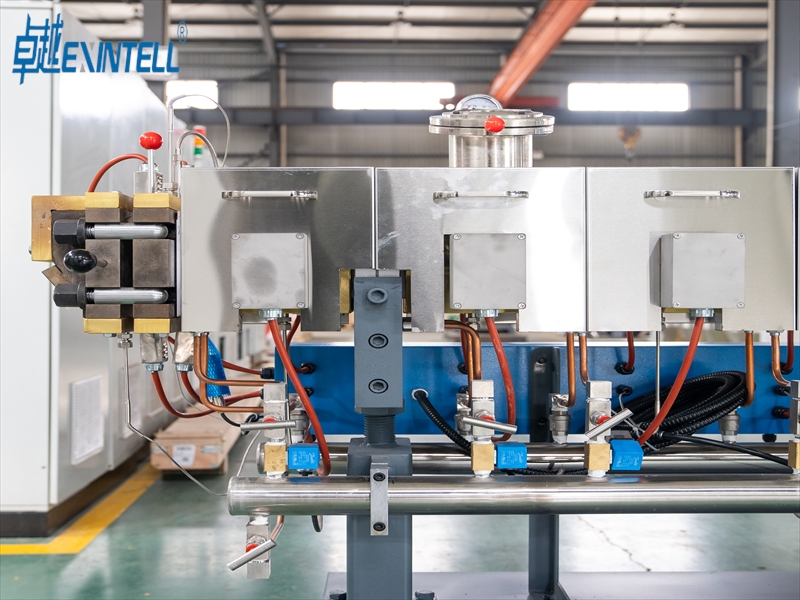
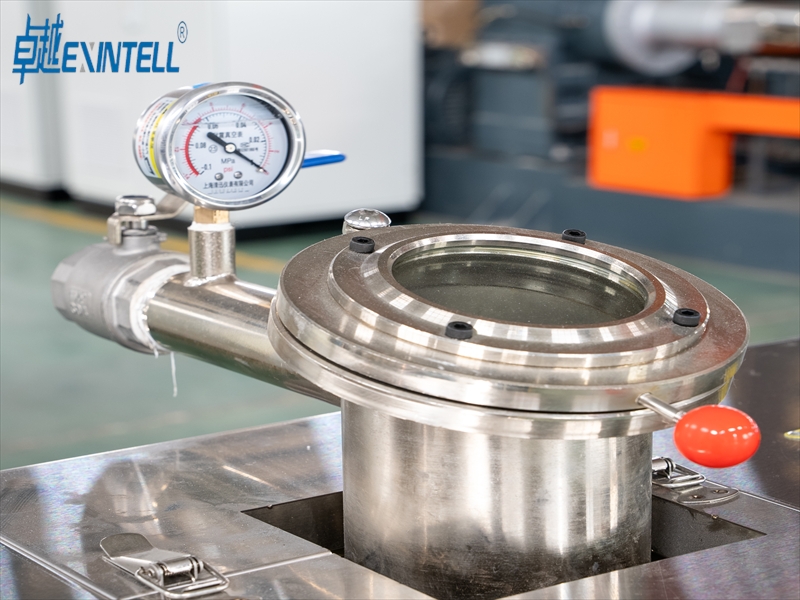
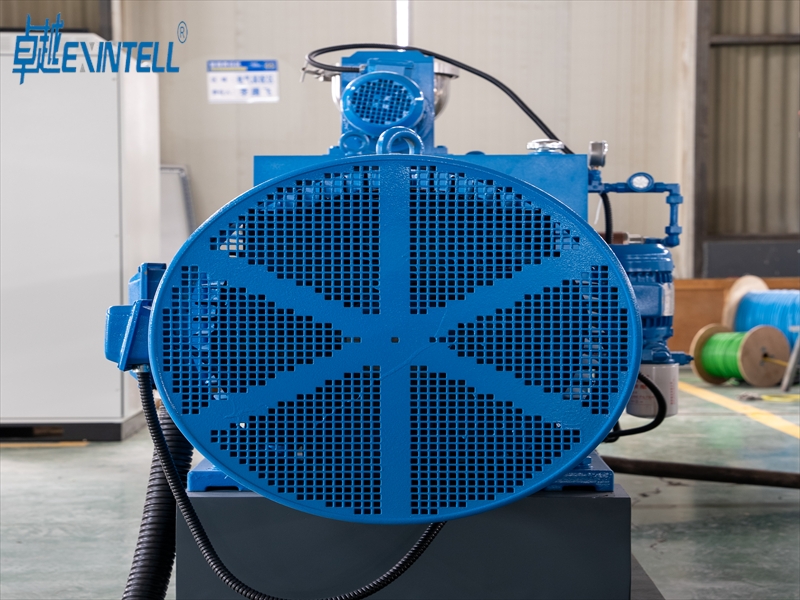
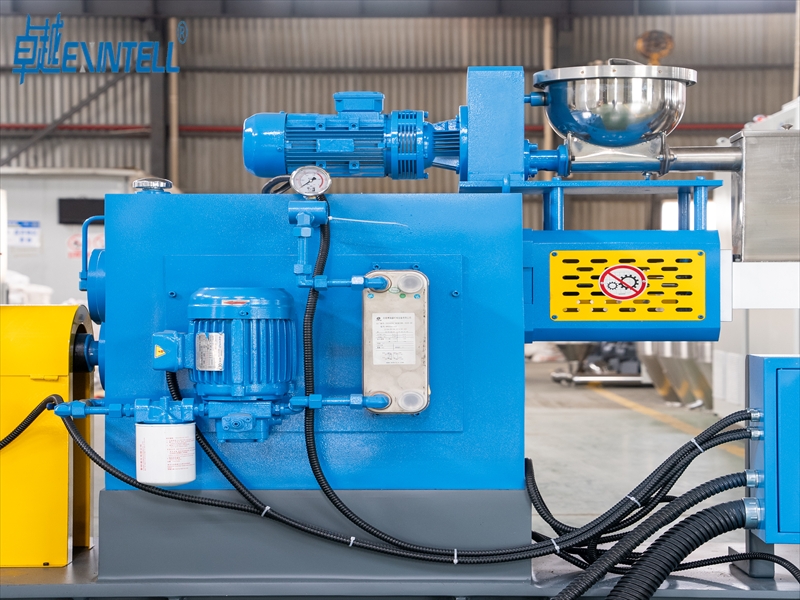
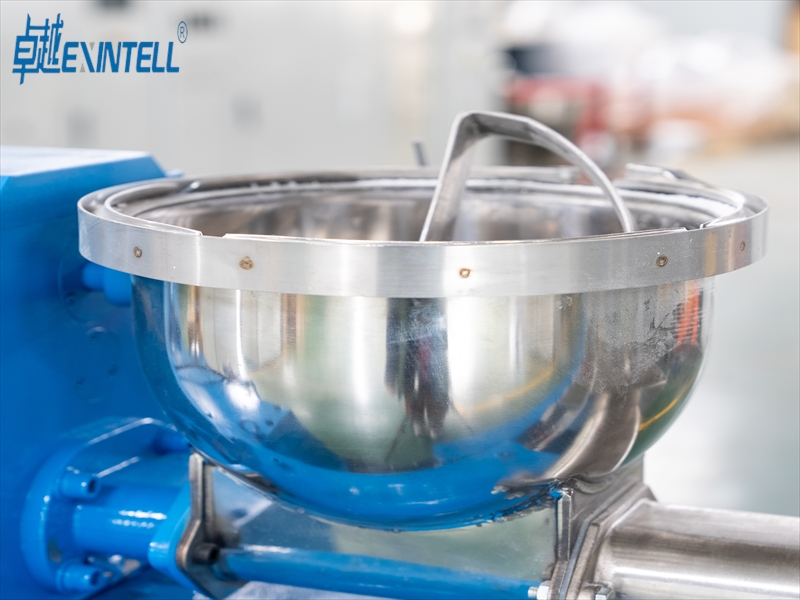
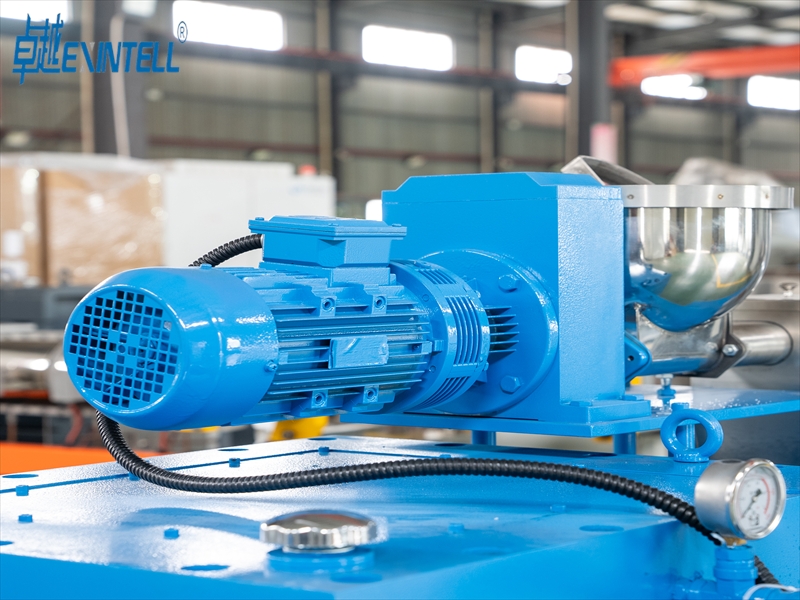
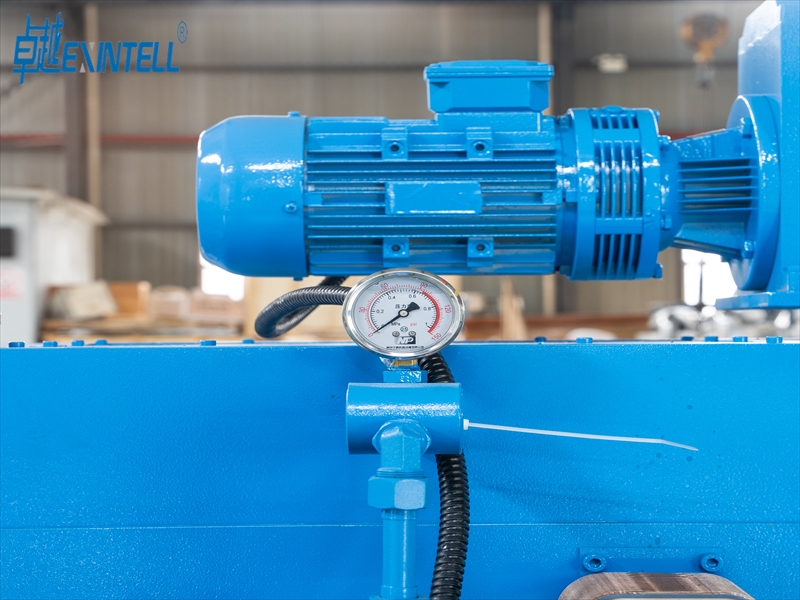
Ndikhetha phakathi kwe-co-roding kunye ne-counter-rotation ye-twin screw extruders. Co-rotating screws move in the same direction, improving mixing and throughput. Counter-rotating screws move in opposite directions, offering gentle processing for sensitive materials. I choose the type based on my product requirements.
Advantages of Twin-Screw
I value the benefits of using twin screw extruders. They provide advanced mixing, handle complex formulations, and enable consistent production. I optimize homogeneity to reduce quality costs and enhance customer satisfaction. Twin-screw extruders are versatile and efficient.
Phawula: Twin-screw gives me flexibility for polymers, amayeza, and food products.
Best Uses for Twin-Screw
I use twin-screw for compounding, ukuxuba, and processing high-viscosity materials. Typical applications include:
Ndibhala yonke imveliso eyenziwayo. Olu qheliselo lundinceda ukuba ndilandele imiba kwaye ndisebenzise iibhetshi ezizayo. I also work closely with my suppliers to select the best plastic extrusion machine for each project. Their expertise helps me stay ahead of industry trends and regulatory changes.
Downstream Equipment in Extrusion Lines
Cooling Tanks
I always pay close attention to cooling tanks in my extrusion line. Cooling tanks play a critical role in shaping and solidifying the extruded plastic. When I run my production, I rely on these tanks to ensure the product maintains its intended shape and dimensions. Uniform cooling prevents warping and surface irregularities. I monitor the cooling process to achieve smooth, dimensionally accurate products. Real-time temperature control and monitoring help me maintain consistent quality across all batches. Ukupholisa okuhambelanayo kunciphisa isidingo sokuphinda kusetyenzwe kwaye kuphucula ukuqikelelwa kwemveliso. Ndibona impembelelo ethe ngqo ekusebenzeni kwesityalo xa iitanki zokupholisa zisebenza ngokufanelekileyo.
Haul-off units help me control the speed and tension at which the extruded material is pulled. I synchronize the haul-off unit with the extruder and cooling system to match the extrusion rate. This prevents defects like uneven thickness or deformation. Advanced haul-off machines offer variable speed control, high traction force, and precision rollers. These features maintain uniform pulling force and ensure consistent thickness, diameter, kunye nokufana. I adjust the speed of the haul-off unit to control product thickness. Slower speeds yield thicker products, while faster speeds produce thinner ones. Precision rollers and adjustable tension help me maintain uniform pulling force across the product width.
Abasiki kunye nee-winders bagqiba inkqubo yokukhupha. Ndisebenzisa abasiki ukunqumla imveliso ekhutshiweyo kubude obufunwayo. Ii-Winders ziqokelela imveliso egqityiweyo, njengefilimu okanye iphepha, kwimiqulu ukuze kube lula ukugcina kunye nokuthutha. Ndikhetha abasiki ngokusekelwe kwizinto eziphathekayo kunye nobukhulu bemveliso. Abasiki beRotary basebenza kakuhle kwimigca eqhubekayo, while guillotine cutters suit thicker profiles. Winders must operate smoothly to avoid stretching or deforming the product. I monitor winding tension and speed to prevent defects. Properly set cutters and winders help me deliver products with clean edges and uniform rolls.
Equipment
Umsebenzi
Key Benefit
Cutters
Trim product to desired length
Clean edges, precise sizing
Winders
Collect product onto rolls
Easy storage, prevents deformation
I always inspect my cutters and winders for wear and alignment. Regular maintenance ensures reliable operation and high-quality finished products.
Impembelelo kuMgangatho weMveliso
I always pay close attention to howizixhobo ezisezantsishapes the final quality of my extruded products. Each piece of equipment—cooling tanks, iiyunithi zokurhuqa, cutters, and winders—plays a unique role in determining the consistency, appearance, and performance of the finished product.
When I set up my extrusion line, I focus on these key quality factors:
Dimensional Accuracy:Cooling tanks and haul-off units help me maintain tight tolerances. If I notice any variation in product dimensions, I check the water temperature in the cooling tank and the speed of the haul-off unit. Small adjustments often correct issues before they become costly defects.
Surface Finish:I rely on proper cooling and precise cutting to achieve smooth, blemish-free surfaces. If I see scratches or marks, I inspect the rollers and blades for wear. Coca, sharp tools always give me the best results.
Iipropati zoomatshini:Uniform cooling and controlled tension during haul-off preserve the strength and flexibility of the plastic. I avoid rapid cooling, which can cause internal stresses and brittleness.
Ukungqinelana:Automated winders and synchronized downstream equipment ensure every meter of product matches the last. I use real-time monitoring systems to catch deviations early.
Ingcebiso: I always document process settings and product measurements for each run. This practice helps me identify trends and make data-driven improvements.
Here’s a quick table showing how each piece of downstream equipment impacts product quality:
Equipment
Quality Aspect Affected
My Best Practice
Cooling Tank
Ubume, surface, imilinganiselo
Monitor water temp and flow continuously
Haul-Off Unit
Thickness, uniformity
Calibrate speed and tension each shift
Umsiki
Edge quality, ubude
Use sharp blades, check alignment
Winder
Roll consistency, tension
Adjust winding speed, monitor tension
I have learned that even small changes in downstream settings can make a big difference. Umzekelo, increasing the haul-off speed by just a few percent can thin out the product and cause it to fail quality checks. Regular maintenance and calibration keep my equipment performing at its best.
I always remind my team that quality starts at the extruder but finishes with the downstream equipment. By staying vigilant and proactive, I consistently deliver products that meet or exceed customer expectations.
Comparison of Types of Extrusion Machines
Features and Applications Table
Ndisoloko compare the types of extrusion machinesbefore making a decision. I look at key features and the range of applications for each machine. This helps me match the right equipment to my production goals. Nantsi i table that summarizeswhat I have learned:
Uhlobo loMtshini wokuKhulisa
Ezona mpawu
Usetyenziso
Ukukhutshwa kwePlastiki
Handles versatile materials like PVC and ABS
Ukupakishwa, ukwakhiwa
Metal Extrusion
Offers strength and durability, but uses more energy
Ukwakhiwa, imveliso
Food Extrusion
Controls temperature and pressure for uniformity
Producing snacks and cereals
Automotive Extrusion
Produces lightweight parts for fuel efficiency
Manufacturing automotive components
I use this table to quickly identify which machine suits my needs. I focus on the features that matter most for my applications.
Pros and Cons by Machine Type
Ndisoloko weigh the pros and consof each machine type. This step helps me avoid unexpected costs and production issues. I have found that single-screw, isikrufu samawele, and co-extrusion machines each offer unique benefits and drawbacks. Nantsi i comparison table:
Ukuxuba okugqwesileyo, suitable for a wide range of materials, including those with additives
Ububi
Ukukwazi ukuxuba okulinganiselwe, not ideal for materials requiring precise blending
Iindleko zokuqala eziphezulu, more complex operation, kunye nokugcina
I choose single-screw machines when I want simple operation and lower maintenance. I select twin-screw machines for advanced mixing and complex formulations. Co-extrusion machines give me flexibility for multi-layer products, but require careful setup and control.
Ingcebiso: I always consider the complexity of my applications before choosing a machine. This approach prevents costly mistakes.
Quick Selection Chart
I use a quick selection chart to guide my decision. This chart helps me match machine types to my production needs and applications.
If I need basic extrusion for packaging or construction, I choose plastic extrusion machines.
For high-strength parts in manufacturing, I select metal extrusion machines.
When producing snacks or cereals, I rely on food extrusion machines.
For lightweight automotive parts, I use automotive extrusion machines.
I always review my production goals and material requirements before making a final choice. This process ensures I select the right machine for my applications and achieve consistent results.
Key Factors for Machine Selection
Ukuhambelana kwezinto
I always start my selection process by evaluating material compatibility. The plastic extrusion machine must handle the specific polymers I plan to process. Each material brings unique requirements for temperature, screw design, and barrel setup. I check the properties and intended applications before making a decision. Umzekelo, polyvinyl chloride works well for pipes and films because it offers excellent formability and durability. Polyethylene and polypropylene suit packaging and consumer goods due to their versatility and ease of processing. Polycarbonate provides impact resistance and optical clarity, making it ideal for eyewear lenses and safety equipment. Nylon stands out for strength and heat resistance in industrial applications. I use the following table to comparematerial types and their key properties:
Uhlobo lwezinto eziphathekayo
Usetyenziso
Iimpawu eziphambili
Polyvinyl chloride (I-PVC)
Imibhobho, iifilimu, electrical wire insulation
Excellent formability, ukuqina
Polyethylene terephthalate (I-PET)
Not specified
Unique benefits
Acrylonitrile butadiene styrene (ABS)
Iimoto, Impahla zomthengi
Amandla, ukuba bhetyebhetye
Polyethylene (PE)
Ukupakishwa, Impahla zomthengi
Ukuguquguquka, ease of processing
Polypropylene
Ukupakishwa, Impahla zomthengi
Ukuguquguquka, ease of processing
Polycarbonate
Eyewear lenses, safety equipment
Ukuchasa impembelelo, optical clarity
Inayiloni (i-polyamide)
Industrial applications
Amandla, ukumelana nobushushu
I always match the machine’s screw and barrel design to the material’s melting point and viscosity. When I process recycled plastics, I pay extra attention to contamination and blending requirements. Material compatibility influences my choice between single-screw and twin-screw machines. Single screw extruders handle basic thermoplastics well, while twin screw extruders excel with blends, izongezo, kunye neeplastiki ezisetyenzisiweyo.
Umthamo weMveliso
Production volume drives my machine selection. I calculate my expected output in kilograms per day or per shift. If my production volume falls between500 kwaye 1,000 kilograms, I consider investing in custom dies and specialized machines. This threshold often dictates whether I choose single-screw or twin-screw extruders. Single-screw machines suit low to medium volumes and offer the advantages of single screw extruders, such as simple operation and lower maintenance. Kwimveliso ephezulu yomthamo, I rely on twin screw extruders. These machines deliver consistent quality and efficiency, especially when I need to process complex formulations or recycled plastics. The table below shows how production volume influences my decision:
Umthamo weMveliso (ikg)
Implication for Machine Selection
500-1,000
Minimum order volume for custom die investment, influencing machine type selection.
I always plan for future growth. If my business expands, I upgrade to twin-screw machines to handle increased demand and more challenging materials.
Ukuntsonkotha kweMveliso
Product complexity shapes my approach to machine selection. I assess the geometry, layer structure, and additive requirements for each product. Simple shapes and single-layer products work well with single-screw machines. When I need multi-layer profiles or advanced mixing, I choose twin-screw extruders. The benefits of using twin screw extruders include superior mixing, precise additive incorporation, and flexibility for complex applications. I select twin-screw machines for products with demanding specifications, such as medical tubing, iindawo zemoto, or specialty films. If my application requires intricate shapes or multiple material layers, I consider co-extrusion systems. I always match the machine type to the complexity of my products to ensure consistent quality and performance.
Ingcebiso: I review my product designs and material requirements before finalizing my machine selection. This step prevents costly mistakes and ensures my extrusion line meets all production goals.
Maintenance and Costs
I always prioritize maintenance when selecting a plastic extrusion machine. Maintenance impacts both reliability and long-term costs. I have learned that regular upkeep prevents unexpected breakdowns and keeps production running smoothly. I rely on predictive maintenance to monitor my equipment in real time. This approach helps me anticipate faults and plan interventions before problems escalate.
I track several critical parameters on my extrusion machines:
Abnormal vibrations signal mechanical wear or misalignment.
Increased temperatures indicate possible overheating or friction.
Non-standard extrusion pressure points to blockages or material inconsistencies.
Abnormal energy consumption reveals inefficiencies or electrical issues.
By monitoring these factors, I reduce unplanned downtime. I address issues before they cause major failures. Predictive maintenance allows me to optimize planned maintenance. I act only when data shows a need, which saves time and resources. This strategy extends the life of my extruders. I monitor wear and mechanical stress closely, replacing parts only when necessary.
Ingcebiso: I always keep a log of maintenance activities and machine performance. This record helps me spot trends and make informed decisions about repairs or upgrades.
Maintenance costs include routine inspections, Iphathi ezisecaleni, umsebenzi, kunye nokusetyenziswa kwamandla. I budget for these expenses every year. I find that efficient spare parts management lowers emergency repair costs. I order parts based on usage data, not guesswork. This practice prevents overstocking and reduces waste.
Here is a table summarizing my maintenance approach and its impact on costs:
Maintenance Activity
Impact on Costs
My Best Practice
Predictive Monitoring
Reduces unplanned downtime
Use sensors for real-time alerts
Routine Inspections
Prevents major failures
Schedule monthly checks
Spare Parts Management
Controls inventory expenses
Order based on machine data
Energy Consumption Review
Identifies inefficiencies
Track power usage weekly
I always consider maintenance requirements when comparing machine types. Single-screw extruders usually need less maintenance. Twin-screw and co-extrusion machines require more attention due to their complexity. I factor these costs into my total cost of ownership calculations.
Maintenance is not just about fixing problems. It is about protecting my investment and ensuring consistent product quality. I invest in training my staff so they understand the importance of regular checks and predictive monitoring. This commitment pays off with fewer emergencies and better cost control.
Common Mistakes in Choosing Extrusion Machines
Overlooking Material Needs
I often see buyers overlook material needs when choosing extrusion machines. I always start by identifying the types of plastics I plan to process. If I ignore material compatibility, I risk poor product quality and wasted resources. Umzekelo, I select single-screw extruders when I work with basic thermoplastics. These machines handle materials like polyethylene and polypropylene with ease. When I need to process blends or recycled plastics, I rely on twin-screw extruders. Twin-screw machines offer superior mixing and dispersion. I never assume that one machine fits all materials. I check the melting point, viscosity, and additives for each polymer. This step prevents costly mistakes and ensures consistent results.
Ingcebiso: I always ask suppliers about screw design and barrel setup for my specific materials. This practice helps me avoid downtime and defects.
Ignoring Future Growth
I learned that ignoring future growth can limit my production and profitability. I always plan for expansion when selecting extrusion machines. If I choose a single-screw machine for current needs, I consider whether it can handle increased volume later. I-twin-screw extrudersprovide flexibility for scaling up production. I review my business goals and forecast demand before making a purchase. I also check if the machine supports upgrades or additional lines. Planning for growth saves me from expensive replacements and disruptions.
Here is a simple checklist I use:
Estimate future production volume.
Assess machine scalability.
Confirm compatibility with new materials or products.
Evaluate space for expansion.
I never underestimate the importance of future-proofing my extrusion line. This approach keeps my operations efficient and competitive.
Underestimating Maintenance
I see many buyers underestimate maintenance requirements. I always factor maintenance into my decision. Single screw extruders need less maintenance due to their simple design. Twin screw extruders require more attention because of their complexity. I track maintenance schedules, ukufumaneka kweendawo ezisecaleni, kunye noqeqesho lwabasebenzi. If I neglect maintenance, I face unexpected breakdowns and higher costs. I use predictive monitoring to catch issues early. Regular inspections and proper documentation keep my machines running smoothly.
Uhlobo lomatshini
Maintenance Level
Common Issues
Isikrufu esinye
Phantsi
Wear, basic cleaning
I-twin-screw
Phezulu
Alignment, mixing wear
Phawula: I always invest in staff training and spare parts inventory. This strategy reduces downtime and protects my investment.
I avoid these mistakes by staying informed and proactive. I match machine types to material needs, plan for growth, and prioritize maintenance. This process helps me achieve reliable production and high-quality products.
Checklist for Selecting Plastic Extrusion Equipment
Step-by-Step Selection
I always follow a structured approach when I select plastic extrusion equipment. This method helps me avoid mistakes and ensures I get the best results for my production line. Here is my step-by-step process:
Ukukhethwa kwezinto I start by identifying the right plastic material for my application. I consider the product’s end use, ukuvezwa kokusingqongileyo, and durability needs. I often choose between HDPE, polypropylene, I-PVC, okanye polystyrene, depending on the project.
Equipment Choice I match the plastic extrusion equipment to my production requirements. For simple profiles and high-volume output, I rely on single-screw machines. When I need to blend or compound materials, I use twin-screw extruders. If my product requires multiple layers or enhanced features, I select co-extruders.
Izixhobo eziNcedisayo I include essential systems like cooling tanks, abahambisi, and cutting machines. These components improve efficiency and help me maintain consistent quality throughout the extrusion process.
Production Volume Assessment I calculate my expected output and make sure the plastic extrusion equipment can handle the workload. I plan for future growth to avoid bottlenecks.
Quality Control Planning I set up systems for real-time monitoring and defect detection. This step ensures I maintain high standards and reduce waste.
Ingcebiso: I always document each step in my selection process. This record helps me review decisions and improve future purchases.
Supplier Questions
When Ievaluate suppliersfor plastic extrusion equipment, I ask targeted questions to ensure I make an informed choice:
What experience do you have with my chosen material and product type?
Can you provide references from similar projects?
How do you support installation, uqeqesho, kunye nenkonzo yasemva kokuthengisa?
What is the lead time for delivery and setup?
Do you offer spare parts and maintenance packages?
How do you handle warranty claims and technical support?
I always request detailed specifications for single-screw, isikrufu samawele, and co-extrusion machines. I ask for documentation on energy efficiency, safety features, and compliance with industry standards.
Final Decision Tips
Before I finalize my investment in plastic extrusion equipment, I review these final tips:
I compare multiple quotes and check for hidden costs.
I visit the supplier’s facility if possible to see the equipment in action.
I verify the availability of spare parts for single-screw and other machines.
I confirm that the supplier offers training for my team.
I ensure the equipment can adapt to new materials or products in the future.
Phawula: I never rush my decision. Taking time to follow this checklist helps me avoid costly errors and ensures long-term success with my plastic extrusion machine.
I always align my plastic extrusion machine choice with my production goals and application needs. I review single-screw, isikrufu samawele, and co-extrusion machines to match each to its best use. My final checklist includes:
Confirm material compatibility
Assess production volume
Evaluate product complexity
Plan for maintenance
I recommend consulting suppliers or industry experts before making a purchase. Take time to research and make an informed decision.
FAQ
What is the most important factor when choosing a plastic extrusion machine?
I always focus on material compatibility first. The machine must process my chosen polymer efficiently. This step prevents defects and ensures consistent quality.
How do I calculate the right production capacity for my extrusion line?
I estimate my daily or weekly output needs. I check machine specifications and match them to my target volume. Planning for future growth helps me avoid bottlenecks.
Can I use one extrusion machine for different materials?
I can process multiple materials if the machine supports quick changeovers and has the right screw design. I always consult the manufacturer before switching materials.
What maintenance tasks should I perform regularly?
I schedule routine inspections, clean the barrel and screw, and check for wear. I monitor temperature and pressure sensors. Regular maintenance keeps my line running smoothly.
How do I reduce defects in extruded products?
Ndibeka iliso kwiqondo lobushushu, isantya sokujija, and cooling rates closely. I adjust settings based on product feedback. I document every change to track improvements.
Is automation necessary for small-scale extrusion?
I find automation helpful, even for small runs. Features like PLC controls and real-time monitoring improve consistency and reduce labor costs.
What should I ask my supplier before buying a machine?
I request references, technical support details, and spare parts availability. I ask about training and warranty terms. I always verify compliance with industry standards.
How do I know if I need a twin-screw extruder?
I choose twin-screw extruders for complex mixing, imathiriyeli ehlaziyiweyo, or high-volume production. If my process needs advanced compounding, I select this type.