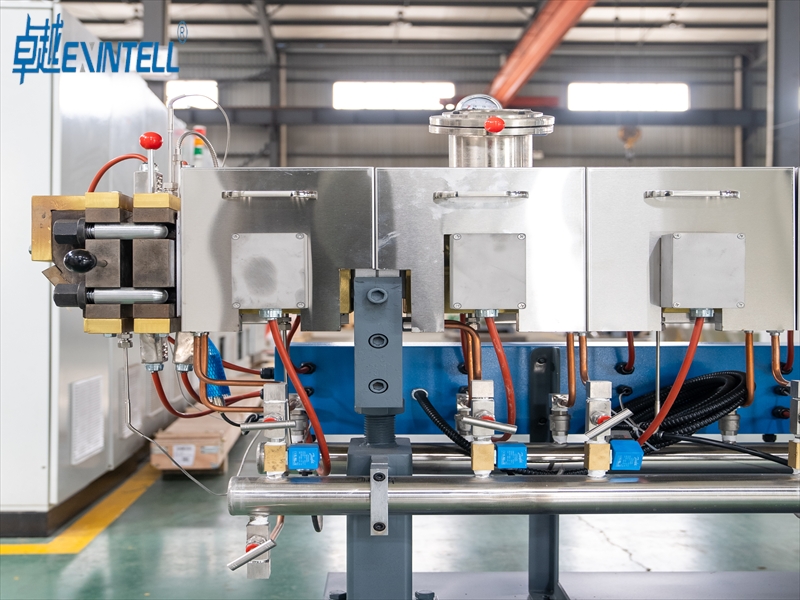
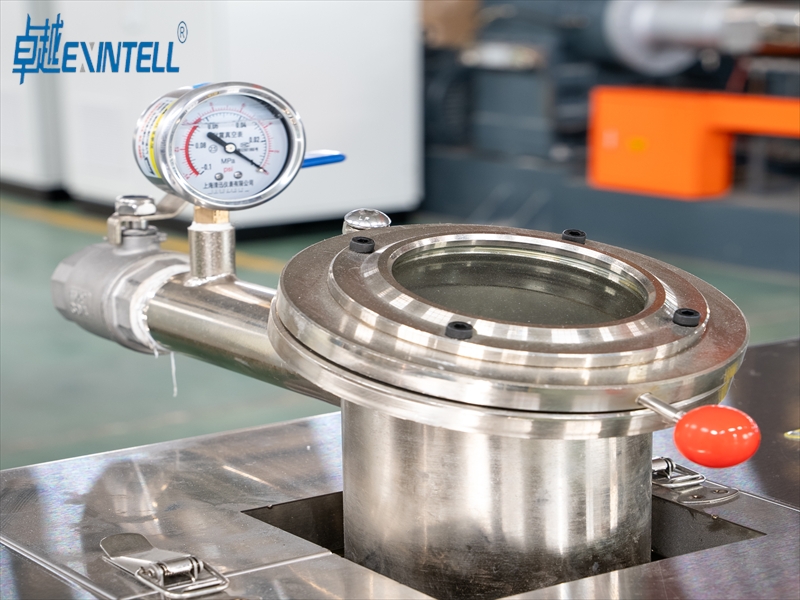
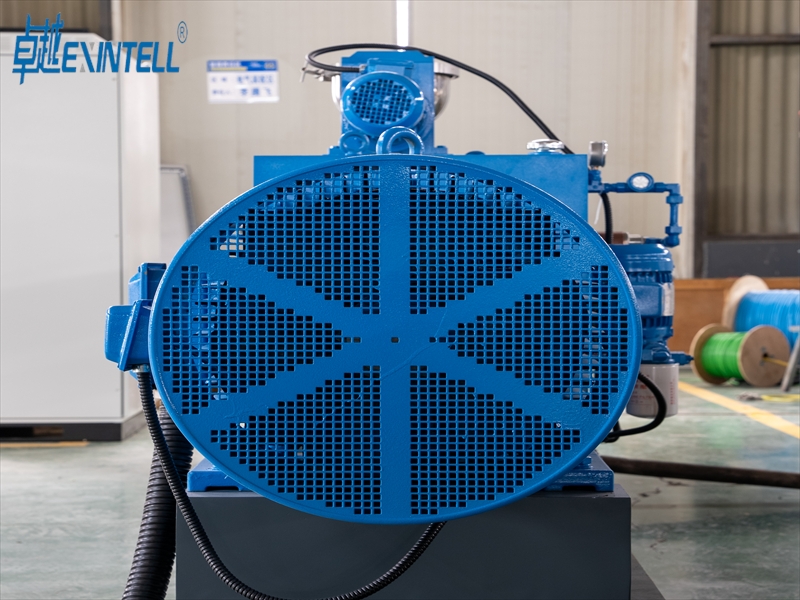
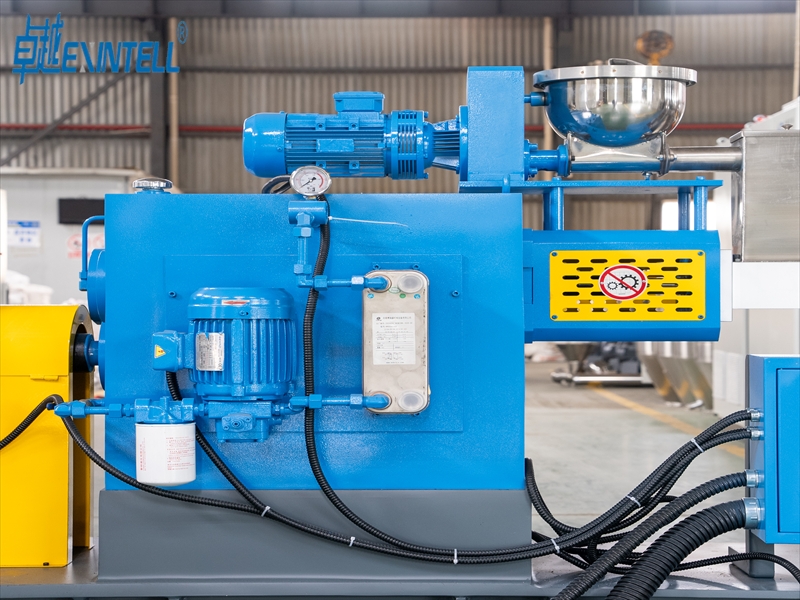
Tôi luôn bắt đầu bằng việc xác định điều tốt nhất máy ép đùn nhựa cho mục tiêu sản xuất và yêu cầu ứng dụng của tôi. Việc chọn loại máy phù hợp với nhu cầu của tôi sẽ đảm bảo hiệu quả và chất lượng. Khuyết tật bề mặt, độ dày thành không đồng đều, và chết sưng lên thường thách thức người mua. Tôi giải quyết những vấn đề này bằng cách điều chỉnh nhiệt độ nóng chảy, kiểm tra bề mặt khuôn, và hiệu chuẩn máy sưởi. Biết các loại máy chính và công dụng của chúng giúp tôi đưa ra những quyết định thiết thực và tránh những sai lầm tốn kém.
Xem xét khả năng tương thích vật liệu một cách cẩn thận. Mỗi loại nhựa có những yêu cầu riêng ảnh hưởng đến việc lựa chọn và hiệu suất của máy.
Đánh giá năng lực sản xuất và kế hoạch phát triển trong tương lai. Choose machines that can handle your current needs and potential increases in output.
Ask key questions about equipment quality, năng lực sản xuất, and maintenance costs before making a purchase. This helps avoid costly mistakes.
Loại vật liệu: Tôi chọn máy có thiết kế vít và thiết lập thùng phù hợp với loại nhựa tôi gia công. Kiểm soát nhiệt độ phải phù hợp với yêu cầu của vật liệu.
Loại sản phẩm: Tôi chọn máy dựa trên sản phẩm tôi sản xuất. Ống, phim, hồ sơ, và viên đều cần khuôn và thiết bị phụ trợ riêng.
Năng lực sản xuất: Tôi đánh giá tỷ lệ đầu ra và giờ hoạt động. Tôi lập kế hoạch cho sự phát triển trong tương lai bằng cách đảm bảo máy có đủ mô-men xoắn và công suất.
Mức độ tự động hóa: Tôi tìm kiếm các tính năng như điều khiển PLC, màn hình cảm ứng, và giám sát thời gian thực. Những tính năng này cải thiện sự ổn định và giảm chi phí lao động.
Lựa chọn máy sử dụng những tiêu chí này mang lại cho tôi hiệu quả tối ưu, chất lượng sản phẩm nhất quán, và độ tin cậy lâu dài. I always consider the range of applications in plastic extrusion before making a final choice.
Key Questions Before Buying
I ask key questions before I invest in any extrusion equipment. These questions help me avoid costly mistakes and ensure the machine fits my needs. I use a table to organize my thoughts:
Question
Sự miêu tả
Equipment Quality
I check if the equipment meets industry standards and delivers reliable performance.
Năng lực sản xuất
I confirm the machine’s output matches my production goals.
Hệ thống kiểm soát chất lượng
I ask about systems that maintain product standards and reduce defects.
Tổng chi phí sở hữu
I consider maintenance and operational costs, not just the purchase price.
Chứng chỉ
I request ISO certifications and compliance documents to verify quality.
I also ask the manufacturer about their expansion plans, space for additional lines, recent investments in new equipment, and staff training. These questions reveal the supplier’s commitment to growth and quality.
I review themain types of extrusion machinesto understand their strengths and best-fit applications. This overview of extruder machines helps me select the right equipment for my production line. I use a table to compare the most common types:
Loại máy đùn
Sự miêu tả
Primary Uses and Advantages
Máy đùn trục vít đơn
One screw inside one barrel; simple, đáng tin cậy, có thể chi trả; limited mixing capability unless modified.
I use these for processing pre-compounded PVC pellets, flexible PVC cable coating, simple tubing, and film.
Hai vít đan xen; positive-displacement pumping; excellent mixing and gentle processing.
I rely on these for rigid PVC pipe and profile production. Conical twin-screw works well for thermally sensitive PVC, while parallel twin-screw suits compounding and wood-plastic composites.
Planetary Roller Extruders
Central spindle with multiple planetary screws rotating around it; extraordinary mixing and heat exchange with low shear.
I choose these for high-end PVC sheet and film production. They process PVC at lower temperatures for better clarity but are expensive and complex. Not suited for standard pipe or profile production.
I always consider the types of extrusion machines and their primary uses. This approach ensures I select the right machine for my applications and production goals.
Types of Extrusion Machines
Máy đùn trục vít đơn
How Single-Screw Works
I rely on single-screw extruders for straightforward processing tasks. The mechanismuses a single rotating screwinside a thermally insulated barrel. I adjust temperature, tốc độ vít, and barrel pressure to match the material. This setup gives me precise control and consistent results. The simplicity of single-screw makes it a reliable choice for many types of extrusion machines.
Advantages of Single-Screw
I appreciate the advantages of single screw extruders. They offer simple operation, affordable manufacturing, và bảo trì dễ dàng. I use them for basic plastic extrusion and simple compounding. The design suits thermoplastics, rubbers, và chất độn. I find them ideal when I need predictable behavior and minimal mixing.
Mẹo: I choose single-screw when I want lower throughput and cost-effective production.
I use single-screw extruders in many industries. Common applications include:
Plastic packaging production
Automotive components manufacturing
Vật liệu xây dựng
Medical and healthcare devices
Consumer electronics casings
Tôi thường sản xuất phim, tấm, đường ống, ống, và hồ sơ. These applications in plastic extrusion benefit from the reliability and simplicity of single-screw.
Máy đùn trục vít đôi
How Twin-Screw Works
Twin-screw extruders use two intermeshing screws. I control the process with advanced screw design and precise settings. This system gives me exceptional material homogeneity. I achieveconsistent dispersion and uniform product quality. Twin-screw handles both large-scale and specialized low-volume runs.
Types of Twin-Screw (Đồng xoay, Quay ngược chiều)
I select between co-rotating and counter-rotating twin screw extruders. Co-rotating screws move in the same direction, improving mixing and throughput. Counter-rotating screws move in opposite directions, offering gentle processing for sensitive materials. I choose the type based on my product requirements.
Advantages of Twin-Screw
I value the benefits of using twin screw extruders. They provide advanced mixing, handle complex formulations, and enable consistent production. I optimize homogeneity to reduce quality costs and enhance customer satisfaction. Twin-screw extruders are versatile and efficient.
Ghi chú: Twin-screw gives me flexibility for polymers, dược phẩm, and food products.
Best Uses for Twin-Screw
I use twin-screw for compounding, trộn, and processing high-viscosity materials. Typical applications include:
Rigid PVC pipe and profile production
Wood-plastic composites
Additive incorporation
Demanding quality control
Twin-screw extruders support a wide range of applications and deliver superior product quality.
Co-Extrusion Machines
How Co-Extrusion Works
Co-extruders combine multiple materials in a single process. I use co-extrusion systems to produce multi-layer products. Each extruder feeds a different polymer, forming layers with unique properties. This method improves efficiency and reduces assembly steps.
Advantages of Co-Extrusion
I benefit from co-extrusion systems in several ways:
Lợi ích
Sự miêu tả
Customized Performance
Tailors product attributes using different polymers for specific roles.
Tối ưu hóa chi phí
Uses high-end polymers for outer layers, cost-effective resins inside.
Giảm các bước lắp ráp
Kết hợp các lớp trong một quy trình, nâng cao hiệu quả.
Tính thẩm mỹ của sản phẩm nâng cao
Cho phép các lớp nhiều màu hoặc mờ để hấp dẫn hơn.
ngành cụ thể
Giải pháp cho các ngành công nghiệp đa dạng, nâng cao hiệu suất.
Tôi cũng sử dụng vật liệu tái chế hoặc chi phí thấp hơn trong lớp lõi để giảm chi phí. Kiểm soát chính xác độ dày lớp giúp giảm thiểu chất thải.
Sử dụng tốt nhất cho đồng đùn
tôi sản xuất hàng gia dụng, linh kiện nội thất, thiết bị thể thao, trang trí thiết bị, khung lọc, miếng đệm kín, hệ thống quản lý cáp, dây cách điện, và giá đỡ với máy đùn đồng. Những loại máy ép đùn này giúp tôi đáp ứng nhu cầu đặc thù của ngành và cải thiện hiệu suất sản phẩm.
Thiết bị ép đùn nhựa và các loại quy trình
Đùn phim
Tôi sử dụng phương pháp ép đùn màng để sản xuất tấm nhựa mỏng dùng làm bao bì và ứng dụng công nghiệp. This process relies on plastic extrusion equipment that melts the polymer and forms it into a continuous film. I monitor each step closely to ensure consistent quality. Quá trình bắt đầu với melting the polymerin an extruder. The melted polymer moves through a die, forming a thick tube. I introduce air to expand the tube, creating a bubble. Cooling and flattening the film follows, then winding the finished film onto rolls.
Bước chân
Sự miêu tả
1
Melting the Polymer: The polymer is heated to its melting point in an extruder.
2
Extruding a Thick Tube: The melted polymer is forced through a circular die to form a thick tube.
3
Expanding the Tube: Air is introduced into the tube to create a bubble, stretching and thinning the film.
4
Cooling and Flattening the Film: The film is cooled and flattened using nip rollers.
5
Winding the Film: The flattened film is wound onto rolls for storage and further processing.
I always check the temperature and air pressure settings on myplastic extrusion equipmentto avoid defects like uneven thickness or bubbles.
Blown Film Extrusion
Blown film extrusion stands out as a specialized process within plastic extrusion equipment. I prefer this method when I need films with balanced strength and flexibility. The process inflates molten polymer into a bubble, which gives the film biaxial orientation and higher crystallinity. Điều này dẫn đến stronger and more flexible filmscompared to cast films. I use blown film extrusion for products like garbage bags and stretch wraps.
Linh hoạt hơn với khả năng kiểm soát độ dày vượt trội
Cấu trúc phân tử
Định hướng hai trục và độ kết tinh cao hơn
Định hướng tối thiểu, làm mát nhanh
Dung sai độ dày
Dung sai rộng hơn (lên tới ±10%)
Kiểm soát vượt trội (Dung sai ±3%)
Ứng dụng
Thích hợp cho các sản phẩm bền như túi đựng rác
Lý tưởng cho phim có độ rõ nét cao
Tôi chọn ép đùn màng thổi khi độ bền và khả năng co giãn là quan trọng nhất. Đùn màng phẳng, còn được gọi là ép đùn màng đúc, tạo ra màng có độ trong cao và độ dày đồng đều. Tôi chọn phương pháp này cho các ứng dụng mà bề ngoài và độ dày chính xác là rất quan trọng.
Đùn tấm
Ép đùn tấm sử dụng thiết bị ép đùn nhựa để tạo ra lớp dày hơn, tấm phẳng để ép nóng, sự thi công, và biển báo. Tôi chọn vật liệu dựa trên yêu cầu sử dụng cuối cùng. Vật liệu thông dụng bao gồm PET, PP, PVC, Tái bút, và ABS. Mỗi vật liệu cung cấp các đặc tính riêng cho các ứng dụng khác nhau.
THÚ CƯNG: High clarity and strength
PP: Chemical resistance and flexibility
PVC: Rigidity and weather resistance
Tái bút: Easy processing and cost-effectiveness
ABS: Impact resistance and toughness
I adjust my plastic extrusion equipment settings to match the material and desired sheet thickness. I monitor cooling rates and roller speeds to prevent warping or surface defects. Sheet extrusion gives me versatility for producing custom shapes and sizes.
I rely on plasticmáy đùntechnology to deliver consistent sheet quality and meet industry standards.
Đùn ống và ống
I rely on pipe and tubing extrusion when I need to produce long, continuous lengths of hollow plastic products. This process uses specialized plastic extrusion equipment that pushes molten polymer through a circular die. Kết quả là một ống hoặc ống liền mạch với kích thước chính xác. Tôi điều chỉnh khuôn và bộ hiệu chuẩn để kiểm soát độ dày và đường kính của thành. Tính linh hoạt này cho phép tôi đáp ứng các tiêu chuẩn nghiêm ngặt của ngành.
Tôi chọn thiết bị ép đùn nhựa phù hợp dựa trên vật liệu và ứng dụng. Ví dụ, Tôi sử dụng máy đùn công suất cao cho đường ống có đường kính lớn. Tôi chọn nhỏ hơn, máy chính xác cho ống y tế hoặc phòng thí nghiệm. Tôi theo dõi nhiệt độ, áp lực , và tốc độ làm mát để đảm bảo chất lượng ổn định. Tôi cũng kiểm tra độ bóng và độ hoàn thiện bề mặt trong quá trình sản xuất.
Các ứng dụng ép đùn ống và ống bao gồm nhiều ngành công nghiệp. Tôi thường sử dụng thiết bị ép đùn nhựa để sản xuất:
High-pressure pipes from metal alloys for transporting oil and natural gas in the energy sector.
Specialized pipes for chemical processing and waste management in industrial settings.
I find that each application requires different materials and process settings. Ví dụ, I use PVC for plumbing because it resists corrosion and handles pressure well. I select polyethylene for irrigation pipes due to its flexibility and chemical resistance. In oil and gas, I rely on reinforced thermoplastics or metal alloys for strength and durability.
I always pay close attention to downstreamplastic extrusion equipment. Calibrators, bể làm mát, haul-off units, and cutters play a critical role in shaping and finishing the pipe. I adjust the speed of the haul-off unit to prevent stretching or deformation. I use advanced sensors to monitor wall thickness and detect defects in real time.
Mẹo: I always keep my plastic extrusion equipment well-maintained. Regular cleaning and calibration reduce downtime and improve product quality.
I document every production run. This practice helps me trace issues and optimize future batches. I also work closely with my suppliers to select the best plastic extrusion machine for each project. Their expertise helps me stay ahead of industry trends and regulatory changes.
Downstream Equipment in Extrusion Lines
Cooling Tanks
I always pay close attention to cooling tanks in my extrusion line. Cooling tanks play a critical role in shaping and solidifying the extruded plastic. When I run my production, I rely on these tanks to ensure the product maintains its intended shape and dimensions. Uniform cooling prevents warping and surface irregularities. I monitor the cooling process to achieve smooth, dimensionally accurate products. Real-time temperature control and monitoring help me maintain consistent quality across all batches. Consistent cooling reduces the need for rework and improves production predictability. I see a direct impact on plant efficiency when cooling tanks operate properly.
Uniform cooling prevents defects such as warping and surface irregularities, resulting in smooth and dimensionally accurate products.
The cooling system allows real-time temperature control and monitoring, đảm bảo chất lượng đồng nhất trên tất cả các lô sản xuất.
Làm mát liên tục làm giảm nhu cầu làm lại, cải thiện khả năng dự đoán sản xuất, và nâng cao hiệu quả tổng thể của nhà máy.
Mẹo: Tôi luôn kiểm tra nhiệt độ nước và tốc độ dòng chảy trong bể làm mát của mình. Cài đặt phù hợp sẽ ngăn ngừa lỗi và giữ cho dây chuyền sản xuất của tôi hoạt động trơn tru.
Đơn vị vận chuyển
Bộ phận kéo giúp tôi kiểm soát tốc độ và độ căng khi vật liệu ép đùn được kéo. Tôi đồng bộ hóa bộ phận vận chuyển với máy đùn và hệ thống làm mát để phù hợp với tốc độ ép đùn. Điều này ngăn ngừa các khuyết tật như độ dày không đồng đều hoặc biến dạng. Máy vận chuyển tiên tiến cung cấp khả năng kiểm soát tốc độ thay đổi, lực kéo cao, và con lăn chính xác. Những tính năng này duy trì lực kéo đồng đều và đảm bảo độ dày phù hợp, đường kính, và tính đồng nhất. I adjust the speed of the haul-off unit to control product thickness. Slower speeds yield thicker products, while faster speeds produce thinner ones. Precision rollers and adjustable tension help me maintain uniform pulling force across the product width.
They synchronize with the extruder and cooling system to match extrusion rate, preventing defects like uneven thickness or deformation.
Advanced haul-off machines feature variable speed control, lực kéo cao, and precision rollers to maintain uniform pulling force.
These features directly impact product quality and production efficiency in pipe extrusion.
Ghi chú: I always calibrate my haul-off unit before each production run. Bước này giữ cho kích thước sản phẩm của tôi nhất quán và giảm lãng phí.
Máy cắt và cuộn dây
Máy cắt và máy cuộn kết thúc quá trình ép đùn. Tôi sử dụng máy cắt để cắt sản phẩm ép đùn theo chiều dài mong muốn. Người cuộn dây thu thập thành phẩm, chẳng hạn như phim hoặc tờ, thành cuộn để dễ dàng lưu trữ và vận chuyển. Tôi chọn dao cắt dựa trên chất liệu và độ dày của sản phẩm. Máy cắt quay hoạt động tốt cho các đường liên tục, trong khi máy cắt chém phù hợp với các biên dạng dày hơn. Máy cuốn phải hoạt động êm ái để tránh bị giãn, biến dạng sản phẩm. Tôi theo dõi độ căng và tốc độ cuộn dây để ngăn ngừa khuyết tật. Việc đặt máy cắt và cuộn giấy đúng cách giúp tôi tạo ra các sản phẩm có cạnh sạch và cuộn đồng đều.
Thiết bị
Chức năng
Lợi ích chính
Máy cắt
Cắt sản phẩm theo chiều dài mong muốn
Làm sạch các cạnh, định cỡ chính xác
Máy cuộn dây
Thu thập sản phẩm vào cuộn
Lưu trữ dễ dàng, ngăn ngừa biến dạng
Tôi luôn kiểm tra máy cắt và máy cuộn của mình xem có bị mòn và căn chỉnh không. Bảo trì thường xuyên đảm bảo hoạt động đáng tin cậy và thành phẩm chất lượng cao.
Tác động đến chất lượng sản phẩm
Tôi luôn chú ý đến cách thiết bị hạ lưu định hình chất lượng cuối cùng của sản phẩm ép đùn của tôi. Mỗi thiết bị—bể làm mát, haul-off units, máy cắt, và máy đánh ống—đóng một vai trò đặc biệt trong việc xác định tính nhất quán, vẻ bề ngoài, và hiệu suất của thành phẩm.
Khi tôi thiết lập dây chuyền ép đùn của mình, Tôi tập trung vào những yếu tố chất lượng then chốt này:
Độ chính xác kích thước: Bể làm mát và thiết bị vận chuyển giúp tôi duy trì dung sai chặt chẽ. Nếu tôi nhận thấy bất kỳ sự thay đổi nào về kích thước sản phẩm, Tôi kiểm tra nhiệt độ nước trong bình làm mát và tốc độ của bộ phận vận chuyển. Những điều chỉnh nhỏ thường khắc phục được các vấn đề trước khi chúng trở thành những khiếm khuyết tốn kém.
Hoàn thiện bề mặt: Tôi dựa vào việc làm mát thích hợp và cắt chính xác để đạt được độ mịn, bề mặt không tì vết. Nếu tôi thấy vết xước hoặc vết, Tôi kiểm tra độ mòn của con lăn và lưỡi dao. Lau dọn, công cụ sắc bén luôn mang lại cho tôi kết quả tốt nhất.
Tính chất cơ học: Làm mát đồng đều và kiểm soát độ căng trong quá trình vận chuyển giúp duy trì độ bền và tính linh hoạt của nhựa. Tôi tránh làm mát nhanh, có thể gây ra ứng suất bên trong và độ giòn.
tính nhất quán: Máy cuộn tự động và thiết bị xuôi dòng đồng bộ đảm bảo mỗi mét sản phẩm đều khớp với tiêu chuẩn cuối cùng. Tôi sử dụng hệ thống giám sát thời gian thực để sớm phát hiện những sai lệch.
Mẹo: Tôi luôn ghi lại các cài đặt quy trình và số đo sản phẩm cho mỗi lần chạy. Cách thực hành này giúp tôi xác định xu hướng và thực hiện các cải tiến dựa trên dữ liệu.
Here’s a quick table showing how each piece of downstream equipment impacts product quality:
Thiết bị
Quality Aspect Affected
My Best Practice
Cooling Tank
Hình dạng, surface, kích thước
Monitor water temp and flow continuously
Haul-Off Unit
độ dày, uniformity
Calibrate speed and tension each shift
Máy cắt
Edge quality, chiều dài
Use sharp blades, check alignment
Winder
Roll consistency, tension
Adjust winding speed, monitor tension
I have learned that even small changes in downstream settings can make a big difference. Ví dụ, increasing the haul-off speed by just a few percent can thin out the product and cause it to fail quality checks. Regular maintenance and calibration keep my equipment performing at its best.
I always remind my team that quality starts at the extruder but finishes with the downstream equipment. By staying vigilant and proactive, Tôi luôn cung cấp các sản phẩm đáp ứng hoặc vượt quá sự mong đợi của khách hàng.
So sánh các loại máy đùn
Bảng tính năng và ứng dụng
tôi luôn luôn so sánh các loại máy đùn trước khi đưa ra quyết định. Tôi xem xét các tính năng chính và phạm vi ứng dụng của từng máy. Điều này giúp tôi kết hợp thiết bị phù hợp với mục tiêu sản xuất của mình. Đây là một bảng tóm tắt những gì tôi đã học được:
Loại máy đùn
Các tính năng chính
Ứng dụng
Đùn nhựa
Xử lý các vật liệu đa năng như PVC và ABS
Bao bì, sự thi công
Đùn kim loại
Cung cấp sức mạnh và độ bền, nhưng sử dụng nhiều năng lượng hơn
Sự thi công, chế tạo
Đùn thực phẩm
Kiểm soát nhiệt độ và áp suất để đảm bảo tính đồng nhất
Sản xuất đồ ăn nhẹ và ngũ cốc
Đùn ô tô
Sản xuất các bộ phận nhẹ để tiết kiệm nhiên liệu
Sản xuất linh kiện ô tô
Tôi sử dụng bảng này để nhanh chóng xác định máy nào phù hợp với nhu cầu của mình. Tôi tập trung vào các tính năng quan trọng nhất cho ứng dụng của mình.
Ưu và nhược điểm theo loại máy
tôi luôn luôn cân nhắc những ưu và nhược điểm của từng loại máy. Bước này giúp tôi tránh được những chi phí phát sinh và sự cố sản xuất ngoài dự kiến. Tôi đã tìm thấy chiếc vít đơn đó, vít đôi, và máy đồng đùn đều có những lợi ích và hạn chế riêng. Đây là một bảng so sánh:
Tính năng
Máy đùn trục vít đơn
Máy đùn trục vít đôi
Ưu điểm
Tiết kiệm chi phí, thiết kế đơn giản hơn, bảo trì thấp hơn
Pha trộn tuyệt vời, thích hợp cho nhiều loại vật liệu, kể cả những loại có chất phụ gia
Nhược điểm
Khả năng trộn hạn chế, không lý tưởng cho các vật liệu cần pha trộn chính xác
Chi phí ban đầu cao hơn, hoạt động phức tạp hơn, và bảo trì
Tôi chọn máy trục vít đơn khi tôi muốn vận hành đơn giản và giảm chi phí bảo trì. Tôi chọn máy trục vít đôi để trộn các công thức phức tạp và phức tạp. Máy ép đùn đồng thời mang lại cho tôi sự linh hoạt đối với các sản phẩm nhiều lớp, nhưng yêu cầu thiết lập và kiểm soát cẩn thận.
Mẹo: Tôi luôn cân nhắc mức độ phức tạp của các ứng dụng của mình trước khi chọn máy. Cách tiếp cận này ngăn ngừa những sai lầm tốn kém.
Biểu đồ lựa chọn nhanh
Tôi sử dụng biểu đồ lựa chọn nhanh để hướng dẫn quyết định của mình. Biểu đồ này giúp tôi kết hợp các loại máy với nhu cầu sản xuất và ứng dụng của mình.
Nếu tôi cần ép đùn cơ bản để đóng gói hoặc xây dựng, Tôi chọn máy ép đùn nhựa.
Đối với các bộ phận có độ bền cao trong sản xuất, Tôi chọn máy ép đùn kim loại.
Khi sản xuất đồ ăn nhẹ hoặc ngũ cốc, Tôi tin tưởng vào máy ép đùn thực phẩm.
Đối với các bộ phận ô tô nhẹ, Tôi sử dụng máy đùn ô tô.
Tôi luôn xem xét mục tiêu sản xuất và yêu cầu nguyên liệu của mình trước khi đưa ra lựa chọn cuối cùng. Quá trình này đảm bảo tôi chọn đúng máy cho ứng dụng của mình và đạt được kết quả nhất quán.
Các yếu tố chính để lựa chọn máy
Khả năng tương thích vật liệu
I always start my selection process by evaluating material compatibility. The plastic extrusion machine must handle the specific polymers I plan to process. Each material brings unique requirements for temperature, thiết kế vít, and barrel setup. I check the properties and intended applications before making a decision. Ví dụ, polyvinyl chloride works well for pipes and films because it offers excellent formability and durability. Polyethylene and polypropylene suit packaging and consumer goods due to their versatility and ease of processing. Polycarbonate provides impact resistance and optical clarity, making it ideal for eyewear lenses and safety equipment. Nylon stands out for strength and heat resistance in industrial applications. I use the following table to comparematerial types and their key properties:
Loại vật liệu
Ứng dụng
Thuộc tính chính
Polyvinyl clorua (PVC)
Ống, phim, cách điện dây điện
Khả năng định hình tuyệt vời, độ bền
Polyetylen terephthalat (THÚ CƯNG)
Không được chỉ định
Lợi ích độc đáo
Acrylonitrile butadien styren (ABS)
ô tô, hàng tiêu dùng
Sức mạnh, tính linh hoạt
Polyetylen (Thể dục)
Bao bì, hàng tiêu dùng
Tính linh hoạt, dễ dàng xử lý
Polypropylen
Bao bì, hàng tiêu dùng
Tính linh hoạt, dễ dàng xử lý
Polycarbonate
Ống kính kính mắt, thiết bị an toàn
Chống va đập, độ rõ quang học
Nylon (polyamide)
Ứng dụng công nghiệp
Sức mạnh, khả năng chịu nhiệt
Tôi luôn khớp thiết kế trục vít và thùng của máy với điểm nóng chảy và độ nhớt của vật liệu. Khi tôi xử lý nhựa tái chế, Tôi đặc biệt chú ý đến các yêu cầu về ô nhiễm và pha trộn. Khả năng tương thích vật liệu ảnh hưởng đến sự lựa chọn của tôi giữa máy trục vít đơn và máy trục vít đôi. Máy đùn trục vít đơn xử lý tốt nhựa nhiệt dẻo cơ bản, trong khi máy đùn trục vít đôi vượt trội với hỗn hợp, phụ gia, và nhựa tái chế.
Khối lượng sản xuất
Khối lượng sản xuất thúc đẩy việc lựa chọn máy của tôi. Tôi tính toán sản lượng dự kiến của mình bằng kilôgam mỗi ngày hoặc mỗi ca. Nếu khối lượng sản xuất của tôi rơi vào khoảng 500 Và 1,000 kg, Tôi cân nhắc đầu tư vào khuôn dập tùy chỉnh và máy móc chuyên dụng. This threshold often dictates whether I choose single-screw or twin-screw extruders. Single-screw machines suit low to medium volumes and offer the advantages of single screw extruders, such as simple operation and lower maintenance. Để sản xuất số lượng lớn, Tôi dựa vào máy đùn trục vít đôi. These machines deliver consistent quality and efficiency, especially when I need to process complex formulations or recycled plastics. The table below shows how production volume influences my decision:
Khối lượng sản xuất (kg)
Implication for Machine Selection
500–1.000
Minimum order volume for custom die investment, influencing machine type selection.
I always plan for future growth. If my business expands, I upgrade to twin-screw machines to handle increased demand and more challenging materials.
Độ phức tạp của sản phẩm
Product complexity shapes my approach to machine selection. I assess the geometry, cấu trúc lớp, và yêu cầu phụ gia cho từng sản phẩm. Hình dạng đơn giản và các sản phẩm một lớp hoạt động tốt với máy trục vít đơn. Khi tôi cần cấu hình nhiều lớp hoặc trộn nâng cao, Tôi chọn máy đùn trục vít đôi. Lợi ích của việc sử dụng máy đùn trục vít đôi bao gồm khả năng trộn vượt trội, kết hợp phụ gia chính xác, và tính linh hoạt cho các ứng dụng phức tạp. Tôi chọn máy trục vít đôi cho những sản phẩm có yêu cầu kỹ thuật khắt khe, chẳng hạn như ống y tế, phụ tùng ô tô, hoặc phim đặc sắc. Nếu ứng dụng của tôi yêu cầu hình dạng phức tạp hoặc nhiều lớp vật liệu, Tôi xem xét hệ thống đồng đùn. Tôi luôn kết hợp loại máy với độ phức tạp của sản phẩm để đảm bảo chất lượng và hiệu suất ổn định.
Mẹo: Tôi xem xét thiết kế sản phẩm và yêu cầu vật liệu trước khi hoàn tất việc lựa chọn máy của mình. This step prevents costly mistakes and ensures my extrusion line meets all production goals.
Maintenance and Costs
I always prioritize maintenance when selecting a plastic extrusion machine. Maintenance impacts both reliability and long-term costs. I have learned that regular upkeep prevents unexpected breakdowns and keeps production running smoothly. I rely on predictive maintenance to monitor my equipment in real time. This approach helps me anticipate faults and plan interventions before problems escalate.
I track several critical parameters on my extrusion machines:
Abnormal vibrations signal mechanical wear or misalignment.
Increased temperatures indicate possible overheating or friction.
Non-standard extrusion pressure points to blockages or material inconsistencies.
Abnormal energy consumption reveals inefficiencies or electrical issues.
By monitoring these factors, I reduce unplanned downtime. I address issues before they cause major failures. Predictive maintenance allows me to optimize planned maintenance. I act only when data shows a need, which saves time and resources. This strategy extends the life of my extruders. I monitor wear and mechanical stress closely, replacing parts only when necessary.
Mẹo: I always keep a log of maintenance activities and machine performance. This record helps me spot trends and make informed decisions about repairs or upgrades.
Maintenance costs include routine inspections, phụ tùng thay thế, nhân công, và tiêu thụ năng lượng. I budget for these expenses every year. I find that efficient spare parts management lowers emergency repair costs. I order parts based on usage data, not guesswork. This practice prevents overstocking and reduces waste.
Here is a table summarizing my maintenance approach and its impact on costs:
Maintenance Activity
Impact on Costs
My Best Practice
Predictive Monitoring
Reduces unplanned downtime
Use sensors for real-time alerts
Routine Inspections
Prevents major failures
Schedule monthly checks
Spare Parts Management
Controls inventory expenses
Order based on machine data
Energy Consumption Review
Identifies inefficiencies
Track power usage weekly
I always consider maintenance requirements when comparing machine types. Single-screw extruders usually need less maintenance. Twin-screw and co-extrusion machines require more attention due to their complexity. I factor these costs into my total cost of ownership calculations.
Maintenance is not just about fixing problems. Đó là bảo vệ khoản đầu tư của tôi và đảm bảo chất lượng sản phẩm ổn định. Tôi đầu tư vào việc đào tạo nhân viên của mình để họ hiểu tầm quan trọng của việc kiểm tra thường xuyên và giám sát dự đoán. Cam kết này được đền đáp với ít trường hợp khẩn cấp hơn và kiểm soát chi phí tốt hơn.
Những sai lầm thường gặp khi lựa chọn máy ép đùn
Nhìn ra nhu cầu vật chất
Tôi thường thấy người mua bỏ qua nhu cầu vật liệu khi lựa chọn máy ép đùn. Tôi luôn bắt đầu bằng việc xác định các loại nhựa tôi dự định xử lý. Nếu tôi bỏ qua khả năng tương thích vật liệu, Tôi có nguy cơ chất lượng sản phẩm kém và lãng phí tài nguyên. Ví dụ, Tôi chọn máy đùn trục vít đơn khi làm việc với nhựa nhiệt dẻo cơ bản. Những máy này xử lý các vật liệu như polyethylene và polypropylene một cách dễ dàng. Khi tôi cần xử lý hỗn hợp hoặc nhựa tái chế, Tôi dựa vào máy đùn trục vít đôi. Máy trục vít đôi mang đến khả năng trộn và phân tán vượt trội. Tôi không bao giờ cho rằng một chiếc máy phù hợp với mọi vật liệu. Tôi kiểm tra điểm nóng chảy, độ nhớt, và chất phụ gia cho mỗi polyme. Bước này ngăn ngừa những sai lầm tốn kém và đảm bảo kết quả nhất quán.
Mẹo: Tôi luôn hỏi nhà cung cấp về thiết kế vít và cách bố trí thùng cho các vật liệu cụ thể của tôi. Cách thực hành này giúp tôi tránh được thời gian chết và sai sót.
Bỏ qua sự tăng trưởng trong tương lai
Tôi học được rằng bỏ qua sự tăng trưởng trong tương lai có thể hạn chế sản lượng và lợi nhuận của tôi. Tôi luôn có kế hoạch mở rộng khi lựa chọn máy ép đùn. Nếu tôi chọn máy trục vít đơn cho nhu cầu hiện tại, Tôi xem xét liệu nó có thể xử lý âm lượng tăng lên sau này không. Máy đùn trục vít đôi cung cấp sự linh hoạt cho việc mở rộng quy mô sản xuất. Tôi xem xét mục tiêu kinh doanh của mình và dự báo nhu cầu trước khi mua hàng. I also check if the machine supports upgrades or additional lines. Planning for growth saves me from expensive replacements and disruptions.
Here is a simple checklist I use:
Estimate future production volume.
Assess machine scalability.
Confirm compatibility with new materials or products.
Evaluate space for expansion.
I never underestimate the importance of future-proofing my extrusion line. This approach keeps my operations efficient and competitive.
Underestimating Maintenance
I see many buyers underestimate maintenance requirements. I always factor maintenance into my decision. Single screw extruders need less maintenance due to their simple design. Twin screw extruders require more attention because of their complexity. I track maintenance schedules, sự sẵn có của phụ tùng thay thế, and staff training. If I neglect maintenance, I face unexpected breakdowns and higher costs. Tôi sử dụng tính năng giám sát dự đoán để sớm phát hiện vấn đề. Việc kiểm tra thường xuyên và ghi chép phù hợp giúp máy móc của tôi hoạt động trơn tru.
Loại máy
Mức độ bảo trì
Các vấn đề chung
Vít đơn
Thấp
Mặc, làm sạch cơ bản
Vít đôi
Cao
Căn chỉnh, trộn mặc
Ghi chú: Tôi luôn đầu tư vào việc đào tạo nhân viên và kiểm kê phụ tùng. Chiến lược này làm giảm thời gian chết và bảo vệ khoản đầu tư của tôi.
Tôi tránh được những sai lầm này bằng cách cập nhật thông tin và chủ động. Tôi kết hợp các loại máy với nhu cầu vật chất, kế hoạch tăng trưởng, và ưu tiên bảo trì. Quá trình này giúp tôi đạt được sản phẩm đáng tin cậy và chất lượng cao.
Danh sách kiểm tra để lựa chọn thiết bị ép đùn nhựa
Lựa chọn từng bước
Tôi luôn tuân theo cách tiếp cận có cấu trúc khi chọn thiết bị ép đùn nhựa. Phương pháp này giúp tôi tránh được sai sót và đảm bảo đạt được kết quả tốt nhất cho dây chuyền sản xuất của mình. Đây là quy trình từng bước của tôi:
Lựa chọn vật liệu
Tôi bắt đầu bằng việc xác định vật liệu nhựa phù hợp cho ứng dụng của mình. Tôi xem xét mục đích sử dụng cuối cùng của sản phẩm, tiếp xúc với môi trường, và nhu cầu về độ bền. Tôi thường lựa chọn giữa HDPE, polypropylen, PVC, hoặc polystyrene, tùy theo dự án.
Lựa chọn thiết bị
Tôi kết hợp thiết bị ép đùn nhựa với yêu cầu sản xuất của mình. Dành cho các cấu hình đơn giản và đầu ra âm lượng lớn, Tôi dựa vào máy trục vít đơn. Khi tôi cần pha trộn hoặc kết hợp vật liệu, Tôi sử dụng máy đùn trục vít đôi. Nếu sản phẩm của tôi yêu cầu nhiều lớp hoặc các tính năng nâng cao, Tôi chọn máy đùn đồng.
Thiết bị phụ trợ
Tôi bao gồm các hệ thống thiết yếu như bể làm mát, băng tải, và máy cắt. Các thành phần này nâng cao hiệu quả và giúp tôi duy trì chất lượng ổn định trong suốt quá trình ép đùn.
Đánh giá khối lượng sản xuất
Tôi tính toán sản lượng dự kiến của mình và đảm bảo thiết bị ép đùn nhựa có thể đáp ứng được khối lượng công việc. Tôi lập kế hoạch cho sự phát triển trong tương lai để tránh tắc nghẽn.
Lập kế hoạch kiểm soát chất lượng
Tôi thiết lập hệ thống để theo dõi và phát hiện lỗi theo thời gian thực. Bước này đảm bảo tôi duy trì được tiêu chuẩn cao và giảm lãng phí.
Mẹo: Tôi luôn ghi lại từng bước trong quá trình lựa chọn của mình. Hồ sơ này giúp tôi xem xét các quyết định và cải thiện việc mua hàng trong tương lai.
Câu hỏi của nhà cung cấp
Khi tôi đánh giá nhà cung cấp cho thiết bị ép đùn nhựa, Tôi đặt những câu hỏi có mục tiêu để đảm bảo tôi đưa ra lựa chọn sáng suốt:
Bạn có kinh nghiệm gì với loại vật liệu và sản phẩm tôi đã chọn?
Bạn có thể cung cấp tài liệu tham khảo từ các dự án tương tự?
Bạn hỗ trợ cài đặt bằng cách nào, đào tạo, và dịch vụ sau bán hàng?
Thời gian giao hàng và thiết lập là bao lâu?
Do you offer spare parts and maintenance packages?
How do you handle warranty claims and technical support?
I always request detailed specifications for single-screw, vít đôi, and co-extrusion machines. I ask for documentation on energy efficiency, tính năng an toàn, and compliance with industry standards.
Final Decision Tips
Before I finalize my investment in plastic extrusion equipment, I review these final tips:
I compare multiple quotes and check for hidden costs.
I visit the supplier’s facility if possible to see the equipment in action.
I verify the availability of spare parts for single-screw and other machines.
I confirm that the supplier offers training for my team.
I ensure the equipment can adapt to new materials or products in the future.
Ghi chú: I never rush my decision. Taking time to follow this checklist helps me avoid costly errors and ensures long-term success with my plastic extrusion machine.
I always align my plastic extrusion machine choice with my production goals and application needs. I review single-screw, vít đôi, and co-extrusion machines to match each to its best use. My final checklist includes:
Confirm material compatibility
Assess production volume
Evaluate product complexity
Plan for maintenance
I recommend consulting suppliers or industry experts before making a purchase. Take time to research and make an informed decision.
Câu hỏi thường gặp
What is the most important factor when choosing a plastic extrusion machine?
I always focus on material compatibility first. The machine must process my chosen polymer efficiently. This step prevents defects and ensures consistent quality.
How do I calculate the right production capacity for my extrusion line?
I estimate my daily or weekly output needs. I check machine specifications and match them to my target volume. Planning for future growth helps me avoid bottlenecks.
Can I use one extrusion machine for different materials?
I can process multiple materials if the machine supports quick changeovers and has the right screw design. I always consult the manufacturer before switching materials.
What maintenance tasks should I perform regularly?
I schedule routine inspections, clean the barrel and screw, and check for wear. I monitor temperature and pressure sensors. Regular maintenance keeps my line running smoothly.
How do I reduce defects in extruded products?
Tôi theo dõi nhiệt độ, tốc độ vít, and cooling rates closely. I adjust settings based on product feedback. Tôi ghi lại mọi thay đổi để theo dõi các cải tiến.
Tự động hóa có cần thiết cho việc ép đùn quy mô nhỏ không?
Tôi thấy tự động hóa hữu ích, ngay cả đối với những lần chạy nhỏ. Các tính năng như điều khiển PLC và giám sát thời gian thực cải thiện tính nhất quán và giảm chi phí lao động.
Tôi nên hỏi nhà cung cấp những gì trước khi mua máy?
Tôi yêu cầu tài liệu tham khảo, chi tiết hỗ trợ kỹ thuật, và sự sẵn có của phụ tùng thay thế. Tôi hỏi về điều kiện đào tạo và bảo hành. Tôi luôn xác minh việc tuân thủ các tiêu chuẩn ngành.
Làm thế nào để biết tôi có cần máy đùn trục vít đôi hay không?
Tôi chọn máy đùn trục vít đôi để trộn phức tạp, vật liệu tái chế, hoặc sản xuất số lượng lớn. Nếu quy trình của tôi cần tính lãi kép nâng cao, Tôi chọn loại này.