

Các hệ thống ép đùn khác nhau được sắp xếp như thế nào cho sản xuất
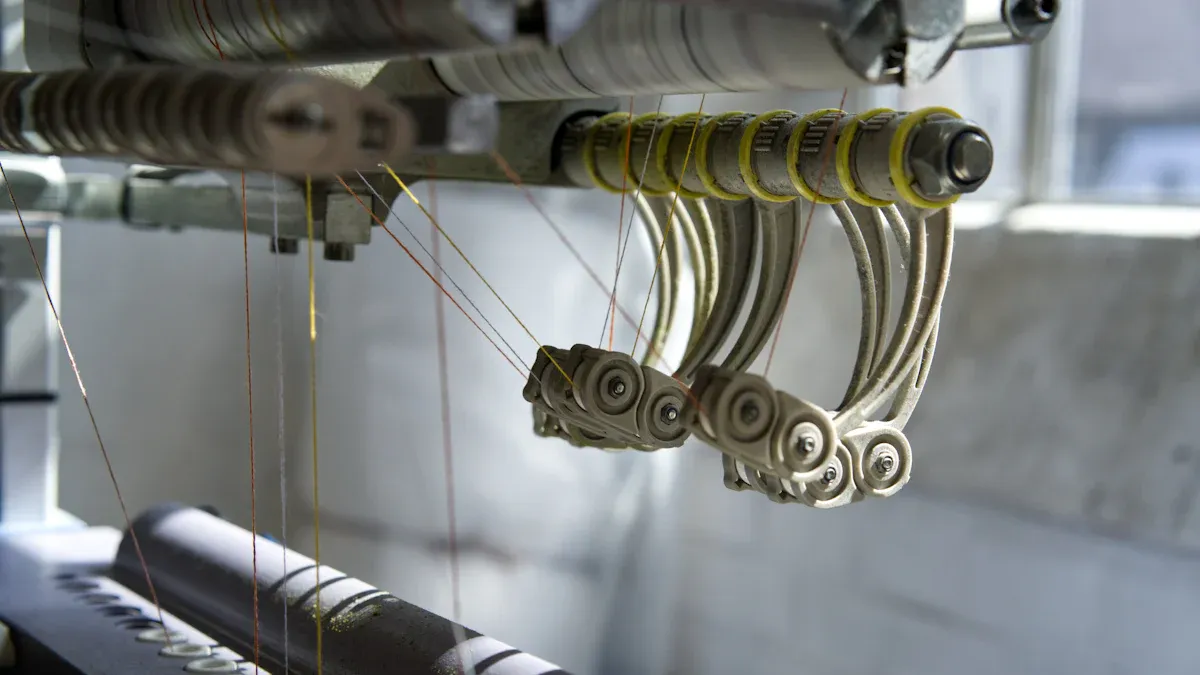
Tôi đã thấy rằng việc lựa chọn hệ thống ép đùn sẽ định hình toàn bộ quá trình sản xuất. Hầu hết các nhà sản xuất đều sử dụng hệ thống trục vít đơn, giữ một 62% thị phần, trong khi hệ thống trục vít đôi chiếm 38%.
| Loại hệ thống đùn | Tỷ lệ thị phần |
|---|---|
| Vít đơn | 62% |
| Vít đôi | 38% |
Lựa chọn giữa các loại vít ảnh hưởng đến hiệu quả, chất lượng sản phẩm, và khả năng tương thích vật liệu. Khi tôi kết hợp công nghệ ép đùn với mục tiêu sản xuất, Tôi nhận thấy sự cải thiện về hiệu quả chi phí, tính linh hoạt của thiết kế, và tính bền vững.
| Nhân tố | Tác động đến hiệu quả sản xuất | Tác động đến chất lượng sản phẩm |
|---|---|---|
| Thông số được kiểm soát | Duy trì chất lượng sản phẩm đồng đều | Đạt được dung sai micromet |
Tôi tin tưởng vào Hệ thống ép đùn hoàn chỉnh để mang lại kết quả nhất quán và hiệu suất trục vít chính xác.
Bài học chính
- Chọn hệ thống ép đùn phù hợp dựa trên mục tiêu sản xuất và đặc tính vật liệu của bạn để đảm bảo hiệu suất tối ưu.
- Single-screw extruders are ideal for high-volume production of simple materials, while twin-screw systems excel in mixing complex materials.
- Regular maintenance and monitoring of extrusion systems prevent downtime and enhance efficiency, đảm bảo chất lượng sản phẩm đồng nhất.
- Consider the screw diameter and L/D ratio when selecting an extruder, as these factors impact throughput and mixing efficiency.
- Utilize co-extrusion for creating multi-layered products that combine different materials, enhancing functionality and performance.
- Evaluate the compatibility of materials with the chosen extrusion system to avoid defects and ensure high-quality output.
- Stay informed about emerging trends in extrusion technology, such as IoT and AI, to improve efficiency and adapt to changing production needs.
- Create a checklist of key factors before selecting an máy đùn to avoid costly mistakes and ensure the system meets application requirements.
Choosing the Right Extrusion System for Manufacturing
Key Factors in System Selection
I never find a universal “tốt nhất” extrusion system. My experience tells me that the ideal choice depends on the manufacturing goals, tính chất vật chất, and product requirements. When I select an extrusion system, I always match its capabilities to the intended application. This approach ensures that the extrusion process delivers consistent quality and optimal performance.
I consider several critical factors before making an extrusion machine selection. I use the following table to guide my decision:
| Nhân tố | Sự miêu tả |
|---|---|
| Research Objective | Purpose of the machine (education, material development, or commercial pilot production) |
| Loại vật liệu | Loại polyme cần xử lý (nhạy cảm với nhiệt, bay hơi, hoặc phản ứng) |
| Công suất đầu ra cần thiết | công suất thông lượng (gam hoặc kilôgam trên giờ) |
| Yêu cầu quy trình nâng cao | Cần phun khí, khử khí chân không, hoặc khả năng ép đùn phản ứng |
| Ngân sách và không gian phòng thí nghiệm | Cân nhắc mở rộng mô-đun để nâng cấp trong tương lai |
| Nhu cầu mở rộng quy mô trong tương lai | Khả năng tương thích với các mô-đun ép đùn công nghiệp để mở rộng quy mô sản xuất |
Tôi luôn chú ý đến đường kính trục vít và tỷ lệ L/D. Các thông số này xác định công suất thông lượng và hiệu suất trộn. Tôi chọn máy đùn có công suất đầu ra phù hợp, có thể dao động từ 0.25 kg/giờ đến 150 kg/h tùy theo mẫu máy. Thiết kế mô-đun cho phép tôi thay thế linh kiện một cách nhanh chóng, mang lại sự linh hoạt cho nghiên cứu và phát triển. Tôi dựa vào hệ thống điều khiển tiên tiến, chẳng hạn như PLC và HMI, để đạt được sự kiểm soát chính xác và truy xuất nguồn gốc dữ liệu.
When I evaluate types of extrusion machines, I consider the complexity of the profile and the tolerances required. Intricate designs demand precise tooling and can increase costs. I also look at order quantity. Higher volumes reduce the cost per unit because setup costs spread across more units. Finishing and secondary operations, such as anodizing or CNC machining, add value and cost.
Mẹo: I recommend making a checklist of these factors before starting the extrusion machine selection process. This practice helps avoid costly mistakes and ensures the system matches the intended applications.
Tác động đến hiệu quả sản xuất
I notice that the extrusion system I choose directly affects manufacturing efficiency. The screw design, khả năng trộn, and extrusion technology all play a role in how smoothly the process runs. Ví dụ, Một máy đùn trục vít đơn thường hoạt động tốt đối với các polyme đơn giản và sản xuất khối lượng lớn. Máy đùn trục vít đôi xử lý các vật liệu phức tạp và các ứng dụng tiên tiến, chẳng hạn như ép đùn phản ứng hoặc hỗn hợp đặc biệt.
Tôi đã thấy rằng độ nhớt cao và hàm lượng chất rắn trong vật liệu mang năng lượng có thể gây tắc nghẽn, đùn không ổn định, và mài mòn vòi phun. Những vấn đề này làm giảm hiệu quả và ảnh hưởng đến sự an toàn. Tôi giải quyết những thách thức này bằng cách tối ưu hóa thiết kế hệ thống nhào. Cải thiện tính đồng nhất của quá trình trộn và độ chính xác của quá trình ép đùn giúp nâng cao cả tính an toàn và hiệu quả.
Tôi sử dụng hệ thống ép đùn trục vít đôi hai giai đoạn khi tôi cần độ ổn định và khả năng thích ứng cao hơn. Mô phỏng cho thấy thiết kế này cải thiện đặc tính dòng chảy và duy trì đầu ra ổn định. Tôi luôn theo dõi quá trình ép đùn để đảm bảo chất lượng đồng đều và giảm thiểu thời gian ngừng hoạt động.
| Loại bằng chứng | Sự miêu tả |
|---|---|
| Những thách thức trong sản xuất phụ gia | Độ nhớt cao và hàm lượng chất rắn của vật liệu mang năng lượng dẫn đến các vấn đề như tắc nghẽn, đùn không ổn định, và mài mòn vòi phun, ảnh hưởng đến hiệu quả và an toàn. |
| Hiệu suất hệ thống nhào | Thiết kế của hệ thống nhào ảnh hưởng đến độ đồng nhất của việc trộn nguyên liệu và độ chính xác của quá trình ép đùn, với những tối ưu hóa cụ thể được đề xuất để nâng cao tính an toàn và hiệu quả. |
| Thiết kế hệ thống đùn | Hệ thống ép đùn trục vít đôi hai giai đoạn được thiết kế để cải thiện tính ổn định và khả năng thích ứng trong quá trình ép đùn, với các mô phỏng tiết lộ đặc điểm dòng chảy của các hệ thống khác nhau. |
Tôi luôn kết hợp hệ thống ép đùn với yêu cầu sản xuất. Thực hành này đảm bảo rằng máy đùn mang lại chất lượng và hiệu suất mong muốn. Tôi chọn cấu hình vít dựa trên loại vật liệu và độ phức tạp của ứng dụng. I rely on advanced extrusion technology to maximize efficiency and maintain high standards of product quality.
Ghi chú: I recommend regular maintenance and process monitoring to sustain peak efficiency and prevent unexpected downtime.
Types of Complete Extrusion Systems
When I evaluate complete extrusion systems for manufacturing, I always start by identifying the main types of extrusion machines. The most common options include single screw extrusion machines, twin screw extrusion machines, and ram extrusion machines. Each system offers unique strengths and limitations, so I focus on matching the right technology to the application.
| Loại máy đùn |
|---|
| Single Screw Extrusion Machines |
| Twin Screw Extrusion Machines |
| Ram Extrusion Machines |
Đùn trục vít đơn
I often use a single screw extruder for straightforward extrusion processes. Máy này có một vít quay bên trong thùng được làm nóng. Vít đẩy vật liệu về phía trước, làm tan chảy nó, và định hình nó thông qua khuôn. Tôi dựa vào hệ thống này để sản xuất nhựa nhiệt dẻo khối lượng lớn, sản phẩm thực phẩm, và hợp chất cao su. Sự đơn giản của thiết kế giúp dễ dàng vận hành và bảo trì.
| Ngành công nghiệp | Mô tả ứng dụng | Dự báo tăng trưởng thị trường |
|---|---|---|
| Nhựa | Nóng chảy và hình thành nhựa nhiệt dẻo, được thúc đẩy bởi việc sử dụng PE và PP tăng lên. | CAGR xấp xỉ 4-5% bởi vì 2030 |
| Chế biến thực phẩm | Sản xuất thực phẩm chế biến như đồ ăn nhẹ và ngũ cốc. | Thị trường để tiếp cận $75 tỷ bởi 2026 |
| Hợp chất cao su | Trộn và tạo hình cao su cho lốp xe và phụ tùng ô tô. | Sản lượng lốp xe vượt qua 2 tỷ đơn vị bằng 2025 |
| Y sinh | Sản xuất biopolymer cho bao bì và thiết bị y tế. | Thị trường mới nổi với công nghệ ép đùn mới |
Tuy nhiên, Tôi nhận ra hạn chế của việc đùn trục vít đơn. Đạt được sự trộn đồng đều có thể khó khăn, đặc biệt là khi tôi thêm chất độn hoặc chất phụ gia. Pressure consistency often varies with feedstock changes, and high-viscosity materials may not flow well, leading to defects. These challenges guide my extrusion machine selection when I need higher quality or more complex processing.
Mẹo: Để đơn giản, high-volume applications, I recommend starting with a single screw extruder. For advanced mixing or specialty materials, consider other options.
Đùn trục vít đôi
When I require advanced processing, I turn to máy đùn trục vít đôi công nghệ. This system uses two screws that rotate together inside the barrel. The screws can intermesh or run parallel, depending on the design. I find that twin screw extruders deliver superior mixing efficiency, better plasticizing for high-viscosity materials, and enhanced control over temperature and pressure. Những tính năng này cải thiện chất lượng sản phẩm và tính nhất quán của quy trình.
Ép đùn trục vít đôi cũng cho phép tôi thực hiện nhiều bước xử lý trong một máy. tôi có thể trộn, tan chảy, trút giận, và thậm chí phản ứng với các vật liệu trong một lần truyền. Tính linh hoạt này làm giảm chất thải và tăng tốc độ sản xuất. Khi so sánh máy đùn trục vít đôi và máy đùn trục vít đơn, Tôi thấy lợi tức đầu tư nhanh hơn và kết quả đồng đều hơn với hệ thống trục vít đôi, đặc biệt đối với hỗn hợp phức tạp hoặc nhựa tái chế.
Các loại phụ trục vít đôi
Tôi luôn xem xét các loại máy đùn khác nhau trong danh mục trục vít đôi. Cấu hình vít ảnh hưởng đến hiệu suất, hiệu quả, và phạm vi ứng dụng.
Giao thoa
Máy đùn trục vít đôi đan xen có các ốc vít chồng lên nhau và tạo lưới với nhau. Thiết kế này cung cấp vận chuyển vật liệu chính xác và lực cắt cao. Tôi sử dụng các hệ thống đan xen để cải thiện khả năng kết hợp và tương thích, đặc biệt là khi tôi cần phân tán đều các chất phụ gia hoặc chất độn.
Không đan xen
Máy đùn trục vít đôi không ăn khớp có các vít quay không chồng lên nhau. Thiết lập này mang lại sự trộn nhẹ nhàng hơn và ít bị cắt hơn. Tôi chọn thiết kế không ăn khớp cho các vật liệu nhạy cảm đòi hỏi ứng suất cơ học ở mức tối thiểu.
Đồng quay
Máy đùn trục vít đôi đồng trục có các vít quay cùng chiều. Loại phụ này vượt trội về hiệu quả trộn và vận chuyển vật liệu. Tôi sử dụng hệ thống đồng quay để ép đùn phản ứng, sự phá giá, và hợp chất polymer hiệu suất cao. Tuy nhiên, tốc độ cắt cao có thể làm suy giảm vật liệu nhạy cảm với nhiệt, vì vậy tôi giám sát chặt chẽ việc thiết kế vít và làm mát.
| Loại phụ | Khả năng xử lý và lợi thế | Hạn chế và cân nhắc | Ứng dụng tốt nhất |
|---|---|---|---|
| Máy đùn trục vít đôi đồng trục | Hiệu suất trộn cao, thích hợp cho đùn phản ứng, tốc độ cắt cao | Nguy cơ suy thoái vật liệu, yêu cầu thiết kế vít chính xác | Hợp chất polyme, vật liệu nanocompozit, quy trình làm việc từ phòng thí nghiệm đến sản xuất |
Quay ngược chiều
Máy đùn trục vít đôi quay ngược chiều có các vít quay theo hướng ngược nhau. Cấu hình này tạo ra lực cắt thấp hơn, bảo vệ các vật liệu dễ vỡ. Tôi dựa vào hệ thống quay ngược chiều cho gốm sứ, polyme sinh học, và công thức dược phẩm. Thiết kế này cũng mang lại khả năng tích tụ áp suất tốt và bịt kín hiệu quả., mặc dù cường độ trộn thấp hơn so với hệ thống đồng quay.
| Loại phụ | Khả năng xử lý và lợi thế | Hạn chế và cân nhắc | Ứng dụng tốt nhất |
|---|---|---|---|
| Máy đùn trục vít đôi quay ngược | Lực cắt thấp hơn, xây dựng áp lực tốt, niêm phong hiệu quả | Cường độ trộn thấp hơn, thiết kế vòng bi và vòng đệm phức tạp hơn | Gốm sứ, polyme sinh học, dược phẩm |
Khi tôi chọn một hệ thống ép đùn hoàn chỉnh, Tôi luôn điều chỉnh loại vít và cấu hình phù hợp với yêu cầu về vật liệu và quy trình. This approach ensures high quality, hiệu quả, and reliable performance across all applications.
Ram Extrusion
I often choose ram extrusion when I need to process materials that require high pressure and precise shaping. This method uses a hydraulic ram to push material through a heated barrel and die, rather than relying on a rotating screw. I find ram extruders especially useful for forming products from thermosetting plastics, gốm sứ, and PTFE. The process allows me to create rods, ống, and profiles with consistent dimensions.
Ram extrusion stands out among types of extrusion machines because it handles materials that traditional screw extruders cannot process efficiently. I use this technology in industries chẳng hạn như nhựa, đồ ăn, và dược phẩm. Ví dụ, I produce snacks and cereals with unique shapes, and I manufacture tablets and capsules with exact specifications.
I have noticed several benefits and challenges when using ram extruders:
- Ram extruders excel in producing high-quality products from difficult-to-process materials.
- I rely on them for applications where screw extrusion technology falls short, such as PTFE and ceramic profiles.
- The process delivers consistent quality and dimensional accuracy.
- High operational costs can impact efficiency and overall performance.
- Stringent regulations in plastic manufacturing require careful process control.
- Competition from alternative extrusion systems pushes me to optimize my extrusion machine selection.
I always weigh these factors before choosing ram extrusion for complete extrusion systems. I monitor the process closely to maintain quality and efficiency, especially when working with specialty materials.
Đồng đùn
Co-extrusion enables me to combine multiple materials into a single product, creating multi-layered profiles with enhanced properties. I use this extrusion technology to integrate different thermoplastics, each layer offering unique characteristics. The process involves pushing several materials through a single die, resulting in a unified profile that meets complex production requirements.
I rely on co-extrusion for manufacturing products that demand durability, tính linh hoạt, and aesthetic appeal. This method allows me to tailor the quality of each layer, improving performance and functionality. I see co-extrusion as a key advancement in complete extrusion systems, especially when I need to produce items with specialized features.
Industries benefit from co-extrusion in several ways:
- Sự thi công: Tôi sản xuất bệ cửa sổ, khung, và cắt miếng kết hợp sức mạnh và sự hấp dẫn thị giác.
- Bán lẻ: Tôi xây dựng hệ thống kệ và trưng bày vừa bền vừa hấp dẫn.
- bảng hiệu: Tôi sản xuất các bảng hiệu và khung được chiếu sáng với lớp hoàn thiện sạch sẽ và hiệu suất đáng tin cậy.
Đồng đùn mở rộng phạm vi ứng dụng cho công nghệ ép đùn. Tôi sử dụng nó để đáp ứng các mục tiêu sản xuất đòi hỏi khắt khe và cung cấp sản phẩm với chất lượng vượt trội. Khi tôi chọn một máy đùn để đồng đùn, Tôi xem xét thiết kế vít, kiểm soát quá trình, và khả năng tương thích vật liệu. Cách tiếp cận này đảm bảo hiệu quả và kết quả nhất quán.
Mẹo: Tôi khuyên bạn nên sử dụng công nghệ đồng đùn cho các dự án yêu cầu cấu hình nhiều lớp và chức năng sản phẩm nâng cao. Lựa chọn máy ép đùn cẩn thận và giám sát quy trình là rất cần thiết để đạt được chất lượng tối ưu.
Cấu trúc và hoạt động của hệ thống ép đùn
Thiết kế vít và thùng
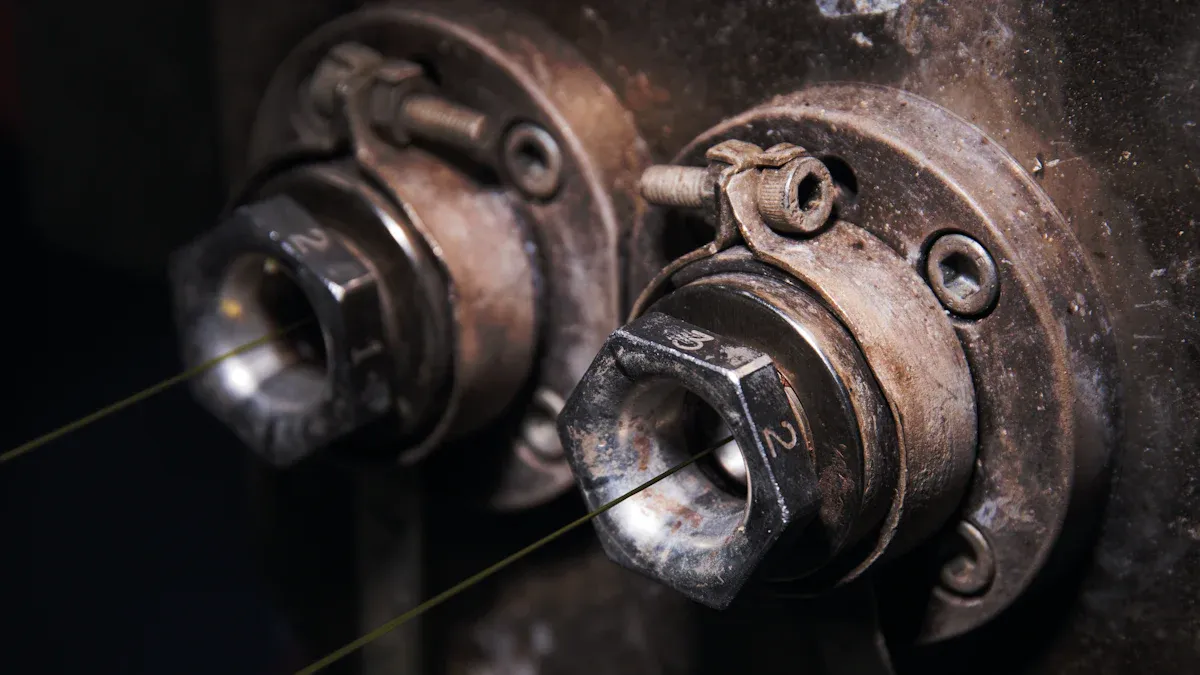
Tôi luôn bắt đầu lựa chọn máy ép đùn của mình bằng cách kiểm tra thiết kế vít và thùng. Hình dạng của trục vít xác định máy đùn nóng chảy hiệu quả như thế nào, hỗn hợp, và truyền tải vật chất. Tôi điều chỉnh chiều dài theo đường kính (L/D) tỷ lệ để kiểm soát thời gian lưu trú và pha trộn. Tỷ lệ L/D cao hơn cho phép vật liệu tan chảy và hòa trộn kỹ hơn, điều cần thiết để đạt được chất lượng đồng đều trong sản phẩm cuối cùng. Tôi dựa vào thiết kế rào chắn trong thùng trục vít để duy trì độ ổn định khi tan chảy và ngăn ngừa sự xuống cấp, đặc biệt là khi tôi xử lý các tài liệu nhạy cảm. Thiết kế trục vít và nòng đôi song song đóng một vai trò quan trọng trong tốc độ đùn, chất lượng sản phẩm, và hiệu quả năng lượng. Tôi sử dụng phương pháp phân vùng và kiểm soát nhiệt độ chính xác để ổn định dòng chảy nóng chảy và tránh khí bị mắc kẹt, giúp cải thiện mật độ và tính nhất quán. Bề mặt hoàn thiện của thùng và hình dạng của vít cũng ảnh hưởng đến hiệu quả sử dụng năng lượng và tính nhất quán của sản phẩm. Tôi luôn kết hợp thiết kế vít với yêu cầu cụ thể của ứng dụng để tối đa hóa hiệu suất.
- Tỷ lệ L/D cao hơn giúp cải thiện khả năng trộn và làm tan chảy tính đồng nhất, điều cần thiết cho sản phẩm chất lượng cao.
- Thiết kế rào cản giúp duy trì sự ổn định tan chảy và ngăn ngừa sự xuống cấp.
- Hình dạng trục vít và độ hoàn thiện bề mặt thùng tác động đến hiệu quả năng lượng và tính nhất quán của sản phẩm.
Chuyển động và trộn vật liệu
Tôi tập trung vào việc di chuyển và trộn vật liệu hiệu quả để đảm bảo quá trình ép đùn diễn ra suôn sẻ. tôi sử dụng băng tải cơ khí hoặc cơ khí mạnh mẽ để vận chuyển nguyên liệu thô một cách nhanh chóng và với mức bảo trì tối thiểu. Thiết kế máy trộn tiên tiến đảm bảo việc trộn kỹ lưỡng và đồng đều, which prevents variations in finished products. I integrate automated controls with PLC systems for real-time monitoring and recipe management. This approach allows me to oversee production seamlessly and adjust parameters as needed. I select scalable configurations to accommodate both small workshops and large industrial operations. Enhanced dust control features keep the workplace clean and safe. Nhất quán, homogeneous blends reduce quality fluctuations and improve throughput. Automated systems minimize manual handling, which shortens production cycles and lowers labor costs. I always prioritize these features when I evaluate types of extrusion machines for new applications.
| Tính năng | Sự miêu tả |
|---|---|
| Efficient Material Transfer | Rapid, low-maintenance movement of raw materials |
| Precision Mixing | Thorough, uniform compounding for consistent quality |
| Điều khiển tự động | Real-time monitoring and recipe management |
| Scalable Configurations | Flexible layouts for any production capacity |
| Enhanced Dust Control | Cleaner, safer workplace |
| Improved Product Quality | Homogeneous blends, reduced fluctuations |
| Increased Throughput | Shorter production cycles, less manual handling |
| Giảm chất thải | Accurate measurement, chi phí thấp hơn |
| Lower Labor Costs | Automation frees staff for value-added tasks |
| Safer Working Environment | Enclosed lines and dust control |
Process Control and Output Quality
I depend on advanced process control technology to maintain high output quality in extrusion manufacturing. I select high-quality thermoplastics to ensure the final products meet strength, độ bền, and flexibility requirements. I monitor extrusion parameters closely to reduce discrepancies during production. Dimensional accuracy remains a top priority for me, vì nó đảm bảo rằng các thành phần phù hợp với ứng dụng dự định của chúng. Tôi sử dụng phương pháp kiểm tra bề mặt để phát hiện các khuyết tật như cong vênh hoặc bọt khí, giúp tôi duy trì chất lượng sản phẩm ổn định. Phát hiện sớm các vấn đề giúp giảm lãng phí và tiết kiệm chi phí sản xuất. Tôi luôn đảm bảo rằng quy trình của mình tuân thủ các tiêu chuẩn quy định, bảo vệ cả doanh nghiệp của tôi và khách hàng của tôi. Sản phẩm chất lượng cao nâng cao uy tín thương hiệu của tôi và tăng sự hài lòng của khách hàng. Hệ thống giám sát tiên tiến cho phép tôi tăng tốc độ sản xuất mà không làm giảm độ chính xác, giúp tăng hiệu quả tổng thể trong các hệ thống ép đùn hoàn chỉnh.
| Yếu tố/Lợi thế | Sự miêu tả |
|---|---|
| Lựa chọn vật liệu | Đảm bảo sức mạnh, độ bền, và tính linh hoạt |
| Giám sát quá trình | Giảm sự khác biệt và duy trì tính nhất quán |
| Độ chính xác kích thước | Đảm bảo phù hợp phù hợp cho tất cả các ứng dụng |
| Kiểm tra bề mặt | Xác định sớm các khiếm khuyết để có chất lượng tốt hơn |
| Consistent Product Quality | Every batch meets high standards |
| Giảm chất thải | Saves material and production costs |
| Tuân thủ quy định | Meets legal and safety requirements |
| Sự hài lòng của khách hàng | Builds reputation and loyalty |
| Process Efficiency | Increases speed while maintaining accuracy |
Mẹo: I recommend regular calibration and maintenance of all extrusion technology to sustain peak performance and consistent quality.
Comparing the Extrusion Process
Vít đơn vs. Twin-Screw Process
When I compare máy đùn trục vít đơn và trục vít đôi, I focus on how each system handles the extrusion process. The screw design shapes the way material moves and mixes. A single-screw extruder uses one helical screw inside a simple, thùng hình trụ. Ngược lại, a twin-screw extruder features two intermeshing screws and a more complex, thùng thường được phân đoạn. Tôi thấy rằng việc kiểm soát nhiệt độ trong hệ thống trục vít đơn vẫn ở mức cơ bản, trong khi máy trục vít đôi cung cấp khả năng điều khiển tiên tiến với nhiều vùng làm nóng và làm mát. Sự khác biệt này tác động đến cả thông lượng và hiệu quả sử dụng năng lượng.
| Diện mạo | Máy đùn trục vít đơn | Máy đùn trục vít đôi |
|---|---|---|
| Thiết kế vít | Vít xoắn ốc đơn | Hai vít đan xen |
| Cấu trúc thùng | Đơn giản, hình trụ | Phức tạp hơn, thường được phân đoạn |
| Kiểm soát nhiệt độ | Sưởi ấm/làm mát cơ bản | Trình độ cao, đa vùng |
| Công suất đầu ra | Vừa phải | Cao |
| Tiêu thụ năng lượng | Nói chung cao hơn | Hiệu quả hơn |
| Tính linh hoạt trong thông lượng | Giới hạn | Cao |
Tôi tin tưởng vào máy đùn trục vít đôi để có sản lượng cao hơn và tiết kiệm năng lượng tốt hơn. Khi tôi cần sự linh hoạt về thông lượng hoặc kiểm soát quy trình nâng cao, Tôi chọn hệ thống trục vít đôi. Đối với các ứng dụng đơn giản, máy đùn trục vít đơn vẫn cung cấp hiệu suất đáng tin cậy.
Khả năng tương thích vật liệu trong quá trình ép đùn
Khả năng tương thích vật liệu đóng một vai trò quan trọng trong việc lựa chọn máy ép đùn. I always match the screw configuration to the type of material I plan to process. Single-screw extruders handle standard thermoplastics well, but they struggle with materials that require intensive mixing or have high filler content. Twin-screw extruders excel with specialty compounds, nhựa tái chế, và vật liệu phản ứng. I use segmented screws to adjust mixing and shearing for each application.
When I work with complete extrusion systems, I consider how each screw design affects the final product. Twin-screw extruders allow me to process a wider range of materials, including those with additives or sensitive properties. This flexibility supports more types of extrusion machines and expands the range of possible applications.
Mẹo: Tôi khuyên bạn nên đánh giá các đặc tính hóa học và vật lý của nguyên liệu thô trước khi chọn máy đùn. Bước này đảm bảo tính tương thích và giảm nguy cơ lỗi.
Chất lượng và tính nhất quán của sản phẩm
Tôi biết rằng quá trình ép đùn ảnh hưởng trực tiếp đến chất lượng thành phẩm. Dây chuyền ép đùn hiện đại tích hợp tự động hóa và nền tảng điều khiển tiên tiến. Các hệ thống này phân tích nhiều biến cùng một lúc, giúp tôi duy trì chất lượng nhất quán trên mỗi lô.
Tính nhất quán về chất lượng là hệ số nhân năng suất. Nền tảng điều khiển nâng cao phân tích các mẫu trên nhiều biến cùng một lúc, đảm bảo chất lượng sản phẩm được duy trì trong suốt quá trình ép đùn.
Tôi theo dõi các yếu tố chính như áp suất nóng chảy ổn định, tỷ lệ đầu ra, và hoàn thiện bề mặt. Áp suất nóng chảy ổn định ngăn ngừa cong vênh và trôi chiều. Sản lượng cao hơn và ổn định hơn giảm tỷ lệ phế liệu và thời gian ngừng hoạt động. Bề mặt hoàn thiện tốt hơn và kiểm soát kích thước chính xác sẽ nâng cao tác động đến chất lượng của thành phẩm.
| Các yếu tố chính | Tác động đến chất lượng và tính nhất quán |
|---|---|
| Áp suất nóng chảy ổn định | Ngăn chặn kích thước bị trôi hoặc cong vênh |
| Sản lượng cao hơn và ổn định hơn | Giảm tỷ lệ phế liệu và thời gian ngừng hoạt động |
| Bề mặt hoàn thiện tốt hơn | Nâng cao chất lượng sản phẩm tổng thể |
| Kiểm soát kích thước | Đảm bảo độ chính xác trong thông số kỹ thuật của sản phẩm cuối cùng |
| ROI nhanh hơn | Cải thiện lợi nhuận cho nhà sản xuất |
Khi so sánh máy đùn trục vít đôi và máy đùn trục vít đơn, Tôi thấy rằng hệ thống trục vít đôi mang lại tính nhất quán tốt hơn và chi phí vận hành thấp hơn. Tôi đạt được ROI nhanh hơn và cải thiện hiệu suất bằng cách đầu tư vào công nghệ ép đùn tiên tiến. Tôi luôn ưu tiên giám sát và tự động hóa quy trình để đảm bảo chất lượng và hiệu quả cao trong sản xuất.
- Sản lượng cao hơn và ổn định hơn
- Giảm phế liệu và thời gian ngừng hoạt động
- Kiểm soát kích thước và hoàn thiện bề mặt tốt hơn
- Giảm chi phí vận hành
- ROI nhanh hơn
I rely on these strategies to maximize the benefits of extrusion and deliver products that meet strict manufacturing standards.
Performance Comparison Table
Thông lượng và hiệu quả
I always evaluate throughput and efficiency when I compare types of extrusion machines. Throughput measures how much material the extruder processes in a given time. Efficiency reflects how well the screw design converts raw material into finished products with minimal waste and energy use. I see that single-screw extruders often deliver steady throughput for standard polymers. Máy đùn trục vít đôi, with their advanced screw geometry, handle higher output and maintain better energy efficiency, especially for complex blends.
| Loại máy đùn | Thông lượng (kg/giờ) | Hiệu quả năng lượng | Trường hợp sử dụng tốt nhất |
|---|---|---|---|
| Vít đơn | 50–500 | Vừa phải | Âm lượng lớn, simple polymers |
| Vít đôi | 100–1000+ | Cao | Complex blends, specialty jobs |
| Máy đùn Ram | 10–100 | Thấp–Trung bình | PTFE, gốm sứ, đặc sản |
| Hệ thống đồng đùn | Khác nhau | Cao | Multi-layered profiles |
I always match the screw configuration to the material and production requirements. This approach ensures the process delivers consistent quality and meets manufacturing goals. I rely on complete extrusion systems to maximize throughput and efficiency for every application.
Mẹo: I recommend monitoring energy consumption and output rates regularly. This practice helps optimize extrusion machine selection and reduces operational costs.
Maintenance and Reliability
I prioritize maintenance and reliability when I select an extruder. The screw and barrel experience constant wear from abrasive materials and high temperatures. I schedule routine inspections and replace worn components to prevent unexpected downtime. Single-screw extruders require less maintenance due to their simple design. Máy đùn trục vít đôi, with more moving parts and segmented screws, need more frequent checks but offer greater flexibility.
| Loại máy đùn | Nhu cầu bảo trì | Reliability Level | Các vấn đề chung |
|---|---|---|---|
| Vít đơn | Thấp–Trung bình | Cao | Occasional screw wear |
| Vít đôi | Trung bình-Cao | Cao | Segment wear, seal failure |
| Máy đùn Ram | Vừa phải | Vừa phải | Hydraulic leaks, die wear |
| Hệ thống đồng đùn | Cao (multi-screw) | Cao | Synchronization, screw wear |
I use advanced monitoring systems to track screw wear and process stability. This strategy improves reliability and extends the life of my extrusion technology. I always keep spare screws and barrels on hand to minimize downtime during maintenance.
Product Complexity and Flexibility
I value design flexibility in extrusion. The ability to customize the screw and die allows me to create complex profiles for a wide range of applications. I use extrusion to manufacture everything from simple plastic tubing to intricate window frames. I can add reinforcements or special features within the continuous material, which expands my product offerings.
| Diện mạo | Sự miêu tả |
|---|---|
| Thiết kế linh hoạt | Extrusion allows for significant design flexibility through die customization, enabling complex profiles. |
| Ứng dụng | Suitable for various applications, including intricate window frames and simple plastic tubing. |
| Tùy chỉnh | Manufacturers can include reinforcements or additional features within the continuous material. |
- In MedTech, I must achieve tight tolerances for medical devices.
- I ensure biocompatibility for all medical extrusion products.
- I monitor wall thickness closely, since it affects flow rates and structural strength.
I select the screw configuration and extrusion machine based on the complexity of the design and the required tolerances. This approach guarantees high quality and supports advanced manufacturing needs.
Ghi chú: Tôi khuyên bạn nên tham khảo ý kiến của các chuyên gia ép đùn khi lập kế hoạch thiết kế sản phẩm mới. Kinh nghiệm của họ giúp tránh những sai lầm tốn kém và đảm bảo cấu hình quy trình và vít phù hợp.
Sự phù hợp của ứng dụng trong sản xuất
Sản xuất khối lượng lớn
Tôi luôn bắt đầu lựa chọn máy ép đùn của mình bằng cách xem xét nhu cầu sản xuất số lượng lớn. Khi tôi cần sản xuất hàng nghìn sản phẩm mỗi ngày, Tôi dựa vào máy đùn trục vít đơn. Những máy này cung cấp năng suất ổn định và duy trì chất lượng ổn định. Thiết kế trục vít trong máy đùn trục vít đơn cho phép tôi xử lý các polyme tiêu chuẩn một cách hiệu quả. Tôi giám sát quá trình chặt chẽ để đảm bảo tan chảy đồng đều và giảm thiểu sai sót. Tôi chọn đường kính và chiều dài vít phù hợp với yêu cầu sản xuất. Cách tiếp cận này giúp tôi đạt được hiệu quả cao và giảm lãng phí. I use automated controls to track output and maintain quality standards. High-volume applications benefit from robust types of extrusion machines that can operate continuously with minimal downtime. I always keep spare screws and barrels ready to avoid interruptions in production.
Mẹo: I recommend scheduling regular maintenance for extruders used in high-volume manufacturing. This practice extends the life of the screw and ensures reliable performance.
Complex Product Manufacturing
When I manufacture complex or multi-component products, I turn to advanced extrusion technology. Twin-screw extruders give me greater control over mixing and material distribution. I use segmented screws to adjust shear and optimize the process for each application. Co-extrusion technology enables me to combine different polymers into multi-layer films and pipes. This method improves barrier properties and enhances strength, tính linh hoạt, và kháng hóa chất.
| Công nghệ | Những lợi ích |
|---|---|
| Đồng đùn | Enables the creation of multi-layer films and pipes with improved barrier properties, combining different polymers for strength, tính linh hoạt, và kháng hóa chất. |
I select the screw configuration based on the complexity of the product. For intricate designs, I rely on precise tooling and advanced process monitoring. I always test the extruder setup before full-scale production to ensure quality and performance. Complex applications require careful extrusion machine selection and attention to detail.
Specialty Materials and Customization
I often work with specialty materials that demand custom solutions. I use advanced shaping processes, such as sheet extrusion and thermoforming, to control material characteristics. Sheet extrusion gives me the ability to manage thickness and material distribution with high accuracy. Co-extrusion capabilities allow me to create multi-layer constructions that enhance material properties. I integrate downstream shaping processes to ensure consistent performance in finished components. Engineering services help me optimize component designs and select the best materials for specific applications.
- Advanced shaping processes, such as sheet extrusion and thermoforming, allow for precise control over material characteristics.
- Sheet extrusion provides a foundation for custom material solutions, enabling thickness control and material distribution accuracy.
- Co-extrusion capabilities facilitate the creation of multi-layer constructions, enhancing material properties.
- Integration with downstream shaping processes ensures consistent performance characteristics in finished components.
- Dịch vụ kỹ thuật tối ưu hóa thiết kế thành phần và lựa chọn vật liệu, đảm bảo sự phù hợp cho các ứng dụng cụ thể.
Tôi luôn thiết kế vít phù hợp với yêu cầu của vật liệu đặc biệt. Tùy chỉnh trong quá trình ép đùn phụ thuộc vào việc chọn đúng thông số quy trình và máy đùn. Tôi giám sát chất lượng ở mọi công đoạn để cho ra đời sản phẩm đạt tiêu chuẩn khắt khe. Các ứng dụng đặc biệt được hưởng lợi từ các loại máy ép đùn linh hoạt và hướng dẫn của chuyên gia.
Ghi chú: Tôi khuyên bạn nên tham khảo ý kiến của các chuyên gia ép đùn khi làm việc với các vật liệu mới hoặc thiết kế tùy chỉnh. Chuyên môn của họ giúp đạt được chất lượng và hiệu suất mong muốn.
Tiêu chí lựa chọn cho hệ thống ép đùn
Thiết kế và độ phức tạp của sản phẩm
Tôi luôn bắt đầu lựa chọn máy ép đùn bằng cách phân tích thiết kế và độ phức tạp của sản phẩm. The geometry of the profile influences the choice of extruder and screw configuration. Complex shapes increase tooling costs and create production challenges. I simplify profile geometry whenever possible to enhance material flow and reduce defects. Smooth transitions in the design prevent disruptions in material flow, which is crucial for consistent extrusion quality. I select the right material early in the process because material choice affects both the properties of the part and the ease of extrusion. This decision impacts manufacturability and overall performance.
- Simplifying profile geometry lowers tooling costs and reduces production challenges.
- Designing for material flow ensures consistent extrusion quality and minimizes defects.
- Choosing the right material early improves manufacturability and product performance.
Tôi kết hợp thiết kế vít với độ phức tạp của sản phẩm. Đối với hồ sơ phức tạp, Tôi sử dụng cấu hình trục vít tiên tiến để tối ưu hóa quá trình trộn và vận chuyển vật liệu. Tôi dựa vào công cụ chính xác và giám sát quy trình để duy trì chất lượng cao. Khi tôi làm việc với các ứng dụng phức tạp, Tôi tham khảo ý kiến của các chuyên gia công nghệ ép đùn để tránh những sai lầm tốn kém và đảm bảo kết quả tốt nhất.
Mẹo: Tôi khuyên bạn nên xem lại hình dạng biên dạng và dòng nguyên liệu trước khi hoàn tất việc lựa chọn máy ép đùn. Bước này giúp ngăn ngừa các vấn đề trong sản xuất và hỗ trợ sản xuất hiệu quả.
Thuộc tính vật liệu
Đặc tính vật liệu đóng một vai trò quan trọng trong việc lựa chọn cấu hình máy đùn và trục vít phù hợp. tôi xác định yêu cầu ứng dụng chẳng hạn như khả năng chịu nhiệt độ, tiếp xúc với tia cực tím, và độ bền va đập. Tôi xem xét các tính chất cơ học như tính linh hoạt, độ cứng, and tensile strength for the intended use. Environmental conditions influence my material choice, especially when I need weathering resistance or flexibility in cold environments. I evaluate aesthetic and finish requirements, bao gồm cả màu sắc, độ bóng, and surface texture, based on project needs. Regulatory and compliance needs guide my selection to ensure materials meet industry-specific standards and certifications.
- Application requirements determine the need for temperature resistance, tiếp xúc với tia cực tím, và độ bền va đập.
- Mechanical properties such as flexibility, độ cứng, and tensile strength affect the choice of extruder and screw.
- Environmental conditions require materials that withstand weathering or remain flexible in cold climates.
- Aesthetic and finish requirements influence color, độ bóng, and surface texture.
- Regulatory and compliance needs ensure materials meet industry standards.
I select the screw design based on the material’s properties. For heat-sensitive materials, I use screws with gentle mixing zones and precise temperature control. When processing tough or abrasive compounds, I choose robust screw geometries that withstand wear and maintain efficiency. I always test materials in pilot runs to verify compatibility with the extruder and ensure consistent quality.
Ghi chú: I recommend consulting material datasheets and industry standards before choosing an extruder. This practice helps match material properties to the extrusion process and supports reliable performance.
Production Volume and Scale
Production volume and scale influence the cost-effectiveness of extrusion machine selection. Higher production volumes reduce unit costs because tooling expenses are spread over more parts. In the prototype stage, tooling costs are high compared to the quantity produced. In mass production, die costs are amortized over larger volumes, leading to lower costs per unit. Ví dụ, a die costing $2,000 with a lifetime of 40,000 kg results in a cost of $0.05 per kg when amortized.
- Higher production volumes lower unit costs by spreading tooling expenses.
- Prototype stages have high tooling costs relative to the number of parts produced.
- Mass production allows die costs to be distributed over larger volumes, reducing per-unit costs.
- Example: A die costing $2,000 with a lifetime of 40,000 kg results in a cost of $0.05 per kg.
I select the extruder and screw configuration based on the expected production volume. For high-volume manufacturing, I use robust types of extrusion machines that deliver steady throughput and maintain efficiency. In low-volume or prototype applications, I prioritize flexibility and rapid changeover. I monitor production rates and adjust screw parameters to optimize output and quality.
Mẹo: I recommend calculating the amortized tooling cost before committing to a production scale. This step helps determine the most cost-effective extrusion technology and supports long-term manufacturing goals.
Technical and Budget Considerations
I always approach extrusion machine selection with a clear focus on technical requirements and budget constraints. My experience tells me that investing in advanced extrusion technology demands careful planning. I evaluate every aspect of the system, from screw design to process control, to ensure cost-effectiveness and reliable performance.
I start by analyzing the technical specifications of the extruder. I look at screw geometry, barrel length, và khả năng tương thích với các loại máy ép đùn khác nhau. Tôi chọn vít phù hợp với đặc tính vật liệu và độ phức tạp của ứng dụng. Tôi kiểm tra xem máy đùn có thể xử lý công suất mong muốn và duy trì chất lượng ổn định hay không. Tôi cũng đánh giá sự tích hợp của máng ăn, bộ điều khiển nhiệt độ, và thiết bị hạ nguồn. Tích hợp hệ thống đóng vai trò quan trọng trong việc tối đa hóa hiệu quả và tránh tắc nghẽn trong sản xuất.
Cân nhắc ngân sách ảnh hưởng đến mọi quyết định tôi làm. Tôi chia chi phí thành nhiều loại để hiểu tác động tài chính. Tôi sử dụng bảng sau để hướng dẫn chiến lược đầu tư của mình:
| Xem xét ngân sách | Sự miêu tả | Tác động tài chính / Ví dụ về lợi ích |
|---|---|---|
| Hiệu quả năng lượng | Giảm tiêu thụ năng lượng bằng cách nâng cấp hệ thống điều khiển hoặc ốc vít | 33% giảm năng lượng tiết kiệm gần như $100,000 hàng năm vào $288,000 chi phí năng lượng |
| Giảm phế liệu | Giảm tỷ lệ phế liệu từ 15% ĐẾN 5% through data acquisition and process control | Saves $200,000 monthly or $2.4 million yearly in materials, nhân công, and energy costs |
| Throughput Increase | Upgrading to twin-screw extruder increases throughput by 30% | Generates $600,000 additional monthly revenue with >50% incremental profit margin |
| Maintenance Cost Reduction | Predictive maintenance and condition monitoring reduce emergency repairs and downtime | Maintenance costs drop 20-30%, equipment availability increases |
| Tích hợp hệ thống | Budgeting for compatible feeders, bộ điều khiển nhiệt độ, và thiết bị hạ nguồn | Partial upgrades capture only ~40% of potential benefits |
| Đào tạo người vận hành | Training on material characteristics, machinery, instrumentation, và điều khiển | Essential to fully realize technology benefits; lack wastes investment |
| Data Acquisition Infrastructure | Adequate sensors and analytics software needed for optimization | Insufficient infrastructure limits optimization; too many sensors without analytics causes overload |
| Ràng buộc hạ nguồn | Đảm bảo cắt, bao bì, và kiểm tra theo kịp với sản lượng máy đùn tăng lên | Tắc nghẽn làm giảm lợi ích tổng thể của hệ thống |
Tôi ưu tiên tiết kiệm năng lượng khi chọn máy đùn. Nâng cấp hệ thống điều khiển hoặc tối ưu hóa thiết kế trục vít có thể giảm mức tiêu thụ năng lượng tới 33%. Cải tiến này tiết kiệm gần như $100,000 điển hình mỗi năm $288,000 hóa đơn năng lượng. Tôi cũng tập trung vào việc giảm phế liệu. Bằng cách thực hiện kiểm soát quy trình tiên tiến và thu thập dữ liệu, Tôi giảm tỷ lệ phế liệu từ 15% ĐẾN 5%. Thay đổi này tiết kiệm $200,000 hàng tháng về vật liệu, nhân công, and energy costs.
Tăng thông lượng là một mục tiêu quan trọng khác. Nâng cấp lên máy đùn trục vít đôi giúp tăng sản lượng bằng cách 30%. Sự gia tăng này tạo ra $600,000 trong doanh thu bổ sung hàng tháng, với hơn một 50% incremental profit margin. Tôi đầu tư vào bảo trì dự đoán và giám sát tình trạng để giảm thời gian ngừng hoạt động và sửa chữa khẩn cấp. Chi phí bảo trì giảm dần 20-30%, và tính sẵn có của thiết bị được cải thiện.
System integration is essential for maximizing the benefits of extrusion technology. I budget for compatible feeders, bộ điều khiển nhiệt độ, và thiết bị hạ nguồn. Partial upgrades capture only about 40% of the potential benefits. Operator training is critical. I ensure my team understands material characteristics, machinery, instrumentation, và điều khiển. Without proper training, the investment in advanced extrusion technology goes to waste.
I invest in data acquisition infrastructure. Adequate sensors and analytics software optimize the process. Insufficient infrastructure limits optimization, while too many sensors without analytics cause information overload. I address downstream constraints by ensuring cutting, bao bì, và kiểm tra theo kịp với sản lượng máy đùn tăng lên. Bottlenecks in these areas reduce the overall benefit of the system.
I always balance technical requirements with budget limitations. I select a screw that delivers high quality and efficiency without exceeding my financial resources. I plan for future upgrades and modular expansion to support changing production needs. I monitor every aspect of the extrusion process to maintain cost-effectiveness and reliable performance.
Mẹo: I recommend creating a detailed budget plan before investing in new extrusion technology. Include energy costs, BẢO TRÌ, đào tạo điều hành, and system integration. This approach ensures that the extruder delivers maximum value and supports long-term manufacturing goals.
Actionable Insights for Manufacturers
Matching System to Application
I always match the extrusion system to the specific application. TÔI optimize material use to balance strength and lightweight design. I define critical dimensional tolerances early, which ensures parts fit and function as intended. I design for manufacturability, making sure shapes can be extruded consistently and cost-effectively. Tôi chọn hợp kim nhôm dựa trên nhu cầu ứng dụng, chẳng hạn như sức mạnh và khả năng chống ăn mòn. Tôi đơn giản hóa thiết kế để giảm chi phí, tránh sự phức tạp không cần thiết trong hồ sơ. Tôi tạo nguyên mẫu và thử nghiệm sớm, giúp tôi xác định những thách thức tiềm ẩn trước khi sản xuất hoàn chỉnh. Các bước này giúp tôi đạt được chất lượng cao và hiệu suất đáng tin cậy trong mọi quy trình ép đùn.
- Tối ưu hóa việc sử dụng vật liệu để có độ bền và thiết kế nhẹ.
- Xác định sớm dung sai kích thước tới hạn.
- Thiết kế cho khả năng sản xuất.
- Lựa chọn hợp kim nhôm phù hợp với nhu cầu ứng dụng.
- Đơn giản hóa thiết kế để giảm chi phí.
- Nguyên mẫu và thử nghiệm sớm.
Tôi luôn xem xét các thành phần chính của máy đùn, chẳng hạn như hình học vít và thiết kế thùng, để đảm bảo hệ thống đáp ứng yêu cầu sản xuất. Tôi xem xét các loại máy đùn khác nhau để tìm ra loại phù hợp nhất cho ứng dụng của mình trong đùn nhựa. Cách tiếp cận này hỗ trợ khả năng mở rộng và duy trì kiểm soát chất lượng trong suốt quá trình sản xuất.
Những sai lầm lựa chọn phổ biến
Tôi đã thấy nhiều nhà sản xuất mắc lỗi trong quá trình lựa chọn máy ép đùn. Trộn nguyên liệu không phù hợp thường dẫn đến sự không hoàn hảo của sản phẩm và tăng chi phí từ việc tái chế. Hệ thống kiểm soát lỗi thời hoặc không tương thích gây ra các vấn đề về tích hợp và kém hiệu quả. Tốc độ cấp liệu không nhất quán làm gián đoạn quá trình ép đùn, dẫn đến sự biến đổi của sản phẩm và tỷ lệ phế liệu cao hơn. Bỏ qua việc bảo trì phòng ngừa có thể khiến các vấn đề cơ học nhỏ leo thang thành các vấn đề lớn trong sản xuất, ảnh hưởng đến doanh thu. Bỏ qua việc đào tạo người vận hành dẫn đến cấu hình sai và bỏ lỡ cơ hội tối ưu hóa.
- Inadequate material blending increases costs and reduces quality.
- Outdated control systems cause inefficiencies.
- Tốc độ cấp liệu không nhất quán làm gián đoạn quá trình ép đùn.
- Neglecting preventive maintenance leads to major production problems.
- Ignoring operator training results in missed optimization.
I always monitor screw wear and maintain the extruder regularly. I invest in operator training to maximize efficiency and quality. I avoid these mistakes by focusing on process stability and performance.
Future Trends in Extrusion Technology
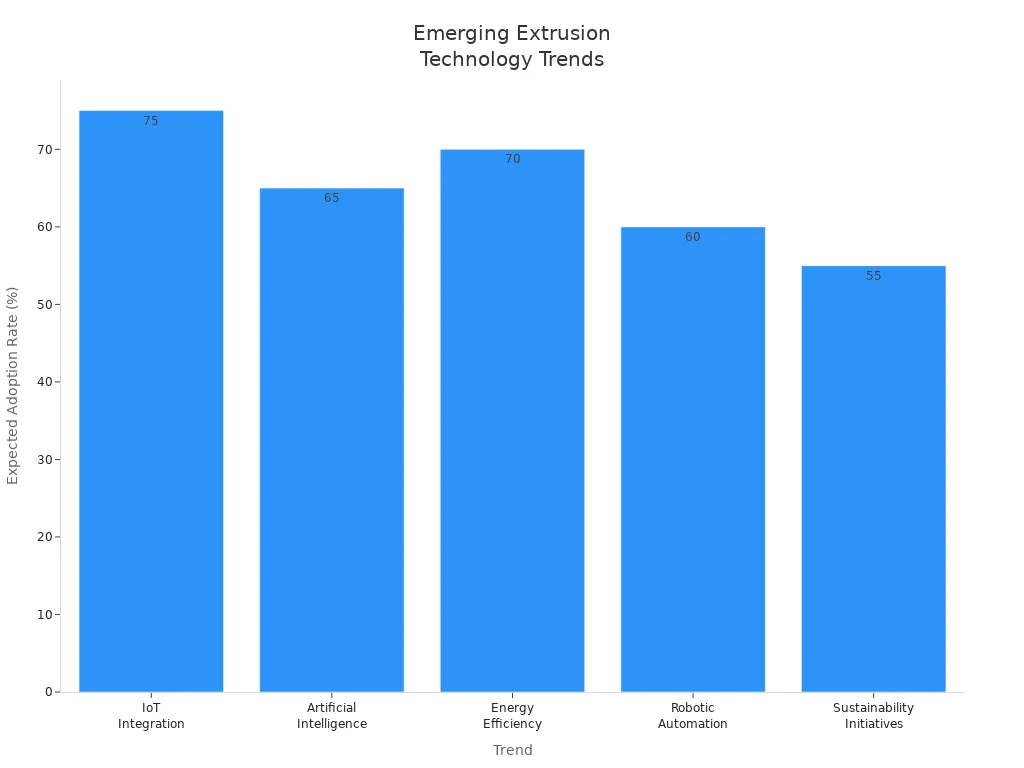
I see rapid changes in extrusion technology shaping the future of manufacturing. IoT integration allows real-time monitoring and analytics, nâng cao hiệu quả. Artificial intelligence supports predictive maintenance and optimization, which boosts performance. Energy efficiency is a growing focus, with manufacturers seeking ways to reduce consumption in the extrusion process. Tự động hóa bằng robot giúp hợp lý hóa việc xử lý vật liệu và kiểm soát chất lượng. Các sáng kiến bền vững thúc đẩy việc sử dụng vật liệu tái chế và quy trình thân thiện với môi trường.
| Xu hướng | Sự miêu tả | Tác động đến hiệu quả | Tỷ lệ chấp nhận dự kiến (%) |
|---|---|---|---|
| Tích hợp IoT | Giám sát và phân tích thời gian thực | Cao | 75% |
| Trí tuệ nhân tạo | Bảo trì và tối ưu hóa dự đoán | Rất cao | 65% |
| Hiệu quả năng lượng | Giảm tiêu thụ năng lượng | Trung bình | 70% |
| Tự động hóa robot | Xử lý vật liệu và kiểm soát chất lượng | Cao | 60% |
| Sáng kiến bền vững | Vật liệu tái chế và quy trình thân thiện với môi trường | Trung bình | 55% |
Tôi nhận thấy những tiến bộ trong khả năng tương thích vật liệu, đặc biệt là nhựa sinh học, đang chuyển đổi ngành công nghiệp đùn. Nhiều nhà sản xuất hiện nay ưu tiên sự linh hoạt trong thiết kế thiết bị, với các hệ thống mô-đun cho phép nâng cấp và sửa đổi dễ dàng. Tính bền vững là điều cần thiết, với hầu hết các nhà sản xuất tập trung vào thiết bị tiết kiệm năng lượng và chiến lược giảm chất thải. Máy ép đùn thông minh giảm thời gian ngừng hoạt động bằng cách 20%, giúp cải thiện hiệu quả tổng thể và kiểm soát chất lượng. Tôi luôn cập nhật những xu hướng này để duy trì hiệu suất cao và hỗ trợ các ứng dụng mới trong ép đùn nhựa.
Mẹo: I recommend reviewing the overview of extruder machines in manufacturing regularly. Staying informed about new types of extrusion machines and screw designs helps me adapt to changing production needs and maintain scalability.
I recognize that each extrusion system offers unique advantages and limitations. My experience shows that single-screw extruders excel in high-volume production, while twin-screw systems provide superior mixing and flexibility. Ram and co-extrusion machines support specialty applications. I always use comparison tables and selection criteria to evaluate:
- Technical capabilities and long-term reliability
- Customer service and design assistance
- Quality standards and energy efficiency
I recommend manufacturers understand their application needs and consult extrusion experts for optimal results.
Câu hỏi thường gặp
What is the main difference between single-screw and twin-screw extruders?
I see that single-screw extruders use one rotating screw for basic mixing. Twin-screw extruders use two screws for advanced mixing and better control. I choose twin-screw systems for complex materials and higher flexibility.
How do I decide which extrusion system fits my application?
I start by reviewing my material type, khối lượng sản xuất, and product complexity. I match these needs to the strengths of each system. I consult with experts if I face unique requirements.
Can I process recycled materials with extrusion systems?
I process recycled materials using twin-screw extruders. These machines handle variable feedstocks and additives better than single-screw systems. I monitor quality closely to ensure consistent results.
Tôi nên thực hiện bảo trì máy đùn của mình bao lâu một lần?
Tôi lên lịch kiểm tra định kỳ hàng tháng. Tôi kiểm tra độ mòn của vít, tình trạng thùng, và kiểm soát hiệu suất hệ thống. Bảo trì thường xuyên ngăn chặn thời gian ngừng hoạt động và kéo dài tuổi thọ thiết bị.
Các lỗi đùn phổ biến nhất mà tôi gặp phải là gì?
Tôi thường thấy bề mặt gồ ghề, trôi dạt chiều, và làm tan chảy các vết nứt. Tôi giải quyết những vấn đề này bằng cách điều chỉnh nhiệt độ, tốc độ vít, và thức ăn nguyên liệu. Tôi sử dụng tính năng giám sát quy trình để phát hiện sớm vấn đề.
Đồng đùn có phù hợp với mọi vật liệu không?
Tôi sử dụng đồng đùn chủ yếu cho nhựa nhiệt dẻo. Một số vật liệu có thể không liên kết tốt trong cấu hình nhiều lớp. Tôi kiểm tra khả năng tương thích của vật liệu trước khi bắt đầu sản xuất.
Tự động hóa cải thiện chất lượng đùn như thế nào?
Tôi dựa vào tự động hóa để theo dõi thời gian thực và kiểm soát chính xác. Hệ thống tự động giảm thiểu lỗi của con người, duy trì sản lượng ổn định, and improve overall product quality.
What safety measures do I follow during extrusion?
I wear protective gear and follow lockout procedures. I keep the work area clean and check emergency stops regularly. I train my team on safe operation and emergency response.