

Te mau rave'a haaparareraa parau e te mau rave'a haaparareraa parau Masterbatch
E pinepine te mau taata hamani tao'a i roto i te ohipa hamaniraa tauihaa masterbatch i te ma'iti i te mau rave'a hamaniraa tauihaa no to ratou aravihi no te horo'a i te mau faahopearaa maitai a'e e te mau mea papû. Ia faaohipa ana'e ratou i te mau tao'a veve e aore râ, te mau tao'a faufaa rahi o te titau i te hoê tata'uraa mǎrû, e ti'aturi ratou i ni'a i te mau matini nene'iraa. I roto i te mau ohipa atoa a te Masterbatch Machine, e mea faufaa roa te maitiraa i te matini. E ohipa oioi te maitiraa tano i nia i te huru o te hamaniraa e te aravihi, mai te mau extruders no teie tau e te mau ravea paturu, e faaafaro i te taheraa o te hamaniraa e e paturu i te hooraa.
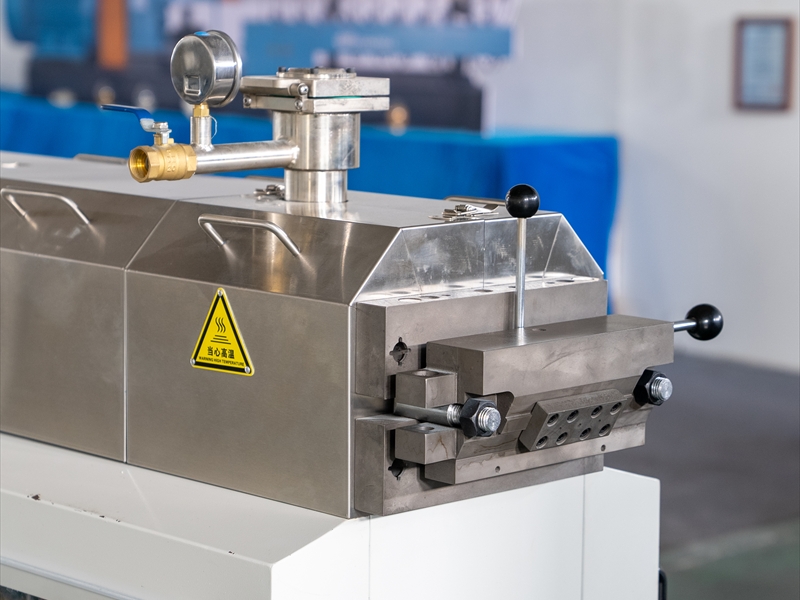
- Te ma'itiraa ti'a i te mau rave'a Te haamaitai nei te reira i te huru o te mau tao'a e te aravihi no te hamaniraa.
-
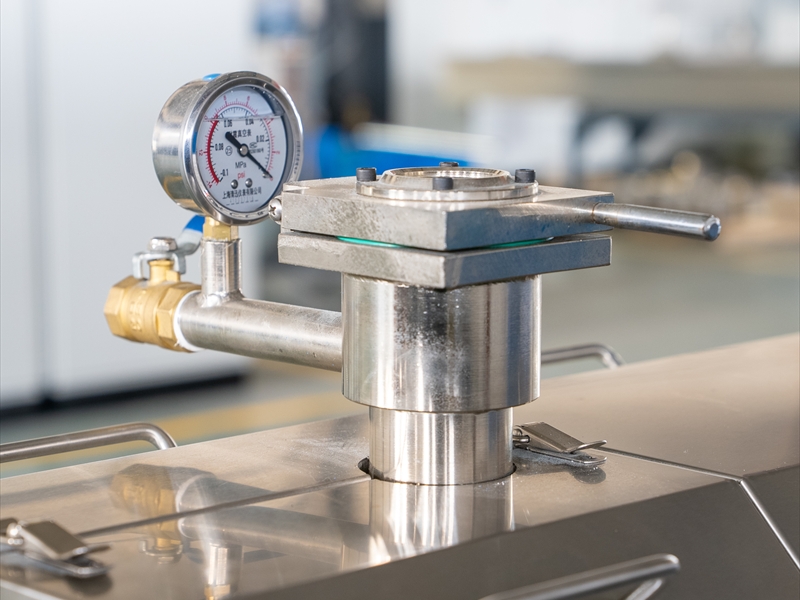
E faaiti te mau matini aravihi i te mau haamâu'araa e te mau arapoa, te haapapûraa i te hoê faahopearaa maitai a'e e te mauruuru o te feia hoo.
- E haapapu te faaauraa i te maitiraa o te mǎshini e te aravihi no te hamaniraa e te mau tao'a tahi i te mau faahopearaa rii.
Te mau rave'a faufaa
- A maiti i te mītini tano no to outou mau hinaaro. E mea maitai roa te mau rave'a haaparareraa parau twin-screw i roto i te anoiraa e te horo'araa, Noa'tu e, e mea maitai roa te mau matini kneader no te mau tao'a papû.
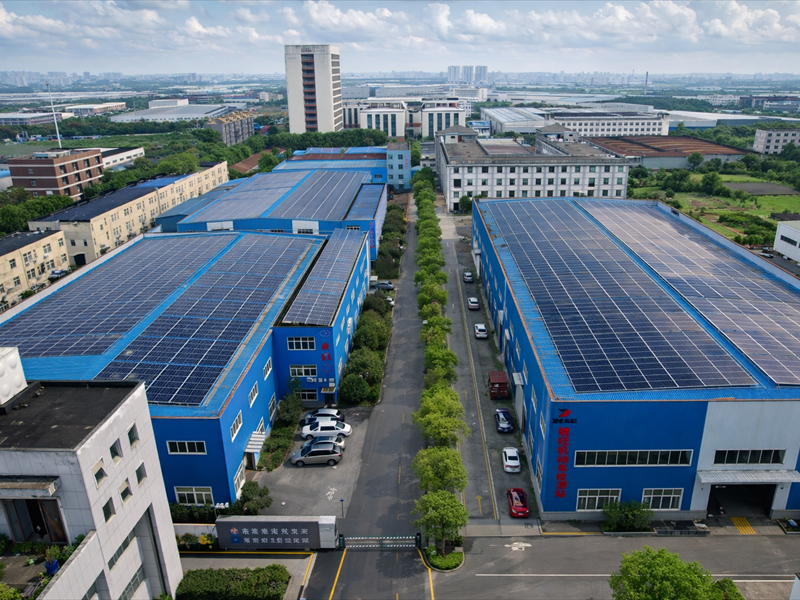
- A tuu i te huru o te hamaniraa i te vahi matamua. E ohipa oioi te ma'itiraa i te mau rave'a aravihi i ni'a i te huru e te aravihi o ta outou masterbatch.
-
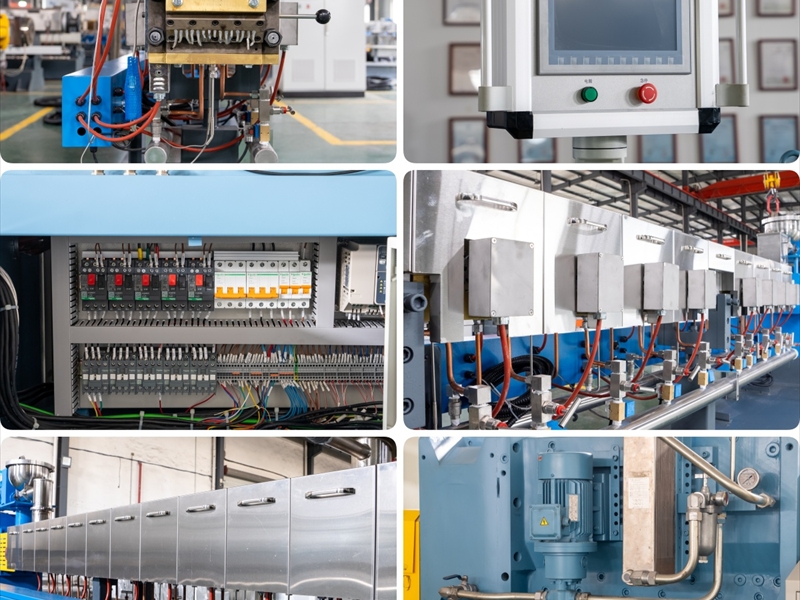
Faarahi i te aravihi na roto i te mau rave'a aravihi. E faaiti te mau rave'a hamaniraa tauihaa e piti i te mau haamau'araa e e haamaitai i te taheraa o te hamaniraa.
- Haapapu i te tu'atiraa o te mau materia. A hi'opoa i te mau hi'opoaraa fifi no te haapapu e e anoi maitai te mau pigments e te mau tao'a tahi no te mau faahopearaa maitai roa ' ' e.
- A faatumu i ni'a i te huru o te parareraa. E arai te mau tao'a maitai roa i te mau hape e e haapapu i te hoê â huru o te mau tao'a hu'ahu'a.
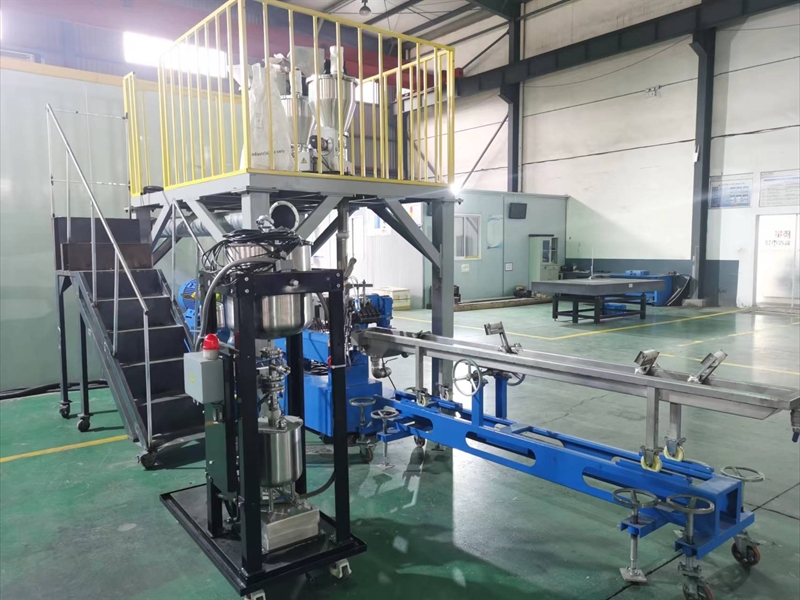
- A hi'opo'a i te mau hinaaro no te tape'araa. E mea titauhia te haapa'oraa rahi a'e i te mau rave'a haaparareraa, area te mau matini kneader ra, te horoa ra ïa i te mau ravea haapaoraa ohie a'e.
-
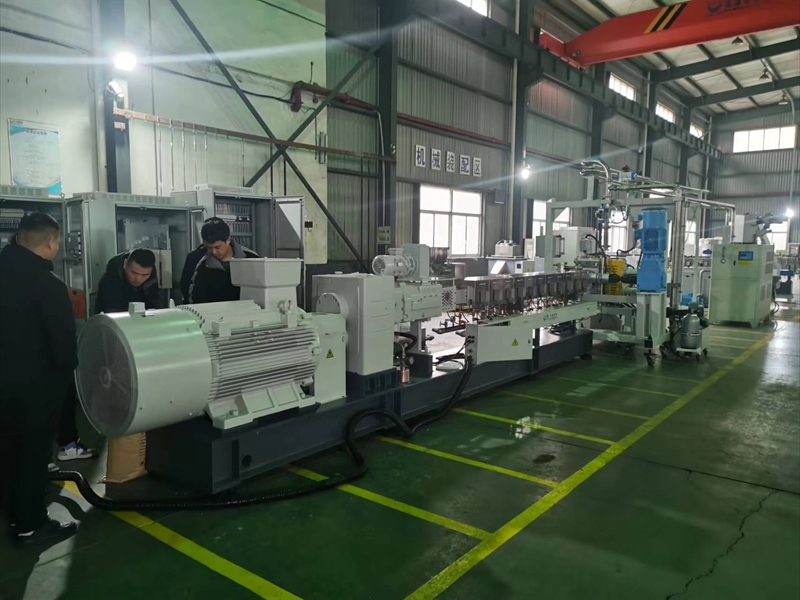
A hi'opoa maite i ta outou moni. E mea rahi a'e te moni no te mau extruders twin-screw, tera râ, e nehenehe to ratou aravihi e mono i te mau haamâu'araa i te roaraa o te taime.
- A faanaho i te faito. Mea ohie roa na te mau rave'a hamaniraa tauihaa e piti i te farii i te mau hinaaro rahi a'e no te hamaniraa, E titau paha te mau matini kneader i te tahi atu mau ravea.
Hi'opo'araa no ni'a i te hamaniraa i te Masterbatch
Eaha te masterbatch
E hamani te hamaniraa tauihaa masterbatch i te mau anoiraa pigment, te mau tao'a, e te mau hu'ahu'a. Teie mau anoiraa, masterbatch, no te faanehenehe aore ra no te haamaitai i te mau huru o te mau tao'a hu'ahu'a. E titau teie ohipa ia faaî i te mau tao'a mata, Te haaputuputuraa ia ratou na roto i te extrusion, e te hamaniraa i te mau pellets no te faaohipa ohie. E faaroo te feia hamani i te masterbatch no te fana'o i te hoê tae hoê â huru, haamaitai i te maoro, e te ha'utiraa taa ê i roto i te mau faaohiparaa plastic. E rave rahi mau tuhaa fenua e turuhia ra e te ohipa hamaniraa tauihaa masterbatch, e tae noa'tu i te mau tao'a, pereoo, e te mau tao'a hoo.
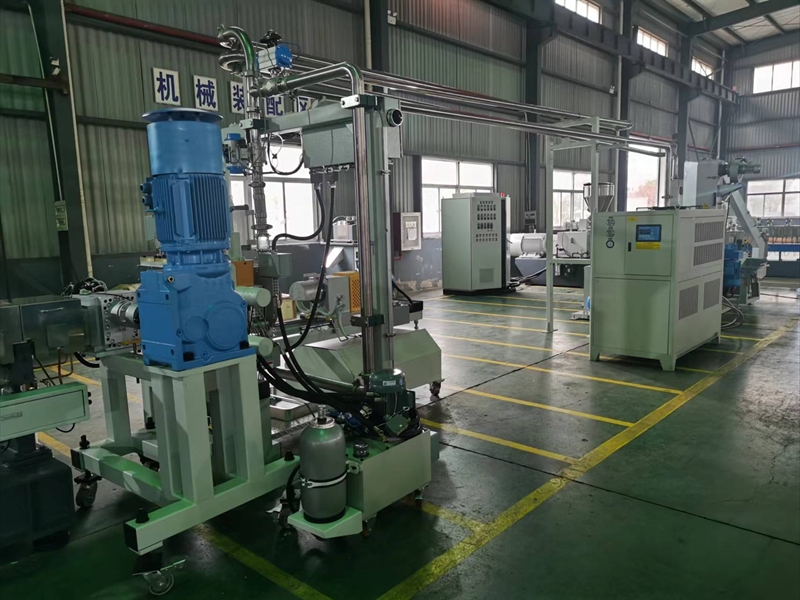
E titau te ohipa hamaniraa masterbatch i te hi'opoaraa ma te aravihi i te mau taahiraa atoa. Te taahiraa tata'itahi, mai te maitiraa i te mau tao'a mata e tae roa ' tu i te tapo'iraa hopea, e ohipa te reira i nia i te huru e te aravihi o te tao'a hope. Te faataa ra te tabula i raro nei i te mau taahiraa faufaa roa e to ratou mau titauraa faufaa rahi:
| Tā'amu | Te mau titauraa faufaa rahi |
|---|---|
| Te ma'itiraa i te mau tao'a mata | A faaohipa i te repo, haumi iti, e te mau tao'a tahi no te hoê huru maitai. |
| Te faitoraa e te anoiraa | Te mau faanahoraa automated no te parau-ti'a; Te mau rave'a ano'i vitiviti no te mau tao'a tahi hoê â huru. |
| Te faaru'eraa e te faanahoraa | No te haaparare rahi i te mau tao'a tahi, te faaohiparaa i te ve'ave'a e te hoê faanahoraa teitei. |
| Te haamâmâraa e te haamauraa i te Pellet | Te toetoe oioi e te tâpûraa i te mau hu'ahu'a i roto i te mau pellets hoê â huru. |
| Te hi'opo'araa fifi i te huru | Multiple quality tests including color uniformity and compatibility checks. |
| Packaging and Timely Delivery | Store in clean, temperature-controlled facilities and focus on on-time delivery. |
Key Production Needs
Dispersion Consistency
Dispersion consistency stands as a core requirement in masterbatch manufacturing. Uniform dispersion of pigments and additives ensures that every plastic product displays the intended color and properties. High-quality compounding prevents the formation of hard lumps or impurities, which can cause defects in the final masterbatch. Manufacturers use advanced mixing and compounding extrusion technologies to achieve excellent dispersion. Consistent dispersion also improves surface finish and reduces production issues, making it essential for reliable masterbatch performance.
Te hooraa
E faito te faito o te masterbatch i hamanihia i roto i te hoê tau taa ê. E turu te mau hu'ahu'a teitei i te hamaniraa rahi e e pahono maitai i te mau hinaaro o te matete. E tia i te huru raveraa ia faaau i te vitiviti e te huru maitai, eita te hamaniraa oioi e haafifi i te parareraa aore ra te hoê â huru. No te faarahi i te faito, te faaohipa nei te mau reni hamaniraa tauihaa no teie tau i te mau faanahoraa automated e te mau rave'a hamaniraa tauihaa teitei. E faaafaro atoa te mau ravea haamâmâraa e te pelletizing i te ohipa, te haapapuraa e e naeahia te mau tapao o te hamaniraa ma te faaino ore i te huru.
Te mau materia
E tuhaa faufaa roa te taairaa o te mau tao'a i roto i te hamaniraa i te mau tao'a masterbatch. Te mau pigments i maitihia, te mau tao'a, e e ti'a i te mau hu'ahu'a ia ano'i maitai i te taime a amuihia'i. E nehenehe te mau tao'a e ore e tano e faatupu i te parareraa ino, Te mau ana'iraa tae, e aore râ, ua faaiti i te ohipa plastic. E hi'opoa te feia hamani i te mau hi'opoaraa etaeta i te huru, e tae noa'tu i te hi'opo'araa i te mau hoho'a e te parareraa, no te haapapû i te tu'atiraa. Maoti teie taahiraa avae, e nehenehe te masterbatch e tomo maitai i roto i te mau faaohiparaa hu'ahu'a e rave rahi, te patururaa i te mau faahopearaa ri'ari'a i roto i te mau hoho'a hamaniraa e rave rahi.
Parau: E faaûruhia te hamaniraa i te mau rave'a hamaniraa tauihaa teitei i ni'a i te hi'opo'araa papu i te mau rave'a, te hoê anoiraa, e te ma'itiraa aravihi i te mau materia. Te haapapu ra teie mau mea e te tuea ra te masterbatch hopea i te mau titauraa a te ohipa tapihooraa no te mau tae, te maoro, e te faaauraa i te huru.
Te mau hu'ahu'a e piti i roto i te mītini Masterbatch
Te mau huru hu'ahu'a
Ua riro te mau rave'a hamaniraa tauihaa e piti ei ivi no te mau rave'a hamaniraa tauihaa no teie tau. Ia faaauhia i te mau hoho'a hi'o hoê, e horoa ratou i te mau tauiraa e te mau faatereraa rahi. Te haapapu ra te tabula i raro nei i te Te mau taa-ê-raa i rotopu i te mau hu'ahu'a hoê e te mau hu'ahu'a, ma te haapapu no te aha te haamauraa mahae e hi'opoa ' i i te hamaniraa masterbatch:
| Ata | Te hoê noa hu'ahu'a | Twin Screw Extruder |
|---|---|---|
| Te aravihi no te anoi | Taotiahia | Te haamaitairaa |
| Te tauiraa | Iho | Teitei |
| Te faatereraa i te taheraa o te mau tao'a | Fa'ata'ere | Teitei |
| Mea maitai roa no te mau rave'a hamaniraa maa fifi | aita | ae |
| Te faaohiparaa i roto i te Masterbatch | Taotiahia | Rahi |
Te tauiraa
Te vai ra i roto i te mau hu'ahu'a e piti o te mau hu'ahu'a o te huti nei i te hoê â e'a. Na teie hoho'a e faarahi i te aravihi no te anoi e no te faaineine. Na roto i te ohipa tauiraa, e itehia te mau tao'a i te hoê anoiraa parare e te tufaraa, e mea faufaa roa no te hamani i te hoê masterbatch maitai roa. E mea au a'e na te feia hamani i teie huru no to ' na aravihi no te faatere i te mau ravea fifi e no te tapea i te hoê faahopearaa au noa.
Te faaôraa i roto i te ohipa vs
E nehenehe te mau hu'ahu'a e piti e faaî aore ra e ore e faaî. Ma te faaohipa i te mau hoho'a, e nehenehe te mau viti e tapo'i, Te faatupu i te hoê huru tamâraa ia'na iho o te faaiti i te haaputuputuraa materia e te haamaitairaa i te tamâraa ia'na iho. E turu teie huru i te ohipa tamau e e faaiti i te taime. E faataa ê te mau huru ore i te mau viti, o te nehenehe e pahono i te mau hinaaro taa ê, tera râ, i te rahiraa o te taime, e ere i te mea ino roa.
Te mau huru o te Twin Screw Extruder
Hoho'a Modular
E faaohipahia te mau hu'ahu'a Nga hu'ahu'a modular. Maoti teie tuhaa, e nehenehe te feia faatere e faataa i te faanahoraa no te mau ravea hamaniraa maa e rave rau. E turu te hoê hoho'a modular i te faahororaa i te ito maitai roa ' ' e e e faati'a i te mau tauiraa oioi i roto i te faanahoraa. E nehenehe te feia hamani e faaau i te faanahoraa o te mau tao'a apî aore ra te mau hinaaro o te mau tao'a ma te ore e faaea rahi.
Te faatereraa i te kutikuti e te faaheporaa
Te faataa ra te faatereraa papu i te kutikuti e te faaheporaa i te aravihi o te mau hu'ahu'a. E nehenehe te feia faatere e taui te vitiviti, ta'iraa, e te anuvera no te haamaitai i te huru raveraa. E haapapu teie faatereraa i te parareraa hoê â huru o te mau pigment e te mau tao'a faaî, e faatupu te reira i te hoê huru masterbatch. E tapea atoa te faanahoraa o te extrusion i te faaheporaa, o te paruru i te mau mea ohie e o te haamaitai i te mau huru o te tao'a hopea.
Te mau maitai
Te anoiraa maitai a'e
E faaora te mau rave'a haaparareraa te hoê anoiraa puai e te tufaraa. Na teie aravihi e haapapu e e anoi maitai te mau pigments e te mau tao'a tahi i roto i te hoê faanahoraa. Te faahopearaa, o te hoê ïa masterbatch e te hoê â tae e te hoho'a.
Te mau faahopearaa teitei
E faatumu te feia hamani i te mau hu'ahu'a e piti no te mau hu'ahu'a rahi. E faaohipa maitai teie mau matini i te mau buka rahi masterbatch, no te faaî i te mau hinaaro o te hamaniraa tauihaa. E turu te hoho'a i te faaamuraa tamau i te mau pigment paura e te mau tao'a faaî, o te faarahi i te hotu.
Te tamâraa ia ' na iho
E horo'a te ohipa i roto i te mau matini roro uira e rave rahi i te hoê faahopearaa no te tamâraa ia'na iho. E faaiti teie huru i te toea materia, e faaiti te reira i te mau atâtaraa o te viivii, and shortens changeover times between different masterbatch formulations.
Tāuru: The advantages of twin screw extruder technology extend beyond mixing. Teie mau matini optimize material utilization and support precise control over every stage of the compounding process.
Te mau ati
Faʻahou
Twin screw extruder systems require a significant initial investment. Manufacturers often face higher upfront costs compared to single screw machines. The advanced engineering and modular design of twin extruders contribute to this expense. Many facilities must also invest in specialized mau mauhaa tauturu to support the twin screw extruder. These costs can challenge small-scale producers or those with limited budgets. I te roaraa o te taime, the efficiency and output of twin screw extruder technology can offset the initial expense, but the barrier to entry remains higher than with simpler machines.
Tāuru
E titauhia te feia aravihi i te pae no te mau ravea aravihi e te ara - maite - raa tamau no te tapea i te mau ravea apî. E ino te mau hu'ahu'a e te mau hu'ahu'a modular i roto i te ohipa tamau. E tia i te feia faatere ia hi'opoa i te huru o te mau viti, mau barela, e te mau tapa'o no te arai i te taime. E tauturu te haapaoraa i faanahohia e te monoraa i te hoê tuhaa ia tapea i te ha'utiraa, tera râ, te faarahi nei ratou i te mau haamâu'araa. E nehenehe te mau putuputuraa fifi i roto i te mau faanahoraa e piti e faarahi i te taime e titauhia no te tamâ e no te tata'i. E nehenehe te mau fare e faaohipa ra i te mau tao'a ino aore ra te mau tao'a tei î roa e ite i te mauiui oioi, E titau te reira i te haamaitai-pinepine-raa.
Parau: Ma te haapao tamau, e horoa mai te mau matini roro uira e piti i te mau hi'opoaraa e nehenehe e tiaturihia e e faaroa i to ratou oraraa. E nehenehe te haapao - ore - raa i te tapearaa e faatupu i te mau huru maitai ore e te mau tapearaa mana'o-ore-hia.
Application of Twin Screw Extruder
Masterbatch tae
Twin screw extruder technology plays a central role in color masterbatch production. The twin screws provide intensive mixing, which ensures pigments disperse evenly throughout the carrier resin. This process creates pellets with uniform color, essential for high-quality plastic products. Manufacturers rely on the twin screw extruder to handle a wide range of pigment types and concentrations. The flexibility of the twin design allows for quick changeovers between different color formulations, supporting diverse customer requirements.
Additive Masterbatch
The application of twin screw extruder systems extends to additive masterbatch manufacturing. These machines blend functional additives—such as UV stabilizers, mau tao'a tamǎrû i te auahi, or antistatic agents—into the polymer matrix. E haapapu te mau hi'o e piti i te parareraa rahi, o te faarahi i te aravihi o te mau tao'a tahi atoa. Eita te anoiraa tamau e tapea i te haaputuputuraa e e haapapu e e horoa te mau hu'ahu'a atoa i te ohipa i mana'ohia. Maoti te hoê hoho'a modular o te mau hu'ahu'a, e nehenehe te mau taata faatere e taui i te huru raveraa no te mau huru tao'a e te mau hopoia taa ê.
Te faataa ra te tabula i raro a'e nei i te mau vahi faufaa roa ' ' e no te mau faanahoraa e piti i roto i te hamaniraa masterbatch:
| Ha'amata'ihia | Tuʻaroʻa |
|---|---|
| Hamaniraa Masterbatch | Haapapu i te parareraa hoê â o te mau pigments e te mau tao'a faaî no te mau tao'a tae e te mau masterbatches ohipa. |
| Masterbatch tae | E horoa te reira i te hoê tuhaaraa taa ê o te mau tae e e turu i te mau tauiraa oioi o te faanahoraa. |
| Additive Masterbatch | E horoa mai te reira i te mau tao'a tahi faufaa no te haamaitai i te mau tao'a hu'ahu'a. |
E rave rahi mau faaohiparaa masterbatch o te turuhia e te mau matini roro uira e piti. Their versatility and control make them the preferred choice for both color and additive masterbatch production. The application of twin screw extruder technology continues to expand as manufacturers seek higher quality and efficiency.
Kneader Machine for Masterbatch Manufacturing
Kneader Machine Types
Kneader machines play a vital role in masterbatch manufacturing, especially when handling high-value or sensitive materials. Several types of kneader machines serve the industry, each designed for specific compounding needs:
- Banbury Mixers: These machines excel at compounding polymers and additives, making them a staple in masterbatch production.
- Dispersion Kneaders: Manufacturers use these for achieving uniform dispersion, which is essential for consistent masterbatch quality.
- Internal Mixers: Laboratories often rely on internal mixers for small-scale research and development. These machines allow precise control over mixing parameters.
- Sigma Blade Kneaders: Designed for high-viscosity materials, sigma blade kneaders ensure thorough mixing and are ideal for challenging compounding tasks.
Kneader machines operate by mixing materials under controlled temperature and shear conditions. This approach ensures uniform dispersion and effective compounding, which are critical for producing high-quality masterbatch.
Features of Kneader Machine
Te anoiraa hohonu
Kneader machines deliver intensive mixing, which enables precise dispersion and blending of pigments, te mau tao'a, and resins. This feature proves especially important in masterbatch manufacturing, where high-fill and high-demand modified materials require uniform distribution. The robust mixing action prevents agglomeration and ensures that every batch of masterbatch meets strict quality standards.
Te aravihi o te ito
Te aravihi o te ito stands out as a key advantage of kneader machines. Their design minimizes energy consumption during compounding, which helps manufacturers reduce operational costs. The machines maintain stable output while processing a wide range of materials, making them suitable for both large-scale and specialty masterbatch manufacturing.
Batch Operation
Kneader machines typically operate in batch mode. This method allows for flexible parameter adjustments, supporting the production of diverse masterbatch formulations. Batch operation also provides stable output, which is crucial for maintaining consistency when processing sensitive or high-value materials. Operators can closely monitor each batch, te haapapuraa e te faaî ra te huru raveraa i te mau titauraa e titauhia.
Te mau maitai
Te anoiraa
E horoa te mau matini Kneader i te hoê anoiraa tano, o te faufaa roa ïa no te hamaniraa i te mau tao'a fifi e aore râ, te mau tao'a taa ê. Te mau matini’ no te faatupu i te hoê parareraa hoê â huru, e nehenehe te mau pigments e te mau tao'a faaî e amui atu i roto i te hu'ahu'a. E turu teie tano i te hamaniraa i te masterbatch e te hoê tae e te hoho'a.
Te faaohiparaa i te ito iti
Te haafaufaa nei te feia hamani i te mau ravea hamaniraa tauihaa no te mea e mea iti a'e te ito e faaohipahia ra ia faaauhia i te tahi atu mau ravea hamaniraa tauihaa. E faaiti te hoê opuaraa maitai i te veavea e e faaiti i te ino o te mau tao'a, o te faaitoito i te mau rave'a masterbatch no te ve'ave'a. Te tauturu atoa ra te faaohiparaa iti a'e i te ito i te hoê huru hamaniraa tauihaa tamau a'e.
Te puai
Te faaite ra te mau matini Kneader i te hoê puai faahiahia mau. E faaoromai to ratou paturaa i te mau hinaaro o te mau ravea rahi, noa ' tu e ua faaapîhia te mau tao'a abrasive aore ra te mau tao'a tei î roa. Na teie vai - maitai - raa e haapapu i te hoê faaohiparaa tiaturihia e e faaroa i te oraraa o te mau ravea, Te faariroraa i te mau matini kneader ei tuuraa moni maitai no te mau fare hamaniraa tauihaa.
Parau: E faaohipa te mau matini Kneader i te hoê anoiraa rahi, te aravihi o te ito, e te hoê paturaa puai, no te faariro ia ratou ei mea maitai roa no te hamaniraa i te mau tao'a masterbatch o te titau i te hoê faanahoraa papû e te hoê faahopearaa papû.
Te mau ati
Te mau rave'a i raro
E ohipa te mau matini Kneader i roto i te huru batch, o te haafifi i to ratou aravihi ia faaauhia i te mau faanahoraa tamau. E ti'a i te mau rave ohipa ia faauta, ano'i, e a faaore i te mau pǔpǔ atoa hou a haamata ' i i te huriraa i muri iho. E taoti'a teie huru raveraa i te rahiraa masterbatch i hamanihia i roto i te hoê tau i faataahia. I roto e rave rahi tupuraa, aita te mau ravea hamaniraa tauihaa e au i te mau fare hamaniraa tauihaa rahi no te mau fare hamaniraa tauihaa rahi. E faarahi atoa te ohipa a te pǔpǔ i te taime i rotopu i te mau huriraa, o te nehenehe e haamǎta'u i te aravihi taatoa. E nehenehe te feia hamani tao'a o te haamau i te vitiviti e te rahi o te mau tao'a i mua roa, e maiti i te mau ravea no to ratou aravihi no te horoa i te mau faahopearaa tamau ma te faaea ore.
Te mau tauiraa iti
Ia farii ana'e te mau matini Kneader i te mau ravea apî aore ra te mau tauiraa oioi o te mau tao'a, e iti mai te mau ravea apî. E titau te faanahoraa o te pǔpǔ i te mau tauiraa manual no te mau rave'a hamaniraa maa atoa, o te faaiti i te pahonoraa i te mau hinaaro o te matete. E tia i te feia faatere ia tamâ e ia faaineine i te ravea i rotopu i te mau pǔpǔ, ia taui iho â râ i rotopu i te mau tao'a e rave rau. No teie taatiraa, e ere te mau ravea apî i te mea tano roa no te mau fare o te faaruru i te mau tauiraa pinepine i roto i te hamaniraa i te masterbatch. E tano teie hoho'a no te mau vahi hamaniraa tauihaa, tera râ, e faatupu te reira i te mau fifi no te feia hamani tao'a o te imi ra i te mau ravea rahi i roto i ta ratou mau faaohiparaa.
Parau: E mea maitai roa te mau matini Kneader i roto i te hoê anoiraa maitai e te faaohiparaa i te ito, tera râ, e nehenehe to ratou faito ha'iha'i roa e to ratou tauiraa iti e haafifi i to ratou faaohiparaa i roto i te mau faanahoraa hamaniraa tauihaa vitiviti e aore râ, tauiui roa.
Te mau faaohiparaa matauhia
Masterbatch tei î roa
E faaite te mau matini Kneader i te hoê ha'utiraa faahiahia roa i roto i te hamaniraa masterbatch tei î roa. E faaohipa teie mau matini Te hopoi'araa teitei mau faito, i te rahiraa o te taime 85% te mau mea e faaî. Na roto i te ohipa anoiraa rahi, e nehenehe te mau tao'a tahi fifi ia haaparare e tomo maitai i roto i te hu'ahu'a. E maiti te feia hamani i te mau matini roro uira no te faaî i te masterbatch no te mea e parare hoê â te reira e e arai i te haaputuputuraa, noa ' tu te mau tao'a fifi. Te haapapu ra te tabula i raro nei i te huru faaohiparaa matamua e to ' na mau huru:
| Momo tono | Ā'ora'a |
|---|---|
| Filler Masterbatch Compounding | Ultra-High Loading, >85% filling levels, difficult-to-disperse additives |
This application requires robust mixing and stable output, which kneader machines provide. Operators achieve consistent quality in batches with high filler content, supporting demanding industrial requirements.
Rubber Compounds
Rubber compound production represents another key application for kneader machines. The equipment processes elastomers, te mau faaî, and additives under controlled temperature and shear conditions. Kneader machines deliver uniform dispersion, which enhances the physical properties of rubber products. Manufacturers rely on kneader machines for their ability to handle viscous materials and maintain batch-to-batch consistency. The process supports specialty rubber applications, including automotive parts, mau tapa'o, e te mau tuhaa ohipa.
Tāuru: Facilities that produce highly filled masterbatch or rubber compounds benefit from the kneader machine’s robust mixing and stable batch operation. These applications demand precision and reliability, which kneader machines consistently deliver.
Te taa-ê-raa i rotopu i te hoê e te hoê
Te huru maitai
Te huru anoiraa stands as a critical factor in masterbatch manufacturing. The single screw extruder provides mainly distributive mixing. This means it spreads materials but does not break down agglomerates as effectively. Twin screw extruders deliver both dispersive and distributive mixing. They can break down pigment clusters and distribute additives evenly. This capability results in a more homogeneous masterbatch, which is essential for high-performance applications.
The table below highlights the main differences in te aravihi no te anoi:
| Ata | Te hoê noa hu'ahu'a | Twin Screw Extruder |
|---|---|---|
| Te aravihi no te anoi | Iho (mainly distributive) | Teitei (Te purara & Distributive) |
Manufacturers often choose twin screw extruders for compounding tasks that require intensive mixing, such as blending glass fibers, mau tao'a tamǎrû i te auahi, or pigments into resins. The single screw extruder works best for simpler formulations where basic mixing suffices.
Tāuru: For masterbatch products that demand uniform color and additive distribution, twin screw extruders offer a clear advantage.
Te hooraa
Throughput measures how much material a machine can process in a given time. The single screw extruder excels in continuous, straightforward processes. It handles large volumes efficiently when the formulation does not require complex mixing. Te mau hu'ahu'a, i te tahi a'e pae, provide superior throughput for complex masterbatch production. Their design supports excellent material conveying, te anoiraa, and shear dispersion.
The following table compares throughput capabilities:
| Te huru o te Extruder | Throughput Capability |
|---|---|
| Screw hoê | More efficient for simpler, continuous processes |
| Te mau hi'o Twin | Te anoiraa maitai a'e, ideal for complex masterbatch tasks |
- Hoê noa hi'o: Best for high-volume, simple recipes.
- Te mau hi'o: Preferred for high-intensity mixing and advanced formulations.
Production lines that require both speed and advanced mixing often rely on twin screw extruders. Facilities focused on basic compounding may select the single screw extruder for its efficiency.
Te faito o te faaohiparaa
The application scope defines where each machine performs best. The single screw extruder suits basic plastic processing, mai te hamaniraa i te mau paipa, hoho'a teata, or simple compounds. It offers reliability for straightforward tasks. Te mau hu'ahu'a handle a broader range of applications. They excel in masterbatch production, especially when recipes involve multiple additives or require precise dispersion.
Key application areas include:
- Hoê noa hi'o: Used for continuous processes with minimal mixing needs.
- Te mau hi'o: Essential for masterbatch, compounding with glass fibers, nga pigment, e aore râ, te mau tao'a haafifi i te auahi.
The difference between single and twin screw extruder technology shapes the choice for manufacturers. Those who need advanced mixing and flexibility select twin screw extruders. Those who prioritize simplicity and volume often choose the single screw extruder.
Parau: Selecting the right extruder depends on the complexity of the formulation, desired throughput, and end-use requirements.
Masterbatch Machine Comparison
Hōʻailona
Performance defines the core value of any te mǎshini masterbatch. Twin-screw extruders set the industry standard for high-performance compounding. These machines handle complex recipes with ease. Operators can adjust process parameters quickly, which supports consistent output. The twin design ensures stable feeding and precise temperature control. This leads to reliable production of masterbatch with uniform properties.
Kneader machines excel in specific scenarios. They deliver outstanding results when processing highly filled or sensitive materials. Their robust construction allows them to withstand demanding conditions. Āre'a, batch operation limits their overall speed. Facilities that require continuous, high-volume production often prefer the twin screw extruder for its superior performance.
Single screw extruder systems offer reliable performance for basic tasks. They suit straightforward masterbatch formulations. These machines do not match the advanced capabilities of twin-screw extruders or kneader machines in complex compounding.
Parau: Selecting the right masterbatch machine depends on the desired balance between speed, matamata'i, and material requirements.
Te huru maitai
Mixing quality remains a critical factor in masterbatch manufacturing. Twin-screw extruders provide both dispersive and distributive mixing. This means they break down pigment clusters and distribute additives evenly. The result is a homogeneous masterbatch with consistent color and performance. Operators can fine-tune the extrusion system to match the needs of each recipe.
Kneader machines also deliver high mixing quality, especially for challenging materials. Their intensive mixing action ensures thorough dispersion. This proves essential for highly filled masterbatch or rubber compounds. Āre'a, batch operation can introduce slight variations between cycles.
Single screw extruder machines offer basic distributive mixing. They work well for simple formulations but struggle with complex recipes. These machines cannot achieve the same level of pigment dispersion as twin-screw extruders or kneader machines.
The table below summarizes mixing quality across different masterbatch machine types:
| Momo mītini | Te huru maitai | Te faaohiparaa maitai roa a'e |
|---|---|---|
| Te mau hu'ahu'a | Tauraa (Te purara & Distributive) | Complex masterbatch, Tae, te mau tao'a |
| Kneader machines | Teitei (Intensive) | Highly filled, sensitive materials |
| Hoê noa hi'o | Matamua (Distributive) | Simple masterbatch |
Te tauiraa
Flexibility determines how well a masterbatch machine adapts to changing production needs. Te mau hi'o systems stand out for their versatility. They allow operators to modify screw configurations, adjust shear levels, and control residence time. This adaptability supports a wide range of masterbatch formulations. Manufacturers can switch between recipes with minimal downtime. Te strong mixing capabilities of twin-screw extruders enhance flexibility, making them essential for consistent color quality and efficient production.
Kneader machines offer moderate flexibility. They handle various materials and filler levels but require manual adjustments between batches. This process can slow response to new market demands. Batch operation also limits the speed of recipe changes.
Single screw extruder machines provide the least flexibility. They suit stable, high-volume production of simple masterbatch. These machines do not support rapid changes in formulation or advanced compounding tasks.
Tāuru: Facilities that produce multiple masterbatch types benefit from the flexibility of twin screw extruder technology. This advantage supports innovation and quick adaptation to customer needs.
Te hooraa
Throughput measures the volume of material processed by a masterbatch machine within a set period. Twin screw extruders deliver high throughput, supporting large-scale production environments. Operators can achieve output rates from 30 kilograms per hour up to 4000 kilo i te hora. This capacity enables manufacturers to meet demanding schedules and maintain consistent supply. Kneader machines operate at lower throughput levels, with maximum output reaching up to 1000 kilo i te hora. Batch operation limits their speed, making them suitable for specialty or high-value masterbatch production.
The table below compares throughput capacity:
| Te huru o te mau rave'a | Te aravihi no te faahopearaa |
|---|---|
| Twin Screw Extruder | 30kg/h to 4000kg/h |
| Kneader Machine | Up to 1000kg/h |
Twin screw extruders dominate high-volume masterbatch manufacturing. Kneader machines excel in applications where precision and material sensitivity outweigh speed.
Tāuru
Maintenance requirements differ significantly between twin screw extruders and kneader machines. Twin screw extruders demand regular attention due to their complex design and high operational loads. Operators must monitor screw wear, gearbox integrity, e te mau tapa'o. After-sales service contracts typically cost i roto 2% e 5% of the machine’s value i te mau matahiti atoa. No te hoê $200,000 te, annual maintenance expenses range from $4,000 a $10,000. Spare parts add to the cost, with screw sets priced from $15,000 a $25,000 and gearbox replacements costing $30,000 a $50,000. Preventive maintenance extends the interval between major overhauls from five years to seven years, reducing long-term expenses.
- Twin screw extruders require frequent inspections and specialized technicians.
- Kneader machines feature robust construction and simpler maintenance routines.
- Preventive maintenance increases reliability and reduces downtime for both machine types.
Facilities that operate twin screw extruders must budget for higher maintenance costs and plan for regular service intervals. Kneader machines offer easier upkeep, making them attractive for smaller operations or specialty production.
Faʻahou
Cost plays a decisive role in masterbatch machine selection. Twin screw extruders involve substantial initial investment. Manufacturers pay for advanced engineering, modular components, and auxiliary equipment. Ongoing maintenance and spare parts further increase operational expenses. Kneader machines present lower upfront costs and reduced maintenance requirements. Their batch operation suits facilities with limited budgets or those focused on specialty masterbatch production.
Operators must weigh the benefits of high throughput and flexibility against the financial commitment required for twin screw extruders. Kneader machines provide a cost-effective solution for precision mixing and stable output, especially in applications where speed is not the primary concern.
Tāuru: Careful cost analysis ensures that manufacturers select the masterbatch machine best suited to their production goals and financial resources.
Te faito
Scalability determines how well a masterbatch machine supports growth and adapts to increased production demands. Manufacturers often evaluate scalability when planning for expansion or responding to market changes. Twin screw extruders and kneader machines offer distinct advantages and limitations in this area.
Twin Screw Extruder Scalability
Twin screw extruders excel in scalable production environments. Operators can increase output by upgrading screw diameter, Raʻa, or motor power. Modular design allows for easy expansion and customization. Facilities can add auxiliary equipment, such as feeders or pelletizers, to boost capacity. Manufacturers often choose twin screw extruders for their ability to handle both small and large batch sizes without sacrificing quality.
- Modular configuration supports rapid adaptation.
- Upgrades enable higher throughput and advanced formulations.
- Integration with automated systems streamlines scaling.
Kneader Machine Scalability
Kneader machines present challenges in scalability. Batch operation limits continuous output. Operators must process each batch separately, which restricts overall capacity. Scaling up often requires purchasing additional machines rather than expanding a single unit. This approach increases floor space and operational complexity. Kneader machines suit specialty production where precision matters more than volume.
- Batch processing restricts seamless scaling.
- Expansion involves adding more units, not upgrading existing ones.
- Best suited for stable, low-to-medium volume production.
Parau: Facilities planning for rapid growth or fluctuating demand benefit from the scalable design of twin screw extruders. Kneader machines fit environments with consistent, specialty production needs.
Scalability Comparison Table
| Momo mītini | Scalability Features | Expansion Method | Ideal Production Scale |
|---|---|---|---|
| Twin Screw Extruder | Modular, upgradeable, automation-ready | System upgrades, add-ons | Small to large-scale |
| Kneader Machine | Taotiahia, batch-based | Additional machines | Taa ê, low-to-medium |
Manufacturers seeking flexible, high-volume production often select twin screw extruders. Kneader machines remain valuable for niche applications where batch consistency and precision outweigh the need for rapid scaling.
Tāuru: Evaluate future production goals before investing in masterbatch machinery. Twin screw extruders offer a pathway to growth, while kneader machines deliver reliability for specialized operations.
Choosing the Right Masterbatch Machine
Te mau tumu no te faaotiraa
Selecting the optimal masterbatch machine requires careful evaluation of several core factors. Each facility must align its equipment with operational goals and material demands.
Buka hamaniraa
Production volume determines the scale and speed of manufacturing. Facilities with high production capacity need machines that can sustain continuous output. Te mau hu'ahu'a excel in large-scale environments. They process significant quantities of masterbatch without frequent interruptions. Kneader machines suit smaller batches or specialty runs. Operators should match machine throughput to their target production levels.
Momo tao'a
Material type influences machine selection. Some masterbatch recipes use wood, bamboo, or straw fibers. Others require advanced additives for mechanics, degradability, or unique functionality. Twin screw extruders handle a wide range of plastic resins and complex formulations. Kneader machines perform well with sensitive or high-value materials. The choice depends on the compatibility of the machine with the raw materials and the desired properties of the final product.
Te mau titauraa no te huru
Quality requirements shape the compounding process. Manufacturers producing masterbatch for high-performance plastic applications must ensure uniform dispersion and color consistency. Twin screw extruders deliver superior mixing and precise control. Kneader machines provide intensive blending for highly filled or specialty masterbatch. Facilities should assess the level of quality needed for their end-use products.
Moni here
Budget remains a decisive factor in equipment investment. Twin screw extruders require higher initial costs and ongoing maintenance. Kneader machines offer a lower entry point and reduced upkeep. Financial planning must consider both upfront expenses and long-term operational costs. The final decision should balance production goals with available resources.
Tāuru: The selection process involves more than just machine specifications. Operators must consider the type of fiber, desired masterbatch performance, and financial constraints to make the best choice.
Twin screw extruders deliver high throughput and superior mixing, making them ideal for complex, large-scale masterbatch production. Kneader machines excel with sensitive or highly filled materials, offering precision and energy efficiency. Aligning machine choice with production goals and te mau tao'a materia ensures consistent quality, smooth processing, and fewer defects. Manufacturers who match machine capabilities with resin and polymer systems achieve better surface finish, stable output, and long-term success in masterbatch manufacturing.
FAQ
What is the main advantage of a twin-screw extruder in masterbatch production?
Te mau hu'ahu'a provide superior mixing and high throughput. They handle complex formulations with ease. Manufacturers rely on them for consistent quality and efficient large-scale production.
When should a manufacturer choose a kneader machine?
A manufacturer should select a kneader machine for highly filled, sensitive, or specialty materials. Kneader machines offer precise mixing and energy efficiency, making them ideal for demanding or small-batch applications.
How does maintenance differ between twin-screw extruders and kneader machines?
Twin-screw extruders require frequent inspections and specialized technicians. Kneader machines have simpler maintenance routines and robust construction. Facilities with limited technical staff often prefer kneader machines for easier upkeep.
Can a single-screw extruder produce masterbatch?
A single-screw extruder can produce simple masterbatch formulations. It cannot achieve the same mixing quality or flexibility as twin-screw extruders. Manufacturers use single-screw machines for basic, high-volume tasks.
What factors affect the cost of a masterbatch machine?
Machine size, faito automation, and auxiliary equipment impact cost. Twin-screw extruders have higher initial and maintenance expenses. Kneader machines offer lower entry costs but may require more units for scaling.
Which machine offers better scalability for growing production needs?
Te mau hu'ahu'a horo'a i te mau haamaitairaa modular e te mau maitiraa automation. E mea ohie roa ia faarahi i te faahopearaa. E mea titauhia te tahi atu mau ravea no te faarahi i te mau matini Kneader, o te faarahi i te fifi o te ohipa.
E mea tano anei te mau matini kneader no te hamani i te mau hoho'a masterbatch?
E nehenehe te mau matini Kneader e hamani i te mau hoho'a tae, no te mau pŭpŭ teitei ihoa râ e aore râ, no te mau pŭpŭ taa ê. E vai noa te mau rave'a haaparareraa parau ei ma'itiraa maitai a'e no te mau hoho'a teitei, te hamaniraa i te masterbatch tae.