

Te hi'opo'araa i te ohipa e te faaohiparaa i te mau rave'a haaparareraa
TE te mau hi'o e faaohipa e piti tipi no te anoi, fa'atoro, e te faaohiparaa maitai i te mau tao'a. Ia faaauhia i te mau extruders hoê-screw, e farii outou i te hoê anoiraa maitai a'e e te hoê faito hamaniraa. E faaohipa te feia hamani i teie ravea aravihi no te hamani i te mau hu'ahu'a e te paura. Fatata te mau fare hamaniraa tauihaa polymer e te mau hu'ahu'a 40% o te matete o te ao nei, e te hinaaro tei faaûruhia e te mau tao'a, pereoo, e te mau faaohiparaa i te maa. No te tupuraa oioi o te ohipa tapihooraa tauihaa, te arata'i nei o Asia e Pacific i te matete.
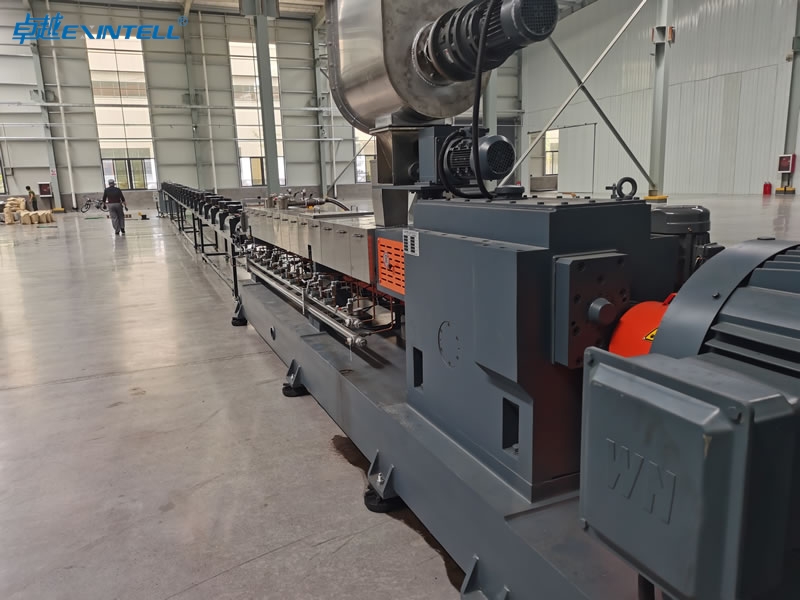
Te mau rave'a faufaa
-
Te mau hu'ahu'a A faaohipa e piti tipi no te anoi e no te faaapî maitai i te mau tao'a, e faatupu te reira i te hoê anoiraa maitai a'e e te faito hamaniraa teitei.
-
E mea maitai roa teie mau matini no te faaohipa i te mau tao'a e rave rahi, e tae noa'tu i te mau hu'ahu'a e te mau paura, ma te faaohipa i te reira no te mau taiete e rave rahi.
-
Maoti te hoê hoho'a o te mau hu'ahu'a e piti, e nehenehe e faatere maitai i te anuvera, Pouhōʻā, e te anoiraa, te haapapûraa i te huru o te mau tao'a.
-
No te faaafaro i te huru no te mau tao'a e rave rahi, e nehenehe ta outou e faataa i te hoho'a o te hi'o, Te haamaitairaa i te huru o te hamaniraa.
-
E mea maitai roa te mau hu'ahu'a e piti no te mau faanahoraa fifi, a haapapû ai ratou i te parareraa o te mau tao'a faaî e te mau tao'a faaî i roto i te mau materia.
-
E turu teie mau matini i te mau ohipa tamau na roto i te faaohiparaa maitai mau tao'a faaohipa-faahou-hia e te faaitiraa i te mau hu'ahu'a i roto i te hamaniraa tauihaa.
-
Me te mau aravihi teitei, Te tauturu nei te mau matini roro uira e piti i te feia hamani ia faaî i te mau faanahoraa hamaniraa tauihaa fifi ma te faarue ore i te huru.
-
E mea faufaa roa te haapaoraa e te hi'opoaraa tamau no te tapea i te mau ravea haapurororaa e piti ia tere maitai e no te arai i te mau fifi i te pae no te faaohiparaa.
Eaha te hoê rave'a haaparareraa
Te auraa e te mau tuhaa rahi
Ua riro te hoê matini hi'o e piti ei ravea puai no te tata'i e no te faahoho'a i te mau huru tao'a atoa. E faaohipa outou i te reira no te anoi, fa'atoro, e te taui i te mau hu'ahu'a, paura, e te tahi atu mau tao'a ei mau tao'a hope. E piti hi'o parallel o te huti ra i roto i te hoê farii, o te faatupu i te mau faahopearaa puai no te kutikuti e no te tunu. Na teie faanahoraa e haapapu atoa i te parareraa o te mau tao'a faaî e te mau tao'a faaî, no te faariro i te reira ei mea maitai roa no te mau faanahoraa fifi.
Te mau hu'ahu'a e te mau
Te faaroo ra outou i te mau hi'o e te farii no te faatere i te ohipa tumu o te mau hi'o e piti. E haere te mau viti i mua e e tata'i i te mau tao'a, te faatupu i te puai kutikuti e te hoê ati o te re'are'a e o te anoi i te tao'a. Te vai ra i roto i te farii te mau viti e te vai ra te mau vahi faahanahana e te mau vahi faaanaanataeraa e titauhia. Te haapapu ra te mau ravea anoiraa maitai a'e i te parareraa hoê â huru o te mau tao'a faaî e te mau tao'a faaî. E nehenehe ta outou e faaafaro i te anoiraa na roto i te maitiraa i te mau hu'ahu'a e rave rahi no te mau vahi kutikuti. E haamaitai te mau hoho'a huru rau i te taheraa o te mau tao'a e e faati'a ia outou ia faatere i te kutikuti ia au i te mau huru o te mau tao'a.
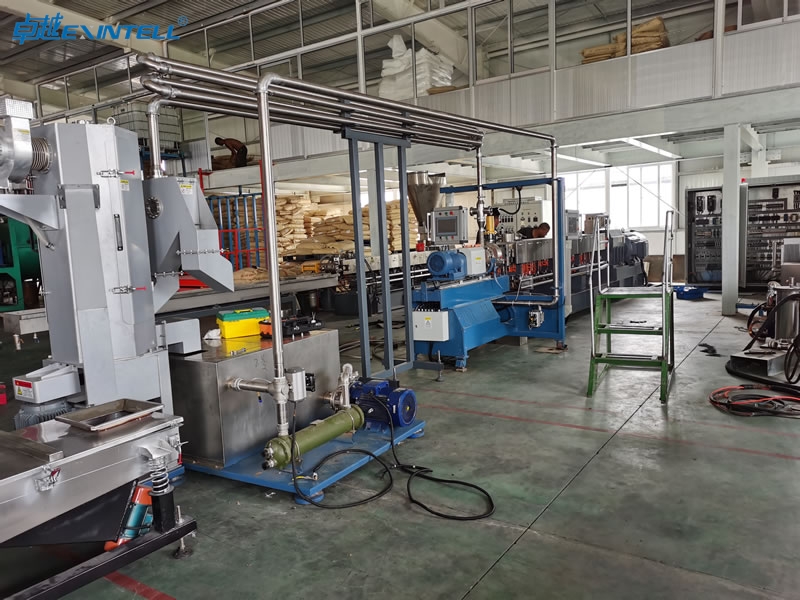
No to ratou mau hu'ahu'a, e mea maitai roa te mau hu'ahu'a e piti i roto i te anoiraa, o te faatupu i te mau faahopearaa puai no te kutikuti e te tunu, te haapapuraa i te parareraa atoa o te mau tao'a faaî e te mau tao'a faaî.
-
E nehenehe outou e faatere maitai i te faito o te maa e te devolatilization, te faariroraa i te ravea no te mau tao'a e mau hu'ahu'a ino to ratou.
-
I roto i te mau polymers haapuaihia, e itehia te hoê tuhaaraa o te mau hu'ahu'a e te mau taairaa matrix.
-
Ma te faaohipa i te mau ravea apî, e tauturu te reira ia outou ia tapea i te anuvera e ia haapao i te kutikuti i roto i te mau pahonoraa chemical.
Te mau rave'a faahororaa e te mau faatereraa
E faaitoito te faanahoraa faahoro i te mau viti e e haapao i to ratou vitiviti. E faaohipa outou i te mau faatereraa aravihi no te hi'opoa e no te taui i te mau tao'a mai te faito tamaaraa, te vitiviti, mā'i'i, e te faaheporaa. E haapapu teie faito faatereraa i te hoê ohipa maitai e te huru o te mau tao'a. No to ratou hoho'a modular, e horoa mai te mau hu'ahu'a e piti i te mau tauiraa rahi a'e. No te faaafaro i te mau ohipa taa ê, e nehenehe ta outou e taui i te haamauraa o te hi'o. Maoti te faanahoraa faatere, e nehenehe outou e faaohipa i te mau tao'a papû e e tapea i te anuvera i roto i te mau vahi e rave rau.
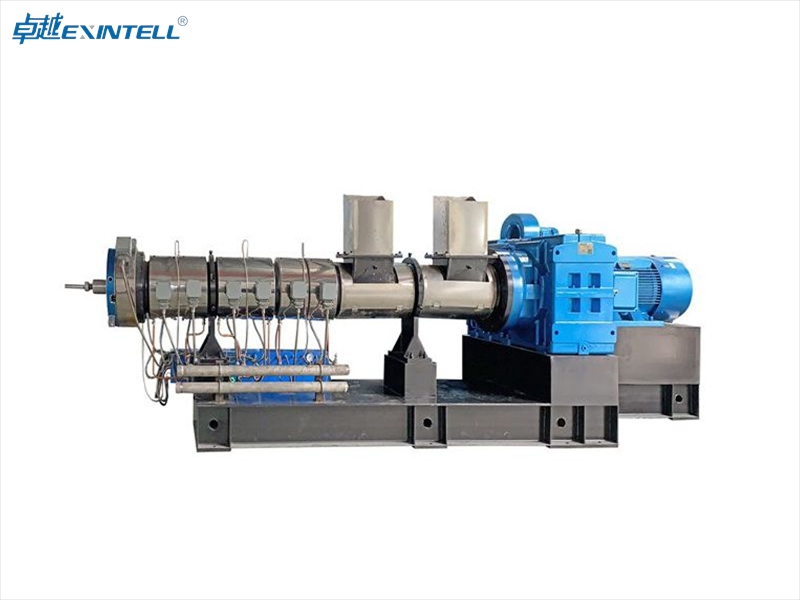
|
Tau |
|
|---|---|
|
Faanahoraa tamaaraa |
E tuu i te mau pellets hu'ahu'a aore ra te pau i roto i te mau vahi no te faaapî. |
|
Te mau vahi hi'opo'araa |
Te faarahi nei e te haafifi i te mau tao'a mata ahu, te faatupu i te puai kutikuti e te friction no te re'are'a. |
|
Te faanahoraa no te faaamǎrû |
E horoa te reira i te ito veavea no te faarehu i te mau tao'a mata hu'ahu'a ei tao'a hu'ahu'a. |
|
Te rave'a no te faaru'eraa |
E hamani i te hu'ahu'a rehu i roto i te tuhaa satauro e te roaraa e hinaarohia na roto i te hu'ahu'a. |
|
Faanahoraa faatere |
E hi'opo'a e e taui i te mau taahiraa mai te faaamuraa, te vitiviti, mā'i'i, e te faaheporaa ia vai maitai. |
Faaauraa i te hoê hi'o Extruder
E ite outou i te mau taa - ê - raa maramarama ia faaau ana'e outou i te mau hu'ahu'a e piti i te mau hu'ahu'a hoê. E faaora te mau hu'ahu'a te aravihi rahi a'e e te faatereraa papu i te anuvera. E nehenehe ta outou e faaohipa i te mau huru materia atoa, e tae noa'tu i te mau paura e te mau pape, e mea pinepine te mau extruders i te aro e. Maoti te hoho'a modular, e nehenehe ta outou e faataa i te matini no te mau faaohiparaa taa ê, Noa'tu e, e mea ohie a'e e e mea iti a'e te mau rave'a haaparareraa.
|
Ata |
Te mau hu'ahu'a |
Hoê mau hu'ahu'a |
|---|---|---|
|
Te mau aravihi no te anoi |
Te aravihi rahi a'e, mea maitai roa no te mau faanahoraa fifi |
Te anoiraa iti, i roto i te mau faaohiparaa teitei |
|
Te faatereraa i te anuvera |
Te faatereraa papû i roto i te mau tuhaa fenua e rave rahi |
Mea iti a'e te faatereraa, e nehenehe e faatupu i te veavea taa ê |
|
Te mau aravihi no te faaamu |
E faaohipa oia i te mau tao'a huru rau, e tae noa'tu i te mau paura e te mau pape |
Te mau aroraa e te mau paura e te mau tao'a iti |
|
Te tauiraa |
E faati'a te hoê hoho'a modular i te faaauraa |
Hoho'a ohie a'e, iti a'e te tauiraa |
|
Te faaohiparaa i te mau materia |
Faaiti i te atâtaraa ia ino, e mea tano no te mau tao'a veve |
E nehenehe e faatupu i te kutikuti rahi roa, te faatupu i te ino |
E mea maitai roa te mau matini hi'opo'araa e piti i roto i te mau rave'a ha'utiraa mai te aravihi no te anoi e te faatereraa i te anuvera. E nehenehe outou e parare hoê â huru o te mau tao'a e e faatitiaifaro i te atâtaraa ia ino, i te mau tao'a ino iho â râ. E tano te mau rave'a haaparareraa parau no te mau faaohiparaa teitei e te mau hinaaro iti no te anoiraa. Te faatumu nei ratou i ni'a i te mau ati e te mau hu'ahu'a, o te nehenehe e faatupu i te faaohiparaa i te mau materia e ere i te mea tano. E fana'o outou i te aravihi rahi no te hamaniraa e te aravihi o te mau ravea hamaniraa tauihaa, ma te faariro ia ratou ei mea maitai roa no te mau ohipa hamaniraa tauihaa fifi e te fifi.
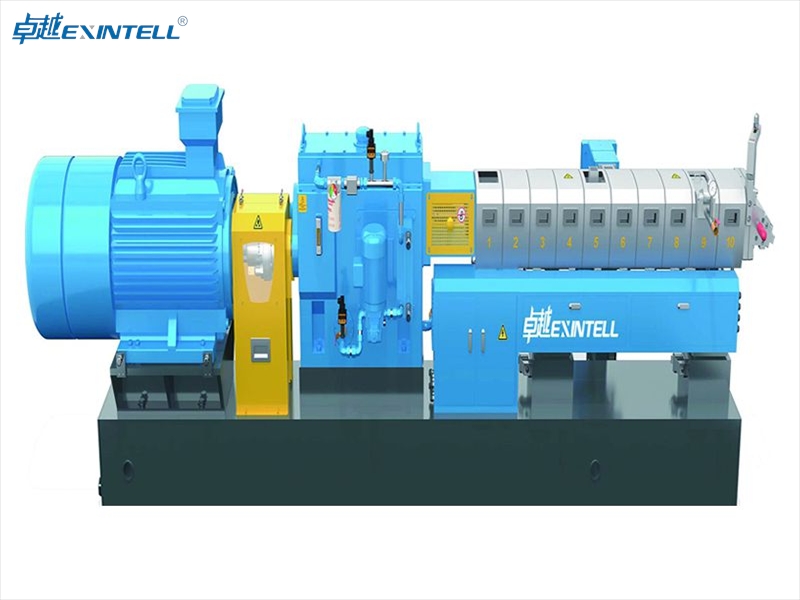
Te parau tumu no te ohipa a te Twin Screw Extruder
Te iteraa i te te parau tumu no te ohipa o te hoê hu'ahu'a e tauturu te reira ia outou ia haamaitai i ta outou huru hamaniraa e ia fana'o i te mau faahopearaa ri'ari'a. E faatumu teie matini i nia i te anoiraa tamau, te faaiteraa, e te faaauraa i te mau materia no te horo'a i te mau faahopearaa maitai roa. E nehenehe ta outou e faatere i te mau taahiraa atoa, mai te tamaaraa e tae roa ' tu i te hutiraa hopea, no te faaau i ta outou aniraa taa ê.
Te faaamuraa e te faaiteraa
E haamata outou i te ohipa hutiraa na roto i te faaôraa ' tu i te mau hu'ahu'a aore ra te pau i roto i te extruder. The feeding system includes a hopper and a feed screw that delivers the material into the grooves of the rotating screws. As the screws turn, they grab the material and move it forward through the barrel. This action compresses and conveys the material, preparing it for further processing. The design of the screws ensures efficient transport, which increases throughput and reduces the risk of blockages.
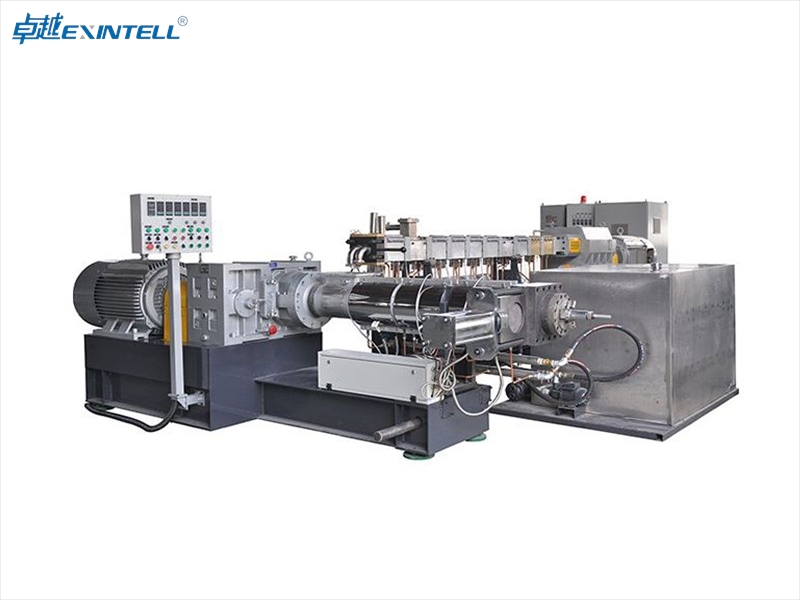
Tāuru: Consistent feeding and proper screw speed help you maintain stable processing conditions and prevent material degradation.
Screw Design and Configuration
The screw design and configuration play a critical role in the working principle of a twin screw extruder. You can tailor the screws to match the properties of your material and the requirements of your process.
Te faaôraa i roto i te vs. Aita e faaôraa
E taui te mau viti i roto i te mau aho ia tapo'i to ratou mau aho, te faanahoraa i te mau vahi tauiraa maitai. E haamaitai teie hoho'a i te anoiraa e te haaparareraa, no te faariro i te reira ei mea maitai roa no te mau faanahoraa fifi. E fana'o outou i te parareraa rahi a'e o te mau tao'a faaî e te mau tao'a faaî, o te faatupu i te hoê â huru o te tao'a. E faaafaro atoa te mau viti i te faaheporaa i roto i te farii, te faati'araa i te mau ohipa vitiviti e te haamaitairaa i te aravihi.
Te mau hi'o ore, i te tahi a'e pae, Eiaha e tapo'i. E horoa mai ratou i te mau huru tupuraa mǎrû a'e, e au i te mau tao'a ve'ave'a e aore râ, te mau tao'a veve. Ia titauhia ia outou ia faaiti i te kutikuti e ia ape i te faaino i te mau mea ohie, e nehenehe ta outou e faaohipa i te mau hoho'a ore.
-
Na te mau hi'o e faaohipa i te mau materia no te faaapî e no te tufa i te mau tao'a.
-
E faati'a te mau hi'o ore i te faaohiparaa mǎrû, no te faariro ia ratou ei mea tano no te mau faaohiparaa e titau i te kutikuti iti.
Ngā hu'ahu'a Modular
E fana'o outou i te mau hu'ahu'a modular i roto i te hoê matini roro uira no te mea e horoa mai ratou i te mau tauiraa rahi. E mau tuhaa taa ê teie mau hu'ahu'a o ta outou e nehenehe e haaputuputu i ni'a i te tahua hi'opo'araa. No te arai i te mau fifi o te faanahoraa aore ra no te farii i te mau huru materia apî, e nehenehe ta outou e taui i te mau hu'ahu'a. Ma teie modularity e faati'a ia outou ia faatere i te taheraa o te mau tao'a, te taime faaearaa, e te ano'iraa i te rahi e te papû.
-
E nehenehe ta outou e tamata i te mau faanahoraa apî no te mau tao'a e rave rahi.
-
No te hamani i te mau tao'a apî aore ra no te haamaitai i te mau tao'a o te vai ra, e nehenehe ta outou e taui i te haamauraa o te hi'o.
-
E tauturu te mau hu'ahu'a ia outou ia tata'i oioi i te mau fifi ma te ore e mono i te taatoaraa o te hi'o.
Te anoiraa e te faahopearaa
Te faatumu nei te hoê rave'a haaparareraa parau i ni'a i te anoiraa tamau e te faatereraa papu i te ohipa hutiraa. Te tuu nei outou i te mau materia i roto i te faanahoraa, i reira te mau hi'o e faaî ai e e oti ai i te reira, te faatupu i te veavea e te faarehuraa i te tao'a. E anoi maitai te mau hi'o i te mau tao'a, te haapapuraa i te tufaraa atoa o te mau tao'a faaî e te mau tao'a faaî. A haere ai te mau tao'a rehu i mua, E haere te reira na roto i te hoê hu'ahu'a o te faahoho'a i te reira i roto i te huru e hinaarohia. I muri iho, e haapuai te hoê faanahoraa toetoe i te tao'a, te faaotiraa i te ohipa.
-
E tuu te faanahoraa tamaaraa i te mau pellets hu'ahu'a aore ra te pau i roto i te mau vahi.
-
E taui te mau viti, te faaheporaa e te faarevaraa i te mau tao'a na roto i te puai kutikuti e te hutiraa.
-
E faahoho'a te huru o te extrusion i te mau tao'a rehu, e e haapuai te hoê faanahoraa toetoe i te tao'a hopea.
E fana'o oe i te hoê huru maitai o te tao'a no te mea e mea maitai roa te mau hu'ahu'a e piti i roto i te anoiraa. Maoti te hoê hoho'a aravihi, e tufa - hoê â te mau mea atoa, o te faufaa roa ïa no te faaî i te mau titauraa o te ohipa tapihooraa. E nehenehe ta outou e faaohipa i te mau tao'a huru rau, e tae noa'tu i te mau paura e te mau hu'ahu'a, no te faatereraa papu i te anuvera, Pouhōʻā, e te anoiraa i te rahi. No teie huru huru, e riro te mau hu'ahu'a e piti ei ma'itiraa maitai a'e no te mau vahi hamaniraa tauihaa fifi.
Te mau huru o te mau hu'ahu'a
Te tauiraa
E farerei outou mau hu'ahu'a mata'i i roto e rave rahi mau vahi hamaniraa tauihaa aravihi. E piti viti i roto i teie mau matini o te huti ra i te hoê â e'a, te hamaniraa i te hoê tuhaa fenua anoiraa. E tere te mau tao'a i roto i te hoê hoho'a e va'u, o te haamaitai i te homogenization e te tamâraa ia'na iho. E fana'o outou i te hoê anoiraa hohonu, ma te faaohie i te parareraa hoê â huru o te mau tao'a faaî e te mau tao'a faaî. E au teie hoho'a i te, te faanahoraa, e te mau ohipa faatere.
E nehenehe te mau extruders e faatere maitai i te anuvera, Pouhōʻā, e te vitiviti. E nehenehe outou e faaafaro i te huru raveraa ia au i ta outou mau hinaaro materia e ta outou mau opuaraa hamaniraa.
E farii outou i te mau rave'a atoa na roto i te mau extruders. E faaohipa ratou i te mau polymers, Te mau hu'ahu'a, e tae noa'tu i te mau mea. Te hoê faahopearaa teitei Na te mau faito e faariro ia ratou ei mea maitai roa no te hamaniraa i te mau hoho'a rahi. E nehenehe outou e tiaturi i teie mau matini no te hoê huru maitai o te mau tao'a e no te hoê faaohiparaa maitai.
|
Te mau huru |
Tuʻaroʻa |
|---|---|
|
Te huru rau |
E faaohipa oia i te mau tao'a huru rau, e tae noa'tu i te mau polymers, Te mau hu'ahu'a, e te mau mea faaohipahia no te maa. |
|
Te anoiraa hohonu |
Te haapapu ra i te parareraa hoê â o te mau tao'a faaî no te hoê huru maitai. |
|
Te faatereraa papû |
E faati'a i te hoê faanahoraa maitatai na roto i te anuvera, Pouhōʻā, e te mau tauiraa vitiviti. |
|
Te mau faahopearaa teitei |
Te paturu nei te reira i te hoê hamaniraa rahi e te faito teitei. |
|
Te faanahoraa e te pahonoraa |
Te faaohipahia ra no te faaô atu i te mau tao'a tahi e te mau rave'a aravihi mai te polymerization. |
Te pato'iraa
Ia hinaaro ana'e outou i te kutikuti e te faaûruraa puai, e faaohipa outou i te mau rave'a hi'opo'araa e piti. I roto i teie hoho'a, E taui te mau viti i te mau vahi taa ê. E tere te mau tao'a na roto i te hoê piha piri, o te faahepo ia ' na i te mau puai anoi puai. E fana'o outou i te hoê hoêraa hohonu, Teie râ, e tia ia outou ia hi'opoa i te faito o te kutikuti no te ape i te faaino i te mau tao'a veve.
E mea maitai roa te mau rave'a haaparareraa i roto i te mau faaohiparaa e titau i te hoê anoiraa puai. Āre'a, No te mau puai kutikuti teitei, e ere ïa i te mea tano no te faaapî i te mau hoho'a PVC aore ra no te mau tao'a ve'ave'a. E nehenehe ta outou e faaafaro i te reira na roto i te tauiraa i te vitiviti e te haamauraa, tera râ, e tia ia outou ia faaafaro i te rahi e te taiva ore i te pae materia.
Tāuru: E horo'a te mau rave'a pato'i i te hoê anoiraa puai, tera râ, e tia ia outou ia hi'opoa i te taairaa o te mau materia hou a maiti ai i teie hoho'a.
Te ereraa i te
I roto i te mau faaohiparaa taa ê, e ite outou i te mau hu'ahu'a e piti ore. E mau hu'ahu'a rahi to teie mau matini, which leads to significant material leakage. You use them primarily for mixing tasks where self-cleaning is not required. The gentle processing environment suits materials that need minimal shear.
Non-meshing extruders do not provide the same level of mixing as intermeshing twin-screw extruders. You avoid using them for PVC profiles and other products that demand precise blending. Āre'a, you rely on non-meshing designs for simple mixing operations and materials that benefit from low-intensity processing.
|
Operational Principle |
Suitability for PVC Profiles |
|
|---|---|---|
|
Meshing Counter-Rotating |
Material is transported in a closed ‘C’-shaped chamber, subjected to strong shearing and stirring. |
Not suitable due to high shear forces. |
|
Te ereraa i te |
Large radial clearance leads to significant leakage; primarily used for mixing without self-cleaning. |
Not suitable for PVC profiles. |
|
Meshing Co-Rotating |
Material is pulled and pushed in an ‘∞’ Hō'ē'a, enhancing mixing and homogenization with good self-cleaning. |
Not suitable due to large shear forces. |
Oe select the right twin screw extruder based on your material, mixing needs, e te mau opuaraa hamaniraa. Each type offers unique advantages and limitations, so you must evaluate your process requirements carefully.
Te mau taa-ê-raa rahi
You need to understand the key differences between co-rotating, te pato'iraa, and non-meshing twin screw extruders to select the right machine for your process. Each type offers unique advantages and limitations. You can optimize your production by matching the extruder design to your material and application.
Main Comparison Points:
-
Te aravihi no te anoi:
Co-rotating extruders deliver intensive mixing and self-cleaning. You achieve uniform dispersion of additives and fillers. Counter-rotating extruders provide strong shearing and stirring. You can blend materials thoroughly, but you must monitor shear levels to avoid degradation. Non-meshing extruders offer gentle mixing. You use them for materials that require minimal shear. -
Te tano o te mau materia:
Co-rotating extruders handle a wide range of polymers, Te mau hu'ahu'a, e te mau mea faaohipahia no te maa. You rely on them for compounding and reactive processing. Counter-rotating extruders suit applications that demand robust mixing, such as PVC profiles and heat-sensitive compounds. You must balance mixing intensity with material integrity. Non-meshing extruders work best for simple mixing tasks. You avoid using them for products that require precise blending. -
Operational Principle:
E tere te mau hi'o i ni'a i te hoê â e'a. You benefit from a figure-eight mixing pattern and enhanced homogenization. Counter-rotating screws rotate in opposite directions. You create a closed chamber for intense mixing. Non-meshing screws have large radial clearance. You experience significant material leakage and gentle processing. -
Te mau vahi faaohiparaa:
Co-rotating extruders excel in compounding, te faanahoraa, and large-scale production. You use counter-rotating extruders for PVC profiles, te tapo'iraa i te taura, and heat-sensitive materials. Non-meshing extruders suit basic mixing operations and materials that need low-intensity processing.
Tāuru: You should evaluate your material properties and production goals before choosing a twin screw extruder. The right choice improves efficiency and product quality.
Ripane faaauraa:
|
Ata |
Te tauiraa |
Te pato'iraa |
Te ereraa i te |
|---|---|---|---|
|
Te aravihi no te anoi |
Intensive, te tamâraa ia'na iho |
Maʻa, kutikuti teitei |
Gentle, low shear |
|
Te tano o te mau materia |
Te mau faito rahi, complex blends |
PVC, ve'ave'a |
Mārō'iro'i, low-shear materials |
|
Operational Principle |
Same direction, figure-eight |
Opposite direction, closed chamber |
Large clearance, material leakage |
|
Te mau vahi faaohiparaa |
Te faanahoraa, te faanahoraa |
Ngā hoho'a PVC, te tapo'iraa i te taura |
Te anoiraa tumu, low-intensity |
E farii outou i te mau tauiraa na roto i te mau rave'a haaparareraa parau. E fana'o outou i te hoê faahopearaa teitei e te huru maitai. E horo'a te mau rave'a haaparareraa parau ia outou i te hoê anoiraa puai, e ti'a râ ia outou ia hi'opo'a i te mau tao'a materia. E faaohipa mǎrû te mau tao'a tahi ore i te mau tao'a tahi ore. No te mau faahopearaa maitai roa ' ' e, e tia ia outou ia faaau i te huru o te extruder i ta outou mau titauraa.
Te mau huru e te mau maitai
Te aravihi no te anoi
Ia faaohipa ana'e outou i te hoê ravea hi'opoaraa mahae, e fana'o outou i te hoê aravihi faahiahia no te anoi. E faatupu te mau hi'o i te mau vahi kutikuti e te taviriraa puai, o te horo'a ia outou i te mau rave'a ano'iraa maitai a'e i te tahi atu mau huru extruders. Maoti teie hoho'a, e haaparare - maitai - hia te mau tao'a faaî e te mau tao'a faaî i roto i ta outou mau materia. E nehenehe ta outou e faaapî i te mau tao'a papû ma te faaohipa i te kutikuti, o te faaiti i te atâtaraa ia ino e o te tapea i te huru o te mau tao'a.
|
Te huru o te Extruder |
Te aravihi no te anoi |
Te faatereraa i te Shear |
Suitability for Sensitive Materials |
|---|---|---|---|
|
Te anoiraa maitai a'e no te mau hi'o intermeshing, enabling better dispersion of additives and fillers. |
Provides precise control over shear rates, reducing the risk of material degradation. |
||
|
Te iti a'e o te aravihi no te anoi, reliant on friction which can lead to uneven mixing. |
E nehenehe e faatupu i te kutikuti rahi roa, leading to degradation in some materials. |
Less suitable for sensitive materials due to high shear. |
You achieve better mixing properties with a twin screw extruder, especially when you need uniformity in complex formulations. The advanced mixing capability allows you to meet strict industry standards and deliver consistent results.
Te hooraa
You gain a significant advantage in throughput when you choose a twin screw extruder. These machines deliver high output, ma te faariro ia ratou ei mea maitai roa no te hamaniraa i te mau hoho'a rahi. E nehenehe outou e tapea i te faito teitei noa ' tu e te faaohipa ra outou i te mau tao'a fifi aore ra te mau ohipa fifi. E turu te opuaraa i te ohipa tamau, no reira, e nehenehe ta outou e faatere maitai i ta outou mau reni hamaniraa.
-
E nehenehe te mau hu'ahu'a e piti e fana'o i te faito teitei a'e i te mau hu'ahu'a hoê.
-
No to ratou aravihi, e nehenehe ta outou e tiaturi ia ratou no te hamaniraa i te mau hoho'a rahi.
-
E tapea ratou i te huru o te mau tao'a noa ' tu te mau hu'ahu'a fifi.
Eiaha e faaore i te huru no te vitiviti. Te haapapu ra te faanahoraa e te tuea ra te mau pǔpǔ atoa i ta outou mau titauraa, noa ' tu te mau faito teitei.
Te tauiraa o te faaohiparaa
E ite outou i te mau rave'a faaohiparaa e ere i te mea au roa na roto i te mau rave'a haaparareraa. E nehenehe outou e taui oioi i te mau tauiraa i roto i te mau tao'a mata aore ra te mau faanahoraa, o te tauturu ia outou ia pahono i te mau hinaaro o te matete. The machine handles a wide range of polymers and materials with different viscosities, so you can produce many types of plastic products.
|
Fa'ahau |
Tuʻaroʻa |
|---|---|
|
Twin screw extruders can quickly adjust to changes in raw materials and formulations, which is crucial for manufacturers needing to respond to market demands. |
|
|
Faatupuuruuru |
Enhanced production efficiency is achieved as these extruders can handle a variety of materials, optimizing the manufacturing process. |
|
Te huru rau |
They are suitable for processing polymers with different viscosities, allowing for a wide range of plastic products to be produced. |
You can switch between products or formulations with minimal downtime. This flexibility gives you a competitive edge in industries where innovation and rapid response are essential. You also benefit from better mixing properties, which further expands your manufacturing possibilities.
Te faatereraa i te ohipa
You gain precise process control when you operate a twin screw extruder. This machine gives you the ability to monitor and adjust critical parameters throughout production. You can set and maintain temperature, te vitiviti, and pressure for each zone. These controls help you achieve consistent product quality and reduce waste.
Twin screw extruders stand out because they let you respond quickly to changes in material or formulation. You can swap screw elements or barrel sections to adapt to new requirements. This modular design makes your production line flexible and efficient. You do not need to shut down the entire system to make adjustments. Āre'a, you can change configurations and resume processing with minimal downtime.
You benefit from steady temperature control. The extruder keeps the material at the optimal temperature, preventing burning or improper melting. This feature protects your product and extends its lifespan. You avoid defects that result from overheating or uneven cooling. The system uses multiple heating zones, so you can fine-tune the process for each stage.
Tāuru: Use the control panel to monitor real-time data. Adjust settings as needed to maintain stable conditions and improve output quality.
You also gain efficient mixing. The co-rotating screws create strong forces that break up clumps and distribute additives evenly. You can process complex blends without worrying about uneven dispersion. This capability ensures that every batch meets your specifications.
Here are some unique process control features you get with twin screw extruders:
-
Steady temperature maintenance prevents burning or improper melting.
-
Efficient mixing breaks up clumps and distributes additives evenly.
-
Modular design allows quick changes in production by swapping screws or barrel sections.
You can see the advantages of process control in the following table:
|
Process Control Feature |
Benefit to You |
|---|---|
|
Steady Temperature |
Enhances product quality and longevity |
|
Efficient Mixing |
Ensures uniform dispersion of additives |
|
Modular Adaptability |
Facilitates quick production changes |
|
Real-Time Monitoring |
Allows immediate adjustments for stability |
You control every aspect of the extrusion process. You can tailor the operation to match your material and production goals. This level of control helps you meet industry standards and deliver reliable results. You improve efficiency, faaiti i te mau hu'ahu'a, and maintain high product quality with a twin screw extruder.
Te mau faaohiparaa i te pae no te ohipa tapihooraa tauihaa
Te mau hu'ahu'a
You see the most widespread use of twin screw extruders in Te taviriraa i te mau hu'ahu'a. These machines play a vital role in te hu'ahu'a hu'ahu'a, te faanahoraa, e te faaohiparaa faahou. You can process a wide range of material, e tae noa'tu i te mau polymers, te mau tao'a, e te mau faaî. The design of the extruder allows you to achieve te hoê anoiraa maitai a'e and broad material compatibility. You benefit from flexibility and modularity, which means you can customize the machine for different applications and control processing conditions with precision.
In plastic extrusion, you combine multiple operations into a single step. This approach reduces production time and energy consumption. You ensure consistent product quality because the extruder provides uniform distribution of ingredients. You can rely on high throughput and process efficiency, which keeps your production lines running smoothly. The ability to handle various material types makes twin screw extruders essential for manufacturing shaped products like medical devices, Te mau hu'ahu'a pereoo, and consumer electronics.
Tāuru: Use twin screw extruders to meet strict industry standards for plastic extrusion and compounding.
Key benefits in plastics processing:
-
Superior mixing for complex formulations
-
High throughput for large-scale production
-
Consistent quality in finished products
Powder and Feed Processing
You find twin screw extruders indispensable in powder and feed processing industries. These machines give you precise mixing and scalability, especially in polymer. You can process powders, hu'ahu'a, and feedstock with high efficiency. The extruder enhances solubility and bioavailability of poorly soluble drugs, which is crucial in pharmaceutical applications. You also produce solid dispersions and controlled-release formulations with ease.
I roto i te faaineineraa i te maa, you use twin screw extruders for te hamaniraa i te maa e te hamaniraa i te mau maa. The machines improve product quality and streamline operations. You benefit from high efficiency and versatility, which allows you to adapt to different material types and processing requirements. The global industry value reached US$ 1.25 mirioni i te 2023, with the Asia Pacific region leading in adoption due to rapid industrial growth.
I roto i te mau faaohiparaa matauhia, te vai ra:
-
Te faaineineraa i te maa (Snacks, mau huero)
-
Feed production for livestock and aquaculture
-
Polymer compounding for advanced materials
Chemical and Pharmaceutical Uses
You rely on twin screw extruders for advanced chemical and pharmaceutical applications. These machines provide precise mixing, scalability, e te aravihi. In pharmaceutical manufacturing, you use them for continuous processing, which ensures tightly controlled residence time and temperature. This control leads to consistent product quality and minimizes contamination risks.
You can produce innovative dosage forms, such as controlled-release tablets and solid dispersions. Hot-melt extrusion enhances the solubility and bioavailability of poorly soluble drugs. You achieve cost-effectiveness by streamlining processes, reducing production costs, and minimizing material waste. The advanced mixing capabilities of the extruder ensure uniformity, which is essential for efficacy and safety in medical applications.
Key roles in chemical and pharmaceutical processing:
-
Continuous manufacturing of drug formulations
-
Production of controlled-release and solid dispersion products
-
Enhanced solubility and bioavailability for challenging material
Parau: Twin screw extruders are essential in food, fa'ahoro, te raau taero, and plastics industries. You improve product quality and operational efficiency by integrating these machines into your processing lines.
Recycling and Compounding
You play a crucial role in modern manufacturing when you use twin screw extruders for recycling and compounding. These machines help you transform waste plastics and other materials into valuable products. You can process post-consumer and post-industrial scrap efficiently. The twin screw design gives you the power to handle complex, multi-component formulations that often challenge traditional equipment.
You achieve superior mixing with twin screw extruders. The intermeshing screws ensure that fillers, te mau tao'a, and reinforcements disperse uniformly throughout your material. This uniformity leads to consistent product quality, which is essential for recycled plastics and advanced compounds. You can rely on precise control over feeding rates and devolatilization. This feature allows you to process materials with volatile components, such as recycled polymers that may contain moisture or residual solvents.
Tāuru: Use the modular design of twin screw extruders to adapt quickly to different recycling streams and compounding recipes.
You benefit from unmatched versatility. Twin screw extruders process a wide range of materials, e tae noa'tu i te mau polymers, te mau raau, and specialty blends. You can run large-scale production or switch to specialized low-volume batches without sacrificing efficiency. The machine handles challenging formulations with ease, giving you flexibility in your operations.
Here are some key advantages you gain when you use twin screw extruders for recycling and compounding:
-
Achieve uniform dispersion of fillers, te mau tao'a, e te mau haapuraa.
-
Handle challenging formulations with precise control.
-
Process various materials, from polymers to specialty blends.
-
Scale production up or down based on your needs.
-
Maintain consistent product quality, even with complex recipes.
-
Control feeding rates and devolatilization for volatile materials.
You can see how these advantages compare in the table below:
|
Rave |
Impact on Your Process |
|---|---|
|
Uniform Dispersion |
Ensures consistent quality in recycled output |
|
Te faatereraa papû |
Handles complex, multi-component materials |
|
Te huru rau |
E faaohipa oia i te mau tao'a huru rau |
|
Te faito |
Supports both large and small batch runs |
|
Te anoiraa maitai a'e |
Delivers reliable results for every batch |
You improve sustainability in your manufacturing by using twin screw extruders. You reduce waste and create high-value products from recycled materials. The advanced mixing and control features help you meet industry standards and customer expectations. You position your operation at the forefront of innovation by choosing twin screw technology for recycling and compounding.
Importance in Manufacturing
Efficiency and Product Quality
You drive modern manufacturing forward when you choose a te mau hi'o for your operations. This machine optimizes production efficiency by streamlining the extrusion process and reducing energy consumption. You maintain high output rates, which helps you meet demanding schedules and keep costs under control. Superior mixing capabilities ensure that every batch of material achieves a homogeneous blend. You see improvements in mechanical and thermal properties, which translates to higher product quality.
-
You integrate multiple operations into a single step, which reduces production time and lowers costs.
-
The machine maintains consistent quality by dispersing polymers and additives evenly throughout the material.
-
Te aravihi o te ito stands out as a key benefit, helping you cut operational expenses and support sustainable manufacturing practices.
You gain a competitive edge by using equipment that delivers both speed and reliability. Consistent product quality builds trust with your customers and strengthens your reputation in the industry.
|
Fa'ahau |
Te mau faahopearaa i ni'a i te hamaniraa tauihaa |
|---|---|
|
Faster production, iti a'e te mau hoo |
|
|
Te anoiraa maitai a'e |
Enhanced product performance |
|
Te aravihi o te ito |
Reduced operational expenses |
|
Streamlined Operations |
He iti a'e te taime faaearaa, improved workflow |
Innovation and Sustainability
Te ite ra outou rapid innovation in twin screw extruder technology as manufacturers respond to industry demands and sustainability goals. New designs focus on processing recycled material and supporting circular economy strategies. You benefit from machines that handle multi-layer waste and complex polymer blends, which helps you reduce environmental impact.
-
Regulations in the U.S. influence the market, especially regarding safety, emissions, and plastic recycling standards.
-
Compliance with FDA and EPA norms drives innovation in equipment, ensuring you meet strict requirements.
-
Sustainability policies promote the use of extruders capable of processing biodegradable and recycled material.
You notice that about 22% of new extruder models are designed for multi-layer waste and complex blends. I tāpati 19% of recent developments focus on systems for biodegradable polymers and sustainable composites. These advancements help you meet environmental targets and adapt to changing regulations.
You position your operation at the forefront of sustainable manufacturing by investing in technology that supports recycling and eco-friendly materials.
-
You process recycled material efficiently, reducing waste and conserving resources.
-
You meet regulatory standards and customer expectations for sustainability.
-
You support innovation by adopting equipment that handles advanced formulations and new material types.
|
Te faatumuraa i te ohipa apî |
Manufacturing Benefit |
|---|---|
|
Recycled Material |
Lower environmental footprint |
|
Te mau polymers |
Compliance with sustainability |
|
Multi-layer Waste |
Expanded processing capabilities |
|
Te haapa'oraa i te mau ture |
Safer, greener production |
You build a resilient manufacturing operation by embracing innovation and sustainability. The twin screw extruder helps you achieve production efficiency, maintain product quality, and support environmental goals.
You gain a powerful tool in modern manufacturing with a twin screw extruder. This machine blends materials thoroughly, adapts to diverse applications, and operates efficiently. You preserve sensitive materials and achieve consistent quality through precise control. Consider these advantages:
-
Enhanced mixing capability for uniform products.
-
Versatility across industries e te mau tao'a.
-
Continuous processing for higher productivity.
-
Gentle handling of sensitive materials.
-
Precise control for consistent results.
-
Effective removal of unwanted gases.
You can elevate your production and meet industry standards by choosing the right extruder for your needs.
FAQ
Eaha te mau tao'a ta outou e nehenehe e faaohipa na roto i te hoê rave'a haaparareraa?
E nehenehe ta outou e faaohipa i te mau hu'ahu'a, paura, te mau mea faaohipahia no te maa, te mau raau, e te mau tao'a tahi taa ê. The machine handles polymers, te mau faaî, te mau tao'a, e te mau tao'a faaohipa-faahou-hia. You gain flexibility for many industrial applications.
How do you maintain a twin screw extruder?
You should clean the screws and barrel regularly. Inspect wear parts and replace them as needed. Lubricate the drive system. Monitor temperature and pressure sensors. Schedule routine maintenance to prevent downtime.
Na te aha e ti'a ai ia outou ia ma'iti i te hoê rave'a haaparareraa ma'i i ni'a i te hoê noa?
You achieve better mixing, teitei, and more precise process control. Twin screw extruders handle complex formulations and sensitive materials. You can adapt the machine for different products.
Can you change the screw configuration for different products?
ae, you can swap modular screw elements to match your process needs. This flexibility lets you optimize mixing, te taime faaearaa, and shear for each material.
Tāuru: Adjusting screw design helps you improve product quality and process efficiency.
What safety precautions should you follow during operation?
You must wear protective gear. Check safety interlocks before starting. Never bypass guards. Monitor temperature and pressure. Follow the manufacturer’s guidelines for safe operation.
How do you troubleshoot common extrusion problems?
You should check for blockages, uneven feeding, or temperature fluctuations. Inspect screw wear and barrel alignment. Review control settings. Consult the user manual for specific error codes.
|
Ōhira'a |
Quick Check |
|---|---|
|
Blockage |
Inspect feed system |
|
Poor Mixing |
Review screw configuration |
|
Overheating |
Check cooling system |
What industries benefit most from twin screw extruders?
You see the greatest benefits in plastics, te faaineineraa i te maa, te mau raau, mau tao'a tahi, e te faaohiparaa faahou. These industries require precise mixing, teitei, and flexibility for diverse materials.