

Masterbatch Machine Showdown เครื่องอัดรีดสกรูคู่และเครื่อง Kneader
ผู้ผลิตในอุตสาหกรรมมาสเตอร์แบทช์มักจะเลือกเครื่องอัดรีดแบบสกรูคู่แบบหมุนร่วมเพื่อความสามารถในการผสมที่เหนือกว่าและผลลัพธ์ที่สม่ำเสมอ. พวกเขาพึ่งพาเครื่องนวดเมื่อจัดการกับวัสดุที่ละเอียดอ่อนหรือมีมูลค่าสูงซึ่งต้องการการประมวลผลที่อ่อนโยน. การเลือกเครื่องจักรมีบทบาทสำคัญในการทำงานของเครื่องมาสเตอร์แบทช์ทุกครั้ง. ทางเลือกที่เหมาะสมส่งผลโดยตรงต่อคุณภาพและประสิทธิภาพของการผลิต, เนื่องจากเครื่องอัดรีดและอุปกรณ์สนับสนุนที่ทันสมัยช่วยปรับปรุงขั้นตอนการผลิตและสนับสนุนการจัดส่งที่เชื่อถือได้.
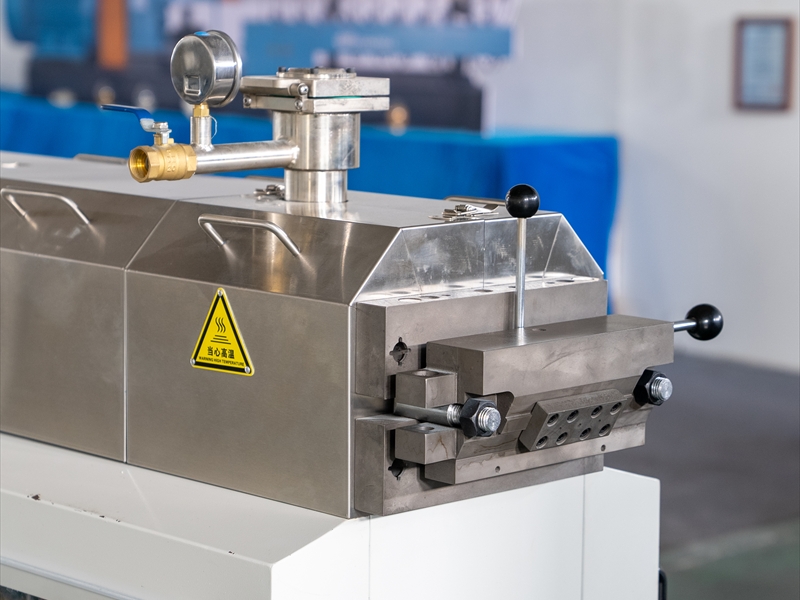
- การเลือกอุปกรณ์ให้เหมาะสม ปรับทั้งคุณภาพผลิตภัณฑ์และประสิทธิภาพการผลิตให้เหมาะสม.
-
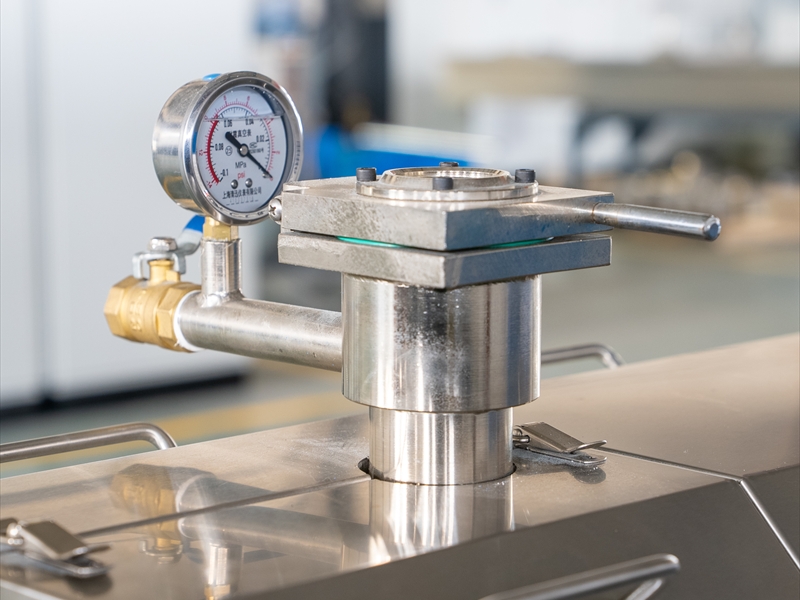
เครื่องจักรขั้นสูงช่วยลดต้นทุนการดำเนินงาน และปัญหาคอขวด, รับประกันปริมาณงานที่ดีขึ้นและความพึงพอใจของลูกค้า.
- การเลือกเครื่องจักรให้สอดคล้องกับกำลังการผลิตและข้อกำหนดเฉพาะของวัสดุรับประกันผลลัพธ์ที่สม่ำเสมอ.
ประเด็นสำคัญ
- เลือกเครื่องที่เหมาะสม สำหรับความต้องการของคุณ. เครื่องอัดรีดแบบสกรูคู่มีความเป็นเลิศในด้านการผสมและปริมาณงาน, ในขณะที่เครื่องนวดเหมาะสำหรับวัสดุที่ละเอียดอ่อน.
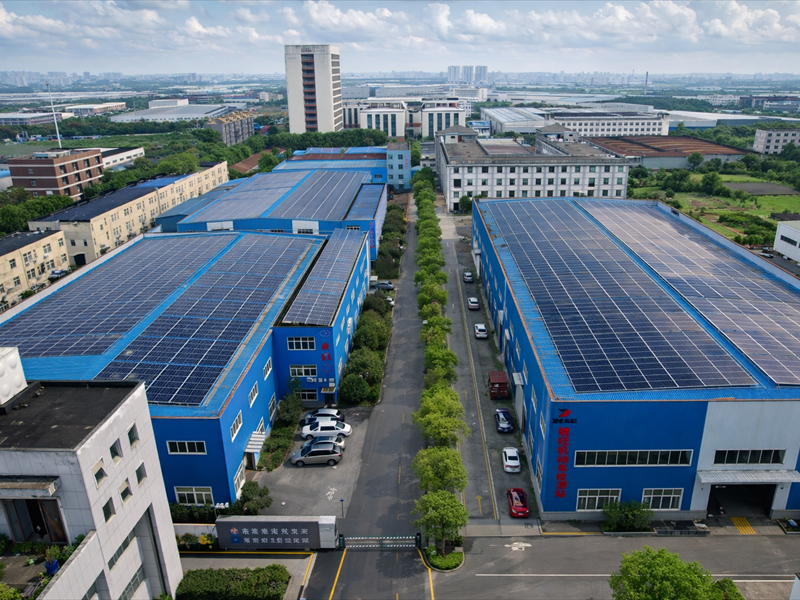
- ให้ความสำคัญกับคุณภาพการผลิต. การเลือกอุปกรณ์ที่เหมาะสมส่งผลโดยตรงต่อความสม่ำเสมอและประสิทธิภาพของมาสเตอร์แบทช์ของคุณ.
-
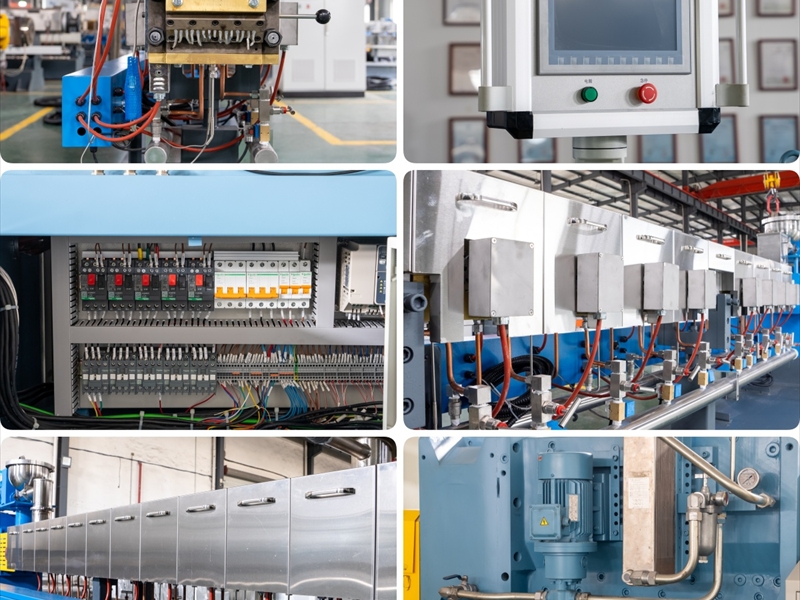
เพิ่มประสิทธิภาพสูงสุดด้วยเครื่องจักรที่ทันสมัย. เครื่องอัดรีดแบบสกรูคู่ช่วยลดต้นทุนการดำเนินงานและปรับปรุงขั้นตอนการผลิต.
- ตรวจสอบความเข้ากันได้ของวัสดุ. ดำเนินการทดสอบอย่างเข้มงวดเพื่อยืนยันว่าเม็ดสีและสารเติมแต่งเข้ากันได้ดีเพื่อผลลัพธ์ที่ดีที่สุด.
- เน้นความสม่ำเสมอในการกระจายตัว. การผสมคุณภาพสูงช่วยป้องกันข้อบกพร่องและรับประกันสีที่สม่ำเสมอในผลิตภัณฑ์พลาสติก.
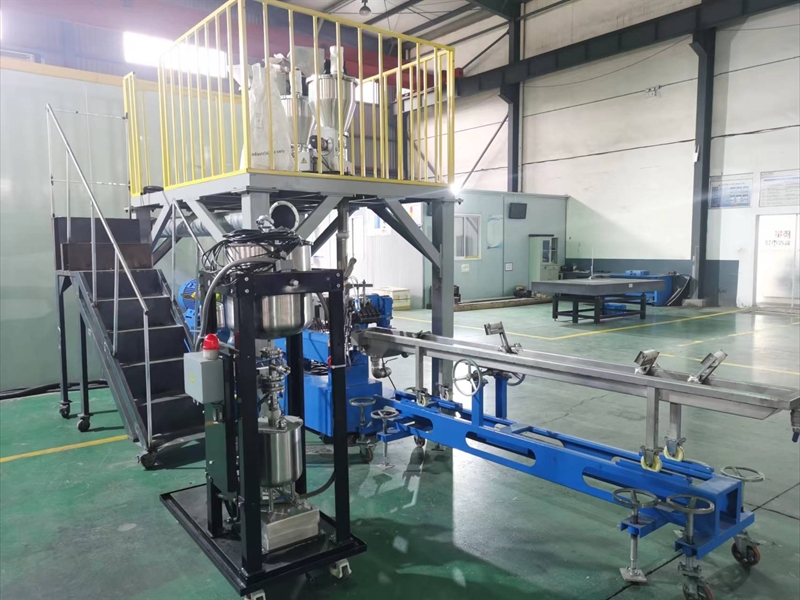
- พิจารณาความต้องการในการบำรุงรักษา. เครื่องอัดรีดแบบสกรูคู่ต้องการการบำรุงรักษามากขึ้น, ในขณะที่เครื่องนวดมีขั้นตอนการบำรุงรักษาที่ง่ายกว่า.
-
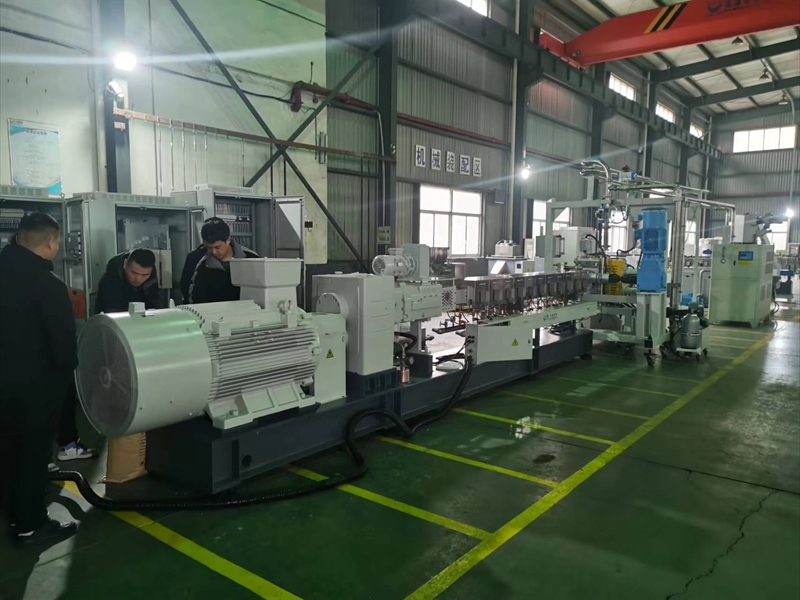
ประเมินงบประมาณของคุณอย่างรอบคอบ. เครื่องอัดรีดแบบสกรูคู่มีต้นทุนเริ่มต้นที่สูงกว่า, แต่ประสิทธิภาพสามารถชดเชยค่าใช้จ่ายเมื่อเวลาผ่านไปได้.
- แผนสำหรับการขยายขนาด. เครื่องอัดรีดแบบสกรูคู่สามารถปรับให้เข้ากับความต้องการการผลิตที่เพิ่มขึ้นได้อย่างง่ายดาย, ในขณะที่เครื่องนวดอาจต้องใช้หน่วยเพิ่มเติม.
ภาพรวมการผลิตมาสเตอร์แบทช์
มาสเตอร์แบทช์คืออะไร
การผลิตมาสเตอร์แบทช์จะสร้างส่วนผสมของเม็ดสีที่มีความเข้มข้น, สารเติมแต่ง, และเรซินพาหะ. สารผสมเหล่านี้, เรียกว่ามาสเตอร์แบทช์, ใช้แต่งสีหรือเพิ่มคุณสมบัติของผลิตภัณฑ์พลาสติก. กระบวนการนี้เกี่ยวข้องกับการผสมวัตถุดิบ, ผสมพวกมันผ่านการอัดขึ้นรูป, และขึ้นรูปเป็นเม็ดเพื่อให้หยิบจับได้ง่าย. ผู้ผลิตพึ่งพามาสเตอร์แบทช์เพื่อให้ได้สีที่สม่ำเสมอ, ความทนทานที่ดีขึ้น, และประสิทธิภาพเฉพาะด้านในการใช้งานพลาสติก. อุตสาหกรรมมาสเตอร์แบทช์สนับสนุนภาคส่วนต่างๆ มากมาย, รวมถึงบรรจุภัณฑ์, ยานยนต์, และสินค้าอุปโภคบริโภค.
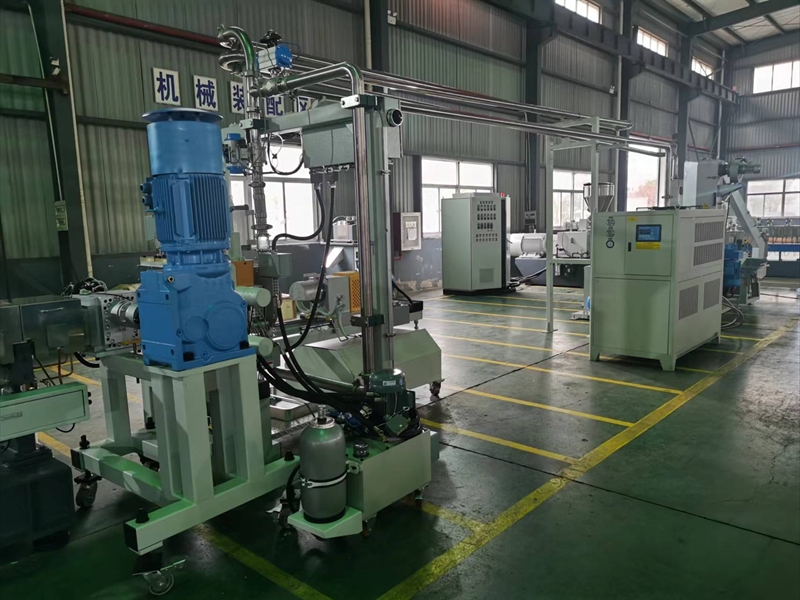
กระบวนการผลิตมาสเตอร์แบทช์ต้องมีการควบคุมอย่างระมัดระวังในทุกขั้นตอน. แต่ละขั้นตอน, ตั้งแต่การเลือกวัตถุดิบไปจนถึงการบรรจุขั้นสุดท้าย, มีอิทธิพลต่อคุณภาพและประสิทธิภาพของผลิตภัณฑ์สำเร็จรูป. ตารางด้านล่างสรุปขั้นตอนหลักและขั้นตอนต่างๆ ข้อกำหนดที่สำคัญ:
| ขั้นตอน | ข้อกำหนดที่สำคัญ |
|---|---|
| การคัดเลือกวัตถุดิบ | ใช้แบบไร้ฝุ่น, ความชื้นต่ำ, และส่วนผสมที่มีความคงตัวทางความร้อนเพื่อคุณภาพที่สม่ำเสมอ. |
| การชั่งน้ำหนักและการผสมที่แม่นยำ | ระบบจ่ายสารอัตโนมัติเพื่อความแม่นยำ; เครื่องผสมความเร็วสูงสำหรับพรีคอมพาวด์ที่สม่ำเสมอ. |
| การอัดรีดและการผสม | ควบคุมการใช้ความร้อนและการผสมแรงเฉือนสูงเพื่อการกระจายตัวของสารเติมแต่งอย่างทั่วถึง. |
| การทำความเย็นและการเกิดเม็ด | การระบายความร้อนอย่างรวดเร็วและการตัดเกลียวที่อัดขึ้นรูปให้เป็นเม็ดที่สม่ำเสมอ. |
| การตรวจสอบคุณภาพอย่างเข้มงวด | การทดสอบคุณภาพหลายรายการ รวมถึงความสม่ำเสมอของสีและการตรวจสอบความเข้ากันได้. |
| บรรจุภัณฑ์และการจัดส่งทันเวลา | เก็บในที่สะอาด, สิ่งอำนวยความสะดวกที่มีการควบคุมอุณหภูมิและเน้นการส่งมอบตรงเวลา. |
ความต้องการการผลิตที่สำคัญ
ความสม่ำเสมอในการกระจายตัว
ความสม่ำเสมอในการกระจายตัวถือเป็นข้อกำหนดหลักในการผลิตมาสเตอร์แบทช์. การกระจายตัวของเม็ดสีและสารเติมแต่งสม่ำเสมอทำให้มั่นใจได้ว่าผลิตภัณฑ์พลาสติกทุกชิ้นจะแสดงสีและคุณสมบัติที่ต้องการ. การผสมคุณภาพสูงช่วยป้องกันการก่อตัวของ ก้อนแข็งหรือสิ่งสกปรก, ซึ่งอาจทำให้เกิดข้อบกพร่องในมาสเตอร์แบทช์สุดท้ายได้. ผู้ผลิตใช้เทคโนโลยีการอัดขึ้นรูปการผสมและการผสมขั้นสูงเพื่อให้ได้การกระจายตัวที่ดีเยี่ยม. การกระจายตัวที่สม่ำเสมอยังช่วยปรับปรุงผิวสำเร็จและลดปัญหาในการผลิต, ทำให้จำเป็นสำหรับประสิทธิภาพของมาสเตอร์แบทช์ที่เชื่อถือได้.
ปริมาณงาน
ปริมาณงานจะวัดปริมาณมาสเตอร์แบทช์ที่ผลิตภายในกรอบเวลาที่กำหนด. ปริมาณงานสูงรองรับการผลิตขนาดใหญ่และตอบสนองความต้องการของตลาดได้อย่างมีประสิทธิภาพ. กระบวนการผสมต้องรักษาสมดุลระหว่างความเร็วและคุณภาพ, เนื่องจากการผลิตที่รวดเร็วไม่ควรส่งผลต่อการกระจายตัวหรือความสม่ำเสมอ. สายการผลิตมาสเตอร์แบทช์สมัยใหม่ใช้ระบบอัตโนมัติและเครื่องอัดรีดที่มีกำลังการผลิตสูงเพื่อเพิ่มปริมาณงานให้สูงสุด. ระบบทำความเย็นและการอัดเม็ดที่มีประสิทธิภาพช่วยปรับปรุงกระบวนการให้มีประสิทธิภาพยิ่งขึ้น, มั่นใจได้ว่าจะบรรลุเป้าหมายการผลิตโดยไม่กระทบต่อคุณภาพ.
ความเข้ากันได้ของวัสดุ
ความเข้ากันได้ของวัสดุมีบทบาทสำคัญในการผลิตมาสเตอร์แบทช์. เม็ดสีที่เลือก, สารเติมแต่ง, และเรซินตัวพาจะต้องผสมให้เข้ากันระหว่างการผสม. วัสดุที่เข้ากันไม่ได้อาจทำให้การกระจายตัวไม่ดี, เส้นสี, หรือประสิทธิภาพของพลาสติกลดลง. ผู้ผลิตดำเนินการทดสอบคุณภาพอย่างเข้มงวด, รวมถึงการจับคู่สีและการวิเคราะห์การกระจายตัว, เพื่อยืนยันความเข้ากันได้. ขั้นตอนนี้ทำให้แน่ใจได้ว่ามาสเตอร์แบทช์จะผสานเข้ากับการใช้งานพลาสติกต่างๆ ได้อย่างราบรื่น, สนับสนุนผลลัพธ์ที่สม่ำเสมอตลอดการดำเนินการผลิตที่แตกต่างกัน.
บันทึก: การผลิตมาสเตอร์แบทช์คุณภาพสูงขึ้นอยู่กับการควบคุมการผสมที่แม่นยำ, การผสมอย่างละเอียด, และการเลือกใช้วัสดุอย่างพิถีพิถัน. ปัจจัยเหล่านี้รับประกันว่ามาสเตอร์แบทช์สุดท้ายตรงตามมาตรฐานอุตสาหกรรมด้านสี, ความทนทาน, และพฤติกรรมการประมวลผล.
เครื่องอัดรีดสกรูคู่ในเครื่องมาสเตอร์แบทช์
ประเภทเครื่องอัดรีดสกรูคู่
เครื่องอัดรีดแบบสกรูคู่ได้กลายเป็นแกนหลักของการผลิตมาสเตอร์แบทช์สมัยใหม่. นำเสนอความยืดหยุ่นและการควบคุมที่ไม่มีใครเทียบได้เมื่อเปรียบเทียบกับการออกแบบสกรูเดี่ยว. ตารางด้านล่างเน้นที่ ความแตกต่างในการปฏิบัติงานระหว่างเครื่องอัดรีดแบบสกรูเดี่ยวและคู่, เน้นย้ำว่าเหตุใดการกำหนดค่าแบบคู่จึงมีอิทธิพลเหนือการผลิตมาสเตอร์แบทช์:
| คุณสมบัติ | เครื่องอัดรีดแบบสกรูเดี่ยว | เครื่องอัดรีดแบบสกรูคู่ |
|---|---|---|
| ความสามารถในการผสม | จำกัด | ปรับปรุงแล้ว |
| ความยืดหยุ่น | ต่ำ | สูง |
| ควบคุมการไหลของวัสดุ | ปานกลาง | สูง |
| เหมาะสำหรับสูตรที่ซับซ้อน | เลขที่ | ใช่ |
| การประยุกต์ใช้ในมาสเตอร์แบทช์ | จำกัด | กว้างขวาง |
ร่วมหมุน
เครื่องอัดรีดสกรูคู่แบบหมุนร่วมมีสกรูที่หมุนไปในทิศทางเดียวกัน. การออกแบบนี้ช่วยเพิ่มประสิทธิภาพในการผสมและการผสมให้สูงสุด. การดำเนินการหมุนเวียนร่วมทำให้แน่ใจได้ว่าวัสดุจะมีทั้งการผสมแบบกระจายและแบบกระจาย, ซึ่งจำเป็นสำหรับการผลิตมาสเตอร์แบทช์คุณภาพสูง. ผู้ผลิตชอบประเภทนี้เนื่องจากสามารถจัดการกับสูตรที่ซับซ้อนและรักษาผลลัพธ์ที่สม่ำเสมอ.
การเชื่อมต่อระหว่างกันกับแบบไม่เชื่อมต่อกัน
เครื่องอัดรีดแบบสกรูคู่สามารถเชื่อมต่อกันหรือไม่เชื่อมต่อก็ได้. การออกแบบที่ซ้อนกันช่วยให้สกรูทับซ้อนกันได้, สร้างเอฟเฟกต์การเช็ดตัวเองซึ่งช่วยลดการสะสมของวัสดุและปรับปรุงการทำความสะอาดตัวเอง. คุณสมบัตินี้รองรับการทำงานต่อเนื่องและลดเวลาหยุดทำงานให้เหลือน้อยที่สุด. ชนิดไม่ประกบกันทำให้สกรูแยกจากกัน, ซึ่งสามารถตอบสนองความต้องการการผสมเฉพาะได้ แต่โดยทั่วไปจะมีการผสมที่เข้มข้นน้อยกว่า.
คุณสมบัติของเครื่องอัดรีดแบบสกรูคู่
การออกแบบโมดูลาร์
การใช้เครื่องอัดรีดแบบสกรูคู่ องค์ประกอบสกรูแบบโมดูลาร์. คุณลักษณะนี้ช่วยให้ผู้ปฏิบัติงานปรับแต่งระบบการอัดรีดสำหรับสูตรมาสเตอร์แบทช์ต่างๆ. การออกแบบแบบแยกส่วนรองรับการถ่ายโอนพลังงานกลที่เหมาะสมที่สุด และช่วยให้สามารถเปลี่ยนแปลงการตั้งค่ากระบวนการได้อย่างรวดเร็ว. ผู้ผลิตสามารถปรับระบบการอัดขึ้นรูปให้เข้ากับข้อกำหนดด้านวัสดุหรือผลิตภัณฑ์ใหม่โดยไม่ต้องหยุดทำงานครั้งใหญ่.
การควบคุมแรงเฉือนและแรงดัน
การควบคุมแรงเฉือนและแรงกดที่แม่นยำกำหนดประสิทธิภาพของเครื่องอัดรีดแบบสกรูคู่. ผู้ปฏิบัติงานสามารถปรับเปลี่ยนได้ ความเร็วของสกรู, การกำหนดค่า, และอุณหภูมิกระบอกสูบ เพื่อปรับกระบวนการผสมอย่างละเอียด. การควบคุมนี้ช่วยให้มั่นใจได้ถึงการกระจายตัวของเม็ดสีและสารเติมแต่งที่สม่ำเสมอ, ส่งผลให้ได้คุณภาพมาสเตอร์แบทช์ที่สม่ำเสมอ. ระบบการอัดขึ้นรูปยังรักษาแรงดันให้คงที่, ซึ่งช่วยปกป้องส่วนผสมที่ละเอียดอ่อนและเพิ่มคุณสมบัติทางโครงสร้างของผลิตภัณฑ์ขั้นสุดท้าย.
ข้อดี
การผสมที่เหนือกว่า
เครื่องอัดรีดแบบสกรูคู่ส่งมอบ การผสมแบบกระจายตัวและแบบกระจายที่แข็งแกร่ง. ความสามารถนี้ช่วยให้มั่นใจได้ว่าเม็ดสีและสารเติมแต่งจะเข้ากันได้อย่างทั่วถึงระหว่างการผสม. ผลลัพธ์ที่ได้คือมาสเตอร์แบทช์ที่มีสีและประสิทธิภาพสม่ำเสมอ.
ปริมาณงานสูง
ผู้ผลิตพึ่งพาเครื่องอัดรีดแบบสกรูคู่เพื่อให้ได้ปริมาณงานสูง. เครื่องจักรเหล่านี้ประมวลผลมาสเตอร์แบทช์ปริมาณมากได้อย่างมีประสิทธิภาพ, ตอบสนองความต้องการการผลิตระดับอุตสาหกรรม. การออกแบบนี้รองรับการป้อนเม็ดสีผงและสารเติมแต่งอย่างมีเสถียรภาพ, ซึ่งช่วยเพิ่มผลผลิต.
ทำความสะอาดตัวเอง
การกระทำที่ประสานกันในเครื่องอัดรีดแบบสกรูคู่หลายตัวทำให้สามารถทำความสะอาดตัวเองได้. คุณสมบัตินี้ช่วยลดการตกค้างของวัสดุ, ลดความเสี่ยงในการปนเปื้อน, และลดเวลาการเปลี่ยนระหว่างสูตรมาสเตอร์แบทช์ต่างๆ.
เคล็ดลับ: ข้อดีของเทคโนโลยีเครื่องอัดรีดแบบสกรูคู่มีมากกว่าการผสม. เครื่องจักรเหล่านี้ เพิ่มประสิทธิภาพการใช้วัสดุ และสนับสนุนการควบคุมที่แม่นยำในทุกขั้นตอนของกระบวนการผสม.
ข้อเสีย
ค่าใช้จ่าย
ระบบเครื่องอัดรีดแบบสกรูคู่ต้องใช้เงินลงทุนเริ่มแรกจำนวนมาก. ผู้ผลิตมักเผชิญกับต้นทุนล่วงหน้าที่สูงกว่าเมื่อเทียบกับเครื่องจักรสกรูเดี่ยว. การออกแบบทางวิศวกรรมขั้นสูงและการออกแบบโมดูลาร์ของเครื่องอัดรีดคู่มีส่วนทำให้เกิดค่าใช้จ่ายนี้. สิ่งอำนวยความสะดวกหลายแห่งยังต้องลงทุนในด้านเฉพาะทางด้วย อุปกรณ์เสริม เพื่อรองรับเครื่องอัดรีดแบบสกรูคู่. ต้นทุนเหล่านี้อาจท้าทายผู้ผลิตรายย่อยหรือผู้ที่มีงบประมาณจำกัด. เมื่อเวลาผ่านไป, ประสิทธิภาพและผลผลิตของเทคโนโลยีเครื่องอัดรีดแบบสกรูคู่สามารถชดเชยค่าใช้จ่ายเริ่มต้นได้, แต่อุปสรรคในการเข้ายังคงสูงกว่าเครื่องจักรที่เรียบง่ายกว่า.
การซ่อมบำรุง
การบำรุงรักษาอุปกรณ์เครื่องอัดรีดแบบสกรูคู่ต้องใช้ช่างผู้ชำนาญและความเอาใจใส่อย่างสม่ำเสมอ. สกรูที่เชื่อมต่อกันและส่วนประกอบแบบโมดูลาร์จะสึกหรอระหว่างการทำงานอย่างต่อเนื่อง. ผู้ปฏิบัติงานจะต้องตรวจสอบสภาพของสกรู, บาร์เรล, และซีลเพื่อป้องกันการหยุดทำงาน. การบำรุงรักษาตามกำหนดเวลาและการเปลี่ยนชิ้นส่วนช่วยรักษาประสิทธิภาพที่สม่ำเสมอ, แต่จะเพิ่มค่าใช้จ่ายในการดำเนินงาน. การประกอบที่ซับซ้อนในระบบเครื่องอัดรีดแบบสกรูคู่สามารถเพิ่มเวลาที่ต้องใช้ในการทำความสะอาดและการซ่อมแซม. โรงงานที่แปรรูปวัสดุที่มีฤทธิ์กัดกร่อนหรือเติมแน่นมากอาจเกิดการสึกหรอเร็วขึ้น, ต้องบำรุงรักษาบ่อยยิ่งขึ้น.
บันทึก: การบำรุงรักษาเป็นประจำทำให้มั่นใจได้ว่าเครื่องอัดรีดแบบสกรูคู่ให้ผลลัพธ์ที่เชื่อถือได้และยืดอายุการใช้งาน. การละเลยการบำรุงรักษาอาจทำให้คุณภาพของมาสเตอร์แบทช์ไม่สอดคล้องกันและการหยุดการผลิตโดยไม่คาดคิด.
การใช้เครื่องอัดรีดแบบสกรูคู่
มาสเตอร์แบทช์สี
Twin screw extruder technology plays a central role in color masterbatch production. The twin screws provide intensive mixing, which ensures pigments disperse evenly throughout the carrier resin. This process creates pellets with uniform color, essential for high-quality plastic products. Manufacturers rely on the twin screw extruder to handle a wide range of pigment types and concentrations. The flexibility of the twin design allows for quick changeovers between different color formulations, supporting diverse customer requirements.
Additive Masterbatch
The application of twin screw extruder systems extends to additive masterbatch manufacturing. These machines blend functional additives—such as UV stabilizers, สารหน่วงไฟ, or antistatic agents—into the polymer matrix. The twin screws ensure thorough dispersion, ซึ่งจะช่วยเพิ่มประสิทธิภาพสูงสุดของสารเติมแต่งแต่ละชนิด. การผสมอย่างสม่ำเสมอป้องกันการจับตัวเป็นก้อนและรับประกันว่าทุกเม็ดจะให้ประสิทธิภาพตามที่ต้องการ. การออกแบบแบบโมดูลาร์ของเครื่องอัดรีดแบบสกรูคู่ช่วยให้ผู้ปฏิบัติงานสามารถปรับกระบวนการสำหรับประเภทสารเติมแต่งและปริมาณโหลดที่แตกต่างกันได้.
ตารางด้านล่างสรุปขอบเขตการใช้งานหลักสำหรับระบบเครื่องอัดรีดแบบสกรูคู่ในการผลิตมาสเตอร์แบทช์:
| แอปพลิเคชัน | คำอธิบาย |
|---|---|
| การผลิตมาสเตอร์แบทช์ | รับประกันการกระจายตัวสม่ำเสมอ ของเม็ดสีและสารเติมแต่งสำหรับมาสเตอร์แบทช์สีและฟังก์ชัน. |
| มาสเตอร์แบทช์สี | ให้การกระจายสีที่สม่ำเสมอและสนับสนุนการเปลี่ยนแปลงการกำหนดสูตรอย่างรวดเร็ว. |
| Additive Masterbatch | ให้การผสมผสานที่แม่นยำของสารเติมแต่งเชิงฟังก์ชันเพื่อเพิ่มคุณสมบัติของพลาสติก. |
เครื่องอัดรีดแบบสกรูคู่รองรับการใช้งานมาสเตอร์แบทช์ที่หลากหลาย. ความคล่องตัวและการควบคุมทำให้เป็นตัวเลือกที่ต้องการสำหรับทั้งการผลิตมาสเตอร์แบทช์สีและสารเติมแต่ง. การประยุกต์ใช้เทคโนโลยีเครื่องอัดรีดแบบสกรูคู่ยังคงขยายตัวอย่างต่อเนื่อง เนื่องจากผู้ผลิตต้องการคุณภาพและประสิทธิภาพที่สูงขึ้น.
เครื่อง Kneader สำหรับการผลิตมาสเตอร์แบทช์
ประเภทเครื่องนวดแป้ง
เครื่องนวดแป้ง มีบทบาทสำคัญในการผลิตมาสเตอร์แบทช์, โดยเฉพาะอย่างยิ่งเมื่อต้องจัดการกับวัสดุที่มีมูลค่าสูงหรือมีความละเอียดอ่อน. เครื่องนวดหลายประเภทรองรับอุตสาหกรรมนี้, แต่ละแบบออกแบบมาเพื่อความต้องการผสมเฉพาะ:
- เครื่องผสม Banbury: เครื่องจักรเหล่านี้เชี่ยวชาญในการผสมโพลีเมอร์และสารเติมแต่ง, ทำให้เป็นวัตถุดิบหลักในการผลิตมาสเตอร์แบทช์.
- เครื่องนวดแบบกระจายตัว: ผู้ผลิตใช้สิ่งเหล่านี้เพื่อให้ได้การกระจายตัวที่สม่ำเสมอ, ซึ่งจำเป็นสำหรับคุณภาพของมาสเตอร์แบทช์ที่สม่ำเสมอ.
- เครื่องผสมภายใน: ห้องปฏิบัติการมักพึ่งพาเครื่องผสมภายในสำหรับการวิจัยและพัฒนาขนาดเล็ก. เครื่องจักรเหล่านี้ช่วยให้สามารถควบคุมพารามิเตอร์การผสมได้อย่างแม่นยำ.
- เครื่องนวดแป้ง Sigma Blade: ออกแบบมาสำหรับวัสดุที่มีความหนืดสูง, เครื่องนวดใบมีด sigma รับประกันการผสมอย่างละเอียดและเหมาะสำหรับงานผสมที่ท้าทาย.
เครื่อง Kneader ทำงานโดยการผสมวัสดุภายใต้อุณหภูมิที่ควบคุมและสภาวะแรงเฉือน. วิธีการนี้ช่วยให้มั่นใจได้ถึงการกระจายตัวที่สม่ำเสมอและการผสมที่มีประสิทธิภาพ, ซึ่งมีความสำคัญอย่างยิ่งต่อการผลิตมาสเตอร์แบทช์คุณภาพสูง.
คุณสมบัติของเครื่อง Kneader
การผสมแบบเข้มข้น
เครื่อง Kneader ให้การผสมที่เข้มข้น, ซึ่งช่วยให้ การกระจายตัวและการผสมที่แม่นยำ ของเม็ดสี, สารเติมแต่ง, และเรซิน. คุณลักษณะนี้พิสูจน์ให้เห็นถึงความสำคัญอย่างยิ่งในการผลิตมาสเตอร์แบทช์, ในกรณีที่วัสดุที่มีการเติมสูงและความต้องการสูงต้องมีการกระจายอย่างสม่ำเสมอ. The robust mixing action prevents agglomeration and ensures that every batch of masterbatch meets strict quality standards.
ประสิทธิภาพการใช้พลังงาน
ประสิทธิภาพการใช้พลังงาน stands out as a key advantage of kneader machines. Their design minimizes energy consumption during compounding, which helps manufacturers reduce operational costs. The machines maintain stable output while processing a wide range of materials, making them suitable for both large-scale and specialty masterbatch manufacturing.
Batch Operation
Kneader machines typically operate in batch mode. This method allows for flexible parameter adjustments, supporting the production of diverse masterbatch formulations. Batch operation also provides stable output, which is crucial for maintaining consistency when processing sensitive or high-value materials. Operators can closely monitor each batch, ensuring that the compounding process meets the required specifications.
ข้อดี
การผสมที่แม่นยำ
Kneader machines offer precision mixing, which is essential for masterbatch manufacturing involving complex or sensitive ingredients. The machines’ ability to achieve uniform dispersion ensures that pigments and additives integrate seamlessly into the carrier resin. This precision supports the production of masterbatch with consistent color and performance.
Lower Energy Consumption
Manufacturers value kneader machines for their lower energy consumption compared to other compounding equipment. The efficient design reduces heat generation and minimizes material degradation, which benefits heat-sensitive masterbatch formulations. Lower energy use also contributes to a more sustainable production process.
Robustness
Kneader machines demonstrate exceptional robustness. การก่อสร้างของพวกเขาทนทานต่อความต้องการของการผสมแบบเข้มข้น, แม้ว่าการประมวลผลวัสดุที่มีฤทธิ์กัดกร่อนหรือวัสดุที่มีการเติมมากก็ตาม. ความทนทานนี้ช่วยให้มั่นใจได้ถึงการทำงานที่เชื่อถือได้และยืดอายุการใช้งานของอุปกรณ์, ทำให้เครื่องนวดเป็นการลงทุนที่ดีสำหรับโรงงานผลิตมาสเตอร์แบทช์.
บันทึก: เครื่อง Kneader ผสมผสานการผสมอย่างเข้มข้น, ประสิทธิภาพการใช้พลังงาน, และโครงสร้างที่แข็งแกร่ง, ทำให้เหมาะสำหรับการผลิตมาสเตอร์แบทช์ที่ต้องการการผสมที่แม่นยำและผลผลิตที่เสถียร.
ข้อเสีย
ปริมาณงานต่ำกว่า
เครื่อง Kneader ทำงานในโหมดแบทช์, ซึ่งจำกัดปริมาณงานเมื่อเทียบกับระบบการอัดรีดแบบต่อเนื่อง. ผู้ปฏิบัติงานจะต้องโหลด, ผสม, และปล่อยแต่ละชุดก่อนเริ่มรอบถัดไป. กระบวนการนี้จำกัดปริมาณมาสเตอร์แบทช์ที่ผลิตภายในกรอบเวลาที่กำหนด. Facilities that require high production rates often find kneader machines less suitable for large-scale manufacturing. The batch operation also increases downtime between cycles, which can affect overall efficiency. Manufacturers who prioritize speed and volume may prefer extruders for their ability to deliver consistent output without interruption.
Limited Flexibility
Kneader machines offer less flexibility when adapting to new formulations or rapid product changes. The batch process requires manual adjustments for each recipe, which slows response to shifting market demands. Operators must clean and prepare the machine between batches, especially when switching between different materials. This limitation makes kneader machines less ideal for facilities that handle frequent changes in masterbatch composition. การออกแบบนี้เหมาะสมกับสภาพแวดล้อมการผลิตที่มั่นคง แต่นำเสนอความท้าทายสำหรับผู้ผลิตที่มองหาความคล่องตัวในช่วงการใช้งานของตน.
บันทึก: เครื่องจักร Kneader ยอดเยี่ยมในการผสมที่แม่นยำและประหยัดพลังงาน, แต่ปริมาณงานที่ต่ำกว่าและความยืดหยุ่นที่จำกัดสามารถจำกัดการใช้งานในการตั้งค่าการผลิตที่เปลี่ยนแปลงอย่างรวดเร็วหรือแปรผันสูง.
การใช้งานทั่วไป
มาสเตอร์แบทช์ที่เติมสูง
เครื่องจักร Kneader แสดงให้เห็นถึงประสิทธิภาพที่โดดเด่นในการผลิตมาสเตอร์แบทช์ที่มีการเติมปริมาณสูง. เครื่องเหล่านี้จัดการ โหลดสูงเป็นพิเศษ ระดับ, มักจะเกิน 85% เนื้อหาฟิลเลอร์. การผสมอย่างเข้มข้นช่วยให้มั่นใจว่าสารเติมแต่งที่กระจายยากจะผสานรวมเข้ากับเรซินตัวพาได้อย่างทั่วถึง. ผู้ผลิตเลือกเครื่องนวดสำหรับการผสมมาสเตอร์แบทช์ฟิลเลอร์ เนื่องจากเครื่องจะรักษาการกระจายตัวที่สม่ำเสมอและป้องกันการรวมตัวกันเป็นก้อน, แม้จะมีวัสดุที่ท้าทายก็ตาม. ตารางด้านล่างเน้นประเภทการใช้งานหลักและคุณลักษณะ:
| ประเภทการสมัคร | ลักษณะเฉพาะ |
|---|---|
| การผสมฟิลเลอร์มาสเตอร์แบทช์ | กำลังโหลดสูงเป็นพิเศษ, >85% ระดับการเติม, สารเติมแต่งที่ยากต่อการกระจายตัว |
แอปพลิเคชั่นนี้ต้องการการผสมที่แข็งแกร่งและเอาต์พุตที่เสถียร, เครื่องนวดแป้งมีให้. ผู้ปฏิบัติงานได้รับคุณภาพที่สม่ำเสมอในชุดงานโดยมีปริมาณสารตัวเติมสูง, รองรับความต้องการของอุตสาหกรรมที่มีความต้องการสูง.
สารประกอบยาง
การผลิตยางคอมปาวด์เป็นอีกหนึ่งการใช้งานที่สำคัญสำหรับเครื่องนวดแป้ง. อุปกรณ์จะแปรรูปอีลาสโตเมอร์, ฟิลเลอร์, และสารเติมแต่งภายใต้อุณหภูมิที่ควบคุมและสภาวะแรงเฉือน. เครื่อง Kneader ให้การกระจายตัวที่สม่ำเสมอ, ซึ่งช่วยเพิ่มคุณสมบัติทางกายภาพของผลิตภัณฑ์ยาง. ผู้ผลิตพึ่งพาเครื่องนวดสำหรับความสามารถในการจัดการวัสดุที่มีความหนืดและรักษาความสม่ำเสมอในแต่ละชุด. กระบวนการนี้รองรับการใช้งานยางชนิดพิเศษ, รวมถึงชิ้นส่วนยานยนต์, แมวน้ำ, และส่วนประกอบทางอุตสาหกรรม.
เคล็ดลับ: Facilities that produce highly filled masterbatch or rubber compounds benefit from the kneader machine’s robust mixing and stable batch operation. These applications demand precision and reliability, which kneader machines consistently deliver.
ความแตกต่างระหว่างเครื่องอัดรีดสกรูเดี่ยวและคู่
คุณภาพการผสม
คุณภาพการผสม stands as a critical factor in masterbatch manufacturing. The single screw extruder provides mainly distributive mixing. This means it spreads materials but does not break down agglomerates as effectively. Twin screw extruders deliver both dispersive and distributive mixing. They can break down pigment clusters and distribute additives evenly. This capability results in a more homogeneous masterbatch, which is essential for high-performance applications.
The table below highlights the main differences in ความสามารถในการผสม:
| คุณสมบัติ | เครื่องอัดรีดแบบสกรูเดี่ยว | เครื่องอัดรีดแบบสกรูคู่ |
|---|---|---|
| ความสามารถในการผสม | ต่ำ (การกระจายสินค้าเป็นหลัก) | สูง (กระจายตัว & จำหน่าย) |
Manufacturers often choose twin screw extruders for compounding tasks that require intensive mixing, such as blending glass fibers, สารหน่วงไฟ, or pigments into resins. The single screw extruder works best for simpler formulations where basic mixing suffices.
เคล็ดลับ: For masterbatch products that demand uniform color and additive distribution, twin screw extruders offer a clear advantage.
ปริมาณงาน
Throughput measures how much material a machine can process in a given time. The single screw extruder excels in continuous, straightforward processes. It handles large volumes efficiently when the formulation does not require complex mixing. เครื่องอัดรีดแบบสกรูคู่, ในทางกลับกัน, provide superior throughput for complex masterbatch production. Their design supports excellent material conveying, การผสม, and shear dispersion.
The following table compares throughput capabilities:
| ประเภทเครื่องอัดรีด | Throughput Capability |
|---|---|
| สกรูเดี่ยว | More efficient for simpler, continuous processes |
| สกรูคู่ | การผสมที่เหนือกว่า, ideal for complex masterbatch tasks |
- เครื่องอัดรีดแบบสกรูเดี่ยว: Best for high-volume, simple recipes.
- เครื่องอัดรีดแบบสกรูคู่: Preferred for high-intensity mixing and advanced formulations.
Production lines that require both speed and advanced mixing often rely on twin screw extruders. Facilities focused on basic compounding may select the single screw extruder for its efficiency.
ขอบเขตการสมัคร
The application scope defines where each machine performs best. The single screw extruder suits basic plastic processing, เช่นการผลิตท่อ, ภาพยนตร์, or simple compounds. It offers reliability for straightforward tasks. เครื่องอัดรีดแบบสกรูคู่ handle a broader range of applications. They excel in masterbatch production, especially when recipes involve multiple additives or require precise dispersion.
Key application areas include:
- เครื่องอัดรีดแบบสกรูเดี่ยว: Used for continuous processes with minimal mixing needs.
- เครื่องอัดรีดแบบสกรูคู่: Essential for masterbatch, compounding with glass fibers, เม็ดสี, หรือสารหน่วงไฟ.
The difference between single and twin screw extruder technology shapes the choice for manufacturers. Those who need advanced mixing and flexibility select twin screw extruders. Those who prioritize simplicity and volume often choose the single screw extruder.
บันทึก: Selecting the right extruder depends on the complexity of the formulation, desired throughput, and end-use requirements.
Masterbatch Machine Comparison
ผลงาน
Performance defines the core value of any เครื่องมาสเตอร์แบทช์. Twin-screw extruders set the industry standard for high-performance compounding. These machines handle complex recipes with ease. Operators can adjust process parameters quickly, which supports consistent output. The twin design ensures stable feeding and precise temperature control. This leads to reliable production of masterbatch with uniform properties.
Kneader machines excel in specific scenarios. They deliver outstanding results when processing highly filled or sensitive materials. Their robust construction allows them to withstand demanding conditions. อย่างไรก็ตาม, batch operation limits their overall speed. Facilities that require continuous, high-volume production often prefer the twin screw extruder for its superior performance.
Single screw extruder systems offer reliable performance for basic tasks. They suit straightforward masterbatch formulations. These machines do not match the advanced capabilities of twin-screw extruders or kneader machines in complex compounding.
บันทึก: Selecting the right masterbatch machine depends on the desired balance between speed, ความสม่ำเสมอ, and material requirements.
คุณภาพการผสม
Mixing quality remains a critical factor in masterbatch manufacturing. Twin-screw extruders provide both dispersive and distributive mixing. This means they break down pigment clusters and distribute additives evenly. The result is a homogeneous masterbatch with consistent color and performance. Operators can fine-tune the extrusion system to match the needs of each recipe.
Kneader machines also deliver high mixing quality, especially for challenging materials. Their intensive mixing action ensures thorough dispersion. This proves essential for highly filled masterbatch or rubber compounds. อย่างไรก็ตาม, batch operation can introduce slight variations between cycles.
Single screw extruder machines offer basic distributive mixing. They work well for simple formulations but struggle with complex recipes. These machines cannot achieve the same level of pigment dispersion as twin-screw extruders or kneader machines.
The table below summarizes mixing quality across different masterbatch machine types:
| ประเภทเครื่อง | คุณภาพการผสม | กรณีการใช้งานที่ดีที่สุด |
|---|---|---|
| เครื่องอัดรีดแบบสกรูคู่ | ซูพีเรียร์ (กระจายตัว & จำหน่าย) | Complex masterbatch, สี, สารเติมแต่ง |
| เครื่องนวดแป้ง | สูง (เข้มข้น) | Highly filled, sensitive materials |
| เครื่องอัดรีดแบบสกรูเดี่ยว | ขั้นพื้นฐาน (จำหน่าย) | Simple masterbatch |
ความยืดหยุ่น
Flexibility determines how well a masterbatch machine adapts to changing production needs. เครื่องอัดรีดแบบสกรูคู่ systems stand out for their versatility. They allow operators to modify screw configurations, adjust shear levels, and control residence time. This adaptability supports a wide range of masterbatch formulations. Manufacturers can switch between recipes with minimal downtime. ที่ strong mixing capabilities of twin-screw extruders enhance flexibility, making them essential for consistent color quality and efficient production.
Kneader machines offer moderate flexibility. They handle various materials and filler levels but require manual adjustments between batches. This process can slow response to new market demands. Batch operation also limits the speed of recipe changes.
Single screw extruder machines provide the least flexibility. They suit stable, high-volume production of simple masterbatch. These machines do not support rapid changes in formulation or advanced compounding tasks.
เคล็ดลับ: Facilities that produce multiple masterbatch types benefit from the flexibility of twin screw extruder technology. This advantage supports innovation and quick adaptation to customer needs.
ปริมาณงาน
Throughput measures the volume of material processed by a masterbatch machine within a set period. Twin screw extruders deliver high throughput, supporting large-scale production environments. Operators can achieve output rates from 30 kilograms per hour up to 4000 กิโลกรัมต่อชั่วโมง. This capacity enables manufacturers to meet demanding schedules and maintain consistent supply. Kneader machines operate at lower throughput levels, with maximum output reaching up to 1000 กิโลกรัมต่อชั่วโมง. Batch operation limits their speed, making them suitable for specialty or high-value masterbatch production.
The table below compares throughput capacity:
| ประเภทอุปกรณ์ | ความจุขาออก |
|---|---|
| เครื่องอัดรีดแบบสกรูคู่ | 30kg/h to 4000kg/h |
| Kneader Machine | Up to 1000kg/h |
Twin screw extruders dominate high-volume masterbatch manufacturing. Kneader machines excel in applications where precision and material sensitivity outweigh speed.
การซ่อมบำรุง
Maintenance requirements differ significantly between twin screw extruders and kneader machines. Twin screw extruders demand regular attention due to their complex design and high operational loads. Operators must monitor screw wear, gearbox integrity, และแมวน้ำ. After-sales service contracts typically cost ระหว่าง 2% และ 5% of the machine’s value ในแต่ละปี. For a $200,000 เครื่องอัดรีด, annual maintenance expenses range from $4,000 ถึง $10,000. Spare parts add to the cost, with screw sets priced from $15,000 ถึง $25,000 and gearbox replacements costing $30,000 ถึง $50,000. Preventive maintenance extends the interval between major overhauls from five years to seven years, reducing long-term expenses.
- Twin screw extruders require frequent inspections and specialized technicians.
- Kneader machines feature robust construction and simpler maintenance routines.
- Preventive maintenance increases reliability and reduces downtime for both machine types.
Facilities that operate twin screw extruders must budget for higher maintenance costs and plan for regular service intervals. Kneader machines offer easier upkeep, making them attractive for smaller operations or specialty production.
ค่าใช้จ่าย
Cost plays a decisive role in masterbatch machine selection. Twin screw extruders involve substantial initial investment. Manufacturers pay for advanced engineering, modular components, and auxiliary equipment. Ongoing maintenance and spare parts further increase operational expenses. Kneader machines present lower upfront costs and reduced maintenance requirements. Their batch operation suits facilities with limited budgets or those focused on specialty masterbatch production.
Operators must weigh the benefits of high throughput and flexibility against the financial commitment required for twin screw extruders. Kneader machines provide a cost-effective solution for precision mixing and stable output, especially in applications where speed is not the primary concern.
เคล็ดลับ: Careful cost analysis ensures that manufacturers select the masterbatch machine best suited to their production goals and financial resources.
ความสามารถในการขยายขนาด
Scalability determines how well a masterbatch machine supports growth and adapts to increased production demands. Manufacturers often evaluate scalability when planning for expansion or responding to market changes. Twin screw extruders and kneader machines offer distinct advantages and limitations in this area.
Twin Screw Extruder Scalability
Twin screw extruders excel in scalable production environments. Operators can increase output by upgrading screw diameter, ความยาว, or motor power. Modular design allows for easy expansion and customization. Facilities can add auxiliary equipment, such as feeders or pelletizers, to boost capacity. Manufacturers often choose twin screw extruders for their ability to handle both small and large batch sizes without sacrificing quality.
- Modular configuration supports rapid adaptation.
- Upgrades enable higher throughput and advanced formulations.
- Integration with automated systems streamlines scaling.
Kneader Machine Scalability
Kneader machines present challenges in scalability. Batch operation limits continuous output. Operators must process each batch separately, which restricts overall capacity. Scaling up often requires purchasing additional machines rather than expanding a single unit. This approach increases floor space and operational complexity. Kneader machines suit specialty production where precision matters more than volume.
- Batch processing restricts seamless scaling.
- Expansion involves adding more units, not upgrading existing ones.
- Best suited for stable, low-to-medium volume production.
บันทึก: Facilities planning for rapid growth or fluctuating demand benefit from the scalable design of twin screw extruders. Kneader machines fit environments with consistent, specialty production needs.
Scalability Comparison Table
| ประเภทเครื่อง | Scalability Features | Expansion Method | Ideal Production Scale |
|---|---|---|---|
| เครื่องอัดรีดแบบสกรูคู่ | แบบโมดูลาร์, upgradeable, automation-ready | System upgrades, add-ons | Small to large-scale |
| Kneader Machine | จำกัด, batch-based | Additional machines | พิเศษ, low-to-medium |
Manufacturers seeking flexible, high-volume production often select twin screw extruders. Kneader machines remain valuable for niche applications where batch consistency and precision outweigh the need for rapid scaling.
เคล็ดลับ: Evaluate future production goals before investing in masterbatch machinery. Twin screw extruders offer a pathway to growth, while kneader machines deliver reliability for specialized operations.
การเลือกเครื่องมาสเตอร์แบทช์ที่เหมาะสม
ปัจจัยในการตัดสินใจ
Selecting the optimal masterbatch machine requires careful evaluation of several core factors. Each facility must align its equipment with operational goals and material demands.
ปริมาณการผลิต
Production volume determines the scale and speed of manufacturing. Facilities with high production capacity need machines that can sustain continuous output. เครื่องอัดรีดแบบสกรูคู่ excel in large-scale environments. They process significant quantities of masterbatch without frequent interruptions. Kneader machines suit smaller batches or specialty runs. Operators should match machine throughput to their target production levels.
ประเภทวัสดุ
Material type influences machine selection. Some masterbatch recipes use wood, bamboo, or straw fibers. Others require advanced additives for mechanics, degradability, or unique functionality. Twin screw extruders handle a wide range of plastic resins and complex formulations. Kneader machines perform well with sensitive or high-value materials. The choice depends on the compatibility of the machine with the raw materials and the desired properties of the final product.
ข้อกำหนดด้านคุณภาพ
Quality requirements shape the compounding process. Manufacturers producing masterbatch for high-performance plastic applications must ensure uniform dispersion and color consistency. Twin screw extruders deliver superior mixing and precise control. Kneader machines provide intensive blending for highly filled or specialty masterbatch. Facilities should assess the level of quality needed for their end-use products.
งบประมาณ
Budget remains a decisive factor in equipment investment. Twin screw extruders require higher initial costs and ongoing maintenance. Kneader machines offer a lower entry point and reduced upkeep. Financial planning must consider both upfront expenses and long-term operational costs. The final decision should balance production goals with available resources.
เคล็ดลับ: The selection process involves more than just machine specifications. Operators must consider the type of fiber, desired masterbatch performance, and financial constraints to make the best choice.
Twin screw extruders deliver high throughput and superior mixing, making them ideal for complex, large-scale masterbatch production. Kneader machines excel with sensitive or highly filled materials, offering precision and energy efficiency. Aligning machine choice with production goals and ความเข้ากันได้ของวัสดุ ensures consistent quality, smooth processing, and fewer defects. Manufacturers who match machine capabilities with resin and polymer systems achieve better surface finish, ผลผลิตที่มั่นคง, and long-term success in masterbatch manufacturing.
คำถามที่พบบ่อย
What is the main advantage of a twin-screw extruder in masterbatch production?
เครื่องอัดรีดแบบสกรูคู่ provide superior mixing and high throughput. They handle complex formulations with ease. Manufacturers rely on them for consistent quality and efficient large-scale production.
When should a manufacturer choose a kneader machine?
A manufacturer should select a kneader machine for highly filled, sensitive, or specialty materials. Kneader machines offer precise mixing and energy efficiency, making them ideal for demanding or small-batch applications.
How does maintenance differ between twin-screw extruders and kneader machines?
Twin-screw extruders require frequent inspections and specialized technicians. Kneader machines have simpler maintenance routines and robust construction. Facilities with limited technical staff often prefer kneader machines for easier upkeep.
Can a single-screw extruder produce masterbatch?
A single-screw extruder can produce simple masterbatch formulations. It cannot achieve the same mixing quality or flexibility as twin-screw extruders. Manufacturers use single-screw machines for basic, high-volume tasks.
What factors affect the cost of a masterbatch machine?
Machine size, ระดับอัตโนมัติ, and auxiliary equipment impact cost. Twin-screw extruders have higher initial and maintenance expenses. Kneader machines offer lower entry costs but may require more units for scaling.
Which machine offers better scalability for growing production needs?
เครื่องอัดรีดแบบสกรูคู่ offer modular upgrades and automation options. They scale easily for increased output. Kneader machines require additional units for expansion, which increases operational complexity.
Are kneader machines suitable for color masterbatch production?
Kneader machines can produce color masterbatch, especially for high-fill or specialty batches. Twin-screw extruders remain the preferred choice for high-volume, consistent color masterbatch production.