

ระบบการอัดรีดที่แตกต่างกันสำหรับการผลิตเป็นอย่างไร
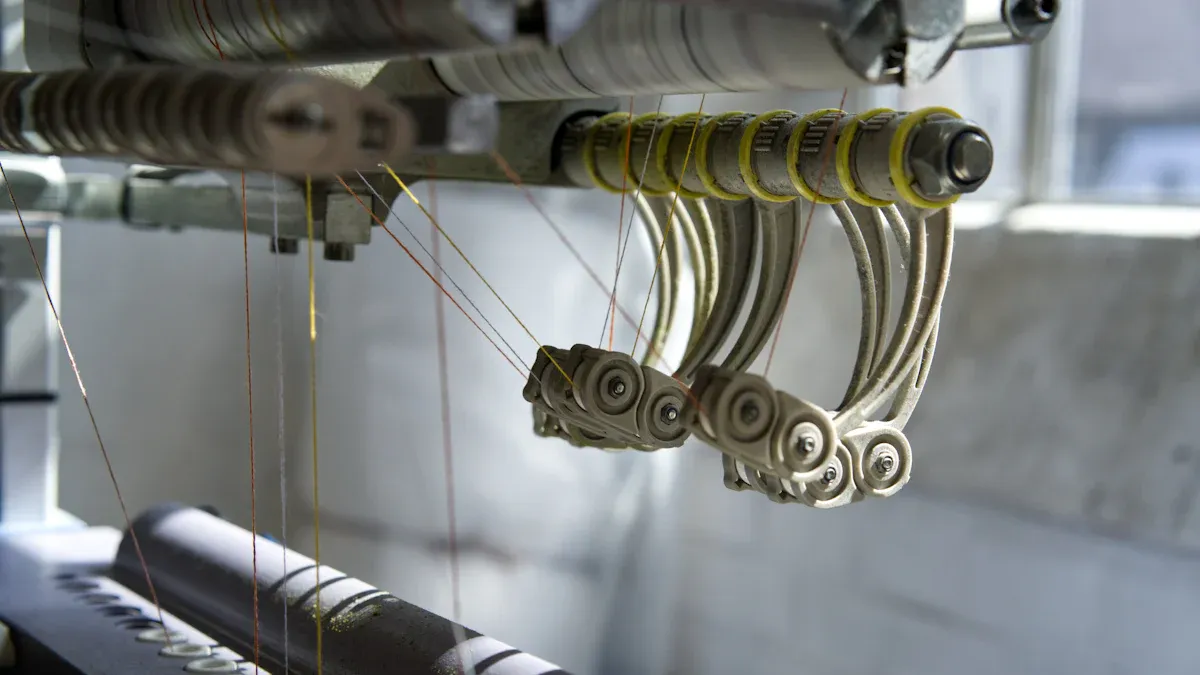
ฉันได้เห็นแล้วว่าการเลือกระบบการอัดรีดเป็นตัวกำหนดกระบวนการผลิตทั้งหมด. ผู้ผลิตส่วนใหญ่ใช้ระบบสกรูเดี่ยว, ซึ่งถือก 62% ส่วนแบ่งการตลาด, ในขณะที่ระบบสกรูคู่มีส่วนช่วย 38%.
| ประเภทระบบการอัดรีด | เปอร์เซ็นต์ส่วนแบ่งการตลาด |
|---|---|
| สกรูเดี่ยว | 62% |
| สกรูคู่ | 38% |
การเลือกประเภทสกรูจะส่งผลต่อประสิทธิภาพ, คุณภาพของผลิตภัณฑ์, และความเข้ากันได้ของวัสดุ. เมื่อฉันจับคู่เทคโนโลยีการอัดขึ้นรูปกับเป้าหมายการผลิต, ฉันสังเกตเห็นการปรับปรุงในด้านความคุ้มทุน, ความคล่องตัวในการออกแบบ, และความยั่งยืน.
| ปัจจัย | ผลกระทบต่อประสิทธิภาพการผลิต | ผลกระทบต่อคุณภาพผลิตภัณฑ์ |
|---|---|---|
| พารามิเตอร์ที่ได้รับการควบคุม | รักษาคุณภาพของผลิตภัณฑ์ให้สม่ำเสมอ | บรรลุความคลาดเคลื่อนของไมโครมิเตอร์ |
ฉันวางใจใน Complete Extrusion Systems เพื่อให้ได้ผลลัพธ์ที่สม่ำเสมอและประสิทธิภาพของสกรูที่แม่นยำ.
ประเด็นสำคัญ
- เลือกระบบการอัดขึ้นรูปที่เหมาะสมตามเป้าหมายการผลิตและคุณสมบัติของวัสดุของคุณ เพื่อให้มั่นใจถึงประสิทธิภาพสูงสุด.
- เครื่องอัดรีดแบบสกรูเดี่ยวเหมาะอย่างยิ่งสำหรับการผลิตวัสดุเรียบง่ายในปริมาณมาก, ในขณะที่ระบบสกรูคู่เป็นเลิศในการผสมวัสดุที่ซับซ้อน.
- การบำรุงรักษาและการตรวจสอบระบบการอัดขึ้นรูปเป็นประจำจะป้องกันการหยุดทำงานและเพิ่มประสิทธิภาพ, ทำให้มั่นใจได้ถึงคุณภาพของผลิตภัณฑ์ที่สอดคล้องกัน.
- พิจารณาเส้นผ่านศูนย์กลางของสกรูและอัตราส่วน L/D เมื่อเลือกเครื่องอัดรีด, เนื่องจากปัจจัยเหล่านี้ส่งผลต่อปริมาณงานและประสิทธิภาพการผสม.
- ใช้การอัดรีดร่วมเพื่อสร้างผลิตภัณฑ์หลายชั้นที่รวมวัสดุที่แตกต่างกัน, ปรับปรุงการทำงานและประสิทธิภาพ.
- ประเมินความเข้ากันได้ของวัสดุกับระบบการอัดขึ้นรูปที่เลือก เพื่อหลีกเลี่ยงข้อบกพร่องและรับประกันผลลัพธ์คุณภาพสูง.
- รับข่าวสารเกี่ยวกับแนวโน้มใหม่ของเทคโนโลยีการอัดขึ้นรูป, เช่น IoT และ AI, เพื่อปรับปรุงประสิทธิภาพและปรับให้เข้ากับความต้องการการผลิตที่เปลี่ยนแปลงไป.
- สร้างรายการตรวจสอบปัจจัยสำคัญก่อนที่จะเลือก เครื่องอัดรีด เพื่อหลีกเลี่ยงข้อผิดพลาดที่มีค่าใช้จ่ายสูงและให้แน่ใจว่าระบบตรงตามข้อกำหนดการใช้งาน.
การเลือกระบบการอัดรีดที่เหมาะสมสำหรับการผลิต
ปัจจัยสำคัญในการเลือกระบบ
ฉันไม่เคยพบสากล “ดีที่สุด” ระบบการอัดรีด. ประสบการณ์ของฉันบอกฉันว่าตัวเลือกที่เหมาะสมที่สุดนั้นขึ้นอยู่กับเป้าหมายการผลิต, คุณสมบัติของวัสดุ, และข้อกำหนดของผลิตภัณฑ์. เมื่อผมเลือกระบบอัดรีด, ฉันจับคู่ความสามารถของมันกับแอปพลิเคชันที่ต้องการเสมอ. แนวทางนี้ทำให้มั่นใจได้ว่ากระบวนการอัดรีดจะให้คุณภาพที่สม่ำเสมอและประสิทธิภาพสูงสุด.
ฉันพิจารณาหลายอย่าง ปัจจัยสำคัญ ก่อนทำการเลือกเครื่องอัดรีด. ฉันใช้ตารางต่อไปนี้เพื่อเป็นแนวทางในการตัดสินใจของฉัน:
| ปัจจัย | คำอธิบาย |
|---|---|
| วัตถุประสงค์การวิจัย | วัตถุประสงค์ของเครื่อง (การศึกษา, การพัฒนาวัสดุ, หรือการผลิตนำร่องเชิงพาณิชย์) |
| ประเภทวัสดุ | ประเภทของโพลีเมอร์ที่จะแปรรูป (ไวต่อความร้อน, ระเหย, หรือเกิดปฏิกิริยา) |
| กำลังการผลิตเอาต์พุตที่ต้องการ | ความจุปริมาณงาน (กรัมหรือกิโลกรัมต่อชั่วโมง) |
| ข้อกำหนดกระบวนการขั้นสูง | จำเป็นต้องฉีดแก๊ส, degassing สูญญากาศ, หรือความสามารถในการอัดขึ้นรูปปฏิกิริยา |
| งบประมาณและพื้นที่ห้องปฏิบัติการ | การพิจารณาการขยายโมดูลาร์สำหรับการอัพเกรดในอนาคต |
| ความต้องการในการขยายขนาดในอนาคต | ความเข้ากันได้กับโมดูลการอัดขึ้นรูปทางอุตสาหกรรมเพื่อการขยายขนาดการผลิต |
ฉันมักจะใส่ใจกับเส้นผ่านศูนย์กลางของสกรูและอัตราส่วน L/D. พารามิเตอร์เหล่านี้จะกำหนดกำลังการผลิตและประสิทธิภาพการผสม. ฉันเลือกเครื่องอัดรีดที่มีกำลังการผลิตที่เหมาะสม, ซึ่งสามารถมีได้ตั้งแต่ 0.25 กก./ชม. ถึง 150 กก./ชม. ขึ้นอยู่กับรุ่น. การออกแบบแบบแยกส่วนช่วยให้ฉันเปลี่ยนส่วนประกอบได้อย่างรวดเร็ว, ซึ่งให้ความยืดหยุ่นในการวิจัยและพัฒนา. ฉันพึ่งพาระบบควบคุมขั้นสูง, เช่น PLC และ HMI, เพื่อให้เกิดการควบคุมที่แม่นยำและสามารถตรวจสอบย้อนกลับข้อมูลได้.
เมื่อผมประเมินประเภทของเครื่องอัดรีด, ฉันพิจารณาความซับซ้อนของโปรไฟล์และความคลาดเคลื่อนที่ต้องการ. การออกแบบที่ซับซ้อนต้องใช้เครื่องมือที่แม่นยำและสามารถเพิ่มต้นทุนได้. ฉันยังดูปริมาณการสั่งซื้อด้วย. ปริมาณที่สูงขึ้นจะลดต้นทุนต่อหน่วยเนื่องจากต้นทุนการตั้งค่าจะกระจายไปยังหน่วยต่างๆ มากขึ้น. งานตกแต่งขั้นสุดท้ายและงานรอง, เช่นการอโนไดซ์หรือเครื่องจักรกลซีเอ็นซี, เพิ่มมูลค่าและต้นทุน.
เคล็ดลับ: ฉันแนะนำให้ทำรายการตรวจสอบปัจจัยเหล่านี้ก่อนเริ่มกระบวนการเลือกเครื่องอัดรีด. แนวทางปฏิบัตินี้ช่วยหลีกเลี่ยงข้อผิดพลาดที่มีค่าใช้จ่ายสูงและช่วยให้มั่นใจว่าระบบตรงกับการใช้งานที่ต้องการ.
ผลกระทบต่อประสิทธิภาพการผลิต
ฉันสังเกตเห็นว่าระบบการอัดขึ้นรูปที่ฉันเลือกส่งผลโดยตรงต่อประสิทธิภาพการผลิต. การออกแบบสกรู, ความสามารถในการผสม, และเทคโนโลยีการอัดขึ้นรูปล้วนมีบทบาทในการทำให้กระบวนการดำเนินไปได้อย่างราบรื่น. ตัวอย่างเช่น, ก เครื่องอัดรีดแบบสกรูเดี่ยว มักทำงานได้ดีกับโพลีเมอร์ธรรมดาและการผลิตในปริมาณมาก. เครื่องอัดรีดแบบสกรูคู่จัดการกับวัสดุที่ซับซ้อนและการใช้งานขั้นสูง, เช่นการอัดขึ้นรูปปฏิกิริยาหรือส่วนผสมพิเศษ.
ฉันพบว่าความหนืดสูงและปริมาณของแข็งในวัสดุที่มีพลังอาจทำให้เกิดการอุดตันได้, การอัดขึ้นรูปที่ไม่เสถียร, และการสึกหรอของหัวฉีด. ปัญหาเหล่านี้ลดประสิทธิภาพและลดความปลอดภัย. ฉันจัดการกับความท้าทายเหล่านี้โดยการปรับการออกแบบระบบการนวดให้เหมาะสม. ความสม่ำเสมอในการผสมที่ดีขึ้นและความแม่นยำในการอัดขึ้นรูปช่วยเพิ่มทั้งความปลอดภัยและประสิทธิภาพ.
ฉันใช้ระบบการอัดรีดสกรูคู่แบบสองขั้นตอน เมื่อฉันต้องการความเสถียรและความสามารถในการปรับตัวที่มากขึ้น. การจำลองแสดงให้เห็นว่าการออกแบบนี้ปรับปรุงลักษณะการไหลและรักษาเอาต์พุตที่สม่ำเสมอ. ฉันคอยตรวจสอบกระบวนการอัดขึ้นรูปอยู่เสมอเพื่อให้มั่นใจในคุณภาพที่สม่ำเสมอและลดเวลาหยุดทำงานให้เหลือน้อยที่สุด.
| ประเภทหลักฐาน | คำอธิบาย |
|---|---|
| ความท้าทายในการผลิตสารเติมแต่ง | ความหนืดสูงและปริมาณของแข็งของวัสดุที่มีพลังทำให้เกิดปัญหาเช่นการอุดตัน, การอัดขึ้นรูปที่ไม่เสถียร, และการสึกหรอของหัวฉีด, ส่งผลต่อประสิทธิภาพและความปลอดภัย. |
| ประสิทธิภาพของระบบนวด | การออกแบบของระบบนวดส่งผลต่อความสม่ำเสมอในการผสมวัสดุและความแม่นยำในการอัดขึ้นรูป, ด้วยการเพิ่มประสิทธิภาพเฉพาะที่นำเสนอเพื่อเพิ่มความปลอดภัยและประสิทธิภาพ. |
| การออกแบบระบบการอัดรีด | ระบบการอัดรีดแบบสกรูคู่แบบสองขั้นตอนได้รับการออกแบบมาเพื่อปรับปรุงความเสถียรและความสามารถในการปรับตัวในกระบวนการอัดรีด, ด้วยการจำลองเผยให้เห็นลักษณะการไหลของระบบต่างๆ. |
ฉันจับคู่ระบบการอัดรีดให้ตรงกับข้อกำหนดการผลิตเสมอ. แนวปฏิบัตินี้ช่วยให้มั่นใจได้ว่าเครื่องอัดรีดจะให้คุณภาพและประสิทธิภาพตามที่ต้องการ. ฉันเลือกการกำหนดค่าสกรูตามประเภทวัสดุและความซับซ้อนของการใช้งาน. ฉันพึ่งพาเทคโนโลยีการอัดขึ้นรูปขั้นสูงเพื่อเพิ่มประสิทธิภาพสูงสุดและรักษามาตรฐานคุณภาพของผลิตภัณฑ์ในระดับสูง.
บันทึก: ฉันแนะนำให้มีการบำรุงรักษาและการตรวจสอบกระบวนการอย่างสม่ำเสมอเพื่อรักษาประสิทธิภาพสูงสุดและป้องกันการหยุดทำงานที่ไม่คาดคิด.
ประเภทของระบบอัดรีดแบบสมบูรณ์
เมื่อฉันประเมินระบบการอัดขึ้นรูปที่สมบูรณ์สำหรับการผลิต, ฉันมักจะเริ่มต้นด้วยการระบุหลัก ประเภทของเครื่องอัดรีด. ตัวเลือกที่พบบ่อยที่สุด ได้แก่ เครื่องอัดรีดแบบสกรูเดี่ยว, เครื่องอัดรีดแบบสกรูคู่, และเครื่องรีดขึ้นรูป. แต่ละระบบมีจุดแข็งและข้อจำกัดเฉพาะตัว, ฉันจึงเน้นไปที่การจับคู่เทคโนโลยีที่เหมาะสมกับการใช้งาน.
| ประเภทของเครื่องอัดรีด |
|---|
| เครื่องอัดรีดแบบสกรูเดี่ยว |
| เครื่องอัดรีดสกรูคู่ |
| เครื่องอัดรีดราม |
การอัดขึ้นรูปด้วยสกรูเดี่ยว
ฉันมักจะใช้เครื่องอัดรีดแบบสกรูตัวเดียวสำหรับกระบวนการอัดรีดที่ไม่ซับซ้อน. เครื่องนี้มีสกรูหมุนหนึ่งตัวภายในถังให้ความร้อน. สกรูดันวัสดุไปข้างหน้า, ละลายมัน, และปั้นมันด้วยแม่พิมพ์. ฉันไว้วางใจระบบนี้สำหรับการผลิตเทอร์โมพลาสติกในปริมาณมาก, ผลิตภัณฑ์อาหาร, และสารประกอบยาง. ความเรียบง่ายของการออกแบบทำให้ง่ายต่อการใช้งานและบำรุงรักษา.
| อุตสาหกรรม | คำอธิบายแอปพลิเคชัน | การคาดการณ์การเติบโตของตลาด |
|---|---|---|
| พลาสติก | การหลอมและการขึ้นรูปเทอร์โมพลาสติก, แรงหนุนจากการใช้ PE และ PP ที่เพิ่มขึ้น. | CAGR ประมาณ 4-5% ผ่าน 2030 |
| การแปรรูปอาหาร | Producing processed foods like snacks and cereals. | Market to reach over $75 พันล้านโดย 2026 |
| การผสมยาง | การผสมและขึ้นรูปยางสำหรับยางรถยนต์และชิ้นส่วนยานยนต์. | Tire production to surpass 2 billion units by 2025 |
| ชีวการแพทย์ | Biopolymer production for packaging and medical devices. | Emerging market with new extrusion technology |
อย่างไรก็ตาม, I recognize the limitations of single screw extrusion. Achieving uniform mixing can be difficult, especially when I add fillers or additives. Pressure consistency often varies with feedstock changes, and high-viscosity materials may not flow well, leading to defects. These challenges guide my extrusion machine selection when I need higher quality or more complex processing.
เคล็ดลับ: เพื่อความเรียบง่าย, high-volume applications, I recommend starting with a single screw extruder. For advanced mixing or specialty materials, consider other options.
การอัดขึ้นรูปด้วยสกรูคู่
เมื่อฉันต้องการการประมวลผลขั้นสูง, ฉันหันไปหา เครื่องอัดรีดแบบสกรูคู่ เทคโนโลยี. ระบบนี้ใช้สกรูสองตัวที่หมุนด้วยกันภายในกระบอก. สกรูสามารถแทรกหรือวิ่งขนานกันได้, ขึ้นอยู่กับการออกแบบ. ฉันพบว่าเครื่องอัดรีดแบบสกรูคู่ให้ประสิทธิภาพการผสมที่เหนือกว่า, การทำพลาสติกให้ดีขึ้นสำหรับวัสดุที่มีความหนืดสูง, และควบคุมอุณหภูมิและความดันได้ดีขึ้น. คุณสมบัติเหล่านี้ช่วยปรับปรุงคุณภาพผลิตภัณฑ์และความสม่ำเสมอของกระบวนการ.
การอัดขึ้นรูปด้วยสกรูคู่ยังช่วยให้ฉันสามารถดำเนินการขั้นตอนการประมวลผลหลายขั้นตอนในเครื่องเดียวได้. ฉันสามารถผสม, ละลาย, ระบาย, และแม้แต่ทำปฏิกิริยากับวัสดุในระหว่างการผ่านครั้งเดียว. ความยืดหยุ่นนี้ช่วยลดของเสียและเร่งการผลิต. เมื่อเปรียบเทียบเครื่องอัดรีดแบบสกรูคู่กับเครื่องอัดรีดแบบสกรูเดี่ยว, ฉันเห็นผลตอบแทนจากการลงทุนเร็วขึ้นและผลลัพธ์ที่สม่ำเสมอมากขึ้นด้วยระบบสกรูคู่, โดยเฉพาะอย่างยิ่งสำหรับส่วนผสมที่ซับซ้อนหรือพลาสติกรีไซเคิล.
ชนิดย่อยของสกรูคู่
ฉันมักจะคำนึงถึงเครื่องอัดรีดประเภทต่างๆ ภายในประเภทสกรูคู่เสมอ. โครงสร้างสกรูส่งผลต่อประสิทธิภาพ, ประสิทธิภาพ, และขอบเขตของการใช้งาน.
ประสานกัน
เครื่องอัดรีดสกรูคู่แบบ Intermeshing มีสกรูที่ทับซ้อนกันและประกบกัน. การออกแบบนี้ให้ การขนส่งวัสดุที่แม่นยำ และแรงเฉือนสูง. ฉันใช้ระบบผสมผสานเพื่อปรับปรุงการผสมและความเข้ากันได้, โดยเฉพาะอย่างยิ่งเมื่อฉันต้องการกระจายสารเติมแต่งหรือฟิลเลอร์ให้เท่าๆ กัน.
ไม่ประสานกัน
เครื่องอัดรีดสกรูคู่แบบไม่ต่อกันมีสกรูที่หมุนได้โดยไม่ทับซ้อนกัน. การตั้งค่านี้ช่วยให้ผสมได้นุ่มนวลขึ้นและมีแรงเฉือนน้อยลง. ฉันเลือกการออกแบบที่ไม่ซ้อนทับกันสำหรับวัสดุที่มีความละเอียดอ่อนซึ่งต้องใช้แรงกดเชิงกลน้อยที่สุด.
ร่วมหมุน
เครื่องอัดรีดสกรูคู่แบบหมุนร่วมมีสกรูที่หมุนไปในทิศทางเดียวกัน. ชนิดย่อยนี้มีความเป็นเลิศในด้านประสิทธิภาพการผสมและการขนย้ายวัสดุ. ฉันใช้ระบบหมุนร่วมสำหรับการอัดขึ้นรูปปฏิกิริยา, การทำลายล้าง, และการผสมโพลีเมอร์ประสิทธิภาพสูง. อย่างไรก็ตาม, อัตราเฉือนที่สูงสามารถย่อยสลายวัสดุที่ไวต่อความร้อนได้, ฉันจึงติดตามการออกแบบสกรูและการระบายความร้อนอย่างใกล้ชิด.
| ชนิดย่อย | ความสามารถในการประมวลผลและข้อดี | ข้อจำกัดและข้อควรพิจารณา | แอปพลิเคชั่นที่ดีที่สุด |
|---|---|---|---|
| เครื่องอัดรีดสกรูคู่แบบหมุนร่วม | ประสิทธิภาพการผสมสูง, เหมาะสำหรับการอัดขึ้นรูปปฏิกิริยา, อัตราเฉือนสูง | ความเสี่ยงจากการสลายตัวของวัสดุ, ต้องใช้การออกแบบสกรูที่แม่นยำ | การผสมโพลีเมอร์, นาโนคอมโพสิต, ขั้นตอนการทำงานจากห้องปฏิบัติการสู่การผลิต |
การหมุนสวนทาง
เครื่องอัดรีดสกรูคู่แบบหมุนสวนทางมีสกรูที่หมุนไปในทิศทางตรงกันข้าม. การกำหนดค่านี้จะสร้างแรงเฉือนที่ต่ำกว่า, ซึ่งช่วยปกป้องวัสดุที่เปราะบาง. ฉันพึ่งพาระบบหมุนทวนสำหรับเซรามิก, ไบโอโพลีเมอร์, และสูตรยา. การออกแบบยังสร้างแรงดันได้ดีและการปิดผนึกที่มีประสิทธิภาพ, แม้ว่าความเข้มข้นของการผสมจะต่ำกว่าระบบหมุนร่วมก็ตาม.
| ชนิดย่อย | ความสามารถในการประมวลผลและข้อดี | ข้อจำกัดและข้อควรพิจารณา | แอปพลิเคชั่นที่ดีที่สุด |
|---|---|---|---|
| เครื่องอัดรีดสกรูคู่แบบหมุนสวนทาง | แรงเฉือนที่ต่ำกว่า, การสร้างแรงกดดันที่ดี, การปิดผนึกที่มีประสิทธิภาพ | ความเข้มของการผสมลดลง, การออกแบบการปิดผนึกและแบริ่งที่ซับซ้อนมากขึ้น | เซรามิกส์, ไบโอโพลีเมอร์, ยา |
เมื่อฉันเลือกระบบการอัดขึ้นรูปที่สมบูรณ์, ฉันจับคู่ประเภทสกรูและการกำหนดค่าให้ตรงกับข้อกำหนดด้านวัสดุและกระบวนการเสมอ. วิธีการนี้ทำให้มั่นใจในคุณภาพสูง, ประสิทธิภาพ, และประสิทธิภาพที่เชื่อถือได้ในทุกการใช้งาน.
การอัดขึ้นรูปราม
ฉันมักจะเลือกการอัดขึ้นรูปแบบแกะเมื่อต้องแปรรูปวัสดุที่ต้องใช้แรงดันสูงและการปรับรูปร่างที่แม่นยำ. วิธีนี้ใช้เครื่องอัดไฮดรอลิกเพื่อดันวัสดุผ่านถังที่ให้ความร้อนแล้วตาย, แทนที่จะพึ่งสกรูหมุน. ฉันพบว่าเครื่องอัดรีดแบบแกะมีประโยชน์อย่างยิ่งในการขึ้นรูปผลิตภัณฑ์จากพลาสติกเทอร์โมเซตติง, เซรามิกส์, และไฟเบอร์. กระบวนการนี้ทำให้ฉันสามารถสร้างแท่งได้, หลอด, และโปรไฟล์ที่มีมิติสม่ำเสมอ.
การอัดรีดแบบ Ram มีความโดดเด่นในบรรดาเครื่องอัดรีดประเภทต่างๆ เนื่องจากสามารถจัดการกับวัสดุที่เครื่องอัดรีดแบบสกรูแบบดั้งเดิมไม่สามารถดำเนินการได้อย่างมีประสิทธิภาพ. ฉันใช้เทคโนโลยีนี้ในอุตสาหกรรม เช่นพลาสติก, อาหาร, และเภสัชภัณฑ์. ตัวอย่างเช่น, ฉันผลิตขนมและซีเรียลที่มีรูปร่างเป็นเอกลักษณ์, และฉันผลิตยาเม็ดและแคปซูลตามข้อกำหนดเฉพาะที่แน่นอน.
ฉันสังเกตเห็นคุณประโยชน์และความท้าทายหลายประการเมื่อใช้เครื่องอัดรีดแบบแกะ:
- เครื่องอัดรีดแบบ Ram เป็นเลิศในการผลิตผลิตภัณฑ์คุณภาพสูงจากวัสดุที่แปรรูปยาก.
- ฉันไว้วางใจในการใช้งานที่เทคโนโลยีการอัดขึ้นรูปสกรูไม่เพียงพอ, เช่น PTFE และโปรไฟล์เซรามิก.
- กระบวนการนี้ให้คุณภาพที่สม่ำเสมอและความแม่นยำของมิติ.
- ต้นทุนการดำเนินงานที่สูงอาจส่งผลต่อประสิทธิภาพและประสิทธิภาพโดยรวม.
- กฎระเบียบที่เข้มงวดในการผลิตพลาสติกจำเป็นต้องมีการควบคุมกระบวนการอย่างระมัดระวัง.
- การแข่งขันจากระบบการอัดรีดทางเลือกผลักดันให้ฉันเพิ่มประสิทธิภาพการเลือกเครื่องอัดรีดของฉัน.
ฉันมักจะชั่งน้ำหนักปัจจัยเหล่านี้ก่อนที่จะเลือกการอัดขึ้นรูปแบบ ram สำหรับระบบการอัดขึ้นรูปแบบสมบูรณ์. ฉันติดตามกระบวนการอย่างใกล้ชิดเพื่อรักษาคุณภาพและประสิทธิภาพ, โดยเฉพาะอย่างยิ่งเมื่อทำงานกับวัสดุพิเศษ.
การอัดขึ้นรูปร่วม
การอัดรีดร่วมทำให้ฉันสามารถรวมวัสดุหลายชนิดให้เป็นผลิตภัณฑ์เดียวได้, การสร้างโปรไฟล์หลายชั้นพร้อมคุณสมบัติที่ได้รับการปรับปรุง. ฉันใช้เทคโนโลยีการอัดขึ้นรูปนี้เพื่อรวมเทอร์โมพลาสติกต่างๆ, แต่ละชั้นมีลักษณะเฉพาะตัว. กระบวนการนี้เกี่ยวข้องกับการผลักวัสดุหลายชนิดผ่านแม่พิมพ์ตัวเดียว, ส่งผลให้มีโปรไฟล์แบบครบวงจรที่ตรงตามข้อกำหนดการผลิตที่ซับซ้อน.
ฉันพึ่งพาการอัดรีดร่วมเพื่อผลิตผลิตภัณฑ์ที่ต้องการความทนทาน, ความยืดหยุ่น, และความสวยงามดึงดูดใจ. วิธีนี้ช่วยให้ฉันปรับแต่งคุณภาพของแต่ละเลเยอร์ได้, ปรับปรุงประสิทธิภาพและฟังก์ชันการทำงาน. ฉันมองว่าการอัดรีดร่วมเป็นความก้าวหน้าที่สำคัญในระบบการอัดขึ้นรูปที่สมบูรณ์, โดยเฉพาะอย่างยิ่งเมื่อต้องผลิตสินค้าที่มีคุณสมบัติพิเศษ.
อุตสาหกรรมได้รับประโยชน์จากการอัดขึ้นรูปร่วมในหลายวิธี:
- การก่อสร้าง: ฉันผลิตขอบหน้าต่าง, เฟรม, และตัดแต่งชิ้นส่วน ที่ผสมผสานความแข็งแกร่งและรูปลักษณ์ที่ดึงดูดใจ.
- ขายปลีก: ฉันสร้างระบบชั้นวางและจอแสดงผลที่ทั้งทนทานและสวยงาม.
- ป้าย: ฉันผลิตป้ายและกรอบเรืองแสงที่มีพื้นผิวที่สะอาดตาและประสิทธิภาพที่เชื่อถือได้.
Co-extrusion ขยายขอบเขตการใช้งานสำหรับเทคโนโลยีการอัดขึ้นรูป. ฉันใช้มันเพื่อให้บรรลุเป้าหมายการผลิตที่ต้องการและส่งมอบผลิตภัณฑ์ที่มีคุณภาพที่เหนือกว่า. เมื่อฉันเลือกเครื่องอัดรีดสำหรับการอัดรีดร่วม, ฉันพิจารณาการออกแบบสกรู, การควบคุมกระบวนการ, และความเข้ากันได้ของวัสดุ. แนวทางนี้รับประกันประสิทธิภาพและผลลัพธ์ที่สม่ำเสมอ.
เคล็ดลับ: ฉันขอแนะนำการอัดขึ้นรูปร่วมสำหรับโครงการที่ต้องใช้โปรไฟล์หลายชั้นและฟังก์ชันการทำงานของผลิตภัณฑ์ที่ได้รับการปรับปรุง. การเลือกเครื่องอัดรีดอย่างระมัดระวังและการตรวจสอบกระบวนการถือเป็นสิ่งสำคัญเพื่อให้ได้คุณภาพสูงสุด.
โครงสร้างและการทำงานของระบบอัดรีด
การออกแบบสกรูและบาร์เรล
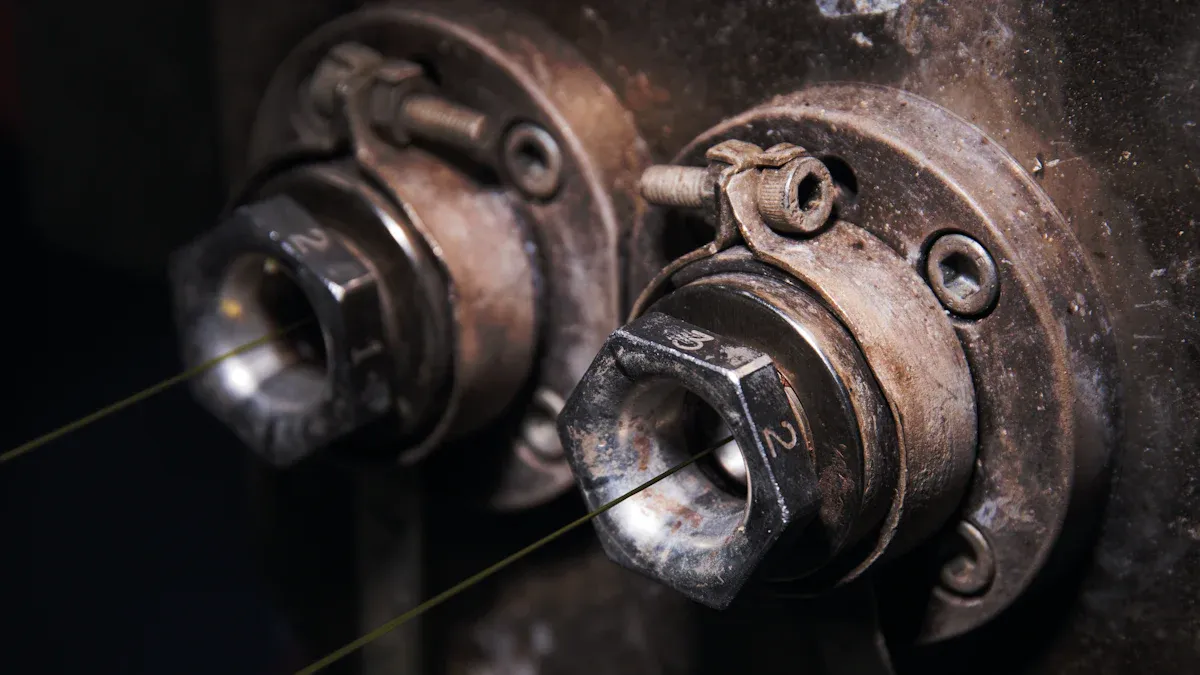
ฉันมักจะเริ่มเลือกเครื่องอัดรีดโดยพิจารณาการออกแบบสกรูและกระบอก. รูปทรงของสกรูเป็นตัวกำหนดประสิทธิภาพของเครื่องอัดรีดที่หลอมละลาย, ผสม, และถ่ายทอดวัสดุ. ฉันปรับความยาวเป็นเส้นผ่านศูนย์กลาง (แอล/ดี) อัตราส่วนเพื่อควบคุมเวลาพักและการผสม. อัตราส่วน L/D ที่สูงขึ้นจะทำให้วัสดุละลายและผสมได้ละเอียดยิ่งขึ้น, ซึ่งจำเป็นสำหรับการบรรลุคุณภาพที่สม่ำเสมอในผลิตภัณฑ์ขั้นสุดท้าย. ฉันอาศัยการออกแบบกั้นในกระบอกสกรูเพื่อรักษาเสถียรภาพของหลอมเหลวและป้องกันการย่อยสลาย, โดยเฉพาะอย่างยิ่งเมื่อฉันประมวลผลวัสดุที่ละเอียดอ่อน. การออกแบบสกรูคู่และกระบอกคู่ขนาน มีบทบาทสำคัญในความเร็วการอัดขึ้นรูป, คุณภาพของผลิตภัณฑ์, และประสิทธิภาพการใช้พลังงาน. ฉันใช้การแบ่งเขตและการควบคุมอุณหภูมิที่แม่นยำเพื่อรักษาเสถียรภาพการไหลของของเหลวและหลีกเลี่ยงก๊าซที่ติดอยู่, ซึ่งช่วยเพิ่มความหนาแน่นและความสม่ำเสมอ. พื้นผิวของกระบอกสูบและรูปทรงของสกรูยังส่งผลต่อประสิทธิภาพการใช้พลังงานและความสม่ำเสมอของผลิตภัณฑ์อีกด้วย. ฉันจับคู่การออกแบบสกรูให้ตรงกับความต้องการเฉพาะของการใช้งานเสมอเพื่อเพิ่มประสิทธิภาพสูงสุด.
- อัตราส่วน L/D ที่สูงขึ้นช่วยปรับปรุงการผสม และละลายความสม่ำเสมอ, ซึ่งจำเป็นสำหรับผลิตภัณฑ์คุณภาพสูง.
- การออกแบบแผงกั้นช่วยรักษาเสถียรภาพของหลอมเหลวและป้องกันการย่อยสลาย.
- รูปทรงของสกรูและพื้นผิวกระบอกสูบส่งผลต่อประสิทธิภาพการใช้พลังงานและความสม่ำเสมอของผลิตภัณฑ์.
การเคลื่อนย้ายและการผสมวัสดุ
ฉันมุ่งเน้นไปที่การเคลื่อนย้ายและการผสมวัสดุอย่างมีประสิทธิภาพเพื่อให้แน่ใจว่ากระบวนการอัดขึ้นรูปดำเนินไปอย่างราบรื่น. ฉันใช้ สายพานลำเลียงแบบนิวแมติกหรือแบบกลไกที่แข็งแกร่ง เพื่อขนย้ายวัตถุดิบได้อย่างรวดเร็วและมีการบำรุงรักษาน้อยที่สุด. การออกแบบเครื่องผสมขั้นสูงรับประกันการผสมที่ละเอียดและสม่ำเสมอ, ซึ่งป้องกันการแปรผันของผลิตภัณฑ์สำเร็จรูป. ฉันรวมการควบคุมอัตโนมัติเข้ากับระบบ PLC สำหรับการตรวจสอบแบบเรียลไทม์และการจัดการสูตรอาหาร. แนวทางนี้ช่วยให้ฉันดูแลการผลิตได้อย่างราบรื่นและปรับพารามิเตอร์ได้ตามต้องการ. ฉันเลือกการกำหนดค่าที่ปรับขนาดได้เพื่อรองรับทั้งโรงงานขนาดเล็กและการดำเนินงานทางอุตสาหกรรมขนาดใหญ่. คุณสมบัติการควบคุมฝุ่นที่ได้รับการปรับปรุงทำให้สถานที่ทำงานสะอาดและปลอดภัย. สม่ำเสมอ, homogeneous blends reduce quality fluctuations and improve throughput. Automated systems minimize manual handling, which shortens production cycles and lowers labor costs. I always prioritize these features when I evaluate types of extrusion machines for new applications.
| คุณสมบัติ | คำอธิบาย |
|---|---|
| Efficient Material Transfer | Rapid, low-maintenance movement of raw materials |
| การผสมที่แม่นยำ | Thorough, uniform compounding for consistent quality |
| การควบคุมอัตโนมัติ | Real-time monitoring and recipe management |
| Scalable Configurations | Flexible layouts for any production capacity |
| Enhanced Dust Control | Cleaner, safer workplace |
| Improved Product Quality | Homogeneous blends, reduced fluctuations |
| Increased Throughput | Shorter production cycles, less manual handling |
| ลดของเสีย | Accurate measurement, lower costs |
| Lower Labor Costs | Automation frees staff for value-added tasks |
| Safer Working Environment | Enclosed lines and dust control |
Process Control and Output Quality
I depend on advanced process control technology to maintain high output quality in extrusion manufacturing. I select high-quality thermoplastics to ensure the final products meet strength, ความทนทาน, and flexibility requirements. I monitor extrusion parameters closely to reduce discrepancies during production. Dimensional accuracy remains a top priority for me, as it guarantees that components fit their intended applications. I use surface inspection to detect defects such as warping or air bubbles, which helps me maintain consistent product quality. Early detection of issues reduces waste and saves on production costs. I always ensure that my process complies with regulatory standards, which protects both my business and my customers. High-quality products enhance my brand reputation and increase customer satisfaction. Advanced monitoring systems allow me to increase production speed without sacrificing accuracy, which boosts overall efficiency in complete extrusion systems.
| Element/Advantage | คำอธิบาย |
|---|---|
| การเลือกใช้วัสดุ | Ensures strength, ความทนทาน, และความยืดหยุ่น |
| การตรวจสอบกระบวนการ | Reduces discrepancies and maintains consistency |
| ความแม่นยำของมิติ | Guarantees proper fit for all applications |
| การตรวจสอบพื้นผิว | Identifies defects early for better quality |
| คุณภาพของผลิตภัณฑ์ที่สม่ำเสมอ | Every batch meets high standards |
| การลดของเสีย | Saves material and production costs |
| การปฏิบัติตามกฎระเบียบ | Meets legal and safety requirements |
| ความพึงพอใจของลูกค้า | Builds reputation and loyalty |
| Process Efficiency | Increases speed while maintaining accuracy |
เคล็ดลับ: I recommend regular calibration and maintenance of all extrusion technology to sustain peak performance and consistent quality.
Comparing the Extrusion Process
สกรูเดี่ยวเทียบกับ. Twin-Screw Process
When I compare เครื่องอัดรีดแบบสกรูเดี่ยวและสกรูคู่, I focus on how each system handles the extrusion process. The screw design shapes the way material moves and mixes. A single-screw extruder uses one helical screw inside a simple, กระบอกทรงกระบอก. ในทางตรงกันข้าม, a twin-screw extruder features two intermeshing screws and a more complex, มักจะแบ่งกระบอก. I see that temperature control in single-screw systems remains basic, while twin-screw machines offer advanced control with multiple heating and cooling zones. This difference impacts both throughput and energy efficiency.
| ด้าน | เครื่องอัดรีดแบบสกรูเดี่ยว | เครื่องอัดรีดแบบสกรูคู่ |
|---|---|---|
| การออกแบบสกรู | สกรูเกลียวเดี่ยว | สกรูสองตัวที่เชื่อมต่อกัน |
| โครงสร้างบาร์เรล | เรียบง่าย, ทรงกระบอก | ซับซ้อนมากขึ้น, มักจะแบ่งส่วน |
| การควบคุมอุณหภูมิ | การทำความร้อน/ความเย็นขั้นพื้นฐาน | ขั้นสูง, multi-zone |
| ความจุขาออก | ปานกลาง | สูง |
| การใช้พลังงาน | โดยทั่วไปสูงขึ้น | มีประสิทธิภาพมากขึ้น |
| ความยืดหยุ่นในการรับส่งข้อมูล | จำกัด | สูง |
I rely on twin-screw extruders for higher output and better energy efficiency. When I need flexibility in throughput or advanced process control, I choose twin-screw systems. For straightforward applications, single-screw extruders still provide reliable performance.
Material Compatibility in the Extrusion Process
Material compatibility plays a critical role in extrusion machine selection. I always match the screw configuration to the type of material I plan to process. Single-screw extruders handle standard thermoplastics well, but they struggle with materials that require intensive mixing or have high filler content. Twin-screw extruders excel with specialty compounds, พลาสติกรีไซเคิล, และวัสดุที่ทำปฏิกิริยาได้. I use segmented screws to adjust mixing and shearing for each application.
When I work with complete extrusion systems, I consider how each screw design affects the final product. Twin-screw extruders allow me to process a wider range of materials, including those with additives or sensitive properties. This flexibility supports more types of extrusion machines and expands the range of possible applications.
เคล็ดลับ: I recommend evaluating the chemical and physical properties of your raw materials before choosing an extruder. This step ensures compatibility and reduces the risk of defects.
คุณภาพและความสม่ำเสมอของผลิตภัณฑ์
I know that the extrusion process directly impacts the quality of the finished product. Modern extrusion lines integrate automation and advanced control platforms. These systems analyze multiple variables at once, which helps me maintain consistent quality across every batch.
Quality consistency is a productivity multiplier. Advanced control platforms analyze patterns across multiple variables simultaneously, ensuring that product quality is maintained throughout the extrusion process.
I monitor key factors such as stable melt pressure, output rate, and surface finish. Stable melt pressure prevents warping and dimensional drift. Higher and more stable output reduces scrap rates and downtime. Better surface finish and precise dimensional control enhance the impact on the quality of the finished product.
| ปัจจัยสำคัญ | Impact on Quality and Consistency |
|---|---|
| Stable melt pressure | Prevents dimensions from drifting or warping |
| Higher and more stable output | Reduces scrap rates and downtime |
| Better surface finish | Enhances overall product quality |
| การควบคุมมิติ | Ensures precision in final product specifications |
| Faster ROI | Improves profitability for manufacturers |
เมื่อเปรียบเทียบเครื่องอัดรีดแบบสกรูคู่กับเครื่องอัดรีดแบบสกรูเดี่ยว, I see that twin-screw systems deliver better consistency and lower operational cost. I achieve faster ROI and improved performance by investing in advanced extrusion technology. I always prioritize process monitoring and automation to ensure high quality and efficiency in production.
- Higher and more stable output
- Lower scrap and downtime
- Better surface finish and dimensional control
- Reduced operational cost
- Faster ROI
I rely on these strategies to maximize the benefits of extrusion and deliver products that meet strict manufacturing standards.
Performance Comparison Table
ปริมาณงานและประสิทธิภาพ
I always evaluate throughput and efficiency when I compare types of extrusion machines. Throughput measures how much material the extruder processes in a given time. Efficiency reflects how well the screw design converts raw material into finished products with minimal waste and energy use. I see that single-screw extruders often deliver steady throughput for standard polymers. เครื่องอัดรีดแบบสกรูคู่, with their advanced screw geometry, handle higher output and maintain better energy efficiency, especially for complex blends.
| ประเภทเครื่องอัดรีด | ปริมาณงาน (กก./ชม) | ประสิทธิภาพการใช้พลังงาน | กรณีการใช้งานที่ดีที่สุด |
|---|---|---|---|
| สกรูเดี่ยว | 50–500 | ปานกลาง | ปริมาณมาก, simple polymers |
| สกรูคู่ | 100–1000+ | สูง | Complex blends, specialty jobs |
| รามเครื่องอัดรีด | 10–100 | Low–Moderate | ไฟเบอร์, เซรามิกส์, พิเศษ |
| ระบบรีดร่วม | แตกต่างกันไป | สูง | Multi-layered profiles |
I always match the screw configuration to the material and production requirements. This approach ensures the process delivers consistent quality and meets manufacturing goals. I rely on complete extrusion systems to maximize throughput and efficiency for every application.
เคล็ดลับ: I recommend monitoring energy consumption and output rates regularly. This practice helps optimize extrusion machine selection and reduces operational costs.
Maintenance and Reliability
I prioritize maintenance and reliability when I select an extruder. The screw and barrel experience constant wear from abrasive materials and high temperatures. I schedule routine inspections and replace worn components to prevent unexpected downtime. Single-screw extruders require less maintenance due to their simple design. เครื่องอัดรีดแบบสกรูคู่, with more moving parts and segmented screws, need more frequent checks but offer greater flexibility.
| ประเภทเครื่องอัดรีด | ความต้องการการบำรุงรักษา | Reliability Level | Common Issues |
|---|---|---|---|
| สกรูเดี่ยว | Low–Moderate | สูง | Occasional screw wear |
| สกรูคู่ | ปานกลาง-สูง | สูง | Segment wear, seal failure |
| รามเครื่องอัดรีด | ปานกลาง | ปานกลาง | Hydraulic leaks, die wear |
| ระบบรีดร่วม | สูง (multi-screw) | สูง | Synchronization, screw wear |
I use advanced monitoring systems to track screw wear and process stability. This strategy improves reliability and extends the life of my extrusion technology. I always keep spare screws and barrels on hand to minimize downtime during maintenance.
Product Complexity and Flexibility
I value design flexibility in extrusion. The ability to customize the screw and die allows me to create complex profiles for a wide range of applications. I use extrusion to manufacture everything from simple plastic tubing to intricate window frames. I can add reinforcements or special features within the continuous material, which expands my product offerings.
| ด้าน | คำอธิบาย |
|---|---|
| ความยืดหยุ่นในการออกแบบ | Extrusion allows for significant design flexibility through die customization, enabling complex profiles. |
| การใช้งาน | Suitable for various applications, including intricate window frames and simple plastic tubing. |
| การปรับแต่ง | Manufacturers can include reinforcements or additional features within the continuous material. |
- In MedTech, I must achieve tight tolerances for medical devices.
- I ensure biocompatibility for all medical extrusion products.
- I monitor wall thickness closely, since it affects flow rates and structural strength.
I select the screw configuration and extrusion machine based on the complexity of the design and the required tolerances. This approach guarantees high quality and supports advanced manufacturing needs.
บันทึก: I recommend consulting with extrusion experts when planning new product designs. Their experience helps avoid costly mistakes and ensures the right screw and process configuration.
Application Suitability in Manufacturing
High-Volume Manufacturing
I always start my extrusion machine selection by considering the demands of high-volume manufacturing. When I need to produce thousands of units per day, I rely on single-screw extruders. These machines deliver steady throughput and maintain consistent quality. The screw design in single-screw extruders allows me to process standard polymers efficiently. I monitor the process closely to ensure uniform melt and minimize defects. I select the right screw diameter and length to match the production requirements. This approach helps me achieve high efficiency and reduce waste. I use automated controls to track output and maintain quality standards. High-volume applications benefit from robust types of extrusion machines that can operate continuously with minimal downtime. I always keep spare screws and barrels ready to avoid interruptions in production.
เคล็ดลับ: I recommend scheduling regular maintenance for extruders used in high-volume manufacturing. This practice extends the life of the screw and ensures reliable performance.
Complex Product Manufacturing
When I manufacture complex or multi-component products, I turn to advanced extrusion technology. Twin-screw extruders give me greater control over mixing and material distribution. I use segmented screws to adjust shear and optimize the process for each application. Co-extrusion technology enables me to combine different polymers into multi-layer films and pipes. This method improves barrier properties and enhances strength, ความยืดหยุ่น, and chemical resistance.
| เทคโนโลยี | ประโยชน์ |
|---|---|
| การอัดขึ้นรูปร่วม | Enables the creation of multi-layer films and pipes with improved barrier properties, combining different polymers for strength, ความยืดหยุ่น, and chemical resistance. |
I select the screw configuration based on the complexity of the product. For intricate designs, I rely on precise tooling and advanced process monitoring. I always test the extruder setup before full-scale production to ensure quality and performance. Complex applications require careful extrusion machine selection and attention to detail.
Specialty Materials and Customization
I often work with specialty materials that demand custom solutions. I use advanced shaping processes, such as sheet extrusion and thermoforming, to control material characteristics. Sheet extrusion gives me the ability to manage thickness and material distribution with high accuracy. Co-extrusion capabilities allow me to create multi-layer constructions that enhance material properties. I integrate downstream shaping processes to ensure consistent performance in finished components. Engineering services help me optimize component designs and select the best materials for specific applications.
- Advanced shaping processes, such as sheet extrusion and thermoforming, allow for precise control over material characteristics.
- Sheet extrusion provides a foundation for custom material solutions, enabling thickness control and material distribution accuracy.
- Co-extrusion capabilities facilitate the creation of multi-layer constructions, enhancing material properties.
- Integration with downstream shaping processes ensures consistent performance characteristics in finished components.
- Engineering services optimize component designs and material selection, ทำให้มั่นใจได้ถึงความเหมาะสมสำหรับการใช้งานเฉพาะด้าน.
ฉันจับคู่การออกแบบสกรูให้ตรงกับความต้องการของวัสดุพิเศษเสมอ. การปรับแต่งในการอัดขึ้นรูปขึ้นอยู่กับการเลือกเครื่องอัดรีดที่เหมาะสมและพารามิเตอร์กระบวนการ. ฉันตรวจสอบคุณภาพในทุกขั้นตอนเพื่อส่งมอบผลิตภัณฑ์ที่ตรงตามมาตรฐานที่เข้มงวด. การใช้งานเฉพาะทางจะได้รับประโยชน์จากเครื่องอัดรีดประเภทที่ยืดหยุ่นและคำแนะนำจากผู้เชี่ยวชาญ.
บันทึก: ฉันขอแนะนำให้ปรึกษาผู้เชี่ยวชาญด้านการอัดขึ้นรูปเมื่อทำงานกับวัสดุใหม่หรือการออกแบบที่กำหนดเอง. ความเชี่ยวชาญของพวกเขาช่วยให้บรรลุคุณภาพและประสิทธิภาพที่ต้องการ.
เกณฑ์การคัดเลือกสำหรับระบบการอัดรีด
การออกแบบผลิตภัณฑ์และความซับซ้อน
ฉันมักจะเริ่มต้นการเลือกเครื่องอัดรีดโดยการวิเคราะห์การออกแบบผลิตภัณฑ์และความซับซ้อน. รูปทรงของโปรไฟล์มีอิทธิพลต่อการเลือกรูปแบบเครื่องอัดรีดและสกรู. Complex shapes increase tooling costs and create production challenges. I simplify profile geometry whenever possible to enhance material flow and reduce defects. Smooth transitions in the design prevent disruptions in material flow, which is crucial for consistent extrusion quality. I select the right material early in the process because material choice affects both the properties of the part and the ease of extrusion. This decision impacts manufacturability and overall performance.
- Simplifying profile geometry lowers tooling costs and reduces production challenges.
- Designing for material flow ensures consistent extrusion quality and minimizes defects.
- Choosing the right material early improves manufacturability and product performance.
I match the screw design to the complexity of the product. For intricate profiles, I use advanced screw configurations that optimize mixing and material transport. I rely on precise tooling and process monitoring to maintain high quality. When I work with complex applications, I consult with extrusion technology experts to avoid costly mistakes and ensure the best results.
เคล็ดลับ: I recommend reviewing the profile geometry and material flow before finalizing the extrusion machine selection. This step helps prevent production issues and supports efficient manufacturing.
คุณสมบัติของวัสดุ
Material properties play a critical role in selecting the right extruder and screw configuration. I identify application requirements such as temperature resistance, การสัมผัสรังสียูวี, and impact durability. I consider mechanical properties like flexibility, ความแข็ง, and tensile strength for the intended use. Environmental conditions influence my material choice, especially when I need weathering resistance or flexibility in cold environments. I evaluate aesthetic and finish requirements, รวมทั้งสีด้วย, ความมันวาว, และพื้นผิว, based on project needs. Regulatory and compliance needs guide my selection to ensure materials meet industry-specific standards and certifications.
- Application requirements determine the need for temperature resistance, การสัมผัสรังสียูวี, and impact durability.
- Mechanical properties such as flexibility, ความแข็ง, and tensile strength affect the choice of extruder and screw.
- Environmental conditions require materials that withstand weathering or remain flexible in cold climates.
- Aesthetic and finish requirements influence color, ความมันวาว, และพื้นผิว.
- Regulatory and compliance needs ensure materials meet industry standards.
I select the screw design based on the material’s properties. For heat-sensitive materials, I use screws with gentle mixing zones and precise temperature control. When processing tough or abrasive compounds, I choose robust screw geometries that withstand wear and maintain efficiency. I always test materials in pilot runs to verify compatibility with the extruder and ensure consistent quality.
บันทึก: I recommend consulting material datasheets and industry standards before choosing an extruder. This practice helps match material properties to the extrusion process and supports reliable performance.
Production Volume and Scale
Production volume and scale influence the cost-effectiveness of extrusion machine selection. Higher production volumes reduce unit costs because tooling expenses are spread over more parts. In the prototype stage, tooling costs are high compared to the quantity produced. In mass production, die costs are amortized over larger volumes, leading to lower costs per unit. ตัวอย่างเช่น, a die costing $2,000 with a lifetime of 40,000 kg results in a cost of $0.05 per kg when amortized.
- Higher production volumes lower unit costs by spreading tooling expenses.
- Prototype stages have high tooling costs relative to the number of parts produced.
- Mass production allows die costs to be distributed over larger volumes, reducing per-unit costs.
- Example: A die costing $2,000 with a lifetime of 40,000 kg results in a cost of $0.05 per kg.
I select the extruder and screw configuration based on the expected production volume. For high-volume manufacturing, I use robust types of extrusion machines that deliver steady throughput and maintain efficiency. In low-volume or prototype applications, I prioritize flexibility and rapid changeover. I monitor production rates and adjust screw parameters to optimize output and quality.
เคล็ดลับ: ฉันแนะนำให้คำนวณต้นทุนเครื่องมือตัดจำหน่ายก่อนดำเนินการตามขนาดการผลิต. ขั้นตอนนี้จะช่วยกำหนดเทคโนโลยีการอัดขึ้นรูปที่คุ้มค่าที่สุด และสนับสนุนเป้าหมายการผลิตในระยะยาว.
ข้อควรพิจารณาทางเทคนิคและงบประมาณ
ฉันมักจะพิจารณาเลือกเครื่องอัดรีดโดยให้ความสำคัญกับข้อกำหนดทางเทคนิคและข้อจำกัดด้านงบประมาณอย่างชัดเจน. ประสบการณ์ของฉันบอกฉันว่าการลงทุนในเทคโนโลยีการอัดขึ้นรูปขั้นสูงจำเป็นต้องมีการวางแผนอย่างรอบคอบ. ฉันประเมินทุกแง่มุมของระบบ, ตั้งแต่การออกแบบสกรูไปจนถึงการควบคุมกระบวนการ, เพื่อให้มั่นใจถึงความคุ้มค่าและประสิทธิภาพที่เชื่อถือได้.
ฉันเริ่มต้นด้วยการวิเคราะห์ข้อกำหนดทางเทคนิคของเครื่องอัดรีด. ฉันดูรูปทรงของสกรู, ความยาวลำกล้อง, และเข้ากันได้กับเครื่องอัดรีดประเภทต่างๆ. I select a screw that matches the material properties and the complexity of the applications. I check if the extruder can handle the desired throughput and maintain consistent quality. I also assess the integration of feeders, ตัวควบคุมอุณหภูมิ, และอุปกรณ์ปลายน้ำ. System integration plays a crucial role in maximizing efficiency and avoiding bottlenecks in production.
Budget considerations influence every decision I make. I break down the costs into several categories to understand the financial impact. I use the following table to guide my investment strategy:
| Budget Consideration | คำอธิบาย | Financial Impact / Benefit Example |
|---|---|---|
| ประสิทธิภาพการใช้พลังงาน | Reducing energy consumption by upgrading control systems or screws | 33% energy reduction saves nearly $100,000 annually on $288,000 ค่าพลังงาน |
| Scrap Reduction | Lowering scrap rate from 15% ถึง 5% through data acquisition and process control | Saves $200,000 monthly or $2.4 million yearly in materials, แรงงาน, and energy costs |
| Throughput Increase | Upgrading to twin-screw extruder increases throughput by 30% | Generates $600,000 additional monthly revenue with >50% incremental profit margin |
| Maintenance Cost Reduction | Predictive maintenance and condition monitoring reduce emergency repairs and downtime | Maintenance costs drop 20-30%, equipment availability increases |
| System Integration | Budgeting for compatible feeders, ตัวควบคุมอุณหภูมิ, และอุปกรณ์ปลายน้ำ | Partial upgrades capture only ~40% of potential benefits |
| การฝึกอบรมผู้ปฏิบัติงาน | Training on material characteristics, เครื่องจักร, instrumentation, และการควบคุม | Essential to fully realize technology benefits; lack wastes investment |
| Data Acquisition Infrastructure | Adequate sensors and analytics software needed for optimization | Insufficient infrastructure limits optimization; too many sensors without analytics causes overload |
| Downstream Constraints | Ensuring cutting, บรรจุภัณฑ์, and inspection keep pace with increased extruder output | Bottlenecks reduce overall system benefit |
I prioritize energy efficiency when selecting an extruder. Upgrading control systems or optimizing screw design can reduce energy consumption by up to 33%. This improvement saves nearly $100,000 each year on a typical $288,000 energy bill. I also focus on scrap reduction. By implementing advanced process control and data acquisition, I lower scrap rates from 15% ถึง 5%. This change saves $200,000 every month in materials, แรงงาน, and energy costs.
Increasing throughput is another key goal. Upgrading to a twin-screw extruder boosts output by 30%. This increase generates $600,000 in additional monthly revenue, with more than a 50% incremental profit margin. I invest in predictive maintenance and condition monitoring to reduce emergency repairs and downtime. Maintenance costs drop by 20-30%, and equipment availability improves.
System integration is essential for maximizing the benefits of extrusion technology. I budget for compatible feeders, ตัวควบคุมอุณหภูมิ, และอุปกรณ์ปลายน้ำ. Partial upgrades capture only about 40% of the potential benefits. Operator training is critical. I ensure my team understands material characteristics, เครื่องจักร, instrumentation, และการควบคุม. Without proper training, the investment in advanced extrusion technology goes to waste.
I invest in data acquisition infrastructure. Adequate sensors and analytics software optimize the process. Insufficient infrastructure limits optimization, while too many sensors without analytics cause information overload. I address downstream constraints by ensuring cutting, บรรจุภัณฑ์, and inspection keep pace with increased extruder output. Bottlenecks in these areas reduce the overall benefit of the system.
I always balance technical requirements with budget limitations. I select a screw that delivers high quality and efficiency without exceeding my financial resources. I plan for future upgrades and modular expansion to support changing production needs. I monitor every aspect of the extrusion process to maintain cost-effectiveness and reliable performance.
เคล็ดลับ: I recommend creating a detailed budget plan before investing in new extrusion technology. Include energy costs, การซ่อมบำรุง, การฝึกอบรมผู้ปฏิบัติงาน, and system integration. This approach ensures that the extruder delivers maximum value and supports long-term manufacturing goals.
Actionable Insights for Manufacturers
Matching System to Application
I always match the extrusion system to the specific application. ฉัน optimize material use to balance strength and lightweight design. I define critical dimensional tolerances early, which ensures parts fit and function as intended. I design for manufacturability, making sure shapes can be extruded consistently and cost-effectively. I select aluminum alloys based on application needs, such as strength and corrosion resistance. I simplify designs to reduce costs, avoiding unnecessary complexity in profiles. I prototype and test early, which helps me identify potential challenges before full production. These steps help me achieve high quality and reliable performance in every extrusion process.
- Optimize material use for strength and lightweight design.
- Define critical dimensional tolerances early.
- Design for manufacturability.
- Select appropriate aluminum alloys for application needs.
- Simplify designs to reduce costs.
- Prototype and test early.
I always consider the key components of an extruder, such as screw geometry and barrel design, to ensure the system meets production requirements. I review different types of extruder machines to find the best fit for my applications in การอัดขึ้นรูปพลาสติก. This approach supports scalability and maintains quality control throughout manufacturing.
Common Selection Mistakes
I have seen many manufacturers make mistakes during extrusion machine selection. Inadequate material blending often leads to product imperfections and increased costs from reprocessing. Outdated or incompatible control systems cause integration issues and inefficiencies. Inconsistent feed rates disrupt the extrusion process, resulting in product variabilities and higher scrap rates. Neglecting preventive maintenance allows minor mechanical issues to escalate into major production problems, affecting revenue. Ignoring operator training leads to misconfigurations and missed optimization opportunities.
- Inadequate material blending increases costs and reduces quality.
- Outdated control systems cause inefficiencies.
- Inconsistent feed rates disrupt the extrusion process.
- Neglecting preventive maintenance leads to major production problems.
- Ignoring operator training results in missed optimization.
I always monitor screw wear and maintain the extruder regularly. I invest in operator training to maximize efficiency and quality. I avoid these mistakes by focusing on process stability and performance.
Future Trends in Extrusion Technology
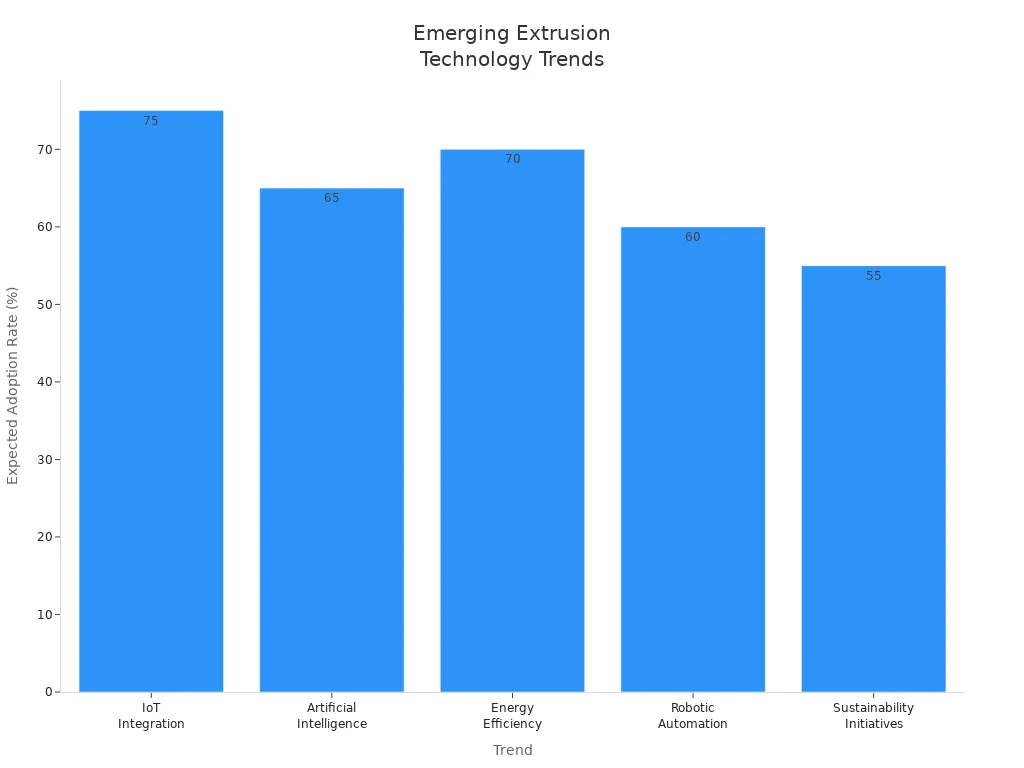
I see rapid changes in extrusion technology shaping the future of manufacturing. IoT integration allows real-time monitoring and analytics, ปรับปรุงประสิทธิภาพ. Artificial intelligence supports predictive maintenance and optimization, which boosts performance. Energy efficiency is a growing focus, with manufacturers seeking ways to reduce consumption in the extrusion process. Robotic automation streamlines material handling and quality control. Sustainability initiatives drive the use of recycled materials and eco-friendly processes.
| แนวโน้ม | คำอธิบาย | ผลกระทบต่อประสิทธิภาพ | อัตราการยอมรับที่คาดหวัง (%) |
|---|---|---|---|
| การบูรณาการ IoT | การตรวจสอบและการวิเคราะห์แบบเรียลไทม์ | สูง | 75% |
| ปัญญาประดิษฐ์ | การบำรุงรักษาเชิงคาดการณ์และการเพิ่มประสิทธิภาพ | สูงมาก | 65% |
| ประสิทธิภาพการใช้พลังงาน | Reducing energy consumption | ปานกลาง | 70% |
| หุ่นยนต์อัตโนมัติ | การจัดการวัสดุและการควบคุมคุณภาพ | สูง | 60% |
| โครงการริเริ่มด้านความยั่งยืน | วัสดุรีไซเคิลและกระบวนการที่เป็นมิตรต่อสิ่งแวดล้อม | ปานกลาง | 55% |
I notice advancements in material compatibility, especially with bioplastics, are transforming the extrusion industry. Many manufacturers now prioritize flexibility in equipment design, with modular systems allowing easy upgrades and modifications. Sustainability is essential, with most manufacturers focusing on energy-efficient equipment and waste reduction strategies. Smart extrusion machines reduce downtime by 20%, which improves overall efficiency and quality control. I always stay updated on these trends to maintain high performance and support new applications in plastic extrusion.
เคล็ดลับ: I recommend reviewing the overview of extruder machines in manufacturing regularly. Staying informed about new types of extrusion machines and screw designs helps me adapt to changing production needs and maintain scalability.
I recognize that each extrusion system offers unique advantages and limitations. My experience shows that single-screw extruders excel in high-volume production, while twin-screw systems provide superior mixing and flexibility. Ram and co-extrusion machines support specialty applications. I always use comparison tables and selection criteria to evaluate:
- Technical capabilities and long-term reliability
- Customer service and design assistance
- Quality standards and energy efficiency
I recommend manufacturers understand their application needs and consult extrusion experts for optimal results.
คำถามที่พบบ่อย
What is the main difference between single-screw and twin-screw extruders?
I see that single-screw extruders use one rotating screw for basic mixing. Twin-screw extruders use two screws for advanced mixing and better control. I choose twin-screw systems for complex materials and higher flexibility.
How do I decide which extrusion system fits my application?
I start by reviewing my material type, ปริมาณการผลิต, and product complexity. I match these needs to the strengths of each system. I consult with experts if I face unique requirements.
Can I process recycled materials with extrusion systems?
I process recycled materials using twin-screw extruders. These machines handle variable feedstocks and additives better than single-screw systems. I monitor quality closely to ensure consistent results.
How often should I perform maintenance on my extruder?
I schedule routine inspections every month. I check for screw wear, barrel condition, and control system performance. Regular maintenance prevents downtime and extends equipment life.
What are the most common extrusion defects I encounter?
I often see surface roughness, dimensional drift, and melt fractures. I address these by adjusting temperature, ความเร็วของสกรู, and material feed. I use process monitoring to catch issues early.
Is co-extrusion suitable for all materials?
I use co-extrusion mainly for thermoplastics. Some materials may not bond well in multi-layer profiles. I test material compatibility before starting production.
How does automation improve extrusion quality?
I rely on automation for real-time monitoring and precise control. Automated systems reduce human error, maintain consistent output, and improve overall product quality.
What safety measures do I follow during extrusion?
I wear protective gear and follow lockout procedures. I keep the work area clean and check emergency stops regularly. I train my team on safe operation and emergency response.