

เครื่องอัดรีดแบบอัดเม็ดทำงานอย่างไรและส่วนประกอบหลักคืออะไร
คุณใช้ก เครื่องอัดรีดอัดเม็ด เพื่อผลิตเม็ดพลาสติกขนาดเล็ก. เครื่องนี้ใช้พลาสติกเหมือน เอทิลีน, โพรพิลีน, ใยสังเคราะห์, และกรดโพลีแลกติก. โดยเปลี่ยนให้เป็นเม็ดเพื่อให้ใช้งานและเคลื่อนย้ายได้ง่ายขึ้น.
| พิมพ์ | ตัวอย่าง | การใช้งาน |
|---|---|---|
| พลาสติกเอนกประสงค์ | เอทิลีน (วิชาพลศึกษา), โพรพิลีน (พีพี) | ใช้สำหรับบรรจุภัณฑ์เช่นฟิล์ม, กระเป๋า, และตู้คอนเทนเนอร์ |
| พลาสติกวิศวกรรมประสิทธิภาพสูง | โพลีเอไมด์ (ป้า), อะคริโลไนไตรล์ บิวทาไดอีน สไตรีน (เอบีเอส) | ใช้สำหรับชิ้นส่วนรถยนต์และกล่องอิเล็กทรอนิกส์ |
| พลาสติกพิเศษและย่อยสลายได้ทางชีวภาพ | กรดโพลีแลกติก (ปลา), เทอร์โมพลาสติกอีลาสโตเมอร์ (ทีพีอี) | ใช้สำหรับบรรจุภัณฑ์ที่เป็นมิตรต่อสิ่งแวดล้อมและเครื่องมือทางการแพทย์ |
| พลาสติกดัดแปลง | LSZH, เอ็กซ์แอลพีอี, ทีพียู | ใช้สำหรับหุ้มสายไฟและสายเคเบิล |
การรู้ว่าเครื่องจักรทำงานอย่างไรและแต่ละชิ้นส่วนทำหน้าที่อะไรบ้างจะช่วยให้คุณใช้งานได้ดีขึ้น. นอกจากนี้ยังช่วยให้คุณแก้ไขปัญหาได้ง่ายขึ้น.
ประเด็นสำคัญ
- เครื่องอัดรีดเม็ดพลาสติกจะเปลี่ยนพลาสติกดิบให้มีขนาดเล็กลง เม็ด. เม็ดมีขนาดเท่ากันทั้งหมด. ทำให้ง่ายต่อการใช้งานในหลายๆ ด้าน.
- ทราบ ส่วนหลัก ช่วยสร้างเม็ดที่ดีขึ้น. ชิ้นส่วนเหล่านี้เป็นถัง, สกรู, บาร์เรล, ตาย, ระบบทำความเย็น, และระบบมีด.
- การรักษาอัตราการป้อนให้คงที่เป็นสิ่งสำคัญมาก. ความเร็วของสกรูจะต้องคงเดิมด้วย. ซึ่งจะช่วยให้เม็ดเรียบและหยุดปัญหาเครื่องจักร.
- จำเป็นต้องมีการระบายความร้อนที่ดีเพื่อทำให้เม็ดแข็งตัวอย่างรวดเร็ว. ช่วยให้เม็ดคงรูปร่างและแข็งแรง.
- การตรวจสอบเป็นประจำช่วยให้เครื่องอัดรีดทำงานได้ดี. คุณควรตรวจสอบสกรูและทำความสะอาดแม่พิมพ์บ่อยๆ. ช่วยให้เครื่องทำงานและมีอายุการใช้งานยาวนานขึ้น.
ขั้นตอนกระบวนการอัดรีดอัดเม็ด
ก เครื่องอัดรีดอัดเม็ด เปลี่ยนพลาสติกดิบให้เป็นเม็ดเล็กๆ. โดยทำตามขั้นตอนหลักๆ ไม่กี่ขั้นตอน. คุณสามารถทำตามขั้นตอนเหล่านี้เพื่อดูว่าเครื่องทำงานอย่างไร.
การให้อาหารและการละลาย
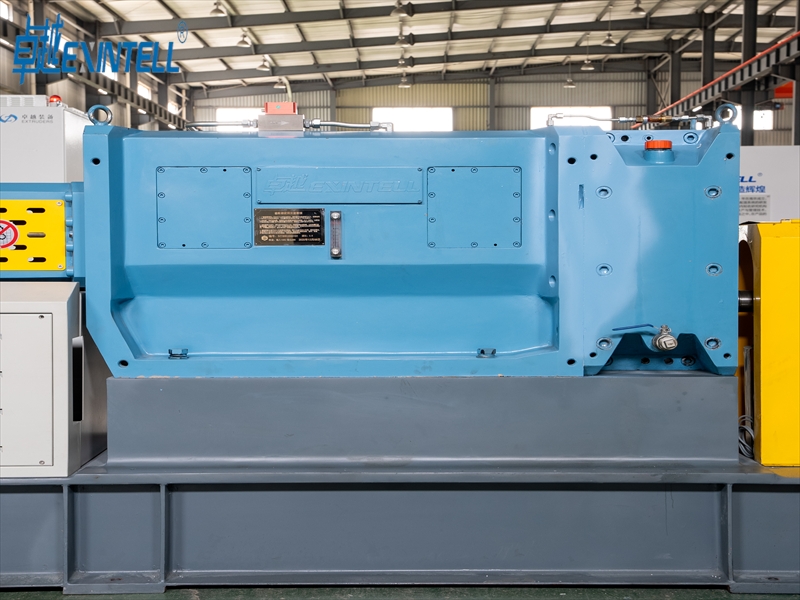
อันดับแรก, คุณใส่พลาสติกดิบลงในถัง. ตัวเครื่องมีสกรูช่วยเคลื่อนพลาสติกไปข้างหน้า. ขณะที่มันเคลื่อนไหว, สกรูดันพลาสติกและนำอากาศออก. ถังจะร้อนจนพลาสติกละลาย. สกรูยังทำให้เกิดความร้อนด้วยการถูพลาสติก.
เคล็ดลับ: หากคุณป้อนพลาสติกอย่างสม่ำเสมอ, คุณจะได้เม็ดที่มีลักษณะเหมือนกัน.
สกรูด้านใน เครื่องอัดรีดอัดเม็ด มี สามส่วน:
- โซนป้อนอาหารดันพลาสติกไปข้างหน้า.
- โซนอัดจะทำให้พลาสติกละลายและไล่อากาศออก.
- โซนสูบจ่ายจะสร้างแรงดันและรักษาการไหลให้คงที่.
เครื่องอัดรีดแบบสกรูคู่ ผสมพลาสติกให้ดียิ่งขึ้น. พวกเขามีสกรูสองตัวที่หมุนเข้าหากัน. ช่วยให้ความร้อนสม่ำเสมอและผสมได้ดีขึ้น. ช่วยสร้างเม็ดที่เหมือนกันหมด.
อุณหภูมิที่คุณต้องการขึ้นอยู่กับประเภทของพลาสติก. นี่คือตารางที่มีจุดหลอมเหลวสำหรับพลาสติกทั่วไป:
| พลาสติกโพลีเมอร์ | จุดหลอมเหลวขั้นพื้นฐาน (องศาเซลเซียส) | ช่วงอุณหภูมิหลอมละลายในทางปฏิบัติ (องศาเซลเซียส) | หมายเหตุการประมวลผลที่สำคัญ |
|---|---|---|---|
| เอบีเอส (อะคริโลไนไตรล์ บิวทาไดอีน สไตรีน) | 105 – 107 (ทีจี) | 210 – 250 | หลีกเลี่ยงการสัมผัสเป็นเวลานานที่อุณหภูมิสูงกว่า ~270°C เพื่อป้องกันการย่อยสลาย. |
| โพลีคาร์บอเนต (พีซี) | 155 – 160 | 280 – 320 | ต้องทำให้แห้งสนิทเพื่อป้องกันไฮโดรไลซิส; ต้องใช้อุณหภูมิแม่พิมพ์สูง (80-110องศาเซลเซียส). |
| โพรพิลีน (พีพี) | 160 – 165 | 200 – 260 | การหดตัวเชิงปริมาตรสูง; ต้องใช้แรงกดในการแพ็ค/พักเพียงพอ. |
| ไนลอน 66 (PA66) | 260 – 265 | 280 – 310 | ดูดความชื้นได้อย่างมาก; ต้องทำให้แม่พิมพ์แห้งและร้อนทันที (70-100องศาเซลเซียส). |
| เอทิลีน (เอชดีพีอี) | 130 – 135 | 210 – 260 | การหดตัวสูง; การออกแบบการระบายความร้อนที่เหมาะสมเป็นสิ่งสำคัญ. |
| โพลีออกซีเมทิลีน (ปอม) | 165 – 175 | 190 – 220 | มีแนวโน้มที่จะสลายตัวจากความร้อน; หลีกเลี่ยงอุณหภูมิและเวลาที่อยู่อาศัยที่มากเกินไป. |
| อะคริลิก (พีเอ็มเอ็มเอ) | 160 – 170 | 220 – 250 | ดูดความชื้น; จะต้องทำให้แห้งเพื่อป้องกันข้อบกพร่อง; ต้านทานการไหลสูง. |
| โพลีบิวทิลีนเทเรฟทาเลต (PBT) | 225 – 230 | 240 – 270 | ดูดความชื้น; ต้องทำให้แห้งก่อน; มีแนวโน้มที่จะแปรปรวน. |
| โพลีอีเทอร์อีเทอร์คีโตน (แอบมอง) | 340 – 380 | 370 – 400 | ต้องใช้อุณหภูมิการประมวลผลและการอบแห้งที่สูงมาก. |
| เทอร์โมพลาสติก โพลียูรีเทน (ทีพียู) | 120 – 140 (ทีจี) | 180 – 220 | ดูดความชื้น; การละลายเหนียวต้องใช้การกั้นแบบพิเศษ. |
| โพลีไวนิลคลอไรด์ (พีวีซี) | 160 – 180 (ทีจี) | 170 – 210 | เสถียรภาพทางความร้อนไม่ดี; ต้องการการควบคุมอุณหภูมิที่แม่นยำและอุปกรณ์ป้องกันการกัดกร่อน. |
การอัดขึ้นรูปผ่านแม่พิมพ์
เมื่อพลาสติกละลาย, ที่ เครื่องอัดรีดอัดเม็ด ผลักมันผ่านความตาย. แม่พิมพ์จะขึ้นรูปพลาสติกที่หลอมละลายเป็นเส้นยาวหรือรูปทรงอื่นๆ. ที่ การออกแบบของแม่พิมพ์ควบคุมรูปร่าง และขนาดของพลาสติก. หากคุณใช้แม่พิมพ์กลม, คุณได้เกลียวกลม. หากคุณใช้แม่พิมพ์สี่เหลี่ยม, มุมอาจจะโค้งมนเนื่องจากการที่พลาสติกเคลื่อนที่.
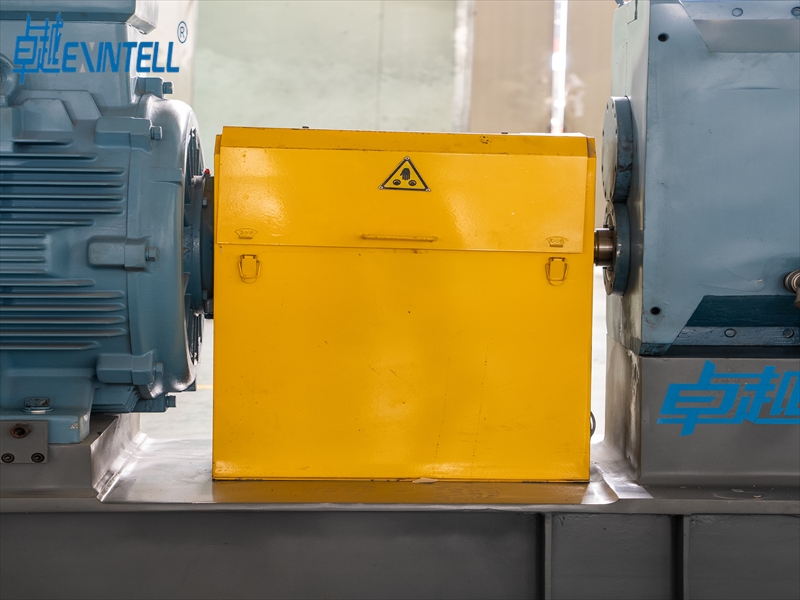
บันทึก: แม่พิมพ์ต้องแข็งแรงและใช้งานได้นาน. มีการใช้แม่พิมพ์จำนวนมาก เม็ดมีดทังสเตนคาร์ไบด์ สำหรับพลาสติกเหนียวที่มีใยแก้ว.
ความร้อนของแม่พิมพ์และความร้อนของแม่พิมพ์ก็มีความสำคัญเช่นกัน. หากแม่พิมพ์ได้รับความร้อนไม่สม่ำเสมอ, พลาสติกอาจออกมาผิดรูปร่างได้.
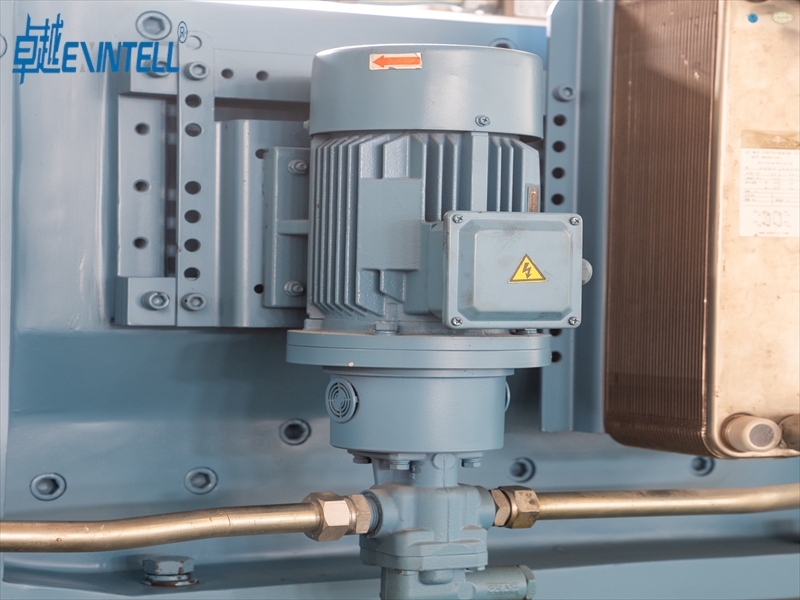
การทำความเย็น Extrudate
หลังจากที่พลาสติกออกจากแม่พิมพ์แล้ว, มันยังร้อนและนุ่มนวลอยู่. คุณต้องทำให้เย็นลงอย่างรวดเร็วจึงจะแข็งได้. ที่ เครื่องอัดรีดอัดเม็ด สามารถใช้วิธีต่างๆในการทำความเย็นได้:
- เครื่องอัดเม็ดใต้น้ำ: แม่พิมพ์และเครื่องตัดอยู่ในน้ำ. น้ำจะทำให้เม็ดเย็นลงทันที.
- เครื่องอัดเม็ดเกลียว: เส้นพลาสติกลงไปในอ่างน้ำ, จากนั้นผึ่งลมให้แห้งก่อนตัด.
- เครื่องอัดเม็ดแบบ Die-Face: เครื่องตัดเม็ดที่หน้าแม่พิมพ์. อากาศหรือหมอกน้ำทำให้พวกเขาเย็นลง, หรือไม่ก็หย่อนลงไปในอ่างน้ำ.
หากคุณเย็นพลาสติกเร็วเกินไปหรือช้าเกินไป, เม็ดสามารถงอหรือหดตัวได้. ซึ่งอาจทำให้พวกเขามีขนาดหรือรูปร่างไม่ถูกต้อง. การระบายความร้อนที่ดีช่วยให้คุณได้เม็ดที่แข็งแรงและเหมือนกันทั้งหมด.
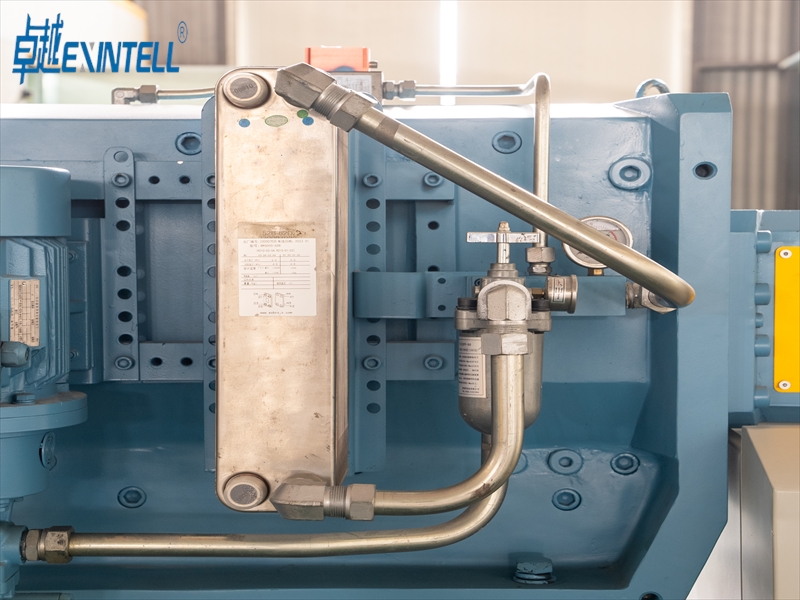
ตัดเป็นเม็ด
ขั้นตอนสุดท้ายคือการตัดพลาสติกที่เย็นแล้วให้เป็นเม็ดเล็กๆ. ที่ เครื่องอัดรีดอัดเม็ด การใช้งาน ระบบการตัดแบบต่างๆ:
| วิธีการตัด | คำอธิบาย |
|---|---|
| การตัดโครงสำหรับตั้งสิ่งของ | วิธีการที่มีอิทธิพลต่อความสม่ำเสมอและคุณภาพของแกรนูล. |
| การตัดแหวนน้ำแนวนอน | ใช้น้ำเพื่อทำให้เย็นลงและตัดสารอัดรีดออกเป็นเม็ด. |
| การตัดใต้น้ำ | ตัดเกลียวที่ระบายความร้อนใต้น้ำเพื่อให้ได้ขนาดเม็ดที่สม่ำเสมอ. |
คุณยังสามารถค้นหาวิธีการตัดเหล่านี้ได้อีกด้วย:
- การตัดโครงสำหรับตั้งสิ่งของ
- การตัดวงแหวนน้ำแนวนอน
- การตัดใต้น้ำ
แต่ละวิธีจะช่วยให้คุณได้เม็ดที่มีขนาดเท่ากัน. เม็ดที่เหมือนกันทั้งหมดจะจัดการได้ง่ายกว่า, เก็บ, และใช้ในเครื่องอื่นๆ.
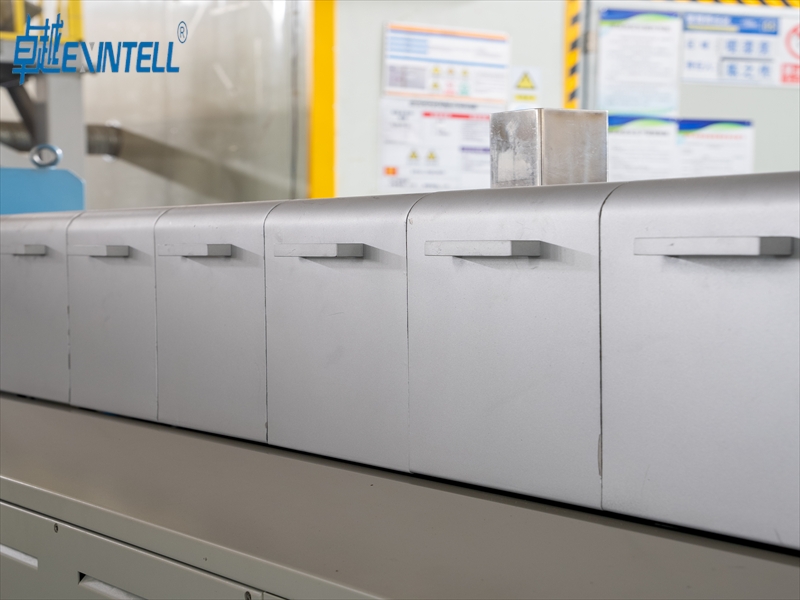
สรุป: คุณป้อนพลาสติกดิบเข้าไปใน เครื่องอัดรีดอัดเม็ด, ละลายมัน, รูปร่างมันด้วยแม่พิมพ์, ทำให้มันเย็นลง, และหั่นเป็นเม็ด. แต่ละขั้นตอนจะเปลี่ยนพลาสติกจากวัตถุดิบให้เป็นเม็ดสำเร็จรูปซึ่งคุณสามารถใช้กับผลิตภัณฑ์ได้หลายประเภท.
ส่วนประกอบหลักของเครื่องอัดรีดแบบอัดเม็ด
ฮอปเปอร์และฟีดคอ
คุณเริ่มต้นด้วยการใส่พลาสติกดิบลงในถัง. ถังเก็บและป้อนพลาสติก. ช่วยให้พลาสติกสะอาดและปลอดภัยจากสิ่งสกปรก. ด้านล่างของถังบรรจุพอดีกับคอป้อนอาหาร. คอป้อนเชื่อมต่อกับกระบอกอัดรีด. การตั้งค่านี้ช่วยให้พลาสติกเคลื่อนที่ได้อย่างราบรื่น.
- ฮอปเปอร์ควบคุมปริมาณพลาสติกที่เข้าไป. วิธีนี้จะช่วยป้องกันไม่ให้พลาสติกเข้ามามากเกินไปหรือน้อยเกินไป.
- กรวยส่วนใหญ่มีด้านที่สูงชันและมีช่องเปิดเล็กๆ. รูปทรงนี้ช่วยให้พลาสติกเคลื่อนที่และป้องกันไม่ให้เกาะติดกัน.
- กรวยบางชนิดสามารถทำให้พลาสติกที่บรรจุน้ำแห้งได้, เช่นไนลอนหรือ PLA.
- กรวยแบบใหม่อาจเขย่าหรือกวนพลาสติกเพื่อให้พลาสติกเคลื่อนที่ได้.
คอป้อนคือบริเวณที่ถังบรรจุมาบรรจบกับถัง. คุณต้อง รักษาอุณหภูมิไว้ตรงนี้. ถ้ามันร้อนเกินไป, พลาสติกอาจติดหรือละลายเร็ว. สิ่งนี้สามารถปิดกั้นเครื่องได้. การระบายความร้อนของคอป้อนอาหารช่วยให้พลาสติกเคลื่อนที่ได้ และช่วยให้เครื่องทำงานต่อไป.
เคล็ดลับ: ฮอปเปอร์และคอป้อนที่ดีช่วยให้เครื่องอัดรีดอัดเม็ดของคุณทำงานได้ดี.
| กลยุทธ์การออกแบบ | ผลกระทบต่อการไหลของวัสดุ |
|---|---|
| ส่วนต่อประสานแบบเรียวในตัวป้อน | ให้การป้อนสม่ำเสมอและป้องกันไม่ให้เกิดรู |
| วาล์วโรตารีพร้อมชิ้นส่วนสปูล | หยุดจับตัวเป็นก้อนและทำให้พลาสติกเคลื่อนที่ได้ |
| เครื่องป้อนแบบสั่นสะเทือนพร้อมคอเปลี่ยน | ช่วยให้พลาสติกไหลและรักษาความเร็วให้คงที่ |
สกรูและบาร์เรล
ภายในเครื่องอัดรีดแบบอัดเป็นก้อน, สกรูและกระบอกทำงานร่วมกัน. พวกเขาย้าย, ละลาย, และผสมพลาสติก. สกรูมีสามส่วนหลัก:
- โซนฟีด: ส่วนนี้จับพลาสติกแล้วดันไปข้างหน้า.
- โซนการบีบอัด: ที่นี่, สกรูบีบพลาสติกและไล่อากาศออก. ทำให้พลาสติกละลายได้อย่างสม่ำเสมอ.
- โซนวัดแสง: ส่วนนี้สร้างแรงกดดันและรักษาการไหลให้คงที่ก่อนที่จะตาย.
กระบอกหมุนไปรอบๆ สกรู. มันให้ความร้อนและทำให้พลาสติกนิ่มลง. กระบอกยังช่วยผสมพลาสติกให้ละลายเรียบ.
| ปัจจัย | คำอธิบาย |
|---|---|
| เรขาคณิตของสกรู | รูปร่างและมุมของสกรูเปลี่ยนลักษณะการเคลื่อนที่และการผสมของพลาสติก. มุมเล็กๆ ผสมกันได้ดีกว่าแต่เสื่อมสภาพเร็วกว่า. |
| บล็อกการนวด | ชิ้นส่วนเหล่านี้จะผสมพลาสติกมากขึ้นโดยทำให้เสียดสีกัน. จำนวนบล็อกหรือมุมที่ใหญ่ขึ้นจะผสมกันมากขึ้นแต่ใช้พลังงานและความร้อนมากขึ้น. |
| โปรไฟล์อุณหภูมิ | คุณต้องควบคุมความร้อนในแต่ละส่วน. ความร้อนมากเกินไปอาจทำให้พลาสติกเสียหายได้. ความร้อนไม่เพียงพอทำให้ไม่ละลาย. |
บันทึก: สกรูและกระบอกที่เหมาะสมช่วยให้คุณผลิตเม็ดที่ดีและสิ้นเปลืองน้อยลง.
แผ่นเบรกเกอร์และอะแดปเตอร์
หลังจากละลายแล้ว, พลาสติกต้องผ่านแผ่นเบรกเกอร์และอะแดปเตอร์. แผ่นเบรกเกอร์เป็นแผ่นโลหะที่มีรูเล็กๆ จำนวนมาก. มันทำหลายอย่าง:
- มัน จับสิ่งสกปรก, บิตแข็ง, และสิ่งเลวร้ายอื่น ๆ.
- มันทำให้แรงดันภายในถังคงที่.
- มันบรรจุสกรีนแพ็คเพื่อทำความสะอาดส่วนที่หลอมละลายมากขึ้น.
- มันสลายตัวเป็นก้อนเพื่อให้ละลายได้เรียบเนียน.
อะแดปเตอร์, เรียกอีกอย่างว่าท่อป้อน, เชื่อมโยงกระบอกปืนเข้ากับแม่พิมพ์. โดยจะนำทางพลาสติกที่หลอมละลายไปยังแม่พิมพ์และช่วยให้การไหลคงที่.
เคล็ดลับ: แผ่นเบรกเกอร์และอะแดปเตอร์ที่สะอาดช่วยให้คุณแข็งแกร่ง, แม้แต่เม็ด.
ระบบดาย
ระบบแม่พิมพ์จะขึ้นรูปพลาสติกที่หลอมละลายก่อนทำการตัด. แม่พิมพ์มีส่วนสำคัญบางประการ:
- เปิดพื้นที่: นี่คือขนาดของรูของแม่พิมพ์. โดยจะเปลี่ยนความดันและความหนาของผลิตภัณฑ์.
- พื้นที่ดิน: ส่วนนี้จะทำให้พลาสติกมีรูปร่างเหมือนออกจากแม่พิมพ์. ช่วยสร้างเม็ดที่มีลักษณะและการทำงานเหมือนกัน.
- วัสดุก่อสร้าง: วัสดุของแม่พิมพ์จะเปลี่ยนปริมาณการเสียดสีและแรงกดที่พลาสติกได้รับ.
คุณต้องรักษาระบบแม่พิมพ์ให้อยู่ในสภาพดี. การทำความสะอาดและการตรวจสอบมักจะหยุดปัญหาและรักษาคุณภาพของเม็ดให้อยู่ในระดับสูง. หากผู้ตายมีปัญหา, เม็ดสามารถเปลี่ยนขนาดได้, ความแข็งแกร่ง, หรือรูปร่าง.
บันทึก: ระบบแม่พิมพ์เป็นส่วนที่สำคัญที่สุดอย่างหนึ่งของเครื่องอัดรีดอัดเม็ดของคุณ.
ระบบทำความเย็น
เมื่อพลาสติกออกจากแม่พิมพ์, มันยังร้อนอยู่. ระบบระบายความร้อนทำให้พลาสติกแข็งจึงสามารถตัดได้. มีวิธีทำให้เย็นลงหลายวิธี:
- ระบบระบายความร้อนด้วยอากาศ: สิ่งเหล่านี้ใช้พัดลมหรือเครื่องเป่าลมเพื่อทำให้พลาสติกเย็นลง.
- ระบบระบายความร้อนด้วยน้ำ: สิ่งเหล่านี้จะทิ้งพลาสติกลงในถังเก็บน้ำ. เครื่องอบผ้าจึงนำน้ำออก.
- เครื่องอบแห้งแบบฟลูอิไดซ์เบด: เหล่านี้จะเป่าลมผ่านเม็ดในขณะที่มันเลื่อนลงมาตามทางลาด. คุณสามารถเปลี่ยนความชันเพื่อควบคุมระยะเวลาที่เม็ดจะอยู่ในเครื่องอบผ้าได้.
บางระบบนำน้ำกลับมาใช้ใหม่เพื่อประหยัดพลังงาน. การควบคุมอัตโนมัติสามารถเปลี่ยนการระบายความร้อนได้ตามที่คุณต้องการ, ซึ่งช่วยประหยัดพลังงานอีกด้วย.
| จุดหลักฐาน | คำอธิบาย |
|---|---|
| การเพิ่มประสิทธิภาพทรัพยากรการทำความเย็น | ประหยัดพลังงานและช่วยให้เครื่องทำงานได้ดีขึ้น. |
| การควบคุมอัตโนมัติ | ใช้ความเย็นในปริมาณที่เหมาะสม. |
| ระบบวงปิด | ใช้น้ำซ้ำแล้วซ้ำอีก, ประหยัดน้ำและพลังงาน. |
เคล็ดลับ: การระบายความร้อนที่ดีช่วยให้เม็ดแข็งแรงและประหยัดพลังงาน.
ระบบมีดหมุน
ระบบมีดหมุนจะตัดพลาสติกที่เย็นแล้วออกเป็นเม็ด. ระบบนี้มีความคมชัด, มีดที่รวดเร็วที่จะเฉือนพลาสติกเมื่อออกมา.
- มีดกำหนดขนาดและรูปร่างของแต่ละเม็ด.
- มีดที่ดีย่อมสร้างเม็ดที่เหมือนกันทั้งหมด.
- คม, มีดที่จัดไว้อย่างดีจะหยุดปัญหาเช่นหางหรือฝุ่นและทำให้เครื่องทำงานต่อไป.
คุณต้องรักษามีดให้คมและด้วยความเร็วที่เหมาะสม. หากมีดทื่อหรือช้า, คุณได้รับเม็ดไม่เท่ากันและหยุดมากขึ้น. หากมีดเร็วเกินไปหรือไม่เรียงกัน, คุณประสบปัญหาหรือติดขัด.
บันทึก: ระบบมีดหมุนมีความสำคัญมากสำหรับการผลิตเม็ดที่ดีและช่วยให้เครื่องอัดรีดอัดเม็ดของคุณทำงานได้ดี.
ส่วนประกอบทำงานร่วมกันอย่างไร
การไหลของวัสดุและการทำให้เป็นเนื้อเดียวกัน
ทุกส่วนของเครื่องอัดรีดอัดเม็ดต้องทำงานร่วมกัน. ช่วยให้พลาสติกเคลื่อนที่ได้อย่างราบรื่นและ ผสมให้เข้ากัน. สกรูดันพลาสติกไปข้างหน้าแล้วผสมให้เข้ากัน. คุณสามารถเปลี่ยนความเร็วในการหมุนของสกรูเพื่อให้ส่วนผสมมากขึ้นหรือน้อยลงได้. บล็อกนวดภายในสกรูช่วยผสมพลาสติก. รูปร่างและวิธีจัดวางช่วยให้ส่วนผสมพลาสติกดีขึ้น.
| ปฏิสัมพันธ์ของส่วนประกอบ | คำอธิบาย |
|---|---|
| การควบคุมความเร็วของสกรู | คุณสามารถเปลี่ยนความเร็วเพื่อควบคุมการผสมและให้การไหลคงที่. |
| เรขาคณิตบล็อกการนวด | รูปทรงพิเศษช่วยผสมพลาสติกให้สม่ำเสมอ. |
| การผสมแบบพาความร้อน | การออกแบบจะเคลื่อนพลาสติกผ่านโซนผสมครั้งแล้วครั้งเล่า. |
| การไหลเวียนอย่างต่อเนื่อง | พลาสติกทั้งหมดผ่านบริเวณผสมที่มีความเข้มข้นหลายครั้ง. |
| การออกแบบสกรูแบบโมดูลาร์ | คุณสามารถเปลี่ยนชิ้นส่วนสกรูสำหรับพลาสติกชนิดต่างๆได้. |
| การกำหนดค่าบล็อกการนวด | การตั้งค่าที่แตกต่างกันทำให้สามารถผสมได้เข้มข้นเพื่อให้ได้คุณภาพเม็ดที่เหมาะสม. |
บางครั้ง, การผสมอาจเป็นเรื่องยาก. หากผสมมากเกินไป, คุณสามารถทำลายเส้นใยหรือสร้างฝุ่นได้. การผสมมากเกินไปอาจทำให้พลาสติกร้อนเกินไปได้. การผสมอย่างอ่อนโยนจะดีกว่าสำหรับพลาสติกอ่อน. พลาสติกบางชนิด, ชอบ HDPE ไหลหลอมเหลวต่ำเป็นพิเศษ, เคลื่อนไหวช้าๆ. สิ่งเหล่านี้ต้องการแรงกดดันมากขึ้นในการไหล.
- การผสมแรงเกินไปสามารถบดอัดเม็ดและทำให้เกิดฝุ่นได้.
- การผสมอย่างอ่อนโยนเหมาะที่สุดสำหรับพลาสติกอ่อน.
- พลาสติกหนาต้องใช้แรงดันสูง ที่จะย้าย.
การก่อตัวและการรวบรวมเม็ด
เม็ดพลาสติกทำโดยการทำให้เย็นลงและตัดพลาสติกหลังจากที่ออกจากแม่พิมพ์. ระบบระบายความร้อนทำให้พลาสติกแข็ง จึงมีมีดตัดได้. ระบบระบายความร้อนที่ดี ช่วยรักษาขนาดและรูปร่างของเม็ดให้คงเดิม. การควบคุมอัตโนมัติสามารถเปลี่ยนกระบวนการในขณะที่ทำงานได้. ซึ่งจะช่วยให้คุณได้รับเม็ดดีขึ้นและเสียน้อยลง.
| ประเภทหลักฐาน | คำอธิบาย |
|---|---|
| ระบบระบายความร้อนขั้นสูง | เม็ดเย็นเหล่านี้รวดเร็วและคงรูปร่างไว้. |
| ระบบควบคุมอัตโนมัติ | สิ่งเหล่านี้จะปรับการตั้งค่าเพื่อคุณภาพที่ดีขึ้นและของเสียน้อยลง. |
| เครื่องทำความร้อนประสิทธิภาพสูง | สิ่งเหล่านี้ให้ความร้อนพลาสติกอย่างสม่ำเสมอเพื่อการอัดขึ้นรูปที่ราบรื่น. |
คุณต้องรวบรวมและจัดการเม็ดอย่างระมัดระวังเพื่อไม่ให้สูญเสียหรือทำให้สกปรก. ใช้เครื่องมือที่ดีและรักษาพื้นที่ให้สะอาด. ทางเดินแบบปิดและท่อที่ปิดสนิทจะหยุดไม่ให้เม็ดออกไป. สอนพนักงานให้ใช้เครื่องป้องกันการรั่วไหลและรู้ว่าต้องทำอย่างไรในกรณีฉุกเฉิน.
- ใช้เครื่องมือที่เหมาะสมและระบบปิด.
- ทำความสะอาดที่หกรั่วไหลอย่างรวดเร็ว.
- สอนพนักงานถึงวิธีจัดการกับเม็ดอย่างปลอดภัย.
- ทำงานร่วมกับผู้อื่นเพื่อ หาวิธีที่ดีกว่าในการหยุดการสูญเสียเม็ด.
เคล็ดลับ: เมื่อทุกขั้นตอนทำงานร่วมกัน, คุณจะแข็งแกร่งขึ้น, เม็ดสะอาดและสถานที่ทำงานที่ปลอดภัยยิ่งขึ้น.
คุณเปลี่ยนพลาสติกดิบให้เป็นเม็ดคู่โดยทำห้าขั้นตอน: การให้อาหาร, ละลาย, การอัดขึ้นรูป, ระบายความร้อน, และการตัด. แต่ละส่วนหลัก—ฮอปเปอร์, สกรู, บาร์เรล, ตาย, ระบายความร้อน, และระบบมีด—มีหน้าที่สำคัญ. การดูแลเครื่องอัดรีดของคุณช่วยให้เครื่องทำงานได้ดี:
- ใส่น้ำมันบนลูกปืน ก่อนที่คุณจะเริ่มและทุกครั้ง 500 ชั่วโมง.
- ดูสกรูและปลอกเพื่อดูว่าเสียหายหรือไม่.
- ตรวจสอบให้แน่ใจว่าวัตถุดิบสะอาดเพื่อไม่ให้มีสิ่งสกปรกเข้าไป.
- สังเกตชิ้นส่วนที่สึกหรอและเปลี่ยนก่อนที่จะแตกหัก.
หากคุณทราบเกี่ยวกับคุณภาพเม็ดและวิธีการ ควบคุมความชื้น, คุณสามารถทำงานได้เร็วขึ้นและผิดพลาดน้อยลง. ใช้เคล็ดลับเหล่านี้เพื่อให้เครื่องจักรของคุณทำงานได้ดีและผลิตเม็ดที่ดี.
คำถามที่พบบ่อย
คุณสามารถใช้พลาสติกประเภทใดในเครื่องอัดรีดแบบอัดเป็นก้อน?
คุณสามารถใช้พลาสติกจำนวนมากในเครื่องอัดรีดแบบอัดเป็นก้อนได้. ตัวอย่างบางส่วนคือโพลีเอทิลีน, โพรพิลีน, ไนลอน, เอบีเอส, ปลา, และทีพียู. พลาสติกแต่ละชนิดต้องการอุณหภูมิและการตั้งค่าของตัวเอง. ตรวจสอบวัสดุที่คุณต้องการเสมอก่อนเริ่มดำเนินการ.
คุณจะรักษาขนาดเม็ดให้สม่ำเสมอได้อย่างไร?
คุณต้องป้อนวัสดุในอัตราคงที่. รักษาความเร็วของสกรูให้เท่าเดิม. ทำความสะอาดแม่พิมพ์และมีดบ่อยๆ. ใช้การควบคุมอัตโนมัติเพื่อช่วยในการทำความเย็นและการตัด. สิ่งนี้ให้ผลลัพธ์ที่ดีที่สุดแก่คุณ.
เหตุใดเครื่องอัดรีดจึงต้องมีระบบระบายความร้อน?
ระบบระบายความร้อนทำให้พลาสติกที่หลอมละลายมีความแข็ง. หากไม่เย็นก็, เม็ดจะนุ่มและเกาะติดกัน. เมื่อคุณเย็นลงอย่างรวดเร็วและสม่ำเสมอ, คุณได้รับเม็ดที่แข็งแกร่ง. เม็ดเหล่านี้ง่ายต่อการจัดการ.
คุณควรบำรุงรักษาเครื่องอัดรีดแบบอัดเม็ดบ่อยแค่ไหน?
- ตรวจสอบและเติมน้ำมันแบริ่งทุกครั้ง 500 ชั่วโมง.
- ดูสกรูและมีดทุกสัปดาห์.
- ทำความสะอาดถังและตายหลังจากแต่ละชุด.
การทำสิ่งเหล่านี้ช่วยให้เครื่องจักรของคุณทำงานได้ดี.
คุณสามารถใช้พลาสติกรีไซเคิลในเครื่องอัดรีดแบบอัดเป็นก้อนได้หรือไม่?
| ประเภทวัสดุ | ความเหมาะสม | หมายเหตุ |
|---|---|---|
| รีไซเคิลสะอาด | ใช่ | แห้งและกรองก่อนใช้งาน |
| ผสมรีไซเคิล | บางครั้ง | อาจต้องคัดแยกและทำความสะอาด |
| มีการปนเปื้อน | เลขที่ | อาจทำให้เครื่องเสียหายได้ |
คุณสามารถใช้พลาสติกรีไซเคิลได้หากสะอาดและคัดแยกแล้ว.