

Strand Pelletizer หรือ Underwater Pelletizer ที่เหมาะกับกระบวนการของคุณ
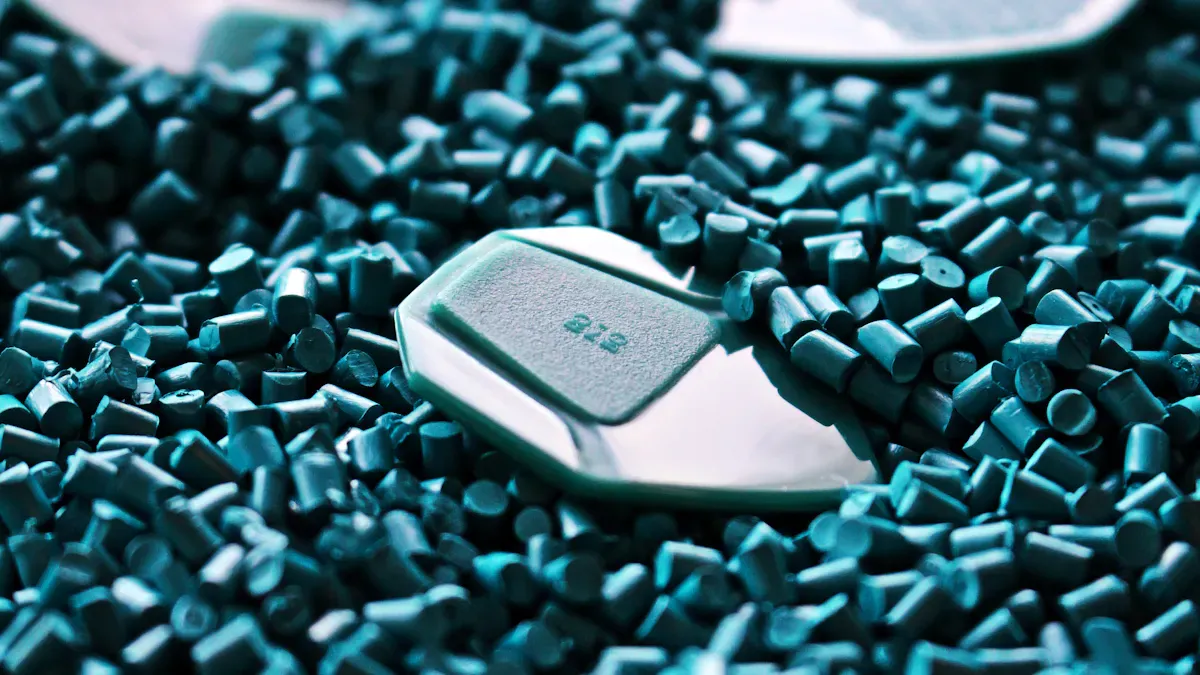
ระบบ Strand และ Underwater Pelletizer มีวิธีการทำความเย็นและการตัดที่แตกต่างกัน, ขนาดการผลิต, และคุณภาพของเม็ด. เครื่องอัดเม็ดเกลียวจะทำให้เส้นใยโพลีเมอร์เย็นลงในรางน้ำ, ในขณะที่หน่วย Underwater Pelletizer จะตัดเม็ดที่จมอยู่ใต้น้ำจนสุด, ผลิตเม็ดที่มีความสม่ำเสมอสูงและจัดการปริมาณงานที่สูงขึ้น.
สำหรับโพลีเมอร์ที่มีความหนืดสูง, ระบบ Pelletizer ใต้น้ำรองรับ ขึ้นไป 70,000 ปอนด์/ชม และประเภทโพลีเมอร์ส่วนใหญ่, ตามที่แสดงด้านล่าง:
| ประเภทของระบบ | ปริมาณการผลิต | ความเข้ากันได้ของวัสดุ |
|---|---|---|
| การอัดเม็ดใต้น้ำ | ขึ้นไป 70,000 ปอนด์/ชม | โพลีเมอร์ส่วนใหญ่ |
| การอัดเม็ดเกลียว | ขึ้นไป 44,000 ปอนด์/ชม | ตัวแปร, ความท้าทายกับวัสดุที่มีความหนืดต่ำ |
พิจารณาประเภทวัสดุ, การปนเปื้อน, ปริมาณงาน, และคุณภาพของเม็ดเมื่อเลือกเครื่องอัดเม็ด.
ประเด็นสำคัญ
- เครื่องอัดเม็ดเกลียวจะทำให้เส้นใยโพลีเมอร์เย็นลงในน้ำ, ในขณะที่เครื่องอัดเม็ดใต้น้ำจะตัดเม็ดที่จมอยู่ในน้ำ, ส่งผลต่อคุณภาพเม็ดและขนาดการผลิต.
- เครื่องอัดเม็ดใต้น้ำสามารถรองรับได้ถึง 70,000 ปอนด์/ชม, ทำให้เหมาะสำหรับโพลีเมอร์ที่มีความหนืดสูงและการผลิตขนาดใหญ่.
- เลือกเครื่องอัดเม็ดใต้น้ำสำหรับการใช้งานที่ต้องการความสม่ำเสมอ, เม็ดทรงกลมที่มีฝุ่นน้อยที่สุด; เครื่องอัดเม็ดเกลียวจะผลิตเม็ดทรงกระบอกแต่ทำให้เกิดฝุ่นมากขึ้น.
- การบำรุงรักษาง่ายกว่าสำหรับเครื่องอัดเม็ดเกลียวเนื่องจากการออกแบบที่แห้ง, ในขณะที่ระบบใต้น้ำต้องการการทำความสะอาดที่ซับซ้อนมากขึ้นเนื่องจากการสัมผัสกับน้ำ.
- พิจารณาความเข้ากันได้ของวัสดุ: ระบบใต้น้ำทำงานร่วมกับโพลีเมอร์ได้หลากหลายประเภท, รวมถึงวัสดุที่มีความหนืดสูงและมีสิ่งปนเปื้อน.
- ประเมินความต้องการในการผลิต: เครื่องอัดเม็ดเกลียวจะดีกว่าสำหรับการเปลี่ยนแปลงวัสดุบ่อยครั้ง, ในขณะที่ระบบใต้น้ำมีความโดดเด่นอย่างต่อเนื่อง, การดำเนินงานที่มีผลผลิตสูง.
- ประเมินต้นทุนอย่างรอบคอบ: เครื่องอัดเม็ดใต้น้ำมีค่าใช้จ่ายเริ่มต้นและการดำเนินงานที่สูงกว่า, แต่อาจช่วยประหยัดได้ในระยะยาวในสภาพแวดล้อมที่มีปริมาณมาก.
- ใช้รายการตรวจสอบการเลือกเพื่อจัดตัวเลือกเครื่องอัดเม็ดให้ตรงกับวัสดุเฉพาะของคุณ, ปริมาณงาน, และข้อกำหนดด้านงบประมาณ.
ภาพรวมการเปรียบเทียบเครื่องอัดเม็ด
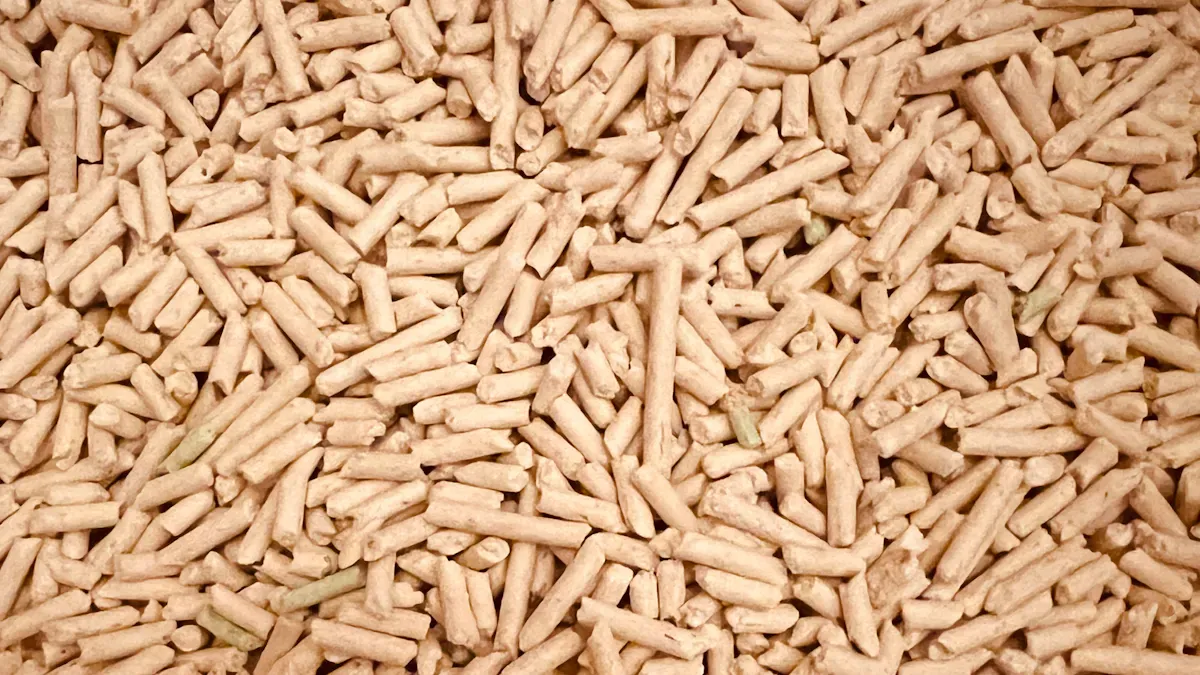
ตาราง Strand vs Underwater Pelletizer
การเลือกเครื่องอัดเม็ดที่เหมาะสมสำหรับกระบวนการของคุณจำเป็นต้องเข้าใจอย่างชัดเจนว่าแต่ละระบบทำงานอย่างไรในเมตริกที่สำคัญ. ตารางด้านล่างนี้แสดงการเปรียบเทียบระหว่างเครื่องอัดเม็ดแบบเกลียวและใต้น้ำแบบเคียงข้างกัน, เน้นรูปทรงเม็ด, การเปลี่ยนแปลงขนาด, การสร้างฝุ่น, ปริมาณการผลิต, และความเข้ากันได้ของวัสดุ.
| เมตริก | การอัดเม็ดใต้น้ำ | การอัดเม็ดเกลียว |
|---|---|---|
| รูปร่างเม็ด | ทรงกลม | ทรงกระบอก |
| การเปลี่ยนแปลงขนาด | < ±5% | < ±10-15% |
| การสร้างฝุ่น | น้อย | มากกว่า |
| ปริมาณการผลิต | ขึ้นไป 70,000 ปอนด์/ชม | ขึ้นไป 44,000 ปอนด์/ชม |
| ความเข้ากันได้ของวัสดุ | โพลีเมอร์ส่วนใหญ่ | ตัวแปร, ความท้าทายกับวัสดุที่มีความหนืดต่ำ |
เคล็ดลับ: สำหรับการใช้งานที่ต้องการเม็ดสม่ำเสมอสูงและฝุ่นน้อยที่สุด, ระบบเครื่องอัดเม็ดใต้น้ำมักจะให้ผลลัพธ์ที่เหนือกว่า.
การเปรียบเทียบตัวชี้วัดหลัก
เมื่อประเมินตัวเลือกเครื่องอัดเม็ด, ผู้ผลิตควรพิจารณาประเด็นสำคัญหลายประการ:
- คุณภาพเม็ด: เครื่องอัดเม็ดใต้น้ำมีความสม่ำเสมอสูง, เม็ดทรงกลมที่มีฝุ่นน้อยที่สุดเนื่องจากการระบายความร้อนด้วยน้ำอย่างรวดเร็ว. ระบบเครื่องอัดเม็ดเกลียวจะสร้างเม็ดทรงกระบอก, แต่มีแนวโน้มที่จะสร้างฝุ่นและละเอียดมากขึ้น, ซึ่งอาจส่งผลต่อการประมวลผลขั้นปลายน้ำได้.
- ข้อกำหนดการบำรุงรักษา: อุปกรณ์อัดเม็ดใต้น้ำเกี่ยวข้องกับส่วนประกอบที่ซับซ้อนและการสัมผัสกับน้ำ, นำไปสู่ความต้องการการบำรุงรักษาที่สูงขึ้น. เครื่องอัดเม็ดเกลียวมีคุณลักษณะที่ง่ายกว่า, การออกแบบที่แห้ง, ทำให้ง่ายต่อการบำรุงรักษาเร็วขึ้น.
- ความเข้ากันได้ของวัสดุ: เทคโนโลยีการอัดเม็ดใต้น้ำจัดการกับโพลีเมอร์ได้หลากหลายประเภท, รวมถึงวัสดุที่มีความหนืดสูงและพิเศษ. ระบบอัดเม็ดเกลียวทำงานได้ดีกับพลาสติกส่วนใหญ่, แต่อาจต้องต่อสู้กับความหนืดต่ำหรือโพลีเมอร์เหนียว.
- ประสิทธิภาพการผลิต: สายการอัดเม็ดใต้น้ำรองรับอย่างต่อเนื่อง, การดำเนินงานที่มีผลผลิตสูง, ทำให้เหมาะสำหรับการผลิตขนาดใหญ่. การตั้งค่าเครื่องอัดเม็ดเกลียวมักจะดำเนินการเป็นชุดและโดยทั่วไปจะให้ปริมาณงานต่ำกว่า.
- การพิจารณาต้นทุน: ระบบอัดเม็ดใต้น้ำต้องใช้การลงทุนเริ่มแรกที่สูงขึ้นและค่าบำรุงรักษาอย่างต่อเนื่อง. โดยทั่วไปแล้ว โซลูชันเครื่องอัดเม็ดเกลียวจะคุ้มค่ากว่าสำหรับการดำเนินการขนาดเล็กหรือการเปลี่ยนแปลงวัสดุบ่อยครั้ง.
ผู้ผลิตในอุตสาหกรรมต่างๆ เช่น ยานยนต์, บรรจุภัณฑ์, และอุปกรณ์อิเล็กทรอนิกส์ควรตรงกับข้อกำหนดของกระบวนการกับจุดแข็งของเครื่องอัดเม็ดแต่ละประเภท. ทางเลือกที่เหมาะสมขึ้นอยู่กับคุณภาพของเม็ดที่ต้องการ, ประเภทวัสดุ, ปริมาณการผลิต, และงบประมาณการดำเนินงาน.
Pelletizer แต่ละอันทำงานอย่างไร
กระบวนการอัดเม็ดเกลียว
การระบายความร้อนและการตัด
ระบบเครื่องอัดเม็ดเกลียวทำงานโดยการเปลี่ยนโพลีเมอร์หลอมเหลวให้เป็นเม็ดทรงกระบอก. กระบวนการนี้เริ่มต้นด้วยการป้อนวัสดุเข้าไปในเครื่องอัดโดยใช้สายพานลำเลียง. สามารถปรับความเร็วในการป้อนได้, และมักจะรวมการตรวจจับโลหะไว้ด้วยเพื่อป้องกันการปนเปื้อน. ใบมีดหมุนภายในเครื่องอัดจะทำลายและทำให้วัสดุร้อนขึ้น, ทำให้แน่นก่อนที่จะเข้าสู่สกรูเครื่องอัดรีด. เครื่องอัดรีดจะละลายโพลีเมอร์, และระบบสุญญากาศขจัดสิ่งสกปรก. เมื่อพอลิเมอร์ละลายจนหมด, มันเคลื่อนไปที่หัวตาย. ที่นี่, เส้นหลอมเหลวถูกตัดและทำให้เย็นลงใน แหวนน้ำ, ซึ่งช่วยลดความจำเป็นในการจัดการเกลียวแบบแมนนวล. วงแหวนน้ำช่วยให้ระบายความร้อนได้อย่างรวดเร็วและช่วยรักษารูปร่างของเม็ด.
บันทึก: วิธีการระบายความร้อนด้วยวงแหวนน้ำในระบบเครื่องอัดเม็ดเกลียวมีประสิทธิภาพสำหรับพลาสติกวิศวกรรมส่วนใหญ่, แต่อาจต้องต่อสู้กับโพลีเมอร์ที่มีความเหนียวหรือมีความหนืดต่ำ.
เค้าโครงอุปกรณ์
แผนผังอุปกรณ์สำหรับเครื่องอัดเม็ดเกลียวโดยทั่วไปจะมีส่วนประกอบสำคัญหลายประการ:
- เครื่องอัดที่มีการป้อนแบบปรับได้และการตรวจจับโลหะ
- เครื่องอัดรีดแบบสกรูเดี่ยวพร้อมระบบกำจัดแก๊สแบบสุญญากาศ
- หัวดายสำหรับการสร้างเกลียว
- วงแหวนน้ำสำหรับระบายความร้อนและการอัดเป็นก้อน
- ระบบสายพานลำเลียงสำหรับการรวบรวมเม็ด
เค้าโครงนี้รองรับการบำรุงรักษาที่ตรงไปตรงมาและการเปลี่ยนวัสดุอย่างรวดเร็ว. การออกแบบแบบแห้งช่วยลดเวลาหยุดทำงานและทำให้การทำความสะอาดง่ายขึ้น. ผู้ปฏิบัติงานสามารถเข้าถึงเครื่องอัดรีดและเครื่องอัดรีดเพื่อการตรวจสอบตามปกติได้อย่างง่ายดาย.
กระบวนการอัดเม็ดใต้น้ำ
การตัดและการทำความเย็นในน้ำ
กระบวนการอัดเม็ดใต้น้ำได้รับการออกแบบมาเพื่อการผลิตโพลีเมอร์ที่มีปริมาณสูงและความหนืดสูง. การดำเนินการเริ่มต้นด้วย การคัดแยกวัสดุ เพื่อแยกพลาสติกรีไซเคิลออกจากพลาสติกที่ไม่สามารถรีไซเคิลได้. หลังจากเรียงลำดับแล้ว, วัสดุจะถูกล้างเพื่อกำจัดสิ่งปนเปื้อนแล้วทำให้แห้งเพื่อเตรียมละลาย. พลาสติกแห้งจะถูกหลอมให้กลายเป็นโพลีเมอร์หลอมที่เป็นเนื้อเดียวกัน. จากนั้นโพลีเมอร์หลอมเหลวจะถูกป้อนเข้าไปในห้องเก็บน้ำโดยตรง. ภายในห้องนี้, เครื่องอัดเม็ดจะตัดโพลีเมอร์ออกเป็นเม็ดในขณะที่จมอยู่ใต้น้ำทั้งหมด. สภาพแวดล้อมใต้น้ำช่วยให้เย็นลงอย่างรวดเร็ว, ส่งผลให้มีความสม่ำเสมอสูง, เม็ดทรงกลม. วิธีนี้ช่วยลดฝุ่นและค่าปรับให้เหลือน้อยที่สุด, ทำให้เหมาะสำหรับการใช้งานที่ต้องการคุณภาพเม็ดที่เข้มงวด.
เคล็ดลับ: ระบบอัดเม็ดใต้น้ำเป็นเลิศในการประมวลผลวัตถุดิบตั้งต้นที่ปนเปื้อนและโพลีเมอร์ชนิดพิเศษ เนื่องจากความสามารถในการทำความเย็นและการตัดที่แข็งแกร่ง.
การตั้งค่าระบบ
การตั้งค่าเครื่องอัดเม็ดใต้น้ำโดยทั่วไปประกอบด้วย:
- หน่วยคัดแยกและล้างเพื่อเตรียมวัสดุ
- อุปกรณ์ทำให้แห้งเพื่อให้มั่นใจในคุณภาพการหลอมที่เหมาะสมที่สุด
- เครื่องอัดรีดสำหรับการหลอมและทำให้พอลิเมอร์เป็นเนื้อเดียวกัน
- ห้องเก็บน้ำพร้อมหัวตัดในตัว
- ระบบรวบรวมและอบแห้งเม็ด
การกำหนดค่านี้รองรับการประมวลผลอย่างต่อเนื่องและมีปริมาณงานสูง. หัวตัดใต้น้ำทำงานภายในห้องเก็บน้ำ, ช่วยให้เกิดเม็ดได้อย่างแม่นยำและเย็นตัวลงอย่างรวดเร็ว. การบำรุงรักษามีความซับซ้อนมากขึ้นเนื่องจากการสัมผัสกับน้ำและการบูรณาการระบบ, แต่คุณประโยชน์ในด้านคุณภาพเม็ดและปริมาณการผลิตมีความสำคัญมาก.
ความแตกต่างที่สำคัญในการเลือก Pelletizer
ความเหมาะสมของกระบวนการ
ปริมาณงานและความยืดหยุ่น
การเลือกเครื่องอัดเม็ดขึ้นอยู่กับข้อกำหนดปริมาณงานและความยืดหยุ่นในการปฏิบัติงานเป็นอย่างมาก. ผู้ผลิตจะต้องประเมินขนาดของความต้องการในกระบวนการผลิตและประเภทของโพลีเมอร์ที่เกี่ยวข้อง. ตารางต่อไปนี้จะสรุป กำลังการผลิต สำหรับเครื่องอัดเม็ดประเภทต่างๆ:
| ประเภทเครื่องอัดเม็ด | ความจุปริมาณงาน |
|---|---|
| เครื่องอัดเม็ดเกลียว | ต่ำถึงปานกลาง |
| เครื่องอัดเม็ดแหวนน้ำ | ปานกลางถึงสูง |
| เครื่องอัดเม็ดใต้น้ำ | สูงไปสูงมาก |
เครื่องอัดเม็ดเกลียวรองรับปริมาณงานต่ำถึงปานกลาง และมีความสามารถรอบด้านสำหรับโพลีเมอร์ต่างๆ, รวมถึงวัสดุที่ไวต่อความร้อน. เครื่องอัดเม็ดแบบวงแหวนน้ำรองรับปริมาณงานปานกลางถึงสูง, ถึง เกี่ยวกับ 11,000 ปอนด์ต่อชั่วโมง. ระบบเครื่องอัดเม็ดใต้น้ำเป็นเลิศในสถานการณ์ปริมาณงานสูงถึงสูงมาก, ประมวลผลได้ถึง 70,000 ปอนด์ต่อชั่วโมง. ระบบเหล่านี้เหมาะอย่างยิ่งสำหรับโพลีเมอร์ที่มีความท้าทาย เช่น PET, ป้า, ทีพียู, และพลาสติกชีวภาพ.
บันทึก: สำหรับการผลิตขนาดใหญ่และโพลีเมอร์ที่มีความต้องการสูง, เครื่องอัดเม็ดใต้น้ำให้ปริมาณงานที่ไม่มีใครเทียบและการทำงานต่อเนื่อง.
การเปลี่ยนแปลงวัสดุ
การเปลี่ยนวัสดุบ่อยครั้งถือเป็นข้อพิจารณาที่สำคัญสำหรับโปรเซสเซอร์หลายตัว. ระบบเครื่องอัดเม็ดเกลียวมีลักษณะตรงไปตรงมา, การออกแบบแบบแห้งที่ช่วยให้สามารถทำความสะอาดได้อย่างรวดเร็วและเปลี่ยนได้อย่างรวดเร็ว. ผู้ปฏิบัติงานสามารถสลับระหว่างวัสดุโดยมีเวลาหยุดทำงานน้อยที่สุด, ทำให้เครื่องอัดเม็ดเกลียวเหมาะสำหรับโรงงานที่แปรรูปโพลีเมอร์หลายประเภทหรือต้องเปลี่ยนแบทช์บ่อยครั้ง.
ระบบอัดเม็ดใต้น้ำ, ในขณะที่ให้ปริมาณงานที่เหนือกว่า, เกี่ยวข้องกับขั้นตอนการทำความสะอาดที่ซับซ้อนมากขึ้นเนื่องจากการสัมผัสกับน้ำและหัวตัดแบบรวม. การเปลี่ยนวัสดุใช้เวลานานขึ้น, และระเบียบปฏิบัติในการทำความสะอาดแบบพิเศษมีความจำเป็นเพื่อป้องกันการปนเปื้อน, โดยเฉพาะเมื่อสลับระหว่างโพลีเมอร์ที่มีคุณสมบัติต่างกัน.
ความเข้ากันได้ของวัสดุ
ความหนืดและการปนเปื้อน
ความเข้ากันได้ของวัสดุส่งผลต่อประสิทธิภาพและการบำรุงรักษาของเครื่องอัดเม็ด. เครื่องอัดเม็ดเกลียวทำงานได้ดีกับพลาสติกส่วนใหญ่ แต่อาจประสบปัญหากับโพลีเมอร์เหนียวหรือมีความหนืดต่ำ. ระบบอัดเม็ดใต้น้ำรองรับช่วงความหนืดที่กว้างขึ้น, รวมถึงโพลีเมอร์ที่มีความหนืดสูงและชนิดพิเศษ.
การจัดการการปนเปื้อน เป็นสิ่งจำเป็นในทั้งสองระบบ. การวางแนวแบบ Die-to-Blade ที่เหมาะสมจะช่วยป้องกันการปนเปื้อนจากฝุ่นละอองและฝุ่นละออง. วัสดุที่ปนเปื้อนอาจทำให้พื้นผิวแม่พิมพ์เสื่อมสภาพได้, ความต้องการการบำรุงรักษาที่เพิ่มขึ้น. เครื่องอัดเม็ดใต้น้ำมีความทนทานต่อการปนเปื้อน, โดยเฉพาะอย่างยิ่งเมื่อแปรรูปวัตถุดิบรีไซเคิลหรือวัตถุดิบพิเศษ. ต้องปฏิบัติตามระเบียบวิธีการทำความสะอาดสำหรับโพลีเมอร์ เช่น PVC และ TPE เพื่อรักษาคุณภาพเม็ดและป้องกันการเสื่อมสภาพของระบบ.
ประเภทของโพลีเมอร์
ความเข้ากันได้ของระบบเครื่องอัดเม็ดกับโพลีเมอร์ประเภทต่างๆ มีดังต่อไปนี้:
| ประเภทวัสดุ | ความเข้ากันได้ |
|---|---|
| โพลีโอเลฟินส์ | พีพี, วิชาพลศึกษา |
| พลาสติกวิศวกรรม | เอบีเอส, ทีพียู, ทีพีอี, ป้า |
| พลาสติกย่อยสลายได้ทางชีวภาพ | ปลา, พีบีเอที, ภา, โพลีเมอร์จากแป้ง |
| การผลิตมาสเตอร์แบทช์ | มาสเตอร์แบทช์สี, มาสเตอร์แบทช์ฟิลเลอร์, สารเติมแต่ง |
| ผลิตภัณฑ์เคมีและเรซิน. | กาวร้อนละลาย, อีลาสโตเมอร์, โพลีเมอร์ที่เกิดปฏิกิริยา |
| วัสดุ MFI สูง | เหมาะสำหรับระบบอัดเม็ดใต้น้ำ |
เครื่องอัดเม็ดเกลียวอเนกประสงค์สำหรับโพลีโอเลฟินส์และพลาสติกวิศวกรรม. ระบบอัดเม็ดใต้น้ำรองรับช่วงที่กว้างกว่า, รวมถึงพลาสติกที่ย่อยสลายได้ทางชีวภาพ, การผลิตมาสเตอร์แบทช์, และวัสดุ MFI สูงที่ไม่สามารถอัดเป็นก้อนโดยใช้ระบบเกลียวหรือวงแหวนน้ำ.
คุณภาพเม็ด
ขนาดและรูปร่างสม่ำเสมอ
คุณภาพของเม็ดพลาสติกส่งผลกระทบต่อกระบวนการขั้นปลายน้ำและประสิทธิภาพของผลิตภัณฑ์ขั้นสุดท้าย. ระบบอัดเม็ดใต้น้ำมีความสม่ำเสมอสูง, เม็ดทรงกลมที่มีความแปรผันของขนาดโดยทั่วไปจะน้อยกว่า ±5%. เครื่องอัดเม็ดเกลียวจะสร้างเม็ดทรงกระบอกโดยมีขนาดแตกต่างกันถึง ±10-15%. ความสม่ำเสมอเป็นสิ่งสำคัญสำหรับการใช้งานที่ต้องการการไหลของเม็ดสม่ำเสมอและมีฝุ่นน้อยที่สุด.
เคล็ดลับ: เลือกระบบเครื่องอัดเม็ดใต้น้ำสำหรับการใช้งานที่ต้องการขนาดและรูปร่างของเม็ดที่เข้มงวด.
ผลกระทบต่อการประมวลผลขั้นปลาย
รูปร่างและคุณภาพของเม็ดส่งผลต่อประสิทธิภาพการประมวลผลขั้นปลาย. เม็ดทรงกลมจากระบบใต้น้ำจะไหลได้อย่างราบรื่นในอุปกรณ์ลำเลียงและป้อนแบบนิวแมติก. การเกิดฝุ่นที่ลดลงช่วยลดการปนเปื้อนและการสึกหรอในเครื่องจักรขั้นปลายน้ำ. เม็ดทรงกระบอกจากเครื่องอัดเม็ดเกลียวอาจผลิตเม็ดละเอียดมากขึ้น, ส่งผลกระทบต่อกระบวนการกรองและการผสม.
ผู้ผลิตต้องประเมินว่าคุณภาพเม็ดมีอิทธิพลต่อขั้นตอนต่อๆ ไปอย่างไร, เช่นการอัดขึ้นรูป, การปั้น, หรือการผสม. การเลือกเครื่องอัดเม็ดที่เหมาะสมช่วยให้มั่นใจถึงประสิทธิภาพสูงสุดตลอดห่วงโซ่การผลิต.
การบำรุงรักษาและการดำเนินงาน
การทำความสะอาดและการหยุดทำงาน
การทำความสะอาดตามปกติและการลดเวลาหยุดทำงานเป็นปัจจัยสำคัญในการเลือกเครื่องอัดเม็ด. ระบบเครื่องอัดเม็ดเกลียวมีลักษณะตรงไปตรงมา, การออกแบบที่แห้ง. ผู้ปฏิบัติงานสามารถเข้าถึงส่วนประกอบสำคัญได้อย่างรวดเร็ว, ซึ่งช่วยให้ทำความสะอาดได้อย่างรวดเร็วระหว่างการดำเนินการผลิต. การออกแบบนี้ช่วยลดความเสี่ยงของการปนเปื้อนข้ามเมื่อเปลี่ยนวัสดุ. เครื่องอัดเม็ดเกลียวส่วนใหญ่ต้องการเพียงการถอดแยกชิ้นส่วนขั้นพื้นฐานเพื่อทำความสะอาดเท่านั้น, และการไม่มีน้ำในบริเวณตัดทำให้การบำรุงรักษาง่ายขึ้น.
ระบบเครื่องอัดเม็ดใต้น้ำนำเสนอสถานการณ์ที่แตกต่างออกไป. การรวมน้ำไว้ในห้องตัดหญ้าทำให้เกิดข้อกำหนดในการทำความสะอาดเพิ่มเติม. การสัมผัสกับน้ำอาจทำให้เกิดการสะสมของแร่ธาตุได้, การกัดกร่อน, หรือการเจริญเติบโตของจุลินทรีย์หากไม่ได้รับการจัดการอย่างเหมาะสม. ผู้ปฏิบัติงานต้องปฏิบัติตามระเบียบการการทำความสะอาดที่เข้มงวดเพื่อรักษาสุขอนามัยของระบบและป้องกันการปนเปื้อนของเม็ด. การทำความสะอาดหัวตัดใต้น้ำและระบบหมุนเวียนน้ำมักใช้เวลานานและอาจต้องใช้เครื่องมือพิเศษหรือสารเคมี. โดยปกติแล้วการหยุดทำงานเพื่อการบำรุงรักษาจะนานขึ้นเมื่อใช้อุปกรณ์อัดเม็ดใต้น้ำ, โดยเฉพาะอย่างยิ่งในระหว่างการเปลี่ยนวัสดุหรือเมื่อแปรรูปโพลีเมอร์เหนียว.
บันทึก: โรงงานที่ต้องเปลี่ยนวัสดุบ่อยครั้งหรือรอบการทำความสะอาดอย่างรวดเร็วมักจะชอบระบบเครื่องอัดเม็ดเกลียวเนื่องจากบำรุงรักษาง่ายและลดเวลาหยุดทำงาน.
ความซับซ้อนของระบบ
ความซับซ้อนของระบบส่งผลโดยตรงต่อการฝึกอบรมผู้ปฏิบัติงาน, การแก้ไขปัญหา, และความน่าเชื่อถือในระยะยาว. เครื่องอัดเม็ดเกลียวใช้รูปแบบกลไกที่เรียบง่าย. ผู้ปฏิบัติงานส่วนใหญ่สามารถเรียนรู้การใช้งานและบำรุงรักษาระบบเหล่านี้ได้ด้วยการฝึกอบรมเพียงเล็กน้อย. ชิ้นส่วนที่เคลื่อนไหวน้อยลงและสภาพแวดล้อมที่แห้งจะช่วยลดโอกาสที่จะเกิดความล้มเหลวทางกลไก.
ระบบอัดเม็ดใต้น้ำมีความซับซ้อนมากขึ้น. หน่วยเหล่านี้รวมการอัดขึ้นรูป, การจัดการน้ำ, และการตัดในน้ำด้วยกระบวนการบูรณาการเพียงขั้นตอนเดียว. ผู้ประกอบการจะต้องตรวจสอบอุณหภูมิของน้ำ, อัตราการไหล, และสภาพใบมีดอัดเม็ด. การควบคุมและเซ็นเซอร์อัตโนมัติเป็นเรื่องปกติ, แต่จะเพิ่มช่วงการเรียนรู้. การแก้ไขปัญหาระบบเครื่องอัดเม็ดใต้น้ำมักต้องใช้ความรู้เฉพาะทางและการสนับสนุนทางเทคนิค. ความซับซ้อนของระบบเหล่านี้สามารถเพิ่มความเสี่ยงของการหยุดทำงานโดยไม่ได้วางแผน หากไม่ได้รับการจัดการโดยบุคลากรที่มีประสบการณ์.
เคล็ดลับ: ระบบเครื่องอัดเม็ดเกลียวที่เรียบง่ายกว่าเหมาะอย่างยิ่งสำหรับโรงงานที่มีเจ้าหน้าที่ด้านเทคนิคจำกัด หรือที่ความสะดวกในการใช้งานเป็นสิ่งสำคัญ.
ปัจจัยด้านต้นทุน
การลงทุนครั้งแรก
การลงทุนเริ่มแรกสำหรับระบบเครื่องอัดเม็ดจะแตกต่างกันไปอย่างมากขึ้นอยู่กับข้อกำหนดด้านเทคโนโลยีและการผลิต. โดยทั่วไปแล้วเครื่องอัดเม็ดเกลียวจะมีต้นทุนล่วงหน้าที่ต่ำกว่า. การออกแบบที่เรียบง่าย, ส่วนประกอบน้อยลง, และความต้องการการจัดการน้ำขั้นต่ำทำให้สามารถเข้าถึงได้สำหรับการดำเนินงานขนาดเล็กถึงขนาดกลาง. การติดตั้งตรงไปตรงมา, และสิ่งอำนวยความสะดวกส่วนใหญ่สามารถรวมอุปกรณ์เครื่องอัดเม็ดเกลียวได้โดยไม่ต้องเปลี่ยนแปลงโครงสร้างพื้นฐานที่สำคัญ.
ระบบอัดเม็ดใต้น้ำต้องใช้เงินลงทุนเริ่มแรกสูงกว่า. ระบบเหล่านี้รวมถึงการจัดการน้ำขั้นสูง, การควบคุมอัตโนมัติ, และกลไกการตัดที่แข็งแกร่ง. ความจำเป็นในการติดตั้งแบบพิเศษและการบูรณาการกับสายการผลิตที่มีอยู่สามารถเพิ่มต้นทุนได้อีก. อย่างไรก็ตาม, การลงทุนที่สูงขึ้นมักจะให้ผลตอบแทนในการดำเนินงานขนาดใหญ่ที่ปริมาณงานและคุณภาพเม็ดมีความสำคัญอย่างยิ่ง.
| ประเภทเครื่องอัดเม็ด | การลงทุนเริ่มแรกโดยทั่วไป | ความซับซ้อนในการติดตั้ง |
|---|---|---|
| เครื่องอัดเม็ดเกลียว | ต่ำถึงปานกลาง | เรียบง่าย |
| เครื่องอัดเม็ดใต้น้ำ | สูง | ซับซ้อน |
บันทึก: พิจารณาความต้องการการผลิตทั้งในปัจจุบันและอนาคตเมื่อประเมินการลงทุนเริ่มแรก. ค่าใช้จ่ายล่วงหน้าที่สูงขึ้นอาจช่วยประหยัดได้ในระยะยาวในสภาพแวดล้อมที่มีปริมาณมาก.
ค่าใช้จ่ายในการดำเนินงาน
ค่าใช้จ่ายในการดำเนินงานรวมถึงการบำรุงรักษา, การใช้พลังงาน, การใช้น้ำ, และอะไหล่. ระบบเครื่องอัดเม็ดเกลียวมีต้นทุนต่อเนื่องที่ต่ำกว่า. การใช้งานแบบแห้งช่วยลดการใช้น้ำและพลังงาน. การบำรุงรักษามีความเข้มข้นน้อยลง, และอะไหล่โดยทั่วไปจะมีราคาถูกกว่า.
ระบบอัดเม็ดใต้น้ำมีค่าใช้จ่ายในการดำเนินงานที่สูงขึ้น. การไหลเวียนของน้ำอย่างต่อเนื่อง, การกรอง, และการอบแห้งทำให้ต้นทุนสาธารณูปโภคเพิ่มขึ้น. การบำรุงรักษาบ่อยขึ้นเนื่องจากการโดนน้ำและความซับซ้อนของกลไกการตัด. ชิ้นส่วนอะไหล่สำหรับเครื่องอัดเม็ดใต้น้ำอาจมีค่าใช้จ่ายสูง, โดยเฉพาะอย่างยิ่งสำหรับใบมีดหรือซีลเฉพาะ. สิ่งอำนวยความสะดวกต้องคำนึงถึงการบำบัดและการกำจัดน้ำด้วย, ซึ่งเพิ่มต้นทุนการเป็นเจ้าของทั้งหมด.
เคล็ดลับ: คำนวณต้นทุนการเป็นเจ้าของทั้งหมด, ไม่ใช่แค่ราคาเริ่มต้นเท่านั้น, เมื่อเลือกเครื่องอัดเม็ด. ค่าใช้จ่ายในการดำเนินงานที่สูงขึ้นสามารถชดเชยประโยชน์ของปริมาณงานที่เพิ่มขึ้นได้ หากไม่ได้รับการจัดการอย่างรอบคอบ.
การใช้งาน Pelletizer ใต้น้ำและ Strand Pelletizer
การใช้งานเครื่องอัดเม็ดเกลียว
ระบบเครื่องอัดเม็ดเกลียวรองรับอุตสาหกรรมหลากหลายประเภทเนื่องจากความอเนกประสงค์และการทำงานที่ไม่ซับซ้อน. เครื่องจักรเหล่านี้มีคุณค่าอย่างยิ่งในสภาพแวดล้อมที่จำเป็นต้องเปลี่ยนวัสดุบ่อยครั้งและบำรุงรักษาง่าย.
พลาสติกวิศวกรรม
เครื่องอัดเม็ดเกลียวถูกนำมาใช้กันอย่างแพร่หลายสำหรับพลาสติกวิศวกรรม. พวกเขาแปรรูปวัสดุเช่นโพรพิลีน, เอทิลีน, และสารประกอบเสริมใยแก้ว. พลาสติกเหล่านี้พบได้ทั่วไปในยานยนต์, ไฟฟ้า, และการผลิตสินค้าอุปโภคบริโภค.
| ประเภทพลาสติกวิศวกรรม | คำอธิบาย |
|---|---|
| โพรพิลีน (พีพี) | ใช้กันอย่างแพร่หลายในเครื่องอัดเม็ดเกลียวแบบแห้งสำหรับการแปรรูป. |
| เอทิลีน (วิชาพลศึกษา) | แปรรูปโดยทั่วไปโดยใช้เครื่องอัดเม็ดเกลียว. |
| เสริมใยแก้ว | แปรรูปบ่อยครั้งด้วยเครื่องอัดเม็ดเกลียว. |
เครื่องอัดเม็ดเกลียวจะรักษาคุณภาพเม็ดสำหรับวัสดุเหล่านี้, รองรับการประมวลผลดาวน์สตรีมที่สม่ำเสมอ.
วัสดุรีไซเคิล
โรงงานรีไซเคิลพลาสติก พึ่งพาระบบเครื่องอัดเม็ดเกลียวในการแปลงของเสียหลังการบริโภคและของเสียหลังอุตสาหกรรมให้เป็นเม็ดที่นำกลับมาใช้ใหม่ได้. ระบบเหล่านี้รองรับพลาสติกรีไซเคิลหลากหลายประเภท, ทำให้สิ่งเหล่านี้จำเป็นสำหรับการดำเนินการรีไซเคิลขยะ. การออกแบบเครื่องอัดเป็นก้อนแบบแห้งช่วยให้ทำความสะอาดได้อย่างมีประสิทธิภาพ, ซึ่งเป็นสิ่งสำคัญในการสลับระหว่างวัสดุรีไซเคิลต่างๆ.
ประนอม
โรงงานผสมใช้เครื่องอัดเม็ดเพื่อผสมโพลีเมอร์กับสารเติมแต่ง, ฟิลเลอร์, หรือสารแต่งสี. เม็ดที่ได้จะถูกนำมาใช้ในภาพยนตร์, แผ่น, และการแปรรูปเส้นใย, ตลอดจนการดำเนินการฉีดและการเป่าขึ้นรูป.
| ประเภทการสมัคร |
|---|
| โรงงานรีไซเคิลพลาสติก |
| การผสมและการผลิตพลาสติก |
| ฟิล์ม, แผ่น, และการแปรรูปเส้นใย |
| การดำเนินการฉีดและเป่าขึ้นรูป |
เครื่องอัดเม็ดเกลียวให้ความยืดหยุ่นสำหรับสายการผลิตผสมที่ต้องมีการเปลี่ยนแปลงสูตรบ่อยครั้ง.
การใช้งาน Pelletizer ใต้น้ำ
ระบบอัดเม็ดใต้น้ำได้รับการออกแบบสำหรับสภาพแวดล้อมที่มีประสิทธิภาพสูง. เครื่องจักรเหล่านี้มีความเป็นเลิศในการใช้งานที่มีความสม่ำเสมอของเม็ด, ปริมาณงานสูง, และความสามารถในการจัดการกับวัสดุที่ท้าทายถือเป็นสิ่งสำคัญ.
โพลีเมอร์ความหนืดสูง
เทคโนโลยีเครื่องอัดเม็ดใต้น้ำผลิตเม็ดที่มีความสม่ำเสมอสูงโดยมีขนาดและรูปร่างเปลี่ยนแปลงน้อยที่สุด. ความสามารถนี้มีความสำคัญอย่างยิ่งสำหรับโพลีเมอร์ที่มีความหนืดสูง, โดยที่การอัดเป็นก้อนแบบดั้งเดิมอาจต่อสู้กับความสม่ำเสมอและการแตกหักของเกลียว. กระบวนการตัดและระบายความร้อนใต้น้ำช่วยให้มั่นใจได้ถึงการก่อตัวของเม็ดที่เชื่อถือได้, แม้จะมีความต้องการวัสดุก็ตาม.
- การอัดเม็ดใต้น้ำทำให้เกิดเม็ดที่มีความสม่ำเสมอสูงโดยมีขนาดและรูปร่างเปลี่ยนแปลงน้อยที่สุด, ทำให้ได้เปรียบสำหรับ วัสดุที่มีความหนืดสูง.
- การอัดเม็ดเกลียวอาจเผชิญกับความท้าทายในการรักษาความสม่ำเสมอและคุณภาพเมื่อแปรรูปโพลีเมอร์ที่มีความหนืดสูง เนื่องจากกระบวนการสตาร์ทด้วยตนเองและอาจเกิดการแตกหักของเส้นใยได้.
วัตถุดิบที่ปนเปื้อน
ระบบอัดเม็ดใต้น้ำมีความทนทานต่อการปนเปื้อน. พวกเขาประมวลผลวัตถุดิบรีไซเคิลและวัตถุดิบพิเศษที่มีระดับสิ่งเจือปนสูง. ห้องเก็บน้ำและหัวตัดในตัวช่วยจัดการสิ่งปนเปื้อน, ลดความเสี่ยงของค่าปรับและปรับปรุงคุณภาพเม็ด. ทำให้เครื่องอัดเม็ดใต้น้ำเหมาะสำหรับการรีไซเคิลขยะและการใช้งานอัดเม็ดพลาสติกที่ย่อยสลายได้ทางชีวภาพ.
การผลิตปริมาณมาก
ผู้ผลิตเลือกระบบเครื่องอัดเม็ดใต้น้ำสำหรับสายการผลิตที่มีปริมาณมาก. เครื่องจักรเหล่านี้รองรับการทำงานต่อเนื่องและสามารถประมวลผลได้ถึง 70,000 ปอนด์ต่อชั่วโมง. สภาพแวดล้อมใต้น้ำช่วยให้เย็นลงอย่างรวดเร็ว, ซึ่งจำเป็นสำหรับการรักษาคุณภาพเม็ดในขนาดใหญ่.
ตัวอย่างอุตสาหกรรม
การเลือกเครื่องอัดเม็ดจะขึ้นอยู่กับความต้องการเฉพาะของแต่ละอุตสาหกรรม. ทั้งระบบเครื่องอัดเม็ดเกลียวและใต้น้ำมีบทบาทสำคัญในการผลิตสมัยใหม่.
ยานยนต์
ซัพพลายเออร์ด้านยานยนต์ใช้เครื่องอัดเม็ดเกลียวสำหรับพลาสติกวิศวกรรมและสารประกอบเสริมใยแก้ว. เม็ดเหล่านี้ใช้ในส่วนประกอบภายใน, ชิ้นส่วนใต้ฝากระโปรง, และการตกแต่งภายนอก. ระบบอัดเม็ดใต้น้ำรองรับการผลิตโพลีเมอร์ชนิดพิเศษและวัสดุรีไซเคิลสำหรับชิ้นส่วนยานยนต์ที่มีน้ำหนักเบาและยั่งยืน.
บรรจุภัณฑ์
ที่ อุตสาหกรรมบรรจุภัณฑ์ เป็นผู้นำภาคส่วนสำหรับระบบอัดเม็ดใต้น้ำ. เครื่องจักรเหล่านี้ผลิตคุณภาพสูง, เม็ดสม่ำเสมอสำหรับวัสดุบรรจุภัณฑ์ทั้งแบบยืดหยุ่นและแบบแข็ง. เครื่องอัดเม็ดใต้น้ำช่วยให้สามารถรีไซเคิลพลาสติกให้เป็นเม็ดที่สม่ำเสมอได้, สนับสนุนบรรจุภัณฑ์ที่ยั่งยืนและความคิดริเริ่มเศรษฐกิจหมุนเวียน. ใช้ในการผลิตเม็ดพลาสติกรีไซเคิลสำหรับการฉีดขึ้นรูป, การอัดขึ้นรูป, และกระบวนการเป่าขึ้นรูปซึ่งมีความสำคัญต่อการสร้างผลิตภัณฑ์บรรจุภัณฑ์ใหม่.
เม็ดพลาสติกรีไซเคิลจากระบบอัดเม็ดใต้น้ำยังถูกนำมาใช้ใน การผลิตวัสดุบรรจุภัณฑ์, ชิ้นส่วนยานยนต์, และของใช้ในชีวิตประจำวัน. ความอเนกประสงค์นี้เน้นย้ำถึงความสำคัญของเครื่องอัดเม็ดใต้น้ำในภาคส่วนบรรจุภัณฑ์.
อิเล็กทรอนิกส์
ผู้ผลิตอุปกรณ์อิเล็กทรอนิกส์ต้องการคุณภาพเม็ดที่แม่นยำสำหรับส่วนประกอบต่างๆ เช่น ตัวเรือน, ขั้วต่อ, และฉนวน. เครื่องอัดเม็ดเกลียวจะแปรรูปพลาสติกวิศวกรรมสำหรับการใช้งานเหล่านี้. ระบบเครื่องอัดเม็ดใต้น้ำจัดการกับโพลีเมอร์ชนิดพิเศษและการผลิตในปริมาณมาก, รองรับความต้องการของอุตสาหกรรมอิเล็กทรอนิกส์ในด้านวัสดุที่สม่ำเสมอและเชื่อถือได้.
บันทึก: ทางเลือกระหว่างระบบอัดเม็ดเกลียวและใต้น้ำขึ้นอยู่กับประเภทของวัสดุ, ระดับการปนเปื้อน, และขนาดการผลิต. ผู้ผลิตควรประเมินข้อกำหนดกระบวนการของตนเพื่อเลือกเครื่องอัดเม็ดที่เหมาะสมที่สุดสำหรับการใช้งาน.
คู่มือการเลือกเครื่องอัดเม็ด
การเลือกเครื่องอัดเม็ดที่เหมาะสมสำหรับการดำเนินงานของคุณต้องใช้แนวทางที่มีโครงสร้าง. คู่มือนี้มีเนื้อหาเกี่ยวกับ รายการตรวจสอบการปฏิบัติ และผังการตัดสินใจเพื่อช่วยคุณจัดการเลือกอุปกรณ์ให้สอดคล้องกับเป้าหมายการผลิตของคุณ.
รายการตรวจสอบการคัดเลือก
การประเมินอย่างเป็นระบบช่วยให้แน่ใจว่าเครื่องอัดเม็ดของคุณตรงกับความต้องการด้านวัสดุและการปฏิบัติงานของคุณ. ใช้รายการตรวจสอบต่อไปนี้เพื่อเป็นแนวทางในการตัดสินใจของคุณ:
การประเมินวัสดุ
- ระบุประเภทของโพลีเมอร์ที่คุณวางแผนจะแปรรูป (เช่น, สัตว์เลี้ยง, เอชดีพีอี, แอลดีพีอี, พลาสติกวิศวกรรม).
- ประเมินระดับการปนเปื้อนในวัตถุดิบตั้งต้นของคุณ. การปนเปื้อนสูงอาจต้องทำความสะอาดอย่างเข้มงวดหรือต้องกำหนดค่าพิเศษ.
- พิจารณาว่าใบสมัครของคุณเกี่ยวข้องกับวัสดุพิเศษหรือไม่, เช่นที่ใช้ในการอัดเม็ดพลาสติกที่ย่อยสลายได้ทางชีวภาพ.
ปริมาณการผลิต
- ประมาณการปริมาณงานที่คุณต้องการ. การดำเนินงานปริมาณมากมักจะได้ประโยชน์จากระบบใต้น้ำเนื่องจากการทำงานและกำลังการผลิตที่ต่อเนื่อง.
- ตรวจสอบว่าการผลิตของคุณเป็นแบบชุดหรือต่อเนื่อง. เครื่องอัดเม็ดใต้น้ำมีความเป็นเลิศในด้านต่อเนื่อง, สภาพแวดล้อมขนาดใหญ่.
ความต้องการคุณภาพเม็ด
- กำหนดรูปร่างและความสม่ำเสมอของขนาดเม็ดที่ต้องการ. เม็ดทรงกลมจากระบบใต้น้ำให้ความสม่ำเสมอที่เหนือกว่า.
- ประเมินความสำคัญของการควบคุมฝุ่นและละเอียดสำหรับการประมวลผลขั้นปลายน้ำของคุณ.
- ทบทวน การออกแบบใบมีดและวัสดุ, เนื่องจากใบมีดคมและทนทานช่วยปรับปรุงความแม่นยำในการตัดและคุณภาพของเม็ด.
งบประมาณ
- คำนวณงบประมาณที่มีอยู่ของคุณสำหรับการลงทุนเริ่มแรกและค่าใช้จ่ายในการดำเนินงานต่อเนื่อง.
- ปัจจัยในการบำรุงรักษา, พลังงาน, และการใช้น้ำ. โดยทั่วไประบบใต้น้ำจะมีต้นทุนที่สูงกว่าแต่ให้ปริมาณงานและคุณภาพเม็ดที่มากกว่า.
เคล็ดลับ: การบำรุงรักษาและความสะดวกในการใช้งานถือเป็นสิ่งสำคัญสำหรับโรงงานที่มีการเปลี่ยนแปลงวัสดุบ่อยครั้งหรือมีเจ้าหน้าที่ด้านเทคนิคจำกัด.
ผังการตัดสินใจ
ตารางต่อไปนี้สรุปประเด็นหลักในการตัดสินใจเมื่อเลือกระหว่างระบบเครื่องอัดเม็ดแบบเกลียวและระบบอัดเม็ดใต้น้ำ:
| ประเภทเครื่องอัดเม็ด | ดีที่สุดสำหรับ | รูปร่างเม็ด | ต้นทุนสัมพัทธ์ |
|---|---|---|---|
| เครื่องอัดเม็ดเกลียว | วิชาพลศึกษา, พีพี, PS — วัตถุดิบตั้งต้นที่สะอาด | ทรงกระบอก | ต่ำ |
| เครื่องอัดเม็ดใต้น้ำ | สัตว์เลี้ยง, ป้า, พลาสติกวิศวกรรม | ทรงกลม | สูง |
| ปัจจัย | คำอธิบาย |
|---|---|
| ประเภทวัสดุ | วัสดุที่แตกต่างกัน (สัตว์เลี้ยง, เอชดีพีอี, แอลดีพีอี) มีความท้าทายและความต้องการเฉพาะเกี่ยวกับการประมวลผล. |
| ระดับการปนเปื้อน | การควบคุมการปนเปื้อนเป็นสิ่งสำคัญสำหรับการรักษาเสถียรภาพในกระบวนการผลิตและคุณภาพของเม็ด. |
| ข้อกำหนดการกำหนดค่า | จำเป็นต้องมีการกำหนดค่าเฉพาะตามประเภทของวัสดุและการปนเปื้อนที่มีอยู่. |
บันทึก: ระบบอัดเม็ดใต้น้ำเป็นที่ต้องการสำหรับโพลีเมอร์ที่มีความหนืดสูง, วัตถุดิบที่ปนเปื้อน, และการใช้งานที่ต้องการความสม่ำเสมอของเม็ดที่เข้มงวด. เครื่องอัดเม็ดเกลียวยังคงเป็นตัวเลือกที่คุ้มค่าสำหรับการทำความสะอาด, วัสดุมาตรฐานและการเปลี่ยนบ่อยครั้ง.
โดยทำตามรายการตรวจสอบนี้และทบทวน ตารางการตัดสินใจ, คุณสามารถเลือกเครื่องอัดเม็ดที่สอดคล้องกับข้อกำหนดในการประมวลผลของคุณได้อย่างมั่นใจ, ไม่ว่าคุณจะมุ่งเน้นไปที่การผลิตใต้น้ำปริมาณมากหรือการปฏิบัติการบนชายฝั่งที่ยืดหยุ่น.
การเลือกระหว่างระบบเกลียวและใต้น้ำขึ้นอยู่กับความต้องการของกระบวนการของคุณ. โซลูชันใต้น้ำให้ปริมาณงานสูง, เม็ดสม่ำเสมอ, และจัดการกับวัสดุที่ท้าทาย. ระบบ Strand ให้การบำรุงรักษาที่ง่ายขึ้นและการเปลี่ยนแปลงที่รวดเร็วยิ่งขึ้น. ใช้ ตารางเปรียบเทียบ ด้านล่างเพื่อประเมินแบรนด์และความสามารถ:
| ยี่ห้อ/รุ่น | ความจุสูงสุด (กก./ชม) | พลัง (กิโลวัตต์) | วัสดุที่ใช้บังคับ | ราคาอ้างอิง (ดอลลาร์สหรัฐฯ) |
|---|---|---|---|---|
| ชุด Coperion ZSK | 2000 | 250 | พลาสติกวิศวกรรม, พีอี/พีพี | 150,000-300,000 |
| วินเทค | 800 | 90 | บนแผ่นฟิล์ม, ของเสียทางการเกษตร | 45,000-65,000 |
| เครื่องบดย่อยเศรษฐกิจภายในประเทศ | 300 | 55 | พีวีซี, เอบีเอส | 15,000-25,000 |
พิจารณาปัจจัยเหล่านี้:
- ประเภทของพลาสติก
- ปริมาณงานที่ต้องการ
- คุณภาพเม็ดที่ต้องการ
- ความต้องการในการดำเนินงาน
สำหรับการใช้งานใต้น้ำที่ซับซ้อน, ปรึกษาซัพพลายเออร์หรือผู้เชี่ยวชาญด้านเทคนิคเพื่อให้แน่ใจว่าตัวเลือกเครื่องอัดเม็ดเหมาะสม.
คำถามที่พบบ่อย
อะไรคือความแตกต่างที่สำคัญระหว่างเครื่องอัดเม็ดเกลียวและใต้น้ำ?
เครื่องอัดเม็ดเกลียวจะตัดและทำให้เส้นใยโพลีเมอร์เย็นลงด้านนอกแม่พิมพ์, ในขณะที่เครื่องอัดเม็ดใต้น้ำจะตัดเม็ดในน้ำโดยตรง. ระบบใต้น้ำให้เม็ดที่สม่ำเสมอมากขึ้นและปริมาณงานที่สูงขึ้น.
เครื่องอัดเม็ดชนิดใดดีกว่าสำหรับการเปลี่ยนแปลงวัสดุบ่อยครั้ง?
เครื่องอัดเม็ดเกลียวช่วยให้ทำความสะอาดได้เร็วขึ้นและเปลี่ยนวัสดุได้ง่ายขึ้น. การออกแบบแบบแห้งช่วยลดเวลาหยุดทำงาน, ทำให้เหมาะสำหรับการปฏิบัติงานที่ต้องเปลี่ยนวัสดุบ่อยครั้ง.
เครื่องอัดเม็ดใต้น้ำสามารถจัดการกับวัสดุรีไซเคิลหรือวัสดุปนเปื้อนได้หรือไม่?
ใช่. เครื่องอัดเม็ดใต้น้ำจะประมวลผลวัตถุดิบตั้งต้นที่ปนเปื้อนหรือรีไซเคิลอย่างมีประสิทธิภาพ. ระบบน้ำที่แข็งแกร่งช่วยจัดการสิ่งเจือปนและรักษาคุณภาพของเม็ด.
รูปร่างของเม็ดส่งผลต่อการประมวลผลขั้นปลายอย่างไร?
เม็ดทรงกลมจากระบบใต้น้ำจะไหลได้อย่างราบรื่นในสายพานลำเลียงและเครื่องป้อนแบบนิวแมติก. เม็ดทรงกระบอกจากระบบเกลียวอาจก่อให้เกิดฝุ่นมากขึ้น, ซึ่งอาจส่งผลกระทบต่ออุปกรณ์และคุณภาพของผลิตภัณฑ์.
เครื่องอัดเม็ดใต้น้ำมีราคาแพงกว่าในการใช้งานหรือไม่?
ต้นทุนการดำเนินงานสำหรับเครื่องอัดเม็ดใต้น้ำนั้นสูงกว่า. ระบบเหล่านี้ต้องการน้ำมากขึ้น, พลังงาน, และการบำรุงรักษา. โรงงานยังต้องบริหารจัดการการบำบัดน้ำและอะไหล่เฉพาะทางด้วย.
โพลีเมอร์ประเภทใดทำงานได้ดีที่สุดกับเครื่องอัดเม็ดแบบเกลียว?
เครื่องอัดเม็ดเกลียวทำงานได้ดีกับโพลิโอเลฟินส์, พลาสติกวิศวกรรม, และทำความสะอาดวัตถุดิบตั้งต้น. พวกเขาอาจต่อสู้กับโพลีเมอร์เหนียวหรือมีความหนืดต่ำ.
ฉันจะเลือกเครื่องอัดเม็ดที่เหมาะกับกระบวนการของฉันได้อย่างไร?
ประเมินประเภทวัสดุของคุณ, ปริมาณงานที่ต้องการ, ความต้องการคุณภาพเม็ด, และงบประมาณ. ใช้รายการตรวจสอบการคัดเลือกและปรึกษากับซัพพลายเออร์เกี่ยวกับข้อกำหนดที่ซับซ้อน.