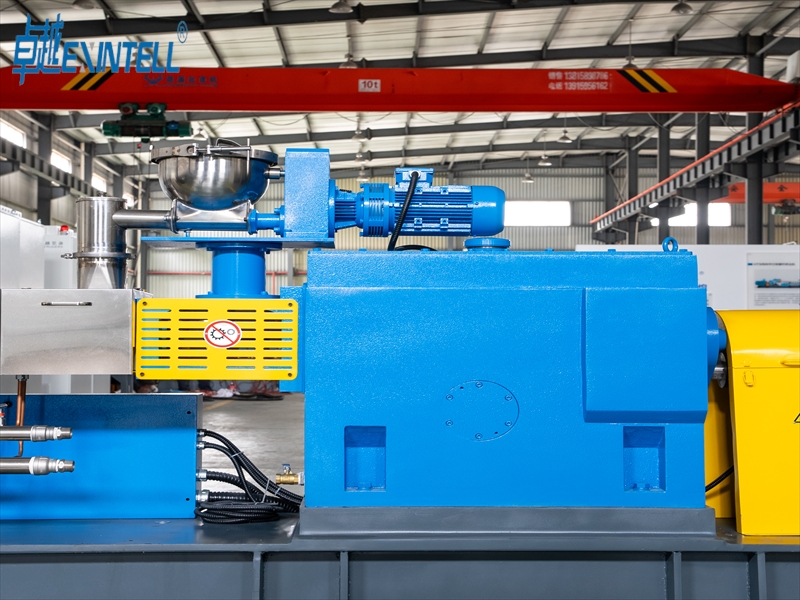
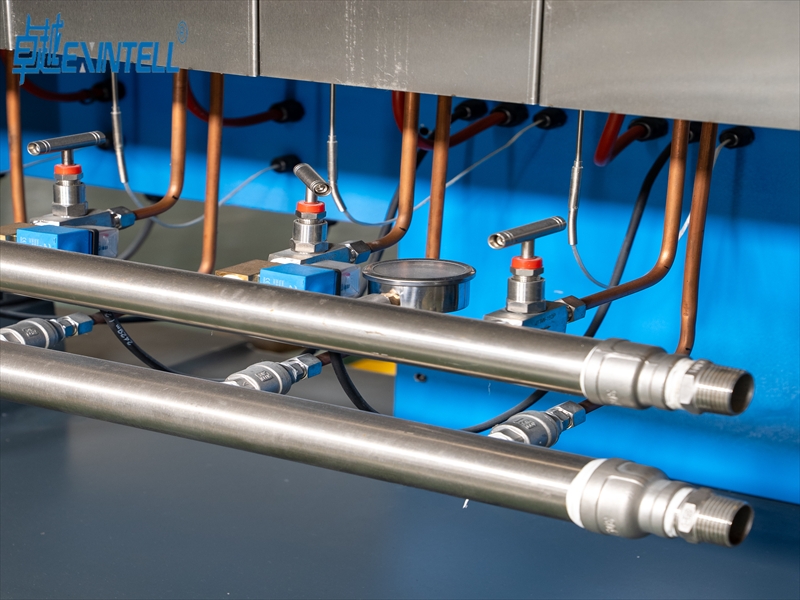
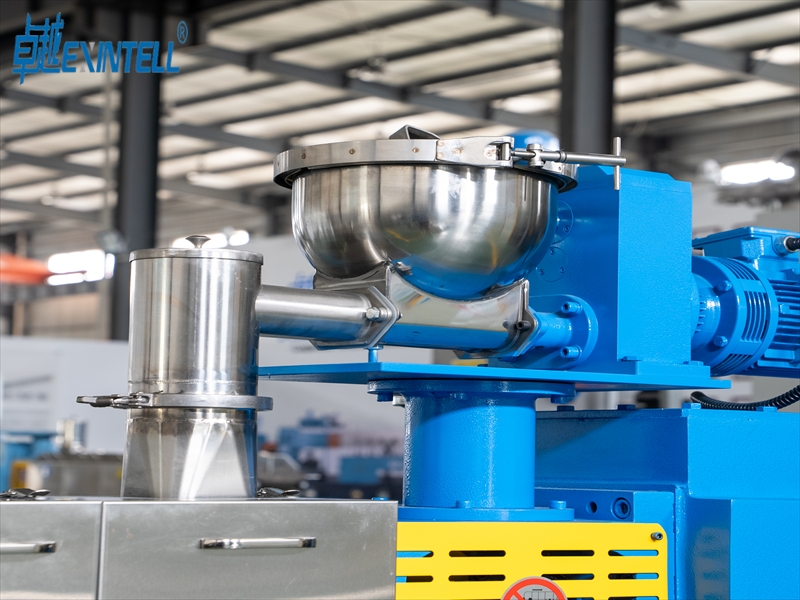
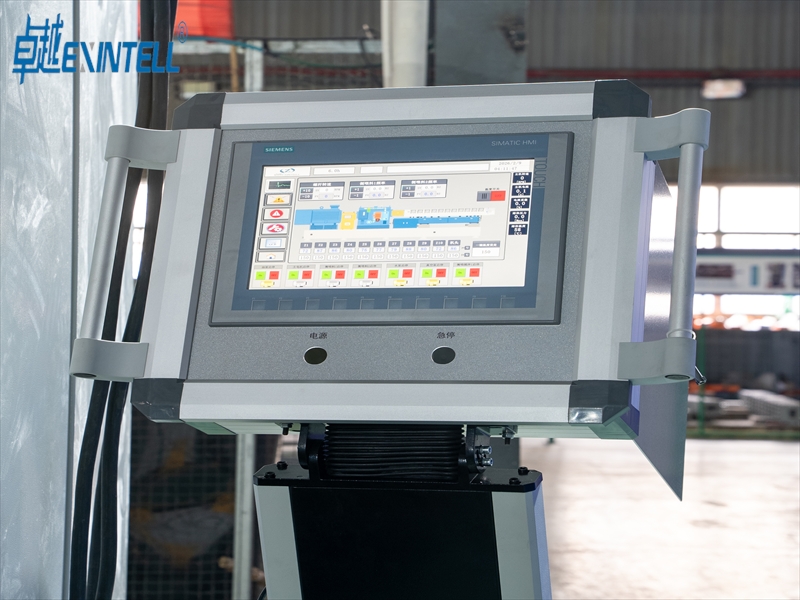
Pelletizing systems (strand, die-face cutting, underwater)
Each pelletizer system uses these components in unique ways to achieve specific results.
ความแตกต่างที่สำคัญ
I compare the main types of plastic pelletizer systems based on their operation and output. ที่ table below summarizestheir strengths and best use cases:
Pelletizing System
ประโยชน์
Best Use Case
Strand Pelletizing
Works well with high melting materials
Recycling high melting index materials
Water-ring Pelletizing
Simple to use, มั่นคง, easy to maintain
Processing films, raffia, regrind
Underwater Pelletizing
Handles large jobs, makes even pellets
Large-scale polymer production
This overview helps me match the right plastic pelletizer system to my production needs.
ระบบอัดเม็ดใต้น้ำ
How Underwater Pelletizers Work
When I operate an underwater pelletizer, I start by feeding molten polymer through a die plate. The die sits submerged in a water chamber. As the polymer exits the die, rotating knives cut the strands into pellets immediately. The water cools and transports the pellets away from the cutting area. I use a centrifugal dryer to separate water from the finished pellets before packaging or further processing. This method creates uniform pellets and supports continuous production. I rely on this system forhigh-output operationsand when I need consistent pellet quality.
เมื่อฉันใช้งานระบบอัดเม็ดวงแหวนน้ำ, I start by feeding molten polymer through a die plate. เส้นโพลีเมอร์จะออกจากแม่พิมพ์และพบกับมีดที่กำลังหมุนอยู่ทันที. มีดจะตัดเกลียวเป็นเม็ดตรงหน้าแม่พิมพ์. น้ำฉีดลงบนบริเวณที่ตัด, ก่อตัวเป็นวงแหวนรอบแม่พิมพ์. น้ำนี้จะทำให้เม็ดเย็นลงและพาออกจากห้องตัด. ฉันใช้เครื่องอบแบบแรงเหวี่ยงเพื่อแยกน้ำออกจากเม็ดก่อนบรรจุภัณฑ์. กระบวนการนี้ดำเนินไปอย่างต่อเนื่องและเหมาะสมกับโพลีเมอร์หลายประเภท. ฉันพึ่งพาระบบนี้เมื่อฉันต้องการความสมดุลระหว่างประสิทธิภาพและความเรียบง่าย.
เมื่อฉันใช้งานเครื่องอัดเม็ดเกลียว, I follow a straightforward process that delivers consistent results. I start by melting the plastic material in the extruder. The molten plastic then forms into continuous strands as it exits the die. I guide these strands through a water bath, which cools them rapidly. Once cooled, the strands move into the cutting chamber, where rotating knives slice them into uniform pellets. This sequence ensures that the final pellets meet the quality standards required for further processing.
The main steps in the strand pelletizing system include:
The entry of low-cost producers and technological innovators compresses margins and drives the need for continuous innovation.
Technological Disruption
Advances in alternative pelletizing methods threaten existing equipment, requiring substantial investment to stay competitive.
Innovation Bottlenecks
Slow adoption of new materials and process improvements limits differentiation and growth potential, particularly in high-performance segments.
Entry Barriers
High capital requirements and stringent regulatory approvals restrict new entrants, concentrating market power among established players and intensifying competitive pressures.
I address these challenges by staying informed about industry trends and investing in process improvements. This approach helps me maintain the reliability and efficiency of my plastic pelletizer operations.
Comparing Plastic Pelletizer Systems
Performance and Efficiency
When I evaluate the performance and efficiency of each pelletizing system, I focus on throughput rates and energy consumption. Underwater pelletizing systems deliver thehighest throughput. I can process several tons per hour with a single machine, which makes this systemideal for large-scale operations. Water-ring pelletizing systems also offer strong performance, especially for polyolefins and recycled materials. Their compact design and efficient cooling help me achieve excellent energy efficiency. Strand pelletizing systems provide moderate throughput. I notice that strand breakage can limit capacity, และประสิทธิภาพการใช้พลังงานอยู่ในระดับปานกลางเท่านั้นเมื่อเทียบกับอีกสองระบบ.
ต้นทุนและการบำรุงรักษามีบทบาทสำคัญในการตัดสินใจของฉัน. ระบบการอัดเม็ดเกลียวมีการลงทุนเริ่มแรกต่ำที่สุด. ฉันพบว่าใช้งานง่ายและบำรุงรักษา, ซึ่งช่วยลดค่าใช้จ่ายระยะยาวของฉัน. ระบบการอัดเม็ดใต้น้ำและวงแหวนน้ำจำเป็นต้องมีต้นทุนการเริ่มต้นที่สูงขึ้น. เทคโนโลยีขั้นสูงและการออกแบบที่ซับซ้อนช่วยเพิ่มความซับซ้อนในการปฏิบัติงาน. I spend more time and resources on maintenance for these systems, especially when handling different polymers or frequent material changes.
เทคโนโลยีการอัดเป็นก้อน
Initial Cost
ความซับซ้อนในการดำเนินงาน
Material Flexibility
Strand Pelletizing
Lower
เรียบง่าย
สูง
Underwater Pelletizing
Higher
ซับซ้อน
ปานกลาง
Water-Ring Pelletizing
Higher
ซับซ้อน
ปานกลาง
I often recommend strand pelletizing for operations with tight budgets or when simplicity is a priority. When I need advanced features or higher output, I accept the higher costs of underwater or water-ring systems.
คุณภาพเม็ด
Pellet quality affects downstream processing and product consistency. Underwater pelletizing systems produce spherical pellets with high consistency. These pellets flow well and reduce dust, which benefits my compounding and molding processes. Water-ring pelletizing systems create slightly flattened pellets. The quality remains good, but I see less consistency compared to underwater systems. ระบบการอัดเม็ดเกลียวจะสร้างเม็ดทรงกระบอก. ฉันสังเกตเห็นฝุ่นและค่าปรับมากขึ้น, ซึ่งอาจส่งผลกระทบต่อคุณภาพโดยรวมและต้องมีขั้นตอนการทำความสะอาดเพิ่มเติม.
ฉันจับคู่ระบบการอัดเป็นก้อนแต่ละระบบกับการใช้งานเฉพาะโดยพิจารณาจากจุดแข็งของระบบ. เครื่องอัดเม็ดใต้น้ำเป็นเลิศในด้านผลผลิตสูง, การประมวลผลโพลีเมอร์อย่างต่อเนื่อง. ฉันใช้มันสำหรับการผสมขนาดใหญ่และโพลีเมอร์ชนิดพิเศษ. ระบบอัดเม็ดแบบวงแหวนน้ำทำงานได้ดีกับโพลีโอเลฟินส์และวัสดุรีไซเคิล. Their versatility supports a range of recycling applications. Strand pelletizing systems offer high material flexibility. I process a wide variety of polymers, including those with high melt strength, and I often use this system for smaller batches or when I need to minimize costs.
Underwater pelletizers: Best for high-output, การผลิตอย่างต่อเนื่อง, and specialty polymers.
Water-ring pelletizing systems: Ideal for polyolefins, recycled materials, and moderate production volumes.
ระบบการอัดเม็ดเกลียว: Suitable for high melt strength materials, flexible for many polymers, and cost-effective for smaller operations.
I always consider the specific needs of my operation before choosing a pelletizing system. ตัวอย่างเช่น, if I focus on recycling and need to process many types of materials, strand pelletizing gives me the flexibility I need. เมื่อฉันต้องการปริมาณงานสูงและเม็ดคุณภาพระดับสูง, ฉันพึ่งพาการอัดเป็นก้อนใต้น้ำ.
เน้นความแตกต่าง: สแตรนด์ vs. Underwater Pelletizing
ฉันยังคำนึงถึงความต้องการในการบำรุงรักษาและความทนทานของใบมีดด้วย. เข้าถึงการทำความสะอาดได้ง่ายและการเปลี่ยนใบมีดช่วยลดเวลาหยุดทำงาน. ฉันตรวจสอบว่าเครื่องอัดเม็ดมีชุดเครื่องตัดที่แข็งแรงหรือไม่, especially when I plan to process abrasive or filled compounds.
ความเข้ากันได้ของวัสดุ
Material compatibility plays a critical role in my decision. Different polymers behavein unique ways during processing. ตัวอย่างเช่น, วิชาพลศึกษา, พีพี, สัตว์เลี้ยง, and filled composites each require specific pelletizer features. I look for these factors:
High-viscosity materials need pelletizers with higher torque gearmotors and reinforced cutter assemblies.
Abrasive filled compounds demand die plates and cutters made from durable materials, such as carbide-tipped blades.
Some pelletizers handle sticky or low melt-strength materials better than others.
I always match the pelletizer design to the materials I plan to process. This approach prevents excessive wear, ลดการหยุดทำงาน, and ensures consistent pellet quality. When I focus on recycling, I choose a system that can handle a wide range of feedstocks, including post-consumer and post-industrial plastics.
Budget Considerations
Budget remains a major factor in my selection process. I look beyond the initial price and consider the total cost of ownership. Many manufacturers make the mistake of focusing only on the purchase price. I avoid this byanalyzing long-term expenses, such as energy consumption, การซ่อมบำรุง, และอะไหล่.
Significantly lower initial capital investment; mechanically simpler equipment.
Underwater Pelletizing
Higher initial investment due to precision-engineered components; more compact footprint.
I also factor in operating costs. Underwater and water-ring systems may cost more upfront, but their automation and efficiency can lower labor and energy expenses over time. ฉันมักจะตรวจสอบข้อมูลรับรองของผู้ผลิตและการรับรองคุณภาพเสมอ. การสนับสนุนหลังการขายที่เชื่อถือได้และความพร้อมด้านอะไหล่ช่วยปกป้องการลงทุนของฉันและลดเวลาหยุดทำงานให้เหลือน้อยที่สุด.
More complex; die plate and cutting chamber maintenance can be challenging
Automation Level
Lower automation
ระบบอัตโนมัติปานกลางถึงสูง
ระบบอัตโนมัติสูง
ข้อควรพิจารณาเพิ่มเติม
Potential for strand breakage and fines/dust if not well maintained
Material limitations (เช่น, not ideal for tacky materials)
Higher initial cost and complex operation
I consider workspace constraints, noise sensitivity, and dust control requirements. I also analyze energy efficiency and operating costs. I never overlook after-sales support or spare parts availability. These factors ensure smooth operation and long-term reliability.
บันทึก: I use a checklist to guide my decision:
Define materials and forms to process.
Calculate throughput needs.
Assess maintenance and blade replacement.
Consider workspace and automation.
Analyze long-term costs.
Evaluate manufacturer support.
By following this structured approach, I select the plastic pelletizer system that best matches my production goals, material needs, และงบประมาณ. This method helps me avoid common pitfalls and ensures my operation runs efficiently for years to come.
I compare plastic pelletizer systems by their strengths and suitability for plastic film, การรีไซเคิล, and mechanical recycling. The table below highlights their advantagesfor sustainability and the circular economy:
System
จุดแข็ง
Suitability
สแตรนด์
Versatile, cost-effective
Small jobs, recycling lines
Water-ring
กะทัดรัด, good pellet surface
Efficient plastic reprocessing system, film production
ใต้น้ำ
Uniform pellets, high automation
Large factories, tough materials
Understanding these differences helps me optimize my recycling operation. I always evaluate material needs, เป้าหมายการผลิต, and process stability before choosing a system.
I focus on durability and energy efficiency for long-term success.
I recommend assessing your requirements carefully to ensure the best fit for your operation.
คำถามที่พบบ่อย
What is the main difference between strand and underwater pelletizing?
I see the biggest difference in pellet shape and system complexity. Strand pelletizers make cylindrical pellets and use a simple process. Underwater pelletizers create round pellets and require more advanced equipment.
How do I choose the right pelletizer for recycled plastics?
I always check material type, contamination level, and output needs. Strand pelletizers work well for mixed or high-melt materials. Water-ring systems handle films and regrind efficiently. Underwater systems suit clean, high-volume recycling.