

ประเด็นสำคัญ
-
เครื่องอัดรีดพลาสติกเปลี่ยนรูป เม็ดพลาสติกดิบเป็นผลิตภัณฑ์สำเร็จรูปโดยผ่านกระบวนการทีละขั้นตอน.
-
หน้าที่หลักของเครื่องอัดรีดพลาสติก ได้แก่ การทำความร้อน, การผสม, กดดัน, การสร้าง, และระบายความร้อนให้กับวัสดุ.
-
การเลือกเทอร์โมพลาสติกที่เหมาะสม เป็นสิ่งสำคัญอย่างยิ่งในการบรรลุคุณสมบัติและการใช้งานของผลิตภัณฑ์ที่ต้องการ.
-
การตรวจสอบอุณหภูมิและความดันอย่างเหมาะสมระหว่างการอัดรีดทำให้มั่นใจในคุณภาพที่สม่ำเสมอและป้องกันข้อบกพร่อง.
-
Cooling methods significantly affect the final product's strength and appearance; เลือกวิธีการที่เหมาะสมสำหรับแต่ละการใช้งาน.
-
ขั้นตอนการประมวลผลขั้นปลาย เช่น การตัดและการขึ้นรูป ช่วยเพิ่มมูลค่าและการใช้งานของผลิตภัณฑ์ที่อัดขึ้นรูป.
-
การบำรุงรักษาส่วนประกอบต่างๆ เช่น แม่พิมพ์และฮอปเปอร์เป็นประจำถือเป็นสิ่งสำคัญต่อการทำงานที่มีประสิทธิภาพและคุณภาพของผลิตภัณฑ์.
-
เข้าใจถึงข้อดีและความท้าทายของ การอัดขึ้นรูปพลาสติก ช่วยเพิ่มประสิทธิภาพการผลิตและตอบสนองความต้องการของอุตสาหกรรม.
ข้อมูลเบื้องต้นเกี่ยวกับเครื่องอัดรีดพลาสติก
เครื่องอัดรีดพลาสติกคืออะไร
ฉันพึ่งเอ เครื่องอัดรีดพลาสติก ทุกวันในกระบวนการผลิตของฉัน. เครื่องจักรนี้มีบทบาทสำคัญในการเปลี่ยนพลาสติกดิบให้เป็นผลิตภัณฑ์ที่ใช้งานได้. ฉันป้อนเม็ดพลาสติกเข้าไปในเครื่องอัดรีด, ซึ่งทำให้ร้อนและละลายไป. จากนั้นเครื่องจะดันพลาสติกที่หลอมเหลวผ่านแม่พิมพ์, สร้างรูปทรงต่อเนื่อง. กระบวนการนี้ทำให้ฉันสามารถผลิตท่อได้, แผ่นงาน, ภาพยนตร์, และรายการอื่นๆ ได้อย่างมีประสิทธิภาพ.
เครื่องอัดรีดพลาสติกมีความโดดเด่นในฐานะอุปกรณ์ชิ้นสำคัญในการผลิตทางอุตสาหกรรม. มันทำงานโดยการบังคับพลาสติกที่หลอมละลายผ่านทางออกคงที่, ให้ได้รูปทรงที่ต้องการ. ฉันเห็นว่าวิธีการนี้รับประกันความสม่ำเสมอและคุณภาพในทุกชุดงานได้อย่างไร. กระบวนการอัดรีดใช้แรงดันสูงในการเคลื่อนย้ายวัสดุ, ซึ่งจะเย็นตัวลงและแข็งตัว. แนวทางนี้เน้นย้ำถึงประสิทธิภาพและการใช้งานจริงของเครื่องอัดรีดในการทำงานประจำวันของฉัน.
เคล็ดลับ: ฉันตรวจสอบการตั้งค่าอุณหภูมิและความดันบนเครื่องอัดรีดพลาสติกของฉันเสมอเพื่อรักษาคุณภาพของผลิตภัณฑ์.
ฟังก์ชั่นที่สำคัญ
ฉันมุ่งเน้นไปที่ฟังก์ชันสำคัญหลายประการเมื่อฉันใช้งานเครื่องอัดรีดพลาสติก. แต่ละฟังก์ชันมีความสำคัญสำหรับการใช้งานทางอุตสาหกรรมเนื่องจากส่งผลต่อคุณภาพและประสิทธิภาพของผลิตภัณฑ์ขั้นสุดท้าย.
-
การทำความร้อนและการหลอมละลาย: ฉันใช้เครื่องอัดรีดเพื่อให้ความร้อนเม็ดพลาสติกจนละลาย. ขั้นตอนนี้มีความสำคัญสำหรับการสร้างวัสดุที่สม่ำเสมอ.
-
การผสม: เครื่องผสมพลาสติกหลอมเหลว, ช่วยให้มั่นใจได้ถึงการกระจายตัวของสารเติมแต่งและสีที่สม่ำเสมอ.
-
การกดดัน: ฉันอาศัยเครื่องอัดรีดเพื่อใช้แรงกด, ซึ่งช่วยปรับรูปร่างวัสดุและขจัดฟองอากาศ.
-
การสร้างรูปร่าง: แม่พิมพ์ทำให้พลาสติกมีรูปร่างขั้นสุดท้าย, ไม่ว่าฉันต้องการท่อหรือไม่, ภาพยนตร์, โปรไฟล์, หรือปลอกสายเคเบิล.
-
ระบายความร้อน: หลังจากขึ้นรูปแล้ว, ฉันทำให้ผลิตภัณฑ์เย็นลงเพื่อให้ผลิตภัณฑ์แข็งตัวและล็อคเข้ารูป.
ฉันใช้เทอร์โมพลาสติกชนิดต่างๆ ในเครื่องอัดรีด, ขึ้นอยู่กับแอปพลิเคชัน. ตัวอย่างเช่น, โพลีเอทิลีนทำงานได้ดีกับฟิล์ม และบรรจุภัณฑ์เนื่องจากมีความยืดหยุ่นและแข็งแรง. โพรพิลีนเหมาะกับชิ้นส่วนยานยนต์เนื่องจากมีจุดหลอมเหลวสูง. โพลีไวนิลคลอไรด์เหมาะอย่างยิ่งสำหรับท่อและโปรไฟล์การก่อสร้างเนื่องจากมีความทนทาน. โพลีสไตรีนเหมาะสำหรับสินค้าอุปโภคบริโภคเนื่องจากมีความแข็งและใส.
ฉันเห็นผลกระทบของฟังก์ชันเหล่านี้ในหลายๆ อุตสาหกรรม:
-
การก่อสร้าง
-
บรรจุภัณฑ์
-
อิเล็กทรอนิกส์และเครื่องใช้ไฟฟ้า
-
ยานยนต์
-
การดูแลทางการแพทย์
ฉันผลิตก สินค้าหลากหลาย ด้วยเครื่องอัดรีดพลาสติกของฉัน, เช่น:
-
ท่อ
-
เฟรมเครื่องอัดรีด ขายส่งอลูมิเนียมอัดขึ้นรูปอะโนไดซ์ ภาพยนตร์
-
โปรไฟล์
-
ปลอกสายเคเบิล
-
วัสดุสิ้นเปลืองทางการแพทย์
ฉันเข้าใจว่าการเรียนรู้ฟังก์ชันเหล่านี้ช่วยให้ฉันส่งมอบผลลัพธ์ที่เชื่อถือได้ให้กับลูกค้าอุตสาหกรรม. ฉันคอยตรวจสอบแต่ละขั้นตอนอยู่เสมอเพื่อให้มั่นใจถึงประสิทธิภาพและความสม่ำเสมอ.
เครื่องอัดรีดพลาสติกทำงานอย่างไร
วัสดุการให้อาหาร
ฉันมักจะเริ่มกระบวนการอัดรีดพลาสติกโดยการป้อนวัตถุดิบเข้าไปในเครื่องอัดรีด. ฉันใช้เม็ดพลาสติกหรือเม็ดพลาสติก, ซึ่งผมเทลงในถังที่ด้านบนของตัวเครื่อง. ถังบรรจุทำหน้าที่เป็นถังเก็บของและช่วยให้มั่นใจว่าวัสดุจะไหลเข้าสู่ถังอย่างสม่ำเสมอ. ฉันเลือกประเภทพลาสติกที่เหมาะสมตามผลิตภัณฑ์ที่ฉันต้องการทำ. ตัวอย่างเช่น, ฉันอาจจะเลือก โพลีไวนิลคลอไรด์ สำหรับท่อหรือโพลีเอทิลีนสำหรับฟิล์มและท่อ. ตารางด้านล่างแสดงวัสดุทั่วไปบางอย่างที่ฉันใช้และคุณลักษณะหลัก:
|
ประเภทวัสดุ |
ลักษณะและการประยุกต์ |
|---|---|
|
โพลีไวนิลคลอไรด์ (พีวีซี) |
แข็งแกร่ง, อเนกประสงค์, ทนต่อความชื้น, สารเคมี, และรังสียูวี; ใช้ในการก่อสร้างและอุตสาหกรรม. |
|
เอทิลีน (วิชาพลศึกษา) |
น้ำหนักเบา, ยืดหยุ่นได้, ทนต่อแรงกระแทกได้ดีเยี่ยม; ใช้สำหรับภาพยนตร์, ถุงพลาสติก, ตู้คอนเทนเนอร์, และท่ออ่อนตัว. |
|
เอเอสเอ (อะคริโลไนไตรล์ สไตรีน อะคริเลต) |
ทนต่อรังสี UV และสารเคมีได้เหนือกว่า; ใช้ในงานกลางแจ้ง เช่น แผงหลังคาและแผงด้านหน้า. |
|
น้ำหนักเบา, ยืดหยุ่นได้; เหมาะสำหรับบรรจุอาหาร, ผลิตภัณฑ์ทางการแพทย์, และระบบแบบหล่อกลวง. |
ฉันแน่ใจว่าวัสดุสะอาดและแห้งก่อนที่จะโหลด. ความชื้นหรือสิ่งปนเปื้อนอาจทำให้เกิดข้อบกพร่องในผลิตภัณฑ์ขั้นสุดท้ายได้. เมื่อเม็ดเข้าถังแล้ว, กระบวนการอัดขึ้นรูปพลาสติกเริ่มต้นขึ้นอย่างจริงจัง.
การหลอมและการผสม
หลังจากให้อาหารแล้ว, ฉันเน้นการหลอมพลาสติกและผสมให้ละเอียด. กระบอกประกอบด้วยสกรูหมุนที่ดันเม็ดไปข้างหน้า. ขณะที่วัสดุเคลื่อนที่, เครื่องทำความร้อนตามถังทำให้อุณหภูมิเพิ่มขึ้น. ฉันติดตามอุณหภูมิอย่างใกล้ชิดเพราะพลาสติกแต่ละประเภทจะละลายในช่วงที่แตกต่างกัน. ตัวอย่างเช่น, ผมตั้งลำกล้องไว้ที่ 160-200°C สำหรับ LDPE, 180-230°C สำหรับ HDPE, และ 150-185°C สำหรับพีวีซี. ตารางด้านล่างแสดงข้อมูลทั่วไป อุณหภูมิหลอมเหลวสำหรับเทอร์โมพลาสติกทั่วไป:
|
เทอร์โมพลาสติก |
อุณหภูมิหลอมละลาย (°ค) |
|---|---|
|
แอลดีพีอี |
160-200 |
|
เอชดีพีอี |
180-230 |
|
พีพี |
200-260 |
|
พีวีซี |
150-185 |
|
ไนลอน |
230-290 |
ในขณะที่สกรูหมุน, มันบีบอัดและทำให้พลาสติกหลอมเหลวเป็นเนื้อเดียวกัน. ฉันพึ่ง องค์ประกอบการผสม ภายในสกรูเพื่อสลายคลัสเตอร์และกระจายสารเติมแต่งให้เท่าๆ กัน. ขั้นตอนนี้มีความสำคัญอย่างยิ่งต่อกระบวนการอัดขึ้นรูปโปรไฟล์ เนื่องจากจะทำให้ผลิตภัณฑ์ขั้นสุดท้ายมีสีและพื้นผิวที่สม่ำเสมอ. การผสมที่เหมาะสมยังช่วยป้องกันการสิ้นเปลืองวัสดุและข้อบกพร่องอีกด้วย. ฉันมักจะตรวจสอบเสมอว่าอุณหภูมิและความดันคงที่ในระหว่างขั้นตอนนี้. หากวัสดุละลายไม่เท่ากัน, กระบวนการอัดรีดสามารถผลิตผลิตภัณฑ์ที่อ่อนแอหรือไม่สอดคล้องกัน.
เคล็ดลับ: ฉันมักจะใช้การออกแบบสกรูและองค์ประกอบการผสมที่เหมาะสมสำหรับวัสดุแต่ละชนิดเสมอเพื่อให้ได้ผลลัพธ์ที่ดีที่สุดในกระบวนการอัดขึ้นรูปพลาสติก.
การสร้างรูปร่างด้วย Die
เมื่อพลาสติกละลายและผสมจนหมดแล้ว, ฉันย้ายไปที่ขั้นตอนการขึ้นรูป. พลาสติกหลอมเหลวจะไหลผ่านตะแกรงและแผ่นเบรกเกอร์เพื่อกรองสิ่งปนเปื้อนและสร้างแรงดันต้าน. ขั้นตอนนี้ช่วยให้ฉันรักษาการไหลที่ราบรื่นและสม่ำเสมอ. ต่อไป, วัสดุจะเข้าสู่แม่พิมพ์, ซึ่งเป็นเครื่องมือสร้างรูปร่างขั้นสุดท้ายในกระบวนการอัดรีด.
แม่พิมพ์เป็นตัวกำหนดรูปร่างหน้าตัดของผลิตภัณฑ์ที่อัดขึ้นรูป. ฉันเลือกแม่พิมพ์ตามผลิตภัณฑ์ที่ฉันต้องการทำ. ตัวอย่างเช่น, ฉันใช้ดายแบบแบนหรือชีทสำหรับฟิล์มและชีต, วงแหวนหรือแหวนตายสำหรับท่อและท่อ, และโปรไฟล์แบบกำหนดเองตายสำหรับกรอบหน้าต่างหรือแถบกันฝน. ตารางด้านล่างแสดงประเภทแม่พิมพ์ทั่วไปและผลิตภัณฑ์ที่ผลิต:
|
ประเภทแม่พิมพ์ |
คำอธิบาย |
ผลิตภัณฑ์ที่สร้างขึ้น |
|---|---|---|
|
แบน/แผ่นตาย |
การออกแบบไม้แขวนเสื้อช่วยกระจายสารหลอมในช่องกว้าง. |
แผ่น, ฟิล์ม, และการใช้งานเคลือบ |
|
วงแหวน/วงแหวนตาย |
ละลายไหลไปรอบๆ แมนเดรล, สร้างโปรไฟล์กลวง. |
ท่อและท่อ |
|
โปรไฟล์เสียชีวิต |
ออกแบบมาโดยเฉพาะสำหรับหน้าตัดเฉพาะ. |
กรอบหน้าต่าง, การลอกสภาพอากาศ, ตัดขอบ |
|
ฟิล์มที่เป่าแล้วตาย |
วงแหวนตายด้วยการฉีดอากาศเพื่อขยายส่วนที่ละลายให้เป็นฟอง. |
การผลิตฟิล์มบาง |
ฉันให้ความสำคัญกับการออกแบบแม่พิมพ์อย่างใกล้ชิดเพราะมันส่งผลต่อความหนา, ความกว้าง, และคุณภาพพื้นผิวของผลิตภัณฑ์ขั้นสุดท้าย. ในกระบวนการอัดขึ้นรูปโปรไฟล์, แม่พิมพ์จะต้องสร้างการไหลที่สม่ำเสมอเพื่อหลีกเลี่ยงการบิดงอหรือความเครียดภายใน. ฉันมักจะปรับอุณหภูมิและแรงกดของแม่พิมพ์เพื่อปรับแต่งรูปทรงอย่างละเอียด. เมื่อฉันเห็นพลาสติกหลอมเหลวพุ่งออกมาทางแม่พิมพ์, ฉันรู้ว่าผลิตภัณฑ์กำลังเข้าสู่รูปแบบสุดท้าย.
ผู้จัดจำหน่ายเครื่องอัดรีดมาสเตอร์แบทช์ บันทึก: แม่พิมพ์เป็นหัวใจสำคัญของกระบวนการอัดขึ้นรูปพลาสติก. แม่พิมพ์ที่ได้รับการออกแบบมาอย่างดีช่วยให้มั่นใจในคุณภาพที่สม่ำเสมอและขนาดที่แม่นยำ. เครื่องอัดรีดช่วยให้ความร้อน
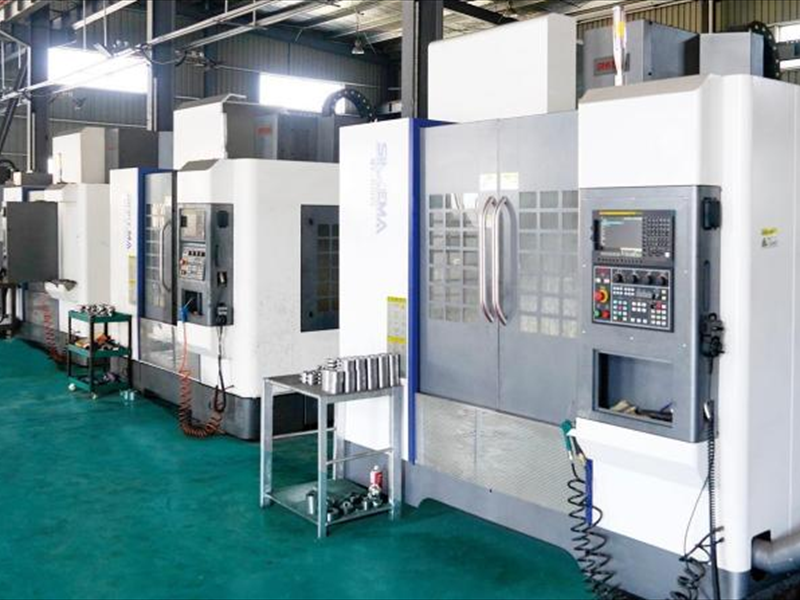
โดยทำตามขั้นตอนเหล่านี้—วัสดุให้อาหาร, ละลายพลาสติก, การผสม, และการขึ้นรูป—ฉันเปลี่ยนเม็ดดิบให้เป็นผลิตภัณฑ์สำเร็จรูป. เครื่องอัดรีดพลาสติกช่วยให้ฉันควบคุมทุกขั้นตอนของกระบวนการได้, ตั้งแต่การเลือกวัสดุไปจนถึงการสร้างรูปร่างขั้นสุดท้าย. วิธีการทีละขั้นตอนนี้มีความสำคัญต่อการผลิตสินค้าคุณภาพสูงในสภาพแวดล้อมทางอุตสาหกรรม.
การระบายความร้อนและการแข็งตัว
หลังจากที่พลาสติกออกจากแม่พิมพ์แล้ว, ฉันมุ่งเน้นที่การระบายความร้อนให้กับเอ็กทรูเดตเพื่อล็อครูปร่างและป้องกันข้อบกพร่อง. ขั้นตอนนี้มีความสำคัญเนื่องจากวิธีการทำให้ผลิตภัณฑ์เย็นลงจะส่งผลต่อความแข็งแรงและรูปลักษณ์ของผลิตภัณฑ์. ฉันใช้หลายวิธีเพื่อทำให้พลาสติกเย็นลงและแข็งตัว, ขึ้นอยู่กับผลิตภัณฑ์และความเร็วในการผลิต.
-
การปรับเทียบ
-
ระบายความร้อนด้วยอากาศ
-
การระบายความร้อนขั้นสุดท้าย
-
เทคนิคขั้นสูง (ลูกกลิ้งแช่เย็น, ระบายความร้อนด้วยสุญญากาศ)
ฉันมักจะเริ่มต้นด้วยการดับ. วิธีนี้จะทำให้ชั้นนอกของพลาสติกเย็นลงอย่างรวดเร็วเมื่อออกจากหัวอัดขึ้นรูป. ฉันใช้สเปรย์ลมหรือน้ำสำหรับขั้นตอนนี้. การระบายความร้อนอย่างรวดเร็วช่วยกำหนดรูปร่างเริ่มต้นและป้องกันไม่ให้ผลิตภัณฑ์บิดเบี้ยว. สำหรับโปรไฟล์และท่อจำนวนมาก, ฉันใช้เครื่องสอบเทียบ. อุปกรณ์เหล่านี้รักษารูปทรงให้คงที่และมีถังบรรจุน้ำเพื่อควบคุมความเย็น. เครื่องสอบเทียบช่วยฉันหลีกเลี่ยงความเครียดภายในและช่วยให้มั่นใจว่าผลิตภัณฑ์ตั้งตรง.
เมื่อฉันต้องการการควบคุมอุณหภูมิที่แม่นยำ, ฉันหันมาใช้เทคนิคขั้นสูง. ลูกกลิ้งเย็นและการทำความเย็นแบบสุญญากาศช่วยให้ฉันเย็นเร็วและสม่ำเสมอ, ซึ่งมีความสำคัญต่อการผลิตด้วยความเร็วสูงหรือการใช้งานพิเศษ. ฉันมักจะเลือกวิธีการที่ตรงกับความต้องการของผลิตภัณฑ์เสมอ.
เคล็ดลับ: ฉันติดตามอัตราการทำความเย็นอย่างใกล้ชิด. หากฉันเย็นพลาสติกเร็วเกินไป, ฉันสามารถดักจับความเครียดภายในได้. หากฉันเย็นลงช้าเกินไป, ฉันเสี่ยงต่อการบิดงอหรือพื้นผิวไม่เรียบ.
วิธีการทำความเย็นที่ฉันเลือกส่งผลต่อคุณสมบัติขั้นสุดท้ายของผลิตภัณฑ์. ตารางด้านล่าง shows how different cooling rates change the mechanical properties:
|
วิธีการทำความเย็น |
Effect on Mechanical Properties |
|---|---|
|
Rapid Water Cooling |
Can trap internal stresses, weakening thicker products over time. |
|
Slower Air Screw Extruder Factory ระบายความร้อน โรงงานสกรูคู่ขนาน |
Promotes uniform crystallization, enhancing strength and reducing warping risks. |
I always balance speed and quality to get the best results for my industrial clients.
Downstream Processing
Once the product is solid, I move to downstream processing. This stage adds value and prepares the product for its final use. I follow a series of steps to finish the extruded plastic:
-
การตัด: I use a high-speed cutter to slice the continuous strand into set lengths. Accurate cutting is important for assembly and appearance.
-
การสร้างรูปร่าง: I may run the product through a shaping machine. ขั้นตอนนี้จะช่วยปรับปรุงรูปลักษณ์และทำให้แน่ใจว่าขนาดถูกต้อง.
-
การอบแห้ง: ฉันใช้เครื่องอบผ้าอุตสาหกรรม, เช่นเครื่องอบผ้าแบบสายพานหลายชั้นหรือเครื่องอบไมโครเวฟ, เพื่อขจัดความชื้นออกจากผลิตภัณฑ์.
หลังจากขั้นตอนหลักเหล่านี้แล้ว, ฉันมักจะเพิ่ม สัมผัสการตกแต่ง. ฉันอาจพิมพ์ข้อมูลหรือตราสินค้าบนผลิตภัณฑ์. บางครั้ง, ฉันเจาะรู, กระดิ่งที่ปลาย, หรือม้วนสินค้าเพื่อการขนส่งที่ง่ายขึ้น. ขั้นตอนพิเศษเหล่านี้ช่วยให้ฉันสามารถตอบสนองความต้องการเฉพาะของลูกค้าและทำให้ผลิตภัณฑ์มีประโยชน์มากขึ้น.
บันทึก: กระบวนการขั้นปลายน้ำ เช่นการตัดและการพิมพ์ช่วยเพิ่มมูลค่าของผลิตภัณฑ์พลาสติกอัดขึ้นรูป. พวกเขารับประกันขนาดที่เหมาะสม, ลักษณะที่ดีขึ้น, และความพร้อมของตลาด.
ด้วยการจัดการการระบายความร้อนและการประมวลผลดาวน์สตรีมอย่างระมัดระวัง, ฉันส่งมอบคุณภาพสูง, ผลิตภัณฑ์ที่เชื่อถือได้สำหรับการใช้งานในอุตสาหกรรมที่หลากหลาย.
ส่วนประกอบเครื่องอัดรีดพลาสติก
สิ่งที่กระโดด
ฉันมักจะเริ่มทำงานที่ ถัง. ส่วนประกอบนี้ตั้งอยู่ที่ด้านบนของเครื่องอัดรีดพลาสติกและจัดเก็บเม็ดพลาสติกหรือแกรนูลดิบ. ถังจะป้อนวัสดุเข้าไปในถังด้วยอัตราคงที่. ฉันตรวจสอบถังบรรจุเป็นประจำเพื่อให้แน่ใจว่าถังเก็บสะอาดและแห้ง. บางรุ่นมีฟังก์ชันการอบแห้ง, ที่ช่วยรักษาคุณภาพของพลาสติก. ความชื้นอาจทำให้เกิดข้อบกพร่องได้, ฉันก็เลยพึ่งฮอปเปอร์เพื่อรักษาวัสดุให้อยู่ในสภาพดี. ฉันเลือกขนาดฮอปเปอร์ที่เหมาะสมตามปริมาณการผลิต. สำหรับงานที่มีผลผลิตสูง, ฉันใช้ถังขนาดใหญ่เพื่อหลีกเลี่ยงการเติมบ่อยๆ.
เคล็ดลับ: ฉันตรวจสอบฮอปเปอร์ก่อนทุกครั้ง. วัสดุที่สะอาดและแห้งช่วยให้การอัดขึ้นรูปราบรื่นและป้องกันการอุดตัน.
บาร์เรลและสกรู
ที่ บาร์เรลและสกรู สร้างแกนของเครื่องอัดรีด. กระบอกเป็นพื้นที่ให้ความร้อนสำหรับเม็ดพลาสติก. ฉันตรวจสอบอุณหภูมิของถังให้ตรงกับจุดหลอมเหลวของวัสดุ. สกรูอยู่ภายในกระบอกและหมุนเพื่อเคลื่อนพลาสติกไปข้างหน้า. ขณะที่สกรูหมุน, มันสื่อถึง, ละลาย, และผสมวัสดุ. ฉันปรับความเร็วของสกรูเพื่อควบคุมอัตราเอาท์พุต. ความเร็วที่เร็วขึ้นจะเพิ่มการผลิตแต่อาจทำให้เกิดความร้อนสูงเกินไปได้. ฉันเลือกการออกแบบสกรูตามประเภทของพลาสติกและข้อกำหนดของผลิตภัณฑ์.
การออกแบบกระบอกและสกรูส่งผลต่อประสิทธิภาพ. ฉันดูพารามิเตอร์ต่างๆ เช่น อัตราส่วน L/D (ความยาวถึงเส้นผ่านศูนย์กลาง), อัตราส่วนการบีบอัด, ความลึกของการบิน, และความเร็วของสกรู. สำหรับงานส่วนใหญ่, ฉันใช้สกรูกับ 30:1 อัตราส่วน L/D. นี่ทำให้ฉันมีเวลาเพียงพอในการละลายและผสม. อัตราการบีบอัดระหว่าง 3:1 และ 3.5:1 ทำงานได้ดีกับโพลีเอทิลีน. ช่องการบินที่ลึกกว่าช่วยให้รับส่งข้อมูลได้มากขึ้น, แต่ฉันสร้างสมดุลนี้ด้วยประสิทธิภาพการหลอมละลาย. ฉันหลีกเลี่ยงการขันสกรูเร็วเกินไป, เนื่องจากความเร็วที่มากเกินไปอาจทำให้โพลีเมอร์เสื่อมคุณภาพได้.
|
ส่วนประกอบ |
การทำงาน |
|---|---|
|
สกรู |
ถ่ายทอด, ทำให้เป็นพลาสติก, and pressurizes raw materials. |
|
บาร์เรล |
Provides storage and heating space, ensuring durability and stability. |
I select barrier screws for jobs that need better melting consistency. This choice helps me achieve uniform mixing before the material reaches the die.
เครื่องทำความร้อน
Heaters play a vital role in the plastic extruder. I rely on them to melt the plastic pellets as they move through the barrel. The heaters wrap around the barrel and provide precise temperature control. I set the temperature based on the type of plastic. ตัวอย่างเช่น, I use lower temperatures for PVC and higher settings for nylon. Consistent heating prevents defects and ensures uniform plasticization.
I monitor the heaters throughout the process. If the temperature fluctuates, I risk uneven melting or overheating. ฉันใช้ระบบควบคุมอุณหภูมิเพื่อจัดการการทำความร้อนและความเย็น. ระบบเหล่านี้ช่วยให้ฉันรักษาสมดุลที่เหมาะสม, เพื่อให้พลาสติกไหลเข้าสู่แม่พิมพ์ได้อย่างราบรื่น. การจัดการเครื่องทำความร้อนที่เหมาะสมช่วยปรับปรุงคุณภาพผลิตภัณฑ์และลดของเสีย.
บันทึก: เครื่องทำความร้อนและระบบควบคุมอุณหภูมิที่เชื่อถือได้ช่วยให้กระบวนการอัดขึ้นรูปมีความเสถียร. ฉันตรวจสอบส่วนประกอบเหล่านี้อยู่เสมอเพื่อหลีกเลี่ยงปัญหาในการผลิต.
ตาย
ฉันมักจะใส่ใจกับแม่พิมพ์อย่างใกล้ชิดเสมอเมื่อฉันใช้งานเครื่องอัดรีดพลาสติก. แม่พิมพ์จะขึ้นรูปพลาสติกหลอมเหลวให้เป็นผลิตภัณฑ์ขั้นสุดท้าย. ฉันรู้ว่าการเลือกแม่พิมพ์ที่ถูกต้องเป็นสิ่งสำคัญสำหรับการผลิตท่อ, แผ่นงาน, โปรไฟล์, หรือฟิล์มที่มีขนาดที่แม่นยำ.
ฉันเริ่มต้นด้วยการตรวจสอบแม่พิมพ์ก่อนดำเนินการผลิตทุกครั้ง. ฉันมองหาสัญญาณการสึกหรอ, การสะสม, หรือความเสียหาย. แม่พิมพ์ที่สะอาดช่วยให้พลาสติกไหลได้อย่างราบรื่นและป้องกันข้อบกพร่อง. ฉันใช้เครื่องมือพิเศษในการทำความสะอาดช่องแม่พิมพ์และพื้นผิว. หากฉันเห็นรอยขีดข่วนหรือสิ่งอุดตัน, ฉันพูดกับพวกเขาทันที.
เมื่อฉันตั้งค่าเครื่องอัดรีด, ฉันวางแม่พิมพ์ให้ตรงกับลำกล้องอย่างระมัดระวัง. การจัดตำแหน่งที่เหมาะสมจะช่วยป้องกันการไหลที่ไม่สม่ำเสมอและลดความเสี่ยงของการบิดเบี้ยว. ฉันขันโบลต์ให้เท่ากันเพื่อหลีกเลี่ยงการรั่วซึม. ฉันยังตรวจสอบการตั้งค่าอุณหภูมิแม่พิมพ์ด้วย. พลาสติกแต่ละประเภทต้องมีช่วงอุณหภูมิเฉพาะเพื่อการไหลที่เหมาะสมที่สุด. ฉันปรับเครื่องทำความร้อนแม่พิมพ์ให้ตรงกับวัสดุที่ฉันใช้.
ในระหว่างการผลิต, ฉันตรวจสอบความดันที่แม่พิมพ์. หากแรงดันเพิ่มขึ้นสูงเกินไป, ฉันรู้ว่าอาจมีการอุดตันหรือการปนเปื้อน. ฉันหยุดเครื่องและตรวจสอบแม่พิมพ์หากฉันสังเกตเห็นความผิดปกติใดๆ ในผลิตภัณฑ์ที่อัดขึ้นรูป. แรงกดสม่ำเสมอช่วยให้ฉันรักษาความหนาและคุณภาพพื้นผิวที่สม่ำเสมอ.
I often switch between different dies depending on the product. ตัวอย่างเช่น, I use a flat die for making sheets and a ring die for pipes. I store each die in a clean, dry place to prevent rust and damage. I label each die clearly so I can find the right one quickly.
เคล็ดลับ: I always preheat the die before starting production. This step prevents cold spots and ensures a steady flow of molten plastic.
Here is a quick checklist I follow for die maintenance:
-
Inspect for wear and buildup before each run.
-
Clean channels and surfaces with proper tools.
-
Align and secure the die to the barrel.
-
Set the correct temperature for the material.
-
Monitor pressure and product quality during operation.
-
Store dies properly after use.
โดยทำตามขั้นตอนเหล่านี้, I keep my extrusion process efficient and my products consistent. The die is a critical component that directly affects the quality of everything I produce.
ประเภทของเครื่องอัดรีดพลาสติก
เครื่องอัดรีดแบบสกรูเดี่ยว
I often use a single-screw extruder for straightforward plastic processing jobs. This machine has one rotating screw inside the barrel. I find it reliable for melting, การผสม, and shaping most thermoplastics. When I want to produce pipes, ภาพยนตร์, or sheets with consistent quality, I choose this type. I adjust the screw speed and temperature to match the material. The single-screw design gives me basic mixing and steady output. I use it when I do not need to blend many additives or handle complex recipes.
เครื่องอัดรีดแบบสกรูคู่
When I need better mixing and more control, I switch to a เครื่องอัดรีดแบบสกรูคู่. เครื่องนี้ใช้สกรูสองตัวที่หมุนด้วยกัน. I can process materials with fillers, สี, or even reactive chemicals. The twin-screw design lets me blend, สารประกอบ, and even carry out chemical reactions during extrusion. I use it for advanced applications, such as making specialty compounds or high-performance plastics. The table below shows how single-screw and twin-screw extruders compare in industrial performance:
|
คุณสมบัติ |
เครื่องอัดรีดแบบสกรูเดี่ยว |
เครื่องอัดรีดแบบสกรูคู่ |
|---|---|---|
|
เส้นผ่านศูนย์กลางของสกรู |
20 มม. ถึง 300 มม |
16 มม. ถึง 245 มม |
|
อัตราส่วน L/D |
20:1 ถึง 30:1 |
25:1 ถึง 48:1 |
|
ความเร็วของสกรู |
20 ถึง 250 รอบต่อนาที |
50 ถึง 1,200 รอบต่อนาที |
|
อัตราการส่งออก |
10 กก./ชม. ถึง 1,000 กก./ชม |
1 กก./ชม. ถึง 15,000 กก./ชม |
|
Barrel Temperature |
20°C to 300°ค |
Ambient to 400°ค |
|
ความสามารถในการผสม |
การผสมขั้นพื้นฐาน |
การผสมที่เหนือกว่า |
|
ความจุแรงบิด |
ไม่มี |
200 Nm to 10,000 นิวตันเมตร |
|
การใช้งาน |
Straightforward polymer processing |
ประนอม, การผสม, การอัดขึ้นรูปปฏิกิริยา |
I look at this table when I decide which extruder to use for a project. If I need high output or advanced mixing, I pick the twin-screw model.
เครื่องอัดรีดแบบพิเศษ
บางครั้ง, my clients need unique shapes or special materials. I use specialty extruders for these jobs. These machines offer several advantages:
-
ความยืดหยุ่นในการออกแบบ: I can create complex shapes and precise dimensions for custom applications.
-
ความเก่งกาจของวัสดุ: I use different plastics and additives to improve durability and performance.
-
Enhanced performance: I tailor the machine for specific environments to ensure the best results.
-
Cost efficiency: I reduce waste and avoid extra machining, ซึ่งช่วยลดต้นทุนการผลิต.
-
Aesthetic options: I match colors and finishes to meet branding needs.
I choose a specialty extruder when standard machines cannot meet the requirements. This approach helps me deliver custom solutions for challenging projects.
วัสดุการอัดขึ้นรูปพลาสติก
เทอร์โมพลาสติกทั่วไป
When I select materials for plastic extrusion, I always start with thermoplastics. These materials soften when heated and harden when cooled, which makes them ideal for repeated processing. I choose the right thermoplastic based on the product’s requirements, such as strength, ความยืดหยุ่น, หรือทนต่อสารเคมี.
Here are the most common thermoplastics I use in industrial extrusion and their key properties:
-
โพลีไวนิลคลอไรด์ (พีวีซี): I rely on PVC for its strength and versatility. It resists moisture, สารเคมี, และรังสียูวี, so I use it for pipes, โปรไฟล์หน้าต่าง, และฉนวนสายเคเบิล.
-
เอทิลีน (วิชาพลศึกษา): I choose PE when I need a lightweight and flexible material. It offers excellent impact resistance and chemical stability, making it perfect for films, ตู้คอนเทนเนอร์, และท่อ.
-
โพรพิลีน (พีพี): I use PP for products that need toughness and fatigue resistance. It stands up to chemicals and stress, so I often select it for automotive parts and reusable containers.
-
โพลีสไตรีน (ป.ล): I turn to PS for its rigidity and clarity. It molds easily and works well for packaging, มีดที่ใช้แล้วทิ้ง, and laboratory ware.
-
ไนลอน: I pick nylon when I need a high strength-to-weight ratio. It performs well in high-temperature environments and offers fair chemical resistance. I use it for gears, ตลับลูกปืน, and industrial parts.
-
เอบีเอส (อะคริโลไนไตรล์ บิวทาไดอีน สไตรีน): I select ABS for its toughness and impact resistance. It is harder than pure polystyrene and works well for automotive trim, enclosures, และสินค้าอุปโภคบริโภค.
-
ปลา (Polylactic Acid): I use PLA for applications that require a biodegradable option. It comes from renewable resources like corn starch and has a low melting point, which suits packaging and disposable products.
-
PETG (โพลีเอทิลีน เทเรฟทาเลต ไกลคอล): I choose PETG when I need a balance of strength and ease of processing. It resists chemicals and warping, so I use it for bottles, อุปกรณ์ทางการแพทย์, and food containers.
เคล็ดลับ: I always match the thermoplastic’s properties to the product’s end use. This step ensures durability and performance.
สารเติมแต่งและสารตัวเติม
I often need to modify the properties of my extruded plastic products. To do this, I blend in additives and fillers during the extrusion process. These ingredients help me meet specific industry standards and customer requirements.
-
สารเพิ่มความคงตัว: ฉันเพิ่มสารเพิ่มความคงตัวเพื่อเพิ่มความต้านทานความร้อนและรังสียูวี. สิ่งนี้ช่วยป้องกันไม่ให้ผลิตภัณฑ์เสื่อมคุณภาพในสภาพแวดล้อมที่รุนแรง.
-
เม็ดสีสี: ฉันใช้เม็ดสีเพื่อให้ได้สีที่ลูกค้าของฉันต้องการ. ขั้นตอนนี้ยังช่วยในเรื่องการสร้างแบรนด์และการระบุผลิตภัณฑ์อีกด้วย.
-
สารหน่วงไฟ: ฉันรวมสารหน่วงไฟสำหรับผลิตภัณฑ์ที่ต้องเป็นไปตามกฎระเบียบด้านความปลอดภัยจากอัคคีภัย, เช่นส่วนประกอบไฟฟ้าหรือวัสดุก่อสร้าง.
-
ฟิลเลอร์: ฉันเติมสารตัวเติม เช่น แคลเซียมคาร์บอเนตหรือใยแก้วเพื่อเพิ่มความแข็งแรงเชิงกล, ลดต้นทุน, หรือเปลี่ยนแปลงน้ำหนักสินค้า.
การผสมสารเติมแต่งและสารตัวเติมเหล่านี้อย่างระมัดระวังช่วยให้กระบวนการอัดขึ้นรูปมีประสิทธิภาพสูงสุด. ฉันสามารถปรับปรุงคุณสมบัติทางกลได้, ปรับรูปลักษณ์, และให้แน่ใจว่าผลิตภัณฑ์ขั้นสุดท้ายตรงตามข้อกำหนดทั้งหมด.
บันทึก: ฉันมักจะทดสอบสูตรใหม่ก่อนการผลิตเต็มรูปแบบเสมอ. This practice helps me avoid defects and ensures consistent quality.
By understanding both the base thermoplastics and the role of additives, I can produce extruded products that perform reliably in any industrial application.
Extrusion Applications in Industry
Industrial Uses
ฉันใช้ plastic extrusion every day to meet the demands of many industries. This process gives me the flexibility to create products that solve real-world problems. I start by selecting the right material and adjusting my machine for the job. I know that each application requires a specific approach, so I always match the extrusion process to the end use.
Here is a table that shows how I apply extrusion in different industrial sectors:
|
ประเภทการสมัคร |
คำอธิบาย |
|---|---|
|
Pipes and Tubing |
I produce water supply lines, sewage pipes, and irrigation tubing using materials like PVC and HDPE. |
|
Profiles and Structural Components |
I make window frames and door seals that improve energy efficiency and durability in construction. |
|
Plastic Films and Sheets |
I create packaging films and agricultural covers that offer flexibility and UV protection. |
|
Electrical and Automotive Components |
I manufacture wire coatings and automotive trims that enhance safety and fuel efficiency. |
|
Other Specialized Uses |
I extrude medical tubing and 3D printing filaments for specialized applications in healthcare and manufacturing. |
I always adjust the extrusion process to fit the requirements of each industry. ตัวอย่างเช่น, I use tighter tolerances for medical tubing and focus on durability for construction profiles. I monitor every step to ensure the final product meets strict standards.
เคล็ดลับ: I keep detailed records of each extrusion run. This helps me troubleshoot issues and improve quality for future projects.
ผลิตภัณฑ์ทั่วไป
I see the results of plastic extrusion in many products I use and produce. The process allows me to create items with consistent quality and precise dimensions. Here are some of the most common products I make using extrusion:
-
Pipes and tubing for plumbing, irrigation, and industrial systems
-
Plastic films and sheets for packaging, เกษตรกรรม, and protective covers
-
Electrical and automotive components such as wire insulation and dashboard trims
-
Medical tubing for fluid delivery and surgical devices
-
3D printing filaments for rapid prototyping and manufacturing
-
Furniture edges that protect surfaces and add style
-
Decorative strips for appliances, vehicles, and building interiors
I follow a step-by-step process for each product. I start by choosing the right thermoplastic and setting up the extruder. I monitor the temperature, ความดัน, and speed throughout the extrusion. I use the correct die to shape the product and select the best cooling method to lock in the form. I finish with downstream processing, such as cutting, การพิมพ์, or coiling, to prepare the product for use.
Plastic extrusion gives me the ability to respond quickly to new market demands. I can switch between products by changing the die and adjusting the process parameters. This flexibility helps me serve a wide range of industries and deliver reliable solutions.
บันทึก: I always test new products before full production. This ensures that the extrusion process produces consistent and high-quality results.
Advantages and Limitations
ประโยชน์ที่สำคัญ
When I use plastic extrusion in my daily work, I see many advantages that help me deliver quality products efficiently. I rely on this process because it supports continuous and scalable production. I can run my extruder for long periods with minimal downtime, which is perfect for large orders. This approach keeps my workflow steady and predictable.
I also appreciate the cost efficiency of plastic extrusion. I recycle leftover materials and reduce waste, which lowers my production costs. I optimize the use of raw materials and keep expenses under control. Design flexibility stands out as another major benefit. I can create a wide range of shapes and sizes, จากท่อธรรมดาไปจนถึงโปรไฟล์ที่ซับซ้อน. This flexibility lets me meet different customer needs without changing my core equipment.
Consistent quality is important in my work. กระบวนการอัดขึ้นรูปทำให้ฉันมีการไหลของวัสดุที่สม่ำเสมอและมีมิติที่แม่นยำ. ฉันสามารถตอบสนองความอดทนที่เข้มงวดได้, ซึ่งจำเป็นสำหรับอุตสาหกรรมเช่นยานยนต์และการแพทย์. ฉันยังให้ความสำคัญกับความเข้ากันได้กับเทอร์โมพลาสติกหลายชนิดด้วย. ฉันสลับระหว่างวัสดุเช่นพีวีซี, วิชาพลศึกษา, และ PP เพื่อให้ตรงกับความต้องการของแต่ละโครงการ. เครื่องอัดรีดสมัยใหม่ช่วยให้ฉันสามารถบูรณาการระบบอัตโนมัติและระบบอัจฉริยะได้. ฉันใช้เซ็นเซอร์และการควบคุมเพื่อปรับปรุงความแม่นยำและประสิทธิภาพ.
นี่คือตารางที่สรุปประโยชน์หลักที่ฉันได้รับจากการอัดขึ้นรูปพลาสติก:
|
ผลประโยชน์ |
คำอธิบาย |
|---|---|
|
การผลิตอย่างต่อเนื่องและปรับขนาดได้ |
อัตราผลผลิตสูงโดยมีเวลาหยุดทำงานน้อยที่สุด, เหมาะสำหรับงานปริมาณมาก. |
|
ของเสียน้อยลงและลดต้นทุนด้วยการรีไซเคิลวัสดุเหลือใช้. |
|
|
ความยืดหยุ่นในการออกแบบ |
มีรูปร่างและขนาดที่หลากหลายสำหรับความต้องการที่หลากหลาย. |
|
คุณภาพที่สม่ำเสมอและการทำซ้ำ |
Uniform material flow and exact specifications for tight tolerances. |
|
Compatibility with Many Materials |
Handles various thermoplastics for better performance and durability. |
|
Integration with Automation |
Improved accuracy and efficiency through smart technology. |
เคล็ดลับ: I always monitor my process parameters to maintain these benefits and avoid unexpected issues.
ความท้าทายทั่วไป
While I enjoy many advantages, I also face challenges with plastic extrusion. Selecting the right material is critical. Each plastic has unique properties that affect how it melts and flows. If I choose the wrong material, I risk poor extrudability and product defects.
Quality control requires constant attention. I watch for variations in dimensions and surface defects, which can result from changes in temperature or pressure. Environmental concerns also play a role in my work. The extrusion process uses a lot of energy and can generate waste. I focus on recycling and energy efficiency to reduce my impact.
Achieving tight dimensional tolerances is not always easy. Plastics shrink as they cool, which can cause warping if I do not manage the cooling process carefully. Startup waste is another issue. When I begin a new run, I often produce scrap until the melt flow stabilizes and the die aligns properly.
Material compatibility can cause problems, especially when I blend different polymers. Some materials do not mix well, leading to weak spots or phase separation. Equipment maintenance is essential. Continuous operation wears down screws and dies, so I schedule regular checks to prevent contamination and buildup.
Die design affects the stability of the extrusion process. Uneven melt viscosity can lead to defects like die swell or rough surfaces. Thermoplastics are sensitive to temperature changes. I use precise thermal control to avoid degradation or poor flow.
Here are the main challenges I address in my daily work:
-
ข้อจำกัดด้านวัสดุ: I must select plastics with the right properties for each job.
-
Quality control issues: I monitor for defects and adjust parameters as needed.
-
Environmental concerns: I recycle and use energy-efficient practices.
-
Dimensional tolerances: I manage cooling to prevent warping.
-
Startup waste: I minimize scrap during setup.
-
ความเข้ากันได้ของวัสดุ: I test blends before full production.
-
Equipment maintenance: I clean and inspect my extruder regularly.
-
Die design: I fine-tune the die for stable flow.
-
Thermal sensitivity: I control temperature to protect the material.
บันทึก: I keep detailed records and follow a strict maintenance schedule to overcome these challenges and keep my extrusion line running smoothly.
I follow a clear process with my plastic extruder: ให้อาหาร, ละลาย, รูปร่าง, เย็น, and finish. I check each component to keep production efficient. I know that choosing the right extruder and material impacts texture, ความสม่ำเสมอ, และคุณภาพของผลิตภัณฑ์. Different materials interact with moisture, อุณหภูมิ, and mechanical shear in unique ways.
-
The choice of extruder and material affects product texture and quality.
-
Moisture levels, โซนบาร์เรล, and screw RPM are key for desired results.
I see many benefits, but I always consider process parameters. For those ready to optimize extrusion, I recommend these steps:
|
คำอธิบาย |
|
|---|---|
|
Start with sensor layer |
Retrofit extrusion lines with temperature and pressure monitoring for better operator response. |
|
Evaluate energy-efficient equipment |
Consider drive systems, monitoring, and maintenance as a unified capital decision. |
|
Engage suppliers early |
Discuss material testing and qualification before finalizing specifications for engineered polymers. |
คำถามที่พบบ่อย
What materials can I use in a plastic extruder?
I select thermoplastics like PVC, วิชาพลศึกษา, พีพี, และเอบีเอส. I choose the material based on the product’s requirements. I always check compatibility and melting points before starting the extrusion process.
How do I maintain consistent product quality?
ฉันติดตามอุณหภูมิ, ความดัน, และความเร็วของสกรู. I inspect the die and clean the hopper regularly. I keep detailed records of each run. Consistent settings help me achieve reliable results.
Can I recycle leftover plastic during extrusion?
I recycle scrap material by feeding it back into the hopper. I check for contamination and dryness. Recycling helps me reduce waste and lower production costs.
What are the main steps in plastic extrusion?
ฉันทำตามขั้นตอนเหล่านี้: feed raw material, melt and mix, shape with the die, cool and solidify, and finish with downstream processing. Each step requires careful monitoring.
How do I choose the right extruder for my application?
I consider the material, product shape, and production volume. I select single-screw extruders for basic jobs and twin-screw models for advanced mixing. Specialty extruders suit custom shapes.
What should I look for in plastic extrusion services?
I look for expertise, reliable equipment, และการควบคุมคุณภาพ. I check if the provider offers material testing and custom die design. I value clear communication and support throughout the project.
How can I troubleshoot defects in extruded products?
I inspect the material for moisture or contamination. I adjust temperature and pressure settings. I check the die for blockages. I review process records to find the cause of defects.
Is plastic extrusion suitable for medical products?
I use plastic extrusion to make medical tubing and consumables. I select medical-grade materials and follow strict quality standards. I monitor every step to ensure safety and performance.


เครื่องอัดรีดมาสเตอร์แบทช์ฟิลเลอร์: Complete B2B Trade Guide for Manuf… · เครื่องอัดรีดมาสเตอร์แบทช์ฟิลเลอร์: Complete B2B Trade Guide for Manu… · เครื่องอัดรีดมาสเตอร์แบทช์ฟิลเลอร์: Complete B2B Trade Guide for Man…