

Strand or Underwater Pelletizing System Which Is Right for Your Plastics Line
I often see plastics producers ask which pelletizing system fits their line best. When I compare strand and underwater pelletizing, I notice clear differences in pellet quality and cost. Take a look at this table:
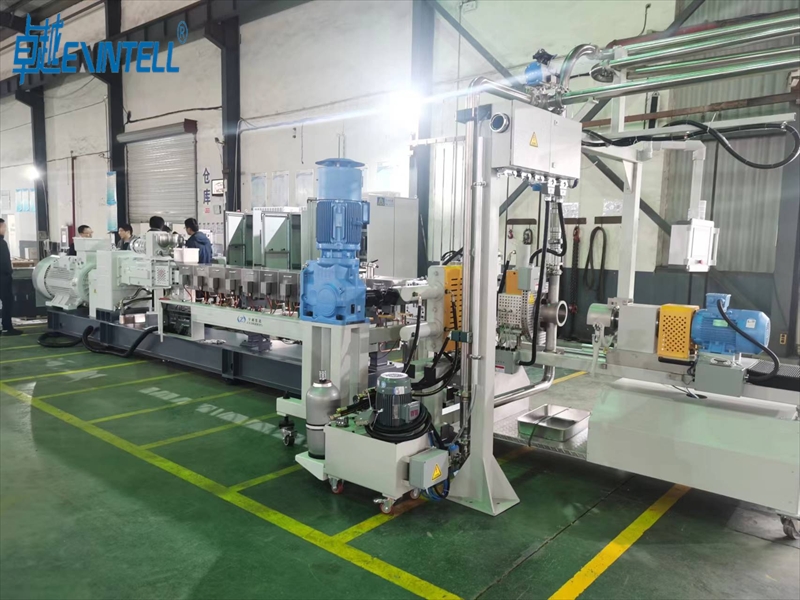
| Fitur | Strand Pelletizing | Pelletizing jero cai (UWP) |
|---|---|---|
| Kualitas Pelet | Good to Excellent, potential for fines | Excellent to Premium, highly uniform |
| Biaya Awal | Handapeun | Leuwih luhur |
| Ideal For | Tujuan umum, operasi ongkos-sénsitip | High-end applications, perfect consistency |
I recommend strand pelletizing for cost-sensitive operations. I choose the Underwater Pelletizing System when I need premium, highly uniform pellets for demanding applications.
Takeaways konci
- Strand pelletizing is ideal for cost-sensitive operations, offering lower initial costs and simpler setups.
- Underwater pelletizing delivers premium pellet quality, producing highly uniform pellets suitable for demanding applications.
- Pertimbangkeun jinis polimér nalika milih sistem; strand dianggo pangalusna pikeun bahan kaku, sedengkeun di jero cai unggul ku polimér kompléks atawa sénsitip panas.
- Evaluasi kabutuhan volume produksi; strand pelletizing cocog leutik mun sedeng ngalir, bari sistem jero cai ngarojong operasi-volume tinggi éfisién.
- Pangropéa rutin penting pisan; sistem untaian merlukeun kaahlian dasar, sedengkeun sistem jero cai peryogi pangaweruh téknis canggih pikeun perawatan.
- Sarat spasi béda; sistem strand anu kompak, sedengkeun sistem jero cai peryogi langkung seueur rohangan pikeun alat sareng aksés pangropéa.
- Salawasna assess total waragad, kaasup investasi awal, expenses operasi, jeung pangropéa, pikeun milarian anu paling pas pikeun anggaran anjeun.
- Konsultasi sareng ahli lamun nyanghareupan kaputusan kompléks atawa bahan anyar pikeun mastikeun Anjeun milih sistem pelletizing katuhu pikeun kaperluan anjeun.
Pelletizing Systems Ihtisar
Naon Strand Pelletizing
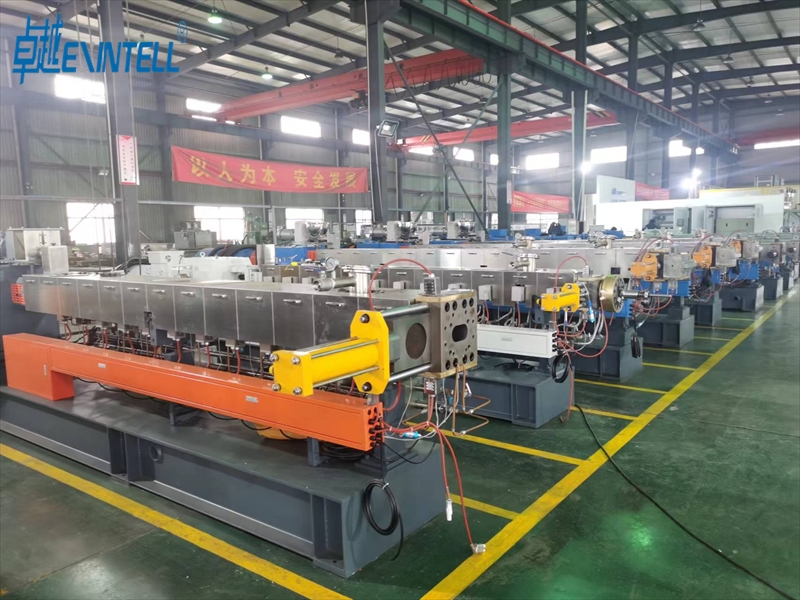
Kuring mindeng ngagunakeun strand pelletizing nalika Abdi hoyong lugas a prosés pelletizing. Dina metoda ieu, Kuring extrude polimér molten ngaliwatan plat paeh pikeun ngabentuk untaian panjang. Kuring nungtun untaian ieu ngaliwatan trough cooling, biasana dieusi cai, pikeun solidify aranjeunna. Sanggeus tiis, Kuring garing untaian jeung eupan kana cutter a. Cutter motong untaian kana pellets seragam. Kuring manggihan prosés pelletizing ieu jalan ogé pikeun loba plastik tujuan umum. Sistem pelletizing strand nawiskeun setelan anu saderhana sareng ngamungkinkeun kuring nyaluyukeun panjang pellet kalayan gampang. Abdi tiasa gancang ngarobih kana bahan atanapi warna anu béda, nu mantuan lamun kuring ngajalankeun bets leutik.
Naon Dupi Underwater Pelletizing
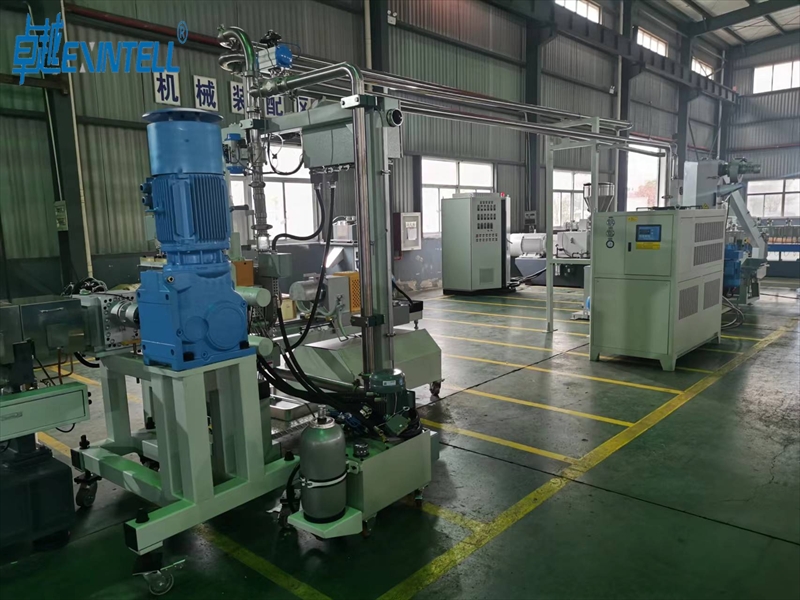
Nalika kuring peryogi pellets anu seragam pisan, Kuring giliran sistem pelletizing jero cai. Dina prosés pelletizing ieu, Kuring extrude polimér molten langsung kana chamber cai. péso puteran motong polimér dina beungeut paeh bari masih panas. Cai langsung niiskeun sareng padet pellets. Kuring teras misahkeun pellets tina cai nganggo pengering centrifugal. Prosés pelletizing ieu ngahasilkeun lemes, pellets buleud kalayan lebu minimal atawa fines. Kuring ngandelkeun pelletizing jero cai pikeun aplikasi nuntut, kayaning sanyawa médis atawa otomotif, dimana konsistensi pellet paling penting. Sistem pelletizing jero cai handles rupa-rupa polimér, kaasup bahan caket atanapi rapuh nu untaian pelletizing teu bisa ngolah éfisién.
Bedana konci
Kuring ningali sababaraha béda penting antara dua métode pelletizing ieu. Sistem pelletizing untaian ngagunakeun trough cooling sarta merlukeun penanganan manual untaian saméméh motong. Sistim pelletizing jero cai integrates motong na cooling dina hiji hambalan, nu ngurangan campur manual. Kuring perhatikeun yén pelletizing jero cai ngadukung throughput anu langkung luhur sareng langkung saé pikeun bahan kompleks. kamajuan téhnologis panganyarna geus nyieun pelletizing jero cai malah leuwih pikaresepeun. Salaku conto, éta dorongan global pikeun kelestarian nyorong kuring milih sistem anu ngadukung daur ulang. pelletizing jero cai nyadiakeun efisiensi tinggi, anu penting pikeun ngolah deui rupa-rupa aliran polimér. Nalika kuring damel sareng bahan gabungan kompleks, Abdi peryogi géométri pellet tepat, sarta pelletizing jero cai delivers éta. Perda lingkungan ogé mangaruhan pilihan kuring. Pelletizing jero cai ngirangan lebu sareng ngaleungitkeun seueur masalah anu kuring nyanghareupan sareng pelletizing strand tradisional.
Ieu tabel anu nyimpulkeun kumaha faktor ieu mangaruhan kaputusan kuring:
| Faktor | Katerangan |
|---|---|
| Kelestarian | Dorongan global pikeun ékonomi sirkular nyababkeun investasi dina infrastruktur daur ulang, sistem favoring nu ngarojong kelestarian. |
| Efisiensi | Sistem jero cai nyadiakeun kamampuhan throughput tinggi penting pikeun ngolah deui rupa-rupa aliran polimér. |
| Kompleksitas Bahan | Paménta pikeun bahan gabungan kompleks dina industri sapertos otomotif sareng alat médis ngabutuhkeun géométri pellet anu tepat anu tiasa dihontal ku motong jero cai.. |
| Peraturan Lingkungan | Perda anu langkung ketat ngadorong produsén pikeun ngadopsi anu langkung bersih, métode leuwih efisien, ngirangan lebu sareng ngaleungitkeun masalah anu aya hubunganana sareng sistem untaian tradisional. |
Tip: Upami anjeun ngajalankeun sistem daur ulang botol piaraan berprestasi tinggi, Anjeun kamungkinan bakal nguntungkeun tina efisiensi sareng konsistensi pelletizing jero cai.
Kuring salawasna mertimbangkeun kabutuhan husus garis produksi kuring saméméh milih hiji prosés pelletizing. Strand pelletizing nawiskeun kesederhanaan sareng biaya anu langkung handap, bari pelletizing jero cai nyadiakeun kualitas pellet premium sarta ngarojong tujuan kelestarian modern.
Kualitas Pellet sareng Konsistensi
Kualitas System Pelletizing jero cai
Nalika kuring peryogi kualitas pellet pangluhurna, Kuring ngandelkeun sistem pelletizing jero cai. Sistim ieu motong polimér bari masih lemes, lajeng niiskeun pellet instan dina cai. Kuring perhatikeun yén prosés ieu nyiptakeun pellets kalayan permukaan lemes sareng bentuk buleud ampir sampurna. Kasaragaman nangtung kaluar. Kalolobaan pellets boga a variasi ukuran kirang ti ± 5%. Kuring ningali tingkat konsistensi anu luhur ieu unggal waktos kuring mariksa produk rengse.
Ieu ngabandingkeun gancang bentuk pellet sareng variasi ukuran:
| Sistem Pelletizing | Bentuk Pelet | Variasi Ukuran |
|---|---|---|
| Di jero cai | Bulat | < ± 5% |
| Strand | Silinder | < ± 10-15% |
Sistem pelletizing jero cai ngahasilkeun pellets kalawan lebu minimal. Kuring jarang manggihan denda dina produk ahir. Beungeut lemes sareng kontrol ukuran anu ketat ngabantosan kuring ngahontal kualitas pellet premium, nu penting pisan pikeun aplikasi nuntut. Kuring nganggo sistem ieu nalika kuring kedah nyumponan standar anu ketat dina industri sapertos otomotif atanapi médis.
Strand Pelletizing System Quality
Kuring sering nganggo sistem pelletizing untaian pikeun produksi tujuan umum. Metoda ieu nyiptakeun pellets cylindrical, tapi kuring ningali leuwih variasi dina ukuran dibandingkeun pelletizing jero cai. Variasi ukuran tiasa dugi ka ± 10-15%. abdi terang éta proper die-to-blade alignment is crucial. Even a small misalignment causes quality issues, such as increased dust or uneven pellet length.
To maintain consistent pellet quality with strand pelletizing, I follow these steps:
- I check die alignment regularly.
- I adjust the puller speed to match the extruder flow.
- I monitor water temperature in the cooling trough.
- I inspect for strand breakage and adjust as needed.
If I skip these steps, I see more dust and less uniform pellets. The strand pelletizing system requires careful attention to detail. When I get everything right, I can produce good to excellent pellet quality, but it takes more effort.
Impact on Product Performance
Pellet quality affects the performance of finished plastic products. I have learned that the extruder transforms plastic into a molten state, which sets the stage for pellet consistency. Filtration and purification remove impurities, ensuring that only high-quality pellets move forward. The pelletizing unit then creates uniform pellets. The cutting method, whether underwater or strand, determines the final size and shape.
When I use pellets with high uniformity and smooth surfaces, I see better flow in molding machines. The final products show fewer defects and more consistent properties. If pellet quality drops, I notice more processing issues and lower product performance. I always choose the pelletizing system that matches my quality goals.
Kompleksitas Operasional
Setup and Changeover
I find that setup and changeover play a big role in my daily operations. When I use a strand pelletizing system, I handle most steps manually. Kuring benang unggal untaian tina sirah paeh ngaliwatan mandi cai jeung kana cutter nu. Pendekatan hands-on ieu ngamungkinkeun kuring mendakan masalah awal, kawas pegatna untaian atawa cooling henteu rata. Abdi tiasa ngalereskeun masalah ieu gancang. Changeovers pikeun bahan anyar atawa kelir anu lugas. Kuring ngabersihan palung, nyaluyukeun cutter, sareng balikan deui prosésna kalayan sakedik downtime.
Kalawan pelletizing jero cai, Kuring ningali gambar béda. Sistim nu ngajadikeun otomatis paling léngkah. Kuring nyetél parameter dina panel kontrol, jeung mesin handles sésana. The desain loop katutup hartina kuring teu noél produk salila setelan. Changeovers nyandak deui sabab kuring kudu ngadagoan sistem pikeun nyaimbangkeun. Kuring ogé kudu siram loop cai jeung pariksa beungeut paeh pikeun akumulasi nanaon. Proses ieu ngirangan kasalahan manusa tapi peryogi langkung seueur perencanaan.
beberesih sarta Pangropéa
Kabiasaan beberesih sareng pangropéa béda antara dua sistem ieu. Ieu kumaha kuring ngabandingkeun aranjeunna:
- Pelletizing jero cai: Kuring perhatikeun sistem ieu jalan dina loop katutup sarta ngagunakeun automation. Abdi henteu kedah sering campur salami operasi normal. Sanajan kitu, alat-alatna rumit sareng sénsitip. Kuring kedah ngajaga prosés Tonjolan stabil pikeun nyegah masalah. Pangropéa sareng ngamimitian ngabutuhkeun kaahlian téknis canggih. Kuring méakkeun leuwih waktos on cék preventif jeung calibrations.
- Strand Pelletizing: Kuring nanganan tugas beberesih jeung perawatan sacara manual. Salila ngamimitian-up, Kuring ngaitkeun untaian sorangan. Metoda hands-on ieu ngagampangkeun ngungkulan. Sistim nu leuwih forgiving lamun viskositas ngalembereh robah. Abdi tiasa ngabersihan trough na cutter kalawan parabot dasar. Abdi henteu peryogi latihan canggih pikeun kalolobaan tugas.
Tip: Kuring salawasna ngajadwalkeun cék rutin pikeun duanana sistem. Pangropéa preventif ngabantosan abdi nyingkahan downtime anu mahal.
Level Kaahlian Operator
Tingkat skill operator penting nalika kuring milih sistem pelletizing. Kalayan pelletizing untaian, Kuring ngandelkeun kaahlian mékanis dasar. Abdi tiasa ngalatih operator anyar gancang. Aranjeunna diajar thread untaian, nyaluyukeun cutter, sarta ngawas mandi cooling. Prosésna ngahampura, jadi kasalahan leutik jarang ngabalukarkeun masalah badag.
Pelletizing jero cai merlukeun leuwih kaahlian. Abdi peryogi operator anu ngartos automation sareng kontrol prosés. Maranéhanana kudu nyaho kumaha carana ngatur sistem loop katutup sarta troubleshoot sensor atawa maot nyanghareupan masalah. Latihan nyokot leuwih lila. Kuring investasi di atikan lumangsung tetep tim abdi up to date.
| Sistim | Kasesahan Setup | Pangropéa pajeulitna | Kaahlian Operator Diperlukeun |
|---|---|---|---|
| Strand Pelletizing | Lemah | Lemah | Dasar |
| Pelletizing jero cai | Sedeng-Luhur | Luhur | Maju |
Kuring salawasna cocog sistem pikeun tingkat skill tim kuring jeung pajeulitna garis produksi kuring.
Babandingan ongkos
Investasi Awal
Nalika kuring rencanana garis plastik anyar, Sok tingali heula investasi awal. Sistem pelletizing Strand biasana langkung murah kanggo mésér sareng masang. Abdi tiasa nyetél pelletizer strand dasar kalayan trough cooling, péso hawa, sarta cutter pikeun harga modest. Alatna saderhana sareng henteu peryogi seueur otomatisasi. Kuring manggihan sistem ieu fits ogé nalika kuring kudu tetep expenses ibukota abdi low.
Sistem pelletizing jero cai merlukeun investasi upfront luhur. Sistim nu ngawengku beungeut paeh dipanaskeun, kamar cai, pelletizer, loop cai, sarta dryer centrifugal. Abdi peryogi ogé kadali canggih tur fitur kaamanan. Prosés instalasi nyokot leuwih lila sarta mindeng merlukeun leuwih spasi. Kuring ningali ieu salaku komitmen anu langkung ageung, tapi bayaran kaluar pikeun aplikasi high-end.
Ieu tabel gancang pikeun ngabandingkeun investasi awal:
| Sistim | Biaya Awal Biasa | Pajeulitna Instalasi |
|---|---|---|
| Strand Pelletizing | Lemah | Basajan |
| Pelletizing jero cai | Luhur | Kompléks |
Catetan: Kuring salawasna faktor dina kauntungan jangka panjang saméméh nyieun kaputusan. Sakapeung, biaya awal luhur ngabalukarkeun mulih hadé.
Biaya Operasi
waragad operasi maénkeun peran badag dina anggaran poean kuring. Sistem pelletizing Strand ngagunakeun kirang énergi jeung cai. Prosésna langsung, sarta kuring teu kudu loba operator. Abdi tiasa ngajalankeun garis kalawan Utiliti dasar sarta pangawasan minimal. Ieu ngajaga waragad lumangsung kuring low.
Sistem pelletizing jero cai ngagunakeun leuwih kakuatan jeung cai. Sistem cai loop katutup sareng pamotong paéh peryogi énergi anu ajeg. Abdi peryogi ogé operator terampil pikeun ngawas prosés. Sistim nu ngahasilkeun kirang runtah, nu nyimpen duit dina leungitna material. Sanajan kitu, tagihan utiliti anu langkung luhur sareng biaya tenaga kerja nambahan kana waktosna.
Kuring nganggo Daptar pariksa ieu pikeun ngalacak biaya operasi:
- Konsumsi kakuatan
- Pamakéan cai
- Sarat Buruh
- Ongkos runtah jeung ngolah deui
Kuring sok ngabandingkeun faktor-faktor ieu pikeun ningali sistem mana anu cocog sareng tujuan produksi kuring.
Biaya Pangropéa
Biaya pangropéa tiasa kaget kuring upami kuring henteu ngarencanakeun sateuacanna. Sistem pelletizing Strand gaduh bagian anu gerak anu langkung sakedik. Abdi tiasa ngadamel paling perbaikan ku parabot dasar. suku cadang anu gampang pikeun manggihan tur affordable. Kuring ngajadwalkeun pamariksaan rutin sareng beberesih supados sistem tetep lancar.
Sistem pelletizing jero cai peryogi pangropéa anu langkung khusus. Beungeut maot, loop cai, sarta dryer merlukeun inspeksi rutin. Kuring kadang butuh teknisi dilatih pabrik pikeun perbaikan kompléks. bagian ngagantian hargana leuwih, sareng downtime tiasa langkung panjang upami aya anu rusak.
Ieu kasimpulan kabutuhan pangropéa:
| Sistim | Frékuénsi pangropéa | Tingkat kaahlian Diperlukeun | Biaya Biasa |
|---|---|---|---|
| Strand Pelletizing | Lemah | Dasar | Lemah |
| Pelletizing jero cai | Sedeng ka Luhur | Maju | Luhur |
Tip: Kuring salawasna anggaran pikeun pangropéa preventif. Ieu ngabantosan kuring ngahindarkeun biaya anu teu kaduga sareng ngajaga jalur kuring sacara éfisién.
Spasi jeung Efisiensi
Tapak Parabot
Nalika kuring rencanana lantai produksi kuring, Kuring salawasna ngukur spasi unggal sistem perlu. Sistem pelletizing untaian nyandak kirang kamar. Abdi tiasa nyocogkeun trough cooling, péso hawa, jeung cutter dina garis lempeng. Tata perenah ieu tiasa dianggo saé dina rohangan anu ketat. Kuring mindeng mindahkeun atawa reconfigure sistem strand tanpa loba gangguan.
Sistem pelletizing jero cai peryogi langkung seueur rohangan. Parabot kaasup chamber cai, paeh-beungeut cutter, loop cai, sarta dryer centrifugal. Kuring kudu ngidinan kamar tambahan pikeun aksés pangropéa jeung zona kaamanan. Sistim nu mindeng merlukeun wewengkon dedicated, utamana pikeun garis badag.
Ieu babandingan gancang:
| Sistim | Sidik has | Kalenturan | Spasi Diperlukeun |
|---|---|---|---|
| Strand Pelletizing | Kompak | Luhur | Lemah |
| Pelletizing jero cai | Gede | Sedeng | Luhur |
Tip: Kuring salawasna pariksa spasi lantai sadia abdi sateuacan milih sistem. A garis kompak ngaheéat duit dina waragad wangunan.
Kakuatan sarta pamakéan cai
Kuring ngalacak pamakéan utiliti raket. Sistem pelletizing Strand nganggo kakuatan anu kirang. Daya tarik utama asalna tina extruder sareng cutter. Pamakéan cai tetep handap sabab trough cooling ngan butuh aliran ajeg, teu sistem loop katutup.
Sistem pelletizing jero cai ngagunakeun leuwih kakuatan jeung cai. The paeh-beungeut cutter, pompa cai, sarta dryer centrifugal sadayana merlukeun listrik. Sistem cai loop katutup ngajaga pélét tiis sareng bersih, tapi ngaronjatkeun konsumsi cai. Kuring ningali tagihan utiliti anu langkung luhur sareng sistem jero cai, utamana dina ongkos produksi tinggi.
Ieu kasimpulan kabutuhan utiliti:
- Strand Pelletizing: kakuatan low, pamakéan cai low, Utiliti basajan.
- Pelletizing jero cai: kakuatan tinggi, pamakéan cai luhur, Utiliti canggih.
Catetan: Kuring sok faktor biaya utiliti lokal. Harga énergi atanapi cai anu luhur tiasa mangaruhan tabungan jangka panjang kuring.
Integrasi sareng Garis anu Aya
Kuring sering kedah nambihan pelletizing kana garis ékstrusi anu tos aya. Strand pelletizing systems integrate easily. I connect the extruder to the die head, set up the cooling trough, and align the cutter. I can start production quickly with minimal changes.
Underwater pelletizing systems require more planning. I must ensure the extruder matches the die-face cutter. The water loop and dryer need proper plumbing and electrical connections. Sakapeung, I need to upgrade my controls or add safety features. Integration takes longer, but I get a more automated process.
Here is my checklist for integration:
- Check extruder compatibility.
- Plan for utilities and drainage.
- Ensure enough floor space.
- Update controls if needed.
I always consult with my equipment supplier before making changes. Good planning prevents costly mistakes.
Material and Application Fit
Best for Strand Pelletizing
When I select a pelletizing system, Kuring salawasna mertimbangkeun jenis polimér I rencana pikeun ngolah. Strand pelletizing jalan pangalusna pikeun bahan tangtu jeung tujuan produksi. Kuring mindeng milih metoda ieu nalika kuring nanganan polimér kaku atawa semi-kristal. Bahan-bahan ieu ngalir lancar ngaliwatan palung pendingin sareng jarang nyababkeun pegatna untaian. Kuring ogé ngahargaan biaya investasi sareng pangropéa anu langkung handap anu aya dina sistem strand. Operasi tetep basajan, tur abdi tiasa pindah antara polimér béda tanpa loba repot.
Ieu sababaraha plastik anu tiasa dianggo kalayan pelletizing untaian:
- Polipropilén (PP)
- Poliétilén (PE)
- Acrylonitrile Butadiene Styrene (ABS)
- Polystyrene (PS)
- Poliamida (PA, ogé katelah nilon)
- Polikarbonat (PC)
Kuring manggihan yén strand pelletizing nyertakeun rupa-rupa aplikasi tujuan umum. Kuring make eta pikeun compounding, produksi masterbatch, jeung garis daur ulang. Sistim nu handles paling polimér kaku jeung semi-kristalin kalayan gampang. Sanajan kitu, Kuring ulah ngagunakeun strand pelletizing pikeun bahan regas. untaian rapuh condong megatkeun salila cooling, nu interrupts produksi jeung lowers ngahasilkeun. Kuring ogé kudu rencanana pikeun spasi diperlukeun ku tank cooling. Lamun kuring boga spasi lanté kawates, Kuring kedah mertimbangkeun faktor ieu sateuacan milih strand pelletizing.
Tip: Kuring salawasna cocog tipe polimér kana sistem pelletizing. Léngkah ieu ngabantosan kuring ngahindarkeun masalah waktos sareng kualitas anu teu perlu.
Pangalusna pikeun Pelletizing jero cai
Nalika kuring kudu ngolah bahan kompléks atawa sénsitip, Kuring giliran pelletizing jero cai. Sistem ieu unggul sareng polimér anu peryogi bentuk sareng ukuran pellet anu tepat. Kuring ngandelkeun pelletizing jero cai pikeun aplikasi lemes sareng kaku. Sistem cai loop katutup niiskeun pélét sacara instan, nu nyegah nempel sarta ensures uniformity.
I use underwater pelletizing for these applications:
- Soft PVC extrusion for flexible tubing
- Automotive components that demand high consistency
- Flooring materials where surface quality matters
- Rigid products like pipes and profiles
I notice that underwater pelletizing handles sticky, rapuh, or heat-sensitive polymers better than strand systems. The process produces smooth, round pellets with minimal dust. I often choose this system for high-value or specialty products. When my customers expect premium pellet quality, I trust underwater pelletizing to deliver.
Catetan: I always check the end-use requirements before selecting a pelletizing system. High-performance applications benefit most from the consistency of underwater pelletizing.
Production Volume Considerations
Production volume plays a key role in my decision. I match the system to my output goals to maximize efficiency and control costs. Strand pelletizing works well for small to medium production runs. The system starts up quickly and allows for frequent changeovers. I can run multiple batches in a single shift without major downtime. This flexibility helps when I produce custom compounds or specialty colors.
Underwater pelletizing shines in high-volume operations. The system supports continuous production and handles large throughputs with ease. I see fewer interruptions and less manual intervention. The automation reduces labor costs and improves consistency across long runs. When I need to scale up production, underwater pelletizing gives me the capacity I need.
Here is a quick table to help compare the fit for different production volumes:
| Volume Produksi | Strand Pelletizing | Pelletizing jero cai |
|---|---|---|
| Low to Medium | alus teuing | Alus |
| Luhur | Adil | alus teuing |
I always balance my production targets with the strengths of each system. This approach helps me achieve the best results for my plastics line.
Pros and Cons Summary
Strand Pelletizing Pros and Cons
I often choose strand pelletizing when I want a straightforward process. The system gives me flexibility and keeps my costs low. Abdi tiasa ngalatih operator anyar gancang. I find that strand pelletizing works best for small and medium production runs. The equipment takes up less space and fits easily into most lines.
Ieu méja that shows the main advantages and disadvantages:
| Kaunggulan | Kakurangan |
|---|---|
| ongkos handap | Challenges in managing high throughput |
| Simpler operation | Mixing efficiency issues |
| Best suited for lower throughputs | Less suitable for very large production lines |
I notice that strand pelletizing struggles with high-volume production. The system sometimes has trouble mixing materials evenly. I see that large lines need more advanced solutions. I always check my production goals before choosing strand pelletizing.
Tip: I recommend strand pelletizing for cost-sensitive projects and flexible operations. I avoid it for very large or complex lines.
Underwater Pelletizing Pros and Cons
Underwater pelletizing gives me premium pellet quality. The system produces smooth, round pellets with tight size control. Kuring ngandelkeun pelletizing jero cai pikeun aplikasi nuntut. The automation reduces manual labor and improves consistency. I see fewer defects in the final product.
Here are the main pros and cons I have experienced:
Naros:
- Delivers highly uniform pellets
- Handles sticky, rapuh, or heat-sensitive polymers
- Supports high-volume production
- Reduces dust and fines
Kontra:
- Requires higher initial investment
- Needs advanced operator skills
- Uses more power and water
- Maintenance can be complex
I find that underwater pelletizing fits best in high-end or specialty lines. The system pays off when I need consistent quality and large output. I invest more up front, but I get reliable performance.
Catetan: I always match the pelletizing system to my material and production needs. Underwater pelletizing works best for premium products and continuous operations.
Decision Guide
Quick Checklist
When I choose between strand and underwater pelletizing, I always review a checklist. This helps me avoid missing important details. I focus on the factors that impact my line’s performance, ongkos, and reliability. Here is a table I use to guide my decision:
| Faktor konci | Katerangan |
|---|---|
| Pressure behavior at the die | I check if the system stabilizes pressure for uniform strands and lower energy use. |
| Access to the cutting zone | I look for designs that let me reach the cutting area quickly for maintenance. |
| Restart and maintenance effort | I consider how fast I can restart or maintain the system to reduce downtime. |
| Operating economics as a system | I compare energy use, service needs, and investment to see the real cost of each option. |
I always match these factors to my production goals and team skills. This approach helps me select the right system for my needs.
Kasalahan umum
I have seen many manufacturers make the same mistakes when choosing a pelletizing system. These errors can lead to wasted time and money. I keep a list of common pitfalls and their effects:
| Mistake Description | Implication |
|---|---|
| Choosing a machine based solely on throughput capacity | I find that performance drops with different materials, causing inefficiency. |
| Assuming harder blades last longer | Hard blades can chip if they hit contaminants, which leads to more downtime. |
| Installing the smallest screen mesh for finer output | Small screens slow production and can smear plastics, hurting pellet quality. |
I always remind myself to look beyond just capacity or blade hardness. I consider the whole process and the materials I plan to run.
Tip: I review my material types, maintenance plan, and operator skills before making a final choice.
When to Consult an Expert
Sakapeung, I reach a point where I need outside help. I consult an expert when:
- I plan to process new or unusual polymers.
- My line must meet strict quality or regulatory standards.
- I see repeated downtime or quality issues I cannot solve.
- I need to scale up production or add automation.
An expert can analyze my process and recommend the best system for my goals. I find that early advice saves me money and prevents costly mistakes. I always prepare my production data and questions before the meeting. This helps the expert give me clear, actionable feedback.
Catetan: I never hesitate to ask for help when the stakes are high. The right advice can make all the difference in my pelletizing success.
I choose strand pelletizing for flexible, cost-sensitive lines and underwater pelletizing for high-volume, premium quality needs. I always review these points before deciding:
- Check material properties and throughput.
- Match pellet quality to end-use.
- Assess facility utilities and maintenance needs.
- Calculate total cost and ROI.
I consult with suppliers and engineers to tailor my system and ensure smooth startup and training.
FAQ
What plastics work best with strand pelletizing?
I use strand pelletizing for materials like polypropylene, poliétilén, ABS, jeung polystyrene. These polymers run smoothly through the cooling trough and rarely break. I avoid brittle or sticky plastics because they cause strand breakage and lower yield.
Can I switch materials easily between batches?
Sumuhun, I can switch materials quickly with strand pelletizing. I clean the trough and cutter, then start the new batch. Underwater pelletizing takes longer to change over because I must flush the water loop and check the die face.
How do I reduce dust and fines in my pellets?
I check die alignment, adjust puller speed, and monitor cooling. Kalawan pelletizing jero cai, I see less dust because the system cuts and cools pellets instantly. I always keep equipment clean to maintain pellet quality.
Is underwater pelletizing safe for heat-sensitive polymers?
Sumuhun, I trust underwater pelletizing for heat-sensitive materials. The water cools pellets instantly, which prevents sticking and thermal degradation. I use this system for soft PVC, TPE, and specialty compounds that need gentle handling.
What maintenance tasks should I schedule?
I schedule regular checks for die wear, cutter sharpness, and water quality. I clean the cooling trough or water loop weekly. I inspect sensors and controls monthly. Preventive maintenance helps me avoid downtime and keeps my line running smoothly.
Does pellet shape affect my final product?
Sumuhun, pellet shape matters. I see better flow and fewer defects with round, uniform pellets from underwater systems. Cylindrical pellets from strand systems work well for general use, but I choose spherical pellets for high-performance applications.
How do I decide which system fits my budget?
I compare initial investment, operating costs, jeung pangropéa. Strand pelletizing costs less up front and uses less power. Underwater pelletizing costs more but gives premium quality and supports high-volume production. I match the system to my goals and resources.
Can I automate both pelletizing systems?
I can automate both systems, but underwater pelletizing offers more advanced automation. The closed-loop design reduces manual steps. Strand pelletizing allows for basic automation, but I still handle some tasks by hand.