

Kumaha Beda Sistem Ekstrusi Tumpukan pikeun Pabrikan
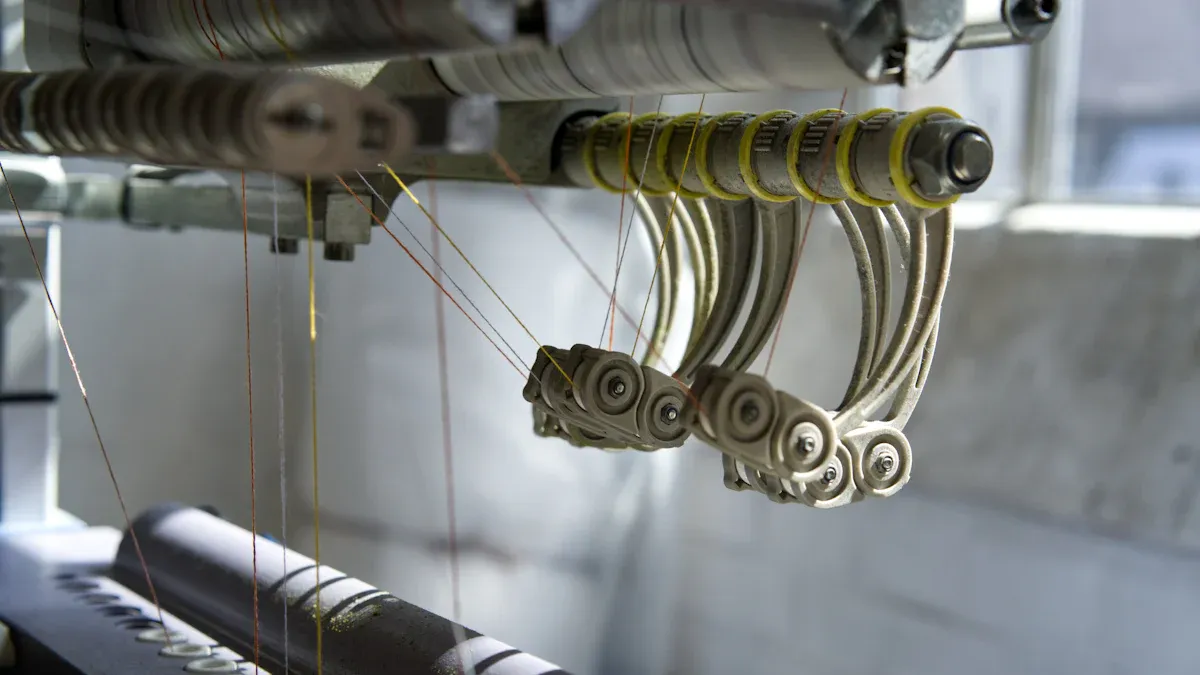
Kuring geus katempo yen pilihan sistem Tonjolan ngawangun sakabéh prosés manufaktur. Kalolobaan pabrik ngagunakeun sistem single-screw, nu nyekel a 62% pangsa pasar, sedengkeun sistem kembar-screw akun pikeun 38%.
| Tipe Sistim ékstrusi | Pangsa Pasar Persentase |
|---|---|
| Tunggal-screw | 62% |
| Kembar-screw | 38% |
Milih antara jenis screw mangaruhan efisiensi, kualitas produk, jeung kasaluyuan bahan. Nalika kuring cocog téknologi ékstrusi pikeun tujuan manufaktur, Kuring perhatikeun perbaikan dina ongkos-efektivitas, versatility desain, jeung kelestarian.
| Faktor | Dampak kana Efisiensi Manufaktur | Dampak kana Kualitas Produk |
|---|---|---|
| Parameter dikawasa | Ngajaga kualitas produk seragam | Ngahontal kasabaran mikrométer |
Kuring ngandelkeun Sistem Ekstrusi Lengkep pikeun nganteurkeun hasil anu konsisten sareng kinerja screw anu tepat.
Takeaways konci
- Pilih sistem ékstrusi anu leres dumasar kana tujuan manufaktur anjeun sareng sipat bahan pikeun mastikeun kinerja anu optimal.
- Extruders single-screw anu idéal pikeun produksi volume tinggi bahan basajan, sedengkeun sistem twin-screw unggul dina nyampur bahan kompléks.
- Pangropéa rutin sareng ngawaskeun sistem ekstrusi nyegah downtime sareng ningkatkeun efisiensi, mastikeun kualitas produk konsisten.
- Mertimbangkeun diaméter screw sarta rasio L / D lamun milih hiji extruder, sabab faktor ieu mangaruhan throughput sareng efisiensi campuran.
- Ngamangpaatkeun co-extrusion pikeun nyieun produk multi-layered nu ngagabungkeun bahan béda, ningkatkeun fungsionalitas sareng kinerja.
- Evaluate kasaluyuan bahan jeung sistem Tonjolan dipilih pikeun nyegah defects sarta mastikeun kaluaran kualitas luhur.
- Tetep terang ngeunaan tren anu muncul dina téknologi ékstrusi, sapertos IoT sareng AI, pikeun ngaronjatkeun efisiensi sarta adaptasi jeung ngarobah pangabutuh produksi.
- Jieun Daptar pariksa faktor konci saméméh milih hiji mesin Tonjolan pikeun ngahindarkeun kasalahan anu mahal sareng mastikeun sistem nyumponan sarat aplikasi.
Milih Sistim Ekstrusi Katuhu pikeun Manufaktur
Faktor konci dina Pilihan Sistim
Kuring pernah manggihan universal “pangalusna” Sistim ékstrusi. Pangalaman kuring nyarioskeun yén pilihan idéal gumantung kana tujuan manufaktur, sipat bahan, jeung sarat produk. Nalika kuring milih sistem ékstrusi, Kuring salawasna cocog kamampuhan pikeun aplikasi dimaksudkeun. Pendekatan ieu mastikeun yén prosés ékstrusi nyayogikeun kualitas anu konsisten sareng kinerja optimal.
Kuring nganggap sababaraha faktor kritis sateuacan ngadamel pilihan mesin ékstrusi. Kuring make tabel di handap pikeun pituduh kaputusan kuring:
| Faktor | Katerangan |
|---|---|
| Tujuan Panalungtikan | Tujuan tina mesin (atikan, pangwangunan material, atawa produksi pilot komérsial) |
| Jenis Bahan | Jenis polimér pikeun diolah (sénsitip panas, volatile, atawa réaktif) |
| Diperlukeun Kapasitas Kaluaran | Kapasitas throughput (gram atawa kilogram per jam) |
| Syarat Prosés Canggih | Peryogi suntikan gas, vakum degassing, atanapi kamampuan ékstrusi réaktif |
| Anggaran sareng Ruang Laboratorium | Pertimbangan pikeun ékspansi modular pikeun upgrades hareup |
| Kabutuhan Skala-Up Kahareup | Kasaluyuan sareng modul ékstrusi industri pikeun skala produksi |
Kuring salawasna nengetan diaméter screw sarta rasio L / D. Parameter ieu nangtukeun kapasitas throughput sareng efisiensi campuran. Kuring milih hiji extruder kalawan kapasitas kaluaran katuhu, nu bisa rupa-rupa ti 0.25 kg/h nepi 150 kg / h gumantung kana modél. Desain modular ngamungkinkeun kuring ngaganti komponén gancang, anu masihan kalenturan pikeun panalungtikan sareng pamekaran. Kuring ngandelkeun sistem kontrol canggih, sapertos PLC sareng HMI, pikeun ngahontal kontrol anu tepat sareng traceability data.
Nalika kuring evaluate jenis mesin Tonjolan, Kuring tempo pajeulitna profil jeung tolerances diperlukeun. Desain rumit nungtut alat anu tepat sareng tiasa ningkatkeun biaya. Kuring ogé ningali kuantitas pesenan. Jilid anu langkung luhur ngirangan biaya per unit sabab biaya pangaturan nyebarkeun langkung seueur unit. Finishing jeung operasi sekundér, kayaning anodizing atanapi CNC machining, nambahkeun nilai jeung ongkos.
Tip: Abdi nyarankeun ngadamel Daptar pariksa faktor ieu sateuacan ngamimitian prosés pamilihan mesin ékstrusi. Prakték ieu ngabantosan nyingkahan kasalahan anu mahal sareng mastikeun sistem cocog sareng aplikasi anu dimaksud.
Dampak kana Efisiensi Manufaktur
Kuring perhatikeun yén sistem Tonjolan kuring milih langsung mangaruhan efisiensi manufaktur. Desain screw, kamampuan nyampur, sareng téknologi ékstrusi sadayana maénkeun peran kumaha lancarna prosésna. Salaku conto, a extruder screw tunggal sering dianggo ogé pikeun polimér basajan jeung produksi volume tinggi. Extruders kembar-screw nanganan bahan rumit sarta aplikasi canggih, sapertos ékstrusi réaktif atanapi campuran khusus.
Kuring geus katempo yen viskositas tinggi na eusi padet dina bahan energetic bisa ngabalukarkeun clogging, ékstrusi teu stabil, jeung maké nozzle. Masalah ieu ngirangan efisiensi sareng kompromi kasalametan. Kuring alamat tantangan ieu ku ngaoptimalkeun desain sistem kneading. Ningkatkeun keseragaman campuran sareng akurasi ékstrusi ningkatkeun kaamanan sareng efisiensi.
Kuring ngagunakeun dua-tahap sistem twin-screw Tonjolan lamun Abdi peryogi stabilitas gede tur adaptability. Simulasi nunjukkeun yén desain ieu ningkatkeun karakteristik aliran sareng ngajaga kaluaran anu konsisten. Kuring salawasna ngawas prosés Tonjolan pikeun mastikeun kualitas seragam jeung ngaleutikan downtime.
| Jenis Bukti | Katerangan |
|---|---|
| Tantangan dina Manufaktur Aditif | Viskositas tinggi sareng eusi padet tina bahan énérgi nyababkeun masalah sapertos clogging, ékstrusi teu stabil, jeung maké nozzle, mangaruhan efisiensi jeung kaamanan. |
| Performance System Kneading | Desain sistem kneading mangaruhan keseragaman campuran bahan sareng akurasi ékstrusi, kalayan optimasi khusus anu diusulkeun pikeun ningkatkeun kaamanan sareng efisiensi. |
| Desain Sistim ékstrusi | Sistem ékstrusi twin-screw dua tahap dirancang pikeun ningkatkeun stabilitas sareng adaptasi dina prosés ékstrusi., kalawan simulasi nembongkeun ciri aliran sistem béda. |
Kuring salawasna cocog sistem Tonjolan kana sarat produksi. prakték ieu ensures yén extruder nu delivers kualitas nu dipikahoyong tur kinerja. Kuring milih konfigurasi screw dumasar kana jenis bahan jeung pajeulitna aplikasi. Kuring ngandelkeun téknologi ékstrusi canggih pikeun maksimalkeun efisiensi sareng ngajaga standar kualitas produk anu luhur.
Catetan: Abdi nyarankeun pangropéa rutin sareng ngawaskeun prosés pikeun ngadukung efisiensi puncak sareng nyegah downtime anu teu kaduga.
Jinis Sistem Ekstrusi Lengkep
Nalika kuring evaluate sistem Tonjolan lengkep pikeun manufaktur, Kuring salawasna mimitian ku ngaidentipikasi utama jenis mesin ékstrusi. Pilihan anu paling umum kalebet mesin ékstrusi screw tunggal, mesin ékstrusi screw kembar, jeung mesin ékstrusi ram. Unggal sistem nawiskeun kaunggulan sareng watesan anu unik, jadi kuring difokuskeun cocog téhnologi katuhu pikeun aplikasi nu.
| Jinis Mesin Extrusion |
|---|
| Single Screw Mesin Tonjolan |
| Kembar Screw Mesin Tonjolan |
| Mesin Ekstrusi Ram |
Tunggal-Screw Tonjolan
Kuring mindeng ngagunakeun extruder screw tunggal pikeun prosés Tonjolan lugas. Mesin ieu gaduh hiji screw puteran di jero tong dipanaskeun. Screw ngadorong bahan ka hareup, ngalembereh, jeung ngabentukna ngaliwatan paeh. Kuring ngandelkeun sistem ieu pikeun produksi termoplastik volume luhur, produk pangan, jeung sanyawa karét. Kesederhanaan desain ngagampangkeun operasi sareng mertahankeun.
| Industri | Katerangan Aplikasi | Ramalan Tumuwuh Pasar |
|---|---|---|
| Plastik | Ngalebur sareng ngabentuk thermoplastik, disetir ku rising pe sarta pamakéan PP. | CAGR kira-kira 4-5% ngaliwatan 2030 |
| Ngolah Dahareun | Ngahasilkeun pangan olahan sapertos jajanan sareng sereal. | Pasar pikeun ngahontal $75 milyar ku 2026 |
| Karét Compounding | Pergaulan sareng ngabentuk karét pikeun ban sareng bagian otomotif. | Produksi ban pikeun ngaleuwihan 2 miliar unit ku 2025 |
| Biomédis | Produksi biopolymer pikeun bungkusan sareng alat médis. | Pasar munculna sareng téknologi ékstrusi énggal |
Sanajan kitu, Kuring mikawanoh watesan ékstrusi screw tunggal. Achieving seragam campur kode tiasa hésé, utamana lamun kuring nambahkeun fillers atanapi aditif. Konsistensi tekanan sering beda-beda sareng parobahan bahan baku, jeung bahan viskositas tinggi bisa jadi teu ngalir ogé, ngarah kana cacad. Tantangan ieu nungtun pilihan mesin ékstrusi kuring nalika kuring peryogi kualitas anu langkung luhur atanapi pamrosésan anu langkung rumit.
Tip: Pikeun basajan, aplikasi volume luhur, Abdi nyarankeun dimimitian ku extruder screw tunggal. Pikeun campuran canggih atawa bahan husus, mertimbangkeun pilihan séjén.
Kembar-Screw Tonjolan
Nalika kuring merlukeun processing canggih, Kuring ngalieuk ka kembar screw extruder téhnologi. Sistim ieu ngagunakeun dua screws nu muterkeun babarengan di jero tong. The screws bisa intermesh atawa ngajalankeun paralel, gumantung kana desain. Kuring manggihan yén extruders screw kembar nganteurkeun efisiensi campur kode punjul, plasticizing hadé pikeun bahan viskositas tinggi, jeung kontrol ditingkatkeun leuwih suhu sarta tekanan. Fitur ieu ningkatkeun kualitas produk sareng konsistensi prosés.
Tonjolan screw kembar ogé ngamungkinkeun kuring pikeun ngalakukeun sababaraha léngkah ngolah dina hiji mesin. Abdi tiasa nyampur, ngalembereh, curhat, komo meta bahan salila pass tunggal. Kalenturan ieu ngirangan runtah sareng nyepetkeun produksi. Lamun ngabandingkeun screw kembar vs extruders screw tunggal, Kuring ningali balik gancang dina investasi jeung hasil leuwih seragam jeung sistem screw kembar, utamana pikeun campuran kompléks atawa plastik daur ulang.
Kembar-Screw Subtypes
Kuring salawasna mertimbangkeun tipena béda mesin extruder dina kategori screw kembar. Konfigurasi screw mangaruhan kinerja, efisiensi, jeung rentang aplikasi.
Intermeshing
Intermeshing twin screw extruders Fitur screws nu tumpang tindih jeung bolong babarengan. Desain ieu nyadiakeun angkutan bahan tepat jeung gaya geser tinggi. Kuring make sistem intermeshing pikeun ningkat compounding na kompatibilitas, utamana lamun kuring kudu bubarkeun aditif atawa fillers merata.
Non-Intermeshing
Non-intermeshing twin screw extruders gaduh screws nu muterkeun tanpa tumpang tindihna. Setelan ieu nawiskeun campuran anu langkung lembut sareng kirang geser. Kuring milih desain non-intermeshing pikeun bahan sénsitip anu merlukeun stress mékanis minimal.
Co-Rotasi
Extruders screw kembar co-puteran boga screws nu ngahurungkeun dina arah nu sarua. Subtipe ieu unggul dina efisiensi nyampur sareng transportasi bahan. Kuring make sistem co-puteran pikeun Tonjolan réaktif, devolatilization, sarta-kinerja tinggi compounding polimér. Sanajan kitu, ongkos geser tinggi bisa nguraikeun bahan panas-sénsitip, kituna kuring ngawas design screw na cooling raket.
| Subtipe | Kamampuh ngolah jeung Kaunggulan | Watesan jeung Pertimbangan | Aplikasi pangalusna |
|---|---|---|---|
| Co-Rotasi Kembar-Screw Extruder | efisiensi Pergaulan High, cocog pikeun ékstrusi réaktif, ongkos geser tinggi | Résiko degradasi bahan, merlukeun desain screw tepat | Sanyawa polimér, nanocomposites, workflows lab-to-produksi |
Counter-Rotasi
Extruders screw kembar counter-puteran Fitur screws nu ngahurungkeun dina arah sabalikna. Konfigurasi ieu ngahasilkeun gaya geser handap, nu ngajaga bahan rapuh. Kuring ngandelkeun sistem counter-puteran pikeun keramik, bio-polimér, jeung formulasi farmasi. Desain ogé nyadiakeun tekanan alus ngawangun-up na sealing éféktif, sanajan inténsitas campur leuwih handap ti sistem co-puteran.
| Subtipe | Kamampuh ngolah jeung Kaunggulan | Watesan jeung Pertimbangan | Aplikasi pangalusna |
|---|---|---|---|
| Counter-Rotasi Kembar-Screw Extruder | Gaya geser handap, tekanan alus ngawangun-up, sealing éféktif | Inténsitas campuran handap, sealing leuwih kompleks jeung desain bearing | Keramik, bio-polimér, farmasi |
Nalika kuring milih sistem Tonjolan lengkep, Kuring salawasna cocog tipe screw sarta konfigurasi kana bahan jeung sarat prosés. pendekatan ieu ensures kualitas luhur, efisiensi, sareng kinerja anu tiasa dipercaya dina sadaya aplikasi.
Ram Extrusion
Kuring sering milih ékstrusi ram nalika kuring kedah ngolah bahan anu peryogi tekanan tinggi sareng bentuk anu tepat. Metoda ieu ngagunakeun ram hidrolik pikeun nyorong bahan ngaliwatan laras dipanaskeun tur paeh, tinimbang ngandelkeun screw puteran. Kuring manggihan extruders ram hususna kapaké pikeun ngabentuk produk tina plastik thermosetting, keramik, jeung PTFE. Prosésna ngamungkinkeun kuring pikeun nyieun rod, tabung, jeung propil kalawan diménsi konsisten.
Ram extrusion menonjol diantara jenis mesin ekstrusi sabab nanganan bahan anu extruders screw tradisional teu tiasa ngolah éfisién.. Abdi nganggo téknologi ieu dina industri saperti plastik, kadaharan, jeung farmasi. Salaku conto, Kuring ngahasilkeun jajanan sareng sereal kalayan bentuk anu unik, sareng kuring ngadamel tablet sareng kapsul kalayan spésifikasi anu pasti.
Kuring geus noticed sababaraha kauntungan sarta tantangan lamun ngagunakeun extruders ram:
- Ram extruders unggul dina ngahasilkeun produk kualitas luhur tina bahan susah-ka-prosés.
- Kuring ngandelkeun aranjeunna pikeun aplikasi dimana téhnologi ékstrusi screw ragrag pondok, kayaning PTFE sarta propil keramik.
- Prosésna nyayogikeun kualitas konsisten sareng akurasi dimensi.
- Biaya operasional anu luhur tiasa mangaruhan efisiensi sareng kinerja umum.
- Perda anu ketat dina manufaktur plastik butuh kontrol prosés anu ati-ati.
- Kompetisi ti sistem Tonjolan alternatif ngadorong kuring pikeun ngaoptimalkeun pilihan mesin Tonjolan kuring.
Kuring salawasna beuratna faktor ieu saméméh milih ram Tonjolan pikeun sistem Tonjolan lengkep. Kuring ngawas prosés raket pikeun ngajaga kualitas sareng efisiensi, utamana lamun digawekeun ku bahan husus.
Co-Extrusion
Co-extrusion ngamungkinkeun kuring pikeun ngagabungkeun sababaraha bahan kana hiji produk, nyieun profil multi-layered kalawan sipat ditingkatkeun. Kuring nganggo téknologi ékstrusi ieu pikeun ngahijikeun termoplastik anu béda, unggal lapisan nawiskeun ciri unik. Prosésna ngalibatkeun ngadorong sababaraha bahan ngaliwatan hiji paeh, hasilna profil hasil ngahijikeun Tatar nu minuhan sarat produksi kompléks.
Kuring ngandelkeun co-extrusion pikeun manufaktur produk anu nungtut durability, kalenturan, jeung daya tarik éstétis. Metoda ieu ngamungkinkeun kuring pikeun ngaropea kualitas unggal lapisan, ngaronjatkeun kinerja sarta fungsionalitas. Kuring ningali co-extrusion salaku kamajuan konci dina sistem Tonjolan lengkep, utamana lamun kuring kudu ngahasilkeun item kalawan fitur husus.
Industries benefit from co-extrusion in several ways:
- Pangwangunan: I manufacture window sills, frames, and trim pieces that combine strength and visual appeal.
- Retail: I build shelving and display systems that are both durable and attractive.
- Tanda tanda: I produce illuminated signs and frames with clean finishes and reliable performance.
Co-extrusion expands the range of applications for extrusion technology. I use it to meet demanding production goals and deliver products with superior quality. When I select an extruder for co-extrusion, I consider screw design, process control, jeung kasaluyuan bahan. This approach ensures efficiency and consistent results.
Tip: I recommend co-extrusion for projects that require multi-layered profiles and enhanced product functionality. Careful extrusion machine selection and process monitoring are essential for achieving optimal quality.
Structure and Operation of Extrusion Systems
Screw and Barrel Design
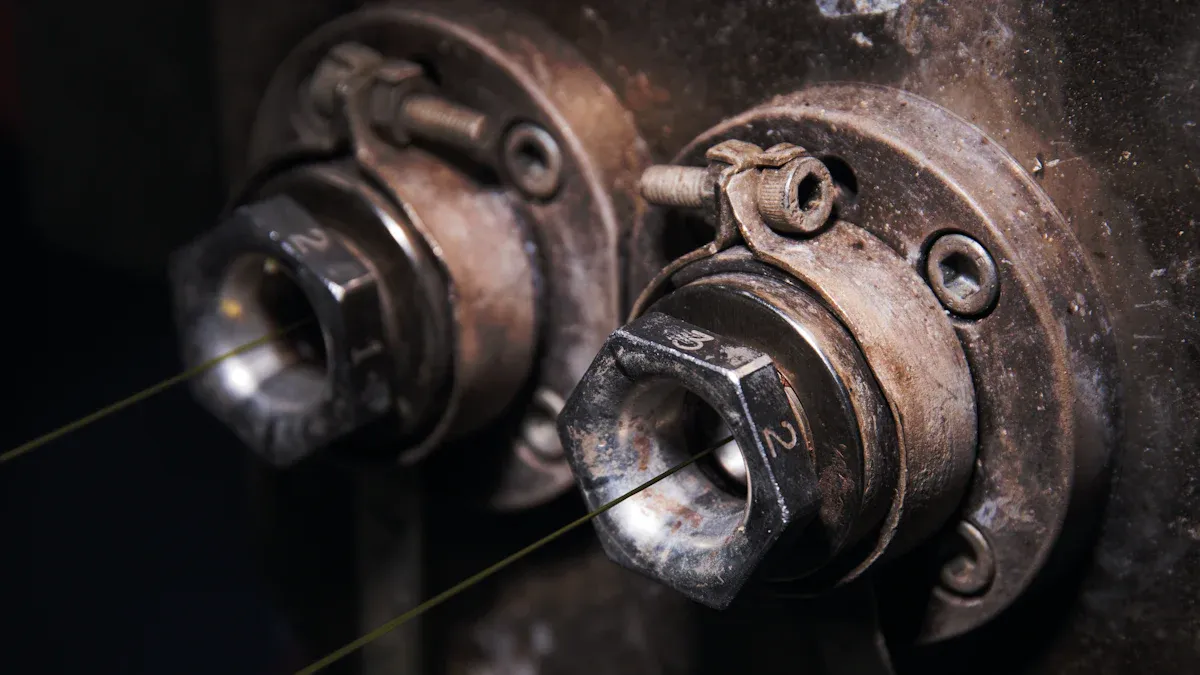
I always start my extrusion machine selection by examining the screw and barrel design. The geometry of the screw determines how efficiently the extruder melts, nyampur, and conveys material. I adjust the length-to-diameter (L/D) ratio to control residence time and mixing. A higher L/D ratio allows the material to melt and blend more thoroughly, which is essential for achieving uniform quality in the final product. I rely on barrier designs in the screw barrel to maintain melt stability and prevent degradation, especially when I process sensitive materials. Parallel twin screw and barrel designs play a critical role in extrusion speed, kualitas produk, jeung efisiensi énergi. I use zoning and precise temperature control to stabilize melt flow and avoid trapped gases, which improves density and consistency. The surface finish of the barrel and the geometry of the screw also influence energy efficiency and product consistency. I always match the screw design to the specific requirements of the application to maximize performance.
- A higher L/D ratio improves mixing and melt uniformity, which is essential for high-quality products.
- Barrier designs help maintain melt stability and prevent degradation.
- Screw geometry and barrel surface finish impact energy efficiency and product consistency.
Material Movement and Mixing
I focus on efficient material movement and mixing to ensure the extrusion process runs smoothly. Kuring make robust pneumatic or mechanical conveyors to transfer raw materials quickly and with minimal maintenance. Advanced mixer designs guarantee thorough and uniform compounding, which prevents variations in finished products. I integrate automated controls with PLC systems for real-time monitoring and recipe management. This approach allows me to oversee production seamlessly and adjust parameters as needed. I select scalable configurations to accommodate both small workshops and large industrial operations. Enhanced dust control features keep the workplace clean and safe. Konsisten, homogeneous blends reduce quality fluctuations and improve throughput. Automated systems minimize manual handling, which shortens production cycles and lowers labor costs. I always prioritize these features when I evaluate types of extrusion machines for new applications.
| Fitur | Katerangan |
|---|---|
| Efficient Material Transfer | Rapid, low-maintenance movement of raw materials |
| Precision Pergaulan | Thorough, uniform compounding for consistent quality |
| Kadali otomatis | Ngawaskeun waktos nyata sareng manajemén resep |
| Konfigurasi Scalable | Layout anu fleksibel pikeun kapasitas produksi naon waé |
| Ningkatkeun Kontrol Debu | Beberesih, tempat gawé leuwih aman |
| Ningkatkeun Kualitas Produk | Campuran homogen, fluctuations ngurangan |
| Ngaronjat Throughput | Siklus produksi anu langkung pondok, kirang penanganan manual |
| Ngurangan Runtah | Pangukuran anu akurat, waragad handap |
| Turunkeun Biaya Buruh | Automation frees staf pikeun tugas nilai-ditambahkeun |
| Lingkungan Gawé Leuwih Aman | garis enclosed jeung kontrol lebu |
Kontrol Prosés sareng Kualitas Kaluaran
Kuring gumantung kana téhnologi kontrol prosés canggih pikeun ngajaga kualitas kaluaran luhur dina manufaktur Tonjolan. Kuring milih thermoplastik kualitas luhur pikeun mastikeun produk ahir minuhan kakuatan, durability, jeung sarat kalenturan. Kuring ngawas parameter Tonjolan raket pikeun ngurangan discrepancies salila produksi. Akurasi diménsi tetep janten prioritas utama pikeun kuring, as it guarantees that components fit their intended applications. I use surface inspection to detect defects such as warping or air bubbles, which helps me maintain consistent product quality. Early detection of issues reduces waste and saves on production costs. I always ensure that my process complies with regulatory standards, which protects both my business and my customers. High-quality products enhance my brand reputation and increase customer satisfaction. Advanced monitoring systems allow me to increase production speed without sacrificing accuracy, which boosts overall efficiency in complete extrusion systems.
| Element/Advantage | Katerangan |
|---|---|
| Pamilihan Bahan | Ensures strength, durability, jeung kalenturan |
| Process Monitoring | Reduces discrepancies and maintains consistency |
| Akurasi diménsi | Guarantees proper fit for all applications |
| Surface Inspection | Identifies defects early for better quality |
| Kualitas Produk Konsisten | Every batch meets high standards |
| Ngurangan Runtah | Saves material and production costs |
| Pamatuhan pangaturan | Meets legal and safety requirements |
| Customer Satisfaction | Builds reputation and loyalty |
| Process Efficiency | Increases speed while maintaining accuracy |
Tip: I recommend regular calibration and maintenance of all extrusion technology to sustain peak performance and consistent quality.
Comparing the Extrusion Process
Tunggal-Screw vs. Twin-Screw Process
Nalika kuring ngabandingkeun single-screw and twin-screw extruders, I focus on how each system handles the extrusion process. The screw design shapes the way material moves and mixes. A single-screw extruder uses one helical screw inside a simple, cylindrical barrel. Sabalikna, a twin-screw extruder features two intermeshing screws and a more complex, often segmented barrel. I see that temperature control in single-screw systems remains basic, while twin-screw machines offer advanced control with multiple heating and cooling zones. This difference impacts both throughput and energy efficiency.
| Aspék | Tunggal Screw Extruder | Kembar Screw Extruder |
|---|---|---|
| Desain screw | Single helical screw | Two intermeshing screws |
| Barrel Structure | Basajan, cylindrical | Leuwih kompleks, often segmented |
| Kontrol Suhu | Basic heating/cooling | Maju, multi-zone |
| Kamampuh kaluaran | Sedeng | Luhur |
| Konsumsi Énergi | Umumna leuwih luhur | Leuwih efisien |
| Kalenturan dina Throughput | kawates | Luhur |
I rely on twin-screw extruders for higher output and better energy efficiency. When I need flexibility in throughput or advanced process control, I choose twin-screw systems. For straightforward applications, single-screw extruders still provide reliable performance.
Material Compatibility in the Extrusion Process
Material compatibility plays a critical role in extrusion machine selection. I always match the screw configuration to the type of material I plan to process. Single-screw extruders handle standard thermoplastics well, but they struggle with materials that require intensive mixing or have high filler content. Twin-screw extruders excel with specialty compounds, plastik daur ulang, jeung bahan réaktif. I use segmented screws to adjust mixing and shearing for each application.
When I work with complete extrusion systems, I consider how each screw design affects the final product. Twin-screw extruders allow me to process a wider range of materials, including those with additives or sensitive properties. This flexibility supports more types of extrusion machines and expands the range of possible applications.
Tip: I recommend evaluating the chemical and physical properties of your raw materials before choosing an extruder. This step ensures compatibility and reduces the risk of defects.
Kualitas Produk sareng Konsistensi
I know that the extrusion process directly impacts the quality of the finished product. Modern extrusion lines integrate automation and advanced control platforms. These systems analyze multiple variables at once, which helps me maintain consistent quality across every batch.
Quality consistency is a productivity multiplier. Advanced control platforms analyze patterns across multiple variables simultaneously, ensuring that product quality is maintained throughout the extrusion process.
I monitor key factors such as stable melt pressure, output rate, and surface finish. Stable melt pressure prevents warping and dimensional drift. Higher and more stable output reduces scrap rates and downtime. Better surface finish and precise dimensional control enhance the impact on the quality of the finished product.
| Faktor konci | Impact on Quality and Consistency |
|---|---|
| Stable melt pressure | Prevents dimensions from drifting or warping |
| Higher and more stable output | Reduces scrap rates and downtime |
| Better surface finish | Enhances overall product quality |
| kontrol dimensi | Ensures precision in final product specifications |
| Faster ROI | Improves profitability for manufacturers |
Lamun ngabandingkeun screw kembar vs extruders screw tunggal, I see that twin-screw systems deliver better consistency and lower operational cost. I achieve faster ROI and improved performance by investing in advanced extrusion technology. I always prioritize process monitoring and automation to ensure high quality and efficiency in production.
- Higher and more stable output
- Lower scrap and downtime
- Better surface finish and dimensional control
- Reduced operational cost
- Faster ROI
I rely on these strategies to maximize the benefits of extrusion and deliver products that meet strict manufacturing standards.
Performance Comparison Table
Throughput jeung Efisiensi
I always evaluate throughput and efficiency when I compare types of extrusion machines. Throughput measures how much material the extruder processes in a given time. Efficiency reflects how well the screw design converts raw material into finished products with minimal waste and energy use. I see that single-screw extruders often deliver steady throughput for standard polymers. Extruders kembar-screw, with their advanced screw geometry, handle higher output and maintain better energy efficiency, especially for complex blends.
| Tipe Extruder | Throughput (kg/h) | Énergi Énergi | Best Use Cases |
|---|---|---|---|
| Tunggal-Screw | 50–500 | Sedeng | Polumeu luhur, simple polymers |
| Kembar-Screw | 100–1000+ | Luhur | Complex blends, specialty jobs |
| Ram Extruder | 10–100 | Lemah–Sedeng | PTFE, keramik, specialty |
| Co-Extrusion Systems | Varies | Luhur | Multi-layered profiles |
I always match the screw configuration to the material and production requirements. This approach ensures the process delivers consistent quality and meets manufacturing goals. I rely on complete extrusion systems to maximize throughput and efficiency for every application.
Tip: I recommend monitoring energy consumption and output rates regularly. This practice helps optimize extrusion machine selection and reduces operational costs.
Maintenance and Reliability
I prioritize maintenance and reliability when I select an extruder. The screw and barrel experience constant wear from abrasive materials and high temperatures. I schedule routine inspections and replace worn components to prevent unexpected downtime. Single-screw extruders require less maintenance due to their simple design. Extruders kembar-screw, with more moving parts and segmented screws, need more frequent checks but offer greater flexibility.
| Tipe Extruder | Maintenance Needs | Reliability Level | Common Issues |
|---|---|---|---|
| Tunggal-Screw | Lemah–Sedeng | Luhur | Occasional screw wear |
| Kembar-Screw | Moderate–High | Luhur | Segment wear, seal failure |
| Ram Extruder | Sedeng | Sedeng | Hydraulic leaks, die wear |
| Co-Extrusion Systems | Luhur (multi-screw) | Luhur | Synchronization, screw wear |
I use advanced monitoring systems to track screw wear and process stability. This strategy improves reliability and extends the life of my extrusion technology. I always keep spare screws and barrels on hand to minimize downtime during maintenance.
Product Complexity and Flexibility
I value design flexibility in extrusion. The ability to customize the screw and die allows me to create complex profiles for a wide range of applications. I use extrusion to manufacture everything from simple plastic tubing to intricate window frames. I can add reinforcements or special features within the continuous material, which expands my product offerings.
| Aspék | Katerangan |
|---|---|
| Design Flexibility | Extrusion allows for significant design flexibility through die customization, enabling complex profiles. |
| Aplikasi | Suitable for various applications, including intricate window frames and simple plastic tubing. |
| Kustomisasi | Manufacturers can include reinforcements or additional features within the continuous material. |
- In MedTech, I must achieve tight tolerances for medical devices.
- I ensure biocompatibility for all medical extrusion products.
- I monitor wall thickness closely, since it affects flow rates and structural strength.
I select the screw configuration and extrusion machine based on the complexity of the design and the required tolerances. This approach guarantees high quality and supports advanced manufacturing needs.
Catetan: I recommend consulting with extrusion experts when planning new product designs. Their experience helps avoid costly mistakes and ensures the right screw and process configuration.
Application Suitability in Manufacturing
High-Volume Manufacturing
I always start my extrusion machine selection by considering the demands of high-volume manufacturing. When I need to produce thousands of units per day, I rely on single-screw extruders. These machines deliver steady throughput and maintain consistent quality. The screw design in single-screw extruders allows me to process standard polymers efficiently. I monitor the process closely to ensure uniform melt and minimize defects. I select the right screw diameter and length to match the production requirements. This approach helps me achieve high efficiency and reduce waste. I use automated controls to track output and maintain quality standards. High-volume applications benefit from robust types of extrusion machines that can operate continuously with minimal downtime. I always keep spare screws and barrels ready to avoid interruptions in production.
Tip: I recommend scheduling regular maintenance for extruders used in high-volume manufacturing. This practice extends the life of the screw and ensures reliable performance.
Complex Product Manufacturing
When I manufacture complex or multi-component products, I turn to advanced extrusion technology. Twin-screw extruders give me greater control over mixing and material distribution. I use segmented screws to adjust shear and optimize the process for each application. Co-extrusion technology enables me to combine different polymers into multi-layer films and pipes. This method improves barrier properties and enhances strength, kalenturan, sarta lalawanan kimiawi.
| Technology | Benefits |
|---|---|
| Ko-ekstrusi | Enables the creation of multi-layer films and pipes with improved barrier properties, combining different polymers for strength, kalenturan, sarta lalawanan kimiawi. |
I select the screw configuration based on the complexity of the product. For intricate designs, I rely on precise tooling and advanced process monitoring. I always test the extruder setup before full-scale production to ensure quality and performance. Complex applications require careful extrusion machine selection and attention to detail.
Specialty Materials and Customization
I often work with specialty materials that demand custom solutions. I use advanced shaping processes, such as sheet extrusion and thermoforming, to control material characteristics. Sheet extrusion gives me the ability to manage thickness and material distribution with high accuracy. Co-extrusion capabilities allow me to create multi-layer constructions that enhance material properties. I integrate downstream shaping processes to ensure consistent performance in finished components. Engineering services help me optimize component designs and select the best materials for specific applications.
- Advanced shaping processes, such as sheet extrusion and thermoforming, allow for precise control over material characteristics.
- Sheet extrusion provides a foundation for custom material solutions, enabling thickness control and material distribution accuracy.
- Co-extrusion capabilities facilitate the creation of multi-layer constructions, enhancing material properties.
- Integration with downstream shaping processes ensures consistent performance characteristics in finished components.
- Engineering services optimize component designs and material selection, ensuring suitability for specific applications.
I always match the screw design to the requirements of specialty materials. Customization in extrusion depends on selecting the right extruder and process parameters. I monitor quality at every stage to deliver products that meet strict standards. Specialty applications benefit from flexible types of extrusion machines and expert guidance.
Catetan: I recommend consulting with extrusion specialists when working with new materials or custom designs. Their expertise helps achieve the desired quality and performance.
Selection Criteria for Extrusion Systems
Product Design and Complexity
I always start my extrusion machine selection by analyzing the product design and complexity. The geometry of the profile influences the choice of extruder and screw configuration. Complex shapes increase tooling costs and create production challenges. I simplify profile geometry whenever possible to enhance material flow and reduce defects. Smooth transitions in the design prevent disruptions in material flow, which is crucial for consistent extrusion quality. I select the right material early in the process because material choice affects both the properties of the part and the ease of extrusion. This decision impacts manufacturability and overall performance.
- Simplifying profile geometry lowers tooling costs and reduces production challenges.
- Designing for material flow ensures consistent extrusion quality and minimizes defects.
- Choosing the right material early improves manufacturability and product performance.
I match the screw design to the complexity of the product. For intricate profiles, I use advanced screw configurations that optimize mixing and material transport. I rely on precise tooling and process monitoring to maintain high quality. When I work with complex applications, I consult with extrusion technology experts to avoid costly mistakes and ensure the best results.
Tip: I recommend reviewing the profile geometry and material flow before finalizing the extrusion machine selection. This step helps prevent production issues and supports efficient manufacturing.
Material Properties
Material properties play a critical role in selecting the right extruder and screw configuration. I identify application requirements such as temperature resistance, paparan UV, and impact durability. I consider mechanical properties like flexibility, karasa, and tensile strength for the intended use. Environmental conditions influence my material choice, especially when I need weathering resistance or flexibility in cold environments. I evaluate aesthetic and finish requirements, including color, gloss, and surface texture, based on project needs. Regulatory and compliance needs guide my selection to ensure materials meet industry-specific standards and certifications.
- Application requirements determine the need for temperature resistance, paparan UV, and impact durability.
- Mechanical properties such as flexibility, karasa, and tensile strength affect the choice of extruder and screw.
- Environmental conditions require materials that withstand weathering or remain flexible in cold climates.
- Aesthetic and finish requirements influence color, gloss, and surface texture.
- Regulatory and compliance needs ensure materials meet industry standards.
I select the screw design based on the material’s properties. For heat-sensitive materials, I use screws with gentle mixing zones and precise temperature control. When processing tough or abrasive compounds, I choose robust screw geometries that withstand wear and maintain efficiency. I always test materials in pilot runs to verify compatibility with the extruder and ensure consistent quality.
Catetan: I recommend consulting material datasheets and industry standards before choosing an extruder. This practice helps match material properties to the extrusion process and supports reliable performance.
Production Volume and Scale
Production volume and scale influence the cost-effectiveness of extrusion machine selection. Higher production volumes reduce unit costs because tooling expenses are spread over more parts. In the prototype stage, tooling costs are high compared to the quantity produced. In mass production, die costs are amortized over larger volumes, leading to lower costs per unit. Salaku conto, a die costing $2,000 with a lifetime of 40,000 kg results in a cost of $0.05 per kg when amortized.
- Higher production volumes lower unit costs by spreading tooling expenses.
- Prototype stages have high tooling costs relative to the number of parts produced.
- Mass production allows die costs to be distributed over larger volumes, reducing per-unit costs.
- Example: A die costing $2,000 with a lifetime of 40,000 kg results in a cost of $0.05 per kg.
I select the extruder and screw configuration based on the expected production volume. For high-volume manufacturing, I use robust types of extrusion machines that deliver steady throughput and maintain efficiency. In low-volume or prototype applications, I prioritize flexibility and rapid changeover. I monitor production rates and adjust screw parameters to optimize output and quality.
Tip: I recommend calculating the amortized tooling cost before committing to a production scale. This step helps determine the most cost-effective extrusion technology and supports long-term manufacturing goals.
Technical and Budget Considerations
I always approach extrusion machine selection with a clear focus on technical requirements and budget constraints. My experience tells me that investing in advanced extrusion technology demands careful planning. I evaluate every aspect of the system, from screw design to process control, to ensure cost-effectiveness and reliable performance.
I start by analyzing the technical specifications of the extruder. I look at screw geometry, barrel length, and compatibility with different types of extrusion machines. I select a screw that matches the material properties and the complexity of the applications. I check if the extruder can handle the desired throughput and maintain consistent quality. I also assess the integration of feeders, temperature controllers, jeung pakakas hilir. System integration plays a crucial role in maximizing efficiency and avoiding bottlenecks in production.
Budget considerations influence every decision I make. I break down the costs into several categories to understand the financial impact. I use the following table to guide my investment strategy:
| Budget Consideration | Katerangan | Financial Impact / Benefit Example |
|---|---|---|
| Énergi Énergi | Reducing energy consumption by upgrading control systems or screws | 33% energy reduction saves nearly $100,000 annually on $288,000 energy cost |
| Scrap Reduction | Lowering scrap rate from 15% ka 5% through data acquisition and process control | Saves $200,000 monthly or $2.4 million yearly in materials, tanaga gawé, and energy costs |
| Throughput Increase | Upgrading to twin-screw extruder increases throughput by 30% | Generates $600,000 additional monthly revenue with >50% incremental profit margin |
| Maintenance Cost Reduction | Predictive maintenance and condition monitoring reduce emergency repairs and downtime | Maintenance costs drop 20-30%, equipment availability increases |
| System Integration | Budgeting for compatible feeders, temperature controllers, jeung pakakas hilir | Partial upgrades capture only ~40% of potential benefits |
| Pelatihan Operator | Training on material characteristics, mesin, instrumentation, and controls | Essential to fully realize technology benefits; lack wastes investment |
| Data Acquisition Infrastructure | Adequate sensors and analytics software needed for optimization | Insufficient infrastructure limits optimization; too many sensors without analytics causes overload |
| Downstream Constraints | Ensuring cutting, bungkusan, and inspection keep pace with increased extruder output | Bottlenecks reduce overall system benefit |
I prioritize energy efficiency when selecting an extruder. Upgrading control systems or optimizing screw design can reduce energy consumption by up to 33%. This improvement saves nearly $100,000 each year on a typical $288,000 energy bill. I also focus on scrap reduction. By implementing advanced process control and data acquisition, I lower scrap rates from 15% ka 5%. This change saves $200,000 every month in materials, tanaga gawé, and energy costs.
Increasing throughput is another key goal. Upgrading to a twin-screw extruder boosts output by 30%. This increase generates $600,000 in additional monthly revenue, with more than a 50% incremental profit margin. I invest in predictive maintenance and condition monitoring to reduce emergency repairs and downtime. Maintenance costs drop by 20-30%, and equipment availability improves.
Integrasi sistem penting pisan pikeun maksimalkeun kauntungan téknologi ékstrusi. Kuring anggaran pikeun feeders cocog, temperature controllers, jeung pakakas hilir. upgrades parsial candak ukur ngeunaan 40% tina kauntungan poténsial. Latihan operator kritis. Kuring mastikeun tim kuring ngartos karakteristik bahan, mesin, instrumentation, and controls. Tanpa latihan anu leres, investasi dina téknologi ékstrusi canggih janten runtah.
Kuring investasi dina infrastruktur akuisisi data. Sensor anu cekap sareng parangkat lunak analitik ngaoptimalkeun prosésna. Insufficient infrastructure limits optimization, bari loba teuing sensor tanpa analytics ngabalukarkeun informasi overload. Kuring alamat konstrain hilir ku mastikeun motong, bungkusan, and inspection keep pace with increased extruder output. Bottlenecks di wewengkon ieu ngurangan kauntungan sakabéh sistem.
Kuring salawasna saimbang syarat teknis jeung watesan anggaran. Kuring milih screw nu delivers kualitas luhur sarta efisiensi tanpa ngaleuwihan sumberdaya finansial kuring. I plan for future upgrades and modular expansion to support changing production needs. I monitor every aspect of the extrusion process to maintain cost-effectiveness and reliable performance.
Tip: I recommend creating a detailed budget plan before investing in new extrusion technology. Include energy costs, pangropéa, latihan operator, and system integration. This approach ensures that the extruder delivers maximum value and supports long-term manufacturing goals.
Actionable Insights for Manufacturers
Matching System to Application
I always match the extrusion system to the specific application. abdi optimize material use to balance strength and lightweight design. I define critical dimensional tolerances early, which ensures parts fit and function as intended. I design for manufacturability, making sure shapes can be extruded consistently and cost-effectively. I select aluminum alloys based on application needs, such as strength and corrosion resistance. I simplify designs to reduce costs, avoiding unnecessary complexity in profiles. I prototype and test early, which helps me identify potential challenges before full production. These steps help me achieve high quality and reliable performance in every extrusion process.
- Optimize material use for strength and lightweight design.
- Define critical dimensional tolerances early.
- Design for manufacturability.
- Select appropriate aluminum alloys for application needs.
- Simplify designs to reduce costs.
- Prototype and test early.
I always consider the key components of an extruder, such as screw geometry and barrel design, to ensure the system meets production requirements. I review different types of extruder machines to find the best fit for my applications in ékstrusi palastik. This approach supports scalability and maintains quality control throughout manufacturing.
Common Selection Mistakes
I have seen many manufacturers make mistakes during extrusion machine selection. Inadequate material blending often leads to product imperfections and increased costs from reprocessing. Outdated or incompatible control systems cause integration issues and inefficiencies. Inconsistent feed rates disrupt the extrusion process, resulting in product variabilities and higher scrap rates. Neglecting preventive maintenance allows minor mechanical issues to escalate into major production problems, affecting revenue. Ignoring operator training leads to misconfigurations and missed optimization opportunities.
- Inadequate material blending increases costs and reduces quality.
- Outdated control systems cause inefficiencies.
- Inconsistent feed rates disrupt the extrusion process.
- Neglecting preventive maintenance leads to major production problems.
- Ignoring operator training results in missed optimization.
I always monitor screw wear and maintain the extruder regularly. I invest in operator training to maximize efficiency and quality. I avoid these mistakes by focusing on process stability and performance.
Future Trends in Extrusion Technology
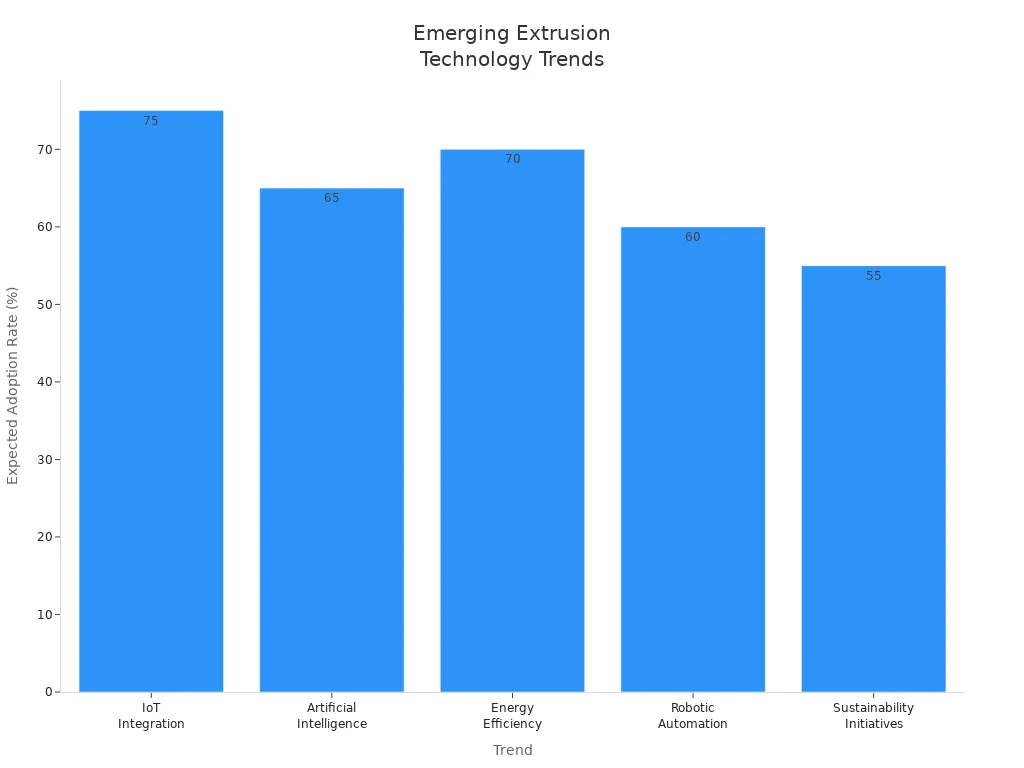
I see rapid changes in extrusion technology shaping the future of manufacturing. IoT integration allows real-time monitoring and analytics, improving efficiency. Artificial intelligence supports predictive maintenance and optimization, which boosts performance. Energy efficiency is a growing focus, with manufacturers seeking ways to reduce consumption in the extrusion process. Robotic automation streamlines material handling and quality control. Sustainability initiatives drive the use of recycled materials and eco-friendly processes.
| Tren | Katerangan | Impact on Efficiency | Expected Adoption Rate (%) |
|---|---|---|---|
| IoT Integration | Real-time monitoring and analytics | Luhur | 75% |
| Artificial Intelligence | Predictive maintenance and optimization | Luhur pisan | 65% |
| Énergi Énergi | Reducing energy consumption | Sedeng | 70% |
| Robotic Automation | Material handling and quality control | Luhur | 60% |
| Sustainability Initiatives | Recycled materials and eco-friendly processes | Sedeng | 55% |
I notice advancements in material compatibility, especially with bioplastics, are transforming the extrusion industry. Many manufacturers now prioritize flexibility in equipment design, with modular systems allowing easy upgrades and modifications. Sustainability is essential, with most manufacturers focusing on energy-efficient equipment and waste reduction strategies. Smart extrusion machines reduce downtime by 20%, which improves overall efficiency and quality control. I always stay updated on these trends to maintain high performance and support new applications in plastic extrusion.
Tip: I recommend reviewing the overview of extruder machines in manufacturing regularly. Staying informed about new types of extrusion machines and screw designs helps me adapt to changing production needs and maintain scalability.
I recognize that each extrusion system offers unique advantages and limitations. My experience shows that single-screw extruders excel in high-volume production, while twin-screw systems provide superior mixing and flexibility. Ram and co-extrusion machines support specialty applications. I always use comparison tables and selection criteria to evaluate:
- Technical capabilities and long-term reliability
- Customer service and design assistance
- Quality standards and energy efficiency
I recommend manufacturers understand their application needs and consult extrusion experts for optimal results.
FAQ
What is the main difference between single-screw and twin-screw extruders?
I see that single-screw extruders use one rotating screw for basic mixing. Twin-screw extruders use two screws for advanced mixing and better control. I choose twin-screw systems for complex materials and higher flexibility.
How do I decide which extrusion system fits my application?
I start by reviewing my material type, volume produksi, and product complexity. I match these needs to the strengths of each system. I consult with experts if I face unique requirements.
Can I process recycled materials with extrusion systems?
I process recycled materials using twin-screw extruders. These machines handle variable feedstocks and additives better than single-screw systems. I monitor quality closely to ensure consistent results.
How often should I perform maintenance on my extruder?
I schedule routine inspections every month. I check for screw wear, barrel condition, and control system performance. Regular maintenance prevents downtime and extends equipment life.
What are the most common extrusion defects I encounter?
I often see surface roughness, dimensional drift, and melt fractures. I address these by adjusting temperature, speed screw, and material feed. I use process monitoring to catch issues early.
Is co-extrusion suitable for all materials?
I use co-extrusion mainly for thermoplastics. Some materials may not bond well in multi-layer profiles. I test material compatibility before starting production.
How does automation improve extrusion quality?
I rely on automation for real-time monitoring and precise control. Automated systems reduce human error, maintain consistent output, and improve overall product quality.
What safety measures do I follow during extrusion?
I wear protective gear and follow lockout procedures. I keep the work area clean and check emergency stops regularly. I train my team on safe operation and emergency response.