

Strand Pelletizer or Underwater Pelletizer Which Is Right for Your Process
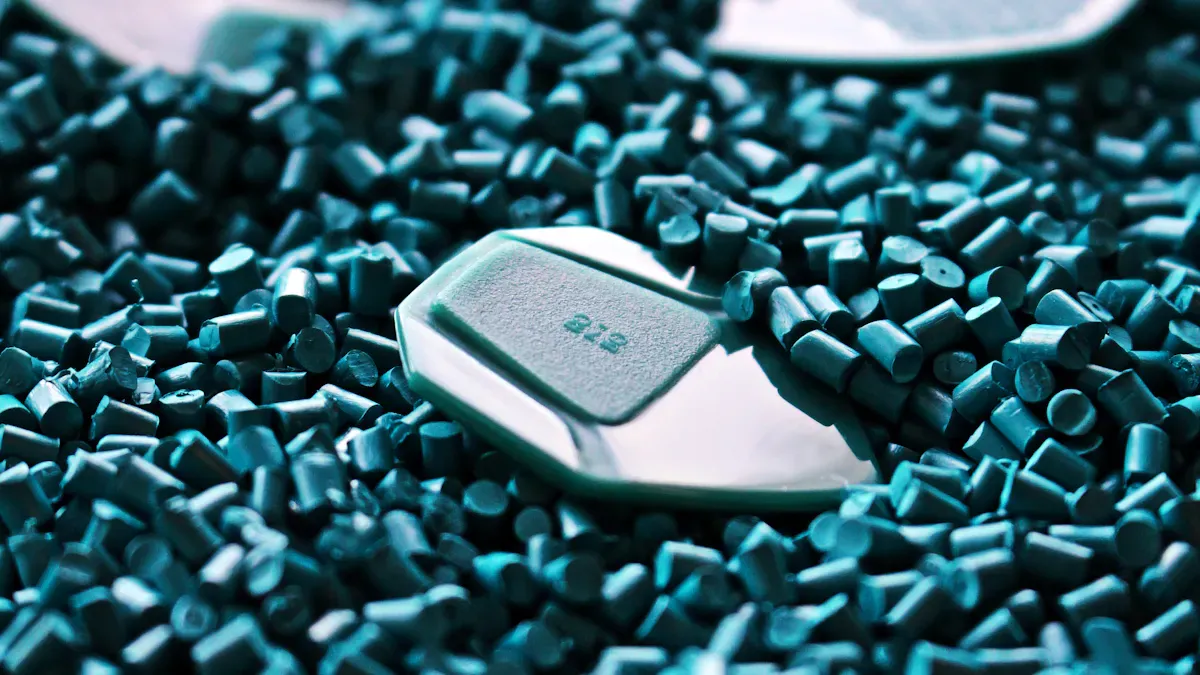
Strand and Underwater Pelletizer systems differ in cooling and cutting methods, skala produksi, and pellet quality. Strand pelletizers cool polymer strands in a water trough, while Underwater Pelletizer units cut pellets fully submerged, ngahasilkeun pellets kacida seragam jeung nanganan throughputs luhur.
Pikeun polimér viskositas tinggi, Underwater Pelletizer systems accommodate nepi ka 70,000 lb/hr and most polymer types, sakumaha ditémbongkeun di handap:
| System Type | Volume Produksi | Kasaluyuan bahan |
|---|---|---|
| Pelletizing jero cai | Up to 70,000 lb/hr | Most polymers |
| Strand Pelletizing | Up to 44,000 lb/hr | Variable, challenges with low-viscosity materials |
Mertimbangkeun jenis bahan, kontaminasi, throughput, and pellet quality when choosing a pelletizer.
Takeaways konci
- Strand pelletizers cool polymer strands in water, sedengkeun pelletizers jero cai motong pellets submerged dina cai, mangaruhan kualitas pellet sareng skala produksi.
- pelletizers jero cai tiasa ngadamel nepi ka 70,000 lb/hr, ngajantenkeun aranjeunna idéal pikeun polimér viskositas tinggi sareng produksi skala ageung.
- Milih pelletizers jero cai pikeun aplikasi needing seragam, pellets buleud kalayan lebu minimal; pelletizers untaian ngahasilkeun pellets cylindrical tapi ngahasilkeun leuwih lebu.
- Pangropéa langkung saderhana pikeun pelletizers strand kusabab desainna garing, bari sistem jero cai merlukeun beberesih leuwih kompleks alatan paparan cai.
- Mertimbangkeun kasaluyuan bahan: Sistem jero cai tiasa dianggo sareng sajumlah polimér anu langkung lega, kaasup viskositas tinggi sareng bahan anu kacemar.
- Evaluasi kabutuhan produksi: pelletizers strand anu hadé pikeun parobahan bahan sering, bari sistem jero cai unggul dina kontinyu, operasi-output tinggi.
- Assess waragad taliti: pelletizers jero cai gaduh expenses awal jeung operasi luhur, tapi tiasa nawiskeun tabungan jangka panjang dina lingkungan volume tinggi.
- Anggo Daptar pariksa pilihan pikeun nyaluyukeun pilihan pelletizer anjeun sareng bahan khusus anjeun, throughput, jeung sarat anggaran.
Pelletizer Ihtisar Babandingan
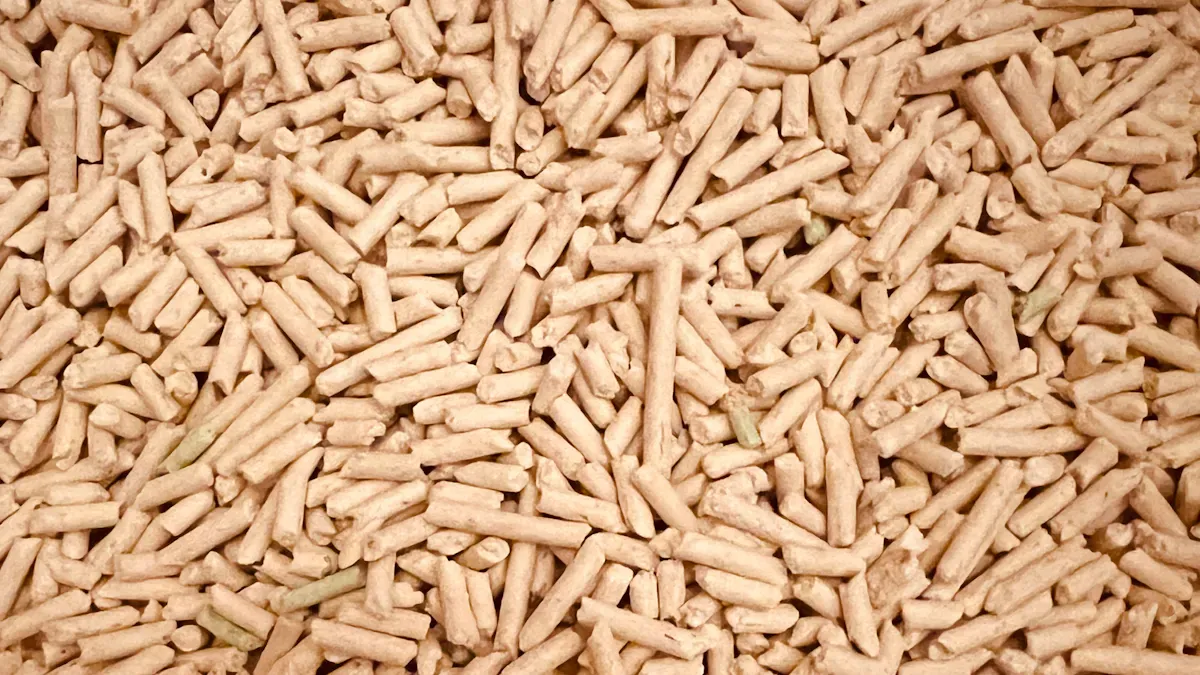
Strand vs jero cai Pelletizer Table
Milih pelletizer anu pas pikeun prosés anjeun peryogi pamahaman anu jelas ngeunaan kumaha unggal sistem ngalaksanakeun métrik kritis. Tabel di handap nyadiakeun perbandingan sisi-demi-sisi strand na pelletizers jero cai, fokus kana bentuk pellet, variasi ukuran, generasi lebu, volume produksi, jeung kasaluyuan bahan.
| métrik | Pelletizing jero cai | Strand Pelletizing |
|---|---|---|
| Bentuk Pelet | Bulat | Silinder |
| Variasi Ukuran | < ± 5% | < ± 10-15% |
| Generasi lebu | Langkung sakedik | Tambih deui |
| Volume Produksi | Up to 70,000 lb/hr | Up to 44,000 lb/hr |
| Kasaluyuan bahan | Most polymers | Variable, challenges with low-viscosity materials |
Tip: Pikeun aplikasi nuntut pellets kacida seragam jeung lebu minimal, sistem pelletizer jero cai mindeng nganteurkeun hasil unggulan.
Key Metrics Compared
When evaluating pelletizer options, manufacturers should consider several key aspects:
- Kualitas Pelet: Underwater pelletizer units produce highly uniform, spherical pellets with minimal dust due to rapid water cooling. Strand pelletizer systems generate cylindrical pellets, but tend to create more dust and fines, which can impact downstream processing.
- Sarat Pangropéa: Underwater pelletizer equipment involves more complex components and water exposure, leading to higher maintenance needs. Strand pelletizer machines feature a simpler, dry design, making them easier and faster to maintain.
- Kasaluyuan bahan: Underwater pelletizer technology handles a wide range of polymers, including high-viscosity and specialty materials. Strand pelletizer systems work well with most plastics, but may struggle with low-viscosity or sticky polymers.
- Efisiensi Produksi: garis pelletizer jero cai ngarojong kontinyu, operasi-output tinggi, ngajadikeun aranjeunna idéal pikeun produksi skala badag. Setélan pelletizer Strand sering dianggo dina bets sareng biasana nawiskeun throughput anu langkung handap.
- Pertimbangan ongkos: Sistem pelletizer jero cai ngabutuhkeun investasi awal anu langkung luhur sareng biaya perawatan anu terus-terusan. Solusi strand pelletizer umumna langkung murah pikeun operasi anu langkung alit atanapi perobahan bahan anu sering.
Pabrikan di industri sapertos otomotif, bungkusan, jeung éléktronika kedah cocog syarat prosés maranéhna pikeun kaunggulan unggal tipe pelletizer. Pilihan anu leres gumantung kana kualitas pellet anu dipikahoyong, jenis bahan, volume produksi, jeung anggaran operasional.
Kumaha Unggal Pelletizer Gawéna
Prosés Pelletizer Strand
Cooling sarta motong
Strand pelletizer systems operate by transforming molten polymer into cylindrical pellets. The process begins with feeding material into the compactor using a belt conveyor. The feeding speed can be adjusted, and metal detection is often included to prevent contamination. Rotary blades inside the compactor shred and heat the material, densifying it before it enters the extruder screw. The extruder melts the polymer, and a vacuum system removes impurities. Once the polymer is fully melted, it moves to the die head. Ieuh, the molten strands are cut and cooled in a water ring, which eliminates the need for manual strand handling. The water ring ensures rapid cooling and helps maintain pellet shape.
Catetan: The water ring cooling method in strand pelletizer systems is efficient for most engineering plastics, but may struggle with sticky or low-viscosity polymers.
Equipment Layout
The equipment layout for a strand pelletizer typically includes several key components:
- Compactor with adjustable feeding and metal detection
- Single-screw extruder with vacuum degassing
- Die head for strand formation
- Water ring for cooling and pelletizing
- Conveyor system for pellet collection
This layout supports straightforward maintenance and quick material changeovers. The dry design reduces downtime and simplifies cleaning. Operators can easily access the compactor and extruder for routine inspections.
Underwater Pelletizer Process
In-Water Cutting and Cooling
The underwater pelletizer process is designed for high-volume and high-viscosity polymer production. The operation starts with sorting materials to separate recyclable plastics from non-recyclables. After sorting, the materials are washed to remove contaminants and then dried to prepare them for melting. The dried plastics are melted to form a homogeneous polymer melt. The molten polymer is then fed directly into a water chamber. Inside this chamber, the pelletizer cuts the polymer into pellets while fully submerged. The underwater environment provides rapid cooling, resulting in highly uniform, spherical pellets. This method minimizes dust and fines, making it ideal for applications requiring strict pellet quality.
Tip: Underwater pelletizer systems excel in processing contaminated feedstocks and specialty polymers due to their robust cooling and cutting capabilities.
System Setup
The typical underwater pelletizer setup includes:
- Sorting and washing units for material preparation
- Drying equipment to ensure optimal melt quality
- Extruder for melting and homogenizing the polymer
- Water chamber with integrated cutting head
- Pellet collection and drying system
This configuration supports continuous processing and high throughput. The underwater cutting head operates within the water chamber, allowing for precise pellet formation and rapid cooling. Maintenance is more complex due to water exposure and system integration, but the benefits in pellet quality and production volume are significant.
Key Differences in Pelletizer Selection
Process Suitability
Throughput and Flexibility
Pelletizer selection depends heavily on throughput requirements and operational flexibility. Manufacturers must evaluate the scale of their processing needs and the types of polymers involved. Tabel di handap nyimpulkeun kapasitas throughput for different pelletizer types:
| Tipe Pelletizer | Throughput Capacity |
|---|---|
| Strand Pelletizer | Low to Medium |
| Cai-Cingcin Pelletizer | Sedeng ka Luhur |
| Pelletizer jero cai | High to Very High |
Strand pelletizers handle low to medium throughput and offer versatility for various polymers, including heat-sensitive materials. Water-ring pelletizers support medium to high throughput, ngahontal about 11,000 pounds per hour. Underwater pelletizer systems excel in high to very high throughput scenarios, processing up to 70,000 pounds per hour. These systems are ideal for challenging polymers such as PET, PA, TPU, and bioplastics.
Catetan: For large-scale production and demanding polymers, underwater pelletizer units provide unmatched throughput and continuous operation.
Material Changeover
Frequent material changeover is a critical consideration for many processors. Strand pelletizer systems feature a straightforward, desain garing anu ngamungkinkeun pikeun beberesih gancang sarta changeovers gancang. Operator tiasa ngalih antara bahan kalayan downtime minimal, nyieun pelletizers strand cocog pikeun fasilitas anu ngolah sababaraha jenis polimér atawa merlukeun parobahan bets sering.
Sistem pelletizer jero cai, bari nawarkeun throughput unggul, ngalibatkeun prosedur beberesih leuwih kompleks alatan paparan cai jeung huluna motong terpadu. Pergantian bahan butuh langkung lami, jeung protokol beberesih husus diperlukeun pikeun nyegah kontaminasi, utamana lamun pindah antara polimér mibanda sipat béda.
Kasaluyuan bahan
Viskositas sareng Kontaminasi
Kasaluyuan bahan mangaruhan kinerja pelletizer sarta perawatan. Pelletizers untaian tiasa dianggo saé sareng kalolobaan plastik tapi tiasa bajoang sareng polimér caket atanapi viskositas rendah. Underwater pelletizer systems handle a broader range of viscosities, including high-viscosity and specialty polymers.
Contamination management is essential in both systems. Proper die-to-blade alignment prevents contamination from fines and dust. Contaminated materials can degrade die surfaces, increasing maintenance needs. Underwater pelletizer units are robust against contamination, especially when processing recycled or specialty feedstocks. Cleaning protocols for polymers like PVC and TPEs must be followed to maintain pellet quality and prevent system degradation.
Polymer Types
The compatibility of pelletizer systems with various polymer types is outlined below:
| Jenis Bahan | Kasaluyuan |
|---|---|
| Polyolefins | PP, PE |
| Téknik Plastik | ABS, TPU, TPE, PA |
| Biodegradable Plastics | PLA, PBAT, PHA, polimér dumasar aci |
| Masterbatch Production | Color masterbatch, pangisi masterbatch, aditif |
| Chemical and Resin Prod. | Hot-melt adhesives, elastomer, polimér réaktif |
| High-MFI Materials | Suitable for underwater pelletizer systems |
Strand pelletizers are versatile for polyolefins and engineering plastics. Underwater pelletizer systems accommodate a wider range, including biodegradable plastics, produksi masterbatch, and high-MFI materials that cannot be pelletized using strand or water-ring systems.
Kualitas Pelet
Size and Shape Uniformity
Pellet quality impacts downstream processing and final product performance. Underwater pelletizer systems produce highly uniform, spherical pellets with size variation typically less than ±5%. Strand pelletizers generate cylindrical pellets with size variation up to ±10-15%. Uniformity is crucial for applications requiring consistent pellet flow and minimal dust.
Tip: Pilih sistem pelletizer jero cai pikeun aplikasi anu nungtut ukuran pellet anu ketat sareng keseragaman bentuk.
Dampak Processing Hilir
Bentuk jeung kualitas pellet mangaruhan efisiensi processing hilir. Pellets buleud tina sistem jero cai ngalir lancar dina alat conveying pneumatic jeung dahar. Ngurangan generasi lebu ngaminimalkeun kontaminasi sareng ngagem dina mesin hilir. Pelet silinder tina pelletizers untaian tiasa ngahasilkeun langkung denda, mangaruhan prosés filtrasi sareng sanyawa.
Pabrikan kedah meunteun kumaha kualitas pellet mangaruhan léngkah-léngkah salajengna, kayaning ékstrusi, molding, atawa blending. Milih pelletizer katuhu ensures kinerja optimal sapanjang ranté produksi.
Pangropéa sareng Operasi
beberesih sarta Downtime
Ngabersihan rutin sareng ngaminimalkeun downtime mangrupikeun faktor kritis dina pamilihan pelletizer. Strand pelletizer systems feature a straightforward, dry design. Operators can access key components quickly, which allows for fast cleaning between production runs. This design reduces the risk of cross-contamination when switching materials. Most strand pelletizer units require only basic disassembly for cleaning, and the absence of water in the cutting area simplifies maintenance.
Underwater pelletizer systems present a different scenario. The integration of water in the cutting chamber introduces additional cleaning requirements. Water exposure can lead to mineral buildup, korosi, or microbial growth if not managed properly. Operators must follow strict cleaning protocols to maintain system hygiene and prevent contamination of pellets. Cleaning the underwater cutting head and water circulation system often takes more time and may require specialized tools or chemicals. Downtime for maintenance is typically longer with underwater pelletizer equipment, especially during material changeovers or when processing sticky polymers.
Catetan: Facilities that require frequent material changes or rapid cleaning cycles often prefer strand pelletizer systems due to their ease of maintenance and reduced downtime.
System Complexity
System complexity directly impacts operator training, pamérésan masalah, jeung reliabilitas jangka panjang. Strand pelletizer machines use a simple mechanical layout. Most operators can learn to run and maintain these systems with minimal training. Fewer moving parts and a dry environment reduce the likelihood of mechanical failure.
Underwater pelletizer systems are more complex. These units combine extrusion, water management, and in-water cutting in a single integrated process. Operator kedah ngawas suhu cai, laju aliran, jeung kaayaan sabeulah pelletizer. Kadali otomatis sareng sensor umum, tapi aranjeunna nambahkeun kana kurva learning. Ngungkulan sistem pelletizer jero cai mindeng merlukeun pangaweruh husus sarta rojongan teknis. Pajeulitna sistem ieu tiasa ningkatkeun résiko downtime anu teu direncanakeun upami henteu diurus ku tanaga anu berpengalaman.
Tip: Sistem pelletizer strand anu langkung saderhana cocog pikeun fasilitas anu ngagaduhan staf téknis anu terbatas atanapi dimana betah operasi mangrupikeun prioritas.
Faktor Biaya
Investasi Awal
Investasi awal pikeun sistem pelletizer béda-béda sacara signifikan dumasar kana téknologi sareng syarat produksi. Unit pelletizer Strand umumna gaduh biaya upfront handap. Desain basajan maranéhanana, komponén pangsaeutikna, and minimal water management needs make them accessible for small to medium-sized operations. Installation is straightforward, and most facilities can integrate strand pelletizer equipment without major infrastructure changes.
Underwater pelletizer systems require a higher initial investment. These systems include advanced water handling, automated controls, and robust cutting mechanisms. The need for specialized installation and integration with existing processing lines can further increase costs. Sanajan kitu, the higher investment often pays off in large-scale operations where throughput and pellet quality are critical.
| Tipe Pelletizer | Typical Initial Investment | Pajeulitna Instalasi |
|---|---|---|
| Strand Pelletizer | Low to Moderate | Basajan |
| Pelletizer jero cai | Luhur | Kompléks |
Catetan: Consider both current and future production needs when evaluating initial investment. A higher upfront cost may deliver long-term savings in high-volume environments.
Beban Operasi
Operating expenses include maintenance, konsumsi énergi, water usage, and spare parts. Strand pelletizer systems offer lower ongoing costs. Their dry operation reduces water and energy consumption. Maintenance is less intensive, and spare parts are typically less expensive.
Underwater pelletizer systems incur higher operating expenses. Continuous water circulation, filtrasi, and drying increase utility costs. Maintenance is more frequent due to water exposure and the complexity of the cutting mechanism. Replacement parts for underwater pelletizer units can be costly, especially for specialized blades or seals. Facilities must also account for water treatment and disposal, which adds to the total cost of ownership.
Tip: Calculate total cost of ownership, not just initial price, when selecting a pelletizer. Higher operating expenses can offset the benefits of increased throughput if not managed carefully.
Underwater Pelletizer and Strand Pelletizer Applications
Strand Pelletizer Applications
Strand pelletizer systems serve a wide range of industries due to their versatility and straightforward operation. These machines are especially valuable in environments where frequent material changes and easy maintenance are priorities.
Téknik Plastik
Strand pelletizers are widely used for engineering plastics. They process materials such as polypropylene, poliétilén, and glass fiber reinforced compounds. These plastics are common in automotive, listrik, and consumer goods manufacturing.
| Engineering Plastic Type | Katerangan |
|---|---|
| Polipropilén (PP) | Widely used in dry strand pelletizers for processing. |
| Poliétilén (PE) | Commonly processed using strand pelletizers. |
| Glass Fiber Reinforced | Frequently processed with strand pelletizers. |
Strand pelletizers maintain pellet quality for these materials, supporting consistent downstream processing.
Recycled Materials
Plastic recycling plants rely on strand pelletizer systems for converting post-consumer and post-industrial waste into reusable pellets. These systems handle a variety of recycled plastics, making them essential for waste recycling operations. The dry design of strand pelletizers allows for efficient cleaning, which is important when switching between different recycled materials.
Ngahijikeun
Compounding facilities use strand pelletizers to blend polymers with additives, pangeusi, or colorants. The resulting pellets are used in film, lambaran, and fiber processing, as well as in injection and blow molding operations.
| Jenis Aplikasi |
|---|
| Plastic recycling plants |
| Plastic compounding and manufacturing |
| Film, lambaran, and fiber processing |
| Injection and blow molding operations |
Strand pelletizers offer flexibility for compounding lines that require frequent formulation changes.
Underwater Pelletizer Applications
Underwater pelletizer systems are designed for high-performance environments. These machines excel in applications where pellet uniformity, throughput tinggi, and the ability to handle challenging materials are critical.
High-Viscosity Polymers
Underwater pelletizer technology produces highly uniform pellets with minimal size and shape variation. This capability is especially important for high-viscosity polymers, where traditional strand pelletizing may struggle with consistency and strand breakage. The underwater cutting and cooling process ensures reliable pellet formation, even with demanding materials.
- Underwater pelletizing produces highly uniform pellets with minimal size and shape variation, making it advantageous for high-viscosity materials.
- Strand pelletizing may face challenges in maintaining consistency and quality when processing high-viscosity polymers due to its manual start-up process and potential for strand breakage.
Contaminated Feedstocks
Underwater pelletizer systems are robust against contamination. They process recycled and specialty feedstocks with high impurity levels. The integrated water chamber and cutting head help manage contaminants, reducing the risk of fines and improving pellet quality. This makes underwater pelletizers suitable for waste recycling and biodegradable plastic pelletizing applications.
Produksi High-Volume
Manufacturers choose underwater pelletizer systems for high-volume production lines. mesin ieu ngarojong operasi kontinyu sarta bisa ngolah nepi ka 70,000 pounds per hour. Lingkungan jero cai ngamungkinkeun cooling gancang, nu penting pikeun ngajaga kualitas pellet dina skala badag.
Conto Industri
Pilihan pelletizer gumantung kana kabutuhan husus unggal industri. Sistem pelletizer strand sareng jero cai maénkeun peran penting dina manufaktur modern.
Otomotif
Pembekal otomotif nganggo pelletizer untaian pikeun plastik rékayasa sareng sanyawa bertulang serat gelas. pellets ieu dipaké dina komponén interior, bagian handapeun tiung, jeung motong exterior. Sistem pelletizer jero cai ngadukung produksi polimér khusus sareng bahan daur ulang pikeun bagian otomotif anu hampang sareng lestari..
Bungkusan
The industri bungkusan nyaéta séktor ngarah pikeun sistem pelletizer jero cai. Mesin ieu ngahasilkeun kualitas luhur, pellets konsisten pikeun duanana bahan bungkusan fléksibel tur kaku. Pelletizers jero cai ngaktifkeun daur ulang plastik jadi pellets seragam, ngadukung bungkusan sustainable sareng inisiatif ékonomi sirkular. Éta téh dipaké pikeun ngahasilkeun pellets palastik didaur pikeun suntik molding, ékstrusi, sarta blow molding-prosés anu krusial pikeun nyieun produk bungkusan anyar.
Pellets palastik daur ulang tina sistem pelletizer jero cai ogé dipaké dina manufaktur bahan bungkusan, bagian otomotif, jeung barang sapopoé. Versatility ieu nyorot pentingna pelletizers jero cai dina sektor bungkusan.
Éléktronik
Pabrikan éléktronik butuh kualitas pellet anu tepat pikeun komponén sapertos perumahan, panyambungna, jeung insulasi. Strand pelletizers ngolah plastik rékayasa pikeun aplikasi ieu. Underwater pelletizer systems handle specialty polymers and high-volume production, supporting the electronics industry’s demand for consistent and reliable materials.
Catetan: The choice between strand and underwater pelletizer systems depends on material type, contamination level, and production scale. Manufacturers should evaluate their process requirements to select the most suitable pelletizer for their application.
Pelletizer Selection Guide
Choosing the right pelletizer for your operation requires a structured approach. This guide provides a practical checklist and a decision flowchart to help you align your equipment selection with your production goals.
Daptar pariksa Pilihan
A systematic evaluation ensures that your pelletizer matches your material and operational needs. Use the following checklist to guide your decision:
Penilaian Bahan
- Identipikasi jinis polimér anu anjeun badé diolah (misalna., PET, HDPE, LDPE, plastik rékayasa).
- Assess tingkat kontaminasi dina feedstock Anjeun. Kontaminasi anu luhur panginten peryogi beberesih anu kuat atanapi konfigurasi khusus.
- Pertimbangkeun upami aplikasi anjeun kalebet bahan khusus, sapertos anu dianggo dina pelletizing plastik biodegradable.
Volume Produksi
- Estimasi throughput diperlukeun Anjeun. Operasi volume luhur sering nguntungkeun tina sistem jero cai kusabab operasi sareng kapasitas anu terus-terusan.
- Nangtukeun naha produksi anjeun dumasar kana bets atanapi kontinyu. Pelletizers jero cai unggul dina kontinyu, lingkungan badag skala.
Kabutuhan Kualitas Pellet
- Nangtukeun bentuk pellet nu dipikahoyong tur uniformity ukuran. Pellets buleud tina sistem jero cai nawiskeun konsistensi unggul.
- Evaluasi pentingna kontrol lebu sareng denda pikeun ngolah hilir anjeun.
- Tinjauan blade design and material, as sharp and durable blades improve cutting precision and pellet quality.
Anggaran
- Calculate your available budget for initial investment and ongoing operating expenses.
- Factor in maintenance, tanaga, and water usage. Underwater systems typically have higher costs but deliver greater throughput and pellet quality.
Tip: Maintenance and ease of use are critical for facilities with frequent material changes or limited technical staff.
Decision Flowchart
The following tables summarize the main decision points when selecting between strand and underwater pelletizer systems:
| Tipe Pelletizer | Pangalusna Pikeun | Bentuk Pelet | Biaya Relatip |
|---|---|---|---|
| Strand pelletizer | PE, PP, PS — clean feedstock | Silinder | Lemah |
| Underwater pelletizer | PET, PA, plastik rékayasa | Bulat | Luhur |
| Faktor | Katerangan |
|---|---|
| Jenis Bahan | Different materials (PET, HDPE, LDPE) have unique challenges and needs regarding processing. |
| Contamination Level | Contamination control is crucial for maintaining processing stability and quality of pellets. |
| Configuration Requirements | Specific configurations are needed based on the type of material and contamination present. |
Catetan: Underwater pelletizer systems are preferred for high-viscosity polymers, contaminated feedstocks, and applications requiring strict pellet uniformity. Strand pelletizers remain a cost-effective choice for clean, standard materials and frequent changeovers.
By following this checklist and reviewing the decision tables, you can confidently select the pelletizer that aligns with your processing requirements, whether you focus on high-volume underwater production or flexible strand operations.
Choosing between strand and underwater systems depends on your process needs. Underwater solutions deliver high throughput, pellets seragam, jeung nanganan bahan nangtang. Sistem Strand nawiskeun pangropéa anu langkung gampang sareng perobahan anu langkung gancang. Ngagunakeun éta méja ngabandingkeun handap pikeun meunteun merek sareng kamampuan:
| Merk / Modél | Kapasitas maksimum (kg/h) | Kakuatan (kW) | Bahan lumaku | harga rujukan (USD) |
|---|---|---|---|---|
| Coperion ZSK Series | 2000 | 250 | Plastik rékayasa, PE/PP | 150,000-300,000 |
| Wintech | 800 | 90 | ON pilem, runtah tatanén | 45,000-65,000 |
| granulator ékonomi domestik | 300 | 55 | PVC, ABS | 15,000-25,000 |
Mertimbangkeun faktor ieu:
- Jenis plastik
- throughput diperlukeun
- Kualitas pellet anu dipikahoyong
- kabutuhan operasional
Pikeun aplikasi jero cai kompléks, konsultasi suppliers atawa ahli teknis pikeun mastikeun pilihan pelletizer katuhu.
FAQ
Naon bédana utama antara strand sareng pelletizer jero cai?
Strand pelletizers motong sarta niiskeun untaian polimér luar paeh, bari pelletizers jero cai motong pellets langsung dina cai. Sistem jero cai nganteurkeun pelet anu langkung seragam sareng throughput anu langkung luhur.
Which pelletizer is better for frequent material changes?
Strand pelletizers allow faster cleaning and easier material changeovers. Their dry design reduces downtime, making them ideal for operations that switch materials often.
Can underwater pelletizers handle recycled or contaminated materials?
Sumuhun. Underwater pelletizers process contaminated or recycled feedstocks efficiently. Their robust water-based system manages impurities and maintains pellet quality.
How does pellet shape affect downstream processing?
Spherical pellets from underwater systems flow smoothly in pneumatic conveyors and feeders. Cylindrical pellets from strand systems may generate more dust, which can impact equipment and product quality.
Are underwater pelletizers more expensive to operate?
Operating costs for underwater pelletizers are higher. Sistem ieu peryogi langkung seueur cai, tanaga, jeung pangropéa. Fasilitas ogé kedah ngatur perawatan cai sareng suku cadang khusus.
Jenis polimér naon anu paling cocog sareng pelletizers untaian?
Strand pelletizers ngalakukeun ogé kalawan polyolefins, plastik rékayasa, jeung bahan baku beresih. Éta tiasa bajoang sareng polimér caket atanapi viskositas rendah.
Kumaha kuring milih pelletizer katuhu pikeun prosés kuring?
Assess jenis bahan Anjeun, throughput diperlukeun, kabutuhan kualitas pellet, jeung anggaran. Anggo Daptar pariksa Pilihan sareng konsultasi sareng supplier pikeun syarat anu rumit.