

Masterbatch Machine Showdown Twin-Screw Extruders and Kneader Machines
Manufacturers in the masterbatch industry often select co-rotating twin-screw extruders for their ability to deliver superior mixing and consistent results. They rely on kneader machines when handling sensitive or high-value materials that demand gentle processing. Machine selection plays a pivotal role in every Masterbatch Machine operation. The right choice directly influences production quality and efficiency, as modern extruders and supporting equipment streamline production flow and support reliable delivery.
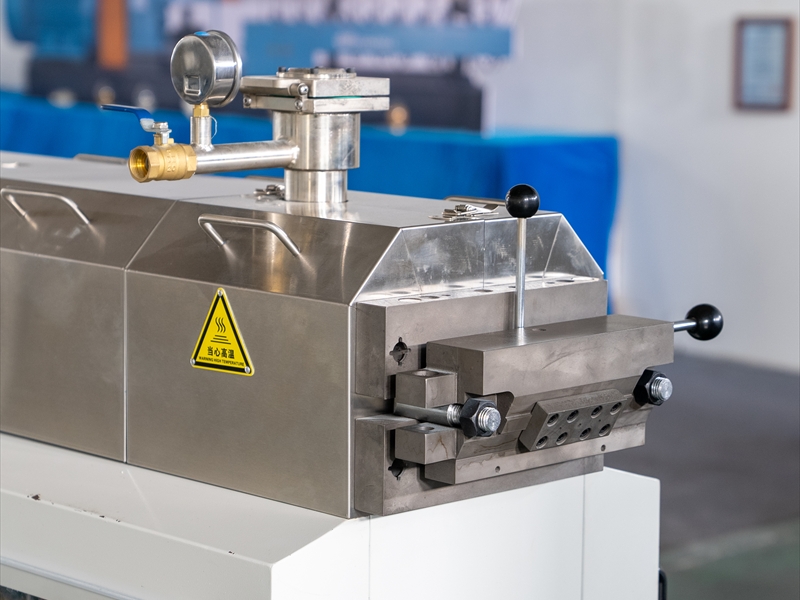
- Proper equipment selection optimizes both product quality and production efficiency.
-
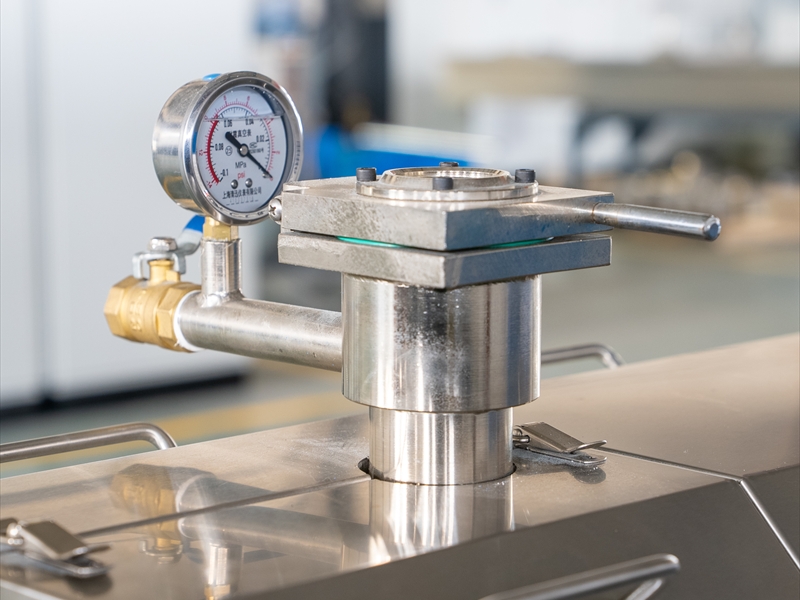
Advanced machinery reduces operational costs and bottlenecks, ensuring better throughput and customer satisfaction.
- Aligning machine choice with production capacity and material specifications guarantees consistent results.
Kluczowe dania na wynos
- Choose the right machine dla Twoich potrzeb. Twin-screw extruders excel in mixing and throughput, while kneader machines are ideal for sensitive materials.
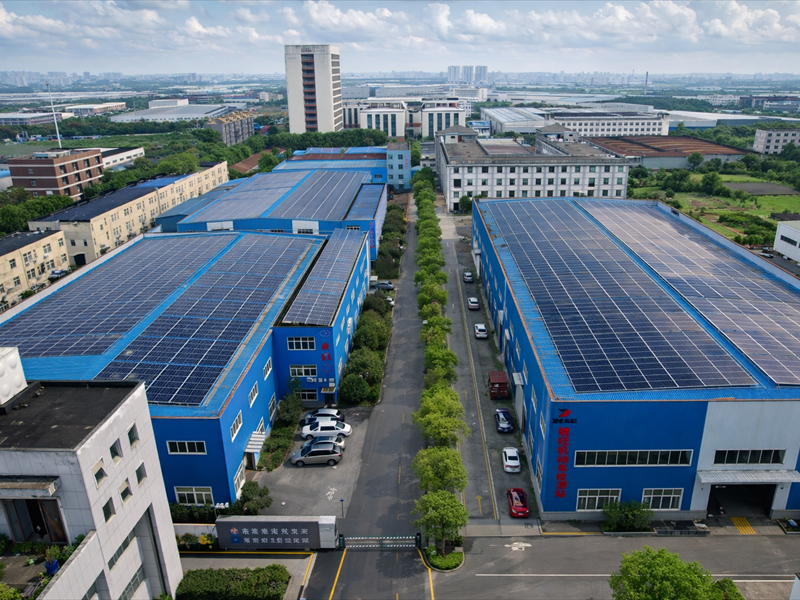
- Prioritize production quality. Proper equipment selection directly impacts the consistency and performance of your masterbatch.
-
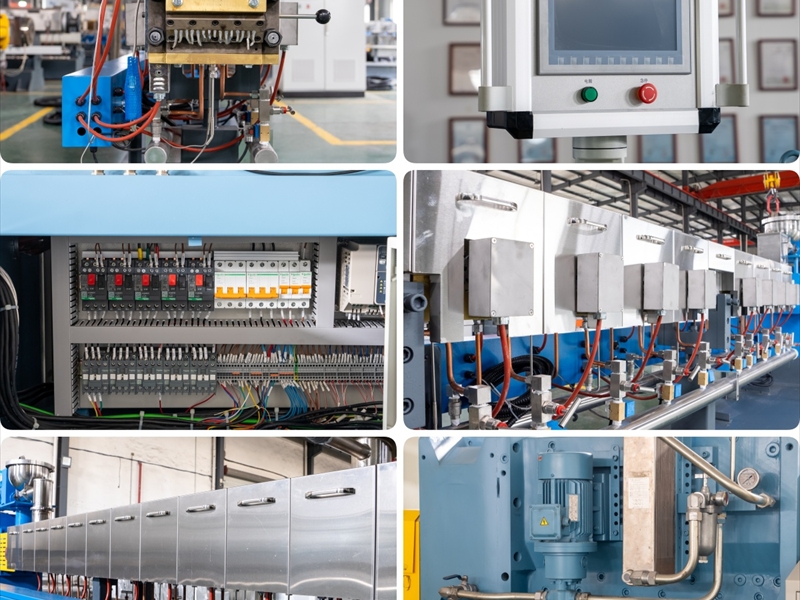
Maximize efficiency with advanced machinery. Twin-screw extruders reduce operational costs and improve production flow.
- Ensure material compatibility. Conduct rigorous testing to confirm that pigments and additives blend well for optimal results.
- Focus on dispersion consistency. High-quality compounding prevents defects and ensures uniform color in plastic products.
- Consider maintenance needs. Twin-screw extruders require more upkeep, podczas gdy maszyny do ugniatania oferują prostsze procedury konserwacji.
-
Dokładnie oceń swój budżet. Wytłaczarki dwuślimakowe wiążą się z wyższymi kosztami początkowymi, ale ich efektywność może z czasem zrekompensować wydatki.
- Zaplanuj skalowalność. Wytłaczarki dwuślimakowe można łatwo dostosować do zwiększonych wymagań produkcyjnych, podczas gdy maszyny ugniatające mogą wymagać dodatkowych jednostek.
Przegląd produkcji przedmieszek
Co to jest przedmieszka
Produkcja przedmieszek tworzy skoncentrowane mieszaniny pigmentów, dodatki, i żywice nośne. Te mieszaniny, zwany przedmieszką, służą do barwienia lub ulepszania właściwości wyrobów z tworzyw sztucznych. Proces polega na mieszaniu surowców, łączenie ich poprzez wytłaczanie, i formowanie peletek dla łatwej obsługi. Producenci polegają na przedmieszce, aby uzyskać spójny kolor, poprawiona trwałość, i wyspecjalizowana wydajność w zastosowaniach z tworzywami sztucznymi. Przemysł przedmieszek obsługuje szeroką gamę sektorów, łącznie z opakowaniem, automobilowy, i dobra konsumpcyjne.
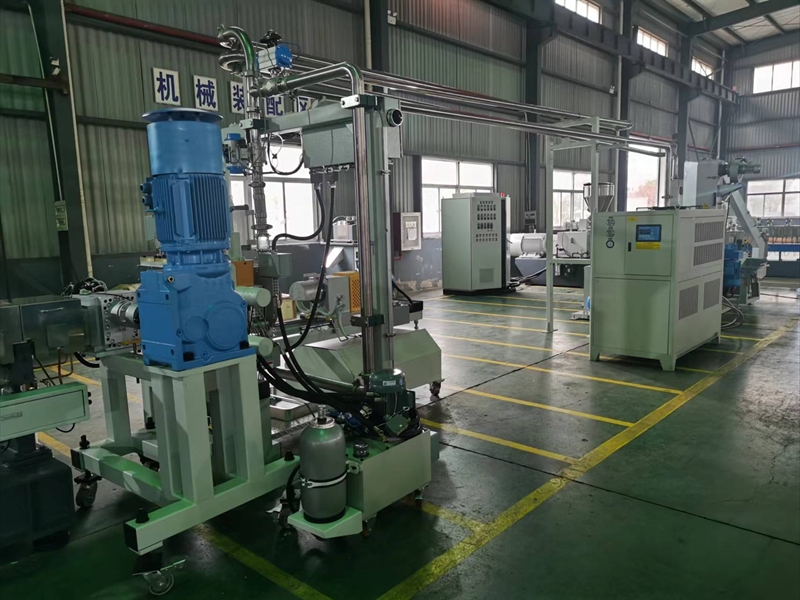
Proces produkcji przedmieszek wymaga starannej kontroli na każdym etapie. Każdy krok, od wyboru surowców po końcowe pakowanie, wpływa na jakość i wydajność gotowego produktu. Poniższa tabela przedstawia główne kroki i ich opis wymagania krytyczne:
| Krok | Wymagania krytyczne |
|---|---|
| Wybór surowca | Używaj bez pyłu, niska wilgotność, i termicznie stabilne składniki zapewniające stałą jakość. |
| Precyzyjne ważenie i mieszanie | Zautomatyzowane systemy dozowania zapewniające dokładność; mieszalniki wysokoobrotowe do uzyskania jednolitej mieszanki wstępnej. |
| Wytłaczanie i mieszanie | Kontrolowane nakładanie ciepła i mieszanie przy wysokim ścinaniu w celu dokładnego zdyspergowania dodatków. |
| Chłodzenie i tworzenie granulatu | Szybkie chłodzenie i cięcie wytłaczanych pasm na jednolite granulki. |
| Rygorystyczna kontrola jakości | Multiple quality tests including color uniformity and compatibility checks. |
| Packaging and Timely Delivery | Store in clean, temperature-controlled facilities and focus on on-time delivery. |
Key Production Needs
Dispersion Consistency
Dispersion consistency stands as a core requirement in masterbatch manufacturing. Uniform dispersion of pigments and additives ensures that every plastic product displays the intended color and properties. High-quality compounding prevents the formation of hard lumps or impurities, which can cause defects in the final masterbatch. Manufacturers use advanced mixing and compounding extrusion technologies to achieve excellent dispersion. Consistent dispersion also improves surface finish and reduces production issues, making it essential for reliable masterbatch performance.
Przepustowość
Throughput measures the amount of masterbatch produced within a specific time frame. High throughput supports large-scale production and meets market demand efficiently. The compounding process must balance speed with quality, as rapid production should not compromise dispersion or uniformity. Modern masterbatch manufacturing lines use automated systems and high-capacity extruders to maximize throughput. Efficient cooling and pelletizing systems further streamline the process, ensuring that production targets are met without sacrificing quality.
Kompatybilność materiałowa
Material compatibility plays a vital role in masterbatch manufacturing. The selected pigments, dodatki, and carrier resins must blend well during compounding. Incompatible materials can lead to poor dispersion, color streaks, or reduced plastic performance. Manufacturers conduct rigorous quality testing, including color matching and dispersion analysis, to confirm compatibility. This step ensures that the masterbatch integrates smoothly into various plastic applications, supporting consistent results across different production runs.
Notatka: High-quality masterbatch manufacturing depends on precise control of compounding, thorough mixing, and careful selection of materials. These factors guarantee that the final masterbatch meets industry standards for color, trwałość, and processing behavior.
Twin Screw Extruder in Masterbatch Machine
Twin Screw Extruder Types
Twin-screw extruders have become the backbone of modern masterbatch manufacturing. They offer unmatched flexibility and control compared to single screw designs. The table below highlights the operational differences between single and twin screw extruders, emphasizing why the twin configuration dominates masterbatch production:
| Funkcja | Wytłaczarka jednoślimakowa | Wytłaczarka dwuślimakowa |
|---|---|---|
| Możliwość mieszania | Ograniczony | Enhanced |
| Elastyczność | Niski | Wysoki |
| Control over Material Flow | Umiarkowany | Wysoki |
| Ideal for Complex Recipes | NIE | Tak |
| Application in Masterbatch | Ograniczony | Extensive |
Współobrotowe
Co-rotating twin screw extruders feature screws that rotate in the same direction. This design maximizes the mixing and compounding efficiency. The co-rotating action ensures that materials experience both dispersive and distributive mixing, which is essential for producing high-quality masterbatch. Manufacturers prefer this type for its ability to handle complex formulations and maintain consistent output.
Intermeshing vs Non-Intermeshing
Twin screw extruders can be intermeshing or non-intermeshing. Intermeshing designs allow the screws to overlap, creating a self-wiping effect that reduces material build-up and improves self-cleaning. This feature supports continuous operation and minimizes downtime. Non-intermeshing types keep the screws separate, which can suit specific compounding needs but generally offer less intensive mixing.
Features of Twin Screw Extruder
Modular Design
Twin screw extruders use modular screw elements. This feature allows operators to customize the extrusion system for different masterbatch recipes. Modular design supports optimal mechanical energy transfer and enables quick changes in the process setup. Manufacturers can adapt the extrusion system to new materials or product requirements without major downtime.
Shear and Pressure Control
Precise control over shear and pressure defines the twin screw extruder’s effectiveness. Operators can adjust prędkość śruby, configuration, and barrel temperature to fine-tune the compounding process. This control ensures uniform dispersion of pigments and additives, resulting in consistent masterbatch quality. The extrusion system also maintains stable pressure, which protects sensitive ingredients and enhances the structural properties of the final product.
Zalety
Doskonałe miksowanie
Twin-screw extruders deliver strong dispersive and distributive mixing. This capability ensures that pigments and additives blend thoroughly during compounding. The result is a masterbatch with uniform color and performance.
High Throughput
Manufacturers rely on twin screw extruders for high throughput. These machines process large volumes of masterbatch efficiently, meeting the demands of industrial-scale production. The design supports stable feeding of powder pigments and additives, which boosts productivity.
Self-Cleaning
The intermeshing action in many twin screw extruders provides a self-cleaning effect. This feature reduces material residue, minimizes contamination risks, and shortens changeover times between different masterbatch formulations.
Wskazówka: The advantages of twin screw extruder technology extend beyond mixing. These machines optimize material utilization and support precise control over every stage of the compounding process.
Wady
Koszt
Twin screw extruder systems require a significant initial investment. Manufacturers often face higher upfront costs compared to single screw machines. The advanced engineering and modular design of twin extruders contribute to this expense. Many facilities must also invest in specialized auxiliary equipment to support the twin screw extruder. These costs can challenge small-scale producers or those with limited budgets. Over time, the efficiency and output of twin screw extruder technology can offset the initial expense, but the barrier to entry remains higher than with simpler machines.
Konserwacja
Maintenance for twin screw extruder equipment demands skilled technicians and regular attention. The intermeshing screws and modular components experience wear during continuous operation. Operators must monitor the condition of screws, beczki, and seals to prevent downtime. Scheduled maintenance and part replacement help maintain consistent performance, but they add to operational costs. Complex assemblies in twin screw extruder systems can increase the time required for cleaning and repairs. Facilities that process abrasive or highly filled materials may see accelerated wear, requiring even more frequent maintenance.
Notatka: Regular maintenance ensures that twin screw extruder machines deliver reliable results and extend their service life. Neglecting upkeep can lead to inconsistent masterbatch quality and unexpected production stops.
Application of Twin Screw Extruder
Przedmieszka kolorowa
Twin screw extruder technology plays a central role in color masterbatch production. The twin screws provide intensive mixing, which ensures pigments disperse evenly throughout the carrier resin. This process creates pellets with uniform color, essential for high-quality plastic products. Manufacturers rely on the twin screw extruder to handle a wide range of pigment types and concentrations. The flexibility of the twin design allows for quick changeovers between different color formulations, supporting diverse customer requirements.
Additive Masterbatch
The application of twin screw extruder systems extends to additive masterbatch manufacturing. These machines blend functional additives—such as UV stabilizers, środki zmniejszające palność, or antistatic agents—into the polymer matrix. The twin screws ensure thorough dispersion, which maximizes the effectiveness of each additive. Consistent mixing prevents agglomeration and guarantees that every pellet delivers the intended performance. The modular design of the twin screw extruder allows operators to adjust the process for different additive types and loadings.
The table below summarizes the main application areas for twin screw extruder systems in masterbatch production:
| Aplikacja | Opis |
|---|---|
| Produkcja koncentratów | Ensures uniform dispersion of pigments and additives for color and functional masterbatches. |
| Przedmieszka kolorowa | Provides consistent color distribution and supports rapid formulation changes. |
| Additive Masterbatch | Zapewnia precyzyjne wprowadzenie dodatków funkcjonalnych poprawiających właściwości plastyczne. |
Wytłaczarki dwuślimakowe obsługują szeroki zakres zastosowań przedmieszek. Ich wszechstronność i kontrola sprawiają, że są one preferowanym wyborem zarówno w przypadku produkcji przedmieszek kolorowych, jak i addytywnych. Zastosowanie technologii wytłaczarek dwuślimakowych stale się rozszerza, ponieważ producenci poszukują wyższej jakości i wydajności.
Ugniatarka do produkcji przedmieszek
Typy maszyn do ugniatania
Maszyny do ugniatania odgrywają kluczową rolę w produkcji przedmieszek, szczególnie podczas pracy z materiałami o wysokiej wartości lub wrażliwymi. W przemyśle służy kilka typów ugniatarek, każdy zaprojektowany z myślą o konkretnych potrzebach w zakresie mieszania:
- Miksery Banbury: Maszyny te doskonale radzą sobie z mieszaniem polimerów i dodatków, co czyni je podstawą produkcji przedmieszek.
- Ugniatacze dyspersyjne: Manufacturers use these for achieving uniform dispersion, which is essential for consistent masterbatch quality.
- Internal Mixers: Laboratories often rely on internal mixers for small-scale research and development. These machines allow precise control over mixing parameters.
- Sigma Blade Kneaders: Designed for high-viscosity materials, sigma blade kneaders ensure thorough mixing and are ideal for challenging compounding tasks.
Kneader machines operate by mixing materials under controlled temperature and shear conditions. This approach ensures uniform dispersion and effective compounding, which are critical for producing high-quality masterbatch.
Features of Kneader Machine
Intensive Mixing
Kneader machines deliver intensive mixing, which enables precise dispersion and blending of pigments, dodatki, and resins. Cecha ta okazuje się szczególnie ważna w produkcji przedmieszek, gdzie materiały modyfikowane o dużym wypełnieniu i wysokim popycie wymagają równomiernego rozmieszczenia. Solidne mieszanie zapobiega aglomeracji i gwarantuje, że każda partia przedmieszki spełnia rygorystyczne standardy jakości.
Efektywność energetyczna
Efektywność energetyczna stanowi kluczową zaletę ugniatarek. Ich konstrukcja minimalizuje zużycie energii podczas mieszania, co pomaga producentom obniżyć koszty operacyjne. Maszyny utrzymują stabilną wydajność podczas przetwarzania szerokiej gamy materiałów, dzięki czemu nadają się zarówno do produkcji przedmieszek na dużą skalę, jak i do produkcji specjalistycznych przedmieszek.
Operacja wsadowa
Ugniatarki zazwyczaj działają w trybie wsadowym. Metoda ta pozwala na elastyczną regulację parametrów, wspieranie produkcji różnorodnych receptur przedmieszek. Praca wsadowa zapewnia również stabilną moc wyjściową, which is crucial for maintaining consistency when processing sensitive or high-value materials. Operators can closely monitor each batch, ensuring that the compounding process meets the required specifications.
Zalety
Precyzyjne mieszanie
Kneader machines offer precision mixing, which is essential for masterbatch manufacturing involving complex or sensitive ingredients. The machines’ ability to achieve uniform dispersion ensures that pigments and additives integrate seamlessly into the carrier resin. This precision supports the production of masterbatch with consistent color and performance.
Lower Energy Consumption
Manufacturers value kneader machines for their lower energy consumption compared to other compounding equipment. The efficient design reduces heat generation and minimizes material degradation, which benefits heat-sensitive masterbatch formulations. Lower energy use also contributes to a more sustainable production process.
Robustness
Kneader machines demonstrate exceptional robustness. Their construction withstands the demands of intensive compounding, even when processing abrasive or highly filled materials. This durability ensures reliable operation and extends the service life of the equipment, making kneader machines a sound investment for masterbatch manufacturing facilities.
Notatka: Kneader machines combine intensive mixing, efektywność energetyczna, and robust construction, making them ideal for masterbatch manufacturing that requires precise compounding and stable output.
Wady
Lower Throughput
Kneader machines operate in batch mode, which limits their throughput compared to continuous extrusion systems. Operators must load, mieszać, and discharge each batch before starting the next cycle. Proces ten ogranicza ilość przedmieszki wyprodukowanej w danym przedziale czasowym. W zakładach wymagających dużej wydajności produkcyjnej często ugniatarki są mniej odpowiednie do produkcji na dużą skalę. Operacja wsadowa zwiększa również przestoje pomiędzy cyklami, co może mieć wpływ na ogólną wydajność. Producenci, dla których priorytetem jest prędkość i objętość, mogą preferować wytłaczarki ze względu na ich zdolność do zapewniania stałej wydajności bez przerw.
Ograniczona elastyczność
Ugniatarki oferują mniejszą elastyczność podczas dostosowywania się do nowych receptur lub szybkich zmian produktu. Proces wsadowy wymaga ręcznych dostosowań dla każdego przepisu, co spowalnia reakcję na zmieniające się wymagania rynku. Operatorzy muszą oczyścić i przygotować maszynę pomiędzy partiami, zwłaszcza przy przełączaniu pomiędzy różnymi materiałami. To ograniczenie sprawia, że ugniatarki są mniej idealne dla obiektów, w których występują częste zmiany w składzie przedmieszki. Konstrukcja jest dostosowana do stabilnych środowisk produkcyjnych, ale stwarza wyzwania dla producentów poszukujących wszechstronności w zakresie zastosowań.
Notatka: Ugniatarki wyróżniają się precyzją mieszania i efektywnością energetyczną, jednak ich niższa przepustowość i ograniczona elastyczność mogą ograniczać ich zastosowanie w szybkich lub bardzo zmiennych warunkach produkcyjnych.
Typowe zastosowania
Wysoce wypełniona przedmieszka
Maszyny do ugniatania charakteryzują się wyjątkową wydajnością w produkcji przedmieszki o dużym wypełnieniu. Te maszyny radzą sobie bardzo wysokie obciążenie poziomy, często przekracza 85% zawartość wypełniacza. Intensywne mieszanie zapewnia, że trudne do zdyspergowania dodatki dokładnie integrują się z żywicą nośną. Manufacturers select kneader machines for filler masterbatch compounding because they maintain uniform dispersion and prevent agglomeration, even with challenging materials. The table below highlights the primary application type and its characteristics:
| Typ aplikacji | Characteristics |
|---|---|
| Filler Masterbatch Compounding | Ultra-High Loading, >85% filling levels, difficult-to-disperse additives |
This application requires robust mixing and stable output, which kneader machines provide. Operators achieve consistent quality in batches with high filler content, supporting demanding industrial requirements.
Rubber Compounds
Rubber compound production represents another key application for kneader machines. The equipment processes elastomers, wypełniacze, and additives under controlled temperature and shear conditions. Kneader machines deliver uniform dispersion, which enhances the physical properties of rubber products. Manufacturers rely on kneader machines for their ability to handle viscous materials and maintain batch-to-batch consistency. The process supports specialty rubber applications, including automotive parts, uszczelki, i komponenty przemysłowe.
Wskazówka: Facilities that produce highly filled masterbatch or rubber compounds benefit from the kneader machine’s robust mixing and stable batch operation. These applications demand precision and reliability, which kneader machines consistently deliver.
Difference Between Single and Twin Screw Extruder
Jakość mieszania
Mixing quality stands as a critical factor in masterbatch manufacturing. The single screw extruder provides mainly distributive mixing. This means it spreads materials but does not break down agglomerates as effectively. Wytłaczarki dwuślimakowe zapewniają zarówno mieszanie dyspersyjne, jak i dystrybucyjne. Potrafią rozbijać skupiska pigmentów i równomiernie rozprowadzać dodatki. Dzięki tej możliwości uzyskuje się bardziej jednorodną przedmieszkę, co jest niezbędne w zastosowaniach o wysokiej wydajności.
Poniższa tabela przedstawia główne różnice w możliwość mieszania:
| Funkcja | Wytłaczarka jednoślimakowa | Wytłaczarka dwuślimakowa |
|---|---|---|
| Możliwość mieszania | Niski (głównie dystrybucyjne) | Wysoki (Dyspersyjny & Dystrybucyjny) |
Producenci często wybierają wytłaczarki dwuślimakowe do zadań mieszania wymagających intensywnego mieszania, takie jak mieszanie włókien szklanych, środki zmniejszające palność, lub pigmenty w żywice. Wytłaczarka jednoślimakowa sprawdza się najlepiej w przypadku prostszych receptur, gdzie wystarczy podstawowe mieszanie.
Wskazówka: Do przedmieszek wymagających jednolitego koloru i dystrybucji dodatków, Wytłaczarki dwuślimakowe oferują wyraźną przewagę.
Przepustowość
Wydajność mierzy, ile materiału maszyna może przetworzyć w danym czasie. Wytłaczarka jednoślimakowa wyróżnia się pracą ciągłą, straightforward processes. It handles large volumes efficiently when the formulation does not require complex mixing. Wytłaczarki dwuślimakowe, z drugiej strony, provide superior throughput for complex masterbatch production. Their design supports excellent material conveying, mieszanie, and shear dispersion.
The following table compares throughput capabilities:
| Typ wytłaczarki | Throughput Capability |
|---|---|
| Pojedyncza śruba | More efficient for simpler, continuous processes |
| Podwójna śruba | Doskonałe mieszanie, ideal for complex masterbatch tasks |
- Wytłaczarka jednoślimakowa: Best for high-volume, simple recipes.
- Wytłaczarka dwuślimakowa: Preferred for high-intensity mixing and advanced formulations.
Production lines that require both speed and advanced mixing often rely on twin screw extruders. Facilities focused on basic compounding may select the single screw extruder for its efficiency.
Zakres zastosowania
The application scope defines where each machine performs best. The single screw extruder suits basic plastic processing, such as producing pipes, filmy, lub proste związki. Zapewnia niezawodność w przypadku prostych zadań. Wytłaczarki dwuślimakowe obsługiwać szerszą gamę zastosowań. Wyróżniają się produkcją przedmieszek, zwłaszcza gdy receptury zawierają wiele dodatków lub wymagają precyzyjnego rozproszenia.
Kluczowe obszary zastosowań obejmują:
- Wytłaczarka jednoślimakowa: Stosowany w procesach ciągłych przy minimalnych potrzebach mieszania.
- Wytłaczarka dwuślimakowa: Niezbędny do przedmieszki, w połączeniu z włóknami szklanymi, pigmenty, lub środki zmniejszające palność.
Różnica między technologią wytłaczarek jedno i dwuślimakowych kształtuje wybór producentów. Ci, którzy potrzebują zaawansowanego mieszania i elastyczności, wybierają wytłaczarki dwuślimakowe. Ci, którzy stawiają na prostotę i objętość, często wybierają wytłaczarkę jednoślimakową.
Notatka: Wybór odpowiedniego ekstrudera zależy od złożoności receptury, żądaną przepustowość, i wymagania dotyczące użytkowania końcowego.
Porównanie maszyn do przedmieszki
Wydajność
Wydajność definiuje podstawową wartość każdego maszyna do przedmieszki. Wytłaczarki dwuślimakowe wyznaczają standardy branżowe w zakresie wysokowydajnego mieszania. Maszyny te z łatwością radzą sobie ze złożonymi recepturami. Operatorzy mogą szybko dostosować parametry procesu, który obsługuje spójne wyjście. Podwójna konstrukcja zapewnia stabilne podawanie i precyzyjną kontrolę temperatury. Prowadzi to do niezawodnej produkcji przedmieszki o jednolitych właściwościach.
Maszyny do ugniatania wyróżniają się w określonych scenariuszach. Zapewniają doskonałe wyniki podczas obróbki materiałów o dużej zawartości wypełnienia lub wrażliwych. Ich solidna konstrukcja pozwala im wytrzymać wymagające warunki. Jednakże, operacja wsadowa ogranicza ich ogólną prędkość. Obiekty wymagające ciągłego, Produkcja wielkoseryjna często preferuje wytłaczarkę dwuślimakową ze względu na jej doskonałą wydajność.
Systemy wytłaczarek jednoślimakowych zapewniają niezawodną wydajność w przypadku podstawowych zadań. Pasują do prostych receptur przedmieszek. These machines do not match the advanced capabilities of twin-screw extruders or kneader machines in complex compounding.
Notatka: Selecting the right masterbatch machine depends on the desired balance between speed, consistency, and material requirements.
Jakość mieszania
Mixing quality remains a critical factor in masterbatch manufacturing. Twin-screw extruders provide both dispersive and distributive mixing. This means they break down pigment clusters and distribute additives evenly. The result is a homogeneous masterbatch with consistent color and performance. Operators can fine-tune the extrusion system to match the needs of each recipe.
Kneader machines also deliver high mixing quality, especially for challenging materials. Their intensive mixing action ensures thorough dispersion. This proves essential for highly filled masterbatch or rubber compounds. Jednakże, batch operation can introduce slight variations between cycles.
Single screw extruder machines offer basic distributive mixing. They work well for simple formulations but struggle with complex recipes. These machines cannot achieve the same level of pigment dispersion as twin-screw extruders or kneader machines.
The table below summarizes mixing quality across different masterbatch machine types:
| Machine Type | Jakość mieszania | Najlepszy przypadek użycia |
|---|---|---|
| Wytłaczarki dwuślimakowe | Superior (Dyspersyjny & Dystrybucyjny) | Complex masterbatch, kolor, dodatki |
| Maszyny do ugniatania | Wysoki (Intensive) | Highly filled, sensitive materials |
| Wytłaczarka jednoślimakowa | Podstawowy (Dystrybucyjny) | Simple masterbatch |
Elastyczność
Flexibility determines how well a masterbatch machine adapts to changing production needs. Wytłaczarka dwuślimakowa systems stand out for their versatility. They allow operators to modify screw configurations, adjust shear levels, and control residence time. This adaptability supports a wide range of masterbatch formulations. Manufacturers can switch between recipes with minimal downtime. The strong mixing capabilities of twin-screw extruders enhance flexibility, making them essential for consistent color quality and efficient production.
Kneader machines offer moderate flexibility. They handle various materials and filler levels but require manual adjustments between batches. This process can slow response to new market demands. Batch operation also limits the speed of recipe changes.
Single screw extruder machines provide the least flexibility. They suit stable, high-volume production of simple masterbatch. These machines do not support rapid changes in formulation or advanced compounding tasks.
Wskazówka: Facilities that produce multiple masterbatch types benefit from the flexibility of twin screw extruder technology. This advantage supports innovation and quick adaptation to customer needs.
Przepustowość
Throughput measures the volume of material processed by a masterbatch machine within a set period. Twin screw extruders deliver high throughput, supporting large-scale production environments. Operators can achieve output rates from 30 kilograms per hour up to 4000 kilograms per hour. This capacity enables manufacturers to meet demanding schedules and maintain consistent supply. Kneader machines operate at lower throughput levels, with maximum output reaching up to 1000 kilograms per hour. Batch operation limits their speed, making them suitable for specialty or high-value masterbatch production.
The table below compares throughput capacity:
| Equipment Type | Pojemność wyjściowa |
|---|---|
| Wytłaczarka dwuślimakowa | 30kg/h to 4000kg/h |
| Kneader Machine | Up to 1000kg/h |
Twin screw extruders dominate high-volume masterbatch manufacturing. Kneader machines excel in applications where precision and material sensitivity outweigh speed.
Konserwacja
Maintenance requirements differ significantly between twin screw extruders and kneader machines. Twin screw extruders demand regular attention due to their complex design and high operational loads. Operators must monitor screw wear, gearbox integrity, i uszczelki. After-sales service contracts typically cost między 2% I 5% of the machine’s value each year. For a $200,000 wytłaczarka, annual maintenance expenses range from $4,000 Do $10,000. Spare parts add to the cost, with screw sets priced from $15,000 Do $25,000 and gearbox replacements costing $30,000 Do $50,000. Preventive maintenance extends the interval between major overhauls from five years to seven years, reducing long-term expenses.
- Twin screw extruders require frequent inspections and specialized technicians.
- Kneader machines feature robust construction and simpler maintenance routines.
- Preventive maintenance increases reliability and reduces downtime for both machine types.
Facilities that operate twin screw extruders must budget for higher maintenance costs and plan for regular service intervals. Kneader machines offer easier upkeep, making them attractive for smaller operations or specialty production.
Koszt
Cost plays a decisive role in masterbatch machine selection. Twin screw extruders involve substantial initial investment. Manufacturers pay for advanced engineering, modular components, and auxiliary equipment. Ongoing maintenance and spare parts further increase operational expenses. Kneader machines present lower upfront costs and reduced maintenance requirements. Their batch operation suits facilities with limited budgets or those focused on specialty masterbatch production.
Operators must weigh the benefits of high throughput and flexibility against the financial commitment required for twin screw extruders. Kneader machines provide a cost-effective solution for precision mixing and stable output, especially in applications where speed is not the primary concern.
Wskazówka: Careful cost analysis ensures that manufacturers select the masterbatch machine best suited to their production goals and financial resources.
Scalability
Scalability determines how well a masterbatch machine supports growth and adapts to increased production demands. Manufacturers often evaluate scalability when planning for expansion or responding to market changes. Twin screw extruders and kneader machines offer distinct advantages and limitations in this area.
Twin Screw Extruder Scalability
Wytłaczarki dwuślimakowe doskonale sprawdzają się w skalowalnych środowiskach produkcyjnych. Operatorzy mogą zwiększyć wydajność, zwiększając średnicę ślimaka, długość, lub moc silnika. Modułowa konstrukcja pozwala na łatwą rozbudowę i personalizację. Obiekty mogą dodawać sprzęt pomocniczy, takie jak podajniki lub granulatory, aby zwiększyć pojemność. Producenci często wybierają wytłaczarki dwuślimakowe ze względu na ich zdolność do obsługi zarówno małych, jak i dużych partii bez utraty jakości.
- Konfiguracja modułowa umożliwia szybką adaptację.
- Ulepszenia umożliwiają wyższą przepustowość i zaawansowane receptury.
- Integracja z systemami zautomatyzowanymi usprawnia skalowanie.
Skalowalność maszyny ugniatającej
Maszyny do ugniatania stanowią wyzwanie w zakresie skalowalności. Praca wsadowa ogranicza ciągłą wydajność. Podmioty muszą przetwarzać każdą partię oddzielnie, co ogranicza ogólną pojemność. Scaling up often requires purchasing additional machines rather than expanding a single unit. This approach increases floor space and operational complexity. Kneader machines suit specialty production where precision matters more than volume.
- Batch processing restricts seamless scaling.
- Expansion involves adding more units, not upgrading existing ones.
- Best suited for stable, low-to-medium volume production.
Notatka: Facilities planning for rapid growth or fluctuating demand benefit from the scalable design of twin screw extruders. Kneader machines fit environments with consistent, specialty production needs.
Scalability Comparison Table
| Machine Type | Scalability Features | Expansion Method | Ideal Production Scale |
|---|---|---|---|
| Wytłaczarka dwuślimakowa | Modular, upgradeable, automation-ready | System upgrades, add-ons | Small to large-scale |
| Kneader Machine | Ograniczony, batch-based | Additional machines | Specialty, low-to-medium |
Manufacturers seeking flexible, do produkcji wielkoseryjnej często wybierane są wytłaczarki dwuślimakowe. Ugniatarki pozostają cenne w zastosowaniach niszowych, gdzie spójność partii i precyzja przewyższają potrzebę szybkiego skalowania.
Wskazówka: Przed inwestycją w maszyny do przedmieszki oceń przyszłe cele produkcyjne. Wytłaczarki dwuślimakowe oferują drogę do wzrostu, natomiast ugniatarki zapewniają niezawodność w przypadku specjalistycznych operacji.
Wybór właściwej maszyny do przedmieszki
Czynniki decyzyjne
Wybór optymalnej maszyny do przedmieszki wymaga dokładnej oceny kilku kluczowych czynników. Każdy obiekt musi dostosować swoje wyposażenie do celów operacyjnych i wymagań materiałowych.
Wielkość produkcji
Wielkość produkcji determinuje skalę i szybkość wytwarzania. Obiekty o dużej wydajności produkcyjnej potrzebują maszyn, które będą w stanie utrzymać ciągłą wydajność. Wytłaczarki dwuślimakowe doskonale sprawdzają się w środowiskach o dużej skali. They process significant quantities of masterbatch without frequent interruptions. Kneader machines suit smaller batches or specialty runs. Operators should match machine throughput to their target production levels.
Rodzaj materiału
Material type influences machine selection. Some masterbatch recipes use wood, bamboo, or straw fibers. Others require advanced additives for mechanics, degradability, or unique functionality. Twin screw extruders handle a wide range of plastic resins and complex formulations. Kneader machines perform well with sensitive or high-value materials. The choice depends on the compatibility of the machine with the raw materials and the desired properties of the final product.
Quality Requirements
Quality requirements shape the compounding process. Producenci produkujący przedmieszki do wysokowydajnych zastosowań w tworzywach sztucznych muszą zapewnić jednolitą dyspersję i spójność kolorów. Wytłaczarki dwuślimakowe zapewniają doskonałe mieszanie i precyzyjną kontrolę. Ugniatarki zapewniają intensywne mieszanie wysoko wypełnionych lub specjalnych przedmieszek. Obiekty powinny oceniać poziom jakości wymagany dla produktów końcowych.
Budżet
Budżet pozostaje decydującym czynnikiem przy inwestycji w sprzęt. Wytłaczarki dwuślimakowe wymagają wyższych kosztów początkowych i bieżącej konserwacji. Ugniatarki oferują niższy punkt wejścia i krótszą konserwację. Planowanie finansowe musi uwzględniać zarówno wydatki początkowe, jak i długoterminowe koszty operacyjne. Ostateczna decyzja powinna zrównoważyć cele produkcyjne z dostępnymi zasobami.
Wskazówka: Proces selekcji obejmuje coś więcej niż tylko specyfikację maszyny. Operatorzy muszą wziąć pod uwagę rodzaj włókna, żądaną wydajność przedmieszki, i ograniczenia finansowe, aby dokonać najlepszego wyboru.
Wytłaczarki dwuślimakowe zapewniają wysoką przepustowość i doskonałe mieszanie, co czyni je idealnymi do zastosowań złożonych, produkcja przedmieszek na dużą skalę. Ugniatarki doskonale sprawdzają się w przypadku materiałów wrażliwych lub o dużej zawartości wypełnienia, oferując precyzję i efektywność energetyczną. Dostosowanie wyboru maszyny do celów produkcyjnych i kompatybilność materiałowa zapewnia stałą jakość, płynna obróbka, i mniej defektów. Osiągają to producenci, którzy dopasowują możliwości maszyn do systemów żywic i polimerów lepsze wykończenie powierzchni, stabilne wyjście, i długotrwały sukces w produkcji przedmieszek.
Często zadawane pytania
Jaka jest główna zaleta wytłaczarki dwuślimakowej w produkcji przedmieszki?
Wytłaczarki dwuślimakowe zapewniają doskonałe mieszanie i wysoką przepustowość. Z łatwością radzą sobie ze złożonymi formułami. Manufacturers rely on them for consistent quality and efficient large-scale production.
When should a manufacturer choose a kneader machine?
A manufacturer should select a kneader machine for highly filled, sensitive, or specialty materials. Kneader machines offer precise mixing and energy efficiency, making them ideal for demanding or small-batch applications.
How does maintenance differ between twin-screw extruders and kneader machines?
Twin-screw extruders require frequent inspections and specialized technicians. Kneader machines have simpler maintenance routines and robust construction. Facilities with limited technical staff often prefer kneader machines for easier upkeep.
Can a single-screw extruder produce masterbatch?
A single-screw extruder can produce simple masterbatch formulations. It cannot achieve the same mixing quality or flexibility as twin-screw extruders. Manufacturers use single-screw machines for basic, zadania o dużej objętości.
What factors affect the cost of a masterbatch machine?
Machine size, poziom automatyzacji, and auxiliary equipment impact cost. Twin-screw extruders have higher initial and maintenance expenses. Kneader machines offer lower entry costs but may require more units for scaling.
Which machine offers better scalability for growing production needs?
Wytłaczarki dwuślimakowe offer modular upgrades and automation options. They scale easily for increased output. Kneader machines require additional units for expansion, which increases operational complexity.
Are kneader machines suitable for color masterbatch production?
Kneader machines can produce color masterbatch, especially for high-fill or specialty batches. Twin-screw extruders remain the preferred choice for high-volume, consistent color masterbatch production.