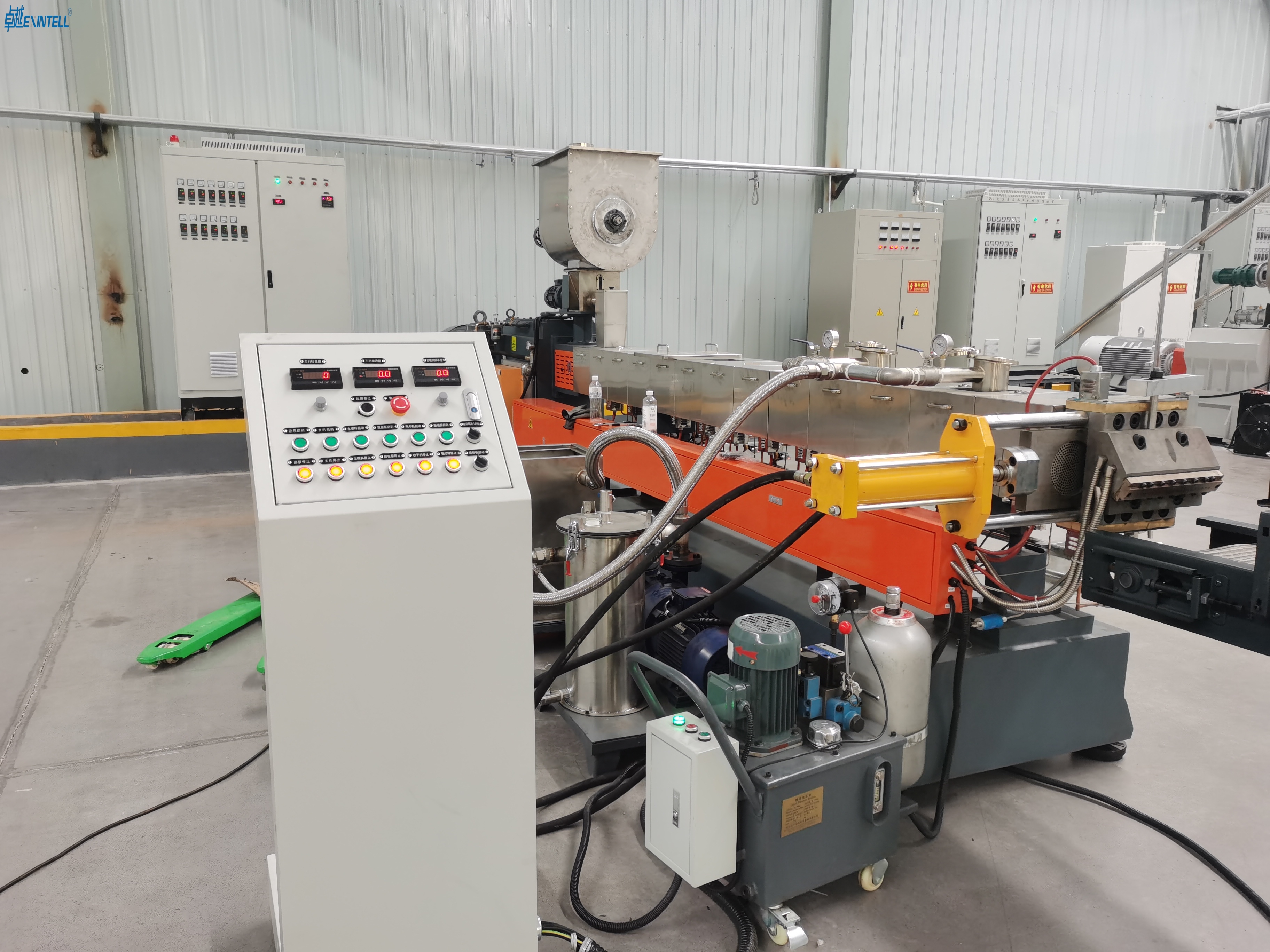
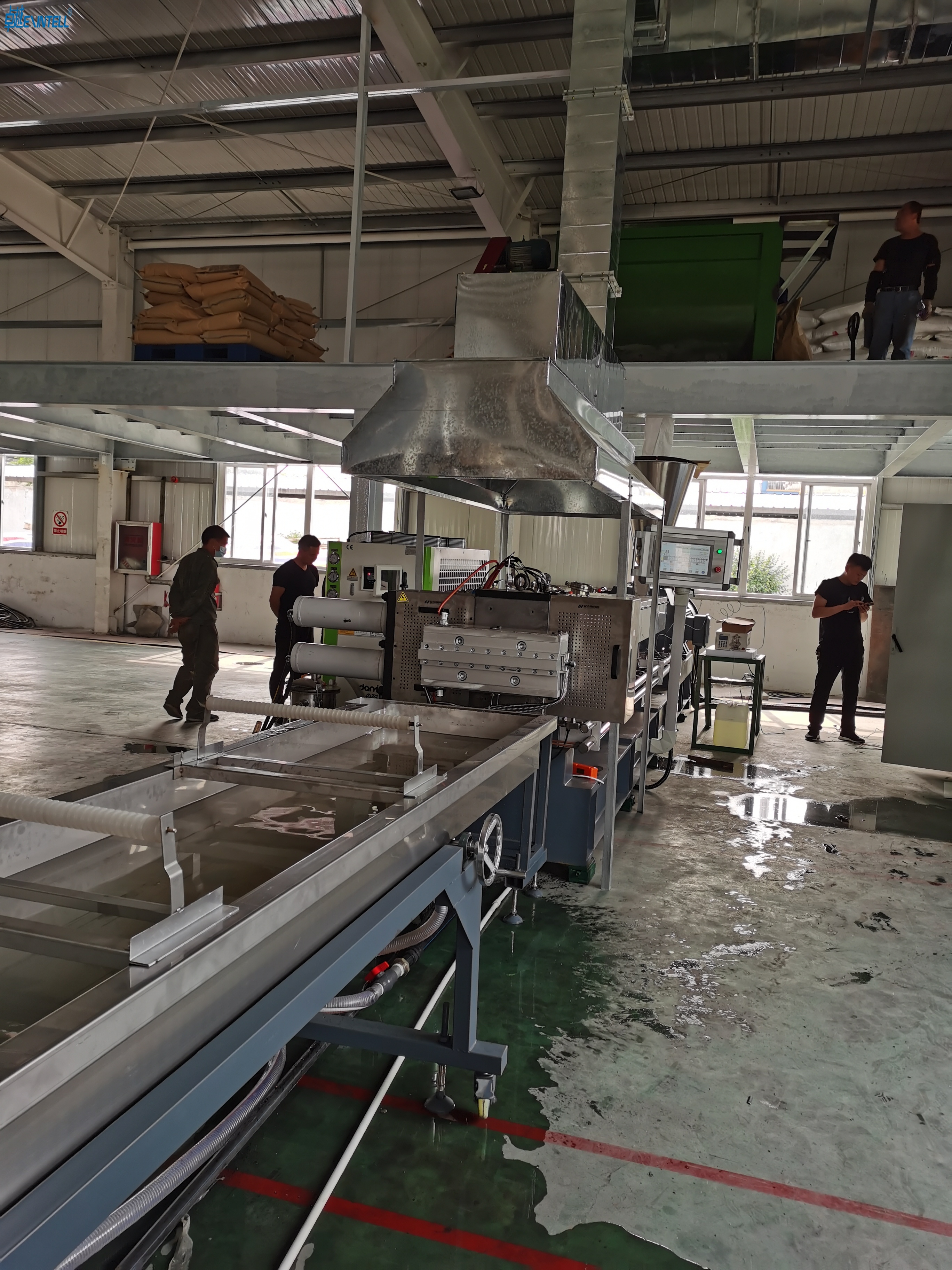
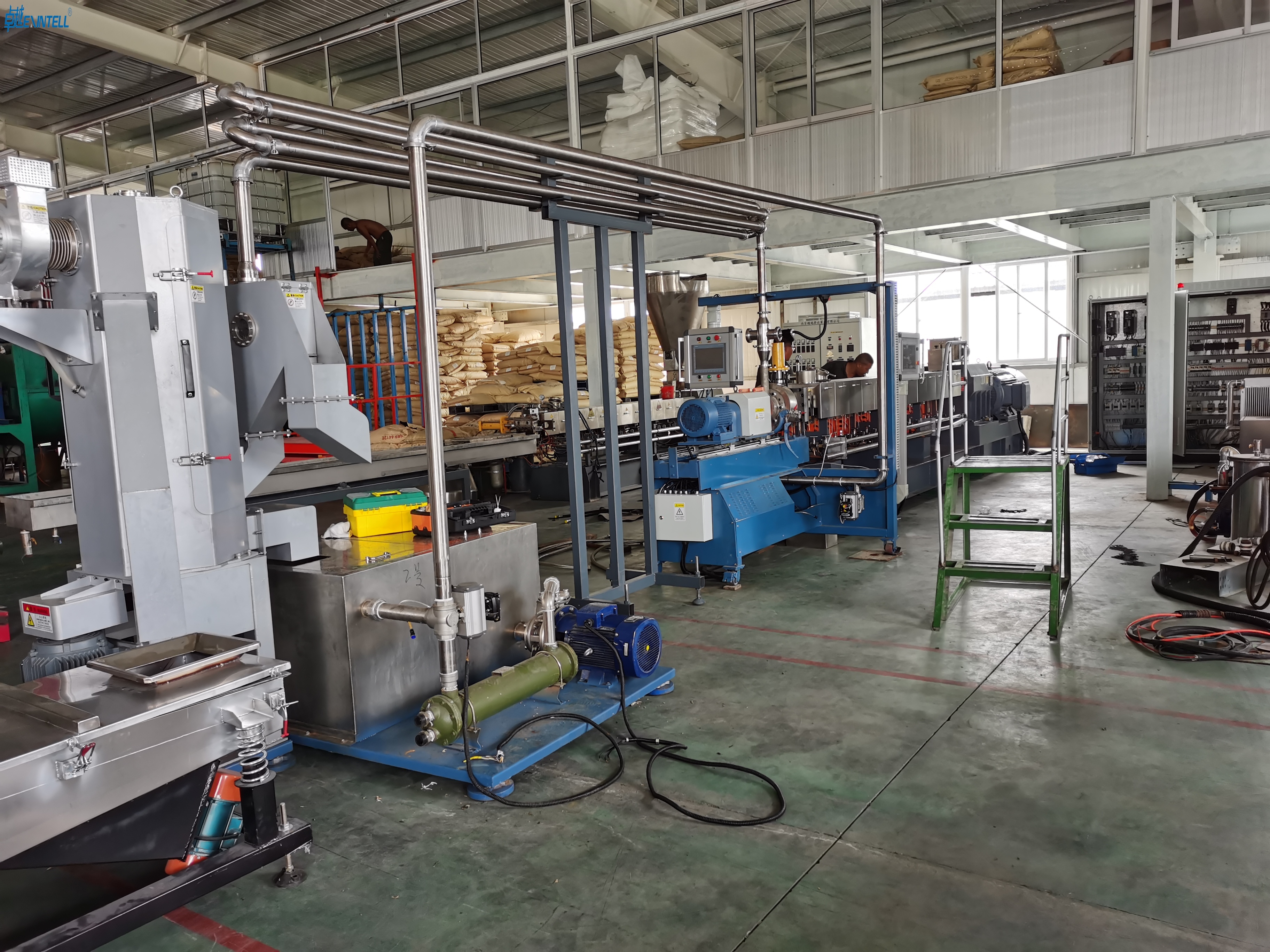
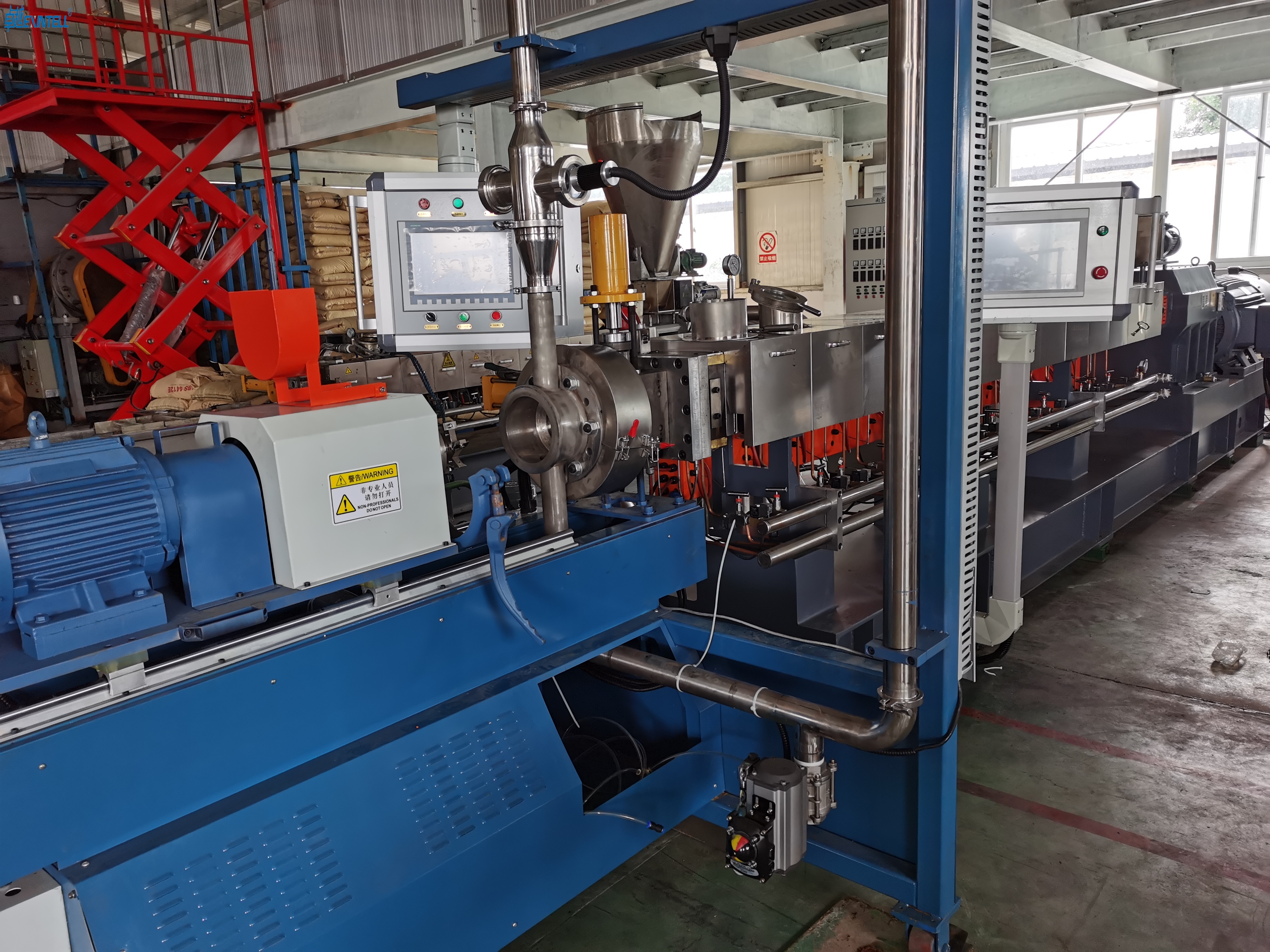
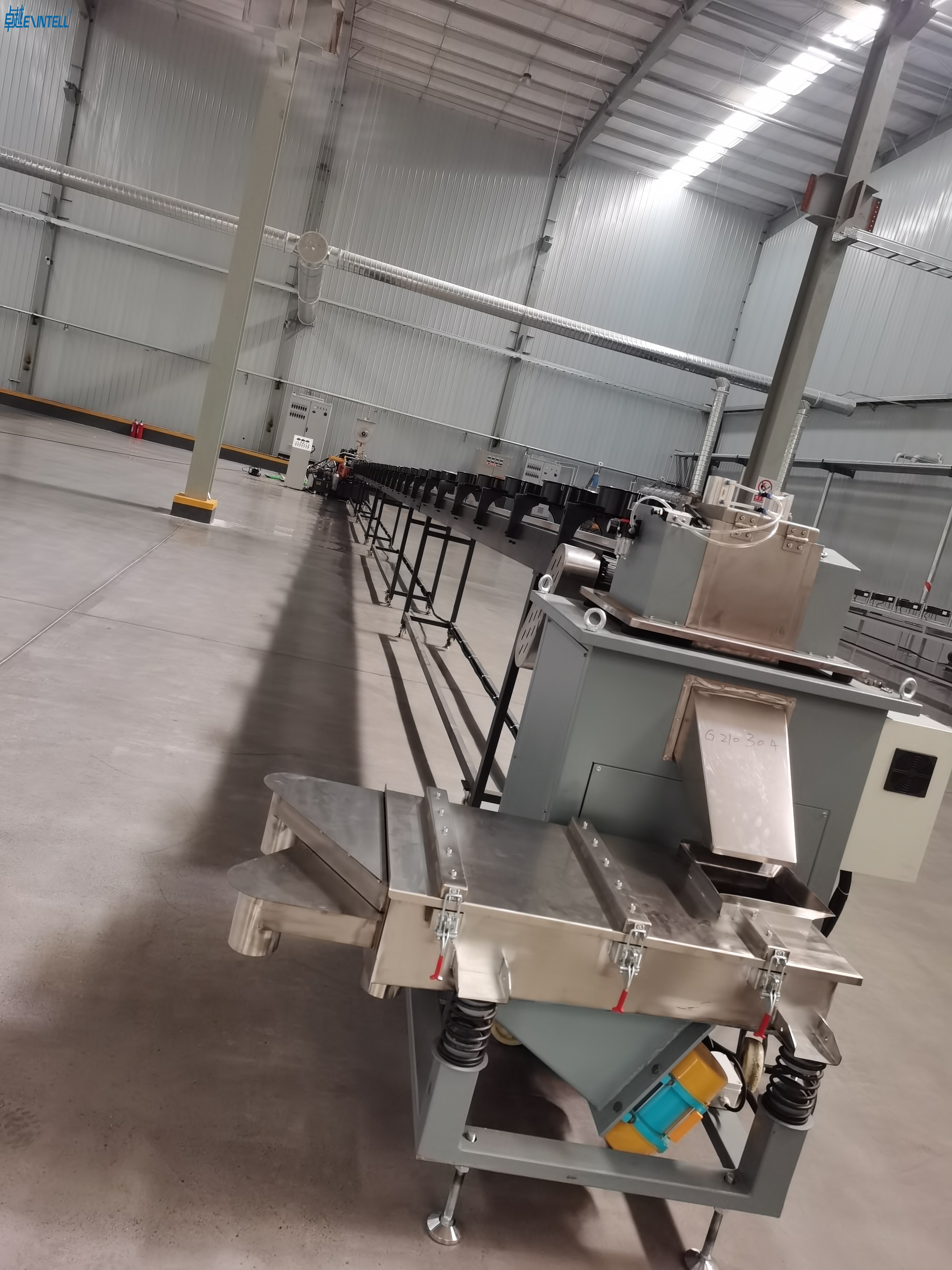
Mi ta mira ekstrushon di plèstik komo un proseso ku ta kombertí pèlètnan di plèstik krudo den formanan útil manera pipa òf blachi. Pa imaginá esaki, Mi ta pensa di primi pasta di djente for di un tubo—ku eksepshon di en bes di pasta, Mi ta usa plèstik smelt, i en bes di un tubo, Mi tin un molde spesial. E método aki ta produsí pasá 140 mion ton métriko di produktonan di plèstik globalmente tur aña:
Kontrol di temperatura i preshon ta krusial pa garantisá e kalidat di e produkto final durante ekstrushon.
Produktonan komun trahá di ekstrushon di plèstik ta inkluí empaketahe, materialnan di konstrukshon, i tubo médiko.
Resiklahe di plèstik ku a sobra durante ekstrushon ta yuda redusí desperdisio i ta sostené práktikanan di fabrikashon sostenibel.
Komprondementu di e proseso di ekstrushon ta permití fabrikantenan krea formanan personalisá i kumpli ku nesesidatnan spesífiko di industria.
Kiko Ta Ekstrushon di Plèstik?
Splikashon Simpel
Ora mi pensa riba ekstrushon di plèstik, Mi ta mir’é komo un proseso di fabrikashon simpel pero poderoso. Mi ta kuminsá ku plèstik krudo, generalmente den forma di pèlèt òf granula chikitu. Mi ta hinka e pèlètnan aki den un mashin ku ta keinta nan te ora nan smelt. Unabes ku e plèstik yega na e temperatura korekto, Mi ta fors’é dor di un habrimentu spesialmente formá yamá un die. E matris aki ta determiná e forma final di e produkto. E proseso ta sigui segun ku e plèstik resien formá ta fria i bira duru, i mi a kòrt'é na e largura deseá.
Mi gusta kompará ekstrushon di plèstik ku trahamentu di pasta. Mi ta pusha masa dor di un mashin di traha pasta pa haña spageti òf penne. Di e mesun manera, Mi ta pusha plèstik smelt dor di un matris pa krea tubonan, blachinan, òf otro formanan.
Ekstrushon di plèstik ta destaká pasobra e ta kontinuo. Mi por sigui hinka pèlèt di plèstik den e mashin, i e ta keda produsí largu, formanan uniforme. Kontrol presis di temperatura i preshon na kada etapa—alimentashon, smeltmentu, ekstrushon, friamentu, i kòrtamentu—ta garantisá e kalidat di e produkto final.
E ta transformá plèstik krudo den formanan usabel dor di smelt i fors’é dor di un die.
Kontrol presis di temperatura i preshon ta krusial durante kada etapa.
Produktonan Komun
Mi ta mira e resultadonan di ekstrushon di plèstik tur kaminda den bida diario i industria. Hopi produkto ku mi ta usa òf topa ta dependé di e proseso aki pa nan forma i funshon. Algun di e artíkulonan mas komun trahá ku ekstrushon di plèstik ta inkluí:
Kanalnan di plèstik i trimnan ku ta wòrdu usá den konstrukshon i muebles
Profilnan pa bentana i porta ku ta proveé struktura i seyamentu
Difusornan di lus LED ku ta plama lus uniformemente
Komponentenan di pantaya di benta pa mustra produktonan
Barikadanan di kaminda i delineadónan di tráfiko pa seguridat
Komponentenan di montahe di panel solar pa sistemanan di energia renobá
Insertonan di empaketahe personalisá ku ta tene produktonan sigur
Ekstrushon di plèstik ta permití mi krea e produktonan aki di un manera efisiente i konsistente. Mi ta dependé riba e proseso aki pa kumpli ku e demandanan di fabrikashon moderno, di tubonan simpel pa profilnan kompleho. E versatilidat di ekstrushon ta nifiká ku mi por adapt’é na hopi diferente aplikashon, hasiendo esaki un piedra angular di e industria di plèstik.
Pasonan di Proseso di Ekstrushon di Plèstik
Ora mi guia un hende dor di e proseso di ekstrushon di plèstik, Semper mi ta kibra esaki den kla, pasonan manehabel. Esaki proseso paso pa paso ta transformá pèlètnan di plèstik krudo den produktonan kaba ku presishon i efisiensia. Aki ta kon mi ta aserka kada etapa:
Alimentashon di Pellets
Mi ta kuminsá e proseso di ekstrushon di plèstik dor di selektá e tipo korekto di pèlèt di plèstik. E eskoho di material ta importante pasobra kada tipo ta trese propiedatnan úniko na e produkto final. Por ehèmpel, Hopi bia mi ta usa polietileno pa su peso lihé i resistensia kímiko, polistireno pa su rigidez i klaridat, òf polipropileno pa su forsa i punto di smelt haltu. Mi ta basha e pèlètnan aki den un tolva, ku ta alimentá nan den e ekstruder. E hopper ta garantisá un fluho konstante, asina e proseso ta keda kontinuo i efisiente.
Tep: Semper mi ta kontrolá e puresa i kalidat di e plèstik krudo promé ku kuminsá. Kalidat di material konsistente ta yuda mi evitá defektonan despues den e ekstrushon.
Lihé, resistensia haltu di impakto, resistensia kímiko ekselente
Empaketahe, kònteinernan, produktonan di konsumo
Polistireno
Duru, transparente, fásil pa moldea
Señalnan, vitrinanan, artíkulonan di kas
Polipropileno
Punto haltu di smelt, resistensia kímiko, forsa
Piesanan di outo, tekstil, pakete
Plèstik ku ta smelt
Unabes ku e pèlètnan drenta e ekstruder, Mi ta pasa pa e siguiente paso—smelt e plèstik. E bari di e ekstruder ta keinta te na temperaturanan entre 200°C i 275°C, dependiendo di e material. Mi ta monitoriá e temperatura di aserka pasobra kada plèstik tin su mes punto di smelt. Por ehèmpel, polietileno ta smelt alrededor di 105°C pa 115°C, miéntras ku polistireno ta rekerí 210°C pa 240°C. E skru ku ta drai paden di e bari ta komprimí i meskla e pèlètnan, sigurando ku nan ta smelt uniformemente i bira un lis, masa homogéneo.
Material di Plèstik
Rango di temperatura
Punto di smelt
Polietileno (PE)
-50°C pa 80°C
105°C – 115°C
Polipropileno (PP)
0°C pa 120°C
130°C – 171°C
Polistireno (PS)
-20°C pa 70°C
210°C – 240°C
Mi sa ku kontrol di temperatura presis ta esensial. Si e plèstik ta muchu kayente, e por degradá i pèrdè su propiedatnan. Si e keda muchu fresku, e no ta flui korektamente dor di e die. Mi ta dependé di sistemanan di monitoreo avansá pa tene e proseso stabil i efisiente.
Formando ku un die
Despues di smelt, Mi ta pusha e plèstik smelt dor di un die. E die ta fungi komo un molde, dunando e plèstik su forma final. Mi ta selektá e geometria di matris a base di e profil ku mi ke—sea ta un tubo, klechi, òf profil personalisá. E largura di tereno di e matris ta afektá e uniformidat i kalidat di e ekstrushon. Si mi skohe e largura robes, Mi ta kore riesgo di defektonan manera flak òf deformashon.
Geometria di matris ta determiná e sekshon transversá di e produkto.
Longitud di tereno ta impaktá uniformidat i kalidat di superfisie.
Mekanismonan di friamentu den e matris ta yuda mantené forma.
Mi ta paga hopi atenshon tambe na distribushon di temperatura i preshon den e die. E faktornan aki ta influensiá kon e plèstik ta flui i solidifiká. Pa formanan kompleho, Mi ta tèst e diseño di matris profundamente promé ku produkshon kompletu.
Friamentu i kòrtamentu
Unabes ku e plèstik sali for di e matris, Mi mester fria esaki lihé pa e por sera den e forma. Mi ta usa diferente método di friamentu dependiendo di e produkto i velosidat di produkshon. Sistemanan fria ku awa ta sirkulá awa friu rònt di e ekstrushon, ku ta tantu kosto-efektivo komo efisiente. Pa volúmennan mas abou, Tin bia mi ta usa sistemanan ku ta fria ku airu. Den ambientenan industrial, Mi ta dependé di frishidèr pa kontrol di temperatura presis.
Método di Friamentu
Deskripshon
Efektividat
Sistemanan di friamentu di awa
Sirkulá awa friu dor di e matris di ekstrushon òf bari.
Kosto-efektivo i efisiente.
Sistemanan Refrigera pa Aire
Usa airu pa disipá kalor, adekuá pa volúmennan di produkshon mas abou.
Ménos efektivo ku sistemanan di awa.
Chillernan
Suministrá kontrol di temperatura presis pa fluho di material suave.
Popular pa uso industrial.
Mi sa ku friamentu por tuma te ku 70% di e tempu di siklo total den algun proseso. Maneho di friamentu efektivo ta permití mi oumentá velosidat di produkshon i mantené un produkshon haltu. Despues di a fria, Mi ta kòrta e plèstik ekstruí na e largura nesesario òf ta lora esaki riba spool pa mas uso.
Nota: Semper mi ta implementá kòntròl di kalidat na e fase aki. Mi ta inspektá e dimenshonnan i e finishon di superfisie pa sigurá ku kada produkto ta kumpli ku e normanan di industria.
Aki un resúmen di e pasonan prinsipal den e proseso di ekstrushon di plèstik:
Paso
Deskripshon
1
Pelletnan di plèstik krudo ta wòrdu hinká den un tolva i ta drenta den e ekstruder
2
Material ta biaha dor di un bari kayente kaminda e ta smelt (200-275°C)
3
Un skru ku ta drai ta komprimí i homogeneisá e plèstik smelt
4
Pantayanan i plachinan di kibradó ta kita kontaminantenan i ta krea preshon di patras
5
Plèstik smelt ta wòrdu forsá dor di un matris pa krea e profil deseá
6
E produkto ekstruí ta wòrdu fria pa solidifiká su forma
7
E produkto ta wòrdu kòrtá na largura òf heridá riba spool.
Dor di sigui e proseso paso pa paso aki, Mi ta transformá pèlètnan di plèstik simpel den kalidat haltu, produktonan kaba. Mi ekspertisio den manehá kada etapa ta garantisá efisiensia, konsistensia, i konfiabilidat den kada proyekto di ekstrushon.
Tipo di Ekstrushon di Plèstik
Ora mi ta traha den e proseso di fabrikashon di plèstik, Hopi bia mi ta skohe for di vários tiponan di ekstrushon di plèstik. Kada método ta forma plèstik na un manera úniko i ta sirbi diferente industria. Mi ke kompartí kon mi ta usa e téknikanan aki pa krea produktonan ku bo ta mira tur dia.
Tubo
Mi ta usa ekstrushon di tubo ora mi mester hasi buraku, produktonan silíndriko. E proseso aki ta pusha plèstik smelt dor di un matris rondo, formando un tubo kontinuo. Mi ta dependé di e método aki pa un rango amplio di aplikashon:
Ekstrushon di tubo ta duna mi kontrol riba e diameter i diki di muraya. Mi por ahusta e proseso pa kumpli ku normanan estrikto di industria, spesialmente pa aparatonan médiko.
Pelíkula di supla
Ekstrushon di pelíkula di supla ta destaká komo un proseso ku ta krea diki, pelíkulanan di plèstik fleksibel. Mi ta ekstruí plèstik smelt a traves di un matris sirkulá, despues hinch'é ku airu pa forma un bula. E burbuja aki ta strech i fria, produsiendo un pelíkula uniforme. Mi ta usa e método aki pa traha:
Saku di kuminda i kompra
Envoltura di empaketahe di kuminda
Liner pa kònteiner
Ekstrushon di pelíkula di supla ta laga mi kontrolá e diki i forsa di e pelíkula. E proseso tambe ta dobla e pelíkula na e randnan, ku ta hasi produkshon di saku mas efisiente.
Pelíkula di blachi
Ora mi mester di flat, blachinan di plèstik hanchu, Mi ta bira pa ekstrushon di pelíkula di blachi. Mi ta pusha plèstik smelt dor di un matris plat, despues fria i rol’é den blachi. E blachinan aki ta sirbi hopi propósito:
Tipo di Aplikashon
Deskripshon
Empaketahe
Bakinan, kònteinernan, i ta envolví
Laminashon
Kapanan duradero pa produktonan
Etiquetahe
Etikètnan pa bòter i paketenan
Revestimentunan Protektivo
Eskudonan pa superfisie
Panelnan di Interior di Outo
Dashboard di outo i panelnan di porta
Pantaya di Propaganda
Bòrchi i materialnan promoshonal
Materialnan di Konstrukshon
Panelnan di konstrukshon i isolashon
Ekstrushon di pelíkula di blachi ta permití mi produsí materialnan ku diki i kalidat di superfisie konsistente.
Over Jacket
Ekstrushon riba djas ta yuda mi tapa waya i kabelnan ku un kapa di plèstik protektivo. Mi ta hala e waya dor di e sentro di e die miéntras mi ta apliká plèstik smelt rònt di dje. E proseso aki ta esensial den industrianan manera:
Aspekto
Deskripshon
Definishon
Tapa wayanan ku plèstik pa protekshon
Industrianan Komun
Kabelnan eléktriko, telekomunikashon
Si mi mester di e kapa pega duru, Mi ta usa herment di preshon. Pa un fit suelto, Mi ta apliká herment di jacketing segun ku e waya ta sali for di e die. Ekstrushon di over di jacket ta sigurá ku wayanan ta keda seif di humedat, kímikonan, i abrashon.
Tep: Semper mi ta selektá e método di ekstrushon korekto basá riba e funshon di e produkto i e rekisitonan di e industria. Komprondementu di e tiponan di ekstrushon di plèstik ta yuda mi entregá konfiabel, resultadonan di kalidat haltu.
Benefisionan di Ekstrushon di Plèstik
Efisiensia
Mi ta dependé di ekstrushon di plèstik pasobra e ta entregá efisiensia inigualabel den fabrikashon. E proseso ta permití mi krea produktonan ku sekshonnan transversal konsistente, loke ta nifiká ku mi por produsí formanan kompleho sin sakrifiká kalidat. Mi ta operá mashinnan kontinuamente, pues mi ta minimalisá tempu di parada i evitá skarsedat di inventario. E método aki ta usa termoplástik i granula ku mi por reusá, ku ta baha gastunan di materia prima i deshasimentu.
Mi ta logra versatilidat dor di forma plèstik den pipa, blachinan, i profilnan pa hopi industria.
Mi ta mantené produkshon konstante, ku ta sostené fabrikashon na gran eskala.
Ekstrushon di plèstik ta destaká pa sparmentu di gastu. Mi ta ripara ku matris di ekstrushon ta kosta ménos i ta tuma ménos tempu pa produsí ku molde di inyekshon. Mi ta oumentá produkshon dor di kore mashinnan na velosidat haltu, ku ta baha gastunan laboral. Efisiensia di energia tambe ta importá. Mi ta usa ménos energia pa unidat kompará ku otro métodonan, ku ta baha gastunan operashonal.
Aspekto
Deskripshon
Baha Kostonan di Herment i Setup
E matrisnan di ekstrushon ta ménos karu i mas lihé pa produsí ku e moldenan di inyekshon, redukshon di gastunan inisial.
Velosidat Haltu di Produkshon
Ekstrushon ta pèrmití produkshon kontinuo na velosidatnan haltu, gastunan di trabou bahando i produkshon oumentando.
Efisiensia di Energia
Ta rekerí ménos energia pa unidat kompará ku otro métodonan, kondusí na gastunan operashonal mas abou.
Ora mi kompará konsumo di energia, ekstrushon ta usa un kantidat konstante di energia pasobra e ta operá kontinuamente. Moldeo di inyekshon i moldeo di supla ta rekerí mas energia debí na siklonan di keintamentu i friamentu ripití.
Proseso
Deskripshon di Konsumo di Energia
Ekstrushon
Konsumo di energia ta relativamente abou debí na produkshon kontinuo i sistemanan di keintamentu efisiente.
Moldeo pa inyekshon
Ta konsumí mas energia debí na keintamentu i friamentu ripití, dependiente di e komplikashon di e produkto.
Moldeo di supla
Ta rekerí aparatonan adishonal di supla i sistemanan di friamentu, kondusí na un konsumo di energia mas haltu.
Mi ta sostené sostenibilidat dor di resiklahe di shushi di plèstik. Mi ta rekohé materialnan ku a sobra, smelt nan abou, i reusá nan den futuro produktonan. E práktika aki ta redusí preshon di landfill i ta spar energia.
Usonan di Tur Dia
Ekstrushon di plèstik ta forma hopi produkto ku mi ta usa diariamente. Mi ta mira su impakto den empaketahe, konstrukshon, kuido di salú, i artíkulonan di kas. E proseso ta krea Tubonan di PVC, kuadro di bentana, kitamentu di wer, kònteinernan di almasenamentu, i reki di plèstik. Mi ta dependé tambe di ekstrushon pa gasketnan di porta di frishidèr, slangnan di stofzuiger, seyo di porta, kanalnan di bentana, komponentenan di bùmper, kanalnan di kabel, Liñanan IV, kateternan, materialnan di empaketahe, i stèntnan di eksposishon.
Profilnan di bentana
Frame di porta
Listramentu di wer
Kòrta
Sealnan
Gasketnan
Tubo
Aparatonan di kas
Artíkulonan di deporte
Komponentenan di muebles
Co’i hunga
Slangnan di hardin
Mi ta rekonosé ku aplikashonnan pa ekstrushon di plèstik ta ekstendé na empaketahe, trahando e produktonan aki indispensabel den bida diario. Plastik di un solo uso ta ofresé komodidat, pero nan tambe ta oumentá desperdisio i ta presentá retonan ambiental. Mi ta atendé e preokupashonnan aki dor di resiklá i promové práktikanan sostenibel.
Produkshon di plèstik konvenshonal tin efektonan inegabel riba nos medio ambiente. Notabelmente, e proseso di fabrikashon ta usa kantidatnan grandi di energia i materia prima, kondusí na emishon di CO2. Ademas, materialnan di plèstik su durabilidat i degradashon slow por kondusí na daño ambiental a largu plaso si no deshasi di nan responsabelmente.
Mi ta mira ku ekstrushon di plèstik ta sostené sostenibilidat dor di redusí e nesesidat pa plèstik bírgen, konservá rekursonan, i promové un ekonomia sirkulá. Hopi liña di ekstrushon usa plèstik resiklá, ku ta yuda redusí desperdisio i ta sostené metanan ambiental. Mi ta kere ku komprondementu di e benefisionan i aplikashonnan pa ekstrushon di plèstik ta yuda mi hasi eskohonan informá komo fabrikante i konsumidó.
Mi ta mira ekstrushon di plèstik komo un proseso kontinuo ku ta transformá plèstik krudo den formanan útil. Selekshon di material i kòntròl di temperatura ta hunga un ròl klave den logra resultadonan di kalidat. Aditivonan ta mehorá propiedatnan di plèstik, i moldenan bon diseñá ta yuda mi krea e formanan deseá. Komprondementu di e limitashonnan di ekstrushon, manera retonan ku formanan kompleho i kompatibilidat di material, ta vital.
Aspekto
Importansia
Kalidat di Produkto
Konosementu di ekstrushon ta mehorá e kalidat di produktonan di plèstik.
Personalisashon
Mi por ahusta e proseso pa kumpli ku nesesidatnan spesífiko.
Durabilidat
Uso di plèstik resiklá ta sostené esfuersonan pa medio ambiente.
Normanan Regulatorio
Komprondementu di ekstrushon ta yuda mi kumpli ku e regulashonnan di seguridat.
Mi ta enkurashá lektornan pa wak rònt i ripara kuantu artíkulo di tur dia ta dependé di ekstrushon di plèstik. Rekonosé e produktonan aki ta yuda mi apresiá e ròl di plèstik den bida moderno i ta sostené eskohonan informá pa sostenibilidat.
FAQ
Kiko ta hasi ekstrushon di plèstik diferente for di otro métodonan di fabrikashon?
Mi ta mira ekstrushon di plèstik komo un proseso kontinuo. Mi por produsí largu, formanan uniforme ku ménos desperdisio. Otro métodonan, manera inyekshon di moldura, krea partinan individual. Ekstrushon ta funshoná mihó pa tubonan, blachinan, i profilnan. Mi ta skohe pa efisiensia i kalidat konsistente.
Mi por resiklá plèstik den e proseso di ekstrushon?
Hopi bia mi resiklá plèstik durante ekstrushon. Mi ta rekohé material ku a sobra, smelt e, i aliment’é bèk den e mashin. E práktika aki ta redusí desperdisio i ta sostené sostenibilidat. Semper mi ta kontrolá e kalidat di plèstik resiklá pa garantisá ku ta fuerte, produktonan konfiabel.
Ki tipo di plèstik ta funshoná mihó pa ekstrushon?
Mi ta usa hopi tipo di plèstik pa ekstrushon. Polietileno, polipropileno, i polistireno ta funshoná bon. Mi ta selektá e material a base di e nesesidatnan di e produkto. Algun plèstik ta ofresé fleksibilidat, miéntras ku otronan ta duna forsa òf klaridat. Semper mi ta kuadra e plèstik ku e aplikashon.
Kon mi por kontrolá e kalidat di produktonan ekstruí?
Mi ta monitoriá temperatura, preshon, i puresa di material durante henter e proseso di ekstrushon di plèstik. Mi ta inspektá e kabamentu di superfisie i dimenshonnan despues di fria. Mi ta usa kòntròl di kalidat na kada etapa. E aserkamentu aki ta yuda mi entregá konfiabel, produktonan di ekstrushon di kalidat haltu.
Ekstrushon di plèstik ta adekuá pa formanan personalisá?
Mi ta usa ekstrushon di plèstik pa krea profilnan personalisá dor di diseñá matriznan spesífiko. Mi por ahusta e proseso pa forma i tamañonan úniko. E fleksibilidat aki ta permití mi kumpli ku rekisitonan spesial den konstrukshon, outomobilista, i industrianan di pakete.