

Ekstrushon di Plèstik òf Moldeo di Inyekshon Ku Ta Ofresé Mihó Presishon
Mi a haña ku moldura di inyekshon ta duna mihó presishon i toleransianan mas estrecho ku Ekstrushon di Plèstik. Por ehèmpel, moldura di inyekshon por logra toleransianan asina estrecho ku ±0.005 inch, miéntras ku ekstrushon tipikamente ta tene ±0.010 inch. Aki un komparashon di proseso basá riba aplikashonnan i toleransianan típiko:
| Tipo di Aplikashon | Proseso Usá | Toleransianan Komun |
|---|---|---|
| Largu, partinan di unifòrm (p.e., tubonan, bara) | Ekstrushon | ±0.010 inch |
| Partinan kompleho òf detayá | Moldeo pa inyekshon | ±0.005 inch òf mas stret |
| Volúmen haltu, presishon haltu | Moldeo pa inyekshon | Mas stret ku ekstrushon |
| Kontinuo, formanan simpel | Ekstrushon | Konsistente, ménos presis |
Ora di skohe un proseso di fabrikashon, Semper mi ta konsiderá geometria, toleransianan nesesario, volúmen di produkshon, e kosto.
Puntonan Klave
- Moldeo di inyekshon ta logra toleransianan mas estrecho, hopi bia mes presis ku ±0.005 inch, hasiendo esaki ideal pa partinan kompleho.
- Ekstrushon di plèstik ta mihó pa largu, formanan uniforme manera tubo i bara, ku toleransianan alrededor di ±0.010 inch.
- Konsiderá volúmen di produkshon ora di skohe un proseso; moldura di inyekshon ta kosto-efektivo pa kareda grandi, miéntras ku ekstrushon ta pas pa produkshon kontinuo di volúmen haltu.
- Selekshon di material ta impaktá presishon; skohe materialnan basá riba e rekisitonan spesífiko di bo aplikashon.
- Evaluá e kompleksidat di e parti; moldura di inyekshon ta manehá diseñonan kompliká mihó ku ekstrushon, ku ta limitá na formanan mas simpel.
- Kalidat di kabamentu di superfisie ta generalmente mihó den moldeo di inyekshon, kondusiendo na partinan mas suave sin pasonan di kabamentu adishonal.
- Plania pa gastunan di hèrmènt; inyekshon di moldura ta rekerí un invershon inisial mas haltu pero ta ofresé sparmentu a largu plaso a traves di ripitibilidat.
- Semper evaluá e nesesidatnan di bo proyekto trempan; komprondementu di geometria, toleransianan, i presupuesto ta yuda den selekshoná e proseso di fabrikashon korekto.
Bista General di Ekstrushon di Plèstik
Proseso Básiko
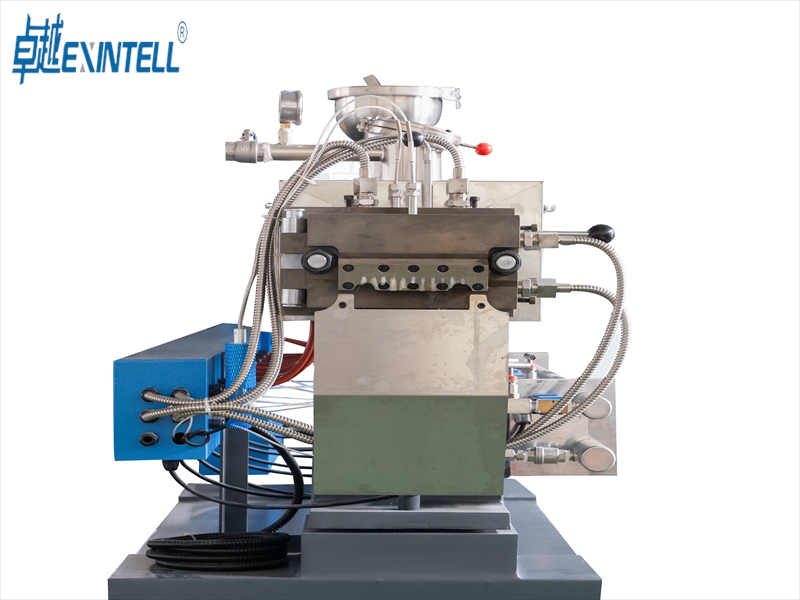
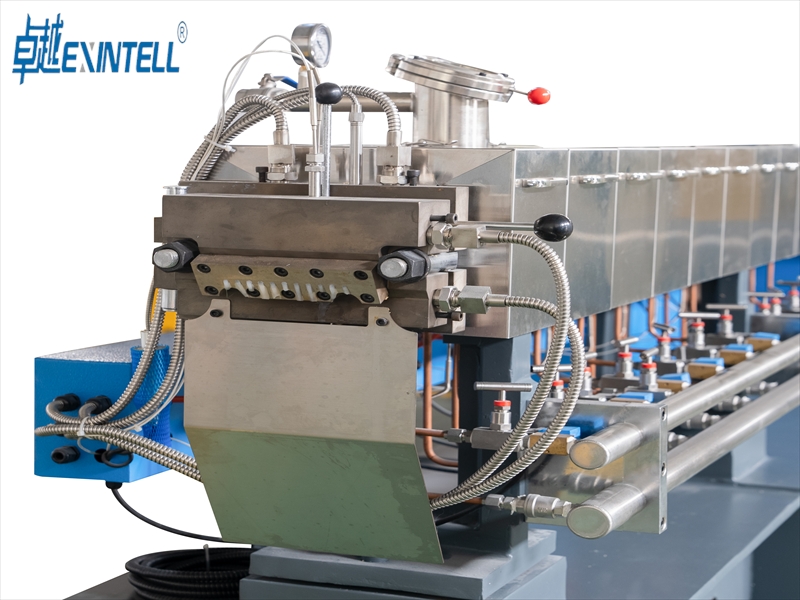
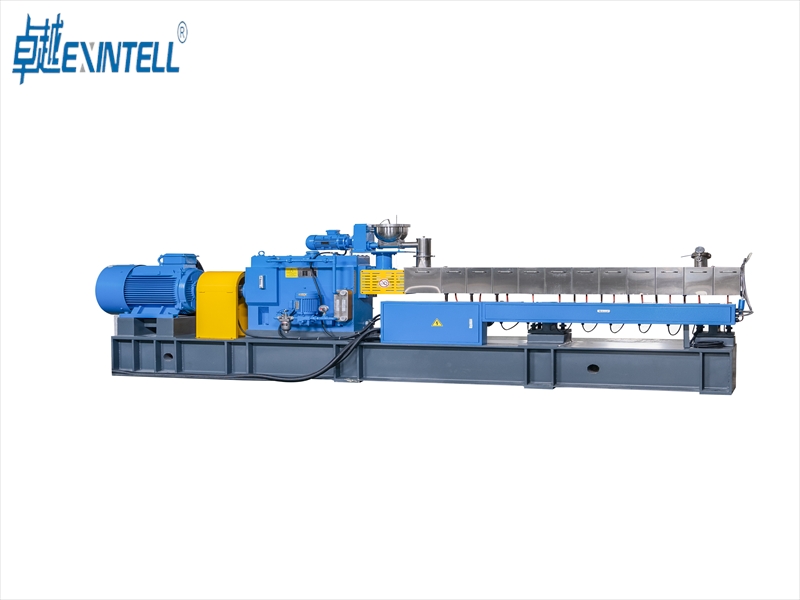
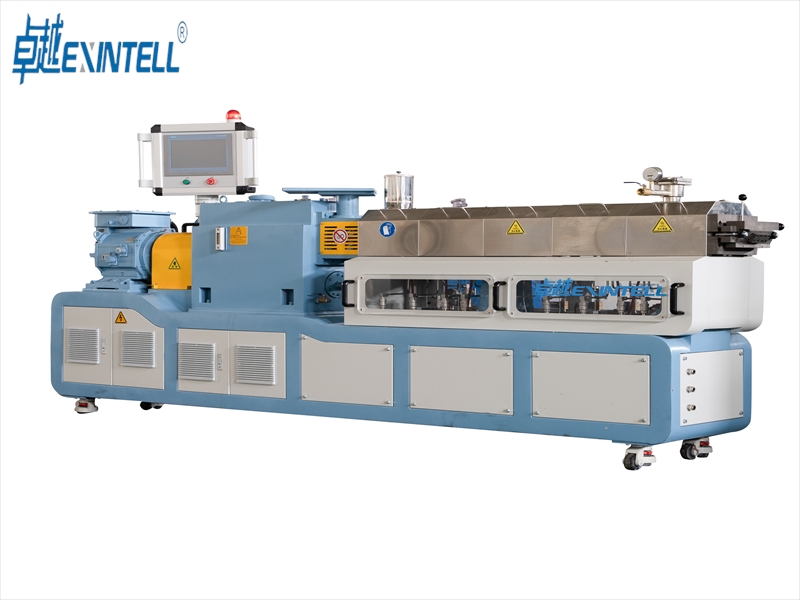
Mi a traha ku ekstrushon di plèstik pa añanan i a mira kon e método aki ta forma materialnan termoplástiko den profilnan kontinuo. E proseso di ekstrushon ta kuminsá ku selekshon di material, ku ta krusial pa logra e propiedatnan deseá den e produkto final. Mi ta karga pèlèt òf granula di plèstik den un tolva riba e ekstruder. E mashin ta usa un skru ku ta drai pa move e material dor di un bari kayente. Segun ku e material ta biaha, e ta smelt debí na frikshon i kalor eksterno. E plèstik smelt despues ta pasa dor di un matris den forma di presishon, ku ta duna e produkto su profil. Despues di a forma, e forma ekstruí ta drenta un sistema di friamentu, normalmente un baño di airu òf awa, pa solidifiká i mantené eksaktitut dimenshonal. Finalmente, Mi ta kòrta òf lora e produkto, dependiendo di e aplikashon. E aserkamentu paso pa paso aki ta permití mi krea largu, formanan uniforme ku sekshonnan transversal konsistente.
Aplikashonnan Komun
Ekstrushon di plèstik ta hunga un ròl vital den hopi industria. Hopi bia mi ta mir’é wòrdu usá pa paketá, outomobilista, muebel, i produktonan di konsumo. E proseso ta produsí un rango amplio di produkto, di tubonan simpel pa profilnan kompleho. Aki un tabel ku ta resumí algun aplikashon komun:
| Industria | Produktonan |
|---|---|
| Empaketahe | Pelíkulanan, blachinan, tasnan, ta envolví, bakinan, i kòpi |
| Outomobilista | Seyonan di wer, tubo di plèstik, kòrta profilnan |
| Muebel & Produktonan di Konsumo | Banda di rand, pistanan di kortina, plachinan di skuma di PVC lihé |
| Kas Aparatonan | Manetanan, seyonan pa fòrnu i mikrowave |
| Plomeria & Médiko | Tubo, tubonan |
Mi a haña ku ekstrushon di plèstik personalisá ta permití fabrikantenan pa diseñá profilnan úniko pa nesesidatnan spesialisá. E fleksibilidat aki ta hasi ekstrushon un eskoho popular pa kontinuo, produkshon di volúmen haltu.
Materialnan Usá
E eskoho di materialnan den ekstrushon di plèstik ta afektá tantu e proseso komo e presishon di e produkto final. Mi ta usa frekuentemente polipropileno, tereftalato di polietileno, i polistireno. E materialnan aki ta ofresé diferente propiedat, manera fleksibilidat, forsa, i klaridat. E manera ku mi ta prepará, smèlt, i fria e materialnan tin un impakto direkto riba e eksaktitut i konsistensia di e partinan ekstruí. Aki algun di e materialnan mas komun ku mi ta usa:
- Polipropileno (PP)
- Polietileno tereftalato (BESTIA DI KAS)
- Polistireno (PS)
- Kloruro di polivinil (PVC)
- Polietileno di densidat haltu (HDPE)
- Polietileno di densidat abou (LDPE)
- Acrylonitrile butadiene styrene (ABS)
- Elastómeronan termoplástiko (TPE)
- Nylon (PA)
- Polikarbonat (PC)
- Polimetil metakrilato (PMMA)
Ora mi ta traha riba proyektonan di ekstrushon di plèstik personalisá, Semper mi ta kuadra ku e material ku e rekisitonan di e aplikashon. E selekshon kuidadoso aki ta sigurá ku e produkto ta kumpli ku tantu e normanan di rendimentu komo di presishon.
Pro i Kontra
Ora mi ta evaluá ekstrushon di plèstik pa un proyekto, Semper mi ta pisa e benefisionan i desbentahanan. E proseso aki ta ofresé forsanan úniko, pero e ta bin tambe ku limitashonnan ku ta afektá presishon i toleransianan.
Aki un tabel ku ta resumí e bentahanan i desbentahanan prinsipal Mi a opservá den mi trabou:
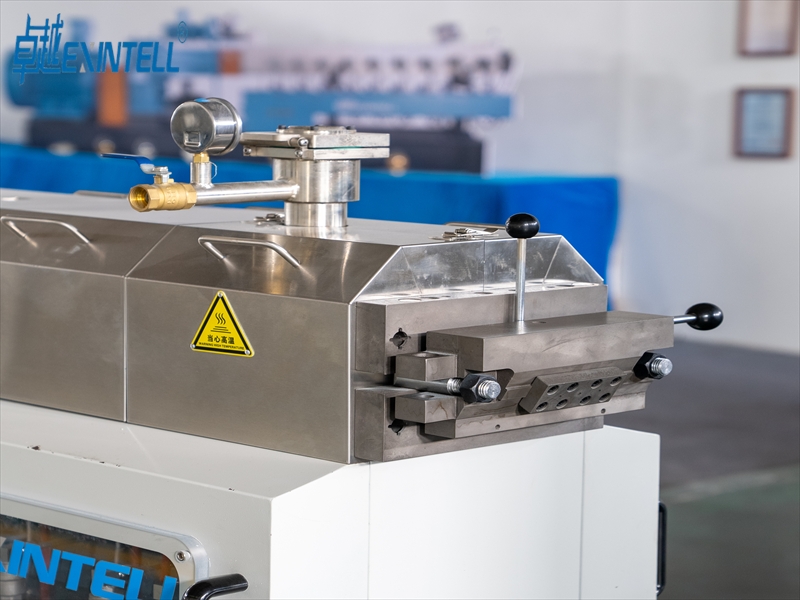
| Bentaha | Desbentahanan |
|---|---|
| Efisiensia i skalabilidat haltu | Limitashonnan den produkshon di formanan kompleho |
| Volúmennan haltu di produkshon | Retonan ku die swell ta afektá presishon |
| Efektividat di kosto pa volúmennan mediano pa haltu | Imperfekshonnan potensial di superfisie ku ta rekerí kabamentu |
Bentaha
Hopi bia mi ta skohe ekstrushon di plèstik pa su efisiensia haltu. E proseso ta kore kontinuamente, loke ta nifiká ku mi por produsí partinan largu sin interupshon. E skalabilidat aki ta hasié ideal pa pedidonan grandi. Ora mi mester fabriká miles di pia di tubo òf profil, ekstrushon ta duna resultadonan konsistente. E kosto pa piesa ta baha segun ku e volúmen di produkshon ta oumentá, pues mi ta haña ku e ta hopi kosto-efektivo pa proyektonan di volúmen mediano pa haltu.
Un otro bentaha ta e abilidat pa krea sekshonnan transversal uniforme. Mi por mantené dimenshonnan stabil na largura di e parti, ku ta importante pa aplikashonnan manera pipa òf kuadro di bentana. E proseso tambe ta sostené un rango amplio di termoplástiko, pa mi por selektá materialnan ku ta kuadra ku e rekisitonan mekaniko i kímiko di e produkto final.
Desbentahanan
Apesar di e puntonan fuerte aki, ekstrushon di plèstik tin algun desbentaha. E proseso ta lucha ku formanan kompleho. Si un parti ta rekerí detayenan kompliká òf skinanan skèrpi, Mi ta haña ekstrushon ménos adekuá. E plèstik smelt tin e tendensia di hincha ora e sali for di e matriz, un fenómeno konosí komo die swell. E efekto aki por hasié difísil pa logra toleransianan estrecho, spesialmente pa piesanan ku mester di dimenshonnan presis.
E kabamentu di superfisie tambe por ta un problema. Tin biaha, e partinan ekstruí ta mustra liñanan òf markanan for di e die. Hopi bia mi mester agregá pasonan di kabamentu sekundario, manera kòrta òf polis, pa mehorá e aparensia i kumpli ku normanan di kalidat. E pasonan èkstra aki por oumentá tantu tempu komo gastu.
Tep: Semper mi ta rekomendá pa revisá e geometria di e piesa i e toleransianan nesesario promé ku selektá ekstrushon. Si e diseño ta simpel i e pedido ta grandi, ekstrushon por lo general ta ofresé e mihó balor.
Bista general di moldeo pa inyekshon
Proseso Básiko
Mi a pasa añanan trahando ku moldura di inyekshon, i mi ta haña e proseso tantu fasinante komo efisiente. E método ta usa un molde, ku ta forma plèstik smelt den formanan presis. Semper mi ta sigui un seri di paso pa garantisá ku kada parti ta kumpli ku normanan di kalidat estrikto. Aki ta kon mi ta aserka e proseso di inyekshon di moldeo:
- Klem: Mi ta sera e molde bon pa prepará pa e siguiente pasonan.
- Inyekshon: Mi ta inyektá kayente, plèstik smelt den e kavidat di e molde.
- Bibienda: Mi a laga e plèstik sinta den e molde pa un ratu kòrtiku pa e yena tur espasio.
- Friamentu: E plèstik ta fria i bira duru miéntras e ta den e molde.
- Habrimentu di Molde: Mi ta habri e molde despues ku e parti a fria.
- Eyekshon: Mi ta kita e parti kaba for di e molde.
E siklo aki ta ripití lihé, ku ta permití mi produsí kantidatnan grandi di piesanan idéntiko. Mi ta dependé di inyekshon di moldeo ora mi mester di formanan kompleho, detayenan fini, i kabamentunan di kalidat haltu. E proseso ta duna mi un kontrol ekselente riba dimenshonnan i aparensia di superfisie.
Nota: Semper mi ta monitoriá temperatura i preshon di aserka durante di inyekshon di moldeo. E faktornan aki ta afektá e presishon i konsistensia di e parti final.
Aplikashonnan Komun
Moldeo di inyekshon ta hunga un ròl vital den hopi industria. Mi a usa e proseso aki pa krea piesanan pa outo, médiko, elektróniko di konsumo, i sektornan di empaketahe. E versatilidat di inyekshon di molde ta permití mi produsí tantu komponentenan simpel komo sumamente kompleho. Aki un tabel ku ta resumí algun aplikashon típiko:
| Industria | Produktonan Produsí |
|---|---|
| Outomobilista | Varios komponente i parti |
| Médiko | Kasnan di aparato, hermentnan kirúrgiko |
| Elektronika di Konsumo | Kasonan, botonan, i otro komponentenan |
| Empaketahe | Tapa di bòter, kònteinernan |
Hopi bia mi ta traha artíkulonan manera estuche di lens di kontakto, tapa di bòter, i komponentenan di volúmen haltu ku geometrianan kompliká. Moldeo di inyekshon ta yuda mi duna resultadonan konsistente, asta pa proyektonan eksigente.
Materialnan Usá
Selekshon di material ta krusial den moldeo di inyekshon. Mi ta skohe materialnan basá riba e forsa nesesario, fleksibilidat, i presishon. Pa piesanan di haltu presishon, Mi ta preferá polímeronan ku enkohimentu abou i uniforme, fluho di smelt stabil, i bon resistensia termal. Algun di e mas materialnan komun Mi ta usa inkluí:
- ABS: Ofresé duru, un superfisie suave, i resistensia di impakto.
- Polipropileno: Ta proveé resistensia kímiko, fleksibilidat, i pagabilidat.
- Polikarbonat: Ta duna un klaridat haltu, forsa, i resistensia na kalor.
- Polietileno: Lihé i ta resistí humedat.
- Nylon: Konosí pa forsa, resistensia na desgaste, i stabilidat termal.
- PEEK: Eksepshonal pa kalor, kímiko, i resistensia na desgaste.
Ora mi mester di toleransianan mas estrikto ainda, Mi ta bira pa polímeronan di kalidat di ingenieria. Materialnan manera polímero di kristal líkido (LCP), poliéter éter keton (PEEK), i asetal (POM) duna mi stabilidat dimenshonal ekselente i enkohimentu mínimo. Por ehèmpel, Mi ta usa LCP pa konektornan eléktriko i komponentenan di sensor, miéntras ku PEEK ta funshoná bon pa implantenan médiko i piesanan aeroespasio. Polikarbonat ta mi eskoho pa lens i komponentenan optiko pa motibu di su klaridat i forsa.
Tep: Semper mi ta kuadra ku e material ku e nesesidatnan di e aplikashon. E eskoho korekto ta sigurá ku e proseso di moldeo di inyekshon ta entregá tantu presishon komo rendimentu.
Pro i Kontra
Mi a traha ku moldura di inyekshon pa hopi aña. E proseso aki ta ofresé vários bentaha ku ta hasié mi eskoho preferí pa piesanan di plèstik di haltu presishon. Mi ke kompartí tantu e forsa komo e limitashonnan ku mi a opservá.
Bentahanan di Moldeo pa Inyekshon
- Mi por logra un presishon hopi haltu ku moldeo di inyekshon. E proseso ta permití mi produsí piesanan ku toleransianan asina stret ku ±0.005 inch. E nivel di eksaktitut aki ta difísil pa igualá ku otro métodonan di fabrikashon di plèstik.
- Mi ta apresiá e ripitibilidat di inyekshon di moldeo. Unabes mi a pone e parameternan di molde i proseso, Mi por produsí míles òf asta miónes di piesa idéntiko. Kada parti ta kuadra ku e diseño original estrechamente.
- Hopi bia mi mester krea piesanan ku formanan kompleho i detayenan fini. Moldeo di inyekshon ta manehá geometrianan kompliká bon. Mi no mester agregá pasonan èkstra òf prosesonan sekundario pa logra e karakterístikanan aki.
- Mi ta haña ku inyekshon di moldura ta duna superfisie ekselente. E piesanan ta sali suave i kla pa uso den mayoria kaso.
- Mi por usa un rango amplio di termoplástiko i polímeronan di ingenieria. E fleksibilidat aki ta laga mi kuadra propiedatnan di material ku e nesesidatnan di e aplikashon.
Desbentahanan di Moldeo pa Inyekshon
- Mi mester invertí den moldenan di kalidat haltu promé ku mi kuminsá produkshon. E gastu inisial pa kreashon di skuma por ta signifikante. Pa kareda di produkshon chikí, e gastu aki no por ta hustifiká.
- Mi a siña ku kompleksidat di diseño por presentá retonan. Mi mester plania e molde i e diseño di piesa kuidadosamente. Erornan den e fase di diseño por kondusí na kambionan kostoso despues.
- Tin bia mi ta enfrentá tempu di entrega mas largu na kuminsamentu di un proyekto. Diseñá i fabriká e molde ta tuma tempu, spesialmente pa partinan kompleho.
- Mi ta nota ku selekshon di material i settingnan di proseso ta rekerí atenshon kuidadoso. Si mi no kontrolá temperatura, preshon, i tarifanan di friamentu, Mi ta riska defektonan òf erornan dimenshonal.
Aki un tabel ku ta resumí e bentahanan i desbentahanan prinsipal ku mi a eksperensiá ku moldeo di inyekshon:
| Pros | Desbentahanan |
|---|---|
| Presishon haltu i toleransianan estrecho | Kosto di molde inisial haltu |
| Ripitibilidat ekselente pa volúmennan grandi | Kompleksidat di diseño ta rekerí planifikashon kuidadoso |
| Ta sostené geometrianan kompleho i detayenan fini | Tempu di entrega mas largu pa desaroyo di skuma |
| Kabamentu di superfisie liso | Kontrol di proseso ta krusial |
| Selekshon amplio di material | No ta kosto-efektivo pa korementu di volúmen abou |
Tep: Semper mi ta rekomendá moldeo di inyekshon ora un proyekto ta rekerí un presishon haltu, formanan kompleho, i volúmennan grandi di produkshon. Pa piesanan simpel òf lotenan chikí, Mi ta konsiderá otro métodonan pa spar riba gastunan i tempu di entrega.
Presishon i Toleransia
Ora mi kompará ekstrushon di plèstik i moldeo di inyekshon, Semper mi ta enfoká riba kon kada proseso ta manehá presishon i toleransianan. E faktornan aki ta determiná si un piesa lo kumpli ku e rekisitonan di toleransia di e diseño i funshoná manera destiná. Mi a siña ku asta diferensianan chikitu den toleransia por impaktá asamblea, produktividat, i kalidat di produkto.
Toleransia di Ekstrushon di Plèstik
Konsistensia Dimenshonal
Den mi eksperensia, ekstrushon di plèstik ta entregá bon konsistensia dimenshonal pa largu, formanan kontinuo. Hopi bia mi ta mira rangonan di toleransia típiko alrededor di ±0.010 inch. E balor aki ta pone un punto di referensia pa loke mi por spera di ekstrushon pa loke ta trata variashon dimenshonal. E proseso ta funshoná mihó pa piesanan ku sekshonnan transversal uniforme, manera tubonan, bara, i profilnan. Pero, Mi ta nota ku mantené toleransianan estrikto na henter e largura por ta un reto. Faktornan manera hinchamentu di morto, enkohimentu di material, i e tarifanan di friamentu por kousa variashonnan leve. Semper mi ta monitoriá e variabelnan aki di aserka pa tene e dimenshonnan denter di límitenan aseptabel.
Kabamentu di Superfisie
E kabamentu di superfisie den ekstrushon ta dependé di e kalidat di e matris i e proseso di friamentu. Hopi bia mi ta mira liñanan òf markanan chikitu riba partinan ekstruí, ku ta bini di e die òf di friamentu desigual. These marks can affect the appearance and sometimes the fit of the part. When a smooth surface is critical, I may need to add secondary finishing steps. I have found that extrusion rarely achieves the same level of surface smoothness as injection molding. Ketu, for many applications, the finish is acceptable without extra work.
Injection Molding Tolerances
Eksaktitut Dimenshonal
Injection molding stands out for its ability to achieve very tight tolerances. I regularly work with tolerances as tight as ±0.005 inches, and sometimes even tighter for high-precision parts. This level of accuracy comes from the rigid mold and the controlled process parameters. I rely on standards like DIN EN ISO 20457 i ISO 2768-1/2 to guide my work. These standards define tolerance groups and classes for different part sizes and features. Por ehèmpel, DIN EN ISO 20457 specifies tolerance groups such as TG5, which allows about 0.23 mm for a 32 mm part. These guidelines help me ensure that every part meets strict dimensional requirements.
I pay close attention to injection pressure and holding pressure during molding. Proper tuning of these settings ensures the mold fills completely and minimizes defects. This control is essential for precision applications, where even a small deviation can cause problems in assembly or function.
Kabamentu di Superfisie
Surface finish in injection molding can be excellent. Mi por produsí piesanan ku briante, superfisienan polis òf ku teksturanan ku ta mehorá e grip i ta skonde defektonan menor. E eskoho di kabamentu ta afektá tantu e aspekto komo e rendimentu di e parti. Por ehèmpel:
- Un kabamentu lus ta duna un briyo, aparensia suave.
- Superfisienan ku tekstura por hasi piesanan mas fásil pa manehá i ménos chèns di mustra rasca.
- Diferente kabamentu tambe por influensiá durabilidat i kon e parti ta interkambiá ku otro komponentenan.
Mi ta konsiderá tambe kon e métodonan di post-prosesamentu, manera anodisashon, kapa di polvo, òf galvanoplastia, por afektá e dimenshonnan final. E métodonan aki ta agregá material òf ta kambia e superfisie, pues mi ta tene kuenta ku nan den mi diseño pa mantené presishon.
Tabel di Komparashon di Toleransia
Hopi bia mi ta usa un tabel pa kompará e toleransianan típiko pa ekstrushon di plèstik i moldeo di inyekshon. This summary helps me and my clients understand what to expect from each process:
| Proseso | Typical Tolerances | Surface Finish Quality | Repeatability |
|---|---|---|---|
| Ekstrushon di Plèstik | ±0.010 inch | Moderá | Good for long parts |
| Moldeo pa inyekshon | ±0.005 inch òf mas stret | Ekselente | Hopi haltu |
Nota: Injection molding achieves tighter tolerances and better repeatability than plastic extrusion. Semper mi ta rekomendá moldeo di inyekshon ora un proyekto ta rekerí un presishon haltu, formanan kompleho, or strict tolerance requirements.
Mi a haña ku skohe e proseso korekto ta dependé di e geometria di e piesa, e toleransianan nesesario, i e aplikashon. Moldeo di inyekshon ta duna mi e mihó resultadonan pa detayá, piesanan di haltu presishon. Ekstrushon di plèstik ta funshoná bon pa simpel, formanan kontinuo kaminda toleransianan un poko mas lòs ta aseptabel.
Faktornan ku ta afektá presishon
Eskoho di Material
Semper mi ta kuminsá konsiderá e material ora mi ke logra presishon haltu den partinan di plèstik. E propiedatnan di e plèstik ta influensiá kon bon mi por kontrolá toleransianan durante tantu ekstrushon komo moldeo di inyekshon. Por ehèmpel, e manera ku un material ta flui, su enkohimentu, i su stabilidat termal tur ta hunga un ròl den e resultado final.
Aki un tabel ku ta resumí kon diferente propiedat di material ta afektá presishon i toleransianan:
| Propiedat Material | Influensia riba Presishon i Toleransia |
|---|---|
| Komportashon di Fluho (MFI/MFR) | Materialnan di MFI haltu ta flui fásilmente, ku ta yuda yena moldenan kompleho òf di muraya fini. Pero, nan por tin forsa mas abou. |
| Materialnan ku MFI abou ta mas diki i mas difísil pa moldea pero ta resultá den mas fuerte, mas piesa resistente na impakto. | |
| Redukshon | Plastiknan amorfo manera ABS i PC ta redusí ménos i mas uniformemente, pa mi por logra toleransianan mas estrecho. |
| Plastiknan semi-kristalino manera Nylon i POM ta redusí mas i ménos previsibelmente, hasiendo presishon mas difísil pa kontrolá. | |
| Stabilidat Térmiko | Stabilidat termal malu por kousa defektonan manera marka di kimamentu òf deformashon, ku ta redusí e eksaktitut di dimenshon. |
| Un bon stabilidat termal ta importante pa partinan fini òf kompleho kaminda presishon ta mas importante. |
Ora mi selektá un material, Semper mi ta kuadra su propiedatnan ku e nesesidatnan di e parti. Por ehèmpel, si mi mester di un piesa ku toleransianan hopi stret, Mi ta skohe un plèstik amorfo ku un enkohimentu abou i bon stabilidat termal.
Kompleksidat di parti
E kompleksidat di un parti tin un impakto direkto riba e presishon ku mi por logra. Formanan simpel ta mas fásil pa kontrolá, miéntras ku diseñonan kompleho ta introdusí mas reto. Mi ta paga hopi atenshon na karakterístikanan manera liñanan di separashon, superfisienan kurvá, i dimenshonnan krítiko.
Aki un tabel ku ta mustra kon diferente konsiderashon di diseño ta afektá presishon:
| Konsiderashon | Impakto riba Presishon |
|---|---|
| Kolokashon di Liña di Partimentu | Ta influensiá e kompleksidat di e molde i e kalidat di e produkto kaba. |
| Evitando Áreanan Krítiko | Ta yuda prevení kambionan di dimenshon i ta garantisá un mihó ajuste. |
| Posishonamentu riba Superfisienan Kurvá | Ta eksigí un eksaktitut di molde mas haltu, ku por oumentá gastunan i riesgo di defektonan. |
| Uso di Liñanan di Split Natural | Ta hasi konstrukshon di molde mas fásil i ta mehorá e proseso di demolding. |
Ora mi ta diseñá un piesa pa inyekshon di moldeo, Mi ta purba di pone liñanan di separashon den áreanan ménos visibel i evitá di pone nan riba superfisienan krítiko. E aserkamentu aki ta yuda mi mantené mihó toleransianan i redusí e riesgo di defektonan.
Volúmen di Produkshon
Volúmen di produkshon tambe ta afektá e nivel di presishon ku mi por logra. Pa produkshon di volúmen haltu, Mi ta invertí den moldenan di kalidat haltu i kontrolnan di proseso presis. E invershon aki ta paga pasobra mi por produsí míles òf miónes di piesa idéntiko ku toleransianan konsistente. Pa kareda mas chikí, Mi por usa hèrmèntnan ménos karu, pero mi sa ku esaki por kondusí na mas variashon den e partinan final.
Tep: Semper mi ta rekomendá pa usa e mihó herment posibel i kontrolnan di proseso pa produkshon di volúmen haltu. E strategia aki ta sigurá ku kada parti ta kumpli ku e spesifikashonnan nesesario i ta redusí desperdisio.
Kalidat di Hèrment
Semper mi ta paga hopi atenshon na kalidat di hèrmènt ora mi ke logra presishon haltu den fabrikashon di plèstik. E hèrmèntnan ku mi ta usa, manera matriznan pa ekstrushon i moldenan pa moldeo di inyekshon, hunga un ròl krusial den determiná e toleransianan final i e kabamentu di superfisie di kada parti. Mi a siña ku asta imperfekshonnan chikitu den herment por kondusí na erornan signifikante den e produkto final.
Den mi eksperensia, herment di kalidat haltu ta kuminsá ku un diseño kuidadoso. Mi ta traha ku ingenieronan pa krea dibuhonan detayá i modelonan 3D. E modelonan aki ta yuda mi visualisá e parti i identifiká áreanan kaminda presishon ta mas importante. Mi ta selektá materialnan pa e hèrmèntnan ku ta resistí desgaste i ta mantené nan forma bou di temperatura i preshon haltu. Pa inyekshon di moldeo, Hopi bia mi ta usa staal duru òf aluminio di kalidat haltu. Pa matrisnan di ekstrushon, Mi ta preferá staal di hèrmènt ku un superfisie polis.
Mi a mira ku e proseso di fabrikashon pa herment ta afektá su kalidat. Mashinamentu di presishon, manera fresamentu CNC i EDM, ta permití mi logra toleransianan stret den e molde òf muri. Mi ta inspektá e hèrmèntnan despues di kada paso pa sigurá ku no tin defekto òf inkonsistensia. Si mi haña kualke problema, Mi ta dirigí mi mes na nan. E atenshon aki pa detaye ta prevení problemanan durante produkshon.
Mantenshon ta un otro faktor ku ta influensiá kalidat di hèrmènt. Mi ta programá inspekshonnan i limpiesa regular pa tur mi hèrmèntnan. Mi ta remplasá piesanan gastá promé ku nan kousa defekto den e piesanan di plèstik. Mantenshon apropiá ta prolongá e bida di e hèrmènt i ta tene e proseso di produkshon kanando sin problema.
Aki un tabel ku ta resumí kon kalidat di herment ta impaktá presishon den tur dos proseso:
| Aspekto di Herment | Impakto riba Presishon | Mi Aserkamentu |
|---|---|---|
| Selekshon di Material | Ta redusí desgaste i deformashon | Usa staal duru òf aluminio |
| Eksaktitut di Makin | Ta logra toleransianan estrikto | Usa CNC i EDM |
| Kabamentu di Superfisie | Ta mehorá e aparensia di e parti | Polaco ta muri i molde |
| Mantenementu | Prevení defektonan | Programá kòntròlnan regular |
Tep: Semper mi ta rekomendá pa invertí den hèrmènt di kalidat haltu pa proyektonan ku ta rekerí toleransianan estrikto. E gastu inisial por ta mas haltu, pero e benefisionan a largu plaso ta inkluí ménos defekto, mihó ripitibilidat, i gastunan di mantenshon mas abou.
Mi a haña ku kalidat di hèrmènt hopi bia ta determiná e éksito di un proyekto di fabrikashon. Ora mi ta usa hèrmèntnan bon diseñá i bon mantené, Mi ta produsí piesanan konsistentemente ku ta kumpli ku rekisitonan di presishon estrikto. E aserkamentu aki ta konstruí konfiansa serka mi klientenan i ta yuda mi duna resultadonan konfiabel kada bes.
Kosto vs. Presishon
Faktornan di Kosto di Ekstrushon
Ora mi ta evaluá ekstrushon di plèstik pa un proyekto, Semper mi ta konsiderá kon kosto i presishon ta interkambiá. Varios faktor ta influensiá e preis final di piesanan ekstruí:
- Hopi bia mi mester materialnan di kalidat haltu pa logra un presishon mas haltu. E materialnan aki ta kosta mas pero ta yuda mi kumpli ku toleransianan estrikto.
- Herment personalisá ta bira nesesario ora mi ke profilnan úniko òf toleransianan mas estrecho. E rekisito aki ta oumentá e invershon inisial.
- Si mi enfoká riba velosidat i kosto abou, Tin bia mi ta mira un bahada den presishon. E piesanan no mag di kumpli ku e toleransianan nesesario, ku por kondusí na problemanan di kalidat.
- Ora mi ta priorisá kalidat i presishon, Mi ta dediká mas tempu na setup i inspekshon. E aserkamentu aki ta frena produkshon pero ta garantisá mihó resultadonan.
Mi ta haña ku balansá e faktornan aki ta klave. Si un proyekto ta pèrmití toleransianan mas lòs, Mi por spar sèn dor di usa materialnan i hèrmèntnan standart. Pa aplikashonnan krítiko, Mi ta invertí mas pa garantisá presishon.
Faktornan di Kosto di Moldeo pa Inyekshon
Moldeo di inyekshon ta presentá un struktura di gastu diferente. Mi a siña ku vários elemento ta impulsá e gastu total, spesialmente ora ta purba di presishon haltu. E tabel aki bou ta resumí e faktornan prinsipal di gastu i nan relashon ku presishon:
| Faktor di Kosto | Relashon ku Presishon |
|---|---|
| Kostonan di Herment | Moldenan di kalidat haltu ta stabilisá produkshon i ta mantené toleransianan estrecho den transkurso di tempu. |
| Konsumo di Material | Materialnan premium ta mehorá e eksaktitut pero ta subi gastunan inisial. |
| Tempu di Siklo | Siklonan mas kòrtiku ta redusí gastunan, pero tin bia ta komprometé presishon. |
| Tarifa di Tonelahe di Mashin | Mashinnan mas grandi ta tene toleransianan mas estrecho pero ta usa mas energia. |
| Nivel di Trabou/Outomatisashon | Outomatisashon ta impulsá presishon i ta baha gastunan di labor a largu plaso. |
| Tarifa di Skrap | Mal presishon ta oumentá skrap, ku ta hisa e gastunan total. |
Semper mi ta pisa e faktornan aki promé ku kuminsá un proyekto nobo di moldeo di inyekshon. Pa kareda di produkshon grandi, invertí den mihó hèrmènt i outomatisashon ta paga. Mi ta mira ménos defekto i partinan mas konsistente.
Balansá Kosto i Presishon
Skohe entre ekstrushon i moldeo di inyekshon hopi bia ta bini abou na haña e balansa korekto. Mi ta wak e geometria di e parti, e toleransianan nesesario, i e volúmen di produkshon. E tabel aki bou ta yuda mi disidí kua proseso ta pas mihó:
| Tipo di proseso | Ideal Pa | Bentaha Prinsipal | Kompromisio |
|---|---|---|---|
| Moldeo pa inyekshon | Kompleho, partinan 3D será | Ekstremo presishon i konsistensia | Kosto di molde inisial mas haltu; mihó pa lotenan grandi |
| Ekstrushon di Plèstik | Kontinuo, profilnan di unifòrm | Kosto di hèrmènt mas abou, salida efisiente | Limitá na formanan lineal; ménos adekuá pa geometrianan kompleho |
Si mi mester di formanan kompleho i toleransianan stret, Mi ta skohe pa inyekshon di moldeo apesar di e kosto mas haltu di antemano. Pa simpel, profilnan kontinuo, Mi ta dependé di ekstrushon pa tene gastunan abou i produkshon lihé. Semper mi ta kuadra e proseso ku e nesesidatnan di e proyekto, sigurando ku mi ta entregá tantu balor komo kalidat.
Tep: Mi ta rekomendá pa papia tokante bo rekisitonan di presishon trempan den e fase di diseño. E paso aki ta yuda mi selektá e proseso mas kosto-efektivo pa bo aplikashon.
Skohe e Proseso Korekto
Selekshoná e proseso korekto pa fabriká piesanan di plèstik por determiná e éksito di un proyekto. Semper mi ta kuminsá dor di evaluá e geometria di e parti, toleransianan nesesario, volúmen di produkshon, i metanan di gastu. Mi eksperensia a mustra ku tantu ekstrushon di plèstik komo moldeo di inyekshon ta ofresé forsa úniko. E mihó eskoho ta dependé di e nesesidatnan spesífiko di e aplikashon.
Ki ora pa usa ekstrushon di plèstik
Mi ta bira na e proseso di ekstrushon di plèstik ora mi mester produsí largu, formanan kontinuo ku sekshonnan transversal uniforme. E proseso aki ta sobresalí den kreashon di artíkulonan manera tubo, tubonan, sealnan di wer, i profilnan pa bentana òf muebles. Mi ta haña ku ekstrushon ta funshoná mihó pa kareda di produkshon di volúmen haltu kaminda e diseño no ta rekerí karakterístikanan 3D kompleho.
Pa garantisá un ekstrushon di plèstik eksitoso i di kalidat haltu, vários faktornan klave mester wòrdu evaluá kuidadosamente durante e fase di diseño: Rekisitonan Funshonal, Kompatibilidat di Material, Kompleksidat di Profil, Diki di Muraya, Toleransianan, Partinan di Paramentu, Kolaborashon di Herment, i Efisiensia di Kosto.
Ora mi evaluá si e proseso di ekstrushon ta esun korekto, Mi ta konsiderá:
- Rekisitonan di aplikashon, manera resistensia na temperatura i eksposishon na UV.
- Propiedatnan mekaniko, inkluyendo fleksibilidat, dureza, i resistensia na trakshon.
- Kondishonnan ambiental, manera wer i fluktuashonnan di temperatura.
- Rekisitonan estétiko i di kabamentu, manera koló, briyo, i tekstura di superfisie.
- Nesesidatnan di regulashon i kumplimentu pa kumpli ku e normanan di industria.
Mi ta pisa tambe e benefisionan di gastu di e proseso di ekstrushon. Aki ta kon mi ta aserka e desishon:
- Evaluá gastunan di material kontra limitashonnan di presupuesto.
- Konsiderá sparmentu a largu plaso for di durabilidat i redukshon di desperdisio.
- Traha ku partnernan eksperensia pa haña e mihó balansa di rendimentu i preis.
Diferente plèstik ta komportá nan mes úniko durante e proseso di ekstrushon, afektando e forma i rendimentu di e produkto final. I pay close attention to stabilidat termal i forsa di smelt, spesialmente pa aplikashonnan ku ta rekerí toleransianan presis. Ora e diseño ta pidi pa simpel, formanan lineal i e proseso mester keda kosto-efektivo, ekstrushon hopi bia ta duna e mihó solushon.
Senario di ehèmpel:
Aña pasá, Mi a traha ku un kliente ku tabatin mester di miles di pia di tubo personalisá pa un sistema di irigashon. E proseso tabata rekerí un material ku por a wanta lus di solo i kambionan di temperatura. Mi a rekomendá e proseso di ekstrushon usando polietileno stabilisá pa UV. E proseso a permití nos mantené un diki di muraya konsistente i kumpli ku e presupuesto di e kliente. E resultado tabata un produkto duradero ku a funshoná bon den e tereno.
Ki ora pa usa moldura di inyekshon
Mi ta skohe e proseso di moldeo di inyekshon ora e diseño di e piesa ta enserá geometrianan kompleho, toleransianan estrikto, òf detayenan kompliká. E proseso aki ta ideal pa produsí komponentenan di haltu presishon, manera kasnan di aparatonan médiko, konektornan di outo, òf kashinan di elektróniko di konsumo. E proseso ta sostené un rango amplio di material i kabamentu, hasiendo esaki versátil pa hopi industria.
E proseso di inyekshon di moldeo ta destaká ora:
- E parti ta rekerí formanan será òf 3D ku ekstrushon no por logra.
- Ripitibilidat i konsistensia haltu ta krusial pa asamblea òf funshon.
- E aplikashon ta rekerí un superfisie suave òf texturanan spesífiko.
- E proyekto ta enserá volúmennan grandi di produkshon, hustifikando e invershon den hèrmènt.
Semper mi ta konsiderá e gastu inisial di herment i e tempu di entrega pa e proseso di inyekshon di moldeo. Pa proyektonan di volúmen haltu, e proseso ta entregá balor ekselente a traves di gastunan abou pa piesa i variashon mínimo entre piesanan. Mi ta dependé tambe riba e proseso aki ora ku kumplimentu ku regulashon i trasabilidat di material ta esensial.
Senario di ehèmpel:
Resientemente, Mi a partner ku un fabrikante di aparato médiko pa produsí un tipo nobo di herment di diagnostiko di man. E proseso tabata rekerí un kas ku karakterístikanan interno kompleho i un kabamentu di superfisie perfekto. Mi a rekomendá e proseso di moldeo di inyekshon usando polikarbonat di kalidat médiko. E proseso a permití nos logra e toleransianan nesesario i pasa tèstnan regulatorio estrikto. E kliente a apresiá e konsistensia i kalidat di kada parti.
Estudio di Kaso:
Mi a mira kon kompanianan ta usa enfokenan basá riba dato pa selektá e proseso korekto. Por ehèmpel, Amcor a kondusí un prueba piloto kompará emishonnan di diferente fuente di plèstik i sitionan di produkshon. E proseso a yuda nan tuma desishonnan informá tokante atkisishon di karbon abou i relashonnan ku proveedó. Dor di analisá e proseso na kada paso, nan a mehorá transparensia i a logra nan metanan di sostenibilidat.
Tep: Semper mi ta konsehá klientenan pa definí nan rekisitonan di presishon, volúmen di produkshon, i presupuesto trempan den e fase di diseño. E klaridat aki ta yuda mi rekomendá e proseso mas adekuá i evitá kambionan kostoso despues.
Kon mi ta disidí entre prosesonan
Mi ta usa un lista di kòntròl simpel pa guia mi desishon:
- E parti tin un sekshon transversal uniforme i ta rekerí larguranan largu? Mi ta skohe e proseso di ekstrushon.
- E parti mester di formanan kompleho, toleransianan estrikto, òf un kabamentu di kalidat haltu? Mi ta selektá e proseso di inyekshon di moldeo.
- E volúmen di produkshon ta sufisiente haltu pa hustifiká invershon den hèrmènt? Mi ta bai den direkshon di inyekshon di moldeo.
- Efisiensia di gastu pa formanan simpel ta e meta prinsipal? Mi ta rekomendá ekstrushon.
E selekshon di proseso ta forma henter e proyekto, for di diseño te na entrega final. Semper mi ta kuadra e proseso ku e nesesidatnan di e aplikashon, sigurando e mihó balansa di kalidat, presishon, e kosto.
Konsiderashonnan Adishonal
Tempu di Premishon
Semper mi ta paga hopi atenshon na e tempu di entrega ora mi ta plania un proyekto di fabrikashon. Lead time ta referí na kon largu e ta tuma pa bai di aprobashon di diseño pa piesanan kaba. Den mi eksperensia, plèstik ekstrushon por lo general ta ofresé tempu di entrega mas kòrtiku. E herment pa ekstrushon ta mas simpel i mas lihé pa produsí. Mi por kuminsá produkshon lihé unabes ku e die ta kla. Esaki ta hasi ekstrushon un bon eskoho pa proyektonan ku fechanan limitá òf nesesidatnan urgente.
Moldeo di inyekshon ta rekerí mas tempu di antemano. E diseño di e molde ta kompleho i ta rekerí ingenieria kuidadoso. Hopi bia mi ta pasa simannan òf asta lunanan kreando i tèst e molde. Unabes ku e molde ta kla, produkshon ta move lihé, pero e setup inisial ta frena e proseso. I recommend injection molding for projects where precision and volume matter more than speed.
Tep: If you need parts quickly and the design is simple, extrusion can save valuable time.
Fleksibilidat di Diseño
Design flexibility shapes what I can achieve with each process. I have learned that extrusion limits my options. The process works best for simple, repeated shapes like tubes or profiles. I cannot create intricate features or complex geometries with extrusion.
Injection molding gives me much more freedom. I can design parts with fine details, kòrta abou, and complex shapes. The mold captures every feature, so I can meet strict requirements for accuracy and appearance.
Aki un table that compares design flexibility between the two methods:
| Método | Fleksibilidat di Diseño | Complexity of Parts |
|---|---|---|
| Extrusion Molding | Limited design flexibility; best for simple, repeated shapes. | Not suitable for intricate features. |
| Moldeo pa inyekshon | Fleksibilidat haltu di diseño; ideal pa formanan kompleho ku detayenan fini i eksaktitut. | Kapas di krea diseñonan sofistiká. |
Semper mi ta kuadra e proseso ku e nesesidatnan di e parti. Si e diseño ta simpel i ripití, ekstrushon ta funshoná bon. Pa partinan kompleho òf detayá, moldura di inyekshon ta e ganadó kla.
Durabilidat
Sostenibilidat a bira un preokupashon grandi den mi trabou. Mi ta buska maneranan pa redusí desperdisio i usa materialnan eko-amikal. Ekstrushon di plèstik ta destaká pa su abilidat pa inkorporá kontenido resiklá i materialnan biodegradabel. Mi por usa e opshonnan aki sin sakrifiká rendimentu òf kalidat. Esaki ta duna ekstrushon un bentaha ora klientenan ke solushonnan mas bèrdè.
Moldeo di inyekshon ta ménos fleksibel den e área aki. E proseso no semper ta sostené plèstiknan resiklá òf biodegradabel. Mi mester skohe materialnan kuidadosamente pa evitá defektonan òf problemanan di kalidat. When sustainability is a priority, I recommend extrusion for its environmental benefits.
🌱 I always encourage clients to consider recycled or biodegradable materials in extrusion projects. This choice supports sustainability goals and helps protect the environment.
Mi a mira ku moldura di inyekshon ta entregá mihó presishon den fabrikashon di plèstik, spesialmente pa partinan di plèstik chikí pa mediano. E proseso ta usa forsa di klem balansá i viskosidat di resina optimalisá pa redusí defektonan. Moldenan multi-kavidat i kuadro rígido ta yuda mantené resultadonan konsistente. Ora mi skohe entre ekstrushon di plèstik i moldeo di inyekshon, Semper mi ta konsiderá geometria di plèstik, toleransianan, volúmen di produkshon, e kosto. Mi ta rekomendá inyekshon di forma pa formanan di plèstik kompleho i toleransianan stret. Ekstrushon di plèstik ta funshoná bon pa simpel, profilnan di plèstik kontinuo. Mi eksperensia ta mustra ku planifikashon kuidadoso den fabrikashon di plèstik ta kondusí na produktonan di plèstik konfiabel.
| Faktor | Moldeo pa inyekshon | Ekstrushon di Plèstik |
|---|---|---|
| Presishon | Haltu pa piesanan di plèstik | Moderá pa partinan di plèstik |
| Toleransianan | Estrecho den fabrikashon di plèstik | Mas lòs den fabrikashon di plèstik |
| Volúmen di Produkshon | Mihó pa korementu di plèstik grandi | Mihó pa korementu di plèstik kontinuo |
| Kosto | Higher for plastic molds | Lower for plastic dies |
I always advise clients to match the plastic manufacturing process to their specific plastic needs.
FAQ
What is the main advantage of plastic extrusion?
Mi ta haña ekstrushon di plèstik ideal for creating continuous profiles. The process runs efficiently and produces long, formanan uniforme. I can quickly manufacture parts like tubes and rods for many industries.
Can injection molding handle complex shapes?
I rely on injection molding when I need intricate designs or detailed features. The process allows me to produce parts with complex geometries and tight tolerances. I achieve high precision every time.
Which process is better for high volume production?
I choose injection molding for high volume production. The process delivers consistent quality and repeatability. Mi por produsí miles òf miónes di piesa idéntiko ku variashon mínimo.
Profilnan kontinuo ta posibel ku moldeo di inyekshon?
Mi no ta usa moldura di inyekshon pa profilnan kontinuo. E proseso ta funshoná mihó pa diskreto, partinan individual. Mi ta bira pa ekstrushon ora mi mester largu, formanan sin interupshon.
Ki materialnan ta funshoná mihó pa ekstrushon?
Mi ta selektá materialnan manera polipropileno, PVC, i HDPE pa ekstrushon. E plèstiknan aki ta yuda mi krea profilnan kontinuo ku rendimentu konfiabel. Mi ta kuadra ku e material ku e rekisitonan di e aplikashon.
Kon e kabamentu di superfisie ta kompará entre e dos prosesonan?
Mi ta nota ku moldura di inyekshon ta produsí superfisienan mas suave. Ekstrushon tin bia ta laga marka òf liñanan riba profilnan kontinuo. Mi por agregá pasonan di kabamentu pa mehorá aparensia ora ta nesesario.
Ekstrushon ta kosto-efektivo pa lotenan chikí?
I usually recommend extrusion for larger orders. The process becomes more cost-effective as I produce more continuous profiles. For small batches, setup costs may outweigh the benefits.
Can I use recycled materials in extrusion?
I often use recycled plastics in extrusion. The process supports sustainable manufacturing and lets me create continuous profiles with eco-friendly materials. I help clients meet their environmental goals.