

Puntonan Klave
-
Ekstrudernan di plèstik ta transformá pèlètnan di plèstik krudo den produktonan kaba a traves di un proseso paso pa paso.
-
Funshonnan klave di un ekstruder di plèstik ta inkluí keintamentu, meskla, preshoná, formando, i fria e material.
-
Selekshon di e termoplástiko korekto ta krusial pa logra propiedatnan i aplikashonnan di produkto deseá.
-
Monitoreo apropiá di temperatura i preshon durante ekstrushon ta garantisá kalidat konsistente i ta prevení defektonan.
-
Cooling methods significantly affect the final product's strength and appearance; skohe e método korekto pa kada aplikashon.
-
Pasonan di prosesamentu abou manera kòrtamentu i formashon ta mehorá e balor i usabilidat di produktonan ekstruí.
-
Mantenshon regular di komponentenan manera e die i e hopper ta esensial pa operashon efisiente i kalidat di produkto.
-
Komprondementu di e bentahanan i retonan di ekstrushon di plèstik ta yuda optimalisá produkshon i kumpli ku e demandanan di industria.
Básiko di Ekstruder di Plèstik
Kiko Ta un Ekstruder di Plèstik
Mi ta dependé di un ekstruder di plèstik tur dia den mi proseso di fabrikashon. E mashin aki ta hunga un ròl sentral den transformá plèstik krudo den produktonan usabel. Mi ta hinka pèlètnan di plèstik den e ekstruder, ku ta keinta i smelt nan. Despues e mashin ta pusha e plèstik smelt dor di un matriz, kreando un forma kontinuo. E proseso aki ta permití mi produsí tubonan, blachinan, pelíkulanan, i otro artíkulonan efisientemente.
Un ekstruder di plèstik ta destaká komo un piesa di ekipo krusial den fabrikashon industrial. E ta operá dor di forsa plèstik smelt dor di un salida fiho, formando esaki den un forma deseá. Mi ta mira kon e método aki ta garantisá konsistensia i kalidat den kada lote. E proseso di ekstrushon ta usa preshon haltu pa move e material, ku despues ta fria i solidifiká. E aserkamentu aki ta destaká e efisiensia i praktikidat di e ekstruder den mi trabou diario.
Tep: Semper mi ta kontrolá e temperatura i e settingnan di preshon riba mi ekstruder di plèstik pa mantené kalidat di produkto.
Funshonnan Klave
Mi ta enfoká riba vários funshon klave ora mi ta operá un ekstruder di plèstik. Kada funshon ta importá pa aplikashonnan industrial pasobra e ta afektá e kalidat i rendimentu di e produkto final.
-
Kalentamentu i Smeltmentu: Mi ta usa e ekstruder pa keinta pèlètnan di plèstik te ora nan smelt. E paso aki ta vital pa krea un material uniforme.
-
Meskla: E mashin ta meskla e plèstik smelt, garantisando distribushon uniforme di aditivonan i kolorante.
-
Presurisashon: I rely on the extruder to apply pressure, which helps shape the material and remove air bubbles.
-
Formando: E die ta duna e plèstik su forma final, whether I need pipes, pelíkulanan, profilnan, or cable sheaths.
-
Friamentu: Despues di forma, I cool the product to solidify it and lock in its form.
I use different thermoplastics in my extruder, dependiendo di e aplikashon. Por ehèmpel, polyethylene works well for films and packaging because of its flexibility and strength. Polypropylene suits automotive parts due to its high melting point. Polyvinyl chloride is ideal for construction pipes and profiles because it is durable. Polystyrene is perfect for consumer goods since it is rigid and clear.
I see the impact of these functions across many industries:
-
Konstrukshon
-
Empaketahe
-
Electronics and electrical appliances
-
Outomobilista
-
Medical care
I produce a variety of products with my plastic extruder, manera:
-
Tubonan
-
Extruder Frame Wholesale Anodized Extruded Aluminum Pelíkulanan
-
Profilnan
-
Vaina di kabel
-
Konsumibelnan médiko
Mi ta komprondé ku dominá e funshonnan aki ta yuda mi duna resultadonan konfiabel pa klientenan industrial. Semper mi ta monitoriá kada etapa pa garantisá efisiensia i konsistensia.
Kon un Ekstruder di Plèstik Ta Funshoná
Material di Alimentashon
Semper mi ta kuminsá e proseso di ekstrushon di plèstik dor di hinka materia prima den e ekstrushon. Mi ta usa pèlèt òf granula di plèstik, ku mi ta basha den e hopper na e parti ariba di e mashin. E hopper ta fungi komo un baki di almasenamentu i ta garantisá un fluho konstante di material den e bari. Mi ta selektá e tipo di plèstik korekto a base di e produkto ku mi ke traha. Por ehèmpel, Mi por skohe klorido di polivinil pa pipa òf polietileno pa pelíkula i tubo. E tabel aki bou ta mustra algun material komun ku mi ta usa i nan karakterístika prinsipal:
|
Tipo di Material |
Karakterístika i Aplikashonnan |
|---|---|
|
Kloruro di polivinil (PVC) |
Fuerte, multifasétiko, resistente na humedat, kímikonan, i radiashon UV; usá den konstrukshon i ambientenan industrial. |
|
Polietileno (PE) |
Lihé, flèksibel, resistensia di impakto ekselente; usá pa pelíkulanan, saku di plèstik, kònteinernan, i tubo fleksibel. |
|
ASA (Acrylonitrile Styrene Acrylate) |
Resistensia superior na UV i kímiko; usá den aplikashonnan pafó manera dak i panelnan di fachada. |
|
Lihé, flèksibel; adekuá pa paketá kuminda, produktonan médiko, i sistemanan di encofrado bashí. |
Mi ta sòru pa e material ta limpi i seku promé ku mi karg’é. Humedat òf kontaminantenan por kousa defektonan den e produkto final. Unabes ku e pèlètnan drenta e bari, e proseso di ekstrushon di plèstik ta kuminsá den serio.
Smelt i Meskla
Despues di duna kuminda, Mi ta enfoká riba smelt e plèstik i meskl’é kompletamente. E bari ta kontené un skru ku ta drai ku ta pusha e pèlètnan dilanti. Segun ku e material ta move, keintadónan kantu di e bari ta hisa e temperatura. I monitor the temperature closely because each type of plastic melts at a different range. Por ehèmpel, I set the barrel to 160-200°C for LDPE, 180-230°C for HDPE, and 150-185°C for PVC. The table below shows typical melting temperatures for common thermoplastics:
|
Termoplástiko |
Melting Temperature (°C) |
|---|---|
|
LDPE |
160-200 |
|
HDPE |
180-230 |
|
PP |
200-260 |
|
PVC |
150-185 |
|
Nylon |
230-290 |
Segun e skru ta drai, it compresses and homogenizes the molten plastic. Mi ta dependé riba elementonan di meskla inside the screw to break down clusters and distribute additives evenly. This step is critical for the profile extrusion process because it ensures the final product has a uniform color and texture. Proper mixing also prevents material waste and defects. I always check that the temperature and pressure remain stable during this stage. If the material does not melt evenly, the extrusion process can produce weak or inconsistent products.
Tep: Semper mi ta usa e diseño korekto di skru i elementonan di meskla pa kada material pa logra e mihó resultadonan den e proseso di ekstrushon di plèstik.
Formando ku e Die
Unabes ku e plèstik ta kompletamente smelt i meskla, Mi ta pasa pa e fase di formashon. E plèstik smelt ta pasa dor di pantayanan i plachinan di kibradó ku ta filtrá kontaminantenan i ta krea preshon di patras. E paso aki ta yuda mi mantené un fluho suave i konsistente. Siguiente, e material ta drenta den e die, ku ta e herment di forma final den e proseso di ekstrushon.
E die ta determiná e forma di sekshon transversal di e produkto ekstruí. Mi ta selektá e dado basá riba e produkto ku mi ke traha. Por ehèmpel, Mi ta usa flat of sheet dies pa pelíkula i blachi, anular òf ring dies pa pipa i tubo, e perfil personalisá pa kuadro di bentana òf weatherstripping. E tabel aki bou ta lista tiponan di matris komun i e produktonan ku nan ta krea:
|
Tipo di die |
Deskripshon |
Produktonan Kreá |
|---|---|---|
|
Flat/sheet dies |
Diseño di hanger di mantel ta distribuí smelt den un slot hanchu. |
Klechi, pelíkula, i aplikashonnan di revestimentu |
|
Anular/ring dies |
Smelt ta kore rònt di un mandrel, formando un profil bashí. |
Tubo i tubo |
|
Profil ta muri |
Diseñá personalisá pa sekshonnan krusá spesífiko. |
Frame di bentana, weatherstripping, kòrtamentu di rand |
|
Pelíkula suplá ta muri |
Anular ta muri ku inyekshon di aire pa hincha e smelt den un bula. |
Produkshon di pelíkula fini |
Mi ta paga hopi atenshon na e diseño di matris pasobra e ta afektá e diki, anchura, i kalidat di superfisie di e produkto final. Den e proseso di ekstrushon di profil, e die mester krea un fluho uniforme pa evitá deformashon òf tenshonnan interno. Hopi bia mi ta ahusta e temperatura i preshon di e matris pa fine-tune e formashon. Ora mi mira e plèstik smelt ta sali dor di e die, Mi sa ku e produkto ta tumando su forma final.
Masterbatch Extruder Supplier Nota: E die ta e kurason di e proseso di ekstrushon di plèstik. Un die bon diseñá ta garantisá kalidat konsistente i dimenshonnan presis. Extruder ta keda keinta
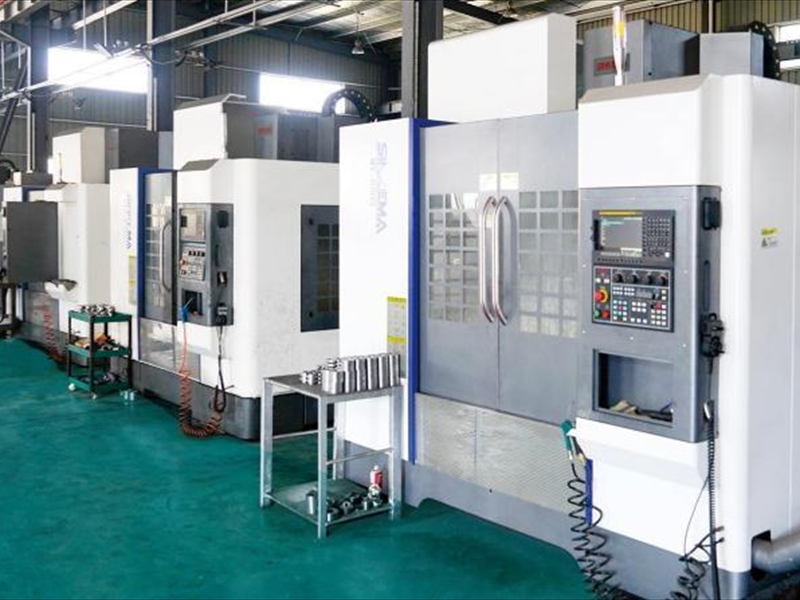
Dor di sigui e pasonan aki—material di alimentashon, smelt e plèstik, meskla, i forma—Mi ta transformá pèlètnan krudo den produktonan kaba. E ekstruder di plèstik ta permití mi kontrolá kada etapa di e proseso, for di selekshon di material te na formashon final. E aserkamentu paso pa paso aki ta esensial pa produsí artíkulonan di kalidat haltu den kualke ambiente industrial.
Friamentu i Solidifikashon
Despues ku e plèstik sali for di e die, Mi ta enfoká riba fria e ekstrudá pa tranka den su forma i prevení defektonan. E fase aki ta krusial pasobra e manera ku mi ta fria e produkto ta afektá su forsa i aparensia. Mi ta usa vários método pa fria i solidifiká e plèstik, dependiendo di e produkto i e velosidat di produkshon.
-
Kalibrando
-
Friamentu di aire
-
Enfriamentu final
-
Téknikanan avansá (rolnan friu, friamentu den vakuo)
Hopi bia mi ta kuminsá ku paga. E método aki ta fria e kapa eksterno di e plèstik rápidamente segun ku e ta sali for di e kabes di ekstrushon. Mi ta usa spuit di aire òf awa pa e paso aki. Enfriamentu rápido ta yuda pone e forma inisial i ta stòp e produkto di warp. Pa hopi profil i pipa, Mi ta usa kalibradónan. E aparatonan aki ta stabilisá e forma i ta inkluí tanki yená ku awa pa friamentu kontrolá. Kalibradónan ta yuda mi evitá tenshonnan interno i sigurá ku e produkto ta keda stret.
Ora mi mester di kòntròl di temperatura presis, Mi ta bai na téknikanan avansá. Rolnan friu i friamentu den vakuo ta duna mi friamentu rápido i uniforme, ku ta importante pa produkshon di velosidat haltu òf aplikashonnan spesial. Semper mi ta skohe e método ku ta kuadra ku e rekisitonan di e produkto.
Tep: Mi ta monitoriá e tasa di friamentu di aserka. Si mi fria e plèstik muchu lihé, Mi por trapa strèsnan interno. Si mi fria esaki muchu pokopoko, Mi ta kore riesgo di deformashon òf superfisienan desigual.
E método di friamentu ku mi ta skohe ta afektá e propiedatnan final di e produkto. E tabel aki bou ta mustra kon diferente tarifa di friamentu ta kambia e propiedatnan mekaniko:
|
Método di Friamentu |
Efekto riba Propiedatnan Mekániko |
|---|---|
|
Friamentu Rápido di Awa |
Por trapa tenshonnan interno, debilitando produktonan mas diki ku tempu. |
|
Aire mas slow Fábrika di Ekstruso di Schroef Friamentu Fábrika di Schroef Dobel Paralelo |
Promové kristalisashon uniforme, mehorá forsa i redusí riesgonan di deformashon. |
Semper mi ta balansá velosidat i kalidat pa haña e mihó resultadonan pa mi klientenan industrial.
Prosesamentu di koriente abou
Unabes ku e produkto ta sólido, Mi ta pasa pa prosesamentu di awa abou. E etapa aki ta agregá balor i ta prepará e produkto pa su uso final. Mi ta sigui un seri di pasonan pa kaba e plèstik ekstruí:
-
Kòrtamentu: Mi ta usa un kòrtadó di velosidat haltu pa kòrta e kabuya kontinuo den larguranan stipulá. Kòrtamentu eksakto ta importante pa montahe i aparensia.
-
Formando: Mi por kore e produkto dor di un mashin di forma. E paso aki ta mehorá e aspekto i ta sigurá ku e dimenshonnan ta korekto.
-
Sekamentu: Mi ta usa sekudónan industrial, manera sekudónan di faha di vários kapa òf sekudónan di mikroonda, pa kita kualke humedat for di e produkto.
Despues di e pasonan prinsipal aki, Hopi bia mi ta agregá toke final. Mi por imprimí informashon òf marka riba e produkto. Tin biaha, Mi ta perfora buraku, bel e puntanan, òf bobina e produkto pa transporte mas fásil. E pasonan èkstra aki ta yuda mi kumpli ku nesesidatnan spesífiko di kliente i hasi e produkto mas útil.
Nota: Prosesonan abou manera kòrta i imprimí mehorá e balor di produktonan di plèstik ekstruí. Nan ta sigurá e tamaño korekto, mihó aparensia, i preparashon pa merkado.
Dor di manehá kuidadosamente friamentu i prosesamentu di awa abou, Mi ta entregá kalidat haltu, produktonan konfiabel pa un rango amplio di aplikashonnan industrial.
Komponentenan di Ekstruso di Plèstik
Hopper
Semper mi ta kuminsá mi trabou na e hopper. E komponente aki ta sinta na e parti ariba di e ekstruder di plèstik i ta warda e pèlètnan òf granulanan di plèstik krudo. E hopper ta alimentá material den e bari na un velosidat konstante. Mi ta kontrolá e hopper regularmente pa hasi sigur ku e ta keda limpi i seku. Algun modelo ta inkluí funshonnan di seku, ku ta yuda mi mantené e kalidat di e plèstik. Humedat por kousa defekto, pues mi ta dependé di e hopper pa tene e material den bon kondishon. Mi ta selektá e tamaño di tolva korekto basá riba e volúmen di produkshon. Pa trabounan di produkshon haltu, Mi ta usa hoppernan mas grandi pa evitá di yena frekuente.
Tep: Mi ta inspektá e hopper promé ku kada shift. Material limpi i seku ta garantisá ekstrushon suave i ta prevení blokeo.
Bari i Schroef
E bari i skru forma e núkleo di e ekstruder. E bari ta proveé un espasio kayente pa e pèlètnan di plèstik. Mi ta monitoriá e temperatura di e bari pa kuadra ku e punto di smelt di e material. E skru ta sinta paden di e bari i ta drai pa move e plèstik dilanti. Segun e skru ta drai, e ta transmití, ta smelt, i ta meskla e material. Mi ta ahusta e velosidat di e skru pa kontrolá e tasa di salida. Velosidatnan mas lihé ta oumentá produkshon pero por kousa sobrekalentamentu. Mi ta skohe e diseño di skru basá riba e tipo di plèstik i e rekisitonan di e produkto.
E diseño di e bari i e skru ta afektá efisiensia. Mi ta wak parameternan manera e relashon L/D (largura pa diameter), proporshon di kompreshon, profundidat di buelo, i velosidat di skru. Pa mayoria trabou, Mi ta usa un skru ku un 30:1 Rasio L/D. Esaki ta duna mi sufisiente tempu pa smelt i meskla. Proporshonnan di kompreshon entre 3:1 i 3.5:1 traha bon pa polietileno. Kanalnan di buelo mas profundo ta permití un rendimentu mas haltu, pero mi ta balansá esaki ku efisiensia di smelt. Mi ta evitá di kore e skru muchu lihé, ya ku velosidat eksesivo por degradá e polímero.
|
Komponente |
Funshon |
|---|---|
|
Skruf |
Transmití, plastisá, i ta pone preshon riba materia prima. |
|
Bari |
Ta proveé espasio di almasenamentu i keintamentu, garantisá durabilidat i stabilidat. |
Mi ta selektá skru di barera pa trabounan ku mester di mihó konsistensia di smelt. E eskoho aki ta yuda mi logra meskla uniforme promé ku e material yega na e die.
Heaternan
Heaternan ta hunga un ròl vital den e ekstruder di plèstik. Mi ta dependé riba nan pa smelt e pèlètnan di plèstik segun ku nan ta move den e bari. E keintadónan ta mara rònt di e bari i ta duna un kòntròl di temperatura presis. Mi ta pone e temperatura a base di e tipo di plèstik. Por ehèmpel, Mi ta usa temperaturanan mas abou pa PVC i settingnan mas haltu pa nylon. Kalentamentu konsistente ta prevení defektonan i ta garantisá plastifikashon uniforme.
Mi ta monitoriá e keintadónan durante henter e proseso. Si e temperatura ta fluktuá, Mi ta kore riesgo di smelt desigual òf overheat. Mi ta usa sistemanan di kòntròl di temperatura pa manehá keintamentu i friamentu. E sistemanan aki ta yuda mi mantené e balansa korekto, pa e plèstik flui suavemente den direkshon di e die. Maneho di keintadó korekto ta mehorá kalidat di produkto i ta redusí desperdisio.
Nota: Heaternan konfiabel i sistemanan di kòntròl di temperatura ta tene e proseso di ekstrushon stabil. Semper mi ta kontrolá e komponentenan aki pa evitá problemanan di produkshon.
Muri
Semper mi ta paga hopi atenshon na e die ora mi ta operá mi ekstruder di plèstik. E die ta forma e plèstik smelt den e produkto final. Mi sa ku skohe e die korekto ta esensial pa produsí tubonan, blachinan, profilnan, òf pelíkulanan ku dimenshonnan eksakto.
Mi ta kuminsá dor di inspekshoná e die promé ku kada kareda di produkshon. Mi ta buska kualke señal di desgaste, akumulamentu, òf daño. Un matris limpi ta garantisá un fluho suave di plèstik i ta prevení defektonan. Mi ta usa hèrmèntnan spesialisá pa limpia e kanalnan di matris i superfisie. Si mi mira kualke rasca òf blokeo, Mi ta dirigí mi mes na nan.
Ora mi a pone e ekstruder, Mi ta alineá e dado kuidadosamente ku e bari. Alineashon korekto ta prevení fluho desigual i ta redusí e riesgo di deformashon. Mi ta sera e borchinan uniformemente pa evitá lekmentu. Mi ta kontrolá e settingnan di temperatura di e matris tambe. Kada tipo di plèstik ta rekerí un rango di temperatura spesífiko pa un fluho optimal. Mi ta ahusta e keintadónan di die pa kuadra ku e material ku mi ta usando.
Durante produkshon, Mi ta monitoriá e preshon na e die. Si e preshon subi muchu haltu, Mi sa ku por tin un blokeo òf kontaminashon. Mi ta para e mashin i inspekshoná e dado si mi nota kualke iregularidat den e produkto ekstruí. Presion konsistente ta yuda mi mantené un diki i kalidat di superfisie uniforme.
Hopi bia mi ta kambia entre diferente matris dependiendo di e produkto. Por ehèmpel, Mi ta usa un die plat pa traha blachi i un die di renchi pa pipa. Mi ta warda kada matris den un lugá limpi, lugá seku pa evitá rust i daño. Mi ta etiketa kada matris kla pa mi por haña esun korekto lihé.
Tep: Semper mi ta pre-keintá e die promé ku kuminsá ku produkshon. E paso aki ta prevení manchanan friu i ta garantisá un fluho konstante di plèstik smelt.
Aki un lista di kòntròl rápido ku mi ta sigui pa mantenshon di die:
-
Inspekshoná pa desgaste i akumulamentu promé ku kada kareda.
-
Limpia kanalnan i superfisienan ku hèrmèntnan apropiá.
-
Alineá i sigurá e dado na e bari.
-
Pone e temperatura korekto pa e material.
-
Monitor preshon i kalidat di produkto durante operashon.
-
Warda ta muri korektamente despues di uso.
Dor di sigui e pasonan aki, Mi ta tene mi proseso di ekstrushon efisiente i mi produktonan konsistente. E die ta un komponente kritiko ku ta afektá direktamente e kalidat di tur loke mi ta produsí.
Tipo di Ekstrudernan di Plèstik
Extruder di un solo schroef
Hopi bia mi ta usa un ekstruder di un solo skru pa trabounan di prosesamentu di plèstik direkto. E mashin aki tin un skru ku ta drai paden di e bari. Mi ta haña ku e ta konfiabel pa smelt, meskla, i forma mayoria di termoplástiko. Ora mi ke produsí pipa, pelíkulanan, òf blachinan ku kalidat konsistente, Mi ta skohe e tipo aki. Mi ta ahusta e velosidat i temperatura di e skru pa kuadra ku e material. E diseño di un solo skru ta duna mi meskla básiko i salida konstante. Mi ta us'é ora mi no mester meskla hopi aditivo òf manehá resetanan kompleho.
Extruder di Dos Schroef
Ora mi mester di mihó meskla i mas kòntròl, Mi ta kambia pa un ekstruder di dos skru. E mashin aki ta usa dos skru ku ta drei huntu. Mi por prosesá materialnan ku yena, kolorante, òf asta kímikonan reaktivo. E diseño di dos skru ta laga mi meskla, kompuesto, i asta realisá reakshonnan kímiko durante ekstrushon. Mi ta us'é pa aplikashonnan avansá, manera traha komponentenan spesial òf plèstik di alto rendimentu. E tabel aki bou ta mustra kon e ekstrudernan di un solo skru i dos skru ta kompará den rendimentu industrial:
|
Karakterístika |
Extrudernan di un solo schroef |
Extrudernan di Dos Schroef |
|---|---|---|
|
Diameter di Schroef |
20 mm pa 300 mm |
16 mm pa 245 mm |
|
Proporshon L/D |
20:1 pa 30:1 |
25:1 pa 48:1 |
|
Velosidat di Schroef |
20 pa 250 RPM |
50 pa 1,200 RPM |
|
Tarifa di Salida |
10 kg/ora pa 1,000 kg/ora |
1 kg/ora pa 15,000 kg/ora |
|
Temperatura di bari |
20°C pa 300°C |
Ambiente pa 400°C |
|
Kapasidatnan di Meskla |
Meskla básiko |
Meskla superior |
|
Kapasidat di Torque |
N/A |
200 Nm pa 10,000 Nm |
|
Aplikashonnan |
Prosesamentu di polímero direkto |
Komposishon, meskla, ekstrushon reaktivo |
Mi ta wak e tabel aki ora mi disidí kua extruder pa usa pa un proyekto. Si mi mester di output haltu òf meskla avansá, Mi ta skohe e modelo di dos skru.
Ekstrudernan Spesial
Tin biaha, mi klientenan mester di formanan úniko òf materialnan spesial. Mi ta usa ekstrudernan spesialisá pa e trabounan aki. E mashinnan aki ta ofresé vários bentaha:
-
Fleksibilidat di diseño: Mi por krea formanan kompleho i dimenshonnan presis pa aplikashonnan personalisá.
-
Versatilidat di material: Mi ta usa diferente plèstik i aditivo pa mehorá durabilidat i rendimentu.
-
Rendimentu mehorá: Mi ta adaptá e mashin pa ambientenan spesífiko pa garantisá e mihó resultadonan.
-
Efisiensia di gastu: Mi ta redusí desperdisio i evitá mashin èkstra, ku ta baha gastunan di produkshon.
-
Opshonnan estétiko: Mi ta kombiná koló i kabamentu pa kumpli ku nesesidatnan di marka.
Mi ta skohe un ekstruder spesialisá ora mashinnan standart no por kumpli ku e rekisitonan. E aserkamentu aki ta yuda mi entregá solushonnan personalisá pa proyektonan difísil.
Materialnan di Ekstrushon di Plèstik
Termoplastikonan Komun
Ora mi ta selektá materialnan pa ekstrushon di plèstik, Semper mi ta kuminsá ku termoplástiko. E materialnan aki ta suavisa ora nan ta wòrdu keintá i ta bira duru ora nan ta fria, loke ta hasi nan ideal pa prosesamentu ripití. Mi ta skohe e termoplástiko korekto basá riba e rekisitonan di e produkto, manera forsa, fleksibilidat, òf resistensia kímiko.
Aki ta sigui e termoplástikonan mas komun ku mi ta usa den ekstrushon industrial i nan propiedatnan klave:
-
Kloruro di polivinil (PVC): Mi ta dependé di PVC pa su forsa i versatilidat. E ta resistí humedat, kímikonan, i radiashon UV, pues mi ta us'é pa pipa, profilnan di bentana, i isolashon di kabel.
-
Polietileno (PE): Mi ta skohe PE ora mi mester di un material lihé i fleksibel. E ta ofresé un ekselente resistensia na impakto i stabilidat kímiko, hasiendo esaki perfekto pa pelíkulanan, kònteinernan, i tubo.
-
Polipropileno (PP): Mi ta usa PP pa produktonan ku mester di duru i resistensia na kansansio. E ta wanta kímikonan i strès, pues hopi bia mi ta selektá esaki pa piesanan di outo i kònteinernan reusabel.
-
Polistireno (PS): Mi ta akudí na PS pa su rigides i klaridat. E ta moldeá fásilmente i ta funshoná bon pa paketá, kuchara desechabel, i artíkulonan di laboratorio.
-
Nylon: Mi ta skohe nylon ora mi mester di un relashon haltu di forsa-pa-peso. E ta funshoná bon den ambientenan di temperatura haltu i ta ofresé un resistensia kímiko hustu. Mi ta us'é pa engranahenan, bearingnan, i partinan industrial.
-
ABS (Acrylonitrile Butadiene Styrene): Mi ta selektá ABS pa su duru i resistensia na impakto. E ta mas duru ku polystyrene puru i ta funshoná bon pa trim di outo, kurá, i produktonan di konsumo.
-
PLA (Ásido Poliláktiko): Mi ta usa PLA pa aplikashonnan ku ta rekerí un opshon biodegradabel. E ta bini di rekursonan renobá manera zeta di maishi i tin un punto di smelt abou, ku ta pas pa pakete i produktonan desechabel.
-
PETG (Polietileno Tereftalato Glikol): Mi ta skohe PETG ora mi mester di un balansa di forsa i fasilidat di prosesamentu. E ta resistí kímikonan i deformashon, pues mi ta us'é pa bòter, aparatonan médiko, i kònteinernan di kuminda.
Tep: Semper mi ta kuadra e propiedatnan di e termoplástiko ku e uso final di e produkto. E paso aki ta garantisá durabilidat i rendimentu.
Aditivonan i yenadónan
Hopi bia mi mester modifiká e propiedatnan di mi produktonan di plèstik ekstruí. Pa hasi esaki, Mi ta meskla aden aditivonan i yenadónan durante e proseso di ekstrushon. E ingredientenan aki ta yuda mi kumpli ku normanan spesífiko di industria i eksigensianan di kliente.
-
Stabilisadónan: Mi ta agregá stabilisadónan pa mehorá resistensia na kalor i UV. Esaki ta evitá ku produktonan ta degradá den ambientenan duru.
-
Pigmentonan di koló: Mi ta usa pigmento pa logra e koló eksakto ku mi kliente ke. E paso aki tambe ta yuda ku marka i identifikashon di produkto.
-
Retardantenan di Vlam: Mi ta inkluí retardante di kandela pa produktonan ku mester kumpli ku regulashonnan di seguridat di kandela, manera komponentenan eléktriko òf materialnan di konstrukshon.
-
Yenadónan: Mi ta agregá yena manera karbonato di kalsio òf fibra di glas pa mehorá forsa mekaniko, redusí gastu, òf kambia e peso di e produkto.
E meskla kuidadoso di e aditivonan i yenadónan aki ta laga mi optimalisá e proseso di ekstrushon. Mi por mehorá propiedatnan mekaniko, ahusta aparensia, i sòru pa e produkto final kumpli ku tur spesifikashon.
Nota: Semper mi ta tèst formulashonnan nobo promé ku produkshon na eskala kompletu. E práktika aki ta yuda mi evitá defektonan i ta garantisá kalidat konsistente.
Dor di komprondé tantu e termoplástikonan di base komo e ròl di aditivonan, Mi por produsí produktonan ekstruí ku ta funshoná konfiabelmente den kualke aplikashon industrial.
Aplikashonnan di Ekstrushon den Industria
Usonan Industrial
Mi ta usa ekstrushon di plèstik tur dia pa kumpli ku e demandanan di hopi industria. E proseso aki ta duna mi e fleksibilidat pa krea produktonan ku ta solushoná problemanan di mundu real. Mi ta kuminsá dor di selektá e material korekto i ahusta mi mashin pa e trabou. Mi sa ku kada aplikashon ta rekerí un aserkamentu spesífiko, pues semper mi ta kuadra e proseso di ekstrushon ku e uso final.
Aki un tabel ku ta mustra kon mi ta apliká ekstrushon den diferente sektor industrial:
|
Tipo di Aplikashon |
Deskripshon |
|---|---|
|
Tubonan i Tubo |
Mi ta produsí liñanan di suministro di awa, tubonan di awa di riool, i tubo di irigashon usando materialnan manera PVC i HDPE. |
|
Profilnan i Komponentenan Struktural |
I make window frames and door seals that improve energy efficiency and durability in construction. |
|
Plastic Films and Sheets |
I create packaging films and agricultural covers that offer flexibility and UV protection. |
|
Electrical and Automotive Components |
I manufacture wire coatings and automotive trims that enhance safety and fuel efficiency. |
|
Other Specialized Uses |
I extrude medical tubing and 3D printing filaments for specialized applications in healthcare and manufacturing. |
I always adjust the extrusion process to fit the requirements of each industry. Por ehèmpel, I use tighter tolerances for medical tubing and focus on durability for construction profiles. I monitor every step to ensure the final product meets strict standards.
Tep: I keep detailed records of each extrusion run. Esaki ta yuda mi solushoná problemanan i mehorá kalidat pa proyektonan den futuro.
Produktonan Típiko
Mi ta mira e resultadonan di ekstrushon di plèstik den hopi produkto ku mi ta usa i produsí. E proseso ta permití mi krea artíkulonan ku kalidat konsistente i dimenshonnan presis. Aki algun di e produktonan mas komun ku mi ta traha usando ekstrushon:
-
Tubonan i tubonan pa plomeria, irigashon, i sistemanan industrial
-
Pelíkulanan di plèstik i blachinan pa paketá, agrikultura, i tapanan protektivo
-
Komponentenan eléktriko i di outo manera isolashon di waya i trim di dashboard
-
Tubo médiko pa entrega di líkido i aparatonan kirúrgiko
-
3D filamentonan di imprenta pa prototipo i fabrikashon rápido
-
Randnan di muebles ku ta protehá superfisie i ta agregá estilo
-
Stripnan dekorativo pa aparatonan, vehíkulonan, i interior di edifisio
Mi ta sigui un proseso paso pa paso pa kada produkto. Mi ta kuminsá dor di skohe e termoplástiko korekto i pone e ekstruder. Mi ta monitoriá e temperatura, preshon, i velosidat durante henter e ekstrushon. Mi ta usa e die korekto pa forma e produkto i selektá e mihó método di friamentu pa tranka e forma. Mi ta kaba ku prosesamentu di awa abou, manera kòrtamentu, imprenta, òf enrolamentu, pa prepará e produkto pa uso.
Ekstrushon di plèstik ta duna mi e abilidat pa respondé lihé na demandanan nobo di merkado. Mi por kambia entre produktonan dor di kambia e die i ahusta e parameternan di proseso. E fleksibilidat aki ta yuda mi sirbi un rango amplio di industria i entregá solushonnan konfiabel.
Nota: Semper mi ta tèst produktonan nobo promé ku produkshon kompletu. Esaki ta sigurá ku e proseso di ekstrushon ta produsí resultadonan konsistente i di kalidat haltu.
Bentaha i Limitashon
Benefisionan Klave
Ora mi ta usa ekstrushon di plèstik den mi trabou diario, Mi ta mira hopi bentaha ku ta yuda mi entregá produktonan di kalidat efisientemente. Mi ta dependé riba e proseso aki pasobra e ta sostené produkshon kontinuo i eskalabel. Mi por kore mi extruder pa periodonan largu ku tempu di inaktividat mínimo, ku ta perfekto pa pedidonan grandi. E aserkamentu aki ta tene mi fluho di trabou stabil i previsibel.
Mi ta apresiá tambe e efisiensia di kosto di ekstrushon di plèstik. Mi ta resiklá materialnan ku a sobra i ta redusí desperdisio, ku ta baha mi gastunan di produkshon. Mi ta optimalisá e uso di materia prima i tene gastunan bou di kòntròl. Fleksibilidat di diseño ta destaká komo un otro benefisio grandi. Mi por krea un rango amplio di forma i tamaño, di tubonan simpel pa profilnan kompleho. E fleksibilidat aki ta laga mi kumpli ku diferente nesesidat di kliente sin kambia mi ekipo prinsipal.
Kalidat konsistente ta importante den mi trabou. E proseso di ekstrushon ta duna mi fluho di material uniforme i dimenshonnan presis. Mi por kumpli ku toleransianan estrikto, ku ta esensial pa industrianan manera outo i médiko. Mi ta balorá tambe e kompatibilidat ku hopi termoplástiko. Mi ta kambia entre materialnan manera PVC, PE, i PP pa kuadra ku e rekisitonan di kada proyekto. Ekstrudernan moderno ta permití mi integrá outomatisashon i sistemanan inteligente. Mi ta usa sensor i kòntròl pa mehorá eksaktitut i efisiensia.
Aki un tabel ku ta resumí e benefisionan prinsipal ku mi ta eksperensiá ku ekstrushon di plèstik:
|
Benefisio |
Deskripshon |
|---|---|
|
Produkshon Kontinuo i Eskalabel |
Tarifanan haltu di produkshon ku tempu di inaktividat mínimo, ideal pa trabounan di volúmen grandi. |
|
Ménos desperdisio i gastunan mas abou dor di resiklá materialnan sobra. |
|
|
Fleksibilidat di Diseño |
Un rango amplio di forma i dimenshon pa vários nesesidat. |
|
Kalidat Konsistente i Ripitibilidat |
Fluho di material uniforme i spesifikashonnan eksakto pa toleransianan stret. |
|
Kompatibilidat ku Hopi Material |
Ta manehá vários termoplastiko pa mihó rendimentu i durabilidat. |
|
Integrashon ku Outomatisashon |
Eksaktitut i efisiensia mehorá a traves di teknologia inteligente. |
Tep: Semper mi ta monitoriá mi parameternan di proseso pa mantené e benefisionan aki i evitá problemanan inesperá.
Retonan Komun
Miéntras mi ta disfrutá di hopi bentaha, Mi ta enfrentá retonan tambe ku ekstrushon di plèstik. Selekshon di e material korekto ta krusial. Kada plèstik tin propiedatnan úniko ku ta afektá kon e ta smelt i flui. Si mi skohe e material robes, Mi ta kore riesgo di ekstrudibilidat malu i defektonan di produkto.
Kontrol di kalidat ta rekerí atenshon konstante. Mi ta wak pa variashonnan den dimenshon i defektonan di superfisie, ku por resultá di kambionan den temperatura òf preshon. Preokupashonnan pa medio ambiente tambe ta hunga un ròl den mi trabou. E proseso di ekstrushon ta usa hopi energia i por generá desperdisio. Mi ta enfoká riba resiklahe i efisiensia di energia pa redusí mi impakto.
Logra toleransianan dimenshonal estrecho no ta semper fásil. Plèstik ta baha segun ku nan ta fria, ku por kousa warping si mi no manehá e proseso di friamentu kuidadosamente. Desperdisio di startup ta un otro asuntu. Ora mi kuminsá un kareda nobo, Hopi bia mi ta produsí skrap te ora e fluho di smelt stabilisá i e die ta alinia korektamente.
Kompatibilidat di material por kousa problema, spesialmente ora mi meskla diferente polímero. Tin material ku no ta meskla bon, kondusiendo na puntonan debil òf separashon di fase. Mantenshon di ekipo ta esensial. Operashon kontinuo ta gasta skru i ta muri, pues mi ta programá kòntròlnan regular pa prevení kontaminashon i akumulamentu.
Diseño di die ta afektá e stabilidat di e proseso di ekstrushon. Viskosidat di smelt desigual por kondusí na defektonan manera hinchamentu di morto òf superfisie brutu. Termoplastikonan ta sensitivo na kambionan di temperatura. Mi ta usa kòntròl termal presis pa evitá degradashon òf mal fluho.
Aki ta sigui e retonan prinsipal ku mi ta atendé den mi trabou diario:
-
Limitashonnan material: Mi mester selektá plèstik ku e propiedatnan korekto pa kada trabou.
-
Asuntunan di kòntròl di kalidat: Mi ta monitoriá pa defektonan i ahusta parameternan segun nesesidat.
-
Preokupashonnan ambiental: Mi ta resiklá i usa práktikanan efisiente den uso di energia.
-
Toleransianan dimenshonal: Mi ta manehá friamentu pa prevení deformashon.
-
Desperdisio di startup: Mi ta minimalisá skrap durante di setup.
-
Kompatibilidat di material: Mi ta tèst meskla promé ku produkshon kompletu.
-
Mantenshon di ekipo: Mi ta limpia i inspektá mi ekstruder regularmente.
-
Diseño di die: Mi ta fine-tune e dado pa un fluho stabil.
-
Sensibilidat termal: Mi ta kontrolá temperatura pa protehá e material.
Nota: Mi ta warda registronan detayá i ta sigui un skema di mantenshon estrikto pa superá e retonan aki i tene mi liña di ekstrushon ta kore sin problema.
Mi ta sigui un proseso kla ku mi ekstruder di plèstik: duna kuminda, smèlt, forma, cool, i kaba. Mi ta kontrolá kada komponente pa tene produkshon efisiente. Mi sa ku skohe e ekstruder i material korekto ta impaktá e tekstura, konsistensia, i kalidat di produkto. Diferente material ta interkambiá ku humedat, temperatura, i kòrtamentu mekaniko na maneranan úniko.
-
E eskoho di ekstruder i material ta afektá tekstura i kalidat di produkto.
-
Nivelnan di humedat, zona di bari, i RPM di skru ta klave pa resultadonan deseá.
Mi ta mira hopi benefisio, pero semper mi ta konsiderá parameternan di proseso. Pa esnan ku ta kla pa optimalisá ekstrushon, Mi ta rekomendá e pasonan aki:
|
Deskripshon |
|
|---|---|
|
Kuminsá ku e kapa di sensor |
Retrofit liñanan di ekstrushon ku monitoreo di temperatura i preshon pa mihó kontesta di operadó. |
|
Evaluá ekipo ku ta usa energia efisiente |
Konsiderá sistemanan di transmishon, monitoreo, i mantenshon komo un desishon di kapital unifiká. |
|
Enbolbí e proveedónan trempan |
Diskutí prueba di material i kualifikashon promé ku finalisá spesifikashonnan pa polímeronan di ingenieria. |
FAQ
Ki materialnan mi por usa den un ekstruder di plèstik?
Mi ta selektá termoplástiko manera PVC, PE, PP, i ABS. Mi ta skohe e material a base di e rekisitonan di e produkto. Semper mi ta kontrolá kompatibilidat i puntonan di smelt promé ku kuminsá e proseso di ekstrushon.
Kon mi por mantené kalidat di produkto konsistente?
Mi ta monitoriá temperatura, preshon, i velosidat di skru. Mi ta inspektá e matris i limpia e tolva regularmente. Mi ta warda registronan detayá di kada kareda. Settingnan konsistente ta yuda mi logra resultadonan konfiabel.
Mi por resiklá plèstik ku a sobra durante ekstrushon?
Mi ta resiklá material di shushi dor di hink’é bèk den e tolva. Mi ta kontrolá pa kontaminashon i seku. Resiklahe ta yuda mi redusí desperdisio i baha gastunan di produkshon.
Kua ta e pasonan prinsipal den ekstrushon di plèstik?
Mi ta sigui e pasonan aki: alimentashon di materia prima, smelt i meskla, forma ku e die, fria i solidifiká, i kaba ku prosesamentu di awa abou. Kada paso ta rekerí un monitoreo kuidadoso.
Kon mi por skohe e ekstruder korekto pa mi aplikashon?
Mi ta konsiderá e material, forma di produkto, i volúmen di produkshon. Mi ta selektá ekstrudernan di un solo skru pa trabounan básiko i modelonan di dos skru pa meskla avansá. Extrudernan spesial ta kuadra ku formanan personalisá.
Kiko mi mester buska den servisio di ekstrushon di plèstik?
Mi ta buska ekspertisio, ekipo konfiabel, i kòntròl di kalidat. Mi ta kontrolá si e dunadó di kuido ta ofresé prueba di material i diseño di matris personalisá. Mi ta balorá komunikashon kla i sosten durante henter e proyekto.
Kon mi por solushoná defektonan den produktonan ekstruí?
Mi ta inspektá e material pa humedat òf kontaminashon. Mi ta ahusta e settingnan di temperatura i preshon. Mi ta kontrolá e matris pa blokeo. Mi ta revisá e registronan di proseso pa haña e kousa di defektonan.
Ekstrushon di plèstik ta adekuá pa produktonan médiko?
Mi ta usa ekstrushon di plèstik pa traha tubo médiko i konsumibelnan. Mi ta selektá materialnan di kalidat médiko i ta sigui normanan di kalidat estrikto. Mi ta monitoriá kada paso pa garantisá seguridat i rendimentu.


Mashin di Ekstruder di Filler Masterbatch: Guia Kompleto di Komersio B2B pa Manuf… · Mashin di Ekstrushon di Filler Masterbatch: Guia Kompleto di Komersio B2B pa Manu… · Mashinnan di Ekstrushon di Filler Masterbatch: Guia Kompleto di Komersio B2B pa Hende…