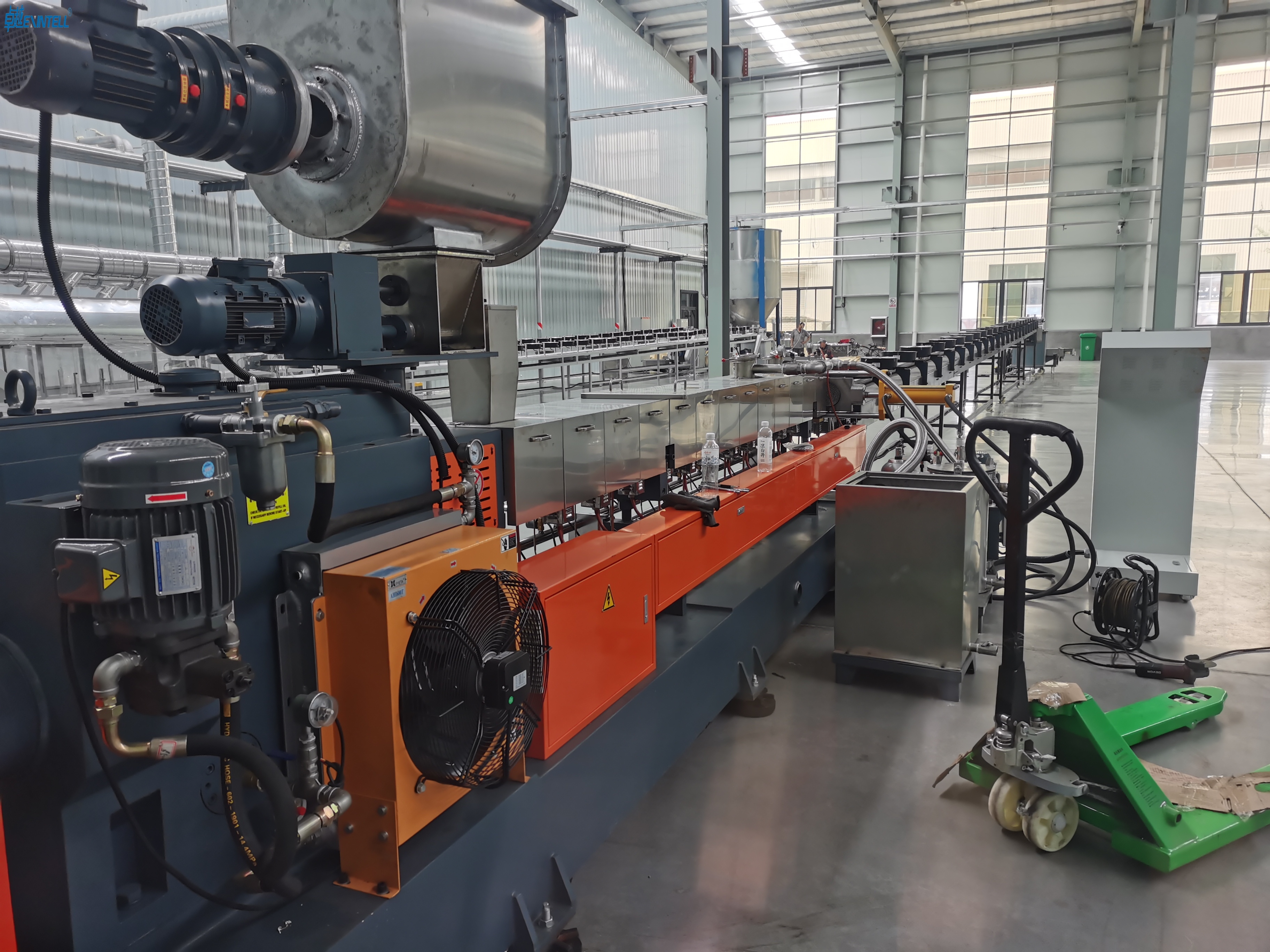
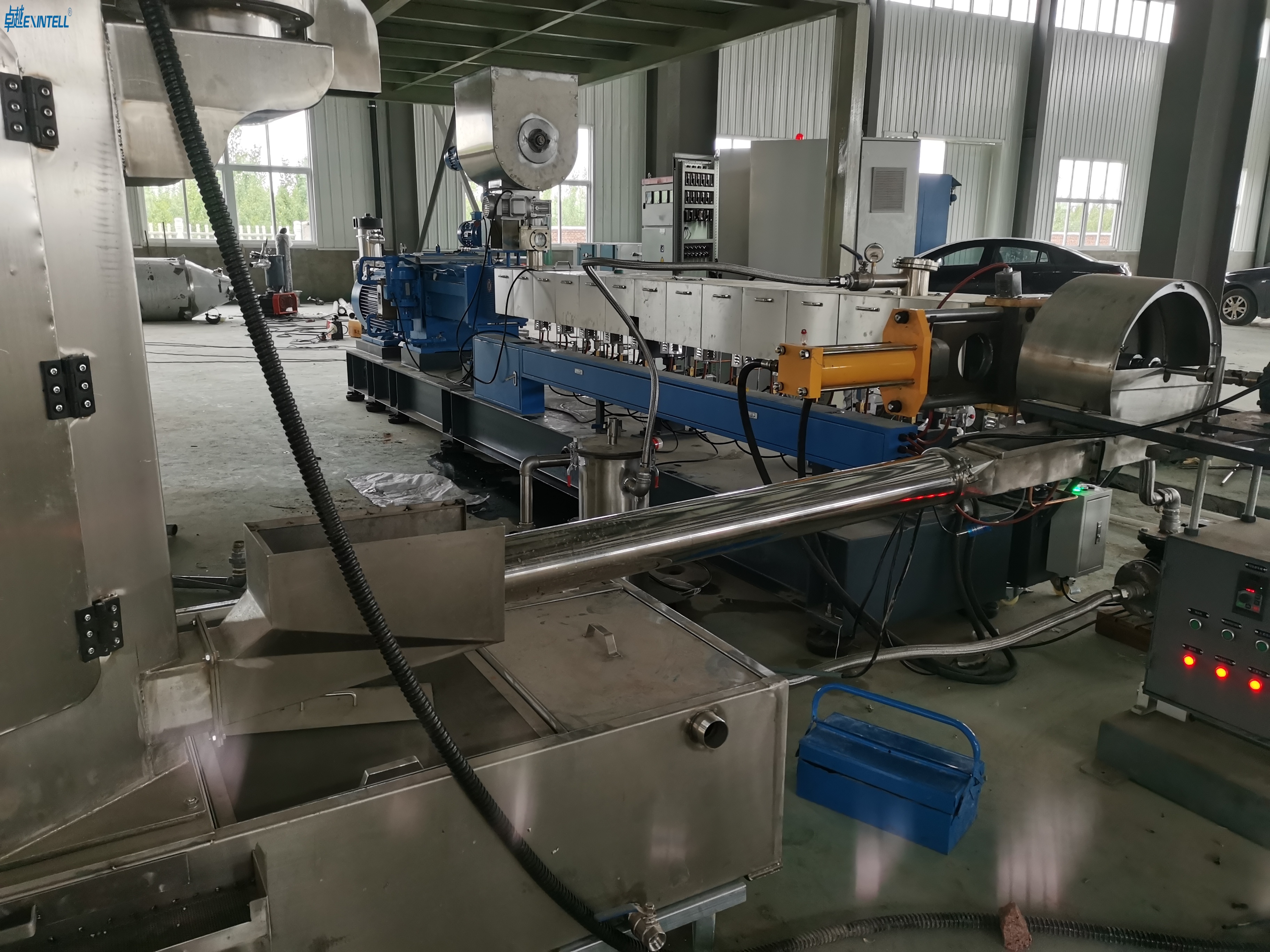
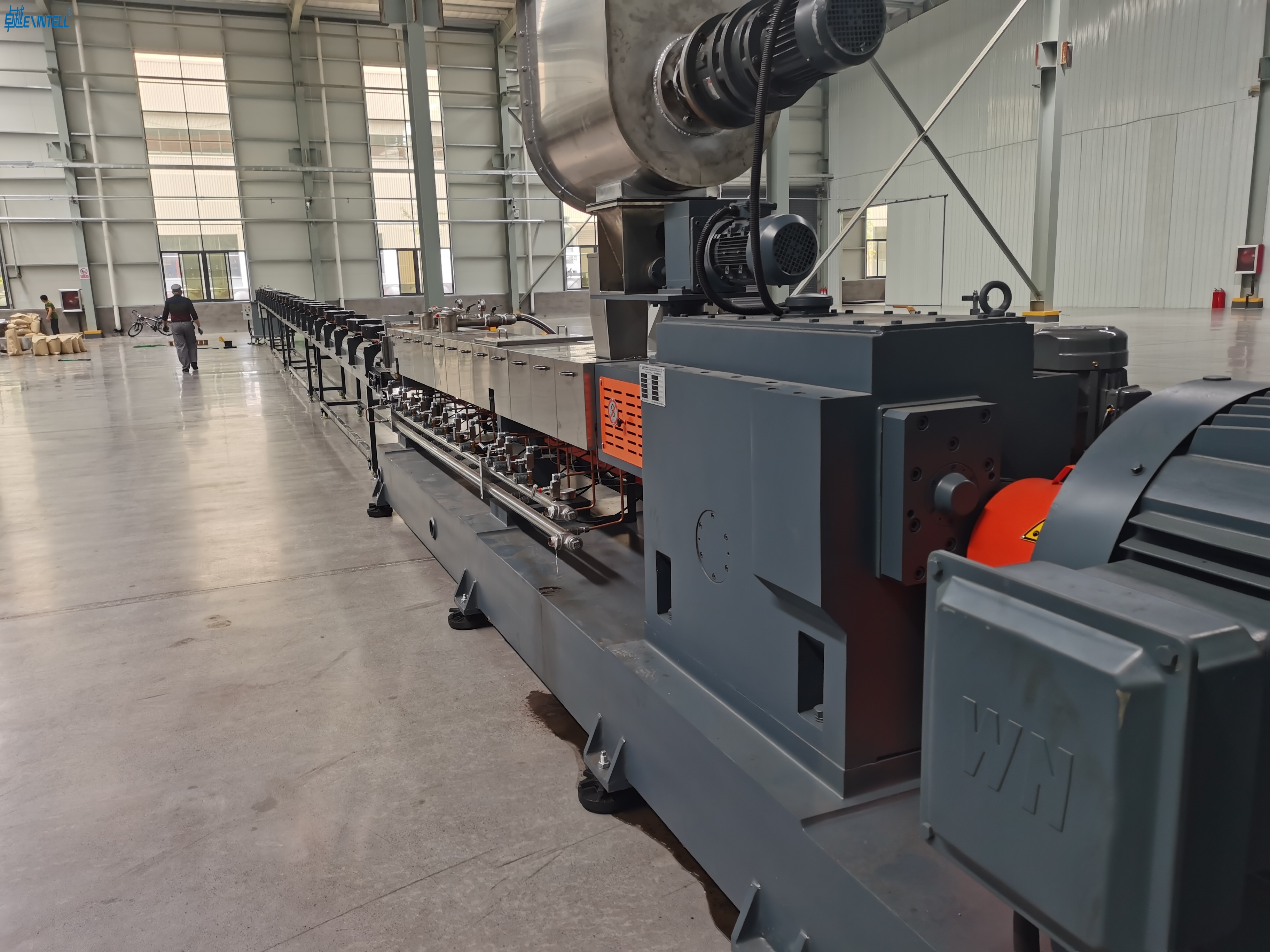
Plastic tube extrusionturns melted plastic into long tubes. Machubu awa ali ndi makulidwe ake enieni. Mutha kupeza machubu awa muzinthu zambiri zatsiku ndi tsiku. Amagwiritsidwa ntchito ngati ma conduits a chingwe ndi machubu a IV. They are also used for window frames andtraffic barricades. Plastic extrusionmakes tubes that are strong and even. These tubes are used in homes, hospitals, and building sites.
Plastic tube extrusion changes melted plastic into strong, hollow tubes. These tubes are used in many ways, like in medical tubing and building things. The extrusion process has three main steps. Choyamba, thermoplastic pellets are melted. Next, the plastic is shaped through a die. Ndiye, extra equipment checks the quality. Picking theright thermoplastic materialis very important. Different materials have special features. Zinthu izi zimasintha mphamvu ya chubu, kusinthasintha, ndi mtengo. Pulasitiki chubu extrusion imagwira ntchito bwino. Amapanga ngakhale machubu opanda zinyalala pang'ono. Izi zimapangitsa kukhala njira yobiriwira yopangira zinthu. Machubu awa amagwiritsidwa ntchito pazinthu zambiri zatsiku ndi tsiku. Iwo amapezeka mu zinthu pa kunyumba ndi zida zamankhwala. Izi zikuwonetsa momwe zilili zothandiza komanso zofunika.
Kodi Plastic Tube Extrusion ndi chiyani?
Tanthauzo Loyamba
Plastic tube extrusion ndi njira kupanga yaitali, zosaoneka bwino. Zimayamba ndi timapepala tating'ono tapulasitiki. Makina amatenthetsa ma pellets mpaka atasungunuka. Pulasitiki yosungunuka imakankhidwa kudzera mukufa. Chovalacho chimapanga pulasitiki kukhala machubu okhala ndi kukula kwake. Kuthamanga kwa mpweya kungagwiritsidwe ntchito mkati mwa chubu. Izi zimapangitsa chubu kukhala yozungulira komanso yosalala. Akatswiri amati njirayi imapanga machubu ambiri nthawi imodzi. Machubu amapangidwa kuchokera ku polima wosungunuka. Machubu amakhala ndi mawonekedwe ofanana njira yonse. They are strong and look the same from end to end.
Langizo: Msuzi umagwira ntchito ngati nkhungu. The plastic does not stop moving, so you get a long tube that does not break.
Comparison to Other Plastic Extrusion Methods
You may wonder how plastic tube extrusion is different from other ways to shape plastic. Regular plastic extrusion can make many shapes. These shapes can be sheets, rods, or custom profiles. The main difference is the die’s shape and using air pressure. Tube extrusion uses a round die. It often adds air inside to keep the tube hollow. Other methods use flat or shaped dies for solid things.
You can see that plastic tube extrusion is special. It makes hollow tubes in large amounts. This method gives you products that are even and work well for many uses.
Step-by-Step Process of Plastic Extrusion
You can understand the plastic tube extrusion process by breaking it into three main steps. Each step uses special machines and controls to make sure you get strong, even tubes.
Melting Thermoplastic Material
You start with small plastic pellets called thermoplastics. These pellets go into a hopper at the top of the extruder. The machine heats the pellets until they melt. You must use the right temperature for each type of plastic. If you use the wrong temperature, the plastic can burn or not melt enough.
The extruder uses a screw inside a heated barrel. This screw pushes the melted plastic forward. You can control the speed and temperature to keep the plastic smooth and ready for shaping.
Langizo:Always check the temperature settings for your material. This helps prevent defects and keeps the plastic extrusion process running smoothly.
Forcing Through a Shaped Die
After melting, the plastic moves toward the die. The die shapes the plastic into a hollow tube. You can think of the die as a special mold that gives the tube its size and thickness. The design of the die is very important. It decides how thick the walls of the tube will be and how round the tube stays.
You will find two main types of extruders in this step:
Twin screw extrusion machines: These have two screws for better mixing. You use these for more complex plastics or when you need perfect mixing.
The extruder is the heart of the line. It melts the plastic and pushes it through the die. You must keep the flow steady to make sure the tube has even walls. If the flow changes, the tube can get thick in some spots and thin in others. The die’s shape and length also help cool and set the tube so it does not sag or warp.
Zindikirani:Good die design and steady flow help you avoid common problems like warping or uneven thickness.
Auxiliary Equipment and Quality Control
Once the tube leaves the die, you need extra machines to finish the job and check quality. These machines help cool, measure, and cut the tube to the right length.
Automated control systems: These keep the process steady and help you make the same tube every time.
Measurement devices: These tools check the size of the tube as it moves along the line.
Control loops: These adjust things like wall thickness and cooling speed in real time.
You also need to watch for quality problems. You can control the speed of the puller to keep the tube the right size. You must cool the tube with water or air to set its shape. Nthawi zina, you use a vacuum to keep the tube round while it cools.
Here are some key quality control steps:
Adjust puller speed to control tube size.
Check cooling to make sure the tube does not shrink or warp.
Use vacuum to keep the tube round and smooth.
You can also use smart systems and sensors to watch the process. New machines use touchscreens and even connect to the internet for real-time checks. These advances help you make tubes faster and with less waste.
Langizo:Regular checks and good equipment help you avoid defects like bubbles, rough surfaces, or uneven color.
The step-by-step process of plastic extrusion gives you a clear path from raw pellets to finished tubes. By using the right machines, careful controls, and smart checks, you can make high-quality products for many uses.
Materials Used in Tubing Extrusion
Common Thermoplastics
Plastic tube extrusion uses different thermoplastics. Polyethylene (PE)is the most common one. You can pick high-density or low-densitypolyethylenefor different jobs. High-densitypolyethylenemakes strong tubes that do not get damaged by chemicals. Low-densitypolyethyleneis bendy and good for medical tubing and catheters. Polyethyleneis popular in medical plastics because it is safe, cheap, and can be used in many ways. You will also seepolyvinyl chloride (Zithunzi za PVC) ndi polypropylene (PP)in lots of industries. Zithunzi za PVCis good for tubes in factories and for electrical work. PPis used when you need tubes that can handle more chemicals.
Langizo:Think about how you will use the tube before picking a thermoplastic. Some are better for medical things. Others work best for plumbing or electrical jobs.
You can add features while making the tube, so you do not need extra steps.
Zindikirani:This process uses less energy and lets you recycle materials. This helps the planet by making less pollution.
Uses in Everyday Life and Industry
You see things made by plastic tube extrusion almost everywhere. Many businesses use these tubes because they are strong and light. They are also easy to shape. At home, you might see them in your fridge or washing machine. Sports gear uses them for handles and edges. Water plants use special tubes to keep water clean and safe.
You can also find these tubes in packaging, farming, and green energy jobs. If you take care of them, these tubes can last10 ku 20 zakain factories. Many of these tubes can be recycled, which is good for the earth.
Langizo:Making tubes in special sizes and shapes helps meet strict rules in medicine and food safety.
You now know how plastic tube extrusion changes raw materials into strong tubes. These tubes look the same and are used in many ways. The process is simple and works well, so making these products is easy. You can see things made this way every day. There are new trends that will change plastic extrusion soon:
Fancy packaging for makeup and skin care will be seen more often.
More people will pick easy and clean packaging for medicine and personal care.
Now you can see how this process affects your life each day.
FAQ
What is the main purpose of plastic tube extrusion?
You useplastic tube extrusionto make long, hollow tubes with even walls. This process helps you create products for many uses, such as medical tubing, plumbing, and electrical conduits.
How do you keep the tube round during extrusion?
You use air pressure inside the tube as it forms. Izi zimapangitsa chubu kukhala yozungulira komanso yosalala. Cooling systems and vacuum tools also help hold the shape.
Can you recycle tubes made by plastic extrusion?
Inde, you canrecycle many tubesmade by plastic extrusion. You should check the type of plastic first. Some plastics recycle more easily than others.
What problems can happen during tube extrusion?
You might see uneven walls, thovu, or rough surfaces. You can fix these by checking the temperature, adjusting the puller speed, or cleaning the die.