

Pulasitiki Extrusion kapena Kumangirira jekeseni Amene Amapereka Kulondola Kwabwinoko
Ndapeza kuti kuumba jekeseni kumapereka kulondola kwabwinoko komanso kulolerana kolimba kuposa Pulasitiki Extrusion. Mwachitsanzo, jekeseni akamaumba akhoza kukwaniritsa tolerances zolimba ngati ± 0.005 mainchesi, pamene extrusion amakhala ndi ± 0.010 mainchesi. Nayi njira yofananira yotengera momwe mungagwiritsire ntchito komanso kulolerana:
| Mtundu wa Ntchito | Njira Yogwiritsidwa Ntchito | Common Tolerances |
|---|---|---|
| Utali, mbali zofananira (mwachitsanzo, machubu, ndodo) | Extrusion | ± 0.010 mainchesi |
| Zigawo zovuta kapena zambiri | Jekeseni Kumangira | ± 0.005 mainchesi kapena kucheperapo |
| Kuchuluka kwamphamvu, mwatsatanetsatane | Jekeseni Kumangira | Zolimba kuposa extrusion |
| Zopitilira, mawonekedwe osavuta | Extrusion | Zosasintha, mosalongosoka |
Posankha njira yopangira, Nthawi zonse ndimaganizira za geometry, zofunika kulolerana, kuchuluka kwa kupanga, ndi mtengo.
Zofunika Kwambiri
- Jekeseni akamaumba amakwaniritsa kulolerana zolimba, nthawi zambiri zolondola ngati ± 0.005 mainchesi, kuzipanga kukhala zabwino kwa zigawo zovuta.
- Pulasitiki extrusion ndi yabwino kwa nthawi yayitali, mawonekedwe ofanana ngati machubu ndi ndodo, ndi kulolerana mozungulira ± 0.010 mainchesi.
- Ganizirani kuchuluka kwa kupanga posankha njira; kuumba jekeseni ndikotsika mtengo pamathamanga akulu, pamene extrusion imagwirizana ndi kuchuluka kwachulukidwe kosalekeza.
- Kusankha zinthu zimakhudza kulondola; sankhani zida kutengera zomwe mukufuna kugwiritsa ntchito.
- Unikani mbali zovuta; jakisoni akamaumba amalola mapangidwe zovuta kuposa extrusion, zomwe zimangokhala ndi mawonekedwe osavuta.
- Ubwino womaliza wapamwamba nthawi zambiri umakhala wabwinoko pakuumba jakisoni, zimatsogolera ku ziwalo zosalala popanda masitepe owonjezera omaliza.
- Konzani mtengo wa zida; kuumba jekeseni kumafuna ndalama zambiri zoyambira koma kumapereka ndalama kwanthawi yayitali chifukwa chobwerezabwereza.
- Nthawi zonse ganizirani zofuna za polojekiti yanu mwamsanga; kumvetsetsa geometry, kulolerana, ndi bajeti imathandizira posankha njira yoyenera yopangira.
Pulasitiki Extrusion mwachidule
Njira Zoyambira
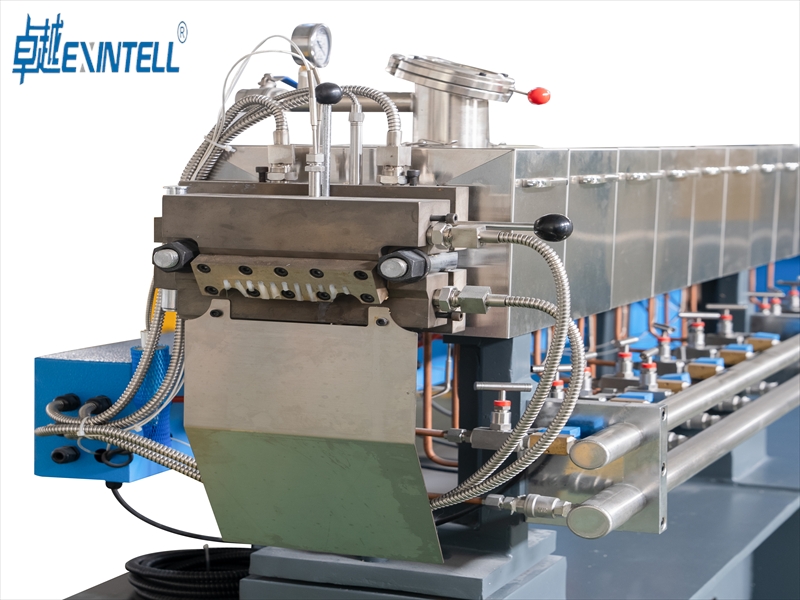
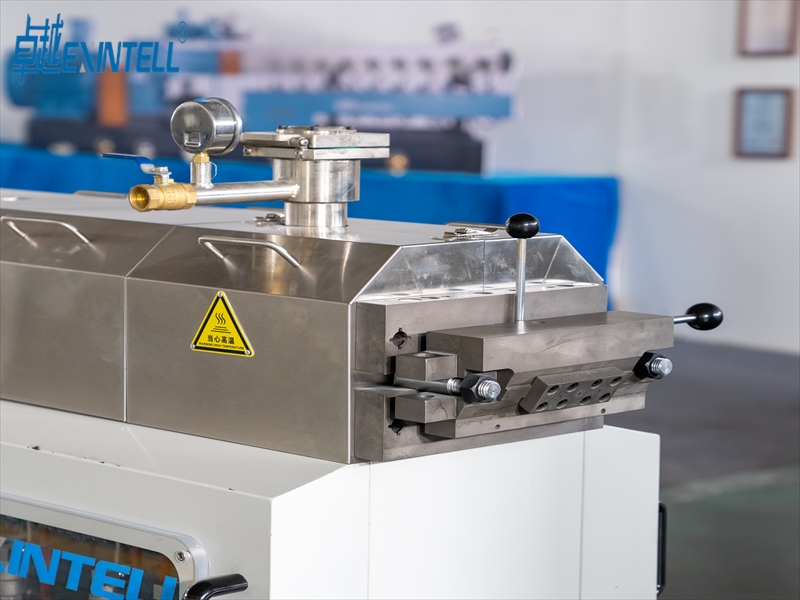
Ndagwira nawo ntchito pulasitiki extrusion kwa zaka zambiri ndipo tawona momwe njirayi imapangira zida za thermoplastic kukhala mbiri yopitilira. Njira ya extrusion imayamba ndi kusankha zinthu, zomwe ndizofunikira kwambiri pakukwaniritsa zomwe mukufuna muzogulitsa zomaliza. Ndimanyamula mapepala apulasitiki kapena ma granules mu hopper pamwamba pa extruder. Makinawa amagwiritsa ntchito zomangira zozungulira kusuntha zinthu kudzera mumgolo wotenthedwa. Pamene zinthu zimayenda, chimasungunuka chifukwa cha kukangana ndi kutentha kwakunja. Pulasitiki yosungunukayo imadutsa munsalu yooneka bwino, zomwe zimapereka mbiri yake. Pambuyo kupanga, mawonekedwe extruded akulowa dongosolo yozizira, kawirikawiri kusamba kwa mpweya kapena madzi, kulimbitsa ndi kusunga kulondola kwa dimensional. Pomaliza, Ndimadula kapena kugudubuza mankhwala, kutengera ntchito. Njira iyi ya tsatane-tsatane imandithandiza kupanga nthawi yayitali, mawonekedwe ofanana okhala ndi magawo osiyanasiyana.
Common Application
Plastic extrusion imagwira ntchito yofunika kwambiri mafakitale ambiri. Nthawi zambiri ndimawona kuti amagwiritsidwa ntchito popakira, zamagalimoto, mipando, ndi katundu wogula. Njirayi imapanga zinthu zambiri, kuchokera ku machubu osavuta kupita ku mbiri zovuta. Nali tebulo lomwe limapereka chidule cha mapulogalamu omwe wamba:
| Makampani | Zogulitsa |
|---|---|
| Kupaka | Mafilimu, mapepala, matumba, zokulunga, thireyi, ndi makapu |
| Zagalimoto | Zisindikizo zanyengo, machubu apulasitiki, chepetsa mbiri |
| Mipando & Katundu Wogula | Kujambula m'mphepete, nsalu zotchinga, matabwa a thovu a PVC opepuka |
| Kunyumba Zipangizo zamakono | Zogwira, zisindikizo za uvuni ndi ma microwave |
| Kumanga mabomba & Zachipatala | Tubing, mapaipi |
Ndapeza zimenezo mwambo pulasitiki extrusion amalola opanga kupanga mbiri yapadera pazosowa zapadera. kusinthasintha izi zimapangitsa extrusion wotchuka kusankha mosalekeza, kupanga kwakukulu.
Zida Zogwiritsidwa Ntchito
Kusankhidwa kwa zinthu mu pulasitiki extrusion kumakhudza zonse ndondomeko ndi kulondola kwa mankhwala omaliza. Ndimagwiritsa ntchito pafupipafupi polypropylene, polyethylene terephthalate, ndi polystyrene. Zida izi zimapereka katundu wosiyana, monga kusinthasintha, mphamvu, ndi kumveka. Momwe ndimakonzekera, sungunula, ndi kuziziritsa zipangizo zimakhudza mwachindunji kulondola ndi kusasinthasintha kwa mbali extruded. Nazi zina mwazinthu zomwe ndimagwiritsa ntchito:
- Polypropylene (PP)
- Polyethylene terephthalate (PET)
- Polystyrene (PS)
- Polyvinyl kloridi (Zithunzi za PVC)
- High kachulukidwe polyethylene (Zithunzi za HDPE)
- Otsika osalimba polyethylene (LDPE)
- Acrylonitrile butadiene styrene (ABS)
- Thermoplastic elastomers (TPE)
- Nayiloni (PA)
- Polycarbonate (PC)
- Polymethyl methacrylate (Mtengo PMMA)
Ndikagwira ntchito pama projekiti apulasitiki owonjezera, Nthawi zonse ndimagwirizanitsa zinthu ndi zofunikira za pulogalamuyo. Kusankhidwa kosamala kumeneku kumapangitsa kuti malondawo akwaniritse magwiridwe antchito komanso kulondola.
Ubwino ndi kuipa
Pamene ndikuwunika pulasitiki extrusion kwa polojekiti, Nthawi zonse ndimaganizira ubwino ndi zovuta zake. Njirayi imapereka mphamvu zapadera, koma zimabweranso ndi malire omwe amakhudza kulondola ndi kulolerana.
Nayi a tebulo limene likufotokoza mwachidule ubwino ndi kuipa kwake Ndaona ntchito yanga:
| Ubwino wake | Zoipa |
|---|---|
| High dzuwa ndi scalability | Zolepheretsa kupanga mawonekedwe ovuta |
| Kupanga kwakukulu | Mavuto okhudzana ndi kufa amatha kukhudza kulondola |
| Kutsika mtengo kwa ma volume apakati mpaka apamwamba | Zowonongeka zomwe zingatheke pamtunda wofuna kumaliza |
Ubwino wake
Nthawi zambiri ndimasankha pulasitiki extrusion chifukwa chapamwamba kwambiri. Njirayi imayenda mosalekeza, kutanthauza kuti nditha kupanga zigawo zazitali popanda kusokoneza. Scalability iyi imapangitsa kuti ikhale yabwino pamaoda akulu. Pamene ndikufunika kupanga masauzande a mapazi a chubu kapena mbiri, extrusion imapereka zotsatira zofananira. Mtengo wa gawo lililonse umatsika pamene kuchuluka kwa zopanga kumawonjezeka, kotero ndimawona kuti ndizotsika mtengo kwambiri pama projekiti apakatikati mpaka apamwamba.
Ubwino wina ndikutha kupanga magawo ofananirako. Nditha kusunga miyeso yokhazikika kutalika kwa gawolo, zomwe ndizofunikira pazogwiritsa ntchito ngati mapaipi kapena mafelemu awindo. Njirayi imathandiziranso mitundu yosiyanasiyana ya thermoplastics, so I can select materials that match the mechanical and chemical requirements of the final product.
Zoipa
Despite these strengths, plastic extrusion has some drawbacks. The process struggles with complex shapes. If a part requires intricate details or sharp corners, I find extrusion less suitable. The molten plastic tends to swell as it exits the die, a phenomenon known as die swell. This effect can make it difficult to achieve tight tolerances, especially for parts that need precise dimensions.
Surface finish can also be an issue. Nthawi zina, the extruded parts show lines or marks from the die. I often need to add secondary finishing steps, such as trimming or polishing, to improve the appearance and meet quality standards. These extra steps can increase both time and cost.
Langizo: Nthawi zonse ndimalimbikitsa kuyang'ana geometry ya gawolo ndi kulolerana kofunikira musanasankhe extrusion. Ngati mapangidwewo ndi ophweka ndipo dongosolo ndi lalikulu, extrusion nthawi zambiri imapereka mtengo wabwino kwambiri.
Jekeseni Woumba Mwachidule
Njira Zoyambira
Ndakhala zaka zambiri ndikugwira ntchito ndi jekeseni, ndipo ndimaona kuti njirayi ndi yosangalatsa komanso yothandiza. Njirayi imagwiritsa ntchito nkhungu, zomwe zimapanga pulasitiki yosungunuka kukhala mawonekedwe ake enieni. Nthawi zonse ndimatsatira masitepe angapo kuti ndiwonetsetse kuti gawo lililonse likukwaniritsa miyezo yoyenera. Umu ndi momwe ndimayendera njira yopangira jekeseni:
- Clamping: Ndimatseka nkhungu mwamphamvu kukonzekera masitepe otsatirawa.
- Jekeseni: Ndimabaya moto, pulasitiki wosungunuka mu nkhungu.
- Kukhala: Ndimalola pulasitiki kukhala mkati mwa nkhungu kwakanthawi kochepa kuti imadzaza malo aliwonse.
- Kuziziritsa: Pulasitiki imazizira ndikuuma mkati mwa nkhungu.
- Kutsegula kwa nkhungu: Ndimatsegula nkhungu gawolo litakhazikika.
- Kutulutsa: Ndimachotsa gawo lomalizidwa mu nkhungu.
Kuzungulira uku kumabwereza mwachangu, zomwe zimandilola kupanga zochulukira za magawo ofanana. Ndimadalira kuumba jekeseni ndikafuna mawonekedwe ovuta, zambiri bwino, ndi zomaliza zapamwamba. Njirayi imandipatsa ulamuliro wabwino kwambiri pamiyeso ndi mawonekedwe apamwamba.
Zindikirani: Nthawi zonse ndimayang'anitsitsa kutentha ndi kupanikizika kwambiri panthawi ya jekeseni. Zinthu izi zimakhudza kulondola komanso kusasinthika kwa gawo lomaliza.
Common Application
Kuumba jekeseni kumagwira ntchito yofunika kwambiri m'mafakitale ambiri. Ndagwiritsa ntchito njirayi kupanga magawo amagalimoto, zachipatala, ogula zamagetsi, ndi magawo azonyamula. Kusinthasintha kwa kupanga jekeseni kumandithandiza kupanga zigawo zosavuta komanso zovuta kwambiri. Nali tebulo lomwe limapereka chidule cha mapulogalamu ena:
| Makampani | Zopangidwa |
|---|---|
| Zagalimoto | Zigawo zosiyanasiyana ndi zigawo |
| Zachipatala | Zida nyumba, zida zopangira opaleshoni |
| Consumer Electronics | Milandu, mabatani, ndi zigawo zina |
| Kupaka | Zovala za botolo, zotengera |
Nthawi zambiri ndimapanga zinthu ngati ma lens olumikizirana, zipewa za botolo, ndi zigawo zapamwamba zokhala ndi ma geometries ovuta. Kupanga jekeseni kumandithandiza kupereka zotsatira zokhazikika, ngakhale ntchito zovuta.
Zida Zogwiritsidwa Ntchito
Kusankha kwazinthu ndikofunikira kwambiri popanga jakisoni. Ndimasankha zipangizo zochokera ku mphamvu zofunika, kusinthasintha, ndi kulondola. Kwa zigawo zolondola kwambiri, Ndimakonda ma polima okhala ndi kuchepa ndi yunifolomu shrinkage, khola Sungunulani otaya, ndi kukana kwabwino kwamafuta. Ena mwa ambiri wamba zipangizo Ndimagwiritsa ntchito kuphatikiza:
- ABS: Amapereka kulimba, yosalala pamwamba mapeto, ndi kukana mphamvu.
- Polypropylene: Amapereka kukana kwa mankhwala, kusinthasintha, ndi kukwanitsa.
- Polycarbonate: Amapereka kumveka kwakukulu, mphamvu, ndi kukana kutentha.
- Polyethylene: Opepuka komanso amakana chinyezi.
- Nayiloni: Wodziwika ndi mphamvu, kuvala kukana, ndi kukhazikika kwamafuta.
- PEEK: Kwapadera kwa kutentha, mankhwala, ndi kuvala kukana.
Ndikafuna kulolerana kokulirapo, Ndikupita ku ma polima a engineering-grade. Zinthu monga madzi crystal polima (Zithunzi za LCP), polyether ether ketone (PEEK), ndi acetal (POM) ndipatseni kukhazikika kowoneka bwino komanso kuchepa pang'ono. Mwachitsanzo, Ndimagwiritsa ntchito LCP pazolumikizira zamagetsi ndi zida zamagetsi, pomwe PEEK imagwira ntchito bwino pama implants azachipatala ndi magawo amlengalenga. Polycarbonate ndi chisankho changa cha magalasi ndi zida za kuwala chifukwa cha kumveka kwake komanso mphamvu zake.
Langizo: Nthawi zonse ndimagwirizanitsa zinthu ndi zosowa za pulogalamuyo. Kusankha koyenera kumatsimikizira kuti njira yopangira jekeseni imapereka zolondola komanso zogwira ntchito.
Ubwino ndi kuipa
Ndakhala ndikugwira ntchito yopanga jekeseni kwa zaka zambiri. Izi zimapereka zabwino zingapo zomwe zimapangitsa kukhala chisankho changa chokonda pazigawo zapulasitiki zolondola kwambiri. I want to share both the strengths and the limitations I have observed.
Advantages of Injection Molding
- I can achieve very high precision with injection molding. The process allows me to produce parts with tolerances as tight as ±0.005 inches. This level of accuracy is difficult to match with other plastic manufacturing methods.
- I appreciate the repeatability of injection molding. Once I set up the mold and process parameters, I can produce thousands or even millions of identical parts. Each part matches the original design closely.
- I often need to create parts with complex shapes and fine details. Injection molding handles intricate geometries well. I do not need to add extra steps or secondary processes to achieve these features.
- I find that injection molding delivers excellent surface finishes. Ziwalo zake zimatuluka bwino komanso zokonzeka kugwiritsidwa ntchito nthawi zambiri.
- Nditha kugwiritsa ntchito ma polima osiyanasiyana a thermoplastic ndi engineering engineering. Kusinthasintha uku kumandilola kufananiza zinthu zakuthupi ndi zosowa za pulogalamuyo.
Kuipa kwa Kumangira jakisoni
- Ndiyenera kuyika ndalama mu nkhungu zapamwamba ndisanayambe kupanga. Mtengo woyambira wopanga nkhungu ukhoza kukhala wofunikira. Kwa maulendo ang'onoang'ono opanga, mtengo uwu sungakhale wolungamitsidwa.
- Ndaphunzira kuti kupanga zovuta kumabweretsa zovuta. Ndikofunika kukonzekera nkhungu ndi kapangidwe ka gawo mosamala. Zolakwitsa mu gawo la mapangidwe zingayambitse kusintha kwamtengo wapatali pambuyo pake.
- Nthawi zina ndimakumana ndi nthawi yayitali yotsogolera poyambira polojekiti. Kupanga ndi kupanga nkhungu kumatenga nthawi, makamaka kwa zigawo zovuta.
- I notice that material selection and process settings require careful attention. If I do not control temperature, kupanikizika, and cooling rates, I risk defects or dimensional errors.
Here is a table that summarizes the main pros and cons I have experienced with injection molding:
| Ubwino | kuipa |
|---|---|
| High precision and tight tolerances | High initial mold cost |
| Excellent repeatability for large volumes | Design complexity requires careful planning |
| Supports complex geometries and fine details | Longer lead times for mold development |
| Smooth surface finishes | Process control is critical |
| Wide material selection | Not cost-effective for low-volume runs |
Langizo: I always recommend injection molding when a project demands high precision, complex shapes, and large production volumes. For simple parts or small batches, I consider other methods to save on costs and lead time.
Kulondola ndi Kulekerera
Ndikayerekeza pulasitiki extrusion ndi jekeseni akamaumba, Nthawi zonse ndimayang'ana momwe ndondomeko iliyonse imagwirira ntchito molondola komanso zolekerera. Zinthu izi zimatsimikizira ngati gawolo lidzakwaniritsa zofunikira zololera za kapangidwe kake ndikugwira ntchito momwe amafunira. Ndaphunzira kuti ngakhale kusiyana kwakung'ono kwa kulolerana kungakhudze msonkhano, ntchito, ndi khalidwe la mankhwala.
Pulasitiki Extrusion Tolerances
Dimensional Consistency
Muzochitika zanga, pulasitiki extrusion imapereka kusinthasintha kwabwino kwa nthawi yayitali, mawonekedwe mosalekeza. Nthawi zambiri ndimawona kulolerana kozungulira ± 0.010 mainchesi. Mtengo uwu umakhazikitsa benchmark ya zomwe ndingayembekezere kuchokera ku extrusion malinga ndi kusiyanasiyana kwamitundu. Njirayi imagwira ntchito bwino pamagawo okhala ndi magawo ofanana, monga machubu, ndodo, ndi mbiri. Komabe, Ndikuwona kuti kukhalabe ndi kulekerera kolimba nthawi yayitali kumatha kukhala kovuta. Zinthu ngati kufa kutupa, material shrinkage, and cooling rates can cause slight variations. I always monitor these variables closely to keep the dimensions within acceptable limits.
Pamwamba Pamwamba
Surface finish in extrusion depends on the die quality and the cooling process. I often see minor lines or marks on extruded parts, which come from the die or from uneven cooling. These marks can affect the appearance and sometimes the fit of the part. When a smooth surface is critical, I may need to add secondary finishing steps. I have found that extrusion rarely achieves the same level of surface smoothness as injection molding. Komabe, for many applications, the finish is acceptable without extra work.
Injection Molding Tolerances
Kulondola kwa Dimensional
Injection molding stands out for its ability to achieve very tight tolerances. I regularly work with tolerances as tight as ±0.005 inches, and sometimes even tighter for high-precision parts. This level of accuracy comes from the rigid mold and the controlled process parameters. I rely on standards like DIN EN ISO 20457 ndi ISO 2768-1/2 to guide my work. These standards define tolerance groups and classes for different part sizes and features. Mwachitsanzo, DIN EN ISO 20457 specifies tolerance groups such as TG5, which allows about 0.23 mm for a 32 mm part. These guidelines help me ensure that every part meets strict dimensional requirements.
I pay close attention to injection pressure and holding pressure during molding. Proper tuning of these settings ensures the mold fills completely and minimizes defects. This control is essential for precision applications, where even a small deviation can cause problems in assembly or function.
Pamwamba Pamwamba
Surface finish in injection molding can be excellent. I can produce parts with glossy, polished surfaces or with textures that improve grip and hide minor defects. The choice of finish affects both the look and the performance of the part. Mwachitsanzo:
- A polished finish gives a shiny, smooth appearance.
- Textured surfaces can make parts easier to handle and less likely to show scratches.
- Different finishes can also influence durability and how the part interacts with other components.
I also consider how post-processing methods, monga anodizing, powder coating, or electroplating, might affect the final dimensions. These methods add material or change the surface, so I account for them in my design to maintain precision.
Tolerance Comparison Table
I often use a table to compare the typical tolerances for plastic extrusion and injection molding. This summary helps me and my clients understand what to expect from each process:
| Njira | Typical Tolerances | Surface Finish Quality | Repeatability |
|---|---|---|---|
| Pulasitiki Extrusion | ± 0.010 mainchesi | Wapakati | Good for long parts |
| Jekeseni Kumangira | ± 0.005 mainchesi kapena kucheperapo | Zabwino kwambiri | Wapamwamba kwambiri |
Zindikirani: Injection molding achieves tighter tolerances and better repeatability than plastic extrusion. I always recommend injection molding when a project demands high precision, complex shapes, or strict tolerance requirements.
I have found that choosing the right process depends on the part’s geometry, the required tolerances, and the application. Injection molding gives me the best results for detailed, high-precision parts. Pulasitiki extrusion works well for simple, continuous shapes where slightly looser tolerances are acceptable.
Factors Affecting Precision
Material Choice
I always start by considering the material when I want to achieve high precision in plastic parts. Makhalidwe a pulasitiki amakhudza momwe ndingalamulire kulolerana panthawi ya extrusion ndi jekeseni. Mwachitsanzo, momwe zinthu zimayendera, kuchepa kwake, ndi kukhazikika kwake kwa kutentha zonse zimagwira ntchito pamapeto omaliza.
Pano pali tebulo zomwe zimafotokozera mwachidule momwe zinthu zosiyanasiyana zimakhudzira kulondola komanso kulolerana:
| Katundu Wazinthu | Chikoka pa Precision ndi Tolerances |
|---|---|
| Makhalidwe Oyenda (MFI/MFR) | Zida zapamwamba za MFI zimayenda mosavuta, zomwe zimathandiza kudzaza zisankho zovuta kapena zoonda. Komabe, akhoza kukhala ndi mphamvu zochepa. |
| Zida zotsika za MFI zimakhala zokhuthala komanso zovuta kuumba koma zimapangitsa kuti zikhale zamphamvu, mbali zambiri zosagwira. | |
| Kuchepa | Mapulasitiki aamorphous ngati ABS ndi PC amacheperachepera komanso mofanana, kotero ine ndikhoza kupeza kulolerana kolimba. |
| Mapulasitiki a semi-crystalline monga nayiloni ndi POM amacheperachepera mosayembekezereka, making precision harder to control. | |
| Kutentha Kukhazikika | Poor thermal stability can cause defects like burn marks or warping, which reduces dimensional accuracy. |
| Good thermal stability is important for thin or complex parts where precision matters most. |
When I select a material, I always match its properties to the needs of the part. Mwachitsanzo, if I need a part with very tight tolerances, I choose an amorphous plastic with low shrinkage and good thermal stability.
Part Complexity
The complexity of a part has a direct impact on the precision I can achieve. Simple shapes are easier to control, while complex designs introduce more challenges. I pay close attention to features like parting lines, curved surfaces, and critical dimensions.
Here is a table that shows how different design considerations affect precision:
| Kuganizira | Impact on Precision |
|---|---|
| Kuyika Mzere Wogawanika | Zimakhudza zovuta za nkhungu komanso ubwino wa mankhwala omalizidwa. |
| Kupewa Mbali Zovuta | Imathandiza kupewa kusintha kwa dimensional ndikuwonetsetsa kukwanira bwino. |
| Kuyimilira Pamalo Opindika | Imafuna kulondola kwa nkhungu, zomwe zimatha kuonjezera mtengo ndi chiopsezo cha zolakwika. |
| Kugwiritsa Ntchito Mizere Yogawanika Yachilengedwe | Zimapangitsa kupanga nkhungu kukhala kosavuta ndikuwongolera njira yoboola. |
Ndikapanga gawo la jekeseni, Ndimayesetsa kuyika mizere yolekanitsa m'malo osawoneka bwino ndikupewa kuyiyika pamalo ovuta. Njira imeneyi imandithandiza kukhalabe wololera bwino komanso kuchepetsa chiopsezo cha zolakwika.
Voliyumu Yopanga
Voliyumu yopanga imakhudzanso kuchuluka kwa kulondola komwe ndingathe kukwaniritsa. Kwa kupanga kwamphamvu kwambiri, Ndimayika ndalama mu nkhungu zapamwamba komanso zowongolera zolondola. This investment pays off because I can produce thousands or millions of identical parts with consistent tolerances. For smaller runs, I may use less expensive tooling, but I know that this can lead to more variation in the final parts.
Langizo: I always recommend using the best possible tooling and process controls for high-volume production. This strategy ensures that every part meets the required specifications and reduces waste.
Tooling Quality
I always pay close attention to tooling quality when I want to achieve high precision in plastic manufacturing. The tools I use, such as dies for extrusion and molds for injection molding, play a critical role in determining the final tolerances and surface finish of each part. Ndaphunzira kuti ngakhale zolakwika zazing'ono pazida zimatha kubweretsa zolakwika zazikulu pazomaliza.
Muzochitika zanga, zida zapamwamba zimayamba ndi mapangidwe osamala. Ndimagwira ntchito ndi mainjiniya kupanga zojambula zatsatanetsatane ndi mitundu ya 3D. Zitsanzozi zimandithandiza kuona gawolo ndi kuzindikira madera omwe kulondola kuli kofunika kwambiri. Ndimasankha zida za zida zomwe zimakana kuvala ndikusunga mawonekedwe awo pansi pa kutentha ndi kupsinjika. Kwa jekeseni akamaumba, Nthawi zambiri ndimagwiritsa ntchito chitsulo cholimba kapena aluminiyamu yapamwamba kwambiri. Pakuti extrusion amafa, Ndimakonda chitsulo chokhala ndi malo opukutidwa.
Ndawonapo kuti njira yopangira zida imakhudza ubwino wake. Makina olondola, monga CNC mphero ndi EDM, zimandipangitsa kuti ndikwaniritse zololera zolimba mu nkhungu kapena kufa. I inspect the tooling after each step to ensure there are no defects or inconsistencies. If I find any issues, I address them immediately. This attention to detail prevents problems during production.
Maintenance is another factor that influences tooling quality. I schedule regular inspections and cleaning for all my tools. I replace worn parts before they cause defects in the plastic parts. Proper maintenance extends the life of the tooling and keeps the production process running smoothly.
Here is a table that summarizes how tooling quality impacts precision in both processes:
| Tooling Aspect | Impact on Precision | My Approach |
|---|---|---|
| Kusankha Zinthu | Reduces wear and deformation | Use hardened steel or aluminum |
| Machining Accuracy | Achieves tight tolerances | Employ CNC and EDM |
| Pamwamba Pamwamba | Improves part appearance | Polish dies and molds |
| Kusamalira | Prevents defects | Schedule regular checks |
Langizo: I always recommend investing in high-quality tooling for projects that require tight tolerances. The upfront cost may be higher, but the long-term benefits include fewer defects, better repeatability, and lower maintenance costs.
I have found that tooling quality often determines the success of a manufacturing project. When I use well-designed and well-maintained tools, I consistently produce parts that meet strict precision requirements. This approach builds trust with my clients and helps me deliver reliable results every time.
Mtengo vs. Kulondola
Extrusion Cost Factors
Pamene ndikuwunika pulasitiki extrusion kwa polojekiti, I always consider how cost and precision interact. Several factors influence the final price of extruded parts:
- I often need premium materials to achieve higher precision. These materials cost more but help me meet strict tolerances.
- Custom tooling becomes necessary when I want unique profiles or tighter tolerances. This requirement increases the initial investment.
- If I focus on speed and low cost, I sometimes see a drop in precision. Parts may not meet the required tolerances, which can lead to quality issues.
- When I prioritize quality and precision, I spend more time on setup and inspection. This approach slows production but ensures better results.
I find that balancing these factors is key. If a project allows for looser tolerances, I can save money by using standard materials and tooling. Kwa ntchito zovuta, I invest more to guarantee precision.
Injection Molding Cost Factors
Injection molding presents a different cost structure. I have learned that several elements drive the overall expense, especially when aiming for high precision. The table below summarizes the main cost factors and their relationship to precision:
| Cost Factor | Relation to Precision |
|---|---|
| Tooling Costs | High-quality molds stabilize production and maintain tight tolerances over time. |
| Material Consumption | Premium materials improve accuracy but raise initial costs. |
| Cycle Time | Shorter cycles reduce costs, but sometimes compromise precision. |
| Machine Tonnage Rate | Larger machines hold tighter tolerances but use more energy. |
| Labor/Automation Level | Automation boosts precision and lowers labor costs in the long run. |
| Scrap Rate | Poor precision increases scrap, which drives up total costs. |
I always weigh these factors before starting a new injection molding project. For large production runs, investing in better tooling and automation pays off. I see fewer defects and more consistent parts.
Balancing Cost and Precision
Choosing between extrusion and injection molding often comes down to finding the right balance. I look at the part’s geometry, the required tolerances, and the production volume. The table below helps me decide which process fits best:
| Process Type | Zabwino Kwa | Core Advantage | Trade-off |
|---|---|---|---|
| Jekeseni Kumangira | Zovuta, enclosed 3D parts | Extreme precision and consistency | Higher initial mold cost; best for large batches |
| Pulasitiki Extrusion | Zopitilira, uniform profiles | Lower tooling cost, efficient output | Limited to linear shapes; less suitable for complex geometries |
If I need complex shapes and tight tolerances, I choose injection molding despite the higher upfront cost. Zosavuta, continuous profiles, I rely on extrusion to keep costs low and production fast. I always match the process to the project’s needs, ensuring I deliver both value and quality.
Langizo: I recommend discussing your precision requirements early in the design phase. This step helps me select the most cost-effective process for your application.
Choosing the Right Process
Selecting the right process for manufacturing plastic parts can determine the success of a project. I always start by evaluating the part’s geometry, zofunika kulolerana, kuchuluka kwa kupanga, and cost targets. My experience has shown that both plastic extrusion and injection molding offer unique strengths. The best choice depends on the specific needs of the application.
When to Use Plastic Extrusion
I turn to the pulasitiki extrusion ndondomeko when I need to produce long, continuous shapes with uniform cross-sections. This process excels at creating items like tubes, mapaipi, nyengo zisindikizo, and profiles for windows or furniture. I find that extrusion works best for high-volume production runs where the design does not require complex 3D features.
To ensure a successful and high-quality plastic extrusion, several key factors must be carefully evaluated during the design phase: Functional Requirements, Kugwirizana kwazinthu, Profile Complexity, Wall Thickness, Kulekerera, Mating Parts, Tooling Collaboration, and Cost Efficiency.
When I assess whether the extrusion process is the right fit, I consider:
- Application requirements, such as temperature resistance and UV exposure.
- Mechanical properties, kuphatikizapo kusinthasintha, kuuma, and tensile strength.
- Environmental conditions, like weather and temperature fluctuations.
- Aesthetic and finish requirements, such as color, gloss, and surface texture.
- Regulatory and compliance needs to meet industry standards.
I also weigh the cost benefits of the extrusion process. Here is how I approach the decision:
- Assess material costs against budget constraints.
- Consider long-term savings from durability and reduced waste.
- Work with experienced partners to find the best balance of performance and price.
Different plastics behave uniquely during the extrusion process, affecting the final product’s shape and performance. I pay close attention to thermal stability and melt strength, especially for applications that require precise tolerances. When the design calls for simple, linear shapes and the process must remain cost-effective, extrusion often provides the best solution.
Example Scenario:
Last year, I worked with a client who needed thousands of feet of custom tubing for an irrigation system. The process required a material that could withstand sunlight and temperature swings. I recommended the extrusion process using UV-stabilized polyethylene. The process allowed us to maintain consistent wall thickness and meet the client’s budget. The result was a durable product that performed well in the field.
When to Use Injection Molding
I choose the injection molding process when the part design involves complex geometries, tight tolerances, or intricate details. This process is ideal for producing high-precision components, such as medical device housings, automotive connectors, or consumer electronics enclosures. The process supports a wide range of materials and finishes, making it versatile for many industries.
The injection molding process stands out when:
- The part requires enclosed or 3D shapes that extrusion cannot achieve.
- High repeatability and consistency are critical for assembly or function.
- The application demands a smooth surface finish or specific textures.
- The project involves large production volumes, justifying the investment in tooling.
I always consider the initial tooling cost and lead time for the injection molding process. For high-volume projects, the process delivers excellent value through low per-part costs and minimal variation between parts. I also rely on this process when regulatory compliance and material traceability are essential.
Example Scenario:
Recently, I partnered with a medical device manufacturer to produce a new type of handheld diagnostic tool. The process required a housing with complex internal features and a flawless surface finish. I recommended the injection molding process using medical-grade polycarbonate. Ndondomekoyi inatilola kuti tikwaniritse zololera zofunikira ndikudutsa mayesero okhwima olamulira. Wothandizira anayamikira kusasinthasintha ndi khalidwe la gawo lililonse.
Nkhani Yophunzira:
Ndawona momwe makampani amagwiritsira ntchito njira zoyendetsedwa ndi deta kuti asankhe njira yoyenera. Mwachitsanzo, Amcor adachita a kuyesa koyesa kuyerekeza mpweya wochokera kuzinthu zosiyanasiyana zapulasitiki ndi malo opangira. Njirayi idawathandiza kupanga zisankho zodziwika bwino zokhuza kugula mpweya wochepa komanso maubale operekera. Mwa kusanthula ndondomeko pa sitepe iliyonse, adakulitsa kuwonekera ndikukwaniritsa zolinga zawo zokhazikika.
Langizo: Nthawi zonse ndimalangiza makasitomala kuti afotokoze zomwe akufuna, kuchuluka kwa kupanga, ndi bajeti kumayambiriro kwa gawo lokonzekera. Kumveka bwino kumeneku kumandithandiza kupangira njira yoyenera kwambiri ndikupewa kusintha kokwera mtengo pambuyo pake.
Momwe Ndimasankhira Pakati pa Njira
Ndimagwiritsa ntchito mndandanda wosavuta kutsogolera chisankho changa:
- Does the part have a uniform cross-section and require long lengths? I choose the extrusion process.
- Does the part need complex shapes, tight tolerances, or a high-quality finish? I select the injection molding process.
- Is the production volume high enough to justify tooling investment? I lean toward injection molding.
- Is cost efficiency for simple shapes the main goal? I recommend extrusion.
The process selection shapes the entire project, from design to final delivery. I always match the process to the application’s needs, ensuring the best balance of quality, kulondola, ndi mtengo.
Additional Considerations
Nthawi yotsogolera
I always pay close attention to lead time when planning a manufacturing project. Lead time refers to how long it takes to go from design approval to finished parts. Muzochitika zanga, plastic extrusion usually offers shorter lead times. The tooling for extrusion is simpler and faster to produce. I can start production quickly once the die is ready. This makes extrusion a good choice for projects with tight deadlines or urgent needs.
Injection molding requires more time upfront. The mold design is complex and demands careful engineering. I often spend weeks or even months creating and testing the mold. Once the mold is ready, production moves fast, but the initial setup slows the process. I recommend injection molding for projects where precision and volume matter more than speed.
Langizo: If you need parts quickly and the design is simple, extrusion can save valuable time.
Kusinthasintha kwapangidwe
Design flexibility shapes what I can achieve with each process. I have learned that extrusion limits my options. The process works best for simple, repeated shapes like tubes or profiles. I cannot create intricate features or complex geometries with extrusion.
Injection molding gives me much more freedom. I can design parts with fine details, njira zapansi, and complex shapes. The mold captures every feature, so I can meet strict requirements for accuracy and appearance.
Nayi a table that compares design flexibility between the two methods:
| Njira | Kusinthasintha kwapangidwe | Complexity of Parts |
|---|---|---|
| Extrusion Molding | Limited design flexibility; best for simple, repeated shapes. | Not suitable for intricate features. |
| Jekeseni Kumangira | High design flexibility; ideal for complex shapes with fine details and accuracy. | Capable of creating sophisticated designs. |
I always match the process to the part’s needs. If the design is simple and repeated, extrusion works well. For complex or detailed parts, injection molding is the clear winner.
Kukhazikika
Sustainability has become a major concern in my work. I look for ways to reduce waste and use eco-friendly materials. Plastic extrusion stands out for its ability to incorporate recycled content and biodegradable materials. I can use these options without sacrificing performance or quality. This gives extrusion an advantage when clients want greener solutions.
Injection molding is less flexible in this area. The process does not always support recycled or biodegradable plastics. I must choose materials carefully to avoid defects or quality issues. When sustainability is a priority, I recommend extrusion for its environmental benefits.
🌱 I always encourage clients to consider recycled or biodegradable materials in extrusion projects. This choice supports sustainability goals and helps protect the environment.
I have seen that injection molding delivers better precision in plastic manufacturing, especially for small to medium-sized plastic parts. The process uses balanced clamping force and optimized resin viscosity to reduce defects. Multi-cavity molds and rigid frames help maintain consistent results. When I choose between plastic extrusion and injection molding, I always consider plastic geometry, kulolerana, kuchuluka kwa kupanga, ndi mtengo. I recommend injection molding for complex plastic shapes and tight tolerances. Plastic extrusion works well for simple, continuous plastic profiles. My experience shows that careful planning in plastic manufacturing leads to reliable plastic products.
| Factor | Jekeseni Kumangira | Pulasitiki Extrusion |
|---|---|---|
| Kulondola | High for plastic parts | Moderate for plastic parts |
| Kulekerera | Tight in plastic manufacturing | Looser in plastic manufacturing |
| Voliyumu Yopanga | Best for large plastic runs | Best for continuous plastic runs |
| Mtengo | Higher for plastic molds | Lower for plastic dies |
I always advise clients to match the plastic manufacturing process to their specific plastic needs.
FAQ
What is the main advantage of plastic extrusion?
Ndapeza pulasitiki extrusion ideal for creating continuous profiles. The process runs efficiently and produces long, mawonekedwe ofanana. I can quickly manufacture parts like tubes and rods for many industries.
Can injection molding handle complex shapes?
I rely on injection molding when I need intricate designs or detailed features. The process allows me to produce parts with complex geometries and tight tolerances. I achieve high precision every time.
Which process is better for high volume production?
I choose injection molding for high volume production. The process delivers consistent quality and repeatability. I can produce thousands or millions of identical parts with minimal variation.
Are continuous profiles possible with injection molding?
I do not use injection molding for continuous profiles. The process works best for discrete, individual parts. I turn to extrusion when I need long, uninterrupted shapes.
What materials work best for extrusion?
I select materials like polypropylene, Zithunzi za PVC, and HDPE for extrusion. These plastics help me create continuous profiles with reliable performance. I match the material to the application’s requirements.
How does surface finish compare between the two processes?
I notice that injection molding produces smoother surfaces. Extrusion sometimes leaves marks or lines on continuous profiles. I may add finishing steps to improve appearance when needed.
Is extrusion cost-effective for small batches?
I usually recommend extrusion for larger orders. The process becomes more cost-effective as I produce more continuous profiles. For small batches, setup costs may outweigh the benefits.
Can I use recycled materials in extrusion?
I often use recycled plastics in extrusion. The process supports sustainable manufacturing and lets me create continuous profiles with eco-friendly materials. I help clients meet their environmental goals.