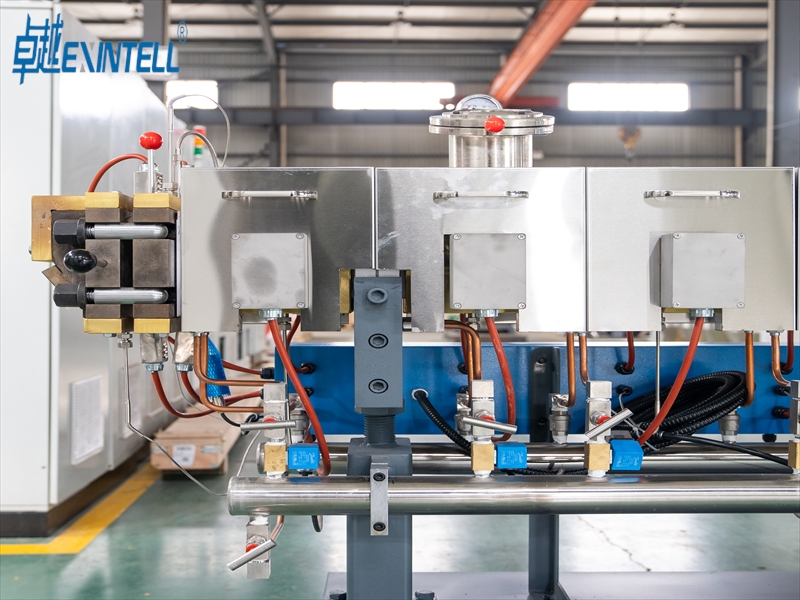
Ganizirani mosamala za kugwirizana kwa zinthu. Mtundu uliwonse wa pulasitiki uli ndi zofunikira zapadera zomwe zimakhudza kusankha kwa makina ndi ntchito.
Unikani mphamvu zopangira ndikukonzekera kukula kwamtsogolo. Sankhani makina omwe angathe kuthana ndi zosowa zanu zamakono komanso kuwonjezeka komwe kungatheke.
Funsani mafunso ofunikira okhudza mtundu wa zida, mphamvu yopanga, ndi ndalama zosamalira musanagule. Izi zimathandiza kupewa zolakwa zodula.
Mtundu Wazinthu: I select machines with screw designs and barrel setups that suit the plastics I process. Temperature controls must match the material’s requirements.
Mtundu wa Zamalonda: I choose machines based on the products I manufacture. Mipope, mafilimu, mbiri, and pellets each need unique dies and auxiliary equipment.
Mphamvu Zopanga: I assess output rates and operating hours. I plan for future growth by ensuring the machine has enough torque and power.
Mulingo wa Automation: I look for features like PLC controls, touch screens, ndi kuyang'anira nthawi yeniyeni. These features improve stability and reduce labor costs.
Selecting a machine using these criteria gives me optimal performance, kusasinthasintha mankhwala khalidwe, and long-term reliability. I always consider the range of applications in plastic extrusion before making a final choice.
Key Questions Before Buying
I ask key questions before I invest in any extrusion equipment. Mafunsowa amandithandiza kupewa zolakwika zamtengo wapatali ndikuwonetsetsa kuti makinawo akugwirizana ndi zosowa zanga. Ndimagwiritsa ntchito tebulo kukonza malingaliro anga:
Ndikupempha ziphaso za ISO ndi zikalata zakutsatiridwa kuti nditsimikizire mtundu.
Ndimafunsanso wopanga za mapulani awo okulitsa, danga la mizere yowonjezera, ndalama zaposachedwa mu zida zatsopano, ndi maphunziro ogwira ntchito. Mafunso awa akuwonetsa kudzipereka kwa ogulitsa pakukula ndi mtundu.
Wopanga yemwe sangandiwonetse deta yachilema, certifications khalidwe, ndi zowongolera ndondomeko ndikubisa chinachake. Ine nthawizonse funani kuwonekera musanagule.
Main Machine Types mwachidule
Ndikubwerezanso mitundu ikuluikulu ya makina extrusion kumvetsetsa mphamvu zawo ndi kugwiritsa ntchito moyenera. Izi mwachidule makina extruder amandithandiza kusankha zipangizo zoyenera mzere wanga kupanga. Ndimagwiritsa ntchito tebulo kuti ndifananize mitundu yodziwika kwambiri:
Ndimagwiritsa ntchito ma extruder a single-screw m'mafakitale ambiri. Common ntchito monga:
Kupanga mapaketi apulasitiki
Kupanga zida zamagalimoto
Zida zomangira
Zida zamankhwala ndi zaumoyo
Consumer electronics casings
Nthawi zambiri ndimapanga mafilimu, mapepala, mapaipi, chubu, ndi mbiri. Ntchito izi mu pulasitiki extrusion amapindula ndi kudalirika ndi kuphweka kwa single-screw.
Twin-Screw Extruders
Momwe Twin-Screw Imagwirira Ntchito
Zopangira mapasa-screw extruder zimagwiritsa ntchito zomangira ziwiri zolumikizirana. Ndimayang'anira ndondomekoyi ndi mapangidwe apamwamba a screw ndi zoikamo zolondola. Dongosolo ili limandipatsa mwapadera zakuthupi homogeneity. Ndikwaniritsa kubalalitsidwa mosasinthasintha ndi mtundu wazinthu zofananira. Twin-screw imagwira ntchito zazikulu komanso zapadera zotsika kwambiri.
Mitundu ya Twin-Screw (Kuzungulira kozungulira, Potsutsa-kuzungulira)
Ndimasankha pakati pa ma co-rotating ndi potsutsa-rotat twin screw extruders. Zomangira zozungulira zimayenda mbali imodzi, kuwonjezera kusakaniza ndi kutulutsa. Zomangira zozungulira zozungulira zimasuntha molunjika, kupereka processing wofatsa kwa zipangizo tcheru. Ndimasankha mtundu kutengera zomwe ndimakonda.
Ubwino wa Twin-Screw
Ndimayamikira ubwino wogwiritsa ntchito ma twin screw extruders. Iwo amapereka patsogolo kusanganikirana, gwirani ma formulations ovuta, ndikuthandizira kupanga kosasintha. Ine konza homogeneity kuchepetsa mtengo khalidwe ndi kupititsa patsogolo kasitomala kukhutira. Twin-screw extruder ndi yosunthika komanso yothandiza.
Zindikirani: Twin-screw imandipatsa kusinthasintha kwa ma polima, mankhwala, ndi zakudya.
Co-extruder amaphatikiza zida zingapo munjira imodzi. I use co-extrusion systems to produce multi-layer products. Each extruder feeds a different polymer, forming layers with unique properties. This method improves efficiency and reduces assembly steps.
Advantages of Co-Extrusion
I benefit from co-extrusion systems in several ways:
Pindulani
Kufotokozera
Customized Performance
Tailors product attributes using different polymers for specific roles.
Kukhathamiritsa Mtengo
Uses high-end polymers for outer layers, cost-effective resins inside.
Reduced Assembly Steps
Combines layers in one process, improving efficiency.
Enhanced Product Aesthetics
Allows multicolored or translucent layers for better appeal.
Industry-Specific
Solutions for diverse industries, enhancing performance.
I also use recycled or lower-cost materials in the core layer to reduce expenses. Precise control of layer thickness minimizes waste.
Best Uses for Co-Extrusion
I producehome goods, furniture components, zida zamasewera, chipangizo chochepetsera, filtration frames, sealing gaskets, machitidwe oyendetsera chingwe, kutsekereza waya, and mounting brackets with co-extruders. These types of extrusion machines help me meet industry-specific needs and improve product performance.
Plastic Extrusion Equipment and Process Types
Mafilimu Extrusion
I use film extrusion to produce thin plastic sheets for packaging and industrial applications. This process relies on plastic extrusion equipment that melts the polymer and forms it into a continuous film. I monitor each step closely to ensure consistent quality. The process starts withmelting the polymerin an extruder. The melted polymer moves through a die, forming a thick tube. I introduce air to expand the tube, creating a bubble. Cooling and flattening the film follows, then winding the finished film onto rolls.
Khwerero
Kufotokozera
1
Melting the Polymer: Polima imatenthedwa mpaka kusungunuka kwake mu extruder.
Zosinthika kwambiri ndi kuwongolera kwapamwamba kwambiri
Kapangidwe ka Maselo
Biaxial orientation ndi crystallinity yapamwamba
Kuwongolera pang'ono, kuzizira kofulumira
Makulidwe Kulekerera
Kulekerera kwakukulu (mpaka ± 10%)
Kulamulira kwapamwamba (± 3% kulolerana)
Mapulogalamu
Oyenera zinthu zolimba ngati matumba a zinyalala
Oyenera mafilimu omveka bwino
Ndimasankha kutulutsa filimu yowombedwa pomwe kulimba komanso kutambasuka ndikofunikira kwambiri. Flat film extrusion, amadziwikanso kuti cast film extrusion, produces films with high clarity and uniform thickness. I choose this method for applications where appearance and precise thickness are critical.
Mapepala Extrusion
Sheet extrusion uses plastic extrusion equipment to create thicker, flat sheets for thermoforming, kumanga, ndi zizindikiro. I select materials based on the end-use requirements. Common materialsinclude PET, PP, Zithunzi za PVC, PS, ndi ABS. Each material offers unique properties for different applications.
PET: High clarity and strength
PP: Chemical resistance and flexibility
Zithunzi za PVC: Rigidity and weather resistance
PS: Easy processing and cost-effectiveness
ABS: Impact resistance and toughness
I adjust my plastic extrusion equipment settings to match the material and desired sheet thickness. I monitor cooling rates and roller speeds to prevent warping or surface defects. Sheet extrusion gives me versatility for producing custom shapes and sizes.
Ndimadalira pulasitiki makina extrusion teknoloji kuti ipereke khalidwe losasinthika la pepala ndikukwaniritsa miyezo yamakampani.
Chitoliro ndi Tubing Extrusion
Ndimadalira chitoliro ndi machubu extrusion ndikafunika kutulutsa nthawi yayitali, kutalika kosalekeza kwa zinthu zapulasitiki zopanda kanthu. Izi zimagwiritsa ntchito zida zapadera za pulasitiki zomwe zimakankhira polima wosungunuka kudzera pakufa kozungulira. Chotsatira chake ndi chitoliro chopanda msoko kapena chubu chokhala ndi miyeso yolondola. Ndimasintha mafelemu ndi calibrator kuti aziwongolera makulidwe a khoma ndi m'mimba mwake. Kusinthasintha kumeneku kumandithandiza kukwaniritsa miyezo yolimba yamakampani.
Ndimasankha zida zoyenera pulasitiki extrusion zochokera zinthu ndi ntchito. Mwachitsanzo, Ndimagwiritsa ntchito zotulutsa zotulutsa kwambiri pamapaipi akulu akulu. Ndimasankha zazing'ono, makina olondola a machubu azachipatala kapena labotale. Ndimawunika kutentha, kupanikizika, ndi mitengo yozizirira kuti mutsimikizire kusasinthika. Ndimayang'ananso ovality ndi kutha kwa pamwamba pakupanga.
The ntchito kwa chitoliro ndi chubu extrusion kuphimba osiyanasiyana mafakitale. Nthawi zambiri ndimagwiritsa ntchito zida zapulasitiki zotulutsa pulasitiki kupanga:
Iwo synchronize ndi extruder ndi kuzirala dongosolo lifanane mlingo extrusion, kuteteza zolakwika monga makulidwe osagwirizana kapena mapindikidwe.
Makina otsogola otsogola amakhala ndi zowongolera zosintha, mphamvu yokoka kwambiri, and precision rollers to maintain uniform pulling force.
These features directly impact product quality and production efficiency in pipe extrusion.
Zindikirani: I always calibrate my haul-off unit before each production run. This step keeps my product dimensions consistent and reduces waste.
Cutters and Winders
Cutters and winders finish the extrusion process. I use cutters to trim the extruded product to the desired length. Winders collect the finished product, such as film or sheet, onto rolls for easy storage and transport. I select cutters based on the material and thickness of the product. Rotary cutters work well for continuous lines, while guillotine cutters suit thicker profiles. Winders must operate smoothly to avoid stretching or deforming the product. I monitor winding tension and speed to prevent defects. Zodulira bwino ndi ma winders zimandithandiza kubweretsa zinthu zokhala ndi m'mphepete mwaukhondo komanso mipukutu yofananira.
Zida
Ntchito
Phindu Lofunika Kwambiri
Ocheka
Chepetsani chinthucho mpaka kutalika komwe mukufuna
Koyera m'mphepete, kukula kwake
Winders
Sungani malonda pamipukutu
Kusungirako kosavuta, amalepheretsa deformation
Nthawi zonse ndimayang'ana zodulira zanga ndi ma winders kuti azivale ndi kuwongolera. Kukonzekera nthawi zonse kumatsimikizira ntchito yodalirika komanso zinthu zomalizidwa bwino kwambiri.
Impact pa Product Quality
Nthawi zonse ndimayang'anitsitsa momwe zida zapansi zimapanga khalidwe lomaliza la mankhwala anga extruded. Chida chilichonse - matanki ozizirira, mayunitsi onyamula, ocheka, ndi winders-amagwira ntchito yapadera pozindikira kusasinthasintha, maonekedwe, ndi ntchito ya mankhwala omalizidwa.
Ndikakhazikitsa mzere wanga wa extrusion, Ndimayang'ana kwambiri pazinthu zazikuluzikuluzi:
Kulondola kwa Dimensional: Matanki oziziritsa ndi mayunitsi okokera amandithandiza kukhalabe opirira molimba. Ngati ndiwona kusiyana kulikonse mumiyeso yazinthu, Ndimayang'ana kutentha kwa madzi mu thanki yozizirira komanso kuthamanga kwa gawo lonyamula katundu. Zosintha zazing'ono nthawi zambiri zimakonza zovuta zisanakhale zovuta zodula.
Mechanical Properties: Kuzizira kofanana ndi kugwedezeka koyendetsedwa panthawi yonyamula kumateteza mphamvu ndi kusinthasintha kwa pulasitiki. Ndimapewa kuzizira kofulumira, zomwe zingayambitse kupsyinjika kwamkati ndi brittleness.
Kusasinthasintha: Makina opangira ma winders ndi zida zolumikizidwa kumunsi zimatsimikizira kuti mita iliyonse yazinthu imagwirizana ndi yomaliza. Ndimagwiritsa ntchito machitidwe owunikira nthawi yeniyeni kuti ndipeze zopotoka msanga.
Langizo: Nthawi zonse ndimalemba zoikamo ndi miyeso yazinthu pamayendedwe aliwonse. This practice helps me identify trends and make data-driven improvements.
Here’s a quick table showing how each piece of downstream equipment impacts product quality:
Zida
Quality Aspect Affected
My Best Practice
Cooling Tank
Maonekedwe, surface, miyeso
Monitor water temp and flow continuously
Haul-Off Unit
Thickness, kufanana
Calibrate speed and tension each shift
Wodula
Edge quality, kutalika
Use sharp blades, check alignment
Winder
Roll consistency, tension
Adjust winding speed, monitor tension
I have learned that even small changes in downstream settings can make a big difference. Mwachitsanzo, increasing the haul-off speed by just a few percent can thin out the product and cause it to fail quality checks. Regular maintenance and calibration keep my equipment performing at its best.
I always remind my team that quality starts at the extruder but finishes with the downstream equipment. By staying vigilant and proactive, I consistently deliver products that meet or exceed customer expectations.
Comparison of Types of Extrusion Machines
Features and Applications Table
Ine nthawizonse compare the types of extrusion machinesbefore making a decision. I look at key features and the range of applications for each machine. This helps me match the right equipment to my production goals. Nayi a table that summarizeswhat I have learned:
Type of Extrusion Machine
Zofunika Kwambiri
Mapulogalamu
Pulasitiki Extrusion
Handles versatile materials like PVC and ABS
Kupaka, kumanga
Metal Extrusion
Offers strength and durability, but uses more energy
Zomangamanga, kupanga
Food Extrusion
Controls temperature and pressure for uniformity
Producing snacks and cereals
Automotive Extrusion
Produces lightweight parts for fuel efficiency
Kupanga zida zamagalimoto
Ndimagwiritsa ntchito tebulo ili kuti ndizindikire mwachangu makina omwe akugwirizana ndi zosowa zanga. Ndimayang'ana kwambiri zomwe zili zofunika kwambiri pamapulogalamu anga.
Ubwino ndi kuipa kwa Machine Type
Ine nthawizonse yesani zabwino ndi zoyipa a mtundu uliwonse wa makina. Izi zimandithandiza kupewa ndalama zosayembekezereka komanso zovuta zopanga. Ndapeza sikelo imodzi, mapasa-wiringa, ndi makina co-extrusion aliyense amapereka ubwino wapadera ndi zovuta zake. Nayi a tebulo lofananiza:
Kukwera mtengo koyamba, ntchito yovuta kwambiri, ndi kukonza
Ndimasankha makina a sikelo imodzi ndikafuna kugwira ntchito kosavuta komanso kukonza pang'ono. Ndimasankha makina opangira ma twin-screw kuti asakanize motsogola komanso kupanga zovuta. Makina opangira ma co-extrusion amandipatsa kusinthika kwazinthu zamitundu yambiri, koma amafunikira kukhazikitsidwa kosamala ndi kuwongolera.
Langizo: I always consider the complexity of my applications before choosing a machine. This approach prevents costly mistakes.
Quick Selection Chart
I use a quick selection chart to guide my decision. This chart helps me match machine types to my production needs and applications.
If I need basic extrusion for packaging or construction, I choose plastic extrusion machines.
For high-strength parts in manufacturing, I select metal extrusion machines.
When producing snacks or cereals, I rely on food extrusion machines.
For lightweight automotive parts, I use automotive extrusion machines.
I always review my production goals and material requirements before making a final choice. This process ensures I select the right machine for my applications and achieve consistent results.
Key Factors for Machine Selection
Kugwirizana kwazinthu
I always start my selection process by evaluating material compatibility. The plastic extrusion machine must handle the specific polymers I plan to process. Each material brings unique requirements for temperature, screw design, and barrel setup. I check the properties and intended applications before making a decision. Mwachitsanzo, polyvinyl chloride works well for pipes and films because it offers excellent formability and durability. Polyethylene and polypropylene suit packaging and consumer goods due to their versatility and ease of processing. Polycarbonate provides impact resistance and optical clarity, making it ideal for eyewear lenses and safety equipment. Nylon stands out for strength and heat resistance in industrial applications. I use the following table to comparematerial types and their key properties:
Mtundu Wazinthu
Mapulogalamu
Zofunika Kwambiri
Polyvinyl kloridi (Zithunzi za PVC)
Mipope, mafilimu, electrical wire insulation
Excellent formability, kukhazikika
Polyethylene terephthalate (PET)
Not specified
Unique benefits
Acrylonitrile butadiene styrene (ABS)
Zagalimoto, katundu wa ogula
Mphamvu, kusinthasintha
Polyethylene (PE)
Kupaka, katundu wa ogula
Kusinthasintha, ease of processing
Polypropylene
Kupaka, katundu wa ogula
Kusinthasintha, ease of processing
Polycarbonate
Eyewear lenses, safety equipment
Kukana kwamphamvu, optical clarity
Nayiloni (polyamide)
Industrial applications
Mphamvu, kukana kutentha
I always match the machine’s screw and barrel design to the material’s melting point and viscosity. When I process recycled plastics, I pay extra attention to contamination and blending requirements. Material compatibility influences my choice between single-screw and twin-screw machines. Single screw extruders handle basic thermoplastics well, while twin screw extruders excel with blends, zowonjezera, ndi mapulasitiki obwezerezedwanso.
Voliyumu Yopanga
Production volume drives my machine selection. I calculate my expected output in kilograms per day or per shift. If my production volume falls between500 ndi 1,000 kilogalamu, I consider investing in custom dies and specialized machines. This threshold often dictates whether I choose single-screw or twin-screw extruders. Single-screw machines suit low to medium volumes and offer the advantages of single screw extruders, such as simple operation and lower maintenance. Kwa kupanga kwamphamvu kwambiri, Ndimadalira ma twin screw extruder. These machines deliver consistent quality and efficiency, especially when I need to process complex formulations or recycled plastics. The table below shows how production volume influences my decision:
Voliyumu Yopanga (kg)
Implication for Machine Selection
500-1,000
Minimum order volume for custom die investment, influencing machine type selection.
I always plan for future growth. If my business expands, I upgrade to twin-screw machines to handle increased demand and more challenging materials.
Product Complexity
Product complexity shapes my approach to machine selection. I assess the geometry, layer structure, and additive requirements for each product. Simple shapes and single-layer products work well with single-screw machines. When I need multi-layer profiles or advanced mixing, I choose twin-screw extruders. The benefits of using twin screw extruders include superior mixing, precise additive incorporation, and flexibility for complex applications. I select twin-screw machines for products with demanding specifications, monga machubu azachipatala, zida zamagalimoto, or specialty films. If my application requires intricate shapes or multiple material layers, I consider co-extrusion systems. I always match the machine type to the complexity of my products to ensure consistent quality and performance.
Langizo: I review my product designs and material requirements before finalizing my machine selection. This step prevents costly mistakes and ensures my extrusion line meets all production goals.
Maintenance and Costs
I always prioritize maintenance when selecting a plastic extrusion machine. Maintenance impacts both reliability and long-term costs. I have learned that regular upkeep prevents unexpected breakdowns and keeps production running smoothly. I rely on predictive maintenance to monitor my equipment in real time. This approach helps me anticipate faults and plan interventions before problems escalate.
I track several critical parameters on my extrusion machines:
Abnormal vibrations signal mechanical wear or misalignment.
Increased temperatures indicate possible overheating or friction.
Non-standard extrusion pressure points to blockages or material inconsistencies.
Abnormal energy consumption reveals inefficiencies or electrical issues.
By monitoring these factors, I reduce unplanned downtime. I address issues before they cause major failures. Predictive maintenance allows me to optimize planned maintenance. I act only when data shows a need, which saves time and resources. This strategy extends the life of my extruders. I monitor wear and mechanical stress closely, replacing parts only when necessary.
Langizo: I always keep a log of maintenance activities and machine performance. This record helps me spot trends and make informed decisions about repairs or upgrades.
Maintenance costs include routine inspections, zida zobwezeretsera, ntchito, ndi kugwiritsa ntchito mphamvu. I budget for these expenses every year. I find that efficient spare parts management lowers emergency repair costs. I order parts based on usage data, not guesswork. This practice prevents overstocking and reduces waste.
Here is a table summarizing my maintenance approach and its impact on costs:
Maintenance Activity
Impact on Costs
My Best Practice
Predictive Monitoring
Reduces unplanned downtime
Use sensors for real-time alerts
Routine Inspections
Prevents major failures
Schedule monthly checks
Spare Parts Management
Controls inventory expenses
Order based on machine data
Energy Consumption Review
Identifies inefficiencies
Track power usage weekly
I always consider maintenance requirements when comparing machine types. Single-screw extruders usually need less maintenance. Twin-screw and co-extrusion machines require more attention due to their complexity. I factor these costs into my total cost of ownership calculations.
Maintenance is not just about fixing problems. It is about protecting my investment and ensuring consistent product quality. I invest in training my staff so they understand the importance of regular checks and predictive monitoring. This commitment pays off with fewer emergencies and better cost control.
Common Mistakes in Choosing Extrusion Machines
Overlooking Material Needs
I often see buyers overlook material needs when choosing extrusion machines. I always start by identifying the types of plastics I plan to process. If I ignore material compatibility, I risk poor product quality and wasted resources. Mwachitsanzo, I select single-screw extruders when I work with basic thermoplastics. These machines handle materials like polyethylene and polypropylene with ease. When I need to process blends or recycled plastics, Ndimadalira ma twin-screw extruder. Twin-screw machines offer superior mixing and dispersion. I never assume that one machine fits all materials. I check the melting point, viscosity, and additives for each polymer. This step prevents costly mistakes and ensures consistent results.
Langizo: I always ask suppliers about screw design and barrel setup for my specific materials. This practice helps me avoid downtime and defects.
Ignoring Future Growth
I learned that ignoring future growth can limit my production and profitability. I always plan for expansion when selecting extrusion machines. If I choose a single-screw machine for current needs, I consider whether it can handle increased volume later. Zotulutsa ziwiri-screwprovide flexibility for scaling up production. I review my business goals and forecast demand before making a purchase. I also check if the machine supports upgrades or additional lines. Planning for growth saves me from expensive replacements and disruptions.
Here is a simple checklist I use:
Estimate future production volume.
Assess machine scalability.
Confirm compatibility with new materials or products.
Evaluate space for expansion.
I never underestimate the importance of future-proofing my extrusion line. This approach keeps my operations efficient and competitive.
Underestimating Maintenance
I see many buyers underestimate maintenance requirements. I always factor maintenance into my decision. Single screw extruders need less maintenance due to their simple design. Twin screw extruders require more attention because of their complexity. I track maintenance schedules, kupezeka kwa zida zosinthira, ndi maphunziro ogwira ntchito. If I neglect maintenance, I face unexpected breakdowns and higher costs. I use predictive monitoring to catch issues early. Regular inspections and proper documentation keep my machines running smoothly.
Mtundu wa Makina
Maintenance Level
Common Issues
Sikirilo imodzi
Zochepa
Valani, basic cleaning
Twin-screw
Wapamwamba
Alignment, mixing wear
Zindikirani: I always invest in staff training and spare parts inventory. This strategy reduces downtime and protects my investment.
I avoid these mistakes by staying informed and proactive. I match machine types to material needs, plan for growth, and prioritize maintenance. This process helps me achieve reliable production and high-quality products.
Checklist for Selecting Plastic Extrusion Equipment
Step-by-Step Selection
I always follow a structured approach when I select plastic extrusion equipment. This method helps me avoid mistakes and ensures I get the best results for my production line. Here is my step-by-step process:
Kusankha Zinthu I start by identifying the right plastic material for my application. I consider the product’s end use, environmental exposure, and durability needs. I often choose between HDPE, polypropylene, Zithunzi za PVC, or polystyrene, depending on the project.
Equipment Choice I match the plastic extrusion equipment to my production requirements. For simple profiles and high-volume output, I rely on single-screw machines. When I need to blend or compound materials, I use twin-screw extruders. If my product requires multiple layers or enhanced features, I select co-extruders.
Zida Zothandizira I include essential systems like cooling tanks, zotumizira, and cutting machines. These components improve efficiency and help me maintain consistent quality throughout the extrusion process.
Production Volume Assessment I calculate my expected output and make sure the plastic extrusion equipment can handle the workload. I plan for future growth to avoid bottlenecks.
Quality Control Planning I set up systems for real-time monitoring and defect detection. This step ensures I maintain high standards and reduce waste.
Langizo: I always document each step in my selection process. This record helps me review decisions and improve future purchases.
Supplier Questions
When Ievaluate suppliersfor plastic extrusion equipment, I ask targeted questions to ensure I make an informed choice:
What experience do you have with my chosen material and product type?
Can you provide references from similar projects?
How do you support installation, maphunziro, ndi pambuyo-kugulitsa utumiki?
What is the lead time for delivery and setup?
Do you offer spare parts and maintenance packages?
How do you handle warranty claims and technical support?
I always request detailed specifications for single-screw, mapasa-wiringa, and co-extrusion machines. I ask for documentation on energy efficiency, chitetezo mbali, and compliance with industry standards.
Final Decision Tips
Before I finalize my investment in plastic extrusion equipment, I review these final tips:
I compare multiple quotes and check for hidden costs.
I visit the supplier’s facility if possible to see the equipment in action.
I verify the availability of spare parts for single-screw and other machines.
I confirm that the supplier offers training for my team.
I ensure the equipment can adapt to new materials or products in the future.
Zindikirani: I never rush my decision. Taking time to follow this checklist helps me avoid costly errors and ensures long-term success with my plastic extrusion machine.
I always align my plastic extrusion machine choice with my production goals and application needs. I review single-screw, mapasa-wiringa, and co-extrusion machines to match each to its best use. My final checklist includes:
Confirm material compatibility
Assess production volume
Evaluate product complexity
Plan for maintenance
I recommend consulting suppliers or industry experts before making a purchase. Take time to research and make an informed decision.
FAQ
What is the most important factor when choosing a plastic extrusion machine?
I always focus on material compatibility first. The machine must process my chosen polymer efficiently. This step prevents defects and ensures consistent quality.
How do I calculate the right production capacity for my extrusion line?
I estimate my daily or weekly output needs. I check machine specifications and match them to my target volume. Planning for future growth helps me avoid bottlenecks.
Can I use one extrusion machine for different materials?
I can process multiple materials if the machine supports quick changeovers and has the right screw design. I always consult the manufacturer before switching materials.
Ndi ntchito zotani zomwe ndiyenera kuchita pafupipafupi?
I schedule routine inspections, clean the barrel and screw, and check for wear. I monitor temperature and pressure sensors. Regular maintenance keeps my line running smoothly.
How do I reduce defects in extruded products?
Ndimawunika kutentha, screw liwiro, and cooling rates closely. I adjust settings based on product feedback. I document every change to track improvements.
Is automation necessary for small-scale extrusion?
I find automation helpful, even for small runs. Features like PLC controls and real-time monitoring improve consistency and reduce labor costs.
What should I ask my supplier before buying a machine?
I request references, technical support details, ndi kupezeka kwa zida zosinthira. I ask about training and warranty terms. I always verify compliance with industry standards.
How do I know if I need a twin-screw extruder?
I choose twin-screw extruders for complex mixing, zobwezerezedwanso, or high-volume production. If my process needs advanced compounding, I select this type.