

Twin Screw vs Single Screw Compounding Extruder Machines Hovedforskjeller forklart
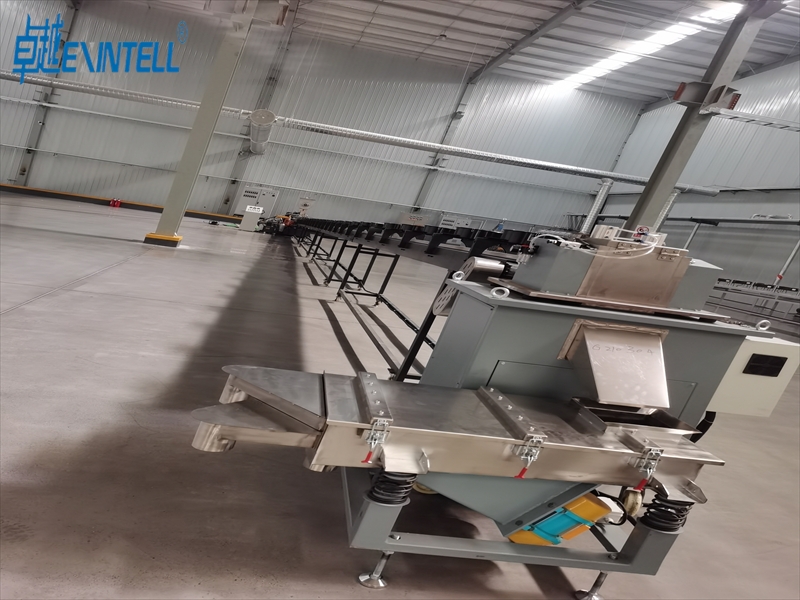
Ekstrudermaskiner med dobbelskruer og enkeltskruer er ikke det samme. De jobber på forskjellige måter. De blander materialer forskjellig. Hver av dem er bedre for visse jobber. Dobbeltskrueekstrudere er best for blande hele tiden. De fjerner også uønskede gasser godt. Enkelskrueekstrudere er gode til å pumpe med høyt trykk. De lager film, ark, og fibre. Å velge riktig ekstrudermaskin betyr mye. Det påvirker hvor raskt du jobber. Det endrer hvor gode produktene dine er. Det hjelper når du lager mange ting. Mange bransjer bruker disse maskinene til mange materialer, like:
- Plast brukt i biler og bygninger
- Mat som snacks og frokostblandinger
- Medisiner og kjemikalier
Å velge riktig ekstruder for materialet og jobben hjelper ting til å fungere bra. Det gir jevne og gode resultater.
Viktige takeaways
- Ekstrudere med to skruer blande ting bedre og jobbe raskere. De er gode for harde jobber og til å lage mange produkter.
- Enkeltskrueekstrudere er enkle og koster mindre penger. De er gode for enkle jobber med jevnt arbeid som å lage rør og filmer.
- Å velge riktig ekstruder avhenger av hva du bruker, hvor vanskelig jobben er, hvor mye du trenger å lage, og budsjettet ditt. Dette er med på å sikre at du får god kvalitet og jobber raskt.
- Ekstrudere med dobbelskruer sparer penger over tid. De bruker mindre energi, trenger mindre fiksing, og slutte å jobbe sjeldnere.
- Arbeidere bør velg riktig ekstruder for materialet og jobben. Dette holder arbeidet stødig og gir gode produkter.
Enkeltskrue ekstruder grunnleggende
Hva er en enkeltskrueekstruder
EN enkelt skrue ekstruder er en maskin som smelter og former polymerer. It uses one screw that spins inside a hot barrel. This type of extruder is the most common in making plastics. The design is simple, so it is easy to use and fix. Many companies pick this machine because it works with many materials. It is also easy to keep working well.
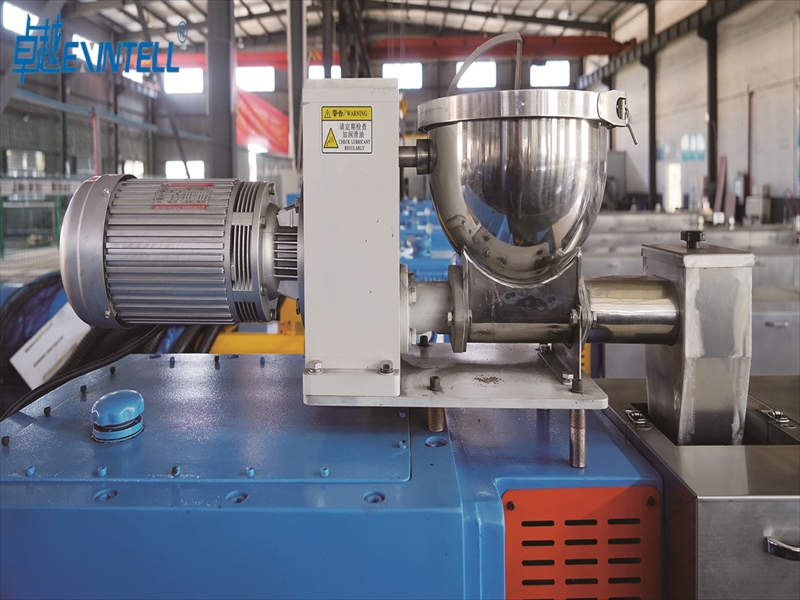
De main parts of a single screw extruder are:
| Komponent | Beskrivelse |
|---|---|
| Barrel and feed section | Holds the screw and helps heat, kjøle, and vent the material. |
| Barrel heating and cooling mechanism | Keeps the material at the right temperature while working. |
| Barrel and die temperature control | Controls the heat at the die for best results. |
| Motor and drive | Turns the screw so the material moves through the machine. |
| Girkasse | Sends power from the motor to the screw. |
| Thrust bearing | Holds the screw steady and lets it turn smoothly. |
| Feed screw | Pushes and mixes the material as it moves forward. |
| L/D-forhold | Helps decide how long and how much area the material touches inside. |
| Mixing devices | Helps mix the material better if the screw design needs help. |
How Single Screw Extruders Work
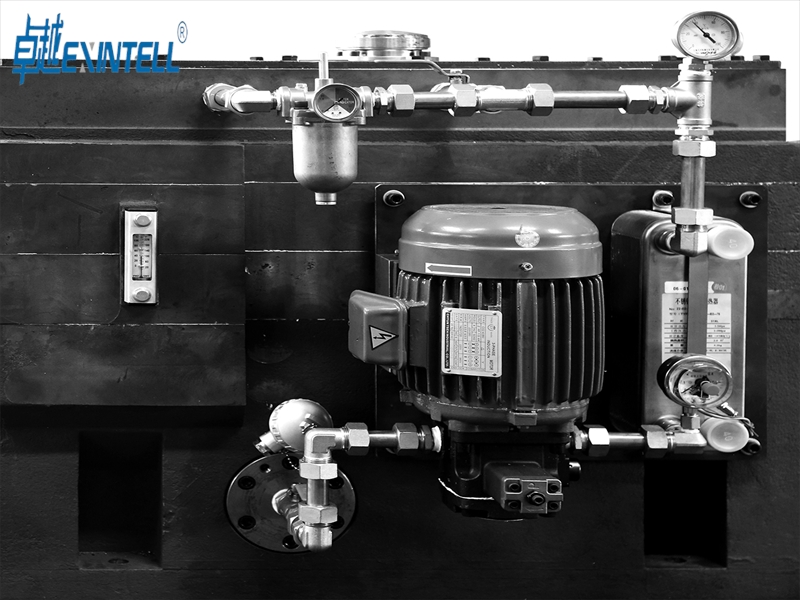
Solid polymer pellets go into the barrel at the start. The screw turns and pushes the pellets forward. The barrel gets hot and melts the pellets as they move. The screw makes sure the melted material is smooth and even. The machine uses heat and the turning screw to melt and shape the polymer.
Some important things about how it works are:
- Melting mechanics make sure the pellets melt evenly for good quality.
- Shear stress management stops the polymer from getting damaged and mixes it well.
- The screw and barrel design changes how the polymer heats and shapes.
- Controlled melting keeps the material from getting too hot or ruined.
Each polymer needs just the right amount of heat to melt. The screw must balance the heat and force on the material. As the polymer melts, it gets softer, which changes how the screw moves it.
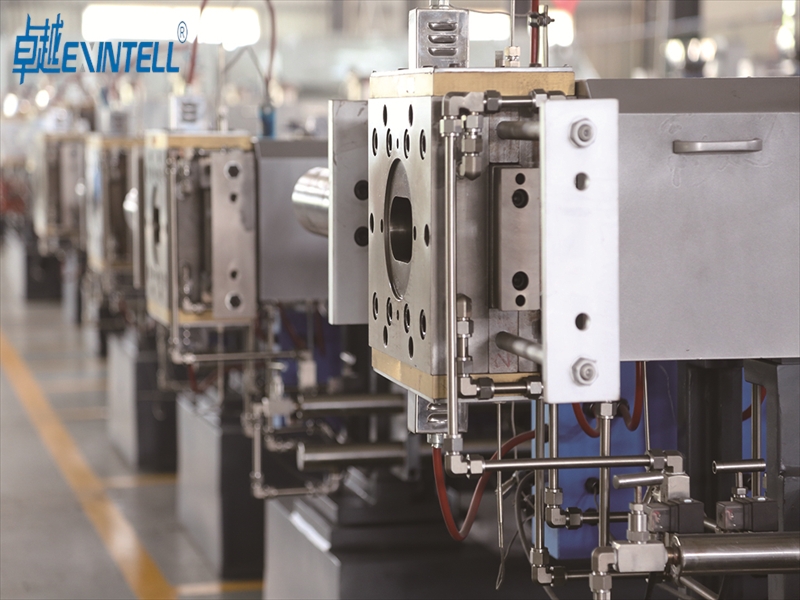
Tupp: Operators should always check the temperature and screw speed. This helps stop overheating and keeps the product quality steady.
Applications of Single Screw Extruders
Single screw extruders are used in many fields. They can work with many kinds of polymers for different jobs. This design is best when you need steady flow and lots of output.
| Type of Polymer | Søknad |
|---|---|
| Pipe and Tubing | Used in building and plumbing |
| Film and Sheet | Used for packaging and covers |
| Fiber | Brukes til å lage klær |
| Belegg | Brukes til forskjellige overflatebehandlinger |
| Blåst film | Brukes til myk emballasje |
Bedrifter bruker enkeltskrueekstrudere for å lage rør, film, fiber, belegg, og blåst film. Disse maskinene fungerer godt for disse produktene. Deres enkle design og gode ytelse gjør dem til et toppvalg for mange fabrikker.
Twin Screw Extruder Oversikt
Hva er en tvillingskrueekstruder
EN dobbeltskrue ekstruder er en komplisert maskin. Den er laget for avanserte materialjobber. Det er forskjellig fra en enkelt skrue ekstruder. Denne maskinen har to skruer som passer sammen inne i tønnen. Skruene kan skiftes på mange måter. Dette lar dobbeltskrueekstruderen jobbe med mange materialer og oppskrifter. Den mater, blander, smelter, og skyver ut materialer veldig godt. Mange fabrikker velger dobbeltskrueekstruderen når de trenger nøye kontroll og sterk blanding.
| Trekk | Enkelskrue ekstruder | Ekstruder med to skruer |
|---|---|---|
| Struktur | Enkel struktur | Complex structure |
| Price | Lower price | Higher price (about twice as much) |
| Screw Combination | Stiv, cannot be combined | Freely combinable screws |
| Transport Mechanism | Relies on friction force | Forcing material forward with shearing effect |
| Velocity Field | Clear and easy to describe | Complex due to meshing zone |
Hvordan Twin Screw Extruders fungerer
The twin screw extruder uses two screws that spin. They can turn the same way or in opposite ways. When both screws turn the same way, mixing is very good. When the screws turn in different ways, the machine controls pressure better. A parallel twin screw extruder keeps the same size all the way. This is good for mixing and making lots of material. A conical twin screw extruder gets smaller at one end. This helps feed thick or sticky materials.
- Samroterende tvilling skrue: Both screws turn the same way. Dette hjelper til med å blande og flytte materiale raskt.
- Motroterende tvillingskrue: Skruer dreier seg på forskjellige måter. Dette gir kraftig dytt, men mindre blanding.
- Parallell dobbeltskrueekstruder: Størrelsen forblir den samme. Den er god til å blande og teste.
- Konisk dobbeltskrueekstruder: Slutten blir mindre. Det hjelper å mate store eller tykke ting.
Dobbeltskrueekstruderen blander ting veldig godt. Den bruker sterk dytting og elting. Dette sprer ut alle ekstra deler og fyllstoffer. Arbeidere kan kontrollere prosessen bedre. Dette gjør dobbeltskrueekstruderen ypperlig for harde jobber.
Bruk av tvillingskrueekstrudere
Dobbeltskrueekstrudere brukes i mange virksomheter. De jobber med plast, gummi, mat, medisin, og resirkulering. Ekstruderen med dobbelskruer er flott å blande, smelting, og forming av plast. Den blander også gummi til biler og maskiner. I mat, den former snacks og frokostblandinger. Medisinfirmaer bruker det til å lage spesielle piller. Dobbeltskrueekstruderen hjelper også med å resirkulere gammel plast til nye ting.
Note: Dobbeltskrueekstruderen kan håndtere tøffe materialer og harde jobber. Dette gjør det svært viktig for dagens fabrikker.
Sammenlikning av ekstrudermaskin
Design og blandingseffektivitet
Måten en sammensatt ekstrudermaskin er bygget på, påvirker hvor godt den blander ting. Enkeltskrueekstrudere har en enkel design. De skyver smeltet materiale fremover, men blander seg ikke mye. Dette fungerer for å lage rør eller filmer. Men det blander ikke komplekse materialer godt.
Dobbeltskrueekstrudere har to aksler som passer sammen. Disse akslingene lager mer trykk og skjærkraft. Dette bidrar til å blande materialer bedre og raskere. Dobbeltskrueekstrudere kan endres for å passe til forskjellige jobber. Operators can adjust the screws for each task. This makes products more even and steady.
Twin screw extruders mix materials evenly. They keep the flow steady. They handle fillers, tilsetningsstoffer, and recycled materials easily.
Here is a table that shows how both types mix:
| Trekk | Ekstruder med to skruer | Enkelskrue ekstruder |
|---|---|---|
| Blandingsevne | Superior mixing due to intermeshing shafts | Limited mixing capabilities |
| Material Homogeneity | Improved homogeneity and dispersion | Less effective in achieving uniformity |
| Designfleksibilitet | Modular layout allows for configuration | Fixed design with limited adaptability |
| Shear and Pressure Control | Better control of shear and pressure | Basic control mechanisms |
Another table shows how efficient they are:
| Trekk | Ekstruder med to skruer | Enkelskrue ekstruder |
|---|---|---|
| Blandingseffektivitet | Higher due to kneading block geometry | N/A |
| Gjennomstrømning | Opp til 100% increase in high RPM range | N/A |
| Temperaturkontroll | Melts material without unnecessary heating | N/A |
Ekstrudere med to skruer fungerer bedre for blanding og resirkulering. De holder produktkvaliteten høy, selv med tøffe materialer.
Gjennomstrømning og produktivitet
Gjennomstrømning betyr hvor mye materiale maskinen kan behandle på en viss tid. Produktiviteten avhenger av gjennomstrømning og å holde maskinen i gang.
- Ekstrudere med to skruer behandler mer materiale raskere. De er gode for store jobber og resirkulering.
- Enkelskrueekstrudere gir jevn utgang for enkle produkter. De er best for mindre jobber og enkle oppgaver.
- Ekstrudere med to skruer jobber med høyere hastigheter. De holder kvaliteten høy, selv med harde jobber.
- Enkelskrueekstrudere er et godt valg for å lage rør og film raskt.
- Ekstrudere med dobbelskruer er flotte for blanding, resirkulering, og PVC-jobber. De kan gjøre mange typer arbeid.
Ekstrudere med dobbelskruer hjelper fabrikker med å lage flere produkter. De holder kvaliteten stabil og oppfyller store krav.
Energibruk og kostnad
Energibruk og kostnader er viktige når du velger en ekstrudermaskin. Dobbeltskrueekstrudere koster mer i begynnelsen enn enkeltskrueekstrudere. Men de sparer penger over tid.
| Kostnadstype | Ekstruder med to skruer | Enkelskrue ekstruder |
|---|---|---|
| Startkostnad | $200,000 | $140,000 |
| Vedlikeholdskostnader | $60,000 | $120,000 |
| Energikostnader | $180,000 | $210,000 |
| Nedetidskostnader | $20,000 | $60,000 |
| Totale femårskostnader | $460,000 | $530,000 |
| Besparelser over fem år | $70,000 | N/A |
Ekstrudere med to skruer bruker mindre energi og trenger mindre festing. De kuttet ned på tapt tid, så produksjonen går opp. Over fem år, en dobbeltskrueekstruder kan spare $70,000 sammenlignet med en enkeltskrueekstruder. Disse besparelsene kommer fra å bruke mindre energi, færre reparasjoner, og mindre nedetid.
For tøffe blandings- og resirkuleringsjobber, dobbeltskrueekstrudere fungerer bedre. De er mer effektive og lager produkter av høyere kvalitet. Enkeltskrueekstrudere er fortsatt gode for enkle jobber og standard produksjon.
Fordeler og ulemper Sammendrag
Enkeltskrue ekstruder fordeler og ulemper
Fordeler:
- Operatører liker enkeltskrueekstrudere fordi de er det enkel å bruke. Det enkle designet gjør dem billigere å kjøpe og enkle å sette opp. Det er ikke mange deler som kan gå i stykker, så det koster mindre å fikse og kjøre maskinen. Arbeidere trenger ikke mye opplæring, slik at de kan fokusere på å lage produkter. Færre deler betyr også maskinen bryter ikke sammen ofte, så arbeidet fortsetter.
Ulemper:
- Enkelskruen flytter stort sett materiale fremover, så det blander seg ikke godt. Det fungerer ikke like raskt eller like bra med harde jobber eller når man blander mange ting. Maskinen kan ikke lage de sterke kreftene som trengs for tøff blanding eller spesialjobber. Noen ganger, varmen spres ikke jevnt ut, som kan skade materialet. Dårlig blanding kan etterlate vann eller kjemikalier inne, som ikke er bra. Maskinen har trouble with thick materials, so it can slip and not work right. Changing the screw is hard and takes a lot of time and money. It works best for simple shapes, but not for tricky ones.
Operators pick single screw extruders for easy jobs and steady work. But they have problems with new materials or when strong mixing is needed.
Twin Screw Extruder Pros and Cons
Fordeler:
- Twin screw extruders can run all the time, which is safer and saves money. They mix things very well and can handle many different materials at once. Special mixing parts help the machine work better with lots of materials. New ways to make these parts make them cheaper and faster to get. The parts are strong and do not rust, so they last a long time and can be used for many jobs. Denne maskinen kan lage mange produkter raskt og trenger ikke mange verktøy, så det er bra for spesielle blandejobber.
Ulemper:
| Aspekt | Begrensning |
|---|---|
| Innledende investering | Koster mye å kjøpe i starten |
| Vedlikeholdskostnader | Trenger mye penger for å fortsette å jobbe |
| Markedspåvirkning | Små selskaper kan kanskje ikke kjøpe det |
| Barrierer for adopsjon | Høy pris gjør det vanskelig å få nye maskiner |
Ekstrudere med to skruer fungerer utmerket for harde blandejobber og til å lage mange produkter. Men de koster mer og er vanskeligere å bruke, så små selskaper kan kanskje ikke få dem.
Velge den riktige sammensatte ekstrudermaskinen
Nøkkelvalgsfaktorer
Å velge den riktige ekstrudermaskinen avhenger av mange ting. Hver ting endrer hvordan maskinen fungerer og passer til jobben. Tabellen nedenfor viser hvordan enkeltskrue- og dobbeltskrueekstrudere er forskjellige:
| Faktor | Enkelskrue ekstruder | Ekstruder med to skruer |
|---|---|---|
| Søknad & Materiale | Bra for enkle jobber som plastekstrudering; best for grunnleggende oppgaver med mindre ytelse. | Best for vanskelige jobber, nano-sammensetning, tøffe polymerer, og bransjer som trenger nøye arbeid (som medisin og biler). |
| Materialhåndtering | Gir jevn flyt for enkle materialer. | Blander bedre og fordeler tilsetningsstoffer jevnt. |
| Temperaturkontroll | Holder den rette varmen for grunnleggende jobber. | Styrer varmen bedre for vanskelige eller sensitive materialer. |
| Dies design kompleksitet | Fungerer med enkle formdesign. | Håndterer harde dysedesign som krever nøye konstruksjon. |
| Koste & Budsjett | Koster mindre å kjøpe og fikse; enkel design er bra for små bedrifter. | Koster mer å kjøpe og fikse på grunn av avanserte deler; trenger spesielle ferdigheter. |
| Ytelse & Produksjon | Fungerer bra for grunnleggende produksjon og mindre forsiktige jobber. | Gir bedre resultater og utgang, bra for tøffe jobber som å lage medisinsk utstyr. |
| Vedlikehold & Lang levetid | Enkel å fikse på grunn av enkel design; bra for arbeidere med mindre kompetanse. | Vanskeligere å fikse, men selvrensende deler reduserer tapt tid ved materialskifte. |
| Energieffektivitet | Bruker mindre energi fordi det er enkelt. | Kan bruke mer energi, men sparer penger over tid for harde jobber. |
Materialtykkelse betyr mye når du velger en maskin. Dobbeltskrueekstrudere er flott for tykke materialer. De håndterer vanskelige blandinger og materialer som trenger forsiktig oppvarming. Enkelskrueekstrudere er best for tynne, enkle materialer. De fungerer ikke godt med tykke eller varmefølsomme materialer.
Hvor mye du trenger å tjene har også betydning. Ekstrudere med dobbelskruer er gode for å lage mye ting og vanskelige materialer. De gir nøye resultater og jobber raskt. Store selskaper liker de avanserte funksjonene deres. Enkeltskrueekstrudere koster mindre og er bra for små og mellomstore bedrifter. De passer til enkle jobber og mindre mengder.
Tupp: Operators should pick the machine that matches the material and how hard the job is. This helps keep output steady and products good.
Application-Based Recommendations
Different jobs and industries need certain extruder machines. These tips help users pick the best machine for their work:
- Twin screw extruders are best for jobs with lots of fillers, making masterbatch, og jobs needing careful control of how long materials stay inside.
- PVC and other materials that get hurt by heat do well with twin screw extruders because they heat evenly and gently.
- Counter-rotating twin screw extruders handle thick and heat-sensitive materials. They make strong force and run slower, so they do not get too hot.
- Co-rotating twin screw extruders mix really well and control heat carefully. They are good for jobs needing careful heat control.
- Single screw extruders are not as good for thick or heat-sensitive materials. They work best for easy jobs like making pipes, filmer, og ark.
| Kriterier | Fordeler med dobbelskrueekstruder |
|---|---|
| Produksjonsskala | Best for making lots of products |
| Materialkompleksitet | Good for tricky materials (like thick or heat-sensitive stuff) |
| Precision Requirements | Makes products with careful detail |
| Enterprise Size | Good for big companies with many needs |
| Produksjonseffektivitet | Helps make products faster and better |
For making lots of color masterbatch, operators should use careful quality checks. Preventive maintenance keeps machines working well. Automatic controls help keep the process steady. Training helps workers run and fix the machines right. Good material handling stops damage and keeps quality high.
Note: Twin screw extruders are best for advanced mixing, resirkulering, and tough polymer jobs. Single screw extruders are still a smart choice for simple jobs and basic products.
Ekstrudermaskiner med dobbelskruer og enkeltskruer er ikke det samme. They mix materials in different ways. Twin screw extruders mix better and work faster. Single screw extruders mix simply and work at a slower speed. The table below shows how they are different:
| Trekk | Ekstruder med to skruer | Enkelskrue ekstruder |
|---|---|---|
| Mixing Ability | Overlegen | Grunnleggende |
| Gjennomstrømning | Høy | Moderat |
| Prosessfleksibilitet | Avansert | Enkel |
Dobbeltskrueekstrudere er good for hard jobs and big factories. Single screw extruders are best for easy jobs and making simple products. Operators need to pick the right machine. They should think about how thick the material is, what additives are needed, and what they want to make. This helps get the best results.
FAQ
What is the main difference between single screw and twin screw extruders?
Enkelskrueekstrudere har én skrue som dreier og flytter materiale. Dobbeltskrueekstrudere har to skruer som passer sammen. Tvillingskruemaskiner blander ting bedre. De er gode for harde jobber.
Hvilken ekstruder er best for resirkulering av plast?
Ekstrudere med dobbelskruer er best for resirkulering. De blander resirkulerte ting og tilsetningsstoffer jevnere. Dette gjør produktene bedre og reduserer feil.
Er dobbeltskrueekstrudere vanskeligere å vedlikeholde?
Ekstrudere med to skruer har flere deler. De trenger mer omsorg og dyktighet for å fikse. Mange modeller renser seg selv, så de stopper sjeldnere.
Kan små bedrifter bruke dobbeltskrueekstrudere?
Små bedrifter kan bruke dobbeltskrueekstrudere. Men de koster mye, så det kan være tøft. Enkelskrueekstrudere er billigere og passer til enkle jobber.
Hvordan velger jeg riktig ekstruder for materialet mitt?
- Se på hvilket materiale du vil bruke.
- Tenk på hva du trenger å legge til.
- Bestem hvor mye du vil lage.
- Sjekk budsjettet ditt.
- Velg en dobbeltskrueekstruder for vanskelige eller sensitive materialer.
- Velg en enkelt skrueekstruder for enkle jobber.