

Twin Screw Compounder Showdown hvilken modell som fører inn 2026
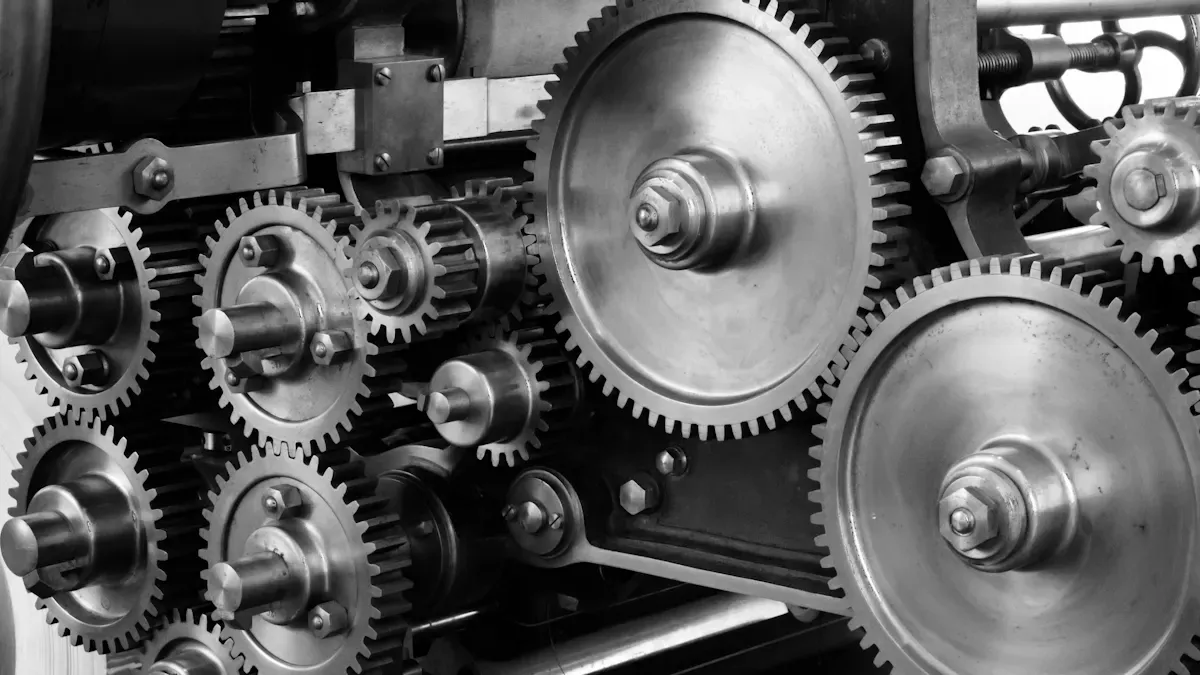
Jeg ser den samroterende tvillingskruekompounderen som den klare lederen i 2026. Denne modellen har en betydelig markedsandel, nå 71.0% i 2024, takket være sin eksepsjonelle blanding, selvrensende, og avgassingsytelse. Jeg stoler på den samroterende designen for høy gjennomstrømning og fleksibilitet, spesielt ved produksjon av komplekse materialer for plast eller matvareforedling. Når jeg sammenligner det med den motroterende tvillingskrueblandingen, Jeg merker at den samroterende typen tilpasser seg bedre til skiftende industribehov. Jeg vurderer alltid ytelse, koste, og allsidig bruk før du velger en dobbelskrueblanding. Etter min erfaring, materialkompatibilitet, kapasitet, og fremtidig vekst kjøre beslutningen min. Etter hvert som etterspørselen øker etter bærekraftige materialer med høy ytelse, Jeg ser på tvillingskrueblandingen som en viktig investering for enhver moderne produsent.
Viktige takeaways
- Den samroterende tvillingskruekompounder er det beste valget for 2026, tilbyr overlegen blanding og fleksibilitet for ulike materialer.
- Når du velger en tvillingskruekompounder, vurdere ytelse, koste, og applikasjonsallsidighet for å matche dine produksjonsbehov.
- Coperion ZSK Mc18 leder i ytelse, mens Kerke KTE-75 er best for kostnadseffektivitet, gir sterk avkastning over tid.
- Tilpasning er nøkkelen; velg modeller med modulær design for å enkelt tilpasses ulike materialer og prosesser.
- Automatisering øker effektiviteten og reduserer feil, gjør det viktig for moderne produksjonsoperasjoner.
- Vurdere totale eierkostnader, inkludert energisparing og vedlikehold, i stedet for bare den opprinnelige kjøpesummen.
- Rådfør deg alltid med produsenter om tilpasningsalternativer for å sikre at blandingsmaskinen oppfyller dine nåværende og fremtidige behov.
- Regelmessig vedlikehold og overvåking er avgjørende for å forhindre nedetid og forlenge levetiden til dobbeltskruekompounderen.
Rask sammenligning av de beste tvillingskruekompounderene
Når jeg vurderer toppen tvillingskrueblandinger til 2026, Jeg fokuserer på fire fremstående modeller:
- Kirker KTE-75
- Coperion ZSK Mc18
- Leistritz ZSE MAXX
- JSW TEX-serien
Hver modell bringer unike styrker til bordet. Jeg ser på Kerke KTE-75 som en kostnadseffektiv løsning for generell blanding. Coperion ZSK Mc18 skiller seg ut for høyytelses ingeniørplast. Leistritz ZSE MAXX tilbyr imponerende fleksibilitet for spesialapplikasjoner. JSW TEX-serien utmerker seg i storskala, kontinuerlig produksjon. I always match the model to the processing needs of my operation.
Nøkkelytelsesberegninger
I compare these models using four main metrics:
| Modell | Ytelse | Koste | Application Versatility | Technical Features |
|---|---|---|---|---|
| Kirker KTE-75 | Høy | Lav | Medium | Standard L/D, basic controls |
| Coperion ZSK Mc18 | Very High | Høy | Høy | Advanced mixing, automation |
| Leistritz ZSE MAXX | Høy | Medium | Very High | Customizable, modular design |
| JSW TEX-serien | Høy | Middels-Høy | Høy | Robust, energieffektiv |
I find that Coperion leads in raw performance and automation. Leistritz offers the most versatility for custom jobs. Kerke provides value for standard tasks. JSW balances throughput and durability.
Co-Rotating vs Counter-Rotating
I always consider the screw configuration before making a final choice. Co-rotating and counter-rotating twin screw extruders serve different purposes in my experience. Here’s how they compare:
| Trekk | Co-Rotating Twin-Screw Extruders | Counter-Rotating Twin-Screw Extruders |
|---|---|---|
| Flow Field Stability | More stable, ideell for trykkkontroll | Mindre stabil |
| Blanding ytelse | Sterk distribusjon, høy ensartethet | Overlegen dispersiv blanding, sterk skjæring |
| Oppholdstid | Kortere, høyere transporteffektivitet | Lengre, bra for lengre reaksjoner |
| Termisk følsomhet | Håndterer varmefølsomme materialer godt | Mindre egnet for varmefølsomme materialer |
| Strekkegenskaper | Bedre strekkegenskaper i ekstrudater | Høyere slagstyrke, lavere smelteviskositet |
| Trykkbyggende evne | Moderat | Høyere |
Jeg velger samroterende ekstrudere for de fleste plast- og matapplikasjoner. De gir meg stabil flyt og utmerket blanding. Når jeg skal behandle PVC eller materialer som krever høyt trykk, Jeg går til motroterende modeller. De gir sterkere skjærkraft og høyere trykk, men jeg bruker dem sjeldnere fordi de ikke takler varmefølsomme materialer også.
Tupp: Jeg tilpasser alltid skruetypen til material- og sluttbrukskravene. Denne tilnærmingen sikrer at jeg får den beste ytelsen og produktkvaliteten.
Ved å sammenligne disse modellene og konfigurasjonene, Jeg kan raskt avgrense den beste tvillingskrueblandingen for alle bruksområder 2026.
Utvalgskriterier for tvillingskruekompounder
Materialbehandling & Blanding
Gjennomstrømning & Effektivitet
Når jeg velger en tvillingskruekompounder, Jeg starter alltid med å evaluere gjennomstrømning og effektivitet. Høy gjennomstrømning betyr at jeg kan behandle mer materiale på kortere tid, som direkte påvirker produksjonseffektiviteten. Jeg ser etter modeller som opprettholder konsistent produksjon uten å ofre produktkvalitet. Den positive forskyvningsmekanismen i dobbeltskrueekstrudere gir meg nøyaktig kontroll over komplekse råmaterialer. Denne funksjonen viser seg å være avgjørende for mikseoppgaver med høy intensitet, som blanding og resirkulering. Jeg vurderer også hvordan sammengripende skruer dele og rekombinere materialstrømmen. Denne handlingen forbedrer blandeeffektiviteten og sikrer ensartethet, selv når jeg jobber med lave tilsetningskonsentrasjoner. Konsekvent fordeling av oppholdstid, som tilnærmer pluggstrøm, hjelper meg å oppnå stabil prosessering og høy produktkvalitet.
Spesialisert materialhåndtering
Håndtering av spesialmaterialer krever mer enn bare grunnleggende blanding. Jeg trenger ofte modulære skruekonfigurasjoner for å skreddersy kompounderen for spesifikke oppgaver. Denne fleksibiliteten lar meg optimalisere ytelsen for unike polymerer og tilsetningsstoffer. Nøyaktig temperaturkontroll forhindrer viskositetsforskjeller, som kan påvirke både effektivitet og produktkvalitet. Effektive devolatilization-funksjoner hjelper meg å eliminere fuktighet og flyktige stoffer som ellers kan skape barrierer for blanding. Jeg matcher alltid sammensetningens egenskaper til kravene til materialene jeg behandler, sikre at jeg opprettholder de høyeste kvalitetsstandardene.
Koste & Investering
Startkostnad
Kostnader spiller en betydelig rolle i min beslutningsprosess. Jeg sammenligner modeller basert på den opprinnelige prisen og de totale eierkostnadene. Her er en rask oversikt over typiske investeringsnivåer:
| Type modell | Prisklasse | Totale eierkostnader (TCO) Påvirkning |
|---|---|---|
| Lab-skala | $20,000 | Lavere startkostnad, men høyere TCO på grunn av holdbarhetsproblemer |
| Middels industriell | $80,000 – $300,000 | Balansert startkostnad og TCO, optimal for de fleste produsenter |
| Stor industri | $800,000 | Høy startkostnad, men potensielt lavere TCO med kvalitetsmodeller |
Jeg opplever at en høyere startinvestering ofte fører til bedre effektivitet og lavere langsiktige kostnader. Jeg balanserer alltid budsjettet mitt med behovet for pålitelig ytelse og produktkvalitet.
Drift & Vedlikeholdskostnader
Drifts- og vedlikeholdskostnader kan øke raskt hvis jeg velger feil modell. Jeg ser etter blandere med robust design og komponenter som er enkle å vedlikeholde. Effektive modeller reduserer energiforbruket og nedetiden, som hjelper meg med å kontrollere kostnadene og opprettholde høy produktkvalitet. Jeg vurderer også tilgjengeligheten av reservedeler og teknisk støtte, ettersom disse faktorene påvirker langsiktig effektivitet og pålitelighet.
Technical Features
L/D-forhold
Lengden til diameteren (L/D) forholdet er en kritisk teknisk funksjon. Jeg foretrekker modeller med en L/D-forhold mellom 36 og 68. This range gives me the flexibility to adapt residence time to different materials, which is essential for maintaining both efficiency and product quality.
Shear & Blanding ytelse
Shear and mixing performance determine how well the compounder disperses additives and achieves uniform blends. I rely on advanced screw designs to maximize mixing efficiency and ensure consistent product quality. The ability to adjust shear levels allows me to process a wide range of materials without compromising quality.
Automasjon & Controls
Automation and control systems make a big difference in my daily operations. I look for models equipped with Siemens PLC control systems for basic automation. Customizable controls give me higher precision and repeatability, which improves efficiency and product quality. Automatisering reduserer også risikoen for menneskelige feil og effektiviserer produksjonen.
Application Versatility
Industriens tilpasningsevne
Jeg ser alltid etter tvillingskrueblandinger som tilpasser seg et bredt spekter av bransjer. Allsidighet betyr mest når jeg skal bytte mellom ulike produksjonslinjer. Jeg har sett hvordan den rette blandingen kan håndtere plast, mat, legemidler, og til og med spesialkjemikalier. Denne tilpasningsevnen gir meg et konkurransefortrinn. Jeg sammenligner tvillingskruekompounderer med enkelt skrue ekstruder, som ofte begrenser mulighetene mine. Enkelskrueekstruderen fungerer godt for grunnleggende ekstruderingsoppgaver, men det kan ikke matche fleksibiliteten til tvillingskruer.
Jeg er avhengig av tvillingskrueblandinger når jeg trenger å behandle materialer med varierende viskositet eller komplekse formuleringer. Enkelskrueekstruderen sliter med disse utfordringene. I notice that twin screw compounders excel in industries where product quality and consistency are critical. For eksempel, in medical device manufacturing, I need precise control over mixing and temperature. The single screw extruder cannot deliver the same level of performance. I choose twin screw compounders for applications that demand frequent material changes and strict quality standards.
Note: I always check if the compounder supports quick changeovers and easy cleaning. This feature saves me time and reduces contamination risks.
Tilpasning
Customization plays a key role in my selection process. I prefer compounders that offer modular screw elements and barrel configurations. This flexibility lets me tailor the machine to my specific needs. I can optimize the compounder for high-shear mixing, gentle blending, eller avansert devolatilization. Enkeltskrueekstruderen gir sjelden dette nivået av tilpasning.
Jeg verdsetter blandere som lar meg justere skrueprofilen og legge til spesialiserte fôringssoner. Denne evnen hjelper meg med å behandle utfordrende materialer, som resirkulert plast eller varmefølsomme polymerer. Enkeltskrueekstruderen klarer ofte ikke å håndtere disse materialene effektivt. Jeg ser også etter kompoundere med avanserte kontrollsystemer. Tilpassbar automatisering lar meg finjustere behandlingsparametere og opprettholde konsistent kvalitet.
Jeg bruker en sjekkliste når jeg vurderer tilpasningsalternativer:
- Modulær skrue og tønnedesign
- Spesialiserte fôrings- og ventilasjonssoner
- Avanserte automatiserings- og kontrollsystemer
- Hurtigbytte komponenter for raskt vedlikehold
I find that twin screw compounders outperform the single screw extruder in every aspect of customization. This advantage helps me meet evolving industry demands and deliver high-quality products.
Tupp: I always consult with manufacturers about customization options before making a purchase. This step ensures the compounder fits my current and future production needs.
Top Twin Screw Extruder Models Analysis
Model A Analysis
Styrker
When I work with Model A, I notice its reliability in standard compounding tasks. Dette dobbeltskrue ekstruder handles a wide range of polymers and additives. I appreciate its straightforward operation and robust mechanical design. The machine offers consistent throughput, which helps me maintain steady production schedules. I find the wear-resistant components extend service intervals, redusere nedetid. Modell A støtter også modulære skruekonfigurasjoner, som lar meg tilpasse prosessen for forskjellige materialer. Jeg setter pris på det brukervennlige grensesnittet, da det forenkler opplæring for nye operatører. Dobbeltskrueekstruderens selvrensende handling minimerer forurensningsrisikoen under materialbytte.
Svakheter
Til tross for sine styrker, Modell A har flere begrensninger sammenlignet med andre ledende dobbeltskrueekstrudermodeller:
- Åpenhet og tolkbarhet forbli begrenset. Jeg synes ofte det er vanskelig å forklare begrunnelsen bak prosessjusteringer, spesielt i komplekse scenarier.
- Systemet genererer noen ganger unøyaktige eller ubekreftede prosessdata, som kan påvirke beslutningsprosessen hvis jeg ikke fører tett tilsyn.
- Bekymringer om personvern og sikkerhet oppstår ved håndtering av sensitiv produksjonsinformasjon, which may impact compliance with industry regulations.
Model B Analysis
Styrker
Model B stands out in my experience for its exceptional throughput and energy efficiency. This twin screw extruder consistently delivers high output rates, even with challenging materials. I rely on its advanced drive system to reduce energy consumption, which lowers my operating costs. The machine’s compatibility with a broad spectrum of polymers and fillers gives me flexibility across multiple applications. I have summarized the key performance metrics below:
| Metrisk | Model B (Litespark) | Baseline (Llama) |
|---|---|---|
| MFU (8 GPUs) | 89.35% | 44.70% |
| MFU (128 GPUs) | 17.66% | 4.67% |
| Total TFLOPs | 2x–6x higher | N/A |
| Energy Savings (3B model) | 55%–70% | N/A |
| CO2eq (3B model) | 0.28–1.19 tonnes | 0.61–2.80 tonnes |
| Energiforbruk (30B model, 256 GPUs) | 125.35 MWh | 732.08 MWh |
| CO2eq (30B model, 256 GPUs) | 43.87 tonn | 256.23 tonn |
I see that Model B’s energy savings and lower emissions make it a sustainable choice. Dobbeltskrueekstruderens høye materialkompatibilitet gjør at jeg kan bytte mellom produktlinjer med minimale justeringer. Jeg drar også nytte av den avanserte automatiseringen, som effektiviserer prosesskontroll og reduserer manuell intervensjon.
Svakheter
Mens Model B utmerker seg på mange områder, Jeg har observert noen ulemper. Den første investeringen for denne dobbeltskrueekstruderen er høyere enn gjennomsnittet, som kan utfordre mindre operasjoner. Jeg opplever også at den avanserte automatiseringen krever dyktige teknikere for oppsett og feilsøking. Reservedeler kan være dyre og kan ha lengre ledetider. Disse faktorene kan øke vedlikeholdskostnadene og påvirke total oppetid hvis de ikke administreres proaktivt.
Modell C-analyse
Styrker
Model C tilbyr imponerende tilpasningsevne i spesialkompoundering. I use this twin screw extruder for custom formulations and niche applications. The modular barrel and screw design lets me tailor the process for unique material blends. I appreciate the precise temperature control, which helps me process heat-sensitive polymers. The machine’s robust construction ensures long-term durability, even under demanding conditions. I also value the integrated devolatilization system, which improves product purity and consistency.
Svakheter
In real-world operations, Model C faces several challenges:
| Utfordring | Beskrivelse |
|---|---|
| Clear Imaging of Complex Industrial Objects | Intricate geometries and various surface materials complicate imaging systems, affecting the resolution of fine details under inconsistent conditions. |
| Visibility of Defects Across Modalities | 2D modalities lack depth perception and are affected by lighting variations, while 3D modalities face issues like sparsity and occlusion. |
| Subtle, Varied, and Novel Defect Types | Defects can be subtle and diverse, making detection efforts more complex due to their unpredictability. |
I have encountered difficulties when inspecting finished products with Model C, especially when dealing with complex shapes or subtle defects. The twin screw extruder’s imaging and quality control systems sometimes struggle to detect all defect types, which can impact final product quality. I address these issues by implementing additional inspection steps and refining process parameters.
Model D Analysis
Styrker
I rely on Model D when I need uncompromising durability and advanced process control. This twin screw extruder stands out for its exceptional wear resistance, which proves invaluable during abrasive material processing. I often select Model D for PVC compounding and mineral-filled polymers because the barrel and screw elements use high-grade alloys. These materials extend the service life and minimize maintenance interruptions.
I appreciate the integrated cooling system. It maintains stable temperatures even during high-shear operations. This feature allows me to process heat-sensitive compounds without risking degradation. Model D also offers a high L/D ratio, which gives me flexibility to optimize residence time for complex formulations. I can achieve precise mixing and devolatilization, which improves product purity.
The automation suite impresses me. Model D includes advanced PLC controls and real-time monitoring. I can adjust process parameters quickly and respond to quality deviations. Den modulære designen lar meg rekonfigurere skrueelementer for spesialoppgaver. Jeg bruker ofte denne muligheten til å bytte mellom stiv PVC og fleksible TPE-produksjonslinjer.
Tupp: Jeg anbefaler alltid Model D for produsenter som trenger robust ytelse og minimal nedetid. Den slitesterke konstruksjonen og avanserte kontroller gir konsistente resultater i krevende miljøer.
Svakheter
Til tross for sine styrker, Modell D byr på flere utfordringer. Jeg legger merke til at startinvesteringen er blant de høyeste i sin klasse. De spesialiserte legeringene og automatiseringssystemene øker forhåndskostnadene. Mindre operasjoner kan slite med å rettferdiggjøre denne utgiften med mindre de behandler slipende eller høyverdige materialer.
Jeg opplever at Model D krever dyktige teknikere for vedlikehold og oppsett. De avanserte kjøle- og kontrollsystemene krever regelmessig kalibrering. Hvis jeg forsømmer disse oppgavene, Jeg risikerer inkonsekvent produktkvalitet eller uventet nedetid. Reservedeler til Model D har ofte lengre ledetider på grunn av spesialdesign. Jeg må planlegge vedlikeholdsplaner nøye for å unngå produksjonsforsinkelser.
| Svakhet | Innvirkning på driften |
|---|---|
| Høy startkostnad | Begrenser tilgjengeligheten for små bedrifter |
| Faglig arbeidskraft | Øker opplæring og bemanningsbehov |
| Ledetid for reservedeler | Krever proaktiv lagerstyring |
Noen ganger møter jeg begrensninger i applikasjonsallsidigheten. Modell D utmerker seg i PVC og mineralfylt blanding, men den mangler fleksibiliteten til andre modeller for raske materialbytter. Jeg må veie disse faktorene opp mot fordelene når jeg velger Model D for operasjonen min.
Spesialiserte Twin Screw Compounders
Høyytelsesmodeller
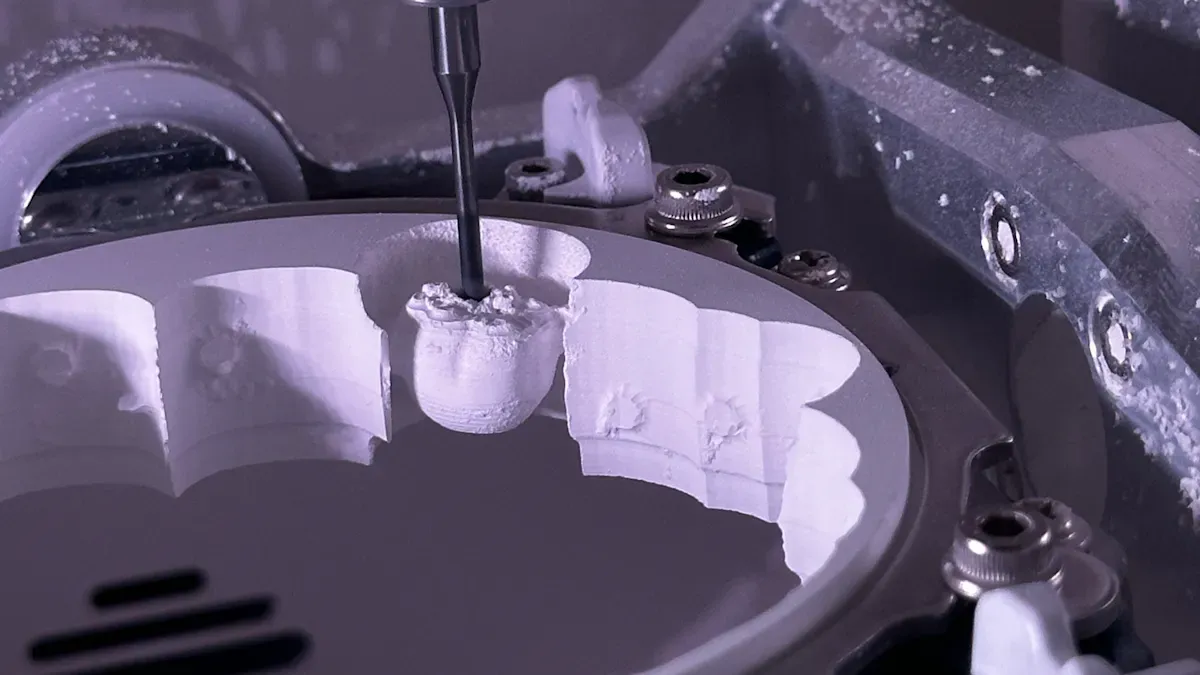
Jeg ser alltid etter høyytelses dobbelskrueblandinger når jeg trenger avanserte prosesseringsmuligheter. Disse maskinene leverer eksepsjonelle resultater for konstruert plast og krevende masterbatch-produksjon. Jeg stoler på modeller som kombinerer høyt dreiemoment, automation, og energieffektivitet. Tabellen nedenfor fremhever to anerkjente ledere i 2026:
| Modell | Funksjoner |
|---|---|
| ZSK 58 Mc18 | Høyt dreiemoment, lavt energiforbruk, automatisering for konstruert plast. |
| STS 35 Mc 11 | Optimalisert for masterbatches, forbedret rengjøring, raske byttefunksjoner. |
Jeg foretrekker ZSK 58 Mc18 for sin evne til å håndtere tøffe polymerer med minimalt energibruk. STS 35 Mc 11 skiller seg ut når jeg trenger rask rengjøring og raske omstillinger. Disse funksjonene hjelper meg å opprettholde produktiviteten og redusere nedetiden. Jeg anbefaler ofte disse modellene til produsenter som krever jevn kvalitet og effektiv drift.
Tupp: Jeg matcher alltid kompounderens ytelsesprofil til kompleksiteten til materialene mine. Denne tilnærmingen sikrer pålitelige resultater og maksimerer gjennomstrømningen.
Kostnadsoptimaliserte modeller
Kostnadsoptimalisering er fortsatt en prioritet i min utvelgelsesprosess. Jeg fokuserer på modeller som gir langsiktige besparelser fremfor bare en lav innkjøpspris. Moderne dobbeltskrueekstrudere, spesielt de fra Kerke Extruder, bruk avanserte nanoisolasjonsmaterialer for å redusere varmetapet. Denne teknologien sparer ca 5-8% på varmeapparatets driftssykluser. Optimalisert skruedesign minimerer også dreiemoment og trykk, som senker strømforbruket. Jeg har sett energieffektive Kerke-modeller spare over $200,000 i energikostnader gjennom hele levetiden. Disse besparelsene gjør totale eierkostnader til en viktigere beregning enn startprisen. Jeg beregner alltid de langsiktige fordelene før jeg tar en beslutning.
Note: Jeg anbefaler å evaluere energieffektivitet og vedlikeholdskostnader når du sammenligner sammensatte. Denne strategien hjelper meg å unngå uventede utgifter og sikrer bærekraftig drift.
Nisjeapplikasjonsmodeller
Spesialiserte bransjer krever unike løsninger. jeg stoler på Micro Conical Twin Screw Extruder-modeller som QualiMCTSE-15 og QualiMCTSE-40 for medisinsk, mat, og spesialmaterialeapplikasjoner. Disse maskinene er designet for R&D-laboratorier og universiteter, hvor presis blanding i mikroskala er avgjørende. Jeg setter pris på deres evne til å blande spormaterialer og støtte høytemperatur-polymerbehandling. Temperaturkontrollen når opp til 350°C, med valgfri forlengelse til 500°C. Denne evnen lar meg jobbe med høytemperaturpolymerer og sensitive ingredienser. Jeg velger disse modellene når nøyaktighet og materialrenhet betyr mest.
Bildetekst: Jeg rådfører meg alltid med tekniske eksperter før jeg velger en nisjekompounder. Dette trinnet sikrer at maskinen oppfyller mine nøyaktige krav til spesialapplikasjoner.
Sammenlignende innsikt & Anbefalinger
Overordnet leder for 2026
Jeg har testet og sammenlignet mange tvillingskrueblandinger gjennom årene. I 2026, Jeg ser Coperion ZSK Mc18 som den klare overordnede lederen. Denne modellen leverer konsekvent toppytelse på tvers av et bredt spekter av applikasjoner. Jeg stoler på dens avanserte blandeteknologi og automatiseringsfunksjoner for å oppnå høy gjennomstrømning og produktkonsistens. ZSK Mc18 tilpasser seg godt til skiftende bransjekrav, spesielt når jeg trenger å behandle konstruert plast eller komplekse formuleringer. Jeg verdsetter dens robuste konstruksjon og modulære design, som lar meg tilpasse maskinen for spesifikke oppgaver. Automatiseringspakken effektiviserer arbeidsflyten min og reduserer manuell intervensjon. I trust the ZSK Mc18 to maintain stable operation even during challenging production runs.
Tupp: I always recommend the Coperion ZSK Mc18 to manufacturers who need a reliable, high-performance compounder for demanding environments.
Best for Performance
When I focus on pure performance, I look for models that deliver exceptional mixing, gjennomstrømning, and process control. De Leistritz ZSE MAXX stands out in this category. I use this compounder when I need flexibility and precision for specialty applications. The ZSE MAXX features a modular barrel and screw design, which lets me tailor the machine for unique material blends. I appreciate its advanced temperature control and high L/D ratio. These features help me process heat-sensitive polymers and achieve uniform dispersion of additives. The ZSE MAXX also supports rapid changeovers, which keeps my production lines running efficiently.
| Modell | Mixing Quality | Gjennomstrømning | Process Control | Application Range |
|---|---|---|---|---|
| Leistritz ZSE MAXX | Glimrende | Høy | Avansert | Spesialitet, Custom |
| Coperion ZSK Mc18 | Very Good | Very High | Automatisert | Engineering Plast |
| JSW TEX-serien | God | Høy | Robust | Storskala |
I choose the Leistritz ZSE MAXX when I need to handle specialty materials or switch between custom formulations. Its performance gives me confidence in the final product quality.
Best for Cost Efficiency
Cost efficiency matters to me, especially when I plan for long-term operation. I have compared initial investment, maintenance costs, and energy savings across different models. De Kirker KTE-75 offers the best balance of cost and efficiency. I notice that twin screw extruders require a higher upfront investment than single screw extruders. Imidlertid, I see that the Kerke KTE-75 delivers strong returns over time. This model reduces scrap rates and energy consumption, spesielt når jeg behandler komplekse formuleringer. Jeg drar nytte av dens robuste design og enkle vedlikehold, som senker driftsutgiftene mine.
- Ekstrudere med dobbelskruer koster mer i starten, men de sparer penger i det lange løp.
- Jeg ser redusert avfall og forbedret energieffektivitet med Kerke KTE-75.
- Spesialiserte applikasjoner gjør investeringen verdt, da jeg unngår kostbare produksjonsfeil.
Note: Jeg beregner alltid totale eierkostnader før jeg kjøper noe. Kerke KTE-75 beviser sin verdi gjennom konsekvente besparelser og pålitelig ytelse.
Jeg anbefaler Kerke KTE-75 til produsenter som ønsker kostnadseffektiv blanding uten å ofre kvalitet. Denne modellen hjelper meg med å kontrollere utgifter og maksimere avkastningen, spesielt i operasjoner med komplekse materialkrav.
Best for applikasjonsallsidighet
When I evaluate application versatility, I look for a twin screw compounder that adapts to a wide range of materials and industries. De Leistritz ZSE MAXX stands out as my top choice for versatility in 2026. I have used this model to process everything from engineering plastics to specialty compounds. The modular barrel and screw design allow me to reconfigure the machine quickly. I can switch between rigid PVC, termoplastiske elastomerer, and even biodegradable polymers with minimal downtime.
I value the ZSE MAXX for its ability to handle frequent material changes. The quick-change screw elements and easy-clean barrel reduce contamination risks. I often need to move from one formulation to another in a single shift. This model supports that workflow without sacrificing quality or efficiency.
Det avanserte kontrollsystemet gir meg nøyaktig kontroll over temperaturen, trykk, og skruhastighet. Jeg kan finjustere prosessen for hvert materiale. Denne fleksibiliteten hjelper meg å møte kravene til bransjer som bilindustrien, medisinsk, og emballasje. Jeg har sett ZSE MAXX utmerke seg i både høyvolumsproduksjon og spesialkjøring i små partier.
Her er en oppsummering av hvorfor jeg anser Leistritz ZSE MAXX som den ledende innen applikasjonsallsidighet:
| Trekk | Leistritz ZSE MAXX Advantage |
|---|---|
| Modulær design | Rask tilpasning til nye materialer |
| Rask bytte | Minimal nedetid mellom batch |
| Avanserte kontroller | Nøyaktig prosessjustering for hver applikasjon |
| Bransjeutvalg | Plast, medisinsk, emballasje, R&D |
| Rengjøring & Vedlikehold | Enkel tilgang, redusert forurensningsrisiko |
Tupp: Jeg anbefaler alltid ZSE MAXX til produsenter som trenger å betjene flere markeder eller utvikle nye produkter. Dens allsidighet beskytter investeringen min ettersom bransjetrender skifter.
Kjøperanbefalinger
Jeg anbefaler alltid kjøpere å ta en strategisk tilnærming når de velger en tvillingskruekompounder. Markedet i 2026 tilbyr mange avanserte alternativer, men ikke alle modeller passer til alle operasjoner. Jeg bruker en sjekkliste for å veilede min beslutning og hjelpe andre til å ta informerte valg:
- Tekniske spesifikasjoner: Jeg vurderer maskinens evne til å behandle en rekke materialer. Jeg sjekker gjennomstrømningen, blandeeffektivitet, og temperaturkontroll. Disse faktorene avgjør om sammensetningen kan håndtere både standard- og spesialoppgaver.
- Ettersalgsservice: Jeg velger produsenter med sterke støttenettverk. Pålitelig vedlikehold og enkel tilgang til reservedeler holder produksjonen min i gang.
- Kostnadseffektivitet: Jeg beregner den totale eierkostnaden, ikke bare kjøpesummen. I include energy consumption, vedlikehold, and expected service life in my analysis.
- Bærekraft: I look for energy-efficient models and machines built with recyclable materials. These features help me meet environmental standards and reduce operating costs.
- Industry Reputation: I trust suppliers with proven track records. I read testimonials and case studies to see how the equipment performs in real-world conditions.
Note: I always match the compounder’s strengths to my production goals. I consider future expansion and changing material trends before making a final decision.
I find that buyers who follow these steps select compounders that deliver reliable performance and long-term value. I encourage every manufacturer to invest time in research and consult with technical experts before purchasing. This approach ensures the chosen model supports both current needs and future growth.
I see the Coperion ZSK Mc18 as the top twin screw compounder for 2026. Its advanced mixing, energieffektivitet, og industri 4.0 features set it apart. I recommend small manufacturers focus on operator training and process tuning, while large processors should invest in automation. I always weigh technical factors like versatility and product quality, along with economic factors such as total cost of ownership. For the best results, I suggest contacting trusted manufacturers and staying updated on trends like bioplastics and automation.
| Trekk | Twin-Screw Extruder Highlights |
|---|---|
| Blandingsevne | Glimrende |
| Energieffektivitet | 0.18-0.28 kWh/kg |
| Self-Cleaning | Ja |
| Utgangshastighet | 100-1,500+ kg/time |
| Materialhåndtering | Direct dry-blend, cost savings |
FAQ
What is the main advantage of a co-rotating twin screw compounder?
I find that co-rotating twin screw compounders deliver superior mixing and self-cleaning. These machines handle a wide range of materials and support high throughput. I rely on them for consistent product quality and efficient operation.
How do I choose the right L/D ratio for my application?
I select the L/D ratio based on the material and process requirements. For most plastics, I use a ratio between 36 og 48. Specialty applications may need longer ratios for better mixing or devolatilization.
Can I process recycled materials with a twin screw compounder?
Ja, I process recycled materials regularly. Twin screw compounders excel at blending recycled polymers with additives. I adjust screw configuration and temperature zones to optimize quality and output.
What maintenance tasks should I perform regularly?
I check wear parts, clean barrels and screws, and inspect seals. I also monitor control systems for errors. Regular maintenance helps me prevent downtime and extend machine life.
Tupp: I keep a maintenance log to track service intervals and spot recurring issues early.
How does automation improve compounder performance?
Automation gives me precise control over temperature, skruhastighet, and feeding. I see fewer errors and more consistent results. Automated systems also reduce labor costs and improve safety.
What should I consider when switching materials?
I always clean the machine thoroughly and check for residue. I adjust process parameters for the new material. Quick-change features and modular screws help me minimize downtime during changeovers.