

Mesin Masterbatch Showdown Twin-Screw Extruders and Kneader Machines
Pengeluar dalam industri masterbatch sering memilih penyemperit skru berkembar berputar bersama untuk keupayaan mereka untuk memberikan hasil campuran yang unggul dan konsisten. Mereka bergantung pada mesin penguli apabila mengendalikan bahan sensitif atau bernilai tinggi yang memerlukan pemprosesan lembut. Pemilihan mesin memainkan peranan penting dalam setiap operasi Mesin Masterbatch. Pilihan yang tepat secara langsung mempengaruhi kualiti dan kecekapan pengeluaran, sebagai penyemperit moden dan peralatan sokongan memperkemas aliran pengeluaran dan menyokong penghantaran yang boleh dipercayai.
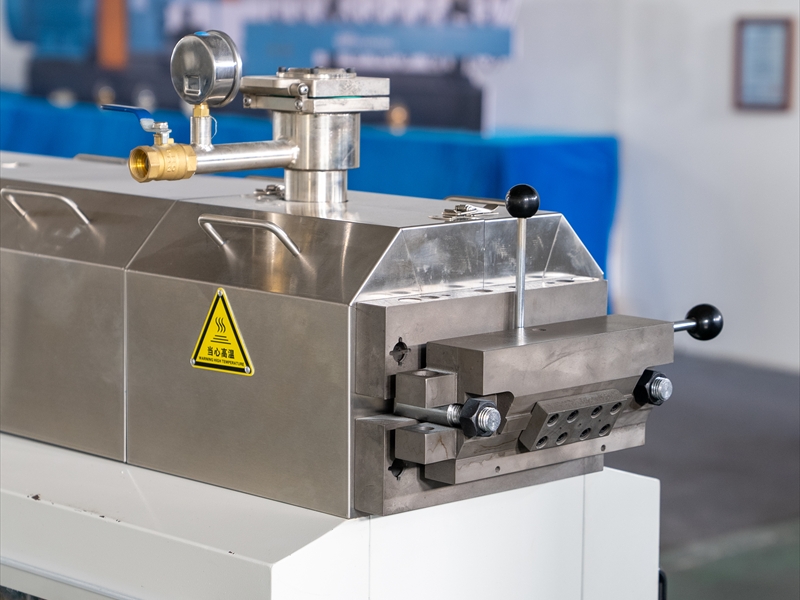
- Pemilihan peralatan yang betul mengoptimumkan kualiti produk dan kecekapan pengeluaran.
-
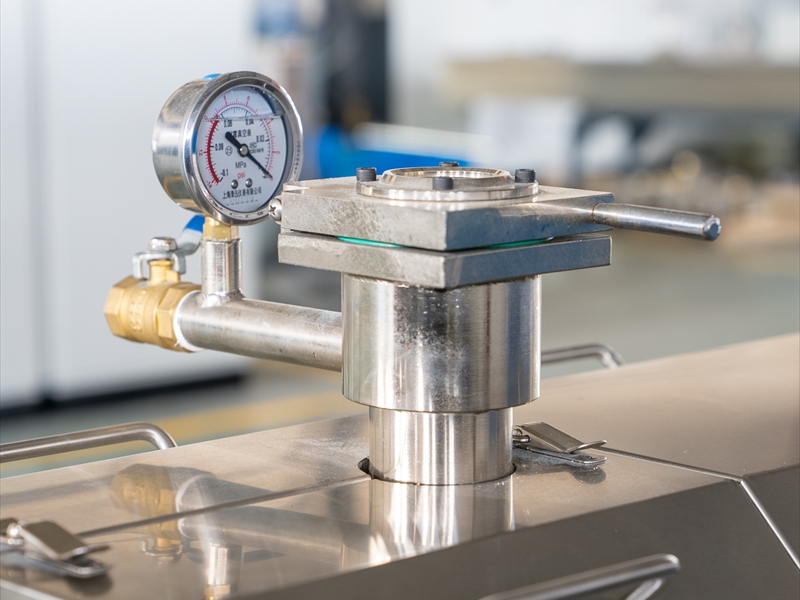
Jentera canggih mengurangkan kos operasi dan kesesakan, memastikan daya pengeluaran yang lebih baik dan kepuasan pelanggan.
- Menjajarkan pilihan mesin dengan kapasiti pengeluaran dan spesifikasi bahan menjamin hasil yang konsisten.
Pengambilan Utama
- Pilih mesin yang betul untuk keperluan anda. Penyemperit skru berkembar cemerlang dalam pencampuran dan pemprosesan, manakala mesin uli sesuai untuk bahan sensitif.
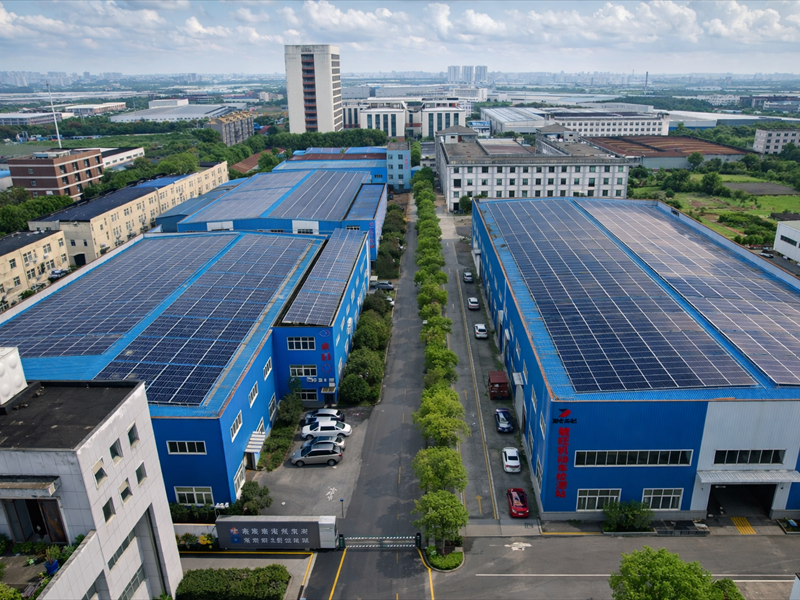
- Utamakan kualiti pengeluaran. Pemilihan peralatan yang betul secara langsung memberi kesan kepada konsistensi dan prestasi masterbatch anda.
-
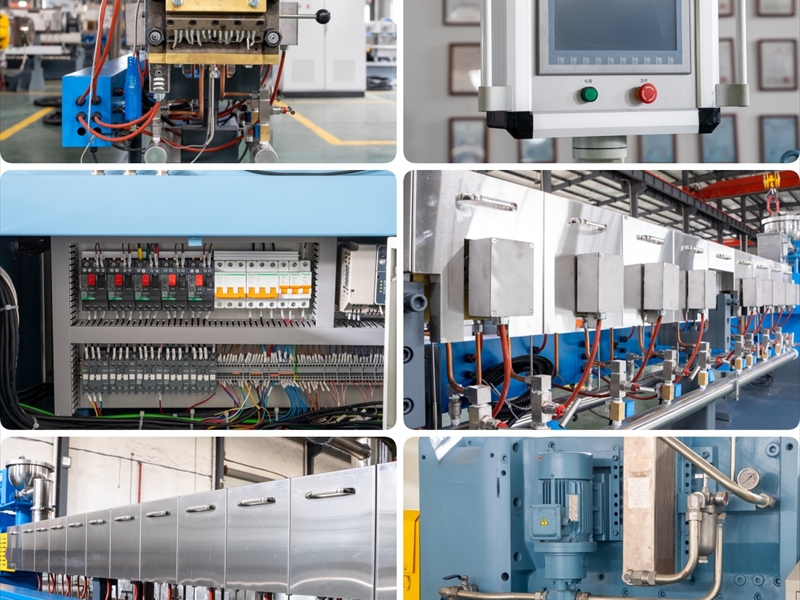
Maksimumkan kecekapan dengan jentera canggih. Penyemperit skru berkembar mengurangkan kos operasi dan meningkatkan aliran pengeluaran.
- Pastikan keserasian bahan. Menjalankan ujian yang ketat untuk mengesahkan bahawa pigmen dan bahan tambahan digabungkan dengan baik untuk hasil yang optimum.
- Fokus pada konsistensi penyebaran. Pengkompaunan berkualiti tinggi menghalang kecacatan dan memastikan warna seragam dalam produk plastik.
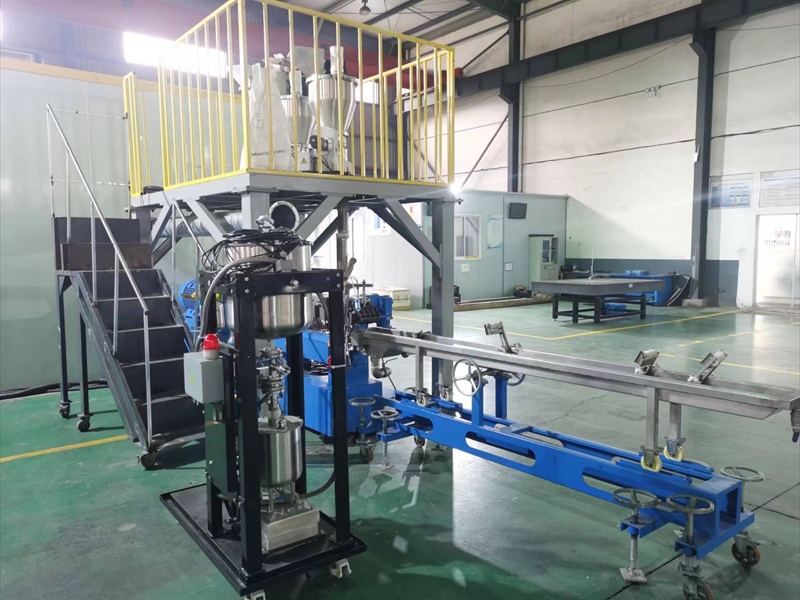
- Pertimbangkan keperluan penyelenggaraan. Penyemperit skru berkembar memerlukan lebih banyak penyelenggaraan, manakala mesin penguli menawarkan rutin penyelenggaraan yang lebih mudah.
-
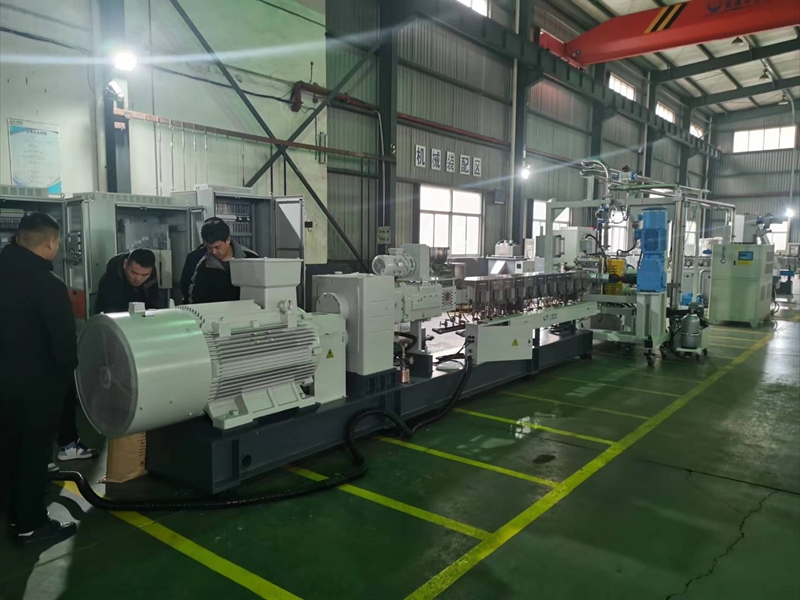
Nilai belanjawan anda dengan teliti. Penyemperit skru berkembar melibatkan kos permulaan yang lebih tinggi, tetapi kecekapan mereka boleh mengimbangi perbelanjaan dari semasa ke semasa.
- Rancang untuk skalabiliti. Penyemperit skru berkembar boleh dengan mudah menyesuaikan diri dengan permintaan pengeluaran yang meningkat, manakala mesin uli mungkin memerlukan unit tambahan.
Gambaran Keseluruhan Pembuatan Masterbatch
Apa Itu Masterbatch
Pengilangan Masterbatch mencipta campuran pekat pigmen, bahan tambahan, dan resin pembawa. Campuran ini, dipanggil masterbatch, digunakan untuk mewarna atau meningkatkan sifat produk plastik. Prosesnya melibatkan pengadunan bahan mentah, menggabungkannya melalui penyemperitan, dan membentuk pelet untuk pengendalian mudah. Pengilang bergantung pada masterbatch untuk mencapai warna yang konsisten, ketahanan yang lebih baik, dan prestasi khusus dalam aplikasi plastik. Industri masterbatch menyokong pelbagai sektor, termasuk pembungkusan, automotif, dan barangan pengguna.
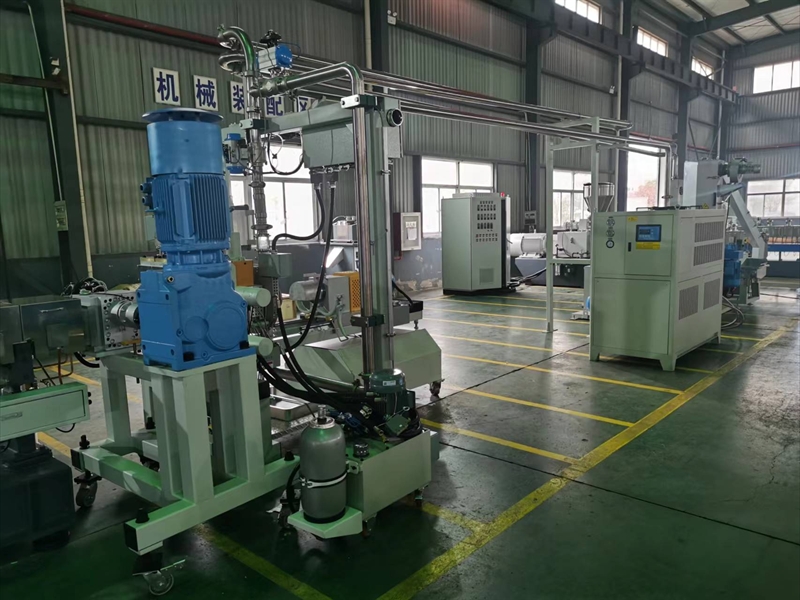
Proses pembuatan masterbatch memerlukan kawalan yang teliti pada setiap peringkat. Setiap langkah, daripada pemilihan bahan mentah kepada pembungkusan akhir, mempengaruhi kualiti dan prestasi produk siap. Jadual di bawah menggariskan langkah-langkah utama dan mereka keperluan kritikal:
| Langkah | Keperluan Kritikal |
|---|---|
| Pemilihan Bahan Mentah | Gunakan bebas habuk, kelembapan rendah, dan bahan-bahan yang stabil secara haba untuk kualiti yang konsisten. |
| Penimbangan dan Pencampuran yang Tepat | Sistem dos automatik untuk ketepatan; pengadun berkelajuan tinggi untuk pra-kompaun seragam. |
| Penyemperitan dan Pengkompaunan | Penggunaan haba terkawal dan pengadunan ricih tinggi untuk penyebaran bahan tambahan yang menyeluruh. |
| Penyejukan dan Pembentukan Pelet | Penyejukan pantas dan pemotongan helai tersemperit menjadi pelet seragam. |
| Pemeriksaan Kualiti yang Teliti | Pelbagai ujian kualiti termasuk keseragaman warna dan semakan keserasian. |
| Pembungkusan dan Penghantaran Tepat Pada Masa | Simpan dalam keadaan bersih, kemudahan kawalan suhu dan fokus pada penghantaran tepat pada masanya. |
Keperluan Utama Pengeluaran
Konsistensi Penyerakan
Konsistensi penyebaran berdiri sebagai keperluan teras dalam pembuatan masterbatch. Penyerakan seragam pigmen dan aditif memastikan setiap produk plastik memaparkan warna dan sifat yang dimaksudkan. Pengkompaunan berkualiti tinggi menghalang pembentukan ketulan keras atau kekotoran, yang boleh menyebabkan kecacatan pada masterbatch terakhir. Pengilang menggunakan teknologi penyemperitan pencampuran dan pencampuran termaju untuk mencapai penyebaran yang sangat baik. Penyerakan yang konsisten juga meningkatkan kemasan permukaan dan mengurangkan isu pengeluaran, menjadikannya penting untuk prestasi masterbatch yang boleh dipercayai.
Throughput
Throughput mengukur jumlah masterbatch yang dihasilkan dalam jangka masa tertentu. Daya pengeluaran yang tinggi menyokong pengeluaran berskala besar dan memenuhi permintaan pasaran dengan cekap. Proses pengkompaunan mesti mengimbangi kelajuan dengan kualiti, kerana pengeluaran pantas tidak seharusnya menjejaskan penyebaran atau keseragaman. Barisan pembuatan masterbatch moden menggunakan sistem automatik dan penyemperit berkapasiti tinggi untuk memaksimumkan pemprosesan. Sistem penyejukan dan pelletizing yang cekap menyelaraskan lagi proses, memastikan sasaran pengeluaran tercapai tanpa mengorbankan kualiti.
Keserasian Bahan
Keserasian bahan memainkan peranan penting dalam pembuatan masterbatch. Pigmen yang dipilih, bahan tambahan, dan resin pembawa mesti sebati dengan baik semasa pengkompaunan. Bahan yang tidak serasi boleh menyebabkan penyebaran yang lemah, coretan warna, atau mengurangkan prestasi plastik. Pengilang menjalankan ujian kualiti yang ketat, termasuk padanan warna dan analisis penyebaran, untuk mengesahkan keserasian. Langkah ini memastikan bahawa masterbatch disepadukan dengan lancar ke dalam pelbagai aplikasi plastik, menyokong hasil yang konsisten merentasi larian pengeluaran yang berbeza.
Nota: Pengilangan masterbatch berkualiti tinggi bergantung pada kawalan pengkompaunan yang tepat, pencampuran yang menyeluruh, dan pemilihan bahan yang teliti. Faktor ini menjamin bahawa kumpulan induk akhir memenuhi piawaian industri untuk warna, ketahanan, dan tingkah laku pemprosesan.
Extruder Skru Berkembar dalam Mesin Masterbatch
Jenis Extruder Skru Berkembar
Penyemperit skru berkembar telah menjadi tulang belakang pembuatan masterbatch moden. Mereka menawarkan fleksibiliti dan kawalan yang tiada tandingan berbanding dengan reka bentuk skru tunggal. Jadual di bawah menyerlahkan perbezaan operasi antara penyemperit skru tunggal dan berkembar, menekankan mengapa konfigurasi berkembar mendominasi pengeluaran masterbatch:
| Ciri | Penyemperit Skru Tunggal | Penyemperit Skru Berkembar |
|---|---|---|
| Keupayaan Mencampur | Terhad | Dipertingkatkan |
| Fleksibiliti | rendah | tinggi |
| Kawalan ke atas Aliran Bahan | Sederhana | tinggi |
| Sesuai untuk Resipi Kompleks | Tidak | ya |
| Permohonan dalam Masterbatch | Terhad | Luas |
Putaran Bersama
Penyemperit skru berkembar berputar bersama mempunyai skru yang berputar ke arah yang sama. Reka bentuk ini memaksimumkan kecekapan pencampuran dan pengkompaunan. Tindakan pemutaran bersama memastikan bahan mengalami pencampuran serakan dan pengagihan, yang penting untuk menghasilkan masterbatch berkualiti tinggi. Pengilang lebih suka jenis ini kerana keupayaannya mengendalikan formulasi yang kompleks dan mengekalkan output yang konsisten.
Intermeshing vs Non-Intermeshing
Penyemperit skru berkembar boleh menjadi intermeshing atau tidak intermeshing. Reka bentuk intermeshing membolehkan skru bertindih, mencipta kesan mengelap diri yang mengurangkan pengumpulan bahan dan meningkatkan pembersihan diri. Ciri ini menyokong operasi berterusan dan meminimumkan masa henti. Jenis bukan intermeshing menyimpan skru berasingan, which can suit specific compounding needs but generally offer less intensive mixing.
Features of Twin Screw Extruder
Reka Bentuk Modular
Twin screw extruders use elemen skru modular. This feature allows operators to customize the extrusion system for different masterbatch recipes. Modular design supports optimal mechanical energy transfer and enables quick changes in the process setup. Manufacturers can adapt the extrusion system to new materials or product requirements without major downtime.
Kawalan Ricih dan Tekanan
Precise control over shear and pressure defines the twin screw extruder’s effectiveness. Operators can adjust kelajuan skru, configuration, and barrel temperature to fine-tune the compounding process. This control ensures uniform dispersion of pigments and additives, resulting in consistent masterbatch quality. The extrusion system also maintains stable pressure, which protects sensitive ingredients and enhances the structural properties of the final product.
Kelebihan
Campuran Unggul
Twin-screw extruders deliver strong dispersive and distributive mixing. This capability ensures that pigments and additives blend thoroughly during compounding. The result is a masterbatch with uniform color and performance.
Throughput Tinggi
Manufacturers rely on twin screw extruders for high throughput. These machines process large volumes of masterbatch efficiently, meeting the demands of industrial-scale production. The design supports stable feeding of powder pigments and additives, yang meningkatkan produktiviti.
Membersihkan Diri
The intermeshing action in many twin screw extruders provides a self-cleaning effect. This feature reduces material residue, minimizes contamination risks, and shortens changeover times between different masterbatch formulations.
Petua: Kelebihan teknologi penyemperit skru berkembar melangkaui pencampuran. Mesin-mesin ini mengoptimumkan penggunaan bahan dan menyokong kawalan tepat ke atas setiap peringkat proses pengkompaunan.
Keburukan
kos
Sistem penyemperit skru berkembar memerlukan pelaburan awal yang ketara. Pengilang sering menghadapi kos pendahuluan yang lebih tinggi berbanding dengan mesin skru tunggal. Kejuruteraan canggih dan reka bentuk modular penyemperit berkembar menyumbang kepada perbelanjaan ini. Banyak kemudahan juga mesti melabur dalam khusus peralatan bantu untuk menyokong penyemperit skru berkembar. Kos ini boleh mencabar pengeluar berskala kecil atau mereka yang mempunyai belanjawan terhad. Lama kelamaan, kecekapan dan output teknologi penyemperit skru berkembar boleh mengimbangi perbelanjaan awal, tetapi halangan untuk masuk kekal lebih tinggi berbanding dengan mesin yang lebih ringkas.
Penyelenggaraan
Penyelenggaraan peralatan penyemperit skru berkembar memerlukan juruteknik mahir dan perhatian yang kerap. Skru intermeshing dan komponen modular mengalami haus semasa operasi berterusan. Operator mesti memantau keadaan skru, tong, dan pengedap untuk mengelakkan masa henti. Penyelenggaraan berjadual dan penggantian bahagian membantu mengekalkan prestasi yang konsisten, tetapi ia menambah kos operasi. Pemasangan kompleks dalam sistem penyemperit skru berkembar boleh meningkatkan masa yang diperlukan untuk pembersihan dan pembaikan. Kemudahan yang memproses bahan yang kasar atau terisi penuh mungkin melihat kehausan yang dipercepatkan, memerlukan penyelenggaraan yang lebih kerap.
Nota: Penyelenggaraan tetap memastikan mesin penyemperit skru berkembar memberikan hasil yang boleh dipercayai dan memanjangkan hayat perkhidmatannya. Mengabaikan penyelenggaraan boleh menyebabkan kualiti masterbatch yang tidak konsisten dan pengeluaran yang tidak dijangka terhenti.
Penggunaan Extruder Skru Berkembar
Warna Masterbatch
Teknologi penyemperit skru berkembar memainkan peranan utama dalam pengeluaran masterbatch warna. Skru berkembar menyediakan pencampuran intensif, yang memastikan pigmen tersebar sama rata di seluruh resin pembawa. Proses ini menghasilkan pelet dengan warna seragam, penting untuk produk plastik berkualiti tinggi. Pengilang bergantung pada penyemperit skru berkembar untuk mengendalikan pelbagai jenis dan kepekatan pigmen. Fleksibiliti reka bentuk berkembar membolehkan pertukaran cepat antara formulasi warna yang berbeza, menyokong keperluan pelanggan yang pelbagai.
Masterbatch aditif
Penggunaan sistem penyemperit skru berkembar meluas kepada pembuatan masterbatch aditif. Mesin ini menggabungkan bahan tambahan berfungsi—seperti penstabil UV, kalis api, atau agen antistatik—ke dalam matriks polimer. Skru berkembar memastikan penyebaran menyeluruh, yang memaksimumkan keberkesanan setiap bahan tambahan. Pencampuran yang konsisten menghalang penggumpalan dan menjamin bahawa setiap pelet memberikan prestasi yang diharapkan. Reka bentuk modular penyemperit skru berkembar membolehkan pengendali melaraskan proses untuk jenis dan beban tambahan yang berbeza.
Jadual di bawah meringkaskan kawasan aplikasi utama untuk sistem penyemperit skru berkembar dalam pengeluaran masterbatch:
| Permohonan | Penerangan |
|---|---|
| Pengeluaran Masterbatch | Memastikan penyebaran seragam pigmen dan aditif untuk warna dan kumpulan induk berfungsi. |
| Warna Masterbatch | Menyediakan pengedaran warna yang konsisten dan menyokong perubahan formulasi yang cepat. |
| Masterbatch aditif | Menyampaikan penggabungan tepat bahan tambahan berfungsi untuk sifat plastik yang dipertingkatkan. |
Mesin penyemperit skru berkembar menyokong pelbagai aplikasi masterbatch. Fleksibiliti dan kawalan mereka menjadikan mereka pilihan utama untuk pengeluaran masterbatch warna dan aditif. Aplikasi teknologi penyemperit skru berkembar terus berkembang apabila pengeluar mencari kualiti dan kecekapan yang lebih tinggi.
Mesin Kneader untuk Pembuatan Masterbatch
Jenis Mesin Kneader
Mesin penguli memainkan peranan penting dalam pembuatan masterbatch, terutamanya apabila mengendalikan bahan bernilai tinggi atau sensitif. Beberapa jenis mesin penguli berkhidmat untuk industri, setiap satu direka untuk keperluan pengkompaunan khusus:
- Pengadun Banbury: Mesin ini cemerlang dalam menggabungkan polimer dan bahan tambahan, menjadikannya ruji dalam pengeluaran masterbatch.
- Uli Serakan: Pengilang menggunakan ini untuk mencapai penyebaran seragam, yang penting untuk kualiti masterbatch yang konsisten.
- Pengadun Dalaman: Makmal sering bergantung pada pengadun dalaman untuk penyelidikan dan pembangunan berskala kecil. Mesin ini membenarkan kawalan tepat ke atas parameter pencampuran.
- Uli Bilah Sigma: Direka untuk bahan berkelikatan tinggi, penguli bilah sigma memastikan pencampuran yang teliti dan sesuai untuk tugas pengkompaunan yang mencabar.
Mesin penguli beroperasi dengan mencampurkan bahan di bawah suhu terkawal dan keadaan ricih. Pendekatan ini memastikan penyebaran seragam dan pengkompaunan yang berkesan, yang penting untuk menghasilkan masterbatch berkualiti tinggi.
Ciri-ciri Mesin Kneader
Percampuran Intensif
Mesin penguli menyampaikan pencampuran intensif, yang membolehkan penyebaran dan pengadunan yang tepat daripada pigmen, bahan tambahan, dan damar. Ciri ini terbukti sangat penting dalam pembuatan masterbatch, di mana bahan ubah suai isian tinggi dan permintaan tinggi memerlukan pengedaran seragam. Tindakan pencampuran yang mantap menghalang penggumpalan dan memastikan setiap kumpulan masterbatch memenuhi standard kualiti yang ketat.
Kecekapan Tenaga
Kecekapan tenaga menonjol sebagai kelebihan utama mesin penguli. Reka bentuk mereka meminimumkan penggunaan tenaga semasa pengkompaunan, yang membantu pengeluar mengurangkan kos operasi. Mesin mengekalkan output yang stabil semasa memproses pelbagai jenis bahan, menjadikannya sesuai untuk pembuatan masterbatch berskala besar dan khusus.
Operasi Kelompok
Mesin penguli biasanya beroperasi dalam mod kelompok. Kaedah ini membolehkan pelarasan parameter yang fleksibel, menyokong penghasilan formulasi masterbatch yang pelbagai. Operasi kelompok juga menyediakan output yang stabil, yang penting untuk mengekalkan konsistensi semasa memproses bahan sensitif atau bernilai tinggi. Operator boleh memantau dengan teliti setiap kumpulan, memastikan proses pengkompaunan memenuhi spesifikasi yang diperlukan.
Kelebihan
Pencampuran Ketepatan
Mesin penguli menawarkan pencampuran ketepatan, yang penting untuk pembuatan masterbatch yang melibatkan bahan yang kompleks atau sensitif. Mesin-mesin itu’ keupayaan untuk mencapai penyebaran seragam memastikan bahawa pigmen dan bahan tambahan berintegrasi dengan lancar ke dalam resin pembawa. Ketepatan ini menyokong pengeluaran masterbatch dengan warna dan prestasi yang konsisten.
Penggunaan Tenaga Lebih Rendah
Pengilang menghargai mesin penguli untuk penggunaan tenaga yang lebih rendah berbanding peralatan pengkompaunan lain. Reka bentuk yang cekap mengurangkan penjanaan haba dan meminimumkan degradasi bahan, yang memanfaatkan formulasi masterbatch sensitif haba. Penggunaan tenaga yang lebih rendah juga menyumbang kepada proses pengeluaran yang lebih mampan.
Kekukuhan
Mesin penguli menunjukkan keteguhan yang luar biasa. Pembinaan mereka menahan tuntutan kompaun intensif, walaupun semasa memproses bahan yang kasar atau terisi tinggi. Ketahanan ini memastikan operasi yang boleh dipercayai dan memanjangkan hayat perkhidmatan peralatan, menjadikan mesin uli sebagai pelaburan yang baik untuk kemudahan pembuatan masterbatch.
Nota: Mesin penguli menggabungkan pencampuran intensif, kecekapan tenaga, dan pembinaan yang teguh, menjadikannya ideal untuk pembuatan masterbatch yang memerlukan pengkompaunan yang tepat dan output yang stabil.
Keburukan
Throughput Rendah
Mesin penguli beroperasi dalam mod kelompok, yang mengehadkan daya tampungnya berbanding sistem penyemperitan berterusan. Operator mesti memuatkan, campurkan, dan buang setiap kumpulan sebelum memulakan kitaran seterusnya. Proses ini mengehadkan volum masterbatch yang dihasilkan dalam jangka masa tertentu. Kemudahan yang memerlukan kadar pengeluaran yang tinggi sering mendapati mesin penguli kurang sesuai untuk pembuatan berskala besar. Operasi kelompok juga meningkatkan masa henti antara kitaran, yang boleh menjejaskan kecekapan keseluruhan. Pengilang yang mengutamakan kelajuan dan kelantangan mungkin lebih suka extruder kerana keupayaan mereka untuk menyampaikan output yang konsisten tanpa gangguan.
Fleksibiliti Terhad
Mesin penguli menawarkan kurang fleksibiliti apabila menyesuaikan diri dengan formulasi baharu atau perubahan produk yang pantas. Proses batch memerlukan pelarasan manual untuk setiap resipi, yang memperlahankan tindak balas terhadap permintaan pasaran yang berubah. Operator mesti membersihkan dan menyediakan mesin antara kumpulan, terutamanya apabila bertukar antara bahan yang berbeza. Had ini menjadikan mesin penguli kurang sesuai untuk kemudahan yang mengendalikan perubahan kerap dalam komposisi masterbatch. Reka bentuk ini sesuai dengan persekitaran pengeluaran yang stabil tetapi memberikan cabaran untuk pengeluar yang mencari fleksibiliti dalam julat aplikasi mereka.
Nota: Mesin penguli cemerlang dalam pencampuran ketepatan dan kecekapan tenaga, tetapi daya pengeluaran yang lebih rendah dan fleksibiliti terhad boleh menyekat penggunaannya dalam tetapan pengeluaran yang pantas atau sangat berubah-ubah.
Aplikasi Biasa
Masterbatch Pengisian Tinggi
Mesin penguli menunjukkan prestasi yang luar biasa dalam pengeluaran masterbatch yang sangat penuh. Mesin ini mengendalikan pemuatan ultra tinggi peringkat, selalunya melebihi 85% kandungan pengisi. Tindakan pencampuran intensif memastikan bahan tambahan yang sukar disebarkan disepadukan secara menyeluruh ke dalam resin pembawa. Pengilang memilih mesin penguli untuk pengkompaunan masterbatch pengisi kerana ia mengekalkan penyebaran seragam dan menghalang penggumpalan, walaupun dengan bahan yang mencabar. Jadual di bawah menyerlahkan jenis aplikasi utama dan ciri-cirinya:
| Jenis Permohonan | Ciri-ciri |
|---|---|
| Pengkompaunan Masterbatch Pengisi | Pemuatan Ultra Tinggi, >85% tahap pengisian, bahan tambahan yang sukar disebarkan |
Aplikasi ini memerlukan pencampuran yang mantap dan output yang stabil, yang disediakan oleh mesin penguli. Operator mencapai kualiti yang konsisten dalam kelompok dengan kandungan pengisi yang tinggi, menyokong keperluan industri yang menuntut.
Sebatian Getah
Pengeluaran kompaun getah mewakili satu lagi aplikasi utama untuk mesin penguli. Peralatan memproses elastomer, pengisi, dan bahan tambahan di bawah suhu terkawal dan keadaan ricih. Mesin penguli menyampaikan penyebaran seragam, yang meningkatkan sifat fizikal produk getah. Pengilang bergantung pada mesin penguli untuk keupayaan mereka mengendalikan bahan likat dan mengekalkan konsistensi kelompok ke kelompok. Proses ini menyokong aplikasi getah khusus, termasuk alat ganti automotif, anjing laut, dan komponen industri.
Petua: Kemudahan yang menghasilkan sebatian masterbatch atau getah terisi tinggi mendapat manfaat daripada pencampuran teguh dan operasi kelompok yang stabil mesin uli. Aplikasi ini memerlukan ketepatan dan kebolehpercayaan, yang dihasilkan oleh mesin penguli secara konsisten.
Perbezaan Antara Penyemperit Skru Tunggal dan Berkembar
Kualiti Campuran
Kualiti pencampuran berdiri sebagai faktor kritikal dalam pembuatan masterbatch. Penyemperit skru tunggal menyediakan terutamanya pencampuran pengedaran. Ini bermakna ia menyebarkan bahan tetapi tidak memecahkan aglomerat dengan berkesan. Penyemperit skru berkembar menyampaikan kedua-dua pencampuran penyebaran dan pengagihan. Mereka boleh memecahkan gugusan pigmen dan mengedarkan bahan tambahan secara sama rata. Keupayaan ini menghasilkan masterbatch yang lebih homogen, yang penting untuk aplikasi berprestasi tinggi.
Jadual di bawah menyerlahkan perbezaan utama dalam keupayaan mencampurkan:
| Ciri | Penyemperit Skru Tunggal | Penyemperit Skru Berkembar |
|---|---|---|
| Keupayaan Mencampur | rendah (terutamanya pengedaran) | tinggi (Bersebar & Pengedaran) |
Pengilang sering memilih penyemperit skru berkembar untuk tugas pengkompaunan yang memerlukan pencampuran intensif, seperti mengadun gentian kaca, kalis api, atau pigmen menjadi resin. Penyemperit skru tunggal berfungsi paling baik untuk formulasi yang lebih ringkas di mana pencampuran asas mencukupi.
Petua: Untuk produk masterbatch yang menuntut warna seragam dan pengedaran aditif, penyemperit skru berkembar menawarkan kelebihan yang jelas.
Throughput
Throughput mengukur berapa banyak bahan yang boleh diproses oleh mesin dalam masa tertentu. Penyemperit skru tunggal cemerlang dalam berterusan, proses yang lurus. Ia mengendalikan volum yang besar dengan cekap apabila formulasi tidak memerlukan pencampuran yang kompleks. Penyemperit skru berkembar, sebaliknya, menyediakan daya pemprosesan yang unggul untuk pengeluaran masterbatch yang kompleks. Reka bentuk mereka menyokong penyampaian bahan yang sangat baik, pergaulan, dan serakan ricih.
Jadual berikut membandingkan keupayaan pemprosesan:
| Jenis Extruder | Keupayaan Throughput |
|---|---|
| Skru Tunggal | Lebih cekap untuk lebih ringkas, continuous processes |
| Skru Berkembar | Percampuran unggul, ideal for complex masterbatch tasks |
- Penyemperit skru tunggal: Best for high-volume, simple recipes.
- Penyemperit skru berkembar: Preferred for high-intensity mixing and advanced formulations.
Production lines that require both speed and advanced mixing often rely on twin screw extruders. Facilities focused on basic compounding may select the single screw extruder for its efficiency.
Skop Permohonan
The application scope defines where each machine performs best. Penyemperit skru tunggal sesuai dengan pemprosesan plastik asas, seperti menghasilkan paip, filem, atau sebatian ringkas. Ia menawarkan kebolehpercayaan untuk tugas yang mudah. Penyemperit skru berkembar mengendalikan rangkaian aplikasi yang lebih luas. Mereka cemerlang dalam pengeluaran masterbatch, terutamanya apabila resipi melibatkan pelbagai aditif atau memerlukan penyebaran yang tepat.
Bidang aplikasi utama termasuk:
- Penyemperit skru tunggal: Digunakan untuk proses berterusan dengan keperluan pencampuran yang minimum.
- Penyemperit skru berkembar: Penting untuk masterbatch, sebatian dengan gentian kaca, pigmen, atau kalis api.
Perbezaan antara teknologi penyemperit skru tunggal dan berkembar membentuk pilihan untuk pengeluar. Mereka yang memerlukan pencampuran dan fleksibiliti lanjutan pilih penyemperit skru berkembar. Mereka yang mengutamakan kesederhanaan dan kelantangan sering memilih penyemperit skru tunggal.
Nota: Memilih penyemperit yang betul bergantung pada kerumitan perumusan, daya pengeluaran yang dikehendaki, dan keperluan penggunaan akhir.
Perbandingan Mesin Masterbatch
Prestasi
Prestasi mentakrifkan nilai teras mana-mana mesin masterbatch. Penyemperit skru berkembar menetapkan piawaian industri untuk pengkompaunan berprestasi tinggi. Mesin ini mengendalikan resipi yang kompleks dengan mudah. Operator boleh melaraskan parameter proses dengan cepat, yang menyokong keluaran yang konsisten. Reka bentuk berkembar memastikan penyusuan yang stabil dan kawalan suhu yang tepat. Ini membawa kepada pengeluaran masterbatch yang boleh dipercayai dengan sifat seragam.
Mesin penguli cemerlang dalam senario tertentu. Mereka memberikan hasil yang cemerlang apabila memproses bahan yang sangat berisi atau sensitif. Pembinaan teguh mereka membolehkan mereka menahan keadaan yang mencabar. Namun begitu, operasi kelompok mengehadkan kelajuan keseluruhannya. Kemudahan yang memerlukan berterusan, pengeluaran volum tinggi selalunya memilih penyemperit skru berkembar untuk prestasi unggulnya.
Single screw extruder systems offer reliable performance for basic tasks. They suit straightforward masterbatch formulations. These machines do not match the advanced capabilities of twin-screw extruders or kneader machines in complex compounding.
Nota: Selecting the right masterbatch machine depends on the desired balance between speed, konsisten, and material requirements.
Kualiti Campuran
Kualiti pencampuran kekal sebagai faktor kritikal dalam pembuatan masterbatch. Penyemperit skru berkembar menyediakan pencampuran serakan dan pengedaran. Ini bermakna mereka memecahkan kelompok pigmen dan mengedarkan bahan tambahan secara sama rata. Hasilnya adalah masterbatch homogen dengan warna dan prestasi yang konsisten. Operator boleh memperhalusi sistem penyemperitan untuk dipadankan dengan keperluan setiap resipi.
Mesin penguli juga memberikan kualiti adunan yang tinggi, terutamanya untuk bahan yang mencabar. Tindakan pencampuran intensif mereka memastikan penyebaran menyeluruh. Ini membuktikan penting untuk sebatian masterbatch atau getah yang sangat terisi. Namun begitu, operasi kelompok boleh memperkenalkan sedikit variasi antara kitaran.
Mesin penyemperit skru tunggal menawarkan pencampuran pengedaran asas. Mereka berfungsi dengan baik untuk formulasi mudah tetapi berjuang dengan resipi yang kompleks. These machines cannot achieve the same level of pigment dispersion as twin-screw extruders or kneader machines.
The table below summarizes mixing quality across different masterbatch machine types:
| Jenis Mesin | Kualiti Campuran | Kes Penggunaan Terbaik |
|---|---|---|
| Penyemperit skru berkembar | unggul (Bersebar & Pengedaran) | Complex masterbatch, warna, bahan tambahan |
| Mesin penguli | tinggi (Intensif) | Highly filled, sensitive materials |
| Penyemperit skru tunggal | asas (Pengedaran) | Simple masterbatch |
Fleksibiliti
Flexibility determines how well a masterbatch machine adapts to changing production needs. Penyemperit skru berkembar systems stand out for their versatility. They allow operators to modify screw configurations, adjust shear levels, and control residence time. This adaptability supports a wide range of masterbatch formulations. Manufacturers can switch between recipes with minimal downtime. The strong mixing capabilities of twin-screw extruders enhance flexibility, making them essential for consistent color quality and efficient production.
Kneader machines offer moderate flexibility. They handle various materials and filler levels but require manual adjustments between batches. This process can slow response to new market demands. Batch operation also limits the speed of recipe changes.
Single screw extruder machines provide the least flexibility. They suit stable, high-volume production of simple masterbatch. These machines do not support rapid changes in formulation or advanced compounding tasks.
Petua: Kemudahan yang menghasilkan pelbagai jenis masterbatch mendapat manfaat daripada fleksibiliti teknologi penyemperit skru berkembar. Kelebihan ini menyokong inovasi dan penyesuaian pantas kepada keperluan pelanggan.
Throughput
Throughput mengukur jumlah bahan yang diproses oleh mesin masterbatch dalam tempoh yang ditetapkan. Penyemperit skru berkembar memberikan daya pemprosesan yang tinggi, menyokong persekitaran pengeluaran berskala besar. Operator boleh mencapai kadar keluaran daripada 30 kilogram sejam sehingga 4000 kilogram sejam. Kapasiti ini membolehkan pengeluar memenuhi jadual yang menuntut dan mengekalkan bekalan yang konsisten. Mesin penguli beroperasi pada tahap daya pemprosesan yang lebih rendah, dengan output maksimum mencapai sehingga 1000 kilogram sejam. Operasi kelompok mengehadkan kelajuan mereka, menjadikannya sesuai untuk pengeluaran masterbatch khusus atau bernilai tinggi.
Jadual di bawah membandingkan kapasiti pemprosesan:
| Jenis Peralatan | Kapasiti Output |
|---|---|
| Penyemperit Skru Berkembar | 30kg/j hingga 4000kg/j |
| Mesin Uli | Up to 1000kg/h |
Twin screw extruders dominate high-volume masterbatch manufacturing. Kneader machines excel in applications where precision and material sensitivity outweigh speed.
Penyelenggaraan
Maintenance requirements differ significantly between twin screw extruders and kneader machines. Twin screw extruders demand regular attention due to their complex design and high operational loads. Operators must monitor screw wear, gearbox integrity, dan meterai. After-sales service contracts typically cost between 2% dan 5% of the machine’s value setiap tahun. Untuk a $200,000 penyemperit, annual maintenance expenses range from $4,000 kepada $10,000. Spare parts add to the cost, with screw sets priced from $15,000 kepada $25,000 and gearbox replacements costing $30,000 kepada $50,000. Preventive maintenance extends the interval between major overhauls from five years to seven years, reducing long-term expenses.
- Twin screw extruders require frequent inspections and specialized technicians.
- Kneader machines feature robust construction and simpler maintenance routines.
- Preventive maintenance increases reliability and reduces downtime for both machine types.
Facilities that operate twin screw extruders must budget for higher maintenance costs and plan for regular service intervals. Kneader machines offer easier upkeep, making them attractive for smaller operations or specialty production.
kos
Cost plays a decisive role in masterbatch machine selection. Twin screw extruders involve substantial initial investment. Manufacturers pay for advanced engineering, modular components, dan peralatan tambahan. Ongoing maintenance and spare parts further increase operational expenses. Kneader machines present lower upfront costs and reduced maintenance requirements. Operasi kelompok mereka sesuai dengan kemudahan dengan belanjawan terhad atau yang tertumpu pada pengeluaran masterbatch khusus.
Pengendali mesti mempertimbangkan faedah pemprosesan tinggi dan fleksibiliti berbanding komitmen kewangan yang diperlukan untuk penyemperit skru berkembar. Mesin penguli menyediakan penyelesaian kos efektif untuk pencampuran ketepatan dan output yang stabil, terutamanya dalam aplikasi di mana kelajuan bukan kebimbangan utama.
Petua: Analisis kos yang teliti memastikan pengeluar memilih mesin masterbatch yang paling sesuai dengan matlamat pengeluaran dan sumber kewangan mereka.
Kebolehskalaan
Kebolehskalaan menentukan sejauh mana mesin masterbatch menyokong pertumbuhan dan menyesuaikan diri dengan permintaan pengeluaran yang meningkat. Pengilang sering menilai kebolehskalaan apabila merancang untuk pengembangan atau bertindak balas kepada perubahan pasaran. Mesin penyemperit skru berkembar dan mesin penguli menawarkan kelebihan dan batasan yang berbeza dalam bidang ini.
Kebolehskalaan Extruder Skru Berkembar
Penyemperit skru berkembar cemerlang dalam persekitaran pengeluaran berskala. Operator boleh meningkatkan output dengan menaik taraf diameter skru, panjang, atau kuasa motor. Reka bentuk modular membolehkan pengembangan dan penyesuaian yang mudah. Kemudahan boleh menambah peralatan tambahan, seperti penyuap atau pelet, untuk meningkatkan kapasiti. Pengilang sering memilih penyemperit skru berkembar kerana keupayaan mereka mengendalikan kedua-dua saiz kelompok kecil dan besar tanpa mengorbankan kualiti.
- Konfigurasi modular menyokong penyesuaian pantas.
- Peningkatan membolehkan pemprosesan yang lebih tinggi dan formulasi lanjutan.
- Penyepaduan dengan sistem automatik memperkemas penskalaan.
Kebolehskalaan Mesin Kneader
Mesin penguli memberikan cabaran dalam skalabiliti. Operasi kelompok mengehadkan keluaran berterusan. Operators must process each batch separately, which restricts overall capacity. Scaling up often requires purchasing additional machines rather than expanding a single unit. This approach increases floor space and operational complexity. Kneader machines suit specialty production where precision matters more than volume.
- Batch processing restricts seamless scaling.
- Expansion involves adding more units, not upgrading existing ones.
- Best suited for stable, low-to-medium volume production.
Nota: Facilities planning for rapid growth or fluctuating demand benefit from the scalable design of twin screw extruders. Kneader machines fit environments with consistent, specialty production needs.
Scalability Comparison Table
| Jenis Mesin | Scalability Features | Expansion Method | Ideal Production Scale |
|---|---|---|---|
| Penyemperit Skru Berkembar | Modular, upgradeable, automation-ready | System upgrades, add-ons | Small to large-scale |
| Mesin Uli | Terhad, batch-based | Mesin tambahan | keistimewaan, rendah hingga sederhana |
Pengilang mencari fleksibel, pengeluaran volum tinggi selalunya memilih penyemperit skru berkembar. Mesin penguli kekal berharga untuk aplikasi khusus di mana konsistensi dan ketepatan kelompok melebihi keperluan untuk penskalaan pantas.
Petua: Nilaikan matlamat pengeluaran masa hadapan sebelum melabur dalam jentera masterbatch. Penyemperit skru berkembar menawarkan laluan kepada pertumbuhan, manakala mesin uli memberikan kebolehpercayaan untuk operasi khusus.
Memilih Mesin Masterbatch yang Tepat
Faktor Keputusan
Memilih mesin masterbatch yang optimum memerlukan penilaian yang teliti terhadap beberapa faktor teras. Setiap kemudahan mesti menyelaraskan peralatannya dengan matlamat operasi dan permintaan material.
Jumlah Pengeluaran
Jumlah pengeluaran menentukan skala dan kelajuan pembuatan. Kemudahan dengan kapasiti pengeluaran yang tinggi memerlukan mesin yang boleh mengekalkan pengeluaran berterusan. Penyemperit skru berkembar cemerlang dalam persekitaran berskala besar. Mereka memproses kuantiti masterbatch yang ketara tanpa gangguan yang kerap. Mesin penguli sesuai dengan kumpulan yang lebih kecil atau larian khusus. Operator harus memadankan pemprosesan mesin dengan tahap pengeluaran sasaran mereka.
Jenis Bahan
Jenis bahan mempengaruhi pemilihan mesin. Sesetengah resipi masterbatch menggunakan kayu, buluh, atau gentian jerami. Yang lain memerlukan bahan tambahan termaju untuk mekanik, keterdegradasian, atau fungsi unik. Penyemperit skru berkembar mengendalikan pelbagai jenis resin plastik dan formulasi kompleks. Mesin penguli berfungsi dengan baik dengan bahan sensitif atau bernilai tinggi. Pilihan bergantung pada keserasian mesin dengan bahan mentah dan sifat produk akhir yang dikehendaki.
Keperluan Kualiti
Keperluan kualiti membentuk proses pengkompaunan. Pengilang yang menghasilkan masterbatch untuk aplikasi plastik berprestasi tinggi mesti memastikan penyebaran seragam dan konsistensi warna. Penyemperit skru berkembar memberikan pencampuran yang unggul dan kawalan yang tepat. Mesin penguli menyediakan pengadunan intensif untuk masterbatch yang sangat penuh atau khusus. Kemudahan harus menilai tahap kualiti yang diperlukan untuk produk kegunaan akhir mereka.
Bajet
Belanjawan kekal sebagai faktor penentu dalam pelaburan peralatan. Penyemperit skru berkembar memerlukan kos permulaan yang lebih tinggi dan penyelenggaraan berterusan. Mesin penguli menawarkan pintu masuk yang lebih rendah dan penyelenggaraan yang dikurangkan. Perancangan kewangan mesti mempertimbangkan kedua-dua perbelanjaan pendahuluan dan kos operasi jangka panjang. Keputusan akhir harus mengimbangi matlamat pengeluaran dengan sumber yang ada.
Petua: Proses pemilihan melibatkan lebih daripada sekadar spesifikasi mesin. Operator mesti mempertimbangkan jenis gentian, desired masterbatch performance, and financial constraints to make the best choice.
Twin screw extruders deliver high throughput and superior mixing, making them ideal for complex, large-scale masterbatch production. Kneader machines excel with sensitive or highly filled materials, offering precision and energy efficiency. Aligning machine choice with production goals and keserasian bahan ensures consistent quality, smooth processing, and fewer defects. Manufacturers who match machine capabilities with resin and polymer systems achieve better surface finish, stable output, and long-term success in masterbatch manufacturing.
Soalan Lazim
What is the main advantage of a twin-screw extruder in masterbatch production?
Penyemperit skru berkembar provide superior mixing and high throughput. They handle complex formulations with ease. Pengilang bergantung kepada mereka untuk kualiti yang konsisten dan pengeluaran berskala besar yang cekap.
Bilakah pengeluar harus memilih mesin penguli?
Pengilang harus memilih mesin uli untuk isi penuh, sensitif, atau bahan khusus. Mesin penguli menawarkan pencampuran yang tepat dan kecekapan tenaga, menjadikannya sesuai untuk aplikasi yang menuntut atau kumpulan kecil.
Bagaimanakah penyelenggaraan berbeza antara penyemperit skru berkembar dan mesin penguli?
Penyemperit skru berkembar memerlukan pemeriksaan yang kerap dan juruteknik khusus. Mesin penguli mempunyai rutin penyelenggaraan yang lebih mudah dan pembinaan yang teguh. Kemudahan dengan kakitangan teknikal yang terhad selalunya memilih mesin penguli untuk penyelenggaraan yang lebih mudah.
Bolehkah penyemperit skru tunggal menghasilkan masterbatch?
Penyemperit skru tunggal boleh menghasilkan formulasi masterbatch yang mudah. It cannot achieve the same mixing quality or flexibility as twin-screw extruders. Manufacturers use single-screw machines for basic, high-volume tasks.
What factors affect the cost of a masterbatch machine?
Machine size, tahap automasi, and auxiliary equipment impact cost. Twin-screw extruders have higher initial and maintenance expenses. Kneader machines offer lower entry costs but may require more units for scaling.
Which machine offers better scalability for growing production needs?
Penyemperit skru berkembar offer modular upgrades and automation options. They scale easily for increased output. Kneader machines require additional units for expansion, which increases operational complexity.
Are kneader machines suitable for color masterbatch production?
Kneader machines can produce color masterbatch, especially for high-fill or specialty batches. Twin-screw extruders remain the preferred choice for high-volume, consistent color masterbatch production.