

Petua Teratas untuk Memilih Rakan Kongsi Pengkompaunan Plastik yang Tepat
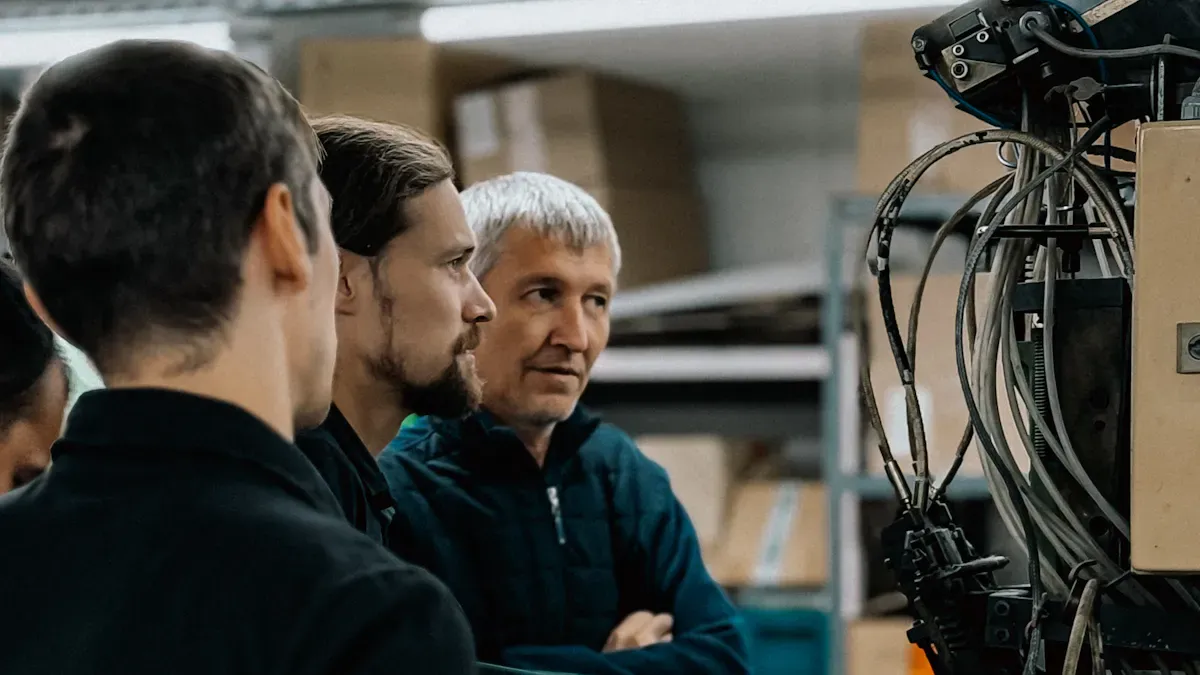
Saya tahu bahawa kepakaran dan kebolehpercayaan yang terbukti membuat atau memecahkan perkongsian pengkompaunan plastik. Pernahkah anda menghadapi kelewatan yang mahal kerana pembekal anda gagal memenuhi keperluan teknikal? Saya sentiasa bermula dengan menilai cara rakan kongsi mengendalikan jurang aplikasi unik saya dan kesediaan mereka untuk menyesuaikan. Saya mencari tanda yang jelas bahawa mereka memahami industri saya dan boleh memberikan hasil yang konsisten. > Petua: Apabila memilih pembekal yang betul, Saya meminta bukti penyesuaian yang berjaya dan penyelesaian masalah teknikal.
Pengambilan Utama
- Nilaikan pengalaman industri rakan kongsi. Cari rekod prestasi terbukti yang sepadan dengan keperluan khusus anda.
- Semak pensijilan seperti ISO 9001:2015. Ini memastikan kawalan kualiti dan membina keyakinan dalam proses pembekal.
- Menilai teknologi dan peralatan rakan kongsi. Alat lanjutan membawa kepada prestasi produk yang konsisten dan keseragaman kelompok.
- Utamakan rakan kongsi yang menawarkan penyelesaian tersuai. Formulasi yang disesuaikan boleh meningkatkan prestasi produk dan memenuhi spesifikasi unik.
- Pastikan komunikasi yang kukuh. Respons pantas dan kemas kini tetap memupuk kepercayaan dan memastikan projek berada di landasan yang betul.
- Semak keupayaan logistik pembekal. Sistem penghantaran yang boleh dipercayai adalah penting untuk mengekalkan jadual pengeluaran.
- Fahami struktur kos penuh. Penetapan harga telus membantu mengelakkan kejutan dan memastikan anda mendapat nilai untuk pelaburan anda.
- Cari sokongan berterusan dan bimbingan teknikal. Bantuan ini boleh mengoptimumkan projek anda dan meningkatkan hasil produk.
Menilai Kepakaran Pengkompaunan Plastik
Apabila saya menilai rakan sebatian plastik, Saya sentiasa bermula dengan melihat pengalaman industri mereka. Saya mahu melihat rekod prestasi terbukti yang menunjukkan mereka boleh mengendalikan keperluan khusus saya dan menyampaikan ciri prestasi yang saya perlukan.
Pengalaman Industri
Bertahun Beroperasi
Saya bertanya berapa lama pembekal telah berniaga. Tahun beroperasi sering mencerminkan kestabilan dan pemahaman yang mendalam tentang proses pengkompaunan plastik. Rakan kongsi dengan pengalaman berdekad-dekad biasanya telah memperhalusi keupayaan mereka dan boleh menjangka cabaran sebelum ia timbul.
Projek Berkaitan
Saya juga mencari bukti projek yang berjaya serupa dengan saya. Jika rakan kongsi telah mengusahakan aplikasi dengan ciri prestasi yang menuntut, Saya tahu mereka mempunyai pengetahuan teknikal untuk menangani cabaran unik. Menyemak kajian kes atau ringkasan projek membantu saya mengukur keupayaan pembuatan mereka dan cara mereka menyelesaikan masalah dunia sebenar.
Pensijilan & Piawaian
ISO & Pematuhan Peraturan
Pensijilan penting kepada saya kerana ia membuktikan komitmen rakan kongsi terhadap kualiti. ISO 9001:2015 pensijilan menonjol dalam industri pengkompaunan plastik. Ia memastikan kawalan kualiti yang konsisten daripada pemilihan bahan mentah kepada pembungkusan akhir. Konsistensi ini mengurangkan risiko penolakan produk dan membina keyakinan saya dalam proses mereka. Saya juga menghargai pensijilan seperti Kandungan Kitar Semula GreenCircle Certified dan Kandungan Kitar Semula RecyClass, yang mengesahkan tuntutan kemampanan dan kebolehkesanan. Pensijilan ini membantu saya memenuhi kedua-dua keperluan peraturan dan matlamat kemampanan.
| Piawaian ISO | Penerangan | Kepentingan |
|---|---|---|
| ISO 9001 | Sistem Pengurusan Kualiti | Mendorong kawalan proses dan penambahbaikan berterusan |
| ISO 13485 | Kualiti Peranti Perubatan | Menambahkan kebolehkesanan dan pengurusan risiko |
Saya sentiasa menyemak prosedur yang didokumenkan, mengubah proses kawalan, dan rekod audit. Amalan ini memastikan rakan kongsi dapat mengekalkan kualiti dan menyesuaikan diri dengan perubahan tanpa mengorbankan kebolehpercayaan.
Kelayakan Kakitangan
Saya ingin tahu bahawa pasukan itu mempunyai kepakaran yang betul. Kelayakan kakitangan, latihan berterusan, dan pensijilan teknikal menunjukkan kepada saya bahawa rakan kongsi itu melabur dalam pekerja mereka. Pelaburan ini diterjemahkan kepada keupayaan yang lebih baik dan hasil yang lebih dipercayai.
Teknologi & peralatan
Alat Pengkompaunan Lanjutan
Peralatan yang betul membuat perbezaan. Saya mencari rakan kongsi yang menggunakan alat pengkompaunan lanjutan yang direka untuk kestabilan dan pemprosesan berulang. Pendekatan ini memastikan keseragaman kelompok dan prestasi produk yang konsisten.
Peralatan direka bentuk untuk kestabilan dan direka bentuk untuk menyokong terkawal, pemprosesan berulang menjadikan keseragaman kelompok boleh dicapai, bukannya bercita-cita tinggi. Hasil pengeluaran yang konsisten bermula dengan mengenali faktor yang mempengaruhi konsistensi kelompok dan melaksanakan proses yang meminimumkan variasi.
Inovasi Proses
Saya juga menghargai rakan kongsi yang melabur dalam inovasi proses. Dalam pengalaman saya, syarikat yang mengguna pakai teknologi baharu dan menyesuaikan diri dengan trend serantau—seperti inisiatif kemampanan di Eropah atau perindustrian pesat di Asia-Pasifik—kekal mendahului persaingan. Keupayaan mereka berkembang dengan pasaran, dan mereka boleh menawarkan penyelesaian yang memenuhi keperluan perniagaan yang berkembang.
Dengan memberi tumpuan kepada bidang-bidang ini, Saya memastikan rakan kongsi plastik saya mempunyai pengalaman, keupayaan, dan pengetahuan teknikal untuk menyampaikan ciri prestasi yang diminta oleh projek saya.
Kualiti & Kebolehpercayaan dalam Pengkompaunan Plastik
Apabila saya memilih rakan sebatian plastik, Saya fokus pada mereka komitmen terhadap kualiti dan kebolehpercayaan. Saya tahu bahawa formulasi terbaik pun boleh gagal jika pembekal tidak mempunyai proses kawalan kualiti yang mantap. Pengalaman saya telah mengajar saya untuk mencari rakan kongsi yang melabur dalam sistem termaju dan menunjukkan budaya jaminan kualiti.
Sistem Kawalan Kualiti
Ujian Dalam Rumah
Saya selalu bertanya tentang keupayaan ujian dalaman. Rakan kongsi yang boleh dipercayai menjalankan ujian komprehensif pada setiap peringkat, daripada pemeriksaan bahan mentah kepada pengesahan produk akhir. Pendekatan ini membantu menangkap isu lebih awal dan memastikan setiap kumpulan memenuhi spesifikasi saya. Saya lebih suka kemudahan yang menggunakan seni bina sistem modular, mencampurkan silo, dan sistem dos untuk mengekalkan standard yang tinggi.
| Ciri Sistem | Penerangan |
|---|---|
| Seni Bina Sistem Modular | Menjamin penyesuaian fleksibel untuk keperluan masa hadapan, mengintegrasikan storan, pengurusan resipi, dan kebolehkesanan kelompok. |
| Mencampur Silo | Mengimbangi turun naik bahan suapan untuk mengekalkan kualiti produk. |
| Sistem Dos | Pastikan ketepatan mutlak dan pengendalian bebas pencemaran untuk pelbagai bahan mentah. |
| Sistem Penapis Modular | Cegah kehilangan bahan dan hapuskan isu yang disebabkan oleh aglomerat dalam butiran plastik. |
Kebolehkesanan
Kebolehkesanan menonjol sebagai ciri yang tidak boleh dirunding untuk saya. Saya mahu menjejaki setiap kumpulan daripada bahan mentah kepada produk siap. Ketelusan ini membolehkan saya mengenal pasti punca sebarang isu dengan cepat. Ia juga menyokong pematuhan peraturan dan membina kepercayaan dalam operasi pembekal.
Konsisten & Ketepatan
Ketepatan Dos
Saya tahu bahawa ketepatan dos secara langsung memberi kesan kepada kualiti produk. Sistem dos automatik menggantikan kaedah manual dan memberikan ukuran yang tepat untuk setiap ramuan. Ini mengurangkan risiko pencemaran dan memastikan setiap kelompok sepadan dengan formulasi yang dimaksudkan.
Konsistensi Kelompok
Ketekalan merentas kelompok adalah penting dalam pengkompaunan plastik. Saya mencari rakan kongsi yang menggunakan kawalan bersepadu, perisian pengurusan resipi, dan tangkapan data masa nyata. Kaedah ini menjamin akauntabiliti dan ketepatan.
| Kaedah | Penerangan |
|---|---|
| Kawalan Bersepadu | Menggunakan perisian pengurusan resipi dan tangkapan data masa nyata untuk akauntabiliti dan ketepatan. |
| Dos Ketepatan | Menggantikan dos manual dengan sistem automatik untuk memastikan ketepatan disesuaikan dengan aplikasi tertentu. |
| Sistem Pembersihan Berkesan | Mereka bentuk sistem untuk pembongkaran pantas dan pembersihan untuk meminimumkan risiko pencemaran semasa penukaran. |
Pematuhan & Keselamatan
Piawaian Kawal Selia
Saya tidak pernah berkompromi dengan pematuhan. Saya menyemak bahawa pasangan saya mematuhi semua peraturan yang berkaitan, termasuk Cadangan California 65 dan USP <797> untuk pengkompaunan steril.
Cadangan California 65 mewajibkan penyediaan amaran yang jelas dan munasabah tentang produk yang mengandungi bahan kimia yang diketahui boleh menyebabkan kanser, kecacatan kelahiran, atau bahaya pembiakan lain.
USP <797> ialah piawaian yang mengawal sebatian steril yang boleh dikuatkuasakan di A.S. tetapan penjagaan kesihatan. Ia menetapkan keperluan untuk kawalan alam sekitar, latihan kakitangan, pelabelan, dan dokumentasi untuk mengurangkan risiko pencemaran dan melindungi keselamatan pesakit.
Perniagaan mesti menyediakan amaran jika produk mereka mengandungi mana-mana bahan kimia ini melebihi paras pelabuhan selamat. Untuk produk plastik, kebimbangan umum termasuk phthalates, bisphenol A (BPA), dan kalis api tertentu.
Amalan Alam Sekitar
Saya juga menghargai rakan kongsi yang mengamalkan amalan alam sekitar yang bertanggungjawab. Penyumberan yang mampan, pengurangan sisa, dan pengendalian kimia yang selamat menunjukkan komitmen terhadap kualiti melebihi produk itu sendiri. Amalan ini membantu saya mencapai matlamat kemampanan saya sendiri dan meyakinkan pelanggan saya.
Dengan memberi tumpuan kepada bidang-bidang ini, Saya memastikan projek pengkompaunan plastik saya mendapat manfaat daripada tahap kualiti tertinggi, kebolehpercayaan, dan keselamatan.
Pengkompaunan Plastik Tersuai & Fleksibiliti

Formulasi Tersuai
Penyelesaian Disesuaikan
Saya sentiasa mengutamakan rakan kongsi pengkompaunan plastik tersuai yang menawarkan penyelesaian yang disesuaikan. Apabila saya perlu meningkatkan prestasi produk akhir, Saya bergantung pada keupayaan mereka untuk merekayasa sifat bahan dengan tepat. Pengkompaunan tersuai membolehkan saya meningkatkan kekuatan, laraskan tingkah laku elektrik dan haba, dan meningkatkan pelinciran atau biokompatibiliti. Saya telah melihat sebatian yang disesuaikan memberikan kelebihan daya saing dengan memenuhi objektif prestasi tertentu. Penyelesaian ini juga menyelaraskan pengeluaran dan mengurangkan kos jangka panjang dengan mengoptimumkan kecekapan pemprosesan.
- Pengkompaunan tersuai meningkatkan kekuatan impak, kekakuan, dan rintangan suhu.
- Ia meningkatkan rintangan kimia, kalis api, Kestabilan UV, dan estetika.
- Kompaun yang disesuaikan meningkatkan ketahanan produk, kebolehpercayaan, dan kefungsian.
Saya menghargai rakan kongsi yang bekerjasama dengan saya untuk memahami keperluan permohonan dan peraturan saya. Perkongsian ini memastikan bahawa penyelesaian polimer tersuai memenuhi kedua-dua matlamat prestasi dan pemprosesan.
Menangani Keperluan Unik
Saya sering meminta pengkompaunan plastik tersuai untuk spesifikasi unik. Projek saya memerlukan pematuhan dengan piawaian yang ketat dan formulasi khusus. Permintaan paling biasa yang saya buat termasuk Formulasi yang mematuhi RoHS, sebatian silikon untuk persekitaran yang keras, dan spesifikasi tersuai untuk aplikasi automotif atau ketenteraan.
| Permintaan Biasa | Piawaian Pematuhan |
|---|---|
| Formulasi yang mematuhi RoHS | FDA 21 CFR 177.2600, ASTM D2000, Spesifikasi MIL, AMS A-A-55759, UL, NSF, dan banyak lagi |
| Formulasi silikon | Prestasi luar biasa dalam persekitaran yang buruk, terdapat dalam bentuk lembut, sederhana, dan ketumpatan teguh |
| Spesifikasi tersuai | Keupayaan untuk memenuhi automotif, tentera, dan spesifikasi komersial mengikut keperluan |
Saya juga mencari pilihan penyesuaian seperti penyelesaian warna tersuai, yang membantu saya membezakan produk saya di pasaran.
Responsif
Prototaip Pantas
Saya mengharapkan rakan sebatian plastik saya bertindak balas dengan cepat apabila saya memerlukan prototaip. Prototaip pantas membolehkan saya menguji formulasi baharu dan membuat pelarasan sebelum pengeluaran berskala penuh. Responsif ini mengurangkan risiko dan mempercepatkan garis masa projek saya.
Kebolehsuaian kepada Perubahan
Fleksibiliti adalah penting untuk keperluan projek yang berkembang. Saya memilih rakan kongsi yang menawarkan rangkaian produk yang pelbagai dan menyesuaikan diri dengan permintaan yang berubah-ubah. The Barisan produk PoliSP, contohnya, menyediakan pelbagai bahan yang sesuai untuk pelbagai industri. Kebolehsuaian ini memberi saya kawalan untuk memilih bahan yang selaras dengan keperluan sebenar saya.
| Titik Bukti | Penerangan |
|---|---|
| Kepelbagaian Bahan | Barisan produk menawarkan pelbagai bahan untuk pelbagai aplikasi, memenuhi keperluan projek tertentu. |
| Kebolehsuaian | Bahan berkhidmat untuk pelbagai industri, menyesuaikan diri dengan keperluan yang berbeza dengan mudah. |
| Kawalan untuk Pengilang | Barisan produk memberi saya kuasa untuk memilih bahan yang meningkatkan hasil pengeluaran. |
Saya bergantung pada rakan kongsi pengkompaunan plastik tersuai yang menunjukkan fleksibiliti dan menawarkan penyesuaian. Keupayaan mereka untuk menyediakan penyelesaian sebatian plastik dan penyelesaian warna tersuai memastikan projek saya kekal di landasan dan memenuhi semua keperluan.
Komunikasi & Sokongan
Responsif
Kenalan Awal
Saya sentiasa menilai pembekal berdasarkan seberapa cepat mereka bertindak balas terhadap pertanyaan pertama saya. Apabila saya menghulurkan tangan, Saya mengharapkan balasan segera dan jawapan yang jelas. Komunikasi pantas menetapkan nada untuk keseluruhan perhubungan. Saya sering meminta sampel pada awal proses. Jika pembekal menyediakan sampel tanpa berlengah-lengah, Saya tahu mereka menghargai perniagaan saya dan memahami kepentingan penilaian sampel. Responsif awal ini memberi saya keyakinan bahawa permintaan masa hadapan akan menerima perhatian yang sama.
Sokongan Berterusan
Saya bergantung pada sokongan berterusan sepanjang setiap projek. Keperluan saya berubah apabila pembangunan berkembang. Saya mengharapkan pembekal menjawab soalan, menyediakan kemas kini, dan menawarkan bimbingan. Apabila saya meminta sampel tambahan atau memerlukan sokongan teknikal, Saya mahu penyelesaian yang cepat. Sokongan yang konsisten membantu saya mengelakkan kelewatan pengeluaran dan memastikan projek saya kekal di landasan yang betul.
Ketelusan
Kemas Kini Projek
Ketelusan memacu kerjasama pengkompaunan plastik yang berjaya. Saya meminta kemas kini projek biasa. Saya ingin tahu tentang kemajuan, cabaran, dan sebarang perubahan dalam garis masa. Komunikasi yang jelas menghalang salah faham dan membolehkan saya membuat keputusan termaklum. Saya menghargai pembekal yang berkongsi maklumat secara terbuka dan memastikan saya terlibat pada setiap peringkat.
A.S. Laporan Kesan 2024–25 Plastics Pact menekankan bahawa kesan tahan lama dalam kerjasama pengkompaunan plastik bergantung pada ketelusan, pembelajaran bersama, dan tindakan termaklum oleh organisasi di seluruh rantaian nilai plastik.
Buka Saluran
Saluran komunikasi terbuka membuat perbezaan. Saya lebih suka pembekal yang menawarkan pelbagai cara untuk menyambung, seperti e-mel, telefon, dan portal dalam talian. Fleksibiliti ini membolehkan saya menghubungi setiap kali saya memerlukan sokongan. Saya juga menghargai pasukan perkhidmatan pelanggan yang bertindak balas dengan cepat dan memberikan maklumat yang tepat. Saluran terbuka membantu saya menyelesaikan isu sebelum ia menjadi masalah besar.
Perkhidmatan Selepas Jualan
Menyelesaikan masalah
Selepas jualan, Saya mengharapkan penyelesaian masalah yang boleh dipercayai. Jika saya menghadapi masalah dengan kumpulan atau memerlukan pelarasan, Saya mahukan sokongan segera. Pembekal harus membantu saya mengenal pasti punca dan menawarkan penyelesaian praktikal. Penyelesaian masalah pantas meminimumkan masa henti dan melindungi jadual pengeluaran saya.
Bimbingan Teknikal
Panduan teknikal adalah penting untuk kejayaan jangka panjang. Saya bergantung pada kepakaran pembekal untuk mengoptimumkan formulasi dan meningkatkan prestasi. Apabila saya memerlukan nasihat tentang pemprosesan atau pemilihan bahan, Saya mengharapkan cadangan yang jelas. Sokongan teknikal membantu saya mencapai keputusan terbaik dan memastikan produk saya memenuhi piawaian industri.
Saya sentiasa memilih rakan kongsi yang mengutamakan komunikasi dan sokongan. Responsif mereka, ketelusan, dan perkhidmatan selepas jualan memberi saya keyakinan dalam setiap projek pengkompaunan plastik.
Rantaian Bekalan & Penilaian Pembekal Resin Plastik
Kapasiti Pengeluaran
Skala Kemudahan
Apabila saya menilai pembekal resin plastik, Saya sentiasa menyemak skala kemudahan mereka. Operasi berskala besar menunjukkan kepada saya bahawa pembekal boleh mengendalikan pesanan volum tinggi dan lonjakan permintaan yang tidak dijangka. Saya mencari pembekal dengan pelbagai tapak pengeluaran dan pergudangan global. Contohnya, Saya telah melihat syarikat dengan habis 2 juta kaki persegi perkongsian pergudangan dan logistik merentas hab perdagangan utama. Skala ini memberi saya keyakinan bahawa mereka boleh menyokong jadual pengeluaran saya dan mengekalkan penghantaran tepat pada masanya.
Kebolehskalaan
Kebolehskalaan penting kepada saya kerana keperluan projek saya boleh berubah dengan cepat. Saya bertanya tentang keupayaan pembekal untuk meningkatkan pengeluaran atau mengalih sumber apabila saya memerlukan lebih banyak bahan. Pembekal dengan buruh dan pergudangan yang fleksibel menyesuaikan diri dengan keperluan saya yang berubah-ubah. Saya menghargai rakan kongsi yang melabur dalam sistem berskala dan boleh berkembang dengan perniagaan saya.
Penghantaran & Logistik
Garis masa
Penghantaran tepat pada masa adalah penting untuk operasi saya. Saya selalu bertanya bagaimana pembekal menguruskan jadual penghantaran dan sistem apa yang mereka gunakan untuk mengelakkan kelewatan. Rakan kongsi terbaik menggunakan strategi proaktif seperti ramalan dan pemantauan inventori masa nyata. Alat ini membantu mereka menjangka keperluan saya dan memastikan projek saya berada di landasan yang betul.
Rangkaian Pengedaran
Rangkaian pengedaran yang kukuh menyokong logistik yang boleh dipercayai. Saya lebih suka pembekal yang mempunyai gudang berhampiran hab pengeluaran saya. Ini mengurangkan masa dan kos pengangkutan. Saya juga mencari sokongan logistik yang fleksibel yang menyesuaikan diri dengan perubahan permintaan saya. Berikut ialah cara rakan kongsi teratas mengurus penghantaran dan logistik:
| Strategi | Penerangan |
|---|---|
| Penghantaran tepat pada masanya | Menyokong pengeluaran tepat pada masanya dengan penghantaran berjadual dan dok silang yang pantas. |
| Sokongan logistik yang fleksibel | Menyesuaikan diri dengan perubahan permintaan dengan tenaga buruh berskala dan pergudangan yang fleksibel. |
| Pemantauan inventori masa nyata | Membolehkan pengeluar menjejaki inventori dan mengekalkan tahap stok yang optimum untuk mengelakkan pembaziran. |
| Lokasi kemudahan strategik | Gudang berhampiran hab pengeluaran mengurangkan masa dan kos pengangkutan, memastikan penghantaran tepat pada masanya. |
Saya telah mendapati bahawa ketangkasan dan fleksibiliti dalam perkongsian logistik meningkatkan kebolehpercayaan dan membantu saya mengelakkan kelewatan yang mahal.
Pengurusan Risiko
Perancangan Kontingensi
Saya tidak pernah mengabaikan pengurusan risiko apabila memilih rakan kongsi pengkompaunan plastik. Saya bertanya tentang rancangan kontingensi mereka untuk gangguan rantaian bekalan. Pembekal terbaik menggunakan dwi spesifikasi, melayakkan berbilang resin atau pembekal untuk produk yang sama. Pendekatan ini memastikan kesinambungan jika satu bahan tidak tersedia.
Bekalan Sandaran
Saya juga menghargai keselamatan rantaian bekalan. Dengan bekerjasama dengan pembekal yang mempunyai sumber alternatif, Saya melindungi perniagaan saya daripada peristiwa yang tidak dapat diramalkan seperti bencana alam atau isu geopolitik. Penyumberan fleksibel membolehkan saya membandingkan harga dan memilih pilihan yang paling kos efektif. Strategi ini memastikan projek saya berjalan lancar, walaupun cabaran datang.
- Spesifikasi dwi untuk bahan kritikal
- Pembekal alternatif untuk keselamatan rantaian bekalan
- Sumber fleksibel untuk kawalan kos
Saya sentiasa memilih rakan kongsi yang melabur dalam pengurusan risiko yang teguh. Pendekatan proaktif mereka memberi saya ketenangan fikiran dan memastikan rantaian bekalan saya kukuh.
kos & Penilaian Nilai
Apabila saya memilih rakan sebatian plastik, Saya sentiasa melihat melebihi harga awal. Saya ingin memahami struktur kos penuh dan nilai yang saya terima sebagai balasan. Pendekatan yang telus terhadap penetapan harga dan kontrak yang jelas membantu saya mengelakkan kejutan dan membina hubungan perniagaan yang kukuh.
Struktur Harga
Kos Telus
Saya meminta pembekal saya untuk butiran terperinci semua kos. Saya nak tengok harga bahan mentah, pemprosesan, pembungkusan, dan penghantaran. Ketelusan ini membantu saya membandingkan tawaran dan mengesan yuran tersembunyi. Saya juga menyemak untuk caj tambahan, seperti pesanan tergesa-gesa atau padanan warna tersuai. Apabila saya melihat struktur kos yang jelas, Saya berasa yakin bahawa saya membuat pelaburan yang bijak.
Analisis Persaingan
Saya sentiasa membandingkan harga dengan pembekal lain di pasaran. Saya melihat jumlah nilai, bukan sahaja harga terendah. Kadang-kadang, harga yang lebih tinggi termasuk kawalan kualiti yang lebih baik, penghantaran lebih cepat, atau sokongan yang lebih dipercayai. Saya menggunakan jadual mudah untuk membandingkan faktor utama:
| Faktor | Pembekal A | Pembekal B | Rakan Kongsi Semasa Saya |
|---|---|---|---|
| Harga Asas | $X | $Y | $Z |
| Masa Utama | 2 minggu | 3 minggu | 1 minggu |
| Jaminan Kualiti | ya | Tidak | ya |
| Perkhidmatan Nilai Tambah | ya | Tidak | ya |
Petua: Saya sentiasa menimbang faedah perkhidmatan tambahan dan kebolehpercayaan berbanding harga asas.
Perkhidmatan Nilai Tambah
Perundingan Teknikal
Saya menghargai rakan kongsi yang menawarkan lebih daripada sekadar bahan. Banyak syarikat pengkompaunan plastik membezakan diri mereka dengan menyediakan perundingan teknikal, sokongan penyelidikan dan pembangunan, dan pemilihan bahan yang disesuaikan. Perkhidmatan ini membantu saya berinovasi dan menambah baik produk saya. Saya sering bergantung pada kepakaran mereka untuk menyelesaikan cabaran yang kompleks dan membangunkan formulasi tersuai yang memenuhi keperluan unik saya.
Latihan
Latihan adalah perkhidmatan lain yang saya cari. Apabila pasukan saya memahami cara memproses bahan baharu atau menggunakan peralatan canggih, kami mengurangkan ralat dan meningkatkan kecekapan. Sesetengah rakan kongsi menawarkan latihan di tapak atau sumber dalam talian, yang membantu saya memanfaatkan sepenuhnya setiap projek.
Syarat Kontrak
Pilihan Pembayaran
Saya menyemak syarat pembayaran sebelum saya menandatangani sebarang perjanjian. Pilihan yang fleksibel, seperti bersih-30 atau bersih-60 istilah, bantu saya menguruskan aliran tunai. Saya juga menyemak diskaun untuk pembayaran awal atau insentif untuk kontrak jangka panjang.
Fleksibiliti
Syarat kontrak membentuk hubungan jangka panjang saya dengan pembekal. saya cari pemilikan jelas reka bentuk dan acuan, yang memupuk akauntabiliti. Saya mahukan ketelusan dalam kos untuk menggalakkan kepercayaan dan mengurangkan konflik. Saya juga menghargai insentif yang memberi ganjaran kepada kerjasama dan penambahbaikan berterusan.
- Pemilikan yang jelas bagi reka bentuk dan acuan memupuk akauntabiliti.
- Ketelusan dalam kos menggalakkan kepercayaan dan mengurangkan konflik.
- Insentif kolaboratif membawa kepada penambahbaikan proses yang berterusan, meningkatkan hubungan jangka panjang.
Kontrak yang tersusun dengan baik memberi saya ketenangan fikiran dan menyediakan pentas untuk perkongsian yang berjaya.
Saya sentiasa bergantung pada senarai semak yang jelas apabila saya menilai rakan pengkompaunan plastik. Saya fokus pada pilihan produk yang pelbagai, jaminan kualiti, pengalaman industri, logistik, reputasi, dan penilaian sampel. Jadual di bawah membantu saya membandingkan pembekal dengan cepat:
| Kriteria | Penerangan |
|---|---|
| Barisan produk dan pilihan yang pelbagai | Pelbagai resin dan penyesuaian untuk keperluan aplikasi |
| Jaminan kualiti dan piawaian | Kawalan kualiti dan pensijilan yang mantap |
| Pengalaman industri dan sokongan | Kepakaran dan bimbingan tentang pemilihan bahan |
| Logistik dan lokasi yang boleh dipercayai | Kebolehpercayaan penghantaran dan kedekatan |
| Reputasi dan perkhidmatan pelanggan | Rujukan dan komunikasi yang berkesan |
| Penilaian sampel | Menguji sampel sebelum pesanan besar |
Saya mengesyorkan menggunakan senarai semak ini untuk penilaian pembekal anda yang seterusnya. Hubungi jika anda memerlukan bimbingan atau ingin memulakan penilaian anda.
Soalan Lazim
Apakah yang perlu saya tanyakan kepada bakal rakan kongsi pengkompaunan plastik terlebih dahulu?
Saya selalu bertanya tentang pengalaman mereka dengan projek seperti saya. Saya ingin tahu sama ada mereka telah menyelesaikan cabaran yang sama dan boleh memberikan rujukan atau kajian kes.
Bagaimanakah cara saya mengesahkan kawalan kualiti pembekal?
Saya meminta dokumentasi sistem kualiti mereka. Saya meminta sijil ISO dan contoh laporan ujian dalaman. Ini membantu saya mengesahkan komitmen mereka terhadap kualiti.
Mengapakah penyesuaian penting dalam pengkompaunan plastik?
Penyesuaian membolehkan saya mencapai matlamat prestasi yang unik. Saya boleh meningkatkan kekuatan, warna, atau rintangan kimia. Rakan kongsi yang menawarkan penyelesaian tersuai membantu produk saya menonjol.
Betapa pentingnya komunikasi semasa projek?
Komunikasi yang jelas menghalang kesilapan. Saya mengharapkan kemas kini biasa dan respons pantas. Komunikasi yang baik membina kepercayaan dan memastikan projek saya mengikut jadual.
Apakah nilai yang ditambah oleh perkhidmatan perundingan teknikal?
Perundingan teknikal membantu saya menyelesaikan masalah dan menambah baik produk saya. Saya bergantung pada nasihat pakar untuk pemilihan bahan dan pengoptimuman proses.
Bagaimanakah saya membandingkan kos antara pembekal?
Saya meminta pecahan kos terperinci. Saya membandingkan harga asas, masa memimpin, dan perkhidmatan nilai tambah dalam jadual. Ini membantu saya membuat keputusan termaklum.
| Faktor | Pembekal A | Pembekal B |
|---|---|---|
| Harga Asas | $X | $Y |
| Masa Utama | 2 minggu | 3 minggu |
| Perkhidmatan | ya | Tidak |
Apakah yang perlu saya lakukan jika pembekal tidak dapat memenuhi garis masa saya?
Saya membincangkan pelan kontingensi sebelum memulakan. Jika berlaku kelewatan, Saya mengharapkan komunikasi yang jelas dan penyelesaian alternatif. Saya sentiasa mengingati pembekal sandaran.
Bagaimanakah saya memastikan kebolehpercayaan rantaian bekalan?
Saya memilih rakan kongsi dengan pelbagai kemudahan dan sumber sandaran. Saya bertanya tentang strategi pengurusan risiko mereka. Ini memastikan projek saya berjalan lancar.