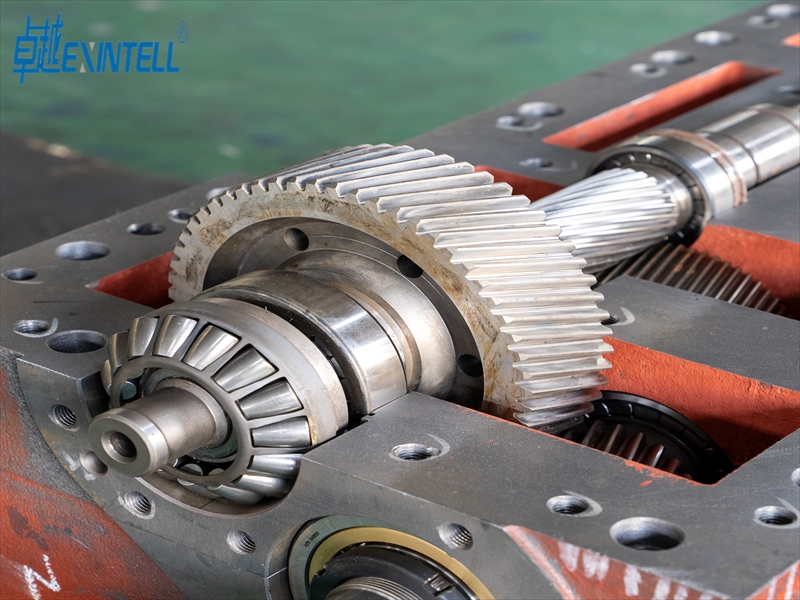
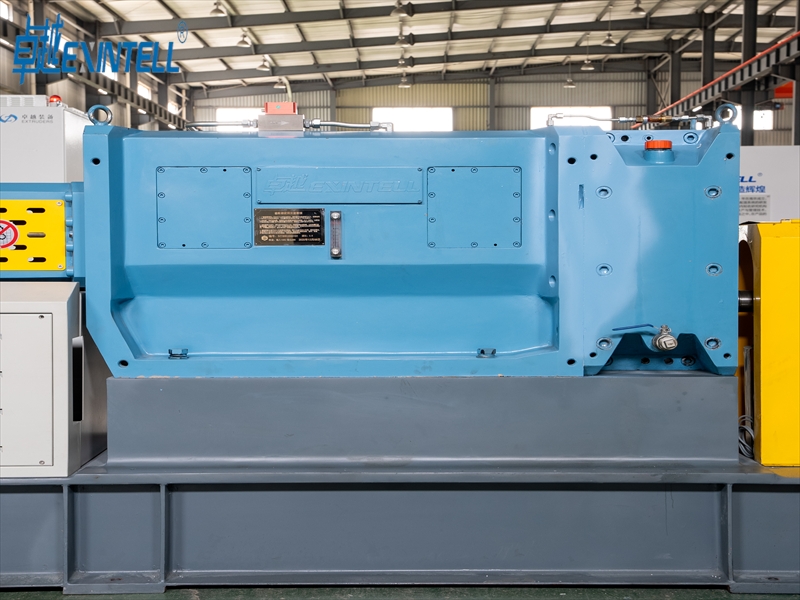
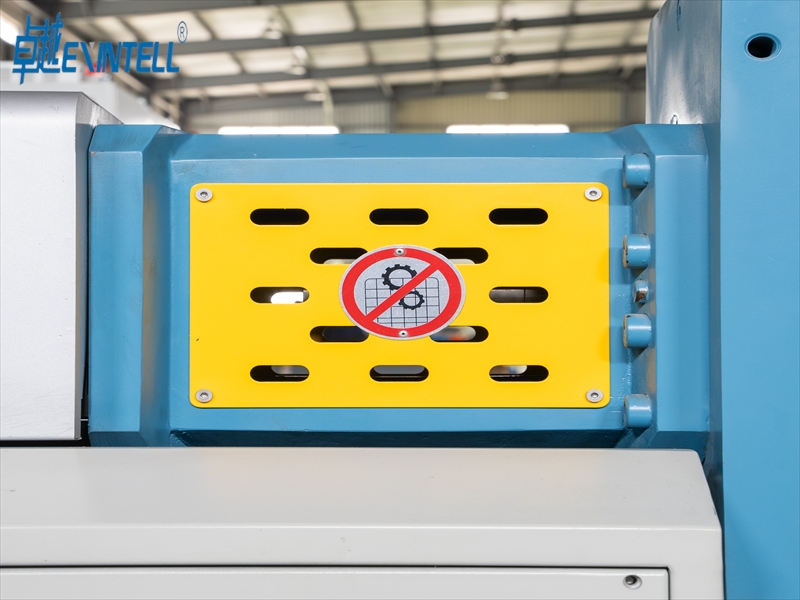
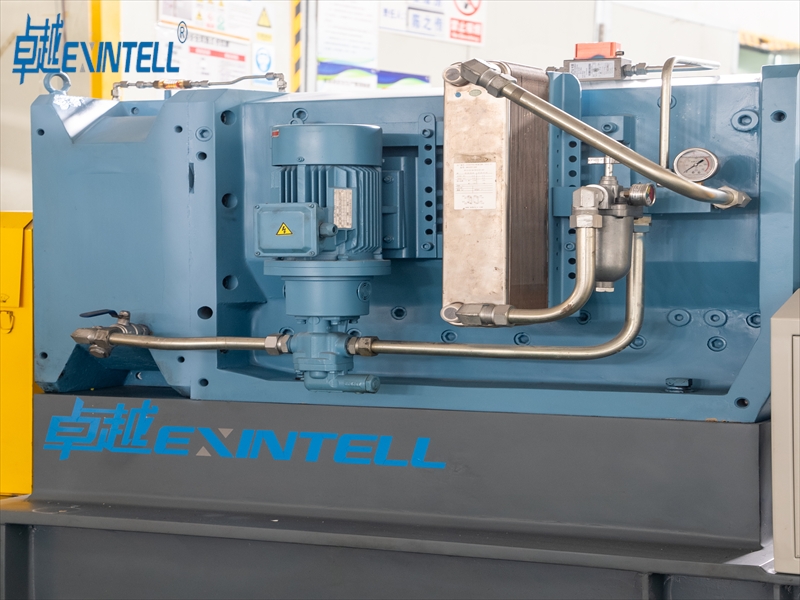
Knowing how the machine works and what each part does helps you use it better. It also helps you fix problems more easily.
പ്രധാന ടേക്ക്അവേകൾ
Pelletizing extruders change raw plastics into smallഉരുളകൾ. The pellets are all the same size. This makes them easier to use in many ways.
Knowing themain partshelps make better pellets. These parts are the hopper, സ്ക്രൂ, ബാരൽ, മരിക്കുന്നു, cooling system, and knife system.
Keeping the feed rate steady is very important. The screw speed must also stay the same. This helps make even pellets and stops machine problems.
Good cooling is needed to harden the pellets fast. This helps the pellets keep their shape and stay strong.
Doing regular checks helps the extruder work well. You should check screws and clean the die often. This keeps the machine running and makes it last longer.
Pelletizing Extruder Process Steps
എ pelletizing extruderturns raw plastic into small pellets. It does this by using a few main steps. You can follow these steps to see how the machine works.
Feeding and Melting
ആദ്യം, you put raw plastic into the hopper. The machine has a screw that moves the plastic forward. As it moves, സ്ക്രൂ പ്ലാസ്റ്റിക് തള്ളുകയും വായു പുറത്തെടുക്കുകയും ചെയ്യുന്നു. ബാരൽ ചൂടാകുകയും പ്ലാസ്റ്റിക് ഉരുകുകയും ചെയ്യുന്നു. പ്ലാസ്റ്റിക് ഉരസുന്നതിലൂടെ സ്ക്രൂ ചൂടും ഉണ്ടാക്കുന്നു.
നുറുങ്ങ്: നിങ്ങൾ പ്ലാസ്റ്റിക്ക് തുല്യമായി നൽകുകയാണെങ്കിൽ, നിങ്ങൾക്ക് ഒരേ രൂപത്തിലുള്ള ഉരുളകൾ ലഭിക്കും.
ഉള്ളിലെ സ്ക്രൂ pelletizing extruder ഉണ്ട് മൂന്ന് ഭാഗങ്ങൾ:
ഫീഡിംഗ് സോൺ പ്ലാസ്റ്റിക്കിനെ മുന്നോട്ട് തള്ളുന്നു.
കംപ്രഷൻ സോൺ പ്ലാസ്റ്റിക് ഉരുകുകയും വായു നീക്കം ചെയ്യുകയും ചെയ്യുന്നു.
മീറ്ററിംഗ് സോൺ സമ്മർദ്ദം വർദ്ധിപ്പിക്കുകയും ഒഴുക്ക് സ്ഥിരത നിലനിർത്തുകയും ചെയ്യുന്നു.
ഇരട്ട സ്ക്രൂ എക്സ്ട്രൂഡറുകൾ പ്ലാസ്റ്റിക് കൂടുതൽ നന്നായി ഇളക്കുക. അവയ്ക്ക് രണ്ട് സ്ക്രൂകൾ ഉണ്ട്, അത് ഒരുമിച്ച് തിരിയുന്നു. ഇത് കൂടുതൽ ചൂടും മികച്ച മിശ്രിതവും നൽകുന്നു. എല്ലാം ഒരേ പോലെയുള്ള ഉരുളകൾ ഉണ്ടാക്കാൻ ഇത് സഹായിക്കുന്നു.
നിങ്ങൾക്ക് ആവശ്യമുള്ള താപനില പ്ലാസ്റ്റിക് തരത്തെ ആശ്രയിച്ചിരിക്കുന്നു. സാധാരണ പ്ലാസ്റ്റിക്കുകൾക്കുള്ള ദ്രവണാങ്കങ്ങളുള്ള ഒരു പട്ടിക ഇതാ:
പ്ലാസ്റ്റിക് പോളിമർ
അടിസ്ഥാന ദ്രവണാങ്കം (°C)
പ്രായോഗികമായ ഉരുകൽ താപനില പരിധി (°C)
പ്രധാന പ്രോസസ്സിംഗ് കുറിപ്പുകൾ
എബിഎസ് (അക്രിലോണിട്രൈൽ ബ്യൂട്ടാഡീൻ സ്റ്റൈറീൻ)
105 – 107 (ടിജി)
210 – 250
ശോഷണം തടയാൻ ~270°C ന് മുകളിൽ ദീർഘനേരം എക്സ്പോഷർ ചെയ്യുന്നത് ഒഴിവാക്കുക.
പോളികാർബണേറ്റ് (പി.സി)
155 – 160
280 – 320
ജലവിശ്ലേഷണം തടയുന്നതിന് നന്നായി ഉണക്കണം; ഉയർന്ന പൂപ്പൽ താപനില ആവശ്യമാണ് (80-110°C).
പോളിപ്രൊഫൈലിൻ (പി.പി)
160 – 165
200 – 260
ഉയർന്ന വോള്യൂമെട്രിക് ചുരുങ്ങൽ; മതിയായ പാക്ക് / ഹോൾഡ് മർദ്ദം ആവശ്യമാണ്.
നൈലോൺ 66 (PA66)
260 – 265
280 – 310
അങ്ങേയറ്റം ഹൈഗ്രോസ്കോപ്പിക്; ഉടനടി പ്രീ-ഉണക്കലും ചൂടുള്ള അച്ചുകളും ആവശ്യമാണ് (70-100°C).
പോളിയെത്തിലീൻ (HDPE)
130 – 135
210 – 260
ഉയർന്ന ചുരുങ്ങൽ; ശരിയായ തണുപ്പിക്കൽ ഡിസൈൻ നിർണായകമാണ്.
പോളിയോക്സിമെത്തിലീൻ (POM)
165 – 175
190 – 220
താപ ശോഷണത്തിന് സാധ്യതയുണ്ട്; അമിതമായ താപനിലയും താമസ സമയവും ഒഴിവാക്കുക.
അക്രിലിക് (പിഎംഎംഎ)
160 – 170
220 – 250
ഹൈഗ്രോസ്കോപ്പിക്; വൈകല്യങ്ങൾ തടയാൻ ഉണക്കണം; ഉയർന്ന ഒഴുക്ക് പ്രതിരോധം.
പോളിബ്യൂട്ടിലീൻ ടെറഫ്തലേറ്റ് (പി.ബി.ടി)
225 – 230
240 – 270
ഹൈഗ്രോസ്കോപ്പിക്; മുൻകൂട്ടി ഉണക്കൽ ആവശ്യമാണ്; വളച്ചൊടിക്കാൻ സാധ്യതയുണ്ട്.
പോളിതെർകെറ്റോൺ (പീക്ക്)
340 – 380
370 – 400
വളരെ ഉയർന്ന പ്രോസസ്സിംഗ് താപനിലയും ഉണക്കലും ആവശ്യമാണ്.
തെർമോപ്ലാസ്റ്റിക് പോളിയുറീൻ (ടിപിയു)
120 – 140 (ടിജി)
180 – 220
ഹൈഗ്രോസ്കോപ്പിക്; സ്റ്റിക്കി മെൽറ്റിന് പ്രത്യേക ഗേറ്റിംഗ് ആവശ്യമാണ്.
പോളി വിനൈൽ ക്ലോറൈഡ് (പി.വി.സി)
160 – 180 (ടിജി)
170 – 210
മോശം താപ സ്ഥിരത; കൃത്യമായ താപനില നിയന്ത്രണവും നാശത്തെ പ്രതിരോധിക്കുന്ന ഉപകരണങ്ങളും ആവശ്യമാണ്.
ഡൈ ത്രൂ എക്സ്ട്രൂഷൻ
പ്ലാസ്റ്റിക് ഉരുകുമ്പോൾ, ദി pelletizing extruder ഒരു ഡൈയിലൂടെ അതിനെ തള്ളുന്നു. ഡൈ ഉരുകിയ പ്ലാസ്റ്റിക്കിനെ നീളമുള്ള ചരടുകളോ മറ്റ് ആകൃതികളോ ആക്കുന്നു. ദി ഡൈയുടെ ഡിസൈൻ ആകൃതിയെ നിയന്ത്രിക്കുന്നു പ്ലാസ്റ്റിക്കിൻ്റെ വലിപ്പവും. നിങ്ങൾ ഒരു റൗണ്ട് ഡൈ ഉപയോഗിക്കുകയാണെങ്കിൽ, നിങ്ങൾക്ക് വൃത്താകൃതിയിലുള്ള ചരടുകൾ ലഭിക്കും. നിങ്ങൾ ഒരു ദീർഘചതുരം ഉപയോഗിക്കുകയാണെങ്കിൽ, പ്ലാസ്റ്റിക് എങ്ങനെ നീങ്ങുന്നു എന്നതിനാൽ മൂലകൾ ഉരുണ്ടേക്കാം.
കുറിപ്പ്: ഡൈ ശക്തവും ദീർഘനേരം നീണ്ടുനിൽക്കുന്നതുമായിരിക്കണം. പലരും ഡൈസ് ഉപയോഗിക്കുന്നു ടങ്സ്റ്റൺ കാർബൈഡ് ഉൾപ്പെടുത്തലുകൾ ഗ്ലാസ് നാരുകളുള്ള കട്ടിയുള്ള പ്ലാസ്റ്റിക്കുകൾക്ക്.
ഡൈയുടെ ചൂടും അത് എങ്ങനെ ചൂടാകുന്നു എന്നതും പ്രധാനമാണ്. ഡൈ അസമമായി ചൂടാക്കിയാൽ, പ്ലാസ്റ്റിക് തെറ്റായ രൂപത്തിൽ പുറത്തുവരാം.
എക്സ്ട്രൂഡേറ്റ് തണുപ്പിക്കുന്നു
പ്ലാസ്റ്റിക് ഉപേക്ഷിച്ച ശേഷം മരിക്കും, അത് ഇപ്പോഴും ചൂടും മൃദുവുമാണ്. നിങ്ങൾ ഇത് വേഗത്തിൽ തണുപ്പിക്കേണ്ടതുണ്ട്, അതിനാൽ ഇത് കഠിനമാകും. ദി pelletizing extruder തണുപ്പിക്കാൻ വ്യത്യസ്ത വഴികൾ ഉപയോഗിക്കാം:
അണ്ടർവാട്ടർ പെല്ലറ്റൈസറുകൾ: ഡൈയും കട്ടറും വെള്ളത്തിലാണ്. വെള്ളം ഉരുളകളെ ഉടൻ തണുപ്പിക്കുന്നു.
സ്ട്രാൻഡ് പെല്ലറ്റൈസറുകൾ: പ്ലാസ്റ്റിക് സരണികൾ ഒരു വാട്ടർ ബാത്തിൽ പോകുന്നു, മുറിക്കുന്നതിന് മുമ്പ് വായു അവ ഉണക്കുന്നു.
ഡൈ-ഫേസ് പെല്ലറ്റൈസറുകൾ: യന്ത്രം ഡൈ ഫേസിൽ ഉരുളകൾ മുറിക്കുന്നു. വായു അല്ലെങ്കിൽ വെള്ളം മൂടൽമഞ്ഞ് അവരെ തണുപ്പിക്കുന്നു, അല്ലെങ്കിൽ അവർ ഒരു വാട്ടർ ബാത്തിൽ വീഴും.
നിങ്ങൾ പ്ലാസ്റ്റിക് വളരെ വേഗത്തിലോ വളരെ സാവധാനത്തിലോ തണുപ്പിക്കുകയാണെങ്കിൽ, ഉരുളകൾക്ക് വളയുകയോ ചുരുങ്ങുകയോ ചെയ്യാം. ഇത് അവർക്ക് തെറ്റായ വലുപ്പമോ ആകൃതിയോ ഉണ്ടാക്കാം. നല്ല തണുപ്പിക്കൽ, ശക്തവും ഒരേപോലെയുള്ളതുമായ ഉരുളകൾ ലഭിക്കാൻ നിങ്ങളെ സഹായിക്കുന്നു.
ഉരുളകളാക്കി മുറിക്കുന്നു
തണുത്ത പ്ലാസ്റ്റിക് ചെറിയ ഉരുളകളാക്കി മുറിക്കുക എന്നതാണ് അവസാന ഘട്ടം. ദി pelletizing extruder ഉപയോഗിക്കുന്നു വ്യത്യസ്ത കട്ടിംഗ് സംവിധാനങ്ങൾ:
Each way helps you get pellets that are the same size. Pellets that are all the same are easier to handle, store, and use in other machines.
Summary:You feed raw plastic into thepelletizing extruder, melt it, shape it with a die, cool it, and cut it into pellets. Each step changes the plastic from raw material into finished pellets you can use for many products.
Main Components of a Pelletizing Extruder
Hopper and Feed Throat
You begin by putting raw plastic into the hopper. The hopper stores and feeds the plastic. It keeps the plastic clean and safe from dirt. The bottom of the hopper fits with the feed throat. The feed throat connects to the extruder barrel. This setup helps the plastic move smoothly.
The hopper controls how much plastic goes in. ഇത് വളരെയധികം അല്ലെങ്കിൽ വളരെ കുറച്ച് പ്ലാസ്റ്റിക് ഉള്ളിൽ പ്രവേശിക്കുന്നത് തടയുന്നു.
നുറുങ്ങ്: നല്ല ഹോപ്പറും ഫീഡ് തൊണ്ടയും നിങ്ങളുടെ പെല്ലറ്റൈസിംഗ് എക്സ്ട്രൂഡറിനെ നന്നായി പ്രവർത്തിക്കാൻ സഹായിക്കുന്നു.
ഡിസൈൻ സ്ട്രാറ്റജി
മെറ്റീരിയൽ ഫ്ലോയിൽ സ്വാധീനം
ഫീഡറുകളിൽ ടാപ്പർ ചെയ്ത ഇൻ്റർഫേസ്
ഭക്ഷണം പോലും നൽകുകയും ദ്വാരങ്ങൾ രൂപപ്പെടുന്നത് തടയുകയും ചെയ്യുന്നു
സ്പൂൾ പീസ് ഉള്ള റോട്ടറി വാൽവുകൾ
കട്ടപിടിക്കുന്നത് നിർത്തുകയും പ്ലാസ്റ്റിക്കിൻ്റെ ചലനം നിലനിർത്തുകയും ചെയ്യുന്നു
ട്രാൻസിഷൻ തൊണ്ടയുള്ള വൈബ്രേറ്ററി ഫീഡറുകൾ
പ്ലാസ്റ്റിക് ഒഴുക്കിനെ സഹായിക്കുകയും വേഗത സ്ഥിരത നിലനിർത്തുകയും ചെയ്യുന്നു
സ്ക്രൂയും ബാരലും
പെല്ലറ്റൈസിംഗ് എക്സ്ട്രൂഡറിനുള്ളിൽ, സ്ക്രൂവും ബാരലും ഒരുമിച്ച് പ്രവർത്തിക്കുന്നു. അവർ നീങ്ങുന്നു, ഉരുകുക, കൂടാതെ പ്ലാസ്റ്റിക് മിക്സ് ചെയ്യുക. സ്ക്രൂവിന് മൂന്ന് പ്രധാന ഭാഗങ്ങളുണ്ട്:
ഫീഡ് സോൺ: ഈ ഭാഗം പ്ലാസ്റ്റിക് പിടിച്ച് മുന്നോട്ട് തള്ളുന്നു.
കംപ്രഷൻ സോൺ: ഇവിടെ, സ്ക്രൂ പ്ലാസ്റ്റിക് ഞെക്കി വായു നീക്കം ചെയ്യുന്നു. ഇത് പ്ലാസ്റ്റിക് തുല്യമായി ഉരുകുന്നു.
മീറ്ററിംഗ് സോൺ: ഈ ഭാഗം മർദ്ദം ഉണ്ടാക്കുകയും മരിക്കുന്നതിന് മുമ്പ് ഒഴുക്ക് സ്ഥിരമായി നിലനിർത്തുകയും ചെയ്യുന്നു.
ബാരൽ സ്ക്രൂവിന് ചുറ്റും പോകുന്നു. ഇത് പ്ലാസ്റ്റിക്കിനെ ചൂടാക്കുകയും മൃദുവാക്കുകയും ചെയ്യുന്നു. സുഗമമായ ഉരുകാൻ ബാരൽ പ്ലാസ്റ്റിക് കലർത്താൻ സഹായിക്കുന്നു.
ഘടകം
വിവരണം
സ്ക്രൂ ജ്യാമിതി
സ്ക്രൂവിൻ്റെ ആകൃതിയും കോണും പ്ലാസ്റ്റിക് ചലിക്കുന്നതും മിശ്രണം ചെയ്യുന്നതും മാറ്റുന്നു. ചെറിയ ആംഗിളുകൾ നന്നായി മിക്സ് ചെയ്യുന്നു, പക്ഷേ വേഗത്തിൽ ക്ഷയിക്കുന്നു.
കുഴയ്ക്കുന്ന ബ്ലോക്കുകൾ
These parts mix the plastic more by making it rub together. More blocks or bigger angles mix more but use more energy and heat.
Temperature Profiles
You must control the heat in each part. Too much heat can hurt the plastic. Not enough heat leaves it unmelted.
കുറിപ്പ്:The right screw and barrel help you make good pellets and waste less.
Breaker Plate and Adapter
After melting, the plastic goes through the breaker plate and adapter. The breaker plate is a metal disc with many small holes. It does several things:
The adapter, also called the feed pipe, links the barrel to the die. It guides the melted plastic to the die and keeps the flow steady.
നുറുങ്ങ്:A clean breaker plate and adapter help you make strong, even pellets.
Die System
The die system shapes the melted plastic before cutting. The die has some important parts:
Open Area:This is the size of the die’s hole. It changes the pressure and how thick the product is.
Land Area:This part shapes the plastic as it leaves the die. It helps make pellets that look and work the same.
Material of Construction:The die’s material changes how much rubbing and pressure the plastic gets.
You need to keep the die system in good shape. Cleaning and checking it often stops problems and keeps pellet quality high. If the die has problems, the pellets can change in size, ശക്തി, or shape.
കുറിപ്പ്:The die system is one of the most important parts of your pelletizing extruder.
Cooling System
When the plastic leaves the die, it is still hot. The cooling system makes the plastic hard so you can cut it. There are different ways to cool:
Air-cooled systems:These use fans or blowers to cool the plastic.
Water-cooled systems:These drop the plastic into water tanks. Dryers then take off the water.
Fluidized bed dryers:These blow air through the pellets as they slide down a slope. You can change the slope to control how long the pellets stay in the dryer.
Some systems reuse water to save energy. Automatic controls can change cooling based on what you need, which also saves energy.
തെളിവ് പോയിൻ്റ്
വിവരണം
Optimizing Cooling Resources
Saves energy and helps the machine work better.
Automated Controls
Uses just the right amount of cooling.
Closed-loop Systems
Uses water again and again, saving water and energy.
നുറുങ്ങ്:Good cooling keeps pellets strong and saves energy.
Rotating Knife System
The rotating knife system cuts the cooled plastic into pellets. This system has sharp, fast knives that slice the plastic as it comes out.
Sharp, well-set knives stop problems like tails or dust and keep the machine running.
You need to keep the knives sharp and at the right speed. If the knives get dull or slow, you get uneven pellets and more stops. If the knives are too fast or not lined up, you get problems or jams.
കുറിപ്പ്:The rotating knife system is very important for making good pellets and keeping your pelletizing extruder working well.
How Components Work Together
Material Flow and Homogenization
All the parts of the pelletizing extruder must work together. This helps the plastic move smoothly andmix well. The screw pushes the plastic forward and mixes it. You can change how fast the screw turns to mix more or less. Kneading blocks inside the screw help blend the plastic. Their shape and how you set them up help the plastic mix better.
You can change the speed to control mixing and keep flow steady.
Kneading Block Geometry
Special shapes help mix the plastic evenly.
Convective Mixing
The design moves plastic through mixing zones again and again.
Continuous Circulation
All plastic passes through strong mixing areas many times.
Modular Screw Design
You can change the screw parts for different plastics.
Kneading Block Configurations
Different setups give strong mixing for the right pellet quality.
Sometimes, mixing can be hard. If you mix too much, you can break fibers or make dust. Too much mixing can also make the plastic too hot. Gentle mixing is better for soft plastics. Some plastics, പോലെ ultra-low melt flow HDPE, move slowly. These need more pressure to flow.
Pellets are made by cooling and cutting the plastic after it leaves the die. The cooling system makes the plastic hard so knives can cut it. Good cooling systems പെല്ലറ്റിൻ്റെ വലുപ്പവും ആകൃതിയും ഒരേപോലെ നിലനിർത്താൻ സഹായിക്കുക. ഓട്ടോമാറ്റിക് നിയന്ത്രണങ്ങൾക്ക് അത് പ്രവർത്തിക്കുമ്പോൾ പ്രക്രിയ മാറ്റാൻ കഴിയും. ഇത് മികച്ച ഉരുളകൾ ലഭിക്കുന്നതിനും മാലിന്യങ്ങൾ കുറയ്ക്കുന്നതിനും സഹായിക്കുന്നു.
തെളിവ് തരം
വിവരണം
വിപുലമായ തണുപ്പിക്കൽ സംവിധാനങ്ങൾ
ഈ ഉരുളകൾ വേഗത്തിൽ തണുപ്പിക്കുകയും അവയുടെ ആകൃതി നിലനിർത്തുകയും ചെയ്യുന്നു.
ഓട്ടോമേറ്റഡ് കൺട്രോൾ സിസ്റ്റങ്ങൾ
മികച്ച ഗുണനിലവാരത്തിനും കുറഞ്ഞ മാലിന്യത്തിനുമായി ഇവ ക്രമീകരണങ്ങൾ ക്രമീകരിക്കുന്നു.
ഉയർന്ന കാര്യക്ഷമതയുള്ള ഹീറ്ററുകൾ
ഇവ പ്ലാസ്റ്റിക്കിനെ സുഗമമായി പുറത്തെടുക്കാൻ തുല്യമായി ചൂടാക്കുന്നു.
നിങ്ങൾ പെല്ലറ്റുകൾ ശേഖരിക്കുകയും കൈകാര്യം ചെയ്യുകയും വേണം, അതിനാൽ നിങ്ങൾക്ക് അവ നഷ്ടപ്പെടാതിരിക്കുകയോ വൃത്തികെട്ടതാക്കുകയോ ചെയ്യരുത്. നല്ല ഉപകരണങ്ങൾ ഉപയോഗിക്കുകയും പരിസരം വൃത്തിയായി സൂക്ഷിക്കുകയും ചെയ്യുക. അടഞ്ഞ നടപ്പാതകളും അടച്ച പൈപ്പുകളും ഉരുളകൾ പുറത്തേക്ക് പോകുന്നത് തടയുന്നു. സ്പിൽ ഗാർഡുകൾ ഉപയോഗിക്കാൻ തൊഴിലാളികളെ പഠിപ്പിക്കുകയും അടിയന്തര ഘട്ടത്തിൽ എന്തുചെയ്യണമെന്ന് അറിയുകയും ചെയ്യുക.
ശരിയായ ഉപകരണങ്ങളും അടച്ച സിസ്റ്റങ്ങളും ഉപയോഗിക്കുക.
ചോർച്ച വേഗത്തിൽ വൃത്തിയാക്കുക.
പെല്ലറ്റുകൾ എങ്ങനെ സുരക്ഷിതമായി കൈകാര്യം ചെയ്യണമെന്ന് തൊഴിലാളികളെ പഠിപ്പിക്കുക.
നുറുങ്ങ്: When every step works together, you get strong, clean pellets and a safer place to work.
You turn raw plastic into even pellets by doing five steps: feeding, ഉരുകുന്നത്, പുറത്തെടുക്കുന്നു, തണുപ്പിക്കൽ, മുറിക്കലും. Each main part—hopper, സ്ക്രൂ, ബാരൽ, മരിക്കുന്നു, തണുപ്പിക്കൽ, and knife system—has an important job. Taking care of your extruder helps it work well:
Look at screws and sleeves to see if they are damaged.
Make sure raw materials are clean so nothing bad gets in.
Watch for worn parts and change them before they break.
If you know about pellet quality and how tocontrol moisture, you can work faster and make fewer mistakes. Use these tips to keep your machine working well and making good pellets.
പതിവുചോദ്യങ്ങൾ
What types of plastics can you use in a pelletizing extruder?
You can use many plastics in a pelletizing extruder. Some examples are polyethylene, പോളിപ്രൊഫൈലിൻ, നൈലോൺ, എബിഎസ്, പി.എൽ.എ, and TPU. Each plastic needs its own temperature and settings. Always check what your material needs before you start.
How do you keep pellets uniform in size?
You need to feed the material at a steady rate. Keep the screw speed the same. Clean the die and knives often. Use automatic controls to help with cooling and cutting. This gives you the best results.
Why does the extruder need a cooling system?
The cooling system makes the melted plastic hard. If you do not cool it, the pellets stay soft and stick together. When you cool them fast and evenly, you get strong pellets. These pellets are easy to handle.
How often should you maintain the pelletizing extruder?
Check and oil the bearings every 500 മണിക്കൂറുകൾ.
Look at the screws and knives every week.
ഹോപ്പർ വൃത്തിയാക്കി ഓരോ ബാച്ചിനും ശേഷം മരിക്കുക.
ഈ കാര്യങ്ങൾ ചെയ്യുന്നത് നിങ്ങളുടെ മെഷീൻ നന്നായി പ്രവർത്തിക്കാൻ സഹായിക്കുന്നു.
ഒരു പെല്ലറ്റൈസിംഗ് എക്സ്ട്രൂഡറിൽ നിങ്ങൾക്ക് റീസൈക്കിൾ ചെയ്ത പ്ലാസ്റ്റിക്ക് ഉപയോഗിക്കാൻ കഴിയുമോ??
മെറ്റീരിയൽ തരം
അനുയോജ്യത
കുറിപ്പുകൾ
വൃത്തിയാക്കിയ റീസൈക്കിൾ
അതെ
ഉപയോഗിക്കുന്നതിന് മുമ്പ് ഉണക്കി ഫിൽട്ടർ ചെയ്യുക
മിക്സഡ് റീസൈക്കിൾ
Sometimes
തരംതിരിച്ച് വൃത്തിയാക്കൽ ആവശ്യമായി വന്നേക്കാം
മലിനമായ
ഇല്ല
യന്ത്രത്തിന് കേടുപാടുകൾ വരുത്താം
റീസൈക്കിൾ ചെയ്ത പ്ലാസ്റ്റിക്കുകൾ വൃത്തിയുള്ളതും അടുക്കിയതാണെങ്കിൽ നിങ്ങൾക്ക് ഉപയോഗിക്കാം.