

Masterbatch Extruder Magic: ຄວາມແຕກຕ່າງທີ່ແປກປະຫຼາດເປີດເຜີຍ
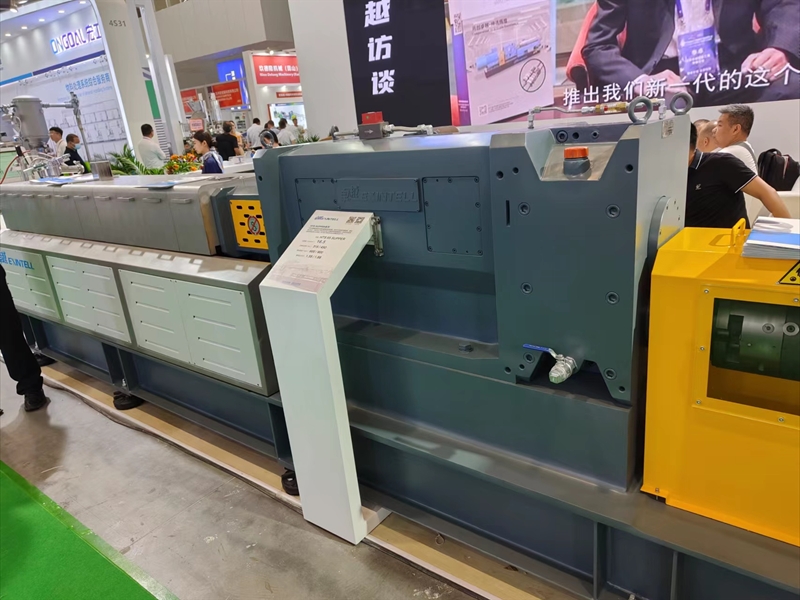
ເມື່ອຂ້ອຍເລືອກ masterbatch extruder, ຂ້ອຍເບິ່ງປະເພດຕົ້ນຕໍ: screw ດຽວ, twin-screw, ແລະ extruders ພິເສດ. ແຕ່ລະ extruder ຮູບຮ່າງຂະບວນການ masterbatch ໃນວິທີການເປັນເອກະລັກ. ຂ້າພະເຈົ້າສັງເກດເຫັນວ່າຕົວແບບ twin-screw ໂດດເດັ່ນດ້ວຍປະສິດທິພາບການປະສົມທີ່ດີກວ່າ, ການຄວບຄຸມອຸນຫະພູມທີ່ຊັດເຈນ, ແລະຫຼຸດຜ່ອນສິ່ງເສດເຫຼືອຂອງວັດສະດຸ. ນີ້ແມ່ນການປຽບທຽບໄວ:
| ລັກສະນະ | Single Screw Extruder | |
|---|---|---|
| ປະສິດທິພາບການປະສົມ | 30-50% ຄຸນນະພາບການກະຈາຍທີ່ດີກວ່າ |
|
| ສິ່ງເສດເຫຼືອ | ຫຼຸດຜ່ອນການລ້າງສິ່ງເສດເຫຼືອຂອງວັດສະດຸໂດຍ 40-60% | ການລ້າງສິ່ງເສດເຫຼືອທີ່ສູງຂຶ້ນ |
| ການຄວບຄຸມອຸນຫະພູມ | ການຄວບຄຸມທີ່ຊັດເຈນປ້ອງກັນການເຊື່ອມໂຊມຂອງຄວາມຮ້ອນ | ການຄວບຄຸມທີ່ຊັດເຈນຫນ້ອຍ |
| ການລະບາຍອາກາດແລະ degassing | ການກໍາຈັດຄວາມຊຸ່ມຊື່ນແລະການລະເຫີຍຢ່າງມີປະສິດທິພາບ | ການລະບາຍອາກາດທີ່ມີປະສິດທິພາບຫນ້ອຍ |
ຂ້າພະເຈົ້າເຫັນວ່າຄວາມແຕກຕ່າງເຫຼົ່ານີ້ປ່ຽນແປງຄວາມສອດຄ່ອງແລະຄຸນນະພາບຂອງຜະລິດຕະພັນ. ການປະສົມທີ່ດີກວ່າ, ການຄວບຄຸມອຸນຫະພູມທີ່ເຄັ່ງຄັດ, ແລະການປຸງແຕ່ງທີ່ສະອາດມັກຈະປະຫລາດໃຈກັບການຜະລິດ masterbatch ໃຫມ່. ຂ້າພະເຈົ້າສະເຫມີພິຈາລະນາປັດໃຈເຫຼົ່ານີ້ກ່ອນທີ່ຈະເລືອກ extruder.
Key Takeaways
- ເຂົ້າໃຈປະເພດຕົ້ນຕໍຂອງ extruders: screw ດຽວ, twin-screw, ແລະຊ່ຽວຊານ. ແຕ່ລະປະເພດມີຜົນປະໂຫຍດທີ່ເປັນເອກະລັກທີ່ມີຜົນກະທົບຕໍ່ການຜະລິດ.
- Twin-screw extruders ສະເໜີປະສິດທິພາບການປະສົມທີ່ເໜືອກວ່າ ແລະການຄວບຄຸມອຸນຫະພູມທີ່ຊັດເຈນ, ການຫຼຸດຜ່ອນສິ່ງເສດເຫຼືອຂອງວັດສະດຸຢ່າງຫຼວງຫຼາຍເມື່ອທຽບໃສ່ກັບແບບສະກູດຽວ.
- ເຄື່ອງ extruders screw ດຽວແມ່ນປະຫຍັດຄ່າໃຊ້ຈ່າຍແລະເຊື່ອຖືໄດ້ສໍາລັບວຽກງານທີ່ງ່າຍດາຍແຕ່ຕໍ່ສູ້ກັບການສ້າງແບບສະລັບສັບຊ້ອນແລະການໂຫຼດສູງ..
- ເລືອກ extruders twin-screw ສໍາລັບສີຄຸນນະພາບສູງແລະການຜະລິດ masterbatch ເພີ່ມເຕີມ. ການອອກແບບຂອງພວກເຂົາຮັບປະກັນການກະແຈກກະຈາຍເປັນເອກະພາບແລະຄຸນນະພາບຜະລິດຕະພັນທີ່ສອດຄ່ອງ.
- ພິຈາລະນາການສົ່ງຜ່ານໃນເວລາທີ່ເລືອກ extruder. ໂດຍທົ່ວໄປແລ້ວ, ແບບ Twin-screw ສະຫນອງການຜ່ານທີ່ສູງຂຶ້ນ, ເຮັດໃຫ້ມັນເຫມາະສົມສໍາລັບການຂະຫຍາຍການຜະລິດ.
- ປະເມີນຄວາມຕ້ອງການບໍາລຸງຮັກສາແລະຄ່າໃຊ້ຈ່າຍໃນການດໍາເນີນງານ. extruders screw ດຽວຕ້ອງການການບໍາລຸງຮັກສາຫນ້ອຍ, ໃນຂະນະທີ່ແບບ twin-screw ອາດມີຄ່າໃຊ້ຈ່າຍທີ່ສູງຂຶ້ນແຕ່ໃຫ້ປະສິດທິພາບທີ່ດີກວ່າ.
- ຈັບຄູ່ extruder ກັບຄວາມຕ້ອງການວັດສະດຸຂອງທ່ານ. ໂພລີເມີແລະສານເຕີມແຕ່ງທີ່ແຕກຕ່າງກັນຮຽກຮ້ອງໃຫ້ມີສະເພາະ ຄວາມສາມາດ extruder ສໍາລັບການປຸງແຕ່ງທີ່ດີທີ່ສຸດ.
- ລົງທຶນໃນ extruders ປະສິດທິພາບສູງສໍາລັບຄໍາຮ້ອງສະຫມັກທີ່ຕ້ອງການ. ຄ່າໃຊ້ຈ່າຍເບື້ອງຕົ້ນແມ່ນຊົດເຊີຍໂດຍການປັບປຸງປະສິດທິພາບ, ຫຼຸດຜ່ອນສິ່ງເສດເຫຼືອ, ແລະປັບປຸງຄຸນນະພາບຜະລິດຕະພັນ.
Masterbatch Extruder ປະເພດ
Single-Screw Extruder
ຄຸນສົມບັດ
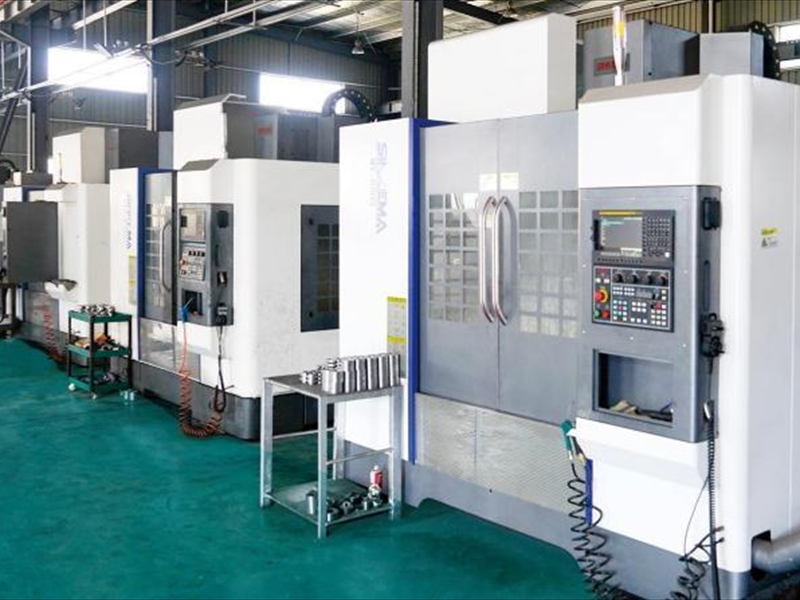
ຂ້າພະເຈົ້າມັກຈະເລີ່ມຕົ້ນດ້ວຍ extruders screw ດຽວໃນເວລາທີ່ຂ້ອຍຕ້ອງການຄວາມງ່າຍດາຍແລະຄວາມຫນ້າເຊື່ອຖື. ເຄື່ອງຈັກເຫຼົ່ານີ້ໃຊ້ສະກູຫມຸນຫນຶ່ງພາຍໃນຖັງຄວາມຮ້ອນເພື່ອຖ່າຍທອດ, ລະລາຍ, ແລະຮູບຮ່າງຂອງໂພລີເມີ. ຂະບວນການແມ່ນຂຶ້ນກັບຄຸນສົມບັດ frictional ຂອງວັດສະດຸ. ເມື່ອຂ້ອຍເຮັດວຽກກັບເມັດ, ປະສິດທິພາບການຂົນສົ່ງຍັງສູງ. ແນວໃດກໍ່ຕາມ, ດ້ວຍຜົງ, ຂ້ອຍສັງເກດເຫັນການຫຼຸດລົງຂອງປະສິດທິພາບ. ຄວາມເປັນເອກະພາບຂອງ plasticizing ແມ່ນບໍ່ແຂງແຮງຄືກັບເຄື່ອງຈັກທີ່ກ້າວຫນ້າ. ຂ້ອຍເຫັນການແຈກຢາຍເວລາທີ່ຢູ່ອາໄສທີ່ກວ້າງຂວາງ, ເຊິ່ງບາງຄັ້ງນໍາໄປສູ່ການເຊື່ອມໂຊມຄວາມຮ້ອນຂອງວັດສະດຸທີ່ລະອຽດອ່ອນ.
| ລັກສະນະ | Single-Screw Extruder | Twin-Screw Extruder |
|---|---|---|
| ປະສິດທິພາບການຖ່າຍທອດ | ສູງຂື້ນກັບຄຸນສົມບັດ frictional ຂອງວັດສະດຸ; ຢອດດ້ວຍຜົງ | ການໂຍກຍ້າຍໃນທາງບວກຮັບປະກັນສູງ, ໝັ້ນຄົງ, ແລະການຖ່າຍທອດທີ່ສອດຄ່ອງ |
| ຄວາມເປັນເອກະພາບຂອງພາດສະຕິກ | ຄວາມເປັນເອກະພາບຂອງ plasticizing ຂ້ອນຂ້າງທຸກຍາກ | ມີຄວາມເປັນເອກະພາບ ແລະ ປະສິດທິພາບ plasticizing ຫຼາຍ |
| ຄໍາຮ້ອງສະຫມັກທີ່ເຫມາະສົມ | ບໍ່ເຫມາະສົມສໍາລັບຄວາມ homogenization ສູງຫຼືການໂຫຼດສູງ filler | ເຫມາະສໍາລັບການປະສົມແລະການດັດແກ້ທີ່ມີການປະສົມທີ່ດີເລີດ |
| ການແຈກຢາຍເວລາທີ່ຢູ່ອາໄສ | ກວ້າງກວ່າ; ຄວາມສ່ຽງຕໍ່ການເຊື່ອມໂຊມຂອງຄວາມຮ້ອນ | ແຄບ; ວັດສະດຸທັງໝົດມີປະຫວັດການປຸງແຕ່ງທີ່ຄືກັນ |
| ປະສິດທິພາບທາງດ້ານເສດຖະກິດ | ປະຫຍັດແລະເຊື່ອຖືໄດ້ສໍາລັບເມັດມາດຕະຖານ | ນໍາພາສໍາລັບສູດສະລັບສັບຊ້ອນແລະຄວາມເປັນເອກະພາບຂອງຜະລິດຕະພັນສູງ |
| ກໍລະນີການນໍາໃຊ້ທີ່ເຫມາະສົມ | ການລະລາຍ, ການປະສົມພັນ, ຮູບຮ່າງໂດຍບໍ່ມີການປະສົມສະລັບສັບຊ້ອນ | ຜົງປຸງແຕ່ງ, ອັດຕາສ່ວນຂອງ filler ສູງ, ວັດສະດຸທີ່ລະອຽດອ່ອນຄວາມຮ້ອນ |
ຂໍ້ດີ
ຂ້າພະເຈົ້າເລືອກ extruders screws ດຽວສໍາລັບປະສິດທິພາບຄ່າໃຊ້ຈ່າຍຂອງເຂົາເຈົ້າແລະການດໍາເນີນງານກົງໄປກົງມາ. ການບໍາລຸງຮັກສາຍັງຕໍ່າ, ແລະຂ້ອຍສາມາດຝຶກອົບຮົມຜູ້ປະຕິບັດງານໃຫມ່ໄດ້ໄວ. ເຄື່ອງ extruders ເຫຼົ່ານີ້ເຮັດວຽກໄດ້ດີສໍາລັບວັດສະດຸທີ່ມີຄວາມຫນືດຕ່ໍາຫາປານກາງ. ຂ້ອຍພົບວ່າພວກມັນມີປະໂຫຍດໂດຍສະເພາະໃນການດໍາເນີນງານຂະຫນາດນ້ອຍກວ່າທີ່ງົບປະມານແລະຄວາມງ່າຍດາຍສໍາຄັນທີ່ສຸດ.
ຂໍ້ຈໍາກັດ
extruders screws ດຽວຕໍ່ສູ້ກັບຄວາມ homogenization ສູງແລະການໂຫຼດສູງ filler. ໃນເວລາທີ່ຂ້າພະເຈົ້າຕ້ອງການການຜະສົມຜະສານທີ່ຊັດເຈນຫຼືເຮັດວຽກກັບສູດສະລັບສັບຊ້ອນ, ຂ້ອຍເຫັນຂໍ້ຈໍາກັດຂອງພວກເຂົາ. ການແຈກຢາຍເວລາທີ່ຢູ່ອາໄສທີ່ກວ້າງຂຶ້ນ ບາງຄັ້ງເຮັດໃຫ້ເກີດການເສື່ອມໂຊມຂອງຄວາມຮ້ອນ, ເຊິ່ງຜົນກະທົບຕໍ່ຄຸນນະພາບຂອງຜະລິດຕະພັນ. ພວກມັນບໍ່ຈັດການກັບຝຸ່ນ ຫຼືວັດສະດຸທີ່ອ່ອນໄຫວຕໍ່ຄວາມຮ້ອນໄດ້ຢ່າງມີປະສິດທິພາບຄືກັບປະເພດອື່ນໆ.
ຄໍາຮ້ອງສະຫມັກ
ຂ້າພະເຈົ້າໃຊ້ extruders screw ດຽວເປັນສ່ວນໃຫຍ່ສໍາລັບການ melting, ການປະສົມພັນ, ແລະການສ້າງເມັດພາດສະຕິກມາດຕະຖານ. ພວກເຂົາຄອບງໍາໃນສາຍການຜະລິດ masterbatch ຂະຫນາດນ້ອຍກວ່າເນື່ອງຈາກຄວາມງ່າຍດາຍແລະຄ່າໃຊ້ຈ່າຍໃນການບໍາລຸງຮັກສາຕ່ໍາ. ສ່ວນແບ່ງຕະຫຼາດຂອງພວກເຂົາຍັງມີຄວາມສໍາຄັນ, ໂດຍສະເພາະໃນການດໍາເນີນງານທີ່ບໍ່ຕ້ອງການການປະສົມແບບພິເສດຫຼືເນື້ອໃນ filler ສູງ.
Twin-Screw Extruder
Intermeshing
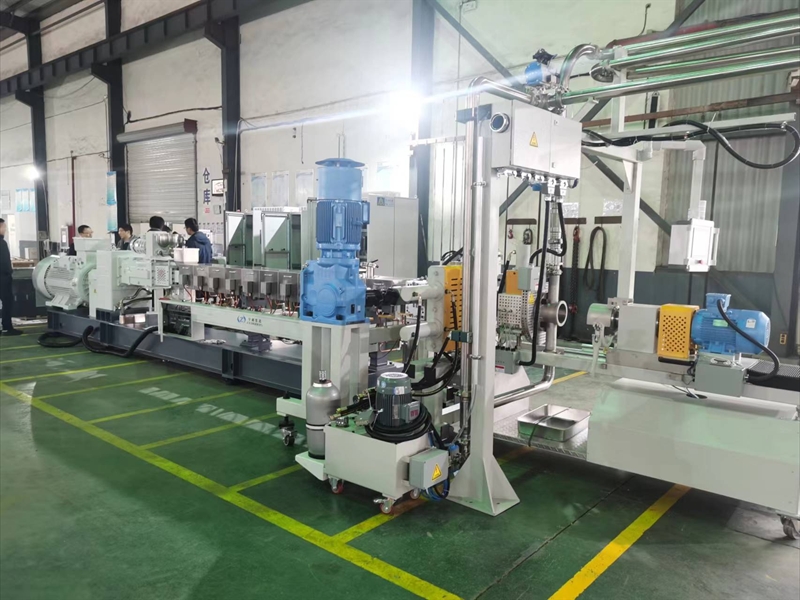
ໃນເວລາທີ່ຂ້າພະເຈົ້າຕ້ອງການ ການຜະສົມຜະສານແລະການກະແຈກກະຈາຍທີ່ດີກວ່າ, ຂ້າພະເຈົ້າຫັນໄປຫາ extruders screw ຄູ່. ການອອກແບບ intermeshing ຫມາຍຄວາມວ່າ screws overlap, ການສ້າງຄວາມເຂັ້ມແຂງ shear ແລະ kneading ກໍາລັງ. ການຕິດຕັ້ງນີ້ຮັບປະກັນປະສິດທິພາບການຜະສົມສູງແລະການກະແຈກກະຈາຍເປັນເອກະພາບຂອງສານເຕີມແຕ່ງ. ຂ້ອຍອີງໃສ່ປະເພດນີ້ສໍາລັບວຽກງານປະສົມທີ່ເຂັ້ມຂຸ້ນ.
ບໍ່ຕິດກັນ
ເຄື່ອງອັດສະກູຄູ່ແຝດທີ່ບໍ່ແມ່ນ intermeshing ສະເຫນີສະພາບແວດລ້ອມການປຸງແຕ່ງທີ່ອ່ອນໂຍນ. screws ບໍ່ overlap, ທີ່ເສີມຂະຫຍາຍການແລກປ່ຽນວັດສະດຸໂດຍບໍ່ມີການ shear ຫຼາຍເກີນໄປ. ຂ້ອຍໃຊ້ການອອກແບບນີ້ເມື່ອຂ້ອຍຕ້ອງການຫຼີກເວັ້ນການທໍາລາຍໂພລີເມີທີ່ລະອຽດອ່ອນ.
ການຫມູນວຽນຮ່ວມກັນ
Co-rotating twin screw extruders ມີ screws ທັງສອງຫັນໄປໃນທິດທາງດຽວກັນ. ການຕັ້ງຄ່ານີ້ໃຫ້ປະສິດທິພາບການປະສົມສູງ ແລະເປັນທີ່ເຫມາະສົມສໍາລັບການກະຈາຍຂອງເມັດສີ ແລະສານເສີມທີ່ເປັນເອກະພາບ. ຂ້ອຍມັກຈະເລືອກຮູບແບບການຫມຸນຮ່ວມກັນສໍາລັບຄໍາຮ້ອງສະຫມັກ masterbatch ທີ່ຕ້ອງການ.
Counter-rotating
ເຄື່ອງອັດສະກູຄູ່ແຝດ Counter-rotating ມີ screws ປ່ຽນເປັນສີໃນທິດທາງກົງກັນຂ້າມ. ການອອກແບບນີ້ສ້າງກໍາລັງລໍາລຽງທີ່ເຂັ້ມແຂງໃນຂະນະທີ່ນໍາໃຊ້ການຕັດຕ່ໍາ. ຂ້າພະເຈົ້ານໍາໃຊ້ເຄື່ອງຕ້ານການ rotating ສໍາລັບວັດສະດຸທີ່ອ່ອນໄຫວຕໍ່ shear ແລະການນໍາໃຊ້ຄວາມກົດດັນສູງ.
ສອງຂັ້ນຕອນ
extruders screw ຄູ່ແຝດສອງຂັ້ນຕອນສົມທົບການປະກອບ screw ທີ່ແຕກຕ່າງກັນຫຼືເຂດການປຸງແຕ່ງ. ຂ້ອຍໃຊ້ສິ່ງເຫຼົ່ານີ້ເມື່ອຂ້ອຍຕ້ອງການຈັດການສູດສະລັບສັບຊ້ອນຫຼືບັນລຸຄຸນສົມບັດຂອງຜະລິດຕະພັນສະເພາະ. ການອອກແບບສອງຂັ້ນຕອນຊ່ວຍໃຫ້ຂ້ອຍສາມາດເພີ່ມປະສິດທິພາບແຕ່ລະຂັ້ນຕອນສໍາລັບການລະລາຍ, ການປະສົມ, ຫຼືລະບາຍອາກາດ.
ຕາຕະລາງ: ປະເພດຂອງ Twin-Screw Extruders ແລະຜົນປະໂຫຍດທີ່ເປັນເອກະລັກຂອງພວກເຂົາ
| ປະເພດຂອງ Extruder | ຜົນປະໂຫຍດທີ່ເປັນເອກະລັກສໍາລັບການຜະລິດ Masterbatch |
|---|---|
| Intermeshing Co-rotating | ປະສິດທິພາບການປະສົມສູງ, ເຫມາະສໍາລັບການປະສົມທີ່ເຂັ້ມຂຸ້ນແລະການກະແຈກກະຈາຍເປັນເອກະພາບ |
| Intermeshing Counter-rotating | ແຮງຕັດທີ່ເຂັ້ມແຂງ, ເຫມາະສໍາລັບຄໍາຮ້ອງສະຫມັກທີ່ມີຄວາມກົດດັນສູງ |
| ບໍ່ຕິດກັນ | ການປຸງແຕ່ງທີ່ອ່ອນໂຍນ, ເພີ່ມທະວີການແລກປ່ຽນດ້ານວັດຖຸ |
| ຂະໜານ | ການປະສົມທີ່ດີເລີດແລະ homogenization, ເຫມາະສໍາລັບການກະຈາຍເປັນເອກະພາບ |
| ຮູບຈວຍ | ການຄວບຄຸມທີ່ດີກວ່າຄວາມກົດດັນແລະ shear, ເຫມາະສໍາລັບວັດສະດຸທີ່ມີຄວາມຫນືດສູງ |
ບົດບາດ Filler Masterbatch
ຂ້າພະເຈົ້າອີງໃສ່ extruders screw ຄູ່ແຝດສໍາລັບ ການຜະລິດ masterbatch filler. ຄວາມສາມາດໃນການປະສົມແລະການກະແຈກກະຈາຍທີ່ດີກວ່າຂອງພວກເຂົາຮັບປະກັນວ່າສານເຕີມເຕັມແຈກຢາຍຢ່າງເທົ່າທຽມກັນໃນທົ່ວໂພລີເມີ. ການອອກແບບ intermeshing ຮ່ວມກັນ rotating ບັນລຸໄດ້ ເກີນ 95% ປະສົມຄວາມເປັນເອກະພາບ, ເຊິ່ງເປັນສິ່ງສໍາຄັນສໍາລັບ masterbatch filler ທີ່ມີຄຸນນະພາບສູງ. ຂ້າພະເຈົ້າໄດ້ເຫັນຄວາມສາມາດໃນການຜະລິດເພີ່ມຂຶ້ນໂດຍ 40% ແລະການບໍລິໂພກພະລັງງານຫຼຸດລົງ 22% ຫຼັງຈາກປ່ຽນໄປໃຊ້ສະກູຄູ່ແຝດແບບພິເສດ. ໄລຍະການບຳລຸງຮັກສາຂະຫຍາຍອອກໄປ, ແລະຂ້ອຍໃຊ້ເວລາແລະເງິນຫນ້ອຍລົງໃນການສ້ອມແປງ.
ບົດບາດຂອງ PP Masterbatch
ເມື່ອຂ້ອຍຜະລິດ PP masterbatch, ຂ້າພະເຈົ້າໃຊ້ extruders screw ຄູ່ເພື່ອຮັກສາການປະຕິບັດທີ່ຫມັ້ນຄົງໃນອຸນຫະພູມການປຸງແຕ່ງສູງ. ການຄວບຄຸມອຸນຫະພູມທີ່ຊັດເຈນປ້ອງກັນການປ່ຽນສີແລະການເຊື່ອມໂຊມ. ຂ້ອຍຕອບສະຫນອງມາດຕະຖານອຸດສາຫະກໍາທີ່ເຄັ່ງຄັດ, ໂດຍສະເພາະສໍາລັບຜະລິດຕະພັນລົດຍົນ. masterbatch ທີ່ຂ້ອຍຜະລິດຜ່ານການຢັ້ງຢືນແລະຕອບສະຫນອງຄວາມຕ້ອງການຂອງຜູ້ຜະລິດທີ່ສໍາຄັນ.
ເຄັດລັບ: Twin screw extruders ດໍາເນີນການຢ່າງຕໍ່ເນື່ອງ, ເຊິ່ງ ຫຼຸດຜ່ອນເວລາຢຸດເຮັດວຽກ ແລະເສີມຂະຫຍາຍປະສິດທິພາບພະລັງງານ. ຂ້ອຍຍັງໃຊ້ຕົວປະສົມຈຸນລະພາກສໍາລັບການທົດລອງຊຸດຂະຫນາດນ້ອຍ, ການຫຼຸດຜ່ອນສິ່ງເສດເຫຼືອຂອງວັດສະດຸແລະ R&D ຄ່າໃຊ້ຈ່າຍ.
Extruder ພິເສດ
Multi-Screw
ສໍາລັບຄໍາຮ້ອງສະຫມັກ masterbatch ເປັນເອກະລັກ, ບາງຄັ້ງຂ້ອຍໃຊ້ຫຼາຍ screw extruders. ເຄື່ອງເຫຼົ່ານີ້ມີຫຼາຍກ່ວາສອງ screws, ເຊິ່ງເພີ່ມຄວາມເຂັ້ມຂຸ້ນຂອງປະສົມແລະການສົ່ງຜ່ານ. ຂ້າພະເຈົ້າເລືອກເອົາໃຫ້ເຂົາເຈົ້າສໍາລັບການຕື່ມຂໍ້ມູນໃສ່ສູງຫຼື masterbatch ສູດພິເສດ.
ດາວເຄາະ
ເຄື່ອງ extruder ດາວເຄາະໃຊ້ສະກູກາງທີ່ອ້ອມຮອບດ້ວຍ screws ດາວເຄາະຫຼາຍອັນ. ການອອກແບບນີ້ສ້າງຮູບແບບການປະສົມທີ່ສັບສົນ. ຂ້າພະເຈົ້າໃຊ້ extruders ດາວເຄາະໃນເວລາທີ່ຂ້າພະເຈົ້າຕ້ອງການການກະຈາຍເປັນພິເສດຂອງເມັດສີຫຼືສານເພີ່ມເຕີມໃນ masterbatch ພິເສດ.
Co-Kneader
co-kneader extruders ສົມທົບການ rotating ແລະ oscillating screw motions. ຂ້າພະເຈົ້ານໍາໃຊ້ສໍາລັບການປຸງແຕ່ງອຸປະກອນທີ່ລະອຽດອ່ອນຄວາມຮ້ອນຫຼື shear-sensitive. ການປະຕິບັດ kneading ທີ່ອ່ອນໂຍນປ້ອງກັນການເຊື່ອມໂຊມແລະຮັບປະກັນຄຸນນະພາບຜະລິດຕະພັນທີ່ສອດຄ່ອງ.
ການນໍາໃຊ້ Niche
extruders ພິເສດແກ້ໄຂບັນຫາທີ່ເຄື່ອງຈັກມາດຕະຖານບໍ່ສາມາດ. ແນວໃດກໍ່ຕາມ, ຂ້າພະເຈົ້າປະເຊີນກັບການທ້າທາຍເຊັ່ນ friction ພາຍໃນສູງ, ການໄຫຼລະລາຍທີ່ບໍ່ສອດຄ່ອງ, ແລະການເຫນັງຕີງຂອງຄວາມກົດດັນ. ການກະແຈກກະຈາຍທີ່ບໍ່ດີສາມາດເຮັດໃຫ້ເກີດຄວາມຜິດປົກກະຕິທາງສາຍຕາແລະຄຸນສົມບັດກົນຈັກທີ່ບໍ່ສອດຄ່ອງ. ການຮັກສາສະພາບຄວາມຮ້ອນທີ່ຫມັ້ນຄົງເປັນສິ່ງຈໍາເປັນເພື່ອຫຼີກເວັ້ນການທໍາລາຍແລະການຂັດຂວາງຂະບວນການ. ຂ້ອຍໃຊ້ extruders ພິເສດສໍາລັບ masterbatch ສີ, ສານເສີມພິເສດ, ແລະຄໍາຮ້ອງສະຫມັກທີ່ຕ້ອງການບ່ອນທີ່ extruders ມາດຕະຖານຫຼຸດລົງສັ້ນ.
ຄວາມແຕກຕ່າງຂອງການຜະລິດ Masterbatch
ການປະຕິບັດ
ຜ່ານ
ເມື່ອຂ້ອຍປະເມີນການຜະລິດ masterbatch, throughput ຢືນອອກເປັນ metric ປະສິດທິພາບທີ່ສໍາຄັນ. ຜ່ານການວັດແທກປະລິມານວັດສະດຸທີ່ຂ້ອຍສາມາດປຸງແຕ່ງໄດ້ໃນໄລຍະເວລາທີ່ກໍານົດໄວ້. ຂ້າພະເຈົ້າສັງເກດເຫັນວ່າ extruders screw ດຽວໂດຍປົກກະຕິຈະສົ່ງຜ່ານຕ່ໍາ. Twin-screw extruders, ໃນອີກດ້ານຫນຶ່ງ, ບັນລຸ ຜ່ານສູງຂຶ້ນ ເນື່ອງຈາກການອອກແບບສະກູແບບພິເສດຂອງພວກເຂົາແລະການປະຕິບັດການເຄື່ອນຍ້າຍໃນທາງບວກ. ເຄື່ອງ extruders ພິເສດ, ເຊັ່ນ: ແບບຫຼາຍ screw ຫຼືດາວເຄາະ, ສາມາດຊຸກຍູ້ການສົ່ງຕໍ່ໄດ້ຕື່ມອີກສໍາລັບຄໍາຮ້ອງສະຫມັກທີ່ຕ້ອງການ.
| ປະເພດ Extruder | ຜ່ານ | ຄຸນນະພາບການປະສົມ |
|---|---|---|
| Screw ດຽວ | ກະແສໄຟຟ້າຕ່ໍາ | ການປະສົມຈໍາກັດ |
| Twin Screw | ກະແສໄຟຟ້າທີ່ສູງຂຶ້ນ | ການຜະສົມຜະສານຊັ້ນສູງ |
ຕາຕະລາງນີ້ສະແດງໃຫ້ເຫັນວິທີການທາງເລືອກຂອງ extruder ໂດຍກົງຜົນກະທົບຕໍ່ຄວາມໄວແລະປະສິດທິພາບຂອງການຜະລິດ masterbatch. ເມື່ອຂ້ອຍຈໍາເປັນຕ້ອງຂະຫຍາຍຂະຫນາດ, ຂ້າພະເຈົ້າສະເຫມີພິຈາລະນາປະໂຫຍດ throughput ຂອງ twin-screw ແລະ extruders ພິເສດ.
ຄຸນນະພາບການປະສົມ
ຄຸນນະພາບການຜະສົມກໍານົດຄວາມເປັນເອກະພາບຂອງເມັດສີແລະການແຜ່ກະຈາຍເພີ່ມເຕີມໃນ masterbatch. ຂ້າພະເຈົ້າເຫັນວ່າ extruders screw ດຽວສະຫນອງການຜະສົມຜະສານການແຜ່ກະຈາຍພື້ນຖານ, ເຊິ່ງເຮັດວຽກສໍາລັບການສ້າງແບບງ່າຍດາຍ. ແນວໃດກໍ່ຕາມ, ໃນເວລາທີ່ຂ້າພະເຈົ້າຕ້ອງການການກະຈາຍທີ່ມີຄຸນນະພາບສູງ, ໂດຍສະເພາະສໍາລັບສີຫຼື masterbatch ເພີ່ມເຕີມ, ຂ້າພະເຈົ້າອີງໃສ່ extruders twin-screw. ຕັນ kneading ຂອງເຂົາເຈົ້າແລະອົງປະກອບ reversing ສ້າງການປະສົມທີ່ດີກວ່າ. extruders ພິເສດສາມາດເສີມຂະຫຍາຍການປະສົມສໍາລັບຄໍາຮ້ອງສະຫມັກ niche.
ໝາຍເຫດ: ຄຸນນະພາບການຜະສົມຜະສານທີ່ດີເລີດໃນ extruders twin-screw ເຮັດໃຫ້ສີທີ່ສອດຄ່ອງແລະການແຜ່ກະຈາຍຊັບສິນ, ເຊິ່ງເປັນສິ່ງຈໍາເປັນສໍາລັບການຜະລິດ masterbatch ທີ່ມີປະສິດທິພາບສູງ.
ຄວາມຍືດຫຍຸ່ນຂອງວັດສະດຸ
ຄວາມຍືດຫຍຸ່ນຂອງວັດສະດຸຫມາຍເຖິງວິທີການທີ່ extruder ຈັດການກັບໂພລີເມີແລະສານເສີມທີ່ແຕກຕ່າງກັນໄດ້ດີ. ຂ້ອຍມັກຈະປຸງແຕ່ງວັດສະດຸທີ່ຫຼາກຫຼາຍ, ຈາກ polyolefins ມາດຕະຖານໄປສູ່ພາດສະຕິກວິສະວະກໍາ. Twin-screw extruders, ໂດຍສະເພາະປະເພດການຫມຸນຮ່ວມກັນ, ສະເຫນີຄວາມຍືດຫຍຸ່ນສູງສຸດ. ພວກເຂົາເຈົ້າອະນຸຍາດໃຫ້ຂ້າພະເຈົ້າປັບການອອກແບບ screw, ການຄວບຄຸມອຸນຫະພູມ, ແລະຄວາມໄວຫມຸນສໍາລັບແຕ່ລະການຜະລິດ masterbatch.
| ຄຸນສົມບັດ | ລາຍລະອຽດ |
|---|---|
| ການຄວບຄຸມອຸນຫະພູມ | ລະບົບຄວາມແມ່ນຍໍາສູງຮັບປະກັນອຸນຫະພູມທີ່ຫມັ້ນຄົງໃນທົ່ວພາກສ່ວນຄວາມຮ້ອນສໍາລັບຄວາມຕ້ອງການຂອງຂະບວນການ. |
| Screw Design | ການເຮັດພາດສະຕິກທີ່ດີແລະການໄຫຼລະລາຍເປັນເອກະພາບແມ່ນມີຄວາມຈໍາເປັນ; ເສັ້ນຜ່າສູນກາງຂະຫນາດໃຫຍ່ຈັດການວັດສະດຸຫຼາຍແຕ່ເພີ່ມການບໍລິໂພກພະລັງງານ. |
| ຄວາມໄວການຫມຸນ | ຕ້ອງການການຄວບຄຸມທີ່ຊັດເຈນ; ຄວາມໄວທີ່ສູງຂຶ້ນປັບປຸງປະສິດທິພາບແຕ່ສາມາດນໍາໄປສູ່ການສວມໃສ່ແລະຄວາມຮ້ອນຫຼາຍເກີນໄປ. |
| ປະເພດ Extruder | Twin screw extruders, ໂດຍສະເພາະປະເພດການຫມຸນຮ່ວມກັນ, ເປັນທີ່ນິຍົມສໍາລັບ PET masterbatch ເນື່ອງຈາກຄວາມສາມາດໃນການປະສົມແລະ plasticizing ຂອງເຂົາເຈົ້າ. |
| ການຕັ້ງຄ່າພິເສດ | ສໍາລັບຜົນຜະລິດສູງຫຼື PET masterbatch ພິເສດ, ໂຄງສ້າງສະກູທີ່ເປັນເອກະລັກອາດຈະມີຄວາມຈໍາເປັນ. |
ຂ້ອຍປັບຕົວກໍານົດການເຫຼົ່ານີ້ເພື່ອເພີ່ມປະສິດທິພາບການປະຕິບັດສໍາລັບແຕ່ລະຊຸດການຜະລິດ masterbatch, ຮັບປະກັນຜົນໄດ້ຮັບທີ່ດີທີ່ສຸດສໍາລັບທັງ masterbatch additive ແລະ filler masterbatch.
ບໍາລຸງຮັກສາ & ຄ່າໃຊ້ຈ່າຍ
ຄວາມຕ້ອງການບໍາລຸງຮັກສາ
ຄວາມຕ້ອງການບໍາລຸງຮັກສາແຕກຕ່າງກັນຢ່າງກວ້າງຂວາງລະຫວ່າງປະເພດ extruder. extruders screw ດຽວມີຄ່າໃຊ້ຈ່າຍໃນການບໍາລຸງຮັກສາຕ່ໍາ, ກ່ຽວກັບ 30% ຕໍ່າກວ່າສະເລ່ຍຂອງອຸດສາຫະກໍາ. ການອອກແບບທີ່ງ່າຍດາຍຂອງພວກເຂົາຫມາຍຄວາມວ່າມີສ່ວນຫນ້ອຍທີ່ຈະໃຫ້ບໍລິການ. Twin-screw extruders, ດ້ວຍການປະກອບສະກູທີ່ສັບສົນແລະອົງປະກອບ modular, ຮຽກຮ້ອງໃຫ້ມີການບໍາລຸງຮັກສາເລື້ອຍໆແລະຊໍານິຊໍານານ. ເຄື່ອງ extruders ພິເສດອາດຈະຕ້ອງການຄວາມສົນໃຈຫຼາຍກວ່າເກົ່າເນື່ອງຈາກການຕັ້ງຄ່າທີ່ເປັນເອກະລັກຂອງພວກເຂົາ.
| ຄຸນສົມບັດ | Single-Screw Extruder | Twin-Screw Extruder |
|---|---|---|
| ຄ່າໃຊ້ຈ່າຍໃນການບໍາລຸງຮັກສາ | 30% ຕໍ່າກວ່າອຸດສາຫະກໍາສະເລ່ຍ | ຊັບຊ້ອນ |
| ການໃຊ້ພະລັງງານ | 15% ຕ່ໍາກວ່າ | ສູງ (ກົນຈັກ) |
| ຄ່າໃຊ້ຈ່າຍເບື້ອງຕົ້ນ | ຕ່ໍາກວ່າ | ສູງກວ່າ |
ຂ້າພະເຈົ້າສະເຫມີປັດໄຈໃນຄວາມຕ້ອງການບໍາລຸງຮັກສາເຫຼົ່ານີ້ໃນເວລາທີ່ວາງແຜນການຜະລິດ masterbatch ໃນໄລຍະຍາວ.
ຄ່າໃຊ້ຈ່າຍໃນການດໍາເນີນງານ
ຄ່າໃຊ້ຈ່າຍໃນການດໍາເນີນງານລວມມີການໃຊ້ພະລັງງານ, ແຮງງານ, ແລະເຄື່ອງບໍລິໂພກ. Single-screw extruders ໃຊ້ປະມານ 15% ພະລັງງານຫນ້ອຍກ່ວາແບບ twin-screw. ແນວໃດກໍ່ຕາມ, extruders twin-screw ສະເຫນີປະສິດທິພາບການຜະສົມທີ່ສູງຂຶ້ນແລະຄວາມຍືດຫຍຸ່ນຂອງຂະບວນການ, ເຊິ່ງສາມາດຊົດເຊີຍການໃຊ້ພະລັງງານທີ່ສູງຂຶ້ນຂອງພວກເຂົາໂດຍການຫຼຸດຜ່ອນສິ່ງເສດເຫຼືອແລະການປັບປຸງຄຸນນະພາບຂອງຜະລິດຕະພັນ. extruders ພິເສດມັກຈະມີຄ່າໃຊ້ຈ່າຍໃນການດໍາເນີນງານທີ່ສູງທີ່ສຸດ, ແຕ່ພວກເຂົາສະຫນອງການປະຕິບັດທີ່ບໍ່ກົງກັນສໍາລັບວຽກງານການຜະລິດ masterbatch ທີ່ທ້າທາຍ.
ຄວາມຫນ້າເຊື່ອຖື
ຄວາມຫນ້າເຊື່ອຖືໃນການຜະລິດ masterbatch ແມ່ນຂຶ້ນກັບຄຸນນະພາບອົງປະກອບ, ຄວາມແມ່ນຍໍາການຜະລິດ, ແລະການອອກແບບກົນຈັກ. ຂ້າພະເຈົ້າເລືອກ extruders ກັບ ອົງປະກອບທີ່ນິຍົມ, ເຊັ່ນ: ມໍເຕີຈາກ Siemens ຫຼື ABB ແລະເກຍເກຍທີ່ມີຄວາມແມ່ນຍໍາ. ການຜະລິດຢ່າງເຂັ້ມງວດແລະການຄວບຄຸມຄຸນນະພາບຫຼຸດຜ່ອນການສວມໃສ່ແລະຍືດອາຍຸການບໍລິການ. ການກໍ່ສ້າງທີ່ຫນັກແຫນ້ນແລະຂອບການອອກແບບແບບອະນຸລັກຮັບປະກັນການດໍາເນີນງານທີ່ຫນ້າເຊື່ອຖື, ເຖິງແມ່ນວ່າພາຍໃຕ້ເງື່ອນໄຂທີ່ຕ້ອງການ.
| ລັກສະນະ | ລາຍລະອຽດ |
|---|---|
| ການຄັດເລືອກອົງປະກອບຄຸນນະພາບສູງ | ອົງປະກອບທີ່ນິຍົມຈາກຜູ້ຜະລິດທີ່ມີຊື່ສຽງເພີ່ມຄວາມຫນ້າເຊື່ອຖື, ຫຼຸດຜ່ອນອັດຕາການລົ້ມເຫຼວ, ແລະຍືດອາຍຸການບໍລິການ. ມໍເຕີຈາກ Siemens ຫຼື ABB ແລະເກຍເກຍທີ່ມີຄວາມແມ່ນຍໍາແມ່ນຕົວຢ່າງຂອງການຄັດເລືອກທີ່ມີຄຸນນະພາບສູງ. |
| ການຜະລິດຢ່າງເຂັ້ມງວດແລະການຄວບຄຸມຄຸນນະພາບ | ເຄື່ອງຈັກທີ່ມີຄວາມແມ່ນຍໍາແລະການຄວບຄຸມຄຸນນະພາບທີ່ເຂັ້ມງວດໃຫ້ແນ່ໃຈວ່າອົງປະກອບຕອບສະຫນອງສະເພາະ, ຫຼຸດຜ່ອນການສວມໃສ່ແລະການຍືດອາຍຸການບໍລິການ. ການທົດສອບການແລ່ນໃນຂະຫຍາຍລະບຸບັນຫາທີ່ເປັນໄປໄດ້ກ່ອນການຂົນສົ່ງ. |
| ການອອກແບບກົນຈັກທີ່ເຂັ້ມແຂງ | ຂອບການອອກແບບແບບອະນຸລັກ ແລະການກໍ່ສ້າງທີ່ໜັກໜ່ວງ ຫຼຸດຜ່ອນຄວາມກົດດັນກົນຈັກໜ້ອຍທີ່ສຸດ ແລະຮັບປະກັນການດຳເນີນການທີ່ເຊື່ອຖືໄດ້ພາຍໃຕ້ເງື່ອນໄຂທີ່ຕ້ອງການ, ປະກອບສ່ວນເຂົ້າໃນຊີວິດໂດຍລວມຂອງ extruders ໄດ້. |
ຂ້າພະເຈົ້າໄດ້ເຫັນວ່າການລົງທຶນໃນ extruders ທີ່ເຊື່ອຖືໄດ້ຈະຈ່າຍອອກດ້ວຍການແບ່ງສ່ວນຫນ້ອຍລົງແລະໄລຍະການບໍລິການທີ່ຍາວກວ່າ, ເຊິ່ງເປັນສິ່ງສໍາຄັນສໍາລັບການຜະລິດ masterbatch ຢ່າງຕໍ່ເນື່ອງ.
ຜົນກະທົບດ້ານການຜະລິດ
ການກະຈາຍສີ
ການກະຈາຍສີແມ່ນຜົນໂດຍກົງຂອງຄຸນນະພາບການປະສົມ. extruders screws ດຽວສະຫນອງການຜະສົມການແຜ່ກະຈາຍພື້ນຖານ, ເຊິ່ງສາມາດຈໍາກັດຄວາມເປັນເອກະພາບຂອງສີ. Twin-screw extruders, ກັບເລຂາຄະນິດສະກູແບບພິເສດແລະເຂດ shear, ບັນລຸການກະແຈກກະຈາຍຂອງສີທີ່ດີກວ່າ. ຄວາມສາມາດນີ້ແມ່ນສໍາຄັນສໍາລັບການຜະລິດ masterbatch ສີທີ່ມີຄຸນນະພາບສູງ, ບ່ອນທີ່ເຖິງແມ່ນວ່າຄວາມບໍ່ສອດຄ່ອງເລັກນ້ອຍສາມາດນໍາໄປສູ່ການຜິດປົກກະຕິທີ່ເຫັນໄດ້.
| ປະເພດ Extruder | ຄວາມສາມາດໃນການປະສົມ | ຄຸນນະສົມບັດການອອກແບບ |
|---|---|---|
| ກ້ຽວດຽວ | ການປະສົມການແຜ່ກະຈາຍພື້ນຖານ, ຄວາມສາມາດກະຈາຍທີ່ຈໍາກັດ | ເຫມາະສໍາລັບສູດທີ່ງ່າຍດາຍທີ່ມີຜົງກະແຈກກະຈາຍດີ. |
| Twin-screw | ການຜະສົມຜະສານຊັ້ນສູງອັນເນື່ອງມາຈາກການ kneading blocks ແລະອົງປະກອບ reversing | ຕ້ອງການສໍາລັບການກະຈາຍຄຸນນະພາບສູງຂອງເມັດສີແລະ fillers ທີ່ເປັນປະໂຫຍດ. |
| ຕົວກໍານົດການອອກແບບທີ່ສໍາຄັນ | ອິດທິພົນຕໍ່ການກະແຈກກະຈາຍ | Screw ເລຂາຄະນິດ, ອັດຕາສ່ວນ L/D, ເຂດຕັດ, ແລະ profile ອຸນຫະພູມ barrel ແມ່ນສໍາຄັນສໍາລັບການບັນລຸການກະຈາຍເປັນເອກະພາບ. |
ຂ້າພະເຈົ້າສະເຫມີເອົາໃຈໃສ່ກັບຕົວກໍານົດການອອກແບບເຫຼົ່ານີ້ເພື່ອເພີ່ມປະສິດທິພາບໃນການຜະລິດ masterbatch.
ການແຜ່ກະຈາຍເພີ່ມເຕີມ
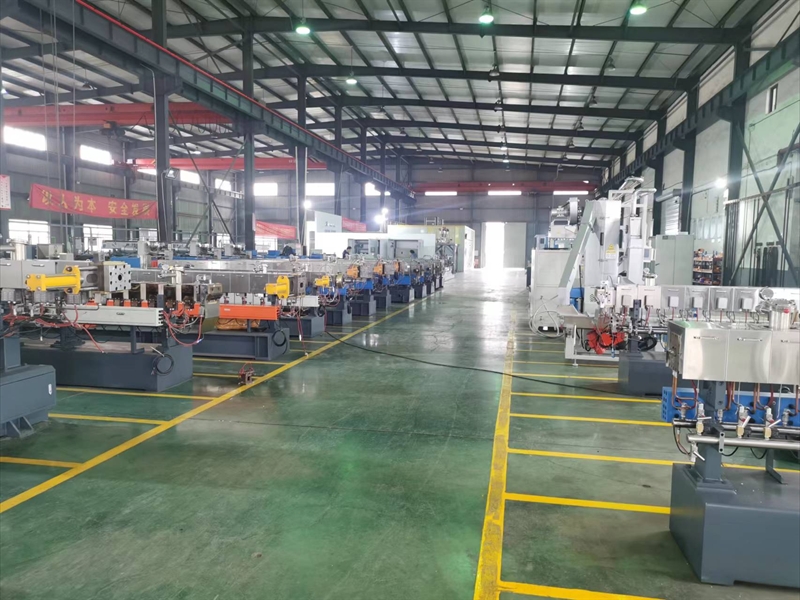
ການແຈກຢາຍເພີ່ມເຕີມກໍານົດປະສິດທິພາບຂອງ masterbatch ທີ່ເປັນປະໂຫຍດ. Twin-screw extruders ດີເລີດໃນການກະຈາຍສານເຕີມແຕ່ງໃຫ້ເທົ່າທຽມກັນ, ຂໍຂອບໃຈກັບການອອກແບບ screw modular ຂອງເຂົາເຈົ້າແລະການຄວບຄຸມອຸນຫະພູມທີ່ຊັດເຈນ. ນີ້ຮັບປະກັນວ່າທຸກໆເມັດມີຈໍານວນທີ່ເຫມາະສົມຂອງສານເພີ່ມ, ເຊິ່ງເປັນສິ່ງສໍາຄັນສໍາລັບການປະຕິບັດ masterbatch ເພີ່ມເຕີມ. extruders screw ດຽວອາດຈະຕໍ່ສູ້ກັບການສ້າງແບບສະລັບສັບຊ້ອນ, ນໍາໄປສູ່ການແຈກຢາຍບໍ່ສະເຫມີພາບແລະຄຸນສົມບັດຂອງຜະລິດຕະພັນທີ່ບໍ່ສອດຄ່ອງ.
ຄຸນສົມບັດຜະລິດຕະພັນ
ຄຸນສົມບັດສຸດທ້າຍຂອງ masterbatch ແມ່ນຂຶ້ນກັບການປະຕິບັດຂອງ extruder ໄດ້. ການຜະສົມຜະສານຊັ້ນສູງແລະການຄວບຄຸມອຸນຫະພູມທີ່ຊັດເຈນໃນສອງ screws ແລະ extruders ພິເສດເຮັດໃຫ້ masterbatch ກັບກົນຈັກສອດຄ່ອງ., ຄວາມຮ້ອນ, ແລະຄຸນສົມບັດ optical. ຂ້າພະເຈົ້າໄດ້ພົບເຫັນວ່າ extruders ເຫຼົ່ານີ້ຊ່ວຍໃຫ້ຂ້າພະເຈົ້າຕອບສະຫນອງມາດຕະຖານອຸດສາຫະກໍາທີ່ເຄັ່ງຄັດ, ໂດຍສະເພາະສໍາລັບລົດຍົນ, ການຫຸ້ມຫໍ່, ແລະຄໍາຮ້ອງສະຫມັກທາງການແພດ.
ເຄັດລັບ: ສໍາລັບຄວາມຕ້ອງການການຜະລິດ masterbatch, ຂ້າພະເຈົ້າສະເຫມີແນະນໍາໃຫ້ລົງທຶນໃນ extruders ປະສິດທິພາບສູງ. ຜົນປະໂຫຍດໃນການນໍາໃຊ້, ຄຸນນະພາບການປະສົມ, ແລະຄວາມສອດຄ່ອງຂອງຜະລິດຕະພັນຫຼາຍກວ່າຄ່າໃຊ້ຈ່າຍເບື້ອງຕົ້ນ.
ການເລືອກ Masterbatch Extruder ຂອງທ່ານ
ຄວາມຕ້ອງການວັດສະດຸ
ປະເພດໂພລີເມີ
ເມື່ອຂ້ອຍເລືອກ a masterbatch extruder, ຂ້ອຍສະເຫມີເລີ່ມຕົ້ນໂດຍການພິຈາລະນາປະເພດຂອງໂພລີເມີທີ່ຂ້ອຍວາງແຜນທີ່ຈະປຸງແຕ່ງ. ແຕ່ລະໂພລີເມີມີຄຸນລັກສະນະການລະລາຍແລະຄວາມຫນືດທີ່ເປັນເອກະລັກ. ຕົວຢ່າງ, masterbatches filler viscosity ສູງຮຽກຮ້ອງໃຫ້ມີແຮງບິດສູງແລະ extruders ທີ່ເຂັ້ມແຂງຫຼາຍກ່ວາ masterbatches ສີມາດຕະຖານ.. ຂ້ອຍຈັບຄູ່ອຸປະກອນກັບຄວາມຕ້ອງການຂອງໂພລີເມີເພື່ອຫຼີກເວັ້ນບັນຫາການປຸງແຕ່ງ.
| ປັດໄຈ | ລາຍລະອຽດ |
|---|---|
| ຄວາມສາມາດໃນການຜະລິດ | ຂະໜາດອຸປະກອນຕ້ອງກົງກັບສະເພາະອັດຕາການສົ່ງຜ່ານກັບຄວາມຕ້ອງການທີ່ຄາດໄວ້. |
| ລັກສະນະວັດສະດຸ | masterbatches filler viscosity ສູງຕ້ອງການ extruders ແຮງບິດສູງກ່ວາ masterbatches ສີມາດຕະຖານ. |
| ຄວາມຕ້ອງການດ້ານຄຸນນະພາບ | ລະດັບຄວາມຊັດເຈນທີ່ຈໍາເປັນໃນທົ່ວການໃຫ້ອາຫານ, ການປະສົມ, ແລະລະບົບ pelletizing ຖືກກໍານົດໂດຍມາດຕະຖານຄຸນນະພາບ. |
| ຂໍ້ຈໍາກັດດ້ານງົບປະມານ | ການດຸ່ນດ່ຽງການລົງທຶນຂອງທຶນຕໍ່ກັບປະສິດທິພາບການດໍາເນີນງານແມ່ນສໍາຄັນ. |
| ຕົວກໍານົດການອຸປະກອນ | ການຕັ້ງຄ່າອຸນຫະພູມແລະລະບົບການໃຫ້ອາຫານຕ້ອງຖືກປັບແຕ່ງສໍາລັບ masterbatches ປະເພດຕ່າງໆ. |
ເພີ່ມຄວາມເຂົ້າກັນໄດ້
ຂ້ອຍສະເຫມີກວດເບິ່ງຄວາມເຂົ້າກັນໄດ້ຂອງ extruder ກັບສານເຕີມແຕ່ງທີ່ຂ້ອຍໃຊ້. ໄດ້ ທາງເລືອກຂອງປະເພດ extruder ຜົນກະທົບຕໍ່ການປະສົມ, ການເຮັດພາດສະຕິກ, ແລະການກະແຈກກະຈາຍຂອງສານເຕີມແຕ່ງ. ປັດໃຈເຫຼົ່ານີ້ແມ່ນສໍາຄັນຕໍ່ການປະຕິບັດແລະຄວາມຫມັ້ນຄົງຂອງ masterbatch ເພີ່ມເຕີມ. ຂ້ອຍປັບອຸນຫະພູມ, ຄວາມໄວ screw, ແລະຄວາມກົດດັນກັບຄືນໄປບ່ອນເພື່ອບັນລຸຜົນໄດ້ຮັບທີ່ດີທີ່ສຸດ. Twin-screw extruders ເສີມຂະຫຍາຍການປະສົມແລະ plasticizing, ຮັບປະກັນການກະແຈກກະຈາຍທີ່ດີກວ່າຂອງ additives ແລະປັບປຸງຄຸນນະພາບໂດຍລວມຂອງ additive masterbatch.
- ຄວາມຫມັ້ນຄົງຂອງຄຸນນະພາບແມ່ນຂຶ້ນກັບຄວາມສອດຄ່ອງຂອງການກະຈາຍແລະຄວາມສອດຄ່ອງຂອງຂະຫນາດຂອງອະນຸພາກ.
- ອັດຕາການປະຕິບັດການປະຕິບັດຕາມມາດຕະຖານອຸດສາຫະກໍາ.
- ປະສິດທິພາບການຜະລິດປັບປຸງດ້ວຍ extruder ທີ່ຖືກຕ້ອງແລະການຕັ້ງຄ່າຂະບວນການ.
ຂະໜາດການຜະລິດ
ຊຸດນ້ອຍ
ສໍາລັບການຜະລິດ batch ຂະຫນາດນ້ອຍຫຼືການທົດສອບເລື້ອຍໆ, ຂ້ອຍໃຊ້ຫ້ອງທົດລອງຫຼື micro extruders. ເຄື່ອງຈັກເຫຼົ່ານີ້ຂະບວນການລະຫວ່າງ 0.25 kg/h ແລະ 150 ກິໂລ/ຊມ. ເຄື່ອງ extruders ຈຸນລະພາກຊ່ວຍຂ້າພະເຈົ້າຫຼຸດຜ່ອນສິ່ງເສດເຫຼືອ, ໂດຍສະເພາະໃນເວລາທີ່ເຮັດວຽກກັບສານເຕີມແຕ່ງທີ່ມີລາຄາແພງຫຼືໂພລີເມີພິເສດ. ເຄື່ອງຈັກທົດລອງຂະຫນາດແມ່ນເຫມາະສົມສໍາລັບການຜະລິດຕົວຢ່າງແລະການທົດລອງກ່ອນການຄ້າ.
ຂະໜາດໃຫຍ່
ເມື່ອຂ້ອຍຂະຫຍາຍຂະຫນາດ, ຂ້ອຍສຸມໃສ່ ຄວາມຕ້ອງການຜົນຜະລິດ, ລັກສະນະວັດສະດຸ, ແລະຄວາມຕ້ອງການຂະບວນການ. Twin screw extruders ຈັດການການຜະລິດ masterbatch additive ຂະຫນາດໃຫຍ່ຢ່າງມີປະສິດທິພາບ. ຂ້າພະເຈົ້າກົງກັບ ພະລັງງານກົນຈັກສະເພາະ (SME) ວັດສະດຸປ້ອນເພື່ອຮັບປະກັນຄຸນນະພາບຜະລິດຕະພັນທີ່ສອດຄ່ອງ.
ຕົວກໍານົດການທີ່ສໍາຄັນທີ່ໃຊ້ສໍາລັບການຂະຫຍາຍ TSEs ແມ່ນພະລັງງານກົນຈັກສະເພາະ (SME) ການປ້ອນຂໍ້ມູນຂອງຂະບວນການ. SME ສະຫນອງພະລັງງານຕໍ່ຫນ່ວຍມະຫາຊົນທີ່ຖືກໂອນຈາກມໍເຕີຂັບ extruder ຜ່ານ screws ແລະເຂົ້າໄປໃນສານປະສົມທີ່ຖືກປຸງແຕ່ງ.. SME ຍັງສາມາດມີອິດທິພົນຕໍ່ຄຸນສົມບັດຂອງຜະລິດຕະພັນສຸດທ້າຍ, ສະນັ້ນການຈັບຄູ່ SME ກໍ່ສາມາດຊ່ວຍຮັບປະກັນຄຸນນະພາບຜະລິດຕະພັນ.
ຄຸນສົມບັດທີ່ຕ້ອງການ
ຄວາມສອດຄ່ອງຂອງສີ
ຂ້ອຍອີງໃສ່ສານເສີມເພື່ອບັນລຸ ສີທີ່ສອດຄ່ອງ ໃນຜະລິດຕະພັນພາດສະຕິກ. ການກະຈາຍເມັດສີທີ່ເຫມາະສົມປ້ອງກັນການປ່ຽນແປງຂອງຮົ່ມແລະເສີມຂະຫຍາຍການດຶງດູດສາຍຕາ. Twin-screw extruders ໃຫ້ຂ້ອຍຄວບຄຸມທີ່ຂ້ອຍຕ້ອງການສໍາລັບສີທີ່ເປັນເອກະພາບໃນ masterbatch ເພີ່ມເຕີມ.
ຄຸນສົມບັດກົນຈັກ
Fillers ເຊັ່ນ calcium carbonate ດັດແປງຄຸນສົມບັດກົນຈັກເຊັ່ນ: ຄວາມແຂງແລະຄວາມເຂັ້ມແຂງ. ຂ້ອຍເລືອກ extruder ທີ່ດຸ່ນດ່ຽງການປະຕິບັດແລະຄ່າໃຊ້ຈ່າຍໃນຂະນະທີ່ຮັກສາຄຸນລັກສະນະການປຸງແຕ່ງທີ່ດີເລີດໃນ masterbatch ເພີ່ມເຕີມ.
ມາດຕະຖານຄຸນນະພາບ
ຂ້ອຍສະເຫມີກໍານົດຄວາມຕ້ອງການດ້ານຄຸນນະພາບກ່ອນທີ່ຈະເລືອກອຸປະກອນ. ຄວາມຊັດເຈນໃນການໃຫ້ອາຫານ, ການປະສົມ, ແລະ pelletizing ຮັບປະກັນວ່າຂ້ອຍຕອບສະຫນອງມາດຕະຖານອຸດສາຫະກໍາສໍາລັບ masterbatch additive ແລະ filler masterbatch. ຂ້ອຍຫຼີກເວັ້ນຄວາມຜິດພາດທົ່ວໄປໂດຍການຄວບຄຸມຢ່າງລະມັດລະວັງ ອຸນຫະພູມພາກອາຫານ, plasticizing ແລະອຸນຫະພູມ homogenizing, ແລະອັດຕາການໃຫ້ອາຫານ.
| ປັດໄຈ | ລາຍລະອຽດ |
|---|---|
| ຄວາມສາມາດໃນການຜະລິດ | ຂັບເຄື່ອນການຕັດສິນໃຈຂະຫນາດອຸປະກອນໃຫ້ກົງກັບຂໍ້ມູນສະເພາະຂອງອັດຕາການສົ່ງຜ່ານກັບຄວາມຕ້ອງການທີ່ຄາດໄວ້. |
| ລັກສະນະວັດສະດຸ | masterbatches filler viscosity ສູງຕ້ອງການ extruders ແຮງບິດສູງກ່ວາ masterbatches ສີມາດຕະຖານ. |
| ຄວາມຕ້ອງການດ້ານຄຸນນະພາບ | ກໍານົດລະດັບຄວາມຊັດເຈນທີ່ຈໍາເປັນໃນທົ່ວການໃຫ້ອາຫານ, ການປະສົມ, ແລະລະບົບ pelletizing. |
| ຂໍ້ຈໍາກັດດ້ານງົບປະມານ | ຮຽກຮ້ອງໃຫ້ມີການດຸ່ນດ່ຽງການລົງທຶນດ້ານການລົງທຶນຕໍ່ກັບປະສິດທິພາບການດໍາເນີນງານ. |
| ຍຸດທະສາດສາຍການຜະລິດ | ຮັບປະກັນໃຫ້ອົງປະກອບເຮັດວຽກຮ່ວມກັນຢ່າງມີປະສິດທິພາບ, ປ້ອງກັນການອຸດຕັນ ແລະເພີ່ມປະສິດທິພາບຂອງລະບົບ. |
ເຄັດລັບ: ຂ້າພະເຈົ້າສະເຫມີດຸ່ນດ່ຽງການລົງທຶນທຶນກັບປະສິດທິພາບການດໍາເນີນງານ. ຂ້ອຍໃຫ້ແນ່ໃຈວ່າອົງປະກອບຂອງສາຍການຜະລິດທັງຫມົດເຮັດວຽກຮ່ວມກັນເພື່ອປ້ອງກັນການຂັດຂວາງແລະເພີ່ມປະສິດທິພາບສູງສຸດ.
ຂ້ອຍເຫັນຄວາມແຕກຕ່າງທີ່ຊັດເຈນລະຫວ່າງປະເພດ extruder ທີ່ສ້າງທຸກໂຄງການ masterbatch. ທາງເລືອກຂອງຂ້ອຍແມ່ນຂຶ້ນກັບຄຸນລັກສະນະຂອງເສັ້ນໄຍ, ຄວາມຕ້ອງການຄວາມສາມາດ, ແລະມາດຕະຖານສິ່ງແວດລ້ອມ. ນີ້ແມ່ນການອ້າງອີງໄວ:
| ການພິຈາລະນາຫຼັກ | ລາຍລະອຽດ |
|---|---|
| ການຈັບຄູ່ລັກສະນະເສັ້ນໄຍ | ເສັ້ນໃຍຍາວຕ້ອງການອຸປະກອນການກະຈາຍ shear ສູງ, ໃນຂະນະທີ່ເສັ້ນໃຍສັ້ນຕ້ອງການການຫຼຸດຜ່ອນການຂັດເພື່ອຫຼຸດຜ່ອນການແຕກຫັກ. |
| ຄວາມຕ້ອງການຄວາມອາດສາມາດ | ສາຍທົດລອງຂະຫນາດນ້ອຍ (5-50ກິໂລ/ຊມ) ໃຊ້ສະກູຄູ່ແຝດ extruders, ໃນຂະນະທີ່ສາຍອຸດສາຫະກໍາ (500-2000ກິໂລ/ຊມ) ຕ້ອງການ extruders twin-screw ຂະຫນາດໃຫຍ່. |
| ຄວາມຕ້ອງການດ້ານສິ່ງແວດລ້ອມ | ອຸປະກອນຕ້ອງປະຕິບັດຕາມມາດຕະຖານການບຳບັດນ້ຳເສຍ ແລະ ການປ່ອຍອາຍພິດ VOC. |
- ຂ້ອຍສະເຫມີກວດເບິ່ງລະດັບອັດຕະໂນມັດເພື່ອຄວບຄຸມຄ່າໃຊ້ຈ່າຍແຮງງານແລະຄວາມສອດຄ່ອງຂອງການຜະລິດ.
- ຂ້າພະເຈົ້າຈັດລໍາດັບຄວາມສໍາຄັນປະສິດທິພາບພະລັງງານສໍາລັບການປະຫຍັດໃນໄລຍະຍາວ.
ຂ້າພະເຈົ້າແນະນໍາໃຫ້ຂຸດຄົ້ນເຕັກໂນໂລຢີໃຫມ່ຫຼືປຶກສາຫາລືກັບຜູ້ຊ່ຽວຊານກ່ອນທີ່ຈະຕັດສິນໃຈຂັ້ນສຸດທ້າຍ.
FAQ
ສິ່ງທີ່ເຮັດໃຫ້ extruders twin-screw ດີກວ່າສໍາລັບການຜະລິດ masterbatch?
ຂ້ອຍເລືອກ extruders twin-screw ສໍາລັບການປະສົມທີ່ດີກວ່າຂອງເຂົາເຈົ້າ, ຜ່ານສູງຂຶ້ນ, ແລະຄວາມຍືດຫຍຸ່ນ. ການອອກແບບຂອງພວກເຂົາຊ່ວຍໃຫ້ຂ້ອຍບັນລຸຄຸນນະພາບທີ່ສອດຄ່ອງ, ໂດຍສະເພາະໃນເວລາທີ່ຂ້າພະເຈົ້າຜະລິດ masterbatches ສີຫຼື masterbatches filler. ຂ້ອຍເຫັນການປັບປຸງປະສິດທິພາບແລະສິ່ງເສດເຫຼືອຫນ້ອຍລົງເມື່ອທຽບໃສ່ກັບແບບສະກູດຽວ.
ຂ້ອຍຈະເລືອກ extruder ທີ່ຖືກຕ້ອງສໍາລັບການຜະລິດປະລິມານສູງແນວໃດ?
ຂ້ອຍສະເຫມີຈັບຄູ່ extruder ກັບຄວາມຕ້ອງການການຜະລິດຂອງຂ້ອຍ. ສໍາລັບການຜະລິດປະລິມານສູງ, ຂ້າພະເຈົ້າອີງໃສ່ extruders twin-screw ທີ່ເຂັ້ມແຂງ. ເຄື່ອງຈັກເຫຼົ່ານີ້ຈັດການອັດຕາຜົນຜະລິດທີ່ຕ້ອງການແລະຮັກສາຄຸນນະພາບ. ຂ້ອຍພິຈາລະນາປະເພດໂພລີເມີ, ຄວາມເຂົ້າກັນໄດ້ເພີ່ມເຕີມ, ແລະຄວາມຕ້ອງການຂະບວນການກ່ອນທີ່ຈະຕັດສິນໃຈຂອງຂ້ອຍ.
ເປັນຫຍັງການປະສົມຄຸນນະພາບຈຶ່ງມີຄວາມສໍາຄັນໃນການຜະລິດ masterbatch?
ຄຸນນະພາບການປະສົມຈະກໍານົດວິທີການທີ່ມີເມັດສີແລະສານເຕີມແຕ່ງກະຈາຍໄດ້ດີ. ຂ້າພະເຈົ້າຮູ້ວ່າການຜະສົມຜະສານທີ່ບໍ່ດີເຮັດໃຫ້ສີທີ່ບໍ່ສະເຫມີກັນແລະຄຸນສົມບັດທີ່ບໍ່ສອດຄ່ອງກັນ. ຄຸນນະພາບການປະສົມສູງເຮັດໃຫ້ແນ່ໃຈວ່າທຸກ batch ມີມາດຕະຖານຂອງຂ້າພະເຈົ້າ, ໂດຍສະເພາະສໍາລັບ masterbatches ສີແລະຄໍາຮ້ອງສະຫມັກພິເສດ.
ຂ້ອຍສາມາດໃຊ້ extruder ດຽວກັນສໍາລັບທັງ masterbatches ສີແລະ masterbatches filler?
ຂ້ອຍມັກຈະໃຊ້ເຄື່ອງປັ້ນດິນເຜົາຄູ່ແຝດສໍາລັບທັງສອງປະເພດ. ການອອກແບບ modular ຂອງພວກເຂົາເຮັດໃຫ້ຂ້ອຍປັບອົງປະກອບສະກູສໍາລັບຮູບແບບທີ່ແຕກຕ່າງກັນ. ຄວາມຍືດຫຍຸ່ນນີ້ຊ່ວຍໃຫ້ຂ້ອຍຮັກສາຄຸນນະພາບແລະປະສິດທິພາບ, ບໍ່ວ່າຈະເປັນຂ້ອຍຜະລິດສີ masterbatches ຫຼື masterbatches filler.
ການອອກແບບ extruder ມີບົດບາດຫຍັງແດ່ໃນການຜະລິດຮູບເງົາຫຼາຍຊັ້ນ?
ການອອກແບບ Extruder ມີຜົນກະທົບຕໍ່ຄວາມເປັນເອກະພາບຂອງຊັ້ນແລະການແຜ່ກະຈາຍເພີ່ມເຕີມ. ຂ້ອຍໃຊ້ extruders ຂັ້ນສູງເພື່ອຮັບປະກັນວ່າແຕ່ລະຊັ້ນໃນຮູບເງົາຫຼາຍຊັ້ນໄດ້ຮັບ masterbatch ທີ່ຖືກຕ້ອງ. ວິທີການນີ້ຮັບປະກັນການປະຕິບັດທີ່ສອດຄ່ອງແລະສີໃນທົ່ວທຸກຊັ້ນ.
ເຮັດແນວໃດ co-rotating screw extruders ປັບປຸງປະສິດທິພາບ?
ການຫມຸນສະກູຄູ່ແຝດ extruders ໃຫ້ຂ້າພະເຈົ້າການຜະສົມຜະສານທີ່ດີກວ່າແລະຜ່ານທີ່ສູງຂຶ້ນ. ການອອກແບບຂອງພວກເຂົາຫຼຸດຜ່ອນເວລາຢຸດແລະການໃຊ້ພະລັງງານ. ຂ້ອຍເຫັນປະສິດທິພາບແລະການຜະລິດທີ່ເຊື່ອຖືໄດ້ຫຼາຍກວ່າເກົ່າ, ໂດຍສະເພາະໃນເວລາທີ່ຂ້າພະເຈົ້າຈໍາເປັນຕ້ອງໄດ້ມາດຕະຖານຄຸນນະພາບທີ່ເຄັ່ງຄັດ.
ສິ່ງທີ່ທ້າທາຍທີ່ຂ້ອຍອາດຈະປະເຊີນກັບ extruders ພິເສດ?
extruders ພິເສດສາມາດນໍາສະເຫນີສິ່ງທ້າທາຍເຊັ່ນການບໍາລຸງຮັກສາທີ່ສູງຂຶ້ນແລະການດໍາເນີນງານສະລັບສັບຊ້ອນ. ຂ້າພະເຈົ້າແກ້ໄຂເຫຼົ່ານີ້ໂດຍການປະຕິບັດຕາມຕາຕະລາງການບໍາລຸງຮັກສາທີ່ເຄັ່ງຄັດແລະການຝຶກອົບຮົມທີມງານຂອງຂ້າພະເຈົ້າ. ຂ້ອຍໃຊ້ເຄື່ອງຈັກເຫຼົ່ານີ້ສໍາລັບວຽກງານການຜະລິດ masterbatch ເປັນເອກະລັກທີ່ extruders ມາດຕະຖານບໍ່ສາມາດຈັດການໄດ້.
ມີຄໍາແນະນໍາສໍາລັບການຮັກສາຄຸນນະພາບໃນການຜະລິດປະລິມານສູງ?
ຂ້ອຍຕິດຕາມຕົວກໍານົດການຂະບວນການຢ່າງໃກ້ຊິດ. ຂ້ອຍໃຊ້ລະບົບອັດຕະໂນມັດເພື່ອຄວບຄຸມການໃຫ້ອາຫານ, ການປະສົມ, ແລະ pelletizing. ການກວດສອບອຸປະກອນປົກກະຕິຊ່ວຍໃຫ້ຂ້ອຍຮັກສາຄຸນນະພາບທີ່ສອດຄ່ອງ, ເຖິງແມ່ນວ່າໃນໄລຍະການຜະລິດທີ່ມີປະລິມານສູງ.