

Key Takeaways
-
extruders ພາດສະຕິກຫັນ ເມັດພາດສະຕິກດິບເຂົ້າໄປໃນຜະລິດຕະພັນສໍາເລັດຮູບໂດຍຜ່ານຂະບວນການຂັ້ນຕອນໂດຍຂັ້ນຕອນ.
-
ຫນ້າທີ່ສໍາຄັນຂອງ extruder ພາດສະຕິກປະກອບມີການໃຫ້ຄວາມຮ້ອນ, ການປະສົມ, ຄວາມກົດດັນ, ຮູບຮ່າງ, ແລະຄວາມເຢັນຂອງວັດສະດຸ.
-
ການເລືອກ thermoplastic ທີ່ຖືກຕ້ອງ ແມ່ນສໍາຄັນສໍາລັບການບັນລຸຄຸນສົມບັດຜະລິດຕະພັນທີ່ຕ້ອງການແລະຄໍາຮ້ອງສະຫມັກ.
-
ການກວດສອບທີ່ເຫມາະສົມຂອງອຸນຫະພູມແລະຄວາມກົດດັນໃນລະຫວ່າງການ extrusion ຮັບປະກັນຄຸນນະພາບທີ່ສອດຄ່ອງແລະປ້ອງກັນຂໍ້ບົກພ່ອງ.
-
Cooling methods significantly affect the final product's strength and appearance; ເລືອກວິທີການທີ່ເຫມາະສົມສໍາລັບແຕ່ລະຄໍາຮ້ອງສະຫມັກ.
-
ຂັ້ນຕອນການປຸງແຕ່ງລຸ່ມນ້ໍາເຊັ່ນການຕັດແລະຮູບຮ່າງເພີ່ມຄຸນຄ່າແລະການນໍາໃຊ້ຜະລິດຕະພັນ extruded.
-
ການຮັກສາສ່ວນປະກອບຢ່າງເປັນປົກກະຕິເຊັ່ນ: ທໍ່ຕາຍແລະ hopper ເປັນສິ່ງຈໍາເປັນສໍາລັບການປະຕິບັດງານທີ່ມີປະສິດທິພາບແລະຄຸນນະພາບຂອງຜະລິດຕະພັນ.
-
ຄວາມເຂົ້າໃຈຂໍ້ດີແລະສິ່ງທ້າທາຍຂອງ ພາດສະຕິກ extrusion ຊ່ວຍເພີ່ມປະສິດທິພາບການຜະລິດແລະຕອບສະຫນອງຄວາມຕ້ອງການຂອງອຸດສາຫະກໍາ.
Plastic Extruder ພື້ນຖານ
Extruder ພາດສະຕິກແມ່ນຫຍັງ
ຂ້າພະເຈົ້າອີງໃສ່ a extruder ພາດສະຕິກ ທຸກໆມື້ໃນຂະບວນການຜະລິດຂອງຂ້ອຍ. ເຄື່ອງຈັກນີ້ມີບົດບາດສໍາຄັນໃນການຫັນປ່ຽນພລາສຕິກດິບໄປສູ່ຜະລິດຕະພັນທີ່ໃຊ້ໄດ້. ຂ້ອຍເອົາເມັດພາດສະຕິກເຂົ້າໄປໃນ extruder, ເຊິ່ງເຮັດໃຫ້ພວກເຂົາຮ້ອນແລະ melts. ຫຼັງຈາກນັ້ນ, ເຄື່ອງຈັກໄດ້ຍູ້ພາດສະຕິກ molten ຜ່ານຕາຍ, ການສ້າງຮູບຮ່າງຢ່າງຕໍ່ເນື່ອງ. ຂະບວນການນີ້ເຮັດໃຫ້ຂ້ອຍສາມາດຜະລິດທໍ່, ແຜ່ນ, ຮູບເງົາ, ແລະລາຍການອື່ນໆຢ່າງມີປະສິດທິພາບ.
ເຄື່ອງ extruder ພາດສະຕິກຢືນອອກເປັນອຸປະກອນທີ່ສໍາຄັນໃນການຜະລິດອຸດສາຫະກໍາ. ມັນດໍາເນີນການໂດຍການບັງຄັບໃຫ້ພາດສະຕິກ melted ຜ່ານທາງອອກຄົງທີ່, ຮູບຮ່າງມັນເຂົ້າໄປໃນຮູບແບບທີ່ຕ້ອງການ. ຂ້ອຍເຫັນວິທີການນີ້ຮັບປະກັນຄວາມສອດຄ່ອງແລະຄຸນນະພາບໃນທຸກໆຊຸດ. ຂະບວນການ extrusion ໃຊ້ຄວາມກົດດັນສູງເພື່ອຍ້າຍວັດສະດຸ, ເຊິ່ງຫຼັງຈາກນັ້ນເຢັນແລະແຂງ. ວິທີການນີ້ຊີ້ໃຫ້ເຫັນເຖິງປະສິດທິພາບແລະການປະຕິບັດຂອງ extruder ໃນການເຮັດວຽກປະຈໍາວັນຂອງຂ້ອຍ.
ເຄັດລັບ: ຂ້ອຍສະເຫມີກວດເບິ່ງການຕັ້ງຄ່າອຸນຫະພູມແລະຄວາມກົດດັນໃນເຄື່ອງ extruder ພາດສະຕິກຂອງຂ້ອຍເພື່ອຮັກສາຄຸນນະພາບຂອງຜະລິດຕະພັນ.
ຟັງຊັນຫຼັກ
ຂ້າພະເຈົ້າສຸມໃສ່ຫນ້າທີ່ທີ່ສໍາຄັນຈໍານວນຫນຶ່ງໃນເວລາທີ່ຂ້າພະເຈົ້າດໍາເນີນການ extruder ພາດສະຕິກ. ແຕ່ລະຫນ້າທີ່ມີຄວາມສໍາຄັນສໍາລັບການນໍາໃຊ້ອຸດສາຫະກໍາເນື່ອງຈາກວ່າມັນມີຜົນກະທົບຕໍ່ຄຸນນະພາບແລະປະສິດທິພາບຂອງຜະລິດຕະພັນສຸດທ້າຍ.
-
ການໃຫ້ຄວາມຮ້ອນແລະການລະລາຍ: ຂ້າພະເຈົ້າໃຊ້ extruder ເພື່ອໃຫ້ຄວາມຮ້ອນ pellets ພາດສະຕິກຈົນກ່ວາພວກເຂົາເຈົ້າລະລາຍ. ຂັ້ນຕອນນີ້ແມ່ນສໍາຄັນສໍາລັບການສ້າງວັດສະດຸທີ່ເປັນເອກະພາບ.
-
ການປະສົມ: ເຄື່ອງຈັກປະສົມພລາສຕິກ molten, ຮັບປະກັນການແຜ່ກະຈາຍຂອງສານເຕີມແຕ່ງ ແລະສີ.
-
ຄວາມກົດດັນ: ຂ້ອຍອີງໃສ່ extruder ເພື່ອໃຊ້ຄວາມກົດດັນ, ເຊິ່ງຊ່ວຍສ້າງຮູບຮ່າງຂອງວັດສະດຸແລະເອົາຟອງອາກາດ.
-
ຮູບຮ່າງ: ການຕາຍເຮັດໃຫ້ພລາສຕິກຮູບຮ່າງສຸດທ້າຍຂອງມັນ, ບໍ່ວ່າຂ້ອຍຕ້ອງການທໍ່, ຮູບເງົາ, ໂປຣໄຟລ໌, ຫຼືກາບສາຍ.
-
ຄວາມເຢັນ: ຫຼັງຈາກຮູບຮ່າງ, ຂ້າພະເຈົ້າເຢັນຜະລິດຕະພັນເພື່ອແຂງແລະລັອກໃນຮູບແບບຂອງມັນ.
ຂ້ອຍໃຊ້ thermoplastics ທີ່ແຕກຕ່າງກັນໃນ extruder ຂອງຂ້ອຍ, ຂຶ້ນກັບຄໍາຮ້ອງສະຫມັກ. ຕົວຢ່າງ, polyethylene ເຮັດວຽກໄດ້ດີສໍາລັບຮູບເງົາ ແລະການຫຸ້ມຫໍ່ເນື່ອງຈາກວ່າມີຄວາມຍືດຫຍຸ່ນແລະຄວາມເຂັ້ມແຂງຂອງມັນ. Polypropylene ເຫມາະສົມກັບຊິ້ນສ່ວນລົດໃຫຍ່ເນື່ອງຈາກຈຸດລະລາຍສູງ. Polyvinyl chloride ແມ່ນເຫມາະສົມສໍາລັບທໍ່ກໍ່ສ້າງແລະໂປຣໄຟລ໌ເນື່ອງຈາກວ່າມັນທົນທານ. Polystyrene ແມ່ນດີເລີດສໍາລັບສິນຄ້າບໍລິໂພກນັບຕັ້ງແຕ່ມັນແຂງແລະຊັດເຈນ.
ຂ້າພະເຈົ້າເຫັນຜົນກະທົບຂອງຫນ້າທີ່ເຫຼົ່ານີ້ໃນທົ່ວອຸດສາຫະກໍາຈໍານວນຫຼາຍ:
-
ການກໍ່ສ້າງ
-
ການຫຸ້ມຫໍ່
-
ເອເລັກໂຕຣນິກ ແລະເຄື່ອງໃຊ້ໄຟຟ້າ
-
ຍານຍົນ
-
ການດູແລທາງການແພດ
ຂ້ອຍຜະລິດ a ຄວາມຫຼາກຫຼາຍຂອງຜະລິດຕະພັນ ກັບ extruder ພາດສະຕິກຂອງຂ້າພະເຈົ້າ, ເຊັ່ນ:
-
ທໍ່
-
ກອບ Extruder ຂາຍສົ່ງອາລູມີນຽມ Extruded Anodized ຮູບເງົາ
-
ໂປຣໄຟລ໌
-
ກາບສາຍ
-
ເຄື່ອງບໍລິໂພກທາງການແພດ
ຂ້ອຍເຂົ້າໃຈວ່າການເຮັດຫນ້າທີ່ເຫຼົ່ານີ້ຊ່ວຍຂ້ອຍໃຫ້ຜົນໄດ້ຮັບທີ່ຫນ້າເຊື່ອຖືສໍາລັບລູກຄ້າອຸດສາຫະກໍາ. ຂ້າພະເຈົ້າສະເຫມີຕິດຕາມແຕ່ລະຂັ້ນຕອນເພື່ອຮັບປະກັນປະສິດທິພາບແລະຄວາມສອດຄ່ອງ.
ເຄື່ອງ Extruder ພາດສະຕິກເຮັດວຽກແນວໃດ
ອຸປະກອນການໃຫ້ອາຫານ
ຂ້າພະເຈົ້າສະເຫມີເລີ່ມຕົ້ນຂະບວນການ extrusion ພາດສະຕິກໂດຍການໃຫ້ອາຫານວັດຖຸດິບເຂົ້າໄປໃນ extruder ໄດ້. ຂ້ອຍໃຊ້ເມັດພາດສະຕິກຫຼືເມັດ, ທີ່ຂ້ອຍຖອກໃສ່ hopper ຢູ່ເທິງສຸດຂອງເຄື່ອງ. hopper ເຮັດຫນ້າທີ່ເປັນຖັງເກັບຮັກສາແລະຮັບປະກັນການໄຫຼເຂົ້າຢ່າງຕໍ່ເນື່ອງຂອງວັດສະດຸເຂົ້າໄປໃນຖັງ. ຂ້ອຍເລືອກປະເພດຢາງທີ່ເຫມາະສົມໂດຍອີງໃສ່ຜະລິດຕະພັນທີ່ຂ້ອຍຕ້ອງການເຮັດ. ຕົວຢ່າງ, ຂ້ອຍອາດຈະເລືອກ polyvinyl chloride ສໍາລັບທໍ່ຫຼື polyethylene ສໍາລັບຮູບເງົາແລະທໍ່. ຕາຕະລາງຂ້າງລຸ່ມນີ້ສະແດງໃຫ້ເຫັນບາງອຸປະກອນທົ່ວໄປທີ່ຂ້ອຍໃຊ້ແລະຄຸນລັກສະນະຕົ້ນຕໍຂອງພວກເຂົາ:
|
ປະເພດວັດສະດຸ |
ລັກສະນະແລະຄໍາຮ້ອງສະຫມັກ |
|---|---|
|
ໂພລີວິນນິລ chloride (PVC) |
ເຂັ້ມແຂງ, ອະເນກປະສົງ, ທົນທານຕໍ່ຄວາມຊຸ່ມຊື່ນ, ສານເຄມີ, ແລະລັງສີ UV; ໃຊ້ໃນການກໍ່ສ້າງແລະການຕັ້ງຄ່າອຸດສາຫະກໍາ. |
|
ໂພລີເອທິລີນ (PE) |
ນ້ຳໜັກເບົາ, ປ່ຽນແປງໄດ້, ຄວາມຕ້ານທານຜົນກະທົບທີ່ດີເລີດ; ໃຊ້ສໍາລັບຮູບເງົາ, ຖົງຢາງ, ບັນຈຸ, ແລະທໍ່ທີ່ມີຄວາມຍືດຫຍຸ່ນ. |
|
ອາຊາ (Acrylonitrile Styrene Acrylate) |
ທົນທານຕໍ່ UV ແລະສານເຄມີທີ່ສູງ; ໃຊ້ໃນຄໍາຮ້ອງສະຫມັກນອກເຊັ່ນ: ມຸງແລະ façade panels. |
|
ນ້ຳໜັກເບົາ, ປ່ຽນແປງໄດ້; ເຫມາະສໍາລັບການຫຸ້ມຫໍ່ອາຫານ, ຜະລິດຕະພັນການແພດ, ແລະລະບົບ formwork ເປັນຮູ. |
ຂ້ອຍໃຫ້ແນ່ໃຈວ່າວັດສະດຸສະອາດແລະແຫ້ງກ່ອນທີ່ຈະໂຫລດມັນ. ຄວາມຊຸ່ມຊື່ນຫຼືສານປົນເປື້ອນສາມາດເຮັດໃຫ້ເກີດຄວາມບົກພ່ອງໃນຜະລິດຕະພັນສຸດທ້າຍ. ເມື່ອເມັດເຂົ້າໄປໃນຖັງ, ຂະບວນການ extrusion ພາດສະຕິກເລີ່ມຕົ້ນຢ່າງຈິງຈັງ.
ການລະລາຍແລະການປະສົມ
ຫຼັງຈາກໃຫ້ອາຫານ, ຂ້າພະເຈົ້າສຸມໃສ່ການ melting ພາດສະຕິກແລະປະສົມມັນຢ່າງລະອຽດ. ຖັງບັນຈຸມີສະກູຫມຸນທີ່ຍູ້ເມັດໄປຂ້າງຫນ້າ. ໃນຂະນະທີ່ວັດສະດຸເຄື່ອນຍ້າຍ, ເຄື່ອງເຮັດຄວາມຮ້ອນຕາມຖັງເພີ່ມອຸນຫະພູມ. ຂ້າພະເຈົ້າຕິດຕາມກວດກາອຸນຫະພູມຢ່າງໃກ້ຊິດເນື່ອງຈາກວ່າປະເພດຂອງພາດສະຕິກແຕ່ລະ melts ໃນລະດັບທີ່ແຕກຕ່າງກັນ. ຕົວຢ່າງ, ຂ້ອຍຕັ້ງຖັງໄວ້ 160-200°C ສໍາລັບ LDPE, 180-230°C ສໍາລັບ HDPE, ແລະ 150-185°C ສໍາລັບ PVC. ຕາຕະລາງຂ້າງລຸ່ມນີ້ສະແດງໃຫ້ເຫັນປົກກະຕິ ອຸນຫະພູມການລະລາຍສໍາລັບ thermoplastics ທົ່ວໄປ:
|
Thermoplastic |
Melting Temperature (°ຄ) |
|---|---|
|
LDPE |
160-200 |
|
HDPE |
180-230 |
|
PP |
200-260 |
|
PVC |
150-185 |
|
ໄນລອນ |
230-290 |
ໃນຂະນະທີ່ screw rotates, it compresses and homogenizes the molten plastic. ຂ້າພະເຈົ້າອີງໃສ່ ອົງປະກອບປະສົມ inside the screw to break down clusters and distribute additives evenly. This step is critical for the profile extrusion process because it ensures the final product has a uniform color and texture. Proper mixing also prevents material waste and defects. I always check that the temperature and pressure remain stable during this stage. If the material does not melt evenly, the extrusion process can produce weak or inconsistent products.
ເຄັດລັບ: I always use the right screw design and mixing elements for each material to achieve the best results in the plastic extrusion process.
Shaping with the Die
Once the plastic is fully melted and mixed, I move to the shaping stage. ພາດສະຕິກ molten ຜ່ານຫນ້າຈໍແລະແຜ່ນ breaker ທີ່ກັ່ນຕອງອອກສິ່ງປົນເປື້ອນແລະສ້າງຄວາມກົດດັນກັບຄືນໄປບ່ອນ. ຂັ້ນຕອນນີ້ຊ່ວຍໃຫ້ຂ້ອຍຮັກສາການໄຫຼເຂົ້າທີ່ລຽບແລະສອດຄ່ອງ. ຕໍ່ໄປ, ອຸປະກອນການເຂົ້າໄປໃນຕາຍ, ເຊິ່ງເປັນເຄື່ອງມືສ້າງຮູບຮ່າງສຸດທ້າຍໃນຂະບວນການ extrusion.
ການຕາຍກໍານົດຮູບຮ່າງຂອງພາກຕັດຂອງຜະລິດຕະພັນ extruded. ຂ້ອຍເລືອກຕາຍໂດຍອີງໃສ່ຜະລິດຕະພັນທີ່ຂ້ອຍຢາກເຮັດ. ຕົວຢ່າງ, ຂ້ອຍໃຊ້ແຜ່ນແປຫຼືແຜ່ນຕາຍສໍາລັບຮູບເງົາແລະແຜ່ນ, ວົງແຫວນຫຼືວົງແຫວນຕາຍສໍາລັບທໍ່ແລະທໍ່, ແລະ profile custom ຕາຍສໍາລັບກອບປ່ອງຢ້ຽມຫຼື weatherstripping. ຕາຕະລາງຂ້າງລຸ່ມນີ້ລາຍຊື່ປະເພດຕາຍທົ່ວໄປແລະຜະລິດຕະພັນທີ່ພວກເຂົາສ້າງ:
|
ປະເພດຕາຍ |
ລາຍລະອຽດ |
ຜະລິດຕະພັນທີ່ສ້າງຂຶ້ນ |
|---|---|---|
|
ຮາບພຽງ/ແຜ່ນຕາຍ |
ການອອກແບບຜ້າຫ້ອຍກະແຈກກະຈາຍເຮັດໃຫ້ລະລາຍທົ່ວຊ່ອງແຄບ. |
ແຜ່ນ, ຮູບເງົາ, ແລະຄໍາຮ້ອງສະຫມັກການເຄືອບ |
|
ວົງແຫວນ/ແຫວນຕາຍ |
Melt ໄຫຼປະມານ mandrel, ການສ້າງໂປຣໄຟລ໌ເປັນຮູ. |
ທໍ່ແລະທໍ່ |
|
ໂປຣໄຟລ໌ຕາຍ |
ອອກແບບເອງສໍາລັບພາກສ່ວນຂ້າມສະເພາະ. |
ຂອບປ່ອງຢ້ຽມ, ດິນຟ້າອາກາດ, ຕັດຂອບ |
|
ຮູບເງົາເປົ່າລົມຕາຍ |
Annular ຕາຍດ້ວຍການສີດອາກາດເພື່ອ inflate melt ເຂົ້າໄປໃນຟອງ. |
ການຜະລິດຮູບເງົາບາງ |
ຂ້າພະເຈົ້າເອົາໃຈໃສ່ຢ່າງໃກ້ຊິດກັບການອອກແບບຕາຍເພາະວ່າມັນມີຜົນກະທົບຕໍ່ຄວາມຫນາ, ຄວາມກວ້າງ, ແລະຄຸນນະພາບດ້ານຂອງຜະລິດຕະພັນສຸດທ້າຍ. ໃນຂະບວນການ extrusion profile, ຕາຍຕ້ອງສ້າງກະແສເອກະພາບເພື່ອຫຼີກເວັ້ນການ warping ຫຼືຄວາມກົດດັນພາຍໃນ. ຂ້ອຍມັກຈະປັບອຸນຫະພູມ ແລະ ຄວາມດັນຕາຍເພື່ອປັບປ່ຽນຮູບຮ່າງ. ເມື່ອຂ້າພະເຈົ້າເຫັນພລາສຕິກ molten extruding ຜ່ານຕາຍ, ຂ້ອຍຮູ້ວ່າຜະລິດຕະພັນກໍາລັງໃຊ້ຮູບແບບສຸດທ້າຍຂອງມັນ.
Masterbatch Extruder Supplier ໝາຍເຫດ: ການຕາຍແມ່ນຫົວໃຈຂອງຂະບວນການ extrusion ພາດສະຕິກ. ການຕາຍທີ່ອອກແບບມາຢ່າງດີຮັບປະກັນຄຸນນະພາບທີ່ສອດຄ່ອງ ແລະຂະໜາດທີ່ຊັດເຈນ. Extruder ຮັກສາຄວາມຮ້ອນ
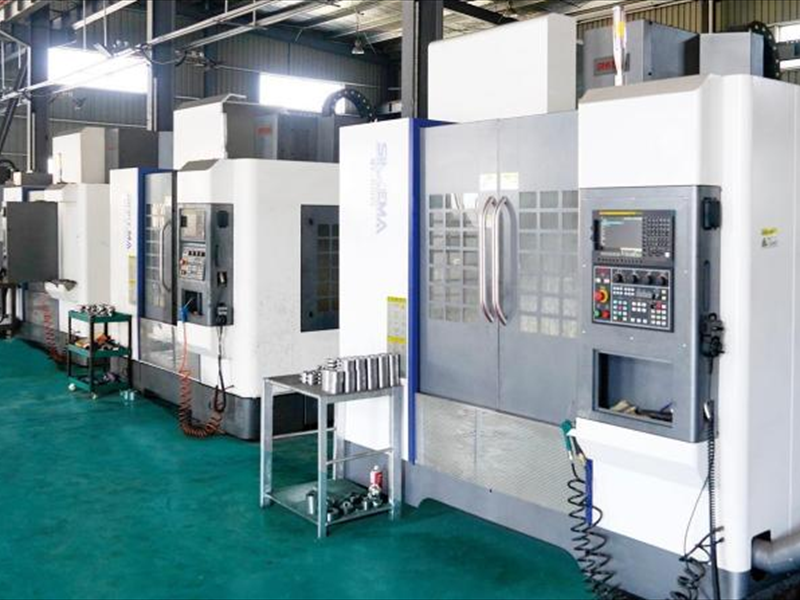
ໂດຍປະຕິບັດຕາມຂັ້ນຕອນເຫຼົ່ານີ້—ອຸປະກອນການໃຫ້ອາຫານ, melting ພາດສະຕິກ, ການປະສົມ, ແລະຮູບຮ່າງ—ຂ້ອຍປ່ຽນເມັດດິບເປັນຜະລິດຕະພັນສໍາເລັດຮູບ. ເຄື່ອງ extruder ພາດສະຕິກເຮັດໃຫ້ຂ້ອຍສາມາດຄວບຄຸມທຸກຂັ້ນຕອນຂອງຂະບວນການ, ຈາກການຄັດເລືອກວັດສະດຸຈົນເຖິງຮູບຮ່າງສຸດທ້າຍ. ວິທີການຂັ້ນຕອນໂດຍຂັ້ນຕອນນີ້ແມ່ນມີຄວາມຈໍາເປັນສໍາລັບການຜະລິດລາຍການທີ່ມີຄຸນນະພາບສູງໃນອຸດສາຫະກໍາໃດກໍ່ຕາມ.
ຄວາມເຢັນແລະການແຂງ
ຫຼັງຈາກພາດສະຕິກອອກຈາກຕາຍ, ຂ້າພະເຈົ້າສຸມໃສ່ການເຮັດໃຫ້ເຢັນ extrudate ເພື່ອ lock ໃນຮູບຮ່າງຂອງຕົນແລະປ້ອງກັນຂໍ້ບົກພ່ອງ. ຂັ້ນຕອນນີ້ແມ່ນສໍາຄັນເພາະວ່າວິທີທີ່ຂ້ອຍເຢັນຜະລິດຕະພັນມີຜົນກະທົບຕໍ່ຄວາມເຂັ້ມແຂງແລະຮູບລັກສະນະຂອງມັນ. ຂ້າພະເຈົ້າໃຊ້ຫຼາຍວິທີເພື່ອເຮັດໃຫ້ຄວາມເຢັນແລະເຮັດໃຫ້ຖົງຢາງແຂງ, ຂຶ້ນກັບຜະລິດຕະພັນແລະຄວາມໄວຂອງການຜະລິດ.
-
ການປັບທຽບ
-
ການລະບາຍອາກາດ
-
ຄວາມເຢັນສຸດທ້າຍ
-
ເຕັກນິກຂັ້ນສູງ (rollers ເຢັນ, ຄວາມເຢັນສູນຍາກາດ)
ຂ້ອຍມັກຈະເລີ່ມຕົ້ນດ້ວຍການ quenching. ວິທີການນີ້ເຮັດໃຫ້ຊັ້ນນອກຂອງພາດສະຕິກເຢັນຢ່າງໄວວາຍ້ອນວ່າມັນອອກຈາກຫົວ extrusion. ຂ້ອຍໃຊ້ສີດທາງອາກາດຫຼືນ້ໍາສໍາລັບຂັ້ນຕອນນີ້. ຄວາມເຢັນໄວຊ່ວຍກໍານົດຮູບຮ່າງເບື້ອງຕົ້ນແລະຢຸດຜະລິດຕະພັນຈາກການ warping. ສໍາລັບຫຼາຍໂປຣໄຟລ໌ແລະທໍ່, ຂ້ອຍໃຊ້ເຄື່ອງປັບຕົວ. ອຸປະກອນເຫຼົ່ານີ້ເຮັດໃຫ້ສະຖຽນລະພາບຮູບຮ່າງແລະປະກອບດ້ວຍຖັງທີ່ມີນ້ໍາສໍາລັບການຄວບຄຸມຄວາມເຢັນ. Calibrators ຊ່ວຍຂ້ອຍຫຼີກເວັ້ນຄວາມກົດດັນພາຍໃນແລະໃຫ້ແນ່ໃຈວ່າຜະລິດຕະພັນຢູ່ຊື່.
ເມື່ອຂ້ອຍຕ້ອງການຄວບຄຸມອຸນຫະພູມທີ່ຊັດເຈນ, ຂ້ອຍຫັນໄປຫາເຕັກນິກຂັ້ນສູງ. ມ້ວນມ້ວນເຢັນແລະສູນຍາກາດເຮັດໃຫ້ຂ້ອຍເຢັນໄວແລະແມ້ກະທັ້ງ, ເຊິ່ງເປັນສິ່ງສໍາຄັນສໍາລັບການຜະລິດຄວາມໄວສູງຫຼືຄໍາຮ້ອງສະຫມັກພິເສດ. ຂ້ອຍເລືອກວິທີການທີ່ກົງກັບຄວາມຕ້ອງການຂອງຜະລິດຕະພັນ.
ເຄັດລັບ: ຂ້ອຍຕິດຕາມອັດຕາຄວາມເຢັນຢ່າງໃກ້ຊິດ. ຖ້າຂ້ອຍເຢັນພາດສະຕິກໄວເກີນໄປ, ຂ້ອຍສາມາດໃສ່ກັບຄວາມກົດດັນພາຍໃນໄດ້. ຖ້າຂ້ອຍເຢັນມັນຊ້າເກີນໄປ, ຂ້ອຍມີຄວາມສ່ຽງຕໍ່ການຂັດຫຼືພື້ນຜິວທີ່ບໍ່ສະ ເໝີ ພາບ.
ວິທີການເຮັດຄວາມເຢັນທີ່ຂ້ອຍເລືອກມີຜົນກະທົບຕໍ່ຄຸນສົມບັດສຸດທ້າຍຂອງຜະລິດຕະພັນ. ຕາຕະລາງຂ້າງລຸ່ມນີ້ ສະແດງໃຫ້ເຫັນວ່າອັດຕາຄວາມເຢັນທີ່ແຕກຕ່າງກັນປ່ຽນແປງຄຸນສົມບັດກົນຈັກ:
|
ວິທີການເຮັດຄວາມເຢັນ |
ຜົນກະທົບກ່ຽວກັບຄຸນສົມບັດກົນຈັກ |
|---|---|
|
ນ້ຳເຢັນໄວ |
ສາມາດຈັບຄວາມກົດດັນພາຍໃນ, ຜະລິດຕະພັນທີ່ຫນາແຫນ້ນອ່ອນລົງໃນໄລຍະເວລາ. |
|
ອາກາດຊ້າລົງ ໂຮງງານຜະລິດ Screw Extruder ຄວາມເຢັນ Parallel Twin Screw Factory |
ສົ່ງເສີມການໄປເຊຍກັນເປັນເອກະພາບ, ເສີມຂະຫຍາຍຄວາມເຂັ້ມແຂງແລະຫຼຸດຜ່ອນຄວາມສ່ຽງ warping. |
ຂ້ອຍສະເຫມີດຸ່ນດ່ຽງຄວາມໄວແລະຄຸນນະພາບເພື່ອໃຫ້ໄດ້ຜົນທີ່ດີທີ່ສຸດສໍາລັບລູກຄ້າອຸດສາຫະກໍາຂອງຂ້ອຍ.
ການປະມວນຜົນທາງລຸ່ມ
ເມື່ອຜະລິດຕະພັນແຂງ, ຂ້ອຍຍ້າຍໄປການປຸງແຕ່ງທາງລຸ່ມ. ຂັ້ນຕອນນີ້ເພີ່ມມູນຄ່າແລະກະກຽມຜະລິດຕະພັນສໍາລັບການນໍາໃຊ້ສຸດທ້າຍ. ຂ້ອຍປະຕິບັດຕາມຂັ້ນຕອນຕ່າງໆເພື່ອສໍາເລັດຮູບພາດສະຕິກ extruded:
-
ການຕັດ: ຂ້າພະເຈົ້າໃຊ້ເຄື່ອງຕັດຄວາມໄວສູງເພື່ອຊອຍສາຍຕໍ່ເນື່ອງເປັນຄວາມຍາວທີ່ກໍານົດໄວ້. ການຕັດທີ່ຖືກຕ້ອງແມ່ນສໍາຄັນສໍາລັບການປະກອບແລະຮູບລັກສະນະ.
-
ຮູບຮ່າງ: ຂ້ອຍອາດຈະດໍາເນີນການຜະລິດຕະພັນຜ່ານເຄື່ອງເຮັດຮູບຮ່າງ. ຂັ້ນຕອນນີ້ປັບປຸງການເບິ່ງແລະຮັບປະກັນຂະຫນາດທີ່ຖືກຕ້ອງ.
-
ການອົບແຫ້ງ: I use industrial dryers, such as multi-layer belt dryers or microwave dryers, to remove any moisture from the product.
After these main steps, I often add finishing touches. I might print information or branding on the product. ບາງຄັ້ງ, I punch holes, bell the ends, or coil the product for easier transport. These extra steps help me meet specific customer needs and make the product more useful.
ໝາຍເຫດ: Downstream processes like cutting and printing improve the value of extruded plastic products. They ensure the right size, better appearance, and readiness for market.
By carefully managing cooling and downstream processing, I deliver high-quality, reliable products for a wide range of industrial applications.
Plastic Extruder Components
Hopper
I always start my work at the hopper. ອົງປະກອບນີ້ນັ່ງຢູ່ເທິງສຸດຂອງ extruder ພາດສະຕິກແລະເກັບຮັກສາເມັດພາດສະຕິກດິບຫຼືເມັດ. hopper ປ້ອນວັດສະດຸເຂົ້າໄປໃນຖັງໃນອັດຕາທີ່ສະຫມໍ່າສະເຫມີ. ຂ້າພະເຈົ້າກວດສອບ hopper ເປັນປົກກະຕິເພື່ອໃຫ້ແນ່ໃຈວ່າມັນຢູ່ສະອາດແລະແຫ້ງ. ບາງແບບປະກອບມີຟັງຊັນການອົບແຫ້ງ, ເຊິ່ງຊ່ວຍໃຫ້ຂ້ອຍຮັກສາຄຸນນະພາບຂອງພາດສະຕິກ. ຄວາມຊຸ່ມຊື່ນສາມາດເຮັດໃຫ້ເກີດຄວາມຜິດປົກກະຕິ, ສະນັ້ນຂ້າພະເຈົ້າອີງໃສ່ hopper ເພື່ອຮັກສາອຸປະກອນການຢູ່ໃນສະພາບທີ່ດີ. ຂ້ອຍເລືອກຂະຫນາດ hopper ທີ່ຖືກຕ້ອງໂດຍອີງໃສ່ປະລິມານການຜະລິດ. ສໍາລັບວຽກທີ່ມີຜົນຜະລິດສູງ, ຂ້ອຍໃຊ້ hoppers ຂະຫນາດໃຫຍ່ເພື່ອຫຼີກເວັ້ນການເຕີມເງິນເລື້ອຍໆ.
ເຄັດລັບ: ຂ້າພະເຈົ້າກວດກາ hopper ກ່ອນການປ່ຽນແປງທຸກຄັ້ງ. ວັດສະດຸທີ່ສະອາດແລະແຫ້ງຮັບປະກັນການ extrusion ລຽບແລະປ້ອງກັນການອຸດຕັນ.
Barrel ແລະ Screw
ໄດ້ barrel ແລະ screw ປະກອບເປັນຫຼັກຂອງ extruder ໄດ້. ຖັງດັ່ງກ່າວສະຫນອງພື້ນທີ່ໃຫ້ຄວາມຮ້ອນສໍາລັບເມັດພາດສະຕິກ. ຂ້ອຍຕິດຕາມອຸນຫະພູມຖັງເພື່ອໃຫ້ກົງກັບຈຸດລະລາຍຂອງວັດສະດຸ. screw ນັ່ງຢູ່ໃນຖັງແລະ rotates ເພື່ອຍ້າຍພລາສຕິກໄປຂ້າງຫນ້າ. ໃນຂະນະທີ່ screw turns, ມັນບົ່ງບອກ, ລະລາຍ, ແລະປະສົມວັດສະດຸ. ຂ້ອຍປັບຄວາມໄວສະກູເພື່ອຄວບຄຸມອັດຕາຜົນຜະລິດ. ຄວາມໄວທີ່ໄວກວ່າຈະເພີ່ມການຜະລິດແຕ່ສາມາດເຮັດໃຫ້ເກີດຄວາມຮ້ອນເກີນໄປ. ຂ້ອຍເລືອກການອອກແບບສະກູໂດຍອີງໃສ່ປະເພດຂອງພາດສະຕິກແລະຄວາມຕ້ອງການຂອງຜະລິດຕະພັນ.
ການອອກແບບຂອງຖັງແລະ screw ມີຜົນກະທົບປະສິດທິພາບ. ຂ້ອຍເບິ່ງຕົວກໍານົດການເຊັ່ນ: ອັດຕາສ່ວນ L / D (ຄວາມຍາວເຖິງເສັ້ນຜ່າສູນກາງ), ອັດຕາສ່ວນການບີບອັດ, ຄວາມເລິກການບິນ, ແລະຄວາມໄວ screw. ສໍາລັບວຽກສ່ວນໃຫຍ່, ຂ້ອຍໃຊ້ screw ກັບ a 30:1 ອັດຕາສ່ວນ L/D. ນີ້ເຮັດໃຫ້ຂ້ອຍມີເວລາພຽງພໍສໍາລັບການລະລາຍແລະການປະສົມ. ອັດຕາສ່ວນການບີບອັດລະຫວ່າງ 3:1 ແລະ 3.5:1 ເຮັດວຽກໄດ້ດີສໍາລັບ polyethylene. ຊ່ອງທາງການບິນທີ່ເລິກກວ່າອະນຸຍາດໃຫ້ຜ່ານທີ່ສູງຂຶ້ນ, ແຕ່ຂ້າພະເຈົ້າດຸ່ນດ່ຽງນີ້ກັບປະສິດທິພາບ melting. ຂ້ອຍຫຼີກເວັ້ນການແລ່ນສະກູໄວເກີນໄປ, ເນື່ອງຈາກຄວາມໄວຫຼາຍເກີນໄປສາມາດທໍາລາຍໂພລີເມີໄດ້.
|
ອົງປະກອບ |
ຟັງຊັນ |
|---|---|
|
ໝວກ |
ລຳລຽງ, plasticizes, ແລະກົດດັນວັດຖຸດິບ. |
|
ຖັງ |
ສະຫນອງພື້ນທີ່ເກັບຮັກສາແລະຄວາມຮ້ອນ, ຮັບປະກັນຄວາມທົນທານແລະຄວາມຫມັ້ນຄົງ. |
ຂ້າພະເຈົ້າເລືອກ screws barrier ສໍາລັບວຽກທີ່ຕ້ອງການຄວາມສອດຄ່ອງ melting ທີ່ດີກວ່າ. ທາງເລືອກນີ້ຊ່ວຍໃຫ້ຂ້ອຍບັນລຸການປະສົມທີ່ເປັນເອກະພາບກ່ອນທີ່ວັດສະດຸຈະເຖິງຕາຍ.
ເຄື່ອງເຮັດຄວາມຮ້ອນ
ເຄື່ອງເຮັດຄວາມຮ້ອນມີບົດບາດສໍາຄັນໃນ extruder ພາດສະຕິກ. ຂ້າພະເຈົ້າອີງໃສ່ພວກເຂົາເພື່ອລະລາຍເມັດພາດສະຕິກໃນຂະນະທີ່ພວກເຂົາເຈົ້າເຄື່ອນຍ້າຍຜ່ານຖັງ. ເຄື່ອງເຮັດຄວາມຮ້ອນຫໍ່ຮອບຖັງແລະສະຫນອງການຄວບຄຸມອຸນຫະພູມທີ່ຊັດເຈນ. ຂ້ອຍຕັ້ງອຸນຫະພູມໂດຍອີງໃສ່ປະເພດຂອງພາດສະຕິກ. ຕົວຢ່າງ, ຂ້ອຍໃຊ້ອຸນຫະພູມຕ່ໍາສໍາລັບ PVC ແລະການຕັ້ງຄ່າທີ່ສູງກວ່າສໍາລັບ nylon. ການໃຫ້ຄວາມຮ້ອນທີ່ສອດຄ່ອງກັນປ້ອງກັນຂໍ້ບົກພ່ອງແລະຮັບປະກັນການໃສ່ຖົງຢາງທີ່ເປັນເອກະພາບ.
ຂ້ອຍຕິດຕາມເຄື່ອງເຮັດຄວາມຮ້ອນຕະຫຼອດຂະບວນການ. ຖ້າອຸນຫະພູມປ່ຽນແປງ, ຂ້ອຍມີຄວາມສ່ຽງຕໍ່ການລະລາຍຫຼືຄວາມຮ້ອນເກີນໄປ. ຂ້ອຍໃຊ້ລະບົບຄວບຄຸມອຸນຫະພູມເພື່ອຈັດການຄວາມຮ້ອນແລະຄວາມເຢັນ. These systems help me maintain the right balance, so the plastic flows smoothly toward the die. Proper heater management improves product quality and reduces waste.
ໝາຍເຫດ: Reliable heaters and temperature control systems keep the extrusion process stable. I always check these components to avoid production issues.
ຕາຍ
I always pay close attention to the die when I operate my plastic extruder. The die shapes the molten plastic into the final product. I know that choosing the right die is essential for producing pipes, ແຜ່ນ, ໂປຣໄຟລ໌, or films with accurate dimensions.
I start by inspecting the die before every production run. I look for any signs of wear, buildup, or damage. A clean die ensures a smooth flow of plastic and prevents defects. I use specialized tools to clean the die channels and surfaces. ຖ້າຂ້ອຍເຫັນຮອຍຂີດຂ່ວນຫຼືການຂັດຂວາງ, ຂ້ອຍເວົ້າກັບເຂົາເຈົ້າທັນທີ.
ໃນເວລາທີ່ຂ້າພະເຈົ້າຕັ້ງຄ່າ extruder ໄດ້, ຂ້າພະເຈົ້າຈັດການຕາຍຢ່າງລະມັດລະວັງກັບຖັງ. ການສອດຄ່ອງທີ່ເຫມາະສົມປ້ອງກັນການໄຫຼບໍ່ສະເຫມີກັນແລະຫຼຸດຜ່ອນຄວາມສ່ຽງຕໍ່ການ warping. ຂ້າພະເຈົ້າເຄັ່ງຄັດສະຫງວນຢ່າງເທົ່າທຽມກັນເພື່ອຫຼີກເວັ້ນການຮົ່ວໄຫລ. ຂ້ອຍຍັງກວດເບິ່ງການຕັ້ງຄ່າອຸນຫະພູມຕາຍ. ແຕ່ລະປະເພດຂອງພາດສະຕິກຕ້ອງການອຸນຫະພູມສະເພາະສໍາລັບການໄຫຼທີ່ດີທີ່ສຸດ. ຂ້ອຍປັບເຄື່ອງເຮັດຄວາມຮ້ອນໃຫ້ກົງກັບວັດສະດຸທີ່ຂ້ອຍໃຊ້.
ໃນລະຫວ່າງການຜະລິດ, ຂ້ອຍຕິດຕາມຄວາມກົດດັນຢູ່ທີ່ຕາຍ. ຖ້າຄວາມກົດດັນສູງເກີນໄປ, ຂ້ອຍຮູ້ວ່າມັນອາດຈະມີການຂັດຂວາງຫຼືການປົນເປື້ອນ. ຂ້ອຍຢຸດເຄື່ອງແລະກວດສອບການຕາຍຖ້າຂ້ອຍສັງເກດເຫັນຄວາມບໍ່ສະຫມໍ່າສະເຫມີໃນຜະລິດຕະພັນ extruded. ຄວາມກົດດັນທີ່ສອດຄ່ອງຊ່ວຍໃຫ້ຂ້ອຍຮັກສາຄວາມຫນາແຫນ້ນແລະຄຸນນະພາບຂອງຫນ້າດິນ.
ຂ້ອຍມັກຈະປ່ຽນລະຫວ່າງການຕາຍທີ່ແຕກຕ່າງກັນຂຶ້ນກັບຜະລິດຕະພັນ. ຕົວຢ່າງ, ຂ້າພະເຈົ້າໃຊ້ຕາຍແປສໍາລັບການເຮັດໃຫ້ແຜ່ນແລະການຕາຍວົງສໍາລັບທໍ່. ຂ້າພະເຈົ້າເກັບຂ້າພະເຈົ້າແຕ່ລະຄົນໃນທີ່ສະອາດ, ສະຖານທີ່ແຫ້ງເພື່ອປ້ອງກັນ rust ແລະຄວາມເສຍຫາຍ. ຂ້ອຍຕິດປ້າຍແຕ່ລະຕາຍຢ່າງຊັດເຈນເພື່ອໃຫ້ຂ້ອຍສາມາດຊອກຫາອັນທີ່ຖືກຕ້ອງໄດ້ໄວ.
ເຄັດລັບ: ຂ້າພະເຈົ້າສະເຫມີ preheat ຕາຍກ່ອນທີ່ຈະເລີ່ມການຜະລິດ. ຂັ້ນຕອນນີ້ປ້ອງກັນຈຸດເຢັນແລະຮັບປະກັນການໄຫຼສະຫມໍ່າສະເຫມີຂອງພາດສະຕິກ molten.
ນີ້ແມ່ນລາຍການກວດສອບດ່ວນທີ່ຂ້ອຍຕິດຕາມສໍາລັບການບໍາລຸງຮັກສາຕາຍ:
-
ກວດສອບການສວມໃສ່ແລະການເສີມສ້າງກ່ອນທີ່ຈະແລ່ນແຕ່ລະຄົນ.
-
ເຮັດຄວາມສະອາດຊ່ອງແລະຫນ້າດິນດ້ວຍເຄື່ອງມືທີ່ເຫມາະສົມ.
-
ຈັດວາງແລະຮັບປະກັນຄວາມຕາຍກັບຖັງ.
-
ຕັ້ງອຸນຫະພູມທີ່ຖືກຕ້ອງສໍາລັບວັດສະດຸ.
-
ຕິດຕາມກວດກາຄວາມກົດດັນແລະຄຸນນະພາບຜະລິດຕະພັນໃນລະຫວ່າງການປະຕິບັດງານ.
-
ເກັບຮັກສາຕາຍຢ່າງຖືກຕ້ອງຫຼັງຈາກການນໍາໃຊ້.
ໂດຍປະຕິບັດຕາມຂັ້ນຕອນເຫຼົ່ານີ້, ຂ້ອຍຮັກສາຂະບວນການ extrusion ຂອງຂ້ອຍໃຫ້ມີປະສິດທິພາບແລະຜະລິດຕະພັນຂອງຂ້ອຍສອດຄ່ອງ. ການຕາຍແມ່ນອົງປະກອບທີ່ສໍາຄັນທີ່ມີຜົນກະທົບໂດຍກົງຕໍ່ຄຸນນະພາບຂອງທຸກສິ່ງທີ່ຂ້ອຍຜະລິດ.
ປະເພດຂອງ Extruders ພາດສະຕິກ
Single-Screw Extruder
I often use a single-screw extruder for straightforward plastic processing jobs. This machine has one rotating screw inside the barrel. I find it reliable for melting, ການປະສົມ, and shaping most thermoplastics. When I want to produce pipes, ຮູບເງົາ, or sheets with consistent quality, I choose this type. I adjust the screw speed and temperature to match the material. The single-screw design gives me basic mixing and steady output. I use it when I do not need to blend many additives or handle complex recipes.
Twin-Screw Extruder
When I need better mixing and more control, I switch to a twin-screw extruder. ເຄື່ອງຈັກນີ້ໃຊ້ສອງສະກູທີ່ຫມຸນເຂົ້າກັນ. I can process materials with fillers, ສີ, or even reactive chemicals. The twin-screw design lets me blend, ປະສົມ, and even carry out chemical reactions during extrusion. I use it for advanced applications, such as making specialty compounds or high-performance plastics. The table below shows how single-screw and twin-screw extruders compare in industrial performance:
|
ຄຸນສົມບັດ |
Single-Screw Extruders |
Twin-Screw Extruders |
|---|---|---|
|
Screw ເສັ້ນຜ່າສູນກາງ |
20 mm ເຖິງ 300 ມມ |
16 mm ເຖິງ 245 ມມ |
|
ອັດຕາສ່ວນ L/D |
20:1 ກັບ 30:1 |
25:1 ກັບ 48:1 |
|
ຄວາມໄວ Screw |
20 ກັບ 250 RPM |
50 ກັບ 1,200 RPM |
|
ອັດຕາຜົນຜະລິດ |
10 kg/hr ເຖິງ 1,000 ກິໂລ/ຊມ |
1 kg/hr ເຖິງ 15,000 ກິໂລ/ຊມ |
|
Barrel Temperature |
20°C to 300°ຄ |
Ambient to 400°ຄ |
|
ຄວາມສາມາດໃນການປະສົມ |
ການປະສົມພື້ນຖານ |
ການຜະສົມຜະສານຊັ້ນສູງ |
|
ຄວາມອາດສາມາດຂອງແຮງບິດ |
ບໍ່ມີ |
200 Nm to 10,000 ນທ |
|
ຄໍາຮ້ອງສະຫມັກ |
Straightforward polymer processing |
ການປະສົມ, ການຜະສົມຜະສານ, reactive extrusion |
I look at this table when I decide which extruder to use for a project. If I need high output or advanced mixing, I pick the twin-screw model.
Extruders ພິເສດ
ບາງຄັ້ງ, my clients need unique shapes or special materials. I use specialty extruders for these jobs. These machines offer several advantages:
-
Design flexibility: I can create complex shapes and precise dimensions for custom applications.
-
Material versatility: I use different plastics and additives to improve durability and performance.
-
Enhanced performance: I tailor the machine for specific environments to ensure the best results.
-
Cost efficiency: ຂ້ອຍຫຼຸດຜ່ອນສິ່ງເສດເຫຼືອແລະຫຼີກເວັ້ນການເຄື່ອງຈັກພິເສດ, ເຊິ່ງຫຼຸດຕົ້ນທຶນການຜະລິດ.
-
ທາງເລືອກກ່ຽວກັບຄວາມງາມ: ຂ້ອຍຈັບຄູ່ສີແລະສໍາເລັດຮູບເພື່ອຕອບສະຫນອງຄວາມຕ້ອງການຂອງຍີ່ຫໍ້.
ຂ້ອຍເລືອກເຄື່ອງ extruder ພິເສດໃນເວລາທີ່ເຄື່ອງຈັກມາດຕະຖານບໍ່ສາມາດຕອບສະຫນອງຄວາມຕ້ອງການ. ວິທີການນີ້ຊ່ວຍໃຫ້ຂ້ອຍສະຫນອງການແກ້ໄຂທີ່ກໍາຫນົດເອງສໍາລັບໂຄງການທີ່ທ້າທາຍ.
ວັດສະດຸ extrusion ພາດສະຕິກ
Thermoplastics ທົ່ວໄປ
ໃນເວລາທີ່ຂ້າພະເຈົ້າເລືອກວັດສະດຸສໍາລັບການ extrusion ພາດສະຕິກ, ຂ້ອຍສະເຫມີເລີ່ມຕົ້ນດ້ວຍ thermoplastics. ວັດສະດຸເຫຼົ່ານີ້ອ່ອນລົງເມື່ອຖືກຄວາມຮ້ອນ ແລະແຂງຕົວເມື່ອເຢັນ, ເຊິ່ງເຮັດໃຫ້ພວກມັນເຫມາະສົມສໍາລັບການປຸງແຕ່ງຊ້ໍາຊ້ອນ. ຂ້ອຍເລືອກ thermoplastic ທີ່ຖືກຕ້ອງໂດຍອີງໃສ່ຄວາມຕ້ອງການຂອງຜະລິດຕະພັນ, ເຊັ່ນຄວາມເຂັ້ມແຂງ, ຄວາມຍືດຫຍຸ່ນ, ຫຼືການຕໍ່ຕ້ານສານເຄມີ.
ນີ້ແມ່ນ thermoplastics ທົ່ວໄປທີ່ສຸດທີ່ຂ້າພະເຈົ້າໃຊ້ໃນການ extrusion ອຸດສາຫະກໍາແລະຄຸນສົມບັດທີ່ສໍາຄັນຂອງພວກມັນ:
-
ໂພລີວິນນິລ chloride (PVC): ຂ້ອຍອີງໃສ່ PVC ສໍາລັບຄວາມເຂັ້ມແຂງແລະຄວາມຍືດຫຍຸ່ນຂອງມັນ. ມັນທົນທານຕໍ່ຄວາມຊຸ່ມຊື່ນ, ສານເຄມີ, ແລະລັງສີ UV, ສະນັ້ນຂ້າພະເຈົ້າໃຊ້ມັນສໍາລັບທໍ່, ໂປຣໄຟລ໌ປ່ອງຢ້ຽມ, ແລະ insulation ສາຍ.
-
ໂພລີເອທິລີນ (PE): ຂ້ອຍເລືອກ PE ເມື່ອຂ້ອຍຕ້ອງການວັດສະດຸທີ່ມີນ້ໍາຫນັກເບົາແລະມີຄວາມຍືດຫຍຸ່ນ. ມັນສະຫນອງການຕໍ່ຕ້ານຜົນກະທົບທີ່ດີເລີດແລະຄວາມຫມັ້ນຄົງທາງເຄມີ, ເຮັດໃຫ້ມັນສົມບູນແບບສໍາລັບຮູບເງົາ, ບັນຈຸ, ແລະທໍ່.
-
ໂພລີໂພລີນ (PP): ຂ້ອຍໃຊ້ PP ສໍາລັບຜະລິດຕະພັນທີ່ຕ້ອງການຄວາມທົນທານແລະຄວາມເມື່ອຍລ້າ. ມັນຢືນເຖິງສານເຄມີແລະຄວາມກົດດັນ, ສະນັ້ນຂ້ອຍມັກຈະເລືອກມັນສໍາລັບຊິ້ນສ່ວນລົດໃຫຍ່ແລະເຄື່ອງບັນຈຸທີ່ໃຊ້ຄືນໃຫມ່.
-
ໂພລີສະໄຕຣີນ (PS): ຂ້ອຍຫັນໄປຫາ PS ສໍາລັບຄວາມເຂັ້ມງວດແລະຄວາມຊັດເຈນຂອງມັນ. ມັນ molds ໄດ້ຢ່າງງ່າຍດາຍແລະເຮັດວຽກໄດ້ດີສໍາລັບການຫຸ້ມຫໍ່, cutlery ຖິ້ມ, ແລະເຄື່ອງຫ້ອງທົດລອງ.
-
ໄນລອນ: ຂ້ອຍເລືອກ nylon ເມື່ອຂ້ອຍຕ້ອງການອັດຕາສ່ວນສູງຕໍ່ນ້ໍາຫນັກ. ມັນປະຕິບັດໄດ້ດີໃນສະພາບແວດລ້ອມທີ່ມີອຸນຫະພູມສູງແລະສະຫນອງການຕໍ່ຕ້ານສານເຄມີທີ່ຍຸດຕິທໍາ. ຂ້ອຍໃຊ້ມັນສໍາລັບເຄື່ອງມື, ລູກປືນ, ແລະພາກສ່ວນອຸດສາຫະກໍາ.
-
ABS (Acrylonitrile Butadiene Styrene): ຂ້ອຍເລືອກ ABS ສໍາລັບຄວາມທົນທານແລະຄວາມທົນທານຕໍ່ຜົນກະທົບຂອງມັນ. ມັນເປັນການຍາກກວ່າ polystyrene ບໍລິສຸດແລະເຮັດວຽກໄດ້ດີສໍາລັບການຕັດລົດຍົນ, ຝາປິດ, ແລະເຄື່ອງບໍລິໂພກ.
-
PLA (ອາຊິດ Polylactic): I use PLA for applications that require a biodegradable option. It comes from renewable resources like corn starch and has a low melting point, which suits packaging and disposable products.
-
PETG (Polyethylene Terephthalate Glycol): I choose PETG when I need a balance of strength and ease of processing. It resists chemicals and warping, so I use it for bottles, ອຸປະກອນການແພດ, and food containers.
ເຄັດລັບ: I always match the thermoplastic’s properties to the product’s end use. This step ensures durability and performance.
ສານເຕີມແຕ່ງ ແລະ Fillers
I often need to modify the properties of my extruded plastic products. To do this, I blend in additives and fillers during the extrusion process. These ingredients help me meet specific industry standards and customer requirements.
-
stabilizers: I add stabilizers to improve heat and UV resistance. This keeps products from degrading in harsh environments.
-
Color Pigments: I use pigments to achieve the exact color my client wants. This step also helps with branding and product identification.
-
ຕ້ານໄຟ: I include flame retardants for products that must meet fire safety regulations, such as electrical components or building materials.
-
Fillers: I add fillers like calcium carbonate or glass fibers to enhance mechanical strength, reduce cost, or change the product’s weight.
The careful blending of these additives and fillers lets me optimize the extrusion process. I can improve mechanical properties, adjust appearance, and ensure the final product meets all specifications.
ໝາຍເຫດ: I always test new formulations before full-scale production. This practice helps me avoid defects and ensures consistent quality.
By understanding both the base thermoplastics and the role of additives, I can produce extruded products that perform reliably in any industrial application.
Extrusion Applications in Industry
Industrial Uses
ຂ້ອຍໃຊ້ plastic extrusion every day to meet the demands of many industries. This process gives me the flexibility to create products that solve real-world problems. I start by selecting the right material and adjusting my machine for the job. I know that each application requires a specific approach, so I always match the extrusion process to the end use.
Here is a table that shows how I apply extrusion in different industrial sectors:
|
ປະເພດຄໍາຮ້ອງສະຫມັກ |
ລາຍລະອຽດ |
|---|---|
|
Pipes and Tubing |
I produce water supply lines, sewage pipes, and irrigation tubing using materials like PVC and HDPE. |
|
Profiles and Structural Components |
I make window frames and door seals that improve energy efficiency and durability in construction. |
|
Plastic Films and Sheets |
I create packaging films and agricultural covers that offer flexibility and UV protection. |
|
Electrical and Automotive Components |
I manufacture wire coatings and automotive trims that enhance safety and fuel efficiency. |
|
Other Specialized Uses |
I extrude medical tubing and 3D printing filaments for specialized applications in healthcare and manufacturing. |
I always adjust the extrusion process to fit the requirements of each industry. ຕົວຢ່າງ, I use tighter tolerances for medical tubing and focus on durability for construction profiles. I monitor every step to ensure the final product meets strict standards.
ເຄັດລັບ: I keep detailed records of each extrusion run. This helps me troubleshoot issues and improve quality for future projects.
ຜະລິດຕະພັນປົກກະຕິ
I see the results of plastic extrusion in many products I use and produce. The process allows me to create items with consistent quality and precise dimensions. Here are some of the most common products I make using extrusion:
-
Pipes and tubing for plumbing, irrigation, and industrial systems
-
Plastic films and sheets for packaging, ກະສິກຳ, and protective covers
-
Electrical and automotive components such as wire insulation and dashboard trims
-
Medical tubing for fluid delivery and surgical devices
-
3D printing filaments for rapid prototyping and manufacturing
-
Furniture edges that protect surfaces and add style
-
Decorative strips for appliances, vehicles, and building interiors
I follow a step-by-step process for each product. I start by choosing the right thermoplastic and setting up the extruder. I monitor the temperature, ຄວາມກົດດັນ, and speed throughout the extrusion. I use the correct die to shape the product and select the best cooling method to lock in the form. I finish with downstream processing, such as cutting, ການພິມ, or coiling, to prepare the product for use.
Plastic extrusion gives me the ability to respond quickly to new market demands. I can switch between products by changing the die and adjusting the process parameters. This flexibility helps me serve a wide range of industries and deliver reliable solutions.
ໝາຍເຫດ: I always test new products before full production. This ensures that the extrusion process produces consistent and high-quality results.
Advantages and Limitations
ຜົນປະໂຫຍດທີ່ສໍາຄັນ
When I use plastic extrusion in my daily work, I see many advantages that help me deliver quality products efficiently. I rely on this process because it supports continuous and scalable production. I can run my extruder for long periods with minimal downtime, which is perfect for large orders. This approach keeps my workflow steady and predictable.
I also appreciate the cost efficiency of plastic extrusion. I recycle leftover materials and reduce waste, which lowers my production costs. I optimize the use of raw materials and keep expenses under control. Design flexibility stands out as another major benefit. I can create a wide range of shapes and sizes, ຈາກທໍ່ງ່າຍດາຍໄປຫາໂປຣໄຟລ໌ສະລັບສັບຊ້ອນ. This flexibility lets me meet different customer needs without changing my core equipment.
Consistent quality is important in my work. The extrusion process gives me uniform material flow and precise dimensions. I can meet tight tolerances, which is essential for industries like automotive and medical. I also value the compatibility with many thermoplastics. I switch between materials like PVC, PE, and PP to match the requirements of each project. Modern extruders allow me to integrate automation and smart systems. I use sensors and controls to improve accuracy and efficiency.
Here is a table that summarizes the main benefits I experience with plastic extrusion:
|
ຜົນປະໂຫຍດ |
ລາຍລະອຽດ |
|---|---|
|
Continuous and Scalable Production |
High output rates with minimal downtime, ideal for large-volume jobs. |
|
Less waste and lower costs by recycling leftover materials. |
|
|
ຄວາມຍືດຫຍຸ່ນຂອງການອອກແບບ |
Wide range of shapes and dimensions for various needs. |
|
Consistent Quality and Repeatability |
Uniform material flow and exact specifications for tight tolerances. |
|
Compatibility with Many Materials |
Handles various thermoplastics for better performance and durability. |
|
Integration with Automation |
Improved accuracy and efficiency through smart technology. |
ເຄັດລັບ: I always monitor my process parameters to maintain these benefits and avoid unexpected issues.
ສິ່ງທ້າທາຍທົ່ວໄປ
While I enjoy many advantages, I also face challenges with plastic extrusion. Selecting the right material is critical. Each plastic has unique properties that affect how it melts and flows. If I choose the wrong material, I risk poor extrudability and product defects.
Quality control requires constant attention. I watch for variations in dimensions and surface defects, which can result from changes in temperature or pressure. Environmental concerns also play a role in my work. The extrusion process uses a lot of energy and can generate waste. I focus on recycling and energy efficiency to reduce my impact.
Achieving tight dimensional tolerances is not always easy. Plastics shrink as they cool, which can cause warping if I do not manage the cooling process carefully. Startup waste is another issue. When I begin a new run, I often produce scrap until the melt flow stabilizes and the die aligns properly.
Material compatibility can cause problems, especially when I blend different polymers. Some materials do not mix well, leading to weak spots or phase separation. Equipment maintenance is essential. Continuous operation wears down screws and dies, so I schedule regular checks to prevent contamination and buildup.
Die design affects the stability of the extrusion process. Uneven melt viscosity can lead to defects like die swell or rough surfaces. Thermoplastics are sensitive to temperature changes. I use precise thermal control to avoid degradation or poor flow.
Here are the main challenges I address in my daily work:
-
Material limitations: I must select plastics with the right properties for each job.
-
Quality control issues: I monitor for defects and adjust parameters as needed.
-
Environmental concerns: I recycle and use energy-efficient practices.
-
ຄວາມທົນທານຂອງມິຕິລະດັບ: I manage cooling to prevent warping.
-
Startup waste: I minimize scrap during setup.
-
ຄວາມເຂົ້າກັນໄດ້ຂອງວັດສະດຸ: I test blends before full production.
-
Equipment maintenance: I clean and inspect my extruder regularly.
-
Die design: I fine-tune the die for stable flow.
-
Thermal sensitivity: I control temperature to protect the material.
ໝາຍເຫດ: I keep detailed records and follow a strict maintenance schedule to overcome these challenges and keep my extrusion line running smoothly.
I follow a clear process with my plastic extruder: ອາຫານ, ລະລາຍ, ຮູບຮ່າງ, ເຢັນ, ແລະສໍາເລັດຮູບ. I check each component to keep production efficient. I know that choosing the right extruder and material impacts texture, ຄວາມສອດຄ່ອງ, ແລະຄຸນນະພາບຜະລິດຕະພັນ. Different materials interact with moisture, ອຸນຫະພູມ, and mechanical shear in unique ways.
-
The choice of extruder and material affects product texture and quality.
-
Moisture levels, ເຂດຖັງ, and screw RPM are key for desired results.
I see many benefits, but I always consider process parameters. For those ready to optimize extrusion, I recommend these steps:
|
ລາຍລະອຽດ |
|
|---|---|
|
Start with sensor layer |
Retrofit extrusion lines with temperature and pressure monitoring for better operator response. |
|
Evaluate energy-efficient equipment |
Consider drive systems, monitoring, and maintenance as a unified capital decision. |
|
Engage suppliers early |
Discuss material testing and qualification before finalizing specifications for engineered polymers. |
FAQ
What materials can I use in a plastic extruder?
I select thermoplastics like PVC, PE, PP, ແລະ ABS. I choose the material based on the product’s requirements. I always check compatibility and melting points before starting the extrusion process.
How do I maintain consistent product quality?
ຂ້ອຍຕິດຕາມອຸນຫະພູມ, ຄວາມກົດດັນ, ແລະຄວາມໄວ screw. I inspect the die and clean the hopper regularly. I keep detailed records of each run. Consistent settings help me achieve reliable results.
Can I recycle leftover plastic during extrusion?
I recycle scrap material by feeding it back into the hopper. I check for contamination and dryness. Recycling helps me reduce waste and lower production costs.
What are the main steps in plastic extrusion?
ຂ້ອຍປະຕິບັດຕາມຂັ້ນຕອນເຫຼົ່ານີ້: feed raw material, melt and mix, shape with the die, cool and solidify, and finish with downstream processing. Each step requires careful monitoring.
How do I choose the right extruder for my application?
I consider the material, product shape, ແລະປະລິມານການຜະລິດ. I select single-screw extruders for basic jobs and twin-screw models for advanced mixing. Specialty extruders suit custom shapes.
What should I look for in plastic extrusion services?
I look for expertise, reliable equipment, ແລະການຄວບຄຸມຄຸນນະພາບ. I check if the provider offers material testing and custom die design. I value clear communication and support throughout the project.
How can I troubleshoot defects in extruded products?
I inspect the material for moisture or contamination. I adjust temperature and pressure settings. I check the die for blockages. I review process records to find the cause of defects.
Is plastic extrusion suitable for medical products?
I use plastic extrusion to make medical tubing and consumables. I select medical-grade materials and follow strict quality standards. I monitor every step to ensure safety and performance.


Filler Masterbatch Extruder ເຄື່ອງ: Complete B2B Trade Guide for Manuf… · Filler Masterbatch Extrusion Machine: ສໍາເລັດຄູ່ມືການຄ້າ B2B ສໍາລັບ Manu… · Filler Masterbatch Extrusion Machines: ສໍາເລັດຄູ່ມືການຄ້າ B2B ສໍາລັບຜູ້ຊາຍ…