

Masterbatch Extruder Magic: Surprising Differences Unveiled
When I select a masterbatch extruder, I look at the main types: 단일 나사, 쌍둥이 나사, and specialized extruders. Each extruder shapes the masterbatch process in unique ways. I notice that twin-screw models stand out with better mixing efficiency, 정확한 온도 조절, and reduced material waste. Here’s a quick comparison:
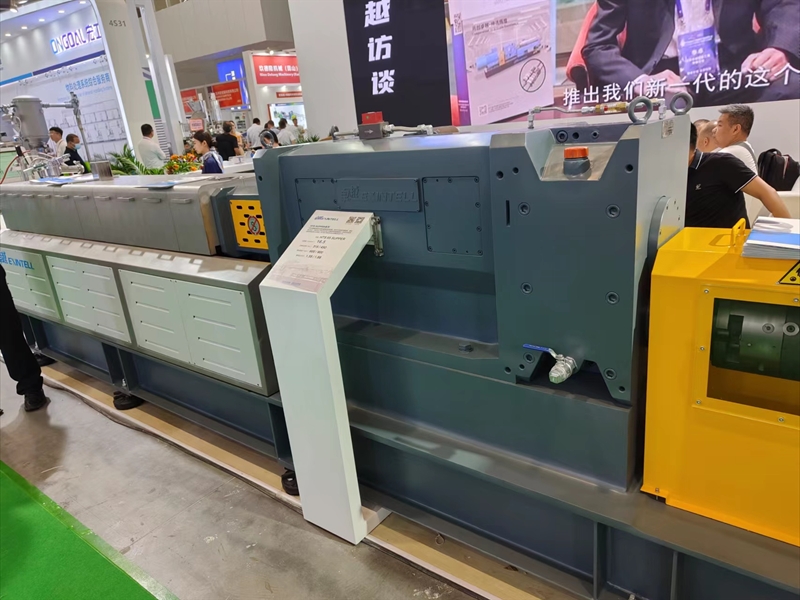
| 측면 | 단일 스크류 압출기 | |
|---|---|---|
| 혼합 효율성 | 30-50% better dispersion quality |
|
| Material Waste | Reduces purge material waste by 40-60% | Higher purge material waste |
| 온도 조절 | Precise control prevents thermal degradation | Less precise control |
| Ventilation and Degassing | Effective removal of moisture and volatiles | Less effective ventilation |
I see how these differences change product consistency and quality. 더 나은 혼합, tighter temperature control, and cleaner processing often surprise those new to masterbatch production. 나는 압출기를 선택하기 전에 항상 이러한 요소를 고려합니다..
주요 시사점
- 주요 압출기 유형 이해: 단일 나사, 쌍둥이 나사, 그리고 전문화된. 각 유형에는 생산에 영향을 미치는 고유한 이점이 있습니다..
- 트윈 스크류 압출기 탁월한 혼합 효율성과 정밀한 온도 제어 제공, 단일 스크류 모델에 비해 재료 낭비를 크게 줄입니다..
- 단일 스크류 압출기는 간단한 작업에는 비용 효율적이고 안정적이지만 복잡한 제형과 높은 필러 부하에는 어려움을 겪습니다..
- 고품질 색상 및 첨가제 마스터배치 생산을 위해 이축 압출기를 선택하세요. 그들의 디자인은 균일한 분산과 일관된 제품 품질을 보장합니다..
- 압출기 선택 시 처리량 고려. 트윈 스크류 모델은 일반적으로 더 높은 처리량을 제공합니다., 생산 규모 확대에 이상적.
- 유지 관리 요구 사항 및 운영 비용 평가. 단일 스크류 압출기는 유지 관리가 덜 필요합니다., while twin-screw models may incur higher costs but offer better performance.
- Match the extruder to your material needs. Different polymers and additives require specific extruder capabilities for optimal processing.
- Invest in high-performance extruders for demanding applications. The initial cost is offset by improved efficiency, 폐기물 감소, and enhanced product quality.
Masterbatch Extruder Types
단일 스크류 압출기
특징
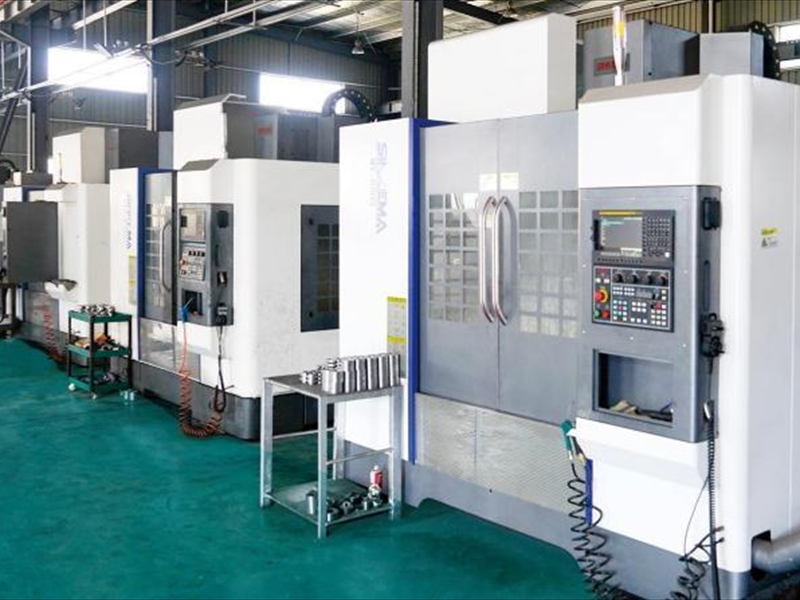
I often start with single-screw extruders when I need simplicity and reliability. These machines use one rotating screw inside a heated barrel to convey, 녹다, and shape the polymer. The process depends heavily on the frictional properties of the material. When I work with pellets, the conveying efficiency stays high. 하지만, with powders, I notice a drop in efficiency. The plasticizing uniformity is not as strong as with more advanced machines. 체류시간 분포가 더 넓어진 걸 보니, 때로는 민감한 재료의 열적 저하로 이어지기도 합니다..
| 특성 | 단일 스크류 압출기 | 트윈 스크류 압출기 |
|---|---|---|
| 운반 효율성 | 재료의 마찰 특성에 크게 의존; 가루와 함께 방울 | 긍정적인 변위는 높은 보장, 안정적인, 일관된 전달 |
| 가소화 균일성 | 상대적으로 열악한 가소화 균일성 | 더욱 균일하고 효율적인 가소화 |
| 적용 적합성 | 높은 균질화 또는 높은 필러 로딩에는 적합하지 않습니다. | 뛰어난 믹싱으로 콤파운딩 및 변형에 적합 |
| 체류 시간 분포 | 더 넓어짐; 열분해 위험 | 좁은; 모든 재료는 동일한 처리 이력을 거칩니다. |
| 경제적 효율성 | 표준 펠릿에 대해 경제적이고 신뢰성이 높습니다. | 복잡한 제형과 높은 제품 균일성을 선도합니다. |
| 이상적인 사용 사례 | 녹는, 균질화, 복잡한 혼합 없이 성형 | Processing powders, high filler percentages, 열에 민감한 재료 |
장점
I choose single-screw extruders for their cost-effectiveness and straightforward operation. Maintenance stays low, and I can train new operators quickly. These extruders work well for low to medium viscosity materials. I find them especially useful in smaller operations where budget and simplicity matter most.
제한사항
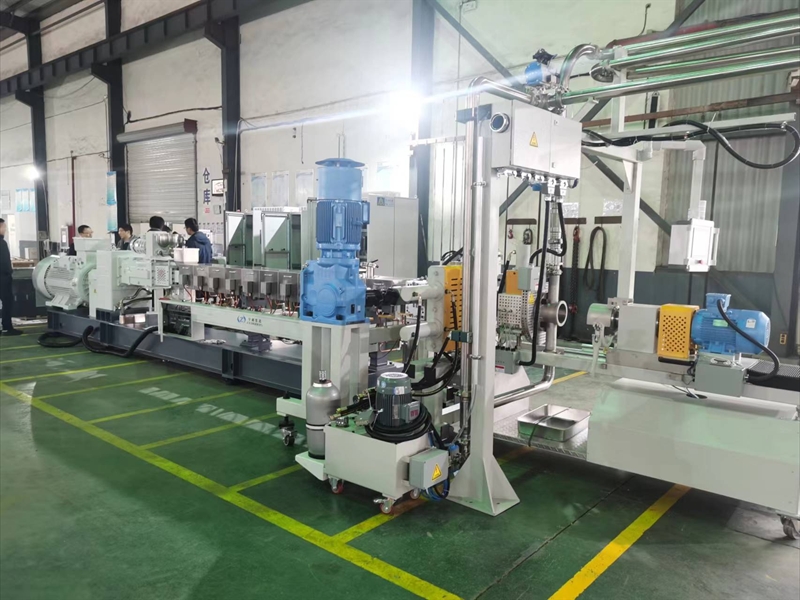
Single-screw extruders struggle with high homogenization and high-filler loading. When I need precise mixing or work with complex formulations, I see their limitations. The wider residence time distribution sometimes causes thermal degradation, which affects product quality. They do not handle powders or heat-sensitive materials as efficiently as other types.
응용
I use single-screw extruders mainly for melting, 균질화, and shaping standard plastic pellets. They dominate in smaller masterbatch production lines due to their simplicity and lower maintenance costs. Their market share remains significant, especially in operations that do not require advanced compounding or high filler content.
트윈 스크류 압출기
인터메싱
When I need superior mixing and dispersion, I turn to twin screw extruders. The intermeshing design means the screws overlap, creating strong shear and kneading forces. This setup ensures high mixing efficiency and uniform dispersion of additives. I rely on this type for intensive compounding tasks.
비 맞물림
Non-intermeshing twin screw extruders offer a gentler processing environment. The screws do not overlap, which enhances material exchange without excessive shear. I use this design when I want to avoid degrading sensitive polymers.
공동 회전
Co-rotating twin screw extruders have both screws turning in the same direction. This configuration delivers high mixing efficiency and is ideal for uniform dispersion of pigments and additives. I often choose co-rotating models for demanding masterbatch applications.
역회전
Counter-rotating twin screw extruders have screws turning in opposite directions. This design generates strong conveying forces while applying lower shear. I use counter-rotating machines for shear-sensitive materials and high-pressure applications.
Two-Stage
Two-stage twin screw extruders combine different screw profiles or processing zones. I use these when I need to handle complex formulations or achieve specific product properties. The two-stage design allows me to optimize each stage for melting, 혼입, or venting.
| 압출기의 종류 | 마스터배치 생산의 고유한 이점 |
|---|---|
| 인터메싱 공동 회전 | 높은 혼합 효율, 집중적인 배합과 균일한 분산에 이상적 |
| 인터메싱 역회전 | 강한 전단력, 고압 응용 분야에 적합 |
| 비 맞물림 | 보다 부드러운 처리, 물질 교환 강화 |
| 평행한 | 우수한 혼합 및 균질화, 균일한 분산에 이상적 |
| 원뿔형 | 압력과 전단력에 대한 더 나은 제어, 고점도 재료에 적합 |
필러 마스터배치 역할
저는 트윈 스크류 압출기에 의존하고 있습니다. 필러 마스터 배치 생산. 뛰어난 혼합 및 분산 기능으로 인해 필러가 폴리머 전체에 고르게 분포됩니다.. 인터메싱 공동 회전 디자인은 다음을 달성합니다. ~ 위에 95% 혼합 균일성, 이는 고품질 필러 마스터배치에 매우 중요합니다.. 생산 능력이 다음과 같이 증가한 것을 확인했습니다. 40% 에너지 소비도 감소 22% after switching to advanced twin screw extruders. Maintenance intervals extend, and I spend less time and money on repairs.
PP Masterbatch Role
When I produce PP masterbatch, I use twin screw extruders to maintain stable performance at high processing temperatures. The precise temperature control prevents discoloration and degradation. I meet strict industry standards, especially for automotive-grade products. The masterbatch I produce passes certifications and meets the demands of major manufacturers.
팁: Twin screw extruders operate continuously, 어느 minimizes downtime and enhances energy efficiency. I also use micro compounders for small-batch trials, reducing material waste and R&D costs.
Specialized Extruder
Multi-Screw
For unique masterbatch applications, I sometimes use multi-screw extruders. These machines have more than two screws, which increases mixing intensity and throughput. I choose them for highly filled or specialty masterbatch formulations.
Planetary
Planetary extruders use a central screw surrounded by several planetary screws. This design creates complex mixing patterns. I use planetary extruders when I need exceptional dispersion of pigments or additives in specialty masterbatch.
Co-Kneader
Co-kneader extruders combine rotating and oscillating screw motions. I use them for processing heat-sensitive or shear-sensitive materials. The gentle kneading action prevents degradation and ensures consistent product quality.
Niche Uses
Specialized extruders solve problems that standard machines cannot. 하지만, I face challenges such as high internal friction, inconsistent melt flow, and pressure fluctuations. Poor dispersion can cause visual defects and inconsistent mechanical properties. Maintaining stable thermal conditions is essential to avoid degradation and process interruptions. I use specialized extruders for color masterbatch, specialty additives, and demanding applications where standard extruders fall short.
Masterbatch Production Differences
성능
처리량
When I evaluate masterbatch production, throughput stands out as a key performance metric. Throughput measures how much material I can process in a given time. I notice that single-screw extruders usually deliver lower throughput. 트윈 스크류 압출기, 반면에, achieve 더 높은 처리량 due to their advanced screw design and positive displacement action. Specialized extruders, such as multi-screw or planetary models, can push throughput even further for demanding applications.
| 압출기 유형 | 처리량 | 혼합 품질 |
|---|---|---|
| 단일 나사 | 낮은 처리량 | 제한된 혼합 |
| 트윈 스크류 | 더 높은 처리량 | 우수한 혼합 |
This table shows how the choice of extruder directly affects the speed and efficiency of masterbatch production. When I need to scale up, I always consider the throughput advantage of twin-screw and specialized extruders.
혼합 품질
Mixing quality defines the uniformity of pigment and additive distribution in masterbatch. I find that single-screw extruders provide basic distributive mixing, which works for simple formulations. 하지만, when I require high-quality dispersion, especially for color or additive masterbatch, I rely on twin-screw extruders. Their kneading blocks and reversing elements create superior mixing. Specialized extruders can further enhance mixing for niche applications.
메모: Superior mixing quality in twin-screw extruders leads to consistent color and property distribution, which is essential for high-performance masterbatch production.
소재 유연성
Material flexibility refers to how well an extruder handles different polymers and additives. I often process a wide range of materials, from standard polyolefins to engineering plastics. 트윈 스크류 압출기, especially co-rotating types, offer the highest flexibility. They allow me to adjust screw design, 온도 조절, and rotational speed for each masterbatch production run.
| 특징 | 설명 |
|---|---|
| 온도 조절 | High-precision systems ensure stable temperatures across heating sections for process requirements. |
| 나사 디자인 | Good plasticization and uniform melt flow are essential; larger diameters handle more material but increase energy consumption. |
| 회전 속도 | Needs precise control; higher speeds improve efficiency but can lead to wear and excessive heating. |
| 압출기 유형 | 트윈 스크류 압출기, especially co-rotating types, are preferred for PET masterbatch due to their mixing and plasticizing capabilities. |
| Special Configurations | For high-yield or specialized PET masterbatch, unique screw structures may be necessary. |
I adjust these parameters to optimize performance for each masterbatch production batch, ensuring the best results for both additive masterbatch and filler masterbatch.
유지 & 비용
유지 관리 요구
Maintenance requirements vary widely between extruder types. Single-screw extruders have lower maintenance costs, ~에 대한 30% below the industry average. Their simple design means fewer parts to service. 트윈 스크류 압출기, with their complex screw assemblies and modular components, require more frequent and skilled maintenance. Specialized extruders may demand even more attention due to their unique configurations.
| 특징 | 단일 스크류 압출기 | 트윈 스크류 압출기 |
|---|---|---|
| 유지관리 비용 | 30% below industry avg | 복잡한 |
| 에너지 사용 | 15% lower | 높은 (기계) |
| 초기비용 | 낮추다 | 더 높은 |
I always factor in these maintenance needs when planning long-term masterbatch production.
Operational Cost
Operational cost includes energy use, 노동, and consumables. Single-screw extruders use about 15% less energy than twin-screw models. 하지만, twin-screw extruders offer higher mixing efficiency and process flexibility, which can offset their higher energy consumption by reducing waste and improving product quality. Specialized extruders often have the highest operational costs, but they deliver unmatched performance for challenging masterbatch production tasks.
신뢰할 수 있음
Reliability in masterbatch production depends on component quality, manufacturing precision, and mechanical design. 나는 다음과 같은 압출기를 선택합니다. premium components, such as motors from Siemens or ABB and precision gearboxes. Rigorous manufacturing and quality control reduce wear and extend service life. Heavy-duty construction and conservative design margins ensure reliable operation, even under demanding conditions.
| 측면 | 설명 |
|---|---|
| High-Quality Component Selection | Premium components from reputable manufacturers enhance reliability, reduce failure rates, and extend service life. Motors from Siemens or ABB and precision gearboxes are examples of high-quality selections. |
| Rigorous Manufacturing and Quality Control | Precision machining and strict quality control ensure components meet specifications, reducing wear and extending service life. Extended run-in testing identifies potential issues before shipment. |
| Robust Mechanical Design | Conservative design margins and heavy-duty construction minimize mechanical stress and ensure reliable operation under demanding conditions, contributing to the overall lifespan of the extruders. |
I have seen that investing in reliable extruders pays off with fewer breakdowns and longer service intervals, which is critical for continuous masterbatch production.
Production Impact
Color Dispersion
Color dispersion is a direct result of mixing quality. Single-screw extruders provide basic distributive mixing, which can limit color uniformity. 트윈 스크류 압출기, with their advanced screw geometry and shear zones, achieve superior color dispersion. This capability is vital for high-quality color masterbatch production, where even minor inconsistencies can lead to visible defects.
| 압출기 유형 | 혼합 기능 | Design Features |
|---|---|---|
| 단일 나사 | Basic distributive mixing, limited dispersive ability | Suitable for simple formulations with well-dispersed powders. |
| 트윈 스크류 | Superior mixing due to kneading blocks and reversing elements | Preferred for high-quality dispersion of pigments and functional fillers. |
| Key Design Parameters | Influence on dispersion | Screw geometry, L/D 비율, shear zones, and barrel temperature profile are critical for achieving uniform dispersion. |
I always pay close attention to these design parameters to maximize performance in masterbatch production.
Additive Distribution
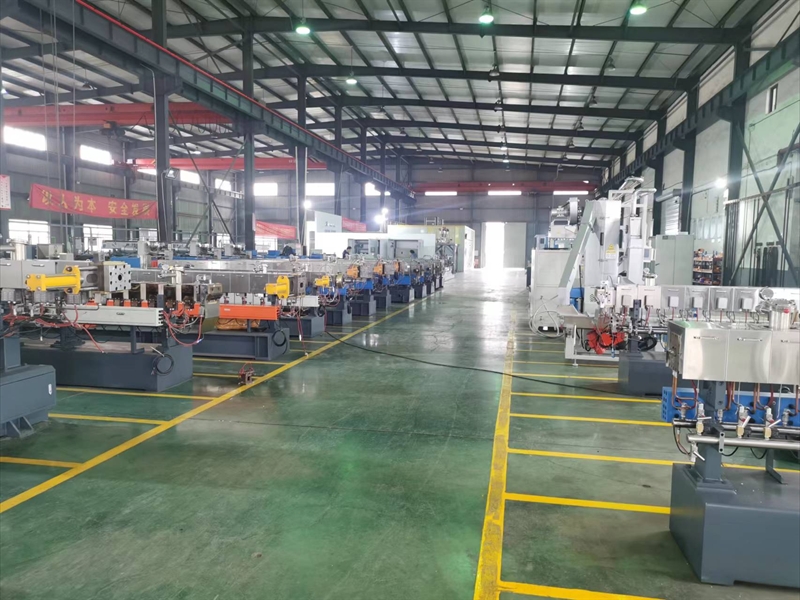
Additive distribution determines the effectiveness of functional masterbatch. Twin-screw extruders excel at dispersing additives evenly, thanks to their modular screw design and precise temperature control. This ensures that every pellet contains the right amount of additive, which is crucial for additive masterbatch performance. Single-screw extruders may struggle with complex formulations, leading to uneven distribution and inconsistent product properties.
Product Properties
The final properties of masterbatch depend on the performance of the extruder. Superior mixing and precise temperature control in twin-screw and specialized extruders result in masterbatch with consistent mechanical, 열의, and optical properties. I have found that these extruders help me meet strict industry standards, especially for automotive, 포장, and medical applications.
팁: For demanding masterbatch production, I always recommend investing in high-performance extruders. The benefits in throughput, mixing quality, and product consistency far outweigh the initial cost.
Choosing Your Masterbatch Extruder
Material Needs
폴리머 유형
내가 선택할 때 masterbatch extruder, I always start by considering the types of polymers I plan to process. Each polymer has unique melt characteristics and viscosity. 예를 들어, high-viscosity filler masterbatches require higher torque and more robust extruders than standard color masterbatches. I match the equipment to the polymer’s demands to avoid processing issues.
| 요인 | 설명 |
|---|---|
| 생산능력 | Equipment sizing must match throughput rate specifications with expected demand. |
| 재료 특성 | High-viscosity filler masterbatches require higher torque extruders than standard color masterbatches. |
| 품질 요구 사항 | Precision levels needed across feeding, 혼입, and pelletizing systems are determined by quality standards. |
| Budget Constraints | Balancing capital investment against operational efficiency is crucial. |
| Equipment Parameters | Temperature settings and feeding systems must be optimized for different types of masterbatches. |
Additive Compatibility
I always check the compatibility of the extruder with the additives I use. 그만큼 choice of extruder type impacts the mixing, 가소화, and dispersion of additives. These factors are critical for the performance and stability of additive masterbatch. 온도를 조절한다, 나사 속도, and back pressure to achieve optimal results. Twin-screw extruders enhance mixing and plasticizing, ensuring better dispersion of additives and improving the overall quality of additive masterbatch.
- Quality stability depends on dispersion uniformity and particle size consistency.
- Performance compliance rate must meet industry standards.
- Production efficiency improves with the right extruder and process settings.
생산 규모
Small Batch
For small batch production or frequent testing, I use laboratory or micro extruders. These machines process between 0.25 kg/h 및 150 kg/h. Micro extruders help me minimize waste, especially when working with costly additives or specialty polymers. Pilot-scale machines are ideal for sample production and pre-commercial trials.
Large Scale
When I scale up, 나는 집중한다 output requirements, 재료 특성, and process needs. Twin screw extruders handle large-scale additive masterbatch production efficiently. I match the specific mechanical energy (중소기업) input to ensure consistent product quality.
A key parameter used for scaling up TSEs is the specific mechanical energy (중소기업) input of the process. The SME provides the energy per unit mass transferred from the extruder drive motor through the screws and into the compound being processed. SME can also influence the properties of the final product, so matching SME can also help to ensure product quality.
Desired Properties
Color Consistency
I rely on additives to achieve consistent color in plastic products. Proper pigment dispersion prevents shade variations and enhances visual appeal. Twin-screw extruders give me the control I need for uniform color in additive masterbatch.
기계적 성질
Fillers like calcium carbonate modify mechanical properties such as stiffness and strength. I select the extruder that balances performance and cost while maintaining excellent processing characteristics in additive masterbatch.
품질 표준
I always set quality requirements before choosing equipment. Precision in feeding, 혼입, and pelletizing ensures I meet industry standards for additive masterbatch and filler masterbatch. I avoid common mistakes by carefully controlling feeding section temperature, plasticizing and homogenizing temperatures, 그리고 먹이는 속도.
| 요인 | 설명 |
|---|---|
| 생산능력 | Drives equipment sizing decisions to match throughput rate specifications with expected demand. |
| 재료 특성 | High-viscosity filler masterbatches require higher torque extruders than standard color masterbatches. |
| 품질 요구 사항 | Determine precision levels needed across feeding, 혼입, and pelletizing systems. |
| Budget Constraints | Require balancing capital investment against operational efficiency. |
| Production Line Strategy | Ensures components work together efficiently, preventing bottlenecks and maximizing system performance. |
팁: I always balance capital investment with operational efficiency. I make sure all production line components work together to prevent bottlenecks and maximize performance.
I see clear differences between extruder types that shape every masterbatch project. My choice depends on fiber characteristics, capacity needs, and environmental standards. Here’s a quick reference:
| 주요 고려사항 | 설명 |
|---|---|
| Fiber Characteristic Matching | Long fibers require high shear dispersing equipment, while short fibers need reduced shear to minimize breakage. |
| Capacity Demand | Small experimental lines (5-50kg/h) 트윈 스크류 압출기를 사용하십시오, while industrial lines (500-2000kg/h) require larger twin-screw extruders. |
| Environmental Requirements | Equipment must comply with wastewater treatment and VOC emission standards. |
- I always check automation levels to control labor costs and production consistency.
- I prioritize energy efficiency for long-term savings.
I recommend exploring new technologies or consulting with experts before making a final decision.
FAQ
What makes twin-screw extruders better for masterbatch production?
나는 선택한다 트윈 스크류 압출기 for their superior mixing, 더 높은 처리량, 그리고 유연성. Their design allows me to achieve consistent quality, especially when I produce color masterbatches or filler masterbatches. I see improved efficiency and less material waste compared to single-screw models.
How do I select the right extruder for high-volume production?
I always match the extruder to my production needs. 대량 생산용, I rely on robust twin-screw extruders. These machines handle demanding output rates and maintain quality. I consider polymer type, additive compatibility, and process requirements before making my decision.
Why is mixing quality important in masterbatch production?
Mixing quality determines how well pigments and additives disperse. I know that poor mixing leads to uneven color and inconsistent properties. High mixing quality ensures every batch meets my standards, especially for color masterbatches and specialty applications.
Can I use the same extruder for both color masterbatches and filler masterbatches?
I often use twin-screw extruders for both types. Their modular design lets me adjust screw elements for different formulations. This flexibility helps me maintain quality and efficiency, whether I produce color masterbatches or filler masterbatches.
What role does extruder design play in multilayer film production?
Extruder design impacts layer uniformity and additive distribution. I use advanced extruders to ensure each layer in multilayer films receives the right masterbatch. This approach guarantees consistent performance and color across all layers.
How do co-rotating twin screw extruders improve efficiency?
Co-rotating twin screw extruders give me better mixing and higher throughput. Their design reduces downtime and energy use. I see greater efficiency and more reliable production, especially when I need to meet strict quality standards.
What challenges might I face with specialized extruders?
Specialized extruders can present challenges like higher maintenance and complex operation. I address these by following strict maintenance schedules and training my team. I use these machines for unique masterbatch production tasks that standard extruders cannot handle.
Are there tips for maintaining quality in high-volume production?
I monitor process parameters closely. I use automated systems to control feeding, 혼입, and pelletizing. Regular equipment checks help me maintain consistent quality, even during high-volume production runs.