

주요 시사점
-
플라스틱 압출기가 변형됩니다. 단계별 공정을 통해 원료 플라스틱 펠릿을 완제품으로 만듭니다..
-
플라스틱 압출기의 주요 기능에는 가열이 포함됩니다., 혼입, 가압하다, 형성, 재료를 냉각시키고.
-
올바른 열가소성 수지 선택 원하는 제품 특성과 적용을 달성하는 데 매우 중요합니다..
-
압출 중 온도와 압력을 적절하게 모니터링하면 일관된 품질이 보장되고 결함이 방지됩니다..
-
Cooling methods significantly affect the final product's strength and appearance; 각 애플리케이션에 적합한 방법을 선택하세요.
-
절단 및 성형과 같은 다운스트림 가공 단계는 압출 제품의 가치와 유용성을 향상시킵니다..
-
효율적인 운영과 제품 품질을 위해서는 다이, 호퍼 등 구성 요소의 정기적인 유지 관리가 필수적입니다..
-
장점과 과제 이해 플라스틱 압출 생산을 최적화하고 업계 요구 사항을 충족하는 데 도움이 됩니다..
플라스틱 압출기 기본 사항
플라스틱 압출기란?
나는 의존한다 플라스틱 압출기 나의 제조 과정에서 매일. 이 기계는 원료 플라스틱을 사용 가능한 제품으로 변환하는 데 중심적인 역할을 합니다.. 압출기에 플라스틱 펠릿을 공급합니다., 그것들을 가열하고 녹이는 것. 그런 다음 기계는 용융된 플라스틱을 다이를 통해 밀어냅니다., 연속적인 모양 만들기. 이 과정을 통해 파이프를 생산할 수 있습니다., 시트, 영화, 및 기타 항목을 효율적으로.
플라스틱 압출기는 산업 제조에서 중요한 장비로 돋보입니다.. 고정된 배출구를 통해 녹은 플라스틱을 강제로 밀어내는 방식으로 작동합니다., 원하는 형태로 만들어서. 이 방법이 모든 배치에서 일관성과 품질을 어떻게 보장하는지 확인합니다.. The extrusion process uses high pressure to move the material, which then cools and solidifies. This approach highlights the efficiency and practicality of the extruder in my daily work.
팁: I always check the temperature and pressure settings on my plastic extruder to maintain product quality.
Key Functions
I focus on several key functions when I operate a plastic extruder. Each function matters for industrial applications because it affects the final product’s quality and performance.
-
Heating and Melting: I use the extruder to heat plastic pellets until they melt. This step is vital for creating a uniform material.
-
혼입: The machine mixes the molten plastic, ensuring even distribution of additives and colorants.
-
Pressurization: I rely on the extruder to apply pressure, which helps shape the material and remove air bubbles.
-
Shaping: The die gives the plastic its final shape, whether I need pipes, 영화, 프로필, or cable sheaths.
-
냉각: After shaping, I cool the product to solidify it and lock in its form.
I use different thermoplastics in my extruder, 응용 프로그램에 따라. 예를 들어, polyethylene works well for films and packaging because of its flexibility and strength. Polypropylene suits automotive parts due to its high melting point. Polyvinyl chloride is ideal for construction pipes and profiles because it is durable. Polystyrene is perfect for consumer goods since it is rigid and clear.
I see the impact of these functions across many industries:
-
건설
-
포장
-
Electronics and electrical appliances
-
자동차
-
Medical care
I produce a variety of products with my plastic extruder, ~와 같은:
-
파이프
-
Extruder Frame Wholesale Anodized Extruded Aluminum 영화
-
Profiles
-
Cable sheaths
-
Medical consumables
I understand that mastering these functions helps me deliver reliable results for industrial clients. I always monitor each stage to ensure efficiency and consistency.
How Does a Plastic Extruder Work
Feeding Material
I always start the plastic extrusion process by feeding raw material into the extruder. I use plastic pellets or granules, which I pour into the hopper at the top of the machine. The hopper acts as a storage bin and ensures a steady flow of material into the barrel. I select the right type of plastic based on the product I want to make. 예를 들어, I might choose 폴리염화비닐 for pipes or polyethylene for films and tubing. The table below shows some common materials I use and their main characteristics:
|
재료 유형 |
Characteristics and Applications |
|---|---|
|
폴리염화비닐 (PVC) |
강한, versatile, 습기에 강한, 약, 그리고 자외선; 건설 및 산업 환경에 사용. |
|
폴리에틸렌 (체육) |
경량, 유연한, 우수한 충격 저항; 영화에 사용, 비닐봉지, 컨테이너, 유연한 튜브. |
|
ASA (아크릴로니트릴 스티렌 아크릴레이트) |
우수한 UV 및 내화학성; 지붕 및 외관 패널과 같은 실외 응용 분야에 사용됩니다.. |
|
경량, 유연한; 식품 포장에 적합, 의료 제품, 중공 거푸집 시스템. |
나는 재료를 넣기 전에 재료가 깨끗하고 건조한지 확인합니다.. 습기나 오염물질로 인해 최종 제품에 결함이 발생할 수 있습니다.. 펠릿이 배럴에 들어가면, 플라스틱 압출 공정이 본격적으로 시작됩니다.
용융 및 혼합
먹이를 준 후, 플라스틱을 녹여 잘 섞어주는 것에 집중합니다. 배럴에는 펠릿을 앞으로 밀어내는 회전 나사가 포함되어 있습니다.. 물질이 이동함에 따라, 배럴을 따라 있는 히터가 온도를 높입니다.. 플라스틱 종류마다 녹는 범위가 다르기 때문에 온도를 면밀히 모니터링합니다.. 예를 들어, 배럴을 160-200으로 설정했습니다°LDPE의 경우 C, 180-230°HDPE의 경우 C, 그리고 150-185°PVC의 경우 C. 아래 표는 전형적인 것을 보여줍니다. 일반적인 열가소성 수지의 용융 온도:
|
열가소성 물질 |
녹는점 (°기음) |
|---|---|
|
LDPE |
160-200 |
|
HDPE |
180-230 |
|
PP |
200-260 |
|
PVC |
150-185 |
|
나일론 |
230-290 |
나사가 회전하면서, 용융된 플라스틱을 압축하고 균질화합니다.. 나는 의지한다 혼합 요소 스크류 내부에서 클러스터를 분해하고 첨가제를 고르게 분배합니다.. 이 단계는 최종 제품의 색상과 질감이 균일하도록 보장하기 때문에 프로파일 압출 공정에 매우 중요합니다.. 적절한 혼합은 또한 재료 낭비 및 결함을 방지합니다.. 이 단계에서 온도와 압력이 안정적으로 유지되는지 항상 확인합니다.. 재료가 고르게 녹지 않는 경우, 압출 공정에서는 약하거나 일관성이 없는 제품이 생산될 수 있습니다..
팁: 나는 플라스틱 압출 공정에서 최상의 결과를 얻기 위해 항상 각 재료에 적합한 스크류 디자인과 혼합 요소를 사용합니다..
다이를 이용한 성형
플라스틱이 완전히 녹고 혼합되면, 성형단계로 넘어갑니다. 용융된 플라스틱은 오염 물질을 걸러내고 배압을 생성하는 스크린과 차단기 플레이트를 통과합니다.. 이 단계는 원활하고 일관된 흐름을 유지하는 데 도움이 됩니다.. 다음, 재료가 다이에 들어갑니다., 압출 공정의 최종 성형 도구인.
다이는 압출된 제품의 단면 형상을 결정합니다.. 내가 만들고 싶은 제품에 맞춰 금형을 선택해요. 예를 들어, 나는 필름과 시트에 플랫 다이나 시트 다이를 사용합니다., 파이프 및 튜빙용 환형 또는 링 다이, 창틀이나 웨더스트립을 위한 맞춤형 프로파일 다이. 아래 표에는 일반적인 다이 유형과 이를 통해 생성되는 제품이 나열되어 있습니다.:
|
다이 유형 |
설명 |
생성된 제품 |
|---|---|---|
|
플랫/시트 다이 |
옷걸이 디자인으로 용융물을 넓은 슬롯에 분산시킵니다.. |
시트, 영화, 및 코팅 응용 |
|
환형/링 다이 |
용융물은 맨드릴 주위로 흐릅니다., 속이 빈 프로파일 형성. |
파이프 및 튜빙 |
|
프로필이 죽습니다 |
특정 단면에 맞게 맞춤 설계됨. |
창틀, 날씨를 쫓는, 가장자리 트림 |
|
블로운 필름이 죽습니다. |
용융물을 버블로 팽창시키기 위해 공기를 주입하는 환형 다이. |
박막 생산 |
금형설계는 두께에 영향을 주기 때문에 세심한 주의를 기울입니다, 너비, 최종 제품의 표면 품질 및. 프로파일 압출 공정에서, 다이는 뒤틀림이나 내부 응력을 방지하기 위해 균일한 흐름을 생성해야 합니다.. 성형을 미세 조정하기 위해 금형 온도와 압력을 자주 조정합니다.. When I see the molten plastic extruding through the die, I know the product is taking its final form.
Masterbatch Extruder Supplier 메모: The die is the heart of the plastic extrusion process. A well-designed die ensures consistent quality and precise dimensions. Extruder Keeps Heating
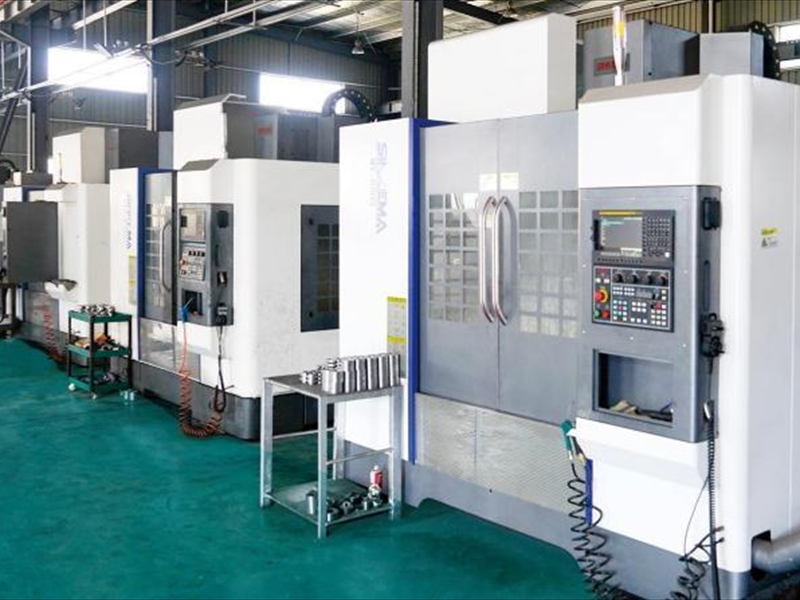
By following these steps—feeding material, melting the plastic, 혼입, and shaping—I transform raw pellets into finished products. The plastic extruder allows me to control every stage of the process, from material selection to final shaping. This step-by-step approach is essential for producing high-quality items in any industrial setting.
Cooling and Solidifying
플라스틱이 다이에서 나온 후, I focus on cooling the extrudate to lock in its shape and prevent defects. This stage is critical because the way I cool the product affects its strength and appearance. I use several methods to cool and solidify the plastic, depending on the product and the speed of production.
-
Calibrating
-
Air cooling
-
Final cooling
-
Advanced techniques (chilled rollers, vacuum cooling)
I often start with quenching. This method rapidly cools the outer layer of the plastic as it exits the extrusion head. I use air or water sprays for this step. Quick cooling helps set the initial shape and stops the product from warping. For many profiles and pipes, I use calibrators. These devices stabilize the shape and include water-filled tanks for controlled cooling. Calibrators help me avoid internal stresses and ensure the product stays straight.
When I need precise temperature control, I turn to advanced techniques. Chilled rollers and vacuum cooling give me rapid and even cooling, which is important for high-speed production or special applications. I always choose the method that matches the product’s requirements.
팁: I monitor the cooling rate closely. If I cool the plastic too fast, I can trap internal stresses. If I cool it too slowly, I risk warping or uneven surfaces.
The cooling method I choose affects the final properties of the product. The table below shows how different cooling rates change the mechanical properties:
|
냉각방식 |
Effect on Mechanical Properties |
|---|---|
|
Rapid Water Cooling |
Can trap internal stresses, weakening thicker products over time. |
|
Slower Air 스크류 압출기 공장 냉각 평행 트윈 스크류 공장 |
Promotes uniform crystallization, enhancing strength and reducing warping risks. |
I always balance speed and quality to get the best results for my industrial clients.
Downstream Processing
Once the product is solid, I move to downstream processing. This stage adds value and prepares the product for its final use. I follow a series of steps to finish the extruded plastic:
-
Cutting: I use a high-speed cutter to slice the continuous strand into set lengths. Accurate cutting is important for assembly and appearance.
-
Shaping: I may run the product through a shaping machine. This step improves the look and ensures the dimensions are correct.
-
Drying: I use industrial dryers, such as multi-layer belt dryers or microwave dryers, to remove any moisture from the product.
After these main steps, I often add finishing touches. I might print information or branding on the product. 때때로, I punch holes, bell the ends, or coil the product for easier transport. These extra steps help me meet specific customer needs and make the product more useful.
메모: Downstream processes like cutting and printing improve the value of extruded plastic products. They ensure the right size, better appearance, and readiness for market.
By carefully managing cooling and downstream processing, I deliver high-quality, reliable products for a wide range of industrial applications.
Plastic Extruder Components
Hopper
I always start my work at the 홉 따는 기계. This component sits at the top of the plastic extruder and stores the raw plastic pellets or granules. The hopper feeds material into the barrel at a steady rate. I check the hopper regularly to make sure it stays clean and dry. Some models include drying functions, which help me maintain the quality of the plastic. Moisture can cause defects, so I rely on the hopper to keep the material in good condition. I select the right hopper size based on the production volume. For high-output jobs, I use larger hoppers to avoid frequent refilling.
팁: I inspect the hopper before every shift. Clean and dry material ensures smooth extrusion and prevents blockages.
Barrel and Screw
그만큼 barrel and screw form the core of the extruder. The barrel provides a heated space for the plastic pellets. I monitor the barrel temperature to match the melting point of the material. The screw sits inside the barrel and rotates to move the plastic forward. As the screw turns, it conveys, 녹다, and mixes the material. I adjust the screw speed to control the output rate. Faster speeds increase production but can cause overheating. I choose the screw design based on the type of plastic and the product requirements.
The design of the barrel and screw affects efficiency. I look at parameters like the L/D ratio (length to diameter), compression ratio, flight depth, and screw speed. For most jobs, I use a screw with a 30:1 L/D 비율. This gives me enough time for melting and mixing. Compression ratios between 3:1 그리고 3.5:1 work well for polyethylene. Deeper flight channels allow higher throughput, but I balance this with melting efficiency. I avoid running the screw too fast, since excessive speed can degrade the polymer.
|
요소 |
기능 |
|---|---|
|
나사 |
Conveys, plasticizes, and pressurizes raw materials. |
|
통 |
Provides storage and heating space, ensuring durability and stability. |
I select barrier screws for jobs that need better melting consistency. 이 선택은 재료가 다이에 도달하기 전에 균일한 혼합을 달성하는 데 도움이 됩니다..
히터
히터는 플라스틱 압출기에서 중요한 역할을 합니다.. 나는 플라스틱 알갱이가 배럴을 통과할 때 이를 녹이는 데 의존합니다.. 히터는 배럴을 감싸며 정확한 온도 제어를 제공합니다.. 플라스틱 종류에 따라 온도를 설정했어요. 예를 들어, PVC에는 더 낮은 온도를 사용하고 나일론에는 더 높은 온도를 사용합니다.. 지속적인 가열로 결함을 방지하고 균일한 가소화 보장.
나는 공정 전반에 걸쳐 히터를 모니터링합니다.. 온도가 변동하는 경우, 고르지 않게 녹거나 과열될 위험이 있습니다.. 나는 온도 조절 시스템을 사용하여 난방과 냉방을 관리합니다.. 이 시스템은 올바른 균형을 유지하는 데 도움이 됩니다., 플라스틱이 다이 쪽으로 원활하게 흐르도록 합니다.. 적절한 히터 관리로 제품 품질 향상 및 폐기물 감소.
메모: 신뢰할 수 있는 히터와 온도 제어 시스템으로 압출 공정을 안정적으로 유지합니다.. 생산 문제를 피하기 위해 항상 이러한 구성 요소를 확인합니다..
주사위
나는 플라스틱 압출기를 작동할 때 항상 다이에 세심한 주의를 기울입니다.. 다이는 용융된 플라스틱을 최종 제품으로 성형합니다.. 파이프를 생산하려면 올바른 금형을 선택하는 것이 필수적이라는 것을 알고 있습니다., 시트, 프로필, 또는 정확한 치수의 필름.
나는 매 생산이 실행되기 전에 금형을 검사하는 것부터 시작합니다.. 나는 마모의 흔적을 찾습니다, 축적, 또는 손상. 깨끗한 다이는 플라스틱의 원활한 흐름을 보장하고 결함을 방지합니다.. 나는 특수 도구를 사용하여 다이 채널과 표면을 청소합니다.. 흠집이나 막힌 곳이 보이면, 나는 즉시 그들에게 말을 건다.
압출기를 설치할 때, 나는 주사위를 배럴과 조심스럽게 정렬합니다. Proper alignment prevents uneven flow and reduces the risk of warping. I tighten the bolts evenly to avoid leaks. I also check the die temperature settings. Each type of plastic requires a specific temperature range for optimal flow. I adjust the die heaters to match the material I am using.
During production, I monitor the pressure at the die. If the pressure rises too high, I know there may be a blockage or contamination. I stop the machine and inspect the die if I notice any irregularities in the extruded product. Consistent pressure helps me maintain uniform thickness and surface quality.
I often switch between different dies depending on the product. 예를 들어, I use a flat die for making sheets and a ring die for pipes. I store each die in a clean, dry place to prevent rust and damage. 올바른 주사위를 빨리 찾을 수 있도록 각 주사위에 명확하게 라벨을 붙입니다..
팁: 나는 생산을 시작하기 전에 항상 금형을 예열합니다. 이 단계는 콜드 스팟을 방지하고 용융된 플라스틱의 안정적인 흐름을 보장합니다..
다음은 다이 유지 관리를 위해 제가 따라야 할 빠른 체크리스트입니다.:
-
매번 실행하기 전에 마모 및 축적을 검사하십시오..
-
적절한 도구를 사용하여 채널과 표면을 청소하십시오..
-
다이를 배럴에 정렬하고 고정합니다..
-
재료에 맞는 온도를 설정하세요..
-
작동 중 압력 및 제품 품질 모니터링.
-
사용 후 올바르게 보관하십시오..
By following these steps, 나는 압출 공정을 효율적으로 유지하고 제품을 일관되게 유지합니다.. 금형은 제가 생산하는 모든 제품의 품질에 직접적인 영향을 미치는 중요한 구성 요소입니다..
플라스틱 압출기의 종류
단일 스크류 압출기
나는 종종 단일 스크류 압출기 간단한 플라스틱 가공 작업을 위한. 이 기계에는 배럴 내부에 하나의 회전 나사가 있습니다.. 녹이는 데는 믿을만하다고 생각해요, 혼입, 대부분의 열가소성 수지 성형. 파이프를 제작하고 싶을 때, 영화, 또는 일관된 품질의 시트, 나는 이 유형을 선택한다. 소재에 맞춰 스크류 속도와 온도를 조절해요. 단일 스크류 디자인으로 기본적인 믹싱과 안정적인 출력 제공. 많은 첨가물을 섞거나 복잡한 레시피를 다룰 필요가 없을 때 사용합니다.
트윈 스크류 압출기
더 나은 믹싱과 더 많은 제어가 필요할 때, 나는 트윈 스크류 압출기. 이 기계는 함께 회전하는 두 개의 나사를 사용합니다.. 필러로 재료를 가공할 수 있어요, 착색제, 또는 심지어 반응성 화학물질. 트윈 스크류 디자인으로 다양한 스타일을 혼합할 수 있습니다., 화합물, 압출 중에 화학 반응을 수행하기도 합니다.. 고급 응용 프로그램에 사용합니다, 특수 화합물이나 고성능 플라스틱 제조 등. The table below shows how single-screw and twin-screw extruders compare in industrial performance:
|
특징 |
단일 스크류 압출기 |
트윈 스크류 압출기 |
|---|---|---|
|
나사 직경 |
20 mm 에 300 mm |
16 mm 에 245 mm |
|
L/D 비율 |
20:1 에게 30:1 |
25:1 에게 48:1 |
|
나사 속도 |
20 에게 250 RPM |
50 에게 1,200 RPM |
|
Output Rate |
10 kg/hr to 1,000 kg/시간 |
1 kg/hr to 15,000 kg/시간 |
|
Barrel Temperature |
20°C to 300°기음 |
Ambient to 400°기음 |
|
Mixing Capabilities |
Basic mixing |
우수한 혼합 |
|
Torque Capacity |
해당 없음 |
200 Nm to 10,000 Nm |
|
응용 |
Straightforward polymer processing |
Compounding, blending, reactive extrusion |
I look at this table when I decide which extruder to use for a project. If I need high output or advanced mixing, I pick the twin-screw model.
특수 압출기
때때로, my clients need unique shapes or special materials. I use specialty extruders for these jobs. These machines offer several advantages:
-
Design flexibility: I can create complex shapes and precise dimensions for custom applications.
-
Material versatility: I use different plastics and additives to improve durability and performance.
-
Enhanced performance: 최상의 결과를 보장하기 위해 특정 환경에 맞게 기계를 맞춤화합니다..
-
비용 효율성: 낭비를 줄이고 추가 가공을 방지합니다, 이는 생산 비용을 낮추는.
-
미적 옵션: 나는 브랜드 요구 사항을 충족하기 위해 색상과 마감재를 일치시킵니다..
표준 기계가 요구 사항을 충족할 수 없을 때 특수 압출기를 선택합니다.. 이 접근 방식은 까다로운 프로젝트에 대한 맞춤형 솔루션을 제공하는 데 도움이 됩니다..
플라스틱 압출 재료
일반적인 열가소성 수지
플라스틱 압출 재료를 선택할 때, 저는 항상 열가소성 수지부터 시작합니다.. 이 물질은 가열하면 부드러워지고 냉각되면 단단해진다., 반복 처리에 이상적입니다.. 나는 제품 요구 사항에 따라 적합한 열가소성 수지를 선택합니다., 힘과 같은, 유연성, 또는 내화학성.
산업용 압출에 사용하는 가장 일반적인 열가소성 수지와 주요 특성은 다음과 같습니다.:
-
폴리염화비닐 (PVC): I rely on PVC for its strength and versatility. It resists moisture, 약, 그리고 자외선, so I use it for pipes, window profiles, and cable insulation.
-
폴리에틸렌 (체육): I choose PE when I need a lightweight and flexible material. It offers excellent impact resistance and chemical stability, making it perfect for films, 컨테이너, 그리고 튜빙.
-
폴리프로필렌 (PP): I use PP for products that need toughness and fatigue resistance. It stands up to chemicals and stress, so I often select it for automotive parts and reusable containers.
-
폴리스티렌 (추신): I turn to PS for its rigidity and clarity. It molds easily and works well for packaging, disposable cutlery, and laboratory ware.
-
나일론: I pick nylon when I need a high strength-to-weight ratio. It performs well in high-temperature environments and offers fair chemical resistance. I use it for gears, 문장, and industrial parts.
-
ABS (아크릴로니트릴 부타디엔 스티렌): I select ABS for its toughness and impact resistance. It is harder than pure polystyrene and works well for automotive trim, enclosures, 소비재.
-
PLA (Polylactic Acid): I use PLA for applications that require a biodegradable option. It comes from renewable resources like corn starch and has a low melting point, which suits packaging and disposable products.
-
PETG (Polyethylene Terephthalate Glycol): I choose PETG when I need a balance of strength and ease of processing. It resists chemicals and warping, so I use it for bottles, 의료기기, and food containers.
팁: I always match the thermoplastic’s properties to the product’s end use. This step ensures durability and performance.
Additives and Fillers
I often need to modify the properties of my extruded plastic products. To do this, I blend in additives and fillers during the extrusion process. 이러한 성분은 특정 산업 표준 및 고객 요구 사항을 충족하는 데 도움이 됩니다..
-
안정제: 내열성과 내자외선성을 향상시키기 위해 안정제를 첨가합니다. 이는 열악한 환경에서도 제품의 품질이 저하되는 것을 방지합니다..
-
컬러 안료: 나는 고객이 원하는 정확한 색상을 얻기 위해 안료를 사용합니다.. 이 단계는 브랜딩 및 제품 식별에도 도움이 됩니다..
-
난연제: 화재 안전 규정을 충족해야 하는 제품에 난연제를 포함합니다., 전기 부품이나 건축 자재 등.
-
필러: 기계적 강도를 높이기 위해 탄산칼슘이나 유리섬유 같은 충전재를 첨가합니다., 비용 절감, 또는 제품의 무게를 변경하십시오.
이러한 첨가제와 충전재를 주의 깊게 혼합하면 압출 공정을 최적화할 수 있습니다.. 기계적 성질을 향상시킬 수 있습니다, 모양 조정, 최종 제품이 모든 사양을 충족하는지 확인합니다..
메모: I always test new formulations before full-scale production. This practice helps me avoid defects and ensures consistent quality.
By understanding both the base thermoplastics and the role of additives, I can produce extruded products that perform reliably in any industrial application.
Extrusion Applications in Industry
Industrial Uses
나는 사용한다 plastic extrusion every day to meet the demands of many industries. This process gives me the flexibility to create products that solve real-world problems. I start by selecting the right material and adjusting my machine for the job. I know that each application requires a specific approach, so I always match the extrusion process to the end use.
Here is a table that shows how I apply extrusion in different industrial sectors:
|
애플리케이션 유형 |
설명 |
|---|---|
|
Pipes and Tubing |
I produce water supply lines, 하수관, PVC 및 HDPE와 같은 재료를 사용한 관개 튜브. |
|
프로필 및 구조 구성요소 |
건축의 에너지 효율성과 내구성을 향상시키는 창틀과 도어 씰을 만듭니다.. |
|
플라스틱 필름 및 시트 |
저는 유연성과 자외선 차단 기능을 제공하는 포장 필름과 농업용 커버를 만듭니다.. |
|
전기 및 자동차 부품 |
안전성과 연비를 향상시키는 전선코팅, 자동차 트림을 생산하고 있습니다.. |
|
기타 특수 용도 |
의료 및 제조 분야의 특수 응용 분야를 위한 의료용 튜브 및 3D 프린팅 필라멘트를 압출합니다.. |
나는 항상 각 산업의 요구 사항에 맞게 압출 공정을 조정합니다.. 예를 들어, 저는 의료용 튜브에 더 엄격한 공차를 사용하고 건설 프로필의 내구성에 중점을 둡니다.. I monitor every step to ensure the final product meets strict standards.
팁: I keep detailed records of each extrusion run. This helps me troubleshoot issues and improve quality for future projects.
Typical Products
I see the results of plastic extrusion in many products I use and produce. The process allows me to create items with consistent quality and precise dimensions. Here are some of the most common products I make using extrusion:
-
Pipes and tubing for plumbing, irrigation, and industrial systems
-
Plastic films and sheets for packaging, agriculture, and protective covers
-
Electrical and automotive components such as wire insulation and dashboard trims
-
Medical tubing for fluid delivery and surgical devices
-
3D printing filaments for rapid prototyping and manufacturing
-
Furniture edges that protect surfaces and add style
-
Decorative strips for appliances, vehicles, and building interiors
I follow a step-by-step process for each product. I start by choosing the right thermoplastic and setting up the extruder. I monitor the temperature, 압력, and speed throughout the extrusion. I use the correct die to shape the product and select the best cooling method to lock in the form. I finish with downstream processing, such as cutting, printing, or coiling, to prepare the product for use.
Plastic extrusion gives me the ability to respond quickly to new market demands. I can switch between products by changing the die and adjusting the process parameters. This flexibility helps me serve a wide range of industries and deliver reliable solutions.
메모: I always test new products before full production. 이를 통해 압출 공정에서 일관되고 고품질의 결과가 생성됩니다..
장점과 한계
주요 이점
일상 업무에서 플라스틱 압출을 사용할 때, 나는 고품질의 제품을 효율적으로 제공하는 데 도움이 되는 많은 이점을 알고 있습니다.. 나는 이 프로세스를 지원하기 때문에 이 프로세스에 의존합니다. 지속적이고 확장 가능한 생산. 가동 중지 시간을 최소화하면서 압출기를 장기간 가동할 수 있습니다., 이는 대량 주문에 적합합니다.. 이 접근 방식을 사용하면 작업 흐름이 안정적이고 예측 가능해집니다..
또한 플라스틱 압출의 비용 효율성도 높이 평가합니다.. 남은 자재를 재활용하고 폐기물을 줄입니다., 내 생산 비용을 낮추는 방법. 원자재 사용을 최적화하고 비용을 통제합니다.. 설계 유연성은 또 다른 주요 이점으로 두드러집니다.. 다양한 모양과 크기를 만들 수 있어요, 단순한 튜브부터 복잡한 프로파일까지. This flexibility lets me meet different customer needs without changing my core equipment.
Consistent quality is important in my work. The extrusion process gives me uniform material flow and precise dimensions. I can meet tight tolerances, which is essential for industries like automotive and medical. I also value the compatibility with many thermoplastics. I switch between materials like PVC, 체육, and PP to match the requirements of each project. Modern extruders allow me to integrate automation and smart systems. I use sensors and controls to improve accuracy and efficiency.
Here is a table that summarizes the main benefits I experience with plastic extrusion:
|
혜택 |
설명 |
|---|---|
|
Continuous and Scalable Production |
High output rates with minimal downtime, ideal for large-volume jobs. |
|
Less waste and lower costs by recycling leftover materials. |
|
|
디자인 유연성 |
Wide range of shapes and dimensions for various needs. |
|
Consistent Quality and Repeatability |
Uniform material flow and exact specifications for tight tolerances. |
|
Compatibility with Many Materials |
Handles various thermoplastics for better performance and durability. |
|
Integration with Automation |
Improved accuracy and efficiency through smart technology. |
팁: I always monitor my process parameters to maintain these benefits and avoid unexpected issues.
일반적인 과제
While I enjoy many advantages, I also face challenges with plastic extrusion. Selecting the right material is critical. Each plastic has unique properties that affect how it melts and flows. If I choose the wrong material, I risk poor extrudability and product defects.
Quality control requires constant attention. I watch for variations in dimensions and surface defects, which can result from changes in temperature or pressure. Environmental concerns also play a role in my work. The extrusion process uses a lot of energy and can generate waste. I focus on recycling and energy efficiency to reduce my impact.
Achieving tight dimensional tolerances is not always easy. Plastics shrink as they cool, which can cause warping if I do not manage the cooling process carefully. Startup waste is another issue. When I begin a new run, I often produce scrap until the melt flow stabilizes and the die aligns properly.
Material compatibility can cause problems, especially when I blend different polymers. Some materials do not mix well, leading to weak spots or phase separation. Equipment maintenance is essential. Continuous operation wears down screws and dies, so I schedule regular checks to prevent contamination and buildup.
Die design affects the stability of the extrusion process. Uneven melt viscosity can lead to defects like die swell or rough surfaces. Thermoplastics are sensitive to temperature changes. I use precise thermal control to avoid degradation or poor flow.
Here are the main challenges I address in my daily work:
-
Material limitations: I must select plastics with the right properties for each job.
-
Quality control issues: I monitor for defects and adjust parameters as needed.
-
Environmental concerns: I recycle and use energy-efficient practices.
-
Dimensional tolerances: I manage cooling to prevent warping.
-
Startup waste: I minimize scrap during setup.
-
Material compatibility: I test blends before full production.
-
Equipment maintenance: I clean and inspect my extruder regularly.
-
Die design: I fine-tune the die for stable flow.
-
Thermal sensitivity: I control temperature to protect the material.
메모: I keep detailed records and follow a strict maintenance schedule to overcome these challenges and keep my extrusion line running smoothly.
I follow a clear process with my plastic extruder: feed, 녹다, 모양, 시원한, and finish. I check each component to keep production efficient. I know that choosing the right extruder and material impacts texture, 일관성, 그리고 제품 품질. Different materials interact with moisture, 온도, and mechanical shear in unique ways.
-
The choice of extruder and material affects product texture and quality.
-
Moisture levels, barrel zones, and screw RPM are key for desired results.
I see many benefits, but I always consider process parameters. For those ready to optimize extrusion, 다음 단계를 권장합니다.:
|
설명 |
|
|---|---|
|
센서 레이어부터 시작 |
더 나은 작업자 대응을 위해 온도 및 압력 모니터링 기능을 갖춘 압출 라인 개조. |
|
에너지 효율적인 장비 평가 |
드라이브 시스템을 고려하십시오., 모니터링, 통합된 자본 결정으로서의 유지 관리. |
|
조기에 공급업체 참여 |
엔지니어링 폴리머의 사양을 확정하기 전에 재료 테스트 및 검증에 대해 논의하세요.. |
FAQ
플라스틱 압출기에는 어떤 재료를 사용할 수 있나요??
나는 PVC와 같은 열가소성 수지를 선택합니다., 체육, PP, 및 ABS. 나는 제품의 요구사항에 따라 재료를 선택합니다.. 나는 압출 공정을 시작하기 전에 항상 호환성과 융점을 확인합니다..
일관된 제품 품질을 유지하는 방법?
나는 온도를 모니터링한다, 압력, and screw speed. 정기적으로 다이를 검사하고 호퍼를 청소합니다.. 나는 각 실행에 대한 자세한 기록을 유지합니다.. 일관된 설정은 신뢰할 수 있는 결과를 얻는 데 도움이 됩니다..
Can I recycle leftover plastic during extrusion?
I recycle scrap material by feeding it back into the hopper. I check for contamination and dryness. Recycling helps me reduce waste and lower production costs.
What are the main steps in plastic extrusion?
I follow these steps: feed raw material, melt and mix, shape with the die, cool and solidify, and finish with downstream processing. Each step requires careful monitoring.
How do I choose the right extruder for my application?
I consider the material, product shape, and production volume. I select single-screw extruders for basic jobs and twin-screw models for advanced mixing. Specialty extruders suit custom shapes.
What should I look for in plastic extrusion services?
I look for expertise, reliable equipment, and quality control. 공급자가 재료 테스트 및 맞춤형 금형 설계를 제공하는지 확인합니다.. 나는 프로젝트 전반에 걸쳐 명확한 의사소통과 지원을 중요하게 생각합니다..
압출 제품의 결함을 해결하려면 어떻게 해야 합니까??
나는 재료의 습기나 오염 여부를 검사합니다.. 온도와 압력 설정을 조정합니다. 다이에 막힌 부분이 있는지 확인합니다. 불량원인을 찾기 위해 공정기록을 검토한다..
플라스틱 압출은 의료용 제품에 적합합니까??
나는 의료용 튜브와 소모품을 만들기 위해 플라스틱 압출을 사용합니다.. 나는 의료용 재료를 선택하고 엄격한 품질 기준을 따릅니다.. 안전과 성능을 보장하기 위해 모든 단계를 모니터링합니다..


필러 마스터배치 압출기 기계: Manuf를 위한 완전한 B2B 무역 가이드… · 필러 마스터배치 압출기: Complete B2B Trade Guide for Manu… · Filler Masterbatch Extrusion Machines: Complete B2B Trade Guide for Man…