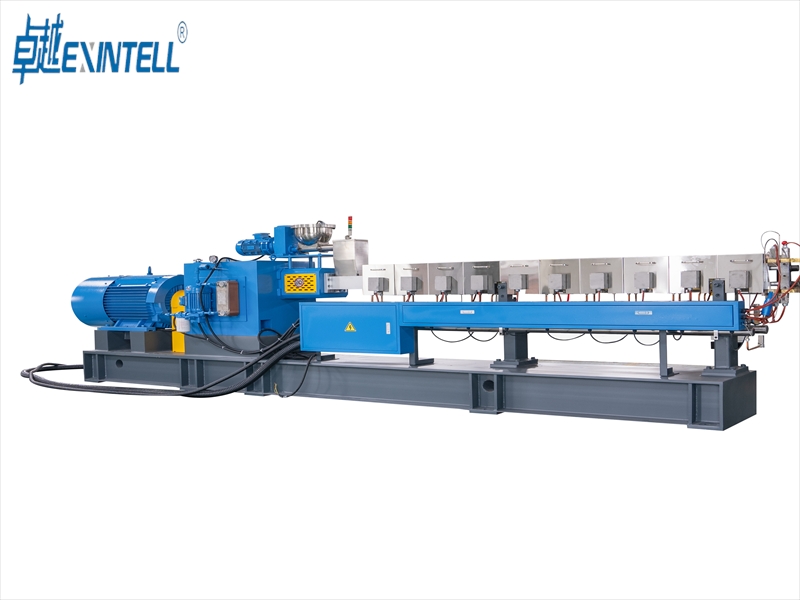
Pandhuan Perbandingan Mesin Pelletizer Plastik kanggo Daur Ulang Modern
Daftar Isi
Pandhuan Perbandingan Mesin Pelletizer Plastik kanggo Daur Ulang Modern
Pilihan mesin pelletizer plastik sing efisien mbentuk sukses operasi daur ulang plastik sampeyan. Saben jinis pelletizer nangani macem-macem bahan kayata PET, HDPE, utawa PP, lan cocog karo skala produksi lan anggaran sing unik. Nalika sampeyan cocog sistem sing bener kanggo daur ulang plastik, sampeyan nambah throughput lan nyuda downtime. Sampeyan uga nambah bathi amarga plastik daur ulang asring biaya proses luwih murah tinimbang bahan anyar. Pelet seragam nambah kualitas produk, printah prices luwih, lan biaya transportasi luwih murah amarga kapadhetan akeh.
Takeaways Key
Pilih jinis pelletizer sing bener adhedhasar bahan plastik sing didaur ulang. Mesin sing beda-beda bisa paling apik karo plastik khusus kaya PET, HDPE, utawa PP.
Coba skala produksi nalika milih pelletizer. Operasi cilik bisa entuk manfaat saka mesin sing luwih prasaja, nalika tanduran luwih gedhe mbutuhake sistem kapasitas dhuwur.
Evaluasi fitur otomatisasi. Mesin kanthi otomatisasi luwih nyuda karya manual nanging mbutuhake operator trampil kanggo pangopènan.
Cocog karo anggaran sampeyan kapabilitas mesin. Opsi sing ramah anggaran kasedhiya kanggo bisnis cilik, nalika sistem dhuwur-mburi nawakake fitur majeng kanggo operasi luwih gedhe.
Pangopènan reguler penting kanggo kinerja sing optimal. Tindakake jadwal pabrikan supaya pelletizer sampeyan tetep lancar lan ngluwihi umure.
Jinis-jinis Mesin Pelet Plastik
Nalika sampeyan milih mesin pelletizer plastik, sampeyan kudu ngerti jinis utama lan cara kerjane. Saben jinis cocog karo kabutuhan lan bahan daur ulang sing beda. Tabel ing ngisor iki nuduhake utama jinis pelletizer plastik lan prinsip operasi dhasar:
Cut plastik leleh ing pasuryan mati, cools karo ring banyu.
Poliolefin kaya PE, PP, PS
Underwater Pelletizing
Cuts nyawiji ing banyu anget kanggo pelet bunder.
Adhesives leleh panas, TPU/TPE, micropellets
Mesin Pelletizer Strand
Sistem pelletizing untaian nyurung plastik sing ilang liwat bolongan kanggo mbentuk untaian. Sampeyan kelangan untaian iki ing banyu, banjur dipotong dadi pelet. Jinis iki bisa digunakake kanggo plastik kekuatan leleh dhuwur kaya PET, PBT, lan ABS. Sampeyan kerep ndeleng mesin pelletizer untaian ing kemasan, otomotif, lan industri konstruksi. Dheweke nangani bahan kayata LDPE, HDPE, PP, lan malah TPE alus utawa EVA.
Panggunaan umum:
Kemasan film lan botol
bagean otomotif
Konstruksi pipa lan panel
Sistem Pelletizer Water-Ring
Sistem pelletizing ring banyu ngethok plastik ing pasuryan mati, banjur adhem pelet nganggo cincin banyu. Cara iki menehi pelet seragam lan nyegah pecah untaian. Sampeyan entuk pendinginan sing apik lan tata letak sing kompak. Sistem pelletizing dering banyu paling apik kanggo plastik alus utawa kurang viskositas kaya PE, PP, lan PS. Padha mbukak kanthi otomatis lan mbutuhake manungsa waé operator sethitik. Nanging, padha ora cocog karo bahan lengket utawa panas-sensitif.
Tip: Pilih sistem pelletizing dering banyu yen sampeyan pengin wangun pelet konsisten lan operasi gampang kanggo polyolefins.
Mesin Pelletizer ing jero banyu
Pelletizer ing jero banyu ngethok plastik leleh langsung ing banyu anget. Proses iki nggawe lancar, pelet bunder. Sampeyan bisa nggunakake sistem iki kanggo daur ulang sawise konsumen, senyawa kapenuhan, lan daur ulang umpluk. Pelletizer ing jero banyu nangani bahan kaya EPS, XPS, lan ETPU. Dheweke nawakake kapasitas dhuwur lan bisa digunakake kanggo aplikasi khusus.
Sistem Pelletizer Air-Cooled
Pelletizer sing digawe adhem hawa nggunakake udhara tinimbang banyu kanggo adhem lan ngalangi pelet. Sampeyan bisa digunakake kanggo bahan sing ora ngidinke banyu, kayata sawetara plastik engineering. Sistem hawa-cooled iku prasaja lan mbutuhake perawatan kurang. Padha cocog karo skala produksi cilik nganti medium.
Mesin Pelletizer Khusus
Mesin pelletizer khusus nyedhiyakake kabutuhan daur ulang niche. Padha kurban fitur kaya output dhuwur, irit energi, lan kontrol pangguna-loropaken. Sampeyan entuk operasi sing dipercaya, reresik gampang, lan selaras karo standar safety. Mesin khusus mbantu sampeyan daur ulang bahan unik lan nyuda biaya.
Single-Screw vs. Twin-Screw, Tahap Tunggal vs. Tahap kaping pindho
Ekstruder sekrup tunggal cocog karo daur ulang dhasar lan bisa digunakake kanthi akeh bahan. Extruders twin-screw menehi campuran sing luwih apik lan output sing luwih dhuwur. Sistem tahap kaping pindho nangani plastik sing luwih rumit utawa kontaminasi. Sampeyan kudu cocog sistem kanggo bahan lan kabutuhan produksi.
Mbandhingake Sistem Pelletizer Plastik
Operasi lan Gampang Gunakake
Nalika sampeyan mbandhingake sistem pelletizer beda, sampeyan sok dong mirsani beda sing jelas babagan cara sampeyan ngoperasikake lan tingkat otomatisasi sing ditawakake. Sawetara mesin nggunakake kontrol lan otomatisasi canggih, nalika liyane gumantung luwih ing pangaturan manual. Tabel ing ngisor iki nyorot utama fitur antarmuka panganggo lan kemampuan otomatis kanggo sistem sing paling umum:
Jinis
Fitur Antarmuka Pangguna
Kapabilitas Otomasi
Ing jero banyu
Die plate khusus, ruang pemotong sing diisi banyu
Otomasi ekstensif karo kontrol PLC kanggo fungsi kritis
Banyu-ring
Migunakake ring banyu, pasuryan mati awet lan lading
Sistem kontrol otomatis kanggo tekanan lan kacepetan nglereni
Strand
Biaya-efektif kanggo ngganti bahan, pangopènan gampang
Automasi winates dibandhingake karo sistem jero banyu
Pelletizers ing jero banyu menehi sampeyan seragam pelet dhuwur lan produksi dipercaya.
Sistem dering banyu njaga ukuran pelet konsisten karo komponen sing tahan lama.
Model canggih ngidini sampeyan ngawasi lan nyetel setelan ing wektu nyata kanggo efisiensi sing luwih apik.
Yen sampeyan pengin sistem sing mbutuhake intervensi operator kurang, sampeyan kudu nimbang jinis jero banyu utawa banyu-ring. Strand pelletizers luwih gampang kanggo njaga lan ngalih ing antarane bahan, nanging sampeyan kudu nindakake karya manual liyane.
Wiwitan lan Maintenance
Start-up and maintenance routines can affect your daily operations and costs. Each pelletizer system has unique requirements:
Water-based systems require ongoing water filtration and temperature control.
Machines with easy blade access and die cleaning help you reduce downtime.
More automation means you spend less time on manual tasks, but you need higher technical skills for troubleshooting.
If you run a small operation, you may prefer strand pelletizers for their simple design and lower cost. For larger or more automated lines, underwater systems offer speed but require skilled staff.
Kompatibilitas materi
You must match your pelletizer to the types of plastics you process. Some machines handle a wide range of materials, while others work best with specific types. Contone, many modern machines canprocess PET, HDPE, lan PP. These plastics appear in bottles, film, and rigid containers. You can use specialized equipment to handle up to 12 jinis plastik, including both soft and hard waste.
Different plastics melt at different temperatures. You may need to adjust your process or use additives to improve compatibility, especially when you recycle mixed materials. For PET and HDPE, you can use copolymers to improve how the materials blend and form pellets. This step helps you get better pellet quality and reduces waste.
Throughput and Production Capacity
Throughput measures how much material your plastic pelletizer machine can process in a given time. You need to choose a system that matches your recycling goals, whether you run a small shop or a large industrial plant.
Single-screw granulators work well for clean, sorted plastics and can process between 200 lan 2,000 kg saben jam. Twin-screw granulators handle more complex or contaminated materials and can exceed 3,000 kg saben jam. The chart below shows the typicalthroughput rangesfor different machine types:
The table below summarizes how production scale affects your choice:
Some machines work best for soft plastics, while others handle rigid types.
You should match the machine size to your output needs.
The cooling method—water, hawa, or cold—also affects which materials you can process and your final pellet quality.
By understanding these differences, you can select the right pelletizer for your plastic recycling operation and maximize your efficiency.
Budget-Friendly vs. High-End Plastic Pelletizer Machines
Features of Budget-Friendly Machines
You may want a plastic pelletizer machine that fits a tight budget. Budget-friendly machines offer simple construction and basic controls. These machines often use manual adjustments and have fewer automation features. You can see the main features and their impact inthe table below:
You can use these machines for small-scale plastic recycling. Contone, a local recycler may process PET bottles with a basic pelletizer. You get reliable pellets for local markets, but you may need more labor.
Features of High-End Machines
High-end pelletizer systems give youotomatisasi majeng, throughput sing luwih dhuwur, and better material compatibility. You can process a wide range of plastics, including complex or contaminated streams. These machines often include touch-screen controls, ngawasi wektu nyata, and automatic cleaning. You will see less downtime and higher product quality. Industrial-scale recycling plants use these machines to meet strict quality standards and boost efficiency.
Tip: Choose a high-end system if you want to scale up production, handle mixed materials, or need consistent pellet quality for demanding customers.
Price Ranges and Investment Considerations
Prices for plastic pelletizer machines range from $50,000 for basic models to over $200,000 for advanced systems. You should consider several factors before you invest:
Technological features that improve efficiency and quality
Environmental compliance to meet regulations
After-sales support from your supplier
You can start with a budget-friendly pelletizer for small recycling projects. As your operation grows, you may upgrade to a high-end system for greater output and flexibility.
Choosing the Right Plastic Pelletizer Machine
Assessing Material Types
You should start by identifying the types of plastics you plan to process. Each plastic pelletizer machine works best with certain materials. Contone, PET, HDPE, and PP have different melting points and moisture sensitivities. Tabel ing ngisor iki mbandhingakehow common pelletizing methods handle various plastics:
Faktor
Gantry Cutting Machine
Horizontal Water Ring Cutting
Underwater Cutting
Tipe Plastik
ABS, PA
PE, PP, sawetara plastik engineering
High-melt-index plastics (PP non woven)
Kualitas Pellet
Smooth, seragam
Even cooling, stabil
Minimal oxidation, high quality
Efisiensi Produksi
Small to medium batches
terus-terusan, efficiency dhuwur
throughput dhuwur, bahan khusus
Maintenance Cost
Komplek, more downtime
Prasaja, fast blade change
Moderate, water checks needed
Dampak Lingkungan
Moderate water, drying needed
High water, excellent cooling
High water, good for recycling
You also need to consider factors like pelletizing method, machine capacity, diameteripun meneng, lan sistem cooling. Moisture content in your material affects pellet quality and machine reliability. Too much moisture can cause blockagesand uneven pellets.
Determining Production Scale
You must match your pelletizer to your expected production volume. Small-scale recycling operations often usemachines with 100–300 kg/h capacity. Medium or large plants may need systems that process up to several tons per hour. Use these steps to guide your decision:
Single-stage systems suit small batchesand lower costs. Double-stage systems fit large-scale production and offer better consistency. Always align your choice with your recycling goals.
Balancing Cost and Performance
You can balance cost and performance by using smart strategies. Schedule production during off-peak hours to save on electricity. Use high-efficiency motors and load balancing features to cut energy costs. Batch scheduling and just-in-time processing reduce waste during startup and idle times.
Tip: A European packaging companyimproved their efficient plastic reprocessing system by choosing the right pelletizing system. They saw a 22% reduction in film thickness variation and an 18% increase in speed. A furniture manufacturer in China used a pelletizer to reprocess plastic materials waste, cutting raw material costs by 35%.
When you match the right system to your needs, you build a reliable plastic recycling operation.
Choosing the right plastic pelletizer machine shapes your plastic recycling results. Ing table below highlights key differencesamong major pelletizer types:
What is the main benefit of using a pelletizer machine in plastic recycling?
You improve material quality and consistency with a pelletizer machine. This step helps you create uniform pellets, which makes downstream processing easier and increases the value of recycled plastics.
How do I choose the right pelletizer for my recycling operation?
You should consider your material type, skala produksi, lan budget. Match the machine’s features to your needs. Consult with equipment experts to ensure you select the best fit for your recycling goals.
Can one pelletizer handle all types of plastics?
Most pelletizers work best with specific plastics. You need to check the machine’s compatibility with your material stream. Some advanced systems process a wider range, but you should always confirm before purchasing.
How often should I maintain my pelletizer machine?
You should follow the manufacturer’s maintenance schedule. Regular cleaning and blade checks keep your machine running smoothly. Preventive maintenance reduces downtime and extends equipment life.
Is a high-end pelletizer always better for plastic recycling?
A high-end pelletizer offers more automation and higher output. Nanging, you may not need advanced features for small-scale recycling. Choose a machine that matches your operation size and budget.