

Strand Pelletizer utawa Underwater Pelletizer Sing Tengen kanggo Proses Sampeyan
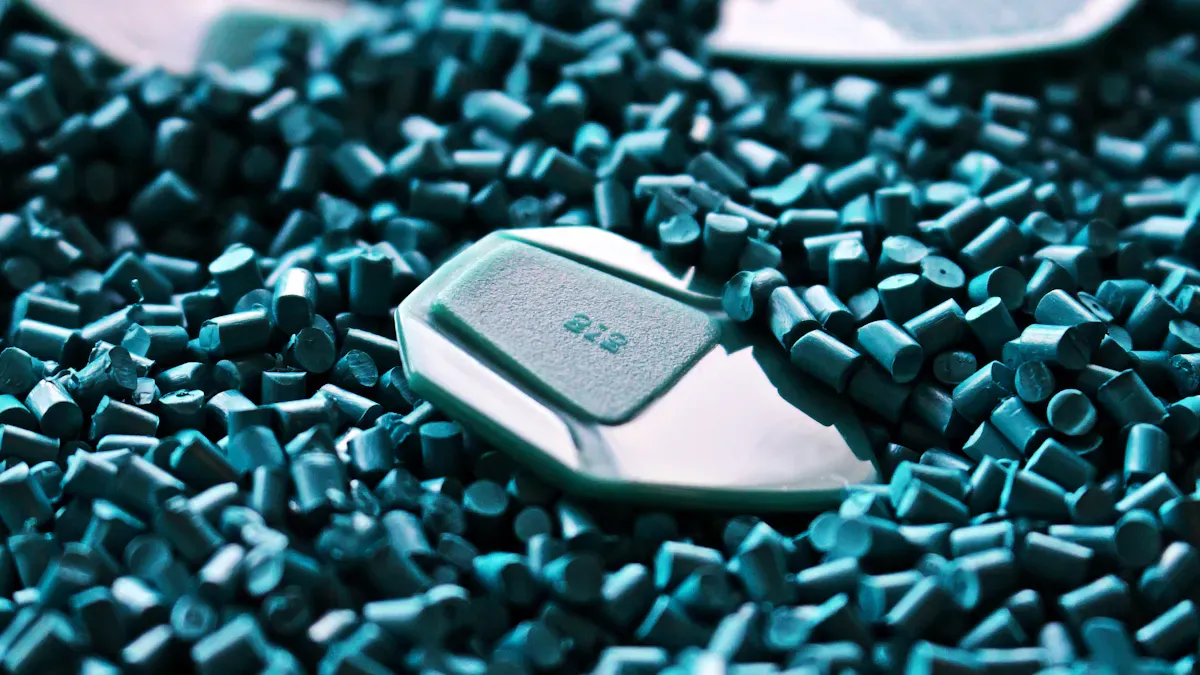
Sistem Strand lan Underwater Pelletizer beda-beda ing cara pendinginan lan pemotongan, skala produksi, lan kualitas pellet. Strand pelletizers kelangan untaian polimer ing trough banyu, nalika Unit Underwater Pelletizer Cut pelet kanthi submerged, ngasilake pelet sing seragam banget lan nangani throughput sing luwih dhuwur.
Kanggo polimer viskositas dhuwur, Sistem Pelletizer Underwater nampung nganti 70,000 lb/jam lan paling jinis polimer, kaya ing ngisor iki:
| Tipe Sistem | Volume Produksi | Kompatibilitas materi |
|---|---|---|
| Underwater Pelletizing | Nganti 70,000 lb/jam | Paling polimer |
| Strand Pelletizing | Nganti 44,000 lb/jam | Variabel, tantangan karo bahan kurang-viskositas |
Coba jinis materi, kontaminasi, throughput, lan kualitas pelet nalika milih pelletizer.
Takeaways Key
- Strand pelletizers kelangan untaian polimer ing banyu, nalika pelletizers ing jero banyu Cut pelet submerged ing banyu, mengaruhi kualitas pelet lan skala produksi.
- Pelletizers ing jero banyu bisa nangani nganti 70,000 lb/jam, nggawe wong becik kanggo polimer viskositas dhuwur lan produksi skala gedhe.
- Pilih pelletizer ing jero banyu kanggo aplikasi sing mbutuhake seragam, pelet bunder kanthi bledug minimal; pelletizers untaian ngasilake pelet silinder nanging ngasilake luwih akeh bledug.
- Pangopènan luwih gampang kanggo pelletizers untaian amarga desain garing, nalika sistem ing jero banyu mbutuhake reresik luwih rumit amarga cahya banyu.
- Coba kompatibilitas materi: sistem jero banyu bisa karo sawetara luwih akeh saka polimer, kalebu viskositas dhuwur lan bahan sing kontaminasi.
- Evaluasi kabutuhan produksi: pelletizers untaian luwih apik kanggo owah-owahan materi sing kerep, nalika sistem jero banyu unggul ing terus-terusan, operasi-output dhuwur.
- Evaluasi biaya kasebut kanthi teliti: pelletizer ing jero banyu duwe biaya dhisikan lan operasi sing luwih dhuwur, nanging bisa uga nawakake tabungan jangka panjang ing lingkungan volume dhuwur.
- Gunakake dhaptar priksa pilihan kanggo nyelarasake pilihan pelletizer karo materi tartamtu, throughput, lan syarat anggaran.
Ringkesan Perbandingan Pelletizer
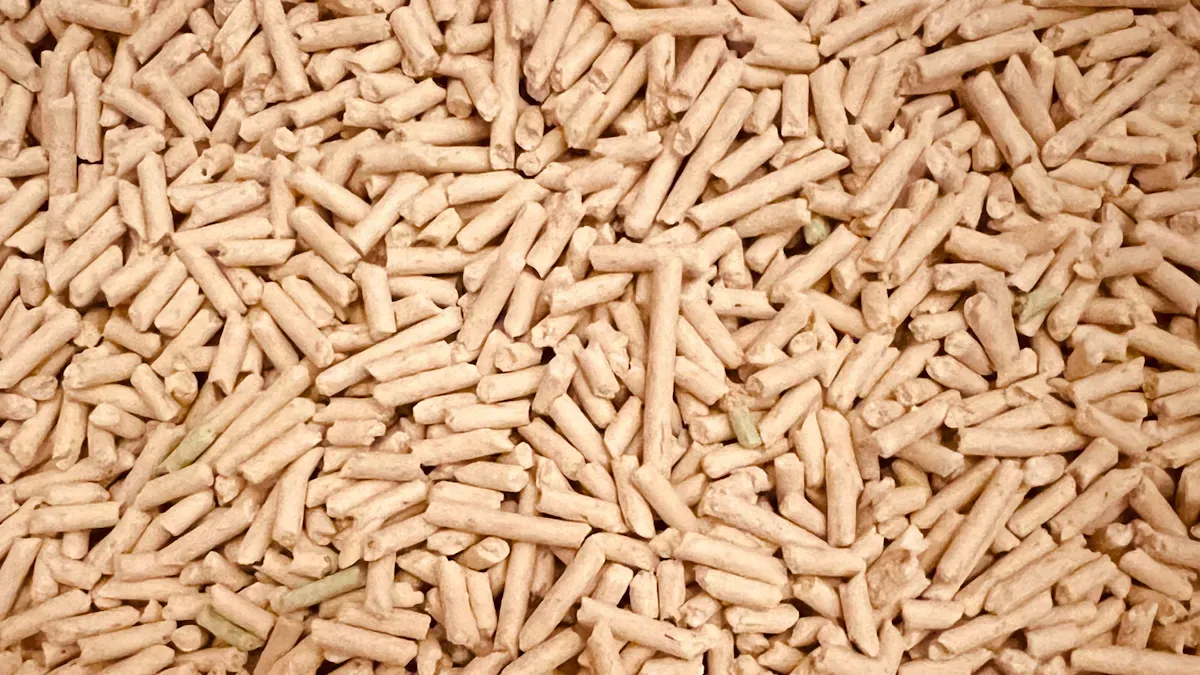
Strand vs Underwater Pelletizer Tabel
Milih pelletizer sing tepat kanggo proses sampeyan mbutuhake pangerten sing jelas babagan kinerja saben sistem ing metrik kritis. Tabel ing ngisor iki nyedhiyakake perbandingan sisih-sisih saka untaian lan pelletizer ing jero banyu, fokus ing wangun pelet, variasi ukuran, generasi bledug, volume produksi, lan kompatibilitas materi.
| Metrik | Underwater Pelletizing | Strand Pelletizing |
|---|---|---|
| Wangun Pelet | Bunder | Silinder |
| Variasi Ukuran | < ± 5% | < ± 10-15% |
| Generasi bledug | Kurang | More |
| Volume Produksi | Nganti 70,000 lb/jam | Nganti 44,000 lb/jam |
| Kompatibilitas materi | Paling polimer | Variabel, tantangan karo bahan kurang-viskositas |
Tip: Kanggo aplikasi nuntut pelet sing seragam lan bledug minimal, sistem pelletizer ing jero banyu asring ngirim asil unggul.
Metrik Kunci Dibandhingake
Nalika ngevaluasi opsi pelletizer, manufaktur kudu nimbang sawetara aspèk tombol:
- Kualitas Pellet: Unit pelletizer ing jero banyu ngasilake seragam banget, pelet bunder kanthi bledug minimal amarga pendinginan banyu kanthi cepet. Sistem pelletizer untaian ngasilake pelet silinder, nanging cenderung nggawe luwih akeh bledug lan denda, sing bisa mengaruhi pangolahan hilir.
- Requirements pangopènan: Peralatan pelletizer ing jero banyu kalebu komponen sing luwih rumit lan cahya banyu, anjog kanggo kabutuhan pangopènan sing luwih dhuwur. Mesin pelletizer Strand nduweni fitur sing luwih gampang, desain garing, nggawe wong luwih gampang lan luwih cepet kanggo njaga.
- Kompatibilitas materi: Teknologi pelletizer ing jero banyu nangani macem-macem polimer, kalebu viskositas dhuwur lan bahan khusus. Sistem pelletizer untaian bisa digunakake kanthi apik karo umume plastik, nanging bisa uga berjuang karo viskositas kurang utawa polimer lengket.
- Efisiensi Produksi: Garis pelletizer ing jero banyu ndhukung terus, operasi dhuwur-output, nggawe wong becik kanggo produksi gedhe-ukuran. Persiyapan pelletizer strand asring dioperasikake kanthi batch lan biasane menehi throughput sing luwih murah.
- Pertimbangan biaya: Sistem pelletizer ing jero banyu mbutuhake investasi awal sing luwih dhuwur lan biaya pangopènan sing terus-terusan. Solusi pelletizer untaian umume luwih larang kanggo operasi sing luwih cilik utawa owah-owahan materi sing kerep.
Produsen ing industri kayata otomotif, pambungkus, lan elektronik kudu cocog syarat proses kanggo kekuatan saben jinis pelletizer. Pilihan sing tepat gumantung saka kualitas pelet sing dikarepake, jinis materi, volume produksi, lan anggaran operasional.
Carane Saben Pelletizer Works
Proses Strand Pelletizer
Cooling lan Cutting
Sistem pelletizer untaian beroperasi kanthi ngowahi polimer cair dadi pelet silinder. Proses kasebut diwiwiti kanthi menehi materi menyang compactor nggunakake conveyor sabuk. Kacepetan pakan bisa diatur, lan deteksi logam asring kalebu kanggo nyegah kontaminasi. Pisau Rotary nang compactor shred lan panas materi, densifying sadurunge lumebu ing meneng extruder. Extruder nyawiji polimer, lan sistem vakum mbusak impurities. Sawise polimer wis rampung ilang, iku pindhah menyang sirah mati. kene, untaian molten dipotong lan digawe adhem ing a ring banyu, sing ngilangake perlu kanggo nangani untaian manual. Cincin banyu njamin pendinginan kanthi cepet lan mbantu njaga bentuk pelet.
Cathetan: Cara cooling ring banyu ing sistem pelletizer untaian efisien kanggo umume plastik rekayasa, nanging bisa uga berjuang karo polimer lengket utawa kurang viskositas.
Tata letak peralatan
Tata letak peralatan kanggo pelletizer untaian biasane kalebu sawetara komponen utama:
- Compactor karo dipakani luwes lan deteksi logam
- Extruder sekrup tunggal kanthi degassing vakum
- Die sirah kanggo pembentukan untaian
- Ring banyu kanggo cooling lan pelletizing
- Sistem konveyor kanggo koleksi pelet
Tata letak iki ndhukung pangopènan sing gampang lan owah-owahan materi sing cepet. Desain garing nyuda downtime lan nyederhanakake reresik. Operator bisa gampang ngakses compactor lan extruder kanggo pemeriksaan rutin.
Proses Pelletizer Underwater
Ing-Banyu Cutting lan Cooling
Proses pelletizer ing jero banyu dirancang kanggo produksi polimer volume dhuwur lan viskositas dhuwur. Operasi diwiwiti kanthi ngurutake bahan kanggo misahake plastik sing bisa didaur ulang saka sing ora bisa didaur ulang. Sawise ngurutake, bahan dikumbah kanggo mbusak rereged lan banjur garing kanggo nyiapake kanggo leleh. Plastik garing dilebur kanggo mbentuk polimer sing homogen. Polimer molten banjur dilebokake langsung menyang kamar banyu. Nang kamar iki, pelletizer ngethok polimer menyang pelet nalika kebak submerged. Lingkungan ing jero banyu nyedhiyakake pendinginan kanthi cepet, asil banget seragam, pellet bunder. Cara iki nyuda bledug lan denda, nggawe becik kanggo aplikasi sing mbutuhake kualitas pelet sing ketat.
Tip: Sistem pelletizer ing jero banyu unggul ing ngolah bahan baku sing kontaminasi lan polimer khusus amarga kemampuan pendinginan lan pemotongan sing kuwat..
Setup Sistem
Persiyapan pelletizer jero banyu sing khas kalebu:
- Ngurutake lan ngumbah unit kanggo persiapan materi
- Peralatan pangatusan kanggo njamin kualitas leleh optimal
- Extruder kanggo leleh lan homogenizing polimer
- Kamar banyu karo sirah nglereni terpadu
- Sistem koleksi pelet lan pangatusan
Konfigurasi iki ndhukung proses terus-terusan lan throughput sing dhuwur. Kepala nglereni ing jero banyu beroperasi ing kamar banyu, ngidini pembentukan pelet sing tepat lan pendinginan kanthi cepet. Pangopènan luwih rumit amarga paparan banyu lan integrasi sistem, nanging keuntungan ing kualitas pelet lan volume produksi pinunjul.
Bentenipun Key ing Pilihan Pelletizer
Kesesuaian Proses
Throughput lan Fleksibilitas
Pilihan pelletizer gumantung banget marang syarat throughput lan keluwesan operasional. Produsen kudu ngevaluasi ukuran kabutuhan pangolahan lan jinis polimer sing melu. Tabel ing ngisor iki ngringkes kapasitas throughput kanggo macem-macem jinis pelletizer:
| Tipe Pelletizer | Kapasitas throughput |
|---|---|
| Strand Pelletizer | Kurang nganti Sedheng |
| Water-Ring Pelletizer | Sedheng nganti Dhuwur |
| Pelletizer ing jero banyu | Dhuwur nganti Dhuwur Banget |
Pelletizers Strand nangani throughput sing kurang nganti medium lan nawakake macem-macem polimer, kalebu bahan sing sensitif panas. Pelletizer dering banyu ndhukung throughput medium nganti dhuwur, nggayuh babagan 11,000 kilogram saben jam. Sistem pelletizer ing jero banyu unggul ing skenario throughput dhuwur nganti dhuwur banget, pangolahan nganti 70,000 kilogram saben jam. Sistem kasebut cocog kanggo polimer sing tantangan kayata PET, PA, TPU, lan bioplastik.
Cathetan: Kanggo produksi gedhe-gedhe lan polimer nuntut, Unit pelletizer ing jero banyu nyedhiyakake throughput sing ora cocog lan operasi sing terus-terusan.
Ganti Material
Ganti materi sing kerep dadi pertimbangan kritis kanggo akeh prosesor. Sistem pelletizer Strand nduweni fitur sing gampang, desain garing sing ngidini kanggo reresik cepet lan changeovers cepet. Operators can switch between materials with minimal downtime, making strand pelletizers suitable for facilities that process multiple polymer types or require frequent batch changes.
Underwater pelletizer systems, while offering superior throughput, involve more complex cleaning procedures due to water exposure and integrated cutting heads. Material changeover takes longer, and specialized cleaning protocols are necessary to prevent contamination, especially when switching between polymers with different properties.
Kompatibilitas materi
Viscosity and Contamination
Material compatibility influences pelletizer performance and maintenance. Strand pelletizers work well with most plastics but may struggle with sticky or low-viscosity polymers. Underwater pelletizer systems handle a broader range of viscosities, including high-viscosity and specialty polymers.
Contamination management is essential in both systems. Proper die-to-blade alignment prevents contamination from fines and dust. Contaminated materials can degrade die surfaces, increasing maintenance needs. Underwater pelletizer units are robust against contamination, especially when processing recycled or specialty feedstocks. Cleaning protocols for polymers like PVC and TPEs must be followed to maintain pellet quality and prevent system degradation.
Jinis Polimer
The compatibility of pelletizer systems with various polymer types is outlined below:
| Jinis Bahan | Kompatibilitas |
|---|---|
| Polyolefins | PP, PE |
| Rekayasa Plastik | ABS, TPU, TPE, PA |
| Biodegradable Plastics | PLA, PBAT, PHA, polimer adhedhasar pati |
| Produksi Masterbatch | Color masterbatch, masterbatch pangisi, aditif |
| Chemical and Resin Prod. | Hot-melt adhesives, elastomer, polimer reaktif |
| High-MFI Materials | Suitable for underwater pelletizer systems |
Strand pelletizers are versatile for polyolefins and engineering plastics. Sistem pelletizer ing jero banyu nampung sawetara sing luwih akeh, kalebu plastik biodegradable, produksi masterbatch, lan bahan MFI dhuwur sing ora bisa dilebokake kanthi nggunakake sistem untaian utawa dering banyu.
Kualitas Pellet
Ukuran lan Wujud Keseragaman
Kualitas pelet mengaruhi pangolahan hilir lan kinerja produk pungkasan. Sistem pelletizer ing jero banyu ngasilake seragam banget, pelet bunder kanthi variasi ukuran biasane kurang saka ± 5%. Strand pelletizers ngasilake pelet silinder kanthi variasi ukuran nganti ± 10-15%. Keseragaman penting kanggo aplikasi sing mbutuhake aliran pelet sing konsisten lan bledug minimal.
Tip: Pilih sistem pelletizer ing jero banyu kanggo aplikasi sing nuntut ukuran pelet sing ketat lan keseragaman wangun.
Dampak Pangolahan Hilir
Bentuk lan kualitas pelet mengaruhi efisiensi pangolahan hilir. Pelet bunder saka sistem jero banyu mili lancar ing peralatan pneumatik lan pakan. Generasi bledug sing suda nyuda kontaminasi lan nyandhang ing mesin hilir. Pelet silinder saka pelletizer untaian bisa ngasilake denda liyane, mengaruhi proses filtrasi lan compounding.
Produsen kudu netepake kepiye kualitas pelet mengaruhi langkah-langkah sabanjure, kayata ekstrusi, ngecor, utawa campuran. Milih pelletizer sing tepat njamin kinerja sing optimal ing saindhenging rantai produksi.
Pangopènan lan Operasi
Reresik lan Downtime
Reresik rutin lan nyuda downtime minangka faktor kritis ing pilihan pelletizer. Sistem pelletizer Strand nduweni fitur sing gampang, desain garing. Operator bisa ngakses komponen kunci kanthi cepet, sing ngidini kanggo reresik cepet antarane mlaku produksi. Desain iki nyuda risiko kontaminasi silang nalika ngoper bahan. Umume unit pelletizer untaian mung mbutuhake pembongkaran dhasar kanggo ngresiki, lan anané banyu ing wilayah nglereni simplifies pangopènan.
Sistem pelletizer ing jero banyu nampilake skenario sing beda. Integrasi banyu ing kamar nglereni ngenalaken syarat reresik tambahan. Cairan banyu bisa nyebabake akumulasi mineral, karat, utawa pertumbuhan mikroba yen ora dikelola kanthi bener. Operator kudu ngetutake protokol reresik sing ketat kanggo njaga kebersihan sistem lan nyegah kontaminasi pelet. Ngresiki sirah pemotong ing jero banyu lan sistem sirkulasi banyu asring mbutuhake wektu luwih akeh lan mbutuhake alat utawa bahan kimia khusus. Downtime kanggo pangopènan biasane luwih dawa karo peralatan pelletizer ing jero banyu, utamané nalika ngganti materi utawa nalika ngolah polimer lengket.
Cathetan: Facilities that require frequent material changes or rapid cleaning cycles often prefer strand pelletizer systems due to their ease of maintenance and reduced downtime.
System Complexity
System complexity directly impacts operator training, ngatasi masalah, lan linuwih jangka panjang. Strand pelletizer machines use a simple mechanical layout. Most operators can learn to run and maintain these systems with minimal training. Fewer moving parts and a dry environment reduce the likelihood of mechanical failure.
Underwater pelletizer systems are more complex. These units combine extrusion, water management, and in-water cutting in a single integrated process. Operators must monitor water temperature, flow rate, and pelletizer blade condition. Automated controls and sensors are common, but they add to the learning curve. Ngatasi masalah sistem pelletizer ing jero banyu asring mbutuhake kawruh khusus lan dhukungan teknis. Kerumitan sistem kasebut bisa nambah risiko downtime sing ora direncanakake yen ora dikelola dening personel sing berpengalaman.
Tip: Sistem pelletizer untaian sing luwih gampang cocog kanggo fasilitas sing duwe staf teknis sing winates utawa sing gampang digunakake minangka prioritas.
Faktor Biaya
Investasi wiwitan
Investasi awal kanggo sistem pelletizer beda-beda gumantung saka teknologi lan syarat produksi. Unit pelletizer Strand umume duwe biaya ngarep sing luwih murah. Desain sing prasaja, komponen kurang, lan kabutuhan manajemen banyu sing minimal nggawe bisa diakses kanggo operasi cilik nganti medium. Instalasi langsung, lan umume fasilitas bisa nggabungake peralatan pelletizer untaian tanpa owah-owahan infrastruktur utama.
Underwater pelletizer systems require a higher initial investment. These systems include advanced water handling, automated controls, and robust cutting mechanisms. The need for specialized installation and integration with existing processing lines can further increase costs. Nanging, the higher investment often pays off in large-scale operations where throughput and pellet quality are critical.
| Tipe Pelletizer | Typical Initial Investment | Kompleksitas Instalasi |
|---|---|---|
| Strand Pelletizer | Low to Moderate | Prasaja |
| Pelletizer ing jero banyu | dhuwur | Komplek |
Cathetan: Consider both current and future production needs when evaluating initial investment. A higher upfront cost may deliver long-term savings in high-volume environments.
Beban Operasi
Operating expenses include maintenance, konsumsi energi, water usage, and spare parts. Strand pelletizer systems offer lower ongoing costs. Their dry operation reduces water and energy consumption. Maintenance is less intensive, and spare parts are typically less expensive.
Underwater pelletizer systems incur higher operating expenses. Continuous water circulation, filtrasi, and drying increase utility costs. Maintenance is more frequent due to water exposure and the complexity of the cutting mechanism. Replacement parts for underwater pelletizer units can be costly, especially for specialized blades or seals. Facilities must also account for water treatment and disposal, which adds to the total cost of ownership.
Tip: Calculate total cost of ownership, not just initial price, when selecting a pelletizer. Higher operating expenses can offset the benefits of increased throughput if not managed carefully.
Underwater Pelletizer and Strand Pelletizer Applications
Strand Pelletizer Applications
Strand pelletizer systems serve a wide range of industries due to their versatility and straightforward operation. These machines are especially valuable in environments where frequent material changes and easy maintenance are priorities.
Rekayasa Plastik
Strand pelletizers are widely used for engineering plastics. They process materials such as polypropylene, poliethelin, and glass fiber reinforced compounds. These plastics are common in automotive, listrik, lan manufaktur barang konsumen.
| Engineering Plastic Type | Katrangan |
|---|---|
| Polipropilena (PP) | Widely used in dry strand pelletizers for processing. |
| Poliethelin (PE) | Commonly processed using strand pelletizers. |
| Glass Fiber Reinforced | Frequently processed with strand pelletizers. |
Strand pelletizers maintain pellet quality for these materials, supporting consistent downstream processing.
Bahan Daur Ulang
Plastic recycling plants ngandelake sistem pelletizer untaian kanggo ngowahi sampah pasca-konsumen lan pasca-industri dadi pelet sing bisa digunakake maneh. Sistem iki nangani macem-macem plastik daur ulang, nggawe penting kanggo operasi daur ulang sampah. Desain garing saka pelletizers untaian ngidini kanggo reresik efisien, sing penting nalika ngalih ing antarane bahan daur ulang sing beda.
Majemuk
Fasilitas komponèn nggunakake pelletizer untaian kanggo nyampur polimer karo aditif, pangisi, utawa pewarna. Pelet sing diasilake digunakake ing film, lembaran, lan pangolahan serat, uga ing operasi ngecor injeksi lan jotosan.
| Jinis Aplikasi |
|---|
| Plastic recycling plants |
| Penggabungan lan manufaktur plastik |
| Film, lembaran, lan pangolahan serat |
| Operasi ngecor injeksi lan jotosan |
Strand pelletizers nawakake keluwesan kanggo garis compounding sing mbutuhake owah-owahan formulasi sing kerep.
Aplikasi Pelletizer ing jero banyu
Sistem pelletizer ing jero banyu dirancang kanggo lingkungan kinerja dhuwur. Mesin kasebut unggul ing aplikasi ing ngendi pellet uniformity, throughput dhuwur, lan kemampuan kanggo nangani materi tantangan iku kritis.
Polimer Viskositas Dhuwur
Teknologi pelletizer ing jero banyu ngasilake pelet sing seragam kanthi ukuran lan variasi bentuk sing minimal. Kapabilitas iki penting banget kanggo polimer viskositas dhuwur, ngendi pelletizing untaian tradisional bisa perjuangan karo konsistensi lan breakage untaian. Proses pemotongan lan pendinginan ing jero banyu njamin pembentukan pelet sing dipercaya, malah karo bahan nuntut.
- Pelletizing ing jero banyu ngasilake pelet sing seragam kanthi ukuran lan variasi wangun sing minimal, nggawe mupangati kanggo bahan viskositas dhuwur.
- Strand pelletizing bisa uga ngadhepi tantangan kanggo njaga konsistensi lan kualitas nalika ngolah polimer viskositas dhuwur amarga proses wiwitan manual lan potensial rusak untaian..
Bahan Pakan sing Kontaminasi
Sistem pelletizer ing jero banyu kuwat nglawan kontaminasi. Dheweke ngolah bahan baku daur ulang lan khusus kanthi tingkat najis sing dhuwur. Kamar banyu terpadu lan sirah pemotong mbantu ngatur rereged, ngurangi risiko denda lan ningkatake kualitas pelet. Iki nggawe pelletizer ing jero banyu cocog kanggo daur ulang sampah lan aplikasi pelletizing plastik biodegradable.
Produksi Volume Dhuwur
Produsen milih sistem pelletizer ing jero banyu kanggo jalur produksi volume dhuwur. Mesin iki ndhukung operasi terus-terusan lan bisa ngolah nganti 70,000 kilogram saben jam. Lingkungan ing jero banyu mbisakake pendinginan kanthi cepet, sing penting kanggo njaga kualitas pelet ing skala gedhe.
Tuladha Industri
Pilihan pelletizer gumantung ing kabutuhan tartamtu saka saben industri. Sistem pelletizer untaian lan jero banyu nduweni peran penting ing manufaktur modern.
Otomotif
Automotive suppliers use strand pelletizers for engineering plastics and glass fiber reinforced compounds. These pellets are used in interior components, under-the-hood parts, and exterior trim. Underwater pelletizer systems support the production of specialty polymers and recycled materials for lightweight and sustainable automotive parts.
Kemasan
Ing packaging industry is the leading sector for underwater pelletizer systems. These machines produce high-quality, consistent pellets for both flexible and rigid packaging materials. Underwater pelletizers enable the recycling of plastics into uniform pellets, supporting sustainable packaging and circular economy initiatives. They are used to produce recycled plastic pellets for injection molding, ekstrusi, and blow molding—processes that are crucial for creating new packaging products.
Recycled plastic pellets from underwater pelletizer systems are also used in the manufacturing of packaging materials, bagean otomotif, and everyday items. This versatility highlights the importance of underwater pelletizers in the packaging sector.
Elektronika
Electronics manufacturers require precise pellet quality for components such as housings, konektor, and insulation. Strand pelletizers process engineering plastics for these applications. Underwater pelletizer systems handle specialty polymers and high-volume production, supporting the electronics industry’s demand for consistent and reliable materials.
Cathetan: The choice between strand and underwater pelletizer systems depends on material type, contamination level, lan skala produksi. Manufacturers should evaluate their process requirements to select the most suitable pelletizer for their application.
Pelletizer Selection Guide
Choosing the right pelletizer for your operation requires a structured approach. This guide provides a practical checklist and a decision flowchart to help you align your equipment selection with your production goals.
Daftar Priksa Pilihan
A systematic evaluation ensures that your pelletizer matches your material and operational needs. Use the following checklist to guide your decision:
Material Assessment
- Identify the type of polymer you plan to process (contone., PET, HDPE, LDPE, plastik engineering).
- Assess contamination levels in your feedstock. High contamination may require robust cleaning or specialized configurations.
- Consider if your application involves specialty materials, such as those used in biodegradable plastic pelletizing.
Volume Produksi
- Estimate your required throughput. High-volume operations often benefit from underwater systems due to their continuous operation and capacity.
- Determine if your production is batch-based or continuous. Underwater pelletizers excel in continuous, large-scale environments.
Pellet Quality Needs
- Define the desired pellet shape and size uniformity. Spherical pellets from underwater systems offer superior consistency.
- Evaluate the importance of dust and fines control for your downstream processing.
- Review blade design and material, as sharp and durable blades improve cutting precision and pellet quality.
Anggaran
- Calculate your available budget for initial investment and ongoing operating expenses.
- Factor in maintenance, energi, and water usage. Underwater systems typically have higher costs but deliver greater throughput and pellet quality.
Tip: Maintenance and ease of use are critical for facilities with frequent material changes or limited technical staff.
Decision Flowchart
The following tables summarize the main decision points when selecting between strand and underwater pelletizer systems:
| Tipe Pelletizer | Paling apik Kanggo | Wangun Pelet | Biaya Relatif |
|---|---|---|---|
| Strand pelletizer | PE, PP, PS - resik feedstock | Silinder | kurang |
| Pelletizer ing jero banyu | PET, PA, plastik engineering | Bunder | dhuwur |
| Faktor | Katrangan |
|---|---|
| Jinis Bahan | Different materials (PET, HDPE, LDPE) have unique challenges and needs regarding processing. |
| Contamination Level | Contamination control is crucial for maintaining processing stability and quality of pellets. |
| Configuration Requirements | Specific configurations are needed based on the type of material and contamination present. |
Cathetan: Underwater pelletizer systems are preferred for high-viscosity polymers, contaminated feedstocks, and applications requiring strict pellet uniformity. Strand pelletizers remain a cost-effective choice for clean, standard materials and frequent changeovers.
By following this checklist and reviewing the decision tables, you can confidently select the pelletizer that aligns with your processing requirements, whether you focus on high-volume underwater production or flexible strand operations.
Choosing between strand and underwater systems depends on your process needs. Underwater solutions deliver high throughput, pelet seragam, and handle challenging materials. Strand systems offer easier maintenance and faster changeovers. Gunakake ing comparison table below to evaluate brands and capacities:
| Brand/Model | Kapasitas maksimal (kg/jam) | Power (kW) | Applicable Materials | Reference price (USD) |
|---|---|---|---|---|
| Seri Coperion ZSK | 2000 | 250 | Rekayasa plastik, PE/PP | 150,000-300,000 |
| Wintech | 800 | 90 | PE film, agricultural waste | 45,000-65,000 |
| Domestic economic granulator | 300 | 55 | PVC, ABS | 15,000-25,000 |
Consider these factors:
- Type of plastic
- Required throughput
- Desired pellet quality
- Operational needs
For complex underwater applications, consult suppliers or technical experts to ensure the right pelletizer choice.
FAQ
What is the main difference between strand and underwater pelletizers?
Strand pelletizers cut and cool polymer strands outside the die, while underwater pelletizers cut pellets directly in water. Underwater systems deliver more uniform pellets and higher throughput.
Which pelletizer is better for frequent material changes?
Strand pelletizers allow faster cleaning and easier material changeovers. Their dry design reduces downtime, making them ideal for operations that switch materials often.
Can underwater pelletizers handle recycled or contaminated materials?
ya wis. Underwater pelletizers process contaminated or recycled feedstocks efficiently. Their robust water-based system manages impurities and maintains pellet quality.
How does pellet shape affect downstream processing?
Spherical pellets from underwater systems flow smoothly in pneumatic conveyors and feeders. Cylindrical pellets from strand systems may generate more dust, which can impact equipment and product quality.
Are underwater pelletizers more expensive to operate?
Operating costs for underwater pelletizers are higher. These systems require more water, energi, lan pangopènan. Facilities must also manage water treatment and specialized spare parts.
What types of polymers work best with strand pelletizers?
Strand pelletizers perform well with polyolefins, plastik engineering, and clean feedstocks. They may struggle with sticky or low-viscosity polymers.
How do I choose the right pelletizer for my process?
Assess your material type, required throughput, pellet quality needs, lan budget. Use the selection checklist and consult with suppliers for complex requirements.