

Takeaways Key
-
Extruders plastik ngowahi pelet plastik mentah dadi produk rampung liwat proses langkah-langkah.
-
Fungsi utama extruder plastik kalebu pemanasan, nyampur, meksa, mbentuk, lan cooling materi.
-
Milih termoplastik sing tepat penting kanggo nggayuh sifat lan aplikasi produk sing dikarepake.
-
Ngawasi suhu lan tekanan sing tepat sajrone ekstrusi njamin kualitas sing konsisten lan nyegah cacat.
-
Cooling methods significantly affect the final product's strength and appearance; milih cara sing bener kanggo saben aplikasi.
-
Langkah-langkah pangolahan hilir kaya nglereni lan mbentuk nambah nilai lan kegunaan produk sing diekstrusi.
-
Pangopènan rutin komponen kaya die lan hopper penting kanggo operasi sing efisien lan kualitas produk.
-
Understanding kaluwihan lan tantangan saka ekstrusi plastik mbantu ngoptimalake produksi lan nyukupi panjaluk industri.
Dasar Extruder Plastik
Apa Extruder Plastik
Aku gumantung ing a extruder plastik saben dina ing proses manufaktur. Mesin iki nduweni peran penting kanggo ngowahi plastik mentah dadi produk sing bisa digunakake. Aku Feed pelet plastik menyang extruder, kang panas lan nyawiji mau. Mesin banjur nyurung plastik molten liwat die, nggawe wangun terus-terusan. Proses iki ngidini aku ngasilake pipa, lembaran, film, lan item liyane kanthi efisien.
A extruder plastik stands metu minangka Piece wigati saka peralatan ing Manufaktur industri. Dioperasikake kanthi meksa plastik sing ilang liwat stopkontak tetep, mbentuk dadi wangun sing dikarepake. Aku weruh carane cara iki njamin konsistensi lan kualitas ing saben kumpulan. Proses ekstrusi nggunakake tekanan dhuwur kanggo mindhah materi, kang banjur adhem lan solid. Pendekatan iki nyoroti efisiensi lan kepraktisan extruder ing karya saben dina.
Tip: Aku tansah mriksa setelan suhu lan tekanan ing extruder plastik kanggo njaga kualitas produk.
Fungsi Utama
Aku fokus ing sawetara fungsi tombol nalika aku operate extruder plastik. Saben fungsi penting kanggo aplikasi industri amarga mengaruhi kualitas lan kinerja produk pungkasan.
-
Pemanasan lan Leleh: Aku nggunakake extruder kanggo panas pelet plastik nganti padha nyawiji. Langkah iki penting kanggo nggawe materi seragam.
-
Nyampur: Mesin nyampur plastik molten, njamin distribusi aditif lan pewarna sing rata.
-
Tekanan: Aku gumantung ing extruder kanggo aplikasi meksa, sing mbantu mbentuk materi lan mbusak gelembung udara.
-
Wujud: Die menehi plastik wangun final, apa aku butuh pipa, film, profil, utawa sarung kabel.
-
adhem: Sawise mbentuk, Aku kelangan produk kanggo ngalangi lan ngunci ing wangun.
I use different thermoplastics in my extruder, gumantung ing aplikasi. Contone, polyethylene works well for films and packaging because of its flexibility and strength. Polypropylene suits automotive parts due to its high melting point. Polyvinyl chloride is ideal for construction pipes and profiles because it is durable. Polystyrene is perfect for consumer goods since it is rigid and clear.
I see the impact of these functions across many industries:
-
Konstruksi
-
Kemasan
-
Electronics and electrical appliances
-
Otomotif
-
Medical care
I produce a variety of products with my plastic extruder, kayata:
-
Pipa
-
Extruder Frame Wholesale Anodized Extruded Aluminum Film
-
Profil
-
Cable sheaths
-
Medical consumables
I understand that mastering these functions helps me deliver reliable results for industrial clients. I always monitor each stage to ensure efficiency and consistency.
How Does a Plastic Extruder Work
Feeding Material
Aku tansah miwiti proses extrusion plastik dening dipakani bahan mentahan menyang extruder ing. Aku nggunakake pelet plastik utawa granula, kang aku pour menyang hopper ing ndhuwur mesin. Hopper tumindak minangka tong sampah lan njamin aliran materi sing tetep menyang tong minyak. Aku milih jinis plastik sing tepat adhedhasar produk sing dakkarepake. Contone, Aku bisa milih polivinil klorida kanggo pipa utawa poliethelin kanggo film lan pipa. Tabel ing ngisor iki nuduhake sawetara bahan umum sing digunakake lan ciri utama:
|
Jinis Bahan |
Karakteristik lan Aplikasi |
|---|---|
|
Polivinil klorida (PVC) |
kuwat, serba guna, tahan kanggo Kelembapan, bahan kimia, lan sinar UV; digunakake ing setelan konstruksi lan industri. |
|
Poliethelin (PE) |
entheng, fleksibel, resistance impact banget; digunakake kanggo film, tas plastik, wadhah, lan pipa fleksibel. |
|
ASA (Acrylonitrile Styrene Acrylate) |
Superior UV lan resistance kimia; digunakake ing aplikasi ruangan kaya panel roofing lan fasad. |
|
entheng, fleksibel; cocok kanggo kemasan panganan, produk medis, lan sistem bekisting kothong. |
Aku nggawe manawa materi wis resik lan garing sadurunge aku mbukak. Kelembapan utawa rereged bisa nyebabake cacat ing produk pungkasan. Sawise pelet mlebu tong minyak, proses extrusion plastik wiwit ing earnest.
Nyawiji lan Nyawiji
Sawise dipakani, Aku fokus ing nyawiji plastik lan nyampur sak tenane. Laras ngemot sekrup puteran sing nyurung pelet maju. Minangka materi obah, pemanas bebarengan tong minyak mundhakaken suhu. Aku ngawasi suhu kanthi rapet amarga saben jinis plastik lebur ing sawetara beda. Contone, Aku nyetel tong minyak kanggo 160-200°C kanggo LDPE, 180-230°C kanggo HDPE, lan 150-185°C kanggo PVC. Tabel ing ngisor iki nuduhake khas suhu leleh kanggo termoplastik umum:
|
Termoplastik |
Suhu Leleh (°C) |
|---|---|
|
LDPE |
160-200 |
|
HDPE |
180-230 |
|
PP |
200-260 |
|
PVC |
150-185 |
|
Nylon |
230-290 |
Minangka meneng muter, iku compresses lan homogenizes plastik molten. Aku gumantung ing unsur campuran nang meneng kanggo break mudhun kluster lan disebaraké aditif roto-roto. Langkah iki penting kanggo proses ekstrusi profil amarga njamin produk pungkasan nduweni warna lan tekstur sing seragam. Campuran sing tepat uga nyegah sampah lan cacat materi. Aku tansah mriksa manawa suhu lan tekanan tetep stabil sajrone tahap iki. Yen materi ora nyawiji kanthi rata, proses extrusion bisa gawé produk banget utawa inconsistent.
Tip: Aku tansah nggunakake desain meneng tengen lan unsur campuran kanggo saben materi kanggo entuk asil paling apik ing proses extrusion plastik.
Bentuk karo Die
Sawise plastik wis rampung ilang lan dicampur, Aku pindhah menyang tataran mbentuk. Plastik molten ngliwati layar lan piring pemutus sing nyaring rereged lan nggawe tekanan bali. Langkah iki mbantu aku njaga aliran sing lancar lan konsisten. Sabanjure, materi lumebu ing die, yaiku alat mbentuk pungkasan ing proses ekstrusi.
Die nemtokake wangun cross-sectional saka produk extruded. Aku milih die adhedhasar produk aku pengin nggawe. Contone, Aku nggunakake flat utawa sheet mati kanggo film lan sheets, annular utawa ring mati kanggo pipo lan tubing, lan profil adat mati kanggo pigura jendhela utawa weatherstripping. Tabel ing ngisor iki nampilake jinis mati umum lan produk sing digawe:
|
Tipe Die |
Katrangan |
Produk Digawe |
|---|---|---|
|
Flat / sheet mati |
Desain jas-hanger distributes leleh tengen slot sudhut. |
Lembaran, wayang, lan aplikasi lapisan |
|
Annular / ring mati |
Nyawiji mili watara mandrel a, mbentuk profil kothong. |
Pipa lan pipa |
|
Profile mati |
Dirancang khusus kanggo bagean salib tartamtu. |
pigura jendhela, weatherstripping, trim pinggir |
|
Film sing ditiup mati |
Annular mati karo injeksi online kanggo inflate leleh menyang gelembung. |
Produksi film tipis |
Aku mbayar manungsa waé kanggo desain mati amarga mengaruhi kekandelan, jembaré, lan kualitas lumahing prodhuk final. Ing proses extrusion profil, mati kudu nggawe aliran seragam supaya warping utawa nandheske internal. Aku kerep nyetel suhu mati lan tekanan kanggo fine-tune mbentuk. Nalika aku ndeleng plastik molten extruding liwat die, Aku ngerti prodhuk njupuk wangun final.
Masterbatch Extruder Supplier Cathetan: Die minangka jantung proses ekstrusi plastik. Die sing dirancang kanthi apik njamin kualitas sing konsisten lan dimensi sing tepat. Extruder tetep dadi panas
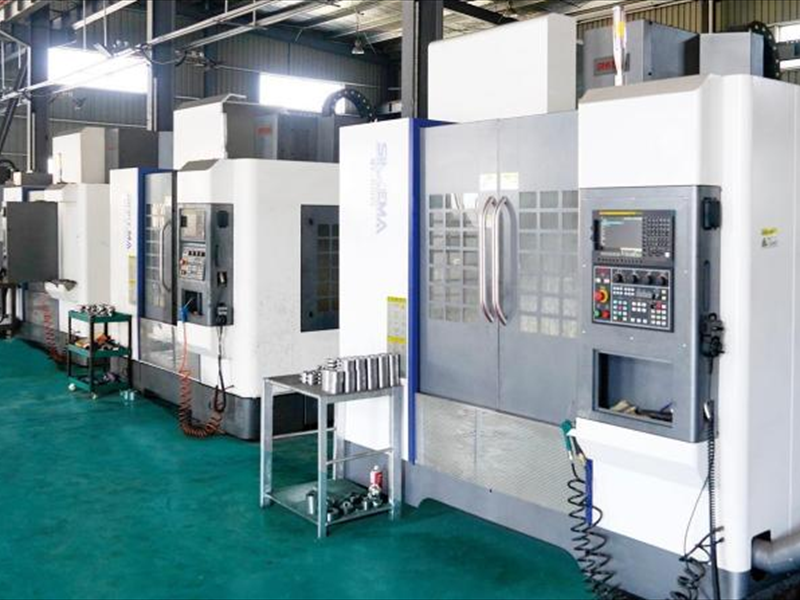
Kanthi tindakake langkah iki—bahan pakan, leleh plastik, nyampur, lan mbentuk—Aku ngowahi pelet mentah dadi produk sing wis rampung. Extruder plastik ngidini kula ngontrol saben tahapan proses kasebut, saka pilihan materi kanggo wangun final. Pendekatan langkah-langkah iki penting kanggo ngasilake barang-barang sing berkualitas ing lingkungan industri apa wae.
Cooling lan Solidifying
Sawise plastik ninggalake mati, Aku fokus ing cooling extrudate kanggo ngunci ing wangun lan nyegah cacat. Tahap iki kritis amarga cara aku kelangan produk mengaruhi kekuatan lan katon. Aku nggunakake sawetara cara kanggo kelangan lan solidify plastik, gumantung saka prodhuk lan kacepetan produksi.
-
Kalibrasi
-
Pendinginan hawa
-
Pendinginan pungkasan
-
Techniques majeng (rol digawe adhem, cooling vakum)
Aku asring miwiti karo quenching. Cara iki kanthi cepet ngetokake lapisan njaba plastik amarga metu saka kepala ekstrusi. Aku nggunakake semprotan udara utawa banyu kanggo langkah iki. Cooling cepet mbantu nyetel wangun awal lan mungkasi prodhuk saka warping. Kanggo akeh profil lan pipa, Aku nggunakake calibrators. These devices stabilize the shape and include water-filled tanks for controlled cooling. Calibrators help me avoid internal stresses and ensure the product stays straight.
When I need precise temperature control, I turn to advanced techniques. Chilled rollers and vacuum cooling give me rapid and even cooling, which is important for high-speed production or special applications. I always choose the method that matches the product’s requirements.
Tip: I monitor the cooling rate closely. If I cool the plastic too fast, I can trap internal stresses. If I cool it too slowly, I risk warping or uneven surfaces.
The cooling method I choose affects the final properties of the product. Tabel ing ngisor iki shows how different cooling rates change the mechanical properties:
|
Metode Cooling |
Effect on Mechanical Properties |
|---|---|
|
Rapid Water Cooling |
Bisa trap stres internal, weakening produk kenthel liwat wektu. |
|
Udara sing luwih alon Pabrik Screw Extruder adhem Pabrik Screw Kembar Paralel |
Ningkatake kristalisasi seragam, nambah kekuatan lan nyuda resiko warping. |
Aku tansah ngimbangi kacepetan lan kualitas kanggo entuk asil sing paling apik kanggo klien industri.
Pangolahan Hilir
Sawise produk padhet, Aku pindhah menyang pangolahan hilir. Tahap iki nambah nilai lan nyiapake produk kanggo panggunaan pungkasan. Aku tindakake seri langkah kanggo ngrampungake plastik extruded:
-
nglereni: Aku nggunakake pemotong kacepetan dhuwur kanggo ngiris untaian sing terus-terusan dadi dawa sing disetel. Pemotongan sing akurat penting kanggo perakitan lan penampilan.
-
Wujud: Aku bisa mbukak produk liwat mesin mbentuk. Langkah iki nambah tampilan lan njamin dimensi sing bener.
-
pangatusan: Aku nggunakake dryers industri, kayata pengering sabuk multi-lapisan utawa pengering gelombang mikro, kanggo mbusak sembarang Kelembapan saka prodhuk.
Sawise langkah-langkah utama iki, Aku kerep nambah rampung nutul. Aku bisa nyithak informasi utawa merek ing produk kasebut. Kadhangkala, I punch holes, bel ends, utawa coil produk kanggo transportasi luwih gampang. Langkah ekstra iki mbantu aku nyukupi kabutuhan pelanggan tartamtu lan nggawe produk luwih migunani.
Cathetan: pangolahan hilir kaya nglereni lan printing nambah nilai produk plastik extruded. Dheweke njamin ukuran sing pas, katon luwih apik, lan kesiapan kanggo pasar.
By carefully managing cooling and downstream processing, Aku ngirim kualitas dhuwur, produk dipercaya kanggo sawetara saka sudhut aplikasi industri.
Komponen Extruder Plastik
Hopper
I always start my work at the hopper. Komponen iki lenggah ing ndhuwur extruder plastik lan nyimpen pelet plastik mentah utawa granula. Hopper feed materi menyang tong minyak ing tingkat ajeg. Aku mriksa hopper kanthi rutin kanggo mesthekake yen tetep resik lan garing. Sawetara model kalebu fungsi pangatusan, sing mbantu aku njaga kualitas plastik. Kelembapan bisa nyebabake cacat, dadi aku gumantung ing hopper kanggo njaga materi ing kondisi apik. Aku milih ukuran hopper tengen adhedhasar volume produksi. Kanggo proyek dhuwur-output, Aku nggunakake hopper sing luwih gedhe supaya ora ngisi ulang.
Tip: Aku mriksa hopper sadurunge saben shift. Bahan sing resik lan garing njamin ekstrusi sing lancar lan nyegah penyumbatan.
Barel lan Screw
Ing tong minyak lan meneng mbentuk inti saka extruder. Barel nyedhiyakake papan sing digawe panas kanggo pelet plastik. Aku ngawasi suhu tong minyak kanggo cocog titik leleh saka materi. Sekrup lenggah ing tong minyak lan muter kanggo mindhah plastik maju. Minangka meneng dadi, iku conveys, nyawiji, lan nyampur materi. Aku nyetel kacepetan meneng kanggo ngontrol tingkat output. Kacepetan sing luwih cepet nambah produksi nanging bisa nyebabake overheating. Aku milih desain meneng adhedhasar jinis plastik lan syarat produk.
Desain tong minyak lan meneng mengaruhi efficiency. Aku ndeleng paramèter kaya rasio L / D (dawa kanggo diameteripun), rasio komprèsi, ambane pesawat, lan kacepetan meneng. Kanggo paling proyek, Aku nggunakake meneng karo a 30:1 rasio L/D. Iki menehi wektu cukup kanggo leleh lan nyampur. rasio komprèsi antarane 3:1 lan 3.5:1 bisa uga kanggo poliethelin. Saluran penerbangan sing luwih jero ngidini throughput sing luwih dhuwur, nanging aku Balance iki karo efficiency leleh. Aku supaya mbukak meneng banget cepet, amarga kacepetan gedhe banget bisa ngrusak polimer.
|
Komponen |
Fungsi |
|---|---|
|
meneng |
Ngaturaken, plasticizes, lan meksa bahan mentah. |
|
Laras |
Nyedhiyakake papan panyimpenan lan pemanasan, njamin kekiatan lan stabilitas. |
Aku milih ngawut-awut alangi kanggo proyek sing mbutuhake konsistensi leleh luwih. Pilihan iki mbantu aku entuk campuran seragam sadurunge materi tekan mati.
Pemanas
Pemanas nduweni peran penting ing extruder plastik. Aku gumantung ing wong-wong mau kanggo nyawiji pelet plastik nalika pindhah liwat tong minyak. Pemanas mbungkus tong minyak lan nyedhiyakake kontrol suhu sing tepat. Aku nyetel suhu adhedhasar jinis plastik. Contone, Aku nggunakake suhu ngisor kanggo PVC lan setelan sing luwih dhuwur kanggo nilon. Pemanasan sing konsisten nyegah cacat lan njamin plastikisasi seragam.
Aku ngawasi pemanas ing saindhenging proses. Yen suhu fluktuasi, Aku resiko leleh ora rata utawa overheating. Aku nggunakake sistem kontrol suhu kanggo ngatur panas lan cooling. Sistem iki mbantu aku njaga keseimbangan sing bener, supaya plastik mili lancar menyang mati. Manajemen pemanas sing tepat nambah kualitas produk lan nyuda sampah.
Cathetan: Pemanas sing dipercaya lan sistem kontrol suhu njaga proses ekstrusi stabil. Aku tansah mriksa komponen iki supaya masalah produksi.
mati
Aku tansah mbayar manungsa waé kanggo mati nalika aku operate extruder plastik sandi. Die mbentuk plastik molten dadi produk pungkasan. Aku ngerti yen milih die sing bener penting kanggo ngasilake pipa, lembaran, profil, utawa film kanthi ukuran sing akurat.
Aku miwiti kanthi mriksa die sadurunge saben produksi. Aku nggoleki sembarang pratandha saka nyandhang, mbangun, utawa karusakan. Die sing resik njamin aliran plastik sing lancar lan nyegah cacat. Aku nggunakake alat khusus kanggo ngresiki saluran mati lan permukaan. Yen aku ndeleng goresan utawa sumbatan, Aku langsung ngomong.
Nalika aku nyetel extruder, Aku kempal die kasebut kanthi teliti, karo tong minyak. Alignment sing tepat nyegah aliran sing ora rata lan nyuda resiko warping. Aku ngencengi bolts roto-roto supaya ora bocor. Aku uga mriksa setelan suhu mati. Saben jinis plastik mbutuhake sawetara suhu tartamtu kanggo aliran optimal. Aku nyetel pemanas mati supaya cocog karo materi sing digunakake.
Sajrone produksi, Aku ngawasi tekanan ing die. Yen meksa mundhak dhuwur banget, Aku ngerti bisa uga ana penyumbatan utawa kontaminasi. Aku mungkasi mesin lan mriksa mati yen aku sok dong mirsani irregularities ing produk extruded. Tekanan konsisten mbantu aku njaga kekandelan seragam lan kualitas permukaan.
Aku kerep ngalih antarane mati beda gumantung ing produk. Contone, Aku nggunakake flat die kanggo nggawe sheets lan ring die kanggo pipa. Aku nyimpen saben mati ing resik, panggonan garing kanggo nyegah teyeng lan karusakan. Aku menehi label saben mati kanthi cetha supaya aku bisa nemokake sing bener kanthi cepet.
Tip: Aku tansah preheat die sadurunge miwiti produksi. Langkah iki nyegah bintik kadhemen lan njamin aliran plastik molten sing tetep.
Punika dhaptar mriksa cepet aku tindakake kanggo pangopènan mati:
-
Priksa kanggo nyandhang lan buildup sadurunge saben mlaku.
-
Saluran lan permukaan sing resik kanthi alat sing tepat.
-
Selarasake lan ngamanake die menyang tong minyak.
-
Setel suhu sing bener kanggo materi.
-
Monitor tekanan lan kualitas produk sajrone operasi.
-
Simpenan mati kanthi bener sawise digunakake.
Kanthi tindakake langkah iki, Aku njaga proses ekstrusi kanthi efisien lan produkku konsisten. Die minangka komponèn kritis sing langsung mengaruhi kualitas kabeh aku gawé.
Jinis Extruders Plastik
Single-Screw Extruder
Aku kerep nggunakake a single-screw extruder kanggo proyek pangolahan plastik langsung. This machine has one rotating screw inside the barrel. I find it reliable for melting, nyampur, and shaping most thermoplastics. When I want to produce pipes, film, or sheets with consistent quality, I choose this type. I adjust the screw speed and temperature to match the material. The single-screw design gives me basic mixing and steady output. I use it when I do not need to blend many additives or handle complex recipes.
Twin-Screw Extruder
When I need better mixing and more control, I switch to a kembar-meneng extruder. Mesin iki nggunakake rong sekrup sing muter bebarengan. I can process materials with fillers, pewarna, or even reactive chemicals. The twin-screw design lets me blend, majemuk, and even carry out chemical reactions during extrusion. I use it for advanced applications, such as making specialty compounds or high-performance plastics. The table below shows how single-screw and twin-screw extruders compare in industrial performance:
|
Fitur |
Single-Screw Extruders |
Twin-Screw Extruders |
|---|---|---|
|
Diameter sekrup |
20 mm iki 300 mm |
16 mm iki 245 mm |
|
Rasio L/D |
20:1 kanggo 30:1 |
25:1 kanggo 48:1 |
|
Kacepetan meneng |
20 kanggo 250 RPM |
50 kanggo 1,200 RPM |
|
Tingkat Output |
10 kg/jam iki 1,000 kg/jam |
1 kg/jam iki 15,000 kg/jam |
|
Barrel Temperature |
20°C to 300°C |
Ambient to 400°C |
|
Kapabilitas Nyampur |
Campuran dhasar |
Campuran unggul |
|
Kapasitas torsi |
N/A |
200 Nm to 10,000 Nm |
|
Aplikasi |
Straightforward polymer processing |
Majemuk, campuran, ekstrusi reaktif |
I look at this table when I decide which extruder to use for a project. If I need high output or advanced mixing, I pick the twin-screw model.
Extruders khusus
Kadhangkala, my clients need unique shapes or special materials. I use specialty extruders for these jobs. These machines offer several advantages:
-
Design flexibility: I can create complex shapes and precise dimensions for custom applications.
-
Versatility materi: I use different plastics and additives to improve durability and performance.
-
Enhanced performance: I tailor the machine for specific environments to ensure the best results.
-
Cost efficiency: I reduce waste and avoid extra machining, which lowers production costs.
-
Aesthetic options: I match colors and finishes to meet branding needs.
I choose a specialty extruder when standard machines cannot meet the requirements. This approach helps me deliver custom solutions for challenging projects.
Bahan Ekstrusi Plastik
Termoplastik Umum
When I select materials for plastic extrusion, I always start with thermoplastics. These materials soften when heated and harden when cooled, which makes them ideal for repeated processing. I choose the right thermoplastic based on the product’s requirements, such as strength, keluwesan, utawa tahan kimia.
Here are the most common thermoplastics I use in industrial extrusion and their key properties:
-
Polivinil klorida (PVC): I rely on PVC for its strength and versatility. It resists moisture, bahan kimia, lan sinar UV, so I use it for pipes, profil jendhela, lan isolasi kabel.
-
Poliethelin (PE): I choose PE when I need a lightweight and flexible material. It offers excellent impact resistance and chemical stability, making it perfect for films, wadhah, lan tubing.
-
Polipropilena (PP): I use PP for products that need toughness and fatigue resistance. It stands up to chemicals and stress, so I often select it for automotive parts and reusable containers.
-
Polystyrene (PS): I turn to PS for its rigidity and clarity. It molds easily and works well for packaging, sendok garpu nganggo, and laboratory ware.
-
Nylon: I pick nylon when I need a high strength-to-weight ratio. It performs well in high-temperature environments and offers fair chemical resistance. I use it for gears, bantalan, and industrial parts.
-
ABS (Acrylonitrile Butadiene Styrene): I select ABS for its toughness and impact resistance. It is harder than pure polystyrene and works well for automotive trim, enclosures, lan barang konsumen.
-
PLA (Polylactic Acid): I use PLA for applications that require a biodegradable option. It comes from renewable resources like corn starch and has a low melting point, which suits packaging and disposable products.
-
PETG (Polyethylene Terephthalate Glycol): I choose PETG when I need a balance of strength and ease of processing. It resists chemicals and warping, so I use it for bottles, piranti medis, and food containers.
Tip: I always match the thermoplastic’s properties to the product’s end use. This step ensures durability and performance.
Aditif lan Pengisi
I often need to modify the properties of my extruded plastic products. To do this, I blend in additives and fillers during the extrusion process. These ingredients help me meet specific industry standards and customer requirements.
-
Stabiliser: I add stabilizers to improve heat and UV resistance. This keeps products from degrading in harsh environments.
-
Color Pigments: I use pigments to achieve the exact color my client wants. This step also helps with branding and product identification.
-
Flame Retardants: I include flame retardants for products that must meet fire safety regulations, such as electrical components or building materials.
-
Pangisi: I add fillers like calcium carbonate or glass fibers to enhance mechanical strength, reduce cost, or change the product’s weight.
The careful blending of these additives and fillers lets me optimize the extrusion process. I can improve mechanical properties, adjust appearance, and ensure the final product meets all specifications.
Cathetan: I always test new formulations before full-scale production. This practice helps me avoid defects and ensures consistent quality.
By understanding both the base thermoplastics and the role of additives, I can produce extruded products that perform reliably in any industrial application.
Extrusion Applications in Industry
Industrial Uses
Aku nggunakake plastic extrusion every day to meet the demands of many industries. This process gives me the flexibility to create products that solve real-world problems. I start by selecting the right material and adjusting my machine for the job. I know that each application requires a specific approach, so I always match the extrusion process to the end use.
Here is a table that shows how I apply extrusion in different industrial sectors:
|
Jinis Aplikasi |
Katrangan |
|---|---|
|
Pipes and Tubing |
I produce water supply lines, sewage pipes, and irrigation tubing using materials like PVC and HDPE. |
|
Profiles and Structural Components |
I make window frames and door seals that improve energy efficiency and durability in construction. |
|
Plastic Films and Sheets |
I create packaging films and agricultural covers that offer flexibility and UV protection. |
|
Electrical and Automotive Components |
I manufacture wire coatings and automotive trims that enhance safety and fuel efficiency. |
|
Other Specialized Uses |
I extrude medical tubing and 3D printing filaments for specialized applications in healthcare and manufacturing. |
I always adjust the extrusion process to fit the requirements of each industry. Contone, I use tighter tolerances for medical tubing and focus on durability for construction profiles. I monitor every step to ensure the final product meets strict standards.
Tip: I keep detailed records of each extrusion run. This helps me troubleshoot issues and improve quality for future projects.
Produk Khas
I see the results of plastic extrusion in many products I use and produce. The process allows me to create items with consistent quality and precise dimensions. Here are some of the most common products I make using extrusion:
-
Pipes and tubing for plumbing, irigasi, and industrial systems
-
Plastic films and sheets for packaging, tetanèn, and protective covers
-
Electrical and automotive components such as wire insulation and dashboard trims
-
Medical tubing for fluid delivery and surgical devices
-
3D printing filaments for rapid prototyping and manufacturing
-
Furniture edges that protect surfaces and add style
-
Decorative strips for appliances, vehicles, and building interiors
I follow a step-by-step process for each product. I start by choosing the right thermoplastic and setting up the extruder. I monitor the temperature, tekanan, and speed throughout the extrusion. I use the correct die to shape the product and select the best cooling method to lock in the form. I finish with downstream processing, such as cutting, nyetak, or coiling, to prepare the product for use.
Plastic extrusion gives me the ability to respond quickly to new market demands. I can switch between products by changing the die and adjusting the process parameters. This flexibility helps me serve a wide range of industries and deliver reliable solutions.
Cathetan: I always test new products before full production. This ensures that the extrusion process produces consistent and high-quality results.
Advantages and Limitations
Manfaat Utama
When I use plastic extrusion in my daily work, I see many advantages that help me deliver quality products efficiently. I rely on this process because it supports continuous and scalable production. I can run my extruder for long periods with minimal downtime, which is perfect for large orders. This approach keeps my workflow steady and predictable.
I also appreciate the cost efficiency of plastic extrusion. I recycle leftover materials and reduce waste, which lowers my production costs. I optimize the use of raw materials and keep expenses under control. Design flexibility stands out as another major benefit. I can create a wide range of shapes and sizes, saka tabung prasaja kanggo profil Komplek. This flexibility lets me meet different customer needs without changing my core equipment.
Consistent quality is important in my work. The extrusion process gives me uniform material flow and precise dimensions. I can meet tight tolerances, which is essential for industries like automotive and medical. I also value the compatibility with many thermoplastics. I switch between materials like PVC, PE, and PP to match the requirements of each project. Modern extruders allow me to integrate automation and smart systems. I use sensors and controls to improve accuracy and efficiency.
Here is a table that summarizes the main benefits I experience with plastic extrusion:
|
keuntungan |
Katrangan |
|---|---|
|
Continuous and Scalable Production |
High output rates with minimal downtime, ideal for large-volume jobs. |
|
Less waste and lower costs by recycling leftover materials. |
|
|
Fleksibilitas Desain |
Wide range of shapes and dimensions for various needs. |
|
Consistent Quality and Repeatability |
Uniform material flow and exact specifications for tight tolerances. |
|
Compatibility with Many Materials |
Handles various thermoplastics for better performance and durability. |
|
Integration with Automation |
Improved accuracy and efficiency through smart technology. |
Tip: I always monitor my process parameters to maintain these benefits and avoid unexpected issues.
Tantangan Umum
While I enjoy many advantages, I also face challenges with plastic extrusion. Selecting the right material is critical. Each plastic has unique properties that affect how it melts and flows. If I choose the wrong material, I risk poor extrudability and product defects.
Quality control requires constant attention. I watch for variations in dimensions and surface defects, which can result from changes in temperature or pressure. Environmental concerns also play a role in my work. The extrusion process uses a lot of energy and can generate waste. I focus on recycling and energy efficiency to reduce my impact.
Achieving tight dimensional tolerances is not always easy. Plastics shrink as they cool, which can cause warping if I do not manage the cooling process carefully. Startup waste is another issue. When I begin a new run, I often produce scrap until the melt flow stabilizes and the die aligns properly.
Material compatibility can cause problems, especially when I blend different polymers. Some materials do not mix well, leading to weak spots or phase separation. Equipment maintenance is essential. Continuous operation wears down screws and dies, so I schedule regular checks to prevent contamination and buildup.
Die design affects the stability of the extrusion process. Uneven melt viscosity can lead to defects like die swell or rough surfaces. Thermoplastics are sensitive to temperature changes. I use precise thermal control to avoid degradation or poor flow.
Here are the main challenges I address in my daily work:
-
Material limitations: I must select plastics with the right properties for each job.
-
Quality control issues: I monitor for defects and adjust parameters as needed.
-
Environmental concerns: I recycle and use energy-efficient practices.
-
Toleransi dimensi: I manage cooling to prevent warping.
-
Startup waste: I minimize scrap during setup.
-
Kompatibilitas materi: I test blends before full production.
-
Equipment maintenance: I clean and inspect my extruder regularly.
-
Die design: I fine-tune the die for stable flow.
-
Thermal sensitivity: I control temperature to protect the material.
Cathetan: I keep detailed records and follow a strict maintenance schedule to overcome these challenges and keep my extrusion line running smoothly.
I follow a clear process with my plastic extruder: pakan, nyawiji, wujud, kelangan, and finish. I check each component to keep production efficient. I know that choosing the right extruder and material impacts texture, konsistensi, lan kualitas produk. Different materials interact with moisture, suhu, and mechanical shear in unique ways.
-
The choice of extruder and material affects product texture and quality.
-
Moisture levels, zona barel, and screw RPM are key for desired results.
I see many benefits, but I always consider process parameters. For those ready to optimize extrusion, I recommend these steps:
|
Katrangan |
|
|---|---|
|
Start with sensor layer |
Retrofit extrusion lines with temperature and pressure monitoring for better operator response. |
|
Evaluate energy-efficient equipment |
Consider drive systems, monitoring, and maintenance as a unified capital decision. |
|
Engage suppliers early |
Discuss material testing and qualification before finalizing specifications for engineered polymers. |
FAQ
What materials can I use in a plastic extruder?
I select thermoplastics like PVC, PE, PP, lan ABS. I choose the material based on the product’s requirements. I always check compatibility and melting points before starting the extrusion process.
How do I maintain consistent product quality?
Aku monitor suhu, tekanan, lan kacepetan meneng. I inspect the die and clean the hopper regularly. I keep detailed records of each run. Consistent settings help me achieve reliable results.
Can I recycle leftover plastic during extrusion?
I recycle scrap material by feeding it back into the hopper. I check for contamination and dryness. Recycling helps me reduce waste and lower production costs.
What are the main steps in plastic extrusion?
Aku tindakake langkah iki: feed raw material, melt and mix, shape with the die, cool and solidify, and finish with downstream processing. Each step requires careful monitoring.
How do I choose the right extruder for my application?
I consider the material, product shape, lan volume produksi. I select single-screw extruders for basic jobs and twin-screw models for advanced mixing. Specialty extruders suit custom shapes.
What should I look for in plastic extrusion services?
I look for expertise, reliable equipment, lan kontrol kualitas. I check if the provider offers material testing and custom die design. I value clear communication and support throughout the project.
How can I troubleshoot defects in extruded products?
I inspect the material for moisture or contamination. I adjust temperature and pressure settings. I check the die for blockages. I review process records to find the cause of defects.
Is plastic extrusion suitable for medical products?
I use plastic extrusion to make medical tubing and consumables. I select medical-grade materials and follow strict quality standards. I monitor every step to ensure safety and performance.


Mesin Pengisi Masterbatch Extruder: Complete B2B Trade Guide for Manuf… · Mesin Ekstrusi Masterbatch Pengisi: Complete B2B Trade Guide for Manu… · Mesin Ekstrusi Masterbatch Pengisi: Pandhuan Perdagangan B2B Lengkap kanggo Man…