Vantaggi dell'estrusore bivite rispetto all'estrusore a vite singola 2026
Sommario
Vantaggi dell'estrusore bivite rispetto all'estrusore a vite singola 2026
Vedo produttori in 2026 choosing theestrusore bivitefor many reasons. I notice how it handleshigh-fat and high-moisture ingredients con facilità. Questo lo rende uno strumento versatile per ricette complesse. I also find that the pellets it produces look more uniform and have a smoother texture. I value its ability to use less energy for each ton of output, which saves money in the long run. Cleaning takes less time, so production rarely stops.
Punti chiave
Twin screw extruders handle complex materials better than single screw extruders, making them ideal for high-fat and high-moisture recipes.
Investing in a twin screw extruder can lead to significant long-term savings by reducing waste and improving product quality.
The flexibility of twin screw extruders allows for precise control over mixing and processing, which is essential for meeting strict industry standards.
Higher throughput ratesand lower energy consumption make twin screw extruders more efficient for modern manufacturing needs.
Choosing theright extruderdepends on your material type and production scale; twin screw extruders excel in high-volume and complex applications.
Estrusore monovite vs estrusore bivite
Design and Operation
When I look at theestrusore monovite, I see a straightforward machine. The single screw extruder uses one rotating screw inside a barrel. This simple design makes the single screw extruder easy to operate and maintain. I find that the single screw extruder works best with clean, uniform materials. The single screw extruder does not handle mixed or contaminated inputs as well as other systems.
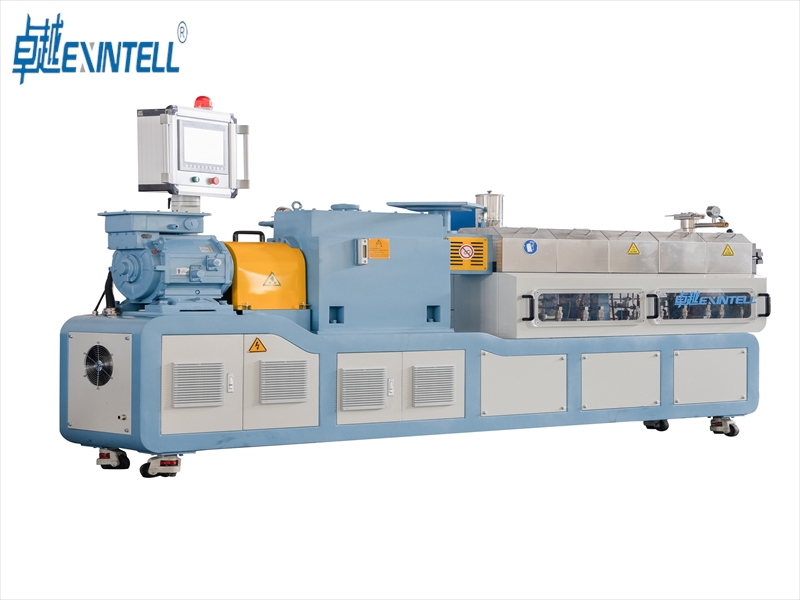
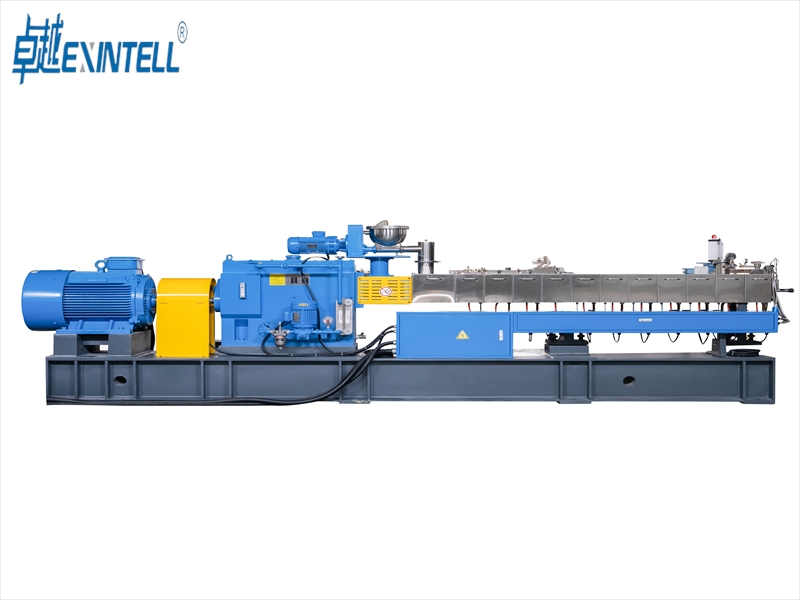
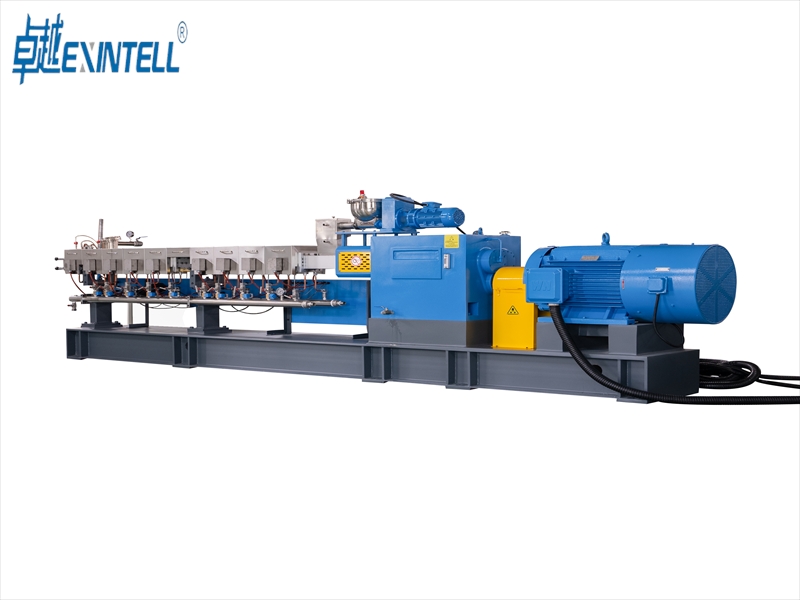
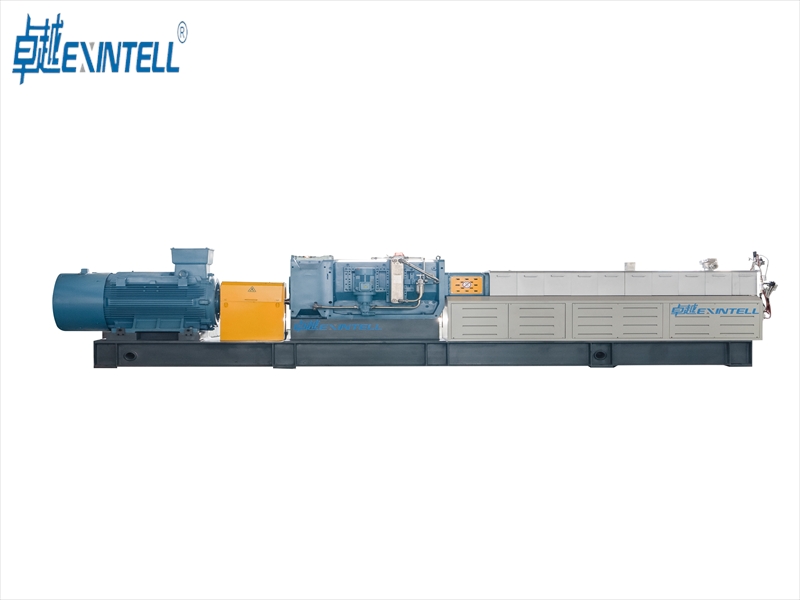
IL estrusore bivite, d'altra parte, uses two intermeshing screws. This design gives the twin screw extruder more flexibility. I notice that the twin screw extruder can process a wider range of materials, including those with impurities or blends. The twin screw extruder offers better mixing and degassing. The twin screw extruder does require a higher initial investment and more attention during operation.
Higher tolerance for contaminated or blended materials
Capacità di miscelazione
Capacità di miscelazione limitata
Superior mixing and dispersion
Degassing Performance
Basic degassing capability
Strong degassing capability
Process Control Flexibility
Less flexible in process control
Greater process control flexibility
Applicazioni tipiche
Suitable for stable and uniform input materials
Effective for challenging recycling materials
Performance Comparison
I have tested both the single screw extruder and the twin screw extruder in my work. The single screw extruder uses less energy overall. The single screw extruder usually has lower throughput rates. The single screw extruder can struggle with efficiency when processing tough or blended materials. The single screw extruder may also create more waste if the material is not ideal.
The twin screw extruder stands out in performance. The twin screw extruder achieves higher throughput rates because of its advanced mixing. The twin screw extruder processes materials more efficiently. The twin screw extruder reduces waste, which I find important for cost savings and sustainability. The twin screw extruder does use more energy, but the gains in performance and material handling often outweigh this.
Reduced waste due to better processing capabilities
When I compare single-screw and twin-screw extrusion systems, I see that the single-screw extruder offers simplicity and cost-effectiveness. The twin screw extruder provides versatility and advanced capabilities. I always consider the specific needs of my operation before choosing between the single screw extruder and the twin screw extruder.
Vantaggi dell'estrusore bivite
Material Mixing and Degassing
I have seen how theestrusore bivitetransforms the way I handle material mixing and degassing. When I use a twin-screw system, I notice that the mixing strength is much higher than with a single screw. I can control moisture and shear with great precision. This control helps me achieve consistent expansion and texture in every batch. I often work with high-fat and high-moisture recipes, and the twin screw extruder handles these with ease. I can also add fibers, fresh meat, oli, or vitamins without worrying about uneven results.
I rely on the following table to compare mixing and processing capabilities:
Caratteristica
A vite singola
Doppia vite
Mixing strength
Basso
Molto alto
High mixing performance
NO
SÌ
Precise control of moisture
NO
SÌ
Gestisce ricette complesse
NO
SÌ
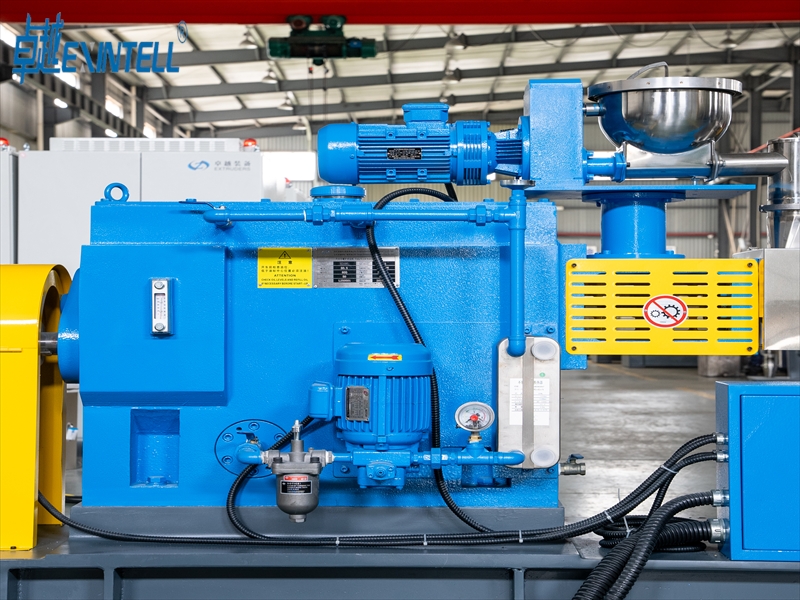
I use segmented screws in my twin screw extruder. I can change the screw elements to adjust bulk density, water absorption, texture, and protein structure. This flexibility gives me better mixing efficiency and allows me to fine-tune the process for each product. Ne traggo anch'io beneficio multiple heating zones, which help me control starch gelatinization and moisture distribution. This leads to a stable final texture and high product quality.
Degassing is another area where the twin screw extruder excels. I use strategically placed vents to remove volatiles and prevent flooding. This capability ensures that my products meet strict quality standards, especially in plastic compounding and food applications. I find that devolatilization works much better with a twin-screw system, which is important for both safety and product quality.
Flexibility for Complex Materials
I often need to process blends, additivi, or materials with fillers. The twin screw extruder gives me the flexibility I need for these tasks. Posso mescolare, disperse, and melt complex materials with high efficiency. When I work with heat-sensitive formulations, I trust the twin-screw design to protect the ingredients and maintain quality. I can add multiple feeders or create reactive zones, which is essential for advanced compounding and plastic processing.
Many industries benefit from this flexibility. Nella mia esperienza, the food, farmaceutico, and biodegradable plastic sectors rely on twin screw extruders for their most challenging products. I can handle polymers, prodotti farmaceutici, and food products with the same machine. This versatility helps me keep up with changing regulations and new market demands. I know that my operation is future-proof because I can adapt quickly to new materials and requirements.
Here are some reasons why I choose twin screw extruders for complex materials:
Superior mixing and dispersing
Efficient melting of additives and fillers
Suitable for heat-sensitive and multi-component formulations
Advanced control for venting and feeding
Reliable for food, farmaceutico, and plastic compounding
Qualità e coerenza del prodotto
I always aim for the highest product quality and consistency. The twin screw extruder helps me achieve this goal. Ho visto un 15% increase in throughput and a 10% reduction in off-spec material after integrating advanced control systems. I use in-line rheometers to monitor viscosity, which has reduced batch rejection rates by 25%. These improvements matter to my bottom line and my reputation.
I can optimize barrel temperature and screw configuration to enhance material properties. Studies show that this approach leads to better process outcomes and more uniform products. I rely on the twin-screw system to deliver consistent dispersion and homogeneity, even with complex or sensitive materials. This consistency is critical for meeting customer expectations and regulatory standards.
Mancia: I always monitor process parameters closely. This helps me maintain high quality and avoid costly rework.
Efficiency and Throughput
Efficiency and throughput are top priorities in my operation. The twin screw extruder gives mesignificant advantagesin both areas. I see lower energy consumption because of the optimized design. I also achieve higher throughput due to better material handling and mixing efficiency. Over the lifespan of my equipment, I can save more than $50,000 in operational costs.
I can combine multiple processes within the twin screw extruder, which reduces total processing time. I also benefit from continuous manufacturing, which minimizes energy use and waste. This approach supports scale-up from lab to industrial production. I find that the twin-screw system helps me meet tight deadlines and deliver high-quality products on time.
In 2026, I see the twin screw extruder as the best choice for meeting new industry trends and material requirements. Its adaptability to regulations and future-proof design give me confidence that my investment will pay off for years to come.
Twin-Screw Applications in 2026
High Precision and Specialty Uses
Vedo estrusori biviteleading the way in advanced and specialized processing sectors. I use them when I need high precision and flexibility. These machines excel in mixing, composizione, and dispersing materials. I often rely on them for engineered plastics, materiali riciclati, masterbatch, riempitivi, e additivi. I notice strong demand in automotive, elettronica, and high-performance packaging. These industries require material consistency and flexible formulations.
I also use twin screw extruders in a plastic recycling line. They help me process challenging blends and contaminated streams. I can adjust the screws and barrels to match the material. This adaptability makes the extruder machine a top choice for modern manufacturing.
Mancia: I always monitor the process with smart sensors. Real-time data helps me detect anomalies early and maintain product quality.
I use modular designs to handle high moisture and mineral-rich materials.
I see how smart extrusion machines reshape my efficiency.
Cibo, Farmaceutico, and Bioplastics
I work with many industries that benefit fromestrusori bivite. In food processing, I achieve superior mixing and consistent output. I can add fibers, vitamins, or fresh ingredients without losing quality. Nei prodotti farmaceutici, Vedo rapid growth. The demand for continuous manufacturing and precise drug formulation drives this trend. I use twin screw extruders to control drug mixing and granulation with accuracy.
In bioplastics, I process biodegradable and recycled materials. IL shift toward sustainabilityopens new opportunities for extruder applications. I use twin screw extruders in my plastic recycling line to handle biopolymers and recycled plastics efficiently.
Industria
Documented Benefits
Cibo
Superior mixing capabilities and consistent processing output
Prodotti farmaceutici
Growth potential due to demand for continuous manufacturing and precision formulation
Bioplastiche
Opportunities for processing biodegradable and recycled materials
I see how increased material compatibility and smart control systems make twin screw extruders essential for the future. I trust these machines to keep up with changing regulations and market demands.
Costo e ROI: Single-Screw vs Twin-Screw
Investment and Savings
When I compare the investment needed for each extruder, I see clear differences. A single screw extruder usually costs less at the start. Esso melts plastic and pushes it through a die. This simple function keeps the price low and the operation easy. I find that a twin screw extruder costs more because it can mix, composto, and devolatilize materials. The advanced features add to the price, but they also add value.
Entry-level twin screw extruders often cost between$8,000 E $18,000.
Larger models with screw diameters from 50mm to 65mm can reach $20,000 A $50,000.
Single screw extruders are more cost-effective for basic tasks.
Twin screw extruders offer more functions, which justifies the higher price for complex jobs.
I always consider the foundational choice between these two types as a major cost driver. The right extruder can save money over time by reducing waste and improving quality.
Manutenzione e funzionamento
Maintenance plays a big role in my decision. I notice that a single screw extruder needs less attention. It has a simple design, quindi spendo meno tempo e denaro per la manutenzione. A twin screw extruder requires more care. I set aside 2-8 hours each month for routine maintenance, which costs between $2,000 E $8,000 all'anno. Preventive maintenance can reach $15,000 annualmente, but I see a 30-50% reduction in costs compared to industry averages because of better design.
Maintenance Type
Estrusori bivite
Estrusori monovite
Routine Maintenance
2-8 hours monthly, $2,000-$8,000/anno
Minimo
Manutenzione preventiva
$4,000-$15,000/anno
Basso
Corrective Maintenance
$2,000-$8,000/anno
Basso
Cost Reduction
30-50% below industry average
N / A
I also see that a twin screw extruder offers higher energy efficiency in mechanical processing, while a single screw extruder relies more on thermal efficiency. This difference affects my operational costs, especially in continuous production.
Market Trends and Future Value
I watch market trends closely. In 2026, I see strong growth for theestrusore bivite. Industries want efficient and continuous processing. Automation and energy-saving designs make the twin screw extruder more attractive. I notice that food, plastica, and pharmaceutical companies demand high-quality processed materials. Sustainability also drives the market, as more companies look for eco-friendly solutions.
Trend/Factor
Descrizione
Advancements in Manufacturing
New technologies boost the twin screw extruder market.
Demand for High-Quality Materials
Cibo, plastica, and pharma need better extruder performance.
Focus on Sustainability
Eco-friendly practices increase the value of twin screw extruders.
Customization Needs
More product options require flexible extruder solutions.
I believe that investing in a twin screw extruder prepares my operation for future demands. The higher initial cost pays off with faster returns, meno rifiuti, and better product quality. I see the twin screw extruder as a smart choice for long-term value.
Scegliere l'estrusore giusto
Key Decision Factors
When I select an extruder for my operation, I always start by looking at the materials I plan to process. Different polymers behave in unique ways during extrusion. I know that homogeneous materials like polyethylene or polypropylene work well with single screw extruders. If I need to handle filled or multi-component materials, I choose a twin screw extruder for better results.
I also consider the complexity of my process. Simple shaping and melting tasks fit a single screw machine. Per miscelazioni avanzate, composizione, or chemical reactions, I rely on a twin screw system. My product requirements matter, pure. Basic products do not need the precision of a twin screw extruder. When I want consistent dispersion and high-quality output, I trust the twin screw design.
Production volume plays a big role in my decision. Small or medium runs often justify a single screw extruder. High-volume production makes the investment in a twin screw extruder worthwhile.
Ideal for complex processes like mixing and reacting
Product Requirements
Good for basic products
Superior for precise dispersion and consistency
Scala di produzione
Cost-effective for small to medium producers
Justified for high-volume applications
I always ask myself a few questions before making a choice:
What is the raw material form?
Does the material have a narrow processing window?
Is output pressure stability more important than mixing?
Will I change colors or materials often?
Future-Proofing Your Operation
I want my investment to stay relevant as industry needs change. I focus on strategies that keep my operation flexible and efficient. I look for advances in screw design, which help me handle more complex products. Automation and AI integration improve my efficiency and support sustainable practices. Real-time monitoring lets me adjust quickly and maintain high standards.
Strategy
Descrizione
Advances in screw design
Enhances efficiency and product complexity
Automation and AI integration
Improves operational efficiency and sustainability
Real-time monitoring
Reshapes industry standards and competitive dynamics
Near-net-shape extrusion
Reduces machining steps and minimizes material waste
Cost-saving initiatives
Reshape manufacturing strategies to be more efficient
I see thatestrusori bivitesupport recycling and sustainability. They process complex materials, like multi-layer films, and help me meet environmental goals. The direct coupling of the extruder to the process control unit boosts throughput and quality. I can deliver high-quality pellets that meet strict market demands.
I always choose equipment that adapts to new materials and regulations. This approach keeps my business competitive and ready for the future.
I see twin screw extruders as the best choice for most modern manufacturing needs. Their versatility, efficienza, and adaptability set them apart. I trust these machines to handle new materials and meet strict standards.
Mancia: I always review my process goals before investing in equipment.
I recommend choosing a twin screw extruder if you want to stay competitive in 2026 e oltre.
Domande frequenti
What is the main reason I choose a twin screw extruder over a single screw?
Scelgo un estrusore bivite per la sua versatilità. It handles complex materials and recipes with ease. I get better mixing, more consistent products, and higher efficiency.
Can I process recycled or contaminated materials with a twin screw extruder?
SÌ, I process recycled and contaminated materials using a twin screw extruder. The design allows me to handle blends, riempitivi, and impurities without losing quality.
How does a twin screw extruder help me save money in the long run?
I save money by reducing waste and improving product quality. The twin screw extruder also lowers operational costs through higher efficiency and less downtime.
Is it difficult to clean and maintain a twin screw extruder?
I find cleaning and maintenance straightforward with modern twin screw extruders. Modular designs and easy access points help me finish cleaning quickly and keep my machine running smoothly.
What industries benefit most from twin screw extruders in 2026?
Lavorazione degli alimenti
Prodotti farmaceutici
Bioplastiche
Riciclaggio
I see these industries using twin screw extruders for their advanced mixing, flessibilità, and ability to meet strict standards.