

Come si differenziano i diversi sistemi di estrusione per la produzione
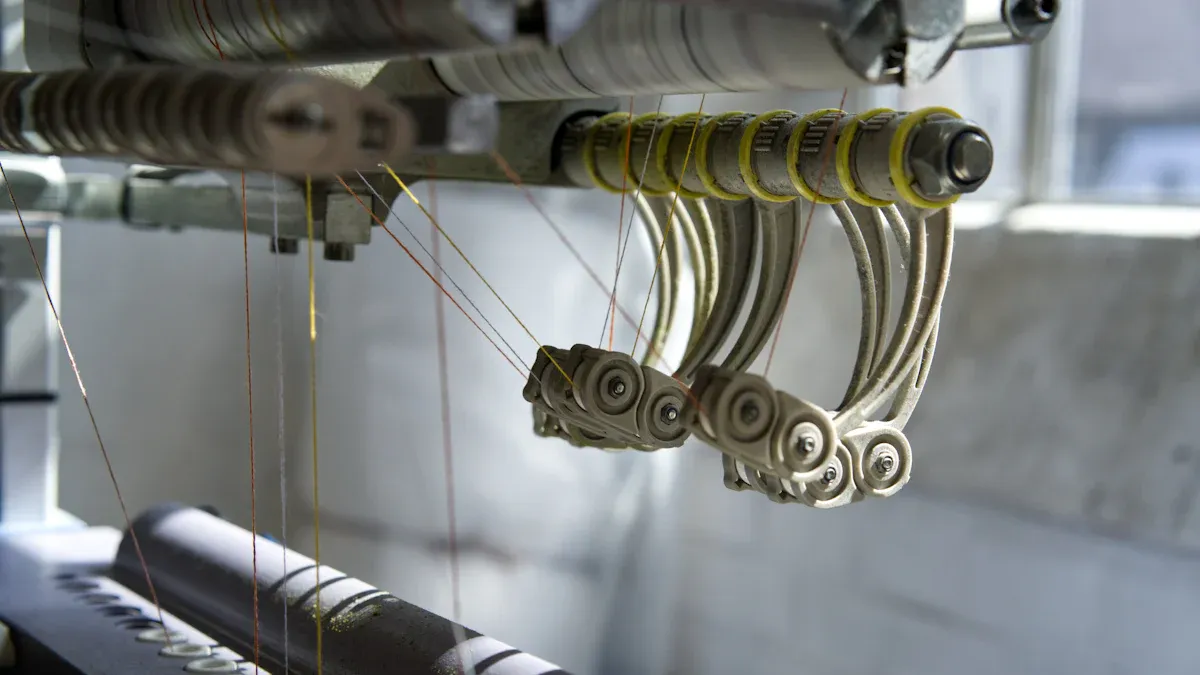
Ho visto che la scelta del sistema di estrusione condiziona l'intero processo produttivo. La maggior parte dei produttori utilizza sistemi a vite singola, che tengono a 62% quota di mercato, mentre i sistemi bivite rappresentano 38%.
| Tipo di sistema di estrusione | Percentuale della quota di mercato |
|---|---|
| A vite singola | 62% |
| Doppia vite | 38% |
La scelta del tipo di vite influisce sull'efficienza, qualità del prodotto, e compatibilità dei materiali. Quando abbino la tecnologia di estrusione agli obiettivi di produzione, Noto miglioramenti in termini di rapporto costo-efficacia, versatilità progettuale, e sostenibilità.
| Fattore | Impatto sull'efficienza produttiva | Impatto sulla qualità del prodotto |
|---|---|---|
| Parametri controllati | Mantiene la qualità del prodotto uniforme | Raggiunge tolleranze micrometriche |
Mi affido ai sistemi di estrusione completi per fornire risultati costanti e prestazioni precise delle viti.
Punti chiave
- Scegli il giusto sistema di estrusione in base ai tuoi obiettivi di produzione e alle proprietà dei materiali per garantire prestazioni ottimali.
- Gli estrusori monovite sono ideali per la produzione in grandi volumi di materiali semplici, mentre i sistemi a doppia vite eccellono nella miscelazione di materiali complessi.
- La manutenzione e il monitoraggio regolari dei sistemi di estrusione prevengono i tempi di inattività e migliorano l'efficienza, garantendo una qualità costante del prodotto.
- Considerare il diametro della vite e il rapporto L/D quando si seleziona un estrusore, poiché questi fattori influiscono sulla produttività e sull'efficienza della miscelazione.
- Utilizzare la coestrusione per creare prodotti multistrato che combinano materiali diversi, migliorando funzionalità e prestazioni.
- Valutare la compatibilità dei materiali con il sistema di estrusione scelto per evitare difetti e garantire un output di alta qualità.
- Rimani informato sulle tendenze emergenti nella tecnologia di estrusione, come IoT e AI, per migliorare l’efficienza e adattarsi alle mutevoli esigenze produttive.
- Crea una lista di controllo dei fattori chiave prima di selezionarne uno macchina per estrusione to avoid costly mistakes and ensure the system meets application requirements.
Choosing the Right Extrusion System for Manufacturing
Key Factors in System Selection
I never find a universal “migliore” extrusion system. My experience tells me that the ideal choice depends on the manufacturing goals, material properties, and product requirements. When I select an extrusion system, I always match its capabilities to the intended application. This approach ensures that the extrusion process delivers consistent quality and optimal performance.
I consider several critical factors before making an extrusion machine selection. I use the following table to guide my decision:
| Fattore | Descrizione |
|---|---|
| Research Objective | Purpose of the machine (education, material development, or commercial pilot production) |
| Tipo materiale | Type of polymers to be processed (sensibile al calore, volatile, or reactive) |
| Required Output Capacity | Capacità di throughput (grammi o chilogrammi all'ora) |
| Requisiti di processo avanzati | Necessità di iniezione di gas, degasaggio sotto vuoto, o capacità di estrusione reattiva |
| Budget e spazio di laboratorio | Considerazione per l'espansione modulare per futuri aggiornamenti |
| Esigenze future di espansione | Compatibilità con moduli di estrusione industriale per scalare la produzione |
Presto attenzione al diametro della vite e al rapporto L/D. Questi parametri determinano la capacità produttiva e l'efficienza di miscelazione. Seleziono un estrusore con la giusta capacità di output, che può variare da 0.25 kg/ora a 150 kg/h a seconda del modello. Il design modulare mi consente di sostituire rapidamente i componenti, che offre flessibilità per la ricerca e lo sviluppo. Mi affido a sistemi di controllo avanzati, come PLC e HMI, per ottenere un controllo preciso e la tracciabilità dei dati.
Quando valuto tipologie di macchine per estrusione, Considero la complessità del profilo e le tolleranze richieste. I progetti complessi richiedono utensili precisi e possono aumentare i costi. Guardo anche la quantità dell'ordine. Volumi più elevati riducono il costo per unità perché i costi di installazione sono ripartiti su più unità. Operazioni di finitura e secondarie, come l'anodizzazione o la lavorazione CNC, aggiungere valore e costo.
Mancia: Consiglio di fare una lista di controllo di questi fattori prima di iniziare il processo di selezione della macchina di estrusione. Questa pratica aiuta a evitare errori costosi e garantisce che il sistema corrisponda alle applicazioni previste.
Impatto sull'efficienza produttiva
Noto che il sistema di estrusione che scelgo influisce direttamente sull'efficienza produttiva. Il design della vite, capacità di miscelazione, e la tecnologia di estrusione svolgono tutti un ruolo nel regolare svolgimento del processo. Per esempio, UN estrusore monovite spesso funziona bene per polimeri semplici e produzioni in grandi volumi. Gli estrusori bivite gestiscono materiali complessi e applicazioni avanzate, come estrusione reattiva o miscele speciali.
Ho visto che l'elevata viscosità e il contenuto solido nei materiali energetici possono causare intasamenti, estrusione instabile, e usura degli ugelli. Questi problemi riducono l’efficienza e compromettono la sicurezza. Affronto queste sfide ottimizzando la progettazione del sistema di impasto. La migliore uniformità di miscelazione e la precisione dell'estrusione migliorano sia la sicurezza che l'efficienza.
Utilizzo un sistema di estrusione bivite a due stadi quando ho bisogno di maggiore stabilità e adattabilità. Le simulazioni mostrano che questo design migliora le caratteristiche del flusso e mantiene un rendimento costante. Controllo sempre il processo di estrusione per garantire una qualità uniforme e ridurre al minimo i tempi di fermo.
| Tipo di prova | Descrizione |
|---|---|
| Sfide nella produzione additiva | L'elevata viscosità e il contenuto solido di materiali energetici portano a problemi come l'intasamento, estrusione instabile, e usura degli ugelli, incidendo sull’efficienza e sulla sicurezza. |
| Prestazioni del sistema di impasto | Il design del sistema di impasto influisce sull’uniformità di miscelazione del materiale e sulla precisione dell’estrusione, con ottimizzazioni specifiche proposte per migliorare la sicurezza e l’efficienza. |
| Progettazione di sistemi di estrusione | Un sistema di estrusione bivite a due stadi è progettato per migliorare la stabilità e l'adattabilità nel processo di estrusione, con simulazioni che rivelano le caratteristiche del flusso di diversi sistemi. |
Abbino sempre il sistema di estrusione alle esigenze di produzione. Questa pratica garantisce che l'estrusore fornisca la qualità e le prestazioni desiderate. Seleziono la configurazione della vite in base al tipo di materiale e alla complessità dell'applicazione. Mi affido alla tecnologia di estrusione avanzata per massimizzare l'efficienza e mantenere elevati standard di qualità del prodotto.
Nota: I recommend regular maintenance and process monitoring to sustain peak efficiency and prevent unexpected downtime.
Types of Complete Extrusion Systems
When I evaluate complete extrusion systems for manufacturing, I always start by identifying the main types of extrusion machines. The most common options include single screw extrusion machines, twin screw extrusion machines, and ram extrusion machines. Each system offers unique strengths and limitations, so I focus on matching the right technology to the application.
| Tipo di macchina per estrusione |
|---|
| Single Screw Extrusion Machines |
| Twin Screw Extrusion Machines |
| Ram Extrusion Machines |
Estrusione a vite singola
I often use a single screw extruder for straightforward extrusion processes. This machine features one rotating screw inside a heated barrel. The screw pushes material forward, melts it, e lo modella attraverso una fustella. Mi affido a questo sistema per la produzione in grandi volumi di materiali termoplastici, prodotti alimentari, e mescole di gomma. La semplicità del design ne facilita il funzionamento e la manutenzione.
| Industria | Descrizione dell'applicazione | Previsioni di crescita del mercato |
|---|---|---|
| Plastica | Fusione e formatura di materiali termoplastici, guidato dall’aumento dell’uso di PE e PP. | CAGR di circa 4-5% Attraverso 2030 |
| Trasformazione alimentare | Produzione di alimenti trasformati come snack e cereali. | Mercato da raggiungere $75 miliardi di 2026 |
| Mescola di gomma | Miscelazione e modellatura della gomma per pneumatici e componenti automobilistici. | La produzione di pneumatici verrà superata 2 miliardi di unità per 2025 |
| Biomedico | Produzione di biopolimeri per packaging e dispositivi medici. | Mercato emergente con la nuova tecnologia di estrusione |
Tuttavia, Riconosco il limitazioni dell'estrusione a vite singola. Ottenere una miscelazione uniforme può essere difficile, soprattutto quando aggiungo riempitivi o additivi. La consistenza della pressione varia spesso con i cambiamenti delle materie prime, e i materiali ad alta viscosità potrebbero non fluire bene, portando a difetti. Queste sfide guidano la scelta della mia macchina di estrusione quando ho bisogno di una qualità superiore o di una lavorazione più complessa.
Mancia: Per semplice, applicazioni ad alto volume, Consiglio di iniziare con un estrusore monovite. Per miscelazioni avanzate o materiali speciali, considerare altre opzioni.
Estrusione bivite
Quando ho bisogno di un'elaborazione avanzata, Mi rivolgo a estrusore bivite tecnologia. Questo sistema utilizza due viti che ruotano insieme all'interno della canna. Le viti possono intrecciarsi o correre parallele, a seconda del disegno. Trovo che gli estrusori bivite offrano un'efficienza di miscelazione superiore, migliore plastificazione per materiali ad alta viscosità, e un migliore controllo della temperatura e della pressione. Queste caratteristiche migliorano la qualità del prodotto e la coerenza del processo.
L'estrusione bivite mi consente inoltre di eseguire più fasi di lavorazione in un'unica macchina. Posso mescolare, sciolto, sfogo, e persino far reagire i materiali durante un singolo passaggio. Questa flessibilità riduce gli sprechi e accelera la produzione. Quando si confrontano estrusori bivite e monovite, Vedo un ritorno sull'investimento più rapido e risultati più uniformi con i sistemi bivite, soprattutto per miscele complesse o plastica riciclata.
Sottotipi a doppia vite
Considero sempre i diversi tipi di macchine estrusori all'interno della categoria bivite. La configurazione della vite influisce sulle prestazioni, efficienza, e la gamma di applicazioni.
Interconnessione
Gli estrusori bivite interrelati sono dotati di viti che si sovrappongono e si ingranano insieme. Questo design fornisce trasporto materiale preciso ed elevate forze di taglio. Utilizzo sistemi di interingranamento per una migliore composizione e compatibilità, soprattutto quando devo disperdere uniformemente additivi o riempitivi.
Non intermezzabile
Gli estrusori bivite non compenetranti hanno viti che ruotano senza sovrapporsi. Questa configurazione offre una miscelazione più delicata e meno forze di taglio. Scelgo design senza ingranamenti per materiali sensibili che richiedono uno stress meccanico minimo.
Co-rotante
Gli estrusori bivite corotanti hanno viti che girano nella stessa direzione. Questo sottotipo eccelle nel mescolare efficienza e trasporto di materiale. Utilizzo sistemi corotanti per l'estrusione reattiva, devolatilizzazione, e compound polimerici ad alte prestazioni. Tuttavia, velocità di taglio elevate possono degradare i materiali sensibili al calore, quindi controllo attentamente la progettazione e il raffreddamento delle viti.
| Sottotipo | Capacità di elaborazione e vantaggi | Limitazioni e considerazioni | Le migliori applicazioni |
|---|---|---|---|
| Estrusore bivite corotante | Elevata efficienza di miscelazione, adatto per estrusione reattiva, elevati tassi di taglio | Rischio di degrado del materiale, richiede un design preciso della vite | Compound polimerico, nanocompositi, lab-to-production workflows |
Controrotante
Counter-rotating twin screw extruders feature screws that turn in opposite directions. This configuration generates lower shear forces, which protects fragile materials. I rely on counter-rotating systems for ceramics, bio-polymers, and pharmaceutical formulations. The design also provides good pressure build-up and effective sealing, though mixing intensity is lower than with co-rotating systems.
| Sottotipo | Capacità di elaborazione e vantaggi | Limitazioni e considerazioni | Le migliori applicazioni |
|---|---|---|---|
| Counter-Rotating Twin-Screw Extruder | Lower shear forces, good pressure build-up, effective sealing | Lower mixing intensity, more complex sealing and bearing design | Ceramica, bio-polymers, prodotti farmaceutici |
When I select a complete extrusion system, I always match the screw type and configuration to the material and process requirements. This approach ensures high quality, efficienza, and reliable performance across all applications.
Ram Extrusion
Spesso scelgo l'estrusione a pistone quando devo lavorare materiali che richiedono alta pressione e sagomatura precisa. Questo metodo utilizza un pistone idraulico per spingere il materiale attraverso un barile riscaldato e morire, piuttosto che fare affidamento su una vite rotante. Trovo che gli estrusori a pistone siano particolarmente utili per la formatura di prodotti in plastica termoindurente, ceramica, e PTFE. Il processo mi permette di creare aste, tubi, e profili con dimensioni coerenti.
L'estrusione a pistone si distingue tra i tipi di macchine di estrusione perché gestisce materiali che i tradizionali estrusori a vite non possono elaborare in modo efficiente. Utilizzo questa tecnologia nelle industrie come la plastica, cibo, e prodotti farmaceutici. Per esempio, Produco snack e cereali dalle forme uniche, e produco compresse e capsule con specifiche esatte.
Ho notato diversi vantaggi e sfide nell'utilizzo degli estrusori a pistone:
- Gli estrusori a pistone eccellono nella produzione di prodotti di alta qualità da materiali difficili da lavorare.
- Mi affido a loro per le applicazioni in cui la tecnologia dell'estrusione a vite non è all'altezza, come PTFE e profili ceramici.
- Il processo offre qualità costante e precisione dimensionale.
- Gli elevati costi operativi possono incidere sull’efficienza e sulle prestazioni complessive.
- Le severe normative nella produzione della plastica richiedono un attento controllo del processo.
- La concorrenza di sistemi di estrusione alternativi mi spinge a ottimizzare la scelta della mia macchina di estrusione.
Soppeso sempre questi fattori prima di scegliere l'estrusione a pistone per sistemi di estrusione completi. Controllo attentamente il processo per mantenere la qualità e l'efficienza, soprattutto quando si lavora con materiali speciali.
Coestrusione
La coestrusione mi consente di combinare più materiali in un unico prodotto, creazione di profili multistrato con proprietà migliorate. Utilizzo questa tecnologia di estrusione per integrare diversi materiali termoplastici, ogni strato offre caratteristiche uniche. Il processo prevede la spinta di diversi materiali attraverso un unico stampo, il risultato è un profilo unificato che soddisfa requisiti di produzione complessi.
Mi affido alla coestrusione per realizzare prodotti che richiedono durabilità, flessibilità, e appeal estetico. Questo metodo mi consente di personalizzare la qualità di ogni livello, migliorando prestazioni e funzionalità. Considero la coestrusione un progresso chiave nei sistemi di estrusione completi, soprattutto quando devo produrre articoli con caratteristiche specializzate.
Le industrie traggono vantaggio dalla coestrusione in diversi modi:
- Costruzione: Produco davanzali, cornici, e rifinire i pezzi che uniscono forza e appeal visivo.
- Vedere al dettaglio: I build shelving and display systems that are both durable and attractive.
- Segnaletica: I produce illuminated signs and frames with clean finishes and reliable performance.
Co-extrusion expands the range of applications for extrusion technology. I use it to meet demanding production goals and deliver products with superior quality. When I select an extruder for co-extrusion, I consider screw design, process control, e compatibilità dei materiali. This approach ensures efficiency and consistent results.
Mancia: I recommend co-extrusion for projects that require multi-layered profiles and enhanced product functionality. Careful extrusion machine selection and process monitoring are essential for achieving optimal quality.
Structure and Operation of Extrusion Systems
Screw and Barrel Design
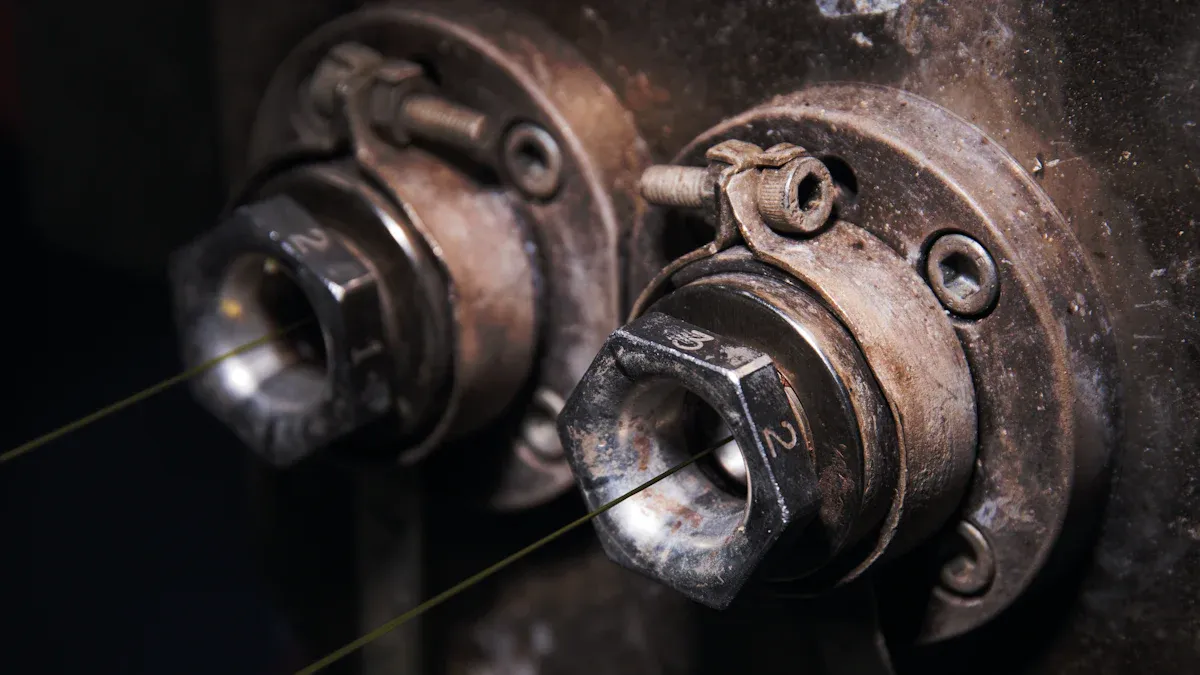
I always start my extrusion machine selection by examining the screw and barrel design. La geometria della vite determina l'efficienza con cui l'estrusore fonde, miscele, e trasmette materiale. Aggiusto la lunghezza rispetto al diametro (L/D) rapporto per controllare il tempo di residenza e la miscelazione. Un rapporto L/D più elevato consente al materiale di sciogliersi e mescolarsi più accuratamente, che è essenziale per ottenere una qualità uniforme nel prodotto finale. Mi affido a strutture a barriera nel cilindro della vite per mantenere la stabilità della fusione e prevenirne il degrado, soprattutto quando elaboro materiali sensibili. Design a doppia vite parallela e cilindro svolgono un ruolo critico nella velocità di estrusione, qualità del prodotto, ed efficienza energetica. Utilizzo la suddivisione in zone e un controllo preciso della temperatura per stabilizzare il flusso di fusione ed evitare gas intrappolati, che migliora la densità e la consistenza. Anche la finitura superficiale del cilindro e la geometria della vite influenzano l'efficienza energetica e la consistenza del prodotto. Abbino sempre il design della vite ai requisiti specifici dell'applicazione per massimizzare le prestazioni.
- Un rapporto L/D più elevato migliora la miscelazione e sciogliere l'uniformità, che è essenziale per prodotti di alta qualità.
- I design delle barriere aiutano a mantenere la stabilità della fusione e a prevenire il degrado.
- La geometria della vite e la finitura superficiale del cilindro influiscono sull'efficienza energetica e sulla consistenza del prodotto.
Movimento e miscelazione dei materiali
Mi concentro su un movimento e una miscelazione efficienti dei materiali per garantire che il processo di estrusione funzioni senza intoppi. Io uso robusti trasportatori pneumatici o meccanici per trasferire le materie prime velocemente e con una manutenzione minima. I design avanzati dei miscelatori garantiscono una miscelazione accurata e uniforme, che impedisce variazioni nei prodotti finiti. Integro controlli automatizzati con sistemi PLC per il monitoraggio in tempo reale e la gestione delle ricette. Questo approccio mi consente di supervisionare la produzione senza problemi e di regolare i parametri secondo necessità. Seleziono configurazioni scalabili per ospitare sia piccole officine che grandi operazioni industriali. Le funzionalità avanzate di controllo della polvere mantengono il posto di lavoro pulito e sicuro. Coerente, le miscele omogenee riducono le fluttuazioni di qualità e migliorano la produttività. I sistemi automatizzati riducono al minimo la movimentazione manuale, che accorcia i cicli produttivi e abbassa il costo del lavoro. Do sempre la priorità a queste funzionalità quando valuto tipologie di macchine di estrusione per nuove applicazioni.
| Caratteristica | Descrizione |
|---|---|
| Trasferimento materiale efficiente | Rapido, movimentazione delle materie prime che richiede poca manutenzione |
| Miscelazione di precisione | Completo, composizione uniforme per una qualità costante |
| Controlli automatizzati | Monitoraggio in tempo reale e gestione delle ricette |
| Configurazioni scalabili | Layout flessibili per qualsiasi capacità produttiva |
| Controllo della polvere migliorato | Più pulito, luogo di lavoro più sicuro |
| Qualità del prodotto migliorata | Miscele omogenee, fluttuazioni ridotte |
| Maggiore produttività | Cicli produttivi più brevi, minore movimentazione manuale |
| Riduzione dei rifiuti | Misurazione accurata, costi inferiori |
| Costi di manodopera inferiori | L'automazione libera il personale per attività a valore aggiunto |
| Ambiente di lavoro più sicuro | Linee chiuse e controllo delle polveri |
Controllo del processo e qualità dell'output
Dipendo dalla tecnologia avanzata di controllo del processo per mantenere un'elevata qualità di output nella produzione di estrusione. Seleziono termoplastici di alta qualità per garantire che i prodotti finali soddisfino la forza, durabilità, e requisiti di flessibilità. Controllo attentamente i parametri di estrusione per ridurre le discrepanze durante la produzione. La precisione dimensionale rimane per me una priorità assoluta, in quanto garantisce che i componenti si adattino alle applicazioni previste. Utilizzo l'ispezione della superficie per rilevare difetti come deformazioni o bolle d'aria, che mi aiuta a mantenere una qualità del prodotto costante. Early detection of issues reduces waste and saves on production costs. I always ensure that my process complies with regulatory standards, which protects both my business and my customers. High-quality products enhance my brand reputation and increase customer satisfaction. Advanced monitoring systems allow me to increase production speed without sacrificing accuracy, which boosts overall efficiency in complete extrusion systems.
| Element/Advantage | Descrizione |
|---|---|
| Selezione dei materiali | Ensures strength, durabilità, e flessibilità |
| Process Monitoring | Reduces discrepancies and maintains consistency |
| Precisione dimensionale | Guarantees proper fit for all applications |
| Surface Inspection | Identifies defects early for better quality |
| Qualità del prodotto costante | Every batch meets high standards |
| Riduzione dei rifiuti | Saves material and production costs |
| Conformità normativa | Meets legal and safety requirements |
| Customer Satisfaction | Builds reputation and loyalty |
| Process Efficiency | Increases speed while maintaining accuracy |
Mancia: I recommend regular calibration and maintenance of all extrusion technology to sustain peak performance and consistent quality.
Comparing the Extrusion Process
Monovite vs. Twin-Screw Process
When I compare single-screw and twin-screw extruders, I focus on how each system handles the extrusion process. The screw design shapes the way material moves and mixes. A single-screw extruder uses one helical screw inside a simple, cylindrical barrel. Al contrario, a twin-screw extruder features two intermeshing screws and a more complex, often segmented barrel. I see that temperature control in single-screw systems remains basic, while twin-screw machines offer advanced control with multiple heating and cooling zones. This difference impacts both throughput and energy efficiency.
| Aspetto | Estrusore a vite singola | Estrusore bivite |
|---|---|---|
| Screw Design | Single helical screw | Due viti intrecciate |
| Barrel Structure | Semplice, cylindrical | Più complesso, often segmented |
| Controllo della temperatura | Basic heating/cooling | Avanzato, multi-zone |
| Capacità di uscita | Moderare | Alto |
| Consumo energetico | Generalmente più alto | Più efficiente |
| Flessibilità nella produttività | Limitato | Alto |
I rely on twin-screw extruders for higher output and better energy efficiency. When I need flexibility in throughput or advanced process control, I choose twin-screw systems. For straightforward applications, single-screw extruders still provide reliable performance.
Material Compatibility in the Extrusion Process
Material compatibility plays a critical role in extrusion machine selection. I always match the screw configuration to the type of material I plan to process. Single-screw extruders handle standard thermoplastics well, but they struggle with materials that require intensive mixing or have high filler content. Twin-screw extruders excel with specialty compounds, plastica riciclata, and reactive materials. I use segmented screws to adjust mixing and shearing for each application.
When I work with complete extrusion systems, I consider how each screw design affects the final product. Twin-screw extruders allow me to process a wider range of materials, including those with additives or sensitive properties. This flexibility supports more types of extrusion machines and expands the range of possible applications.
Mancia: I recommend evaluating the chemical and physical properties of your raw materials before choosing an extruder. This step ensures compatibility and reduces the risk of defects.
Product Quality and Consistency
I know that the extrusion process directly impacts the quality of the finished product. Modern extrusion lines integrate automation and advanced control platforms. These systems analyze multiple variables at once, which helps me maintain consistent quality across every batch.
Quality consistency is a productivity multiplier. Advanced control platforms analyze patterns across multiple variables simultaneously, ensuring that product quality is maintained throughout the extrusion process.
I monitor key factors such as stable melt pressure, tasso di uscita, e finitura superficiale. Stable melt pressure prevents warping and dimensional drift. Higher and more stable output reduces scrap rates and downtime. Better surface finish and precise dimensional control enhance the impact on the quality of the finished product.
| Fattori chiave | Impact on Quality and Consistency |
|---|---|
| Stable melt pressure | Prevents dimensions from drifting or warping |
| Higher and more stable output | Reduces scrap rates and downtime |
| Better surface finish | Enhances overall product quality |
| Dimensional control | Ensures precision in final product specifications |
| Faster ROI | Improves profitability for manufacturers |
Quando si confrontano estrusori bivite e monovite, I see that twin-screw systems deliver better consistency and lower operational cost. I achieve faster ROI and improved performance by investing in advanced extrusion technology. I always prioritize process monitoring and automation to ensure high quality and efficiency in production.
- Higher and more stable output
- Lower scrap and downtime
- Better surface finish and dimensional control
- Reduced operational cost
- Faster ROI
I rely on these strategies to maximize the benefits of extrusion and deliver products that meet strict manufacturing standards.
Performance Comparison Table
Produttività ed efficienza
I always evaluate throughput and efficiency when I compare types of extrusion machines. Throughput measures how much material the extruder processes in a given time. Efficiency reflects how well the screw design converts raw material into finished products with minimal waste and energy use. I see that single-screw extruders often deliver steady throughput for standard polymers. Estrusori bivite, with their advanced screw geometry, handle higher output and maintain better energy efficiency, especially for complex blends.
| Tipo di estrusore | Produttività (kg/h) | Efficienza energetica | Best Use Cases |
|---|---|---|---|
| A vite singola | 50–500 | Moderare | Alto volume, simple polymers |
| Twin-Screw | 100–1000+ | Alto | Complex blends, specialty jobs |
| Ram Extruder | 10–100 | Low–Moderate | PTFE, ceramica, specialità |
| Sistemi di coestrusione | Varia | Alto | Multi-layered profiles |
I always match the screw configuration to the material and production requirements. This approach ensures the process delivers consistent quality and meets manufacturing goals. I rely on complete extrusion systems to maximize throughput and efficiency for every application.
Mancia: I recommend monitoring energy consumption and output rates regularly. This practice helps optimize extrusion machine selection and reduces operational costs.
Maintenance and Reliability
I prioritize maintenance and reliability when I select an extruder. The screw and barrel experience constant wear from abrasive materials and high temperatures. I schedule routine inspections and replace worn components to prevent unexpected downtime. Single-screw extruders require less maintenance due to their simple design. Estrusori bivite, with more moving parts and segmented screws, need more frequent checks but offer greater flexibility.
| Tipo di estrusore | Esigenze di manutenzione | Reliability Level | Common Issues |
|---|---|---|---|
| A vite singola | Low–Moderate | Alto | Occasional screw wear |
| Twin-Screw | Moderate–High | Alto | Segment wear, seal failure |
| Ram Extruder | Moderare | Moderare | Hydraulic leaks, die wear |
| Sistemi di coestrusione | Alto (multi-screw) | Alto | Synchronization, screw wear |
I use advanced monitoring systems to track screw wear and process stability. This strategy improves reliability and extends the life of my extrusion technology. I always keep spare screws and barrels on hand to minimize downtime during maintenance.
Product Complexity and Flexibility
I value design flexibility in extrusion. The ability to customize the screw and die allows me to create complex profiles for a wide range of applications. I use extrusion to manufacture everything from simple plastic tubing to intricate window frames. I can add reinforcements or special features within the continuous material, which expands my product offerings.
| Aspetto | Descrizione |
|---|---|
| Flessibilità di progettazione | Extrusion allows for significant design flexibility through die customization, enabling complex profiles. |
| Applicazioni | Suitable for various applications, including intricate window frames and simple plastic tubing. |
| Personalizzazione | Manufacturers can include reinforcements or additional features within the continuous material. |
- In MedTech, I must achieve tight tolerances for medical devices.
- I ensure biocompatibility for all medical extrusion products.
- I monitor wall thickness closely, since it affects flow rates and structural strength.
I select the screw configuration and extrusion machine based on the complexity of the design and the required tolerances. This approach guarantees high quality and supports advanced manufacturing needs.
Nota: I recommend consulting with extrusion experts when planning new product designs. Their experience helps avoid costly mistakes and ensures the right screw and process configuration.
Application Suitability in Manufacturing
High-Volume Manufacturing
I always start my extrusion machine selection by considering the demands of high-volume manufacturing. When I need to produce thousands of units per day, I rely on single-screw extruders. These machines deliver steady throughput and maintain consistent quality. The screw design in single-screw extruders allows me to process standard polymers efficiently. I monitor the process closely to ensure uniform melt and minimize defects. I select the right screw diameter and length to match the production requirements. This approach helps me achieve high efficiency and reduce waste. I use automated controls to track output and maintain quality standards. High-volume applications benefit from robust types of extrusion machines that can operate continuously with minimal downtime. I always keep spare screws and barrels ready to avoid interruptions in production.
Mancia: I recommend scheduling regular maintenance for extruders used in high-volume manufacturing. This practice extends the life of the screw and ensures reliable performance.
Complex Product Manufacturing
When I manufacture complex or multi-component products, I turn to advanced extrusion technology. Twin-screw extruders give me greater control over mixing and material distribution. I use segmented screws to adjust shear and optimize the process for each application. Co-extrusion technology enables me to combine different polymers into multi-layer films and pipes. This method improves barrier properties and enhances strength, flessibilità, e resistenza chimica.
| Tecnologia | Vantaggi |
|---|---|
| Coestrusione | Enables the creation of multi-layer films and pipes with improved barrier properties, combining different polymers for strength, flessibilità, e resistenza chimica. |
I select the screw configuration based on the complexity of the product. For intricate designs, I rely on precise tooling and advanced process monitoring. I always test the extruder setup before full-scale production to ensure quality and performance. Complex applications require careful extrusion machine selection and attention to detail.
Specialty Materials and Customization
I often work with specialty materials that demand custom solutions. I use advanced shaping processes, such as sheet extrusion and thermoforming, to control material characteristics. Sheet extrusion gives me the ability to manage thickness and material distribution with high accuracy. Co-extrusion capabilities allow me to create multi-layer constructions that enhance material properties. I integrate downstream shaping processes to ensure consistent performance in finished components. Engineering services help me optimize component designs and select the best materials for specific applications.
- Advanced shaping processes, such as sheet extrusion and thermoforming, allow for precise control over material characteristics.
- Sheet extrusion provides a foundation for custom material solutions, enabling thickness control and material distribution accuracy.
- Co-extrusion capabilities facilitate the creation of multi-layer constructions, enhancing material properties.
- Integration with downstream shaping processes ensures consistent performance characteristics in finished components.
- Engineering services optimize component designs and material selection, ensuring suitability for specific applications.
I always match the screw design to the requirements of specialty materials. Customization in extrusion depends on selecting the right extruder and process parameters. I monitor quality at every stage to deliver products that meet strict standards. Specialty applications benefit from flexible types of extrusion machines and expert guidance.
Nota: I recommend consulting with extrusion specialists when working with new materials or custom designs. Their expertise helps achieve the desired quality and performance.
Selection Criteria for Extrusion Systems
Product Design and Complexity
I always start my extrusion machine selection by analyzing the product design and complexity. The geometry of the profile influences the choice of extruder and screw configuration. Complex shapes increase tooling costs and create production challenges. I simplify profile geometry whenever possible to enhance material flow and reduce defects. Smooth transitions in the design prevent disruptions in material flow, which is crucial for consistent extrusion quality. I select the right material early in the process because material choice affects both the properties of the part and the ease of extrusion. This decision impacts manufacturability and overall performance.
- Simplifying profile geometry lowers tooling costs and reduces production challenges.
- Designing for material flow ensures consistent extrusion quality and minimizes defects.
- Choosing the right material early improves manufacturability and product performance.
I match the screw design to the complexity of the product. For intricate profiles, I use advanced screw configurations that optimize mixing and material transport. I rely on precise tooling and process monitoring to maintain high quality. When I work with complex applications, I consult with extrusion technology experts to avoid costly mistakes and ensure the best results.
Mancia: I recommend reviewing the profile geometry and material flow before finalizing the extrusion machine selection. This step helps prevent production issues and supports efficient manufacturing.
Material Properties
Material properties play a critical role in selecting the right extruder and screw configuration. I identify application requirements such as temperature resistance, Esposizione ai raggi UV, and impact durability. I consider mechanical properties like flexibility, durezza, and tensile strength for the intended use. Environmental conditions influence my material choice, especially when I need weathering resistance or flexibility in cold environments. I evaluate aesthetic and finish requirements, compreso il colore, lucentezza, and surface texture, based on project needs. Regulatory and compliance needs guide my selection to ensure materials meet industry-specific standards and certifications.
- Application requirements determine the need for temperature resistance, Esposizione ai raggi UV, and impact durability.
- Mechanical properties such as flexibility, durezza, and tensile strength affect the choice of extruder and screw.
- Environmental conditions require materials that withstand weathering or remain flexible in cold climates.
- Aesthetic and finish requirements influence color, lucentezza, and surface texture.
- Regulatory and compliance needs ensure materials meet industry standards.
I select the screw design based on the material’s properties. For heat-sensitive materials, I use screws with gentle mixing zones and precise temperature control. When processing tough or abrasive compounds, I choose robust screw geometries that withstand wear and maintain efficiency. I always test materials in pilot runs to verify compatibility with the extruder and ensure consistent quality.
Nota: I recommend consulting material datasheets and industry standards before choosing an extruder. This practice helps match material properties to the extrusion process and supports reliable performance.
Production Volume and Scale
Production volume and scale influence the cost-effectiveness of extrusion machine selection. Higher production volumes reduce unit costs because tooling expenses are spread over more parts. In the prototype stage, tooling costs are high compared to the quantity produced. In mass production, die costs are amortized over larger volumes, leading to lower costs per unit. Per esempio, a die costing $2,000 with a lifetime of 40,000 kg results in a cost of $0.05 per kg when amortized.
- Higher production volumes lower unit costs by spreading tooling expenses.
- Prototype stages have high tooling costs relative to the number of parts produced.
- Mass production allows die costs to be distributed over larger volumes, reducing per-unit costs.
- Example: A die costing $2,000 with a lifetime of 40,000 kg results in a cost of $0.05 per kg.
I select the extruder and screw configuration based on the expected production volume. For high-volume manufacturing, I use robust types of extrusion machines that deliver steady throughput and maintain efficiency. In low-volume or prototype applications, I prioritize flexibility and rapid changeover. I monitor production rates and adjust screw parameters to optimize output and quality.
Mancia: I recommend calculating the amortized tooling cost before committing to a production scale. This step helps determine the most cost-effective extrusion technology and supports long-term manufacturing goals.
Technical and Budget Considerations
I always approach extrusion machine selection with a clear focus on technical requirements and budget constraints. My experience tells me that investing in advanced extrusion technology demands careful planning. I evaluate every aspect of the system, from screw design to process control, to ensure cost-effectiveness and reliable performance.
I start by analyzing the technical specifications of the extruder. I look at screw geometry, barrel length, and compatibility with different types of extrusion machines. I select a screw that matches the material properties and the complexity of the applications. I check if the extruder can handle the desired throughput and maintain consistent quality. I also assess the integration of feeders, termoregolatori, e apparecchiature a valle. System integration plays a crucial role in maximizing efficiency and avoiding bottlenecks in production.
Budget considerations influence every decision I make. I break down the costs into several categories to understand the financial impact. I use the following table to guide my investment strategy:
| Budget Consideration | Descrizione | Financial Impact / Benefit Example |
|---|---|---|
| Efficienza energetica | Reducing energy consumption by upgrading control systems or screws | 33% energy reduction saves nearly $100,000 annually on $288,000 costo energetico |
| Scrap Reduction | Lowering scrap rate from 15% A 5% through data acquisition and process control | Saves $200,000 monthly or $2.4 million yearly in materials, lavoro, and energy costs |
| Throughput Increase | Upgrading to twin-screw extruder increases throughput by 30% | Generates $600,000 additional monthly revenue with >50% incremental profit margin |
| Maintenance Cost Reduction | Predictive maintenance and condition monitoring reduce emergency repairs and downtime | Maintenance costs drop 20-30%, equipment availability increases |
| System Integration | Budgeting for compatible feeders, termoregolatori, e apparecchiature a valle | Partial upgrades capture only ~40% of potential benefits |
| Operator Training | Training on material characteristics, machinery, instrumentation, and controls | Essential to fully realize technology benefits; lack wastes investment |
| Data Acquisition Infrastructure | Adequate sensors and analytics software needed for optimization | Insufficient infrastructure limits optimization; too many sensors without analytics causes overload |
| Downstream Constraints | Ensuring cutting, confezione, and inspection keep pace with increased extruder output | Bottlenecks reduce overall system benefit |
I prioritize energy efficiency when selecting an extruder. Upgrading control systems or optimizing screw design can reduce energy consumption by up to 33%. This improvement saves nearly $100,000 each year on a typical $288,000 energy bill. I also focus on scrap reduction. By implementing advanced process control and data acquisition, I lower scrap rates from 15% A 5%. This change saves $200,000 every month in materials, lavoro, and energy costs.
Increasing throughput is another key goal. Upgrading to a twin-screw extruder boosts output by 30%. This increase generates $600,000 in additional monthly revenue, with more than a 50% incremental profit margin. I invest in predictive maintenance and condition monitoring to reduce emergency repairs and downtime. Maintenance costs drop by 20-30%, and equipment availability improves.
System integration is essential for maximizing the benefits of extrusion technology. I budget for compatible feeders, termoregolatori, e apparecchiature a valle. Partial upgrades capture only about 40% of the potential benefits. Operator training is critical. I ensure my team understands material characteristics, machinery, instrumentation, and controls. Without proper training, the investment in advanced extrusion technology goes to waste.
I invest in data acquisition infrastructure. Adequate sensors and analytics software optimize the process. Insufficient infrastructure limits optimization, while too many sensors without analytics cause information overload. I address downstream constraints by ensuring cutting, confezione, and inspection keep pace with increased extruder output. Bottlenecks in these areas reduce the overall benefit of the system.
I always balance technical requirements with budget limitations. I select a screw that delivers high quality and efficiency without exceeding my financial resources. I plan for future upgrades and modular expansion to support changing production needs. I monitor every aspect of the extrusion process to maintain cost-effectiveness and reliable performance.
Mancia: I recommend creating a detailed budget plan before investing in new extrusion technology. Include energy costs, manutenzione, formazione degli operatori, and system integration. This approach ensures that the extruder delivers maximum value and supports long-term manufacturing goals.
Actionable Insights for Manufacturers
Matching System to Application
I always match the extrusion system to the specific application. IO optimize material use to balance strength and lightweight design. I define critical dimensional tolerances early, which ensures parts fit and function as intended. I design for manufacturability, making sure shapes can be extruded consistently and cost-effectively. I select aluminum alloys based on application needs, such as strength and corrosion resistance. I simplify designs to reduce costs, avoiding unnecessary complexity in profiles. I prototype and test early, which helps me identify potential challenges before full production. These steps help me achieve high quality and reliable performance in every extrusion process.
- Optimize material use for strength and lightweight design.
- Define critical dimensional tolerances early.
- Design for manufacturability.
- Select appropriate aluminum alloys for application needs.
- Simplify designs to reduce costs.
- Prototype and test early.
I always consider the key components of an extruder, such as screw geometry and barrel design, to ensure the system meets production requirements. I review different types of extruder machines to find the best fit for my applications in estrusione plastica. This approach supports scalability and maintains quality control throughout manufacturing.
Common Selection Mistakes
I have seen many manufacturers make mistakes during extrusion machine selection. Inadequate material blending often leads to product imperfections and increased costs from reprocessing. Outdated or incompatible control systems cause integration issues and inefficiencies. Inconsistent feed rates disrupt the extrusion process, resulting in product variabilities and higher scrap rates. Neglecting preventive maintenance allows minor mechanical issues to escalate into major production problems, affecting revenue. Ignoring operator training leads to misconfigurations and missed optimization opportunities.
- Inadequate material blending increases costs and reduces quality.
- Outdated control systems cause inefficiencies.
- Inconsistent feed rates disrupt the extrusion process.
- Neglecting preventive maintenance leads to major production problems.
- Ignoring operator training results in missed optimization.
I always monitor screw wear and maintain the extruder regularly. I invest in operator training to maximize efficiency and quality. I avoid these mistakes by focusing on process stability and performance.
Future Trends in Extrusion Technology
I see rapid changes in extrusion technology shaping the future of manufacturing. IoT integration allows real-time monitoring and analytics, migliorando l’efficienza. Artificial intelligence supports predictive maintenance and optimization, which boosts performance. Energy efficiency is a growing focus, with manufacturers seeking ways to reduce consumption in the extrusion process. Robotic automation streamlines material handling and quality control. Sustainability initiatives drive the use of recycled materials and eco-friendly processes.
| Tendenza | Descrizione | Impact on Efficiency | Tasso di adozione previsto (%) |
|---|---|---|---|
| Integrazione dell'IoT | Monitoraggio e analisi in tempo reale | Alto | 75% |
| Intelligenza artificiale | Manutenzione predittiva e ottimizzazione | Molto alto | 65% |
| Efficienza energetica | Reducing energy consumption | Medio | 70% |
| Automazione robotica | Movimentazione dei materiali e controllo qualità | Alto | 60% |
| Iniziative di sostenibilità | Materiali riciclati e processi ecosostenibili | Medio | 55% |

I notice advancements in material compatibility, especially with bioplastics, are transforming the extrusion industry. Many manufacturers now prioritize flexibility in equipment design, with modular systems allowing easy upgrades and modifications. Sustainability is essential, with most manufacturers focusing on energy-efficient equipment and waste reduction strategies. Smart extrusion machines reduce downtime by 20%, which improves overall efficiency and quality control. I always stay updated on these trends to maintain high performance and support new applications in plastic extrusion.
Mancia: I recommend reviewing the overview of extruder machines in manufacturing regularly. Staying informed about new types of extrusion machines and screw designs helps me adapt to changing production needs and maintain scalability.
I recognize that each extrusion system offers unique advantages and limitations. My experience shows that single-screw extruders excel in high-volume production, while twin-screw systems provide superior mixing and flexibility. Ram and co-extrusion machines support specialty applications. I always use comparison tables and selection criteria to evaluate:
- Technical capabilities and long-term reliability
- Customer service and design assistance
- Quality standards and energy efficiency
I recommend manufacturers understand their application needs and consult extrusion experts for optimal results.
Domande frequenti
What is the main difference between single-screw and twin-screw extruders?
I see that single-screw extruders use one rotating screw for basic mixing. Twin-screw extruders use two screws for advanced mixing and better control. I choose twin-screw systems for complex materials and higher flexibility.
How do I decide which extrusion system fits my application?
I start by reviewing my material type, volume di produzione, and product complexity. I match these needs to the strengths of each system. I consult with experts if I face unique requirements.
Can I process recycled materials with extrusion systems?
I process recycled materials using twin-screw extruders. These machines handle variable feedstocks and additives better than single-screw systems. I monitor quality closely to ensure consistent results.
How often should I perform maintenance on my extruder?
I schedule routine inspections every month. I check for screw wear, barrel condition, and control system performance. Regular maintenance prevents downtime and extends equipment life.
What are the most common extrusion defects I encounter?
I often see surface roughness, dimensional drift, and melt fractures. I address these by adjusting temperature, velocità della vite, and material feed. I use process monitoring to catch issues early.
Is co-extrusion suitable for all materials?
I use co-extrusion mainly for thermoplastics. Some materials may not bond well in multi-layer profiles. I test material compatibility before starting production.
How does automation improve extrusion quality?
I rely on automation for real-time monitoring and precise control. Automated systems reduce human error, maintain consistent output, and improve overall product quality.
What safety measures do I follow during extrusion?
I wear protective gear and follow lockout procedures. I keep the work area clean and check emergency stops regularly. I train my team on safe operation and emergency response.