

Uru ejima Screw Extruder bara uru karịa otu Screw in 2026
Ahụrụ m ndị nrụpụta na 2026 ịhọrọ nke ejima ịghasa extruder n'ihi ọtụtụ ihe. Ahụrụ m ka o si eme ya nnukwu abụba na nnukwu mmiri mmiri na mfe. Nke a na-eme ka ọ bụrụ ngwá ọrụ dị iche iche maka ntụziaka dị mgbagwoju anya. Achọpụtakwara m na pellet ndị ọ na-emepụta na-adị ka otu ma nwee ọdịdị dị nro. Enwere m mmasị na ike ya iji obere ume maka tọn ọ bụla nke mmepụta, nke na-azọpụta ego n'ikpeazụ. Nhicha na-ewe obere oge, ya mere mmepụta adịkarịghị akwụsị.
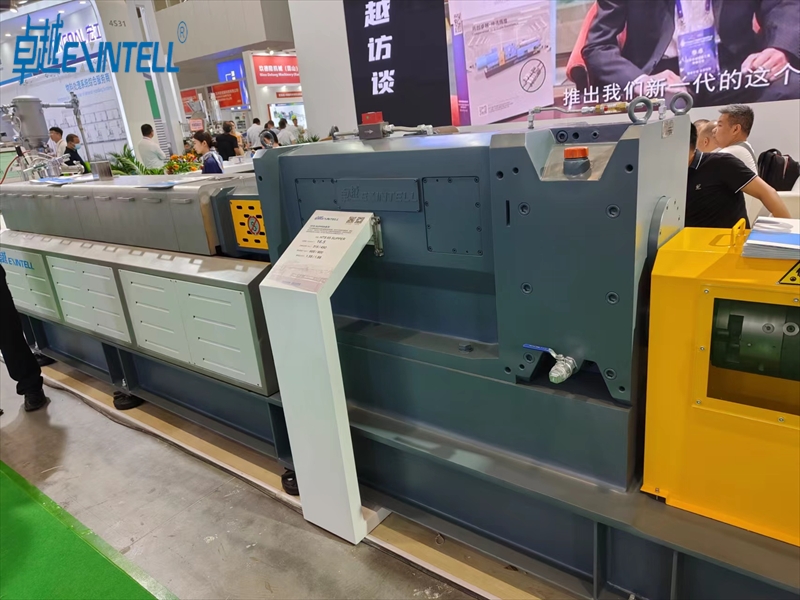
Isi ihe eji eme ihe
- Ejima ịghasa extruders na-ejikwa ihe dị mgbagwoju anya karịa otu ịghasa extruders, na-eme ka ha dị mma maka ntụziaka dị elu na nke dị elu.
- Itinye ego na ejima screw extruder nwere ike iduga nnukwu nchekwa ogologo oge site na ibelata mkpofu na imeziwanye ogo ngwaahịa..
- Mgbanwe nke ejima screw extruders na-enye ohere maka njikwa ziri ezi maka ịgwakọta na nhazi, nke dị mkpa maka izute ụkpụrụ ụlọ ọrụ siri ike.
- Ọnụ ahịa ntinye dị elu na obere ume ike na-eme ka ejima ịghasa extruders rụọ ọrụ nke ọma maka mkpa nrụpụta ọgbara ọhụrụ.
- Ịhọrọ nke nri extruder dabere na ụdị ihe onwunwe gị na ọnụ ọgụgụ mmepụta gị; ejima ịghasa extruders na-eme nke ọma na ngwa dị elu na mgbagwoju anya.
Single Screw Extruder vs ejima ịghasa Extruder
Nhazi na arụ ọrụ
Mgbe m lere anya otu ịghasa extruder, Ahụrụ m igwe kwụ ọtọ. Otu ihe nkedo extruder na-eji otu skru na-atụgharị n'ime gbọmgbọm. Nke a dị mfe imewe na-eme ka otu ịghasa extruder dị mfe iji rụọ ọrụ na ịnọgide na-enwe. Achọpụtara m na otu ịghasa extruder na-arụ ọrụ kacha mma na ọcha, edo ihe. The single screw extruder does not handle mixed or contaminated inputs as well as other systems.
Nke ejima ịghasa extruder, n'akụkụ aka nke ọzọ, uses two intermeshing screws. This design gives the twin screw extruder more flexibility. I notice that the twin screw extruder can process a wider range of materials, including those with impurities or blends. The twin screw extruder offers better mixing and degassing. The twin screw extruder does require a higher initial investment and more attention during operation.
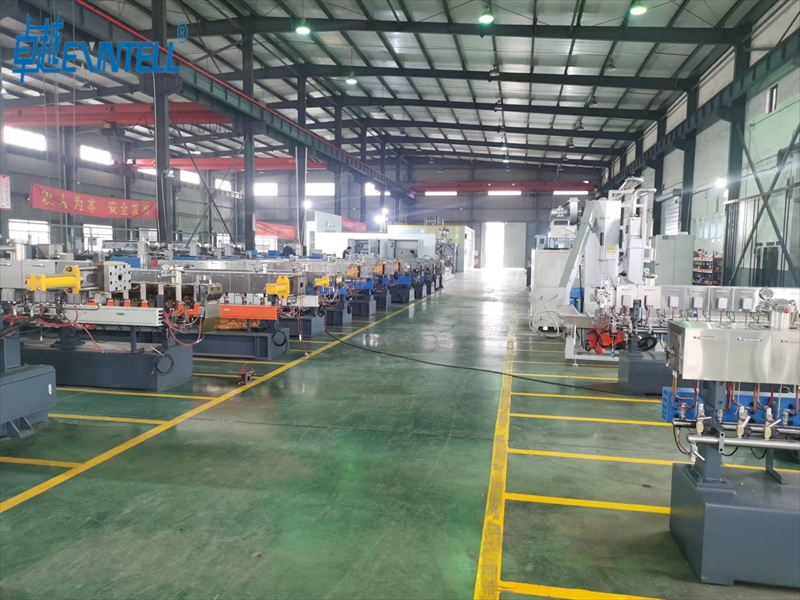
I often compare the two using a table for clarity:
| Njirimara | Otu ịghasa Extruder | Ejima ịghasa Extruder |
|---|---|---|
| Mechanical Structure | Simple mechanical structure | More complex with two intermeshing screws |
| Initial Investment | Lower initial investment | Higher initial investment |
| Operation and Maintenance | Easier operation and maintenance | More complex operation and maintenance |
| Material Suitability | Best suited for clean, consistent materials | Higher tolerance for contaminated or blended materials |
| Ikike ịgwakọta | Limited mixing capability | Superior mixing and dispersion |
| Degassing Performance | Basic degassing capability | Strong degassing capability |
| Process Control Flexibility | Less flexible in process control | Greater process control flexibility |
| Typical Applications | Suitable for stable and uniform input materials | Effective for challenging recycling materials |
Performance Comparison
I have tested both the single screw extruder and the twin screw extruder in my work. The single screw extruder uses less energy overall. The single screw extruder usually has lower throughput rates. The single screw extruder can struggle with efficiency when processing tough or blended materials. The single screw extruder may also create more waste if the material is not ideal.
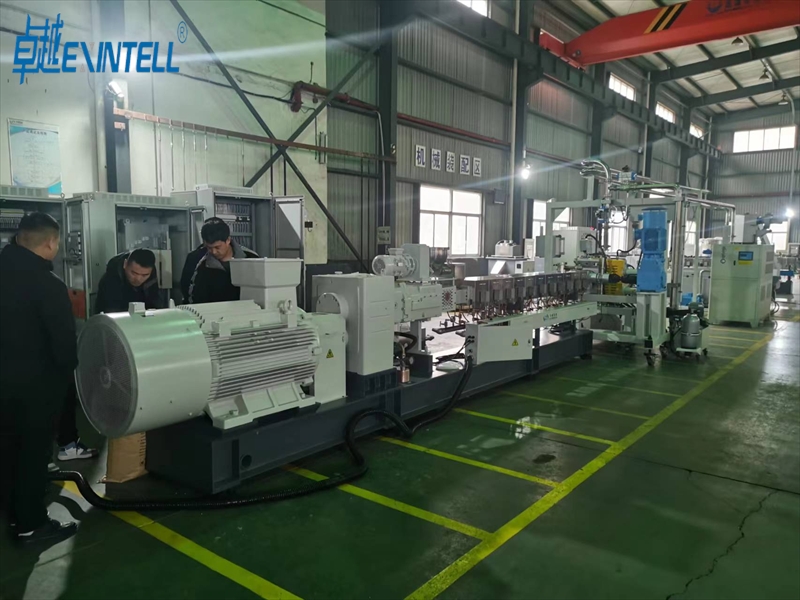
Ihe ejima ịghasa extruder pụtara na arụmọrụ. Igwe ejima ịghasa extruder na-enweta ọnụego ntinye dị elu n'ihi ngwakọta ya dị elu. Ejima ịghasa extruder na-ahazi ihe nke ọma karịa. Ejima ịghasa extruder na-ebelata ihe mkpofu, nke m na-ahụ dị mkpa maka nchekwa ego na nkwado. Ejima ịghasa extruder na-eji ike karịa, mana uru na arụmọrụ na njikwa ihe na-akakarị nke a.
| Njirimara | Otu ịghasa Extruder | Ejima ịghasa Extruder |
|---|---|---|
| Oriri ike | Wedata oriri ike zuru oke | Nke ka elu ike oriri n'ihi imewe |
| Ntinye aka | N'ozuzu, ọ na-ebelata ọnụego mmepụta | Ọnụ ahịa ntinye dị elu n'ihi ịgwakọta ka mma |
| Ịrụ ọrụ | Obere nke ọma kwa kilogram edoziri | Na-arụ ọrụ nke ọma na ihe nhazi |
| Mbelata mkpofu | Enwere ike dị elu maka mkpofu | Mbelata ihe mkpofu n'ihi ike nhazi ka mma |
Mgbe m tụnyere otu-ịghasa na ejima-ịghasa extrusion usoro, I see that the single-screw extruder offers simplicity and cost-effectiveness. The twin screw extruder provides versatility and advanced capabilities. I always consider the specific needs of my operation before choosing between the single screw extruder and the twin screw extruder.
Uru ejima screw Extruder
Material Mixing and Degassing
I have seen how the ejima ịghasa extruder transforms the way I handle material mixing and degassing. When I use a twin-screw system, I notice that the mixing strength is much higher than with a single screw. I can control moisture and shear with great precision. This control helps me achieve consistent expansion and texture in every batch. I often work with high-fat and high-moisture recipes, and the twin screw extruder handles these with ease. I can also add fibers, fresh meat, mmanụ, or vitamins without worrying about uneven results.
I rely on the following table to compare mixing and processing capabilities:
| Njirimara | Otu-ịghasa | Ejima-ịghasa |
|---|---|---|
| Mixing strength | Dị ala | Dị elu |
| High mixing performance | Mba | Ee |
| Precise control of moisture | Mba | Ee |
| Handles complex recipes | Mba | Ee |
I use segmented screws in my twin screw extruder. I can change the screw elements to adjust bulk density, water absorption, texture, and protein structure. This flexibility gives me better mixing efficiency and allows me to fine-tune the process for each product. I also benefit from multiple heating zones, which help me control starch gelatinization and moisture distribution. This leads to a stable final texture and high product quality.
Degassing is another area where the twin screw extruder excels. I use strategically placed vents to remove volatiles and prevent flooding. Ikike a na-eme ka a hụ na ngwaahịa m na-emezu ụkpụrụ ịdị mma siri ike, karịsịa na ngwakọta plastik na ngwa nri. Achọpụtara m na devolatilisation na-arụ ọrụ nke ọma na sistemụ ejima-screw, nke dị mkpa maka ma nchekwa ma ngwaahịa mma.
Mgbanwe maka ihe mgbagwoju anya
Ọ na-adịkarị m mkpa ịhazi ngwakọta, ihe mgbakwunye, ma ọ bụ ihe na ihe ndochi. Ihe ejima screw extruder na-enye m mgbanwe m chọrọ maka ọrụ ndị a. Enwere m ike ịgwakọta, gbasasịa, ma gbazee ihe mgbagwoju anya na arụmọrụ dị elu. Mgbe m na-arụ ọrụ na-enwe mmetụta okpomọkụ, Enwere m ntụkwasị obi na ejima-screw chepụta iji chebe ihe ndị ahụ na ịnọgide na-adị mma. Enwere m ike ịgbakwunye ọtụtụ feeders ma ọ bụ mepụta mpaghara mmeghachi omume, nke dị mkpa maka nhazi dị elu na nhazi plastik.
Ọtụtụ ụlọ ọrụ na-erite uru site na mgbanwe a. Na ahụmahụ m, nri, ọgwụ, and biodegradable plastic sectors rely on twin screw extruders for their most challenging products. I can handle polymers, ọgwụ, and food products with the same machine. This versatility helps me keep up with changing regulations and new market demands. I know that my operation is future-proof because I can adapt quickly to new materials and requirements.
Here are some reasons why I choose twin screw extruders for complex materials:
- Superior mixing and dispersing
- Efficient melting of additives and fillers
- Suitable for heat-sensitive and multi-component formulations
- Advanced control for venting and feeding
- Reliable for food, pharma, and plastic compounding
Product Quality and Consistency
I always aim for the highest product quality and consistency. The twin screw extruder helps me achieve this goal. I have seen a 15% increase in throughput and a 10% reduction in off-spec material after integrating advanced control systems. I use in-line rheometers to monitor viscosity, which has reduced batch rejection rates by 25%. These improvements matter to my bottom line and my reputation.
I can optimize barrel temperature and screw configuration to enhance material properties. Studies show that this approach leads to better process outcomes and more uniform products. I rely on the twin-screw system to deliver consistent dispersion and homogeneity, even with complex or sensitive materials. This consistency is critical for meeting customer expectations and regulatory standards.
Ndụmọdụ: I always monitor process parameters closely. This helps me maintain high quality and avoid costly rework.
Efficiency and Throughput
Ịrụ ọrụ na mmepụta ihe bụ ihe kacha mkpa na ọrụ m. Ejima ịghasa extruder na-enye m uru dị ịrịba ama n'akụkụ abụọ ahụ. M na-ahụ obere ike oriri n'ihi na kacha imewe. M na-enwetakwa mmepụta dị elu n'ihi njikwa ihe dị mma na ịgwakọta arụmọrụ. N'ime ndụ akụrụngwa m, Enwere m ike ịchekwa karịa $50,000 na ụgwọ ọrụ.
| Akụkụ | Ejima ịghasa Extruder | Otu ịghasa Extruder |
|---|---|---|
| Oriri ike | Dị ntakịrị ala n'ihi nhazi kachasị mma | Elu n'ihi na-adịghị mma imewe |
| Ntinye aka | Ntinye aka dị elu n'ihi njikwa ihe ka mma | Mmụpụta dị ala n'ihi oke imewe |
| Nchekwa ọnụ ahịa arụ ọrụ | Enwere ike ichekwa ego nke $50,000+ gafere ndụ | Ọnụ ego arụmọrụ dị elu |
Enwere m ike ijikọ ọtụtụ usoro n'ime ejima ịghasa extruder, nke na-ebelata oge nhazi oge niile. M na-eritekwa uru site na nrụpụta na-aga n'ihu, nke na-ebelata ojiji ike na mkpofu. Usoro a na-akwado mmụba site na ụlọ nyocha ruo mmepụta mmepụta ihe. Achọpụtara m na usoro ejima-screw na-enyere m aka imezu oge njedebe ma na-ebuga ngwaahịa dị elu n'oge.
N'ime 2026, M na-ahụ ejima ịghasa extruder dị ka nhọrọ kasị mma maka izute ọhụrụ ụlọ ọrụ ọnọdụ na ihe onwunwe chọrọ. Nkwekọrịta ya na ụkpụrụ na ihe akaebe ga-eme n'ọdịnihu na-enye m obi ike na ntinye ego m ga-akwụ ụgwọ maka afọ ndị na-abịa.
Ngwa ejima-screw na 2026
Elu nkenke na ojiji ọpụrụiche
Ahụla m ejima ịghasa extruders na-eduga ụzọ na elu na pụrụ iche nhazi ngalaba. M na-eji ha mgbe m chọrọ oke nkenke na mgbanwe. Igwe ndị a na-eme nke ọma n'ịgwakọta, ngwakọta, na ihe na-agbasasị. M na-adaberekarị na ha maka plastik ndị arụpụtara arụ ọrụ, ihe ejigharịgharịa, masterbatches, ihe ndochi, na mgbakwunye. Achọpụtara m nnukwu ọchịchọ na ụgbọ ala, ngwá electronic, na nkwakọ ngwaahịa dị elu. Ụlọ ọrụ ndị a chọrọ nhazi ihe na nhazi mgbanwe.
M na-ejikwa ejima skru extruders n'ahịrị eji emegharị plastik. Ha na-enyere m aka ịhazi ngwakọta ndị na-ama aka na iyi ndị mmetọ. Enwere m ike ịhazigharị skru na orù iji kwekọọ na ihe ahụ. Ngbanwe a na-eme ka igwe extruder bụrụ nhọrọ kacha elu maka nrụpụta ọgbara ọhụrụ.
Ndụmọdụ: M mgbe niile na-eji smart sensọ nyochaa usoro. Data ezigbo oge na-enyere m aka ịchọpụta anomalies n'oge ma nọgide na-enwe ogo ngwaahịa.
- m na-ejikọta IoT na AI maka mmezi amụma.
- M na-eji ụkpụrụ modular na-ejikwa ihe ndị nwere oke mmiri na ịnweta.
- M na-ahụ ka smart extrusion igwe reshape m arụmọrụ.
Nri, Pharma, na bioplastics
M na-arụ ọrụ na ọtụtụ ụlọ ọrụ na-erite uru na ejima ịghasa extruders. Na nhazi nri, Ana m enweta ngwakọta dị elu yana mmepụta agbanwe agbanwe. Enwere m ike itinye eriri, vitamin, or fresh ingredients without losing quality. In pharmaceuticals, Ahụla m rapid growth. The demand for continuous manufacturing and precise drug formulation drives this trend. I use twin screw extruders to control drug mixing and granulation with accuracy.
In bioplastics, I process biodegradable and recycled materials. Nke shift toward sustainability opens new opportunities for extruder applications. I use twin screw extruders in my plastic recycling line to handle biopolymers and recycled plastics efficiently.
| Ụlọ ọrụ mmepụta ihe | Documented Benefits |
|---|---|
| Nri | Superior mixing capabilities and consistent processing output |
| Ọgwụ ọgwụ | Growth potential due to demand for continuous manufacturing and precision formulation |
| Bioplastics | Opportunities for processing biodegradable and recycled materials |
I see how increased material compatibility and smart control systems make twin screw extruders essential for the future. I trust these machines to keep up with changing regulations and market demands.
Cost and ROI: Single-Screw vs Twin-Screw
Investment and Savings
When I compare the investment needed for each extruder, I see clear differences. A single screw extruder usually costs less at the start. Ọ melts plastic and pushes it through a die. This simple function keeps the price low and the operation easy. I find that a twin screw extruder costs more because it can mix, ngwakọta, and devolatilize materials. The advanced features add to the price, but they also add value.
- Entry-level twin screw extruders often cost between $8,000 na $18,000.
- Larger models with screw diameters from 50mm to 65mm can reach $20,000 ka $50,000.
- Ndị na-ebupụ otu ihe nkedo dị ọnụ ala karịa maka ọrụ ndị bụ isi.
- Ejima ịghasa extruders na-enye ọtụtụ ọrụ, nke na-akwado ọnụ ahịa dị elu maka ọrụ mgbagwoju anya.
M na-atụle mgbe niile nhọrọ ntọala n'etiti ụdị abụọ a dị ka onye ọkwọ ụgbọ ala na-efu isi. Onye na-apụ apụ ziri ezi nwere ike ịchekwa ego ka oge na-aga site n'ibelata ihe mkpofu na imeziwanye mma.
Nlekọta na arụ ọrụ
Nlekọta na-ekere òkè dị ukwuu na mkpebi m. Achọpụtara m na otu ịghasa extruder chọrọ obere nlebara anya. Ọ nwere nhazi dị mfe, ya mere m na-eji obere oge na ego na-elekọta. Ihe ejima skru extruder chọrọ nlekọta karịa. Ewepụrụ m ya 2-8 awa kwa ọnwa maka mmezi oge niile, nke na-efu n'etiti $2,000 na $8,000 kwa afọ. Ndozi mgbochi nwere ike iru $15,000 kwa afọ, mana ahụrụ m a 30-50% mbelata ọnụ ahịa ma e jiri ya tụnyere nkezi ụlọ ọrụ n'ihi nhazi ka mma.
| Ụdị nlekọta | Ejima ịghasa Extruders | Otu ịghasa Extruders |
|---|---|---|
| Nlekọta oge niile | 2-8 awa kwa ọnwa, $2,000-$8,000/afọ | Opekempe |
| Nlekọta mgbochi | $4,000-$15,000/afọ | Dị ala |
| Mmezi mmezi | $2,000-$8,000/afọ | Dị ala |
| Mbelata ọnụ ahịa | 30-50% n'okpuru nkezi ụlọ ọrụ | N/A |
M na-ahụkwa na ejima ịghasa extruder awade elu ike arụmọrụ na n'ibu nhazi, ebe otu ịghasa extruder na-adabere karịa na arụmọrụ thermal. Ọdịiche a na-emetụta ụgwọ ọrụ m, karịsịa na mmepụta na-aga n'ihu.
Usoro Ahịa na Uru Ọdịnihu
M na-ekiri usoro ahịa nke ọma. N'ime 2026, M na-ahụ ike uto maka ejima ịghasa extruder. Ụlọ ọrụ chọrọ nhazi nke ọma na nke na-aga n'ihu. Automation na atụmatụ ịchekwa ike na-eme ka ejima screw extruder mara mma karịa. Achọpụtara m nri ahụ, plastik, na ụlọ ọrụ na-emepụta ọgwụ na-achọ ihe ndị a haziri nke ọma. Ịdagide na-ebukwa ahịa ahịa, ka ụlọ ọrụ ndị ọzọ na-achọ ihe ngwọta eco-friendly.
| Trend/Ihe kpatara | Nkọwa |
|---|---|
| Ọganihu na nrụpụta | New technologies boost the twin screw extruder market. |
| Demand for High-Quality Materials | Nri, plastik, and pharma need better extruder performance. |
| Focus on Sustainability | Eco-friendly practices increase the value of twin screw extruders. |
| Customization Needs | More product options require flexible extruder solutions. |
| Projected Market Growth | Market expected to grow at a 12% CAGR. |
I believe that investing in a twin screw extruder prepares my operation for future demands. The higher initial cost pays off with faster returns, less waste, and better product quality. I see the twin screw extruder as a smart choice for long-term value.
Choosing the Right Extruder
Key Decision Factors
When I select an extruder for my operation, I always start by looking at the materials I plan to process. Different polymers behave in unique ways during extrusion. Amaara m na ihe ndị dị ka polyethylene ma ọ bụ polypropylene na-arụ ọrụ nke ọma na otu ịghasa extruders.. Ọ bụrụ na achọrọ m ijikwa ihe mejupụtara ma ọ bụ ọtụtụ akụkụ, M na-ahọrọ ejima ịghasa extruder maka nsonaazụ ka mma.
M na-atụlekwa mgbagwoju anya nke usoro m. Ọrụ nhazi na ịgbaze dị mfe dabara n'otu igwe skru. Maka ngwakọta dị elu, ngwakọta, ma ọ bụ mmeghachi omume kemịkal, M dabere na ejima ịghasa usoro. Ihe achọrọ ngwaahịa m nwere mkpa, kwa. Ngwaahịa ndị bụ isi adịghị mkpa nkenke nke ejima ịghasa extruder. Mgbe m chọrọ mgbasa ozi na-agbanwe agbanwe na mmepụta dị elu, M tụkwasịrị obi na ejima ịghasa imewe.
Mpịakọta mmepụta na-ekere òkè dị ukwuu na mkpebi m. Obere ma ọ bụ nke ọkara na-agba ọsọ na-akwadokarị otu ịghasa extruder. Mmepụta dị elu na-eme ka itinye ego na ejima ịghasa extruder bara uru.
| Isi ihe | Otu ịghasa Extruder | Ejima ịghasa Extruder |
|---|---|---|
| Ụdị ihe | Kachasị mma maka ihe jikọrọ ọnụ (eg., PE, PP) | Better for filled or multi-component materials |
| Process Complexity | Suitable for simple shaping and melting | Ideal for complex processes like mixing and reacting |
| Product Requirements | Good for basic products | Superior for precise dispersion and consistency |
| Ọnụ ọgụgụ mmepụta | Cost-effective for small to medium producers | Justified for high-volume applications |
I always ask myself a few questions before making a choice:
- What is the raw material form?
- Does the material have a narrow processing window?
- Is output pressure stability more important than mixing?
- Will I change colors or materials often?
Future-Proofing Your Operation
I want my investment to stay relevant as industry needs change. I focus on strategies that keep my operation flexible and efficient. I look for advances in screw design, which help me handle more complex products. Automation and AI integration improve my efficiency and support sustainable practices. Real-time monitoring lets me adjust quickly and maintain high standards.
| Atụmatụ | Nkọwa |
|---|---|
| Advances in screw design | Enhances efficiency and product complexity |
| Automation and AI integration | Improves operational efficiency and sustainability |
| Real-time monitoring | Reshapes industry standards and competitive dynamics |
| Near-net-shape extrusion | Reduces machining steps and minimizes material waste |
| Cost-saving initiatives | Reshape manufacturing strategies to be more efficient |
I see that ejima ịghasa extruders support recycling and sustainability. They process complex materials, like multi-layer films, and help me meet environmental goals. The direct coupling of the extruder to the process control unit boosts throughput and quality. I can deliver high-quality pellets that meet strict market demands.
I always choose equipment that adapts to new materials and regulations. This approach keeps my business competitive and ready for the future.
I see twin screw extruders as the best choice for most modern manufacturing needs. Their versatility, arụmọrụ, and adaptability set them apart. I trust these machines to handle new materials and meet strict standards.
Ndụmọdụ: I always review my process goals before investing in equipment.
- I recommend choosing a twin screw extruder if you want to stay competitive in 2026 and beyond.
FAQ
What is the main reason I choose a twin screw extruder over a single screw?
I choose a twin screw extruder for its versatility. It handles complex materials and recipes with ease. I get better mixing, more consistent products, and higher efficiency.
Enwere m ike ịhazigharị ihe ndị emegharịrị ma ọ bụ metọọ n'iji ejima skru extruder?
Ee, M na-eji ihe ejima screw extruder na-ahazigharị ihe ndị megharịrị ma metọọ. Nhazi ahụ na-enye m ohere ijikwa ngwakọta, ihe ndochi, na adịghị ọcha na-enweghị atụfu àgwà.
Kedu ka ejima screw extruder si enyere m aka ịchekwa ego n'ikpeazụ?
Ana m echekwa ego site na ibelata ihe mkpofu na imeziwanye ogo ngwaahịa. Ejima ịghasa extruder na-ebelatakwa ụgwọ ọrụ site na arụmọrụ dị elu yana obere oge.
Ọ siri ike ihicha na idowe ihe ejima ịghasa extruder?
Ahụrụ m ihicha na ịrụzi ya kwụ ọtọ site na iji ejima ịghasa extruders ọgbara ọhụrụ. Nhazi modular na ebe ịnweta mfe na-enyere m aka imecha ihicha ngwa ngwa ma mee ka igwe m na-arụ ọrụ nke ọma.
Kedu ụlọ ọrụ na-erite uru kacha site na ejima screw extruders na 2026?
- Nhazi nri
- Ọgwụ ọgwụ
- Bioplastics
- Imegharị ihe
I see these industries using twin screw extruders for their advanced mixing, mgbanwe, and ability to meet strict standards.