

Igwe ihe ngosi Masterbatch Twin-Screw Extruders na igwe Kneader
Ndị na-emepụta ihe na ụlọ ọrụ masterbatch na-ahọrọkarị ndị na-arụkọ ọrụ ejima-screw extruders maka ikike ha ịnye ngwakọta dị elu na nsonaazụ na-agbanwe agbanwe.. Ha na-adabere na igwe kneader mgbe ha na-ejikwa ihe ndị nwere mmetụta ma ọ bụ ọnụ ahịa dị elu na-achọ nhazi nwayọọ. Nhọrọ igwe na-arụ ọrụ dị mkpa na ọrụ Masterbatch Machine ọ bụla. Nhọrọ ziri ezi na-emetụta àgwà mmepụta na arụmọrụ ozugbo, dị ka ndị na-apụ apụ n'oge a na ngwá ọrụ na-akwado usoro mmepụta ihe na-akwado nnyefe a pụrụ ịdabere na ya.
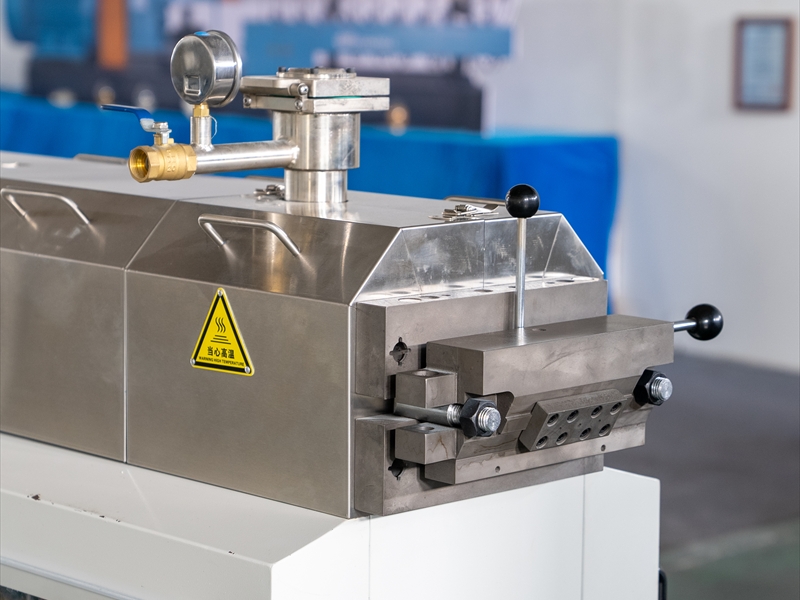
- Nhọrọ akụrụngwa kwesịrị ekwesị na-ebuli ma mma ngwaahịa yana nrụpụta nrụpụta.
-
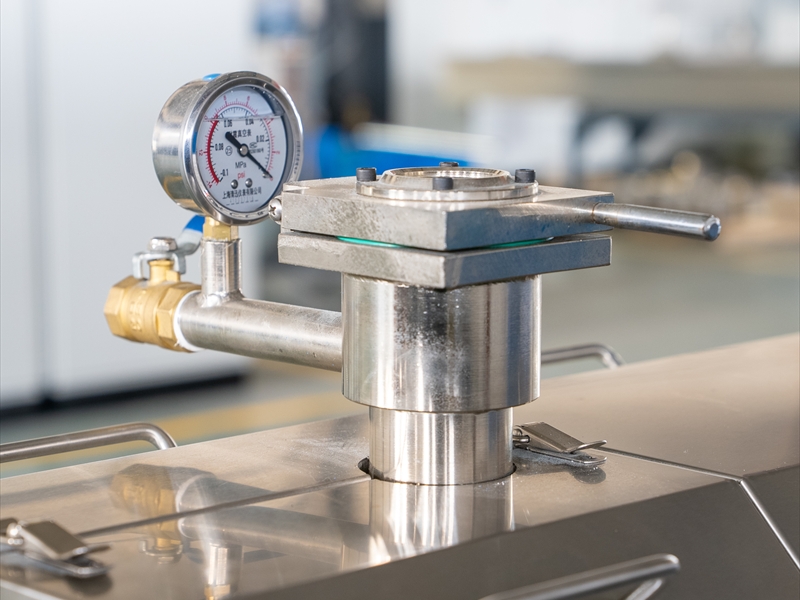
Igwe dị elu na-ebelata ụgwọ ọrụ na ihe mgbochi, n'ịhụ ka mma ntinye na afọ ojuju ndị ahịa.
- Ịhazi nhọrọ igwe na ikike mmepụta na nkọwapụta ihe na-ekwe nkwa nsonaazụ na-agbanwe agbanwe.
Isi ihe eji eme ihe
- Họrọ igwe kwesịrị ekwesị maka mkpa gị. Ejima-screw extruders na-eme nke ọma n'ịgwakọta na ntinye, ebe igwe kneader dị mma maka ihe ndị nwere mmetụta.
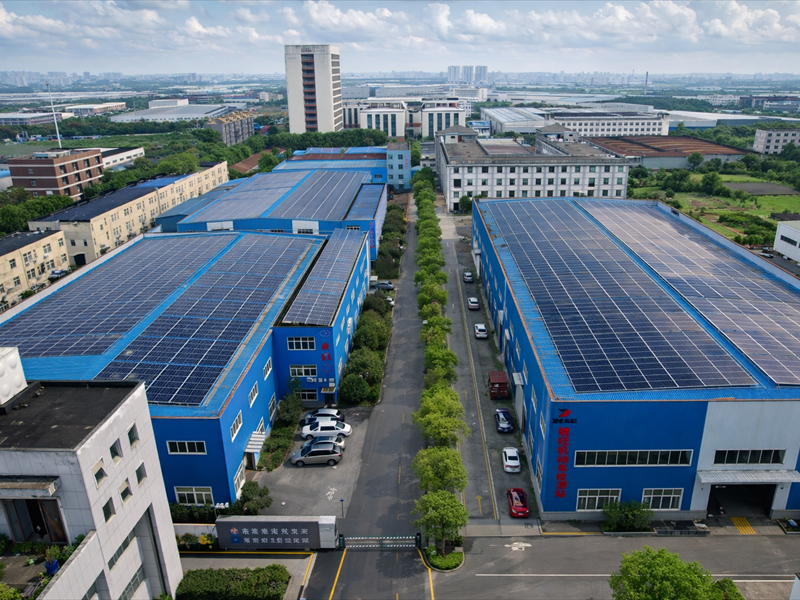
- Wepụta ogo mmepụta ụzọ. Nhọrọ akụrụngwa kwesịrị ekwesị na-emetụta nkwekọ na arụmọrụ nke masterbatch gị.
-
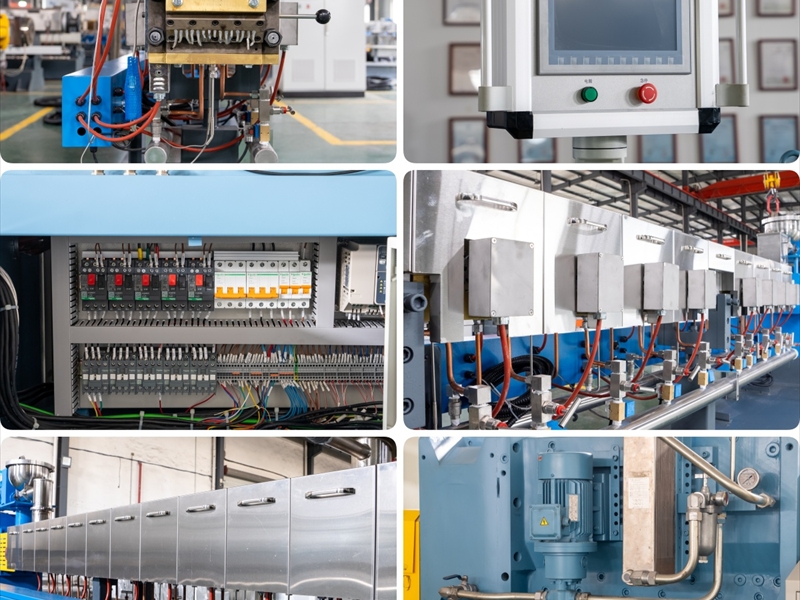
Jiri igwe dị elu kwalite arụmọrụ. Ejima-screw extruders na-ebelata ụgwọ ọrụ ma kwalite mmepụta mmepụta.
- Gbaa mbọ hụ na ndakọrịta ihe. Mee nnwale siri ike iji gosi na pigmenti na ihe mgbakwunye na-agwakọta nke ọma maka nsonaazụ kacha mma.
- Lekwasị anya na nkwụsi ike nke mgbasa. Ngwakọta dị elu na-egbochi ntụpọ ma hụ na agba otu na ngwaahịa plastik.
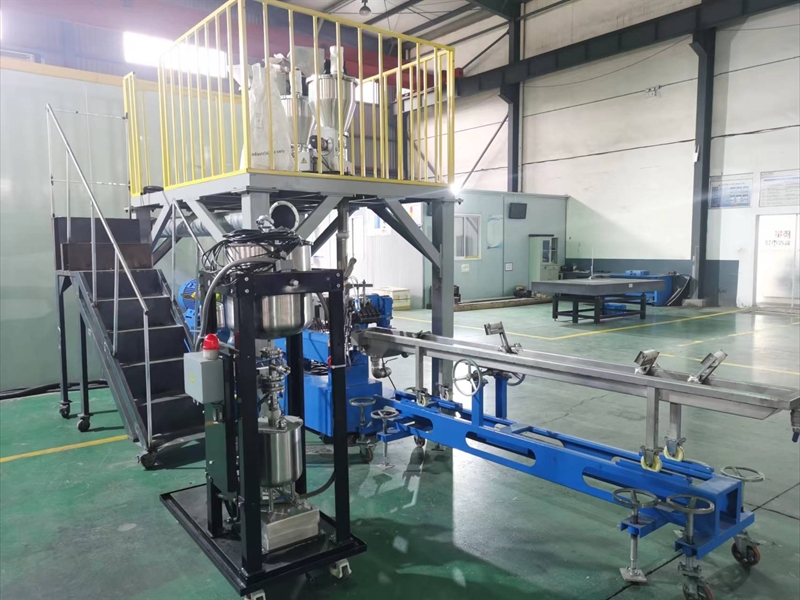
- Tụlee mkpa mmezi. Ejima-screw extruders chọrọ nlebara anya karịa, ebe igwe kneader na-enye usoro mmezi dị mfe.
-
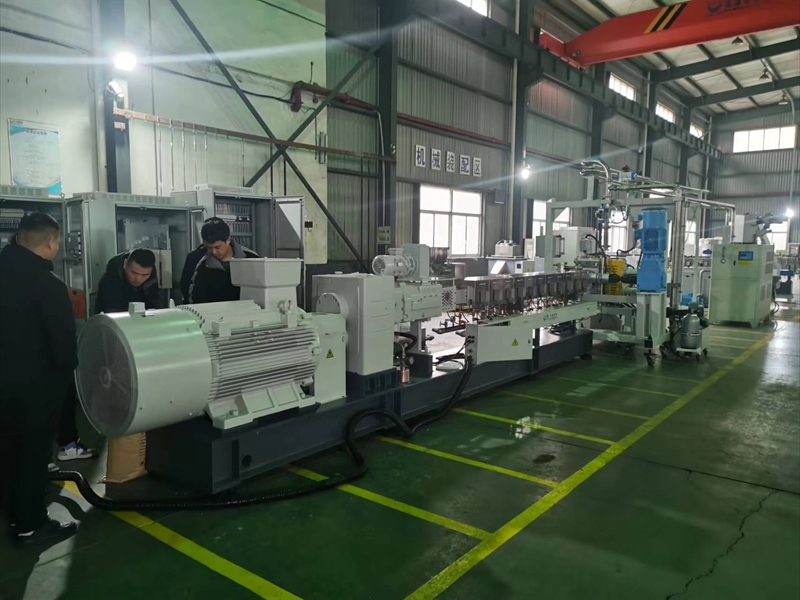
Jiri nlezianya nyochaa mmefu ego gị. Ejima-screw extruders gụnyere ọnụ ahịa mbụ dị elu, mana arụmọrụ ha nwere ike ịkwụsị mmefu ka oge na-aga.
- Atụmatụ maka scalability. Ejima-screw extruders nwere ike ime mgbanwe dị mfe maka mmụba mmepụta ihe, ebe igwe kneader nwere ike ịchọ nkeji ọzọ.
Nchịkọta nrụpụta Masterbatch
Kedu ihe bụ Masterbatch
N'ichepụta Masterbatch na-emepụta ngwakọta nke pigmenti agbakọbara, ihe mgbakwunye, na ebu resins. Ngwakọta ndị a, akpọrọ masterbatch, a na-eji agba ma ọ bụ welie njirimara nke ngwaahịa plastik. Usoro a gụnyere ịgwakọta akụrụngwa, na-agbakọta ha site na extrusion, na akpụ pellets maka mfe njikwa. Ndị na-emepụta ihe na-adabere na masterbatch iji nweta agba na-agbanwe agbanwe, mma anwụ ngwa ngwa, na arụmọrụ pụrụ iche na ngwa plastik. Ụlọ ọrụ masterbatch na-akwado akụkụ dị iche iche, gụnyere nkwakọ ngwaahịa, ụgbọ ala, na ngwa ahịa.
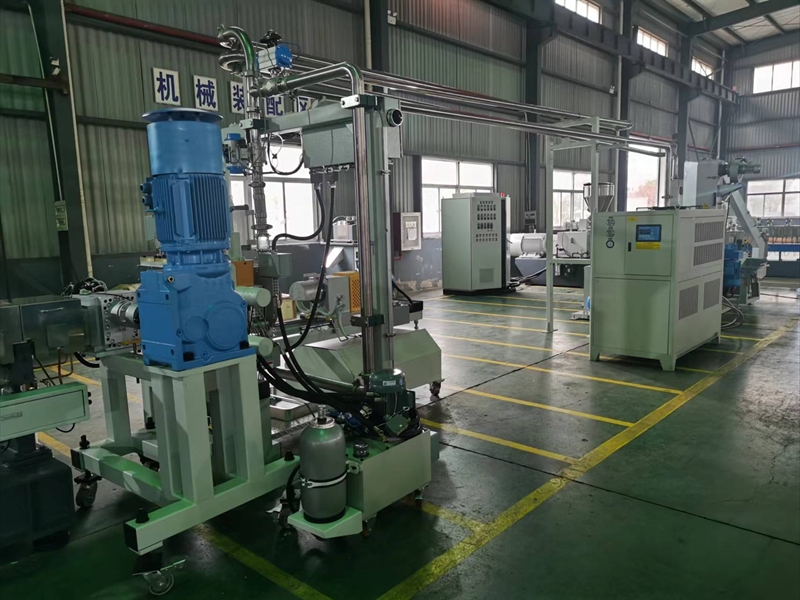
Usoro nrụpụta masterbatch chọrọ njikwa nlezianya na ọkwa ọ bụla. Nzọụkwụ ọ bụla, site na nhọrọ akụrụngwa ruo na nkwakọ ngwaahịa ikpeazụ, na-emetụta àgwà na arụmọrụ nke ngwaahịa emechara. Tebụl dị n'okpuru na-akọwapụta usoro ndị bụ isi na nke ha oké egwu chọrọ:
| Nzọụkwụ | Ihe ndị dị mkpa |
|---|---|
| Nhọrọ Akụrụngwa | Jiri uzuzu na-adịghị, obere mmiri, na thermally kwụsiri ike Efrata maka agbanwe agbanwe àgwà. |
| Ịtụ na ịgwakọta nke ọma | Sistemụ dosing akpaghị aka maka izi ezi; nnukwu ngwa ngwa mixers maka edo tupu ngwakọta. |
| Extrusion na ngwakọta | Ngwa okpomọkụ a na-achịkwa na ngwakọta dị elu maka ịgbasa nke ọma nke ihe mgbakwunye. |
| Ntu oyi na Pellet Formation | Ngwa ngwa jụrụ oyi na igbutu eriri ndị a kpụrụ akpụ n'ime pellet otu. |
| Nnyocha Ogo siri ike | Nnwale ogo dị iche iche gụnyere otu agba na nlele ndakọrịta. |
| Nkwakọ ngwaahịa na nnyefe n'oge | Na-echekwa na dị ọcha, akụrụngwa na-achịkwa okpomọkụ ma lekwasị anya na nnyefe oge. |
Mkpa mmepụta mkpa
Nkwekọrịta mgbasa
Nkwekọrịta mgbasa ozi na-eguzo dị ka isi ihe achọrọ na nrụpụta masterbatch. Mgbasa n'ụdị nke pigmenti na ihe mgbakwunye na-eme ka a hụ na ngwaahịa rọba ọ bụla na-egosiputa agba na akụrụngwa e bu n'obi. Ngwakọta dị elu na-egbochi nhazi nke lumps siri ike ma ọ bụ adịghị ọcha, nke nwere ike ime ka ntụpọ na masterbatch ikpeazụ. Ndị na-emepụta ihe na-eji teknụzụ dị elu na-agwakọta na ngwakọta extrusion iji nweta ezigbo mgbasa ozi. Mgbasa na-agbanwe agbanwe na-emekwa ka imecha elu dị elu ma na-ebelata okwu mmepụta, na-eme ka ọ dị mkpa maka ịrụ ọrụ masterbatch a pụrụ ịdabere na ya.
Ntinye aka
Ntinye aka na-atụ ọnụọgụ masterbatch emepụtara n'ime oge a kapịrị ọnụ. Ntinye aka dị elu na-akwado nnukwu mmepụta ma na-egbo mkpa ahịa nke ọma. Usoro nhazi ga-edozi ọsọ na ịdị mma, dị ka mmepụta ngwa ngwa ekwesịghị imebi mgbasa ma ọ bụ otu. Ahịrị nrụpụta masterbatch ọgbara ọhụrụ na-eji sistemu akpaghị aka yana ndị na-ebupụ ikike dị elu iji bulie mmepụta.. Sistemụ jụrụ oyi na pelletizing nke ọma na-eme ka usoro ahụ dịkwuo mma, n'ịhụ na a na-emezu ebumnuche mmepụta na-achụghị àgwà.
Ndakọrịta ihe
Ndakọrịta ihe na-arụ ọrụ dị mkpa n'ichepụta masterbatch. pigmenti ahọpụtara, ihe mgbakwunye, na ndị na-ebu resin ga-agwakọta nke ọma n'oge ngwakọta. Ihe na-ekwekọghị ekwekọ nwere ike iduga mgbasa na-adịghị mma, agba agba, ma ọ bụ belata arụmọrụ plastik. Ndị na-emepụta ihe na-eme nnwale ịdị mma siri ike, gụnyere agba dakọtara na nyocha mgbasa, iji gosi ndakọrịta. Nzọụkwụ a na-eme ka o doo anya na masterbatch na-ejikọta nke ọma n'ime ngwa plastik dị iche iche, na-akwado nsonaazụ na-agbanwe agbanwe gafee usoro mmepụta dị iche iche.
Rịba ama: N'ichepụta masterbatch dị elu na-adabere na njikwa ziri ezi nke ngwakọta, ngwakọta nke ọma, na nlezianya nhọrọ nke ihe. Ihe ndị a na-ekwe nkwa na masterbatch ikpeazụ na-ezute ụkpụrụ ụlọ ọrụ maka agba, inogide, na omume nhazi.
Twin Screw Extruder na igwe Masterbatch
Ụdị ejima ịghasa Extruder
Ejima-screw extruders abụrụla ihe ndabere nke nrụpụta masterbatch ọgbara ọhụrụ. Ha na-enye mgbanwe na njikwa na-enweghị atụ ma e jiri ya tụnyere otu ịghasa aghụghọ. Tebụl dị n'okpuru na-akọwapụta ihe arụmọrụ dị iche n'etiti otu na ejima ịghasa extruders, na-ekwusi ike ihe kpatara nhazi ejima ji achịkwa mmepụta masterbatch:
| Njirimara | Otu ịghasa Extruder | Ejima ịghasa Extruder |
|---|---|---|
| Ikike ịgwakọta | Oke | Emelitere |
| Mgbanwe | Dị ala | Elu |
| Njikwa maka usoro ihe onwunwe | Na-agafeghị oke | Elu |
| Kwesịrị ekwesị maka Ntụziaka mgbagwoju anya | Mba | Ee |
| Ngwa na Masterbatch | Oke | Ọbara |
Na-emekọ ihe ọnụ
Ndị na-akpakọrịta ejima ịghasa extruders na-egosipụta skru na-atụgharị n'otu ụzọ ahụ. Nhazi a na-eme ka ngwakọta na-arụ ọrụ na-eme ka ọ dịkwuo mma. Omume na-emekọ ihe ọnụ na-eme ka a mata na ihe onwunwe na-enweta ma ngwakọta nkesa na nkesa, nke dị mkpa maka imepụta masterbatch dị elu. Ndị na-emepụta ihe na-ahọrọ ụdị a maka ike ya ijikwa usoro mgbagwoju anya na ịnọgide na-enwe mmepụta na-agbanwe agbanwe.
Intermeshing vs ndị na-adịghị emekọrịta ihe
Ejima ịghasa extruders nwere ike na-akpakọrịta ma ọ bụ na-abụghị intermeshing. Nhazi na-emekọrịta ihe na-enye ohere ka skru ndị ahụ gbakọta, ịmepụta mmetụta na-ehichapụ onwe ya nke na-ebelata mmepụta ihe na-eme ka ọ dị ọcha. Njirimara a na-akwado ọrụ na-aga n'ihu ma na-ebelata oge nkwụsị. Ụdị ndị na-adịghị ejikọta na-eme ka kposara dị iche iche, nke nwere ike dabara mkpa ngwakọta a kapịrị ọnụ mana n'ozuzu na-enye ngwakọta siri ike.
Atụmatụ Twin Screw Extruder
Nhazi Modular
Ejima ịghasa extruders na-eji ihe ịghasa modular. Njirimara a na-enye ndị ọrụ ohere ịhazi usoro extrusion maka ntụziaka masterbatch dị iche iche. Nhazi modular na-akwado nnyefe ike kachasị mma ma na-enye aka mgbanwe ngwa ngwa na nhazi usoro. Ndị na-emepụta ihe nwere ike imeghari usoro extrusion na ihe ọhụrụ ma ọ bụ ngwaahịa chọrọ na-enweghị nnukwu oge nkwụsị.
Shiar na njikwa nrụgide
Ịchịkwa nke ọma na ịkwa akwa na nrụgide na-akọwapụta irè ejima screw extruder. Ndị na-arụ ọrụ nwere ike ịhazigharị ịghasa ọsọ, nhazi, na gbọmgbọm okpomọkụ iji mee ka usoro nhazi ahụ dịkwuo mma. Njikwa a na-eme ka a hụ mgbasa nke pigmenti na ihe mgbakwunye otu, na-akpata na-agbanwe agbanwe masterbatch àgwà. Usoro extrusion na-ejikwa nrụgide kwụsie ike, which protects sensitive ingredients and enhances the structural properties of the final product.
Uru
Ngwakọta kachasị elu
Ejima-skru extruders na-ebuga ike na-agbasasị na nkesa agwakọta. This capability ensures that pigments and additives blend thoroughly during compounding. The result is a masterbatch with uniform color and performance.
Ntinye aka dị elu
Manufacturers rely on twin screw extruders for high throughput. These machines process large volumes of masterbatch efficiently, meeting the demands of industrial-scale production. The design supports stable feeding of powder pigments and additives, nke na-akwalite mmepụta ihe.
Na-ehicha onwe ya
The intermeshing action in many twin screw extruders provides a self-cleaning effect. This feature reduces material residue, minimizes contamination risks, and shortens changeover times between different masterbatch formulations.
Ndụmọdụ: The advantages of twin screw extruder technology extend beyond mixing. Igwe ndị a welie ojiji ihe onwunwe ma kwado njikwa ziri ezi na ọkwa ọ bụla nke usoro nhazi.
Ọdịmma
Ọnụ
Sistemụ ejima ịghasa extruder chọrọ nnukwu ego izizi. Ndị na-emepụta ihe na-echekarị ụgwọ dị elu n'ihu ma e jiri ya tụnyere otu igwe skru. Injinia dị elu na nhazi modular nke ejima extruders na-enye aka na mmefu a. Ọtụtụ ụlọ ọrụ ga-etinyekwa ego na ndị ọkachamara ngwa inyeaka iji kwado ejima ịghasa extruder. Ọnụ ego ndị a nwere ike ịma ndị na-emepụta obere ihe ma ọ bụ ndị nwere obere mmefu ego aka. Oge n'aga, arụmọrụ na mmepụta nke teknụzụ ejima screw extruder nwere ike ịkwụsị ụgwọ mbụ, ma ihe mgbochi ịbanye na-anọgide na-adị elu karịa na igwe dị mfe.
Nlekọta
Nlekọta maka akụrụngwa ejima screw extruder chọrọ ndị ọkachamara nwere nkà na nlebara anya mgbe niile. Ahụmahụ skru intermeshing na akụkụ modular na-eyi n'oge ọrụ na-aga n'ihu. Ndị na-arụ ọrụ ga-enyocha ọnọdụ nke skru, gbọmgbọm, na akàrà iji gbochie nkwụsịtụ. Nlekọta ahaziri na nnọchi akụkụ na-enyere aka ịnọgide na-arụ ọrụ na-agbanwe agbanwe, mana ha na-agbakwunye ụgwọ ọrụ. Mgbakọ dị mgbagwoju anya na sistemụ ejima screw extruder nwere ike ịbawanye oge achọrọ maka nhicha na nrụzi. Ngwa ndị na-edozi ihe nchacha ma ọ bụ ihe jupụtara nke ukwuu nwere ike ịhụ akwa akwa ngwa ngwa, na-achọ ọbụna mmezi ugboro ugboro karị.
Rịba ama: Nlekọta anya mgbe niile na-achọpụta na igwe ejima screw extruder na-ewepụta nsonaazụ a pụrụ ịdabere na ya ma gbasaa ndụ ọrụ ha. Ileghara nlekọta anya nwere ike iduga ogo masterbatch na-ekwekọghị ekwekọ na nkwụsị mmepụta ihe a na-atụghị anya ya.
Ngwa nke ejima screw Extruder
Agba Masterbatch
Teknụzụ ejima ịghasa extruder na-arụ ọrụ etiti na mmepụta masterbatch agba. Ihe nkedo ejima na-enye ngwakọta kpụ ọkụ n'ọnụ, nke na-eme ka pigmenti na-agbasasị nke ọma na resin nke ebu. Usoro a na-emepụta pellets nwere otu agba, dị mkpa maka ngwaahịa plastik dị elu. Ndị na-emepụta ihe na-adabere na ejima screw extruder iji jikwaa ụdị pigmenti dịgasị iche iche na ntinye uche.. Mgbanwe nke imewe ejima na-enye ohere maka mgbanwe ngwa ngwa n'etiti nhazi agba dị iche iche, akwado iche iche ahịa chọrọ.
Ihe mgbakwunye Masterbatch
Ngwa nke ejima ịghasa extruder sistemu gbatịrị na mgbakwunye masterbatch n'ichepụta. Igwe ndị a na-agwakọta ihe mgbakwunye na-arụ ọrụ-dị ka UV stabilizers, ọkụ retardants, ma ọ bụ ndị ọrụ antistatic-n'ime matrix polymer. Ihe nkedo ejima ahụ na-eme ka a gbasaa nke ọma, nke maximizes irè nke ọ bụla mgbakwunye. Ịgwakọta na-agbanwe agbanwe na-egbochi agglomeration ma na-ekwe nkwa na pellet ọ bụla na-enye ọrụ e bu n'obi. Nhazi modular nke ejima screw extruder na-enye ndị ọrụ aka ịhazigharị usoro maka ụdị mgbakwunye dị iche iche na ntinye..
Tebụl dị n'okpuru na-achikota mpaghara isi ngwa maka sistemụ ejima ịghasa extruder na mmepụta masterbatch:
| Ngwa | Nkọwa |
|---|---|
| Mmepụta Masterbatch | Na-eme ka a hụ mgbasa nke otu nke pigmenti na mgbakwunye maka agba na ọrụ masterbatches. |
| Agba Masterbatch | Na-enye nkesa agba na-agbanwe agbanwe ma na-akwado mgbanwe nhazi ngwa ngwa. |
| Ihe mgbakwunye Masterbatch | Na-ebunye mkpokọta ihe mgbakwunye na-arụ ọrụ maka akụrụngwa plastik emelitere. |
Igwe ejima ịghasa extruder na-akwado ọtụtụ ngwa masterbatch. Their versatility and control make them the preferred choice for both color and additive masterbatch production. The application of twin screw extruder technology continues to expand as manufacturers seek higher quality and efficiency.
Kneader Machine for Masterbatch Manufacturing
Kneader Machine Types
Kneader machines play a vital role in masterbatch manufacturing, especially when handling high-value or sensitive materials. Several types of kneader machines serve the industry, each designed for specific compounding needs:
- Banbury Mixers: These machines excel at compounding polymers and additives, making them a staple in masterbatch production.
- Dispersion Kneaders: Manufacturers use these for achieving uniform dispersion, which is essential for consistent masterbatch quality.
- Internal Mixers: Ụlọ nyocha na-adaberekarị na igwekota ime maka nyocha na mmepe obere. Igwe ndị a na-enye ohere njikwa ziri ezi maka ngwakọta agwakọta.
- Sigma Blade Kneaders: Ezubere maka ihe ndị nwere viscosity dị elu, kneaders sigma agụba na-ahụ maka ịgwakọta nke ọma ma dịkwa mma maka ịrụ ọrụ ịgbakọta ihe ịma aka.
Igwe kneader na-arụ ọrụ site na ịgwakọta ihe n'okpuru ọnọdụ okpomọkụ a na-achịkwa na ịkwa akwa. Ụzọ a na-eme ka a hụ mgbasasasị otu na ngwakọta dị irè, nke dị oke mkpa maka imepụta masterbatch dị elu.
Njirimara nke igwe Kneader
Ngwakọta kpụ ọkụ n'ọnụ
Igwe kneader na-enye ngwakọta kpụ ọkụ n'ọnụ, nke na-enyere aka kpomkwem mgbasa na ngwakọta nke pigmenti, ihe mgbakwunye, na resins. Njirimara a na-egosi na ọ dị mkpa karịsịa na nrụpụta masterbatch, ebe akwa-ejuputa na elu-chọrọ gbanwetụrụ ihe chọrọ nkesa otu. Ngwakọta agwakọta siri ike na-egbochi agglomeration ma hụ na batch ọ bụla nke masterbatch na-agbaso ụkpụrụ ịdị mma siri ike..
Ịrụ ọrụ ike
Ịrụ ọrụ ike pụtara dị ka isi uru nke kneader igwe. Nhazi ha na-ebelata oriri ume n'oge ngwakọta, nke na-enyere ndị na-emepụta aka belata ụgwọ ọrụ. Igwe ndị ahụ na-edobe mmepụta kwụsiri ike ma na-edozi ọtụtụ ihe, na-eme ka ha dị mma maka mmepụta nnukwu na ọkachamara masterbatch.
Ọrụ Batch
Igwe kneader na-arụkarị ọrụ n'ụdị ogbe. Usoro a na-enye ohere maka mgbanwe mgbanwe paramita, na-akwado mmepụta nke ụdị masterbatch dị iche iche. Ịrụ ọrụ batch na-enyekwa mmepụta kwụsiri ike, nke dị oke mkpa maka ịnọgide na-enwe nkwụsi ike mgbe a na-ahazi ihe ndị nwere mmetụta ma ọ bụ ihe dị oke ọnụ ahịa. Ndị na-arụ ọrụ nwere ike nyochaa nke ọma batch ọ bụla, n'ịhụ na usoro nhazi ahụ na-emezu nkọwa achọrọ.
Uru
Ngwakọta nkenke
Igwe kneader na-enye ngwakọta ziri ezi, nke dị mkpa maka nrụpụta masterbatch gụnyere ihe dị mgbagwoju anya ma ọ bụ nke nwere mmetụta. Igwe ndị ahụ’ ikike iji nweta mgbasa nke otu na-eme ka a hụ na pigmenti na ihe mgbakwunye na-ejikọta n'enweghị nsogbu n'ime resin ụgbọelu.. Nke a ziri ezi na-akwado mmepụta nke masterbatch na agba na arụmọrụ na-agbanwe agbanwe.
Oriri Ike Obere
Ndị na-emepụta ihe na-eji igwe kneader kpọrọ ihe maka ike ike ha dị ala ma e jiri ya tụnyere akụrụngwa ndị ọzọ na-ejikọta ọnụ. Nhazi nke ọma na-ebelata mmepụta okpomọkụ ma na-ebelata mmebi ihe onwunwe, nke na-erite uru okpomọkụ na-enwe mmetụta masterbatch formulations. Ojiji ike dị ala na-enyekwa aka na usoro mmepụta ihe na-adịgide adịgide.
Ike
Igwe kneader na-egosipụta ike siri ike. Ihe owuwu ha na-anagide ihe achọrọ nke ngwakọta kpụ ọkụ n'ọnụ, ọbụna mgbe a na-edozi ihe abrasive ma ọ bụ nke jupụtara na ya. Nke a na-adịgide adịgide na-eme ka ọrụ a pụrụ ịdabere na ya ma gbasaa ndụ ọrụ nke akụrụngwa, na-eme ka igwe kneader bụrụ ezigbo ego maka ụlọ nrụpụta masterbatch.
Rịba ama: Igwe kneader na-ejikọta ngwakọta kpụ ọkụ n'ọnụ, ike arụmọrụ, na ihe owuwu siri ike, na-eme ka ha dị mma maka nrụpụta masterbatch nke chọrọ nhazi nke ọma na mmepụta kwụsiri ike.
Ọdịmma
Ntinye obere
Igwe kneader na-arụ ọrụ na ọnọdụ ogbe, nke na-egbochi mmepụta ha ma e jiri ya tụnyere usoro extrusion na-aga n'ihu. Ndị na-arụ ọrụ ga-eburịrị, mix, ma wepụta ogbe ọ bụla tupu ịmalite okirikiri ọzọ. Usoro a na-egbochi olu masterbatch emepụtara n'ime oge enyere. Facilities that require high production rates often find kneader machines less suitable for large-scale manufacturing. The batch operation also increases downtime between cycles, which can affect overall efficiency. Manufacturers who prioritize speed and volume may prefer extruders for their ability to deliver consistent output without interruption.
Limited Flexibility
Kneader machines offer less flexibility when adapting to new formulations or rapid product changes. The batch process requires manual adjustments for each recipe, which slows response to shifting market demands. Operators must clean and prepare the machine between batches, especially when switching between different materials. This limitation makes kneader machines less ideal for facilities that handle frequent changes in masterbatch composition. Nhazi ahụ dabara na gburugburu mmepụta ihe kwụsiri ike mana ọ na-enye ihe ịma aka maka ndị nrụpụta na-achọ ụdị ngwa ha.
Rịba ama: Igwe kneader na-eme nke ọma n'ịgwakọta nkenke yana ịrụ ọrụ ike, mana ntinye ha dị ala na obere mgbanwe nwere ike igbochi ojiji ha na ntọala nrụpụta ngwa ngwa ma ọ bụ mgbanwe dị ukwuu..
Ngwa a na-ahụkarị
Masterbatch juru eju
Igwe Kneader na-egosipụta arụmọrụ pụrụ iche na mmepụta masterbatch jupụtara nke ukwuu. Igwe ndị a na-ejikwa ultra-high loading ọkwa, na-akarịkarị 85% ihe ndochi. Ngwakọta agwakọta kpụ ọkụ n'ọnụ na-eme ka ihe mgbakwunye siri ike ịchụsa abanyekọta nke ọma na resin nke ebu.. Ndị na-emepụta ihe na-ahọrọ igwe kneader maka ngwakọta masterbatch n'ihi na ha na-edobe nkesa otu ma gbochie agglomeration., ọbụna na ihe ịma aka. Tebụl dị n'okpuru na-akọwapụta ụdị ngwa ngwa na njirimara ya:
| Ụdị ngwa | Njirimara |
|---|---|
| Filler Masterbatch Compounding | Ultra-High Loading, >85% filling levels, difficult-to-disperse additives |
This application requires robust mixing and stable output, which kneader machines provide. Operators achieve consistent quality in batches with high filler content, supporting demanding industrial requirements.
Rubber Compounds
Rubber compound production represents another key application for kneader machines. The equipment processes elastomers, ihe ndochi, and additives under controlled temperature and shear conditions. Kneader machines deliver uniform dispersion, which enhances the physical properties of rubber products. Manufacturers rely on kneader machines for their ability to handle viscous materials and maintain batch-to-batch consistency. The process supports specialty rubber applications, including automotive parts, akara, na akụrụngwa mmepụta ihe.
Ndụmọdụ: Facilities that produce highly filled masterbatch or rubber compounds benefit from the kneader machine’s robust mixing and stable batch operation. These applications demand precision and reliability, which kneader machines consistently deliver.
Ọdịiche dị n'etiti Single na Twin Screw Extruder
Ịgwakọta Ogo
Ịgwakọta àgwà stands as a critical factor in masterbatch manufacturing. The single screw extruder provides mainly distributive mixing. This means it spreads materials but does not break down agglomerates as effectively. Twin screw extruders deliver both dispersive and distributive mixing. They can break down pigment clusters and distribute additives evenly. This capability results in a more homogeneous masterbatch, which is essential for high-performance applications.
The table below highlights the main differences in agwakọta ike:
| Njirimara | Otu ịghasa Extruder | Ejima ịghasa Extruder |
|---|---|---|
| Ikike ịgwakọta | Dị ala (mainly distributive) | Elu (Na-agbasa & Distributive) |
Manufacturers often choose twin screw extruders for compounding tasks that require intensive mixing, such as blending glass fibers, ọkụ retardants, or pigments into resins. The single screw extruder works best for simpler formulations where basic mixing suffices.
Ndụmọdụ: For masterbatch products that demand uniform color and additive distribution, twin screw extruders offer a clear advantage.
Ntinye aka
Throughput measures how much material a machine can process in a given time. The single screw extruder excels in continuous, straightforward processes. It handles large volumes efficiently when the formulation does not require complex mixing. Ejima ịghasa extruders, n'akụkụ aka nke ọzọ, provide superior throughput for complex masterbatch production. Their design supports excellent material conveying, ịgwakọta, and shear dispersion.
The following table compares throughput capabilities:
| Ụdị Extruder | Ike ntinye |
|---|---|
| Otu ịghasa | More efficient for simpler, continuous processes |
| Ejima ịghasa | Ngwakọta dị elu, ideal for complex masterbatch tasks |
- Otu ịghasa extruder: Best for high-volume, simple recipes.
- Ejima ịghasa extruder: Preferred for high-intensity mixing and advanced formulations.
Production lines that require both speed and advanced mixing often rely on twin screw extruders. Facilities focused on basic compounding may select the single screw extruder for its efficiency.
Oke ngwa
The application scope defines where each machine performs best. The single screw extruder suits basic plastic processing, dị ka imepụta ọkpọkọ, ihe nkiri, or simple compounds. It offers reliability for straightforward tasks. Ejima ịghasa extruders handle a broader range of applications. They excel in masterbatch production, especially when recipes involve multiple additives or require precise dispersion.
Key application areas include:
- Otu ịghasa extruder: Used for continuous processes with minimal mixing needs.
- Ejima ịghasa extruder: Essential for masterbatch, compounding with glass fibers, pigmenti, ma ọ bụ ire ọkụ retardants.
The difference between single and twin screw extruder technology shapes the choice for manufacturers. Those who need advanced mixing and flexibility select twin screw extruders. Those who prioritize simplicity and volume often choose the single screw extruder.
Rịba ama: Selecting the right extruder depends on the complexity of the formulation, desired throughput, and end-use requirements.
Masterbatch Machine Comparison
Arụmọrụ
Performance defines the core value of any igwe masterbatch. Twin-screw extruders set the industry standard for high-performance compounding. These machines handle complex recipes with ease. Operators can adjust process parameters quickly, which supports consistent output. The twin design ensures stable feeding and precise temperature control. This leads to reliable production of masterbatch with uniform properties.
Kneader machines excel in specific scenarios. They deliver outstanding results when processing highly filled or sensitive materials. Their robust construction allows them to withstand demanding conditions. Agbanyeghị, batch operation limits their overall speed. Facilities that require continuous, high-volume production often prefer the twin screw extruder for its superior performance.
Single screw extruder systems offer reliable performance for basic tasks. They suit straightforward masterbatch formulations. These machines do not match the advanced capabilities of twin-screw extruders or kneader machines in complex compounding.
Rịba ama: Selecting the right masterbatch machine depends on the desired balance between speed, agbanwe agbanwe, and material requirements.
Ịgwakọta Ogo
Mixing quality remains a critical factor in masterbatch manufacturing. Twin-screw extruders provide both dispersive and distributive mixing. This means they break down pigment clusters and distribute additives evenly. The result is a homogeneous masterbatch with consistent color and performance. Operators can fine-tune the extrusion system to match the needs of each recipe.
Kneader machines also deliver high mixing quality, especially for challenging materials. Their intensive mixing action ensures thorough dispersion. This proves essential for highly filled masterbatch or rubber compounds. Agbanyeghị, batch operation can introduce slight variations between cycles.
Single screw extruder machines offer basic distributive mixing. They work well for simple formulations but struggle with complex recipes. These machines cannot achieve the same level of pigment dispersion as twin-screw extruders or kneader machines.
The table below summarizes mixing quality across different masterbatch machine types:
| Ụdị igwe | Ịgwakọta Ogo | Ihe eji eme ihe kacha mma |
|---|---|---|
| Ejima-skru extruders | Karịrị (Na-agbasa & Distributive) | Complex masterbatch, agba, ihe mgbakwunye |
| Kneader machines | Elu (Ike ike) | Highly filled, sensitive materials |
| Otu ịghasa extruder | Isi (Distributive) | Simple masterbatch |
Mgbanwe
Flexibility determines how well a masterbatch machine adapts to changing production needs. Ejima ịghasa extruder systems stand out for their versatility. They allow operators to modify screw configurations, adjust shear levels, and control residence time. This adaptability supports a wide range of masterbatch formulations. Manufacturers can switch between recipes with minimal downtime. Nke strong mixing capabilities of twin-screw extruders enhance flexibility, making them essential for consistent color quality and efficient production.
Kneader machines offer moderate flexibility. They handle various materials and filler levels but require manual adjustments between batches. This process can slow response to new market demands. Batch operation also limits the speed of recipe changes.
Single screw extruder machines provide the least flexibility. They suit stable, high-volume production of simple masterbatch. These machines do not support rapid changes in formulation or advanced compounding tasks.
Ndụmọdụ: Facilities that produce multiple masterbatch types benefit from the flexibility of twin screw extruder technology. This advantage supports innovation and quick adaptation to customer needs.
Ntinye aka
Throughput measures the volume of material processed by a masterbatch machine within a set period. Twin screw extruders deliver high throughput, supporting large-scale production environments. Operators can achieve output rates from 30 kilograms per hour up to 4000 kilogram kwa elekere. This capacity enables manufacturers to meet demanding schedules and maintain consistent supply. Kneader machines operate at lower throughput levels, with maximum output reaching up to 1000 kilogram kwa elekere. Batch operation limits their speed, making them suitable for specialty or high-value masterbatch production.
The table below compares throughput capacity:
| Ụdị akụrụngwa | Ike mmepụta |
|---|---|
| Ejima ịghasa Extruder | 30kg/h to 4000kg/h |
| Kneader Machine | Up to 1000kg/h |
Twin screw extruders dominate high-volume masterbatch manufacturing. Kneader machines excel in applications where precision and material sensitivity outweigh speed.
Nlekọta
Maintenance requirements differ significantly between twin screw extruders and kneader machines. Twin screw extruders demand regular attention due to their complex design and high operational loads. Operators must monitor screw wear, gearbox integrity, na akàrà. After-sales service contracts typically cost n'etiti 2% na 5% of the machine’s value kwa afọ. Maka a $200,000 extruder, annual maintenance expenses range from $4,000 ka $10,000. Spare parts add to the cost, with screw sets priced from $15,000 ka $25,000 and gearbox replacements costing $30,000 ka $50,000. Preventive maintenance extends the interval between major overhauls from five years to seven years, reducing long-term expenses.
- Twin screw extruders require frequent inspections and specialized technicians.
- Kneader machines feature robust construction and simpler maintenance routines.
- Preventive maintenance increases reliability and reduces downtime for both machine types.
Facilities that operate twin screw extruders must budget for higher maintenance costs and plan for regular service intervals. Kneader machines offer easier upkeep, making them attractive for smaller operations or specialty production.
Ọnụ
Cost plays a decisive role in masterbatch machine selection. Twin screw extruders involve substantial initial investment. Manufacturers pay for advanced engineering, modular components, and auxiliary equipment. Ongoing maintenance and spare parts further increase operational expenses. Kneader machines present lower upfront costs and reduced maintenance requirements. Their batch operation suits facilities with limited budgets or those focused on specialty masterbatch production.
Operators must weigh the benefits of high throughput and flexibility against the financial commitment required for twin screw extruders. Kneader machines provide a cost-effective solution for precision mixing and stable output, especially in applications where speed is not the primary concern.
Ndụmọdụ: Careful cost analysis ensures that manufacturers select the masterbatch machine best suited to their production goals and financial resources.
scalability
Scalability determines how well a masterbatch machine supports growth and adapts to increased production demands. Manufacturers often evaluate scalability when planning for expansion or responding to market changes. Twin screw extruders and kneader machines offer distinct advantages and limitations in this area.
Twin Screw Extruder Scalability
Twin screw extruders excel in scalable production environments. Operators can increase output by upgrading screw diameter, ogologo, or motor power. Modular design allows for easy expansion and customization. Facilities can add auxiliary equipment, such as feeders or pelletizers, to boost capacity. Manufacturers often choose twin screw extruders for their ability to handle both small and large batch sizes without sacrificing quality.
- Modular configuration supports rapid adaptation.
- Upgrades enable higher throughput and advanced formulations.
- Integration with automated systems streamlines scaling.
Kneader Machine Scalability
Kneader machines present challenges in scalability. Batch operation limits continuous output. Operators must process each batch separately, which restricts overall capacity. Scaling up often requires purchasing additional machines rather than expanding a single unit. This approach increases floor space and operational complexity. Kneader machines suit specialty production where precision matters more than volume.
- Batch processing restricts seamless scaling.
- Expansion involves adding more units, not upgrading existing ones.
- Best suited for stable, low-to-medium volume production.
Rịba ama: Facilities planning for rapid growth or fluctuating demand benefit from the scalable design of twin screw extruders. Kneader machines fit environments with consistent, specialty production needs.
Scalability Comparison Table
| Ụdị igwe | Scalability Features | Expansion Method | Ideal Production Scale |
|---|---|---|---|
| Ejima ịghasa Extruder | Modul, upgradeable, automation-ready | System upgrades, add-ons | Small to large-scale |
| Kneader Machine | Oke, batch-based | Additional machines | Ọpụrụiche, low-to-medium |
Manufacturers seeking flexible, high-volume production often select twin screw extruders. Kneader machines remain valuable for niche applications where batch consistency and precision outweigh the need for rapid scaling.
Ndụmọdụ: Evaluate future production goals before investing in masterbatch machinery. Twin screw extruders offer a pathway to growth, while kneader machines deliver reliability for specialized operations.
Ịhọrọ igwe Masterbatch ziri ezi
Ihe kpatara mkpebi
Ịhọrọ igwe masterbatch kacha mma chọrọ nyocha nke ọma nke ọtụtụ isi ihe. Ụlọ ọrụ ọ bụla ga-ejikọta akụrụngwa ya na ebumnuche arụ ọrụ yana ihe achọrọ.
Olu mmepụta
Mpụta mmepụta na-ekpebi ọnụ ọgụgụ na ọsọ nke mmepụta. Ụlọ ọrụ nwere ikike mmepụta dị elu chọrọ igwe ndị nwere ike ịkwado mmepụta na-aga n'ihu. Ejima ịghasa extruders ime nke ọma na gburugburu nnukwu ọnụ ọgụgụ. Ha na-ahazi nnukwu Masterbatch na-enweghị nkwụsịtụ ugboro ugboro. Igwe kneader dabara obere batches ma ọ bụ ọsọ ọpụrụiche. Ndị na-arụ ọrụ kwesịrị ikwekọ na ntinye igwe na ọkwa mmepụta ha.
Ụdị ihe
Ụdị ihe na-emetụta nhọrọ igwe. Ụfọdụ ntụziaka masterbatch na-eji osisi, achara, ma ọ bụ eriri ahịhịa. Ndị ọzọ chọrọ mgbakwunye dị elu maka igwe igwe, mmebi, ma ọ bụ ọrụ pụrụ iche. Twin screw extruders handle a wide range of plastic resins and complex formulations. Kneader machines perform well with sensitive or high-value materials. The choice depends on the compatibility of the machine with the raw materials and the desired properties of the final product.
Ọdịmma chọrọ
Quality requirements shape the compounding process. Manufacturers producing masterbatch for high-performance plastic applications must ensure uniform dispersion and color consistency. Twin screw extruders deliver superior mixing and precise control. Kneader machines provide intensive blending for highly filled or specialty masterbatch. Facilities should assess the level of quality needed for their end-use products.
mmefu ego
Budget remains a decisive factor in equipment investment. Twin screw extruders require higher initial costs and ongoing maintenance. Kneader machines offer a lower entry point and reduced upkeep. Financial planning must consider both upfront expenses and long-term operational costs. The final decision should balance production goals with available resources.
Ndụmọdụ: The selection process involves more than just machine specifications. Operators must consider the type of fiber, desired masterbatch performance, and financial constraints to make the best choice.
Twin screw extruders deliver high throughput and superior mixing, making them ideal for complex, large-scale masterbatch production. Kneader machines excel with sensitive or highly filled materials, offering precision and energy efficiency. Aligning machine choice with production goals and ndakọrịta ihe ensures consistent quality, smooth processing, and fewer defects. Manufacturers who match machine capabilities with resin and polymer systems achieve better surface finish, mmepụta kwụsiri ike, and long-term success in masterbatch manufacturing.
FAQ
What is the main advantage of a twin-screw extruder in masterbatch production?
Ejima-skru extruders provide superior mixing and high throughput. They handle complex formulations with ease. Manufacturers rely on them for consistent quality and efficient large-scale production.
When should a manufacturer choose a kneader machine?
A manufacturer should select a kneader machine for highly filled, sensitive, or specialty materials. Kneader machines offer precise mixing and energy efficiency, making them ideal for demanding or small-batch applications.
How does maintenance differ between twin-screw extruders and kneader machines?
Twin-screw extruders require frequent inspections and specialized technicians. Kneader machines have simpler maintenance routines and robust construction. Facilities with limited technical staff often prefer kneader machines for easier upkeep.
Can a single-screw extruder produce masterbatch?
A single-screw extruder can produce simple masterbatch formulations. It cannot achieve the same mixing quality or flexibility as twin-screw extruders. Manufacturers use single-screw machines for basic, high-volume tasks.
What factors affect the cost of a masterbatch machine?
Machine size, automation level, and auxiliary equipment impact cost. Twin-screw extruders have higher initial and maintenance expenses. Kneader machines offer lower entry costs but may require more units for scaling.
Which machine offers better scalability for growing production needs?
Ejima-skru extruders offer modular upgrades and automation options. They scale easily for increased output. Kneader machines require additional units for expansion, which increases operational complexity.
Are kneader machines suitable for color masterbatch production?
Kneader machines can produce color masterbatch, especially for high-fill or specialty batches. Twin-screw extruders remain the preferred choice for high-volume, consistent color masterbatch production.