

Masterbatch Machine Showdown Twin-Screw Extruders ak machin Kneader
Manifakti yo nan endistri masterbatch yo souvan chwazi ko-wotasyon twin-screw extruders pou kapasite yo pou yo delivre siperyè melanje ak rezilta konsistan.. Yo konte sou machin kneader lè yo manyen materyèl sansib oswa ki gen anpil valè ki mande pwosesis dou. Seleksyon machin jwe yon wòl esansyèl nan chak operasyon machin Masterbatch. Chwa nan dwa dirèkteman enfliyanse bon jan kalite pwodiksyon ak efikasite, kòm extruders modèn ak ekipman sipò rasyonalize koule pwodiksyon ak sipòte livrezon serye.
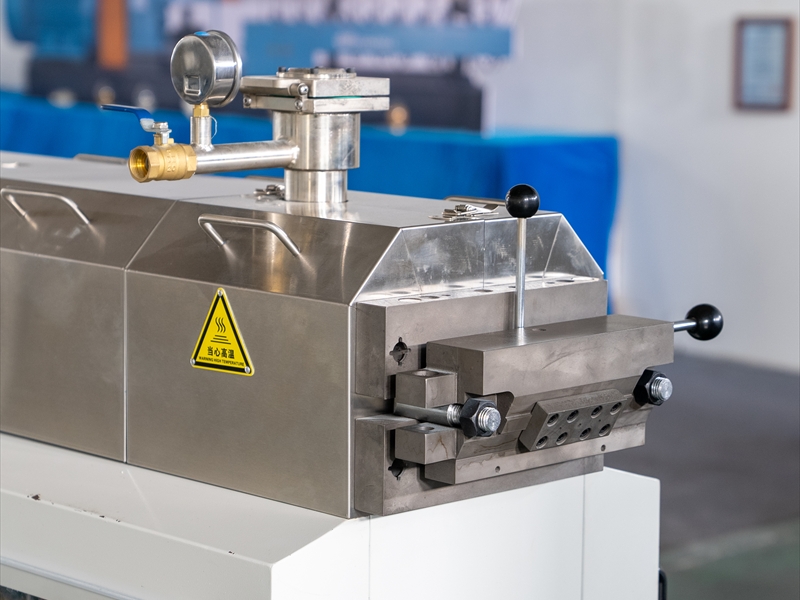
- Seleksyon ekipman apwopriye optimize tou de kalite pwodwi ak efikasite pwodiksyon an.
-
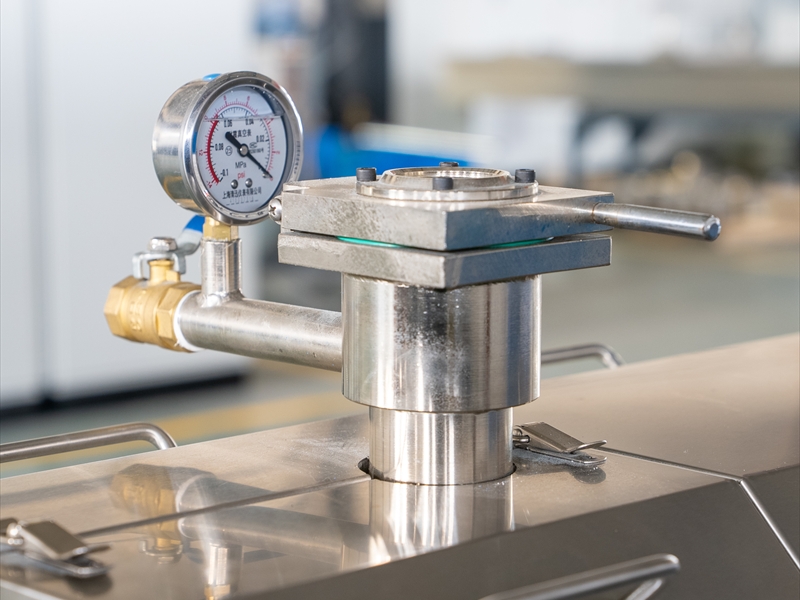
Machin avanse diminye depans operasyon yo ak blokaj, asire pi bon debi ak satisfaksyon kliyan.
- Aliman chwa machin ak kapasite pwodiksyon ak espesifikasyon materyèl garanti rezilta ki konsistan.
Kle Takeaways
- Chwazi machin nan dwa pou bezwen ou yo. Twin-vis extruders briye nan melanje ak debi, pandan y ap machin kneader yo ideyal pou materyèl sansib.
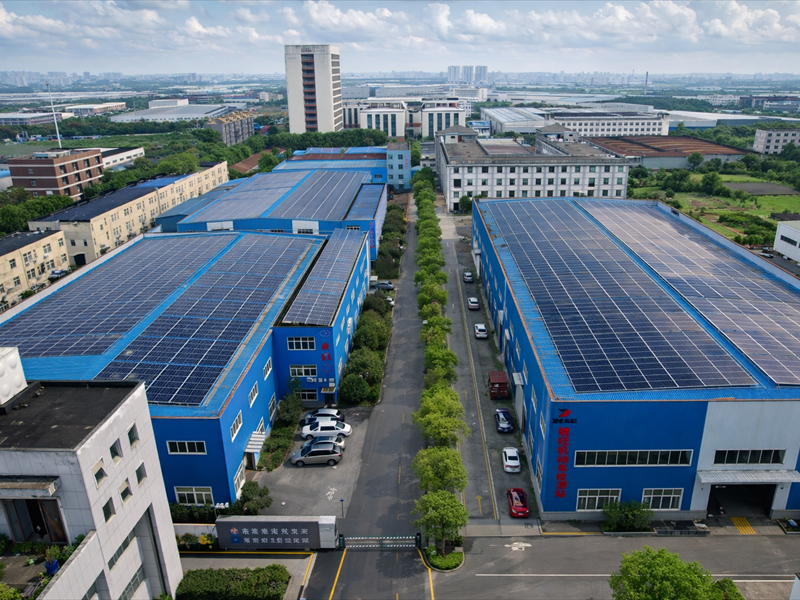
- Priyorite bon jan kalite pwodiksyon an. Bon seleksyon ekipman yo afekte dirèkteman konsistans ak pèfòmans masterbatch ou a.
-
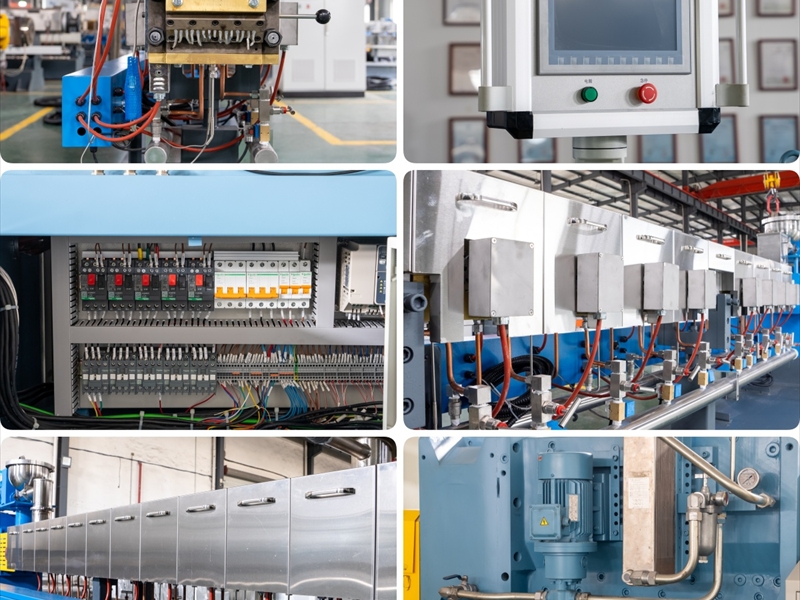
Maksimize efikasite ak machin avanse. Twin-vis extruders diminye depans operasyonèl ak amelyore koule pwodiksyon an.
- Asire konpatibilite materyèl. Fè tès solid pou konfime ke pigman ak aditif melanje byen pou rezilta optimal.
- Konsantre sou konsistans dispèsyon. Bon jan kalite konpoze anpeche domaj ak asire koulè inifòm nan pwodwi plastik.
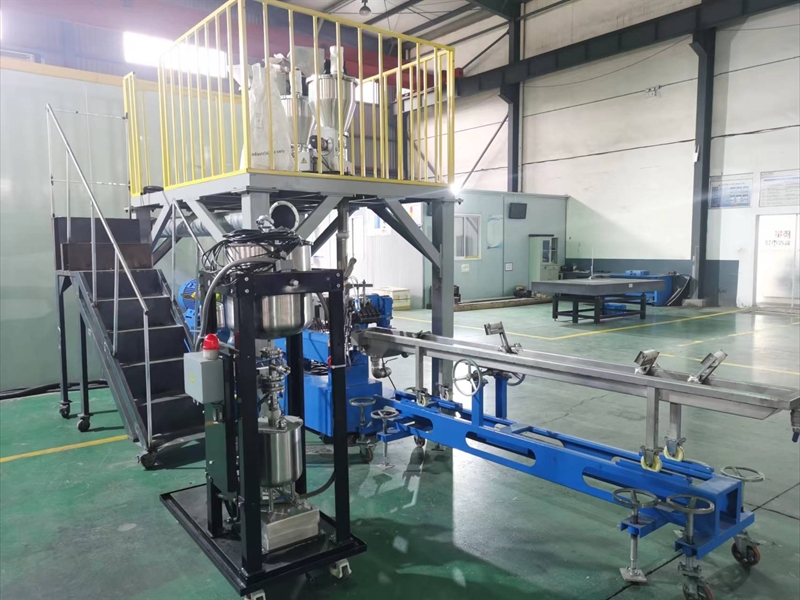
- Konsidere bezwen antretyen. Twin-vis extruders mande pou plis antretyen, pandan ke machin kneader ofri woutin antretyen pi senp.
-
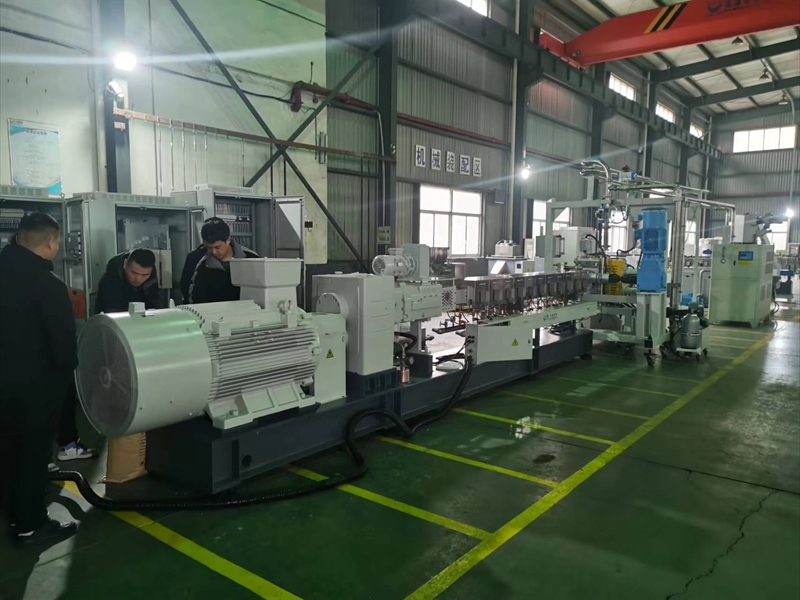
Evalye bidjè ou ak anpil atansyon. Twin-vis extruders enplike pi wo pri inisyal, men efikasite yo ka konpanse depans sou tan.
- Planifye pou évolutivité. Twin-vis extruders ka fasilman adapte yo ak demann pwodiksyon ogmante, pandan y ap machin kneader ka mande pou inite adisyonèl.
Apèsi sou Faktori Masterbatch
Ki sa ki se Masterbatch
Faktori Masterbatch kreye melanj konsantre nan pigman, aditif, ak rezin transpòtè. Melanj sa yo, rele masterbatch, yo itilize pou koulè oswa amelyore pwopriyete yo nan pwodwi plastik. Pwosesis la enplike nan melanje matyè premyè, konpoze yo atravè ekstrizyon, ak fòme granules pou manyen fasil. Manifakti yo konte sou masterbatch pou reyalize koulè ki konsistan, amelyore durability, ak pèfòmans espesyalize nan aplikasyon plastik. Endistri masterbatch la sipòte yon pakèt sektè, ki gen ladan anbalaj, otomobil, ak byen pou konsomatè.
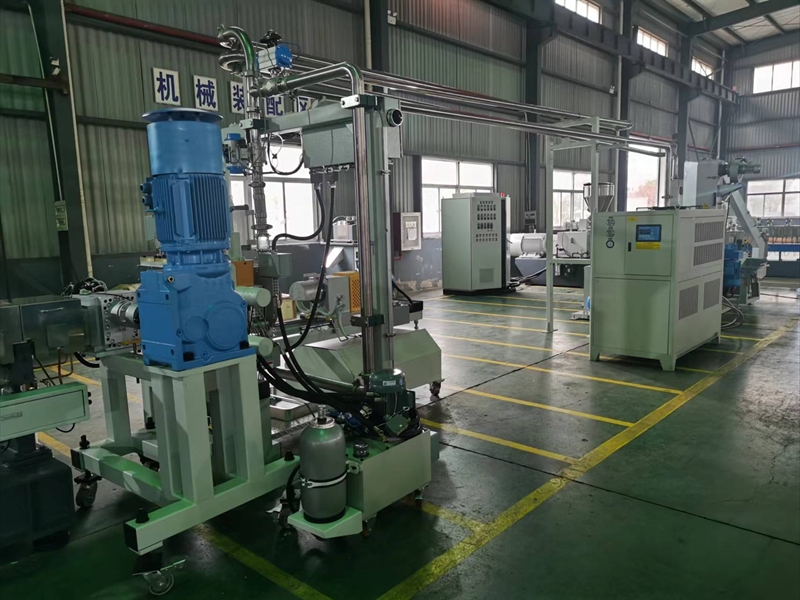
Pwosesis fabrikasyon masterbatch la mande anpil atansyon nan chak etap. Chak etap, soti nan seleksyon materyèl bwit nan anbalaj final la, enfliyanse bon jan kalite a ak pèfòmans nan pwodwi a fini. Tablo ki anba a montre etap prensipal yo ak etap yo kondisyon kritik:
| Etap | Kondisyon kritik |
|---|---|
| Seleksyon Materyèl kri | Sèvi ak san pousyè, ba-imidite, ak engredyan tèmik ki estab pou bon jan kalite konsistan. |
| Egzak peze ak melanje | Sistèm dòz otomatik pou presizyon; mixer gwo vitès pou inifòm pre-konpoze. |
| Ekstrisyon ak konpoze | Kontwole aplikasyon chalè ak segondè-chea melanje pou bon jan dispèsyon nan aditif. |
| Refwadisman ak fòmasyon granules | Rapid refwadisman ak koupe fil ekstrè nan granules inifòm. |
| Enspeksyon Kalite Rigour | Plizyè tès kalite ki gen ladan inifòmite koulè ak chèk konpatibilite. |
| Anbalaj ak livrezon alè | Store in clean, temperature-controlled facilities and focus on on-time delivery. |
Key Production Needs
Dispersion Consistency
Dispersion consistency stands as a core requirement in masterbatch manufacturing. Uniform dispersion of pigments and additives ensures that every plastic product displays the intended color and properties. High-quality compounding prevents the formation of hard lumps or impurities, which can cause defects in the final masterbatch. Manufacturers use advanced mixing and compounding extrusion technologies to achieve excellent dispersion. Consistent dispersion also improves surface finish and reduces production issues, making it essential for reliable masterbatch performance.
Debi
Throughput measures the amount of masterbatch produced within a specific time frame. Debi segondè sipòte pwodiksyon gwo echèl ak satisfè demann mache avèk efikasite. Pwosesis konpoze an dwe balanse vitès ak bon jan kalite, kòm pwodiksyon rapid pa ta dwe konpwomi dispèsyon oswa inifòmite. Liy manifakti modèn masterbatch yo itilize sistèm otomatik ak èkstrudeur gwo kapasite pou maksimize debi. Refwadisman efikas ak sistèm pelletizing plis rasyonalize pwosesis la, asire ke objektif pwodiksyon yo satisfè san sakrifye bon jan kalite.
Konpatibilite materyèl
Konpatibilite materyèl jwe yon wòl enpòtan anpil nan fabrikasyon masterbatch. Pigman yo chwazi yo, aditif, ak rezin konpayi asirans yo dwe melanje byen pandan konpoze. Materyèl enkonpatib ka mennen nan dispèsyon pòv, tach koulè, oswa redwi pèfòmans plastik. Manifakti yo fè tès bon jan kalite solid, ki gen ladan matche koulè ak analiz dispèsyon, pou konfime konpatibilite. Etap sa a asire ke masterbatch la entegre san pwoblèm nan divès aplikasyon plastik, sipòte rezilta konsistan atravè pwodiksyon diferan.
Remak: Metòd-wo kalite fabrikasyon depann sou kontwòl egzak nan konpoze, bon jan melanje, ak seleksyon atansyon nan materyèl yo. Faktè sa yo garanti ke masterbatch final la satisfè estanda endistri pou koulè, dirab, ak konpòtman pwosesis.
Twin Screw Extruder nan machin Masterbatch
Kalite Twin vis extruder
Twin-screw extruders yo te vin tounen zo rèl do nan manifakti modèn masterbatch. Yo ofri fleksibilite inegal ak kontwòl konpare ak desen vis sèl. Tablo ki anba a mete aksan sou diferans operasyonèl ant extruders vis sèl ak jimo, mete aksan sou poukisa konfigirasyon jimo a domine pwodiksyon masterbatch:
| Karakteristik | Single vis extruder | Twin vis extruder |
|---|---|---|
| Kapasite melanje | Limite | Amelyore |
| Fleksibilite | Ba | Segondè |
| Kontwòl sou koule materyèl | Modere | Segondè |
| Ideyal pou resèt konplèks | Non | Wi |
| Aplikasyon nan Masterbatch | Limite | Vaste |
Ko-wotasyon
Ko-wotasyon jimo vis extruders prezante vis ki wotasyon nan menm direksyon an. Konsepsyon sa a maksimize efikasite nan melanje ak konpoze. Aksyon an ko-wotasyon asire ke materyèl fè eksperyans tou de dispèsyon ak distribisyon melanje, ki esansyèl pou pwodwi-wo kalite masterbatch. Manifaktirè yo pito kalite sa a pou kapasite li nan okipe fòmilasyon konplèks epi kenbe pwodiksyon ki konsistan.
Intermeshing vs ki pa Peye-Intermeshing
Twin vis extruders ka intermeshing oswa ki pa intermeshing. Desen intermeshing pèmèt vis yo sipèpoze, kreye yon efè pwòp tèt ou-siye ki diminye materyèl bati-up ak amelyore pwòp tèt ou-netwayaj. Karakteristik sa a sipòte operasyon kontinyèl ak minimize D '. Kalite ki pa intermeshing kenbe vis yo separe, ki ka adapte espesifik bezwen konpoze men jeneralman ofri mwens entansif melanje.
Karakteristik Twin Screw Extruder
Modilè konsepsyon
Twin vis extruders itilize eleman vis modilè. Karakteristik sa a pèmèt operatè yo Customize sistèm nan extrusion pou resèt diferan masterbatch. Modilè konsepsyon sipòte pi bon transfè enèji mekanik ak pèmèt chanjman rapid nan konfigirasyon pwosesis la. Manifaktirè yo ka adapte sistèm extrusion nan nouvo materyèl oswa kondisyon pwodwi san yo pa gwo D '.
Chea ak kontwòl presyon
Kontwòl egzak sou taye lenn ak presyon defini efikasite extruder vis jimo a. Operatè yo ka ajiste vitès vis, konfigirasyon, ak tanperati barik afine pwosesis konpoze an. Kontwòl sa a asire dispèsyon inifòm nan pigman ak aditif, sa ki lakòz bon jan kalite masterbatch konsistan. Sistèm extrusion la tou kenbe presyon ki estab, which protects sensitive ingredients and enhances the structural properties of the final product.
Avantaj
Melanj siperyè
Twin-vis extruders delivre fò melanje dispersive ak distribitif. This capability ensures that pigments and additives blend thoroughly during compounding. The result is a masterbatch with uniform color and performance.
Debi segondè
Manufacturers rely on twin screw extruders for high throughput. These machines process large volumes of masterbatch efficiently, meeting the demands of industrial-scale production. The design supports stable feeding of powder pigments and additives, ki ogmante pwodiktivite.
Oto-Netwayaj
The intermeshing action in many twin screw extruders provides a self-cleaning effect. This feature reduces material residue, minimizes contamination risks, and shortens changeover times between different masterbatch formulations.
Konsèy: The advantages of twin screw extruder technology extend beyond mixing. Machin sa yo optimize material utilization and support precise control over every stage of the compounding process.
Dezavantaj
Pri
Twin screw extruder systems require a significant initial investment. Manufacturers often face higher upfront costs compared to single screw machines. The advanced engineering and modular design of twin extruders contribute to this expense. Many facilities must also invest in specialized ekipman oksilyè to support the twin screw extruder. These costs can challenge small-scale producers or those with limited budgets. Apre yon tan, the efficiency and output of twin screw extruder technology can offset the initial expense, but the barrier to entry remains higher than with simpler machines.
Antretyen
Antretyen pou ekipman extruder vis jimo mande teknisyen kalifye ak atansyon regilye. Vis intermeshing yo ak konpozan modilè fè eksperyans mete pandan operasyon kontinyèl. Operatè yo dwe kontwole kondisyon an nan vis, barik, ak sele pou anpeche D'. Antretyen pwograme ak ranplasman pati ede kenbe pèfòmans ki konsistan, men yo ajoute nan depans operasyon yo. Asanble konplèks nan sistèm extruder vis jimo ka ogmante tan ki nesesè pou netwaye ak reparasyon. Etablisman ki trete materyèl abrazif oswa trè ranpli yo ka wè mete akselere, mande antretyen menm pi souvan.
Remak: Antretyen regilye asire ke machin extruder jimo vis bay rezilta serye ak pwolonje lavi sèvis yo. Neglije antretyen ka mennen nan bon jan kalite masterbatch enkonsistan ak sispann pwodiksyon inatandi.
Aplikasyon Twin Screw Extruder
Koulè Masterbatch
Twin vis extruder teknoloji jwe yon wòl santral nan pwodiksyon koulè masterbatch. Vis jimo yo bay entansif melanje, ki asire pigman dispèse respire nan tout résine konpayi asirans lan. Pwosesis sa a kreye granules ak koulè inifòm, esansyèl pou bon jan kalite pwodwi plastik. Manifakti yo konte sou extruder vis jimo pou okipe yon pakèt kalite pigman ak konsantrasyon. Fleksibilite nan konsepsyon jimo a pèmèt pou chanjman rapid ant fòmilasyon koulè diferan, sipòte divès kondisyon kliyan.
Masterbatch aditif
Aplikasyon an nan sistèm extruder vis jimo pwolonje nan fabrikasyon aditif masterbatch. Machin sa yo melanje aditif fonksyonèl-tankou estabilize UV, ignifuge flanm dife, oswa ajan antistatik-nan matris la polymère. The twin screws ensure thorough dispersion, which maximizes the effectiveness of each additive. Consistent mixing prevents agglomeration and guarantees that every pellet delivers the intended performance. The modular design of the twin screw extruder allows operators to adjust the process for different additive types and loadings.
The table below summarizes the main application areas for twin screw extruder systems in masterbatch production:
| Aplikasyon | Deskripsyon |
|---|---|
| Pwodiksyon Masterbatch | Ensures uniform dispersion of pigments and additives for color and functional masterbatches. |
| Koulè Masterbatch | Provides consistent color distribution and supports rapid formulation changes. |
| Masterbatch aditif | Delivers precise incorporation of functional additives for enhanced plastic properties. |
Twin screw extruder machines support a wide range of masterbatch applications. Adaptabilite ak kontwòl yo fè yo chwa pi pito pou tou de koulè ak aditif pwodiksyon masterbatch. Aplikasyon an nan teknoloji extruder vis jimo ap kontinye elaji kòm manifaktirè yo chèche pi bon kalite ak efikasite.
Kneader machin pou fabrikasyon Masterbatch
Kalite machin Kneader
Machin kneader jwe yon wòl enpòtan nan fabrikasyon masterbatch, sitou lè w ap manyen materyèl ki gen anpil valè oswa sansib. Plizyè kalite machin kneader sèvi endistri a, yo chak fèt pou bezwen espesifik konpoze:
- Banbury Mixers: Machin sa yo briye nan konpoze polymère ak aditif, fè yo yon diskontinu nan pwodiksyon masterbatch.
- Dispèsyon Kneaders: Manifakti yo sèvi ak sa yo pou reyalize dispèsyon inifòm, ki esansyèl pou bon jan kalite masterbatch konsistan.
- Mixer Entèn yo: Laboratwa yo souvan konte sou mixer entèn pou rechèch ak devlopman ti-echèl. Machin sa yo pèmèt kontwòl egzak sou paramèt melanje.
- Sigma lam kneaders: Ki fèt pou materyèl ki gen gwo viskozite, sigma lam kneaders asire bon jan melanje epi yo ideyal pou travay konpoze difisil.
Machin kneader yo opere pa melanje materyèl anba tanperati kontwole ak kondisyon taye. Apwòch sa a asire dispèsyon inifòm ak konpozisyon efikas, ki kritik pou pwodwi bon jan kalite masterbatch.
Karakteristik nan machin Kneader
Melanj entansif
Machin kneader delivre entansif melanje, ki pèmèt dispèsyon egzak ak melanje nan pigman, aditif, ak rezin. Karakteristik sa a pwouve espesyalman enpòtan nan fabrikasyon masterbatch, kote segondè-ranpli ak gwo-demann modifye materyèl mande pou distribisyon inifòm. The robust mixing action prevents agglomeration and ensures that every batch of masterbatch meets strict quality standards.
Enèji Efikasite
Efikasite enèji stands out as a key advantage of kneader machines. Their design minimizes energy consumption during compounding, which helps manufacturers reduce operational costs. The machines maintain stable output while processing a wide range of materials, making them suitable for both large-scale and specialty masterbatch manufacturing.
Batch Operation
Kneader machines typically operate in batch mode. This method allows for flexible parameter adjustments, supporting the production of diverse masterbatch formulations. Batch operation also provides stable output, which is crucial for maintaining consistency when processing sensitive or high-value materials. Operators can closely monitor each batch, ensuring that the compounding process meets the required specifications.
Avantaj
Precision Melanj
Kneader machines offer precision mixing, which is essential for masterbatch manufacturing involving complex or sensitive ingredients. The machines’ ability to achieve uniform dispersion ensures that pigments and additives integrate seamlessly into the carrier resin. This precision supports the production of masterbatch with consistent color and performance.
Lower Energy Consumption
Manufacturers value kneader machines for their lower energy consumption compared to other compounding equipment. The efficient design reduces heat generation and minimizes material degradation, which benefits heat-sensitive masterbatch formulations. Lower energy use also contributes to a more sustainable production process.
Robustness
Kneader machines demonstrate exceptional robustness. Konstriksyon yo kenbe tèt ak demand yo nan konpoze entansif, menm lè yo trete materyèl abrazif oswa trè ranpli. Sa a durability asire operasyon serye ak pwolonje lavi sa a ki sèvis nan ekipman an, fè machin kneader yon bon envestisman pou enstalasyon fabrikasyon masterbatch.
Remak: Machin kneader konbine entansif melanje, efikasite enèji, ak konstriksyon solid, fè yo ideyal pou fabrikasyon masterbatch ki mande pou konpoze egzak ak pwodiksyon ki estab.
Dezavantaj
Pi ba Debi
Machin kneader yo opere nan mòd pakèt, ki limite debi yo konpare ak sistèm extrusion kontinyèl. Operatè yo dwe chaje, melanje, epi egzeyate chak pakèt anvan ou kòmanse pwochen sik la. Pwosesis sa a mete restriksyon sou volim masterbatch ki pwodui nan yon delè bay. Facilities that require high production rates often find kneader machines less suitable for large-scale manufacturing. The batch operation also increases downtime between cycles, which can affect overall efficiency. Manufacturers who prioritize speed and volume may prefer extruders for their ability to deliver consistent output without interruption.
Limited Flexibility
Kneader machines offer less flexibility when adapting to new formulations or rapid product changes. The batch process requires manual adjustments for each recipe, which slows response to shifting market demands. Operators must clean and prepare the machine between batches, especially when switching between different materials. This limitation makes kneader machines less ideal for facilities that handle frequent changes in masterbatch composition. Konsepsyon an kostim anviwònman pwodiksyon ki estab men li prezante defi pou manifaktirè k ap chèche adaptabilite nan seri aplikasyon yo.
Remak: Machin kneader briye nan melanje presizyon ak efikasite enèji, men debi pi ba yo ak fleksibilite limite ka mete restriksyon sou itilizasyon yo nan anviwònman pwodiksyon rapid oswa trè varyab.
Aplikasyon tipik
Trè ranpli Masterbatch
Machin kneader demontre pèfòmans eksepsyonèl nan pwodiksyon masterbatch trè plen. Machin sa yo okipe ultra-wo chaj nivo, souvan depase 85% kontni filler. Aksyon nan melanje entansif asire aditif difisil-a-dispèse entegre byen nan résine konpayi asirans lan.. Manifakti yo chwazi machin kneader pou konpozisyon mètr filler paske yo kenbe dispèsyon inifòm epi anpeche aglomerasyon., menm ak materyèl difisil. Tablo ki anba a mete aksan sou kalite aplikasyon prensipal la ak karakteristik li yo:
| Kalite aplikasyon | Karakteristik |
|---|---|
| Filler Masterbatch Compounding | Ultra-High Loading, >85% filling levels, difficult-to-disperse additives |
This application requires robust mixing and stable output, which kneader machines provide. Operators achieve consistent quality in batches with high filler content, supporting demanding industrial requirements.
Rubber Compounds
Rubber compound production represents another key application for kneader machines. The equipment processes elastomers, file, and additives under controlled temperature and shear conditions. Kneader machines deliver uniform dispersion, which enhances the physical properties of rubber products. Manufacturers rely on kneader machines for their ability to handle viscous materials and maintain batch-to-batch consistency. The process supports specialty rubber applications, including automotive parts, sele, ak konpozan endistriyèl.
Konsèy: Facilities that produce highly filled masterbatch or rubber compounds benefit from the kneader machine’s robust mixing and stable batch operation. These applications demand precision and reliability, which kneader machines consistently deliver.
Diferans ant yon sèl ak Twin vis extruder
Melanje Kalite
Melanje bon jan kalite stands as a critical factor in masterbatch manufacturing. The single screw extruder provides mainly distributive mixing. This means it spreads materials but does not break down agglomerates as effectively. Twin screw extruders deliver both dispersive and distributive mixing. They can break down pigment clusters and distribute additives evenly. This capability results in a more homogeneous masterbatch, which is essential for high-performance applications.
The table below highlights the main differences in kapasite melanje:
| Karakteristik | Single vis extruder | Twin vis extruder |
|---|---|---|
| Kapasite melanje | Ba (sitou distribitif) | Segondè (Dispersif & Distribisyon) |
Manufacturers often choose twin screw extruders for compounding tasks that require intensive mixing, such as blending glass fibers, ignifuge flanm dife, or pigments into resins. The single screw extruder works best for simpler formulations where basic mixing suffices.
Konsèy: For masterbatch products that demand uniform color and additive distribution, twin screw extruders offer a clear advantage.
Debi
Throughput measures how much material a machine can process in a given time. The single screw extruder excels in continuous, straightforward processes. It handles large volumes efficiently when the formulation does not require complex mixing. Twin vis extruders, nan lòt men an, provide superior throughput for complex masterbatch production. Their design supports excellent material conveying, melanje, and shear dispersion.
The following table compares throughput capabilities:
| Kalite extruder | Throughput Capability |
|---|---|
| Single vis | More efficient for simpler, continuous processes |
| Twin vis | Siperyè melanje, ideal for complex masterbatch tasks |
- Single vis extruder: Best for high-volume, simple recipes.
- Twin vis extruder: Preferred for high-intensity mixing and advanced formulations.
Production lines that require both speed and advanced mixing often rely on twin screw extruders. Facilities focused on basic compounding may select the single screw extruder for its efficiency.
Dimansyon aplikasyon
The application scope defines where each machine performs best. The single screw extruder suits basic plastic processing, tankou pwodwi tiyo, fim, or simple compounds. It offers reliability for straightforward tasks. Twin vis extruders handle a broader range of applications. They excel in masterbatch production, especially when recipes involve multiple additives or require precise dispersion.
Key application areas include:
- Single vis extruder: Used for continuous processes with minimal mixing needs.
- Twin vis extruder: Essential for masterbatch, compounding with glass fibers, pigman, oswa rezistan flanm dife.
The difference between single and twin screw extruder technology shapes the choice for manufacturers. Those who need advanced mixing and flexibility select twin screw extruders. Those who prioritize simplicity and volume often choose the single screw extruder.
Remak: Selecting the right extruder depends on the complexity of the formulation, debi vle, and end-use requirements.
Masterbatch Machine Comparison
Pèfòmans
Performance defines the core value of any machin masterbatch. Twin-screw extruders set the industry standard for high-performance compounding. These machines handle complex recipes with ease. Operators can adjust process parameters quickly, which supports consistent output. The twin design ensures stable feeding and precise temperature control. Sa a mennen nan pwodiksyon serye nan masterbatch ak pwopriyete inifòm.
Machin kneader briye nan senaryo espesifik. Yo bay rezilta eksepsyonèl lè yo trete materyèl ki trè plen oswa sansib. Konstriksyon solid yo pèmèt yo kenbe tèt ak kondisyon difisil. Sepandan, operasyon pakèt limite vitès jeneral yo. Enstalasyon ki mande kontinyèl, pwodiksyon wo-volim souvan prefere extruder vis jimo a pou pèfòmans siperyè li yo.
Sistèm extruder vis sèl ofri pèfòmans serye pou travay debaz yo. Yo adapte fòmilasyon masterbatch senp. Machin sa yo pa matche ak kapasite avanse extruders jimo-vis oswa machin kneader nan konpoze konplèks..
Remak: Chwazi machin masterbatch dwat la depann de balans vle ant vitès la, konsistans, ak kondisyon materyèl.
Melanje Kalite
Mixing quality remains a critical factor in masterbatch manufacturing. Twin-screw extruders provide both dispersive and distributive mixing. This means they break down pigment clusters and distribute additives evenly. The result is a homogeneous masterbatch with consistent color and performance. Operators can fine-tune the extrusion system to match the needs of each recipe.
Kneader machines also deliver high mixing quality, especially for challenging materials. Their intensive mixing action ensures thorough dispersion. This proves essential for highly filled masterbatch or rubber compounds. Sepandan, batch operation can introduce slight variations between cycles.
Single screw extruder machines offer basic distributive mixing. They work well for simple formulations but struggle with complex recipes. These machines cannot achieve the same level of pigment dispersion as twin-screw extruders or kneader machines.
The table below summarizes mixing quality across different masterbatch machine types:
| Kalite machin | Melanje Kalite | Pi bon ka itilize |
|---|---|---|
| Twin-vis extruders | Siperyè (Dispersif & Distribisyon) | Complex masterbatch, koulè, aditif |
| Machin kneader | Segondè (Entansif) | Highly filled, sensitive materials |
| Single vis extruder | Debaz (Distribisyon) | Simple masterbatch |
Fleksibilite
Flexibility determines how well a masterbatch machine adapts to changing production needs. Twin vis extruder systems stand out for their versatility. They allow operators to modify screw configurations, adjust shear levels, and control residence time. This adaptability supports a wide range of masterbatch formulations. Manufacturers can switch between recipes with minimal downtime. La strong mixing capabilities of twin-screw extruders enhance flexibility, making them essential for consistent color quality and efficient production.
Kneader machines offer moderate flexibility. They handle various materials and filler levels but require manual adjustments between batches. This process can slow response to new market demands. Batch operation also limits the speed of recipe changes.
Single screw extruder machines provide the least flexibility. They suit stable, high-volume production of simple masterbatch. These machines do not support rapid changes in formulation or advanced compounding tasks.
Konsèy: Facilities that produce multiple masterbatch types benefit from the flexibility of twin screw extruder technology. This advantage supports innovation and quick adaptation to customer needs.
Debi
Throughput measures the volume of material processed by a masterbatch machine within a set period. Twin screw extruders deliver high throughput, supporting large-scale production environments. Operators can achieve output rates from 30 kilograms per hour up to 4000 kilogram pou chak èdtan. This capacity enables manufacturers to meet demanding schedules and maintain consistent supply. Kneader machines operate at lower throughput levels, with maximum output reaching up to 1000 kilogram pou chak èdtan. Batch operation limits their speed, making them suitable for specialty or high-value masterbatch production.
The table below compares throughput capacity:
| Kalite Ekipman | Kapasite pwodiksyon |
|---|---|
| Twin vis extruder | 30kg/h to 4000kg/h |
| Kneader Machine | Up to 1000kg/h |
Twin screw extruders dominate high-volume masterbatch manufacturing. Kneader machines excel in applications where precision and material sensitivity outweigh speed.
Antretyen
Maintenance requirements differ significantly between twin screw extruders and kneader machines. Twin screw extruders demand regular attention due to their complex design and high operational loads. Operators must monitor screw wear, gearbox integrity, ak fok. After-sales service contracts typically cost ant 2% epi 5% of the machine’s value chak ane. Pou yon $200,000 extruder, annual maintenance expenses range from $4,000 pou $10,000. Spare parts add to the cost, with screw sets priced from $15,000 pou $25,000 and gearbox replacements costing $30,000 pou $50,000. Preventive maintenance extends the interval between major overhauls from five years to seven years, reducing long-term expenses.
- Twin screw extruders require frequent inspections and specialized technicians.
- Kneader machines feature robust construction and simpler maintenance routines.
- Preventive maintenance increases reliability and reduces downtime for both machine types.
Facilities that operate twin screw extruders must budget for higher maintenance costs and plan for regular service intervals. Kneader machines offer easier upkeep, making them attractive for smaller operations or specialty production.
Pri
Cost plays a decisive role in masterbatch machine selection. Twin screw extruders involve substantial initial investment. Manufacturers pay for advanced engineering, eleman modilè, and auxiliary equipment. Ongoing maintenance and spare parts further increase operational expenses. Kneader machines present lower upfront costs and reduced maintenance requirements. Their batch operation suits facilities with limited budgets or those focused on specialty masterbatch production.
Operators must weigh the benefits of high throughput and flexibility against the financial commitment required for twin screw extruders. Kneader machines provide a cost-effective solution for precision mixing and stable output, especially in applications where speed is not the primary concern.
Konsèy: Careful cost analysis ensures that manufacturers select the masterbatch machine best suited to their production goals and financial resources.
Évolutivité
Scalability determines how well a masterbatch machine supports growth and adapts to increased production demands. Manufacturers often evaluate scalability when planning for expansion or responding to market changes. Twin screw extruders and kneader machines offer distinct advantages and limitations in this area.
Twin Screw Extruder Scalability
Twin screw extruders excel in scalable production environments. Operators can increase output by upgrading screw diameter, longè, or motor power. Modular design allows for easy expansion and customization. Facilities can add auxiliary equipment, such as feeders or pelletizers, to boost capacity. Manufacturers often choose twin screw extruders for their ability to handle both small and large batch sizes without sacrificing quality.
- Modular configuration supports rapid adaptation.
- Upgrades enable higher throughput and advanced formulations.
- Integration with automated systems streamlines scaling.
Kneader Machine Scalability
Kneader machines present challenges in scalability. Batch operation limits continuous output. Operators must process each batch separately, which restricts overall capacity. Scaling up often requires purchasing additional machines rather than expanding a single unit. This approach increases floor space and operational complexity. Kneader machines suit specialty production where precision matters more than volume.
- Batch processing restricts seamless scaling.
- Expansion involves adding more units, not upgrading existing ones.
- Best suited for stable, low-to-medium volume production.
Remak: Facilities planning for rapid growth or fluctuating demand benefit from the scalable design of twin screw extruders. Kneader machines fit environments with consistent, specialty production needs.
Scalability Comparison Table
| Kalite machin | Scalability Features | Expansion Method | Ideal Production Scale |
|---|---|---|---|
| Twin vis extruder | Modilè, upgradeable, automation-ready | System upgrades, add-ons | Small to large-scale |
| Kneader Machine | Limite, batch-based | Additional machines | Specialty, low-to-medium |
Manufacturers seeking flexible, high-volume production often select twin screw extruders. Kneader machines remain valuable for niche applications where batch consistency and precision outweigh the need for rapid scaling.
Konsèy: Evaluate future production goals before investing in masterbatch machinery. Twin screw extruders offer a pathway to growth, while kneader machines deliver reliability for specialized operations.
Chwazi bon machin Masterbatch la
Faktè Desizyon
Selecting the optimal masterbatch machine requires careful evaluation of several core factors. Each facility must align its equipment with operational goals and material demands.
Volim Pwodiksyon
Production volume determines the scale and speed of manufacturing. Facilities with high production capacity need machines that can sustain continuous output. Twin vis extruders excel in large-scale environments. They process significant quantities of masterbatch without frequent interruptions. Kneader machines suit smaller batches or specialty runs. Operators should match machine throughput to their target production levels.
Kalite materyèl
Material type influences machine selection. Some masterbatch recipes use wood, bamboo, or straw fibers. Others require advanced additives for mechanics, degradability, or unique functionality. Twin screw extruders handle a wide range of plastic resins and complex formulations. Kneader machines perform well with sensitive or high-value materials. The choice depends on the compatibility of the machine with the raw materials and the desired properties of the final product.
Kondisyon Kalite
Quality requirements shape the compounding process. Manufacturers producing masterbatch for high-performance plastic applications must ensure uniform dispersion and color consistency. Twin screw extruders deliver superior mixing and precise control. Kneader machines provide intensive blending for highly filled or specialty masterbatch. Facilities should assess the level of quality needed for their end-use products.
Bidjè
Budget remains a decisive factor in equipment investment. Twin screw extruders require higher initial costs and ongoing maintenance. Kneader machines offer a lower entry point and reduced upkeep. Financial planning must consider both upfront expenses and long-term operational costs. The final decision should balance production goals with available resources.
Konsèy: The selection process involves more than just machine specifications. Operators must consider the type of fiber, desired masterbatch performance, and financial constraints to make the best choice.
Twin screw extruders deliver high throughput and superior mixing, making them ideal for complex, large-scale masterbatch production. Kneader machines excel with sensitive or highly filled materials, offering precision and energy efficiency. Aligning machine choice with production goals and konpatibilite materyèl ensures consistent quality, smooth processing, and fewer defects. Manufacturers who match machine capabilities with resin and polymer systems achieve better surface finish, pwodiksyon ki estab, and long-term success in masterbatch manufacturing.
FAQ
What is the main advantage of a twin-screw extruder in masterbatch production?
Twin-vis extruders provide superior mixing and high throughput. They handle complex formulations with ease. Manufacturers rely on them for consistent quality and efficient large-scale production.
When should a manufacturer choose a kneader machine?
A manufacturer should select a kneader machine for highly filled, sensitive, or specialty materials. Kneader machines offer precise mixing and energy efficiency, making them ideal for demanding or small-batch applications.
How does maintenance differ between twin-screw extruders and kneader machines?
Twin-screw extruders require frequent inspections and specialized technicians. Kneader machines have simpler maintenance routines and robust construction. Facilities with limited technical staff often prefer kneader machines for easier upkeep.
Can a single-screw extruder produce masterbatch?
A single-screw extruder can produce simple masterbatch formulations. It cannot achieve the same mixing quality or flexibility as twin-screw extruders. Manufacturers use single-screw machines for basic, high-volume tasks.
What factors affect the cost of a masterbatch machine?
Machine size, nivo automatisation, and auxiliary equipment impact cost. Twin-screw extruders have higher initial and maintenance expenses. Kneader machines offer lower entry costs but may require more units for scaling.
Which machine offers better scalability for growing production needs?
Twin-vis extruders offer modular upgrades and automation options. They scale easily for increased output. Kneader machines require additional units for expansion, which increases operational complexity.
Are kneader machines suitable for color masterbatch production?
Kneader machines can produce color masterbatch, especially for high-fill or specialty batches. Twin-screw extruders remain the preferred choice for high-volume, consistent color masterbatch production.