

Masterbatch Machine Showdown Twin-Screw Extruders and Kneader Machines
ʻO nā mea hana ma ka ʻoihana masterbatch e koho pinepine i nā extruders twin-screw co-rotating no ko lākou hiki ke hāʻawi i ka hui ʻana maikaʻi a me nā hopena kūlike. Ke hilinaʻi nei lākou i nā mīkini kneader i ka wā e lawelawe ai i nā mea koʻikoʻi a i ʻole nā mea waiwai nui e koi ana i ka hana maʻalahi. He kuleana koʻikoʻi ke koho mīkini i kēlā me kēia hana ʻo Masterbatch Machine. ʻO ke koho kūpono e pili pono i ka maikaʻi o ka hana a me ka pono, e like me nā extruders hou a me nā mea kākoʻo e hoʻoheheʻe i ka holo ʻana o ka hana a kākoʻo i ka hāʻawi pono ʻana.
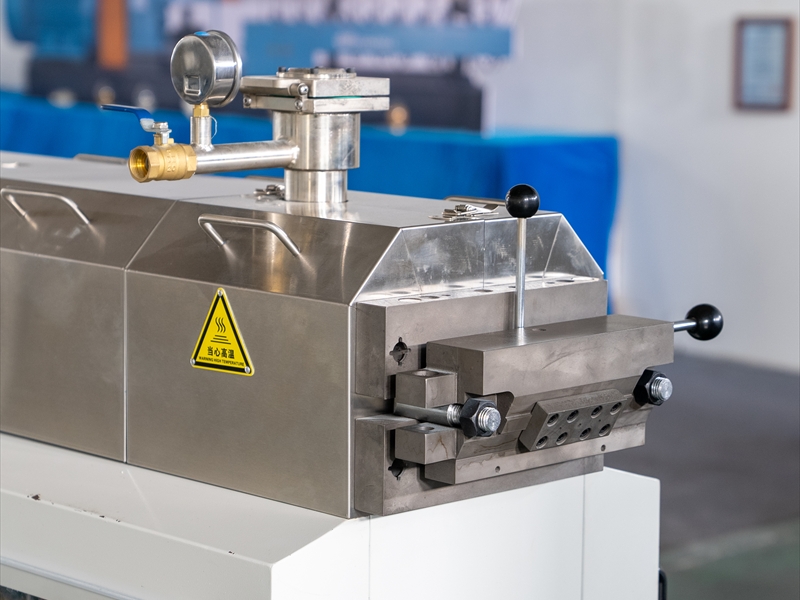
- Koho pono lako hoʻonui i ka maikaʻi o ka huahana a me ka pono hana.
-
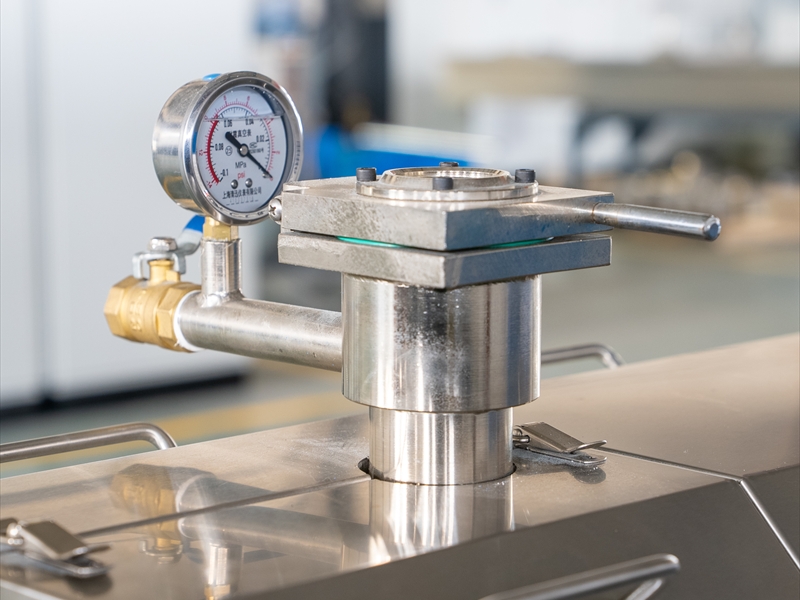
Hoʻemi nā mīkini kiʻekiʻe i nā koina hana a me nā bottlenecks, hōʻoia i ka maikaʻi o ka throughput a me ka ʻoluʻolu o ka mea kūʻai aku.
- ʻO ke koho ʻana i ka mīkini me ka mana hana a me nā kikoʻī kikoʻī e hōʻoiaʻiʻo i nā hopena kūlike.
Nā mea lawe nui
- E koho i ka mīkini pono no kou pono. ʻOi aku ka maikaʻi o nā extruders twin-screw i ka hui ʻana a me ka throughput, ʻoiai he mea kūpono nā mīkini kneader no nā mea paʻakikī.
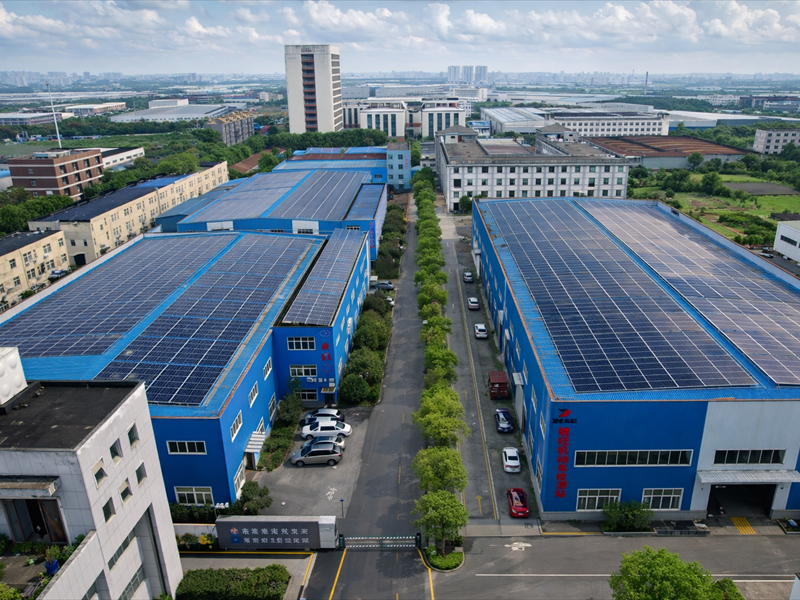
- Hana mua i ka maikaʻi o ka hana. Hoʻopili pololei ke koho ʻana i nā mea hana pono i ka kūlike a me ka hana o kāu masterbatch.
-
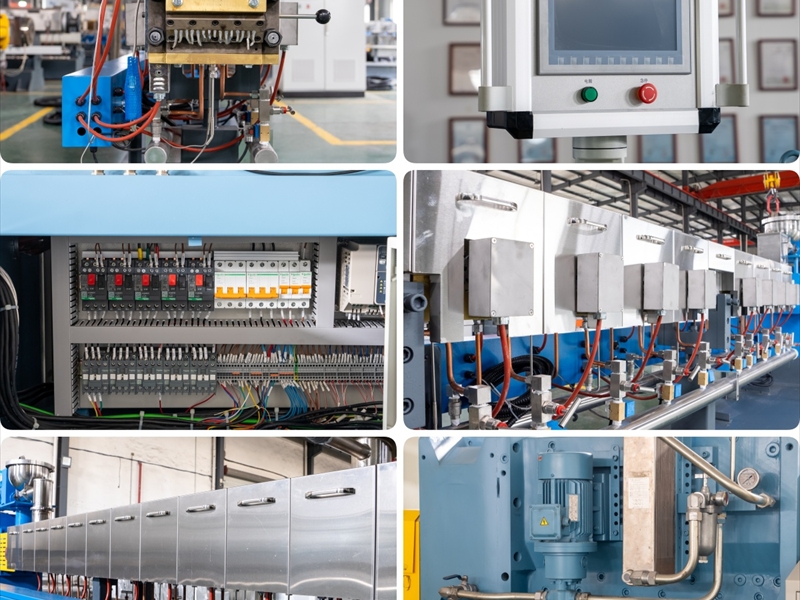
E hoʻonui i ka pono me nā mīkini holomua. ʻO nā extruders twin-screw e hōʻemi i nā kumukūʻai hana a hoʻomaikaʻi i ke kahe hana.
- E hōʻoia i ka pono o nā mea. E hana i ka hoʻāʻo ikaika e hōʻoia i ka hui pū ʻana o nā puaʻa a me nā mea hoʻohui no nā hopena maikaʻi loa.
- E kālele ana i ka hoʻopuehu ʻana. ʻO ka hoʻohuihui kiʻekiʻe e pale i nā hemahema a hōʻoia i ka waihoʻoluʻu like ʻole i nā huahana plastik.
- E noʻonoʻo i nā pono mālama. Pono e mālama hou ʻia nā extruders twin-screw, ʻoiai hāʻawi nā mīkini kneader i nā hana mālama maʻalahi.
-
E noʻonoʻo pono i kāu kālā. ʻO nā extruders twin-screw e pili ana i nā kumukūʻai mua kiʻekiʻe, akā hiki i kā lākou hana ke hoʻopau i nā lilo i ka manawa.
- Hoʻolālā no ka scalability. Hiki i nā twin-screw extruders ke maʻalahi i ka hoʻonui ʻana i nā koi hana, ʻoiai e koi ana nā mīkini kneader i nā ʻāpana ʻē aʻe.
ʻIkepili Hana Hana Masterbatch
He aha ka Masterbatch
Hoʻokumu ʻo Masterbatch i nā hui pū ʻana o nā puaʻa, mea hoʻohui, a me nā resins halihali. ʻO kēia mau hui, kapa ʻia ʻo masterbatch, hoʻohana ʻia e kala a hoʻomaikaʻi paha i nā waiwai o nā huahana plastik. ʻO ke kaʻina hana ka hui ʻana i nā mea maka, hoʻohuihui iā lākou ma o ka extrusion, a me ka hana ʻana i nā pellets no ka maʻalahi o ka lawelawe ʻana. Ke hilinaʻi nei nā mea hana i ka masterbatch e hoʻokō i ke kala kūlike, hoʻomaikaʻi i ka lōʻihi, a me ka hana kūikawā i nā noi plastic. Kākoʻo ka ʻoihana masterbatch i nā ʻāpana ākea, me ka hoʻopili ʻana, kaʻa kaʻa, a me nā mea kūʻai aku.
Pono ke kaʻina hana masterbatch i ka mālama pono i kēlā me kēia pae. ʻO kēlā me kēia ʻanuʻu, mai ke koho ʻana i nā mea maka a hiki i ka ʻeke hope, pili i ka maikaʻi a me ka hana o ka huahana i hoʻopau ʻia. Hōʻike ka papa ma lalo i nā ʻanuʻu nui a me kā lākou koi koʻikoʻi:
| ʻanuʻu | Koi koʻikoʻi |
|---|---|
| Koho Mea Maka | E hoʻohana i ka lepo ʻole, haʻahaʻa haʻahaʻa, a me nā mea paʻa wela no ka maikaʻi mau. |
| Ke kaupaona pololei a me ka hui ʻana | ʻO nā ʻōnaehana dosing ʻakomi no ka pololei; nā huila kiʻekiʻe-wikiwiki no ka hui mua o ka hui. |
| Extrusion a me Compounding | Ka hoʻohana ʻana i ka wela a me ka hui ʻana kiʻekiʻe-shear no ka hoʻopuehu pono ʻana o nā mea hoʻohui. |
| ʻO ka hoʻolili ʻana a me ka hoʻokumu ʻana i ka pellet | ʻO ka hoʻoluʻu wikiwiki a me ka ʻoki ʻana i nā kaula i hoʻokuʻu ʻia i loko o nā pellet ʻaʻahu. |
| ʻO ka nānā ʻana i ka maikaʻi | ʻO nā hoʻāʻo maikaʻi he nui e pili ana i ka like ʻana o ka waihoʻoluʻu a me nā loiloi hoʻohālikelike. |
| Packaging a me ka hoʻouna ʻana i ka manawa | E kūʻai ma kahi maʻemaʻe, nā keʻena hoʻomalu wela a nānā i ka lawe ʻana i ka manawa. |
Nā Pono Hana Nui
Hoʻopuehu Kūlike
Ke kū nei ka dispersion ma ke ʻano he koi nui i ka hana masterbatch. ʻO ka hoʻopuehu like ʻana o nā puaʻa a me nā mea hoʻohui e hōʻoia i kēlā me kēia huahana plastik e hōʻike i ke kala a me nā waiwai i manaʻo ʻia. ʻO ka hoʻohuihui kūlana kiʻekiʻe e pale i ka hoʻokumu ʻana o puʻupuʻu paʻakikī a haumia paha, hiki ke hana i nā hemahema i ka masterbatch hope loa. Hoʻohana nā mea hana i nā ʻenehana hoʻohui a me ka hoʻohuihui extrusion e hoʻokō i ka hoʻopuehu maikaʻi. Hoʻomaikaʻi ka hoʻopuehu mau ʻana i ka hoʻopau ʻana i ka ʻili a hoʻemi i nā pilikia hana, pono ia no ka hana masterbatch hilinaʻi.
Ka holo ana
Hoʻopili ʻo Throughput i ka nui o ka masterbatch i hana ʻia i loko o kahi manawa kikoʻī. Kākoʻo ka hana kiʻekiʻe i ka hana nui a hoʻokō pono i ka noi mākeke. Pono ke kaʻina hana hoʻohuihui e hoʻohālikelike i ka wikiwiki me ka maikaʻi, no ka mea, ʻaʻole pono ka hana wikiwiki ʻana i ka hoʻopuehu ʻana a i ʻole like ʻole. Hoʻohana nā laina hana masterbatch hou i nā ʻōnaehana automated a me nā extruders kiʻekiʻe e hoʻonui i ka throughput. ʻO nā ʻōnaehana hoʻomaha maikaʻi a me nā ʻōnaehana pelletizing e hoʻomaʻamaʻa hou i ke kaʻina hana, e hōʻoia ana e hoʻokō ʻia nā pahuhopu hana me ka ʻole o ka kaumaha ʻana i ka maikaʻi.
Mea Pono
He kuleana koʻikoʻi ka hoʻohālikelike ʻana i nā mea i ka hana masterbatch. ʻO nā puaʻa i koho ʻia, mea hoʻohui, a pono e hui maikaʻi nā resins carrier i ka wā o ka hui ʻana. Hiki i nā mea like ʻole ke alakaʻi i ka hoʻopuehu maikaʻi ʻole, kala kala, a i ʻole i hoʻemi ʻia ka hana plastik. Hana nā mea hana i nā hoʻokolohua maikaʻi loa, me ka hoʻohālikelike kala a me ka hoʻopuehu ʻana, e hōʻoia i ka hoʻohālikelike. Mālama kēia ʻanuʻu i ka hoʻohui pono ʻana o ka masterbatch i loko o nā noi plastik like ʻole, ke kākoʻo ʻana i nā hopena kūlike ma nā holo hana like ʻole.
Nānā: ʻO ka hana masterbatch kiʻekiʻe e pili ana i ka mana pololei o ka hui ʻana, huikau pono, a me ke koho akahele i na mea. Hoʻopaʻa kēia mau mea i ka hoʻokō ʻana o ka masterbatch hope i nā kūlana ʻoihana no ke kala, ka lōʻihi, a me ka hana hana.
ʻO Twin Screw Extruder ma Masterbatch Machine
Nā ʻano Extruder māhoe māhoe
Ua lilo ʻo Twin-screw extruders i iwi kuamoʻo o ka hana masterbatch hou. Hāʻawi lākou i ka maʻalahi a me ka mana like ʻole i hoʻohālikelike ʻia i nā hoʻolālā screw hoʻokahi. Hōʻike ka papa ma lalo i ka nā ʻokoʻa hana ma waena o nā extruders hoʻokahi a me ka māhoe, e hoʻokūpaʻa ana i ke kumu o ka hoʻonohonoho ʻana o ka māhoe e hoʻokau i ka hana masterbatch:
| Hiʻona | Hookahi Screw Extruder | Mālua Screw Extruder |
|---|---|---|
| Hiki ke huikau | kaupalena | Hoʻonui ʻia |
| ʻoluʻolu | Haʻahaʻa | Kiʻekiʻe |
| Ka hoomalu ana i ke kahe waiwai | Kaumaha | Kiʻekiʻe |
| Kūpono no nā mea ʻai paʻakikī | ʻAʻole | ʻAe |
| Ke noi ma Masterbatch | kaupalena | Nui |
Hoʻololi pū
Hiki i nā extruders māhoe hoʻololi hui ʻana i nā wiliwili i ka ʻaoʻao like. Hoʻonui kēia hoʻolālā i ka maikaʻi o ka hui ʻana a me ka hoʻohui ʻana. ʻO ka hana hui pū ʻana e hōʻoia i ka loaʻa ʻana o nā mea i ka dispersive a me ka distributive mixing, he mea nui ia no ka hana ʻana i ka masterbatch kiʻekiʻe. ʻOi aku ka makemake o nā mea hana i kēia ʻano no kona hiki ke mālama i nā ʻano paʻakikī a mālama i ka hoʻopuka paʻa.
Intermeshing vs Non-Intermeshing
Hiki i nā extruders māhoe māhoe ke intermeshing a i ʻole intermeshing. ʻO nā hoʻolālā intermeshing e ʻae i nā wili e uhi, ka hana ʻana i kahi hopena holoi ponoʻī e hōʻemi ana i ke kūkulu ʻana i nā mea a hoʻomaikaʻi i ka hoʻomaʻemaʻe iā ia iho. Kākoʻo kēia hiʻohiʻona i ka hana mau a hoʻemi i ka manawa hoʻomaha. ʻO nā ʻano non-intermeshing e hoʻokaʻawale i nā wili, Hiki iā ia ke kūpono i nā pono hoʻohuihui kikoʻī akā hāʻawi maʻamau i ka hui ʻana ʻoi aku ka ikaika.
Nā hiʻohiʻona o Twin Screw Extruder
Hoʻolālā Modular
Hoʻohana nā twin screw extruders nā mea hoʻoheheʻe modular. Hāʻawi kēia hiʻohiʻona i nā mea hoʻohana e hana i ka ʻōnaehana extrusion no nā ʻano ʻano masterbatch like ʻole. Kākoʻo ka hoʻolālā modular i ka hoʻololi ʻana i ka ikehu mechanical maikaʻi loa a hiki ke hoʻololi wikiwiki i ke kaʻina hana. Hiki i nā mea hana ke hoʻololi i ka ʻōnaehana extrusion i nā mea hou a i ʻole nā pono huahana me ka ʻole o ka downtime nui.
ʻO ka ʻohi a me ke kaomi ʻana
ʻO ka mana pololei ma luna o ka ʻāhi a me ke kaomi e wehewehe i ka pono o ka twin screw extruder. Hiki i nā mea hana ke hoʻololi ka māmā holo, hoʻonohonoho, a me ka wela o ka barela e hoʻoponopono i ke kaʻina hana hoʻohui. Mālama kēia mana i ka hoʻopuehu like ʻana o nā puaʻa a me nā mea hoʻohui, ka hopena i ka maikaʻi masterbatch mau. Mālama pū ka ʻōnaehana extrusion i ke kaomi paʻa, which protects sensitive ingredients and enhances the structural properties of the final product.
Nā pono
Huihui Kiekie
Hāʻawi nā extruders māhoe māhoe hoʻopuehu ikaika a hui pū. This capability ensures that pigments and additives blend thoroughly during compounding. The result is a masterbatch with uniform color and performance.
Kiʻekiʻe Loaʻa
Manufacturers rely on twin screw extruders for high throughput. These machines process large volumes of masterbatch efficiently, meeting the demands of industrial-scale production. The design supports stable feeding of powder pigments and additives, ka mea e hoʻonui ai i ka hana.
Hoomaemae ia oe iho
The intermeshing action in many twin screw extruders provides a self-cleaning effect. This feature reduces material residue, minimizes contamination risks, and shortens changeover times between different masterbatch formulations.
Manaʻo kōkua: ʻOi aku ka maikaʻi o ka ʻenehana twin screw extruder ma mua o ka hui ʻana. ʻO kēia mau mīkini hoʻonui i ka hoʻohana waiwai a kākoʻo i ka mana pololei ma luna o kēlā me kēia pae o ke kaʻina hana hui.
Nā pōʻino
Koina
Pono nā ʻōnaehana extruder twin screw i kahi hoʻopukapuka mua nui. Kūleʻa pinepine nā mea hana i nā kumukūʻai kiʻekiʻe ma mua o ka hoʻohālikelike ʻana i nā mīkini wili hoʻokahi. Hāʻawi ka ʻenekinia kiʻekiʻe a me ka hoʻolālā modular o nā māhoe extruder i kēia lilo. Nui nā hale hana pono e hoʻokomo i nā mea kūikawā mea kokua e kākoʻo i ka extruder wili māhoe. Hiki i kēia mau kumukūʻai ke hoʻokūkū i nā mea hana liʻiliʻi a i ʻole nā mea liʻiliʻi kālā. Ua holo ʻoi aʻe ka manawa, hiki i ka pono a me ka hoʻopuka ʻana o ka ʻenehana twin screw extruder hiki ke hoʻopau i ka lilo mua, akā, ʻoi aku ka kiʻekiʻe o ka pale i ke komo ʻana ma mua o nā mīkini maʻalahi.
Mālamalama
Pono ka mālama ʻana i nā mea hana extruder māhoe i nā ʻenehana akamai a me ka nānā mau. ʻIke nā ʻāpana intermeshing a me nā ʻāpana modular i ka wā e hana mau ai. Pono nā mea hoʻohana e nānā i ke kūlana o nā screws, barela, a me nā sila e pale ai i ka wā hoʻomaha. ʻO ka mālama ʻia ʻana a me ka hoʻololi ʻana i nā ʻāpana e kōkua i ka mālama ʻana i ka hana maʻamau, akā hoʻohui lākou i nā koina hana. Hiki i nā hui paʻakikī i nā ʻōnaehana extruder twin screw ke hoʻonui i ka manawa e pono ai no ka hoʻomaʻemaʻe a me ka hoʻoponopono. Hiki ke ʻike ʻia ka ʻaʻahu wikiwiki ʻana o nā mea hana e hana ana i nā mea abrasive a i hoʻopiha piha ʻia paha, e koi ana i ka mālama pinepine ʻana.
Nānā: ʻO ka mālama maʻamau e hōʻoia i nā mīkini twin screw extruder e hāʻawi i nā hopena hilinaʻi a hoʻonui i ko lākou ola lawelawe. ʻO ka haʻalele ʻana i ka mālama ʻana hiki ke alakaʻi i ka maikaʻi masterbatch like ʻole a me ka pau ʻana o ka hana i manaʻo ʻole ʻia.
Noi o Twin Screw Extruder
kala kala
He mea koʻikoʻi ka ʻenehana twin screw extruder i ka hana kala masterbatch. Hāʻawi nā māhoe māhoe i ka hui pū ʻana, ʻo ia ka mea e hōʻoiaʻiʻo ai i ka hoʻopuehu ʻana o nā puaʻa a puni ka resin carrier. Hoʻokumu kēia kaʻina i nā pellets me ke kala like, pono no nā huahana plastik kiʻekiʻe. Ke hilinaʻi nei nā mea hana i ka twin screw extruder e mālama i kahi ākea o nā ʻano puaʻa a me nā ʻano. ʻO ka maʻalahi o ka hoʻolālā māhoe hiki ke hoʻololi wikiwiki i waena o nā ʻano kala like ʻole, kākoʻo i nā koi o nā mea kūʻai aku.
Pākuʻi Masterbatch
Hoʻonui ʻia ka hoʻohana ʻana o nā ʻōnaehana extruder twin screw i ka hana hoʻohui masterbatch. Hoʻohui kēia mau mīkini i nā mea hoʻohui hana—e like me nā UV stabilizers, nā mea pale ahi, a i ʻole nā mea antistatic—i loko o ka polimer matrix. ʻO ka māhoe māhoe e hōʻoia i ka hoʻopuehu ʻana, ka mea e hoʻonui i ka pono o kēlā me kēia mea hoʻohui. ʻO ka hui pū ʻana e pale i ka agglomeration a hōʻoia i kēlā me kēia pellet e hāʻawi i ka hana i manaʻo ʻia. ʻO ka hoʻolālā modular o ka twin screw extruder hiki i nā mea hana ke hoʻoponopono i ke kaʻina hana no nā ʻano hoʻohui like ʻole a me nā ukana..
Hōʻuluʻulu ka papa ma lalo i nā wahi noi nui no nā ʻōnaehana extruder twin screw i ka hana masterbatch:
| Palapala noi | wehewehe |
|---|---|
| Hoʻokumu Masterbatch | E hōʻoia i ka hoʻopuehu like o nā puaʻa a me nā mea hoʻohui no ka kala a me ka hana masterbatches. |
| kala kala | Hāʻawi i ka hāʻawi kala like ʻole a kākoʻo i nā loli hoʻololi wikiwiki. |
| Pākuʻi Masterbatch | Hāʻawi i ka hoʻopili pololei ʻana o nā mea hoʻohui hana no ka hoʻomaikaʻi ʻana i nā waiwai plastik. |
Kākoʻo nā mīkini extruder māhoe māhoe i kahi ākea o nā noi masterbatch. Their versatility and control make them the preferred choice for both color and additive masterbatch production. The application of twin screw extruder technology continues to expand as manufacturers seek higher quality and efficiency.
Kneader Machine for Masterbatch Manufacturing
Kneader Machine Types
Kneader machines play a vital role in masterbatch manufacturing, especially when handling high-value or sensitive materials. Several types of kneader machines serve the industry, each designed for specific compounding needs:
- Banbury Mixers: These machines excel at compounding polymers and additives, making them a staple in masterbatch production.
- Dispersion Kneaders: Manufacturers use these for achieving uniform dispersion, which is essential for consistent masterbatch quality.
- Internal Mixers: Ke hilinaʻi pinepine nei nā Laboratories i nā mea hui kūloko no ka noiʻi liʻiliʻi a me ka hoʻomohala ʻana. Hāʻawi kēia mau mīkini i ka mana pololei ma luna o ka hui ʻana i nā ʻāpana.
- ʻO Sigma Blade Kneader: Hoʻolālā ʻia no nā mea kiʻekiʻe-viscosity, ʻO nā kneader sigma blade e hōʻoiaʻiʻo i ka hui ʻana a maikaʻi no nā hana hoʻohuihui paʻakikī.
Hoʻohana ʻia nā mīkini Kneader ma ka hui ʻana i nā mea ma lalo o ke ʻano o ka mahana a me nā kūlana shear. Mālama kēia ʻano i ka hoʻopuehu like ʻana a me ka hui pū ʻana, he mea koʻikoʻi no ka hana ʻana i ka masterbatch kiʻekiʻe.
Nā hiʻohiʻona o ka Mīkini Kneader
Hoʻohuihui ikaika
Hāʻawi nā mīkini Kneader i ka hui pū ʻana, ka mea e hiki ai ka hoʻopuehu pololei a me ka hui ʻana o nā puaʻa, mea hoʻohui, a me nā resins. He mea koʻikoʻi kēia hiʻohiʻona i ka hana masterbatch, kahi kiʻekiʻe-hoʻopiha a kiʻekiʻe-koi hoʻololi 'ia mea pono hoʻolaha like. ʻO ka hana hoʻohui ikaika e pale i ka agglomeration a hōʻoia i kēlā me kēia pūʻulu masterbatch e hoʻokō i nā kūlana koʻikoʻi..
Hoʻoikaika ikaika
ʻO ka ikaika o ka ikehu kū i waho ma ke ʻano he kī nui o nā mīkini kneader. ʻO kā lākou hoʻolālā e hoʻemi i ka hoʻohana ʻana i ka ikehu i ka wā e hui pū ai, e kōkua ana i nā mea hana e hōʻemi i nā kumukūʻai hana. Mālama nā mīkini i ka hoʻopuka paʻa i ka wā e hana ana i kahi ākea o nā mea, e hana ana ia lakou i kupono no ka hana nui a me ka specialty masterbatch manufacturing.
ʻO ka hana pūʻulu
Hoʻohana maʻamau nā mīkini Kneader ma ke ʻano hui. Hāʻawi kēia ʻano hana i ka hoʻoponopono ʻana i nā ʻāpana maʻalahi, ke kākoʻo ʻana i ka hana ʻana i nā ʻano hana masterbatch like ʻole. Hāʻawi pū ka hana pūʻulu i ka puka paʻa, He mea koʻikoʻi ia no ka mālama pono ʻana i ka wā e hoʻoili ai i nā mea koʻikoʻi a i ʻole nā mea waiwai nui. Hiki i nā mea hana ke nānā pono i kēlā me kēia pūʻulu, e hōʻoia i ka hoʻokō ʻana o ke kaʻina hana hui i nā kikoʻī i koi ʻia.
Nā pono
ʻO ka hui pū ʻana
Hāʻawi nā mīkini Kneader i ka hui pū ʻana, He mea nui ia no ka hana masterbatch e pili ana i nā mea paʻakikī a paʻakikī paha. ʻO nā mīkini’ ʻO ka hiki ke hoʻokō i ka hoʻopuehu like ʻana e hōʻoia i ka hui pū ʻana o nā puaʻa a me nā mea hoʻohui i loko o ka resin lawe. Kākoʻo kēia pololei i ka hana ʻana o masterbatch me ka waihoʻoluʻu a me ka hana.
Hoʻemi i ka ikehu haʻahaʻa
Manaʻo nā mea hana i nā mīkini kneader no kā lākou hoʻohana ʻana i ka ikehu haʻahaʻa i hoʻohālikelike ʻia me nā mea hoʻohuihui ʻē aʻe. ʻO ka hoʻolālā maikaʻi e hōʻemi i ka hana wela a hoʻemi i ka hoʻohaʻahaʻa waiwai, ka mea e pōmaikaʻi ai i nā hoʻokumu masterbatch wela. Hāʻawi pū ka hoʻohana ʻana i ka ikehu haʻahaʻa i kahi kaʻina hana hoʻomau.
ʻO ke kūpaʻa
Hōʻike nā mīkini Kneader i ka ikaika ʻokoʻa. Kūleʻa kā lākou kūkulu ʻana i nā koi o ka hoʻohui pū ʻana, ʻoiai i ka hana ʻana i nā mea abrasive a i hoʻopiha piha ʻia paha. Mālama kēia paʻa i ka hana hilinaʻi a hoʻonui i ke ola lawelawe o nā mea hana, ka hana ʻana i nā mīkini kneader i waiwai maikaʻi no nā hale hana masterbatch.
Nānā: Hoʻohui pū nā mīkini Kneader i ka hui ʻana, ikehu pono, a me ke kūkulu paʻa, e hoʻolilo iā lākou i mea kūpono no ka hana masterbatch e koi ana i ka hui pū ʻana a me ka puka paʻa.
Nā pōʻino
Haʻahaʻa haʻahaʻa
Hoʻohana ʻia nā mīkini Kneader ma ke ʻano batch, ka mea e kaupalena ana i kā lākou throughput i hoʻohālikelike ʻia me nā ʻōnaehana extrusion mau. Pono nā mea hana e hoʻouka, huikau, a hoʻokuʻu i kēlā me kēia pūʻulu ma mua o ka hoʻomaka ʻana i ka pōʻai hou. Hoʻopili kēia kaʻina hana i ka nui o ka masterbatch i hana ʻia i loko o kahi manawa i hāʻawi ʻia. Facilities that require high production rates often find kneader machines less suitable for large-scale manufacturing. The batch operation also increases downtime between cycles, which can affect overall efficiency. Manufacturers who prioritize speed and volume may prefer extruders for their ability to deliver consistent output without interruption.
Limited Flexibility
Kneader machines offer less flexibility when adapting to new formulations or rapid product changes. The batch process requires manual adjustments for each recipe, which slows response to shifting market demands. Operators must clean and prepare the machine between batches, especially when switching between different materials. This limitation makes kneader machines less ideal for facilities that handle frequent changes in masterbatch composition. The design suits stable production environments but presents challenges for manufacturers seeking versatility in their application range.
Nānā: Kneader machines excel in precision mixing and energy efficiency, but their lower throughput and limited flexibility can restrict their use in fast-paced or highly variable production settings.
Nā noi maʻamau
Highly Filled Masterbatch
Kneader machines demonstrate exceptional performance in highly filled masterbatch production. These machines handle ultra-high loading pae, nui pinepine 85% mea hoʻopiha piha. The intensive mixing action ensures difficult-to-disperse additives integrate thoroughly into the carrier resin. Manufacturers select kneader machines for filler masterbatch compounding because they maintain uniform dispersion and prevent agglomeration, ʻoiai me nā mea paʻakikī. The table below highlights the primary application type and its characteristics:
| ʻAno noi | Nā hiʻohiʻona |
|---|---|
| Filler Masterbatch Compounding | Ultra-High Loading, >85% filling levels, difficult-to-disperse additives |
This application requires robust mixing and stable output, which kneader machines provide. Operators achieve consistent quality in batches with high filler content, supporting demanding industrial requirements.
Rubber Compounds
Rubber compound production represents another key application for kneader machines. The equipment processes elastomers, nā mea hoʻopiha, and additives under controlled temperature and shear conditions. Kneader machines deliver uniform dispersion, which enhances the physical properties of rubber products. Manufacturers rely on kneader machines for their ability to handle viscous materials and maintain batch-to-batch consistency. The process supports specialty rubber applications, including automotive parts, sila, a me nā mea ʻenehana.
Manaʻo kōkua: Facilities that produce highly filled masterbatch or rubber compounds benefit from the kneader machine’s robust mixing and stable batch operation. These applications demand precision and reliability, which kneader machines consistently deliver.
ʻOkoʻa ma waena o hoʻokahi a me Twin Screw Extruder
ʻAno Hui
Ka maikaʻi hui ʻana stands as a critical factor in masterbatch manufacturing. The single screw extruder provides mainly distributive mixing. This means it spreads materials but does not break down agglomerates as effectively. Twin screw extruders deliver both dispersive and distributive mixing. They can break down pigment clusters and distribute additives evenly. This capability results in a more homogeneous masterbatch, which is essential for high-performance applications.
The table below highlights the main differences in mixing capability:
| Hiʻona | Hookahi Screw Extruder | Mālua Screw Extruder |
|---|---|---|
| Hiki ke huikau | Haʻahaʻa (ʻo ka hapa nui) | Kiʻekiʻe (Hoʻopuehu & Hoʻolaha) |
Manufacturers often choose twin screw extruders for compounding tasks that require intensive mixing, such as blending glass fibers, nā mea pale ahi, or pigments into resins. The single screw extruder works best for simpler formulations where basic mixing suffices.
Manaʻo kōkua: For masterbatch products that demand uniform color and additive distribution, twin screw extruders offer a clear advantage.
Ka holo ana
Throughput measures how much material a machine can process in a given time. The single screw extruder excels in continuous, straightforward processes. It handles large volumes efficiently when the formulation does not require complex mixing. Nā mea hoʻoheheʻe māhoe māhoe, ma ka lima ʻē aʻe, provide superior throughput for complex masterbatch production. Their design supports excellent material conveying, huikau, and shear dispersion.
The following table compares throughput capabilities:
| ʻAno Extruder | Throughput Capability |
|---|---|
| Hoʻokahi Screw | More efficient for simpler, continuous processes |
| māhoe māhoe | ʻO ka hui pū ʻana, ideal for complex masterbatch tasks |
- Mea hoʻokuke hoʻokahi wili: Best for high-volume, simple recipes.
- Mea hoʻokuke māhoe māhoe: Preferred for high-intensity mixing and advanced formulations.
Production lines that require both speed and advanced mixing often rely on twin screw extruders. Facilities focused on basic compounding may select the single screw extruder for its efficiency.
Ka Laihui
The application scope defines where each machine performs best. The single screw extruder suits basic plastic processing, e like me ka hana ʻana i nā paipu, nā kiʻiʻoniʻoni, or simple compounds. It offers reliability for straightforward tasks. Nā mea hoʻoheheʻe māhoe māhoe handle a broader range of applications. They excel in masterbatch production, especially when recipes involve multiple additives or require precise dispersion.
Key application areas include:
- Mea hoʻokuke hoʻokahi wili: Used for continuous processes with minimal mixing needs.
- Mea hoʻokuke māhoe māhoe: Essential for masterbatch, compounding with glass fibers, nā puaʻa, a i ʻole nā mea pale ahi.
The difference between single and twin screw extruder technology shapes the choice for manufacturers. Those who need advanced mixing and flexibility select twin screw extruders. Those who prioritize simplicity and volume often choose the single screw extruder.
Nānā: Selecting the right extruder depends on the complexity of the formulation, desired throughput, and end-use requirements.
Masterbatch Machine Comparison
hana
Performance defines the core value of any mīkini masterbatch. Twin-screw extruders set the industry standard for high-performance compounding. These machines handle complex recipes with ease. Operators can adjust process parameters quickly, which supports consistent output. The twin design ensures stable feeding and precise temperature control. This leads to reliable production of masterbatch with uniform properties.
Kneader machines excel in specific scenarios. They deliver outstanding results when processing highly filled or sensitive materials. Their robust construction allows them to withstand demanding conditions. Eia naʻe, batch operation limits their overall speed. Facilities that require continuous, high-volume production often prefer the twin screw extruder for its superior performance.
Single screw extruder systems offer reliable performance for basic tasks. They suit straightforward masterbatch formulations. These machines do not match the advanced capabilities of twin-screw extruders or kneader machines in complex compounding.
Nānā: Selecting the right masterbatch machine depends on the desired balance between speed, kūlike, and material requirements.
ʻAno Hui
Mixing quality remains a critical factor in masterbatch manufacturing. Twin-screw extruders provide both dispersive and distributive mixing. This means they break down pigment clusters and distribute additives evenly. The result is a homogeneous masterbatch with consistent color and performance. Operators can fine-tune the extrusion system to match the needs of each recipe.
Kneader machines also deliver high mixing quality, especially for challenging materials. Their intensive mixing action ensures thorough dispersion. This proves essential for highly filled masterbatch or rubber compounds. Eia naʻe, batch operation can introduce slight variations between cycles.
Single screw extruder machines offer basic distributive mixing. They work well for simple formulations but struggle with complex recipes. These machines cannot achieve the same level of pigment dispersion as twin-screw extruders or kneader machines.
The table below summarizes mixing quality across different masterbatch machine types:
| ʻAno Mīkini | ʻAno Hui | Hoʻohana maikaʻi loa |
|---|---|---|
| Nā mea hoʻokuke māhoe māhoe | Kiekie (Hoʻopuehu & Hoʻolaha) | Complex masterbatch, kala kala, mea hoʻohui |
| Kneader machines | Kiʻekiʻe (Hoʻoikaika kino) | Highly filled, sensitive materials |
| Mea hoʻokuke hoʻokahi wili | Kumu (Hoʻolaha) | Simple masterbatch |
ʻoluʻolu
Flexibility determines how well a masterbatch machine adapts to changing production needs. Mea hoʻokuke māhoe māhoe systems stand out for their versatility. They allow operators to modify screw configurations, adjust shear levels, and control residence time. This adaptability supports a wide range of masterbatch formulations. Manufacturers can switch between recipes with minimal downtime. ʻO ka strong mixing capabilities of twin-screw extruders enhance flexibility, making them essential for consistent color quality and efficient production.
Kneader machines offer moderate flexibility. They handle various materials and filler levels but require manual adjustments between batches. This process can slow response to new market demands. Batch operation also limits the speed of recipe changes.
Single screw extruder machines provide the least flexibility. They suit stable, high-volume production of simple masterbatch. These machines do not support rapid changes in formulation or advanced compounding tasks.
Manaʻo kōkua: Facilities that produce multiple masterbatch types benefit from the flexibility of twin screw extruder technology. This advantage supports innovation and quick adaptation to customer needs.
Ka holo ana
Throughput measures the volume of material processed by a masterbatch machine within a set period. Twin screw extruders deliver high throughput, supporting large-scale production environments. Operators can achieve output rates from 30 kilograms per hour up to 4000 kilokani i ka hora. This capacity enables manufacturers to meet demanding schedules and maintain consistent supply. Kneader machines operate at lower throughput levels, with maximum output reaching up to 1000 kilokani i ka hora. Batch operation limits their speed, making them suitable for specialty or high-value masterbatch production.
The table below compares throughput capacity:
| ʻAno lako | Hiki ke hoopuka |
|---|---|
| Mālua Screw Extruder | 30kg/h to 4000kg/h |
| Kneader Machine | Up to 1000kg/h |
Twin screw extruders dominate high-volume masterbatch manufacturing. Kneader machines excel in applications where precision and material sensitivity outweigh speed.
Mālamalama
Maintenance requirements differ significantly between twin screw extruders and kneader machines. Twin screw extruders demand regular attention due to their complex design and high operational loads. Operators must monitor screw wear, gearbox integrity, a me nā sila. After-sales service contracts typically cost ma waena 2% a 5% of the machine’s value i kēlā me kēia makahiki. No kahi $200,000 extruder, annual maintenance expenses range from $4,000 i $10,000. Spare parts add to the cost, with screw sets priced from $15,000 i $25,000 and gearbox replacements costing $30,000 i $50,000. Preventive maintenance extends the interval between major overhauls from five years to seven years, reducing long-term expenses.
- Twin screw extruders require frequent inspections and specialized technicians.
- Kneader machines feature robust construction and simpler maintenance routines.
- Preventive maintenance increases reliability and reduces downtime for both machine types.
Facilities that operate twin screw extruders must budget for higher maintenance costs and plan for regular service intervals. Kneader machines offer easier upkeep, making them attractive for smaller operations or specialty production.
Koina
Cost plays a decisive role in masterbatch machine selection. Twin screw extruders involve substantial initial investment. Manufacturers pay for advanced engineering, modular components, and auxiliary equipment. Ongoing maintenance and spare parts further increase operational expenses. Kneader machines present lower upfront costs and reduced maintenance requirements. Their batch operation suits facilities with limited budgets or those focused on specialty masterbatch production.
Operators must weigh the benefits of high throughput and flexibility against the financial commitment required for twin screw extruders. Kneader machines provide a cost-effective solution for precision mixing and stable output, especially in applications where speed is not the primary concern.
Manaʻo kōkua: Careful cost analysis ensures that manufacturers select the masterbatch machine best suited to their production goals and financial resources.
Scalability
Scalability determines how well a masterbatch machine supports growth and adapts to increased production demands. Manufacturers often evaluate scalability when planning for expansion or responding to market changes. Twin screw extruders and kneader machines offer distinct advantages and limitations in this area.
Twin Screw Extruder Scalability
Twin screw extruders excel in scalable production environments. Operators can increase output by upgrading screw diameter, lōʻihi, or motor power. Modular design allows for easy expansion and customization. Facilities can add auxiliary equipment, such as feeders or pelletizers, to boost capacity. Manufacturers often choose twin screw extruders for their ability to handle both small and large batch sizes without sacrificing quality.
- Modular configuration supports rapid adaptation.
- Upgrades enable higher throughput and advanced formulations.
- Integration with automated systems streamlines scaling.
Kneader Machine Scalability
Kneader machines present challenges in scalability. Batch operation limits continuous output. Operators must process each batch separately, which restricts overall capacity. Scaling up often requires purchasing additional machines rather than expanding a single unit. This approach increases floor space and operational complexity. Kneader machines suit specialty production where precision matters more than volume.
- Batch processing restricts seamless scaling.
- Expansion involves adding more units, not upgrading existing ones.
- Best suited for stable, low-to-medium volume production.
Nānā: Facilities planning for rapid growth or fluctuating demand benefit from the scalable design of twin screw extruders. Kneader machines fit environments with consistent, specialty production needs.
Scalability Comparison Table
| ʻAno Mīkini | Scalability Features | Expansion Method | Ideal Production Scale |
|---|---|---|---|
| Mālua Screw Extruder | Modular, upgradeable, automation-ready | System upgrades, add-ons | Small to large-scale |
| Kneader Machine | kaupalena, batch-based | Additional machines | Specialty, low-to-medium |
Manufacturers seeking flexible, high-volume production often select twin screw extruders. Kneader machines remain valuable for niche applications where batch consistency and precision outweigh the need for rapid scaling.
Manaʻo kōkua: Evaluate future production goals before investing in masterbatch machinery. Twin screw extruders offer a pathway to growth, while kneader machines deliver reliability for specialized operations.
Ke koho ʻana i ka Mīkini Masterbatch Pono
Nā Kumu Hoʻoholo
Selecting the optimal masterbatch machine requires careful evaluation of several core factors. Each facility must align its equipment with operational goals and material demands.
Volume Hana
Production volume determines the scale and speed of manufacturing. Facilities with high production capacity need machines that can sustain continuous output. Nā mea hoʻoheheʻe māhoe māhoe excel in large-scale environments. They process significant quantities of masterbatch without frequent interruptions. Kneader machines suit smaller batches or specialty runs. Operators should match machine throughput to their target production levels.
ʻAno Mea
Material type influences machine selection. Some masterbatch recipes use wood, bamboo, or straw fibers. Others require advanced additives for mechanics, degradability, or unique functionality. Twin screw extruders handle a wide range of plastic resins and complex formulations. Kneader machines perform well with sensitive or high-value materials. The choice depends on the compatibility of the machine with the raw materials and the desired properties of the final product.
Pono Pono
Quality requirements shape the compounding process. Manufacturers producing masterbatch for high-performance plastic applications must ensure uniform dispersion and color consistency. Twin screw extruders deliver superior mixing and precise control. Kneader machines provide intensive blending for highly filled or specialty masterbatch. Facilities should assess the level of quality needed for their end-use products.
Puke kālā
Budget remains a decisive factor in equipment investment. Twin screw extruders require higher initial costs and ongoing maintenance. Kneader machines offer a lower entry point and reduced upkeep. Financial planning must consider both upfront expenses and long-term operational costs. The final decision should balance production goals with available resources.
Manaʻo kōkua: The selection process involves more than just machine specifications. Operators must consider the type of fiber, desired masterbatch performance, and financial constraints to make the best choice.
Twin screw extruders deliver high throughput and superior mixing, making them ideal for complex, large-scale masterbatch production. Kneader machines excel with sensitive or highly filled materials, offering precision and energy efficiency. Aligning machine choice with production goals and mea pili ensures consistent quality, smooth processing, and fewer defects. Manufacturers who match machine capabilities with resin and polymer systems achieve better surface finish, stable output, and long-term success in masterbatch manufacturing.
FAQ
What is the main advantage of a twin-screw extruder in masterbatch production?
Nā mea hoʻokuke māhoe māhoe provide superior mixing and high throughput. They handle complex formulations with ease. Manufacturers rely on them for consistent quality and efficient large-scale production.
When should a manufacturer choose a kneader machine?
A manufacturer should select a kneader machine for highly filled, sensitive, or specialty materials. Kneader machines offer precise mixing and energy efficiency, making them ideal for demanding or small-batch applications.
How does maintenance differ between twin-screw extruders and kneader machines?
Twin-screw extruders require frequent inspections and specialized technicians. Kneader machines have simpler maintenance routines and robust construction. Facilities with limited technical staff often prefer kneader machines for easier upkeep.
Can a single-screw extruder produce masterbatch?
A single-screw extruder can produce simple masterbatch formulations. It cannot achieve the same mixing quality or flexibility as twin-screw extruders. Manufacturers use single-screw machines for basic, high-volume tasks.
What factors affect the cost of a masterbatch machine?
Machine size, pae mīkini, and auxiliary equipment impact cost. Twin-screw extruders have higher initial and maintenance expenses. Kneader machines offer lower entry costs but may require more units for scaling.
Which machine offers better scalability for growing production needs?
Nā mea hoʻokuke māhoe māhoe offer modular upgrades and automation options. They scale easily for increased output. Kneader machines require additional units for expansion, which increases operational complexity.
Are kneader machines suitable for color masterbatch production?
Kneader machines can produce color masterbatch, especially for high-fill or specialty batches. Twin-screw extruders remain the preferred choice for high-volume, consistent color masterbatch production.