

Key Takeaways
-
Plastic extruders transform raw plastic pellets into finished products through a step-by-step process.
-
Key functions of a plastic extruder include heating, pagsagol, pressurizing, shaping, and cooling the material.
-
Selecting the right thermoplastic is crucial for achieving desired product properties and applications.
-
Proper monitoring of temperature and pressure during extrusion ensures consistent quality and prevents defects.
-
Cooling methods significantly affect the final product's strength and appearance; choose the right method for each application.
-
Downstream processing steps like cutting and shaping enhance the value and usability of extruded products.
-
Regular maintenance of components like the die and hopper is essential for efficient operation and product quality.
-
Understanding the advantages and challenges of plastik nga extrusion helps optimize production and meet industry demands.
Plastic Extruder Basics
What Is a Plastic Extruder
I rely on a plastik nga extruder every day in my manufacturing process. This machine plays a central role in transforming raw plastic into usable products. I feed plastic pellets into the extruder, which heats and melts them. The machine then pushes the molten plastic through a die, creating a continuous shape. This process allows me to produce pipes, mga palid, mga pelikula, and other items efficiently.
A plastic extruder stands out as a crucial piece of equipment in industrial manufacturing. It operates by forcing melted plastic through a fixed outlet, shaping it into a desired form. I see how this method ensures consistency and quality in every batch. Ang proseso sa extrusion naggamit sa taas nga presyur aron mapalihok ang materyal, nga unya mobugnaw ug mogahi. Kini nga pamaagi nagpasiugda sa kahusayan ug pagkapraktikal sa extruder sa akong adlaw-adlaw nga trabaho.
Tip: Kanunay nakong susihon ang mga setting sa temperatura ug presyur sa akong plastic extruder aron mapadayon ang kalidad sa produkto.
Pangunang mga Katungdanan
Gipunting nako ang daghang hinungdanon nga mga gimbuhaton kung nag-operate ako usa ka plastic extruder. Ang matag function hinungdanon alang sa mga aplikasyon sa industriya tungod kay kini makaapekto sa kalidad ug pasundayag sa katapusan nga produkto.
-
Pagpainit ug Pagtunaw: Gigamit nako ang extruder sa pagpainit sa mga plastik nga pellets hangtod nga matunaw. Kini nga lakang hinungdanon alang sa paghimo sa usa ka uniporme nga materyal.
-
Pagsagol: Gisagol sa makina ang tinunaw nga plastik, pagsiguro nga parehas ang pag-apod-apod sa mga additives ug colorants.
-
Pressurization: Nagsalig ko sa extruder aron magamit ang pressure, nga makatabang sa paghulma sa materyal ug pagtangtang sa mga bula sa hangin.
-
Pagporma: Ang die naghatag sa plastik sa iyang kataposang porma, kung kinahanglan ko ang mga tubo, mga pelikula, mga profile, o mga sakoban sa kable.
-
Pagpabugnaw: Human sa pagporma, Gipabugnaw nako ang produkto aron mapalig-on kini ug ma-lock ang porma niini.
Gigamit nako ang lainlaing mga thermoplastics sa akong extruder, depende sa aplikasyon. Pananglitan, Ang polyethylene maayo alang sa mga pelikula ug packaging tungod sa pagka-flexible ug kalig-on niini. Ang polypropylene nahiangay sa mga piyesa sa awto tungod sa taas nga pagkatunaw niini. Ang polyvinyl chloride maayo alang sa mga tubo sa pagtukod ug mga profile tungod kay kini lig-on. Ang polystyrene perpekto alang sa mga gamit sa konsumidor tungod kay kini gahi ug tin-aw.
Nakita nako ang epekto niini nga mga gimbuhaton sa daghang mga industriya:
-
Pagtukod
-
Pagputos
-
Electronics ug electrical appliances
-
Automotive
-
Pag-atiman sa medisina
Naghimo ko og usa ka lain-laing mga produkto sa akong plastic extruder, sama sa:
-
Mga tubo
-
Extruder Frame Wholesale Anodized Extruded Aluminum Mga salida
-
Mga profile
-
Cable sheaths
-
Medical consumables
I understand that mastering these functions helps me deliver reliable results for industrial clients. I always monitor each stage to ensure efficiency and consistency.
How Does a Plastic Extruder Work
Feeding Material
I always start the plastic extrusion process by feeding raw material into the extruder. I use plastic pellets or granules, which I pour into the hopper at the top of the machine. The hopper acts as a storage bin and ensures a steady flow of material into the barrel. I select the right type of plastic based on the product I want to make. Pananglitan, I might choose polyvinyl chloride for pipes or polyethylene for films and tubing. The table below shows some common materials I use and their main characteristics:
|
Matang sa Materyal |
Characteristics and Applications |
|---|---|
|
Polyvinyl Chloride (PVC) |
Kusog, daghag gamit, resistant to moisture, mga kemikal, and UV radiation; used in construction and industrial settings. |
|
Polyethylene (PE) |
Lightweight, flexible, excellent impact resistance; used for films, plastic bags, mga sudlanan, ug flexible tubing. |
|
ASA (Acrylonitrile Styrene Acrylate) |
Superior UV and chemical resistance; used in outdoor applications like roofing and façade panels. |
|
Lightweight, flexible; suitable for food packaging, medical products, and hollow formwork systems. |
I make sure the material is clean and dry before I load it. Moisture or contaminants can cause defects in the final product. Once the pellets enter the barrel, the plastic extrusion process begins in earnest.
Melting and Mixing
After feeding, I focus on melting the plastic and mixing it thoroughly. The barrel contains a rotating screw that pushes the pellets forward. Samtang nagalihok ang materyal, heaters along the barrel raise the temperature. Gibantayan nako pag-ayo ang temperatura tungod kay ang matag klase sa plastik natunaw sa lainlain nga range. Pananglitan, Gibutang nako ang baril sa 160-200°C para sa LDPE, 180-230°C para sa HDPE, ug 150-185°C alang sa PVC. Ang lamesa sa ubos nagpakita sa kasagaran temperatura sa pagtunaw alang sa komon nga thermoplastics:
|
Thermoplastic |
Temperatura sa Pagkatunaw (°C) |
|---|---|
|
LDPE |
160-200 |
|
HDPE |
180-230 |
|
Si PP |
200-260 |
|
PVC |
150-185 |
|
Naylon |
230-290 |
Samtang nagtuyok ang screw, kini compresses ug homogenizes ang tinunaw nga plastik. nagsalig ko pagsagol sa mga elemento sulod sa tornilyo aron sa pagguba sa mga pungpong ug pag-apod-apod sa mga additives nga parehas. Kini nga lakang hinungdanon alang sa proseso sa extrusion sa profile tungod kay gisiguro niini nga ang katapusan nga produkto adunay parehas nga kolor ug texture. Ang husto nga pagsagol makapugong usab sa mga basura ug mga depekto sa materyal. Kanunay nakong susihon nga ang temperatura ug presyur magpabilin nga lig-on niining yugtoa. Kung ang materyal dili parehas nga matunaw, ang proseso sa extrusion makahimo og huyang o dili managsama nga mga produkto.
Tip: I always use the right screw design and mixing elements for each material to achieve the best results in the plastic extrusion process.
Shaping with the Die
Once the plastic is fully melted and mixed, I move to the shaping stage. The molten plastic passes through screens and breaker plates that filter out contaminants and create back pressure. This step helps me maintain a smooth and consistent flow. Sunod, the material enters the die, which is the final shaping tool in the extrusion process.
The die determines the cross-sectional shape of the extruded product. I select the die based on the product I want to make. Pananglitan, I use flat or sheet dies for films and sheets, annular or ring dies for pipes and tubing, and custom profile dies for window frames or weatherstripping. Ang lamesa sa ubos naglista sa kasagarang mga tipo sa mamatay ug ang mga produkto nga ilang gimugna:
|
Mamatay nga Type |
Deskripsyon |
Gibuhat nga mga Produkto |
|---|---|---|
|
Flat/sheet mamatay |
Ang disenyo sa coat-hanger nag-apod-apod sa matunaw sa usa ka lapad nga slot. |
Palid, pelikula, ug mga aplikasyon sa coating |
|
Annular/singsing namatay |
Matunaw ang nagaagay sa palibot sa usa ka mandrel, paghimo sa usa ka haw-ang nga profile. |
Pipe ug tubing |
|
Namatay ang profile |
Gidisenyo alang sa piho nga mga cross-section. |
Mga frame sa bintana, weatherstripping, trim sa ngilit |
|
Namatay ang blown film |
Ang Annular mamatay gamit ang air injection aron matunaw ang pagkatunaw ngadto sa usa ka bula. |
Nipis nga paghimo sa pelikula |
Gitagad nako pag-ayo ang disenyo sa mamatay tungod kay kini makaapekto sa gibag-on, gilapdon, ug kalidad sa nawong sa katapusang produkto. Sa proseso sa extrusion sa profile, ang die kinahanglang maghimo ug uniporme nga dagan aron malikayan ang pag-warping o internal stress. Kanunay nakong i-adjust ang temperatura sa die ug pressure aron maayo ang pagkaporma. Sa diha nga ako nakakita sa tinunaw nga plastik nga extruding pinaagi sa mamatay, I know the product is taking its final form.
Masterbatch Extruder Supplier Nota: The die is the heart of the plastic extrusion process. A well-designed die ensures consistent quality and precise dimensions. Extruder Keeps Heating
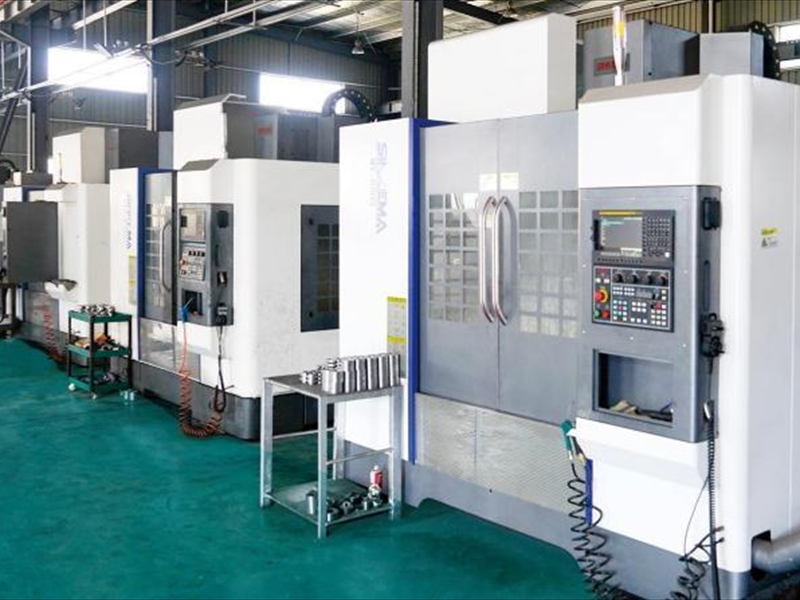
Pinaagi sa pagsunod niini nga mga lakang—feeding material, melting the plastic, pagsagol, and shaping—I transform raw pellets into finished products. The plastic extruder allows me to control every stage of the process, from material selection to final shaping. This step-by-step approach is essential for producing high-quality items in any industrial setting.
Cooling and Solidifying
Human ang plastik mobiya sa mamatay, I focus on cooling the extrudate to lock in its shape and prevent defects. This stage is critical because the way I cool the product affects its strength and appearance. I use several methods to cool and solidify the plastic, depende sa produkto ug sa gikusgon sa produksyon.
-
Pag-calibrate
-
Pagpabugnaw sa hangin
-
Katapusan nga pagpabugnaw
-
Advanced nga mga teknik (gipabugnaw nga mga roller, pagpabugnaw sa vacuum)
Kanunay kong magsugod sa pagpalong. Kini nga pamaagi paspas nga makapabugnaw sa gawas nga layer sa plastik samtang kini mogawas sa extrusion head. Gigamit nako ang mga spray sa hangin o tubig alang niini nga lakang. Ang paspas nga pagpabugnaw makatabang sa pagpahimutang sa inisyal nga porma ug pagpahunong sa produkto gikan sa pag-warping. Alang sa daghang mga profile ug tubo, Gigamit nako ang mga calibrator. Kini nga mga himan nagpalig-on sa porma ug naglakip sa mga tangke nga puno sa tubig alang sa kontrolado nga pagpabugnaw. Ang mga calibrator nagtabang kanako nga malikayan ang mga internal nga kapit-os ug masiguro nga ang produkto magpabilin nga tul-id.
Kung kinahanglan nako ang tukma nga pagkontrol sa temperatura, Modangop ko sa advanced techniques. Ang gipabugnaw nga mga roller ug vacuum cooling naghatag kanako og paspas ug gani makapabugnaw, nga importante alang sa high-speed nga produksyon o espesyal nga mga aplikasyon. Kanunay kong gipili ang pamaagi nga mohaum sa mga kinahanglanon sa produkto.
Tip: Gibantayan nako pag-ayo ang rate sa pagpabugnaw. Kung gipabugnaw nako ang plastik nga paspas kaayo, Mahimo nakong ma-trap ang internal stress. Kung hinay kaayo ko pabugnawan, Nameligro ako nga mag-warping o dili parehas nga mga nawong.
Ang paagi sa pagpabugnaw nga akong gipili makaapekto sa katapusan nga mga kabtangan sa produkto. Ang lamesa sa ubos nagpakita kung giunsa ang lainlaing mga rate sa pagpabugnaw nagbag-o sa mga mekanikal nga kabtangan:
|
Pamaagi sa Pagpabugnaw |
Epekto sa Mechanical Properties |
|---|---|
|
Kusog nga Pagpabugnaw sa Tubig |
Makapugong sa mga internal nga stress, pagpahuyang sa mas baga nga mga produkto sa paglabay sa panahon. |
|
Hinay nga Hangin Pabrika sa Screw Extruder Pagpabugnaw Parallel Twin Screw Factory |
Nagpasiugda sa uniporme nga crystallization, pagpausbaw sa kalig-on ug pagkunhod sa mga risgo sa warping. |
Kanunay nakong gibalanse ang katulin ug kalidad aron makuha ang labing kaayo nga mga sangputanan alang sa akong mga kliyente sa industriya.
Pagproseso sa ubos
Sa higayon nga ang produkto solid, Mobalhin ko sa pagproseso sa ubos. This stage adds value and prepares the product for its final use. I follow a series of steps to finish the extruded plastic:
-
Pagputol: I use a high-speed cutter to slice the continuous strand into set lengths. Accurate cutting is important for assembly and appearance.
-
Pagporma: I may run the product through a shaping machine. This step improves the look and ensures the dimensions are correct.
-
Pagpauga: I use industrial dryers, such as multi-layer belt dryers or microwave dryers, to remove any moisture from the product.
After these main steps, I often add finishing touches. I might print information or branding on the product. Usahay, I punch holes, bell the ends, or coil the product for easier transport. Kini nga mga dugang nga mga lakang makatabang kanako nga makab-ot ang piho nga mga panginahanglanon sa kustomer ug himuon ang produkto nga labi ka mapuslanon.
Nota: Mga proseso sa ubos sama sa pagputol ug pag-imprenta makapauswag sa bili sa extruded plastic nga mga produkto. Gisiguro nila ang husto nga gidak-on, mas maayo nga hitsura, ug kaandam alang sa merkado.
Pinaagi sa maampingong pagdumala sa pagpabugnaw ug pagproseso sa ubos, Naghatag ako og taas nga kalidad, kasaligan nga mga produkto alang sa usa ka halapad nga aplikasyon sa industriya.
Mga sangkap sa Plastic Extruder
Hopper
Kanunay kong magsugod sa akong trabaho sa hopper. Kini nga component naglingkod sa ibabaw sa plastic extruder ug nagtipig sa hilaw nga plastic pellets o granules. Ang hopper nagpakaon sa materyal ngadto sa baril sa makanunayon nga gikusgon. Kanunay nakong susihon ang hopper aron masiguro nga kini magpabilin nga limpyo ug uga. Ang ubang mga modelo naglakip sa pagpa-uga function, nga nakatabang kanako sa pagpadayon sa kalidad sa plastik. Ang kaumog mahimong hinungdan sa mga depekto, so I rely on the hopper to keep the material in good condition. I select the right hopper size based on the production volume. Alang sa mga trabaho nga taas ang output, Gigamit nako ang dagkong mga hopper aron malikayan ang kanunay nga pagpuno.
Tip: Gisusi nako ang hopper sa wala pa ang matag pagbalhin. Ang limpyo ug uga nga materyal nagsiguro nga hapsay nga pagpuga ug malikayan ang mga pagbabag.
Barrel ug Screw
Ang baril ug tornilyo maporma ang kinauyokan sa extruder. Ang baril naghatag og init nga luna alang sa mga plastic pellets. Gibantayan nako ang temperatura sa baril aron motakdo sa punto sa pagkatunaw sa materyal. Ang tornilyo naglingkod sa sulod sa baril ug nagtuyok aron ibalhin ang plastik sa unahan. Samtang nagtuyok ang tornilyo, kini nagpahayag, natunaw, ug gisagol ang materyal. Gi-adjust nako ang screw speed aron makontrol ang output rate. Ang mas paspas nga katulin makadugang sa produksiyon apan mahimong hinungdan sa sobrang kainit. Gipili nako ang disenyo sa tornilyo base sa klase sa plastik ug mga kinahanglanon sa produkto.
Ang disenyo sa baril ug tornilyo makaapekto sa kahusayan. Gitan-aw nako ang mga parameter sama sa ratio sa L / D (gitas-on ngadto sa diametro), ratio sa compression, giladmon sa paglupad, ug screw speed. Para sa kadaghanang trabaho, Gigamit nako ang usa ka tornilyo nga adunay a 30:1 L/D ratio. Naghatag kini kanako og igong panahon sa pagtunaw ug pagsagol. Compression ratios tali sa 3:1 ug 3.5:1 maayo alang sa polyethylene. Ang mas lawom nga mga agianan sa paglupad nagtugot sa mas taas nga throughput, apan gibalanse nako kini nga adunay kahusayan sa pagtunaw. Gilikayan nako nga paspas kaayo ang pagpadagan sa screw, tungod kay ang sobra nga katulin makadaut sa polimer.
|
Component |
Kalihokan |
|---|---|
|
Screw |
Nagpahayag, nagpaplastikan, ug nag-pressure sa hilaw nga materyales. |
|
Barrel |
Naghatag og storage ug heating space, pagsiguro sa kalig-on ug kalig-on. |
Gipili nako ang mga tornilyo sa babag alang sa mga trabaho nga nanginahanglan labi ka maayo nga pagkamakanunayon sa pagtunaw. Kini nga pagpili makatabang kanako nga makab-ot ang uniporme nga pagsagol sa dili pa moabut ang materyal sa mamatay.
Mga heater
Ang mga heater adunay hinungdanon nga papel sa plastic extruder. Nagsalig ako kanila nga matunaw ang mga plastik nga pellets samtang sila molihok sa baril. The heaters wrap around the barrel and provide precise temperature control. I set the temperature based on the type of plastic. Pananglitan, I use lower temperatures for PVC and higher settings for nylon. Consistent heating prevents defects and ensures uniform plasticization.
I monitor the heaters throughout the process. If the temperature fluctuates, I risk uneven melting or overheating. I use temperature control systems to manage heating and cooling. These systems help me maintain the right balance, so the plastic flows smoothly toward the die. Proper heater management improves product quality and reduces waste.
Nota: Reliable heaters and temperature control systems keep the extrusion process stable. I always check these components to avoid production issues.
Die
Kanunay nakong gitagad pag-ayo ang die kung gioperahan nako ang akong plastic extruder. Giporma sa die ang tinunaw nga plastik ngadto sa kataposang produkto. Nahibal-an ko nga ang pagpili sa husto nga mamatay hinungdanon alang sa paghimo og mga tubo, mga palid, mga profile, o mga pelikula nga adunay tukma nga mga sukat.
Nagsugod ko pinaagi sa pag-inspeksyon sa die sa wala pa ang matag produksiyon. Nangita kog bisan unsang timailhan sa pagsul-ob, pagtukod, o kadaot. Ang usa ka limpyo nga mamatay nagsiguro sa usa ka hapsay nga pag-agos sa plastik ug makapugong sa mga depekto. Gigamit nako ang espesyal nga mga himan sa paglimpyo sa mga die channel ug mga ibabaw. Kung makakita ko ug bisan unsa nga mga garas o mga blockage, Gitubag dayon nako sila.
Sa dihang akong gipahimutang ang extruder, Gi-align nako pag-ayo ang die sa baril. Ang hustong pag-align makapugong sa dili patas nga pag-agos ug makapamenos sa risgo sa warping. Gihugot nako ang mga bolts nga parehas aron malikayan ang pagtulo. Gisusi usab nako ang mga setting sa temperatura sa mamatay. Ang matag matang sa plastik nanginahanglan usa ka piho nga range sa temperatura alang sa labing maayo nga pag-agos. Gi-adjust nako ang mga die heaters aron mohaum sa materyal nga akong gigamit.
Atol sa produksyon, Gimonitor nako ang pressure sa die. Kung ang presyur motaas kaayo, Nahibal-an ko nga mahimo’g adunay pagbabag o kontaminasyon. Gipahunong nako ang makina ug gisusi ang die kung namatikdan nako ang bisan unsang mga iregularidad sa extruded nga produkto. Ang makanunayon nga presyur makatabang kanako sa pagpadayon sa managsama nga gibag-on ug kalidad sa nawong.
Kanunay kong magbalhinbalhin tali sa lainlaing mga mamatay depende sa produkto. Pananglitan, Gigamit nako ang usa ka patag nga die alang sa paghimo og mga sheet ug usa ka singsing nga mamatay alang sa mga tubo. Gitipigan nako ang matag mamatay sa usa ka limpyo, uga nga lugar aron malikayan ang taya ug kadaot. Klaro nakong gimarkahan ang matag mamatay aron dali nakong makit-an ang husto.
Tip: Kanunay nakong gipainit ang die sa dili pa magsugod ang produksiyon. Kini nga lakang nagpugong sa bugnaw nga mga lugar ug nagsiguro sa usa ka makanunayon nga pagdagayday sa tinunaw nga plastik.
Ania ang usa ka dali nga checklist nga akong gisunod alang sa pagmentinar sa mamatay:
-
Susiha ang pagsul-ob ug pagtukod sa dili pa ang matag dagan.
-
Limpyo ang mga agianan ug mga ibabaw gamit ang husto nga mga himan.
-
I-align ug i-secure ang die sa baril.
-
Ibutang ang husto nga temperatura alang sa materyal.
-
Pag-monitor sa presyur ug kalidad sa produkto sa panahon sa operasyon.
-
Ang tindahan mamatay sa hustong paagi human magamit.
Pinaagi sa pagsunod niini nga mga lakang, Gipadayon nako nga episyente ang akong proseso sa extrusion ug makanunayon ang akong mga produkto. Ang die usa ka kritikal nga sangkap nga direktang makaapekto sa kalidad sa tanan nga akong gihimo.
Mga Matang sa Plastic Extruder
Single-Screw Extruder
Kanunay kong mogamit ug a single-screw extruder alang sa prangka nga mga trabaho sa pagproseso sa plastik. Kini nga makina adunay usa ka rotating screw sa sulod sa baril. Nakita nako nga kasaligan kini sa pagtunaw, pagsagol, ug nag-umol sa kadaghanang thermoplastics. Sa diha nga ako gusto nga makahimo og mga tubo, mga pelikula, o mga palid nga adunay makanunayon nga kalidad, Gipili nako kini nga tipo. I adjust the screw speed and temperature to match the material. The single-screw design gives me basic mixing and steady output. I use it when I do not need to blend many additives or handle complex recipes.
Twin-Screw Extruder
When I need better mixing and more control, I switch to a twin-screw extruder. This machine uses two screws that rotate together. I can process materials with fillers, mga koloran, or even reactive chemicals. The twin-screw design lets me blend, compound, and even carry out chemical reactions during extrusion. I use it for advanced applications, such as making specialty compounds or high-performance plastics. The table below shows how single-screw and twin-screw extruders compare in industrial performance:
|
Feature |
Single-Screw Extruders |
Twin-Screw Extruders |
|---|---|---|
|
Diametro sa Screw |
20 mm sa 300 mm |
16 mm sa 245 mm |
|
L/D Ratio |
20:1 sa 30:1 |
25:1 sa 48:1 |
|
Bilis sa Screw |
20 sa 250 RPM |
50 sa 1,200 RPM |
|
Output Rate |
10 kg/h sa 1,000 kg/oras |
1 kg/h sa 15,000 kg/oras |
|
Barrel Temperature |
20°C to 300°C |
Ambient to 400°C |
|
Mga Kapabilidad sa Pagsagol |
Basic mixing |
Superior mixing |
|
Torque Capacity |
N/A |
200 Nm to 10,000 Nm |
|
Mga aplikasyon |
Straightforward polymer processing |
Pagsagol, blending, reaktibo nga extrusion |
I look at this table when I decide which extruder to use for a project. If I need high output or advanced mixing, I pick the twin-screw model.
Specialty Extruders
Usahay, my clients need unique shapes or special materials. I use specialty extruders for these jobs. These machines offer several advantages:
-
Design flexibility: I can create complex shapes and precise dimensions for custom applications.
-
Material versatility: I use different plastics and additives to improve durability and performance.
-
Enhanced performance: I tailor the machine for specific environments to ensure the best results.
-
Cost efficiency: I reduce waste and avoid extra machining, which lowers production costs.
-
Aesthetic options: I match colors and finishes to meet branding needs.
Gipili nako ang usa ka espesyal nga extruder kung ang mga standard nga makina dili makatubag sa mga kinahanglanon. Kini nga pamaagi makatabang kanako sa paghatud sa naandan nga mga solusyon alang sa mahagiton nga mga proyekto.
Mga Materyal nga Plastic Extrusion
Kasagaran nga Thermoplastics
Sa diha nga ako mopili sa mga materyales alang sa plastic extrusion, Kanunay kong magsugod sa thermoplastics. Kini nga mga materyales mohumok kon init ug mogahi kon pabugnawon, nga naghimo kanila nga sulundon alang sa balik-balik nga pagproseso. Gipili nako ang husto nga thermoplastic base sa mga kinahanglanon sa produkto, sama sa kusog, pagka-flexible, o kemikal nga pagsukol.
Ania ang labing kasagaran nga mga thermoplastics nga akong gigamit sa pang-industriya nga extrusion ug ang ilang mga yawe nga kabtangan:
-
Polyvinyl Chloride (PVC): Nagsalig ko sa PVC alang sa kalig-on ug versatility niini. Kini mosukol sa kaumog, mga kemikal, and UV radiation, mao nga gigamit ko kini alang sa mga tubo, mga profile sa bintana, ug cable insulation.
-
Polyethylene (PE): Gipili nako ang PE kung kinahanglan nako ang gaan ug flexible nga materyal. Nagtanyag kini og maayo kaayo nga resistensya sa epekto ug kalig-on sa kemikal, paghimo niini nga hingpit alang sa mga pelikula, mga sudlanan, ug tubing.
-
Polypropylene (Si PP): Gigamit nako ang PP para sa mga produkto nga nanginahanglan ug kalig-on ug pagsukol sa kakapoy. Nagbarog kini sa mga kemikal ug stress, mao nga kanunay nakong pilion kini alang sa mga piyesa sa awto ug magamit nga mga sudlanan.
-
Polystyrene (PS): Midangop ko sa PS alang sa kagahi ug katin-aw niini. Kini dali nga mohulma ug maayo alang sa pagputos, disposable nga mga kubyertos, ug laboratory ware.
-
Naylon: Gipili nako ang nylon kung kinahanglan nako ang taas nga ratio sa kusog-sa-timbang. Nagbuhat kini og maayo sa taas nga temperatura nga mga palibot ug nagtanyag og patas nga pagsukol sa kemikal. Gigamit nako kini alang sa mga gears, mga bearings, ug mga bahin sa industriya.
-
ABS (Acrylonitrile Butadiene Styrene): Gipili nako ang ABS alang sa kalig-on ug resistensya sa epekto. Kini mas lisud kay sa lunsay nga polystyrene ug maayo alang sa automotive trim, mga enclosures, ug mga gamit sa konsumidor.
-
PLA (Polylactic acid): I use PLA for applications that require a biodegradable option. It comes from renewable resources like corn starch and has a low melting point, which suits packaging and disposable products.
-
PETG (Polyethylene Terephthalate Glycol): I choose PETG when I need a balance of strength and ease of processing. It resists chemicals and warping, so I use it for bottles, medikal nga mga himan, and food containers.
Tip: I always match the thermoplastic’s properties to the product’s end use. This step ensures durability and performance.
Additives and Fillers
I often need to modify the properties of my extruded plastic products. To do this, I blend in additives and fillers during the extrusion process. These ingredients help me meet specific industry standards and customer requirements.
-
Stabilizers: I add stabilizers to improve heat and UV resistance. Gipugngan niini ang mga produkto gikan sa pagkadaot sa mapintas nga mga palibot.
-
Mga Kolor nga Pigment: Gigamit nako ang mga pigment aron makuha ang eksaktong kolor nga gusto sa akong kliyente. Kini nga lakang makatabang usab sa pagmarka ug pag-ila sa produkto.
-
Flame Retardant: Giapil nako ang mga flame retardant alang sa mga produkto nga kinahanglan nga motuman sa mga regulasyon sa kaluwasan sa sunog, sama sa mga sangkap sa elektrisidad o mga materyales sa pagtukod.
-
Mga tigpuno: Nagdugang ko og mga filler sama sa calcium carbonate o mga glass fiber aron mapalambo ang mekanikal nga kusog, pagpakunhod sa gasto, o usbon ang gibug-aton sa produkto.
Ang mabinantayon nga pagsagol sa kini nga mga additives ug filler nagtugot kanako nga ma-optimize ang proseso sa extrusion. Mapauswag nako ang mekanikal nga mga kabtangan, adjust sa hitsura, ug pagsiguro nga ang katapusan nga produkto makatagbo sa tanan nga mga detalye.
Nota: Kanunay nakong sulayan ang bag-ong mga pormulasyon sa dili pa ang bug-os nga produksiyon. Kini nga praktis makatabang nako nga malikayan ang mga depekto ug masiguro ang makanunayon nga kalidad.
Pinaagi sa pagsabut sa base nga thermoplastics ug sa papel sa mga additives, Makahimo ako og mga extruded nga mga produkto nga masaligan sa pagbuhat sa bisan unsang aplikasyon sa industriya.
Mga Aplikasyon sa Extrusion sa Industriya
Mga Gamit sa Industriya
akong gigamit plastic extrusion kada adlaw aron matubag ang mga panginahanglanon sa daghang mga industriya. Kini nga proseso naghatag kanako og kadali sa paghimo og mga produkto nga makasulbad sa mga problema sa tinuod nga kalibutan. Nagsugod ko pinaagi sa pagpili sa husto nga materyal ug pag-adjust sa akong makina alang sa trabaho. Nahibal-an ko nga ang matag aplikasyon nanginahanglan usa ka piho nga pamaagi, mao nga kanunay nakong gipares ang proseso sa extrusion hangtod sa katapusan nga paggamit.
Ania ang usa ka lamesa nga nagpakita kung giunsa nako paggamit ang extrusion lainlaing sektor sa industriya:
|
Uri sa Aplikasyon |
Deskripsyon |
|---|---|
|
Pipe ug Tubing |
Naghimo ko og mga linya sa suplay sa tubig, mga tubo sa hugaw, ug irigasyon tubing gamit ang mga materyales sama sa PVC ug HDPE. |
|
Mga Profile ug Structural Components |
I make window frames and door seals that improve energy efficiency and durability in construction. |
|
Plastic Films and Sheets |
I create packaging films and agricultural covers that offer flexibility and UV protection. |
|
Electrical and Automotive Components |
I manufacture wire coatings and automotive trims that enhance safety and fuel efficiency. |
|
Other Specialized Uses |
I extrude medical tubing and 3D printing filaments for specialized applications in healthcare and manufacturing. |
I always adjust the extrusion process to fit the requirements of each industry. Pananglitan, I use tighter tolerances for medical tubing and focus on durability for construction profiles. I monitor every step to ensure the final product meets strict standards.
Tip: I keep detailed records of each extrusion run. This helps me troubleshoot issues and improve quality for future projects.
Kinaandan nga mga Produkto
I see the results of plastic extrusion in many products I use and produce. The process allows me to create items with consistent quality and precise dimensions. Here are some of the most common products I make using extrusion:
-
Pipes and tubing for plumbing, irigasyon, and industrial systems
-
Plastic films and sheets for packaging, agrikultura, and protective covers
-
Electrical and automotive components such as wire insulation and dashboard trims
-
Medical tubing for fluid delivery and surgical devices
-
3D printing filaments for rapid prototyping and manufacturing
-
Furniture edges that protect surfaces and add style
-
Decorative strips for appliances, vehicles, and building interiors
I follow a step-by-step process for each product. I start by choosing the right thermoplastic and setting up the extruder. I monitor the temperature, pressure, and speed throughout the extrusion. I use the correct die to shape the product and select the best cooling method to lock in the form. I finish with downstream processing, such as cutting, pag-imprinta, or coiling, to prepare the product for use.
Plastic extrusion gives me the ability to respond quickly to new market demands. I can switch between products by changing the die and adjusting the process parameters. This flexibility helps me serve a wide range of industries and deliver reliable solutions.
Nota: I always test new products before full production. This ensures that the extrusion process produces consistent and high-quality results.
Advantages and Limitations
Key Benefits
Kung mogamit ko og plastic extrusion sa akong inadlaw nga trabaho, Nakita nako ang daghang mga bentaha nga makatabang kanako sa paghatud sa mga de-kalidad nga produkto nga episyente. Nagsalig ako sa kini nga proseso tungod kay nagsuporta kini padayon ug scalable nga produksyon. Mapadagan nako ang akong extruder sa taas nga panahon nga adunay gamay nga downtime, nga perpekto alang sa dagkong mga order. Kini nga pamaagi nagpugong sa akong workflow nga makanunayon ug matag-an.
Gipabilhan usab nako ang kahusayan sa gasto sa plastik nga extrusion. Gi-recycle nako ang mga salin nga materyales ug gikunhoran ang basura, nga nagpaubos sa akong gasto sa produksiyon. Gi-optimize nako ang paggamit sa mga hilaw nga materyales ug gikontrol ang mga gasto. Ang pagka-flexible sa disenyo nagbarug isip laing dakong kaayohan. Makahimo ako og daghang mga porma ug gidak-on, gikan sa yano nga mga tubo hangtod sa komplikado nga mga profile. Kini nga pagka-flexible nagtugot kanako nga makab-ot ang lainlaing mga panginahanglanon sa kustomer nga wala usba ang akong kinauyokan nga kagamitan.
Consistent quality is important in my work. The extrusion process gives me uniform material flow and precise dimensions. I can meet tight tolerances, which is essential for industries like automotive and medical. I also value the compatibility with many thermoplastics. I switch between materials like PVC, PE, and PP to match the requirements of each project. Modern extruders allow me to integrate automation and smart systems. I use sensors and controls to improve accuracy and efficiency.
Here is a table that summarizes the main benefits I experience with plastic extrusion:
|
Kaayohan |
Deskripsyon |
|---|---|
|
Continuous and Scalable Production |
High output rates with minimal downtime, ideal for large-volume jobs. |
|
Less waste and lower costs by recycling leftover materials. |
|
|
Design Flexibility |
Daghang mga porma ug mga sukat alang sa lainlaing mga panginahanglanon. |
|
Ang makanunayon nga Kalidad ug Pagbalikbalik |
Uniporme nga pag-agos sa materyal ug tukma nga mga detalye alang sa hugot nga pagtugot. |
|
Pagkaangay sa Daghang Materyal |
Nagdumala sa lain-laing mga thermoplastics alang sa mas maayo nga performance ug kalig-on. |
|
Paghiusa sa Automation |
Gipauswag ang katukma ug kahusayan pinaagi sa intelihenteng teknolohiya. |
Tip: Kanunay nakong gibantayan ang akong mga parameter sa proseso aron mapadayon kini nga mga benepisyo ug malikayan ang wala damha nga mga isyu.
Komon nga mga Hagit
Samtang nalingaw ko sa daghang mga bentaha, Nag-atubang usab ako og mga hagit sa plastic extrusion. Ang pagpili sa husto nga materyal hinungdanon. Ang matag plastik adunay talagsaon nga mga kabtangan nga makaapekto kung giunsa kini pagkatunaw ug pag-agos. Kung gipili nako ang sayup nga materyal, Nameligro ko ang dili maayo nga extrudability ug mga depekto sa produkto.
Ang pagkontrol sa kalidad nanginahanglan kanunay nga pagtagad. Nagtan-aw ko alang sa mga kalainan sa mga sukat ug mga depekto sa nawong, nga mahimong resulta sa mga kausaban sa temperatura o pressure. Ang mga kabalaka sa kalikopan adunay papel usab sa akong trabaho. Ang proseso sa extrusion naggamit og daghang enerhiya ug makamugna og basura. Nagtutok ko sa pag-recycle ug pagkaepisyente sa enerhiya aron makunhuran ang akong epekto.
Ang pagkab-ot sa hugot nga dimensional tolerances dili kanunay sayon. Ang mga plastik mogamay samtang kini mobugnaw, nga mahimong hinungdan sa warping kung dili nako pagdumala pag-ayo ang proseso sa pagpabugnaw. Ang basura sa pagsugod usa pa ka isyu. Sa diha nga ako magsugod sa usa ka bag-o nga dagan, Kanunay kong maghimo og mga scrap hangtud nga ang pagtunaw sa pag-agos mo-stabilize ug ang die mo-align sa husto.
Ang pagkaangay sa materyal mahimong hinungdan sa mga problema, labi na kung gisagol nako ang lainlaing mga polimer. Ang ubang mga materyales dili maayo nga pagsagol, padulong sa huyang nga mga lugar o pagbulag sa hugna. Ang pagmentinar sa ekipo hinungdanon. Ang padayon nga operasyon maguba ang mga screw ug mamatay, so I schedule regular checks to prevent contamination and buildup.
Die design affects the stability of the extrusion process. Uneven melt viscosity can lead to defects like die swell or rough surfaces. Thermoplastics are sensitive to temperature changes. I use precise thermal control to avoid degradation or poor flow.
Here are the main challenges I address in my daily work:
-
Material limitations: I must select plastics with the right properties for each job.
-
Quality control issues: I monitor for defects and adjust parameters as needed.
-
Environmental concerns: I recycle and use energy-efficient practices.
-
Dimensional tolerances: I manage cooling to prevent warping.
-
Startup waste: I minimize scrap during setup.
-
Pagkaangay sa materyal: I test blends before full production.
-
Equipment maintenance: I clean and inspect my extruder regularly.
-
Die design: I fine-tune the die for stable flow.
-
Thermal sensitivity: Gikontrol nako ang temperatura aron mapanalipdan ang materyal.
Nota: Gitipigan nako ang mga detalyado nga rekord ug gisunod ang usa ka estrikto nga iskedyul sa pagmentinar aron mabuntog kini nga mga hagit ug mapadayon nga hapsay ang akong linya sa extrusion..
Gisunod nako ang klaro nga proseso gamit ang akong plastic extruder: pagpakaon, matunaw, porma, bugnaw, ug paghuman. Gisusi nako ang matag component aron magpabiling episyente ang produksiyon. Nahibal-an ko nga ang pagpili sa husto nga extruder ug materyal makaapekto sa texture, pagkamakanunayon, ug kalidad sa produkto. Ang lainlaing mga materyales nakig-uban sa kaumog, temperatura, ug mekanikal nga paggunting sa talagsaon nga mga paagi.
-
Ang pagpili sa extruder ug ang materyal makaapekto sa texture ug kalidad sa produkto.
-
Mga lebel sa kaumog, barrel zones, ug screw RPM mao ang yawe alang sa gitinguha nga mga resulta.
Nakita nako ang daghang kaayohan, apan kanunay nakong gikonsiderar ang mga parameter sa proseso. Para sa mga andam nga ma-optimize ang extrusion, Girekomenda ko kini nga mga lakang:
|
Deskripsyon |
|
|---|---|
|
Pagsugod sa sensor layer |
I-retrofit ang mga linya sa extrusion nga adunay pagmonitor sa temperatura ug presyur para sa mas maayong tubag sa operator. |
|
Pagtimbang-timbang sa mga ekipo nga episyente sa enerhiya |
Hunahunaa ang mga sistema sa pagmaneho, pagmonitor, ug pagmentinar isip hiniusang desisyon sa kapital. |
|
Pag-apil og sayo sa mga suppliers |
Hisguti ang materyal nga pagsulay ug kwalipikasyon sa dili pa mahuman ang mga detalye alang sa engineered polymers. |
FAQ
Unsa nga mga materyales ang akong magamit sa usa ka plastik nga extruder?
Gipili nako ang mga thermoplastics sama sa PVC, PE, Si PP, ug ABS. Gipili nako ang materyal base sa mga kinahanglanon sa produkto. Kanunay nakong susihon ang pagkaangay ug mga punto sa pagtunaw sa dili pa magsugod ang proseso sa extrusion.
Giunsa nako mapadayon ang makanunayon nga kalidad sa produkto?
Gimonitor nako ang temperatura, pressure, ug screw speed. Gisusi nako ang die ug gilimpyohan kanunay ang hopper. Gitipigan nako ang mga detalyado nga rekord sa matag dagan. Ang makanunayon nga mga setting makatabang kanako nga makab-ot ang kasaligan nga mga resulta.
Mahimo ba nako nga i-recycle ang nahabilin nga plastik sa panahon sa pagpuga?
I recycle scrap material by feeding it back into the hopper. I check for contamination and dryness. Recycling helps me reduce waste and lower production costs.
What are the main steps in plastic extrusion?
Gisunod nako kini nga mga lakang: feed raw material, melt and mix, shape with the die, cool and solidify, and finish with downstream processing. Each step requires careful monitoring.
How do I choose the right extruder for my application?
I consider the material, product shape, and production volume. I select single-screw extruders for basic jobs and twin-screw models for advanced mixing. Specialty extruders suit custom shapes.
What should I look for in plastic extrusion services?
I look for expertise, reliable equipment, and quality control. I check if the provider offers material testing and custom die design. Gipabilhan nako ang klaro nga komunikasyon ug suporta sa tibuuk nga proyekto.
Unsaon nako pagsulbad ang mga depekto sa mga extruded nga produkto?
Gisusi nako ang materyal alang sa kaumog o kontaminasyon. Gi-adjust nako ang mga setting sa temperatura ug pressure. Gisusi nako ang die kung adunay mga blockage. Gisusi nako ang mga rekord sa proseso aron mahibal-an ang hinungdan sa mga depekto.
Ang plastic extrusion ba angay alang sa medikal nga mga produkto?
Gigamit nako ang plastic extrusion sa paghimo og medikal nga tubing ug mga gamit. Gipili nako ang mga materyal nga medikal nga grado ug nagsunod sa higpit nga mga sumbanan sa kalidad. Gibantayan nako ang matag lakang aron masiguro ang kaluwasan ug pasundayag.


Filler Masterbatch Extruder Machine: Kompleto nga B2B Trade Guide para sa Manuf… · Filler Masterbatch Extrusion Machine: Kompleto nga B2B Trade Guide para sa Manu… · Filler Masterbatch Extrusion Machines: Complete B2B Trade Guide for Man…