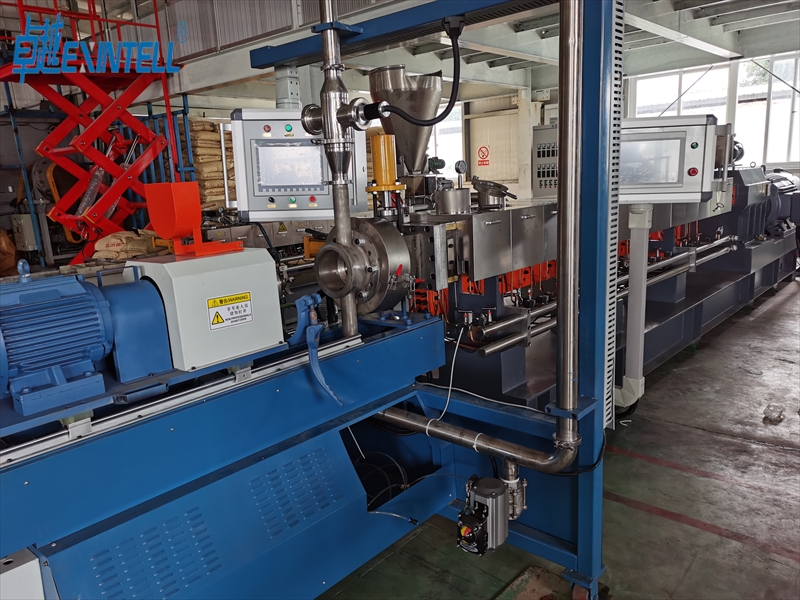
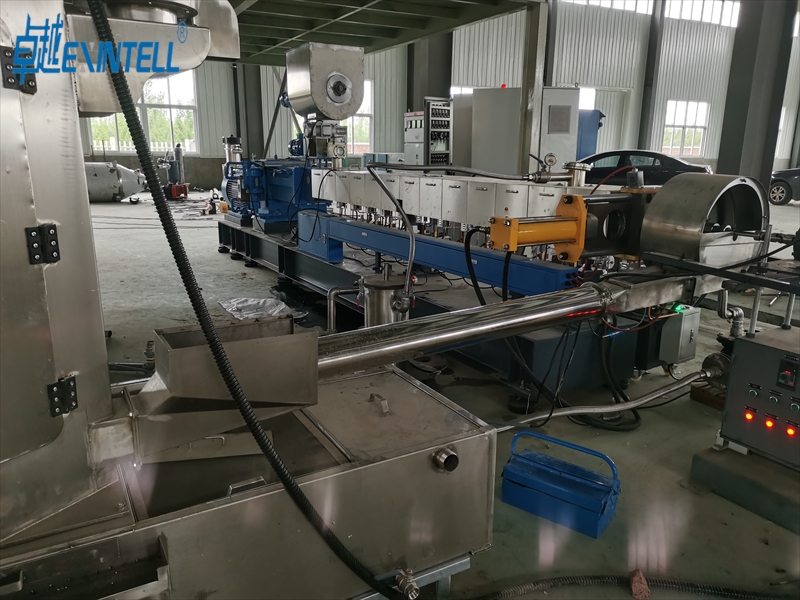
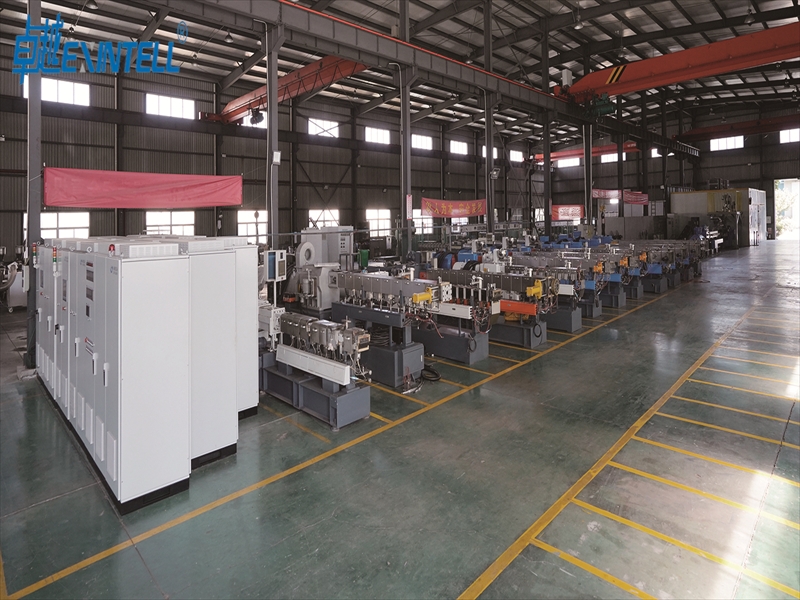
А пластмасов екструдер е машина, която променя суровата пластмаса в нови форми и продукти. Работи като голяма машина за паста, но използва пластмасови пелети вместо тесто. Машината нагрява пластмасата, докато се разтопи. След това избутва разтопената пластмаса през оформен отвор. Това прави нещата, които използвате всеки ден, като пластмасови тръби, сламки, и части за играчки. Виждате и пластмаса в бутилки, опаковка, и мебели. Съвременните пластмасови екструдери използват умна технология, като компютри и сензори. Това помага да се правят продукти с правилна форма и по-малко отпадъци. Виждате какво правят пластмасовите екструдери навсякъде около вас. Много индустрии ги използват, за да направят много пластмасови изделия бързо и лесно.
Ключови изводи
Пластмасов екструдер променя пластмасовите пелети в нови форми. Той разтопява пелетите и образува неща като тръби и листове.
Процесът на екструдиране работи бързо и добре. Фабриките могат да направят много продукти, които изглеждат еднакво за кратко време.
има различни екструдери, като единичен винт и двоен винт. Всеки тип има своя собствена работа и специални предимства за правене на неща.
Пластмасова екструзия се използва в много области, като строителство, автомобили, и здравеопазването. Помага да се правят предмети, които използваме всеки ден, като тръби и опаковки.
А пластмасов екструдер е машина, която променя суровата пластмаса в нови форми. Започвате с малки пластмасови пелети. Тези пелети отиват в бункер в горната част. Пелетите падат надолу в дълъг варел. Вътре, винт се завърта и избутва пелетите напред. Нагревателите около цевта разтопяват пластмасата. Разтопената пластмаса става мека и лепкава. Меката пластмаса се придвижва към матрица. Матрицата оформя пластмасата в нещо ново, като тръба или лист. Оформената пластмаса излиза от машината. Охлажда и отново става твърд. Сега запазва новата си форма.
Представете си пластмасов екструдер като голяма преса за тесто. Прокарвате тестото за игра през калъп, за да направите форми. Пластмасов екструдер прави това с разтопена пластмаса и повече мощност.
Цел
Пластмасов екструдер помага да се направи много неща, които използвате всеки ден. Тази машина прави дълги форми от пластмаса. Можете да направите тръби, тръби, листове, и малки части от играчки. Машината работи бързо и прави същата форма отново и отново. Това помага на фабриките да произвеждат много артикули бързо.
Прозоречни профили, Каси за врати, Отстраняване на времето, Сайдинг, Тръбопровод, Декинг
Автомобилна
Подстригване, Уплътнения, Уплътнения, Тръби, Изолация на проводници, Подсилване на бронята
Здравеопазване
Тръби, Катетри, IV линии, Компоненти на хирургически инструменти, Уплътнения на устройството
Потребителски стоки
Домакински уреди, Спортни стоки, Компоненти за мебели, Играчки, Кухненска посуда
Обработка на материали
Контейнери, Чанти, Кошчета
Можете да намерите пластмасови екструдери на места, които правят строителни части, автомобилни части, и медицински инструменти. например, строителството ги използва за винил сайдинг и PVC тръби. Автомобилите ги използват за чистачки и телени капаци. Болниците ги използват за производство на тръби за пациенти. Пластмасовите екструдери помагат на много индустрии да направят безопасни, силен, и полезни пластмасови неща.
Как работи екструдерът
Процес стъпка по стъпка
Може би се чудите как работи екструдерът, за да превърне суровата пластмаса в полезни продукти. Процесът започва с подготовка на суровината. Вие избирате и приготвяте пластмасови пелети или гранули. Тези материали отиват в бункера, който ги подава в машината.
Следваща, екструдерът загрява пластмасата. Винтът вътре в цевта придвижва пелетите напред. Нагревателите разтопяват пластмасата, докато стане мека и лепкава. Виждате как пластмасата се променя от твърдо в течно, докато преминава през цевта.
След разтопяване, машината избутва пластмасата през матрица. Матрицата оформя пластмасата в специфична форма, като тръба или лист. Можете да създадете много форми, като промените матрицата.
След като пластмасата напусне матрицата, трябва да се охлади. Охлаждането превръща меката пластмаса обратно в твърда. Продуктът запазва новата си форма след охлаждане.
Накрая, завършвате продукта. Може да отрежете, бормашина, или отрежете пластмасата, за да отговаря на вашите нужди. Готовият артикул е готов за употреба или опаковка.
Ето прост списък от стъпки:
Подготовка на суровината: Вие избирате и приготвяте пластмасови пелети или гранули.
Топене: Подавате пластмасата в нагрятия екструдер, където се топи.
Оформяне: Натискате разтопената пластмаса през матрица, за да създадете желаната форма.
Охлаждане: Охлаждате оформената пластмаса, така че да стане твърда.
Довършителни работи: Модифицирате пластмасовия продукт, като рязане или пробиване.
Съвет: Можете да промените формата на пластмасата, като смените матрицата. Това ви позволява да правите много различни продукти с една и съща машина.
Ключови етапи
Може да попитате как работи един екструдер, за да произвежда толкова много артикули бързо. Отговорът се крие в непрекъснатия характер на процеса на екструдиране. Машината работи без спиране, така че можете да правите големи обеми пластмасови продукти. Не е необходимо да правите паузи между партидите. Това спестява време и пари.
Фабриките използват пластмасови екструдери, защото предлагат висока ефективност. Получавате постоянно качество във всеки продукт. Автоматизираните контроли ви помагат да запазите дебелината, сила, и повърхността е еднаква за всяка партида.
Ето таблица, която показва основните предимства на непрекъснатото екструдиране:
Процесът на екструдиране протича без спиране, така че произвеждате големи обеми пластмасови продукти.
Ефективност и намаляване на разходите
Вие намалявате производствените разходи и доставяте продуктите по-бързо, което повишава производителността.
Постоянно качество
Автоматизираните контроли поддържат дебелината, сила, и равномерно покритие на повърхността в партидите.
Виждате екструдиране на пластмаса в действие всеки ден. Процесът ви помага да получите тръби, листове, и опаковане бързо и надеждно. Можете да се доверите, че продуктите ще имат същото качество всеки път.
Части за екструдер
Пластмасовият екструдер има няколко важни части. Всяка част играе специална роля в превръщането на суровата пластмаса в готови продукти. Можете да видите как тези части работят заедно, за да направят процеса на екструдиране плавен и ефективен.
Входна точка за суровини, контролира скоростта на хранене, може да включва функции за сушене.
варел & Нагревател
Помещава винта, загрява пластмасата до точка на топене за равномерно топене.
Винт
Завърта се за пренасяне, компресирам, и разтопете пластмаса; дизайнът влияе върху ефективността и качеството.
Умри
Определя формата на екструдирания продукт, проектирани за точни размери.
Охладителна система
Охлажда пластмасата, за да я втвърди в крайна форма, като използва различни методи.
Теглич & Фреза
Поддържа постоянна скорост и напрежение, подрязва екструдирана пластмаса до необходимите дължини.
Хопър
Започвате с бункера. Тази част се намира в горната част на екструдера. Изсипвате пластмасови пелети или гранули в бункера. Бункерът контролира колко пластмаса влиза в машината. Някои бункери също изсушават пластмасата, преди да се придвижи напред. Сушенето помага за предотвратяване на мехурчета или слаби места в крайния продукт.
варел & Винт
Вътре в екструдера, намирате цевта и винта. Цевта е дълга, куха тръба. Винтът седи вътре в цевта и се върти, когато двигателят работи. Докато винтът се върти, тя избутва пластмасата напред. Цевта има нагреватели, увити около нея. Тези нагреватели разтопяват пластмасата, докато се движи по протежение на винта. Дизайнът на винта може да промени колко бързо и равномерно се топи пластмасата.
Съвет: Добре проектираният винт ви помага да станете гладки, висококачествени пластмасови изделия.
Нагревател
Нагревателят е ключова част от екструдера. Той обгръща цевта и повишава температурата. Нагревателят разтопява пластмасата, така че тя става мека и лесна за оформяне. Можете да контролирате нагревателя, за да поддържате точната температура. Ако пластмасата стане твърде гореща или твърде студена, продуктът може да не излезе добре.
Умри
Матрицата се намира в края на екструдера. Той оформя разтопената пластмаса, докато напуска машината. Можете да промените матрицата, за да направите различни форми, като тръби, листове, или пръти. The дизайн на матрицата влияе върху потока на пластмасата и качеството на крайния продукт. Гладка, добре изработената матрица ви помага да получавате точни и последователни форми всеки път.
Забележка: Ъглите на матрицата и повърхностното покритие могат да променят начина, по който пластмасата тече и охлажда.
Мотор & Контроли
Моторът задвижва винта и поддържа движението на пластмасата. Контролите ви позволяват да регулирате скоростта, температура, и налягане вътре в екструдера. Съвременните екструдери използват сензори и компютри, за да ви помогнат да направите продукти с правилния размер и форма. Можете да наблюдавате процеса и да правите промени, ако е необходимо.
Можете да видите, че всяка част от екструдера има работа. Когато разберете тези части, можете да правите по-добри пластмасови продукти и да решавате проблемите по-бързо.
Видове екструдери
има различни видове екструдери използвани при производството на пластмаса. Всеки вид работи най-добре за определени задачи. При избор на екструдер, трябва да помислите какво искате да направите, колко ви трябва, и колко труден е процесът.
Едношнеков екструдер
А едношнеков екструдер има един винт, който се върти вътре в цев. Движи се и разтапя пластмаса. Фабриките използват този тип за прости пластмасови изделия. Дизайнът е лесен за използване и фиксиране. Работи най-добре с един вид пластмаса наведнъж.
Едношнековите екструдери правят тръби, листове, и основни форми.
Тези машини са добри за правене на много прости предмети.
Плащате по-малко за ремонт, защото дизайнът е прост.
Не е подходящ за смесване, добър за същите материали
Смесва се добре, добър за комбиниране на неща
Гъвкавост на обработката
Остава същото, не е много гъвкав
Може да се сменя за различни работни места
Контрол на температурата
Отоплението е неравномерно, може да причини проблеми
По-добро отопление, остава дори
Пропускателна способност & Ефективност
Прави повече прости елементи по-бързо
Работи по-добре за тежки работни места
Разходи за поддръжка
Поправката струва по-малко
Поправката струва повече, защото е сложна
Едношнековите екструдери струват по-малко за работа и са добри за лесни пластмасови работи.
Двушнеков екструдер
Двушнековият екструдер има два винта, които се въртят заедно в цевта. Това помага за по-доброто смесване на пластмасата. Можете да добавите цветове, пълнители, или смесете стара и нова пластмаса. Двушнекови екструдери ви позволяват да контролирате повече процеса. Получавате равномерно отопление и по-добро качество.
Двушнековите екструдери правят пластмасови смеси, специални материали, и неща, които се нуждаят от силно смесване.
Тези машини се справят с трудни рецепти и могат да използват различни пластмаси наведнъж.
Получавате повече резултати и гъвкавост, но ремонтите струват повече.
Двушнековите екструдери работят по-бързо и са по-добри, когато трябва да смесите различни пластмаси.
Екструдер за раздуто фолио
Екструдерът за издухано фолио е специална машина за производство на тънки пластмасови фолиа. Първо, разтопявате пластмаса и я прокарвате през кръгла матрица. След това издухвате въздух в средата, за да направите балон. Докато балонът се издига, охлаждате и сплесквате да стане широк блат.
Голяма компания за опаковане използва екструзия с раздуто фолио, за да направи гъвкави опаковки за храна. Те направиха филми със слоеве, за да запазят храната свежа по-дълго. Този метод ви дава силни, гъвкав, и по-евтини пластмасови фолиа.
Съвет: Екструдерите с издухано фолио ви помагат да губите по-малко пластмаса и да правите нещата по-бързо.
Когато погледнете тези екструдери, виждате, че всеки е добър за различна работа. Едношнековите екструдери са лесни и спестяват пари. Двушнековите екструдери ви дават повече контрол и смесват по-добре. Екструдерите за издухано фолио изтъняват, огъващи се пластмасови филми за много приложения.
Пластмасови екструдирани материали & Приложения
Обикновени пластмаси
Има много пластмаси, използвани в пластмасовата екструзия. Всяка пластмаса има специални функции за различни задачи. Когато изберете пластмаса, вие проверявате колко е здрав и огъващ се. Виждате също колко добре се справя с топлината. Ето таблица, която изброява някои обикновени пластмаси за екструдиране на пластмаса:
Пластмасов тип
Свойства
Приложения
Поливинилхлорид (PVC)
Поддържа както твърди, така и гъвкави профили
Използва се в строителството за тръбопроводи и тръби
Гъвкав винил (FPVC)
Рентабилно, модифицирани с пластификатори
Намира се в опаковки на храни и напитки
Полипропилен (ПП)
Съчетава гъвкавост с високо електрическо съпротивление и топлинна стабилност
Използва се в електрически тръби и компоненти на промишлени машини
Вие избирате пластмасата въз основа на това, което искате да направите. PVC е добър за тръби и тръби. FPVC работи добре за опаковане. PP е здрав и не се топи лесно, така че го използвате в машини и кабели.
Типични продукти
Пластмасовото екструдиране ви помага да направите много неща, които използвате всеки ден. Виждате пластмасови тръби в къщата си за вода. Пластмасовите листове се използват за опаковане и опаковане на нещата. Пластмасовите тръби се използват в болници и медицински инструменти. Екструзията на пластмаса прави рамки за прозорци и изолация за сгради. Изработва и капаци за кабели за строителството. В автомобили, получавате табла за управление, уплътнения, и телени капаци. Екструзията на пластмаса също прави изолация за проводници в електрониката.
Ето някои често срещани неща, направени чрез екструдиране на пластмаса:
Тръби и тръби за вода и земеделие
Листове и фолиа за опаковане и опаковане
Дограми и дограми за къщи
Уплътнения и гарнитури за автомобили
Изолация и капаци на проводници за електроника
Употреби в индустрията
Пластмасовото екструдиране е важно в много индустрии. Виждате го в сградата, автомобили, и електроника. В строителството, чрез екструдиране на пластмаса се правят здрави части като кабелни капаци и облицовки. Вие използвате пластмасова екструзия, за да направите PVC тръби, които не ръждясват и не се чупят лесно. В автомобили, plastic extrusion makes light parts that help save gas. Получавате уплътнения и ленти, които предпазват водата и праха. Plastic extrusion also makes dashboards and parts that last a long time. В електрониката, екструзията на пластмаса прави изолация и капаци на проводници, които са безопасни. Разчитате на екструдиране на пластмаса за равномерна дебелина и добра защита.
Строителство: Силни неща като PVC тръби, дограма, и отстраняване на времето
Автомобилна: Гумени части, уплътнения, табла за управление, и телени капаци
електроника: Изолация, защитни калъфи, и телени капаци
Забележка: Пластмасовото екструдиране ви помага да получите продукти, които са здрави, безопасно, и издържат дълго време. Виждате екструзия на пластмаса навсякъде, като в домовете, автомобили, и електронни устройства.
Предимства на екструдирането & Ограничения
Ползи
Екструдирането ви дава много добри неща в производството. Можете да направите много форми и размери с този процес. Лесно е да смените продуктите, за да отговарят на това, от което се нуждаете. Екструдирането не струва много пари. Спестявате, защото изисква по-малко работа и по-евтини стъпки. Продуктите са леки, така че можете да ги местите лесно. Нещата, направени чрез екструдиране, са здрави и не се чупят или ръждясват бързо. You do not have to fix them a lot. Extrusion also saves energy. It uses less power than other ways. Factories can saveдо 20%on energy bills. This means they spend less money. Можете да използвате recycled plastic при екструдиране. This helps the planet and makes less waste.
Универсалност: Можете да направите тръби, листове, филми, и специални форми.
Рентабилно: You spend less on materials and workers.
Лек: You can carry and put in products without trouble.
Издръжлив: You get tough things that last a long time.
Енергийно ефективен: You save money and help nature.
Easy to fabricate: You can cut and shape things fast.
Extrusion helps factories work faster. Fillers melt plastic quicker and keep it smooth. Foamed plastics make things lighter but still strong. Direct extrusion skips extra steps and saves time and energy.
Many companies now useclosed-loop systems. These systems recycle scrap plastic back into the machine. This cuts down on waste. More people use biodegradable plastics and bio-based resins. Recycling and new materials help make a circular economy.
Предизвикателства
Extrusion has some problems you need to think about. Picking the right material is very important. You must choose plastics that keep the product good. You also need to make sure the process works well and does not cost too much. Some plastics melt at high heat, which makes things harder. If the plastic is too runny, it may be weak. Strong plastics last longer but can be hard to use in extrusion.
Собственост
Effect on Extrudability
Melt Temperature
High melting points can make extrusion harder
Viscosity
Low viscosity helps flow but can make things weak
Механична якост
Needed for strong products but can make extrusion tough
You must control the temperature carefully. The right heat melts the plastic just enough. Налягането също е важно за това как пластмасата се движи и изглежда. Скоростта на шнека променя равномерността и скоростта на процеса. Хората се тревожат за околната среда. Екструдирането използва енергия и създава отпадъци. Инженерите се опитват да рециклират повече, use green plastics, and save energy.
Хората се притесняват как екструзията засяга земята. Процесът използва много енергия и създава отпадъци и замърсяване. Инженерите работят върху по-добри начини за рециклиране, use green plastics, и пестете енергия с нови машини.
Трябва да наблюдавате тези проблеми, за да направите най-добрите продукти с екструдиране.
You now know how a plastic extruder works. Разтапя пластмаса и я оформя. След това охлажда пластмасата, за да прави нови неща. Виждате пластмасови тръби и филми на много места. Homes, магазини, и болниците използват тези продукти. Правилният екструдер помага да се правят по-добри продукти по-бързо. Можете да промените скоростта на винта и дизайна на цевта за добри резултати. Екструзията на пластмаса подпомага рециклирането и използва екологични материали. Ако искате да научите повече, можете да намерите ръководства и видеоклипове. Лесно се намират съвети за безопасност относно пластмасовата технология. Можете да търсите работни места в производството на пластмаси, защото повече хора се нуждаят от тези продукти.
Пластмасовото екструдиране прави много неща, които използвате всеки ден.
ЧЗВ
Каква е основната работа на пластмасовия екструдер?
Пластмасов екструдер разтопява пластмасови пелети и избутва разтопената пластмаса през оформена матрица. Получавате нови форми като тръби, листове, или филми. Тази машина ви помага бързо да направите много пластмасови продукти.
Можете ли да рециклирате пластмаса с екструдер?
да, можете да използвате recycled plastic в екструдер. Смилате стара пластмаса на малки парчета. След това подавате тези парчета в машината. Това ви помага да намалите отпадъците и да спестите пари.
How do you change the shape of the plastic product?
You swap out the die at the end of the extruder. Each die has a different shape. When you use a new die, you get a new product shape. You can make tubes, листове, or rods this way.
Is plastic extrusion safe for the environment?
Plastic extrusion can use recycled materials and energy-saving machines. You help the environment by recycling and choosing green plastics. You should always follow safety and recycling rules in your factory.